
What Nan Kempner’s American Chic Still Teaches Us About Wearing Diamonds
From her signature diamond choker to her beloved Verdura brooch, Nan Kempner exemplified an effortless approach to wearing important jewels.
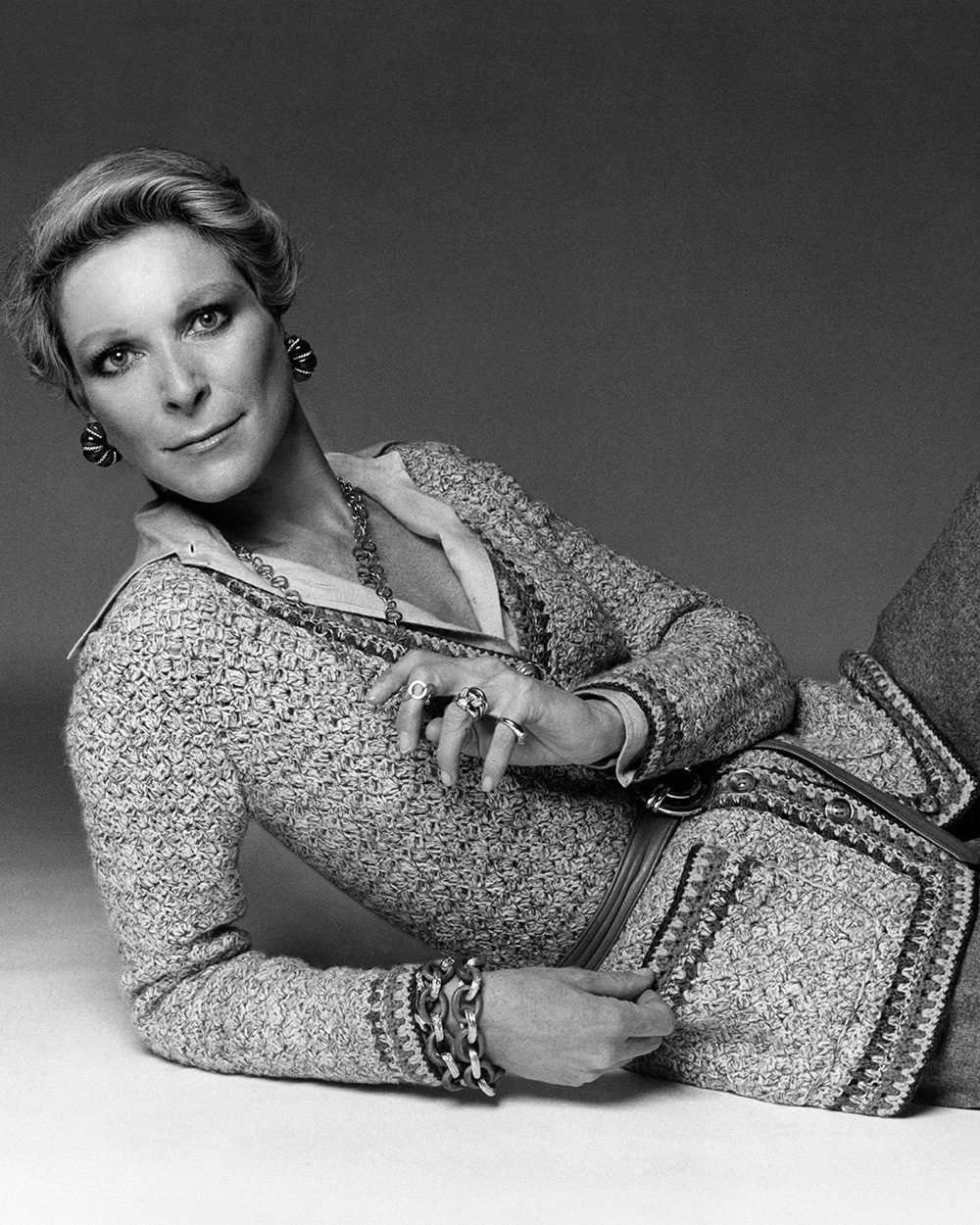
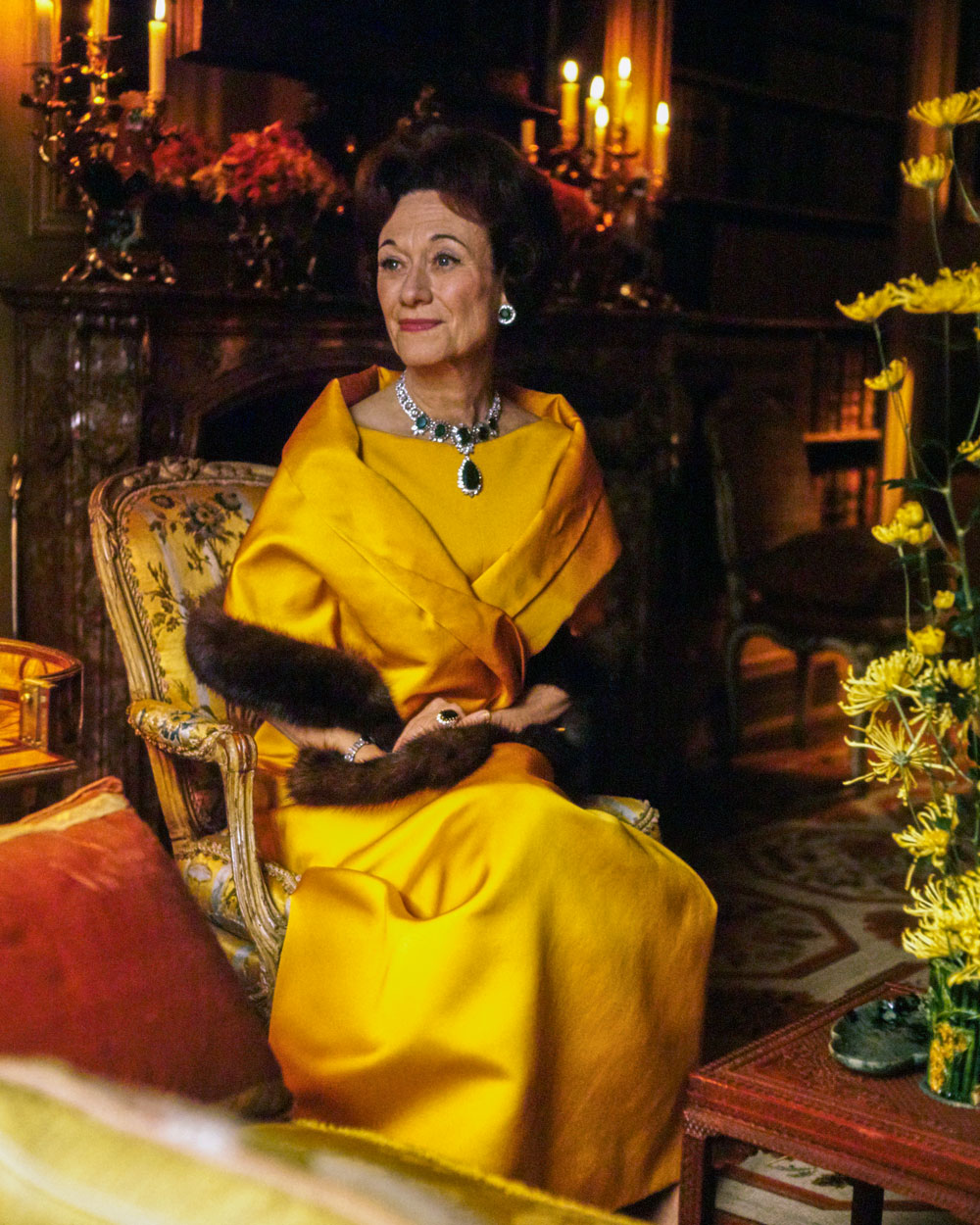
Nan Kempner in Vogue magazine, 1974. (Photo by Francesco Scavullo/Condé Nast via Getty Images)
Once dubbed “the world’s most famous clotheshorse” by Vanity Fair, Nan Kempner turned getting dressed into an art form. Introduced to couture by her mother at a young age, she developed an impeccable eye for fashion that would later take her from the pages of Harper’s Bazaar in the 1960s to consulting for Tiffany & Co. in the 1970s and reporting for French Vogue in the 1980s. She was also one of Yves Saint Laurent’s most devoted muses; 376 pieces from her extraordinary wardrobe were designed by Saint Laurent and later featured in the Metropolitan Museum of Art’s 2006 exhibition Nan Kempner: American Chic.
Though fashion was central to Nan Kempner’s identity, her approach to jewelry deserves just as much attention. Despite owning extraordinary diamonds, she was a master of restraint, using jewelry to enhance a look rather than dominate it. Her collection reflected the same discerning eye that shaped her couture wardrobe. She was particularly drawn to jewelers with unmistakable signatures, from Fulco di Verdura’s exuberant American glamour and David Webb’s fearless use of color and scale to the highly individual creations of JAR.
Meet the Experts

Jelena Kulic is a fashion, jewelry, and accessory designer who made her international debut at Paris Fashion Week in October 2025. Her work is inspired by Baroque and Renaissance art, as well as the romantic opulence of the 18th and 19th centuries.

Donnell Baldwin is a fashion director and creative consultant with nearly two decades of experience across luxury fashion, styling, and brand storytelling. He previously served as U.S. Online Styling Editor and Style Director at MR PORTER, where he led the menswear styling team, and held senior styling roles at Ralph Lauren across both e-commerce and wholesale.
Donnell Baldwin—Style & Fashion Director, creative consultant, author, and a close collaborator of Kempner’s granddaughter, Meggie Kempner—told Only Natural Diamonds, “Kempner’s approach felt opulent but subtle. Aside from her often-worn diamond choker, there was a bit of restraint in the way she wore her jewels—very reminiscent of an effortlessly chic French style of dress.”
Who Was Nan Kempner?
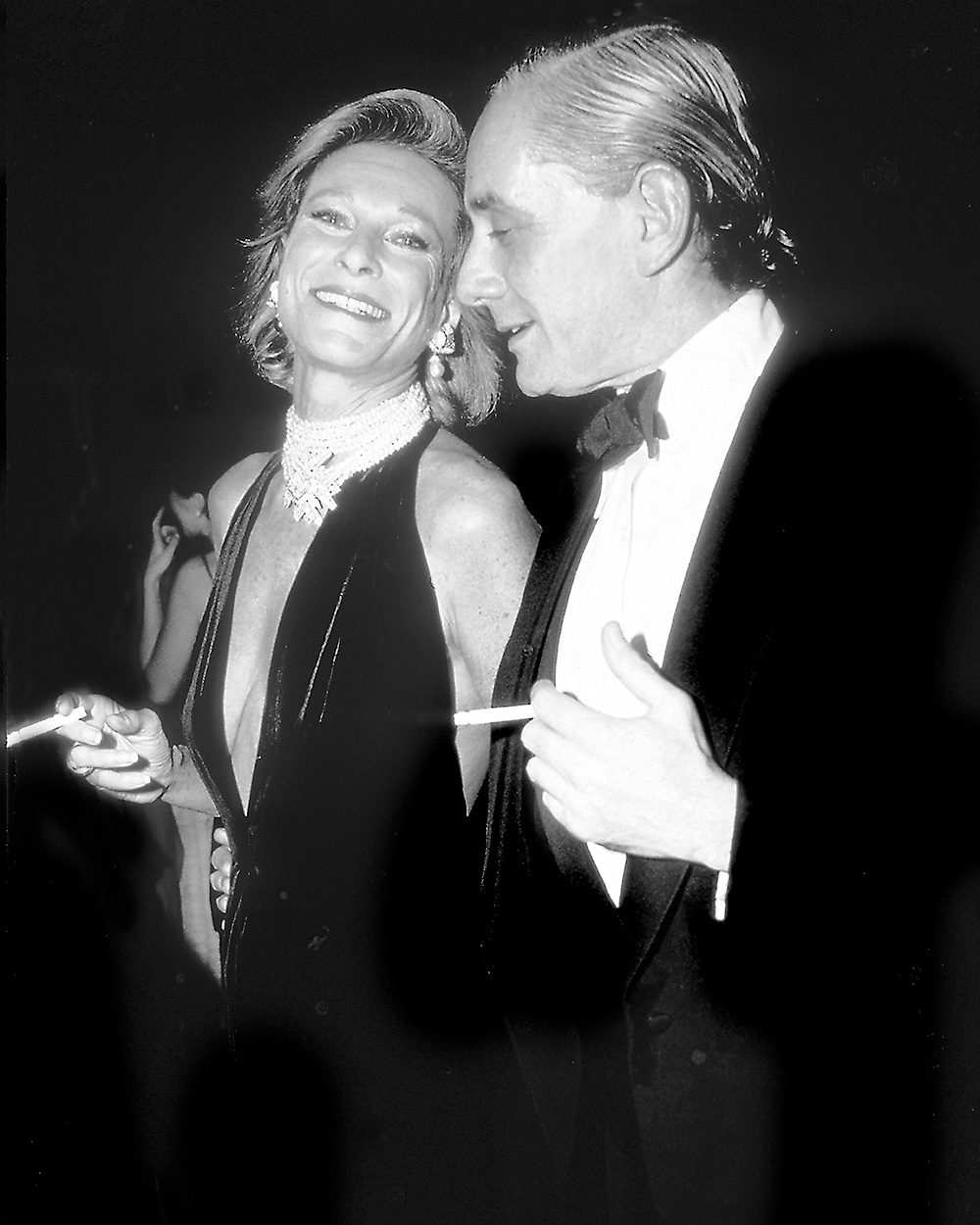
Born Nan Field Schlesinger in San Francisco in 1930, she married banker Thomas Kempner in 1952, and together they had three children. She lived on Park Avenue—famously converting her children’s former bedrooms into closets to accommodate her extensive wardrobe—and spent weekends at her home in Purchase, New York. By the 1970s, she was part of a jet-setting social circle known as “the Cat Pack,” a glamorous group of fashion-show regulars.
Writer Tom Wolfe’s famous “social X-ray” archetype was said to have been inspired in part by Kempner’s famously slender physique. Described as “just a lot of fun” by gossip columnist Liz Smith, she was also known as a philanthropist and the owner of one of America’s most important couture archives.
Her incredible eye extended beyond fashion to fine jewelry. Though she owned extraordinary diamonds, Kempner wore them with a sense of ease that made even the grandest pieces feel personal rather than performative.
Designer Jelena Kulic believes that was what set her apart from many society women of her era. “At a time when high jewelry was often associated with overt displays of wealth and formality, she treated diamonds almost as an extension of her personality rather than as a status symbol,” she says.
Kempner understood the importance of balance. Rather than competing with her clothing, her jewelry complemented it. A diamond necklace or cuff might become the focal point of a minimalist look, while more embellished outfits call for greater restraint. As Kulic notes, “The balance came from confidence and editing. She seemed to instinctively understand when to stop.”
Nan Kempner’s Approach to Jewelry Was Personal, Not Performative
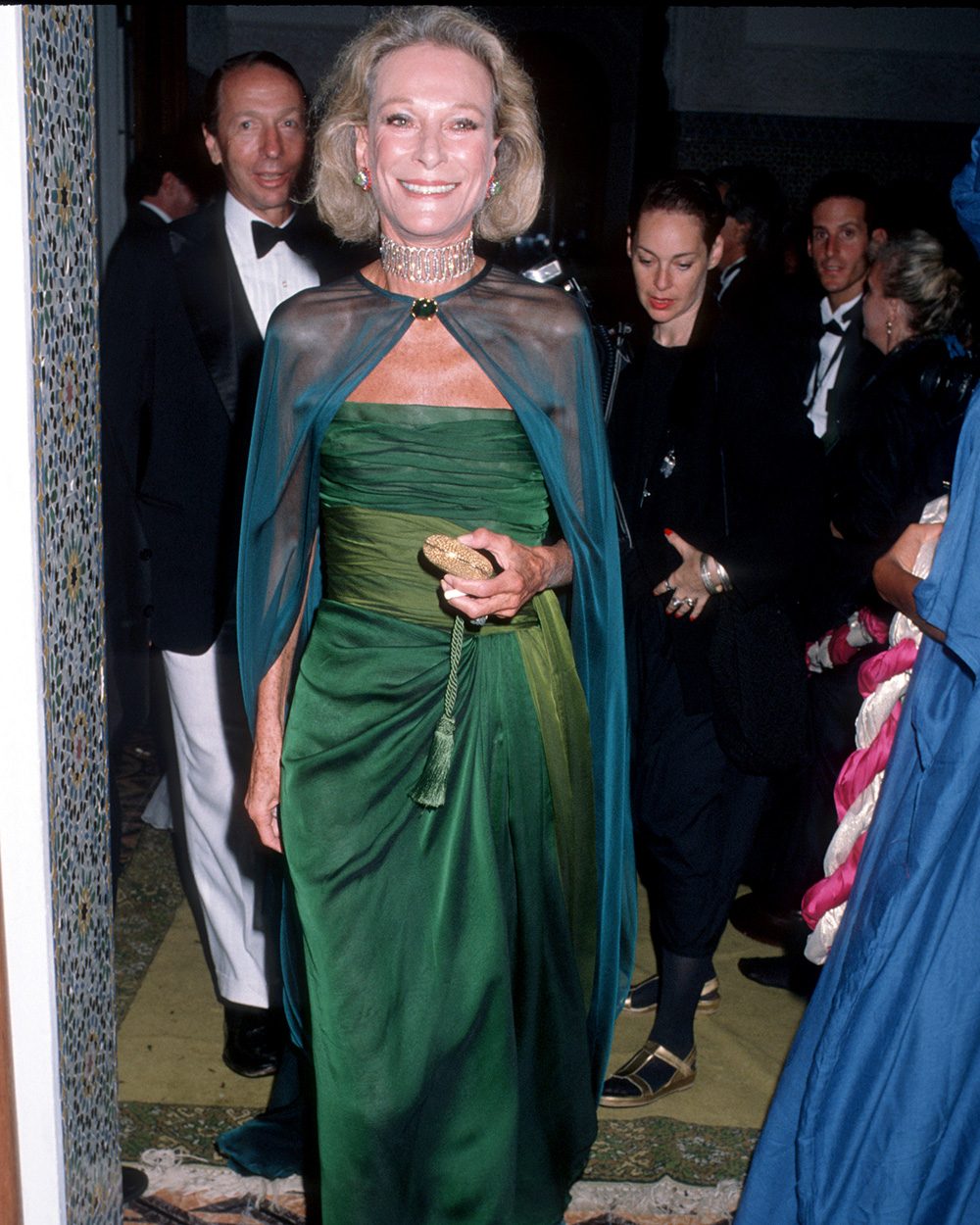
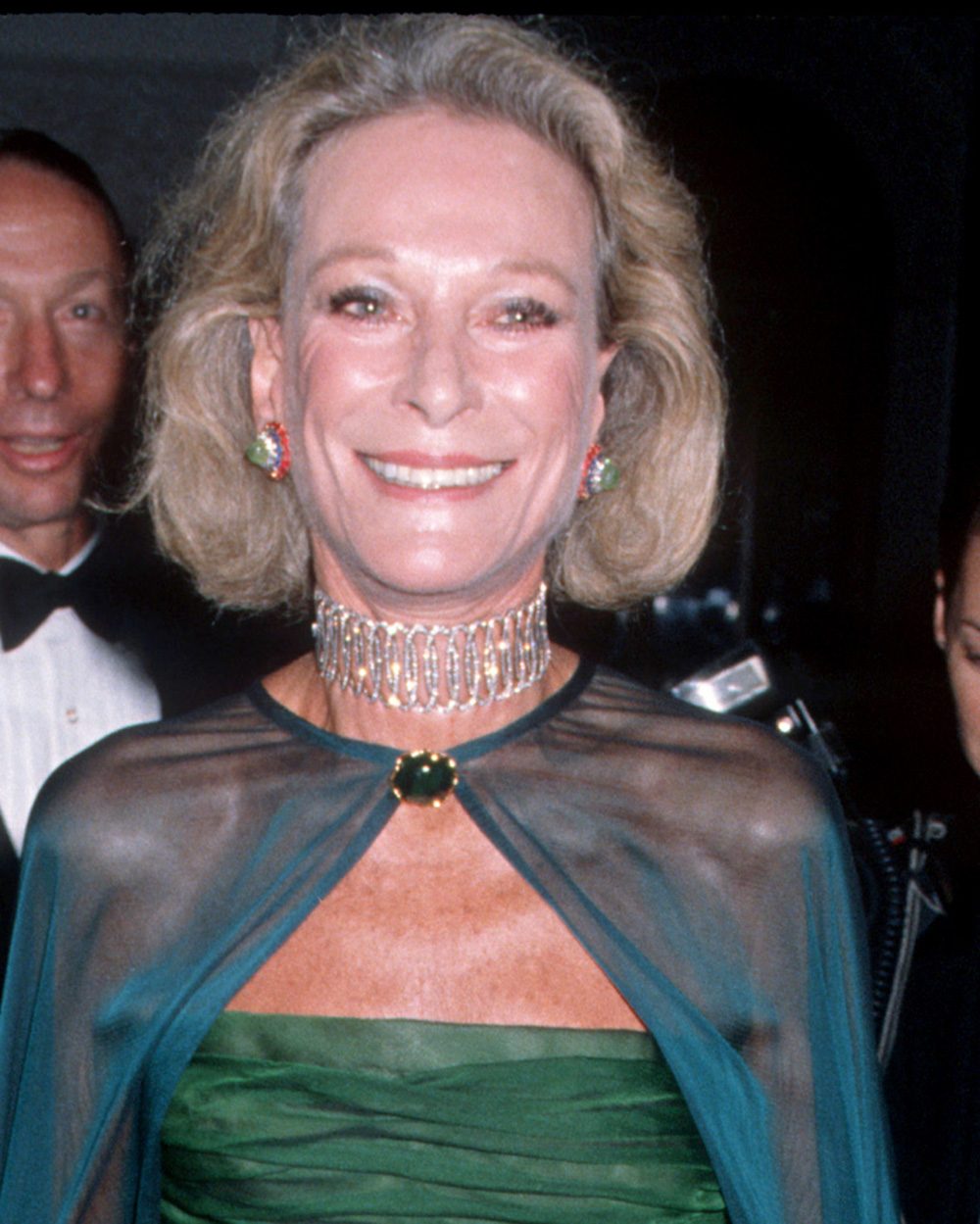
Kempner had a knack for making even the most exceptional diamonds feel effortless. In many ways, she was ahead of her time, treating diamonds as part of her everyday wardrobe rather than reserving them for special occasions. Her jewelry never overwhelmed a look but worked in harmony with the clothes she wore.
“In studying Kempner’s style formula, it appears to me that she struck a delicate balance – meaning, if she wore items that were more avant-garde and grandiose in scale, the jewelry was ‘smaller’ – driving attention to the look. If the look was a bit quieter and simpler, the jewelry (often that beautiful diamond choker) took more of a front seat to add the balance needed to complete the overall look,” Baldwin says. “It’s a styling trick that all of us stylists use to create synergy from head to toe.”
Kempner was not afraid to repeat her favorite pieces, transforming them from special-occasion jewels into signatures of her personal style. Baldwin notes that photographs show her returning to the same necklaces and earrings again and again. “When your jewelry is worn multiple times and over the course of several years, it somehow becomes a staple in your wardrobe,” he says. “Diamonds were her signature.”
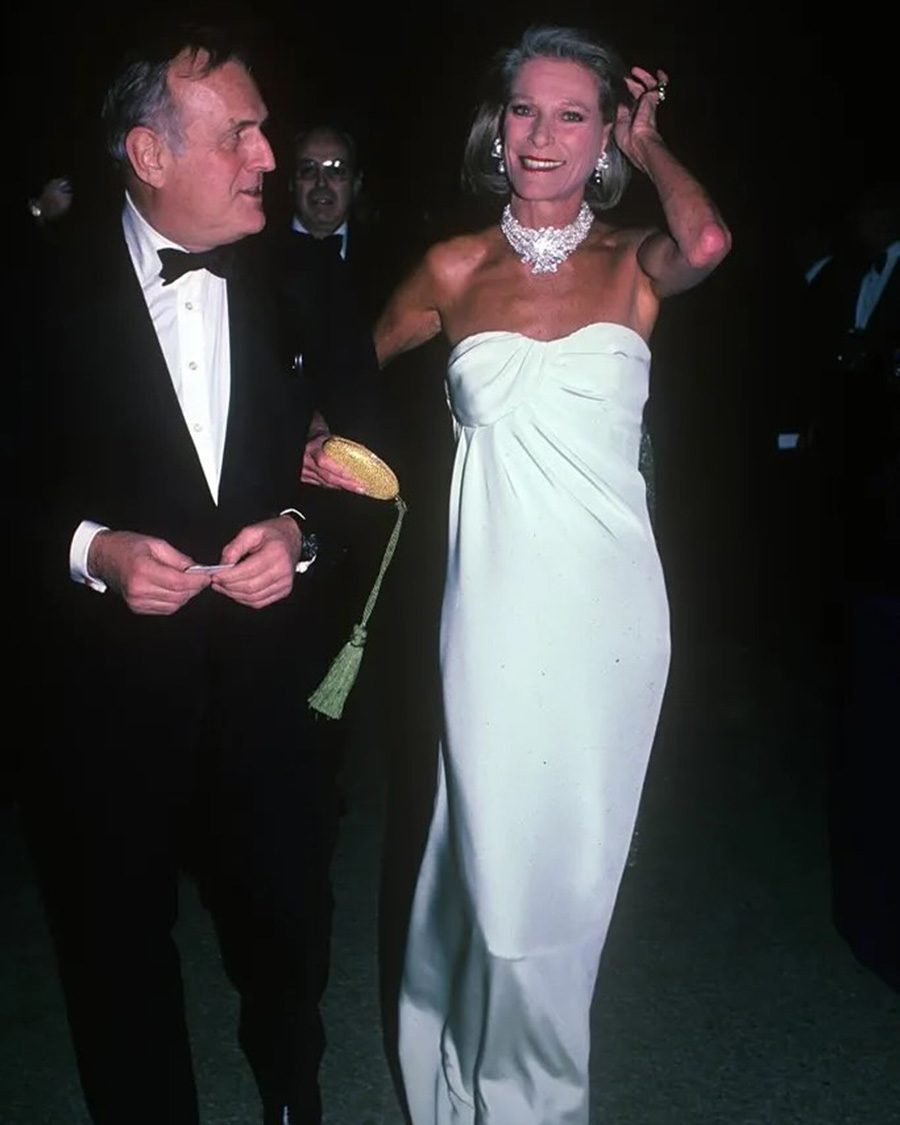
That philosophy wasn’t limited to diamonds. Designer Georgina Brandolini once recalled seeing Kempner at lunch in Gstaad wearing gray flannel trousers, a white blouse, flat shoes, and a substantial pearl necklace—a look that perfectly captured her ability to make exceptional jewelry feel effortless. She was also devoted to the work of Fulco di Verdura, once joking that she would happily go into debt for the designer’s jewelry.
Nan Kempner’s Formula for Effortless Chic
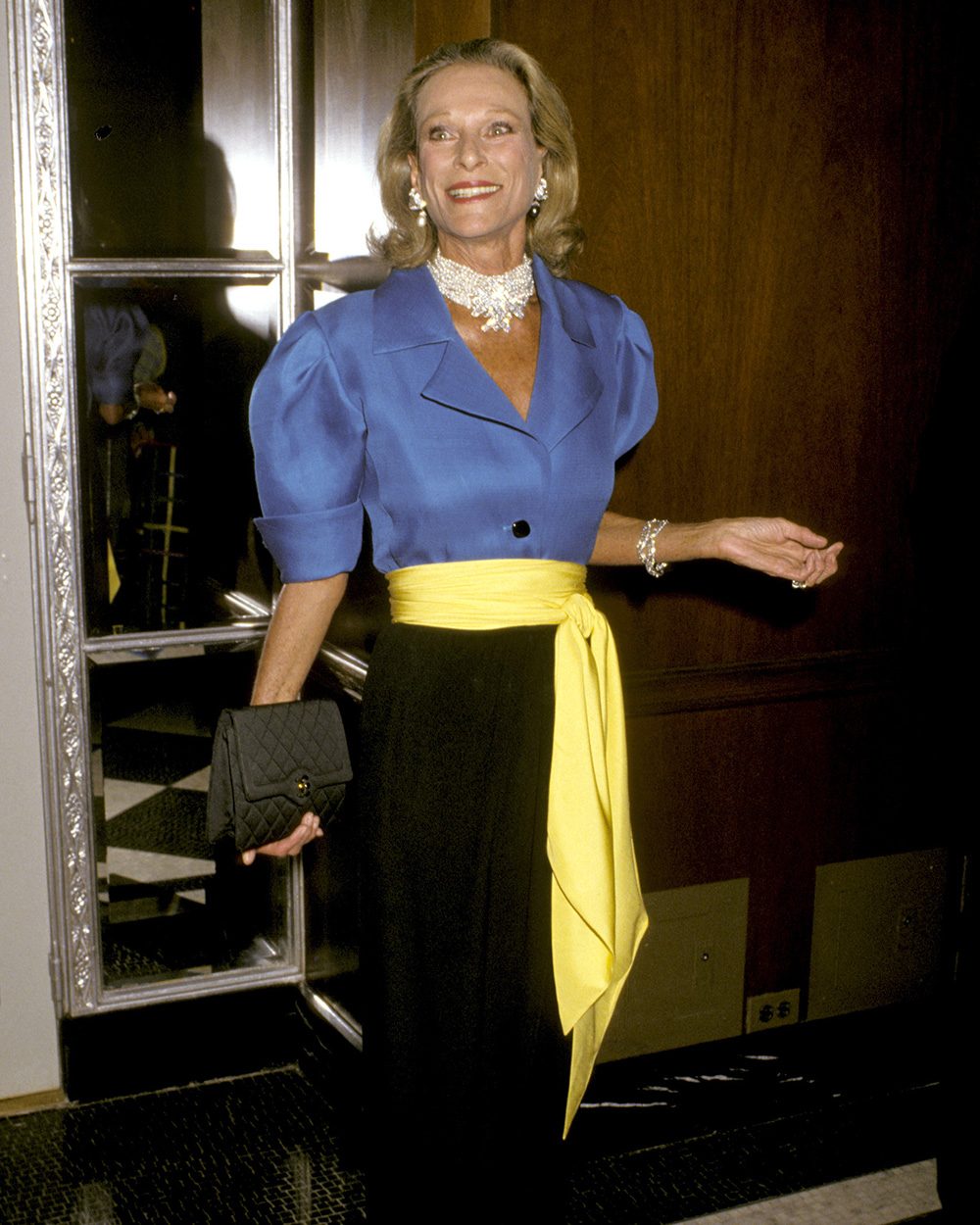
But “artificially relaxed” was the phrase Nan Kempner’s granddaughter, Meggie Kempner, used to describe her grandmother’s signature style. In a 2014 interview with Glamour, she explained that no matter how much effort went into getting dressed, the goal was to appear completely at ease. She recalled a family story that perfectly captured the philosophy: After breaking her pelvis on vacation in the Dominican Republic, Kempner still greeted a visiting Oscar de la Renta in an elegant pajama set and loads of fine jewelry. The lesson, Meggie explained, was to always project an air of effortless confidence.
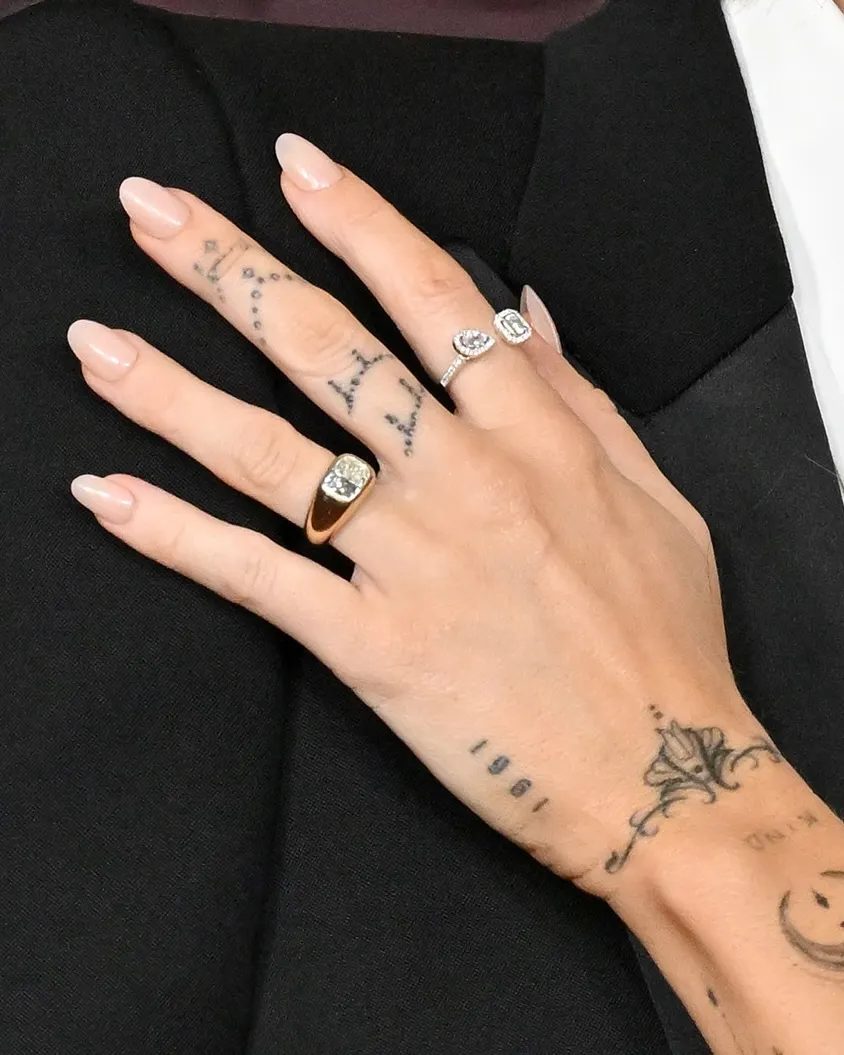
That sense of studied ease extended to Kempner’s love of menswear. According to Baldwin, she frequently borrowed elements from her husband’s wardrobe, including cufflinks, which she incorporated into custom-made shirts. More importantly, she understood the power of what he calls “tension,” or pairing pieces that shouldn’t quite work together but somehow do. Whether it was a man’s blazer over an elegant dress or a crisp white shirt paired with exceptional diamonds, Kempner used contrast to create looks that felt playful, modern, and entirely her own.
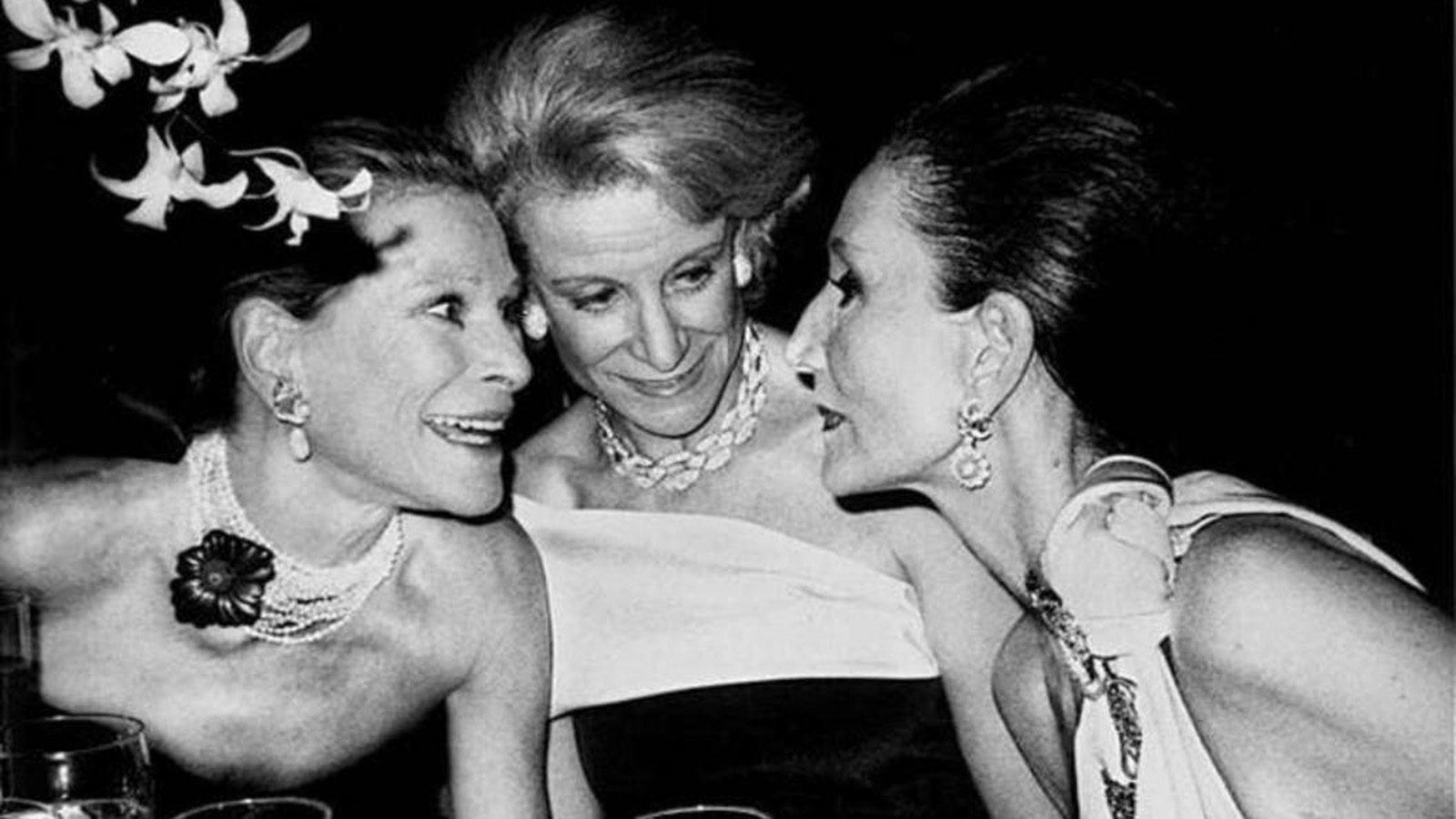
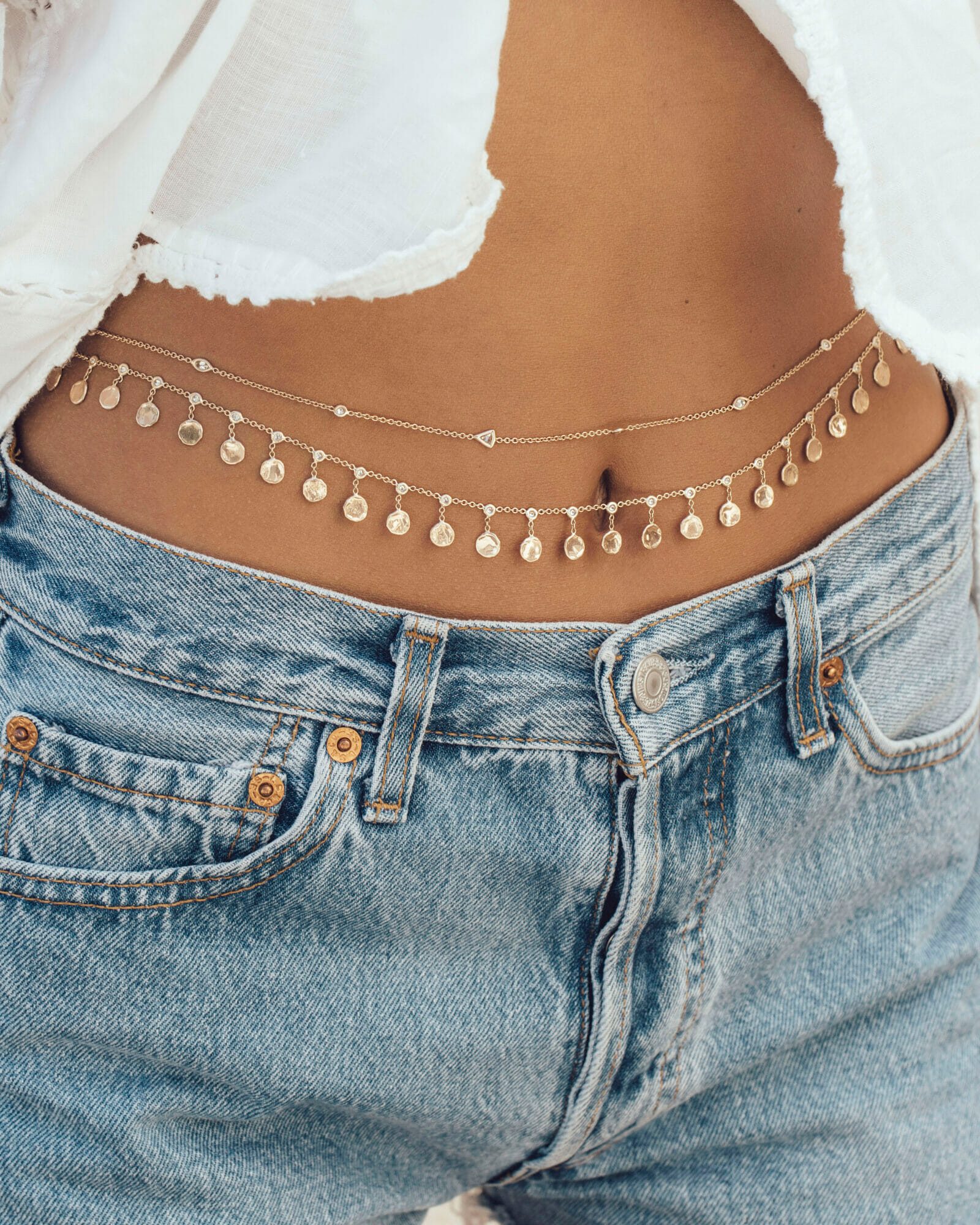
Long before women were styling fine jewelry with denim and everyday basics, Kempner was championing the same idea. Friends credited her with teaching women not to wear fashion straight off the runway but to personalize it—a philosophy she applied to her diamonds.
This approach is one reason Kempner’s style remains so relevant today. By pairing significant jewelry with crisp shirting, tuxedo-inspired tailoring, and understated eveningwear, she made high jewelry feel approachable rather than intimidating. “She played with masculine and feminine tension in a way that still feels contemporary,” Kulic says. The contrast worked both ways: diamonds softened the severity of tailoring, while menswear prevented the jewelry from feeling overly precious.
Another part of what makes Kempner’s style feel so relevant today is her understanding of contrast. Rather than treating jewelry as separate from fashion, she integrated it seamlessly into her wardrobe. “What made her styling feel modern was her understanding of contrast and skin. Jewelry on Kempner never looked trapped within an outfit. She often left space around the neck, wrists, or décolletage so pieces could breathe naturally against the body. There was an intimacy to the styling. The effect felt seductive without trying too hard,” Kulic says.
Why Nan Kempner’s Jewelry Style Still Feels Modern
Long before personal style became fashion’s ultimate luxury, Nan Kempner understood that jewelry was most powerful when it felt lived in.
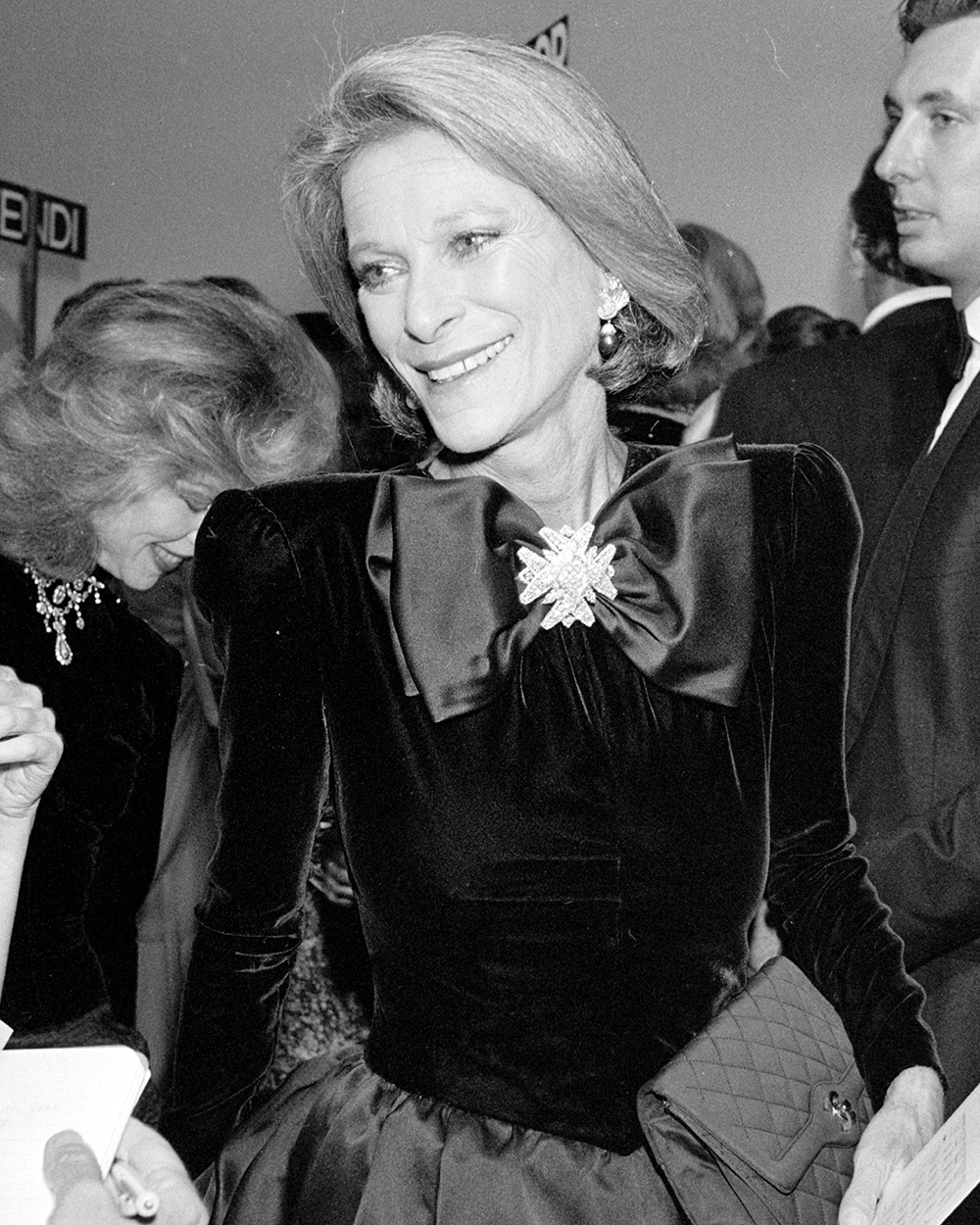
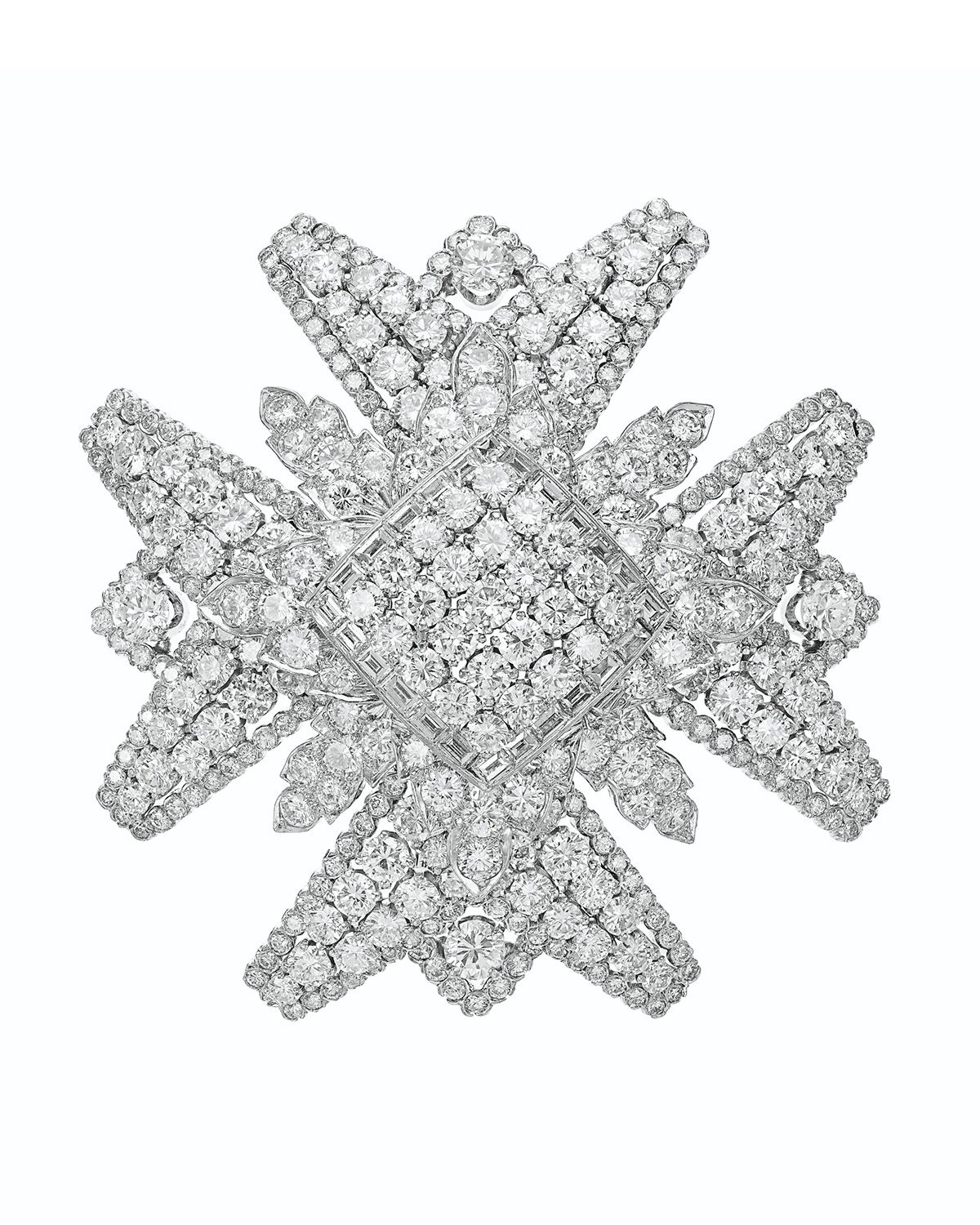
A perfect example was her beloved Diamond Maltese Cross brooch by David Webb. Instead of simply pinning it to a lapel, she transformed it into a necklace, fastened it to dresses, cinched it at the waist on belts, and incorporated it into outfits in unexpected ways. Decades before today’s celebrities embraced the brooch revival, Kempner treated the jewel as a versatile styling tool, proving that great diamonds are not confined by tradition but elevated by imagination.
For Baldwin, Kempner’s style has little to do with today’s interpretation of quiet luxury. Instead, he sees it as a reminder of a time when getting dressed was an act of self-expression. Designers like Yves Saint Laurent, Valentino, Chanel, and Oscar de la Renta created bold, sophisticated clothes, and muses like Kempner brought them to life with individuality and confidence. Rather than fading into the background, her clothes and jewelry worked together to tell a story.
What Jewelry Lovers Can Learn From Nan Kempner
Kulic believes Kempner’s influence helped redefine American glamour, making it feel less rigid and more personal. As Kulic explains, “In many ways, she was ahead of her time in treating jewelry as part of an overall mood and identity rather than a separate category of luxury.”
That idea feels remarkably current today, as collectors increasingly view jewelry as a form of self-expression rather than a symbol of status. Decades before personal storytelling became a fashion buzzword, Kempner instinctively understood that diamonds are most memorable when they reflect the person wearing them.
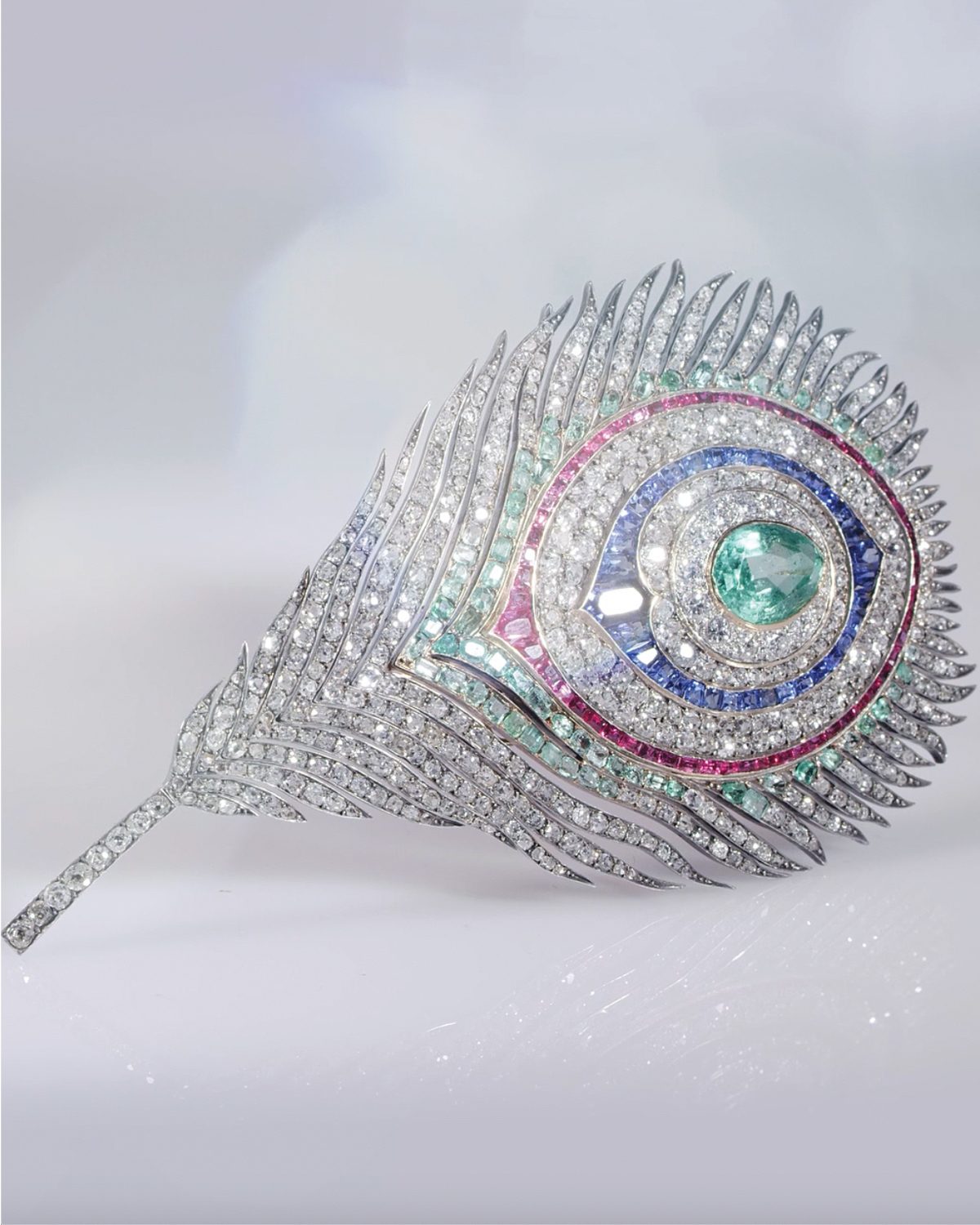
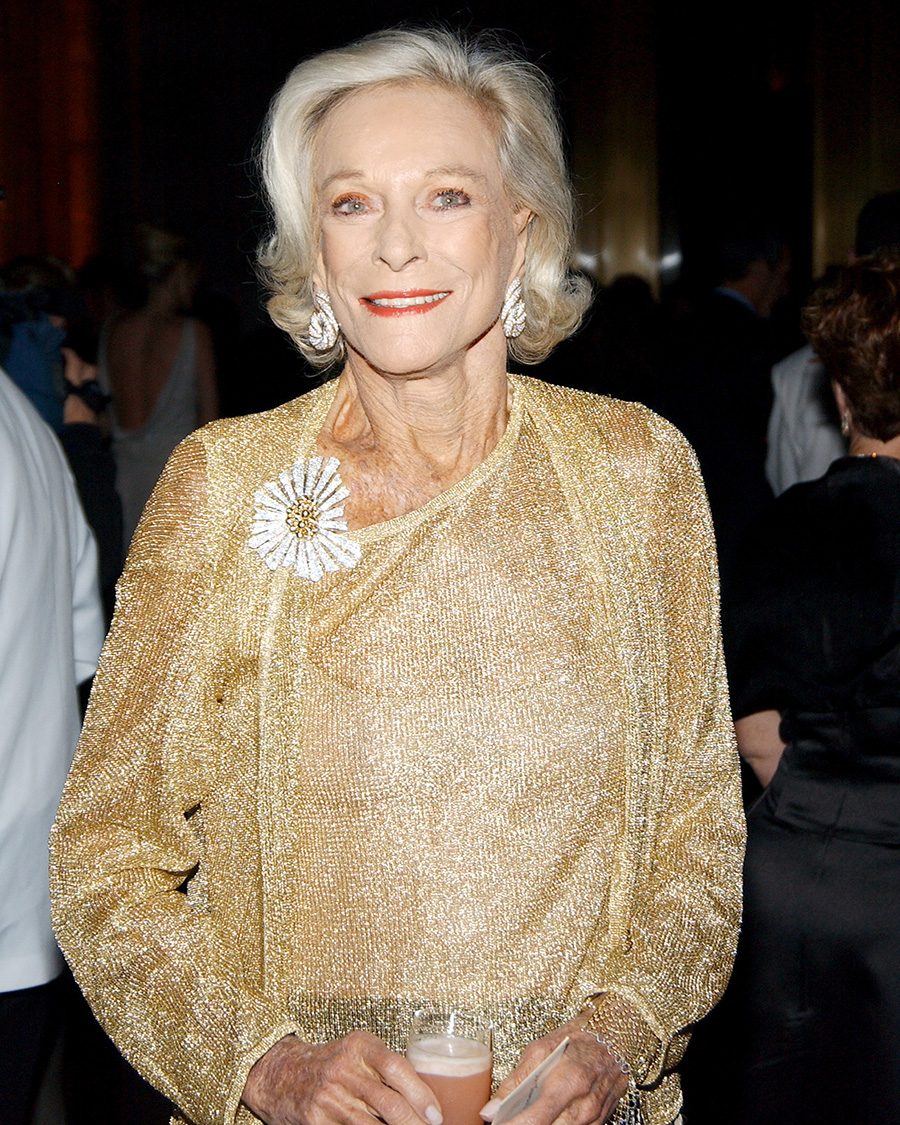
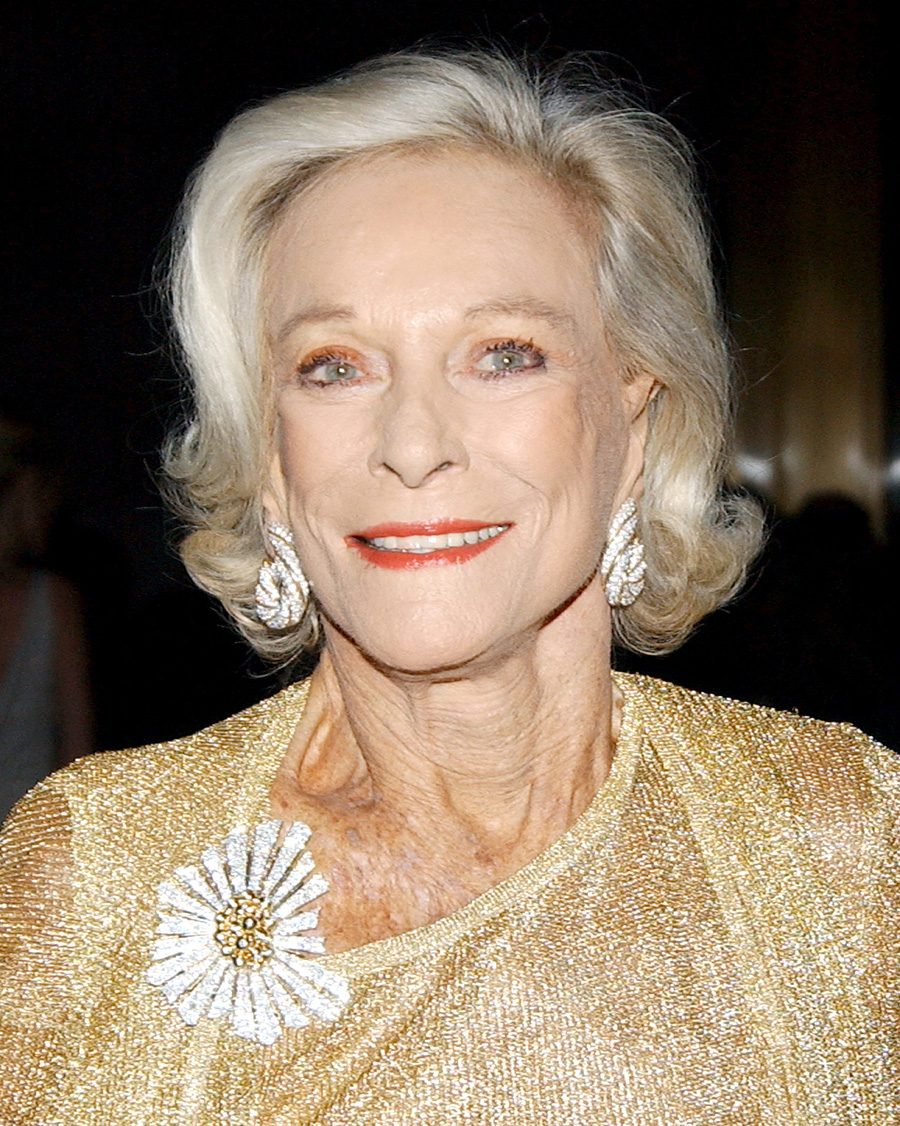
She also understood the value of building a wardrobe around beloved jewels. Late in life, one of her favorite pieces was an enormous gold-and-diamond spray brooch from Fulco di Verdura’s first 1939 collection, a gift from her husband that she continued to wear and talk about decades later. Like her signature diamond choker and cross brooch, it was a jewel she returned to again and again.
As Diana Vreeland famously observed, “There are no chic women in America. The one exception is Nan Kempner.” More than a style icon, Kempner left behind a philosophy of dressing that remains just as compelling today: wear your diamonds, wear them often, and make them unmistakably your own.