

Why Your Natural Diamond Holds Value When Laboratory-Grown Doesn’t
Laboratory-grown diamonds may mirror the shine, but they cannot replicate the origin, rarity and long-term value of a natural diamond.
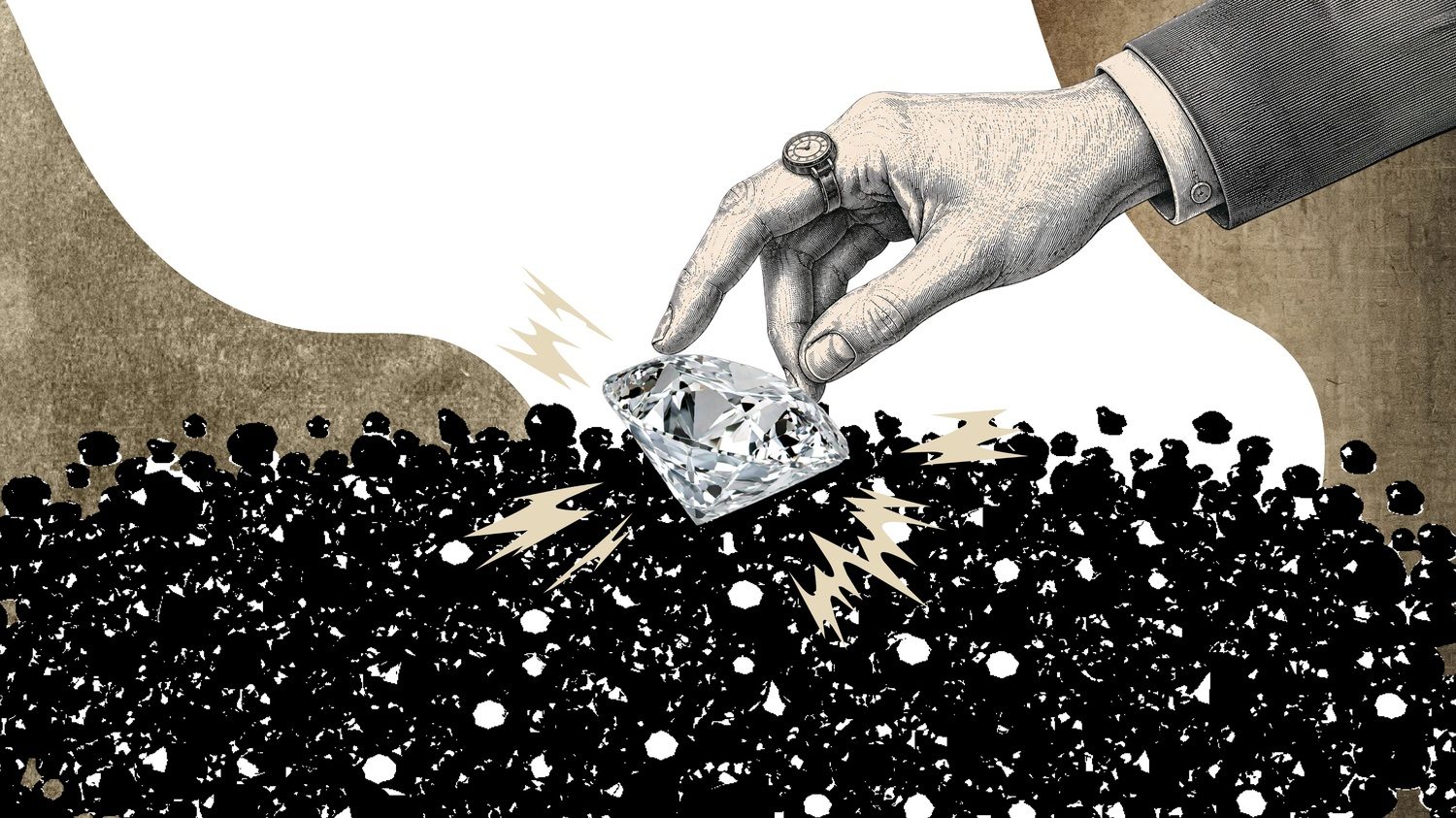
The Koh-i-Noor has travelled through empires and eras. The Hope Diamond, the Darya-i-Noor and the Regent Diamond are not just remembered for their sparkle but for the conquest, beauty and intrigue they embody. These are rare fragments of Earth’s core, shaped by time, pressure and history.
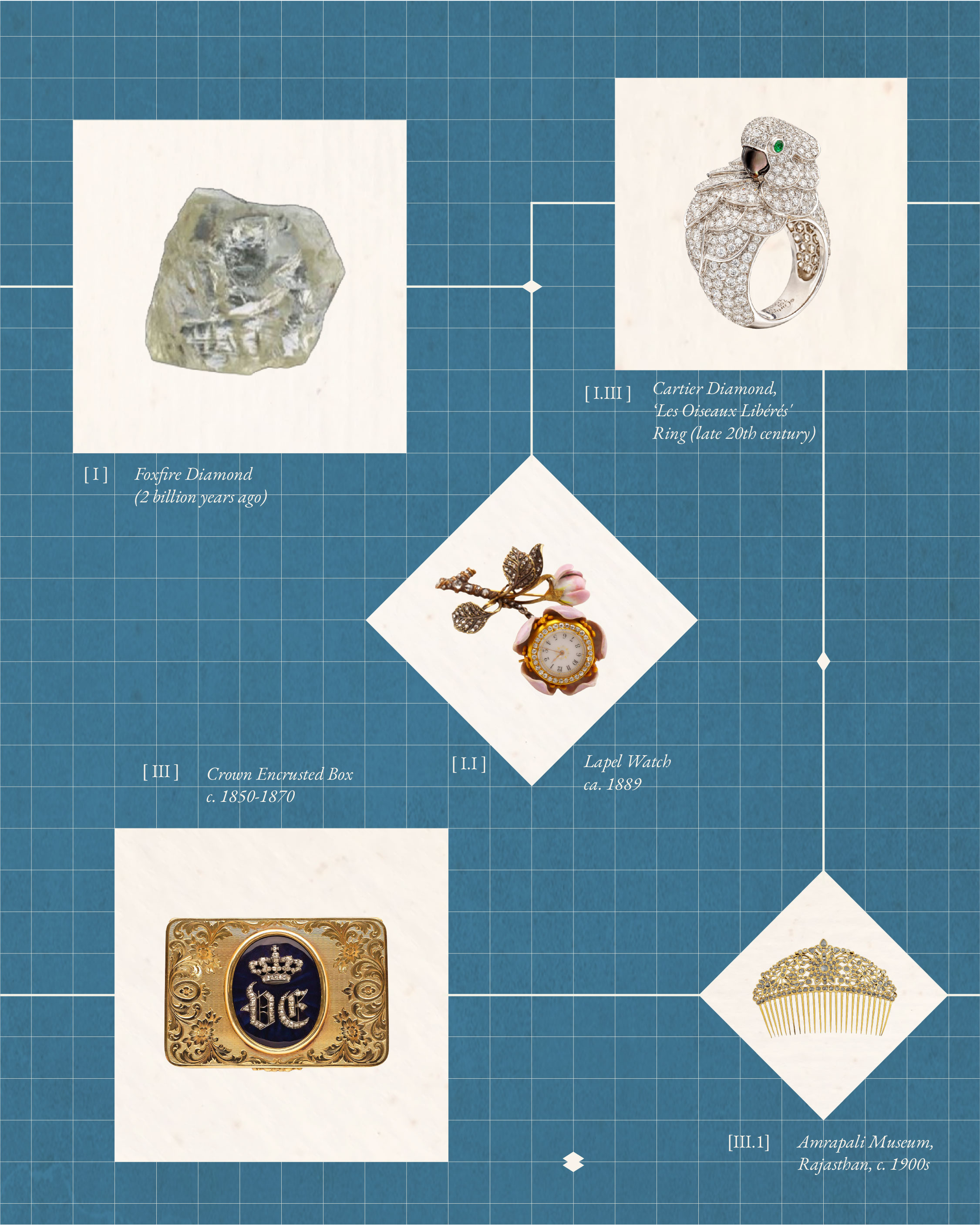
But here is the thing about natural diamonds. Even the ones that never enter a royal treasury or museum showcase carry the same enigma. After all, every natural diamond begins billions of years ago, deep within the earth, under immense heat and pressure. By the time it reaches a jewellery box, it has already lived a life older than civilization itself. That is the mystique of a natural diamond, which can be discovered but can never be manufactured.
Imitation may be the sincerest form of flattery, but when it comes to diamonds, it does not make the cut. Laboratory-grown diamonds may look similar to the untrained eye, but similarity is not the same as significance. A natural diamond is finite, rare and unrepeatable. A laboratory-grown diamond is manufactured, scalable and increasingly common. And value is not created by sparkle alone, but it comes from rarity, origin, emotion, and trust.
Rarity Doesn’t Come with a Production Line
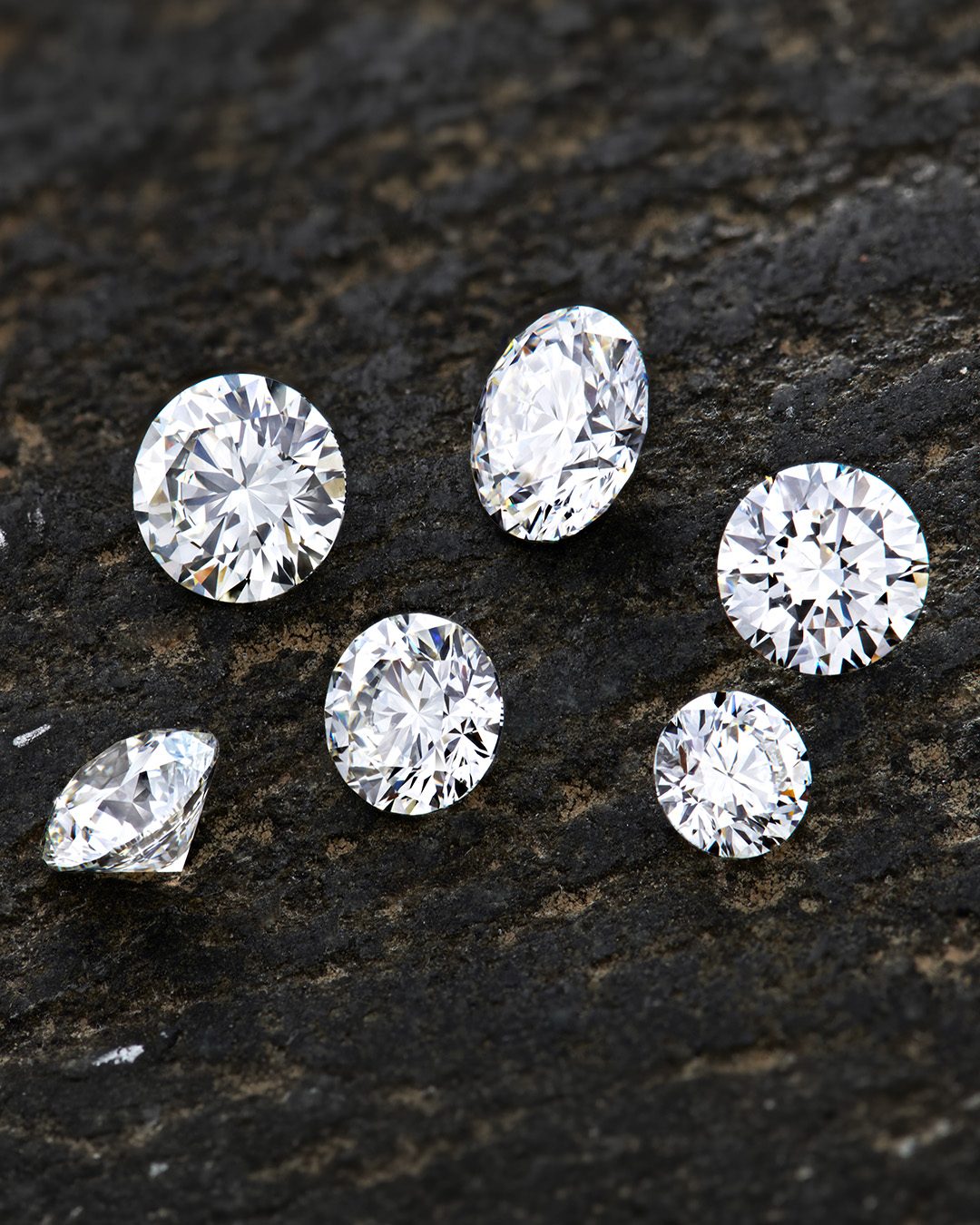
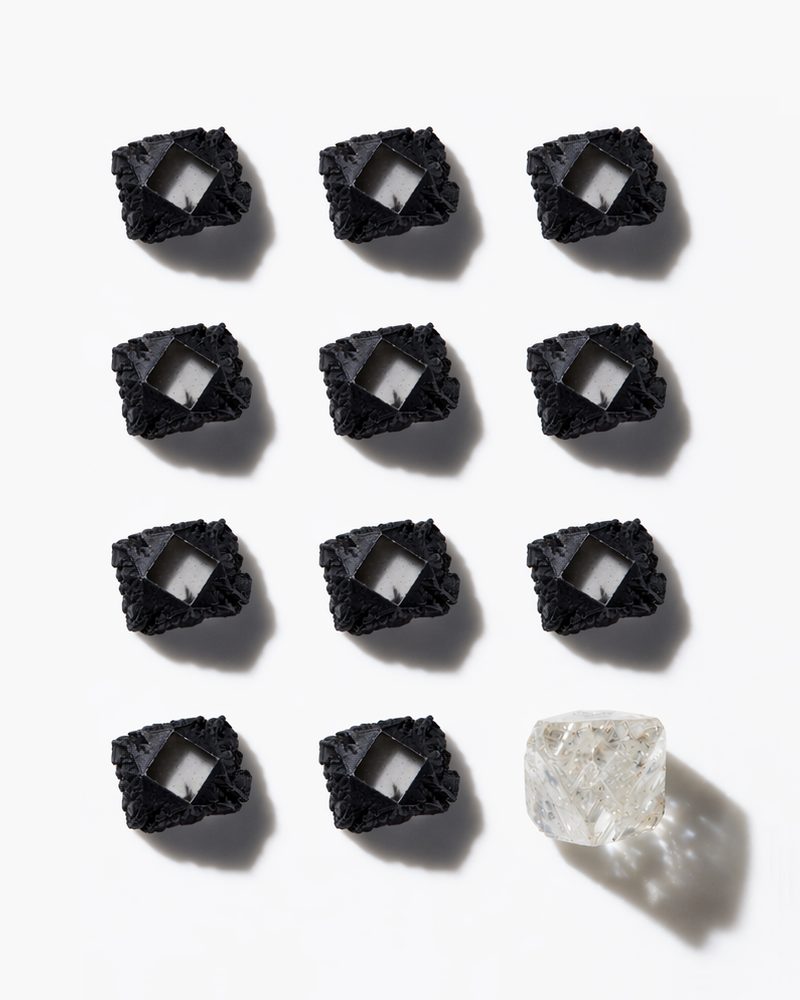
Natural diamonds are among the rarest natural materials on earth. No two are exactly alike because each has been shaped by a unique geological journey. Its inclusions, growth patterns, colour, clarity and character are its fingerprint. They are proof of origin. Here’s proof of this rarity. According to the Natural Diamond Council Diamond Facts Report, the annual global recovery of all natural diamonds of one carat and above would fill just one exercise ball. Similarly, five-carat diamonds recovered in a year would fit into a basketball. That is how truly limited the meaningful natural diamond supply is.
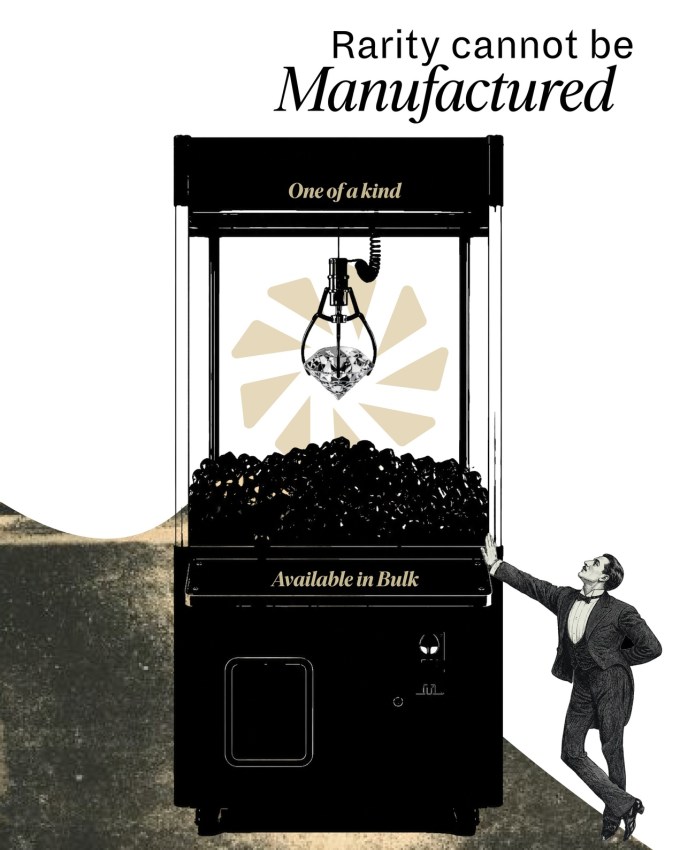
Laboratory-grown diamonds follow a different logic. They are created in factories through processes that replicate the conditions that form diamonds. Production can increase as technology improves. More machines, more reactors, more output. That makes laboratory-grown diamonds a product of supply expansion, not geological scarcity. But luxury runs on exclusivity.
When something can be produced in potentially unlimited quantities, its value begins to move closer to cost of production. That is exactly what has been happening with laboratory-grown diamonds.
The Price Story Is Already Telling
For years, laboratory-grown diamonds have remained a modern alternative to natural diamonds. Their appeal lies in affordability, ethical sourcing and a lower environmental footprint. Laboratory-grown diamonds can answer a budget, a look and a moment. But a natural diamond answers something larger: rarity, permanence and the promise of long-term meaning.
The market is now showing why this distinction matters. As production has scaled up, prices have fallen sharply. As reported by Reuters, the wholesale price of one-carat and two-carat laboratory-grown diamonds has dropped by as much as 96% since 2018. Other industry data, as reported by Forbes, states that the price of laboratory-grown diamonds, which cost around 10% of natural diamonds 10 years ago, fell to less than 80–90% by 2025.
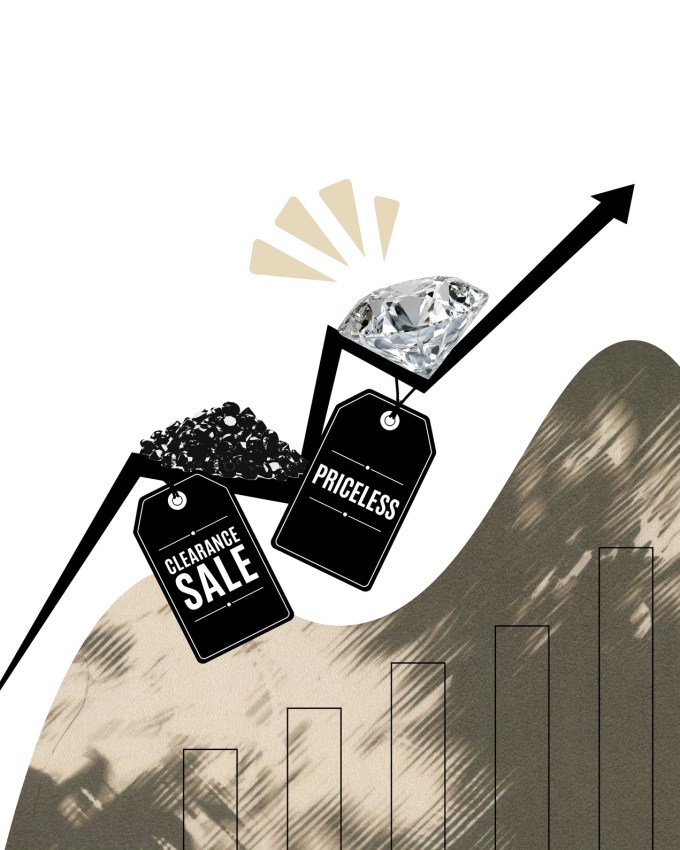
That raises a simple question: if the price has fallen so steeply in a few years, what happens to its value over a lifetime?
Like any valuable asset, a natural diamond may fluctuate with market cycles. But it is still anchored by rarity, provenance, and a long-established market. Laboratory-grown diamonds, on the other hand, face a structural challenge. If newer stones can be produced faster, cheaper and in larger numbers, older stones struggle to hold resale value.
The secondary market is also one of the clearest ways to understand the difference between the two. Natural diamonds have long-standing resale demand because they remain rare, desirable, and globally recognised. Rare natural diamonds can continue to command strong interest from collectors, jewellers and auction houses. Sample this: Bought for $307,000 in 1968 and auctioned for $8.8 million in 2011, Elizabeth Taylor’s Krupp Diamond reflects what the secondary market has always understood: rarity holds. Laboratory-grown diamond prices, on the other hand, are under pressure because supply can keep expanding.
The Emotional Value Of The Real Thing
A diamond is rarely bought only for its physical properties. It is bought for a milestone, a celebration, or a legacy. It becomes part of someone’s story. This is where natural diamonds hold a powerful advantage. Their emotional value is inseparable from their origin. To wear a natural diamond is to wear something formed before human history, something that passed through the earth across unimaginable time before becoming part of your life.
This sense of permanence means a natural diamond can be passed from one generation to the next without losing its romance. It does not feel dated because it was never a trend. It feels enduring because its story is already ancient.
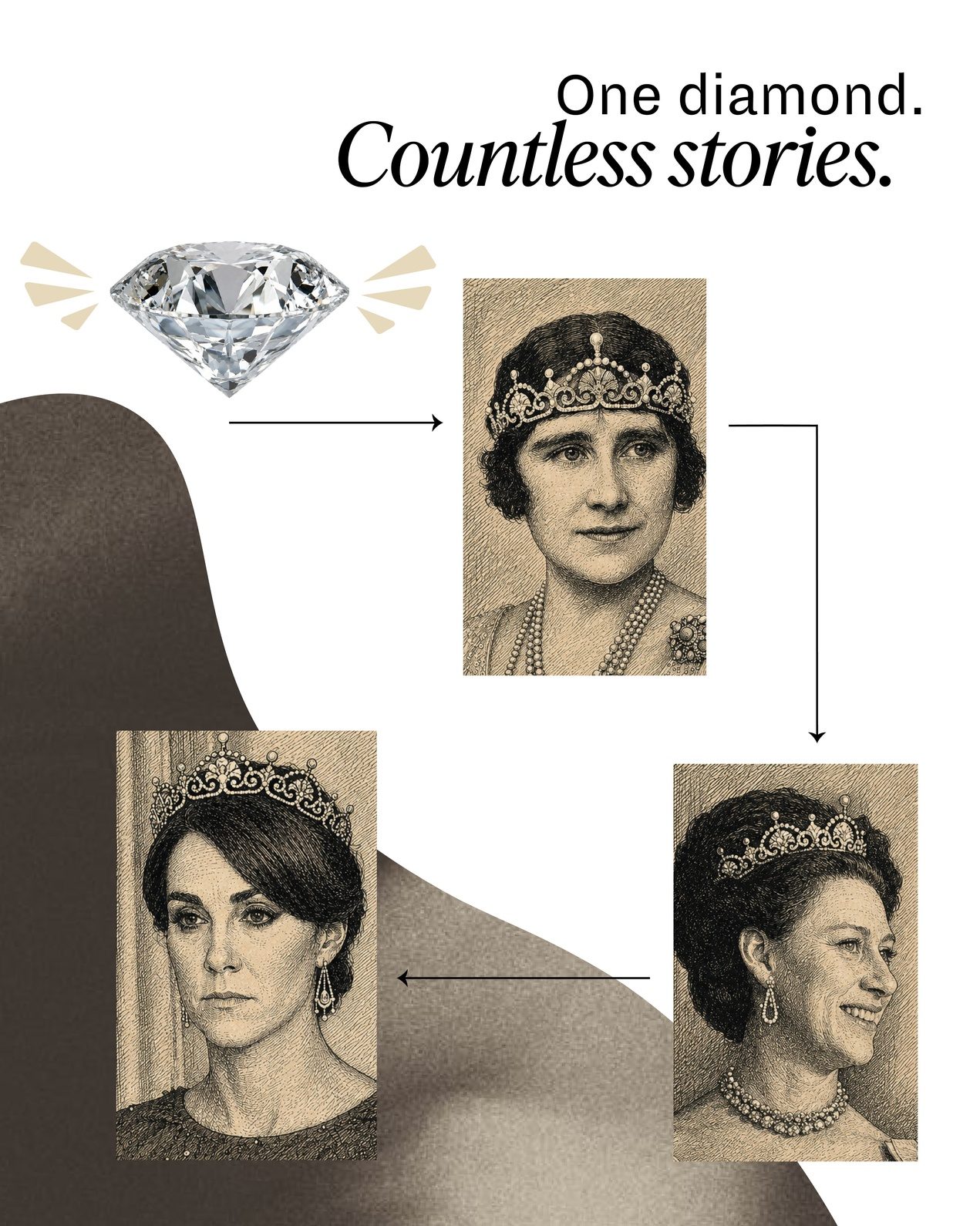
Laboratory-grown diamonds may be beautiful and even technically impressive, but their emotional grammar is different. They speak the language of modern manufacturing. Natural diamonds speak the language of legacy.
Certification Makes Value Clearer
In today’s jewellery market, trust matters as much as beauty. This is why certification and provenance are essential. A certified natural diamond comes with documentation that records its characteristics and confirms its origin. This gives buyers clarity on what they are purchasing. It also strengthens confidence in resale, insurance and long-term ownership.
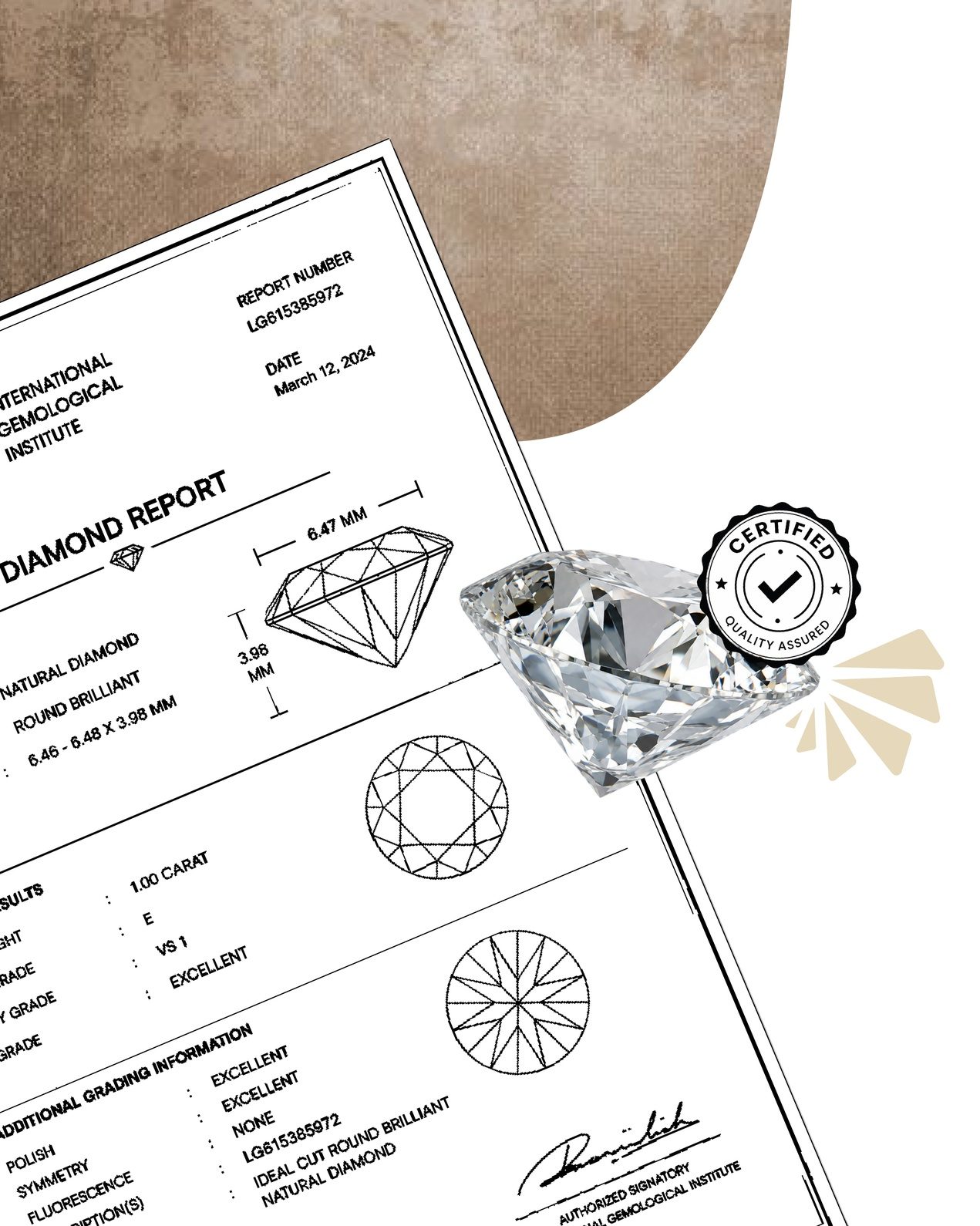
Provenance adds another layer of meaning. Knowing where a diamond comes from, how it has been sourced and how it has been graded allows the buyer to connect beauty with responsibility. It also protects the distinction between natural and laboratory-grown diamonds in a market where visual similarity can confuse consumers.
What Really Separates Natural Diamonds From Laboratory-Grown Diamonds
By this point, the distinction becomes clear. The difference between natural and laboratory-grown diamonds is not only about how they look. It is about origin, rarity, permanence and the kind of value they carry over time.
A natural diamond is a finite miracle of the earth. A laboratory-grown diamond is a product of technology. Both may sparkle, but they do not stand for the same thing.
| Factor | Natural Diamonds | Laboratory-Grown Diamonds |
|---|---|---|
| Origin | Formed deep within the earth over billions of years | Created in factories using advanced technology |
| Supply | Finite and geologically rare | Scalable and mass-produced |
| Uniqueness | No two natural diamonds are alike | Can be produced to set specifications |
| Formation Time | 1 to 3 billion years in many cases | Often produced in a few weeks |
| Resale Value | Supported by rarity, demand and certification | Limited resale demand due to oversupply and price drops |
| Emotional Value | Connected to heritage, milestones and legacy | Often linked to affordability and fashion-led choices |
| Long-Term Desirability | Sustained by rarity and cultural meaning | Vulnerable to changing production costs and consumer trends |
| Provenance | Can be certified and traced through grading reports | Can be identified as laboratory-grown through reports |
The Value Of A Natural Diamond Goes Beyond Sparkle
Perhaps one of the most powerful examples of a natural diamond’s value comes from India’s own industrial history. In the 1920s, when Tata Steel was facing a severe financial crisis, Sir Dorabji Tata and Lady Meherbai Tata pledged their personal wealth to help save the company. Among the jewels offered as collateral was Lady Meherbai’s magnificent Jubilee Diamond.
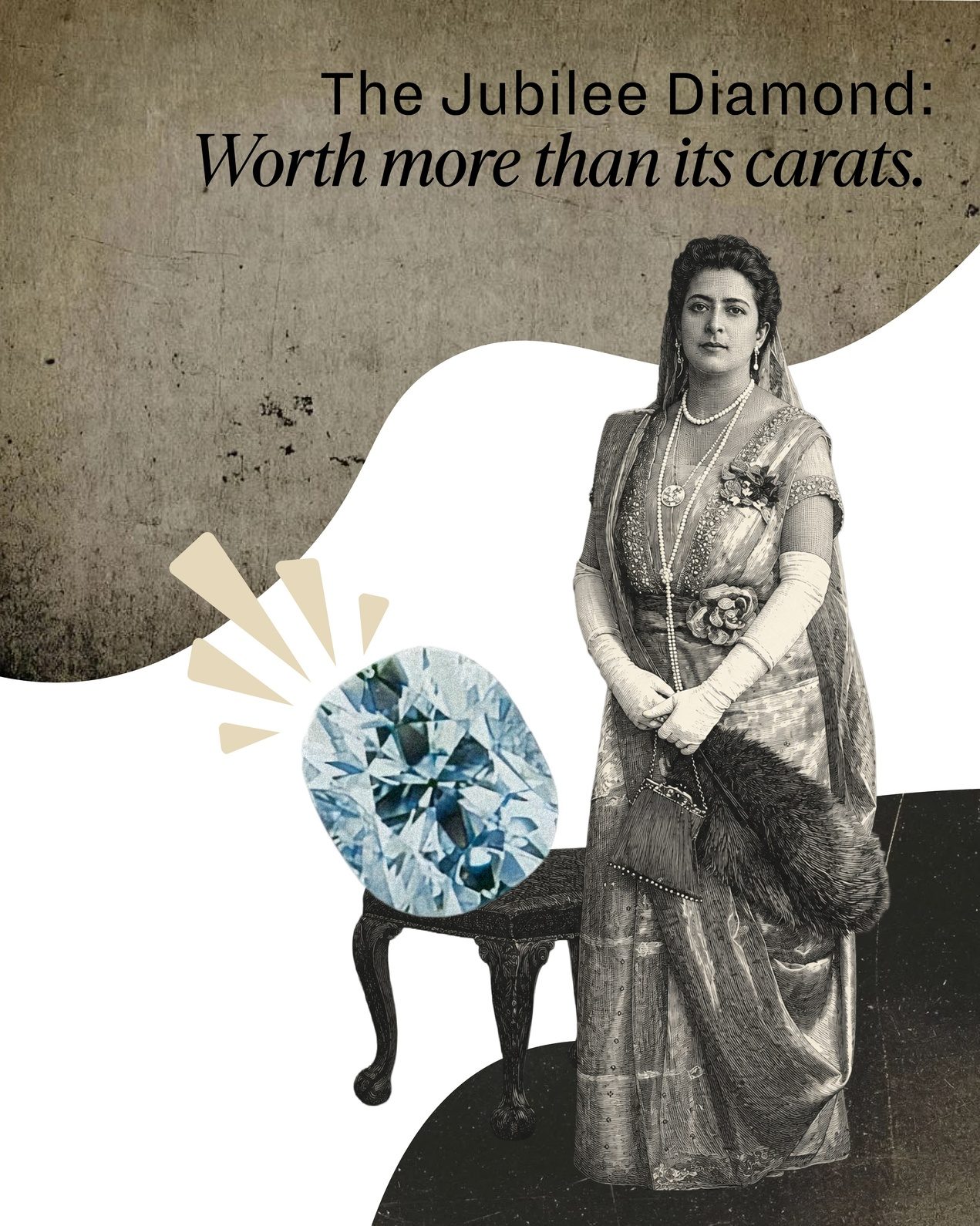
The diamond was not just an ornament. It helped secure continuity for an institution that would go on to become one of India’s most important industrial names.
That is the difference a natural diamond carries. It is valued across generations, accepted across markets and remembered across history. A laboratory-grown diamond can offer shine, but a natural diamond offers story, meaning and permanence.
Newsletter