


What Makes a Natural Diamond So Rare?
Discover what makes a natural diamond one of nature’s rarest treasures through a simple explanation of its origin, journey, and individuality.
NATURAL DIAMOND
Introduction
Every natural diamond carries two stories within it. One is billions of years in the making. The other begins the day it becomes a part of our lives.
To understand what makes a natural diamond rare is to begin with the first story. It is one shaped by extraordinary conditions, rare geological events, and the unique characteristics that distinguish every stone. Long before a natural diamond reaches us, nature has already shaped everything that makes it one of a kind.
Let’s trace that story, one step at a time, to discover what truly makes a natural diamond so rare.
Where Rarity Begins
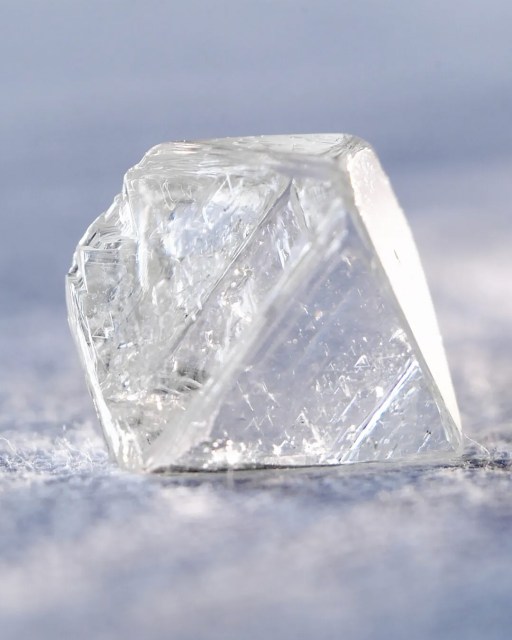
Every natural diamond begins its journey deep beneath the Earth’s surface, nearly 100 miles below the Earth’s mantle. Here, carbon is exposed to immense heat and pressure, gradually transforming into a diamond crystal over millions of years. Most natural diamonds recovered today are estimated to have formed between one and three billion years ago, making them among the oldest natural treasures a person can own.
Meet the Author

- Mahima Lodha is a gemologist, jewellery writer and storyteller.
- She’s a GIA graduate with a Masters in Economics and Finance, who blends deep industry insights with a passion for stories.
- Born in a family where gemstones have been crafted for five generations, she now crafts their stories—honoring the maker, the material and the magic within. She writes for private jewellery houses and global journals.
- Beyond her work, she finds joy in books, travelling, and wellness.
This is where a natural diamond’s rarity first takes shape. The precise combination of heat, pressure, depth, and time needed for its formation occurs naturally only in very specific parts of the Earth. Yet forming a diamond is only the beginning. After crystallising, it remains hidden deep within the mantle until rare volcanic eruptions carry it to the surface through diamond-bearing kimberlite pipes. Without these remarkable geological events, natural diamonds would have remained buried deep beneath the Earth, beyond human reach.
The journey of a natural diamond doesn’t just explain its rarity—it also explains what sets it apart from a laboratory-grown diamond.
Nature Never Repeats The Same Design
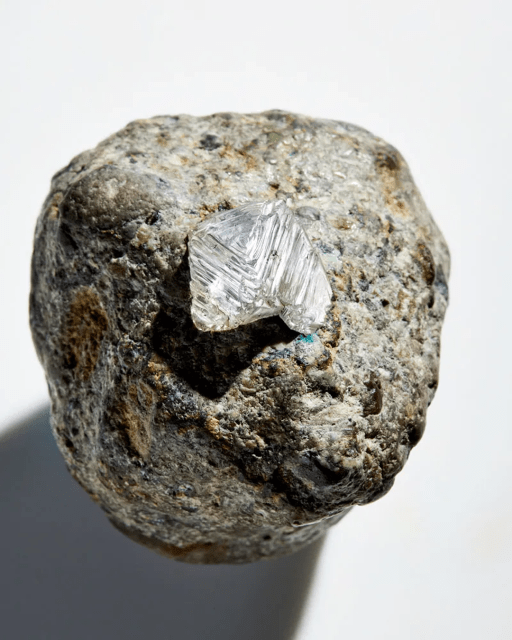
By the time a natural diamond reaches the surface, its remarkable journey has already shaped its individuality. Long before it is cut or polished, nature has given every diamond an identity of its own. Tiny inclusions, growth patterns, subtle colour variations, and crystal structures develop during formation, ensuring that no two natural diamonds are ever exactly alike.By the time a natural diamond reaches the surface, its remarkable journey has already shaped its individuality. Long before it is cut or polished, nature has given every diamond an identity of its own. Tiny inclusions, growth patterns, subtle colour variations, and crystal structures develop during formation, ensuring that no two natural diamonds are ever exactly alike.
Rather than imperfections, these characteristics are valued by gemologists as evidence of a diamond’s natural origin. Together, they reveal the conditions under which the stone formed, creating a geological fingerprint unique to each diamond. While laboratory-grown diamonds can be produced repeatedly to the same specifications, nature never repeats the exact same combination of conditions twice. As a result, every natural diamond carries a history written into its very structure, making each one a truly one-of-a-kind creation.
 Naturally Made
Natural diamonds form over billions of years deep within the Earth under extreme heat and pressure.
 Factory Made
The majority of lab grown diamonds are produced in factories in India and China.
 Finite Supply
Natural diamonds are rare and limited in supply, with only a certain amount available on Earth.
Mass-Produced
Lab grown diamonds are mass-produced in controlled environments, much like fast fashion.
 3 Billion Years Old
Natural diamonds are ancient, typically 1-3 billion years old, making them some of the oldest substances on Earth.
Made in 3-4 Weeks
Lab grown diamonds are produced in factories in just 3 to 4 weeks and can be made in unlimited quantities.
 The Hardest Substance on Earth
Diamonds are the hardest natural material on Earth (10 on the Mohs scale), extremely resistant to scratching.
 Only Type 2A
Lab grown diamonds are classified as Type IIa, a category that is common in factory-made stones due to their controlled production process.
Resale Value
Retains value over time due to its rarity and natural origin.
Resale Value
Mass-produced and subject to rapid price declines, with limited resale value in the secondary market.
 Classic White Sparkle
Diamonds exhibit exceptional brilliance and fire with a unique combination of white light reflection and colorful dispersion.p
 Benefits Country of Origins
Diamond mining provides economic support and employment in diamond-producing regions around the world.
Emotionally Significant
Diamonds are the ultimate symbol of love and commitment, cherished for centuries as timeless representations of enduring relationships, milestones, and meaningful memories.
When Nature Sets Limits
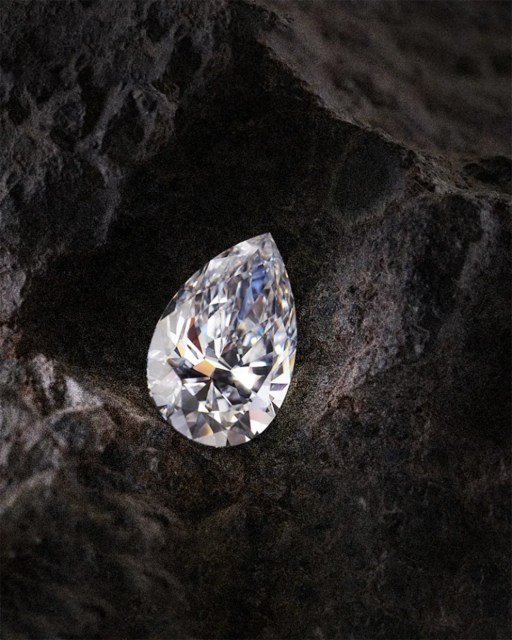
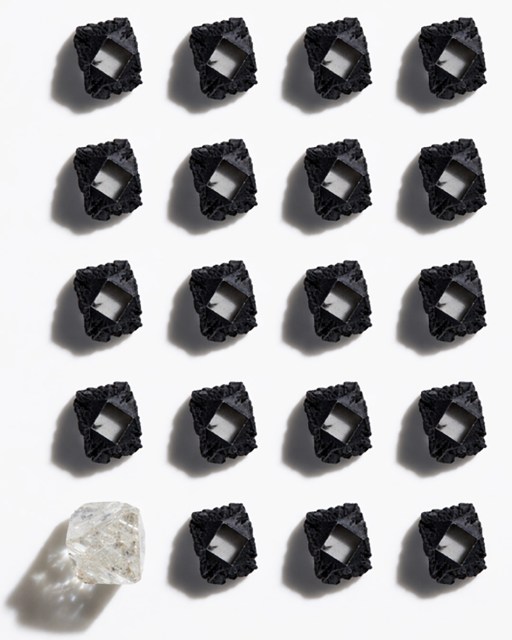
Even after completing an extraordinary journey, not every natural diamond is destined for fine jewellery. Only a small fraction of rough diamonds possess the combination of clarity, colour, and crystal integrity required to become gem-quality stones. The diamonds that ultimately find their way into engagement rings and fine jewellery therefore represent only a small share of what nature originally created.Even after completing an extraordinary journey, not every natural diamond is destined for fine jewellery. Only a small fraction of rough diamonds possess the combination of clarity, colour, and crystal integrity required to become gem-quality stones. The diamonds that ultimately find their way into engagement rings and fine jewellery therefore represent only a small share of what nature originally created.
Their rarity is further defined by something equally important: natural diamonds are a finite resource. While new diamond deposits can still be discovered, finding one that is large enough and economically viable for mining is exceptionally uncommon. In fact, over the past 140 years, geologists have sampled nearly 7,000 kimberlite pipes, yet only around 60 have proven suitable for large-scale mining. Together, these realities explain why gem-quality natural diamonds remain among the rarest natural treasures on Earth.Their rarity is further defined by something equally important: natural diamonds are a finite resource. While new diamond deposits can still be discovered, finding one that is large enough and economically viable for mining is exceptionally uncommon. In fact, over the past 140 years, geologists have sampled nearly 7,000 kimberlite pipes, yet only around 60 have proven suitable for large-scale mining. Together, these realities explain why gem-quality natural diamonds remain among the rarest natural treasures on Earth.
The Takeaway: Rethinking Rarity
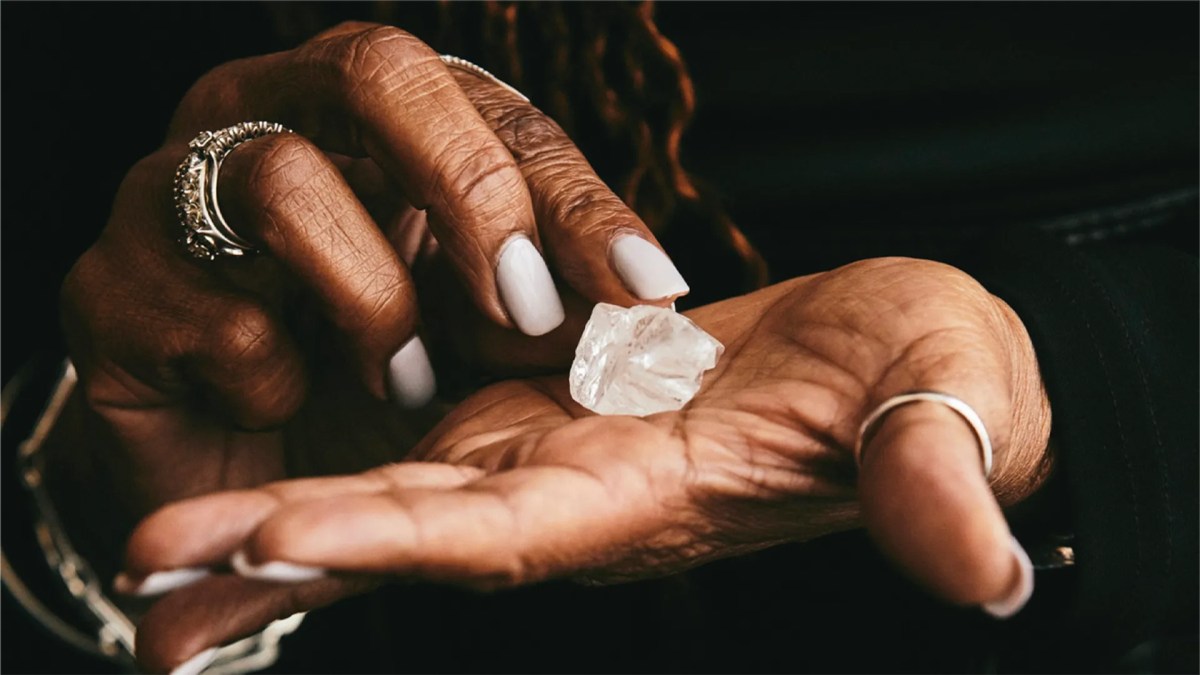
Rarity is often measured by how little of something exists. A natural diamond invites us to think about it differently. Its rarity lies not just in scarcity, but in everything that had to happen before it could exist—from the precise conditions that formed it to the extraordinary path that brought it within our reach.
Perhaps that’s why a natural diamond has always been more than a beautiful gemstone. It reminds us that nature’s greatest creations cannot be rushed or reproduced. Their value lies as much in how they came to exist as in how they look. And that, more than anything else, is what makes a natural diamond truly rare.



Newsletter