Diamonds As Heirlooms: Tracing Symbolic Kinships Through Cut, Style And Form.
Beyond their brilliance, natural diamonds hold an unconventional genealogy across centuries. Often regarded as heirlooms, diamond jewellery carries an archive of memories — accumulated through the enduring language of craft, culture and desire.
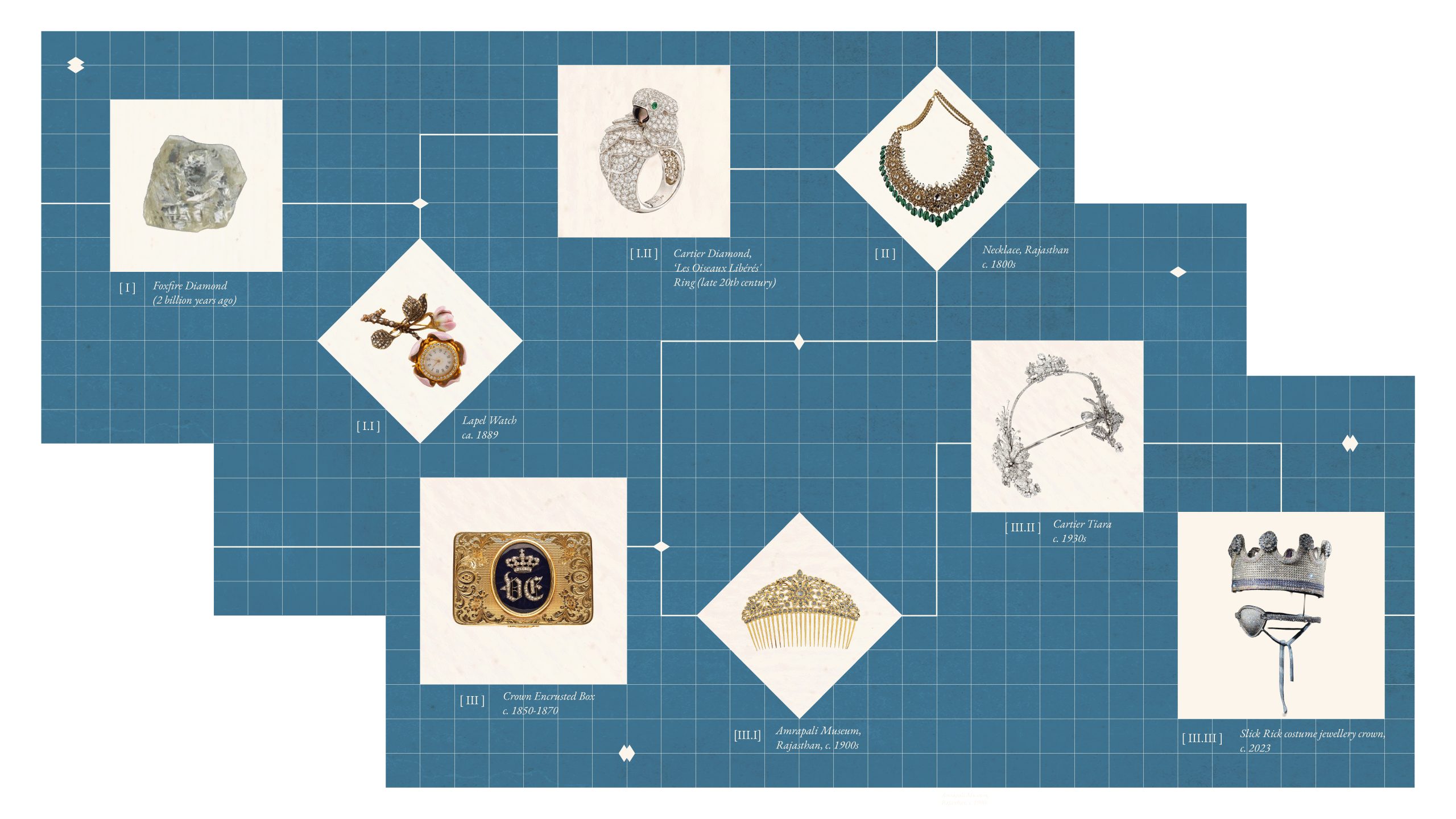
Founded under intense pressure and heat, a diamond arrives with special brilliance, unique to its time and people. It becomes a living archive of not just families but also of material and motif incarnations. Passed on between generations, a natural diamond’s genealogy can be traced directly or indirectly by observing its visual language.
Meet the Author

- Vaishnavi Kambadur is a curator and a designer who enjoys discovering new approaches to storytelling.
- She views everything from diamonds to dresses through a historic lens.
- She holds an MA in Fashion Studies from the Parsons School of Design and has worked at Christie’s, Museum of Art & Photography and various export houses in India.
The process of designing and adorning diamond jewellery is imbued with the values of successive cultures. Specific cuts, repeating forms, recurring motifs – across timelines speak the language of diamond’s rich lineage. Epic diamonds carry the essence of the time period, cultures, physical properties, craft and creativity. While diamond jewellery is acquired for its material and economic worth, it is the human dimension that carries the greatest weight of all.
A Lineage Of Nature
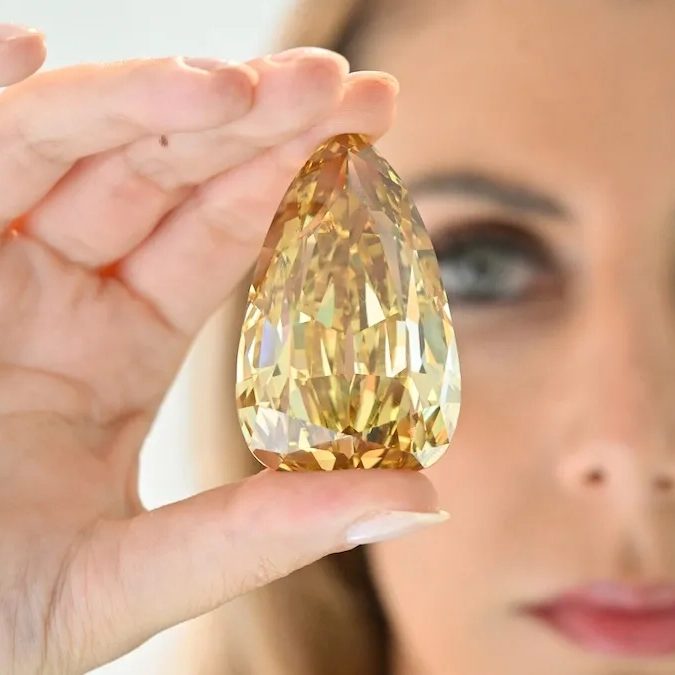
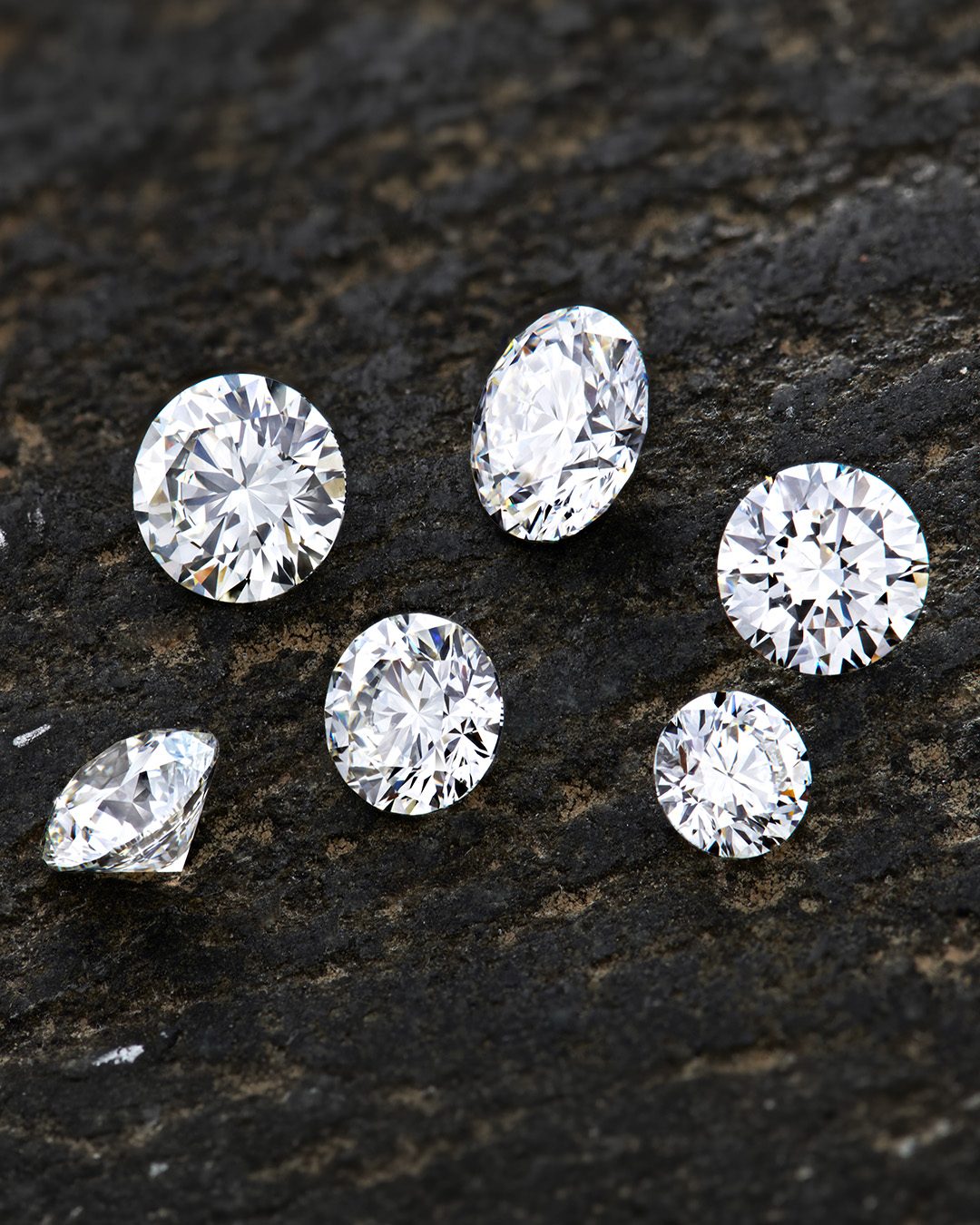
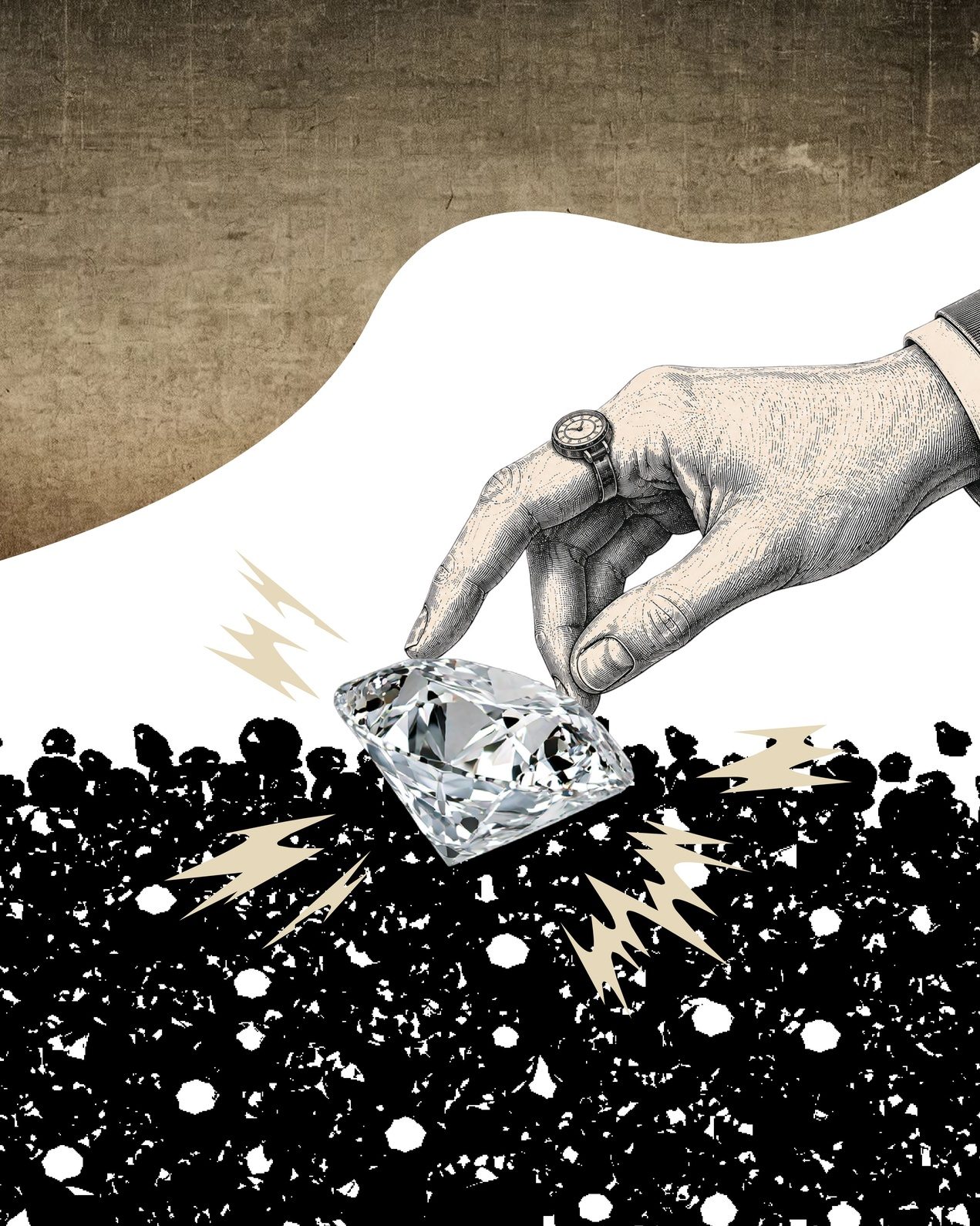
The original shape of a diamond was compared by Renaissance travellers to the Egyptian pyramids of Giza. Naturally occurring and octahedral in nature, every era preceding the Renaissance experimented with its cut and form. The naturally occurring octahedral diamond crystals also allowed the production of several stones – each of which created its own story. While one stone would be made into a pair of diamond earrings, the other would be found in a different diamond necklace. Even today, these stones are traced back to a single diamond by evaluating the properties and brilliance of diamonds. The foxfire diamond found in the Northern regions of Canada can be dated to 2 billion years ago. The diamond was named after the northern lights of the Arctic Circle because of its brilliant glow, already forging links between mysteries of nature and natural diamonds. The way light enters the diamonds – its crown, girdle (narrow band) and pavilion reflects how natural diamonds were altered to show the beauty of specific eras.
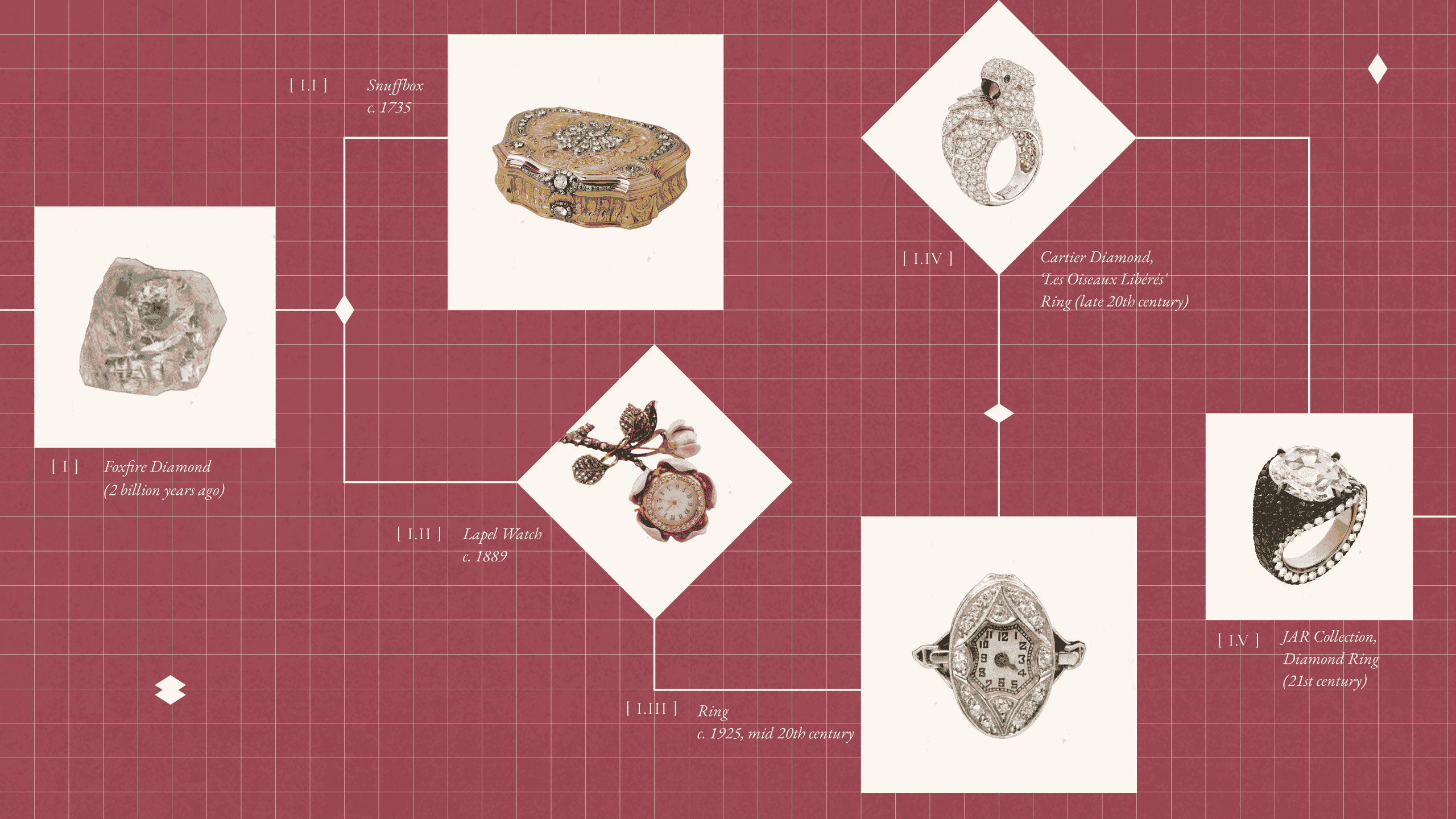
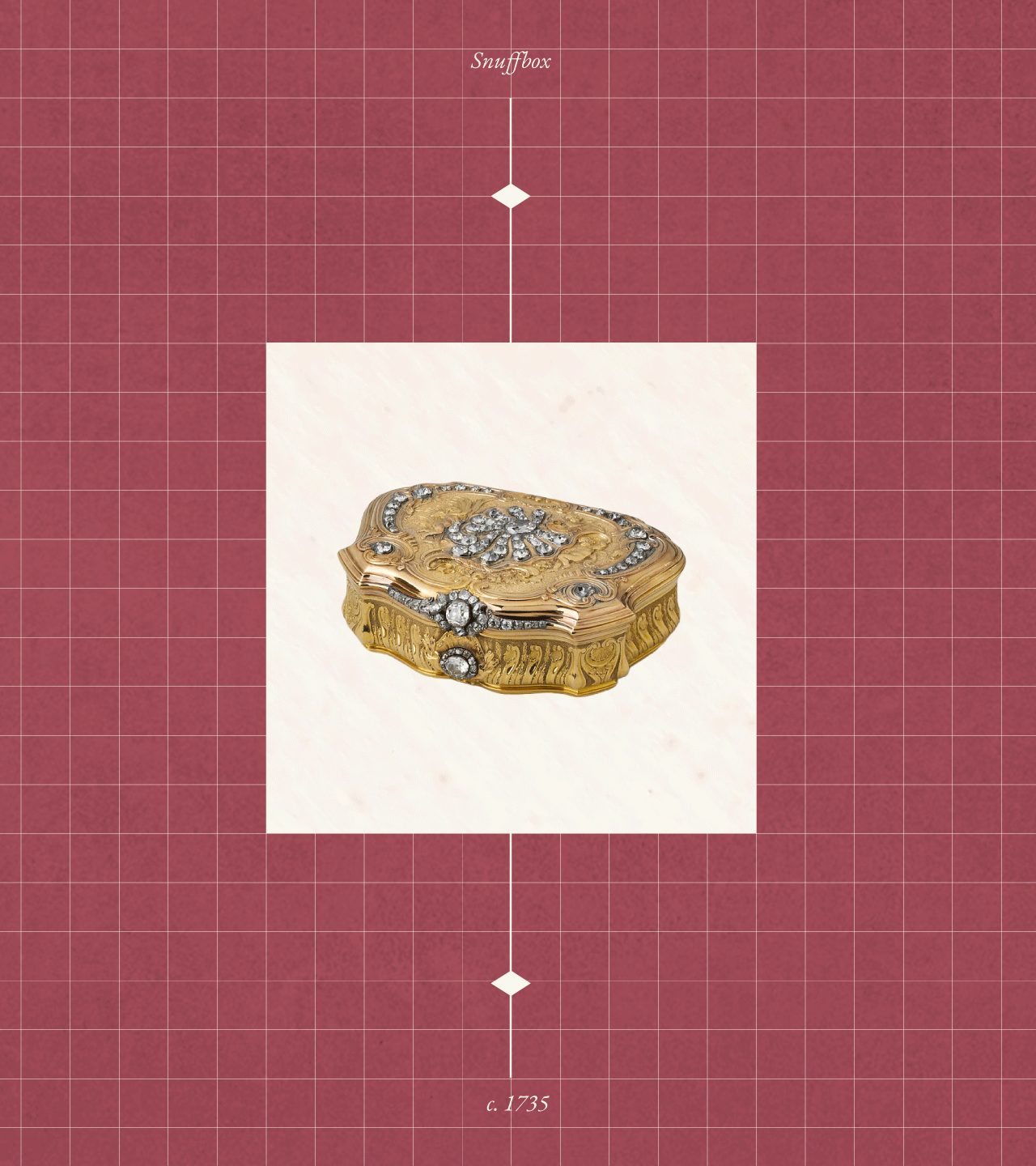
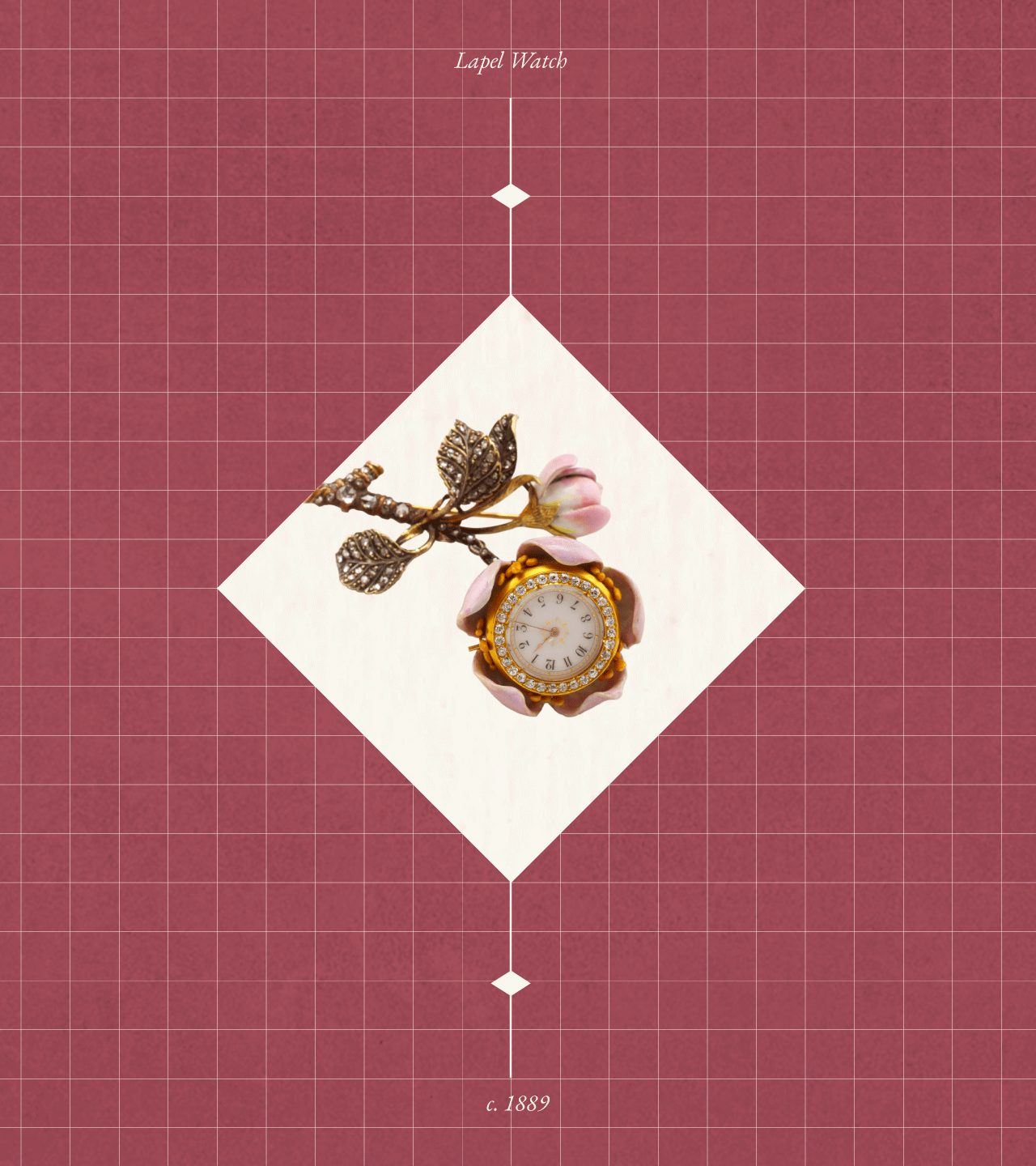
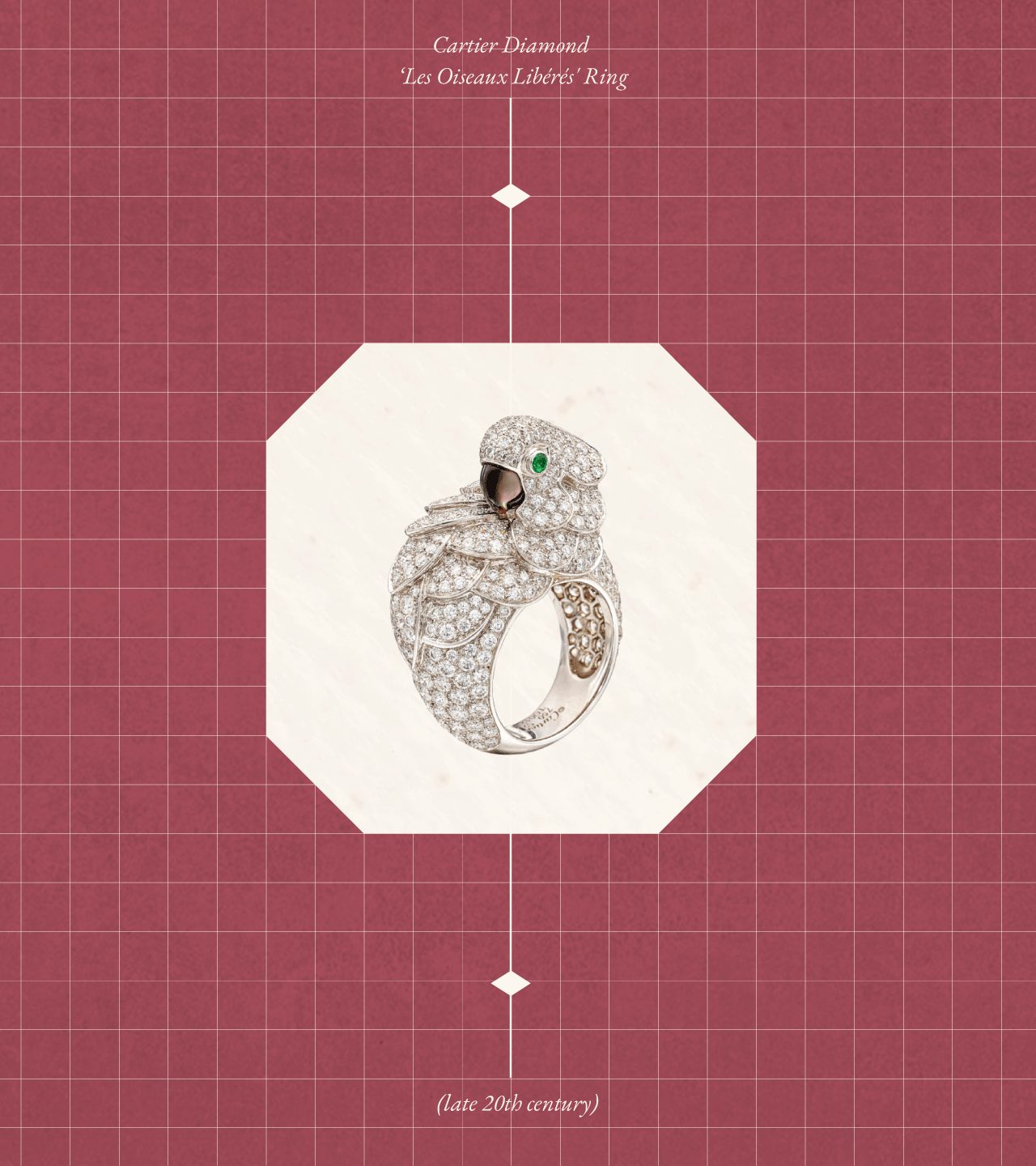
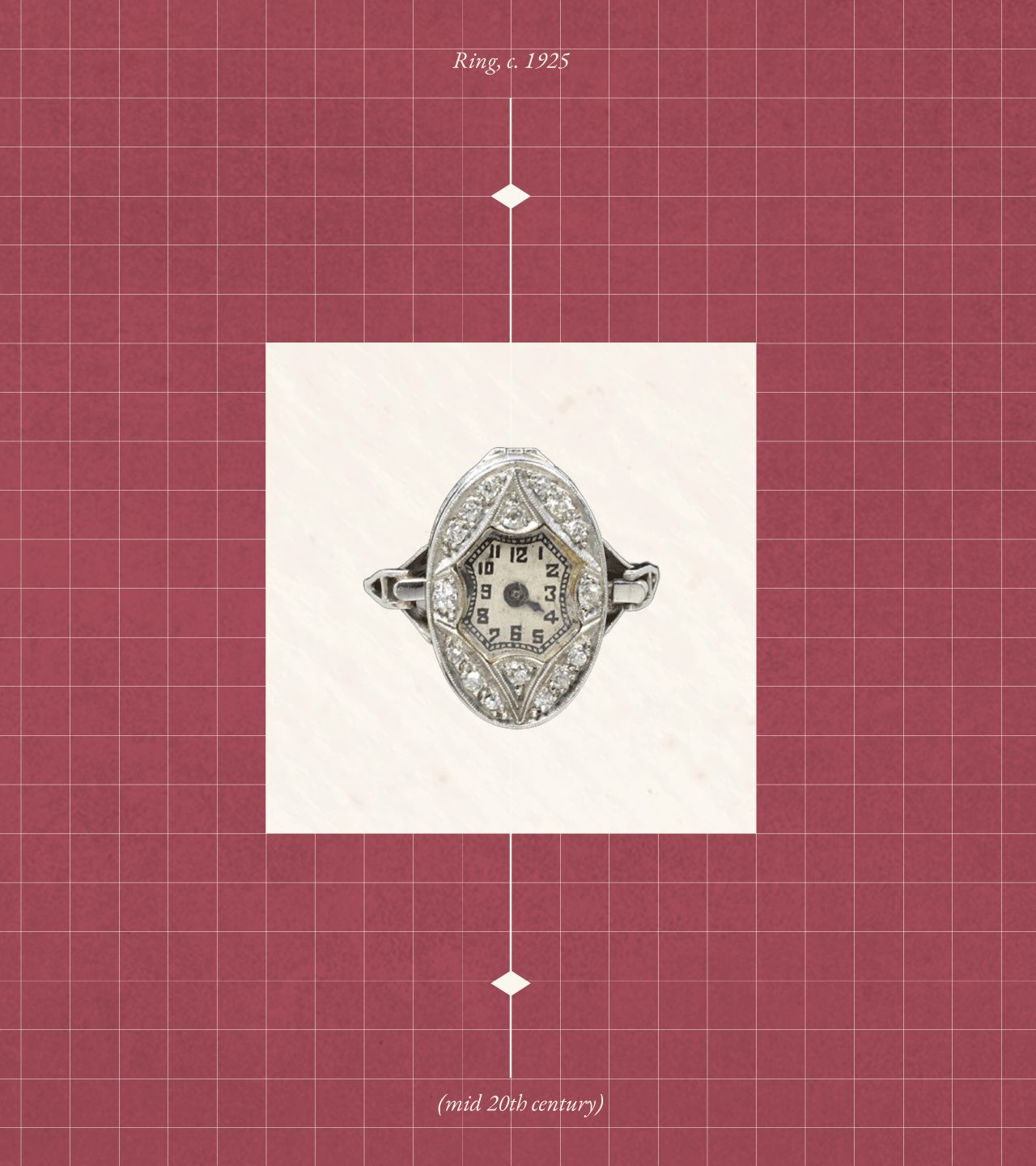
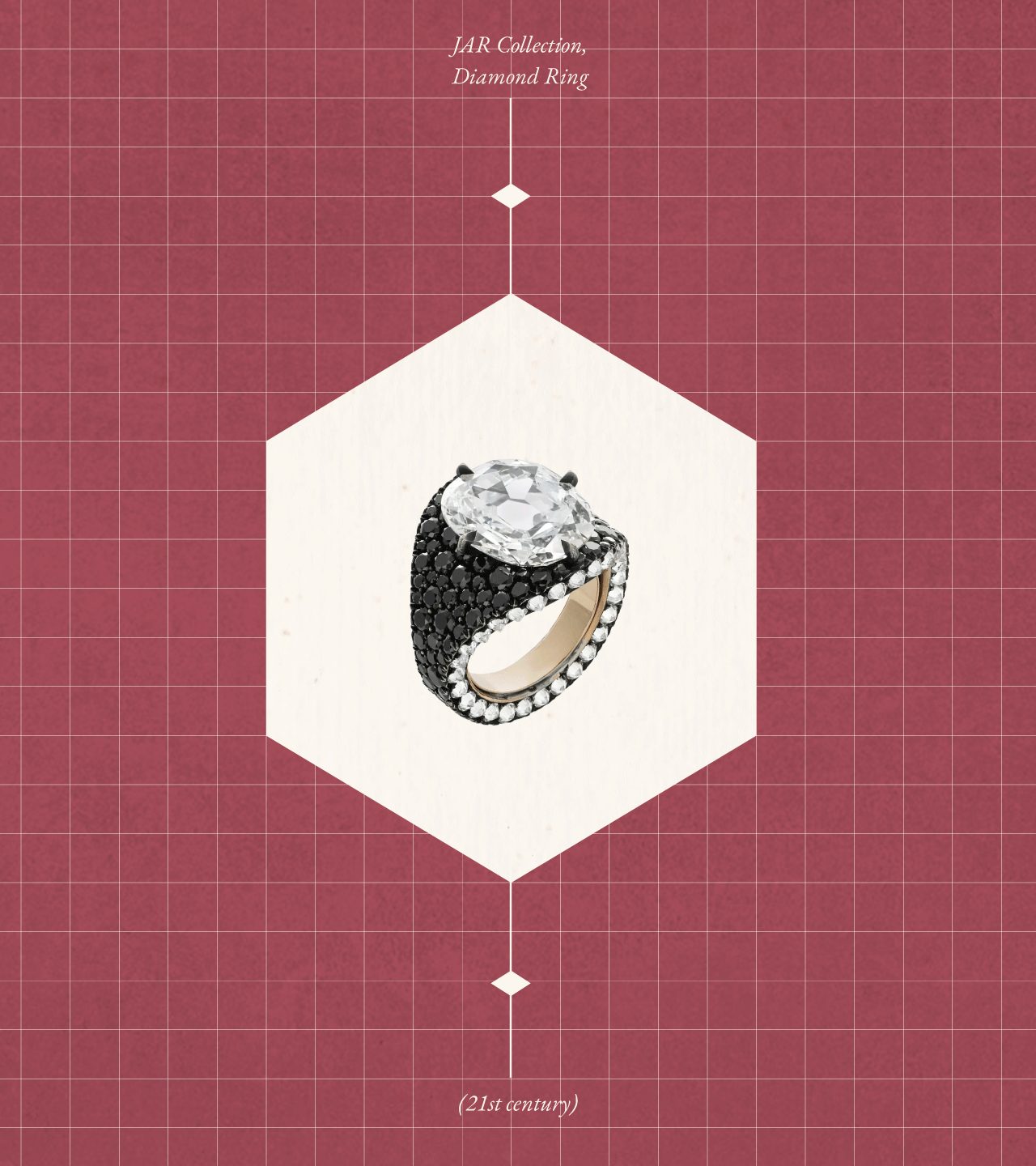
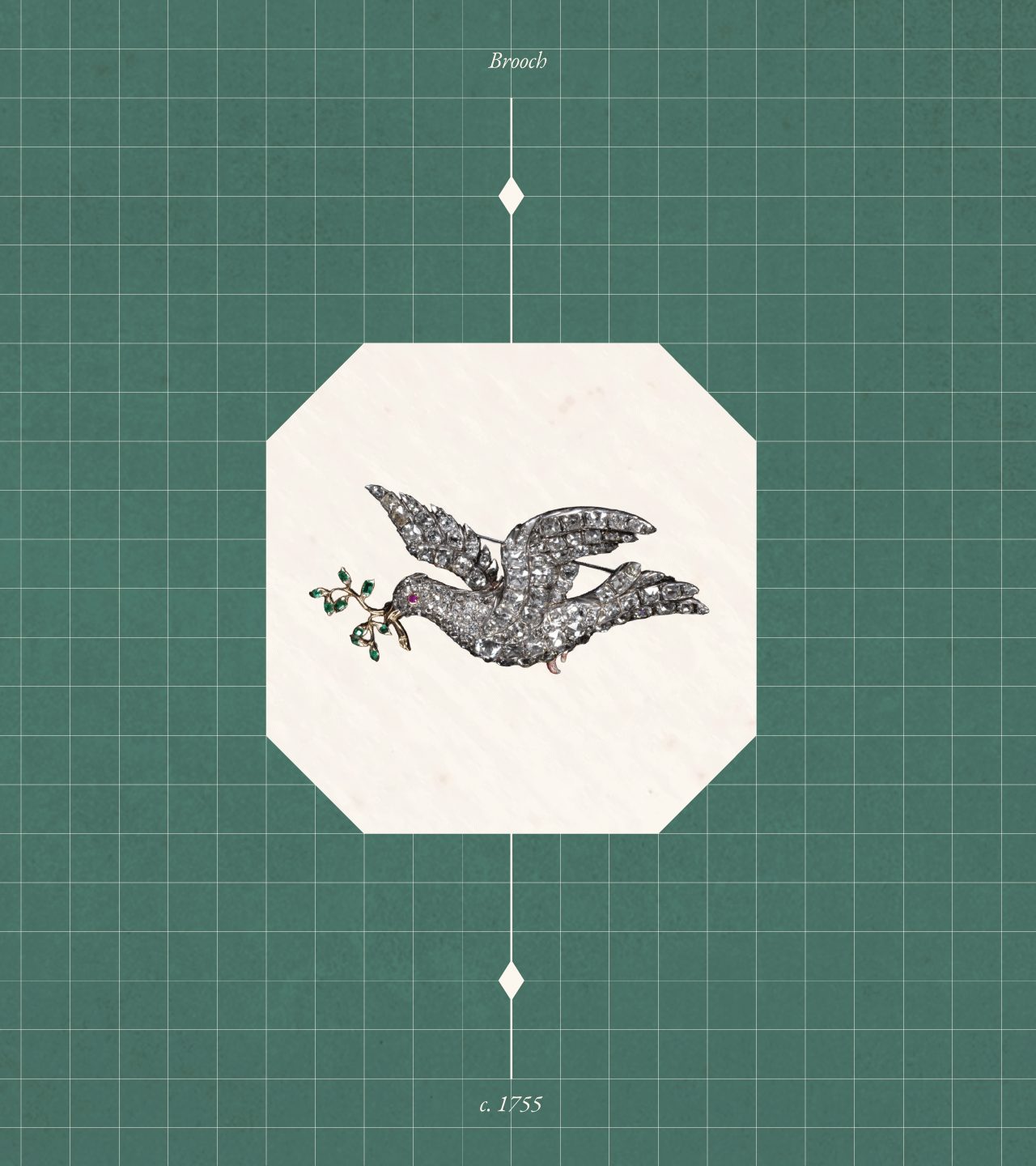
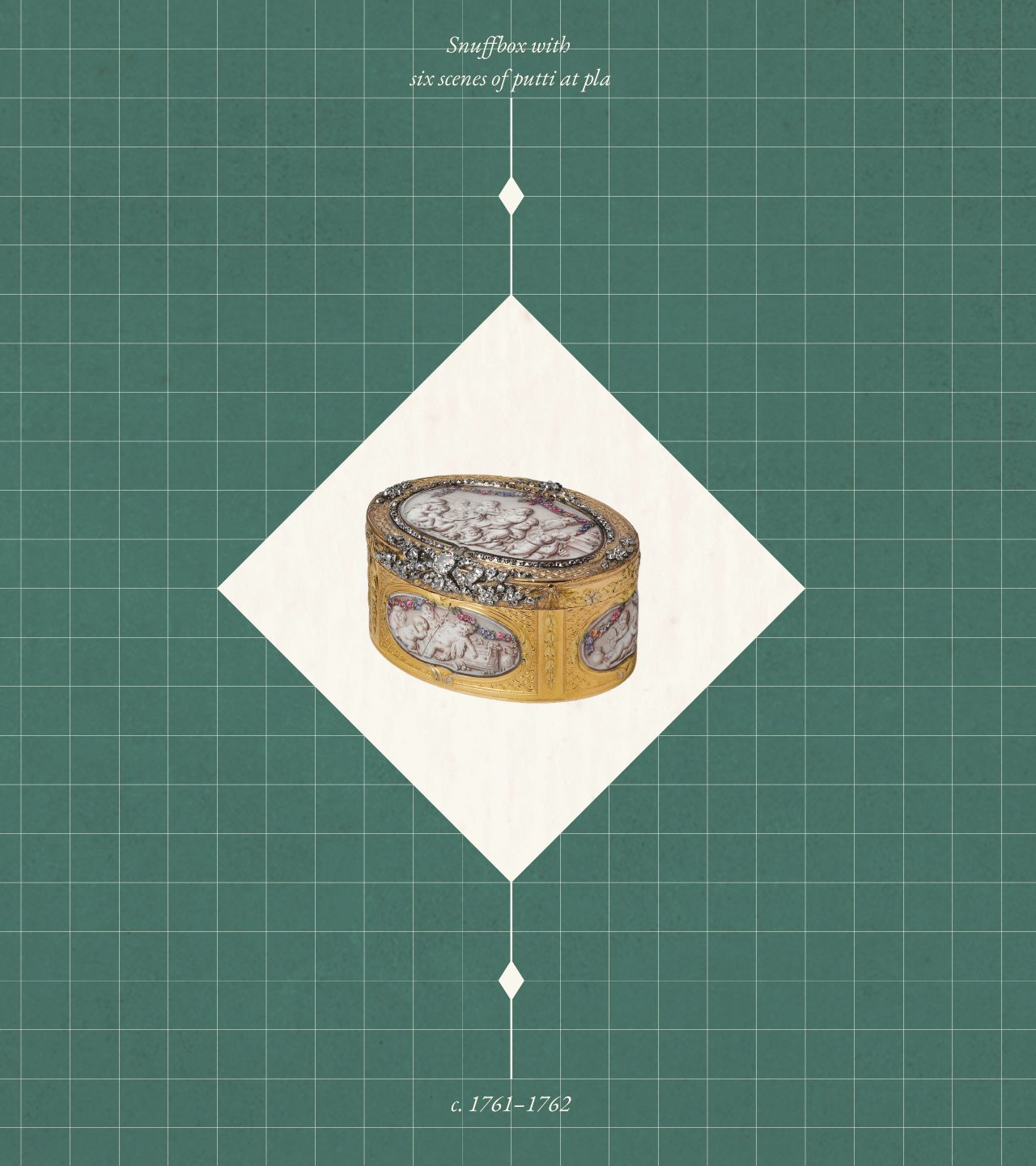
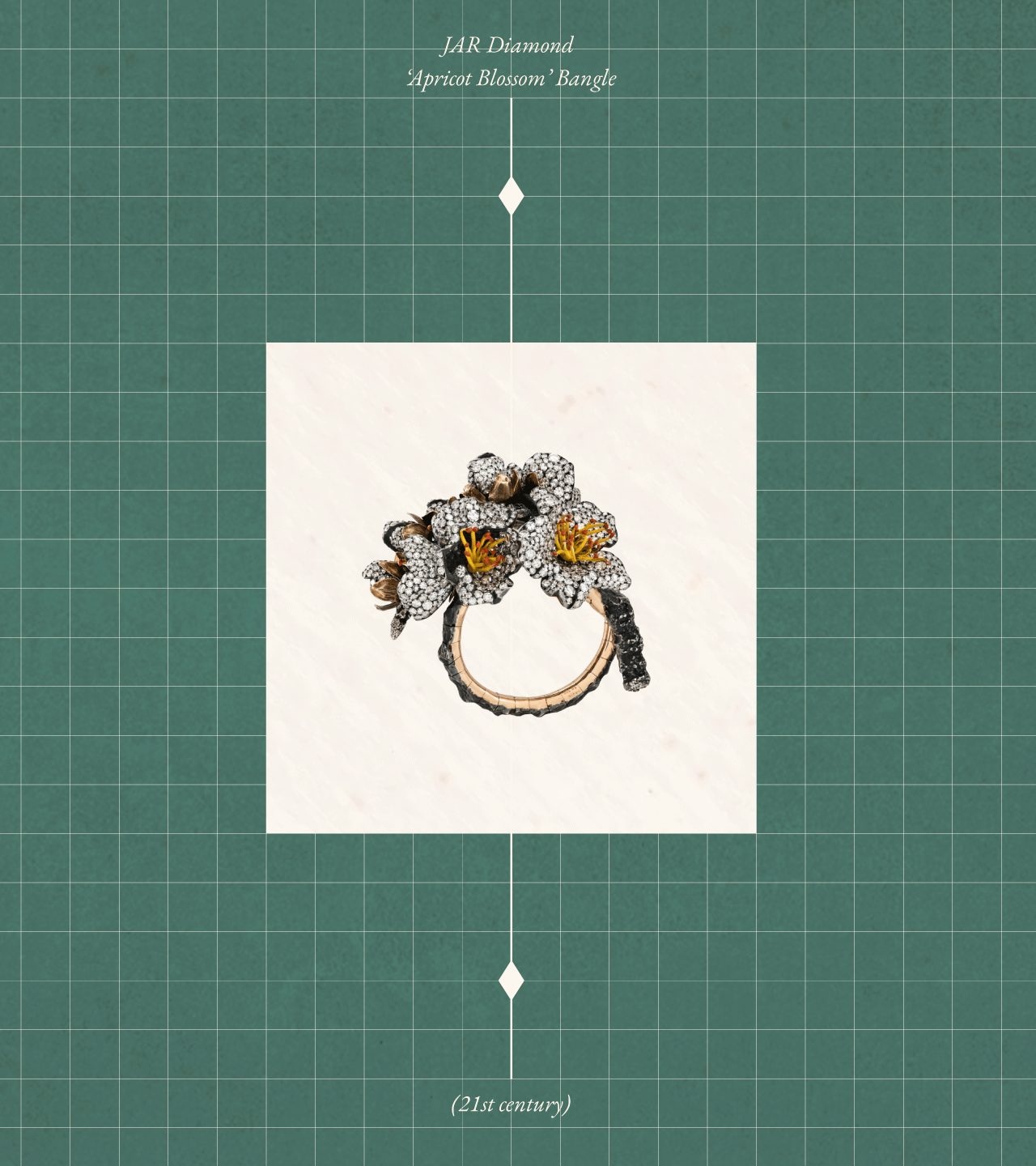
Following the Renaissance period, Baroque art was inspired by natural forms such as flowers, birds, aquatic animals and insects – rendering them in vibrant cuts of diamonds. These elaborate designs were translated in the form of diamond brooches, bodice ornaments and watches, giving artists the freedom to highlight natural diamonds as the structural architecture of the piece. At the same time, these pieces became family heirlooms. Diamond brooches were preserved in diamond boxes for the next generation, often moving between powerful families through auction houses and private sales. Diamond snuff boxes became symbols of power in Europe, suggesting that only the wealthiest families could afford diamonds set in their natural shapes. In addition, the Art Deco period of the 20th century inherited the language of miniature opulence that Baroque excess carried towards experiments with smaller, precisely cut stones. This exclusive penchant for natural diamonds was further taken forward in the 2000s. One such example is a collection of diamond jewellery which translated the visions of Joel Arthur Rosenthal’s collection titled ‘Jar’ – where the designer played with proportions of diamonds, again using the natural world as inspiration.

Honouring The Heirloom
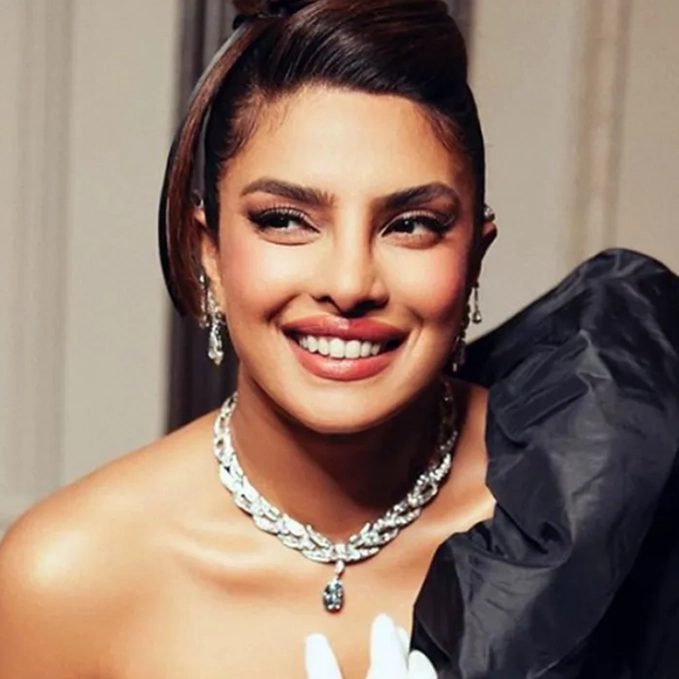
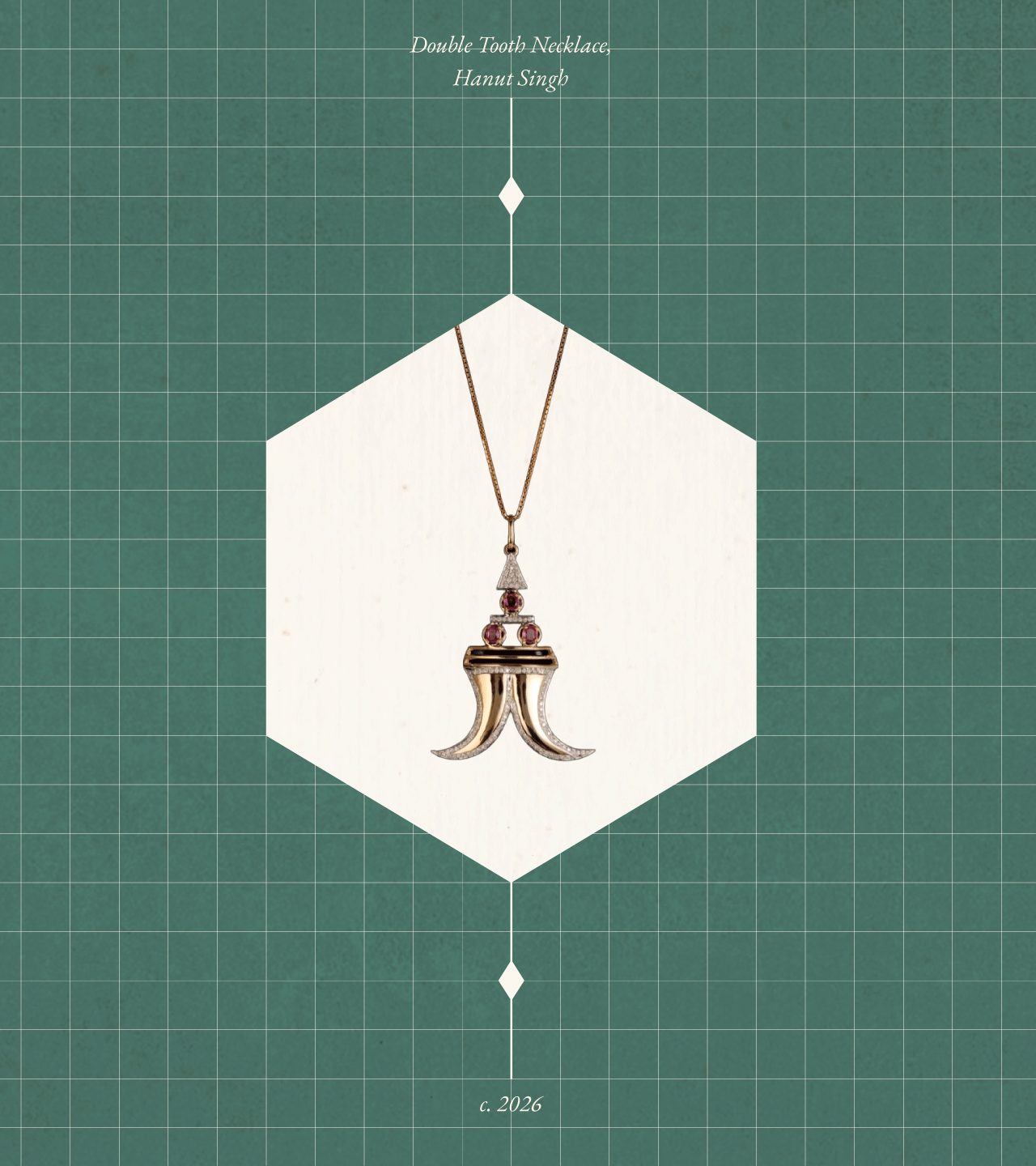
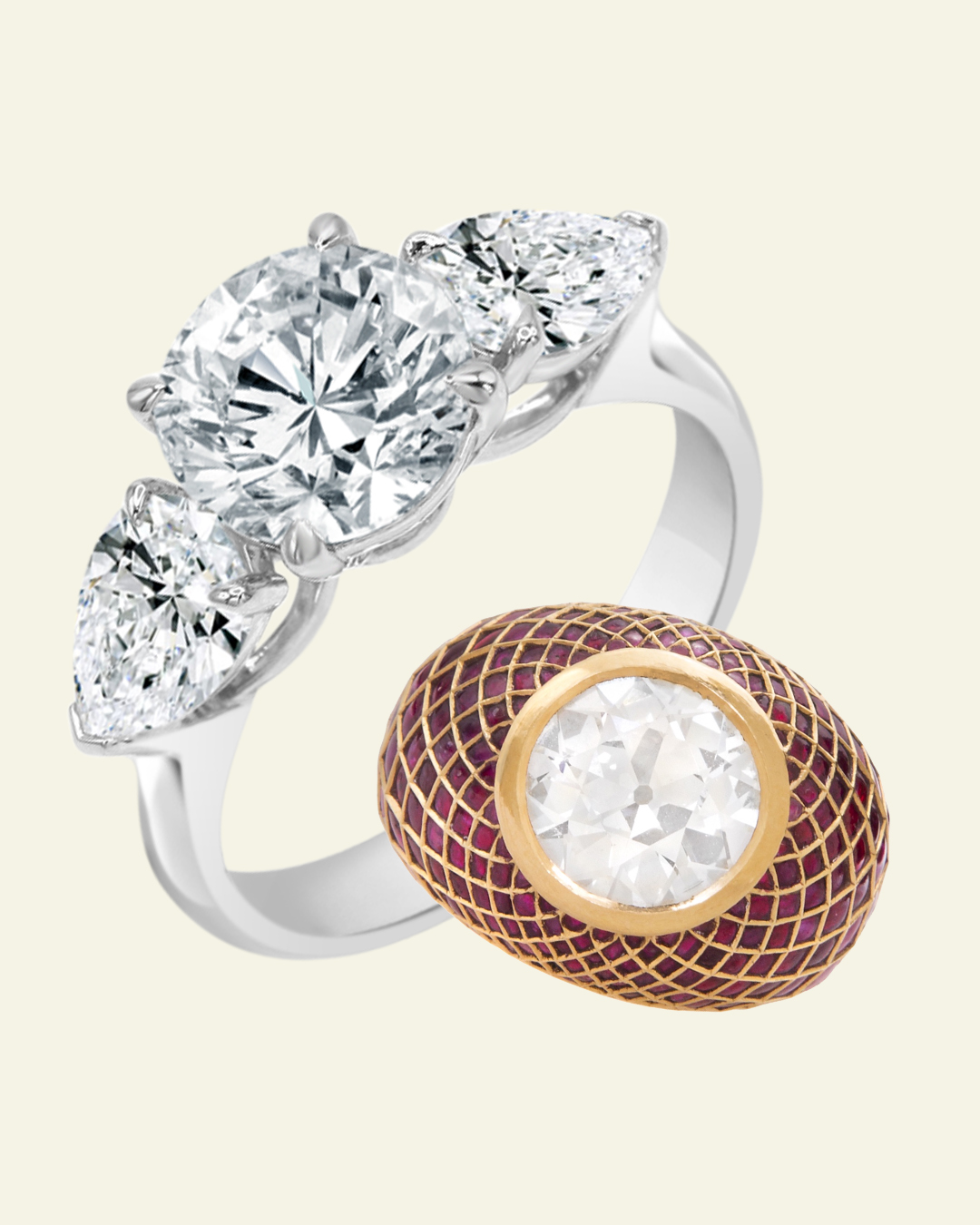
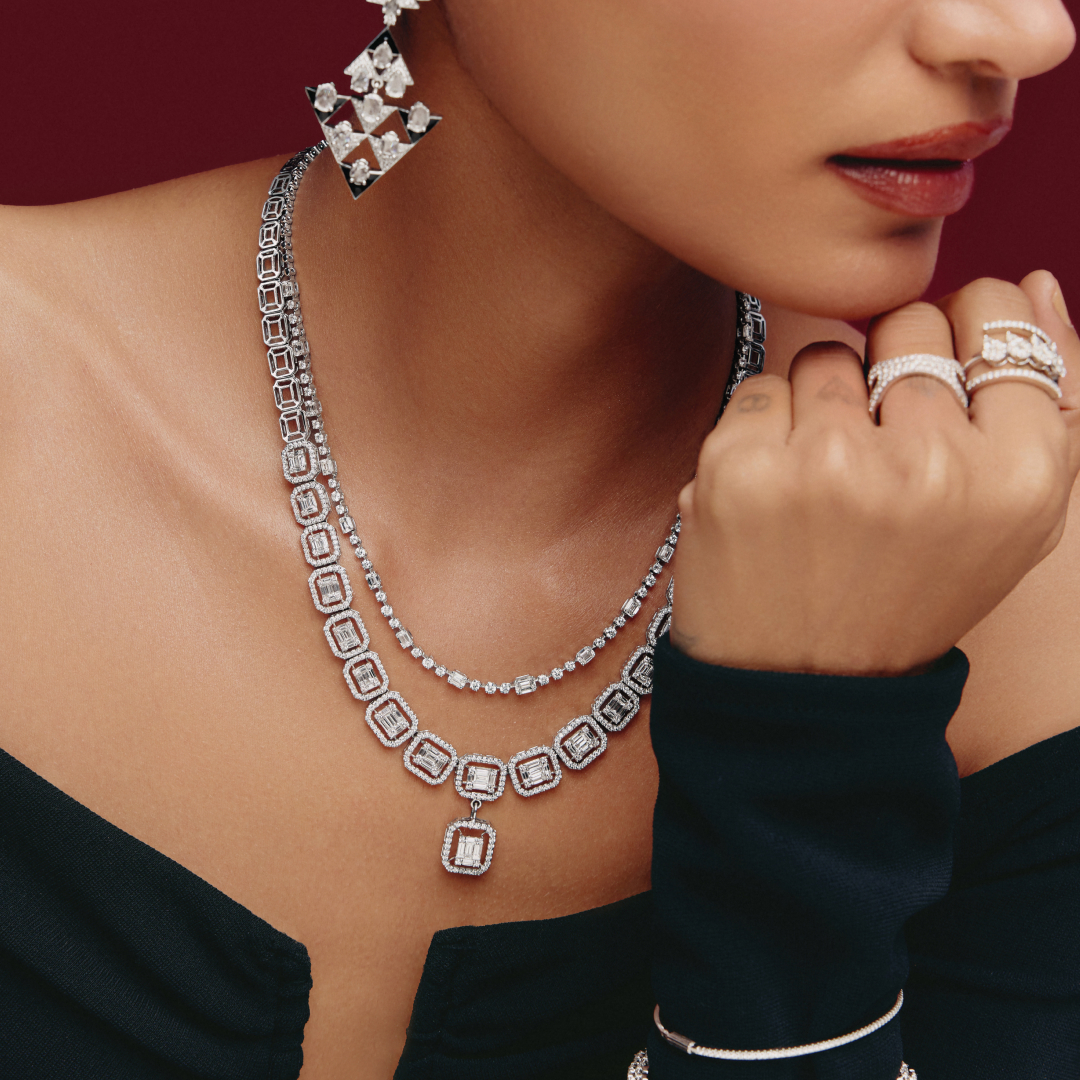
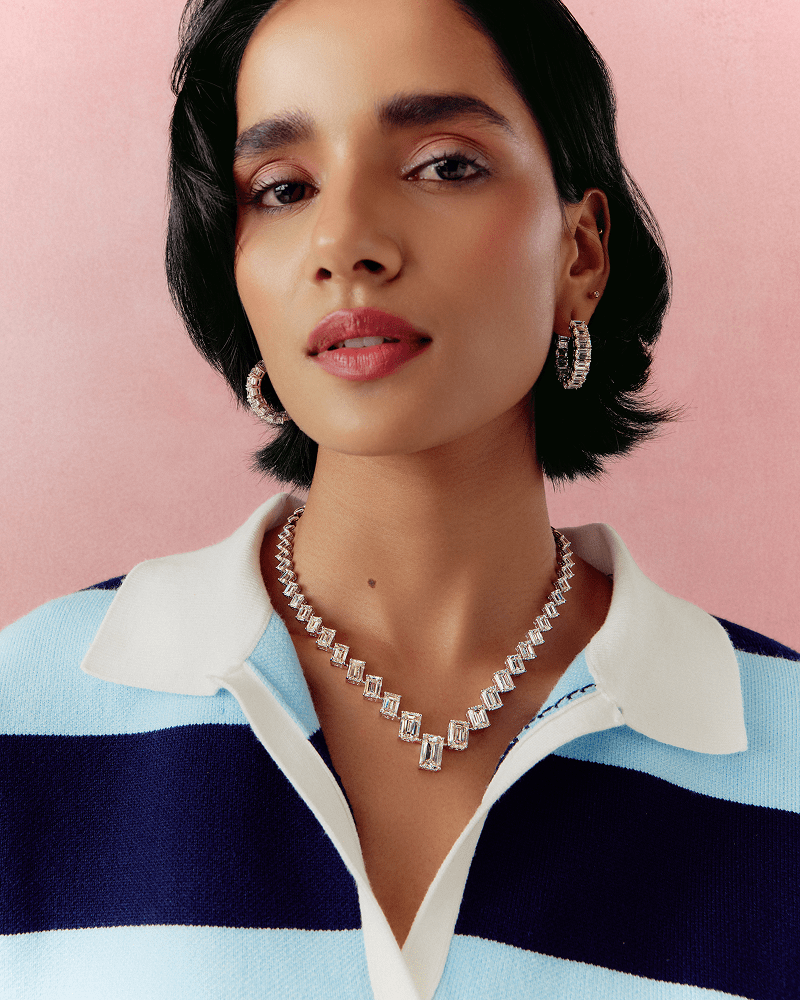
Natural diamonds were chosen with the desire to create something rare that would survive and honour the wearer. Customised diamond jewellery became an heirloom but modified according to the shape of a son’s wrist, the size of a granddaughter’s finger so that the jewellery could be passed on with care. An example from recent royal diamond genealogy can be traced to Yuvrani Anshika Singh of Karauli, who ascertains that her taste in diamond jewellery is inherited from her parents. Personalisation and gifting of diamond jewellery during special occasions increased its value. Wearing a diamond necklace, Yuvrani enjoys the amalgamation of historic and modern diamond jewellery. Indian bridal acquisitions, even today, rely heavily on motifs symbolising femininity and fertility such as the diamond encrusted flowers found in Rajasthani diamond kanthi. To take it forward, designer Hanut Singh, a descendant of India’s Kapurthala royal family, offers among his signature pieces Talismanic Dagger diamond necklace, a direct translation of a Rajput and Mughal weapon-motif into a contemporary jewelled form. Here, personal genealogy mirrors the genealogy of motifs.
As heirlooms in the making, the memory of the hands that held them remains, even as the diamonds are modified and alongside those that wore them comes the history of the hands that made them. Museum archival material such as textile labels from the Museum of Art & Photography quietly confirm that diamond rings were rare objects. Such pop cultural materials depict diamond workers (karigars) as a form of creative expression. While the textile labels themselves were part of everyday life, they also became a form of advertising and marketing luxury goods. The label captures three prominent diamond rings from the late 19th to early 20th century, probably made by diamond jewellers in Western India. Surat, Gujarat had just started with the production of diamond jewellery at the time when the diamond rings were printed on this label. Today, this region of India produces a sizable portion of diamond jewellery, the family tree of the diamond makers and merchants also carries forward a genealogy of its own.
A Pastiche Of Hair Ornaments
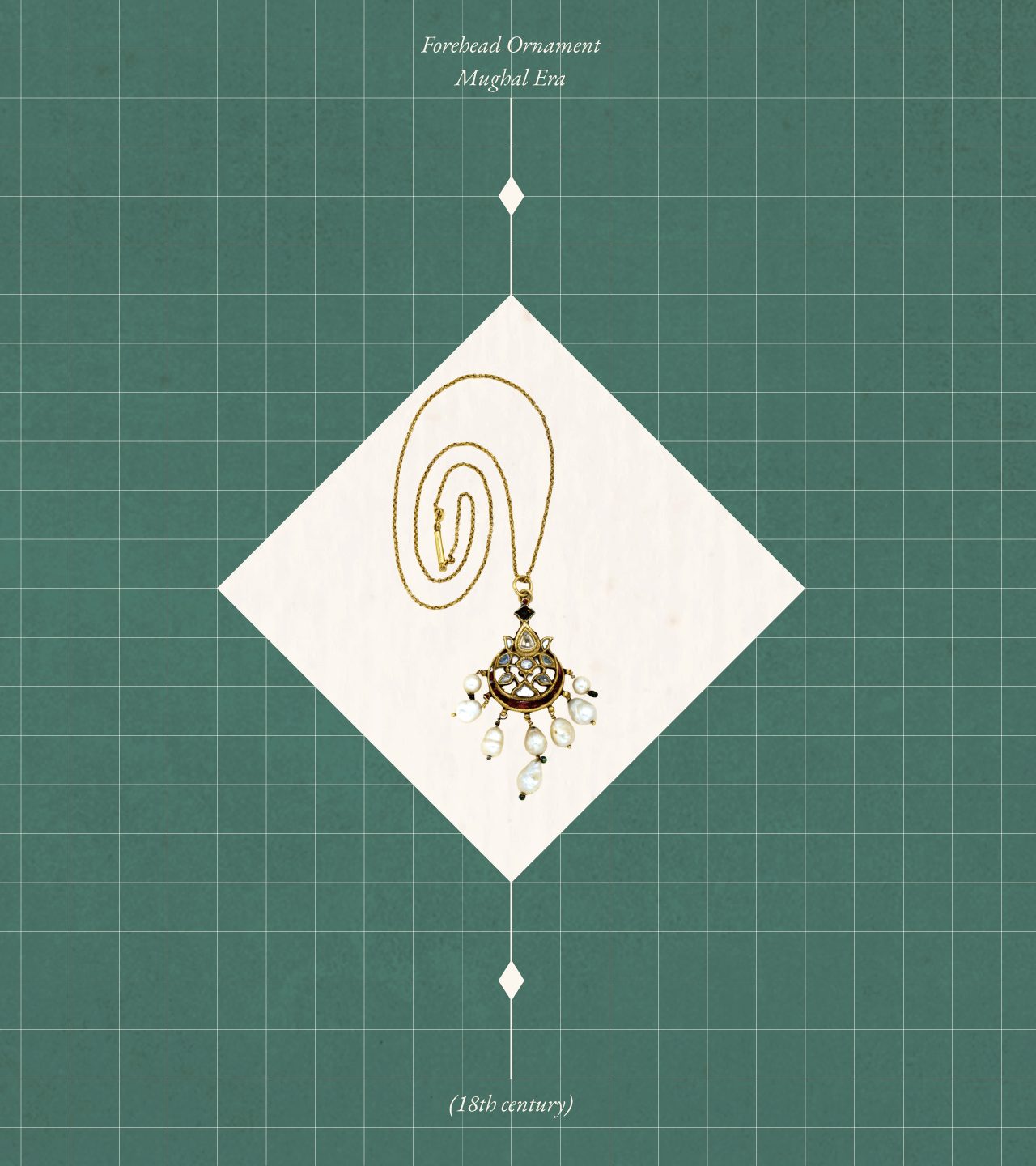
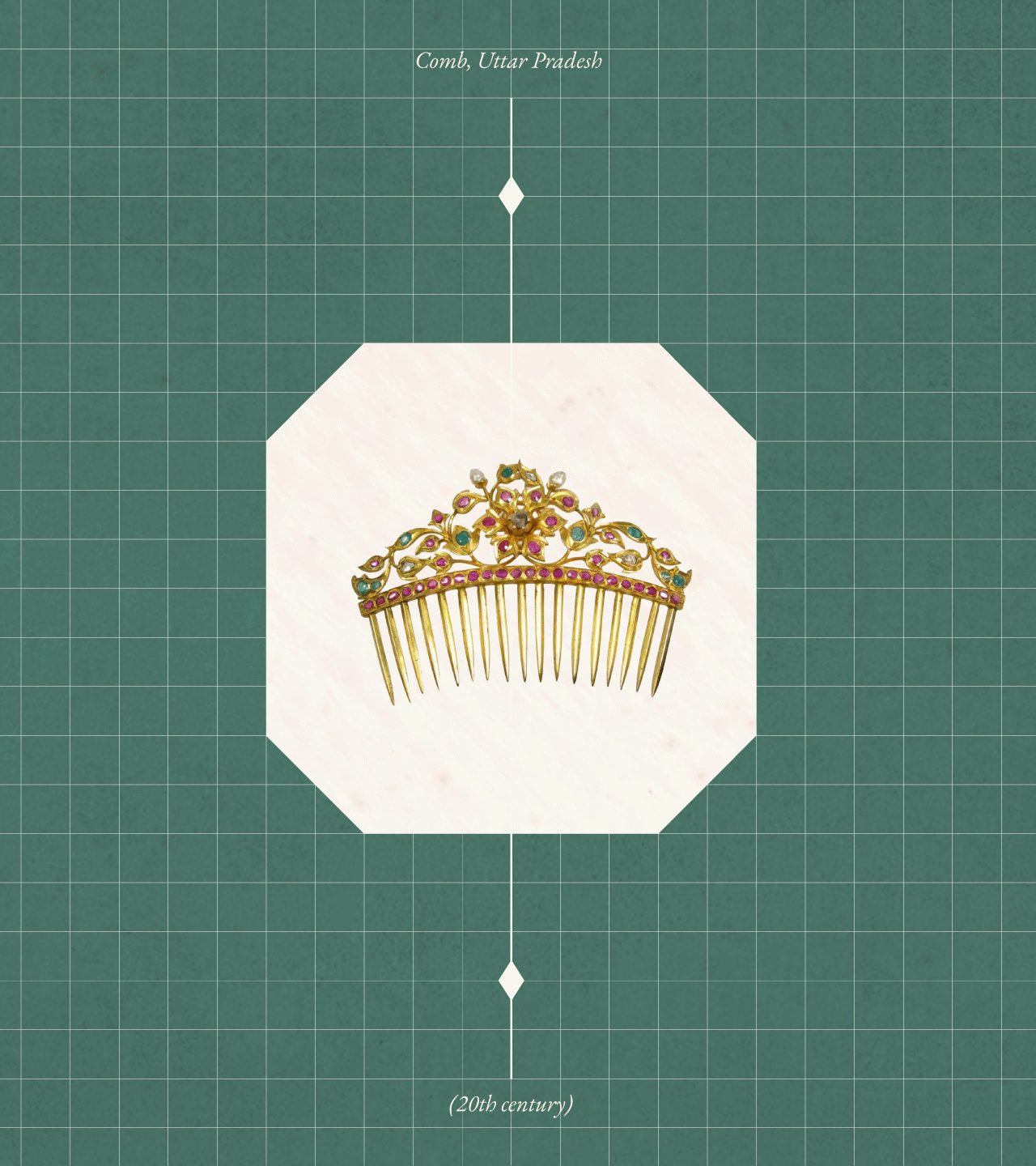
In Indian diamond jewellery, power and femininity play a major role in defining heirloom standards, particularly in decisions about which parts of the body the diamonds adorn. Diamond hair ornaments are worn as an act of loyalty, love and devotion towards families, often taking the form of tiaras, crowns, hair brooches and pins. They had several names across India such as jhumar in Uttar Pradesh and rakodi or ragidi in South India, each diamond ornament containing hidden meanings about the status of the woman who wore it.
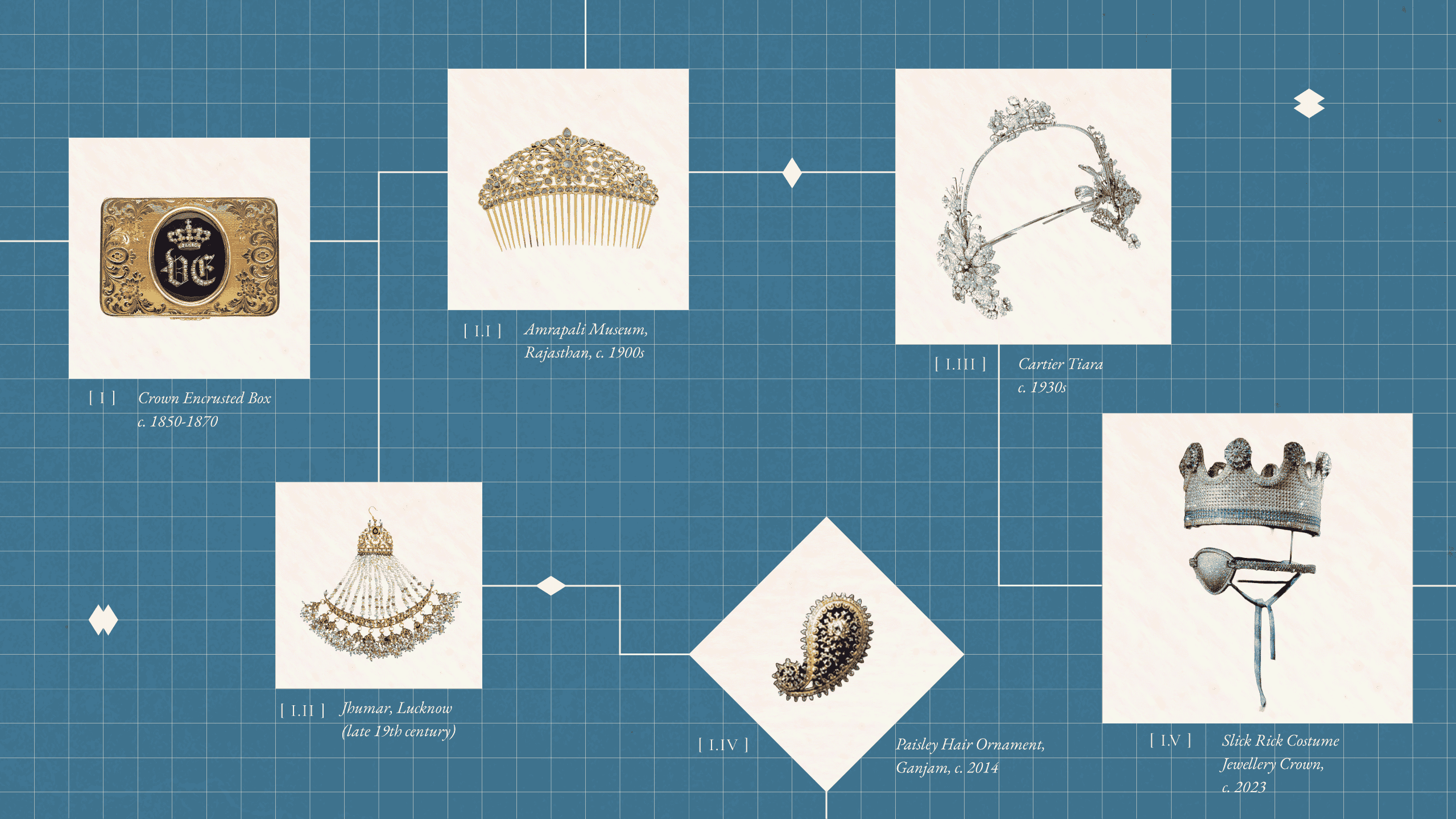
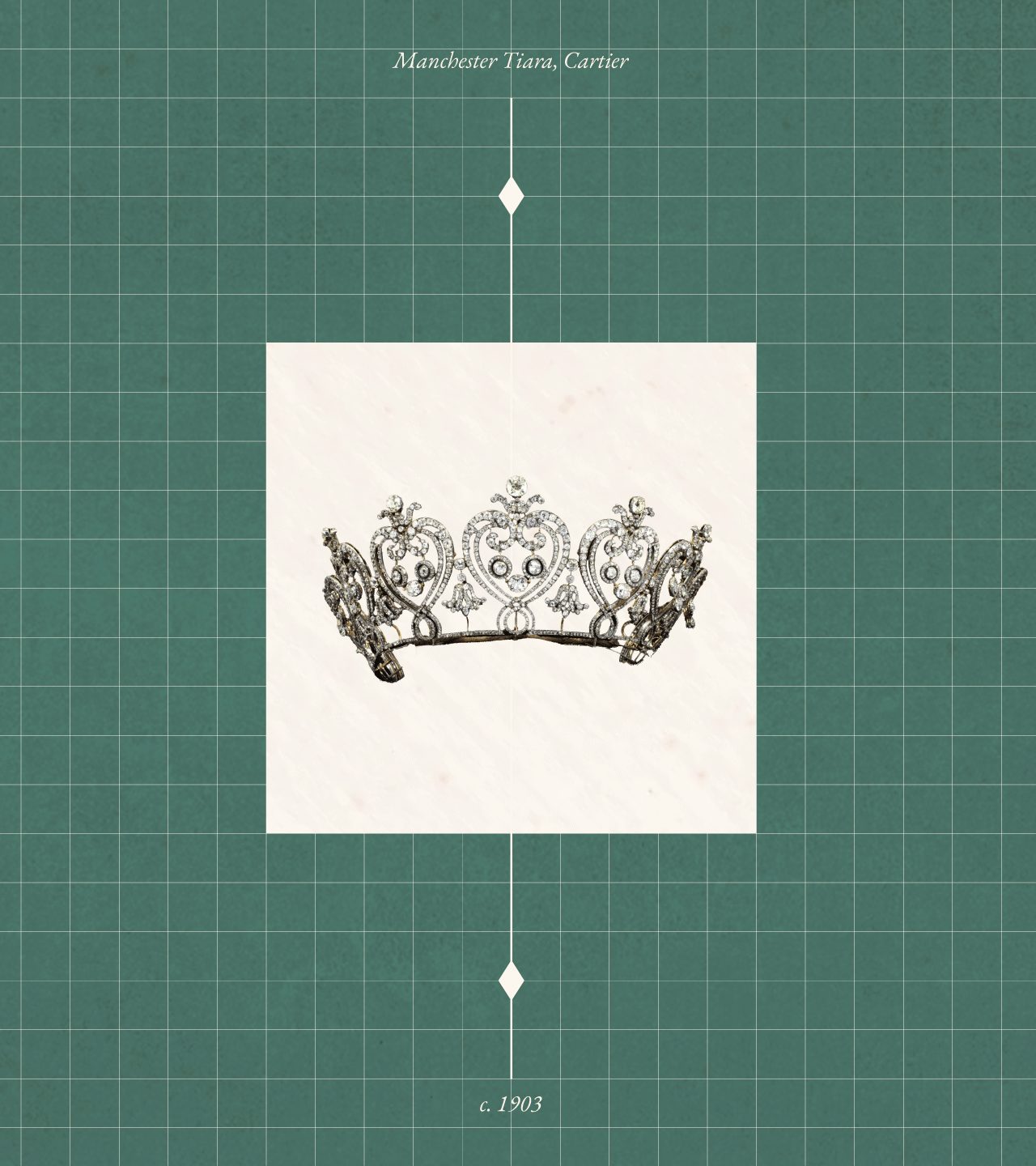
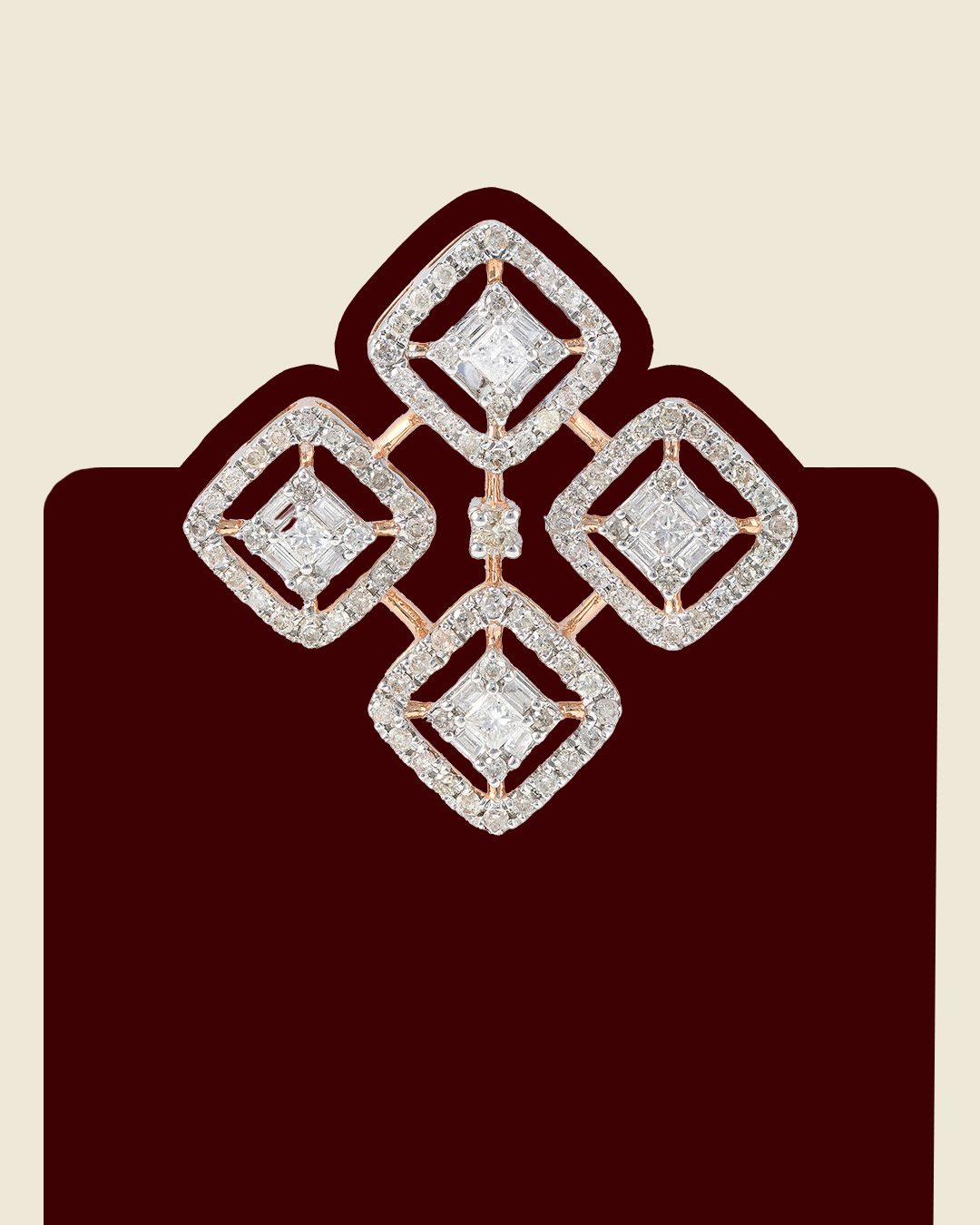
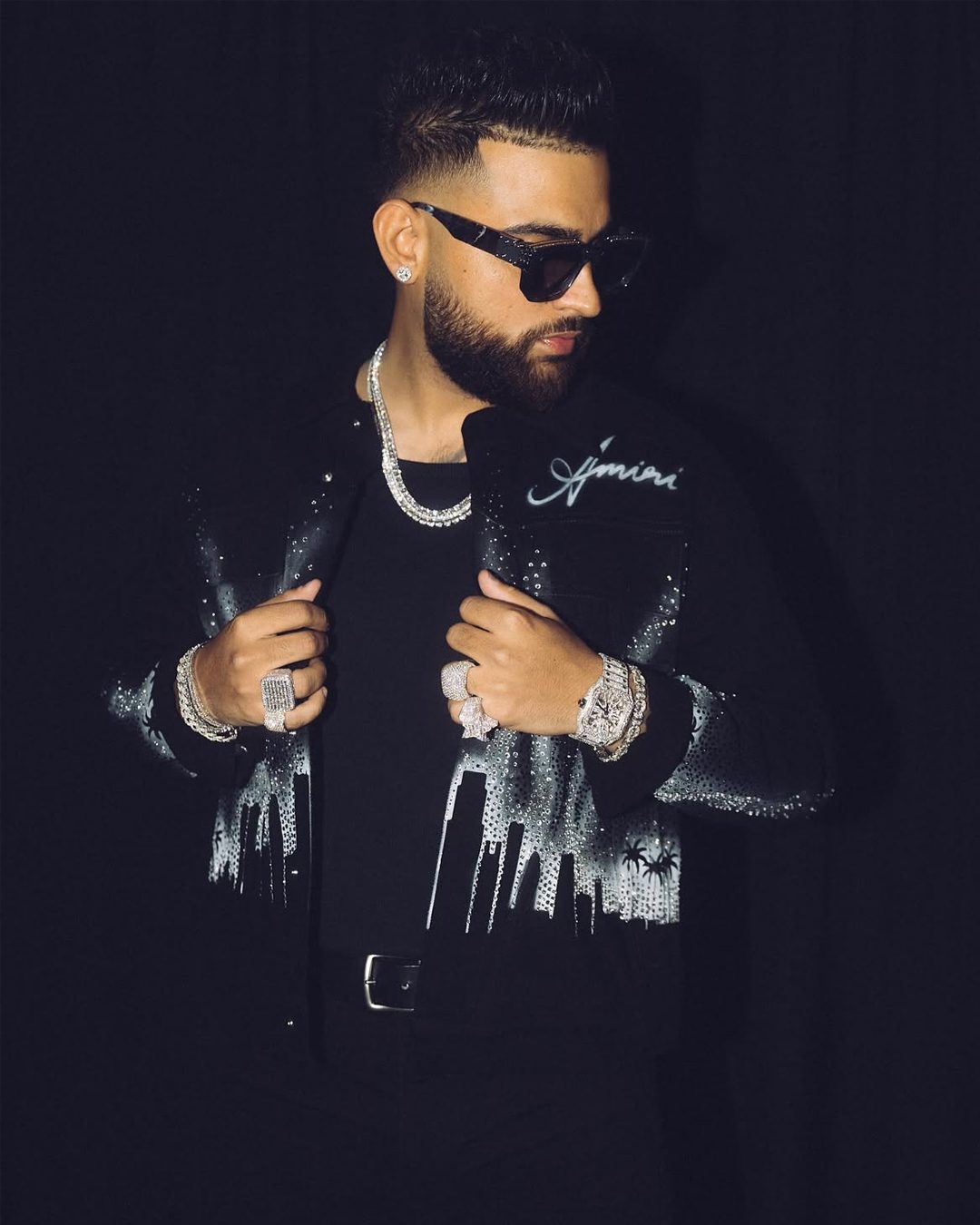
From North Indian hair combs used to hold long hair to Cartier tiaras stylised for pixie cuts, each diamond hair ornament held a larger diamond in the centre. In contemporary India, pendants and brooches are worn as diamond hair accessories signalling that the diamond legacy continues in its own way. Diamond hair accessories today focus more on beauty and experimentation over controlling abundant hair. Apart from diamond hair accessories, diamond crowns were more than an ornament. They evoked the union of families and the diamonds embodied lineages in the Victorian era. However, the era of hip hop today tells us that diamond crowns can be worn by whoever is bold enough to wear it. As the diamond cut and style of natural diamonds migrated from courts to street fashion, diamond crowns became part of a new inheritance. The journey from hair-pins, tiaras, brooches to crowns connotes that while the diamond remained the same, its value and symbolism shifted.
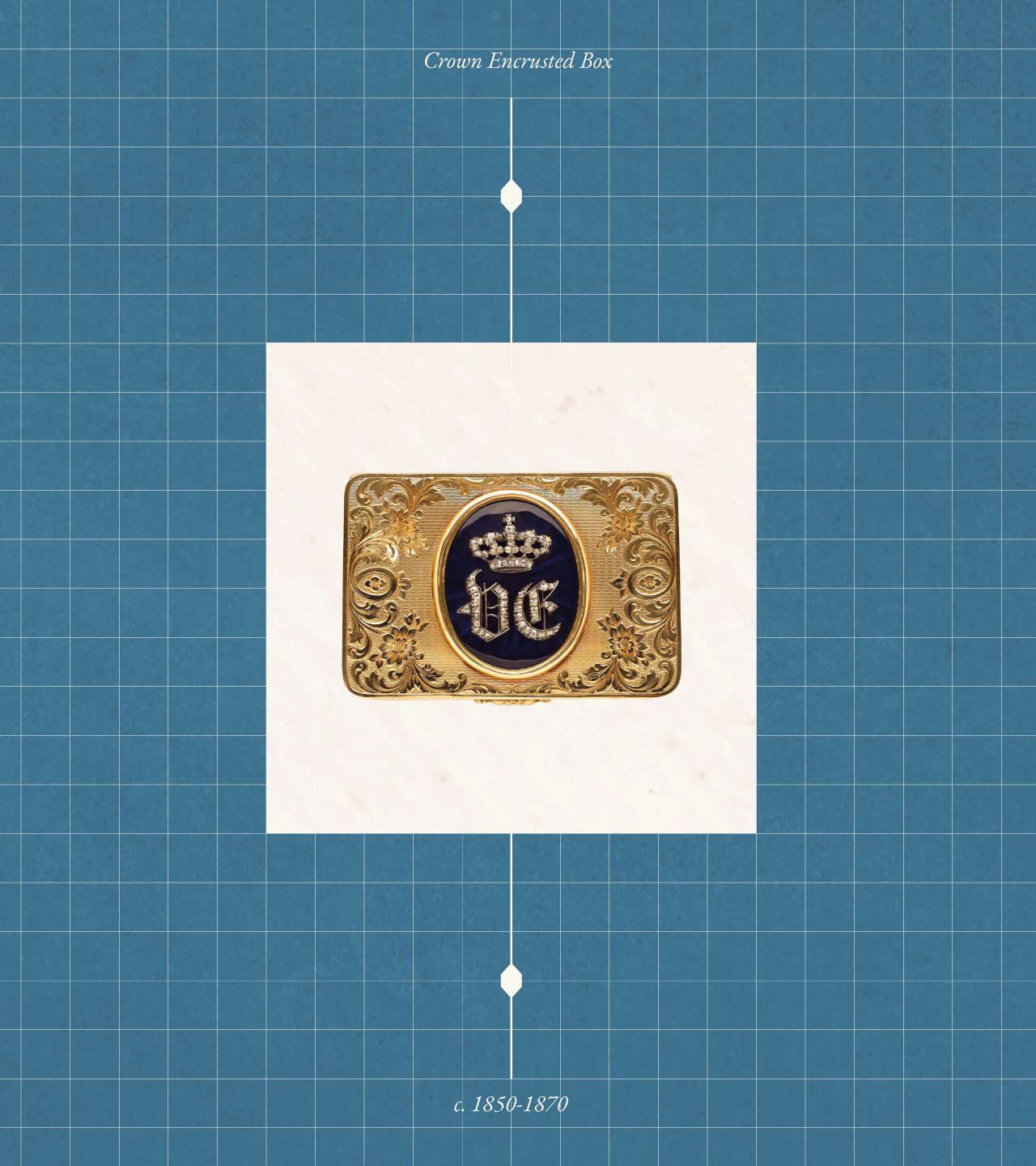
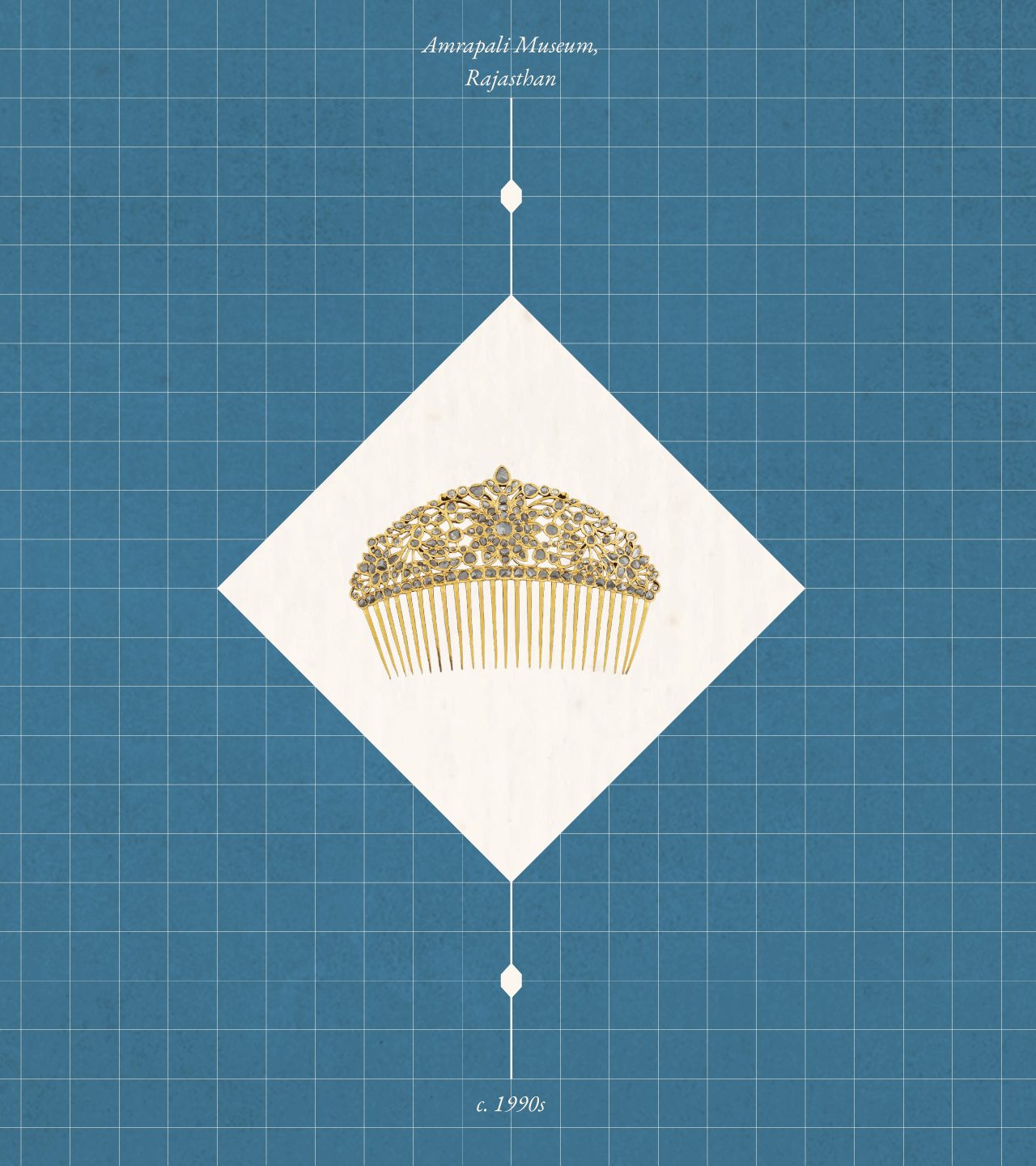
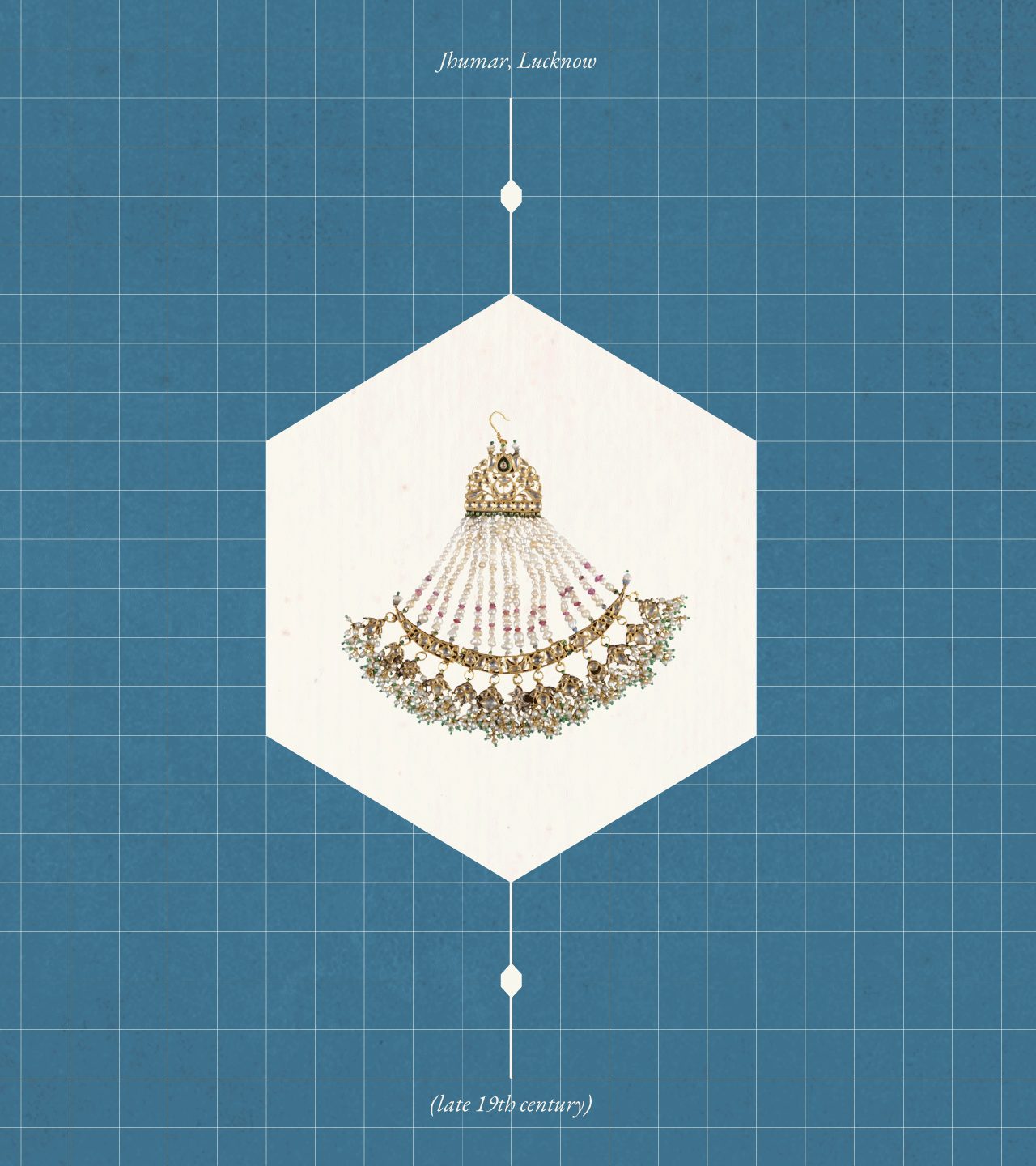
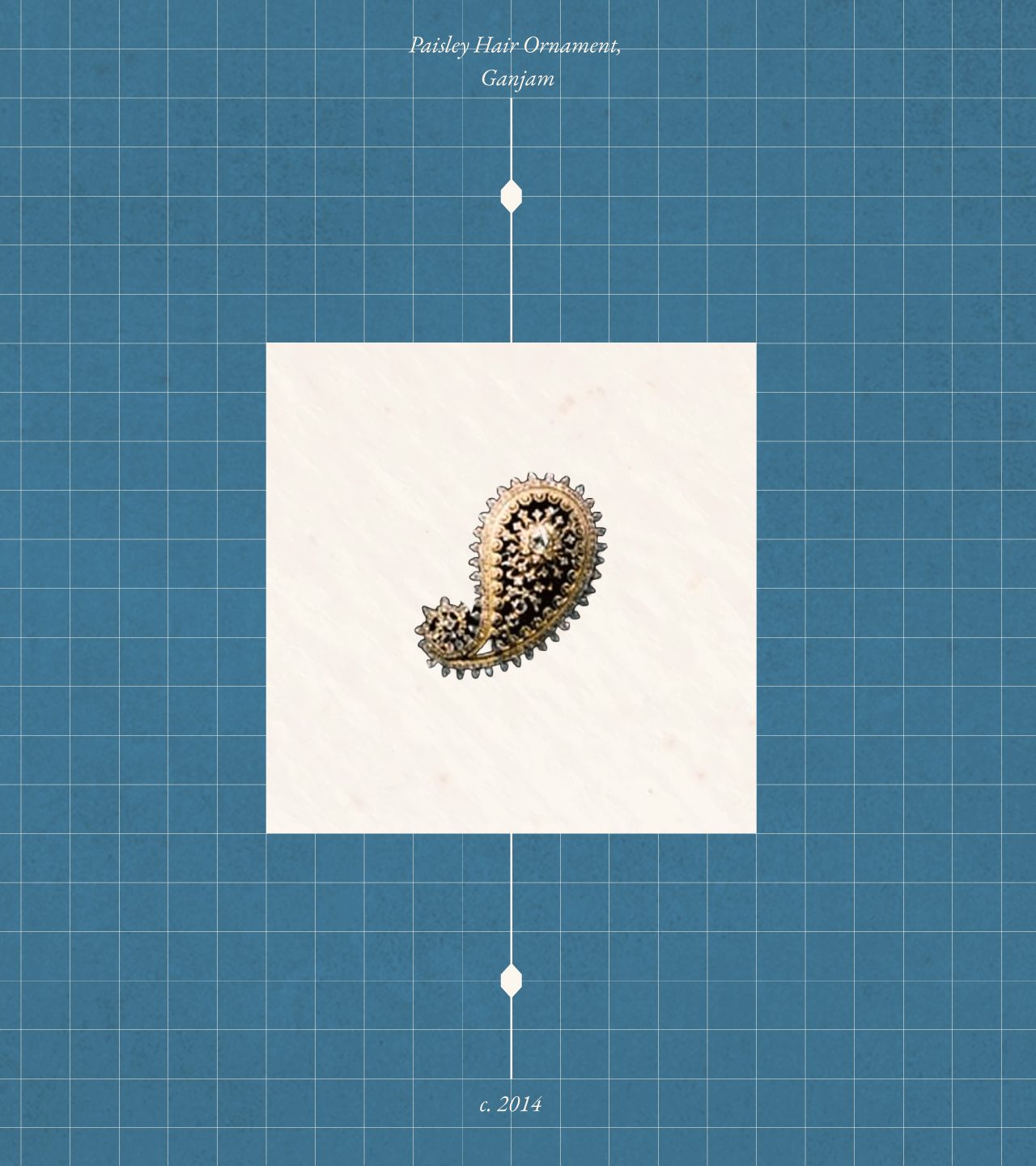
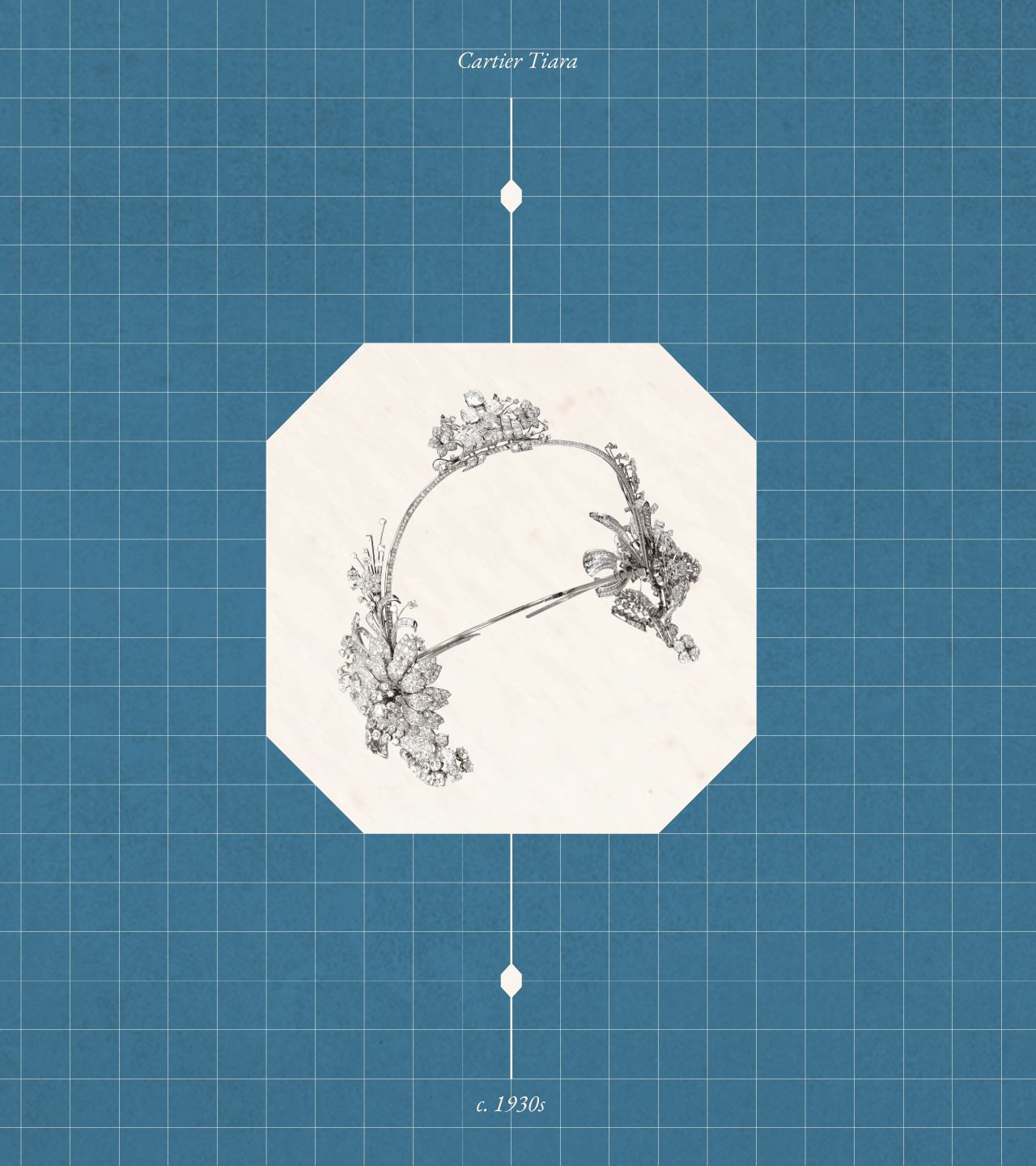
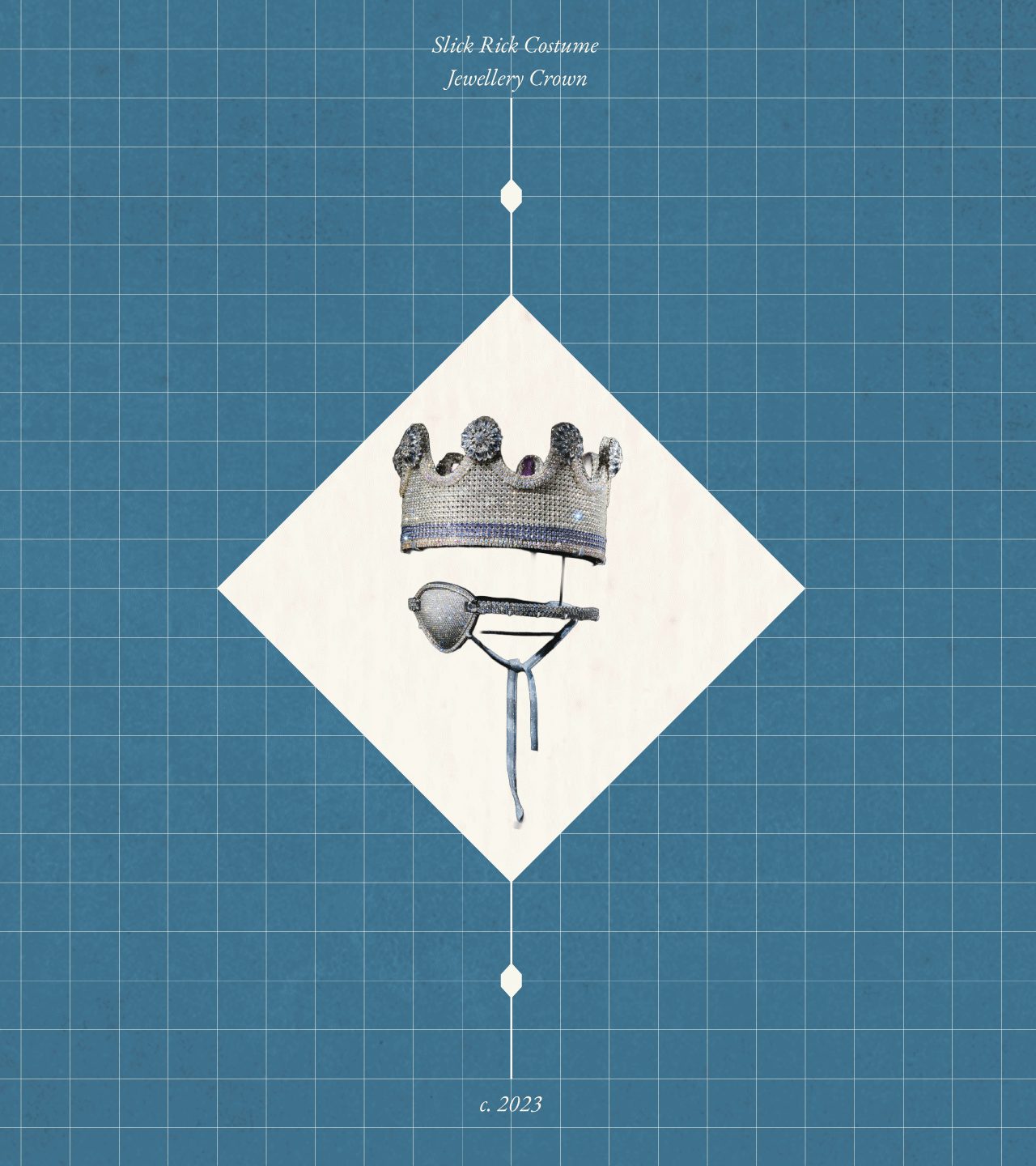

The family tree of natural diamonds is not only genealogical. Across time and regions, each diamond accumulated stories of generations that modified its motif, form and cut. From the brilliance of Baroque and geometry of Art Deco to the contemporary heirloom expressions, diamond jewellery shows that each facet of diamond has connections to its historical counterpart – appearing not as reinvention but as continuation of values.

Newsletter