
The Zoe Diamond: The Mysterious Blue Diamond That Broke Two World Records
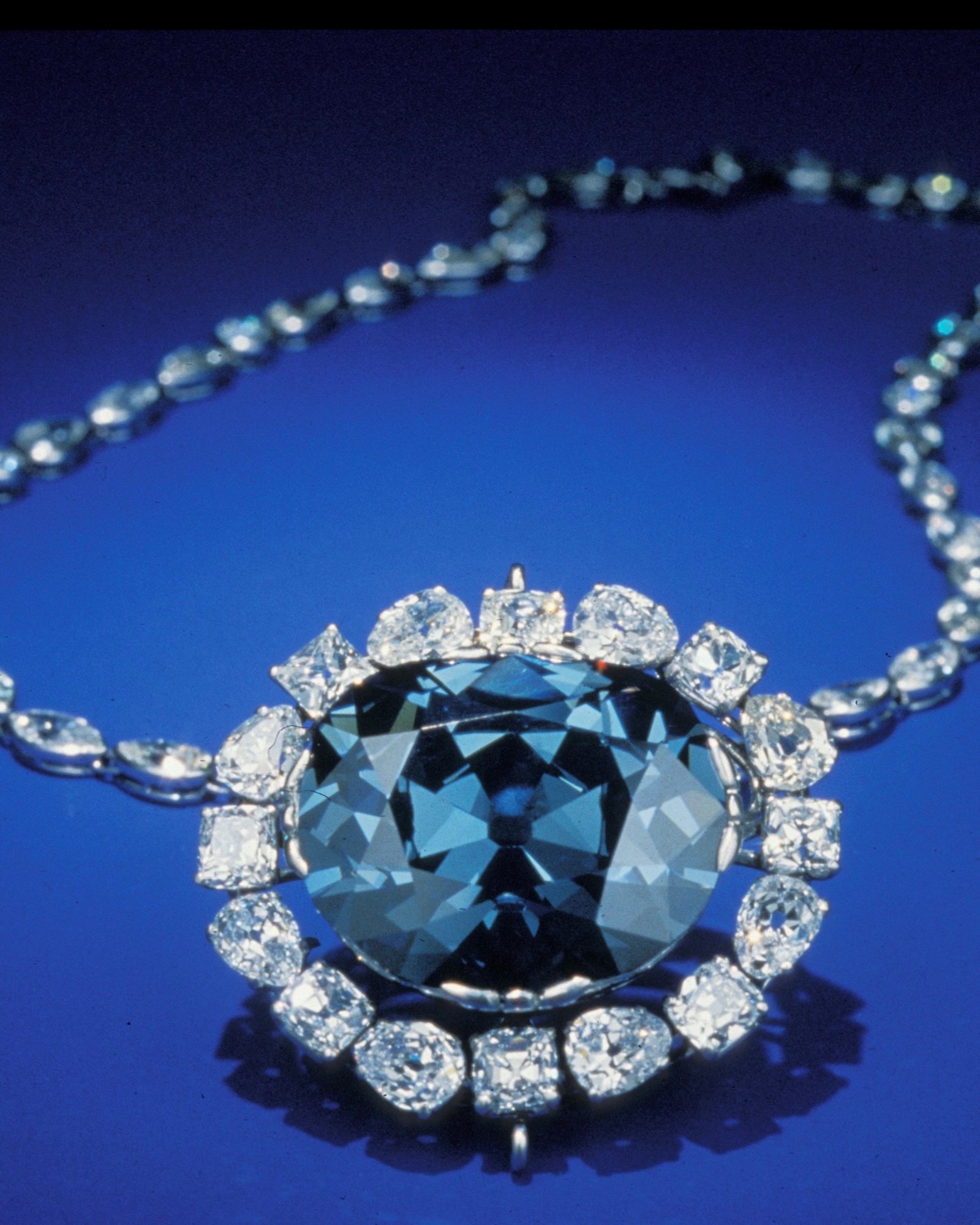
With almost no known history, the 9.75-carat Fancy Vivid Blue pear-shaped Zoe Diamond quietly stunned the auction world and set a benchmark for blue diamonds.
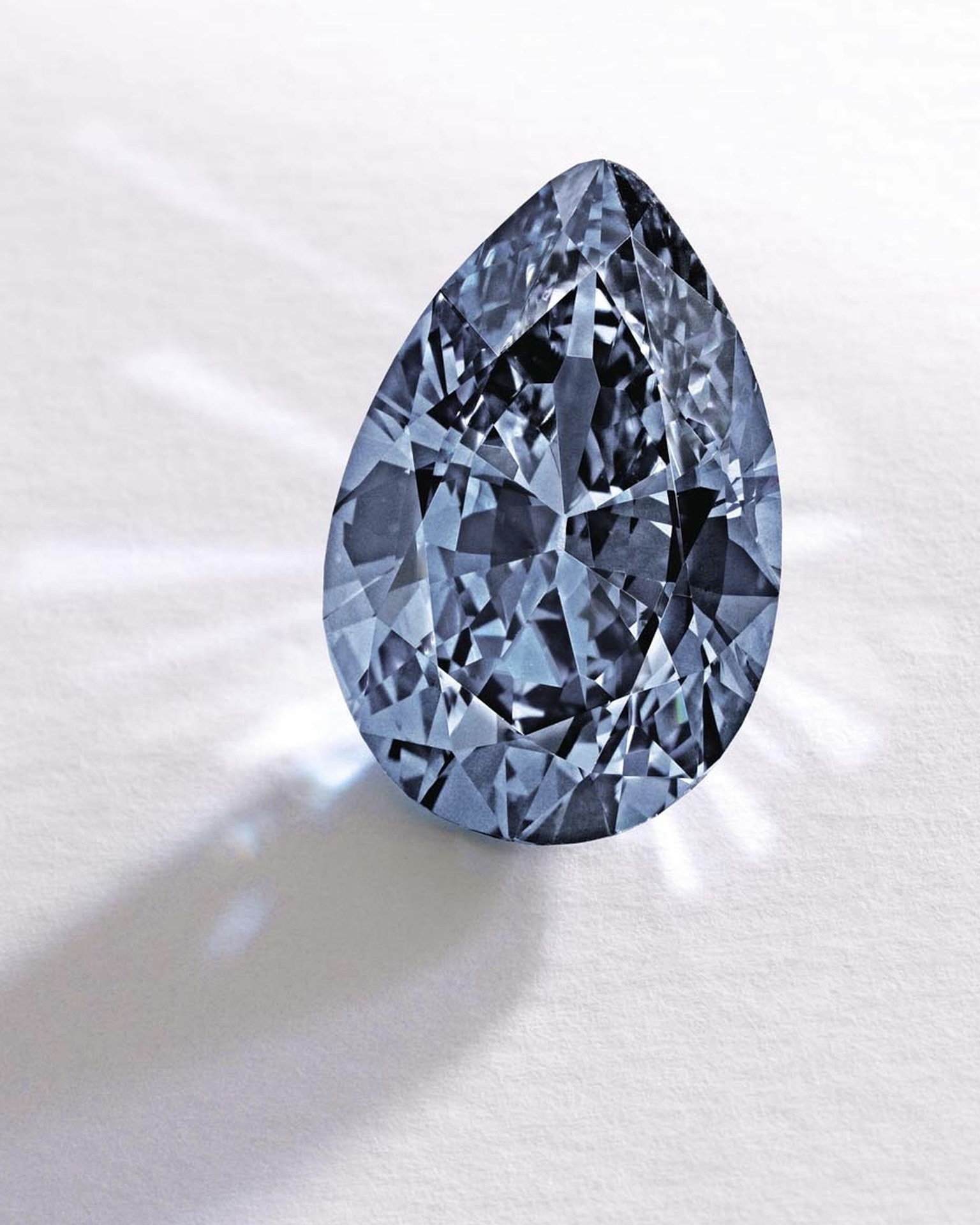
The Blue Pear-Shaped Zoe Diamond (Courtesy of Sotheby’s)
So many of the great diamonds in history come with biographies you could write a book about, full of kings, thefts, and centuries of provenance. And then there is the pear-shaped Zoe Diamond, which more or less appeared, broke two of the most coveted records in the business, and left almost nobody able to tell you where it came from. As a diamond person, I find that kind of mystery both intriguing and frustrating.
Meet the Expert

- Grant Mobley is the Jewelry & Watch Editor of Only Natural Diamonds.
- He is a GIA Diamonds Graduate.
- He has over 17 years of jewelry industry experience, starting with growing up in his family’s retail jewelry stores.
The Sale of the Zoe Diamond Marked a Record-Breaking Night at Sotheby’s
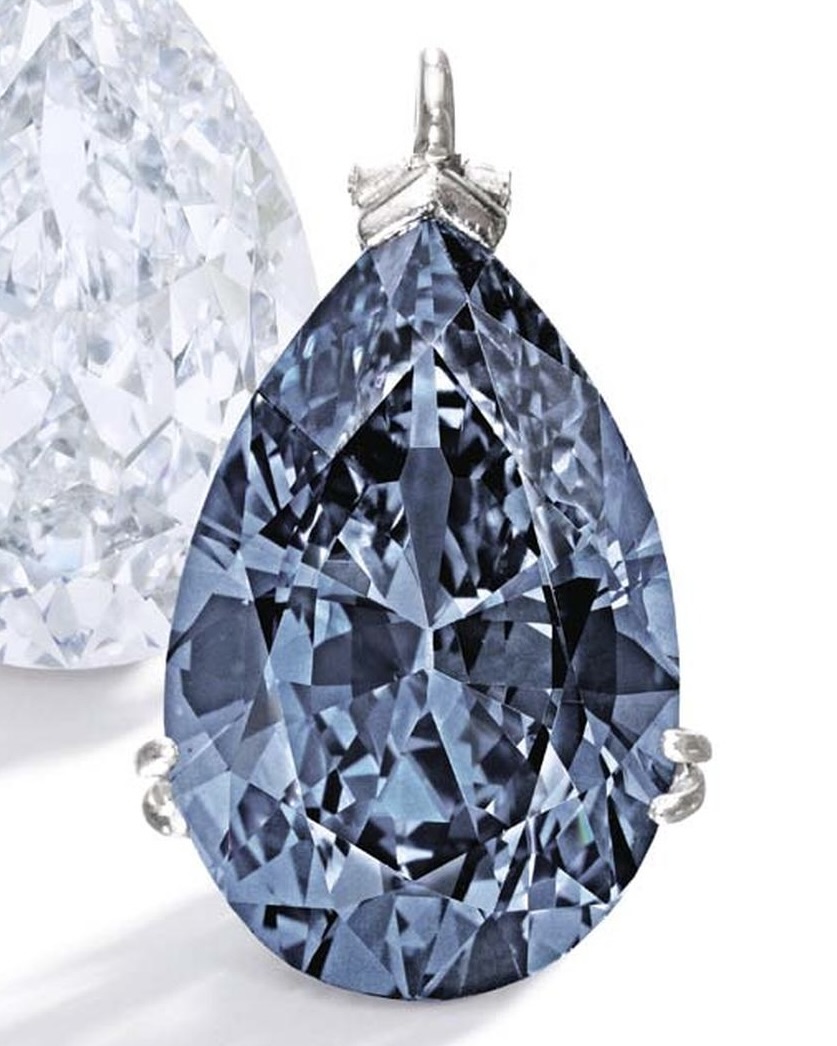
In November 2014, the Zoe Diamond was sold at Sotheby’s New York for $32.6 million. The pre-sale estimate sat around $15 million, so the final price more than doubled expectations. And it did not just set a record for the total price of a blue diamond. It set a record for the highest price ever paid per carat for any diamond at the time, an eye-watering $3.3 million per carat.
The buyer was Joseph Lau, the Hong Kong property tycoon and collector, who purchased the stone for his daughter Zoe and named it after her. The Zoe was only the beginning of his record-setting run.
Just a year later, in 2015, the Zoe Diamond lost its crown to the Blue Moon, a 12.03-carat flawless Fancy Vivid Blue cut from a rough discovered at South Africa’s Cullinan Mine. It sold for roughly $48.5 million in Geneva, more than $4 million per carat. The buyer was, of course, Lau again, who renamed it the Blue Moon of Josephine after another of his daughters. He made that purchase the day after buying a 16.08-carat vivid pink diamond for $28.5 million. The man does not do anything halfway.
What Makes the Zoe Diamond So Special
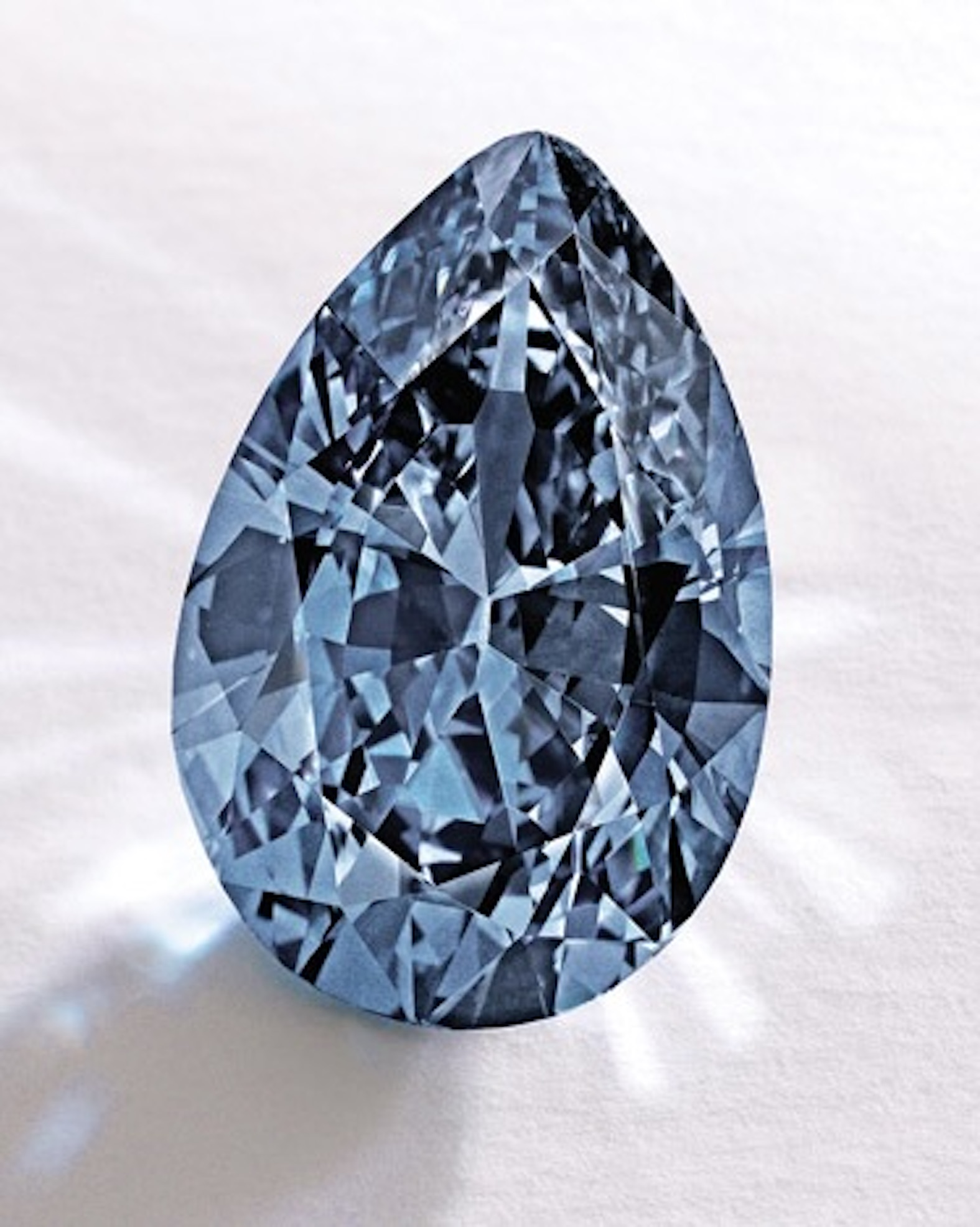
The GIA graded the Zoe Diamond as a 9.75-carat Fancy Vivid Blue diamond. That color grade is everything. Among blue diamonds, the GIA grades color on a scale that climbs from Fancy Light through Fancy and finally to Fancy Vivid, the most saturated and intense blue a natural diamond can achieve. It is the pinnacle, the rarest color grade a blue diamond can earn, and it separates a beautiful blue diamond from a genuinely historic one.
The Zoe also carries a VVS2 clarity grade, which is exceptional for a natural colored diamond of any size, let alone one approaching ten carats. Large blue diamonds with high clarity and top color are about as rare as gemstones get. Put all three qualities together in a single stone, and you understand why the bidding blew past its estimate.
The Zoe Diamond’s Mellon Connection
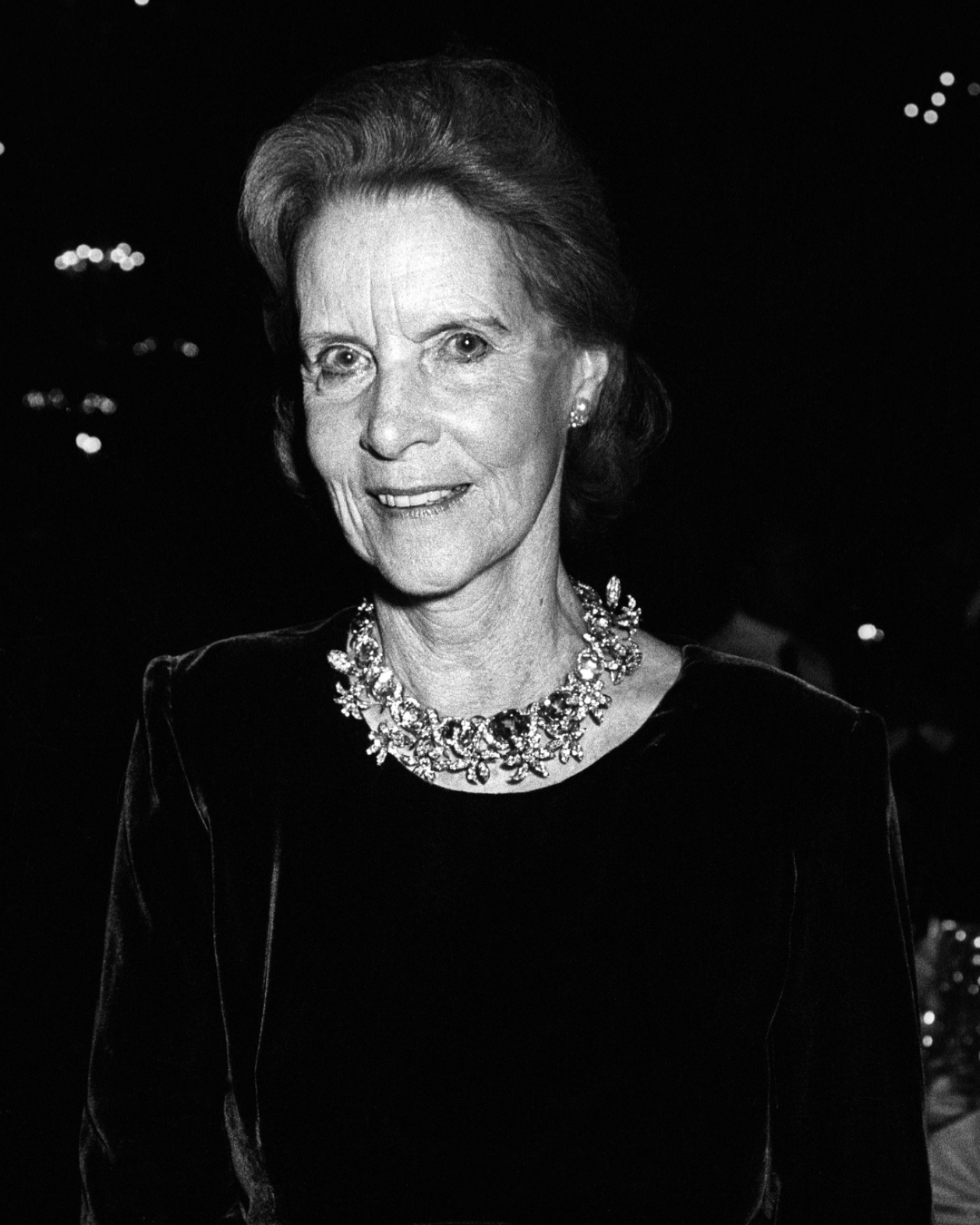
One of the few concrete facts we have about the Zoe Diamond is its most recent home. Sotheby’s auctioned it as part of the collection of Rachel Lambert “Bunny” Mellon, wife of the legendary banker and financier, Paul Mellon. The sale carried a meaningful legacy, too. According to Sotheby’s, the proceeds benefited the Gerard B. Lambert Foundation, which supports the Oak Spring Garden Library on the Mellon estate in Virginia. A diamond with almost no documented past helped fund something meant to last well into the future.
Why Blue Diamonds Are So Rare

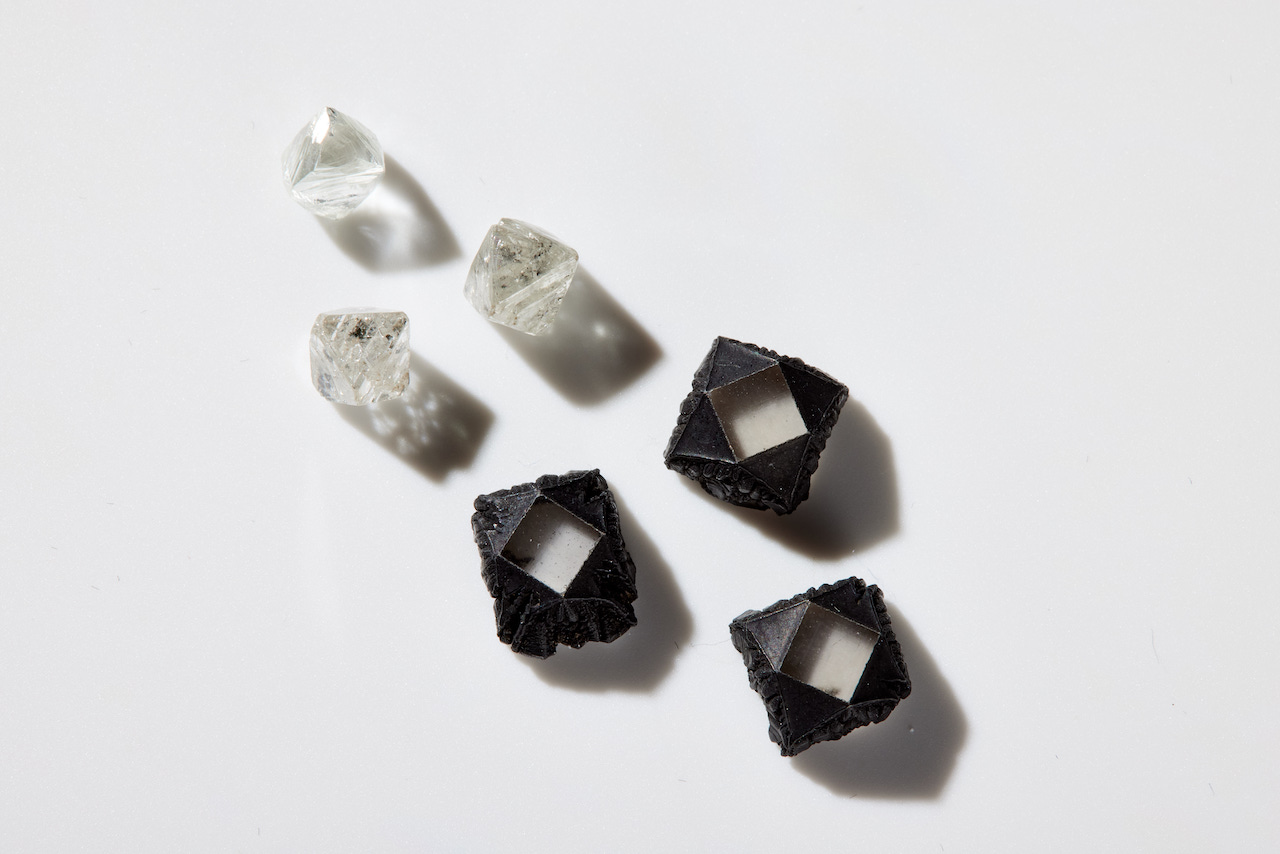
A blue diamond gets its color from boron, a trace element that worked its way into the crystal structure while the stone formed deep in the earth. Boron causes the diamond to absorb light at the red, orange, and yellow ends of the spectrum and let blue light through. But boron is rare in the environment where diamonds form, which is exactly why blue diamonds turn up so infrequently.
The scarcity is real, and the market reflects it. Even a one-carat high-quality blue diamond can cost several hundred thousand dollars. Combine that low supply with relentless collector demand, and you get the prices we see at the very top of the market. For context, the record the Zoe broke had belonged to the historic Wittelsbach Diamond, which Christie’s sold in 2008 for $24.3 million to Laurence Graff, who recut it and renamed it the Wittelsbach-Graff. That is the company the Zoe keeps.
Why Records Like This Keep Falling

Here is something worth understanding about stones like the Zoe. Natural diamond prices have historically risen by an average of about three percent per year, and for the rarest natural color diamonds, the appreciation tends to run considerably higher. When you pair a finite, irreplaceable supply with steadily growing global demand, prices at the top of the market only move in one direction over time.
That is exactly why we keep watching these records fall, often not long after they are set. The Zoe held the title for roughly a year before the Blue Moon of Josephine surpassed it. I fully expect this pattern to continue. As long as the earth produces these stones in such tiny quantities and collectors keep competing for them, each new record simply sets the stage for the next one.
That is part of the magic. The Zoe Diamond reminds us that no matter how much we know, the earth is still capable of handing us something extraordinary and refusing to explain itself.