< Historic Diamonds / Royal Stories
How Queen Mary Shaped The Royal Family’s Jewelry Collection
Queen Mary is responsible for acquiring some of the most legendary diamond jewels in the Royal Family’s endless treasure chest.
Published: January 30, 2026
Written by: Hannah Militano
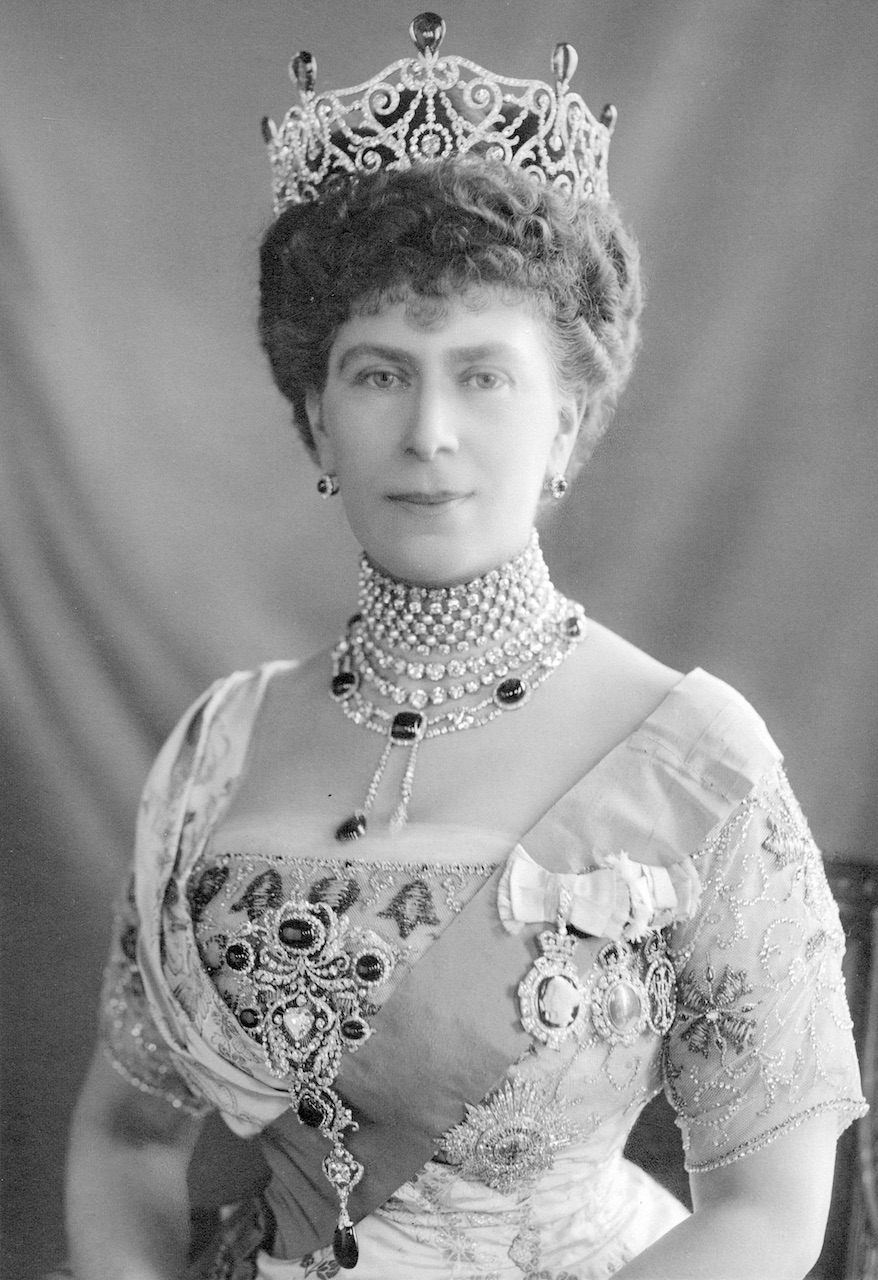
Queen Mary gave new meaning to the word magpie, becoming one of the most prolific jewelry collectors and curators in royal history. Her love of beautiful things, paired with an expert eye, led her to acquire some of the most important diamonds in the Royal Family’s vaults, whether by commission, at auction, or as gifts.
After the South African government gifted the infamous Cullinan diamonds to Queen Mary in 1910, she repurposed them every which way, swapping the different stones in and out of multiple crowns, and even creating the brooch, lovingly referred to as “Granny’s Chips.”
Mary commissioned Garrard, the first official Crown Jeweler, to create the Diamond Fringe tiara, worn by three different generations of royal women on their wedding days. Her emerald and diamond Art Deco choker reached legendary status once Princess Diana wore it as a headband during her Royal Tour of Australia. Mary even managed to get her hands on obscure Russian jewels, like the Grand Duchess Vladimir, at auction in 1921.
Meet the Expert
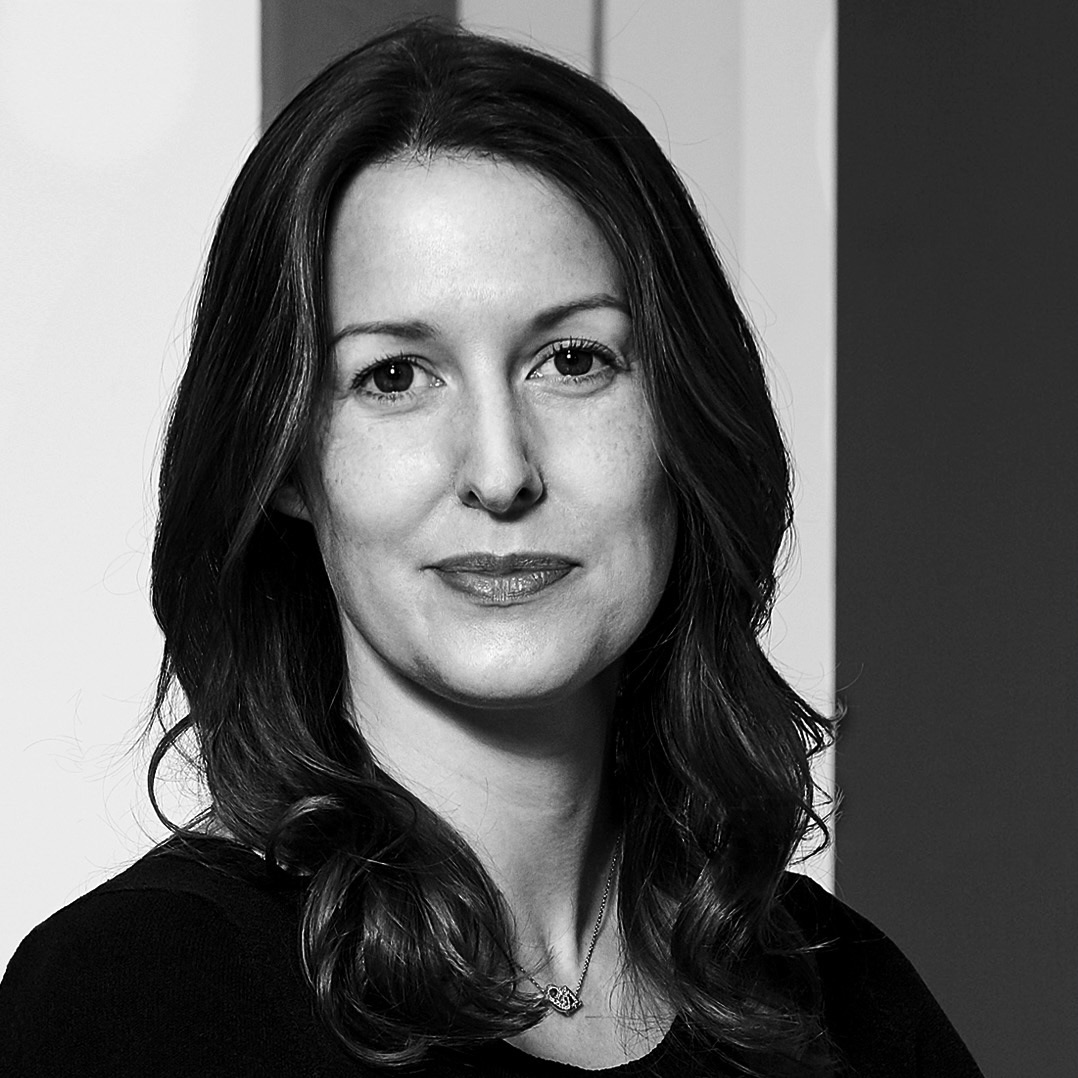
- Claire Scott is the Design & Development Director at Garrard.
- Scott previously held positions like Senior Jewelry Designer and Head of Design at the first official Crown Jeweler.
- With over 20 years of experience in the luxury jewelry industry, Scott has developed iconic collections and custom commissions at some of the most prestigious jewelry houses in the world.
Known for her warm and endearing personality, Queen Mary served as consort to King George V. After her husband’s passing in 1936, she acted as an advisory Queen Mother to her son, King George VI. When George VI died in 1952, Queen Mary lived on to see her granddaughter, Queen Elizabeth II, ascend the throne. Mary died in March 1953, just 10 weeks ahead of the coronation.
In his book, The Queen’s Diamonds, historian Hugh Roberts describes Mary’s “vivid appreciation of jewelry and her recognition of its important ceremonial role in the life of the monarchy.”
From iconic tiaras to some of Queen Elizabeth II’s most cherished brooches, Queen Mary’s natural diamond creations are recognized and celebrated by jewelry lovers and royal watchers everywhere.
Queen Mary’s Crown
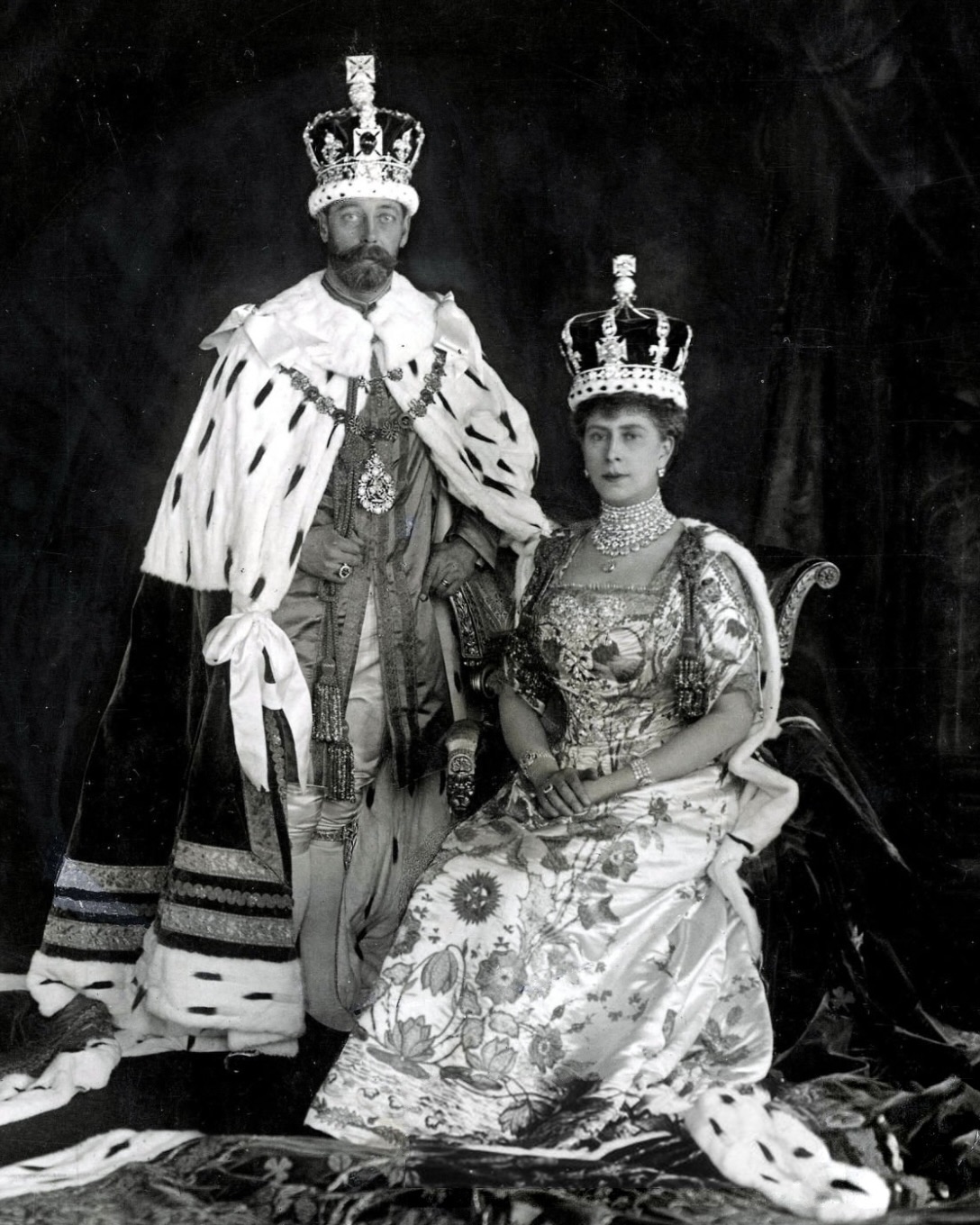
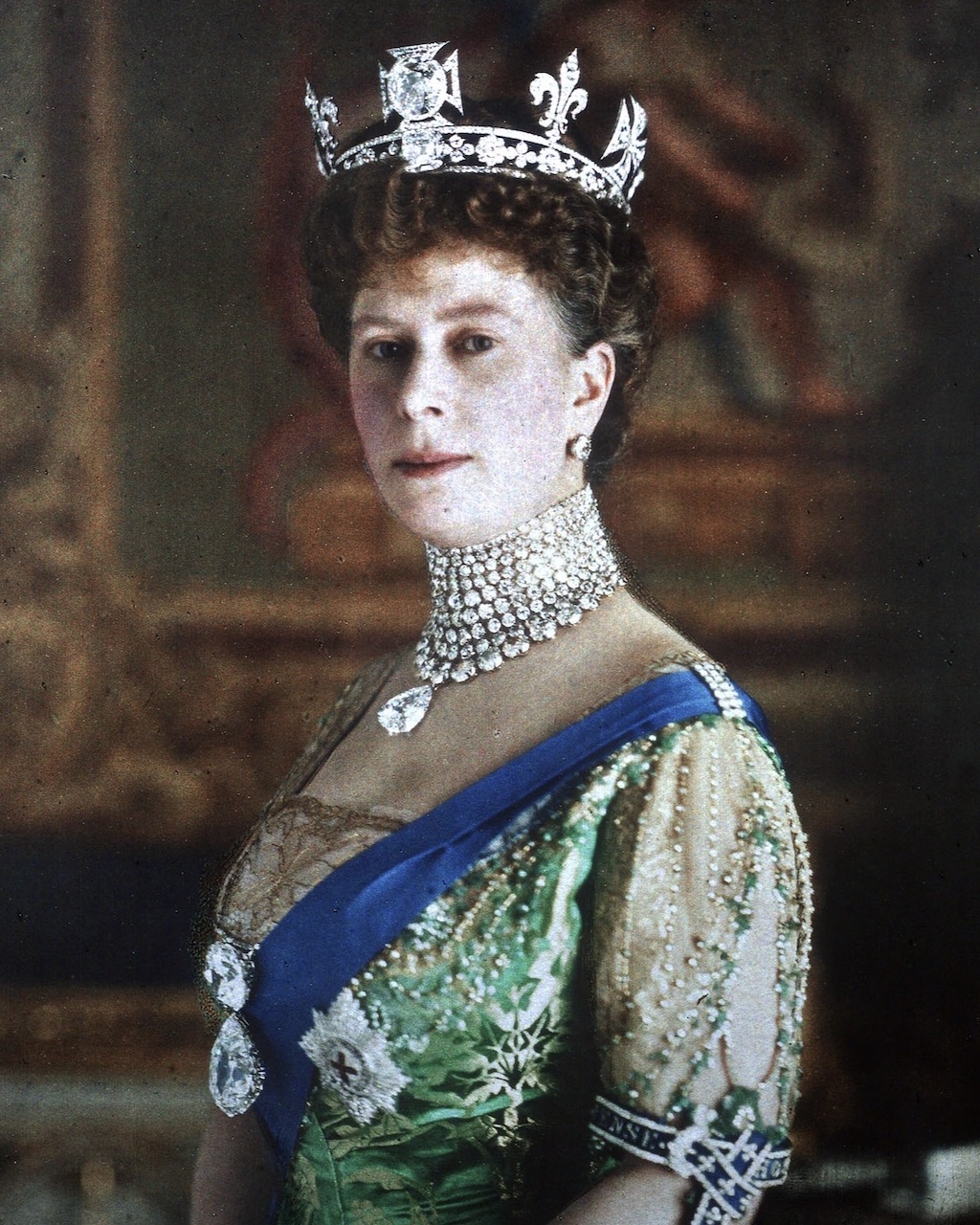
Queen Mary commissioned Garrard to create this royal heirloom for the coronation of her husband, George V, in 1911. Originally set with three historic diamonds – the Koh-i-Noor, the Cullinan III, and the Cullinan IV – Queen Mary found inspiration in Queen Alexandra’s Crown of 1902. A transformable jewel, the eight arches can be removed and worn as a circlet. She even decided to wear it in the circlet formation for her son, King George VI’s coronation in 1937.
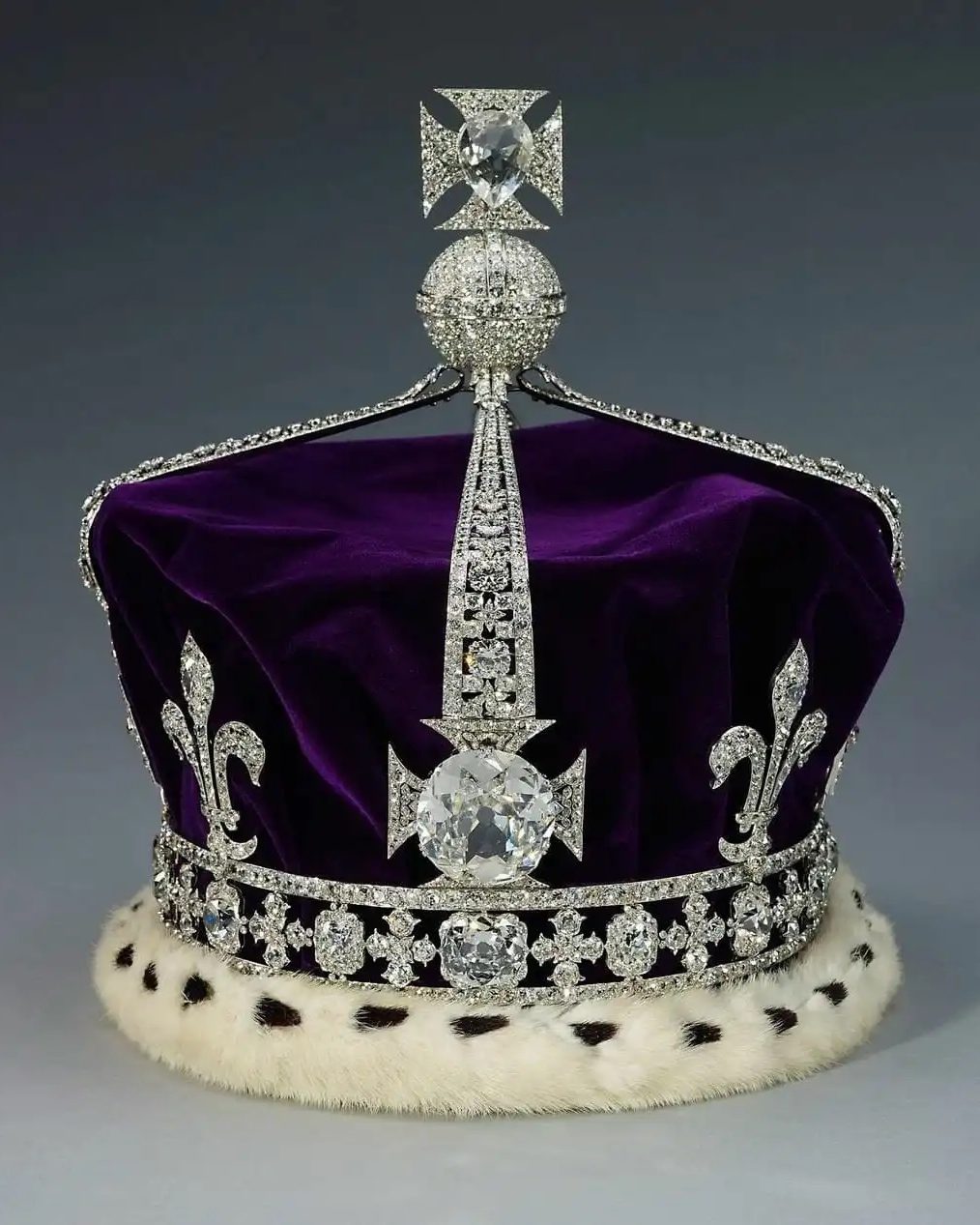
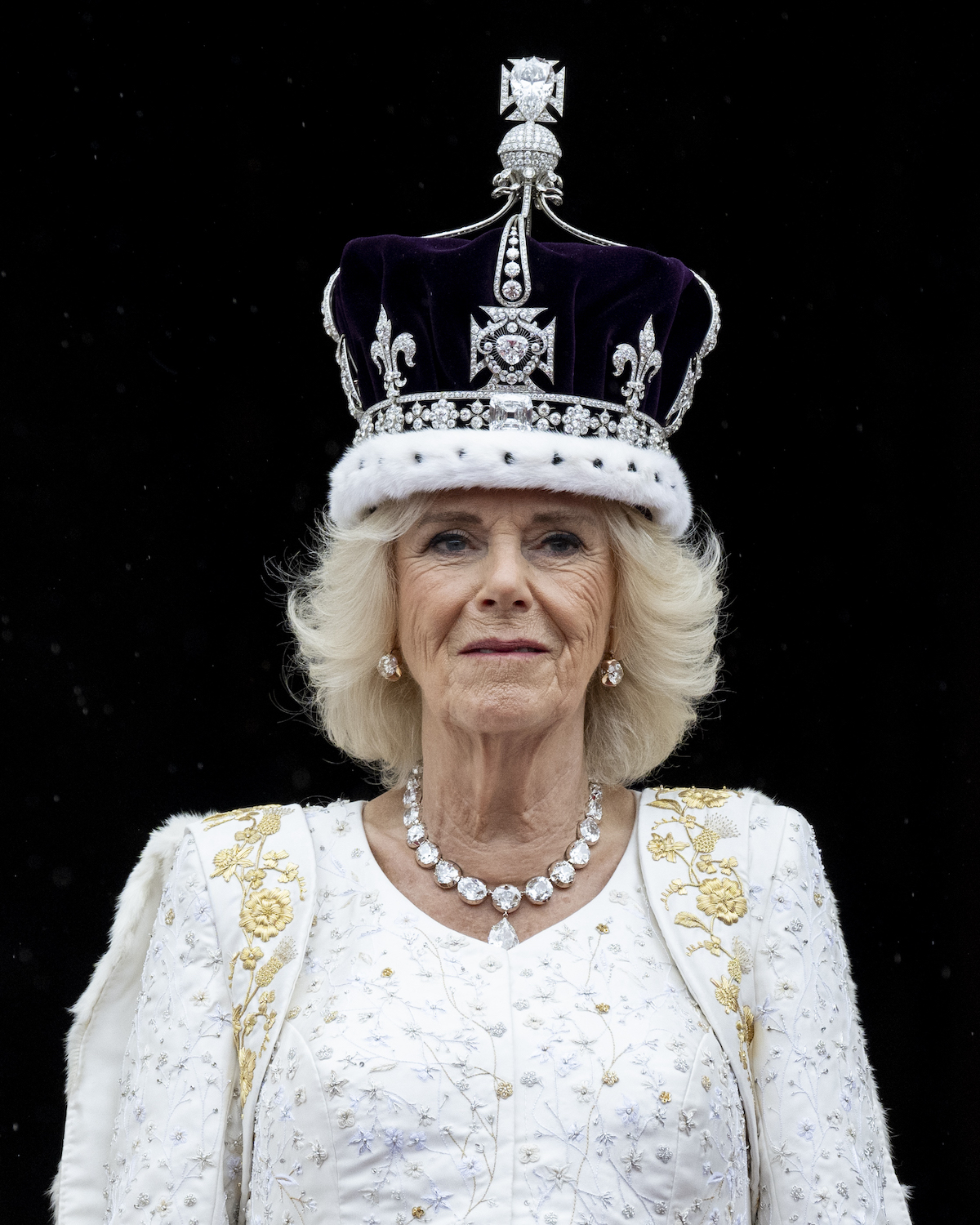
Queen Camilla wore Queen Mary’s crown, set with the iconic Cullinan diamonds, for the 2023 coronation of King Charles III. It was the first time since the 18th century that a consort used a preexisting jewel from the archives, rather than commissioning a new crown of their own. However, she replaced the infamous Koh-i-Noor with the Cullinan Heart of the Delhi Durbar brooch.
Queen Mary’s Fringe Tiara
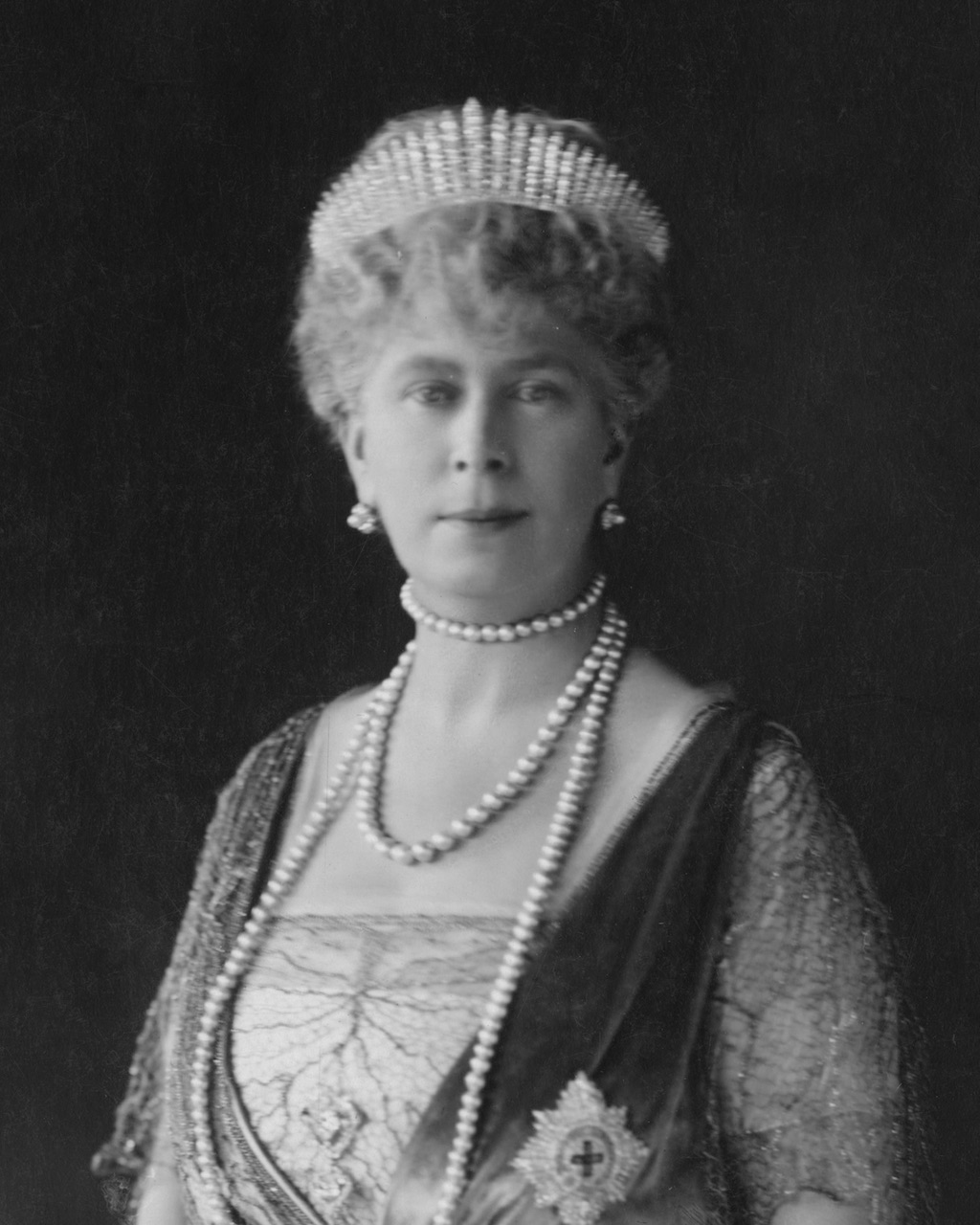
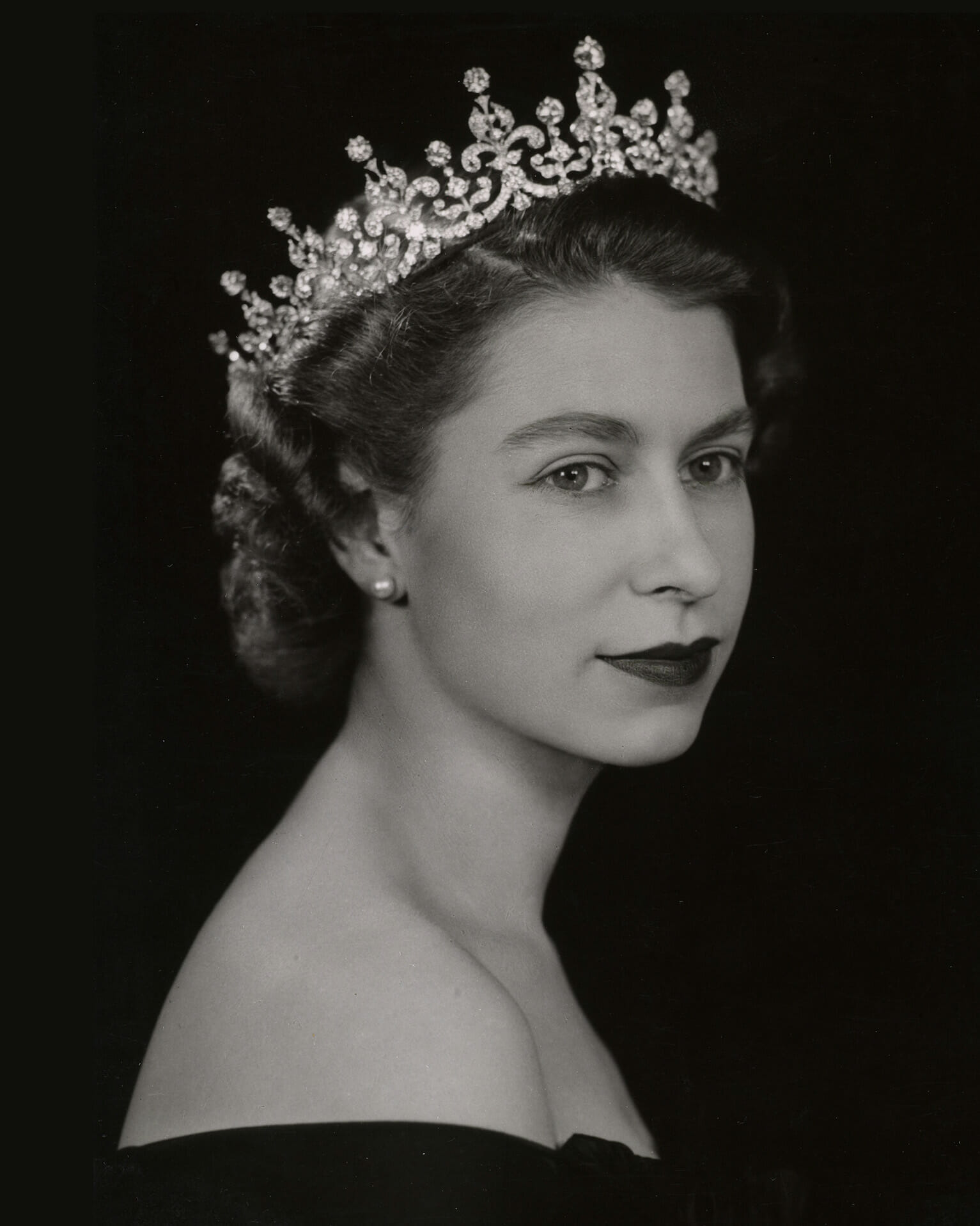
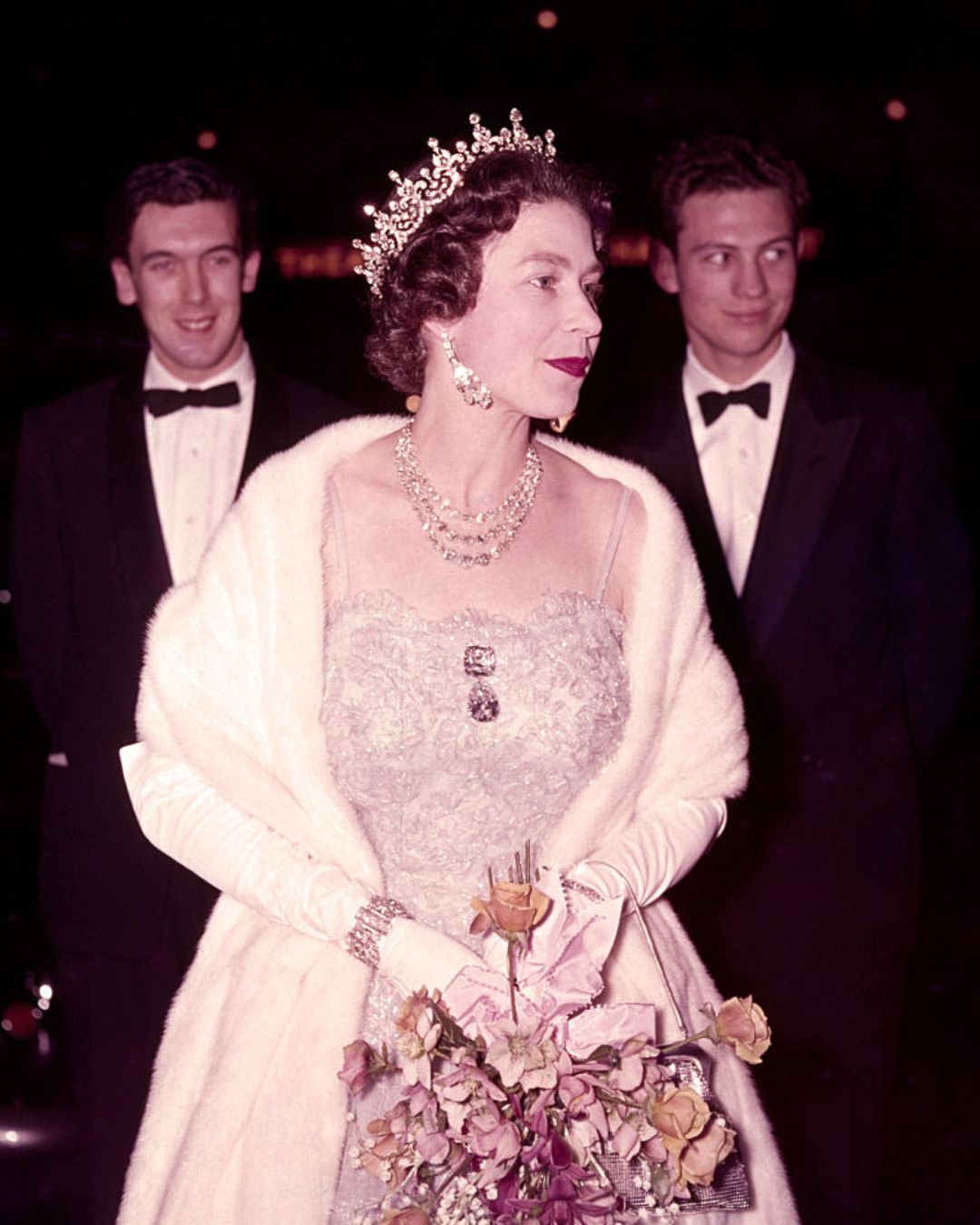
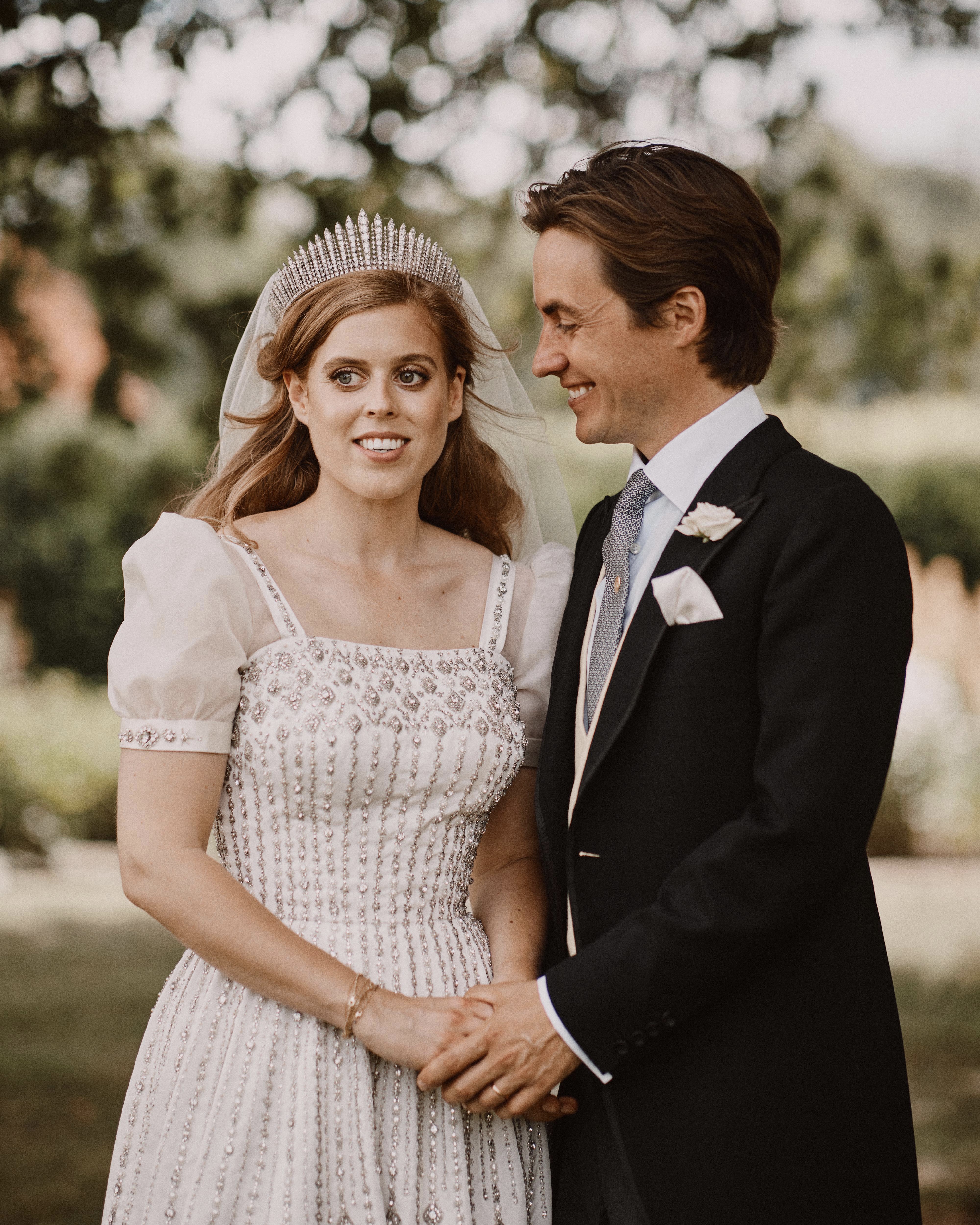
Queen Mary’s Fringe Tiara is so legendary that it’s been the top choice for royal weddings in its lifetime. Most notably, Queen Elizabeth II chose the headpiece for her nuptials to Prince Philip at Westminster Abbey on November 20, 1947.
Queen Mary passed down the tiara to her daughter-in-law, Queen Elizabeth (later known as the Queen Mother), in 1937. The Queen Mother later lent the jewel to her daughter, Princess Elizabeth, for her wedding day.
Queen Elizabeth II’s daughter, Princess Anne, kept tradition alive when she wore the same tiara to marry Mark Phillips in 1973. Another generation would continue the pattern for her wedding day when Queen Elizabeth’s granddaughter, Princess Beatrice, wore Queen Mary’s Fringe Tiara for her wedding in 2020.
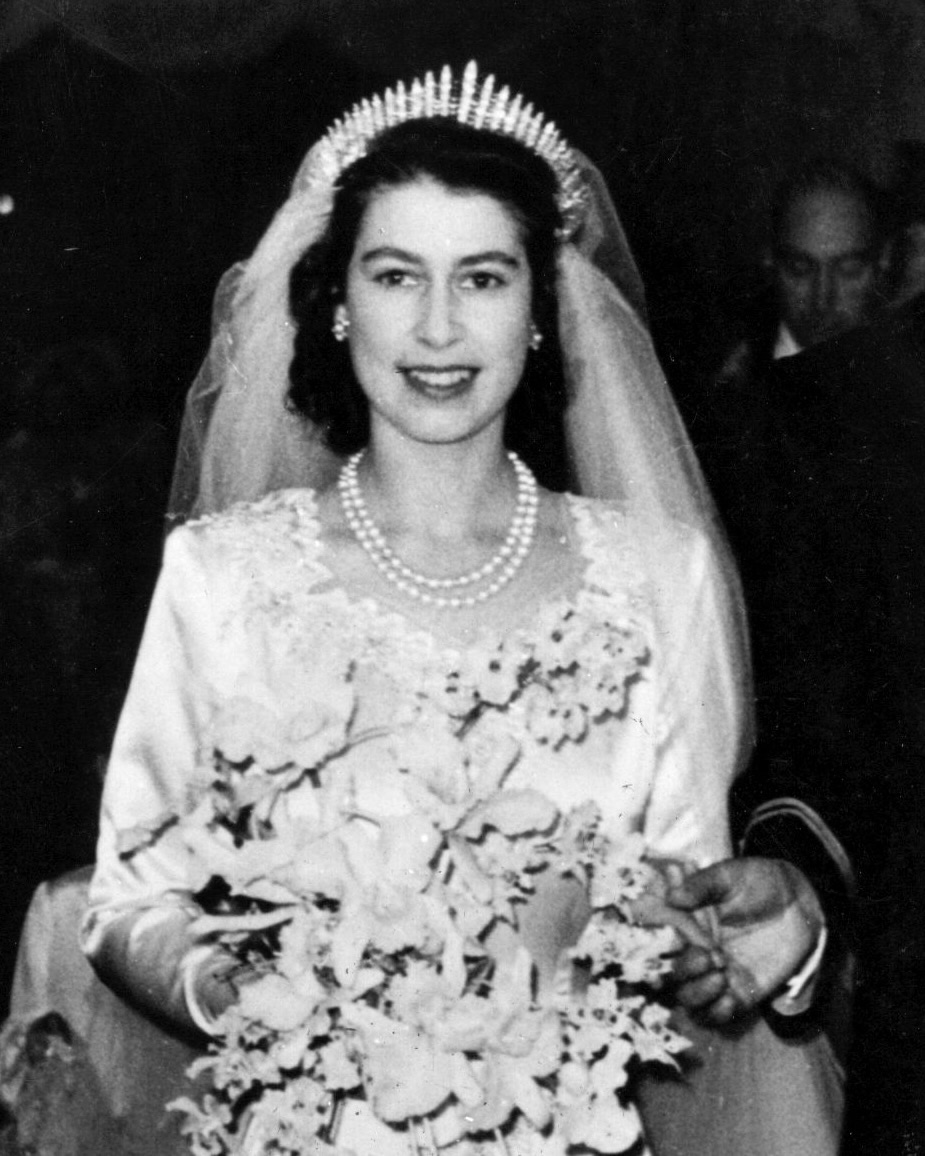

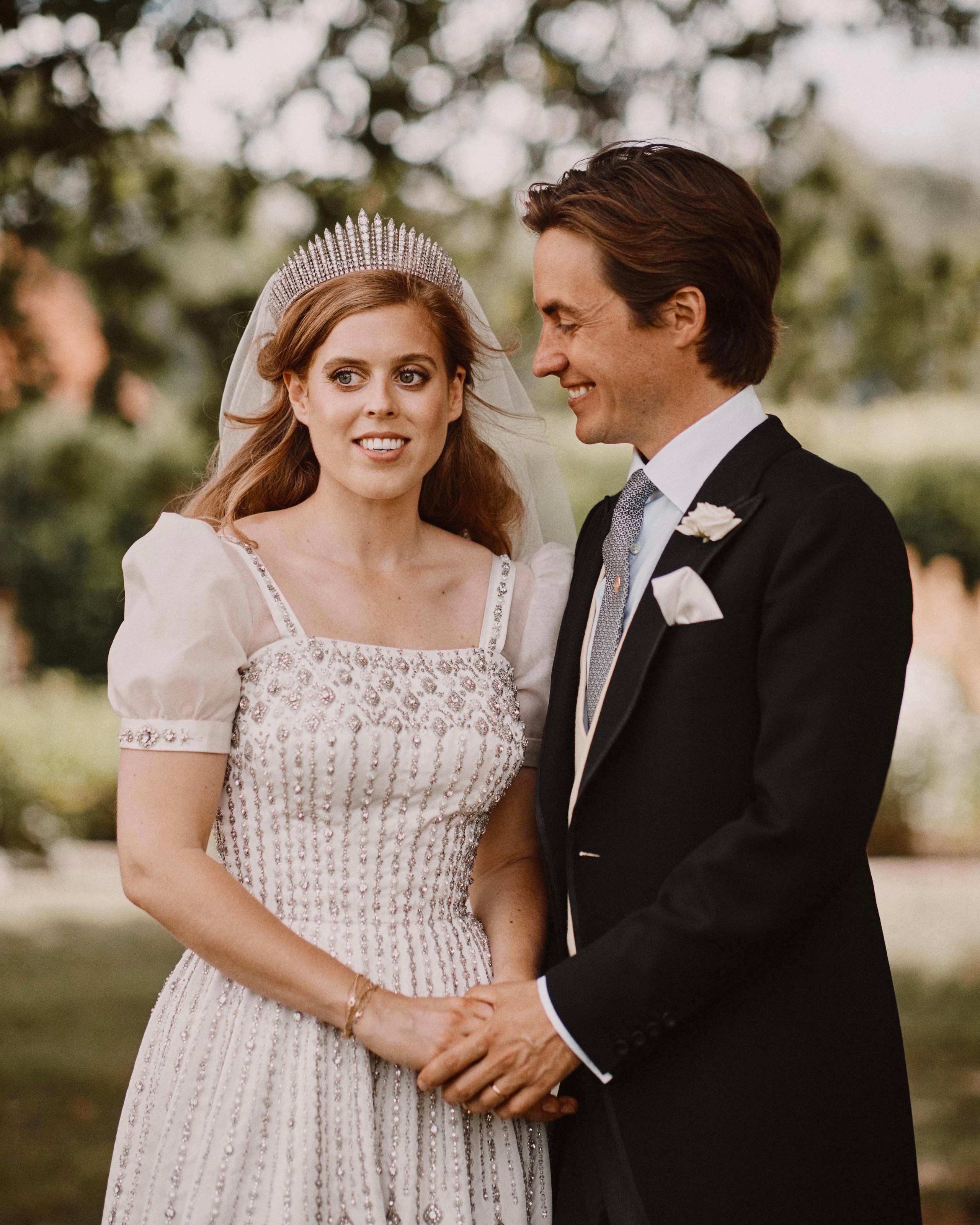
Over 100 years old, the Fringe Tiara features 47 pointed bars of brilliant-cut and rose-cut diamonds, alternating with smaller prongs of lozenge-shaped brilliant-cut diamonds. Originally called the Collingwood Fringe Tiara, it was a wedding gift from Queen Victoria, the grandmother of Mary’s future husband.
Garrard, the official crown jeweler at the time, recently rediscovered two of their handwritten royal ledgers. On November 3, 1919, the ledger recounted the notes, “Mounting 633 brilliants and 271 rose diamonds from your Majesty’s own tiara, bracelet, and monogram in gold and silver settings in a Russian pattern tiara with adjustable head frame, allowing for old settings.”
According to Design & Development Director at Garrard, Claire Scott, “The Fringe Tiara is a true testament to Garrard’s exquisite craftsmanship and technical mastery. The fact that it can be worn as a fully articulated necklace without any additional components is a feat of artistry and precision that defines our heritage.” She explains, “Stories and histories often enhance the allure of a piece of jewelry, but few can hold more romance than one worn by three royal brides on their wedding day.”
The Cambridge Lover’s Knot Tiara
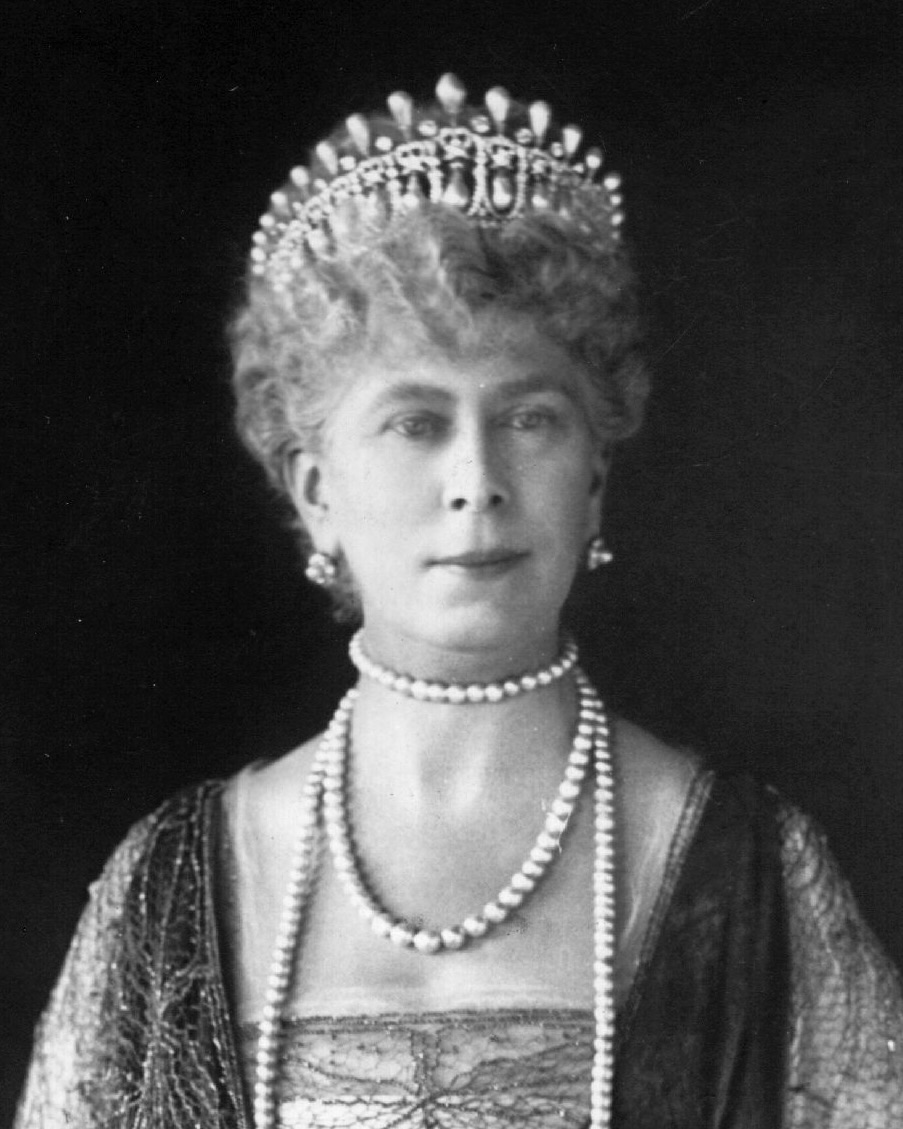
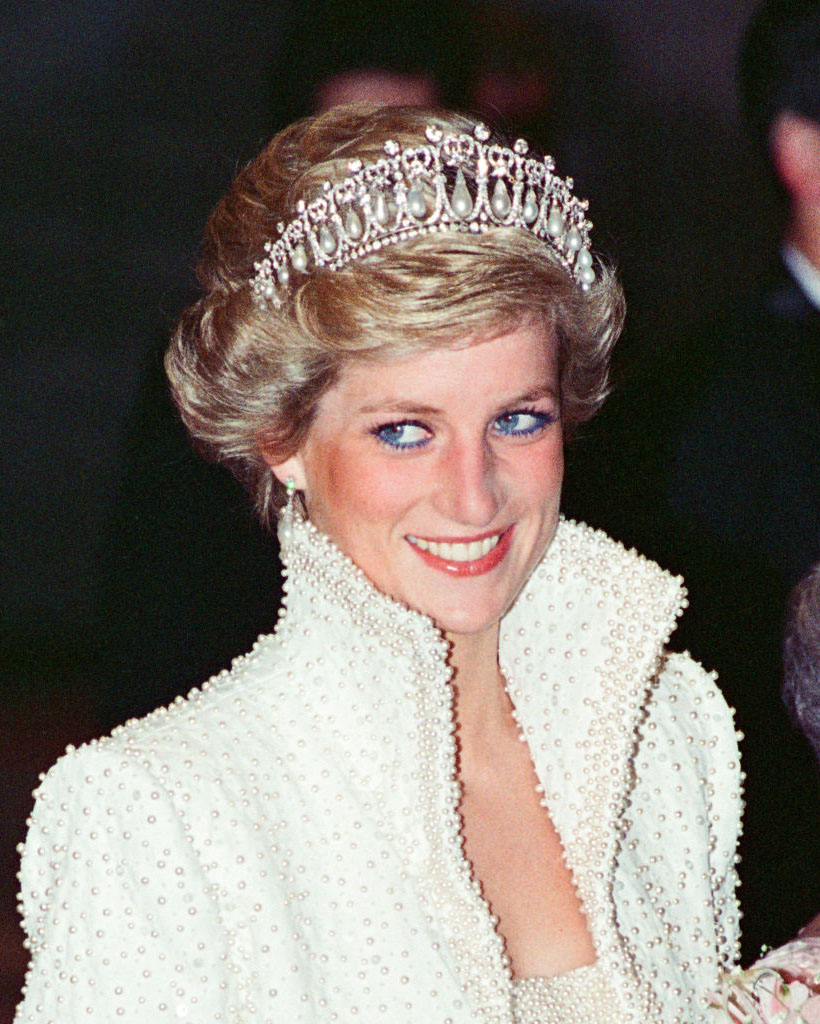
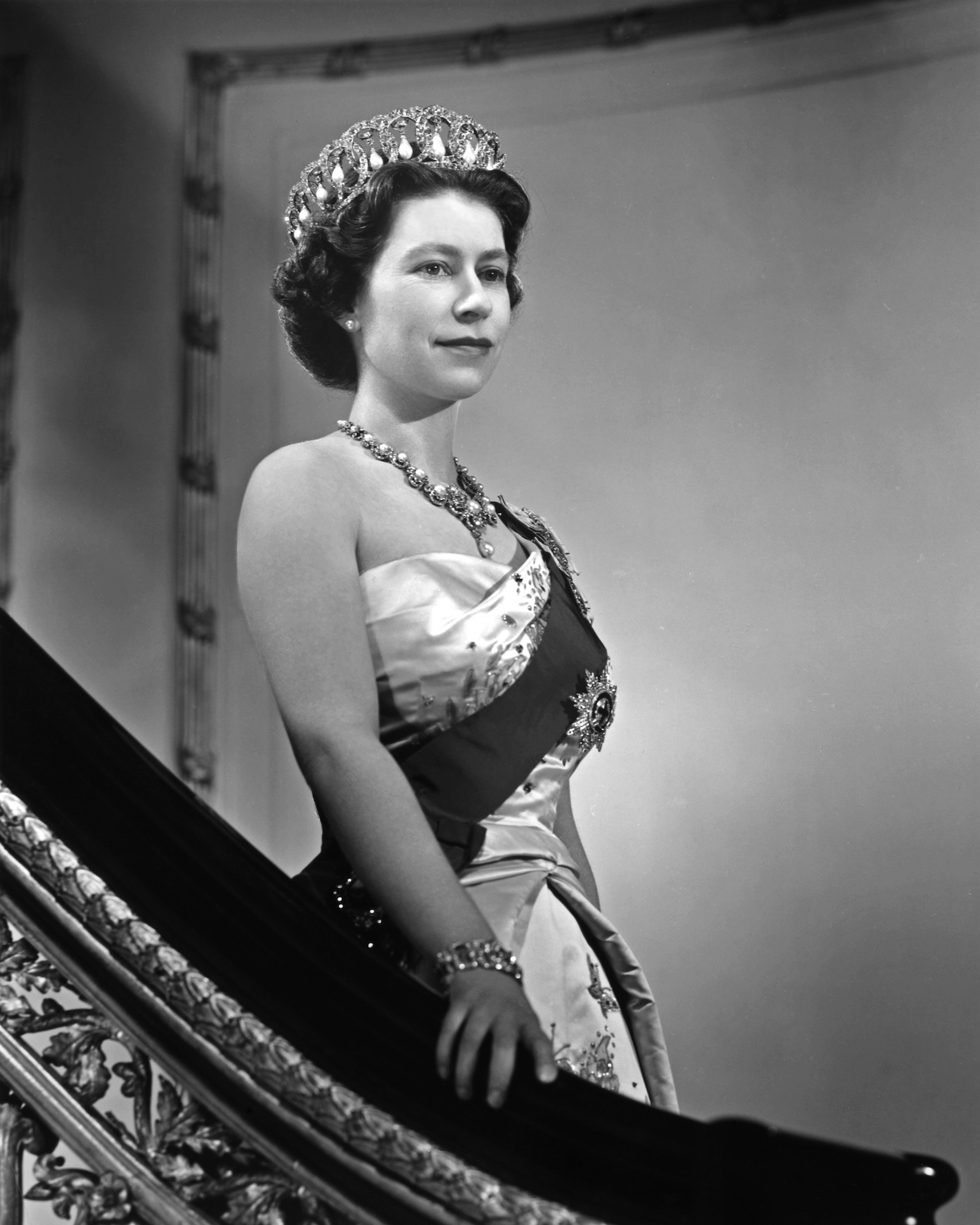
The Cambridge Lover’s Knot tiara is one of the most instantly recognizable royal tiaras. It was commissioned by Queen Mary (Mary of Teck, Queen Elizabeth II’s paternal grandmother) in 1913 or 1914, crafted by the House of Garrard. Queen Mary requested the piece replicate that of a design owned by her maternal grandmother, Princess Augusta of Hesse, the Duchess of Cambridge. Queen Mary provided one of her existing tiaras— the Ladies of England Tiara— and other diamond and pearl pieces from her jewelry box to use for the Lover’s Knot.
Consisting of 19 archways of brilliant and rose-cut diamonds, the headpiece is capped with a diamond ribbon “lover’s knot” bow motif, including 19 dangling drop-shaped pearls. Previously, the tiara included an extra 19 pearls that pointed upright from each diamond curvature. They’ve since been replaced with standalone round-cut diamonds.
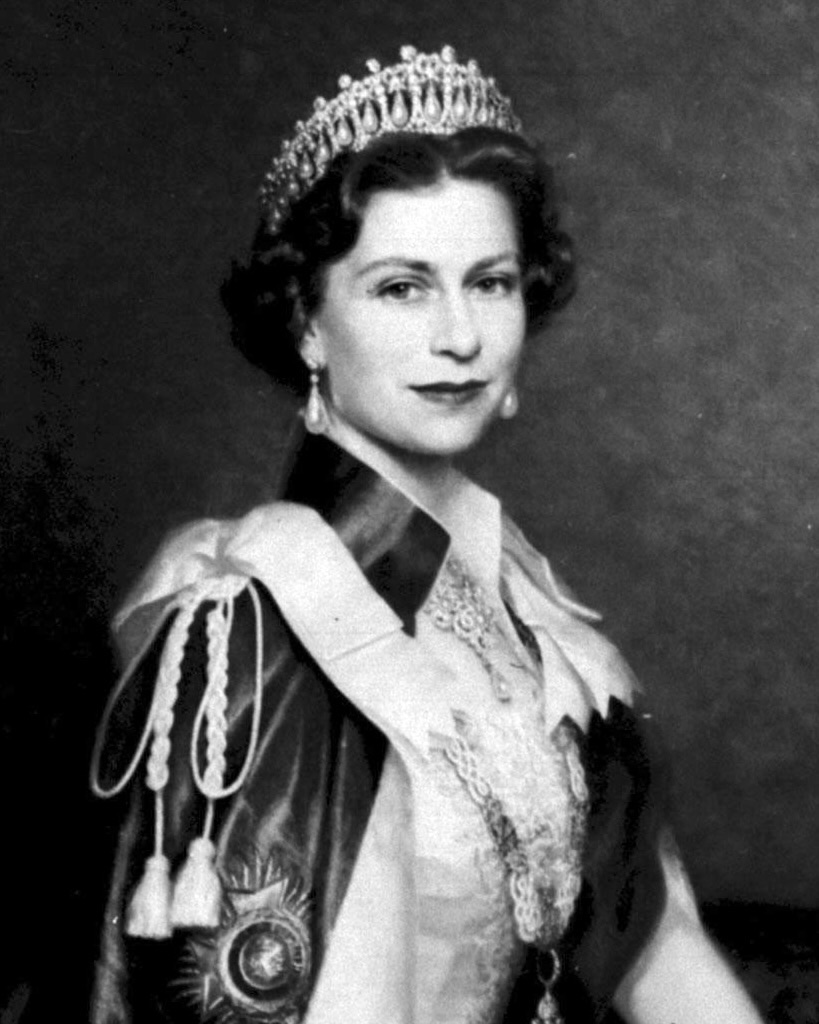
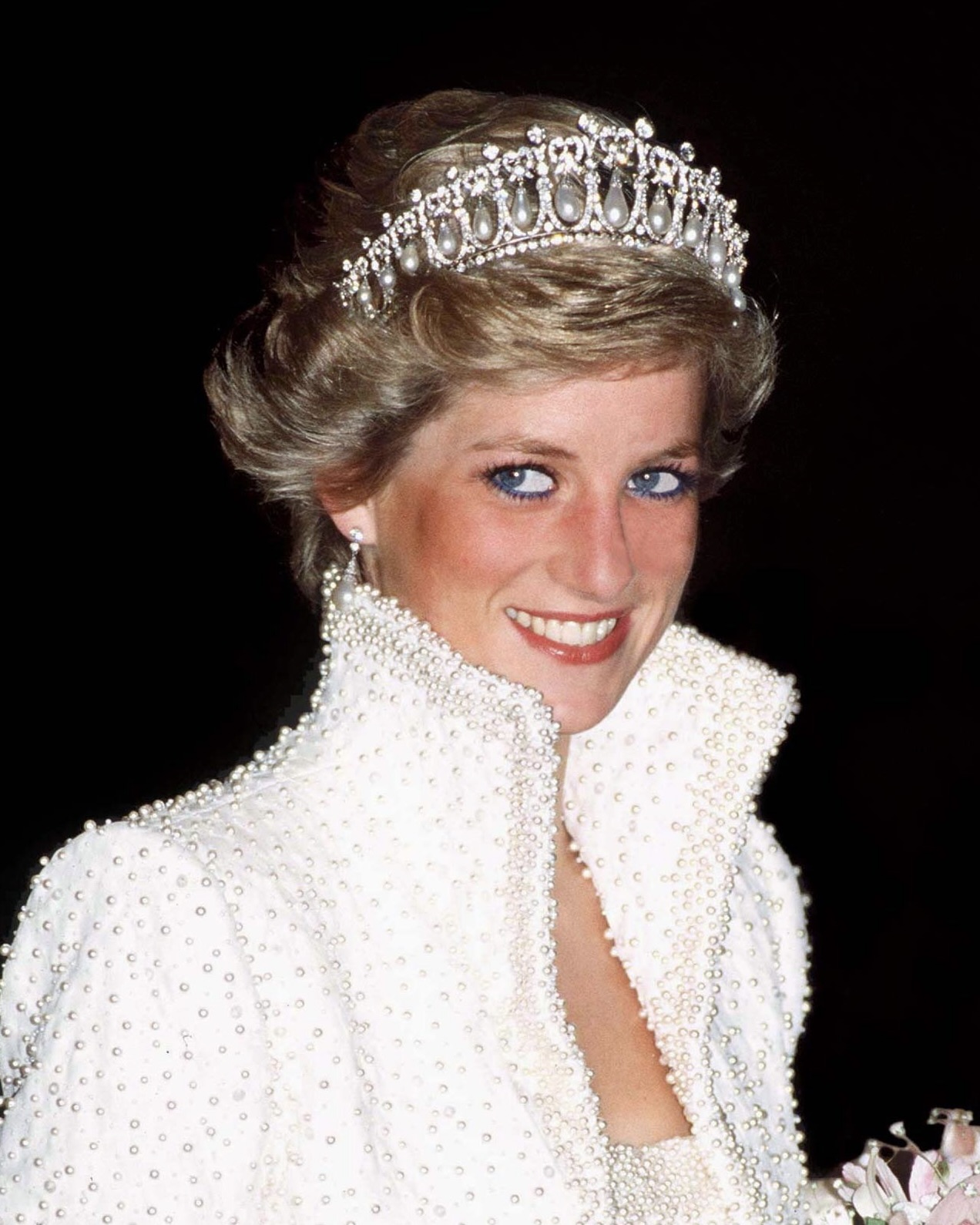
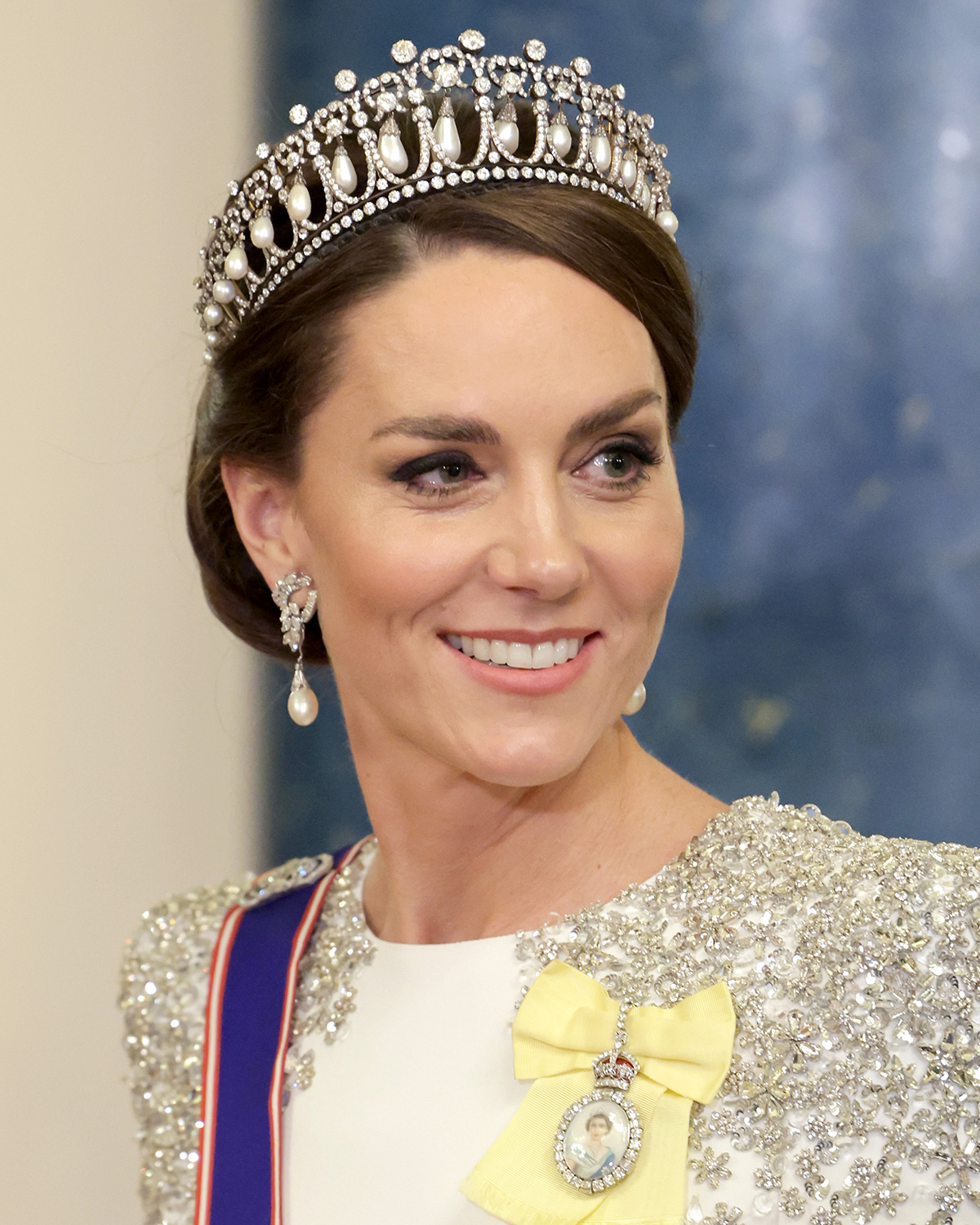
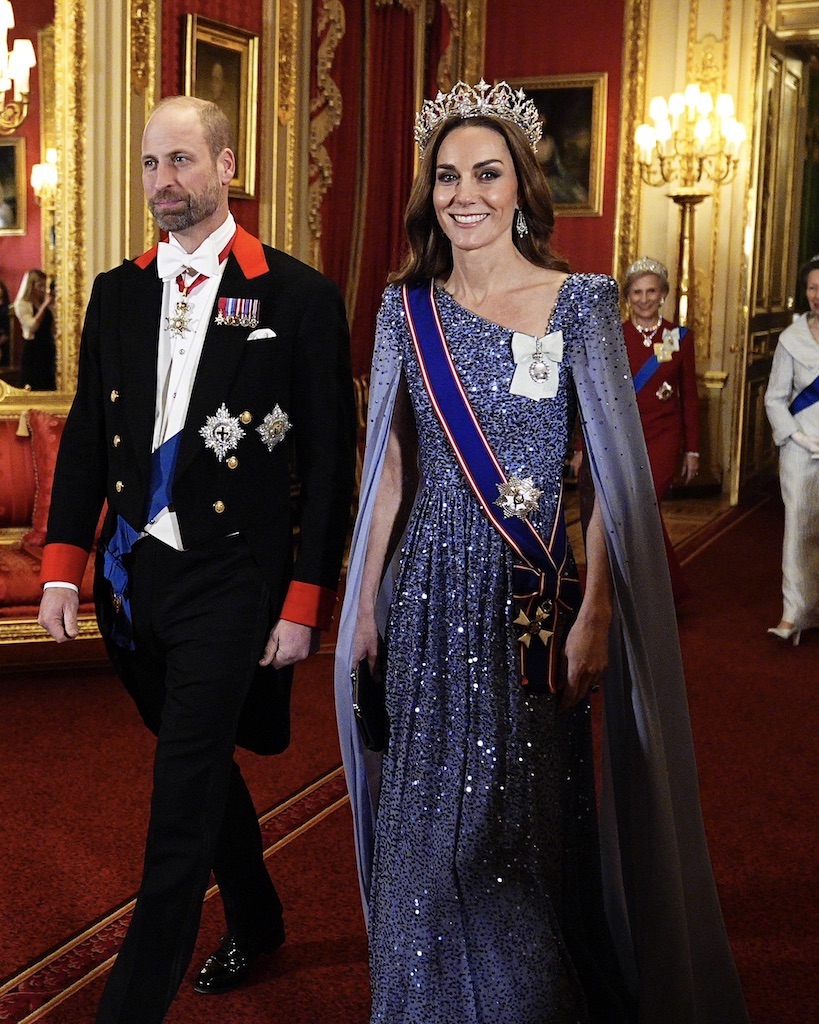
After Queen Mary passed away in 1953, she left the tiara to her granddaughter, Queen Elizabeth II, who went on to wear the Lover’s Knot consistently throughout the 1950s, making it one of the most famous royal tiaras of the modern era. Princess Diana received a treasure trove of royal family jewels from the Queen on permanent loan, including the Lover’s Knot Tiara as a wedding gift when she married Prince Charles in 1981. Now, the piece has become the most frequently worn tiara by the new Princess of Wales, Kate Middleton.
“The Lover’s Knot Tiara is a true expression of Garrard’s design language, where romantic symbolism meets exquisite craftsmanship,” Scott explains. “The suspended baroque pearls bring the piece to life, giving it movement and grace. The lover’s knot itself is deeply tied to our heritage, a reimagining of the Sovereign motif, notably seen on the Sovereign’s Scepter set with the Cullinan I diamond. This design thread runs through our 290-year history, continuing to inspire today’s high jewelry designs and collections.”
Queen Mary’s Lover’s Knot Brooch
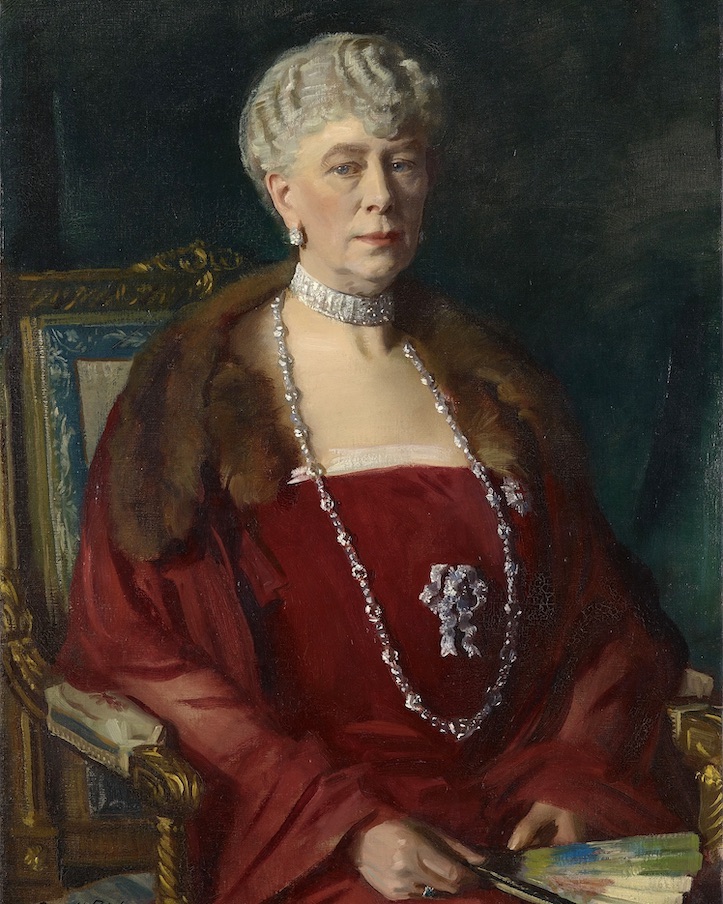
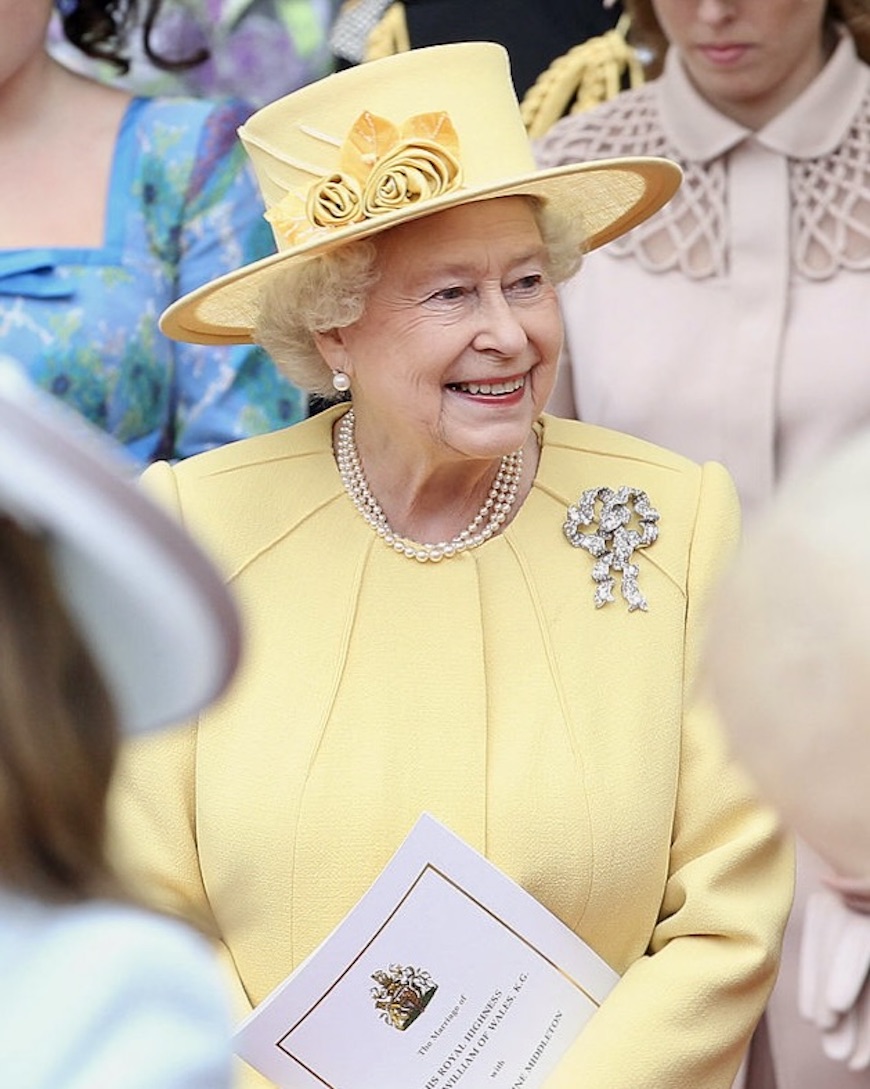
Queen Elizabeth II adored Queen Mary’s Lover’s Knot brooch, which she wore to Kate Middleton and Prince William’s royal wedding on April 29, 2011, at Westminster Abbey. Queen Mary originally acquired the brooch from Garrard in 1932. The diamond bow brooch features brilliant-cut diamonds, set in silver and gold, tied in a scalloped ribbon.
The Grand Duchess Vladimir Tiara
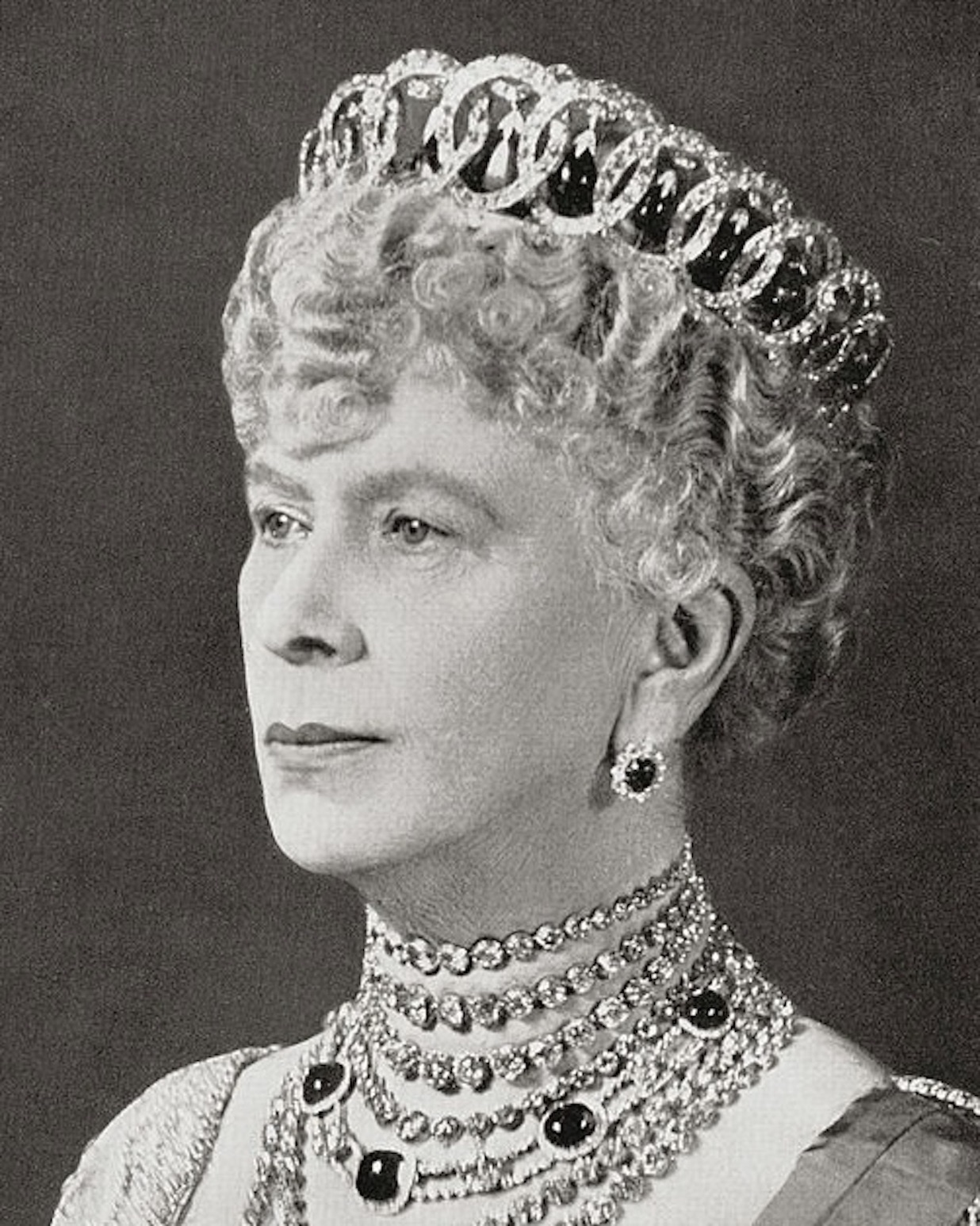
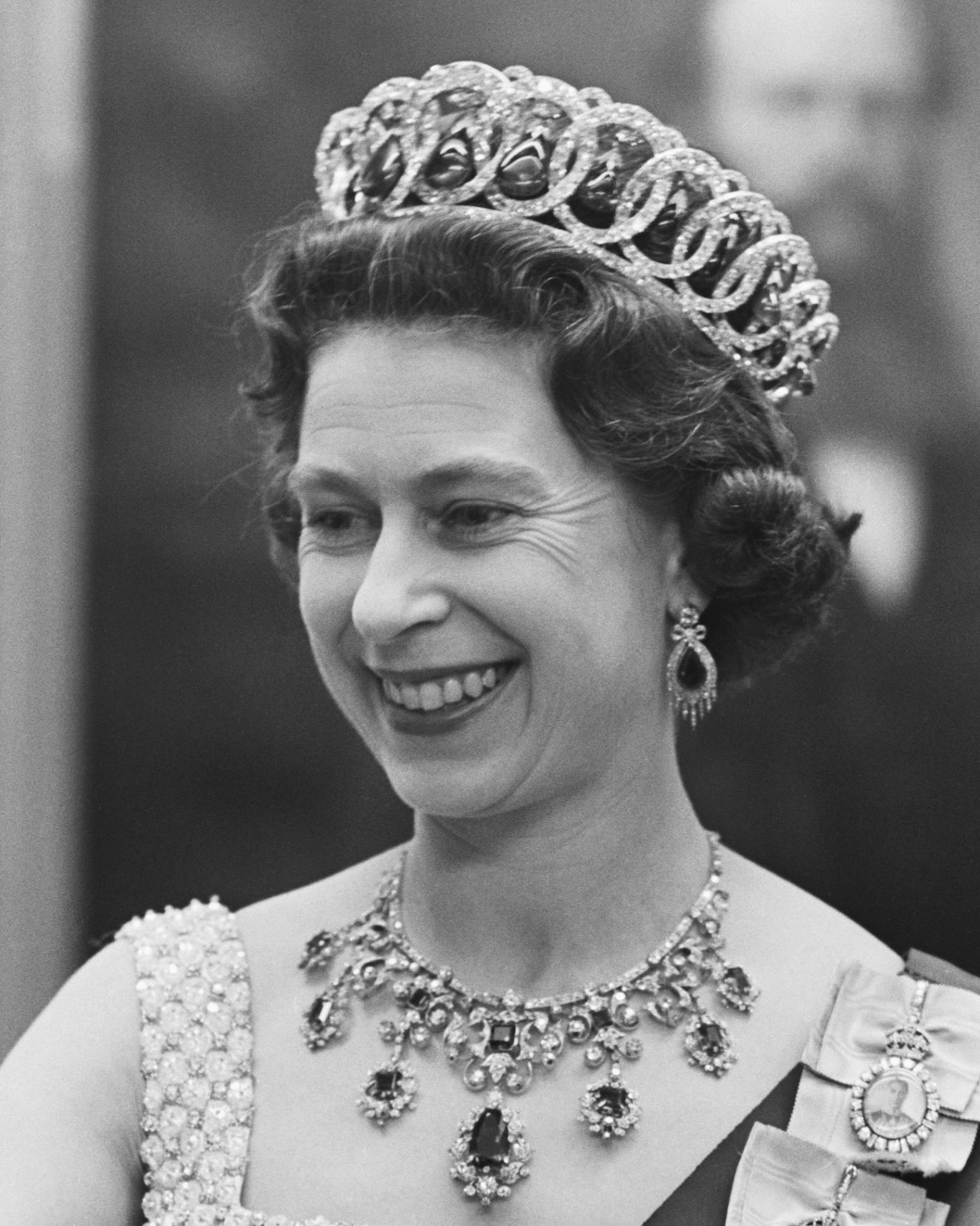
Among Queen Elizabeth’s favorite headpieces, the Grand Duchess Vladimir Tiara was purchased by Queen Mary at auction in 1921. But even before it landed in the hands of the British royal family, the tiara had a thrilling tale to tell. Originally made in 1874 by the Russian court jeweler Bolin, the tiara was created for its namesake owner, Grand Duchess Vladimir, the wife of Grand Duke Vladimir Alexandrovich, uncle to Tsar Nicholas II.
According to reports, Grand Duchess Vladimir smuggled her jewels out of Russia during the 1917 revolution with the help of two British antique dealers who posed as servants following the Tsar’s assassination. Though she was the last Romanov to escape Russia, her treasures made it out before she did. After she died in 1920, much of the Grand Duchess’s jewelry was sold to support her children, with many pieces acquired by European royals.
Unfortunately, the Vladimir Tiara was damaged during its journey out of Russia. Queen Mary later commissioned Garrard to restore the historic piece, adding 15 emerald drops and a mechanism that allowed the original pearls to be easily interchanged with the emeralds within its interlocking natural diamond loops. Queen Elizabeth II wore the tiara with pearls, emeralds, and even without any drops. In 1988, Queen Elizabeth II had it repaired again to update the frame.
“The Vladimir Tiara is a remarkable example of how a jewel can evolve across centuries,” Scott explains. “The alterations made at Garrard in the 1920s introduced a level of versatility that allows it to seamlessly alternate between pearls, emeralds, or a clean diamond silhouette. It stands as a testament to both the tiara’s enduring beauty and the technical mastery behind its transformation.”
Queen Mary’s Diamond Bandeau Tiara
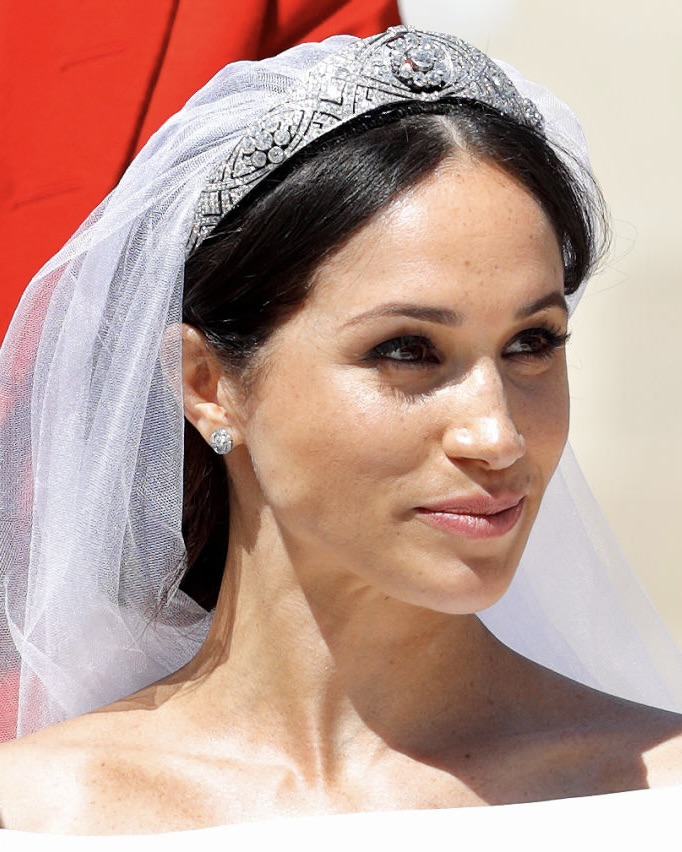
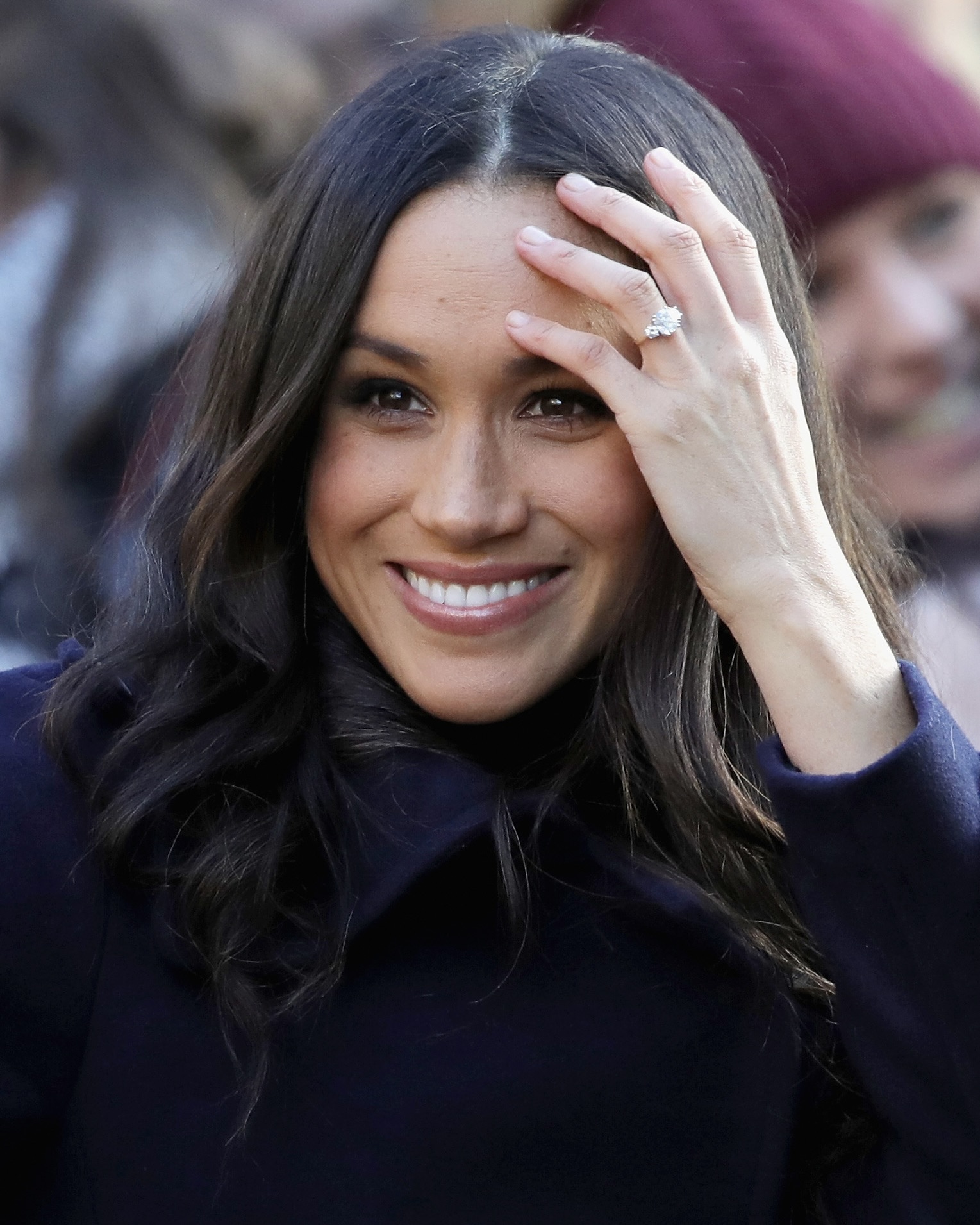
Meghan Markle wore Queen Mary’s Diamond Bandeau Tiara when she married Prince Harry on May 19, 2018. The Duchess of Sussex paired her off-the-shoulder Givenchy gown by designer Clare Waight Keller with a cascading veil, Galanterie de Cartier diamond stud earrings, and the dazzling royal headpiece—formerly known as the Filigree Tiara.
The tiara has deep historical roots dating back to 1893, when Queen Mary—then Princess Victoria Mary of Teck—received a stunning assortment of jewels as wedding gifts upon her marriage to the future King George V. Among them was a striking brooch from the County of Lincoln, featuring a large center diamond surrounded by nine smaller stones, an heirloom destined to become part of one of Britain’s most storied royal tiaras.

In 1932, Queen Mary commissioned Garrard to design a diamond bandeau-style tiara set in platinum to showcase the detachable County of Lincoln Brooch at its center. According to the Royal Collection Trust, the tiara is composed of “a flexible band of eleven sections, pavé set with large and small brilliant diamonds in a geometric design.” The headpiece was passed down to Queen Elizabeth II in 1953 and later loaned to Meghan for her modern royal wedding.
Girls of Great Britain and Ireland Tiara
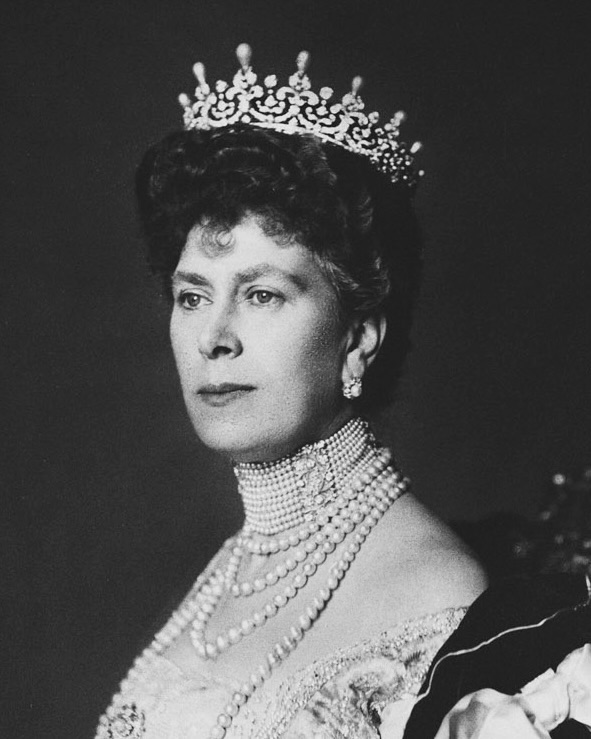

Queen Mary’s Girls of Great Britain and Ireland Tiara was named after the women’s clubs across the British Empire, who fundraised to purchase the headpiece as a wedding gift to Queen Mary in 1893.
Originally, it was topped with pearls and designed to be transformable. The pearls were later replaced with more diamonds. Affectionately referred to as “Granny’s tiara,” it is thought to be one of Queen Elizabeth II’s favorite jewels and among the most memorable of all the royal tiaras made by Garrard. The piece has been featured in official portraits, on stamps, and even on currency.
“The Girls of Great Britain and Ireland Tiara is one of Garrard’s most iconic creations, a masterpiece of design and technical versatility,” Scott says. “Its signature Windsor motif has become a cornerstone of our design language, inspiring jewelry past and present. Few jewels embody both history and craftsmanship so seamlessly.”
Queen Mary’s Diamond Bar Bracelet
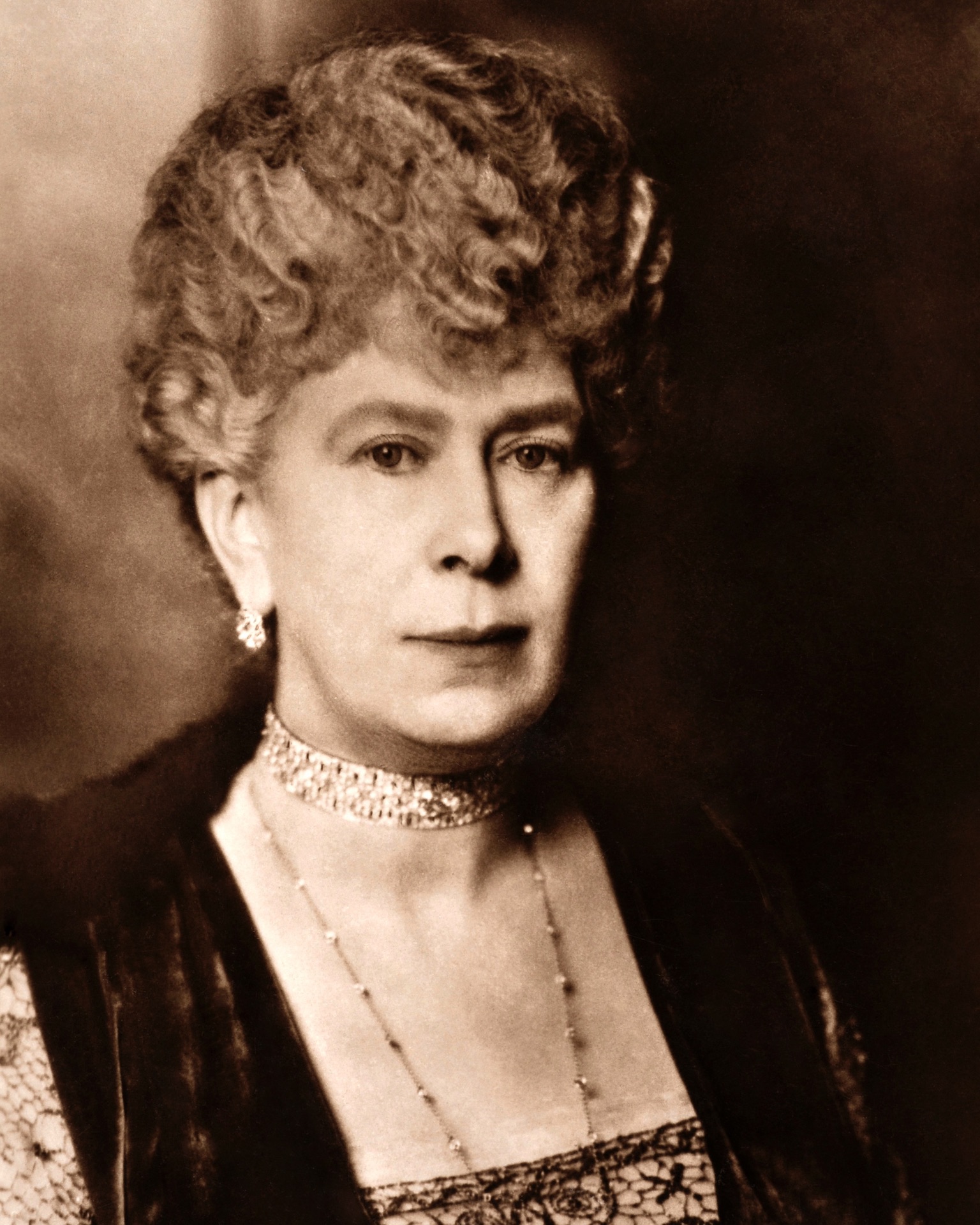
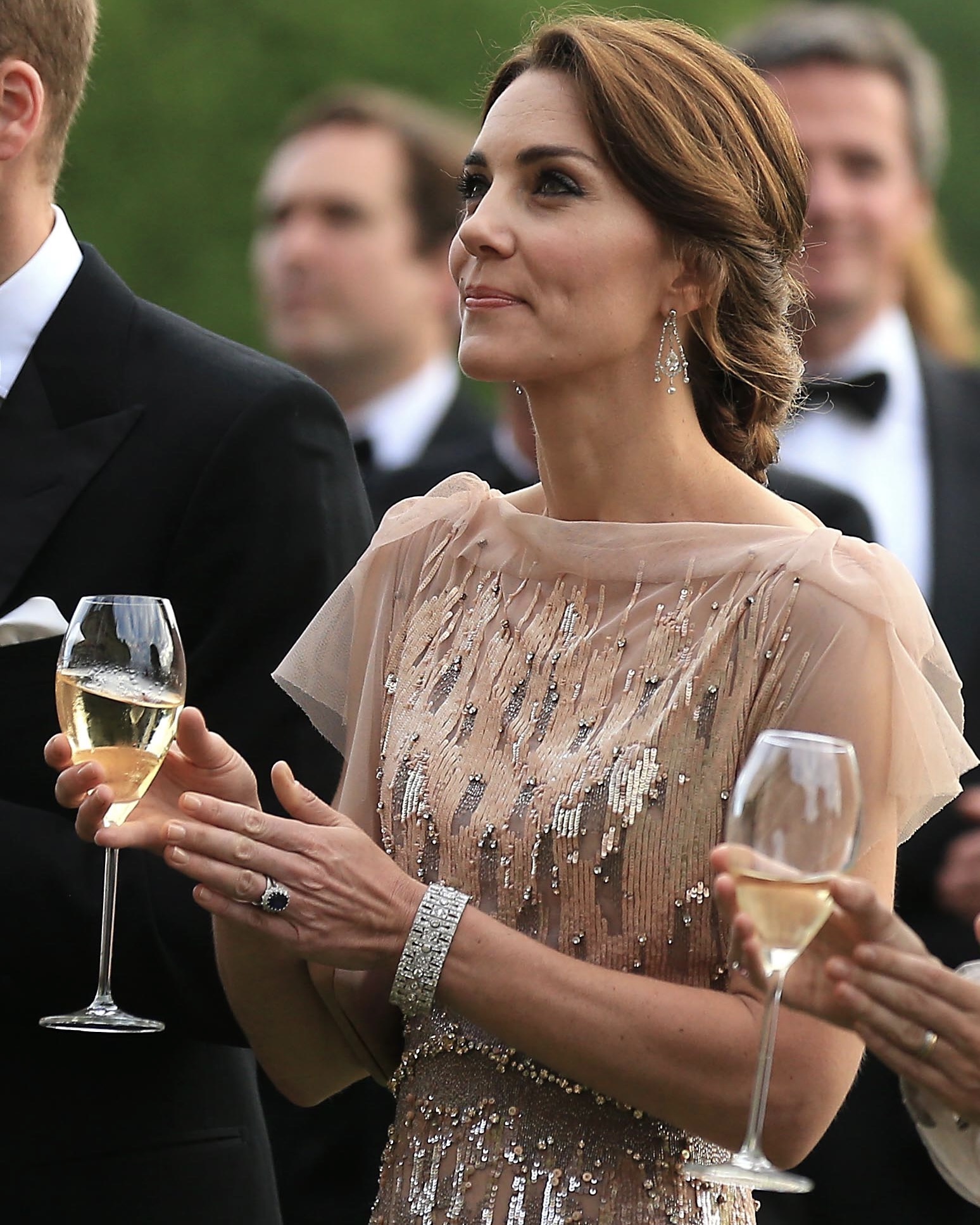
In 2016, Kate Middleton attended the East Anglia’s Children’s Hospices ‘A Taste of Norfolk’ Gala at Houghton Hall in a blush sequined Jenny Packham gown, styling Queen Mary’s diamond bar bracelet, giving it a more modern feel.
Queen Mary was photographed wearing her Art Deco diamond bar choker, which was later converted into two bracelets. After Queen Mary’s death in 1953, the choker was not seen in public until 1975, when the Queen Mother wore it as a bracelet in a series of portraits for her 75th birthday, photographed by Norman Parkinson.
After the Queen Mother’s passing in 2002, the updated jewel was inherited by Queen Elizabeth II, who later loaned it to Catherine, Princess of Wales. She debuted the bracelet at a 2015 State Banquet in honor of Chinese President Xi Jinping and has continued to wear the piece at royal occasions ever since.
Queen Mary’s Rothschild Diamond Watch Brooch
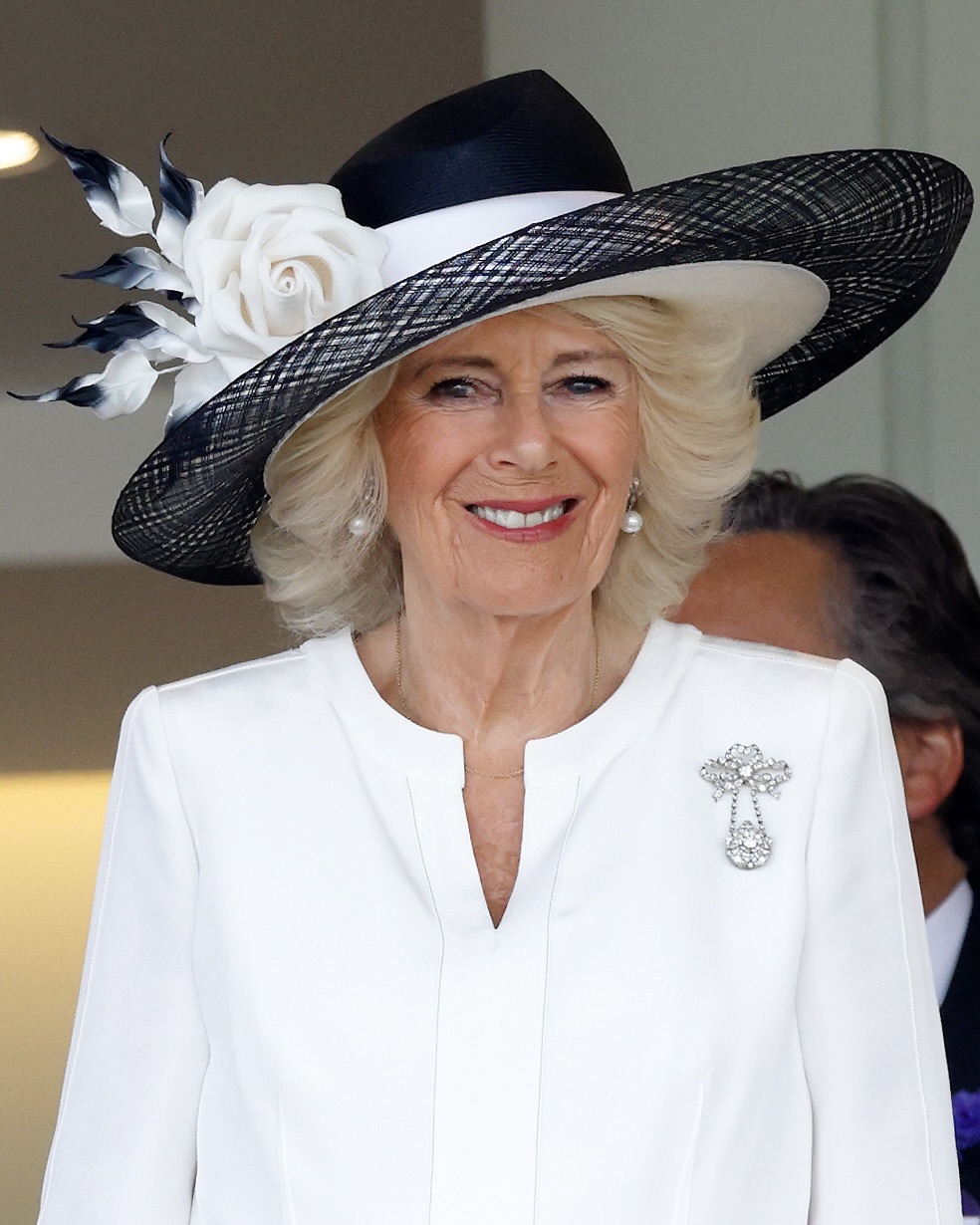
The 132-year-old Rothschild Diamond Watch brooch was given to Mary of Teck as a wedding present upon her marriage to the future King George V in 1893, from Alice de Rothschild, aka. ‘Miss Alice.’ The Queen Mother was known to wear the brooch back when her title was Duchess of York, but Queen Elizabeth II never publicly wore it during her reign. This summer, Queen Camilla pulled the brooch out of the royal vaults for the 2025 Royal Ascot. Before that, the priceless natural diamond royal heirloom hadn’t been seen in a century.
Queen Mary’s Love Trophy Collar
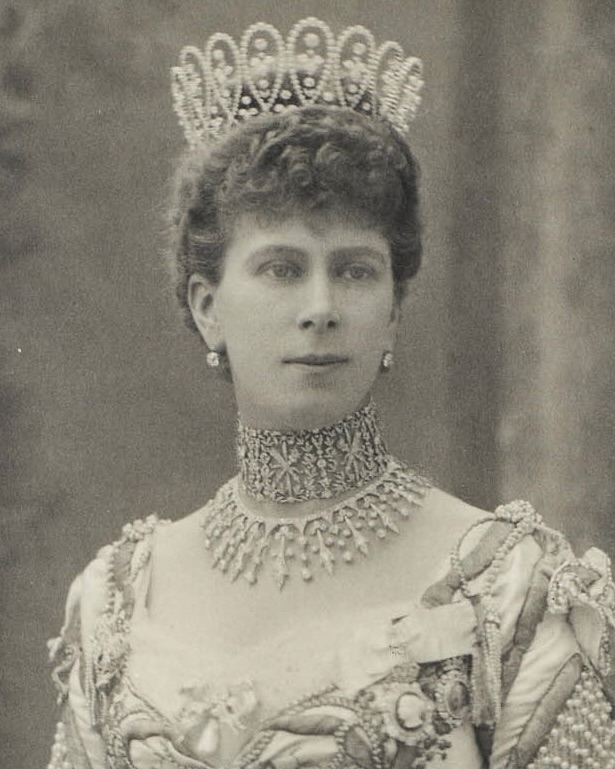
Garrard created the intricate diamond Love Trophy collar for Queen Mary during her time as Duchess of Cornwall and York in 1901. According to the former Crown Jeweler, the choker was crafted in the Louis XVI style, and formed of seven brilliant-set diamond panels, each with bows, quivers, and torches to form an amatory, or love trophy. Garrard used jewels from different pieces that Mary inherited from her grandmother and aunt to complete the stunning piece.
Granny’s Chips Brooch
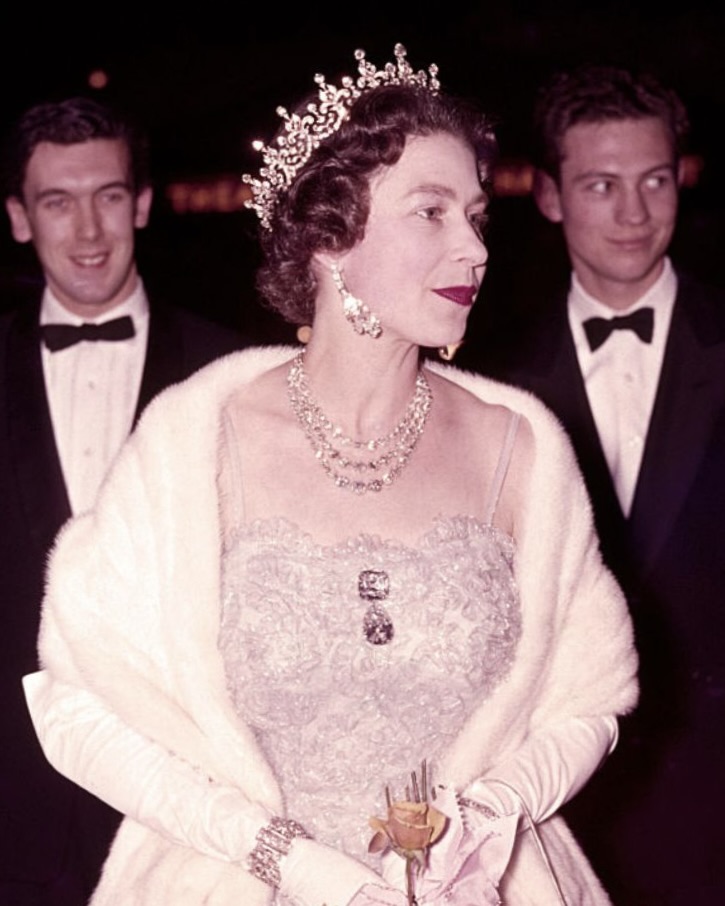
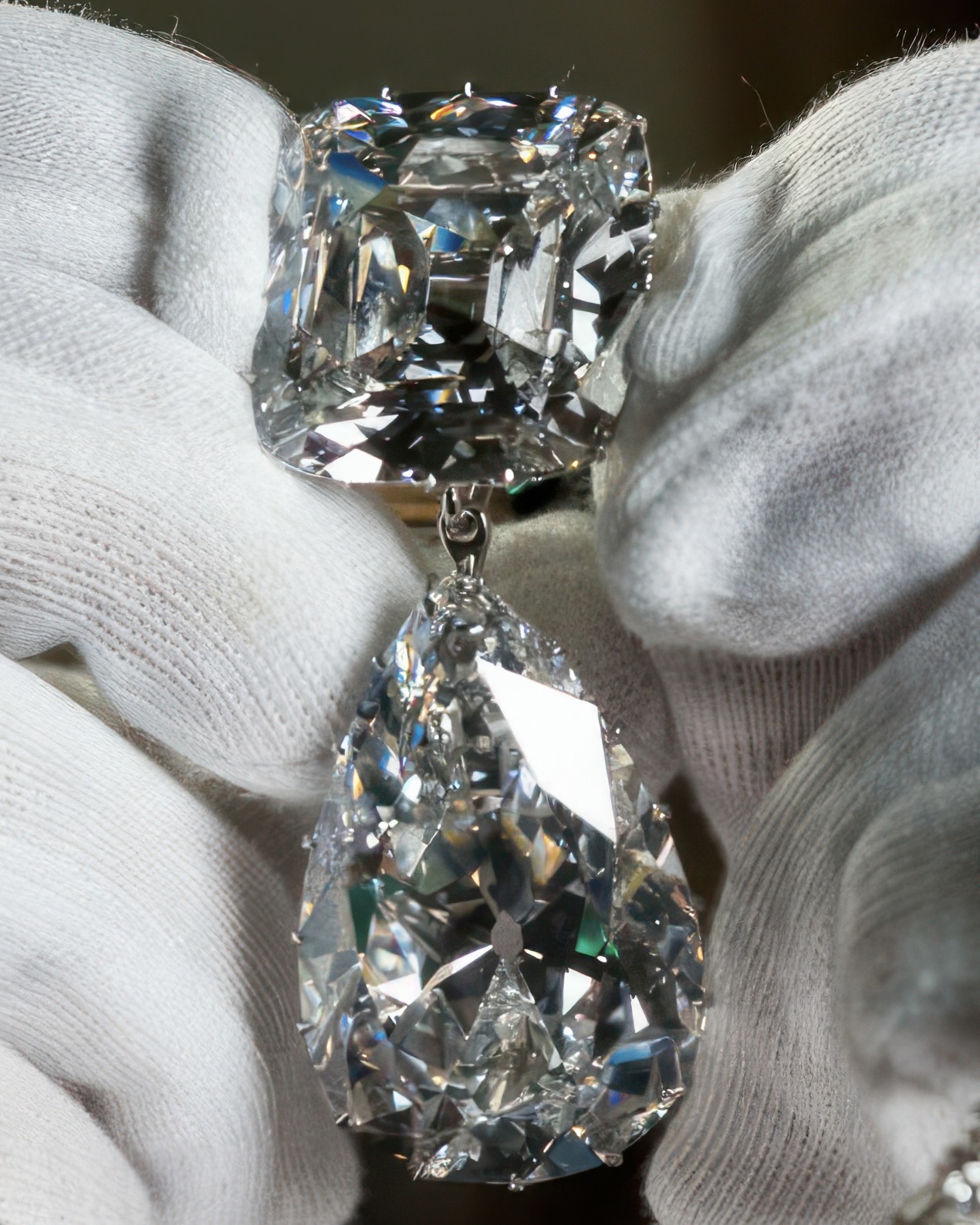
Made with two exquisite stones cut from the legendary Cullinan diamond, the Granny’s Chips brooch is one of the most recognizable diamond brooches in the world. Comprised of the “Lesser Stars of Africa,” the brooch features the 63.6-carat cushion-cut Cullinan IV diamond atop the 94.4-carat pear-shaped Cullinan III diamond. The pair of diamonds was previously mounted within Queen Mary’s Crown and the Delhi Durbar Tiara before the brooch design.
Among her most spectacular heirlooms, Queen Mary handed the piece down to her beloved granddaughter, Queen Elizabeth II. Endearingly dubbed “Granny’s Chips,” the brooch is a testament to the special bond between grandmother and granddaughter.
Queen Mary’s Art Deco Emerald Choker
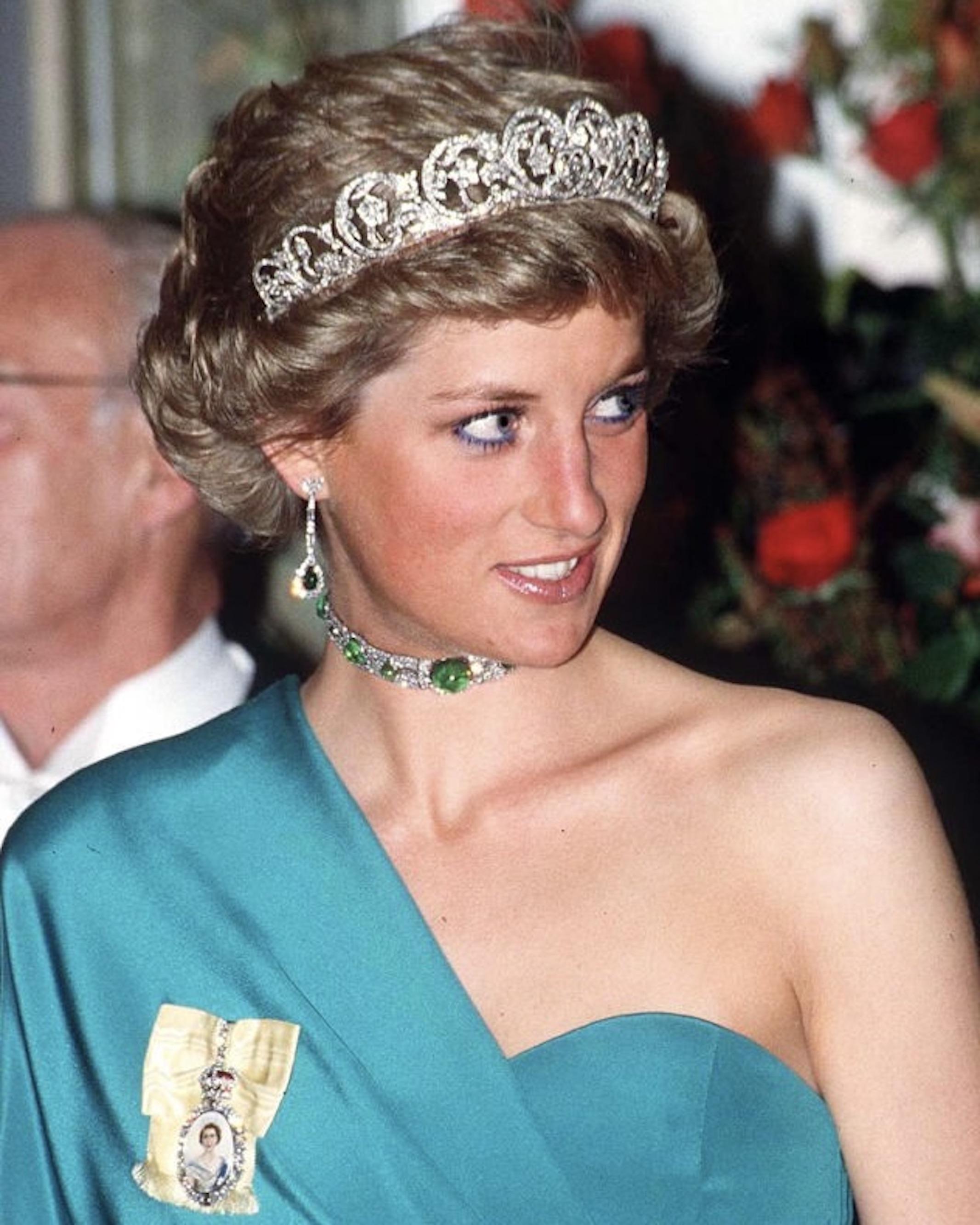

Queen Mary’s Art Deco Emerald Choker was created by Garrard in 1921, using emeralds gifted to Mary from the Ladies of India. Part of the bigger Cambridge Emerald Parure, the choker was inherited by Queen Elizabeth II in 1953. Since she wasn’t known to wear chokers, the jewel remained unworn for decades before she gave it to Princess Diana as a wedding gift.
During a Royal tour of Australia in 1985, Princess Diana improvised a tiara by wearing the exquisite Art Deco emerald and diamond choker as a forehead adornment, a style statement that caused quite a stir and made headlines all over the world. The last time Diana wore Queen Mary’s Art Deco Emerald choker was on her neck for her 36th birthday at the Tate Gallery in London in July 1997.
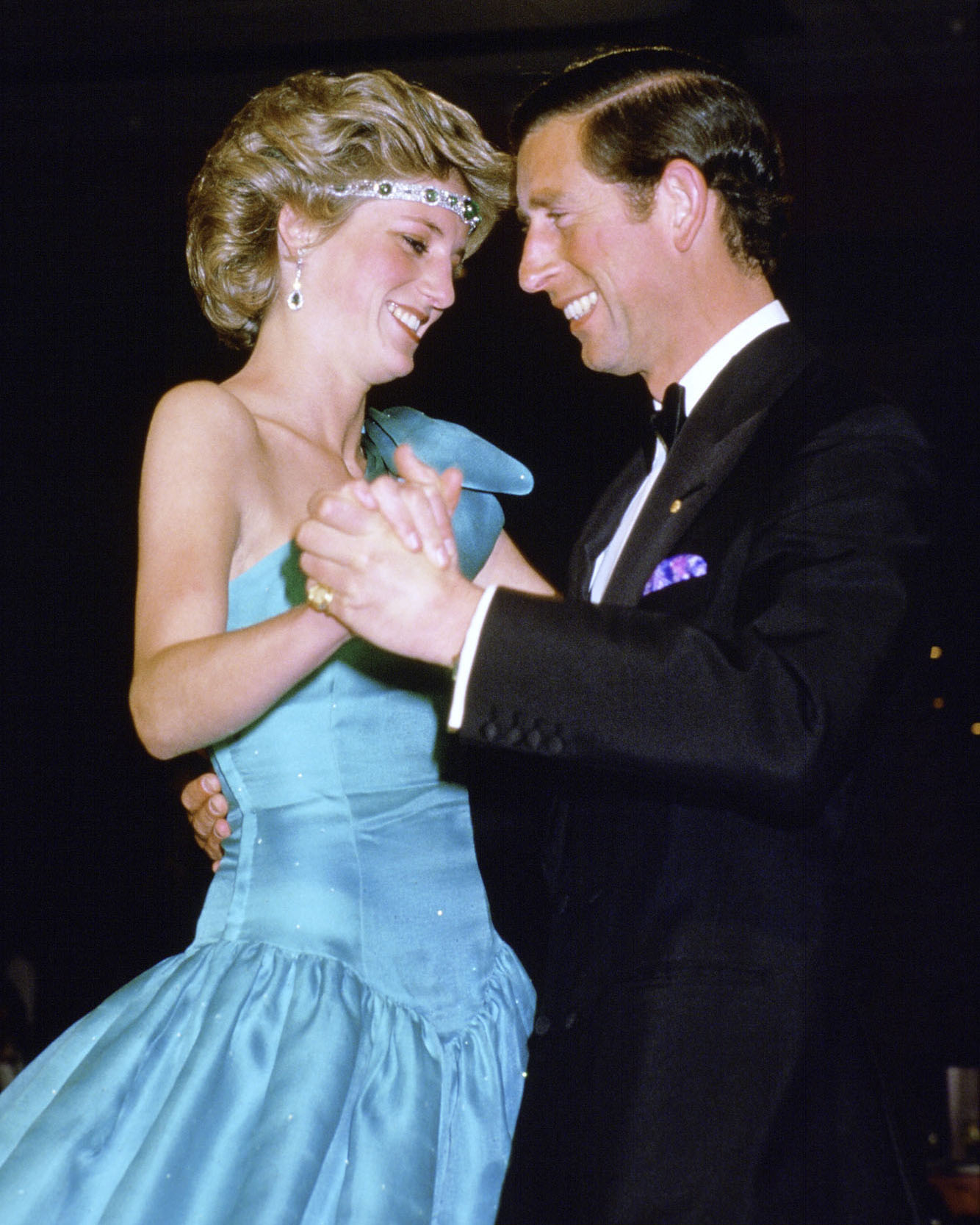

While Princess Diana may have made the piece famous decades ago, Kate Middleton took the Queen Mary emerald and diamond choker for a spin in 2022. While attending her husband’s Earthshot Awards in Boston, Catherine, Princess of Wales, wore a pair of diamond and emerald earrings that perfectly suited the century-old jewel – the earrings were pavé-set with diamonds set as halos around four emeralds.
Queen Mary’s Chain Link Bracelets
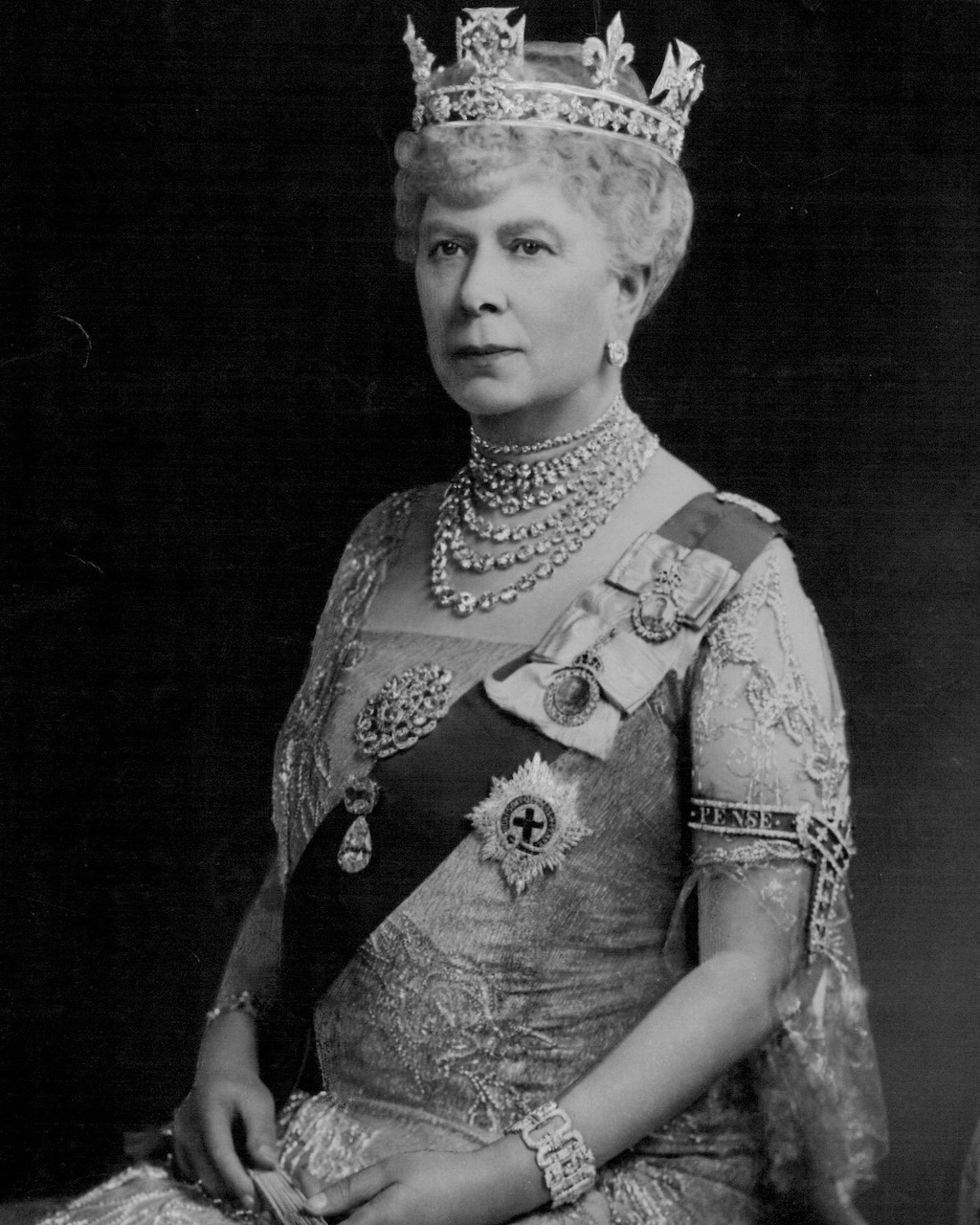
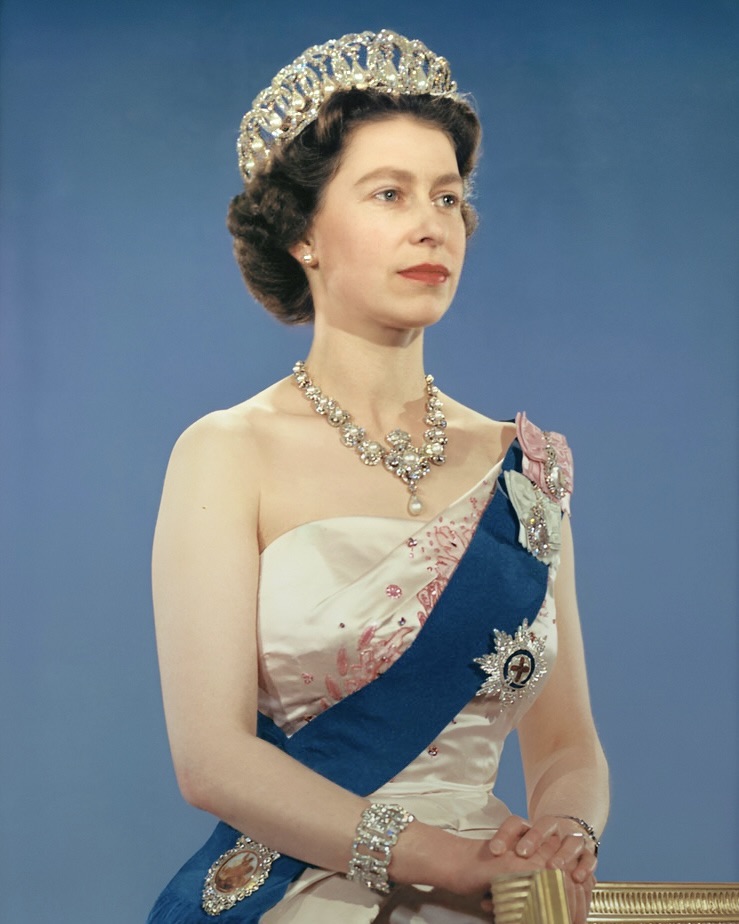
Queen Mary commissioned her first diamond chain link bracelet from Garrard in 1932, following up with a second, matching request three years later. The innovative design meant that the two could be connected and worn as a choker.
Queen Mary’s Women of Hampshire Brooch
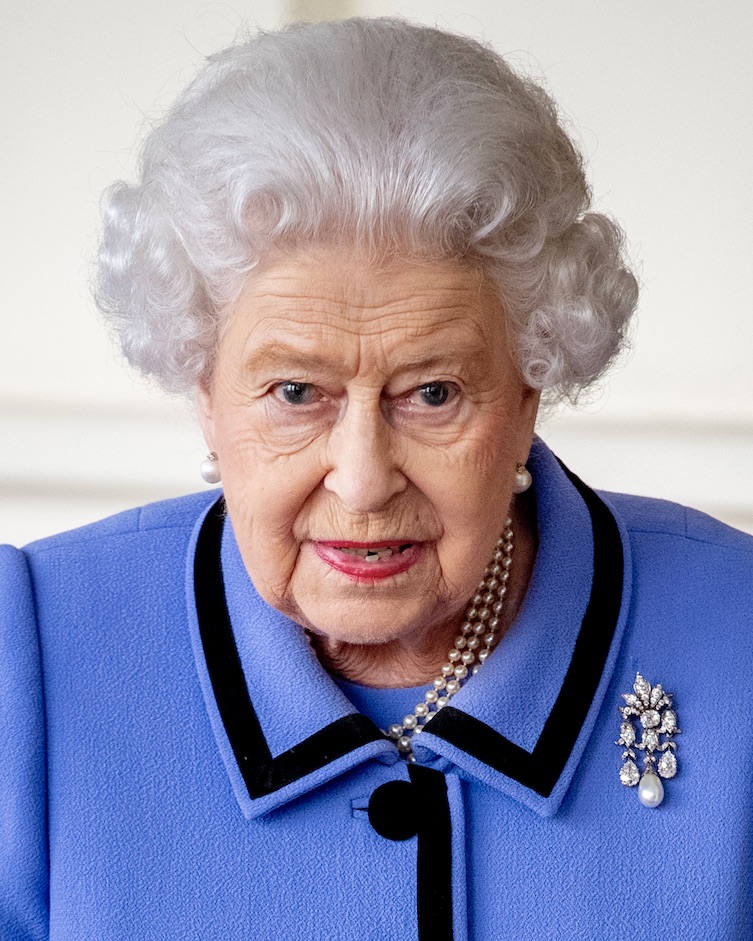
Queen Mary was gifted the Women of Hampshire brooch for her wedding to the future King George V, on behalf of the women of Hampshire. Originally designed as a pendant, the natural diamond and pearl piece was later converted into a brooch for Queen Mary, who then bequeathed it to Queen Elizabeth II in 1953.