Is the Millennium Star Diamond the Most Perfect Diamond in the World?
At 203.04 carats with D color and flawless clarity, the Millennium Star may be the most technically perfect large diamond to exist, and its journey from a Congolese riverbed to the center of a foiled heist is remarkable.
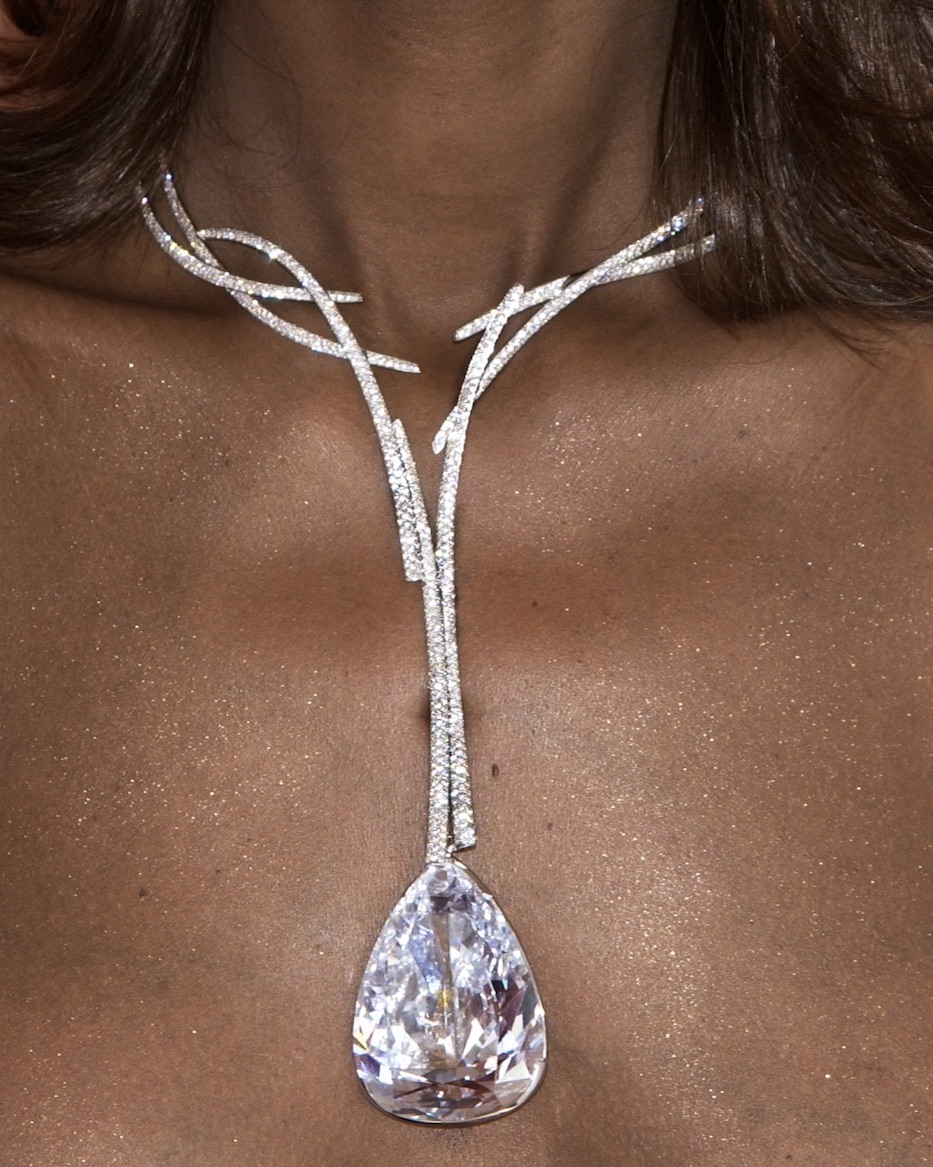
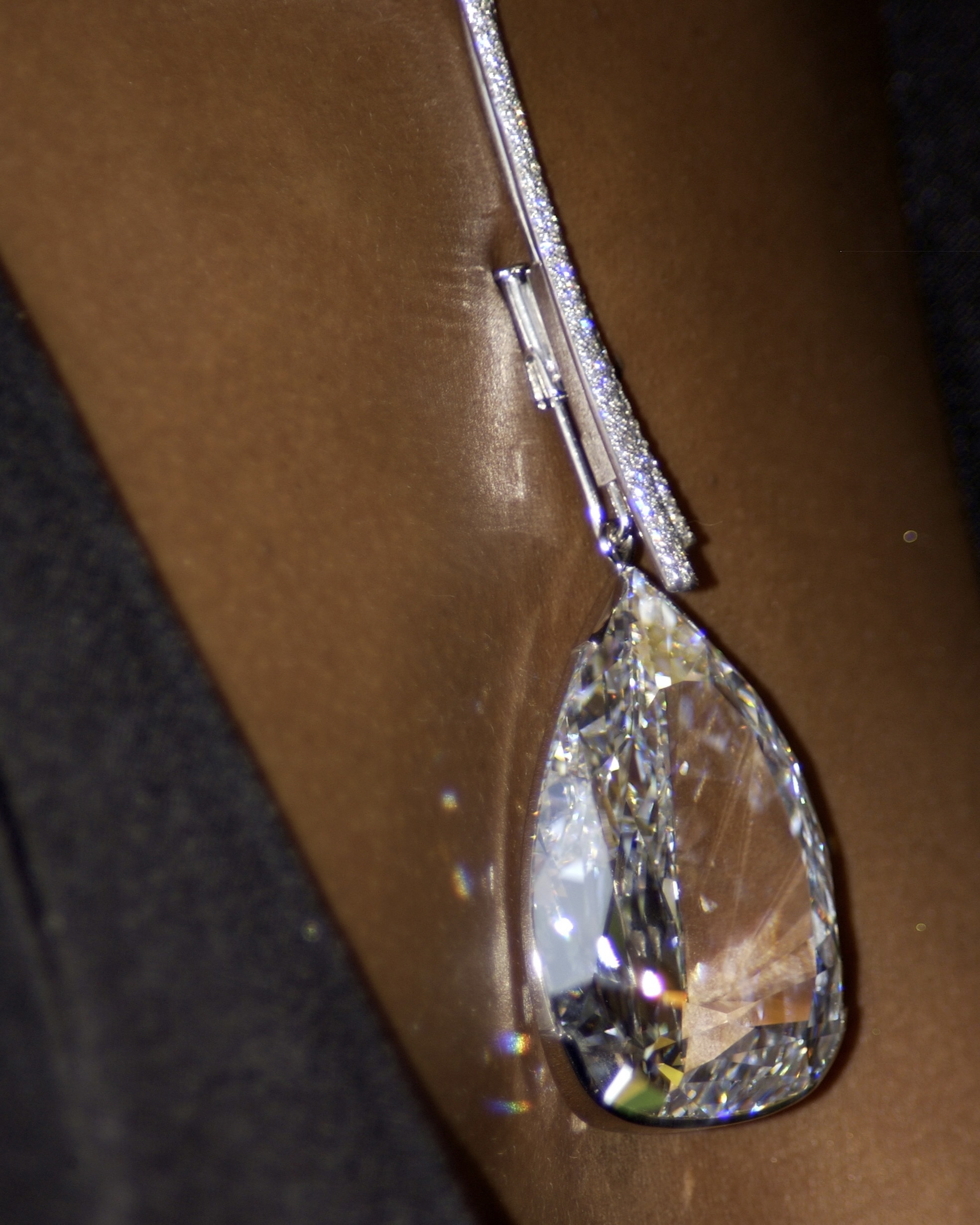
Iman wore the De Beers Millennium Star Diamond necklace at the 2002 Cannes Film Festival. (Getty Images)
The Millennium Star diamond stands alone. Flawless. Colorless. Perfectly proportioned. It is, by almost any measure, the most technically perfect large diamond ever cut. Its story, from an unlikely alluvial deposit in central Africa to the center of one of history’s most audacious heist attempts, is as extraordinary as the stone itself.
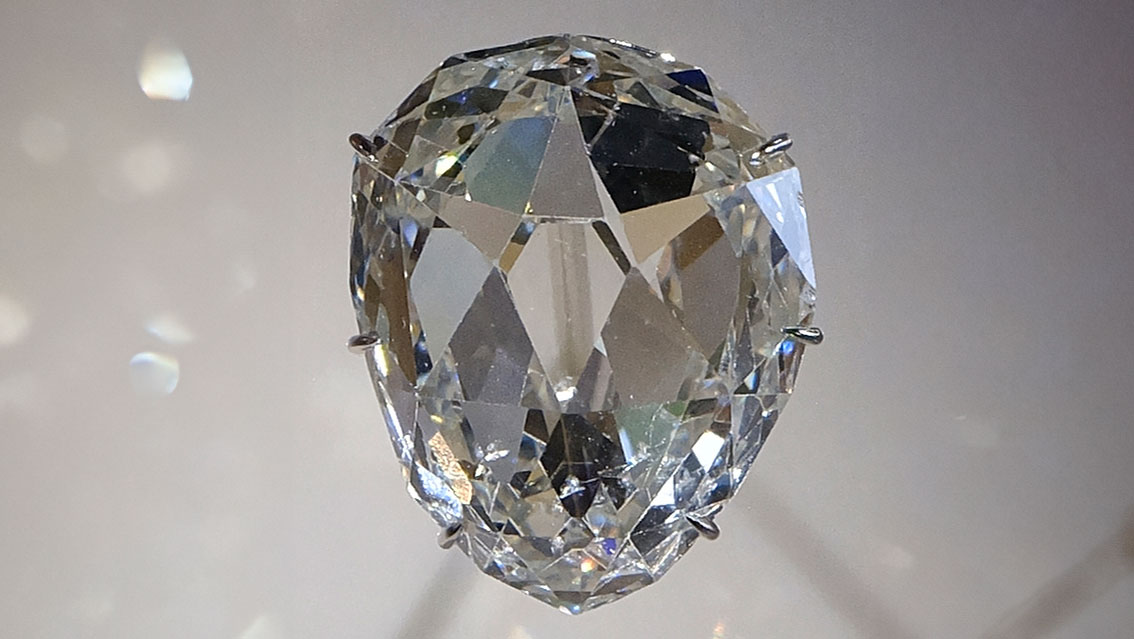
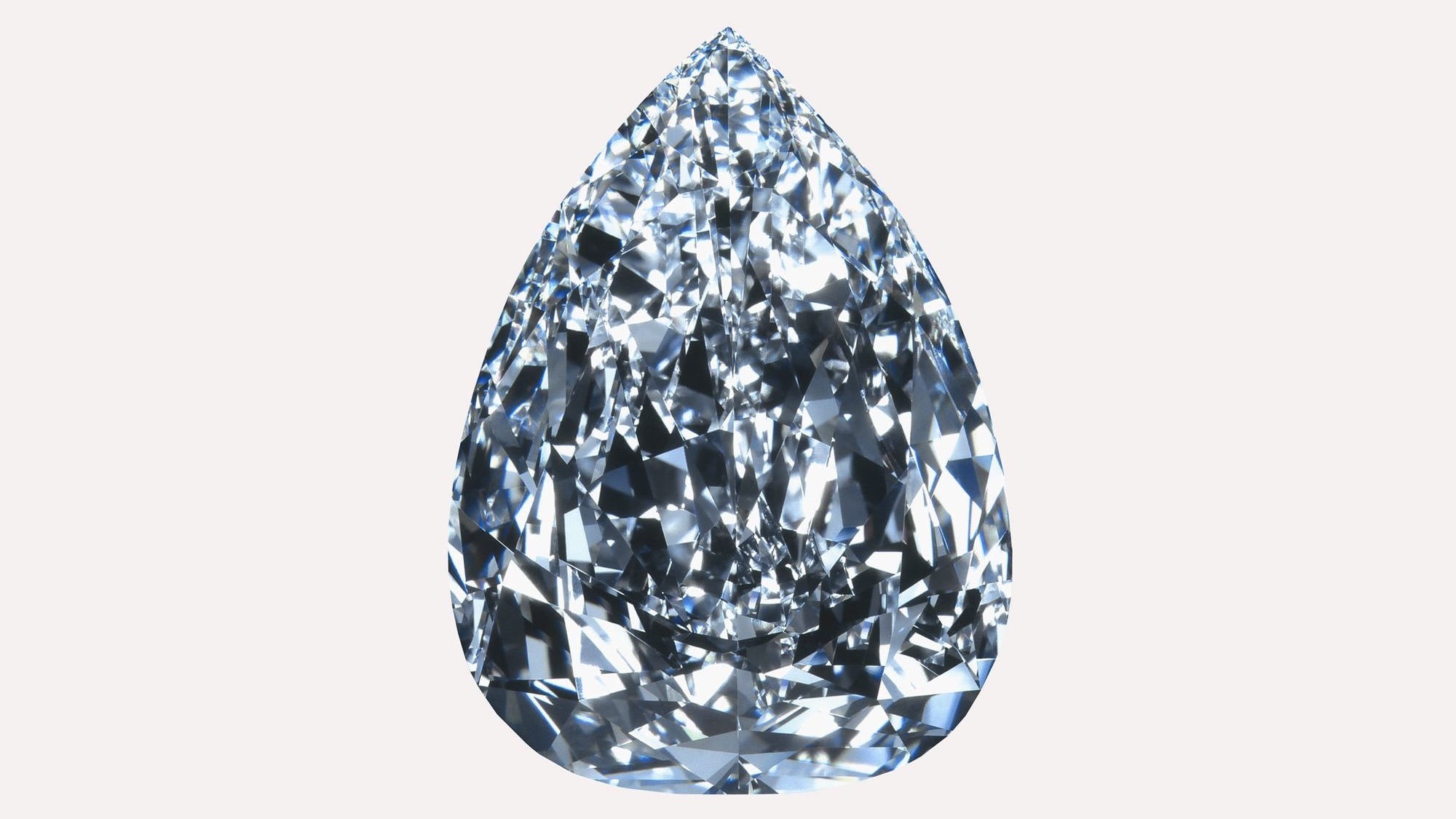
Weighing 203.04 carats, the Millennium Star Diamond is a D-color, flawless pear-shaped diamond—placing it among the rarest and most valuable natural diamonds ever discovered. Originally recovered as a 777-carat rough, it was meticulously cut over several years to achieve its exceptional brilliance and symmetry.
Meet the Expert

- Grant Mobley is the Jewelry & Watch Editor of Only Natural Diamonds.
- He is a GIA Diamonds Graduate.
- He has over 17 years of jewelry industry experience, starting with growing up in his family’s retail jewelry stores.
Read on to discover how the Millennium Star Diamond went from a once-in-a-lifetime discovery to the centerpiece of a legendary heist attempt, and why it remains one of the most perfect gems ever created.
The Millennium Star Diamond Was Born in the Congo
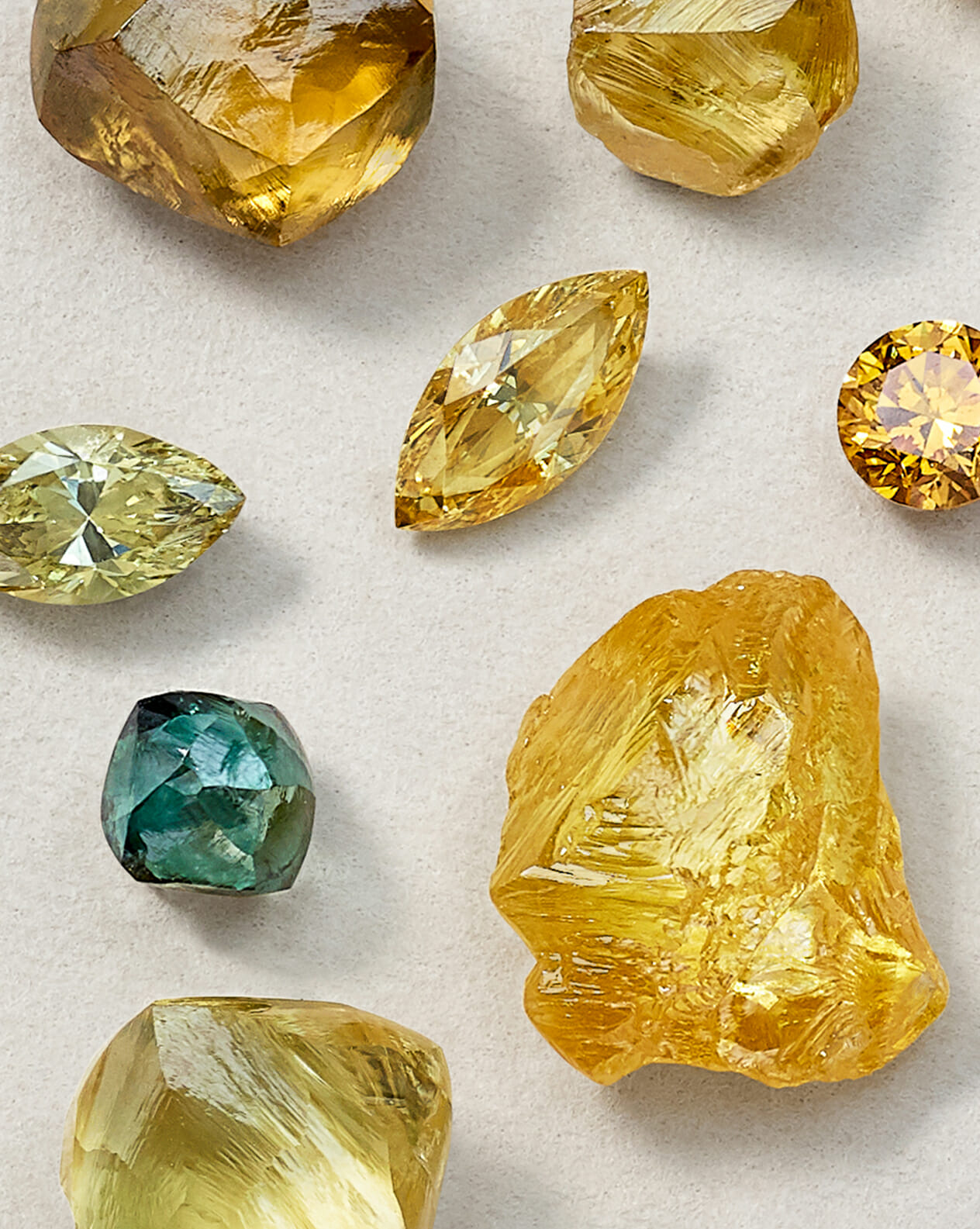
In 1990, workers in the Mbuji-Mayi district of what was then Zaire, but today the Democratic Republic of the Congo, pulled a rough diamond from alluvial deposits that weighed an almost incomprehensible 777 carats. De Beers was the lucky high bidder who acquired the stone, recognizing immediately that they had something exceptional on their hands. What happened next was years of deliberate, painstaking work to determine how best to honor it.
The Steinmetz Diamond Group took charge of the cutting, and their team didn’t rush. Before touching the real stone, craftspeople constructed more than 100 plastic models of the diamond to study how different cuts would interact with light and maximize the stone’s potential. This kind of meticulous pre-planning is standard practice with diamonds of serious significance because you don’t experiment on a gem worth tens of millions. You experiment on plastic until the answer is undeniable.
After more than three years of study and execution, the process was complete. They split the stone in Belgium, polished it in South Africa, and finished it in New York by the finest craftspeople specializing in each part of the process. What emerged was a 203.04-carat pear-shaped diamond with 54 facets and the second-largest colorless diamond in the world, surpassed only by the legendary Cullinan diamond.
Why the Millennium Star Diamond Is So Rare
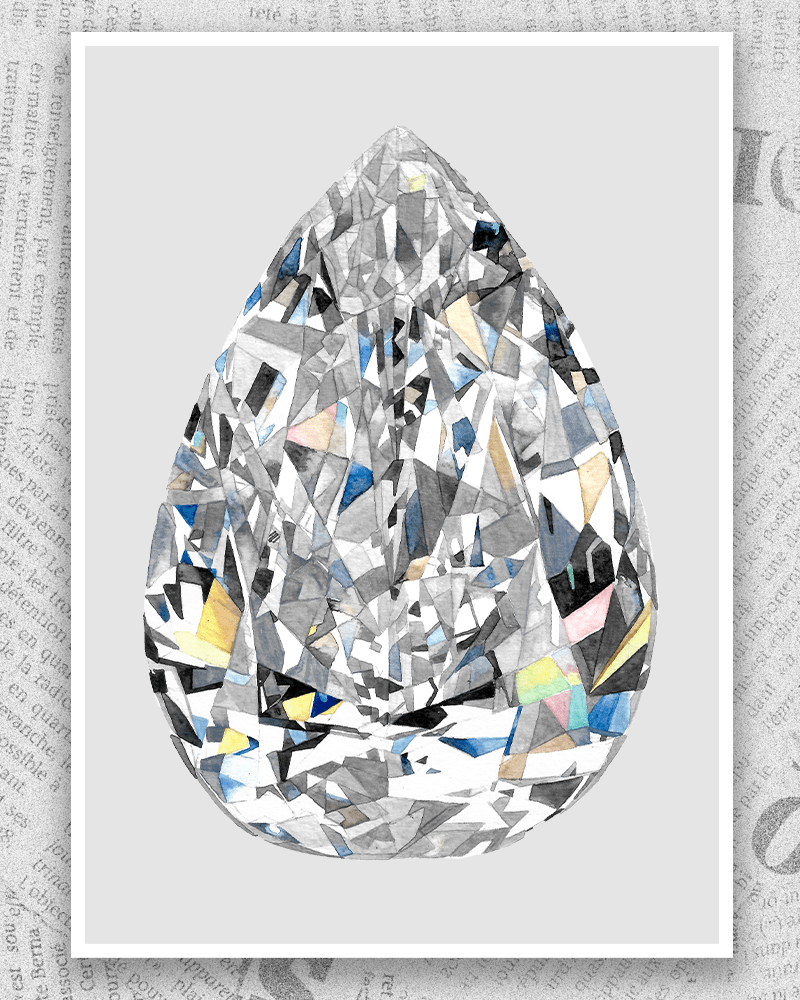
When the Gemological Institute of America graded the Millennium Star, it returned the result that every cutter dreams of and almost none achieve: D color and flawless clarity. In the GIA system, D is the absolute top of the color scale, with no trace of yellow or brown. Flawless means no internal inclusions or external blemishes visible under 10x magnification. Together, those two grades represent the pinnacle of what a colorless diamond can be.
At 203.04 carats with those grades and that cut, the Millennium Star isn’t just rare. It’s in a category that has no real peers. Former De Beers chairman Harry Oppenheimer, a man who spent a lifetime surrounded by extraordinary diamonds, put it simply: it was, he said, the most beautiful diamond he had ever seen.
The Millennium Star Diamond Debuted at the Aptly-Named Millennium Dome

The diamond made its public debut in October 1999 as the centerpiece of the De Beers Millennium Diamond Collection. The assembled group of gems included eleven blue diamonds totaling 118 carats and the famous Heart of Eternity. The collection displayed at London’s Millennium Dome throughout 2000 drew enormous attention from collectors, the press, and the public alike.
In 2003, the Millennium Star traveled to Washington, D.C., and featured in the Smithsonian Institution’s celebrated exhibit The Splendor of Diamonds, alongside other iconic stones including the Steinmetz Pink (now known as the Pink Dream), the Moussaieff Red, the Allnatt Diamond, the Pumpkin Diamond, and the Ocean Dream. For anyone serious about natural diamonds, that exhibit was a once-in-a-generation experience.
The Millennium Star Diamond Heist Attempt That Never Was

No telling of the Millennium Star’s story is complete without November 7, 2000. The day a criminal crew came remarkably close to pulling off what would have been the largest diamond heist in history.
Led by notorious career criminal Noel “Razor” Smith, the gang spent months studying the Millennium Dome’s layout, security systems, and police response times. Their plan was bold: breach the Dome using a JCB tractor, smash through to the diamond vault, and escape via speedboat on the Thames. As far as audacious schemes go, it had a certain cinematic quality.
What they didn’t know was that the Metropolitan Police were already watching. Detective Superintendent Jon Shatford led Operation Magician, deploying roughly 200 officers, including armed Flying Squad units who had been monitoring the gang around the clock. De Beers, for their part, had quietly swapped the real diamonds for near-perfect replicas, moving the originals to a secure location. The thieves were unknowingly about to risk everything for fakes.
When the JCB tore into the Dome’s exterior, the trap was already in motion. Police, concealed inside a service tunnel, emerged and apprehended the raiders before anyone touched a single diamond. Officers holstered their weapons without firing a shot. The Millennium Star never left the building. The attempted robbery was later chronicled in the 2025 Netflix documentary The Diamond Heist, introducing the story to a new generation of viewers.
Where Is the Millennium Star Diamond Now?

De Beers announced its partnership with legendary supermodel Iman at the 2002 Cannes Film Festival.. To mark the occasion, she wore the De Beers Millennium Star necklace, showcasing the world’s largest flawless pear-shaped diamond suspended from a sculptural, thorn-inspired platinum setting pavé-set with 2,000 round brilliant diamonds.
Iman debuted the extraordinary piece at the amfAR Cinema Against AIDS gala, co-sponsored by De Beers, where it quickly became the focal point of the evening. Surrounded by icons including Sharon Stone, Elton John, and Elizabeth Taylor, the dazzling diamond sparked playful attention, with guests jokingly pretending to steal the remarkable gem from around her neck.

In 2006, De Beers reportedly sold the Millennium Star Diamond to an anonymous buyer believed to be based in Asia, leaving the gem world to wonder where this remarkable stone now rests. Unlike the Hope Diamond or the Cullinan, the Millennium Star Diamond is no longer on public view. It exists somewhere, in private hands, almost certainly the most perfect diamond its owner has ever seen.
For those of us who study these stones professionally, that’s both a loss and a reminder of what makes truly exceptional diamonds so compelling. The Millennium Star Diamond earned its name honestly. In a century of remarkable diamond discoveries, it remains proof that nature, given the right conditions and enough time, is capable of producing something genuinely without flaws.