

The Tereshchenko Diamond: The Second Largest Blue Diamond in the World
Once believed to weigh nearly 150 carats in the rough, the Tereshchenko Diamond, now known as the Mouawad Blue, journeyed from Golconda, through revolution, rumor, and intrigue, to become one of the rarest, largest, and most mysterious blue diamonds in the world.
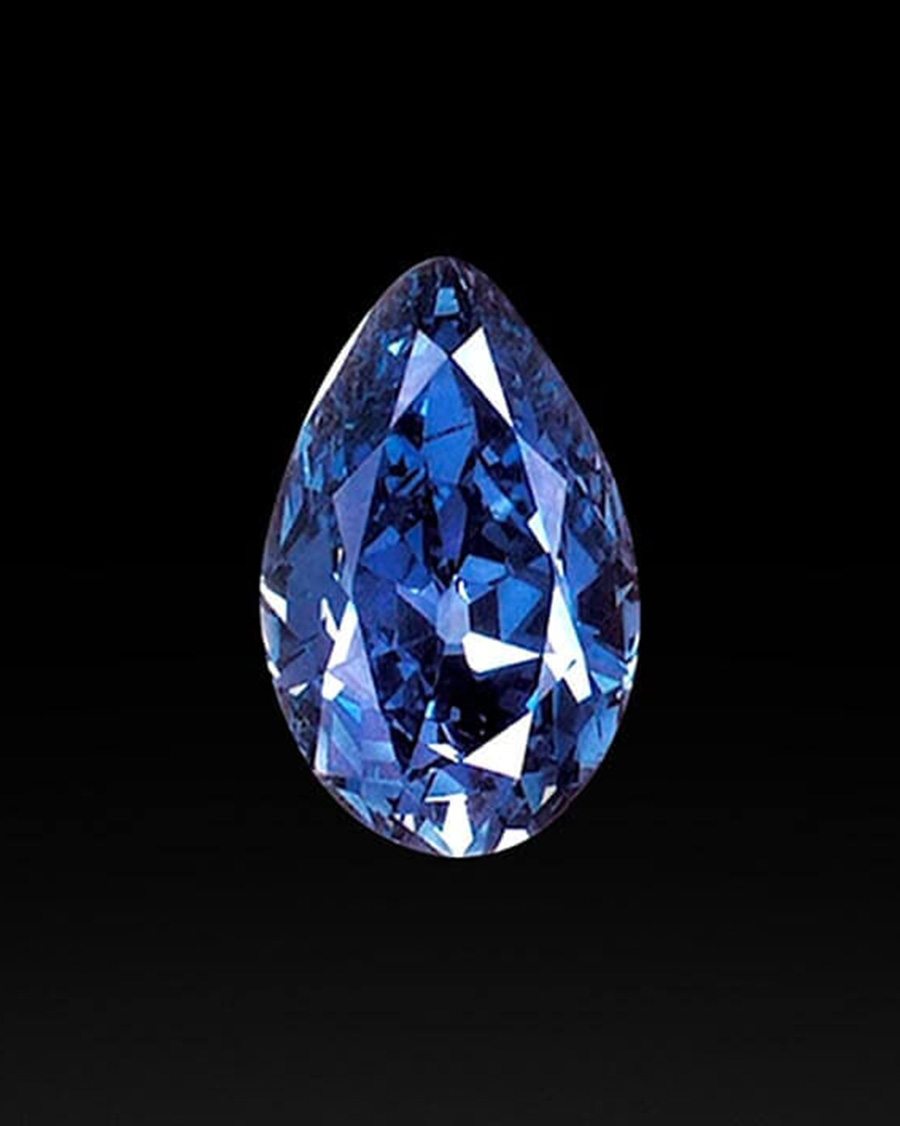
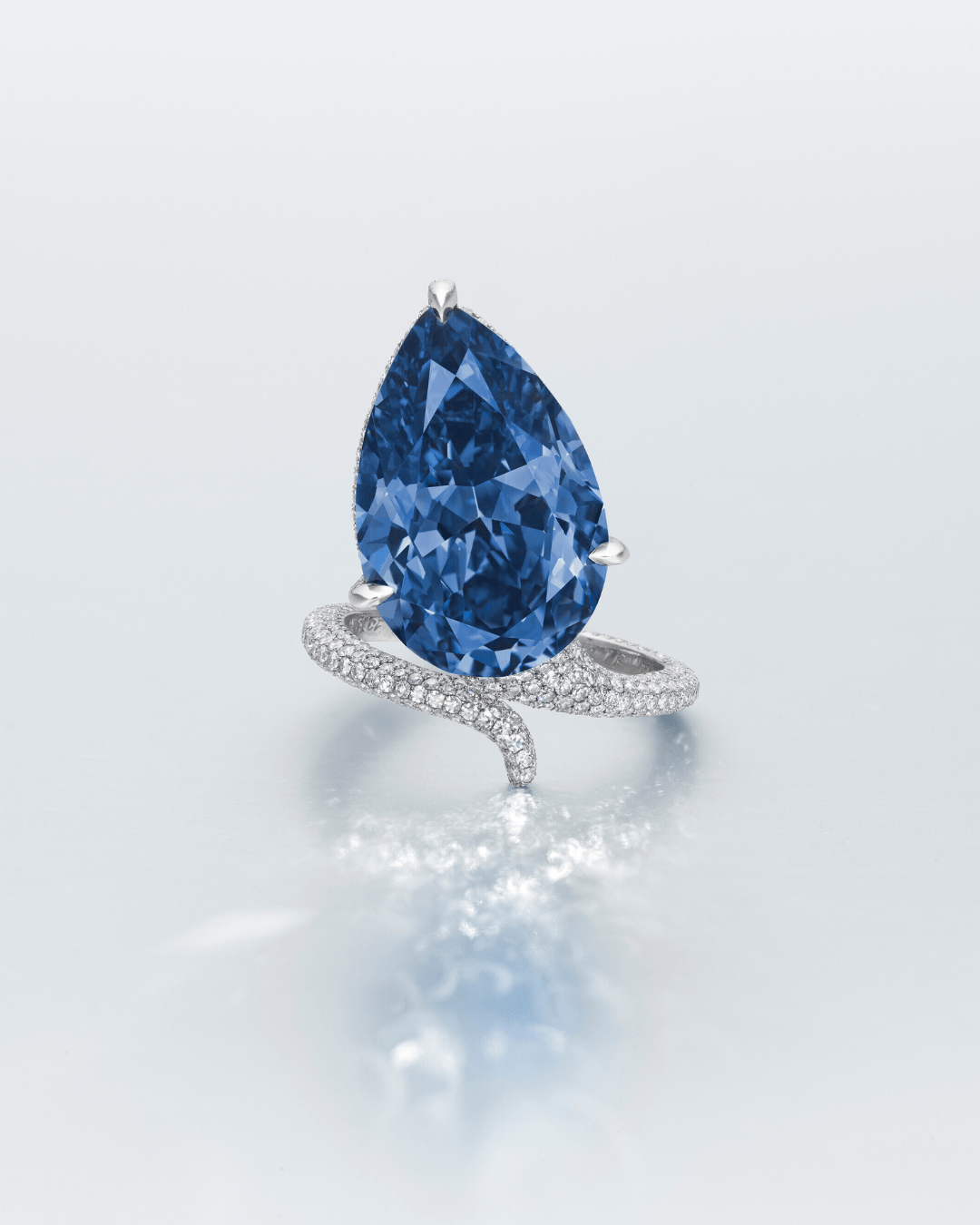
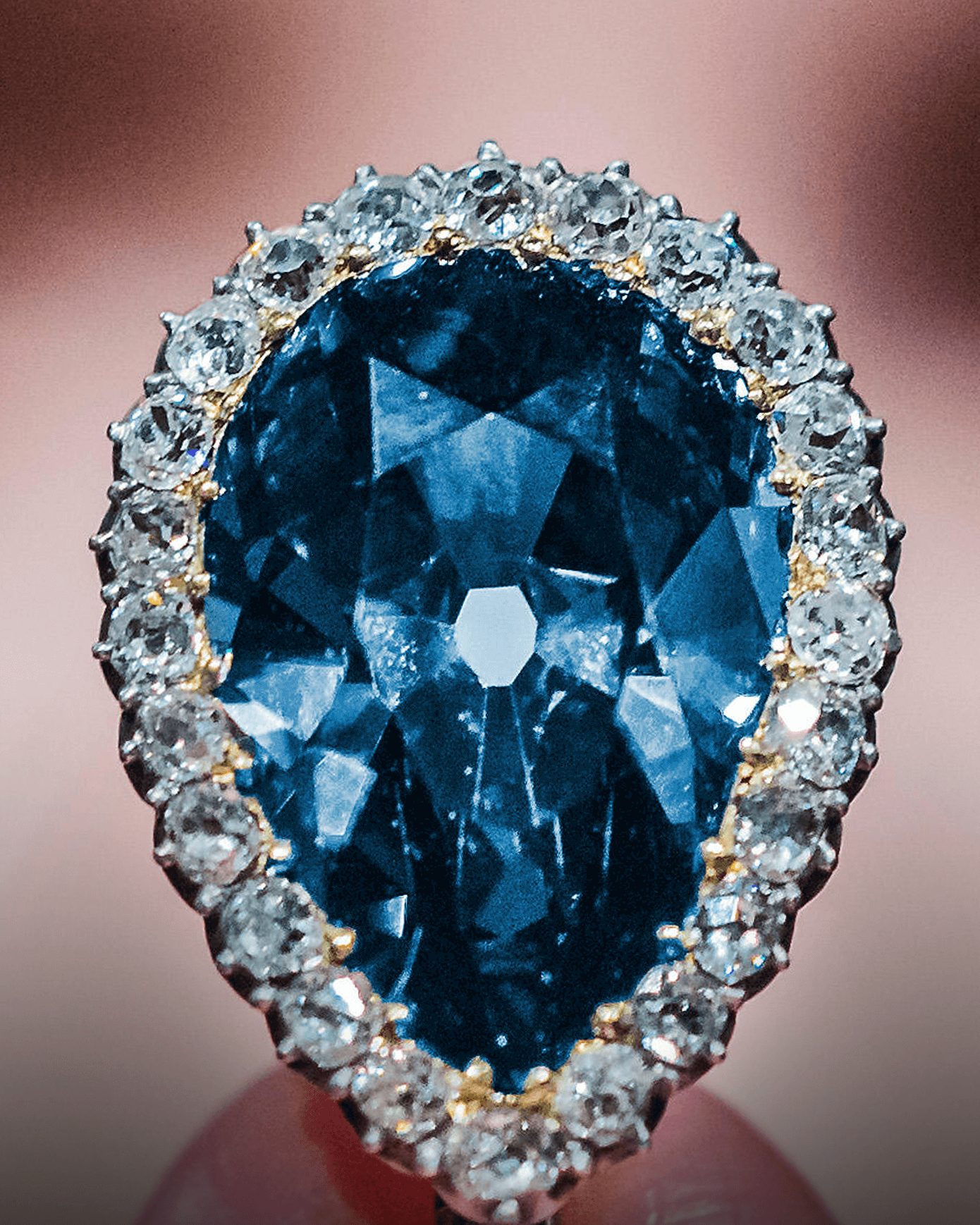
The Tereshchenko Diamond, now called the Mouawad Blue Diamond (Courtesy of Mouawad)
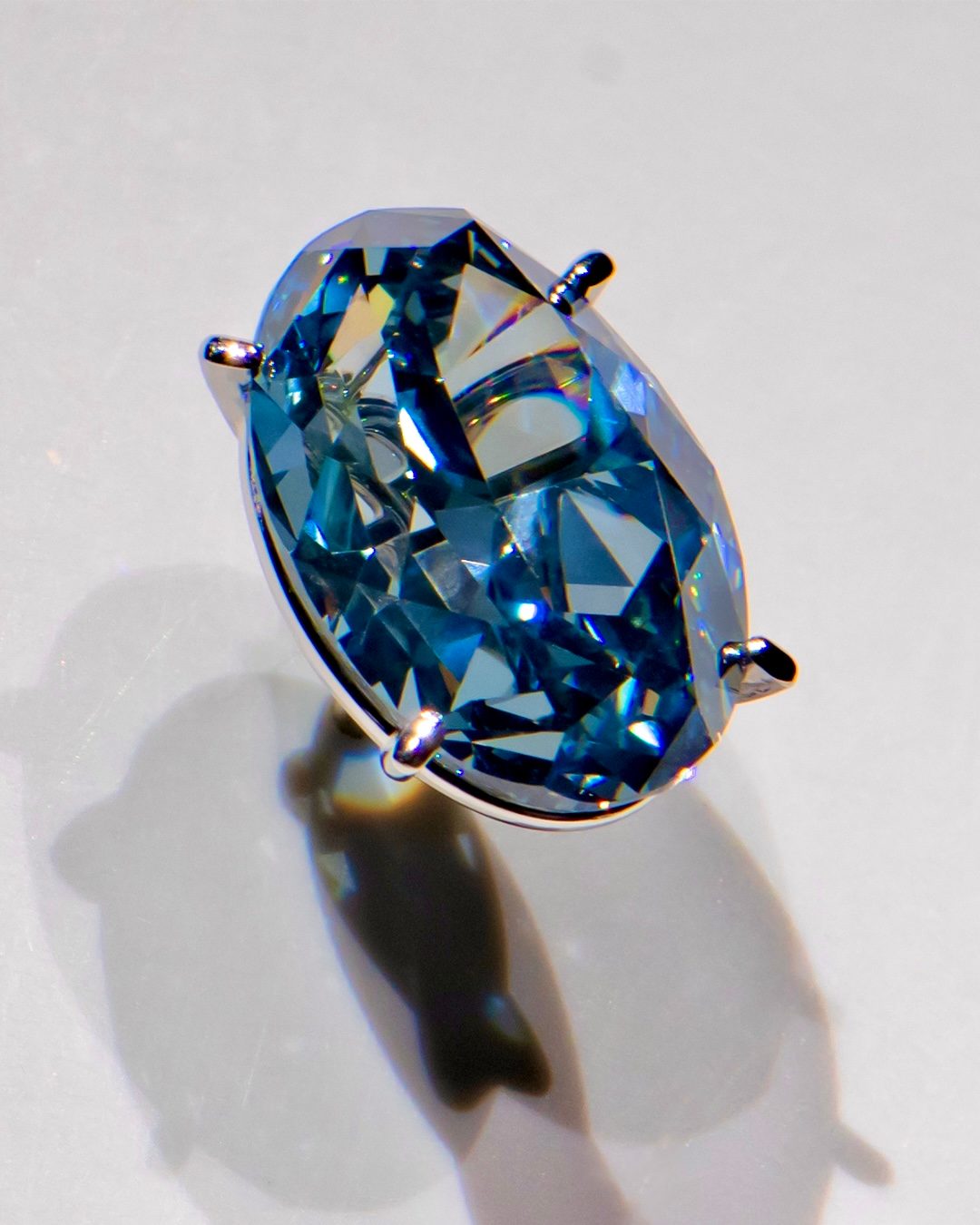
The Tereshchenko Diamond, now known as the Mouawad Blue, is a 42.92-carat fancy blue Type IIb diamond believed to have originated in India’s legendary Golconda mines. Today, it ranks among the largest and rarest blue diamonds in the world, prized for its remarkable size, vivid color, and mysterious history. Few diamonds match the Tereshchenko Diamond’s ability to combine nearly every aspect that makes gems so fascinating: rarity, beauty, intrigue, myth, historical drama, and record-breaking prices.
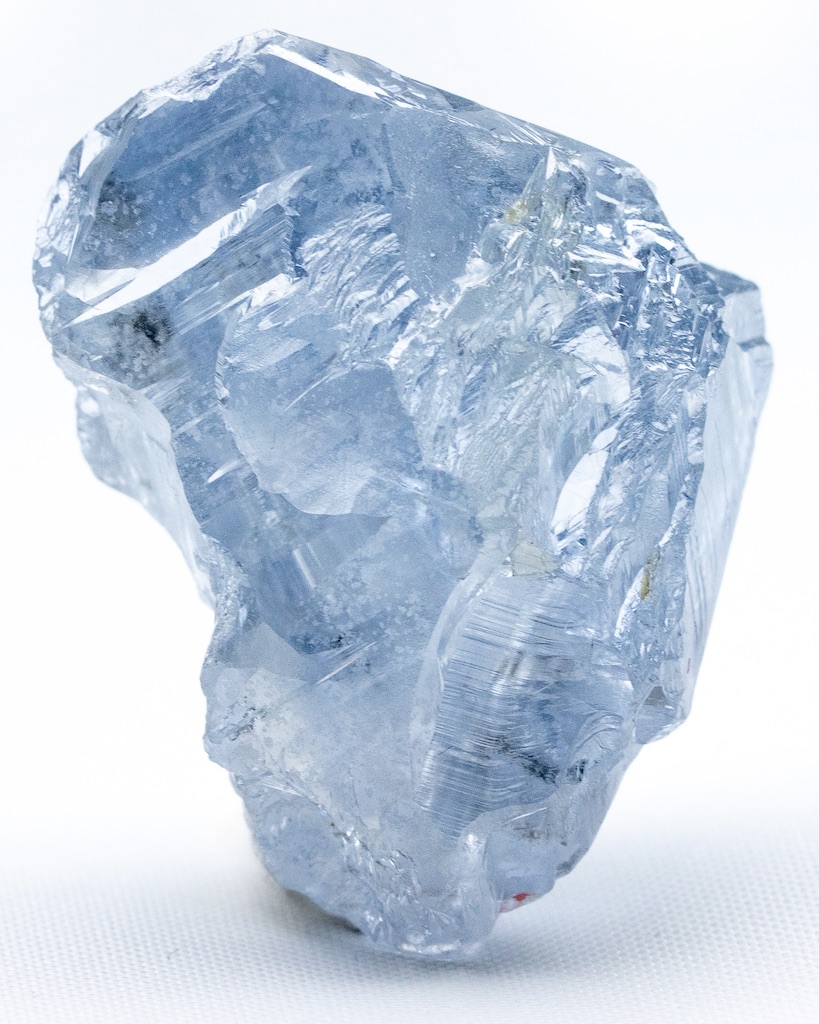
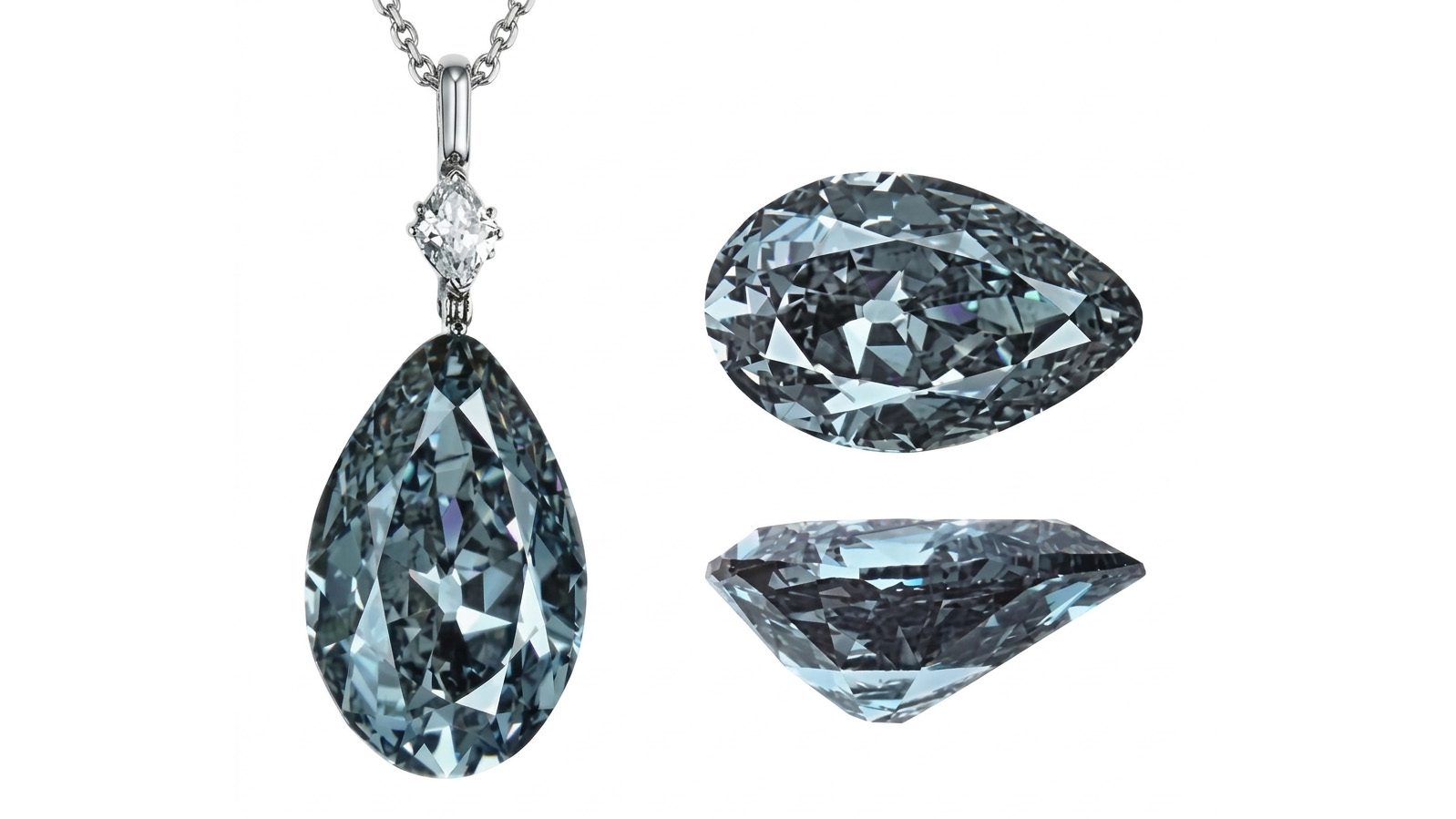
Today, the stone weighs 42.92 carats and is cut into an elegant pear shape. The diamond is generally described as a Fancy Blue Type IIb diamond, a classification reserved for exceptionally rare diamonds whose color is caused by the presence of boron. Yet before it ever reached the hands of modern collectors, the diamond was believed to have been cut from a rough crystal possibly approaching 150 carats.
That size would have likely made it one of the largest natural blue diamonds ever discovered, securing its place in diamond history. But the mystery surrounding its origins and travels has made the diamond even more compelling.
Meet the Expert

- Grant Mobley is the Jewelry & Watch Editor of Only Natural Diamonds.
- He is a GIA Diamonds Graduate.
- He has over 17 years of jewelry industry experience, starting with growing up in his family’s retail jewelry stores.
The Golconda Origins of the Tereshchenko Diamond

Like many of history’s most legendary diamonds, the Tereshchenko Diamond likely originated in India’s famed Golconda region, specifically the Kollur Mine. For centuries, Golconda served as the primary source of diamonds for the entire world, producing stones that still define the upper limits of rarity and beauty. The same region gave birth to famous diamonds such as the Hope Diamond, the Koh-i-Noor, and the Daria-i-Noor.
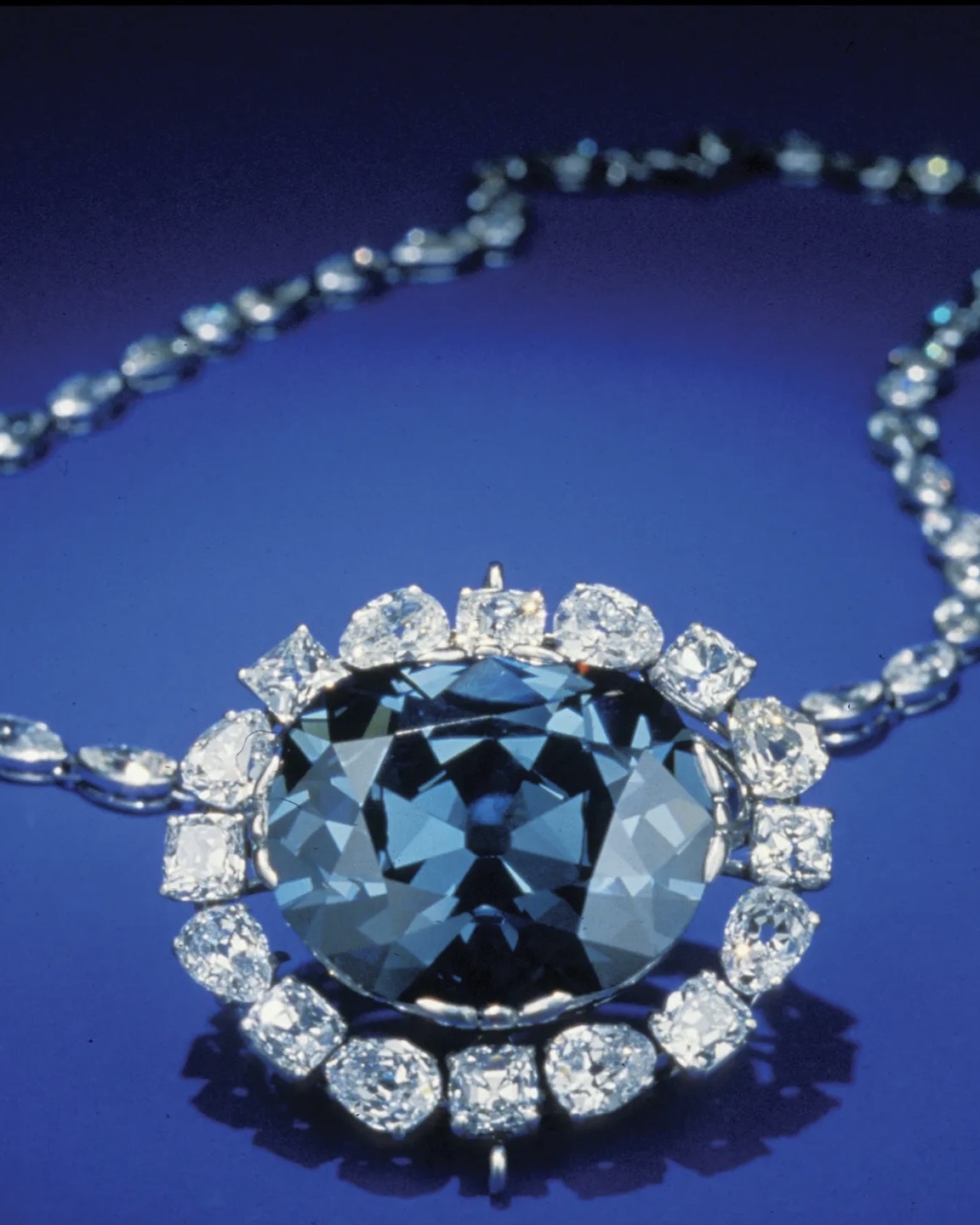
It is therefore no coincidence that the Tereshchenko Diamond shares similarities with the Hope Diamond not only in its color and size, but also in its possible original mounting after discovery.
Why Are Blue Diamonds So Rare?
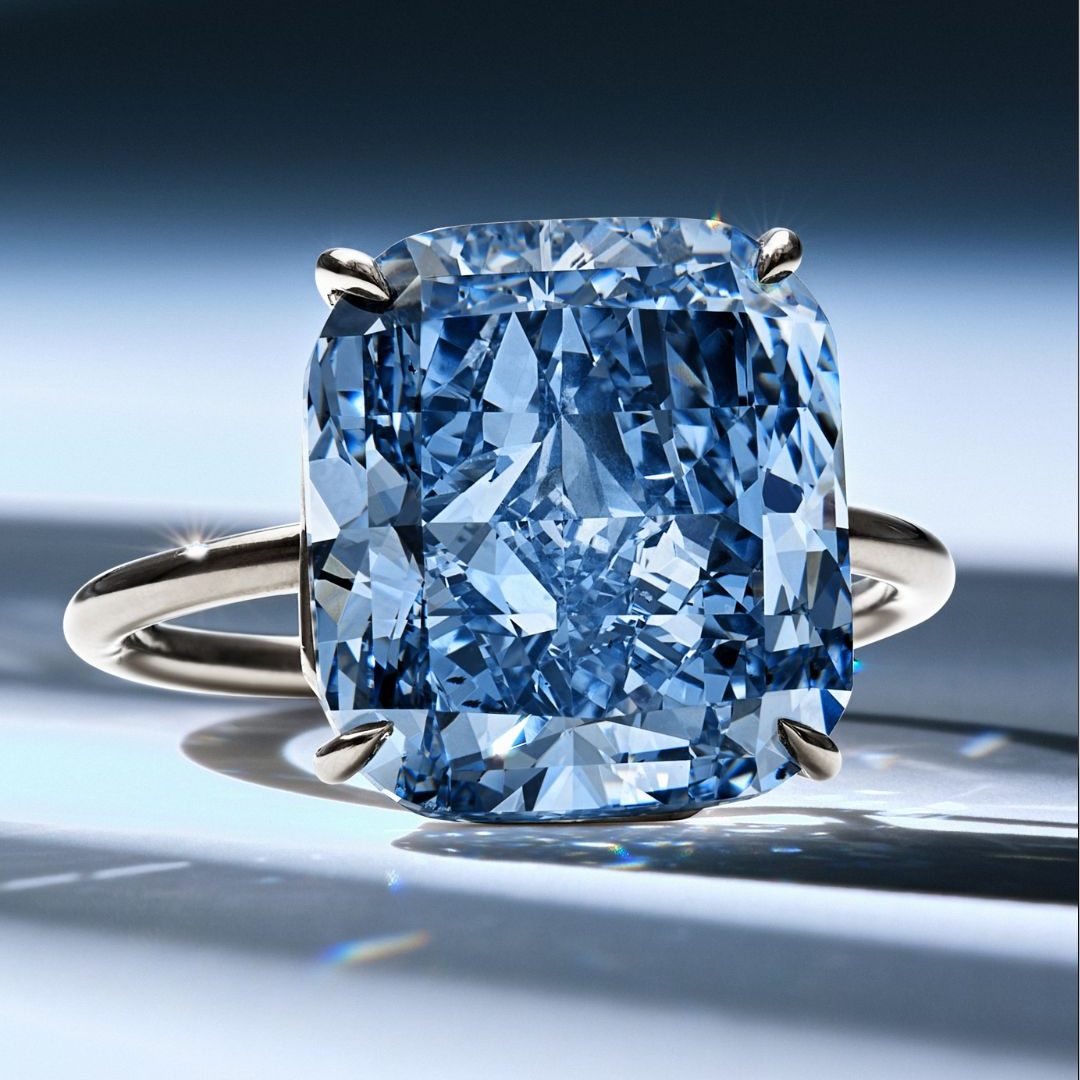

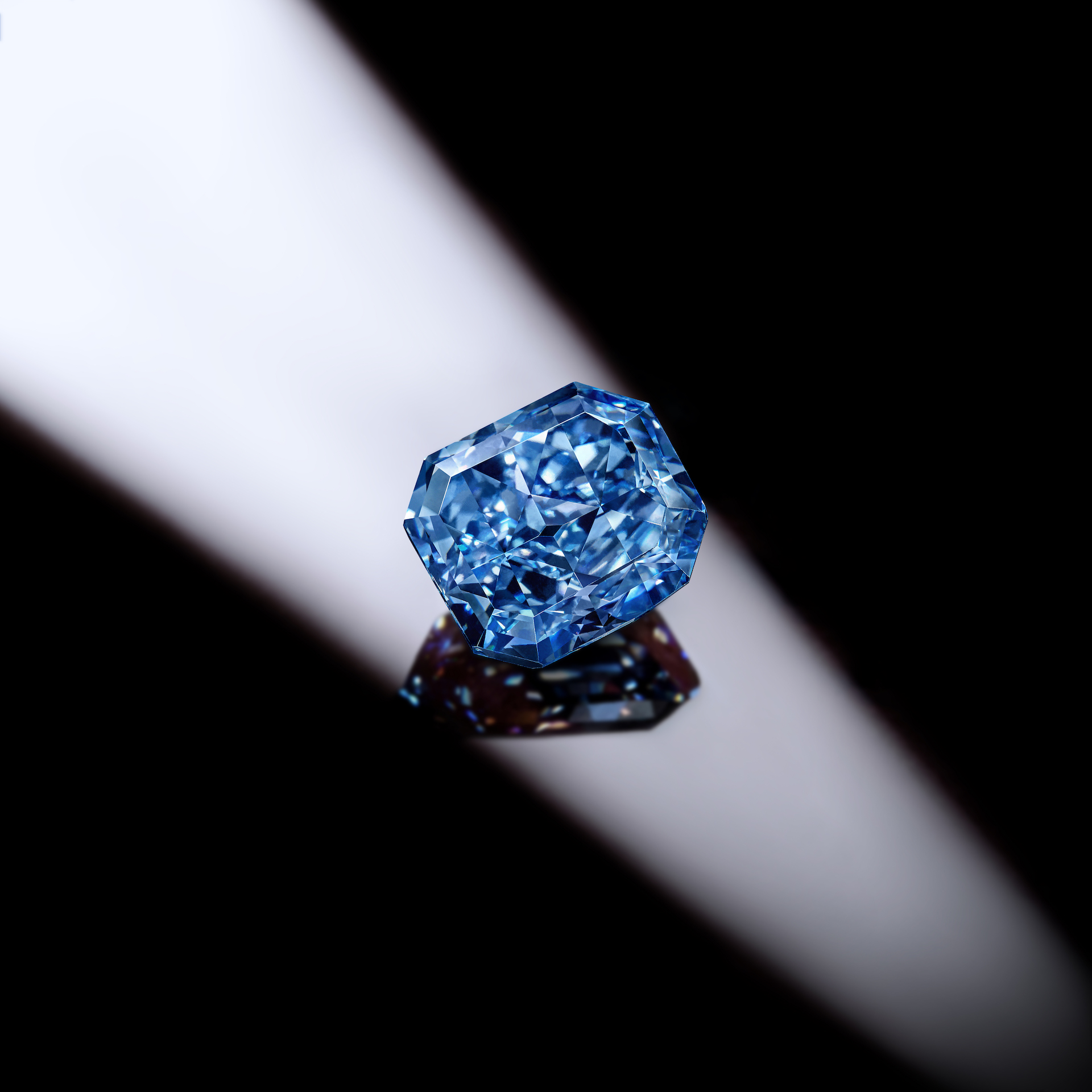
Blue diamonds owe their color to one of the rarest phenomena in diamond formation. Most diamonds consist entirely of carbon atoms arranged in a crystalline structure. However, in exceptionally rare cases, a small number of boron atoms become incorporated into that structure during formation deep within the Earth.
Boron changes the way the diamond interacts with light. Because boron has one fewer electron available for bonding than carbon, it leaves an electron in the crystal structure that absorbs red wavelengths of light. The remaining light reflected back to the eye appears blue.
What makes this extraordinary is how little boron is required. The Hope Diamond, for example, likely contains only a few boron atoms per million carbon atoms.
Diamonds containing boron belong to a rare category known as Type IIb diamonds, which represent only about 0.1% of all natural diamonds. When you combine this geological rarity with the extraordinary size of the Tereshchenko stone, you get a diamond of exceptional importance.
The Mystery of the Tereshchenko Diamond’s Early History
Like many historic diamonds, the earliest chapters of the Tereshchenko Diamond remain unclear. Some accounts suggest the diamond may have been discovered as early as the 17th century, already large enough to attract attention among collectors and royal treasuries. Other stories claim the diamond once adorned a Hindu temple sculpture, possibly serving as the eye of a statue along with the Hope Diamond. These tales, while fascinating, remain impossible to verify.
Over the years, newspapers have repeated numerous legends about the diamond. Some place it in Russia during the reign of Peter the Great, while others suggest it passed through religious artifacts before entering the European gem trade. While the truth remains uncertain, such myths have only added to the diamond’s mystique.
The Powerful Family Behind the Tereshchenko Diamond
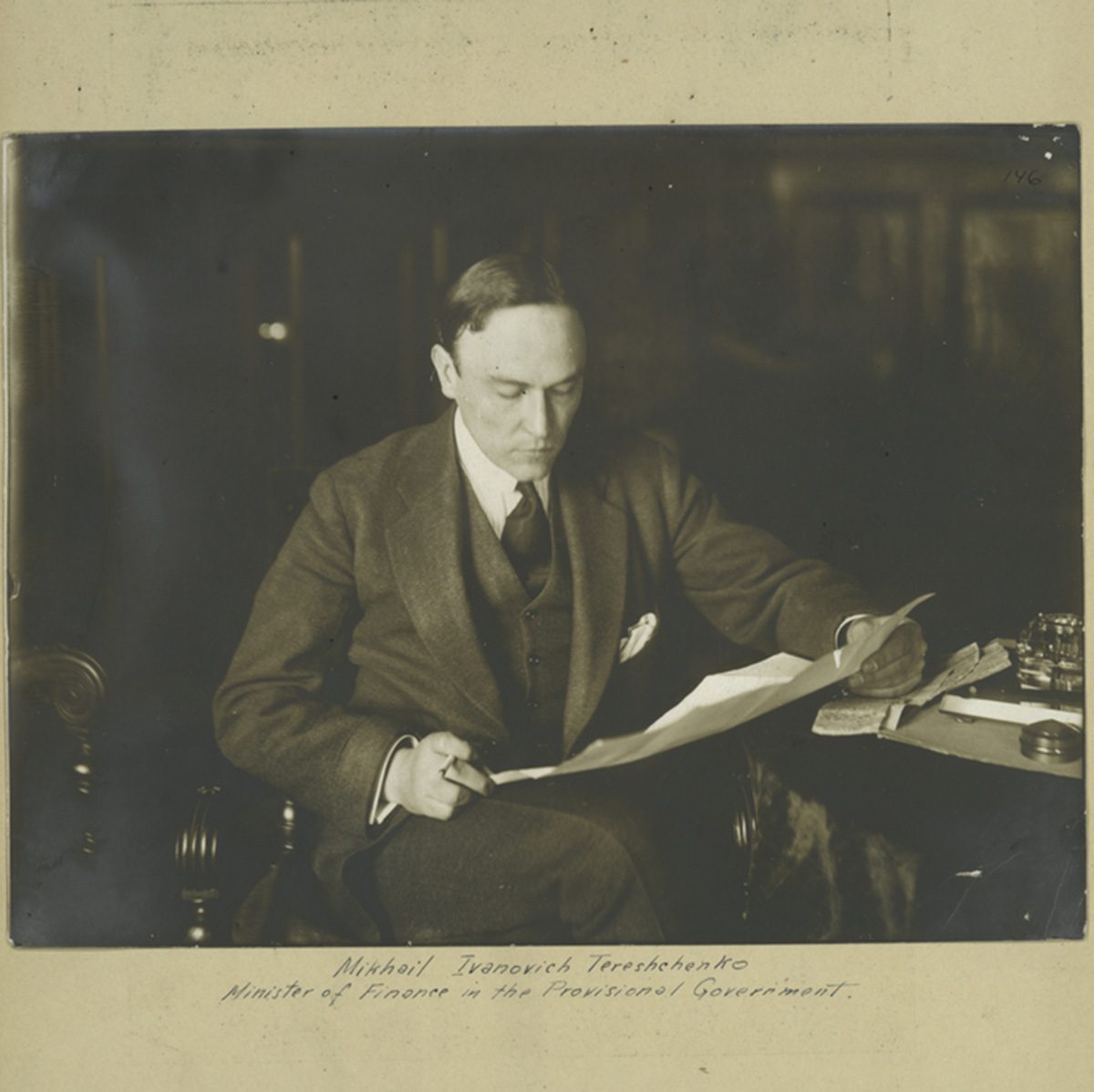
The first confirmed owner of the diamond appears in the early 20th century. The stone came into the possession of Mikhail Tereshchenko, a wealthy Ukrainian industrialist from a family that had built a vast fortune in the sugar trade. In 1913, Tereshchenko deposited the diamond with Cartier in Paris, marking the first documented appearance of the gem in modern history.
Tereshchenko later became an important political figure, serving as Minister of Finance and eventually Foreign Minister in Russia’s Provisional Government during the turbulent months before the Bolshevik Revolution in 1917.
Two years later, in 1915, he instructed Cartier to either cut the original rough diamond or recut the already-cut version; this part of its story is unclear. We do know he asked Cartier to mount it in a spectacular necklace.
The finished jewel featured the 42.92-carat pear-shaped natural blue diamond, surrounded by 46 additional diamonds in a variety of shapes and natural colors, including marquise, pear, round, and heart shapes, ranging from 0.13 to 2.88 carats.
For Cartier, the commission was monumental. It still represents one of the largest custom jewelry orders the house has ever received. The completed necklace was delivered to Tereshchenko in Russia between 1915 and 1916.
The Tereshchenko Diamond During the Russian Revolution
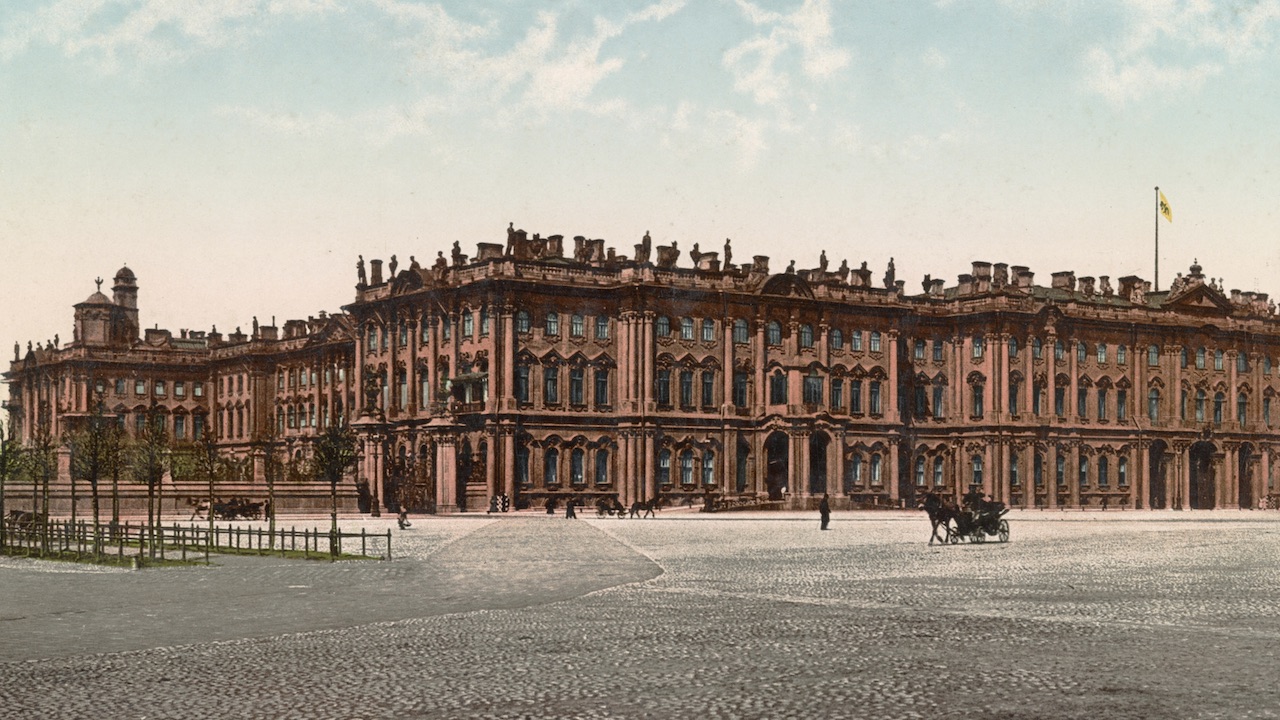
During the Russian Revolution of 1917, Tereshchenko, who served in the Provisional Government, was arrested when Bolshevik forces seized the Winter Palace. His mother eventually secured his release by paying an enormous bail, allowing him to escape Russia in 1918.
Whether Tereshchenko left the country with the diamond remains uncertain. Some accounts claim he carried the gem across the border himself. Others believe the diamond had already been secretly smuggled out of Russia before the revolution began. For decades after that moment, the diamond vanished from public view.
The Legend of Mademoiselle Primrose and the Tereshchenko Diamond

One of the most intriguing theories about the diamond’s disappearance involves a French dancer known as Mademoiselle Primrose, born Suzanne Marie Blanche Thuillier.
According to newspaper reports from the 1920s, the dancer returned to France from Russia shortly before the revolution, carrying a large blue diamond. When asked about the gem, she hinted only that it had come from someone who held “the highest positions.” Some historians suspect that person may have been Tereshchenko.
Records suggest that Thuillier later pawned the diamond repeatedly to cover gambling debts and extravagant spending. If true, the stone may have remained hidden for decades in the possession of creditors.
The Tereshchenko Diamond Reappears at Auction
After nearly 75 years of mystery, the diamond suddenly resurfaced. On November 14, 1984, the Tereshchenko Diamond appeared at a Christie’s auction in Geneva, offered by an anonymous source. Before the auction, the diamond was examined and certified by the Gemological Institute of America (GIA), confirming its exceptional rarity as a natural Type IIb blue diamond.
The buyer was renowned jeweler Robert Mouawad, who acquired the stone for approximately $4.6 million, at the time a record price for a gem sold at auction. Following the purchase, the stone was renamed the Mouawad Blue Diamond. Mouawad was already known as one of the world’s most important collectors of exceptional diamonds, with his family assembling a remarkable collection that includes famous gems such as the Jubilee Diamond, the Excelsior Diamond and the Taylor Burton Diamond.
Today, experts estimate the Mouawad Blue’s value at least ten times the price Mouawad paid in 1984—around $46 million or more.
How the Tereshchenko Diamond Compares to the Hope Diamond
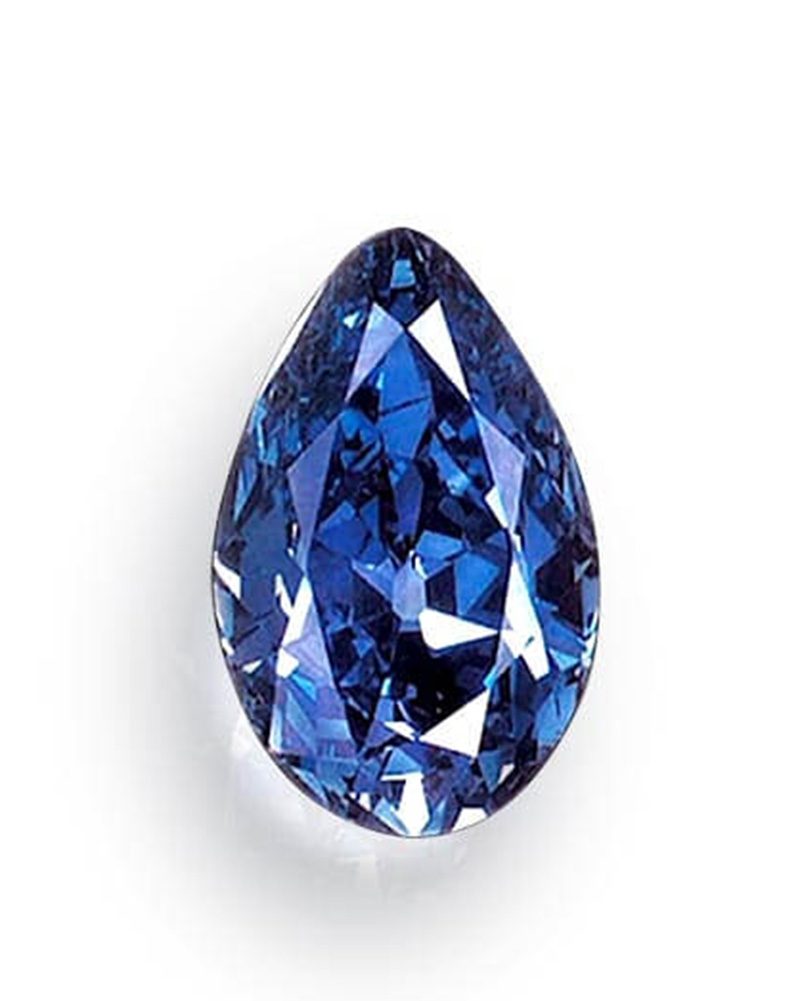
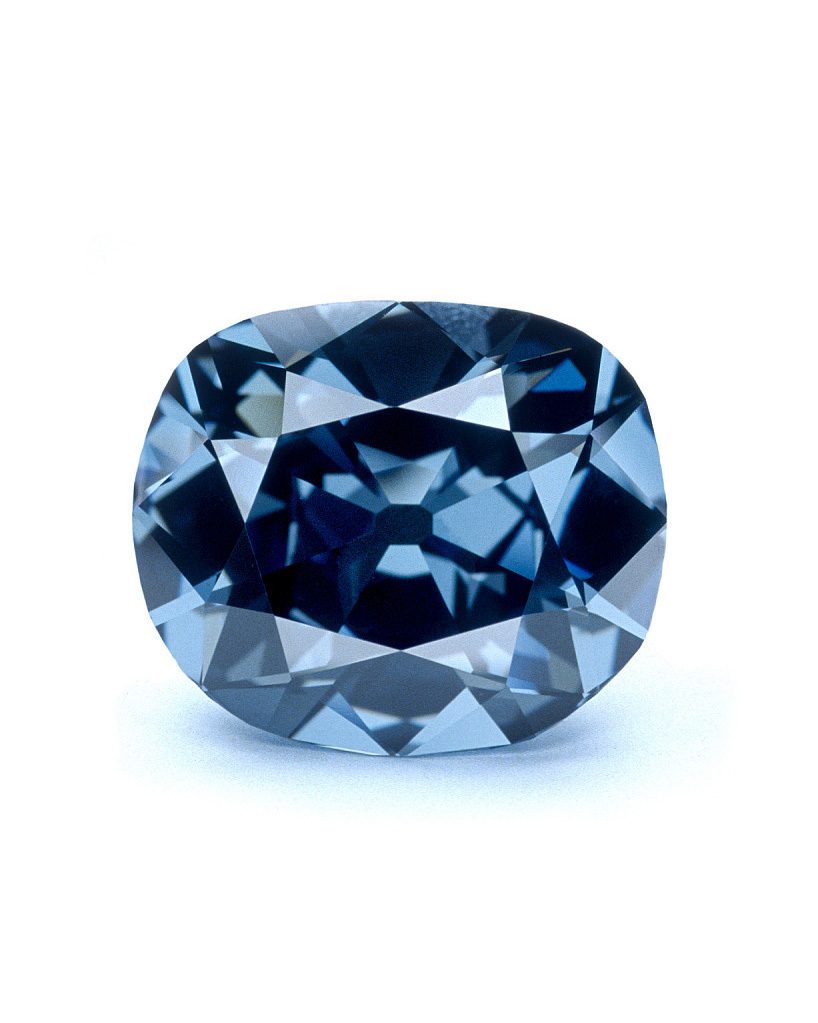
Because of its color, origin, and extraordinary history, the Mouawad Blue often invites comparison with the Hope Diamond, the world’s most famous diamond. Both likely originated from the Golconda mines, are similar in color and size, both belong to the Type IIb category, and both carry an aura of mystery that continues to captivate collectors and historians alike.
Some gem historians have even suggested that the Hope Diamond and the Tereshchenko Diamond may have originated from the same Golconda deposit, or possibly even the same large crystal family. This theory could explain their similar Type IIb chemistry and their remarkably deep blue color. While this connection remains speculative, it has been widely discussed in gemological literature and adds another intriguing layer to the story of these extraordinary stones.
Yet the Mouawad Blue remains unique in its own right. And like many of the greatest diamonds in history, we may never know its full story.
Where Is the Tereshchenko Diamond Now?
Today, the Tereshchenko Diamond—now known as the Mouawad Blue—is privately owned by Robert Mouawad and remains part of the Mouawad family’s collection.
Unlike many historic diamonds displayed in museums, its exact location is not publicly disclosed. It is not on permanent exhibition, and like other exceptional stones in the Mouawad collection, it is generally kept in private hands, occasionally appearing only in curated presentations or brand showcases.