< Historic Diamonds / Famous Diamonds
The Moussaieff Red Diamond Is the Largest Red Diamond in the World
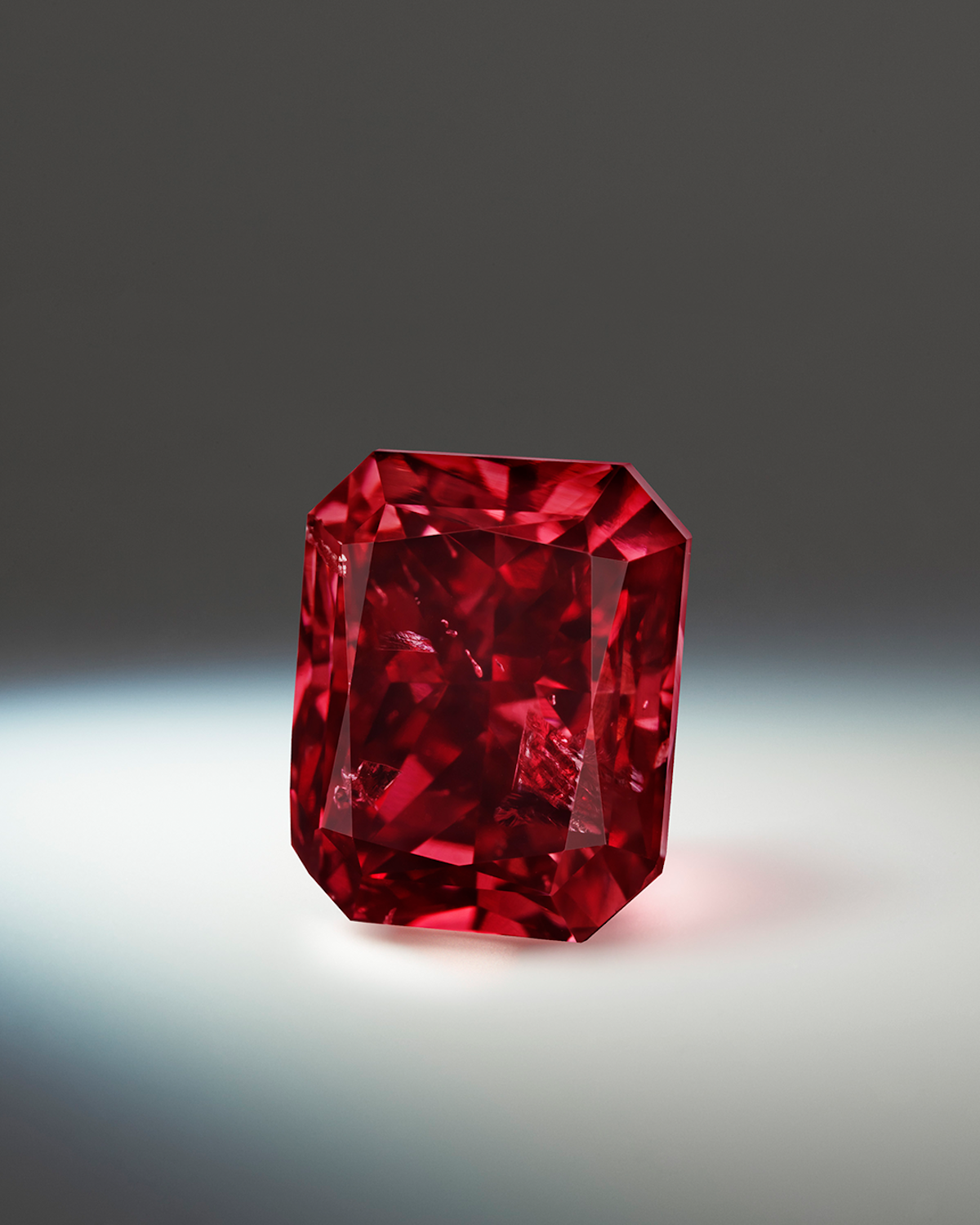
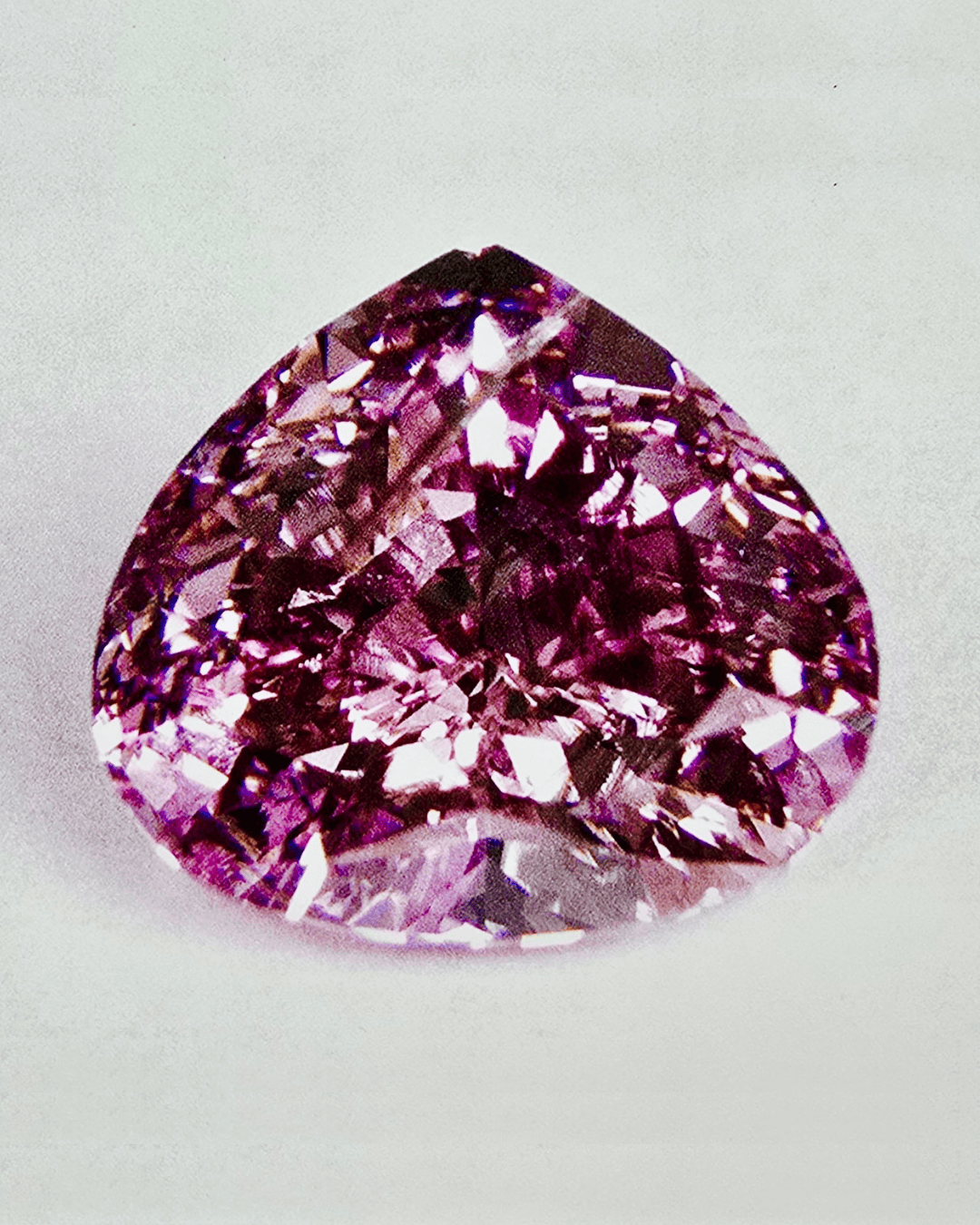
The Moussaieff Red Diamond is the largest natural red diamond ever found, a 5.11-carat gem whose extreme rarity means the world may never see another like it.
Published: February 26, 2026
Written by: Grant Mobley

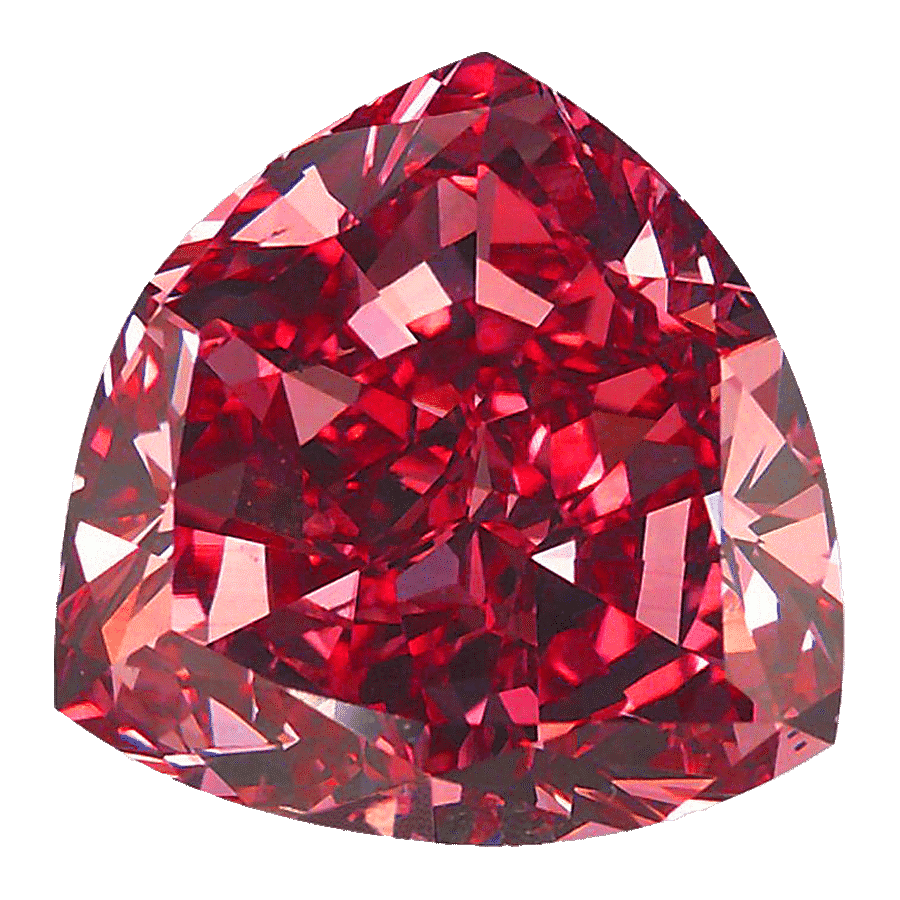
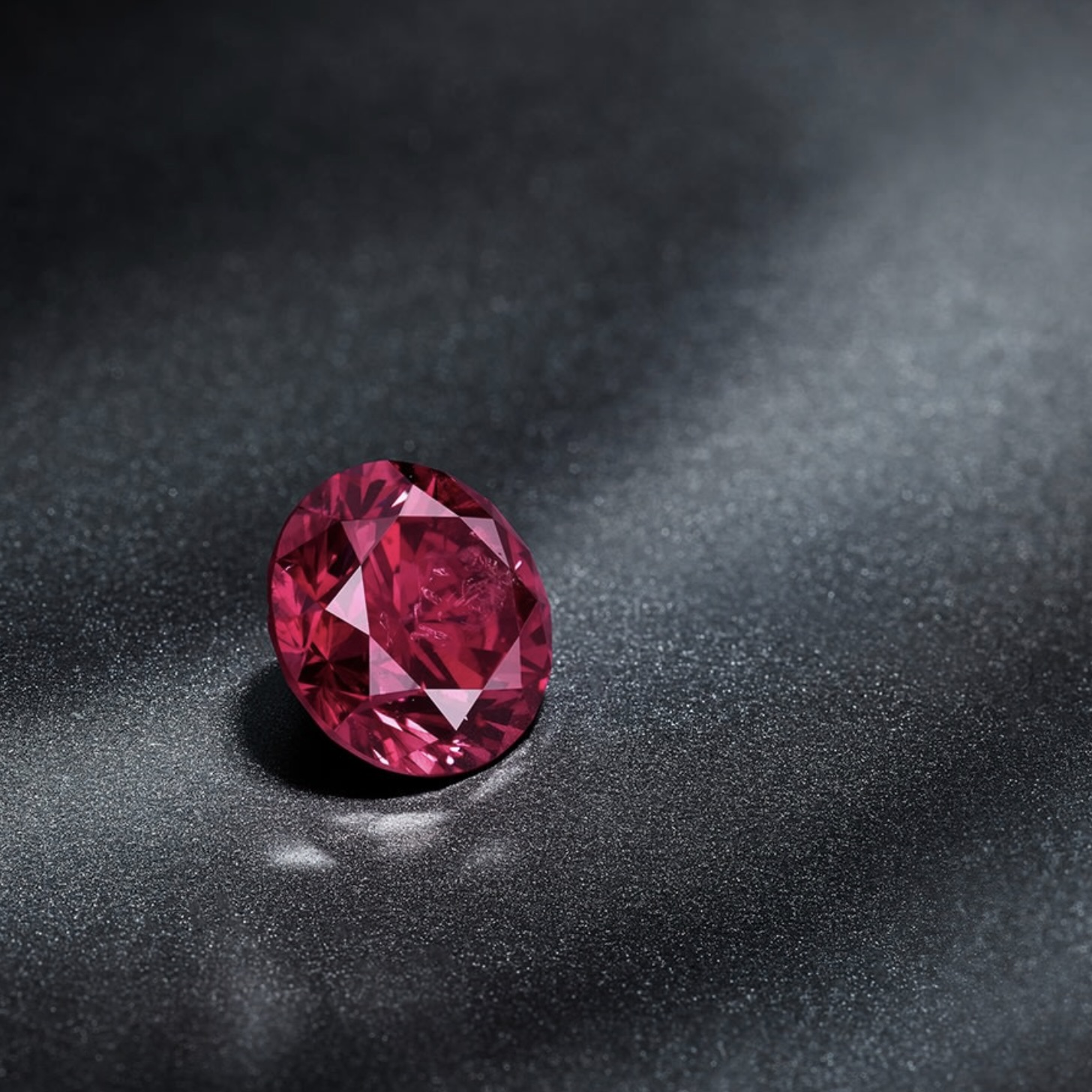
There are rare natural materials, and then there are singular natural materials so rare that even scientists struggle to understand them. The Moussaieff Red Diamond belongs in the latter category. Weighing just 5.11 carats, this triangular brilliant-cut diamond is officially graded Fancy Red by the Gemological Institute of America (GIA) and holds the distinction of being the largest known natural red diamond in the world.
That fact alone places it among the most extraordinary gemstones ever discovered. While diamonds exceeding 100 carats occasionally appear in colorless form, the largest confirmed red diamond is barely over five carats. The Moussaieff Red is not only the largest example of its kind but may represent the upper limits of what nature is capable of producing in a true red diamond.
Meet the Expert

- Grant Mobley is the Jewelry & Watch Editor of Only Natural Diamonds.
- He is a GIA Diamonds Graduate.
- He has over 17 years of jewelry industry experience, starting with growing up in his family’s retail jewelry stores.
For collectors and gemologists alike, the Moussaieff Red stands as the ultimate expression of rarity in Mother Nature.
The Discovery of the Moussaieff Red Diamond
In 1989, a Brazilian miner known locally as Ze Tatu discovered the Moussaieff Red Diamond in an artisanal mining area near Major Porto in Minas Gerais, Brazil, a region that has produced rare natural fancy-color diamonds since the 1700s. The rough crystal weighed 13.9 carats.
Unlike diamonds recovered by major mining companies, this stone emerged from a small-scale artisanal operation. Rough diamonds found under such conditions often require a trained eye to recognize their potential. In this case, the rough crystal showed a dark and somewhat unremarkable appearance that could easily have concealed a far less desirable color.
The stone was eventually acquired by famed diamantaire William Goldberg, but not without persistence. It reportedly took multiple trips to Brazil for Goldberg to secure the diamond. Goldberg believed the rough held extraordinary promise, even though cutting it into a true red diamond was far from guaranteed. His intuition would prove historic.
The Extraordinary Cutting of the Moussaieff Red Diamond

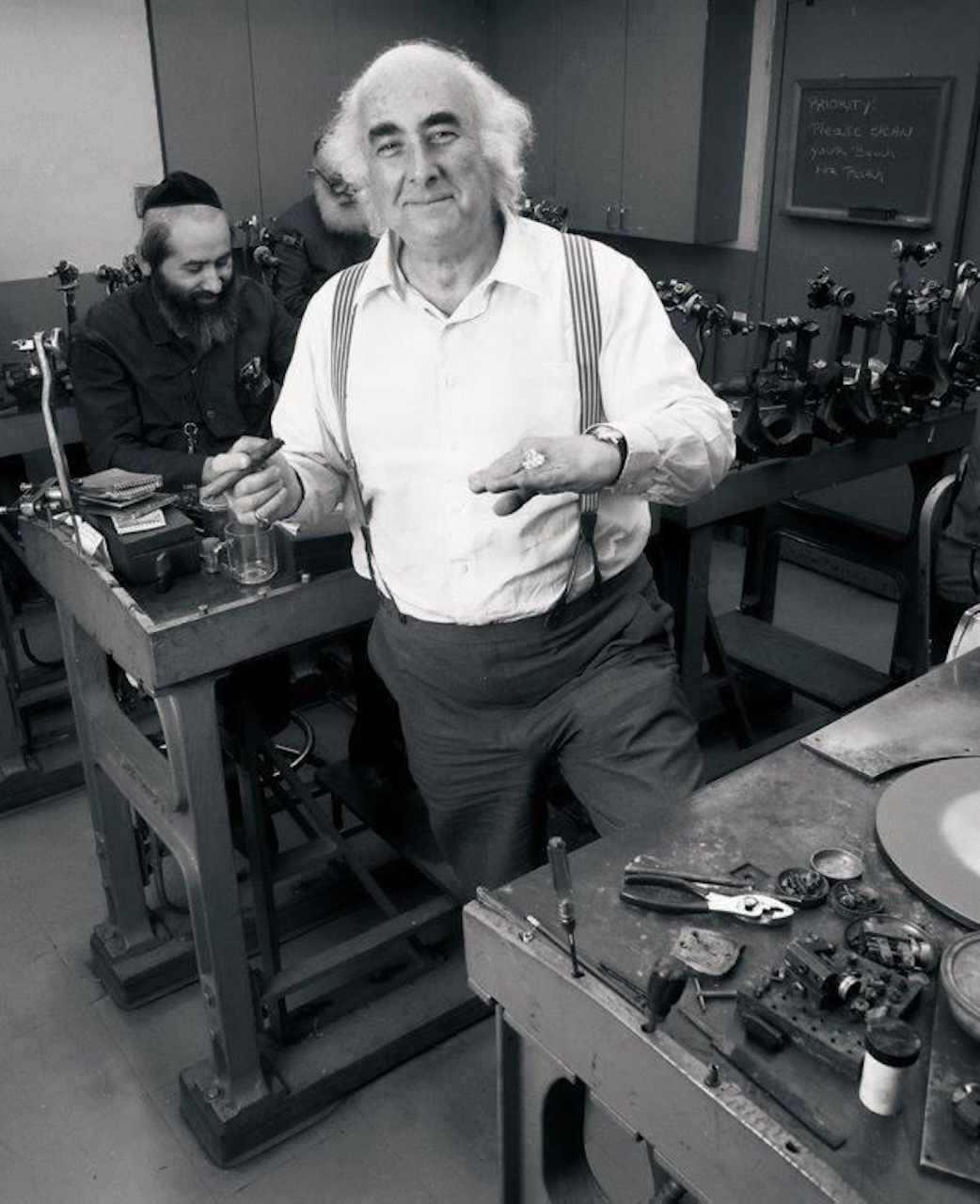
Fancy-color diamonds present a unique challenge to cutters. The goal is not simply to maximize weight but to preserve and enhance the stone’s color. A single wrong angle can cause color to “leak” from the diamond, reducing its intensity and value.
Many cutters might have hesitated to risk transforming a rare rough diamond into a polished stone that might end up merely reddish-brown. William Goldberg trusted his instincts.
After extensive analysis and planning, cutters fashioned the rough crystal into a 5.11-carat triangular brilliant-cut diamond, originally known as the Red Shield Diamond.
The gamble paid off. The finished gem displayed a pure and unmistakable Fancy Red color, officially making it the largest red diamond ever recorded.
From the Red Shield to the Moussaieff Red Diamond
London jeweler Shlomo Moussaieff purchased The Red Shield from Goldberg in 2001 and remains its owner today. Following the acquisition, the stone became known as the Moussaieff Red Diamond.
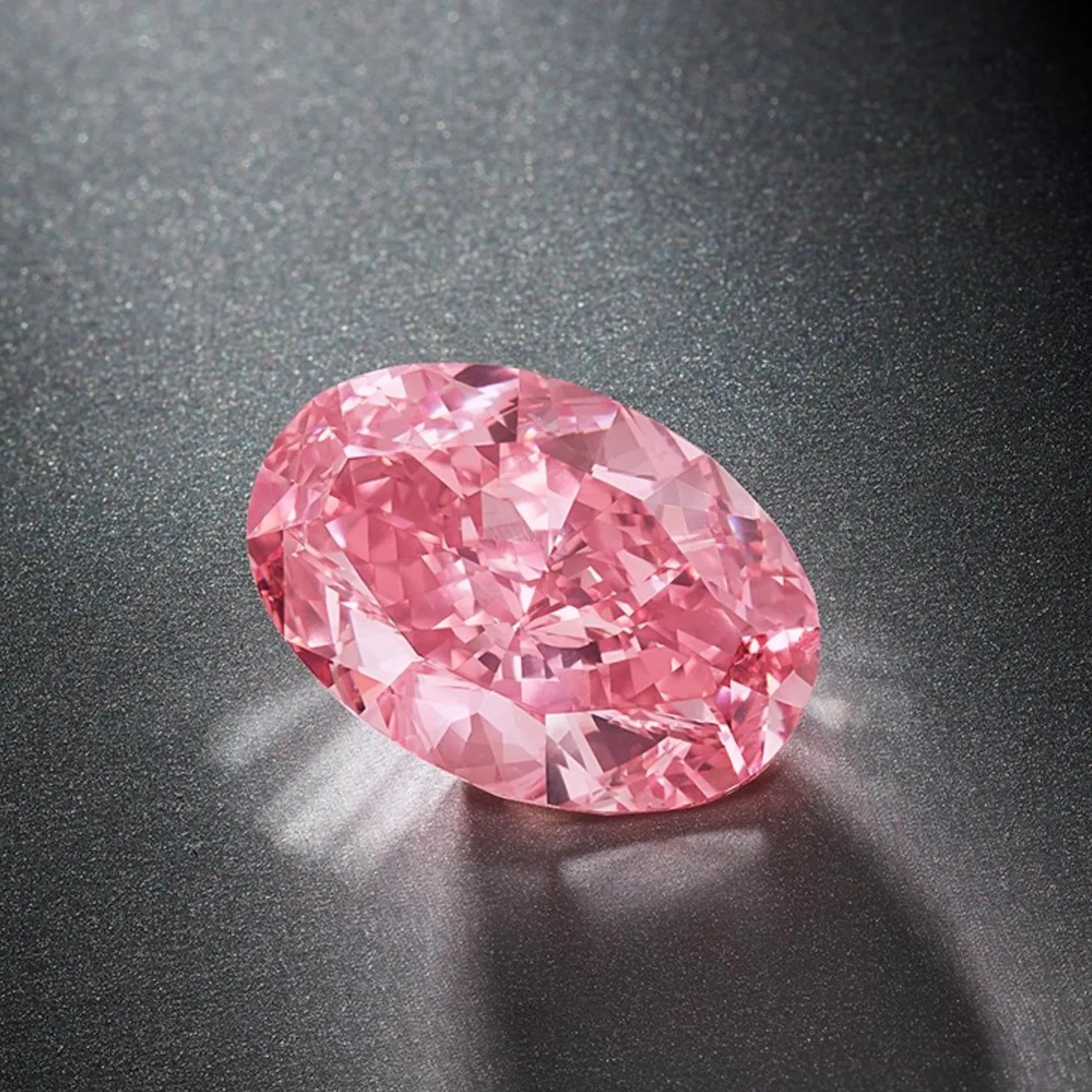
At the time of sale, the diamond reportedly changed hands for about $8 million, a figure that now seems modest considering the stone’s unmatched rarity. If it were ever to appear at auction today, it would almost certainly challenge the per-carat record currently held by the 11.15-carat Fancy Vivid Pink Internally Flawless Williamson Pink Star, which achieved more than $5 million per carat at Sotheby’s Hong Kong in 2022.
The Moussaieff Red rarely appears in public, but in 2003, the Smithsonian Institution featured it in the celebrated “Splendor of Diamonds” exhibition. That exhibition brought together some of the world’s greatest diamonds in a rainbow of colors, including the De Beers Millennium Star, the Pumpkin Diamond, the Ocean Dream and the Heart of Eternity Diamond, making it one of the most important diamond exhibitions ever staged.
Why Red Diamonds Are So Rare
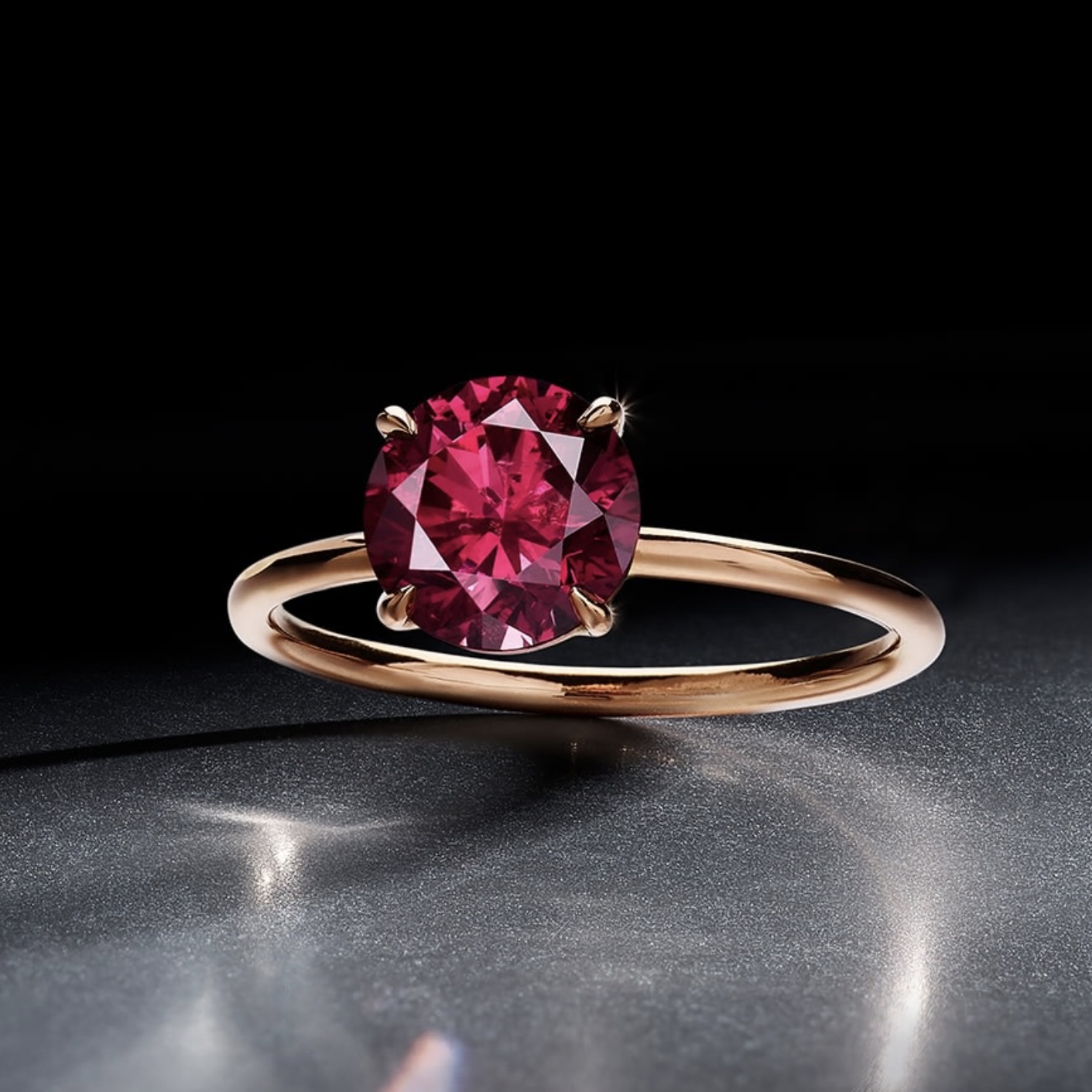
Natural diamonds themselves are among the rarest materials on Earth, with the entire world’s supply of gem-quality diamonds fitting inside a London bus. When we narrow the field to natural fancy-color diamonds, rarity increases dramatically.
According to the Gemological Institute of America (GIA), only about 0.4 percent of diamonds graded over the past two decades have been fancy colors. Among those, red diamonds represent the smallest fraction. Fewer than thirty true natural red diamonds are known to exist.
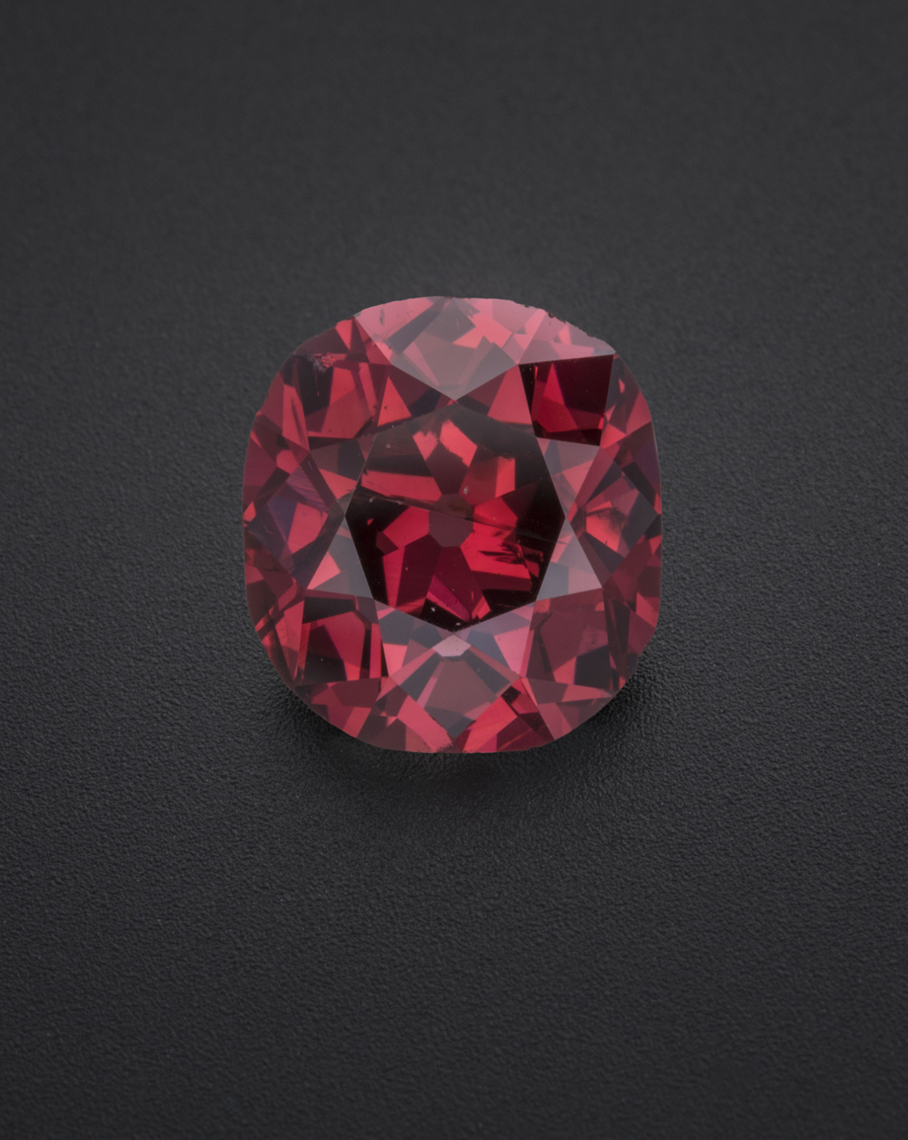
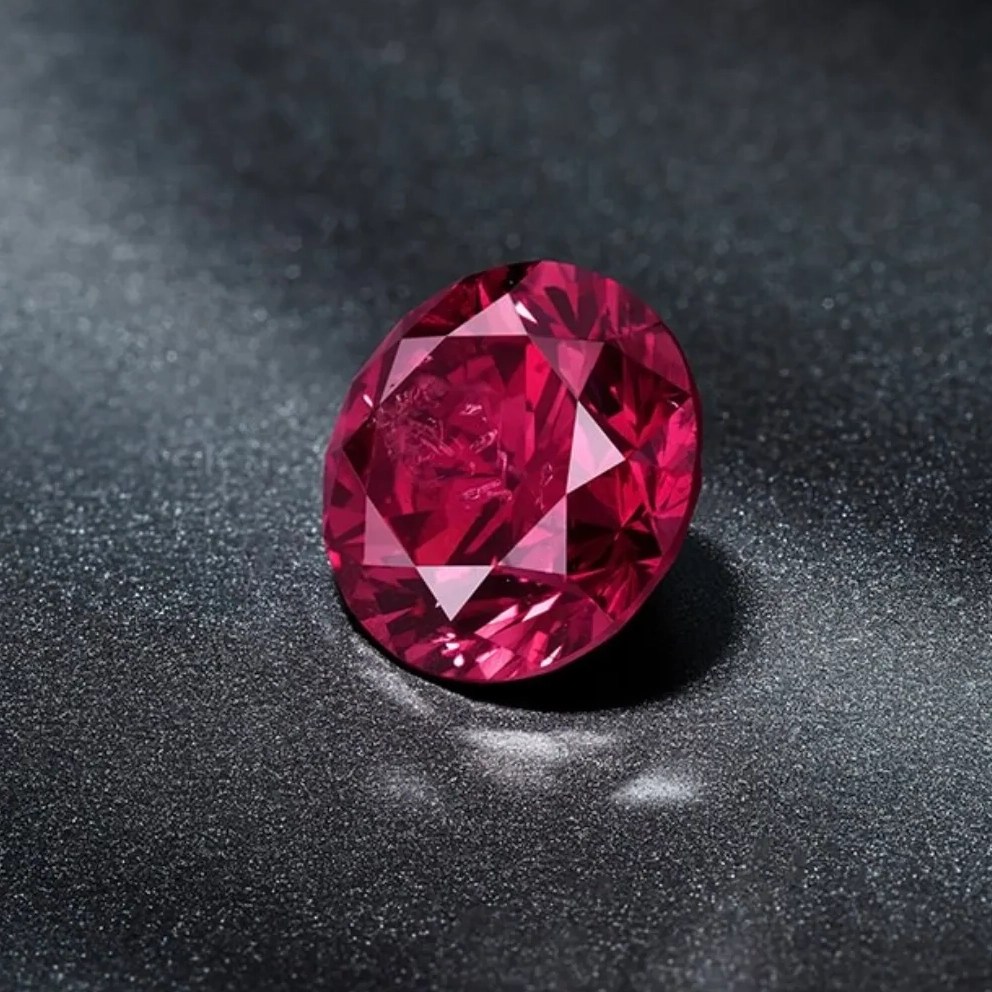
Among the few documented examples are the 0.95-carat Hancock Red, which made headlines in 1987 when it sold for a then-record price per carat at Christie’s, and notable stones recovered from Australia’s Argyle Mine, including the Argyle Phoenix. Even these celebrated examples, however, are dramatically smaller than the 5.11-carat Moussaieff Red Diamond.
Unlike blue diamonds, which owe their color to boron, or yellow diamonds, which owe their color to nitrogen, red diamonds do not gain their color from trace elements. Instead, scientists believe red diamonds form through extreme distortion of the diamond’s crystal lattice deep within the Earth.
These distortions alter how the diamond interacts with light, producing shades that range from pink to deep red. Red diamonds represent the most extreme version of this phenomenon.
The process is so rare that scientists have limited opportunities to study it. In some ways, red diamonds resemble rare natural phenomena like ball lightning. It’s real, observable, and scientifically recognized, yet still not fully understood.
Why We May Never See Another Diamond Like the Moussaieff Red
One of the most remarkable aspects of the Moussaieff Red is its size. While colorless diamonds occasionally reach extraordinary weights, red diamonds remain consistently small. Even among known red diamonds, most weigh well under one carat.
The Moussaieff Red’s 5.11-carat size stands far above the rest. No larger Fancy Red diamond has ever been documented, and none appears likely to emerge in the foreseeable future.
The extreme geological conditions required to create red diamonds make large crystals extraordinarily unlikely. The same forces that create the color also tend to fracture the crystal, limiting how large the diamond can grow intact. For that reason, the Moussaieff Red may represent a once-in-history occurrence.
The Ongoing Mystery of Red Diamonds
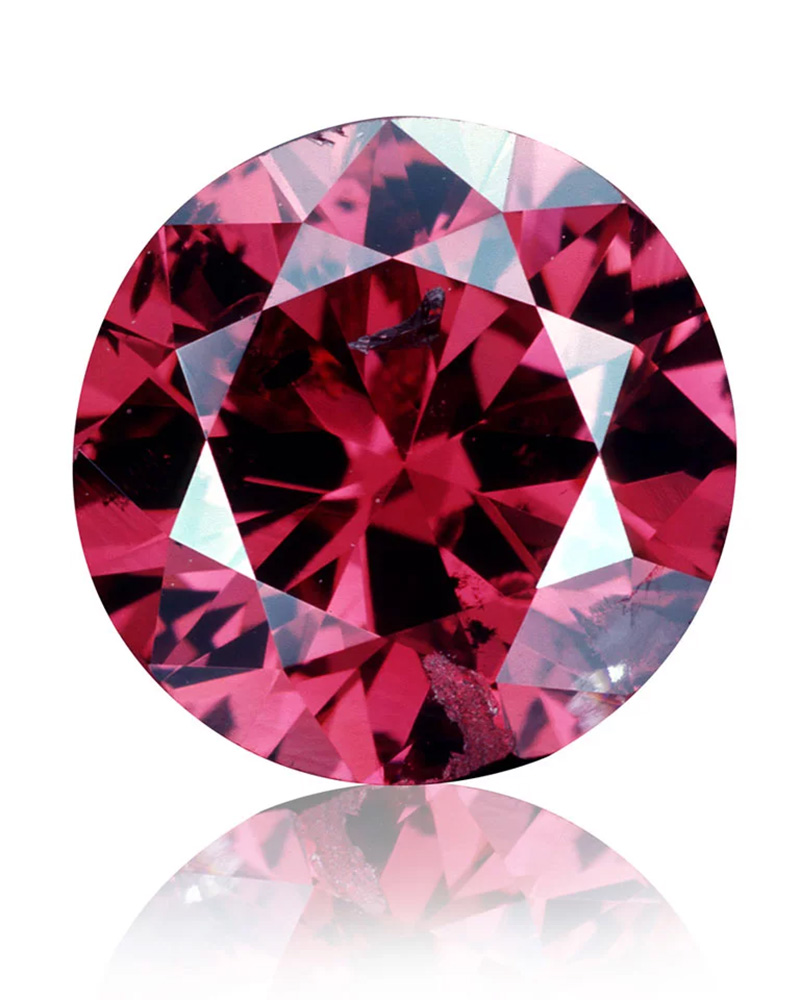
Another unusual feature of red diamonds is how they are graded. Most fancy-color diamonds come in multiple intensity levels, such as Light, Fancy, Intense, or Vivid. Red diamonds do not.
They exist only as Fancy Red, the highest and only recognized color grade for pure red diamonds. Red also never appears as a secondary color. While diamonds may be described as orangey-red or purplish-red, red must remain the dominant hue. This further distinguishes red diamonds from every other diamond color category.
Because of their scarcity, small red diamonds regularly command prices exceeding $1 million per carat, even when secondary hues are present. The Moussaieff Red, if offered publicly, would almost certainly become the most valuable diamond per carat ever sold.