< Historic Diamonds / Famous Diamonds
The Anglesey Necklace: The 300-Carat Royal Jewel That Shook the Auction World
The gorgeous 18th-century diamond jewel includes ties to multiple British Royal Coronations and even a possible link to Marie Antoinette and the start of the French Revolution.

(Courtesy of Sotheby’s)
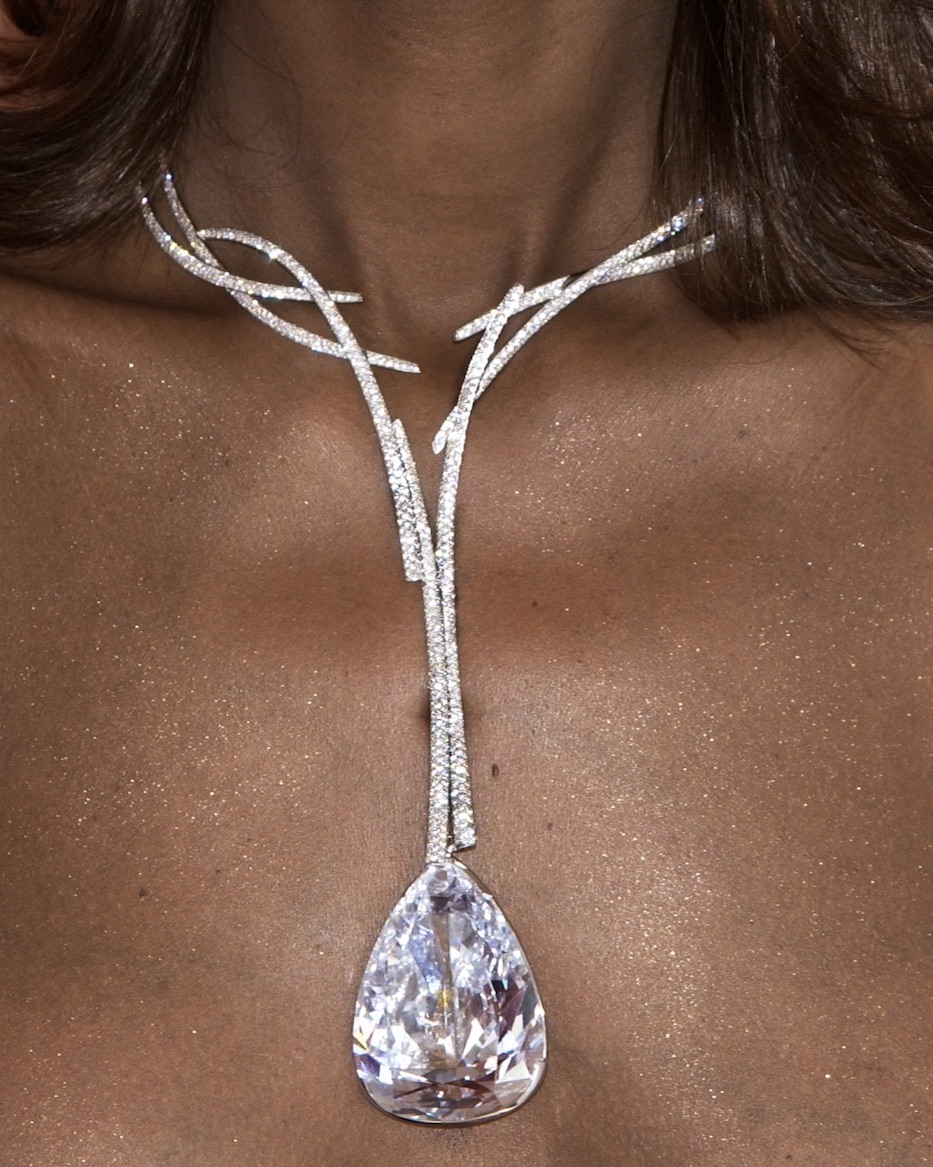
Sotheby’s made history in November 2024 with the auction of the extraordinary Anglesey Necklace, an 18th-century diamond masterpiece that not only survived the passage of time but also played a role in British royal history. The approximately 300-carat natural diamond Anglesey necklace sold for $4.8 million, reaffirming global demand for important historic jewels with impeccable provenance.
Its grandeur feels especially resonant today. A strikingly similar diamond rivière appeared this season on Bridgerton, underscoring how 18th-century diamond magnificence continues to shape the visual language of modern period drama. While the onscreen jewel was a recreation, the Anglesey necklace is the real thing. It is a surviving relic of the very aristocratic world that inspires contemporary costume design.
Meet the Expert

- Grant Mobley is the Jewelry & Watch Editor of Only Natural Diamonds.
- He is a GIA Diamonds Graduate.
- He has over 17 years of jewelry industry experience, starting with growing up in his family’s retail jewelry stores.
More than a stunning example of Georgian-era craftsmanship, the Anglesey necklace is also a rare survivor of European court life; an artifact embodying the opulence, politics, and intrigue of aristocratic society. Its recent reemergence onto the international stage has cemented its place among the most important diamond jewels to appear at auction in recent years.
Royal Provenance: The Anglesey Necklace at Two British Coronations
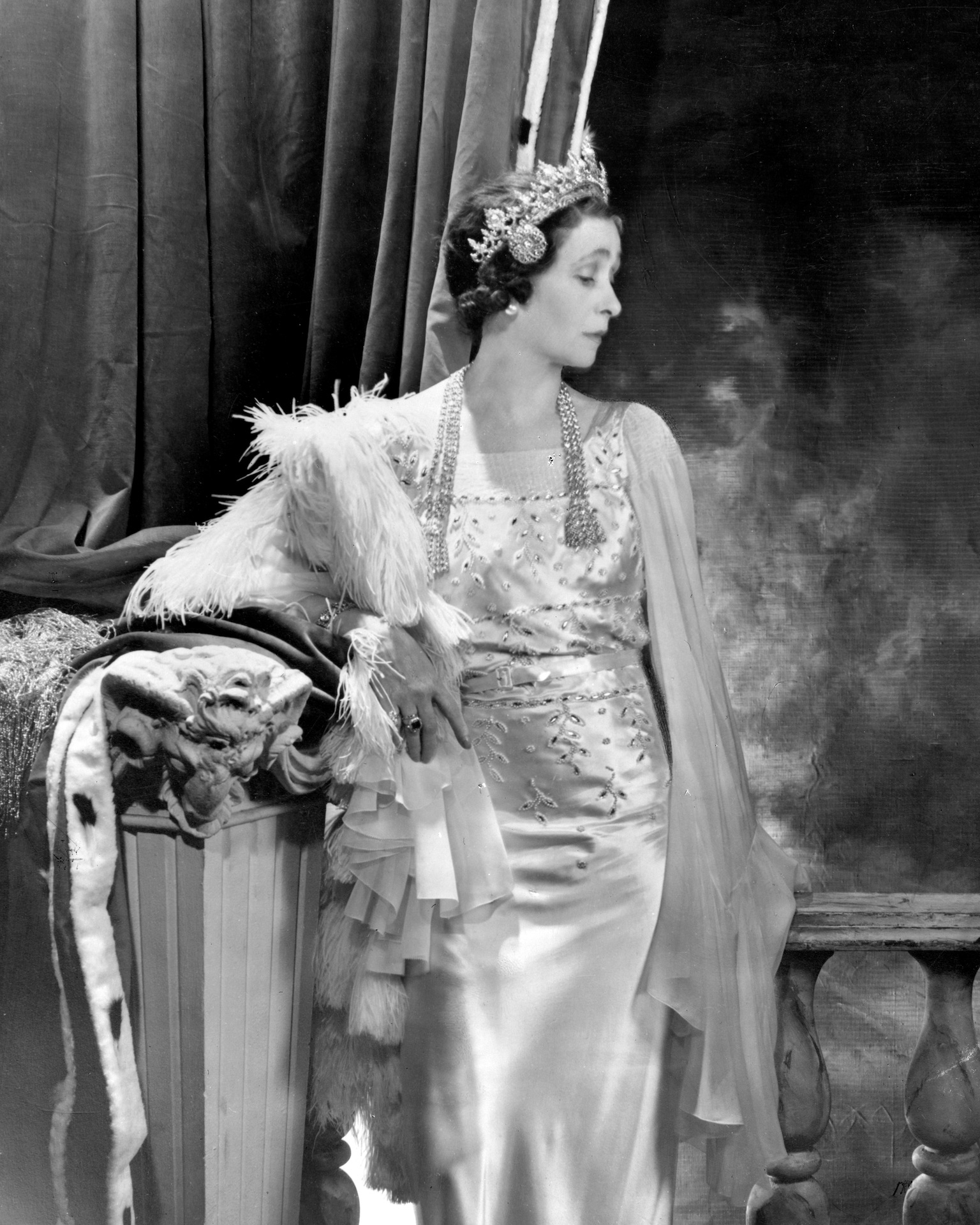
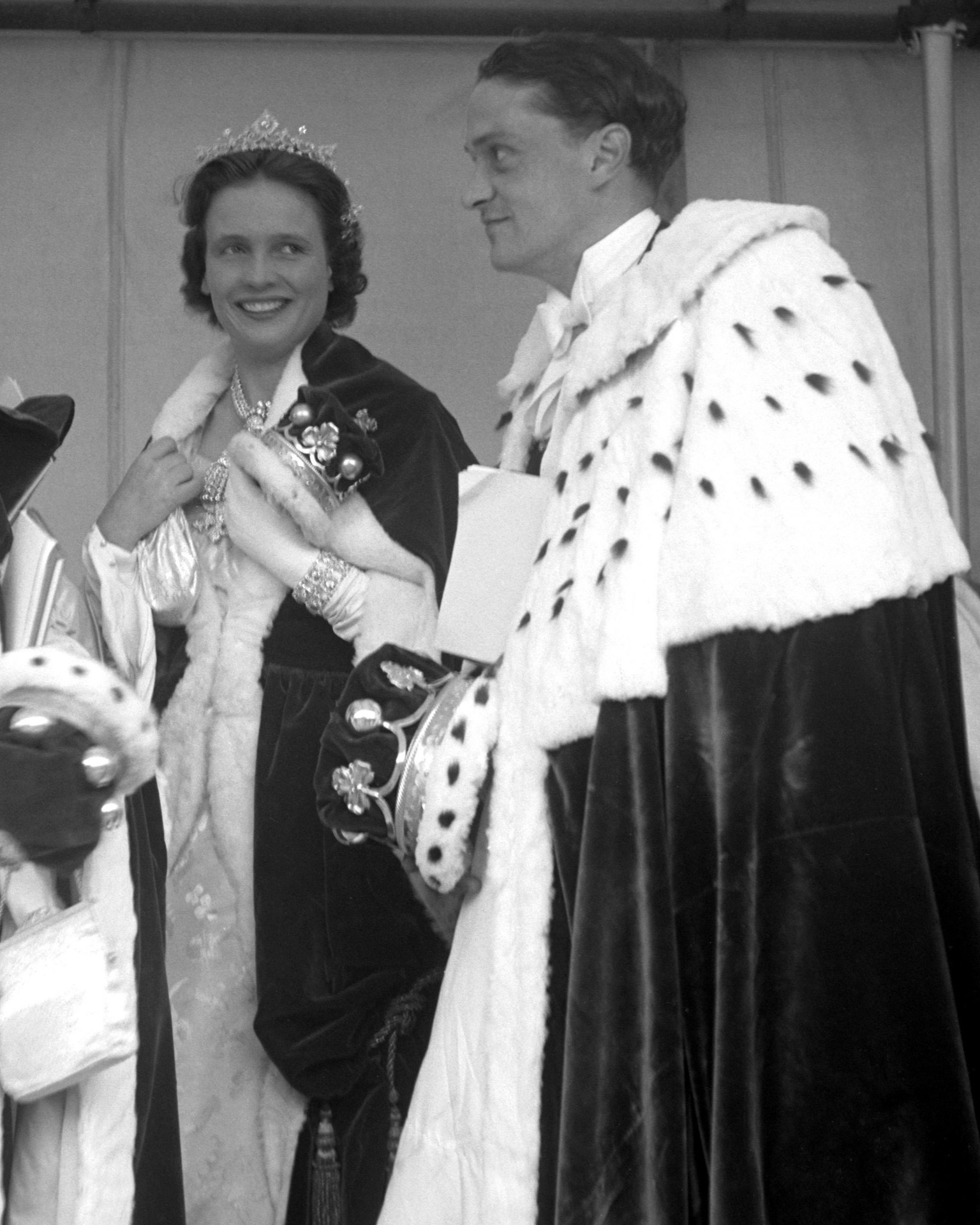
One of the most captivating aspects of the Anglesey necklace is its royal provenance. The jewel was worn at two British coronations, most notably by Marjorie Paget, Marchioness of Anglesey, at the coronation of King George VI in 1937, paired with the famed Anglesey diamond tiara. Her daughter-in-law wore the necklace again in 1953 for the coronation of Queen Elizabeth II at Westminster Abbey.
These appearances are immortalized in official coronation photographs, placing the Anglesey necklace firmly within the visual canon of 20th-century British royal ceremony.
In the 1960s, the seventh Marquess of Anglesey chose to part with the extraordinary jewel. The necklace later gained international recognition when it was displayed at the Bicentennial Exhibition at the American Museum of Natural History in 1976. Following that exhibition, a prominent Asian collector acquired the Anglesey necklace, where it remained privately held for decades before reemerging at Sotheby’s.
The Origins of the Anglesey Necklace: France, England, and Revolutionary Intrigue
What makes the Anglesey necklace particularly compelling—beyond its coronation history—is the speculation surrounding its 18th-century origin. While the precise commission remains undocumented, experts agree that a jewel of this scale and sophistication could only have been created for someone of immense stature in the courts of France or England during the years leading up to the French Revolution.
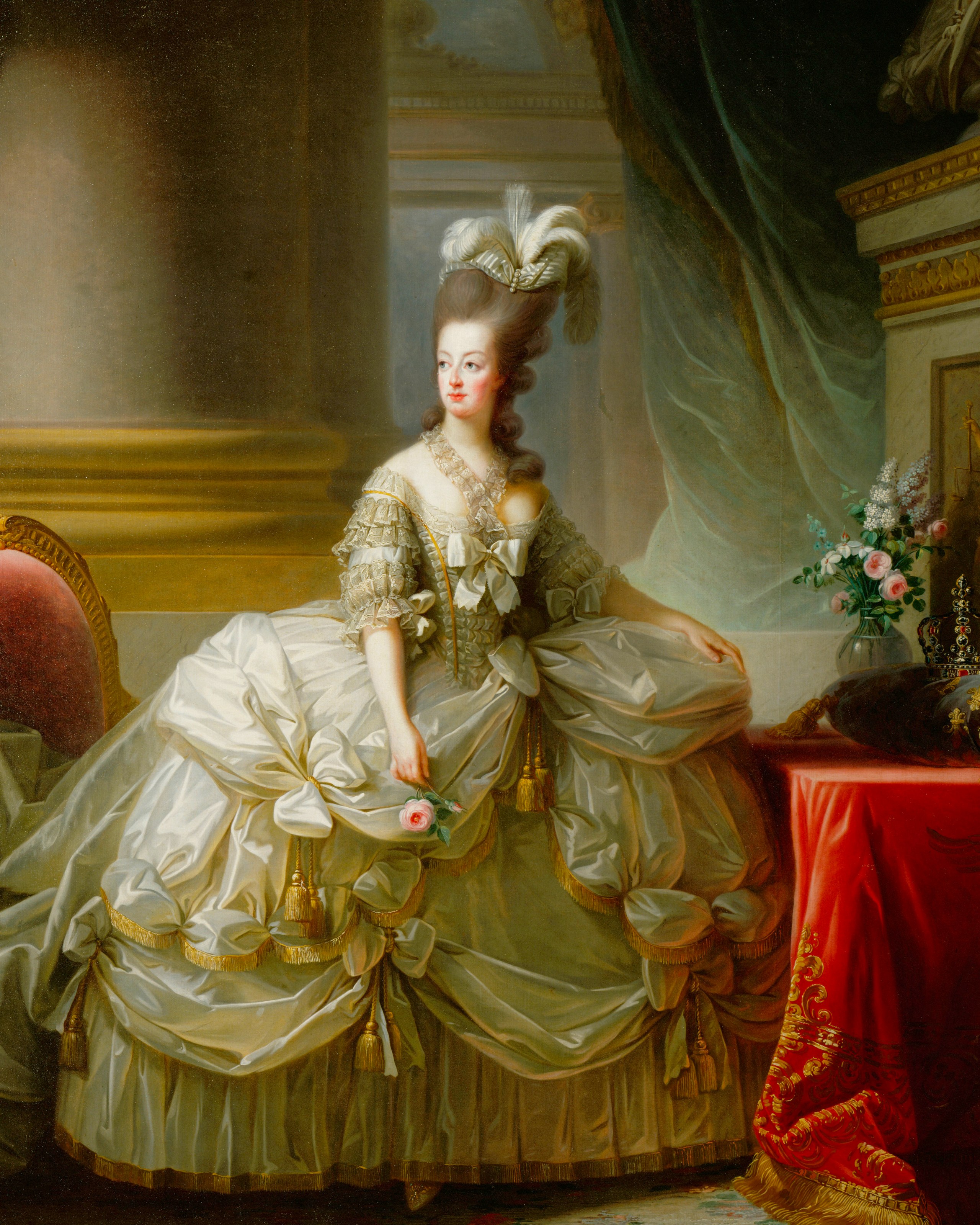
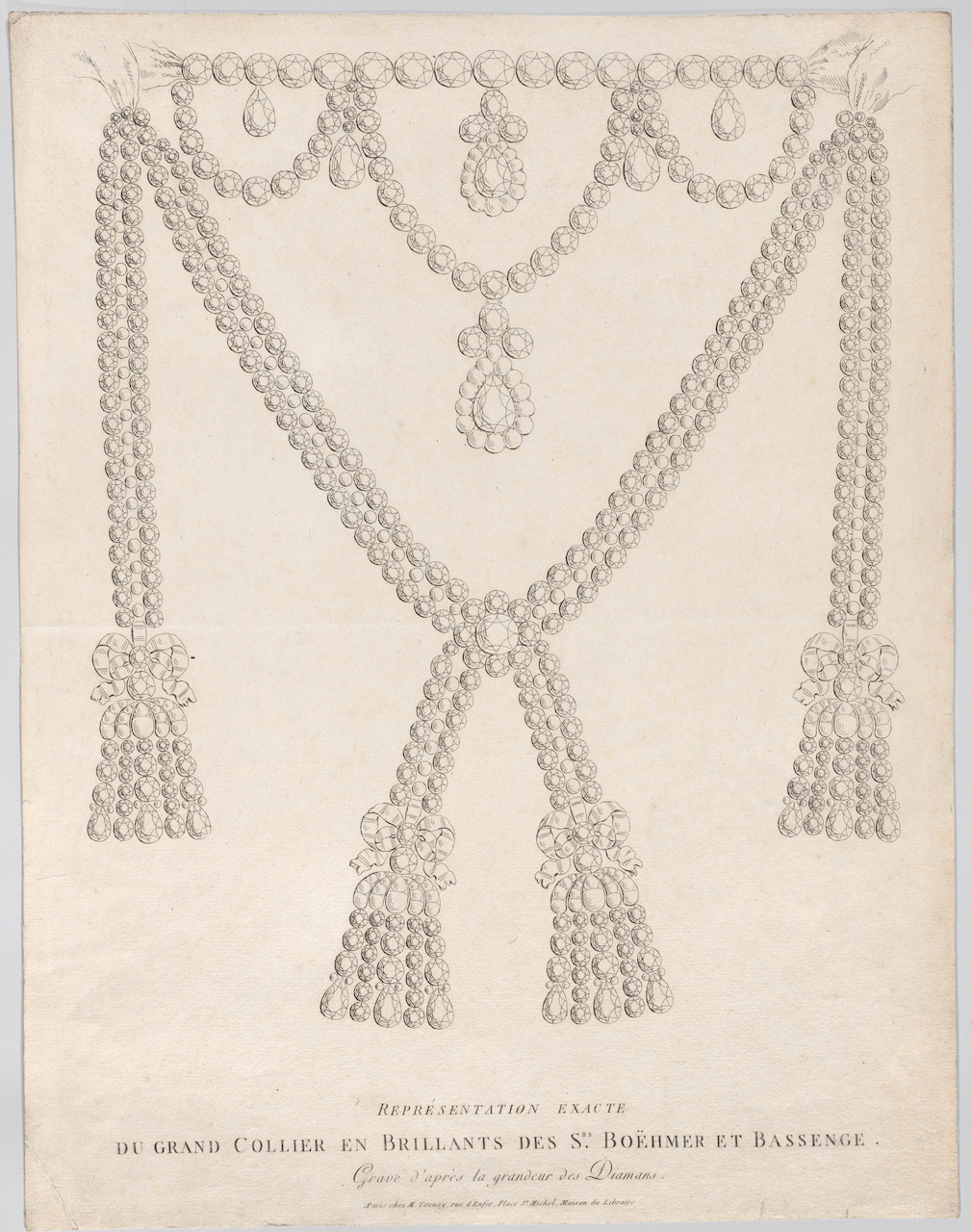
Scholars have even suggested that some diamonds in the Anglesey necklace may trace their origins to the infamous “Affair of the Necklace,” the scandal that deeply damaged the reputation of Marie Antoinette and accelerated public unrest before the Revolution. That same revolutionary upheaval would later reshape — and ultimately disperse — many of the historic jewels now known as the French Crown Jewels. Though not fully verified, the possibility that stones from that legendary royal necklace were repurposed into what became the Anglesey necklace adds another layer of mystique.
Golconda Diamonds and Georgian Craftsmanship


(Courtesy of Sotheby’s)
The diamonds in the Anglesey necklace are believed to originate from the legendary Golconda mines of India—the historic source of some of the world’s most celebrated natural diamonds. Golconda diamonds are prized for their exceptional purity and limpid transparency, often described as having a distinctive “liquid light.”
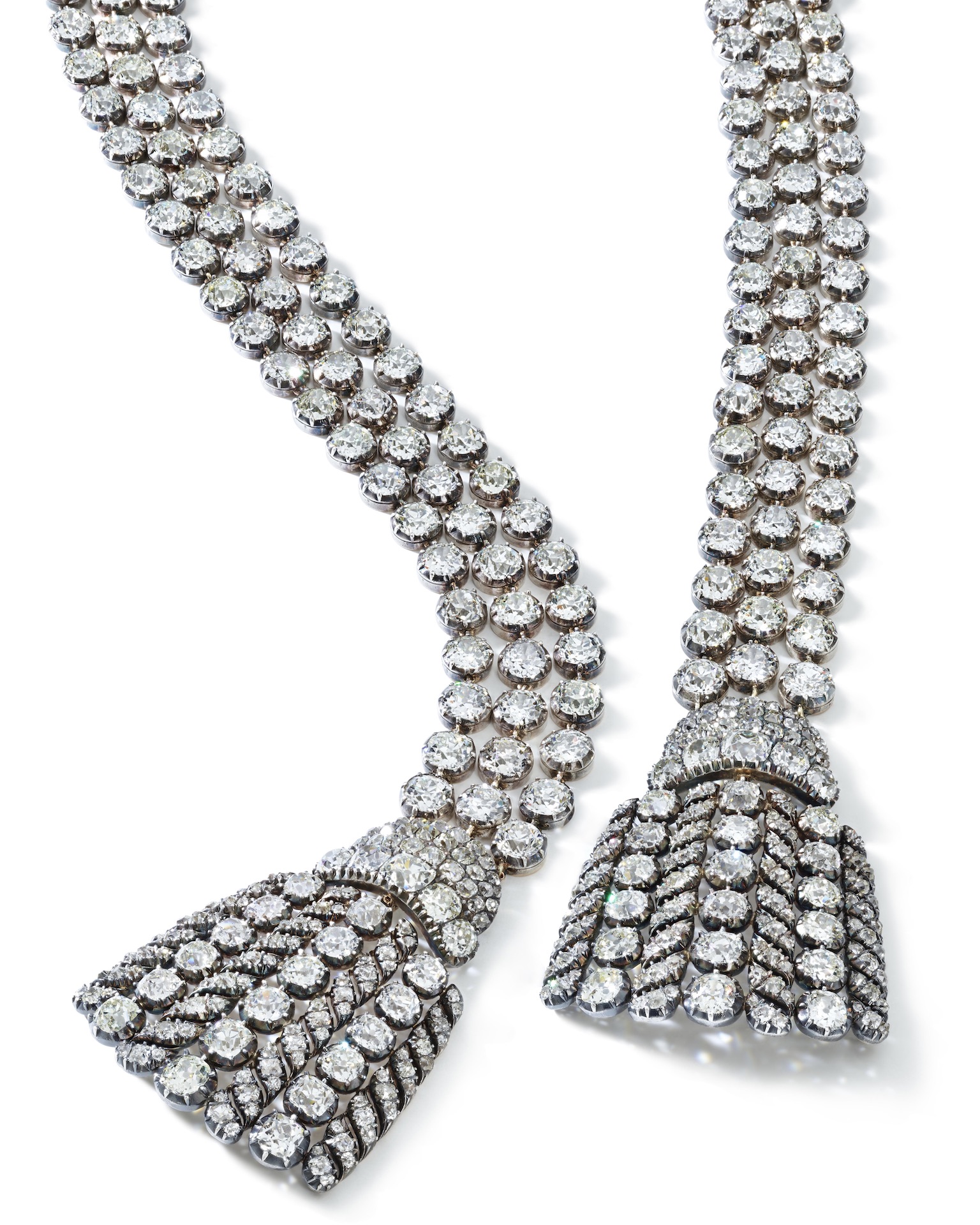
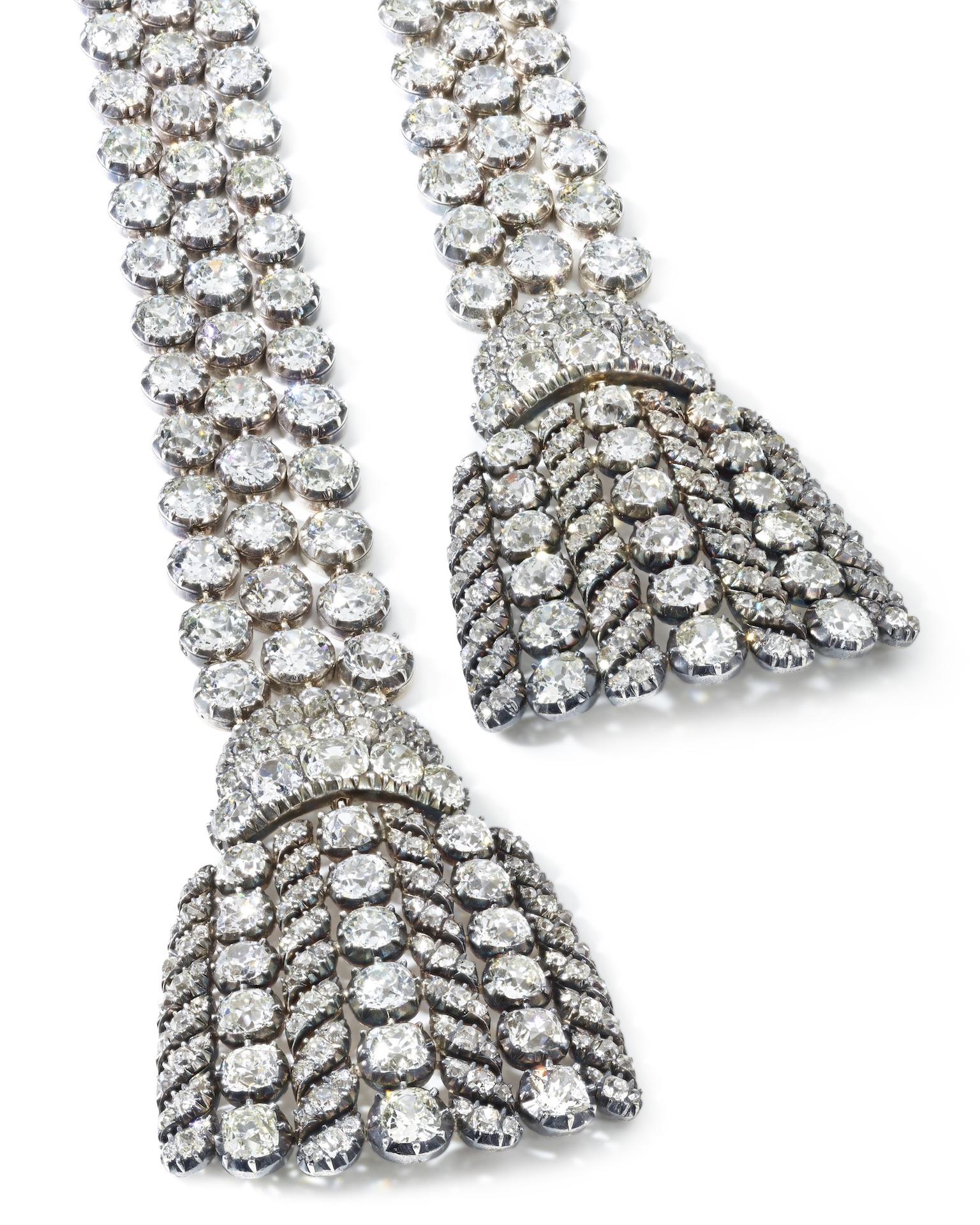
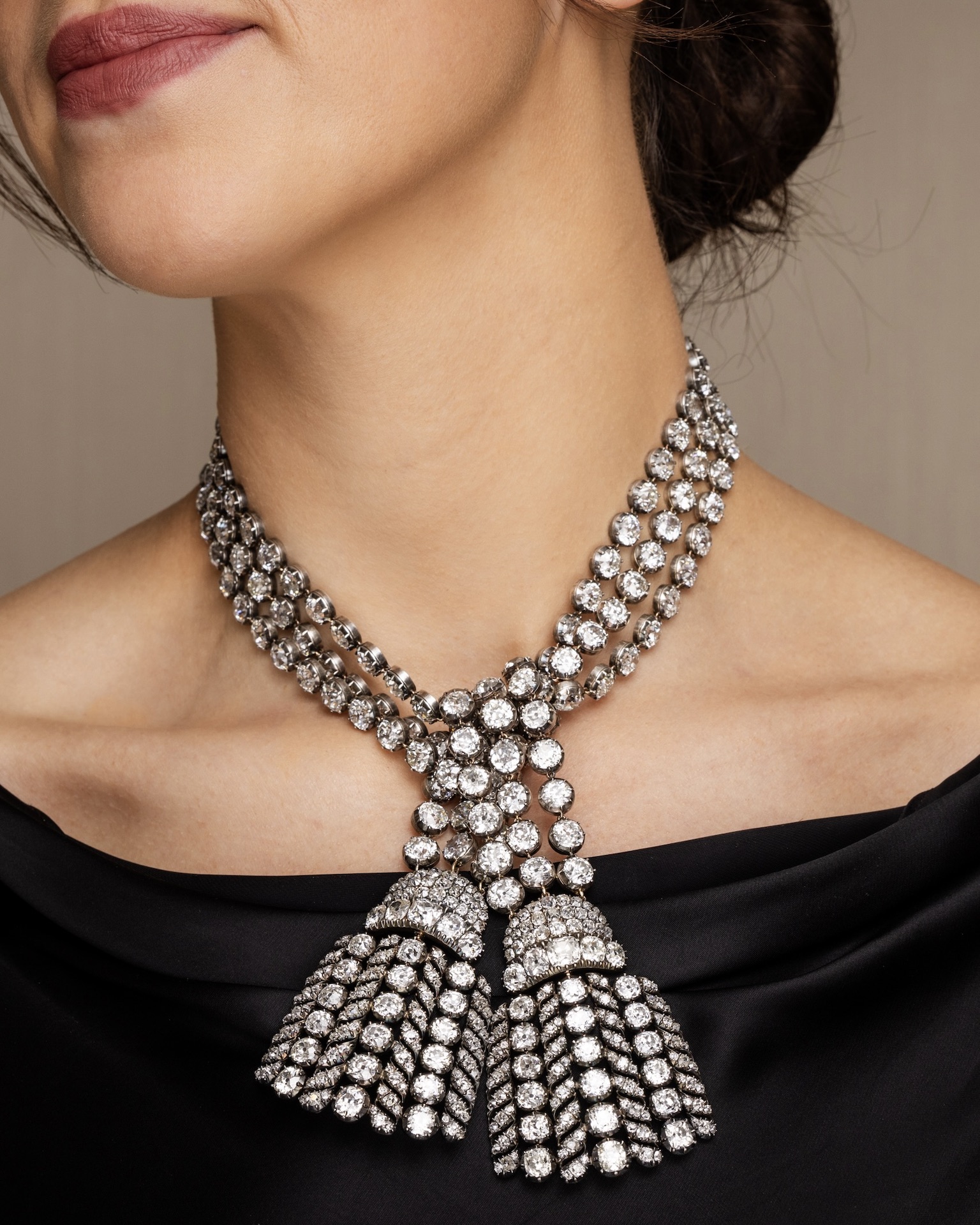
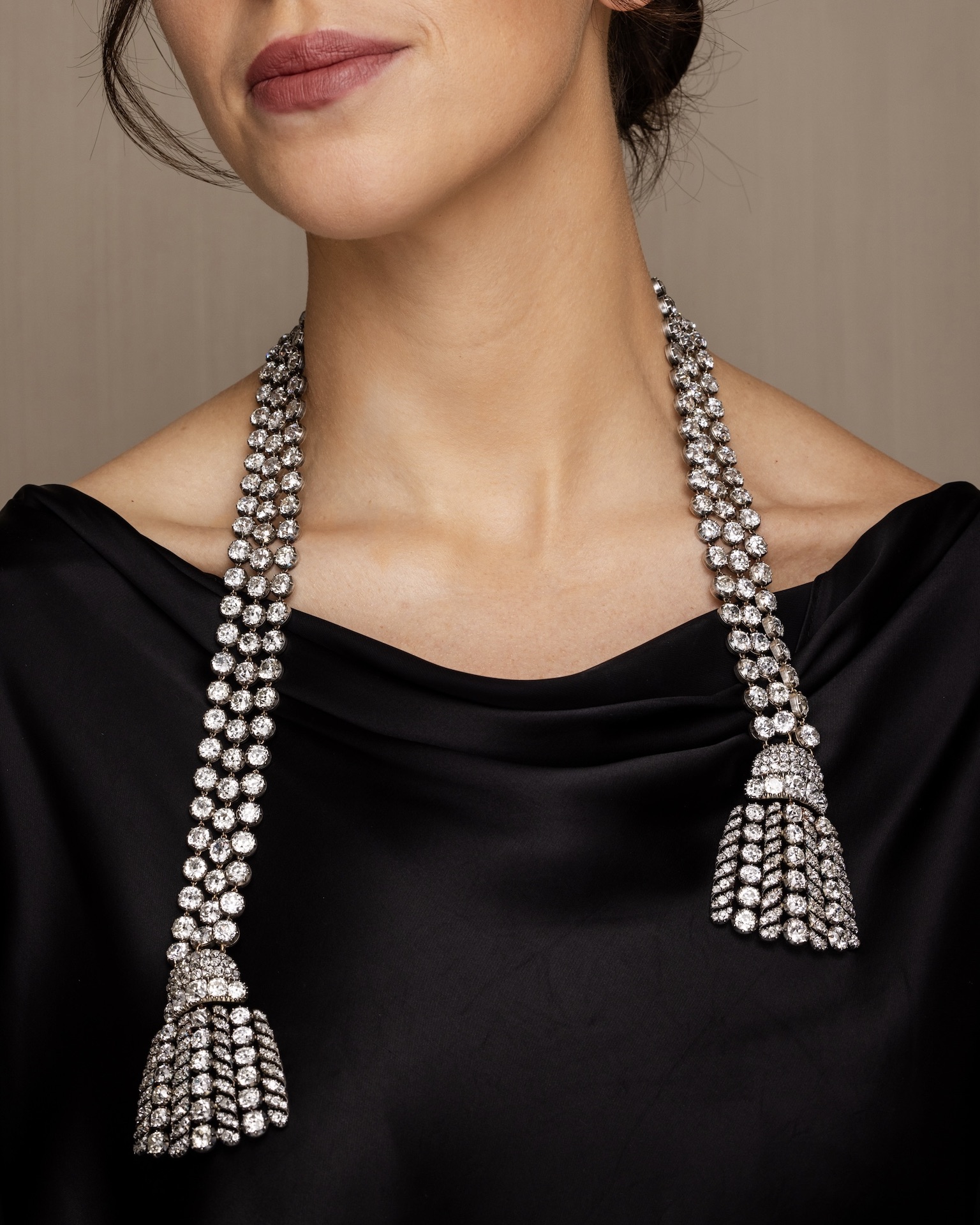
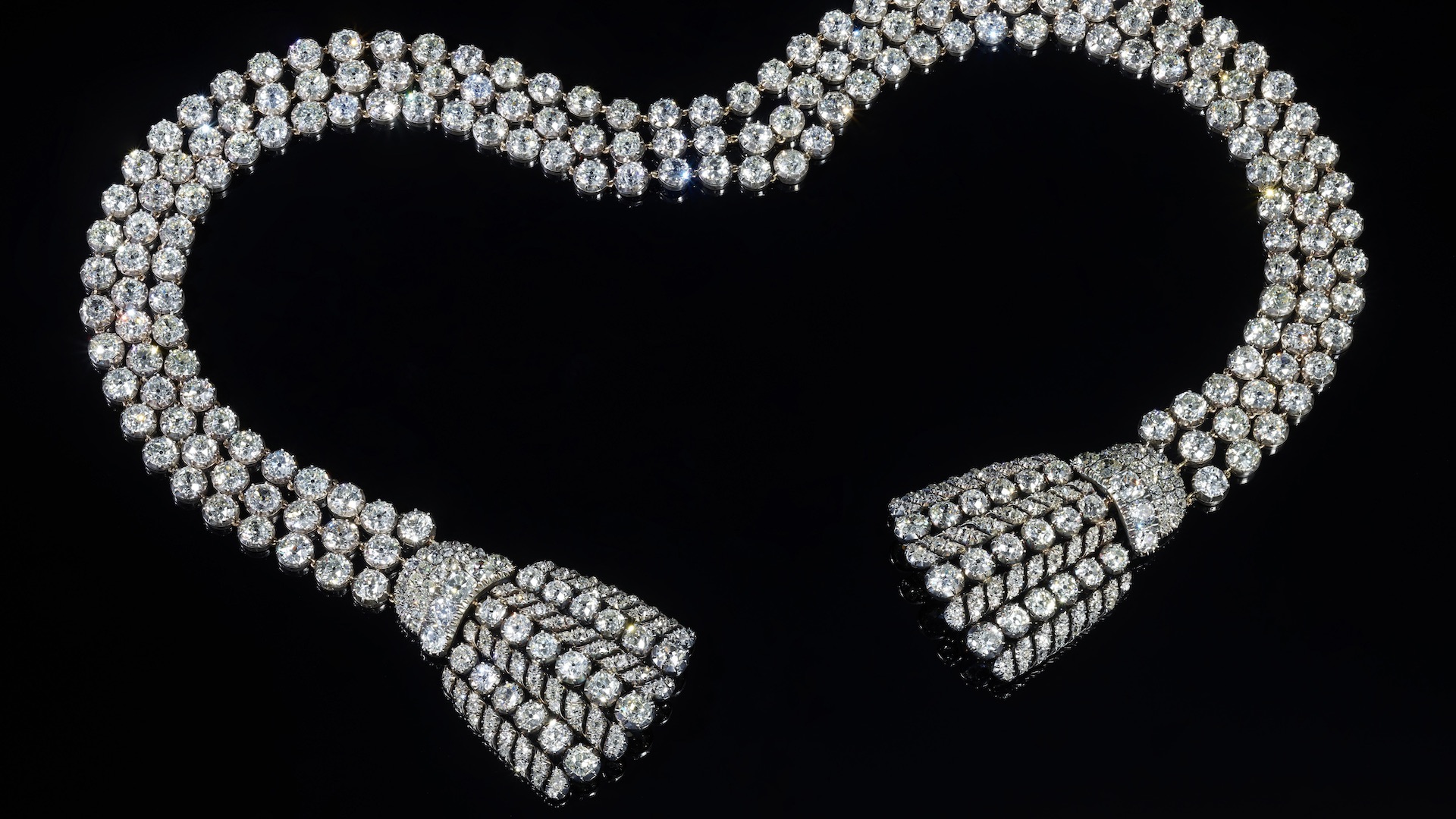
Composed of three rows of old mine-cut diamonds totaling approximately 300 carats, the Anglesey necklace radiates with the same regal brilliance today as it did more than two centuries ago. The design is particularly ingenious: the diamonds could be worn traditionally as a necklace or sewn directly onto clothing, reflecting the adaptability and technical innovation of Georgian jewelers.
The diamond tassels at either end add movement and drama, embodying the grandeur of 18th-century aristocratic style. This versatility and craftsmanship have led specialists to consider the Anglesey necklace one of the most intact and significant Georgian diamond jewels remaining in private hands.
Why the Anglesey Necklace Matters Today
Andres White Correal, Sotheby’s Head of Noble Jewels, comments on the piece, saying:
“This rare and important diamond jewel is a sublime survivor from the opulent court life of the Georgian era, defined by its unrivaled pomp and splendor; it is arguably one of the most magnificent and intact Georgian jewels in private hands. When compared to other surviving Imperial and Royal jewels from the same period, this necklace stands head and shoulders above these examples; it is a fortune in diamonds and also a masterclass in exquisite design, workmanship, and technical innovation for the period. The jewel is as relevant, alluring, and appealing today as when it was made over two centuries ago. It is the nec plus ultra of 18th-century jewelry design.”
In today’s auction market, historically significant jewels with documented royal provenance continue to command global attention. The Anglesey necklace stands at the intersection of multiple powerful narratives:
- 18th-century European court life
- Possible links to revolutionary France
- Documented appearances at two British coronations
- Golconda natural diamonds of extraordinary quality
As collectors increasingly prioritize provenance, rarity, and museum-level importance, jewels like the Anglesey necklace represent far more than luxury—they are portable history.
The Sotheby’s Auction and Global Tour
Before going under the hammer in Geneva, the Anglesey necklace embarked on a global exhibition tour, stopping in London, Hong Kong, New York, Singapore, Taipei, and Dubai. Each preview allowed collectors and connoisseurs to examine the necklace firsthand—a rare opportunity to see a 300-carat Georgian diamond jewel outside of a museum setting.
When the Anglesey necklace sold at Sotheby’s Geneva for $4.8 million, it was acquired by an anonymous female bidder participating by phone, described by the auction house as an international private collector. As is customary in high-profile jewelry sales, Sotheby’s did not publicly disclose her identity.
Its sale for $4.8 million underscores the enduring appeal of historic natural diamond jewelry, particularly pieces tied to royal ceremony and European aristocracy.
The Legacy of the Anglesey Necklace
The Anglesey necklace is far more than a spectacular 300-carat diamond rivière. It is a relic that has witnessed two British coronations and may even echo one of the most infamous scandals in French royal history.
In an era when so many historic jewels have been dismantled, reset, or lost, the survival of the Anglesey necklace—intact, documented, and publicly reintroduced—is remarkable. It remains one of the most important Georgian diamond jewels to appear at auction in modern times and a testament to the enduring power of natural diamonds to carry history across centuries.