< Historic Diamonds / Famous Diamonds
The Graff Pink Diamond: The Masterpiece That Changed the Pink Diamond Market
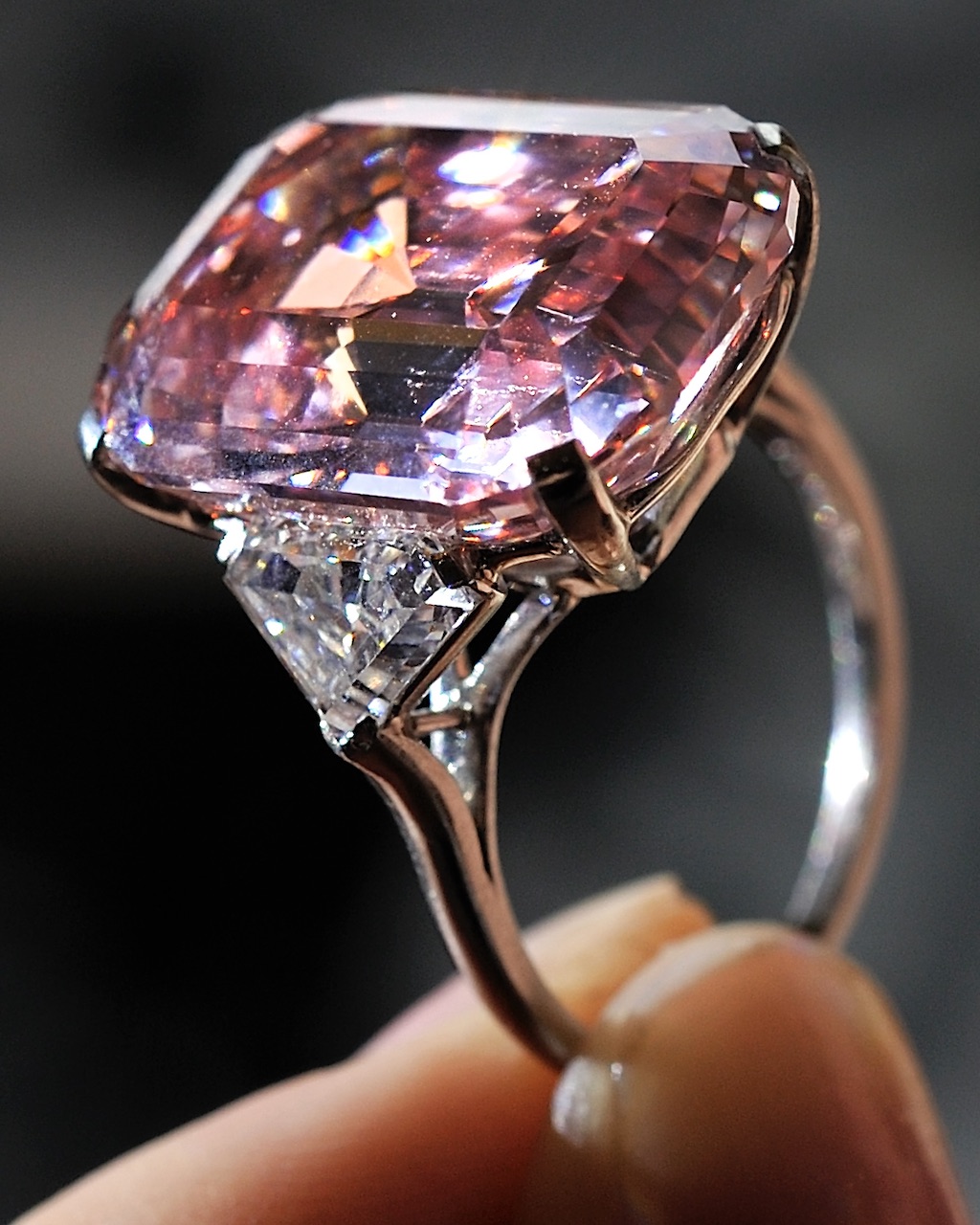
The 24.78-carat Graff Pink transformed the pink diamond market when it sold for $46 million in 2010, later emerging as an even rarer Fancy Vivid Pink masterpiece after a daring recut.
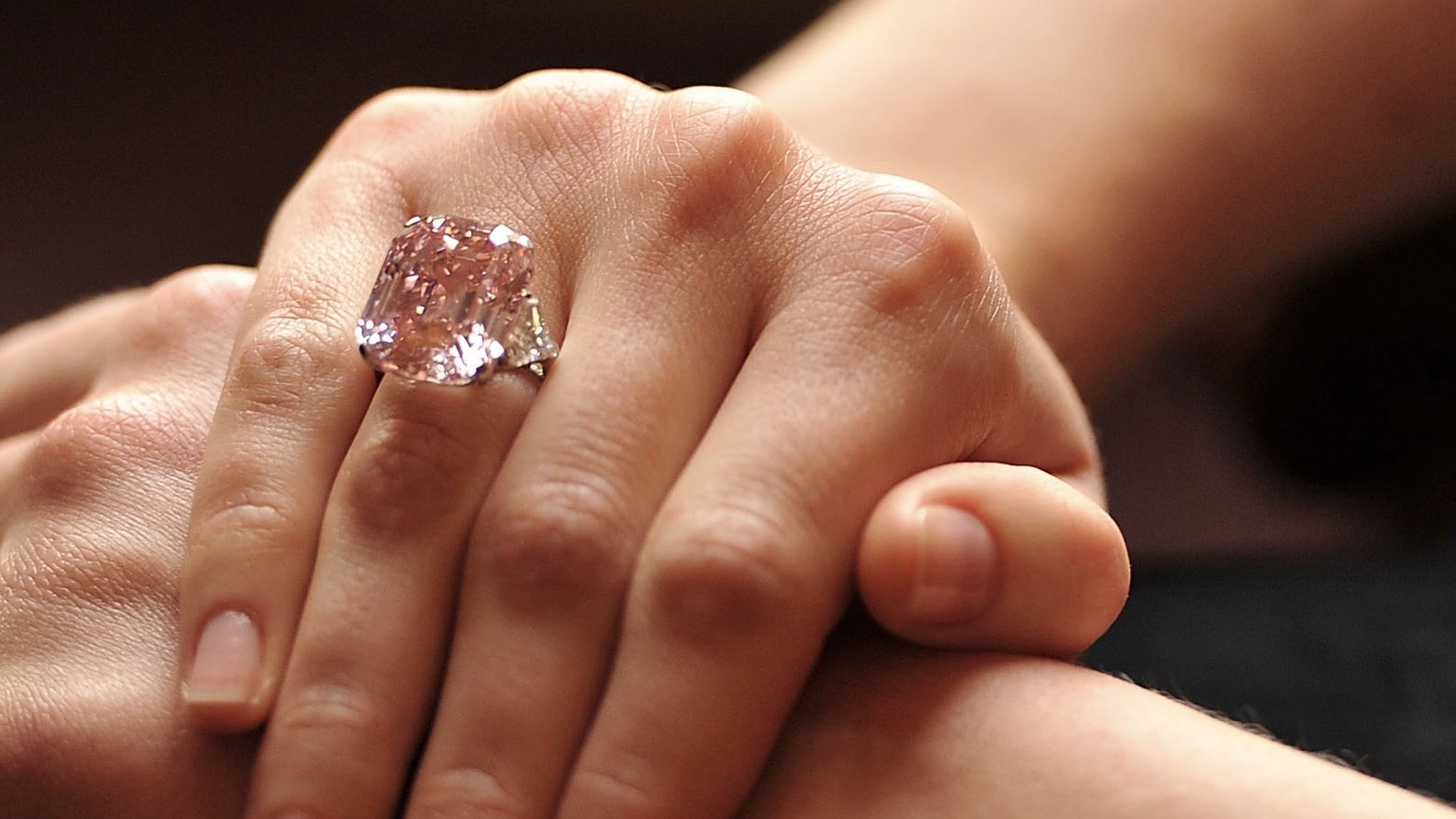
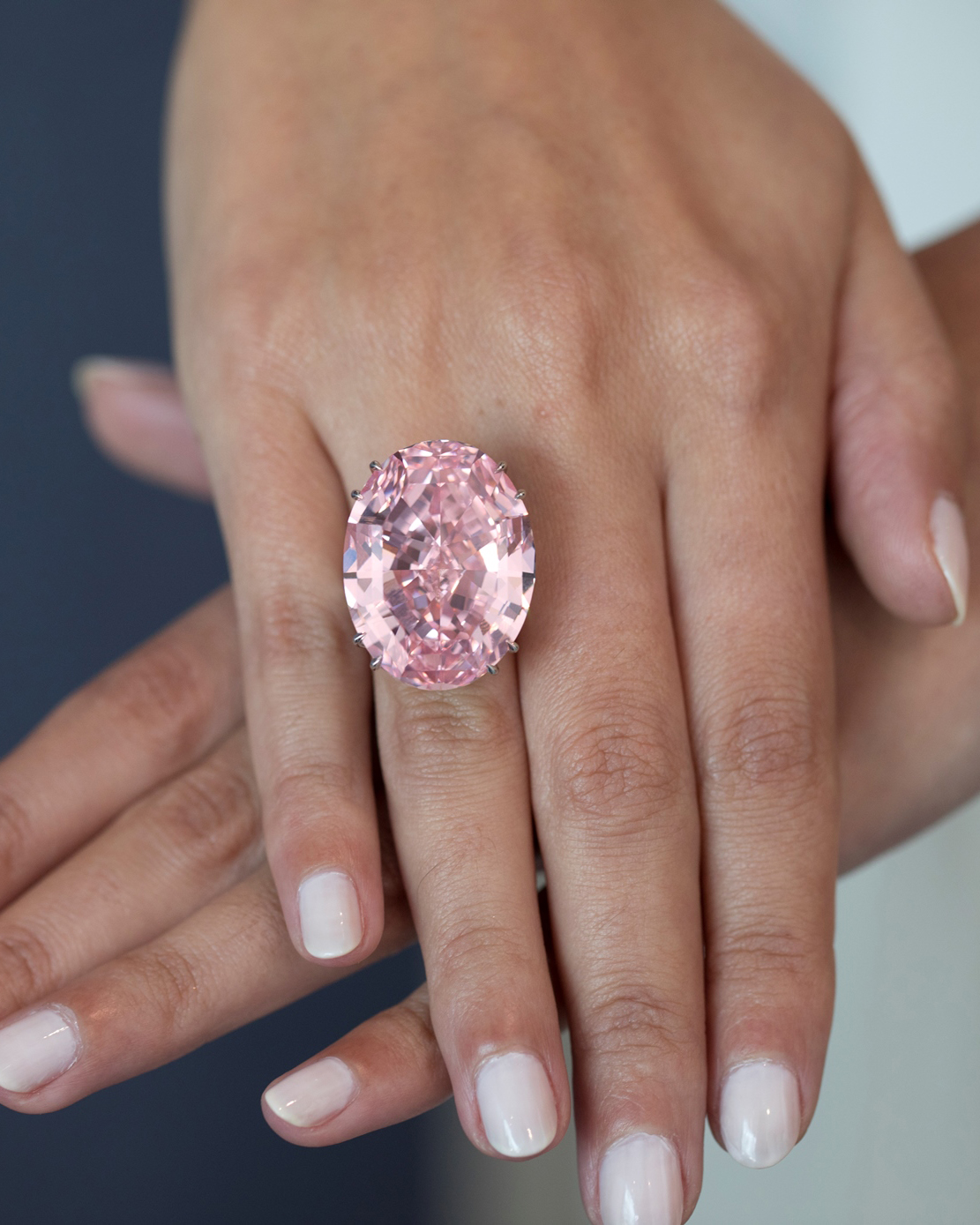
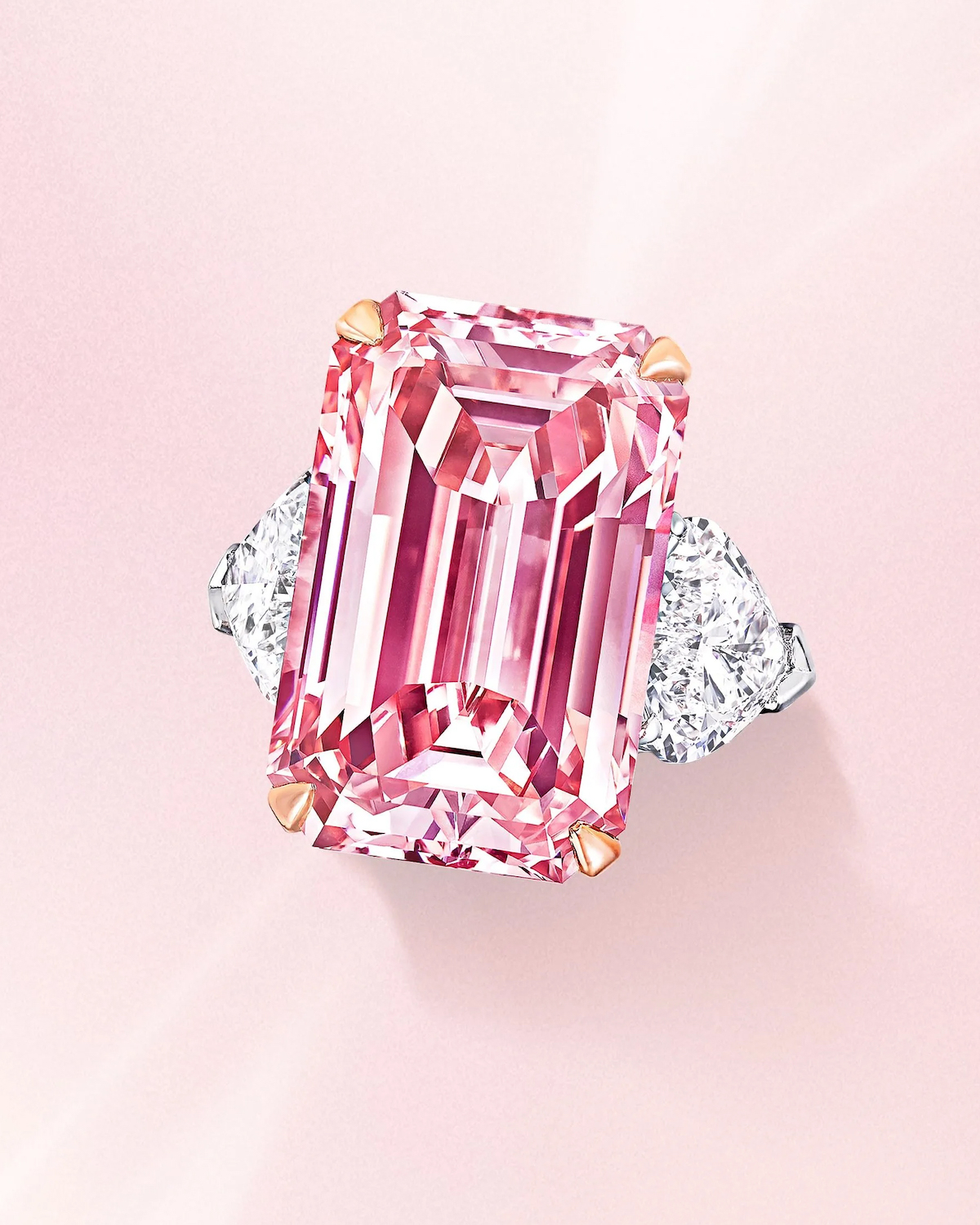
The 24.78 Carat Graff Pink Diamond. (Getty Images)
When this 24.78-carat Fancy Intense Pink diamond crossed the auction block at Sotheby’s Geneva on November 16, 2010, it did more than set a record. It marked a turning point in how collectors valued natural pink diamonds. Selling for $46 million, it became the most expensive single jewel ever sold at auction at that time. Today, it remains one of the most valuable pink diamonds ever sold and firmly sits among the top ten most expensive jewels in auction history.
Meet the Expert

- Grant Mobley is the Jewelry & Watch Editor of Only Natural Diamonds.
- He is a GIA Diamonds Graduate.
- He has over 17 years of jewelry industry experience, starting with growing up in his family’s retail jewelry stores.
And yet, for decades, it was simply an unnamed treasure in a private collection.
From Harry Winston to Auction History
The early history of the Graff Pink Diamond remains somewhat mysterious. What we do know is that it once belonged to legendary American jeweler Harry Winston. Winston, whose name is synonymous with historic gemstones, also handled icons such as the Hope Diamond and the Briolette of India. At some point in the 1950s, he sold this extraordinary pink diamond to an anonymous private collector, where it remained quietly for more than 60 years.
Despite its extreme rarity, the diamond had no formal name at the time.
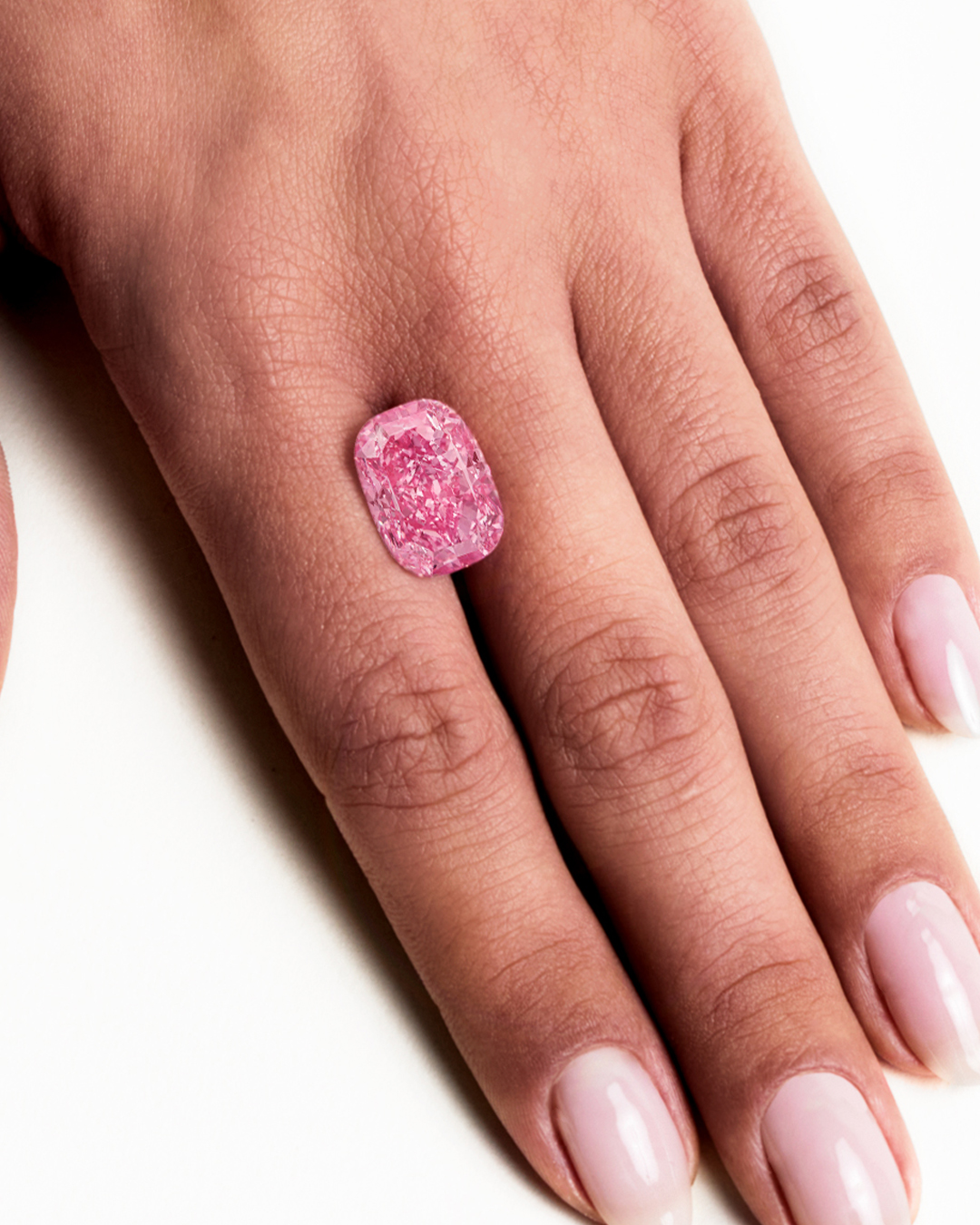
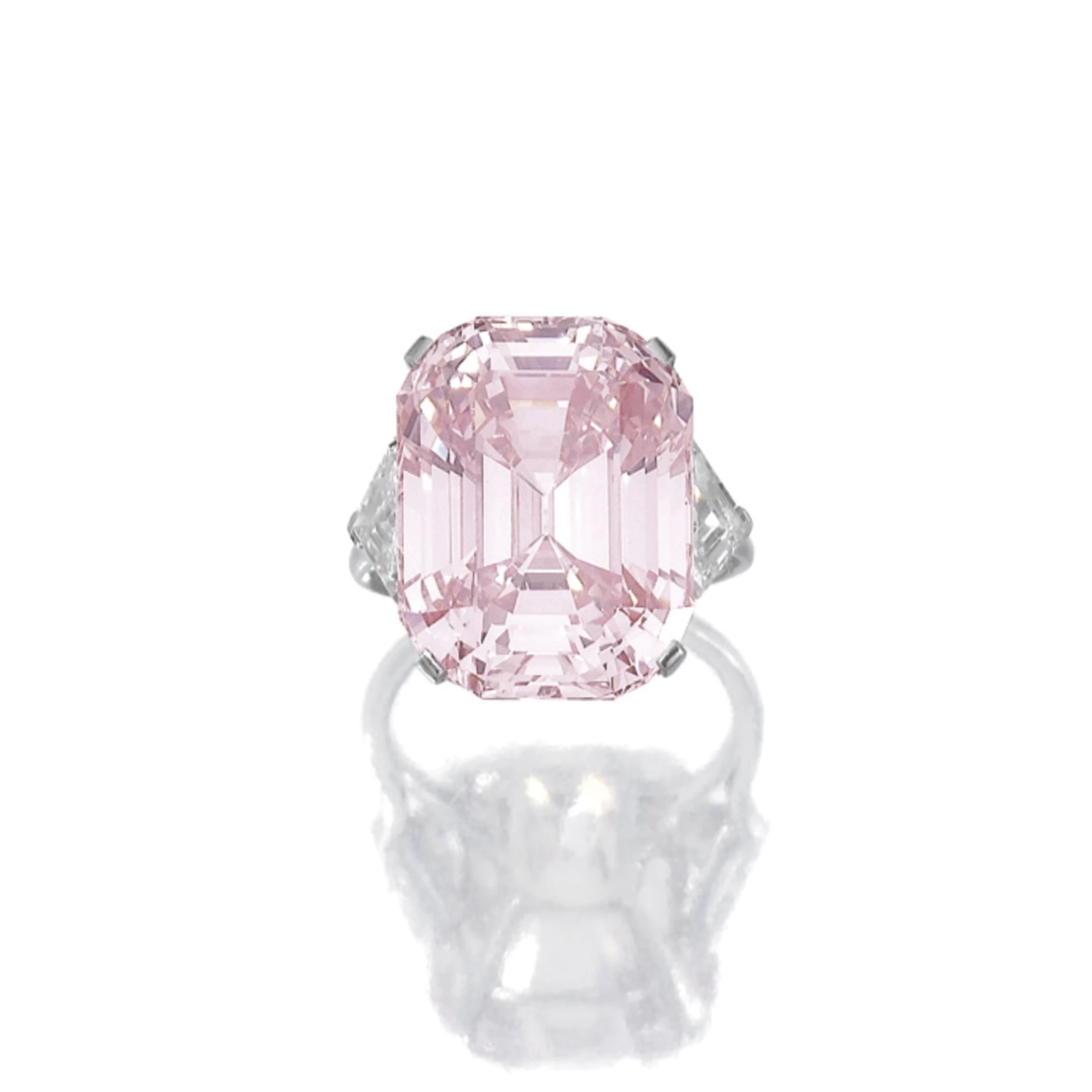
The diamond itself was and remains beyond beautiful. Cut as an emerald-cut with unusual, softly rounded corners, it was mounted in platinum with two shield-shaped colorless diamonds flanking either side. The clean, architectural lines of the emerald-cut allow the color to present with remarkable clarity, unlike many pink diamonds cut as brilliant cuts to maximize color intensity.
Ahead of the 2010 Sotheby’s Geneva sale, the diamond toured globally, drawing significant attention. Auction specialists estimated it would sell between $27 million and $38 million. But the final hammer price of $46 million exceeded expectations and sent a clear message: elite pink diamonds operate in a category of their own.
The buyer was famed diamantaire Laurence Graff. And it was he who finally gave the stone its name: The Graff Pink.
The Risk That Made the Graff Pink Diamond Legendary
For most collectors, acquiring a record-setting diamond would be the final chapter. For Graff, it was the beginning of a bold decision.
Accompanied by a GIA report suggesting that expert repolishing could potentially elevate the stone’s clarity and color, Graff entrusted the diamond to his master cutters. The move carried real risk. Even the smallest miscalculation could compromise weight or value.
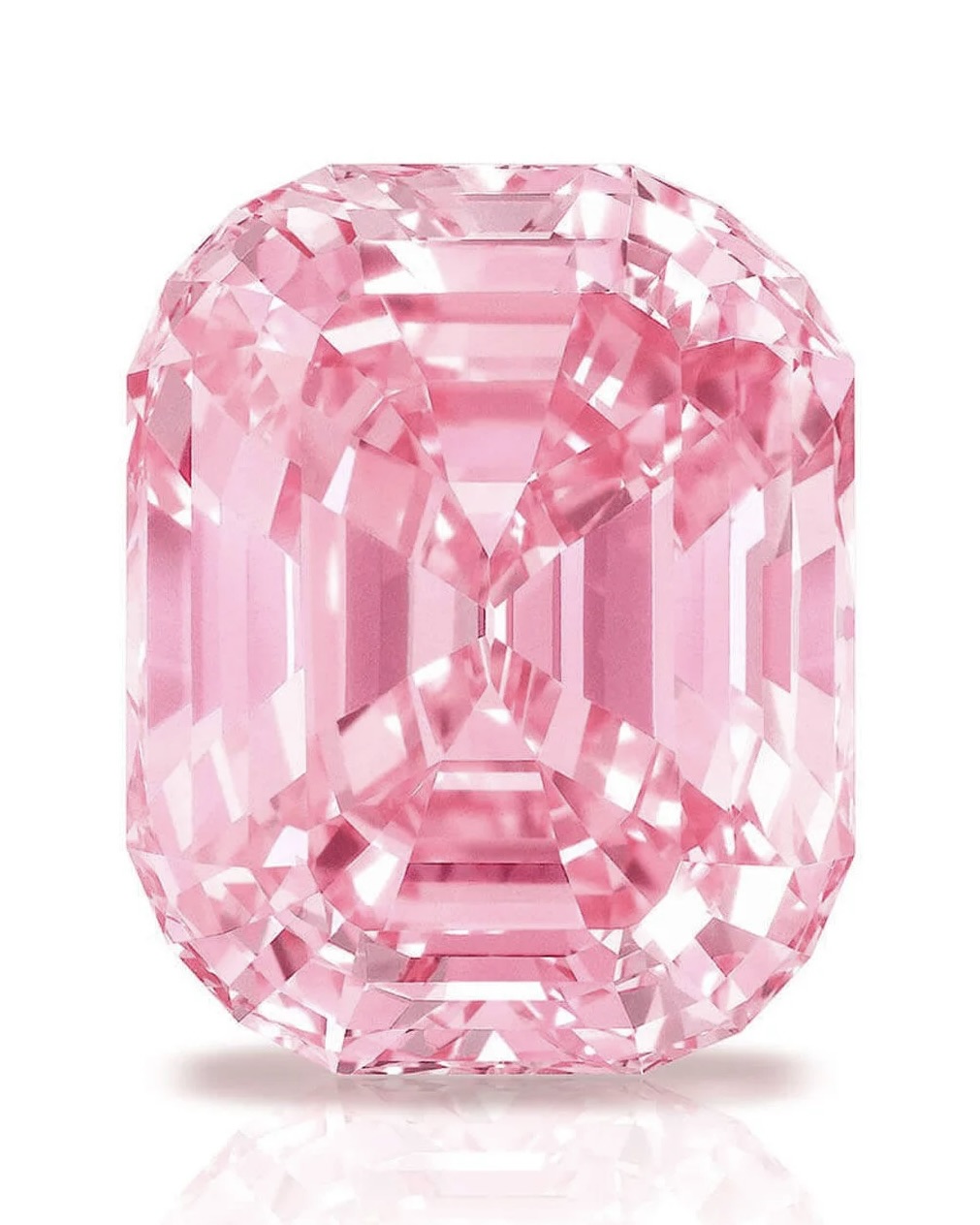
First, cutters carefully removed 25 near-surface inclusions. Then they addressed the stone’s color presentation, working to intensify the hue to the highest possible grade. When the process concluded, the diamond weighed 23.88 carats, or about 1 carat lighter than before. However, its transformation was extraordinary.
The diamond achieved an Internally Flawless clarity designation and was upgraded to Fancy Vivid Pink color. That shift in grading elevated it to the rarest classification of pink diamonds.
Why Fancy Vivid Pink Diamonds Are So Rare
Pink diamonds are among the rarest natural diamonds in the world. Less than 0.15 percent of diamonds submitted to the Gemological Institute of America (GIA) display a predominantly pink color. Among Type IIa pink diamonds (the most chemically pure type), only about 2 percent earn the coveted Fancy Vivid grade.
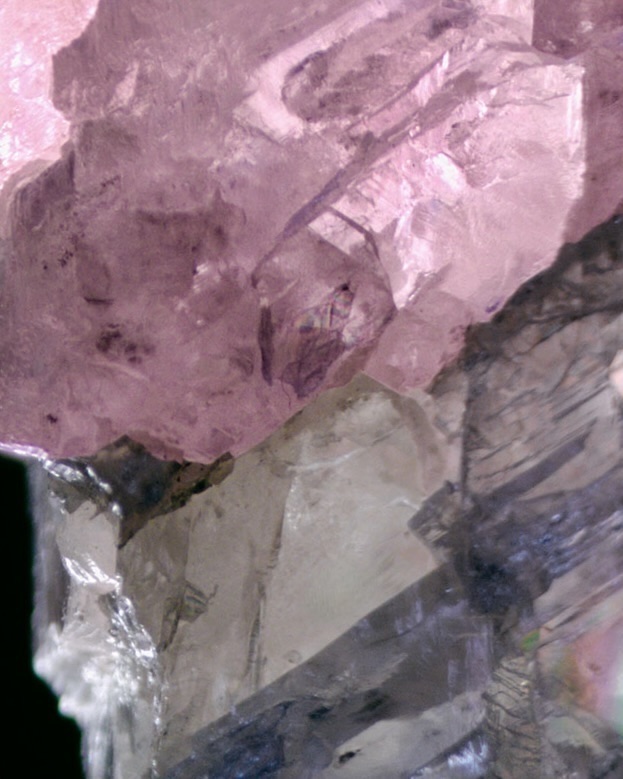
Unlike yellow or blue diamonds, pink diamonds do not owe their color to trace elements like nitrogen or boron. Instead, scientists believe their hue results from structural distortions in the crystal lattice caused by extreme pressure during formation. The geological conditions required to produce that color occur only in exceptionally rare circumstances.
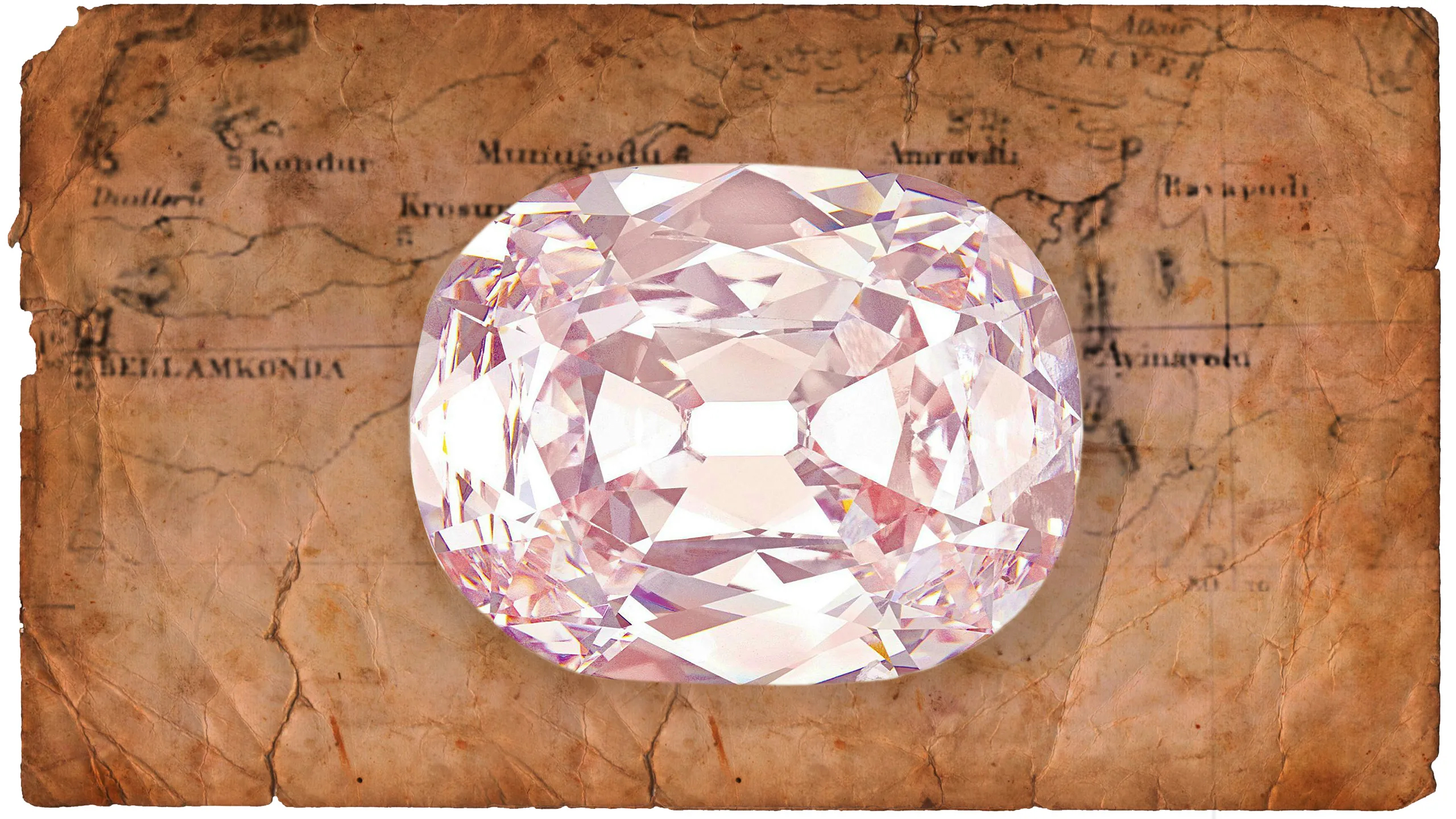
Historically, pink diamonds first appeared in India’s Golconda region in the 17th century. Jean-Baptiste Tavernier described seeing a massive pink rough known as “The Grand Table” in 1642. Later discoveries occurred in Brazil, South Africa, Tanzania, Canada, Siberia, and most famously at the Argyle mine in Western Australia, which accounted for roughly 80 percent of global pink diamond production before its closure in 2020.
With Argyle’s closure, the already limited supply of natural pink diamonds has diminished further, intensifying global demand.
How the Graff Pink Diamond Compares to Other Record Holders
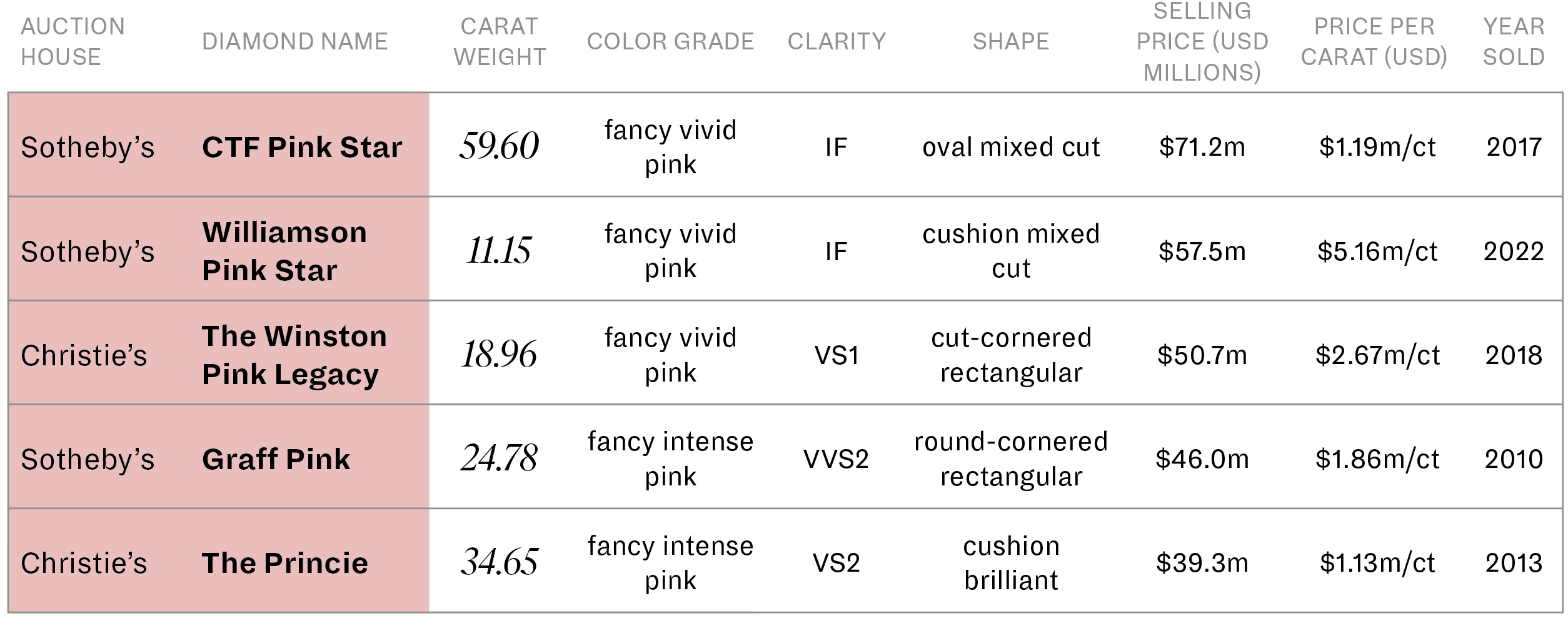

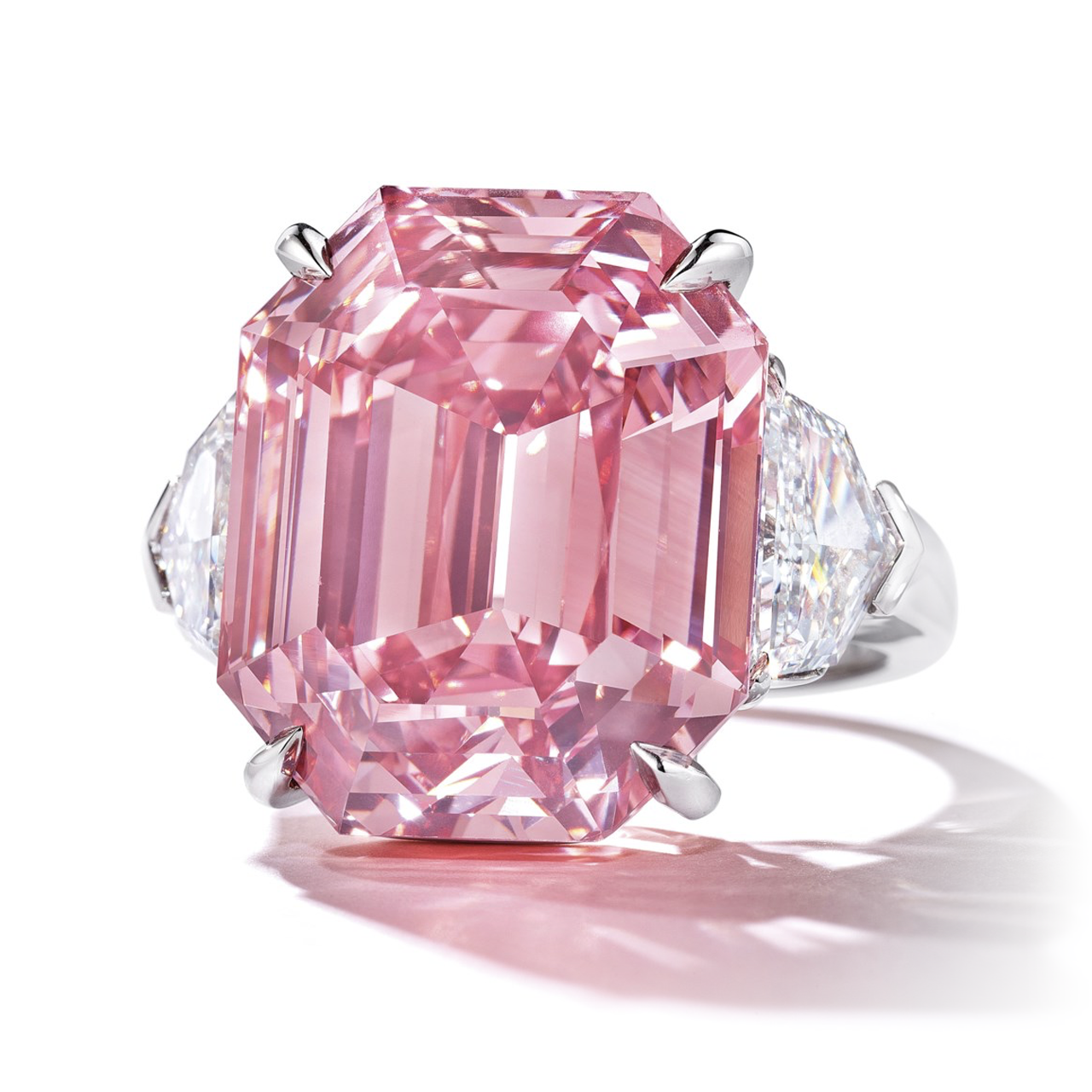
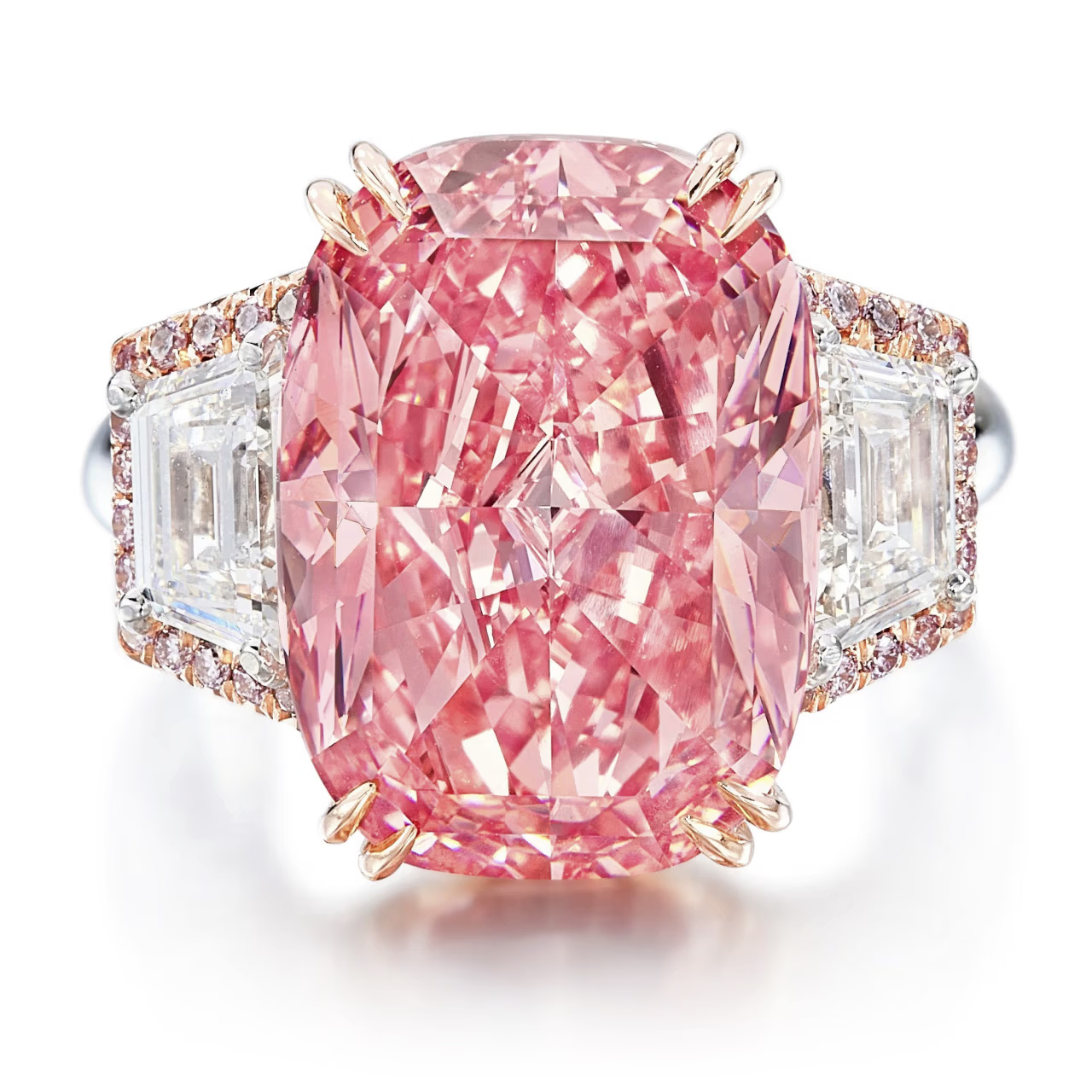
The Graff Pink remains one of the most valuable pink diamonds ever sold, but two stones have since surpassed it.
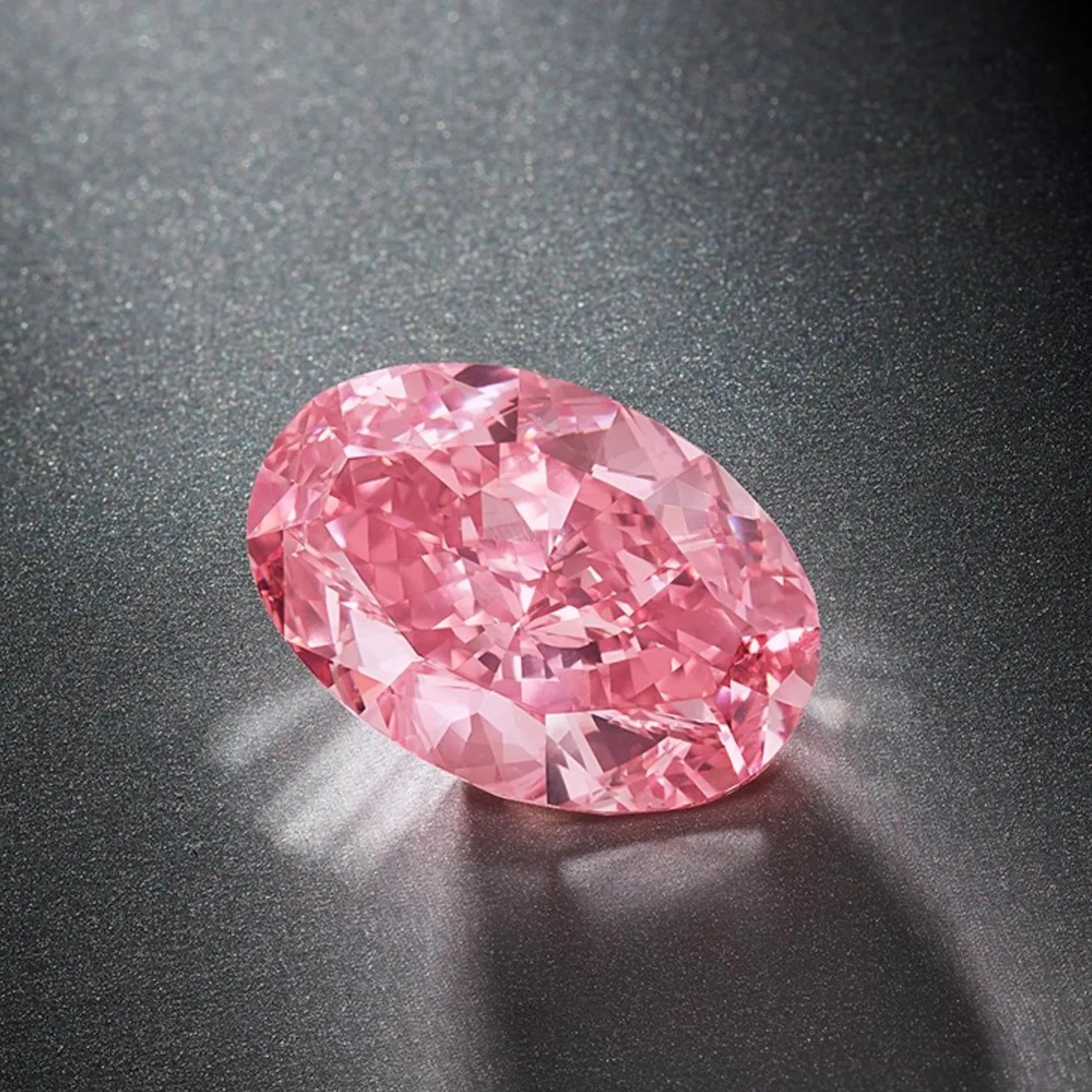
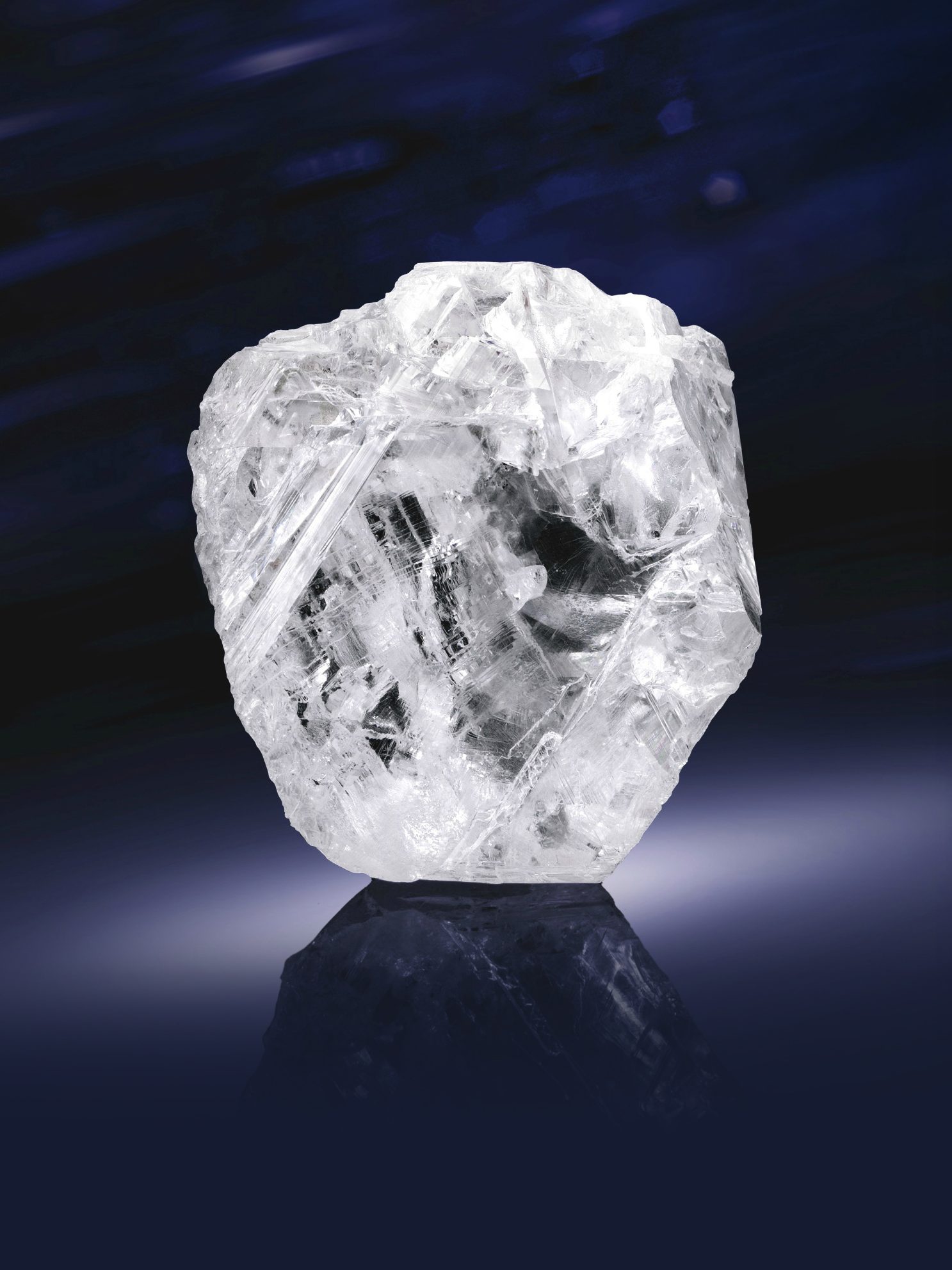
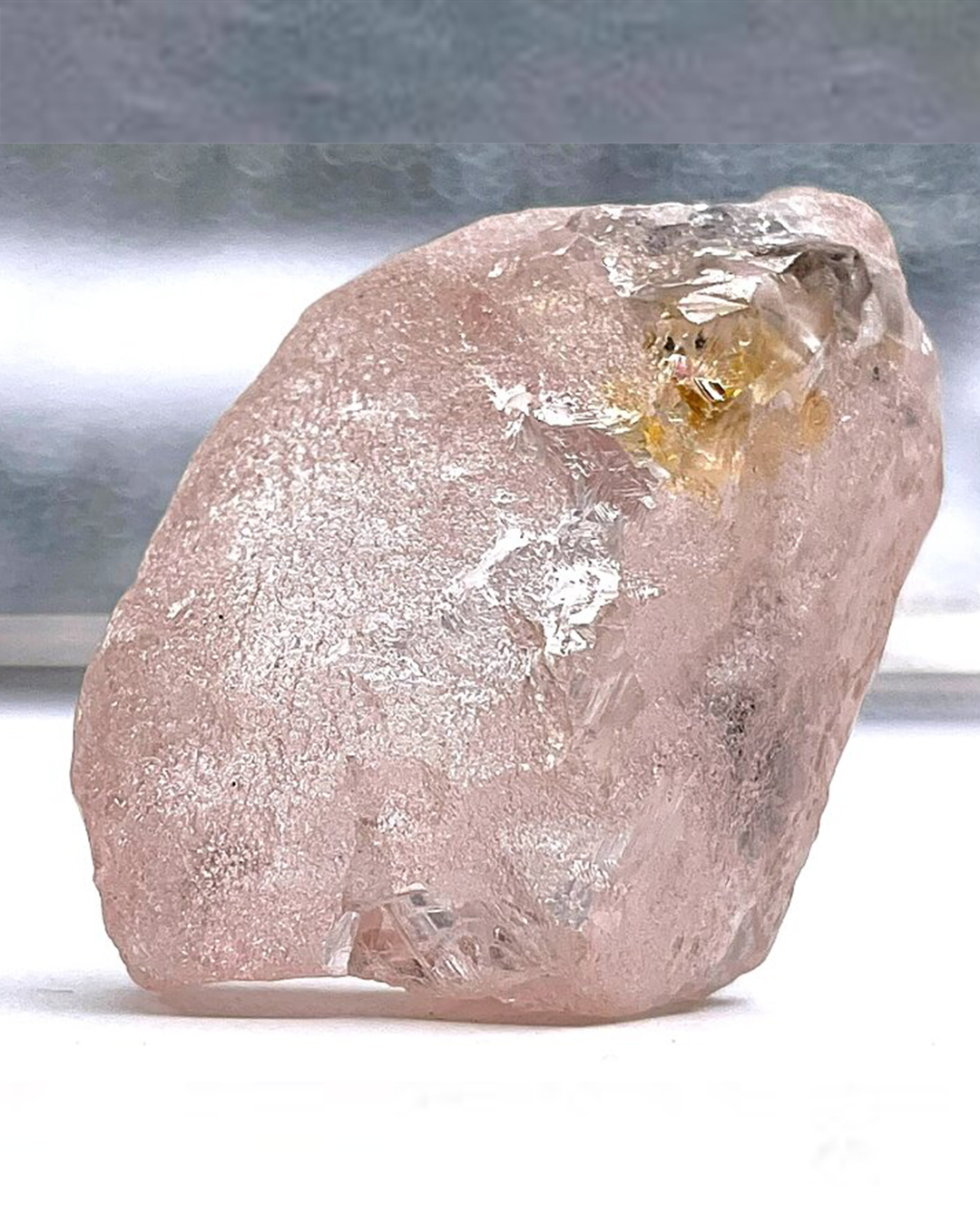
The CTF Pink Star, a 59.60-carat Fancy Vivid Pink Internally Flawless diamond, holds the record for the most expensive jewel ever sold at auction at $71.2 million. Cut from a 132.5-carat rough discovered in 1999, it stands as the largest Internally Flawless Fancy Vivid Pink diamond ever graded by the GIA.
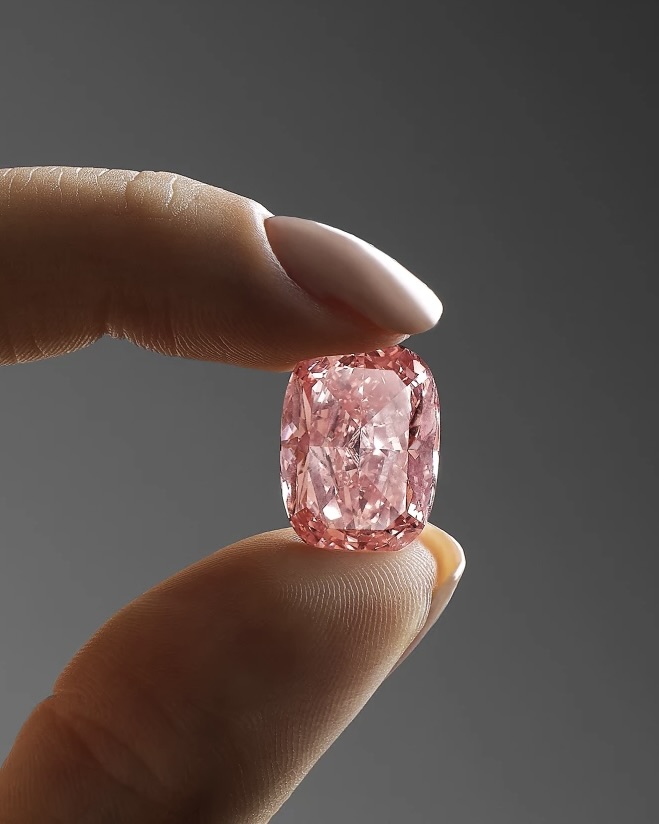
The Williamson Pink Star, an 11.15-carat Fancy Vivid Pink Type IIa diamond, achieved $57.5 million in 2022 at Sotheby’s Hong Kong, setting a world record price per carat for any gemstone.
Even among these giants, the Graff Pink remains a benchmark for refinement, transformation, and timing. It was the first to cross the $40 million threshold and demonstrated how aggressively collectors would compete for top-tier natural-color diamonds.
The Graff Pink Diamond Changed the Conversation
The Graff Pink Diamond represents more than a record sale. It symbolizes the moment pink diamonds shifted from rare curiosities to global financial assets. In times of economic uncertainty, collectors often seek safe havens. Exceptional natural fancy color diamonds have repeatedly proven their resilience.
The Graff Pink still resides within the Graff collection, a testament to its importance.