How Garrard Diamonds Have Made Royalty Shine for 290 Years
Worn by Kings, Queens, and pop culture icons, Garrard has maintained its commitment to crafting the most spectacular diamond jewels since 1735.
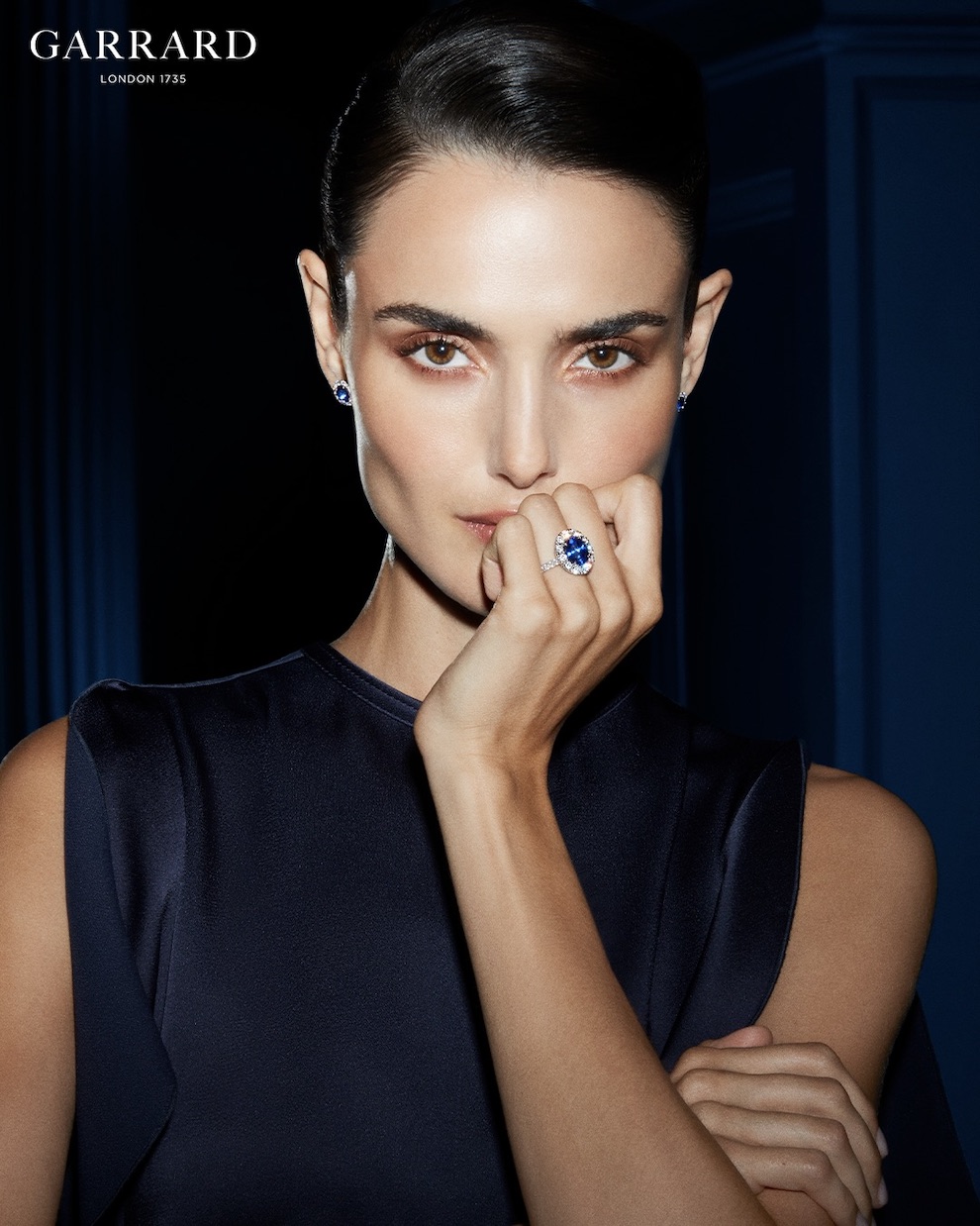
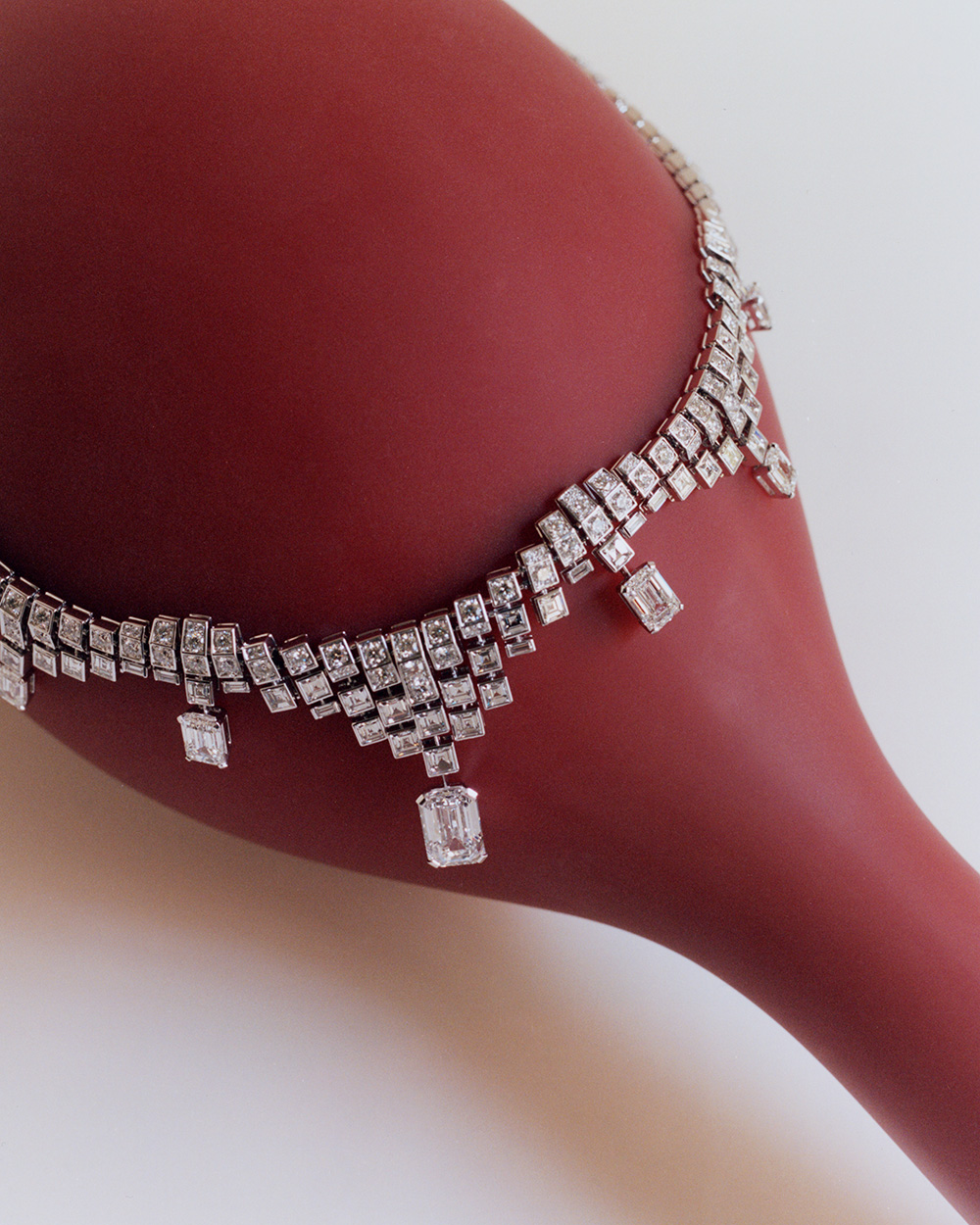
Garrard High Jewelry Collection London 1735
For nearly three centuries, Garrard’s diamonds have marked the moments that shape history. Founded in 1735, Garrard’s extravagant jewels have been at the center of royal love stories, cultural milestones, and most significant occasions. “At Garrard, every creation is born from our storied past, crafted for today, and destined to be treasured for generations,” says Garrard Chief Creative Officer Sara Prentice. “Our heritage, design, and craftsmanship unite time-honored techniques with a forward-thinking vision, embodying the enduring spirit of Garrard.”
Named the first official Crown Jeweler in 1843 by Queen Victoria, the 290-year-old jewelry house has continued to innovate, while maintaining its impeccable craftsmanship. Dressing our favorite contemporary stars in exceptional natural diamonds, with an all-female design team, Garrard is also breaking barriers when it comes to sustainable practices in jewelry. As one of the first fine jewelry houses to be awarded the Butterfly Mark, Garrard upholds the highest standards for people and planet, reflecting its duty as a Royal Warrant holder to serve for future generations.
Meet the Experts

Sara Prentice is the Chief Creative Officer of Garrard. She has previously worked with an array of luxury jewelry brands like Cartier, Faberge and Graff.

Joanne Milner is the Chief Executive Officer and Chairwoman of Garrard, the historic British jewelry house. She has held the position since February 2016.

Claire Scott is the Design & Development Director at Garrard. Scott previously held positions like Senior Jewelry Designer and Head of Design at the first official Crown Jeweler. With over 20 years of experience in the luxury jewelry industry, Scott has developed iconic collections and custom commissions at some of the most prestigious jewelry houses in the world.
“To stand as not only the world’s oldest jewelry house, but also as a British business approaching 300 years, is a truly remarkable achievement. Garrard’s heritage is woven into the fabric of this country’s history, from royal milestones to cultural moments, and it remains a great source of pride for everyone who works here,” explains CEO Joanne Milner. “This anniversary is not only a celebration of our past, but also a statement of our commitment to shaping Garrard’s future for generations to come.”
The Origin Story Behind Garrard: Britain’s Oldest Jeweler

During the Georgian era of the 1700s, George Wickes established his workshop in London at the young age of 14. Born into a family of craftsmen, Wickes began as an apprentice before he registered his own maker’s mark in 1722.
In 1735, he founded his own business on Panton Street in the West End of London. When word spread, his reputation as a master silversmith became common knowledge. Amid a flurry of orders from high-born, aristocratic patrons that year, Wickes received his very first royal commission from Frederick, Prince of Wales. (For historical context, Frederick’s son was King George III, who later married the famed Queen Charlotte.)
After Wickes retired, Robert Garrard joined the team in 1782, stockkeeping and organizing accounts, before he officially became a partner one decade later. Eventually, Garrard took sole control of the business in 1802, changing the company’s name to an eponymous title.
He registered his own maker’s mark under “Robert Garrard” and ensured the highest quality standards of the firm’s design and craftsmanship for the next 16 years. In 1818, he was succeeded by his three sons, Robert Garrard II, James, and Sebastian. The company began trading as R. J. & S. Garrard (or Robert Garrard & Brothers) until James’ departure in 1835, when his initial was dropped from the name. The firm stayed within the hands of the Garrard family until Sebastian Henry Garrard, the great-grandson of Robert Garrard I, died in 1946.
Garrard’s story began against a backdrop of Georgian creativity and ornate refinement. It has since come to define the concept of the modern jeweler, shaped by unparalleled royal heritage and a centuries-old legacy.
Garrard Was Appointed the First Official Crown Jeweler in 1843
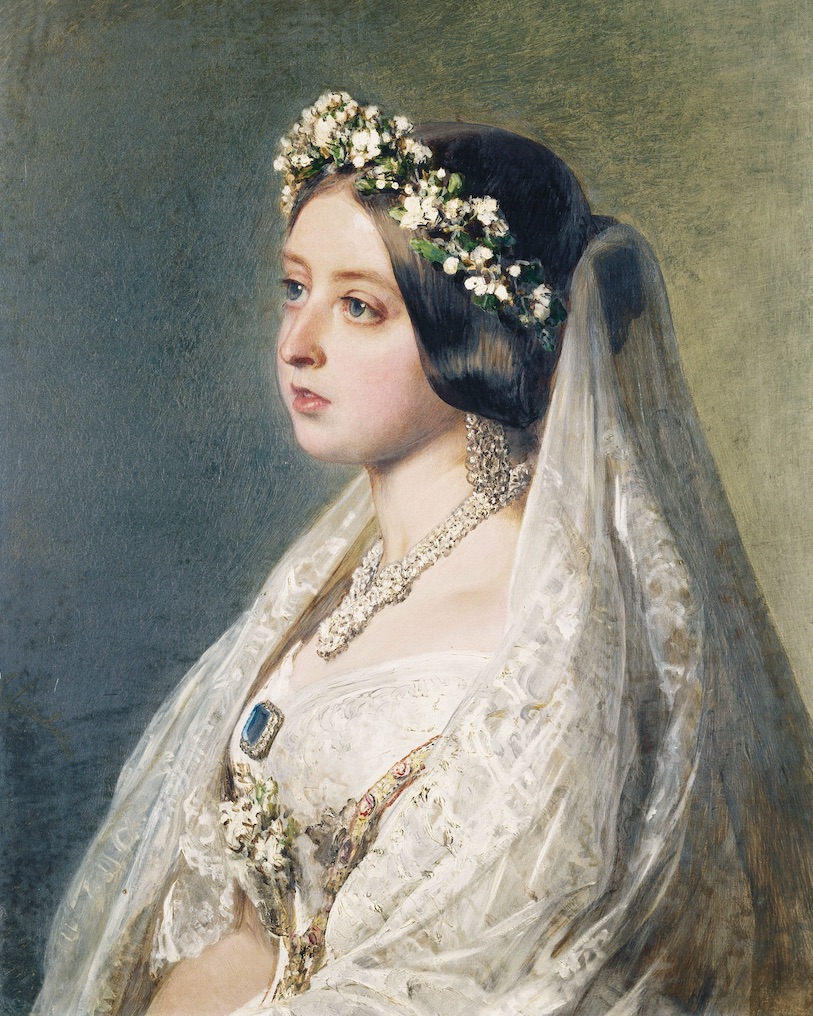

Following Garrard’s first royal commission from Frederick, Prince of Wales, Garrard was named the first official Crown Jeweler in 1843 by Queen Victoria.
The Victorian era, which lasted from 1837 to 1901, sparked the popularity of serpent motifs, as well as other nature-inspired themes, like florals, birds, butterflies, and other insects.
After the passing of her beloved Prince Albert, Queen Victoria went into mourning for the rest of her life, implementing a sentimental approach to her jewels with heart locket pendants, romantic motifs, and mourning jewelry made from the hair of lost loved ones.
One of Garrard’s earliest royal commissions, Prince Albert gifted Queen Victoria a token of love on the eve of their wedding. The exquisite natural diamond and sapphire “something blue” brooch even inspired the sapphire and diamond cluster engagement ring worn by both Princess Diana and Kate Middleton.
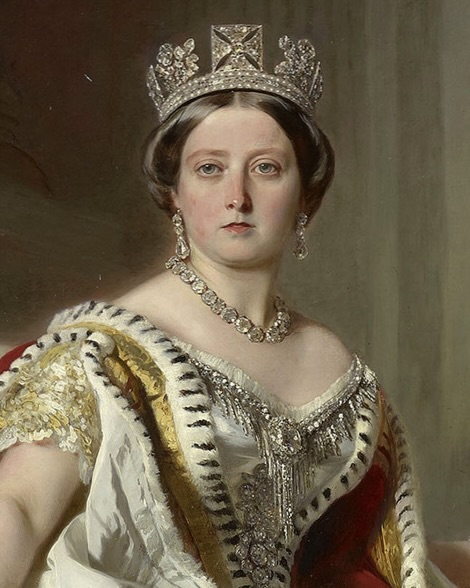
From Queen Victoria onward, Garrard continued to adorn royals in regal natural diamonds including Queen Alexandra, Queen Mary, the Queen Mother, and Queen Elizabeth II. Through her reign to the present day, Garrard has maintained its commitment to impeccable craftsmanship.
Queen Victoria’s Diamond Fringe Brooch by Garrard
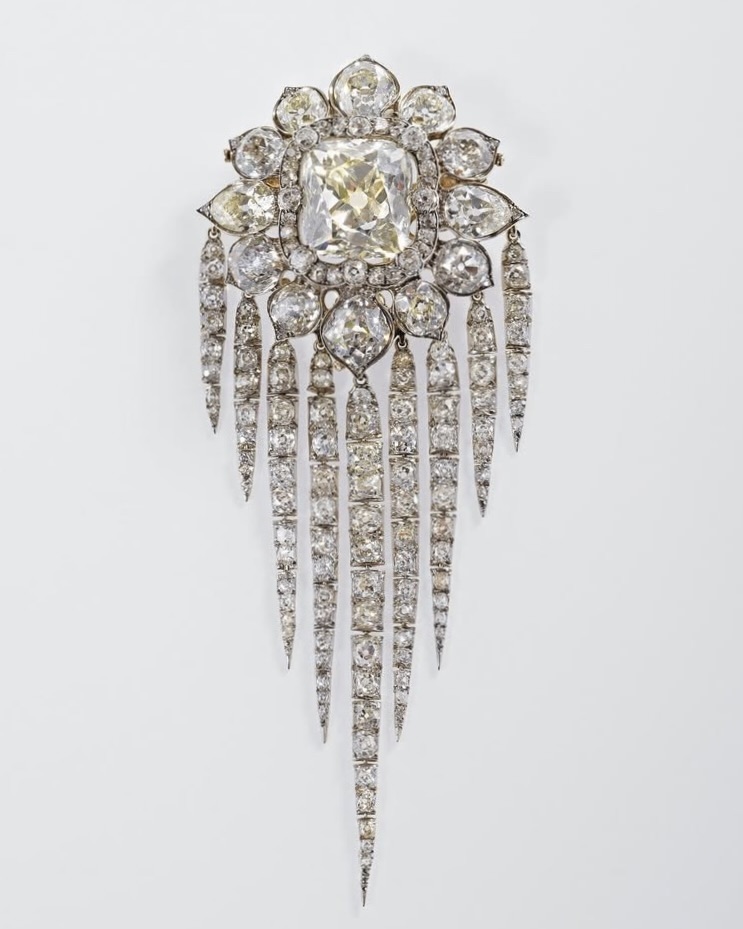
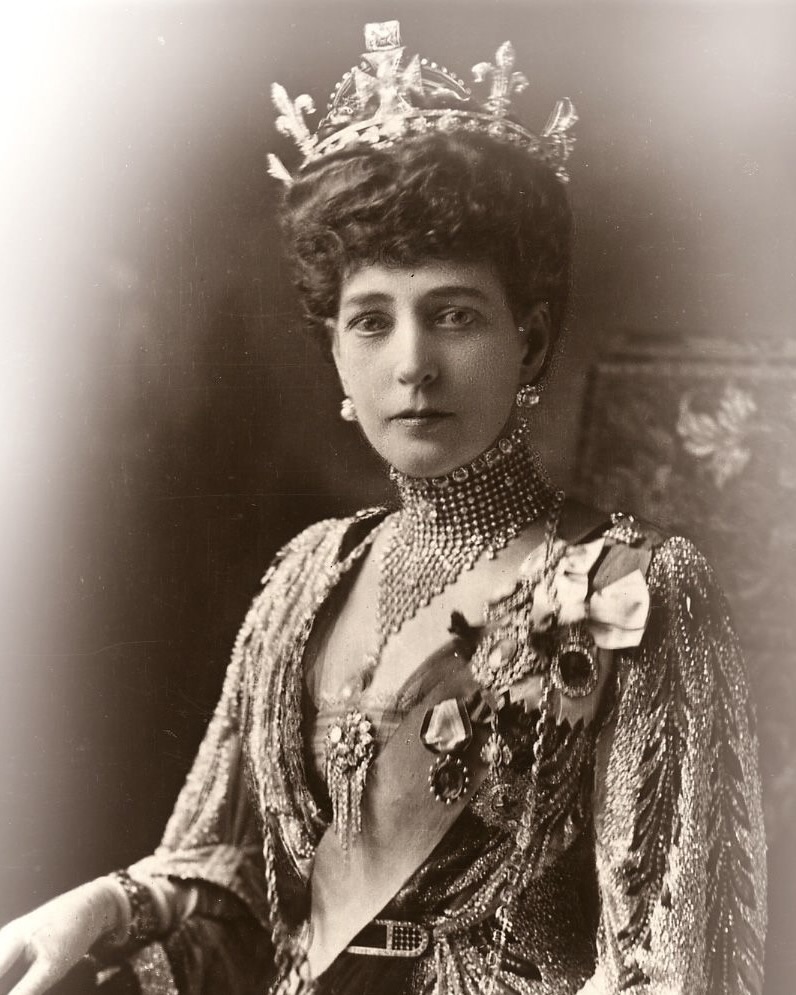
Adapted from a chaîne de corsage made for Queen Victoria, the Diamond Fringe Brooch features a diamond cluster design enhanced by nine strands of natural diamonds suspended beneath. The brooch was later displayed as part of the exhibition Diamonds: A Jubilee Celebration at the Summer Opening of Buckingham Palace in 2012.
Queen Victoria’s Small Diamond Crown by Garrard
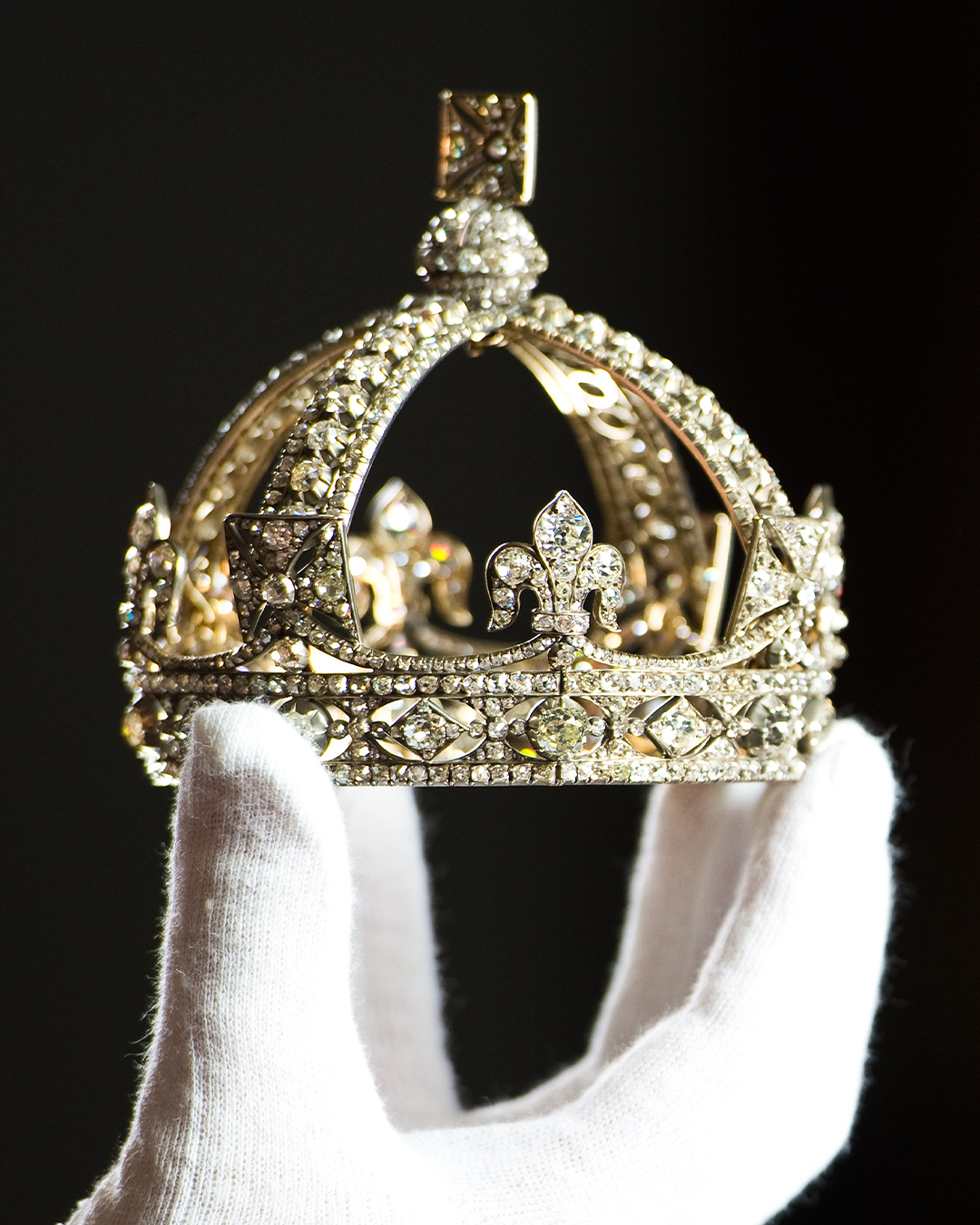

After the death of her husband, Albert, in 1861, Queen Victoria went into mourning that lasted for the rest of her life, often dressing in traditional widow’s weeds (a colloquial term for mourning attire). In 1870, she commissioned Garrard to create Queen Victoria’s Small Diamond Crown for state occasions that was small enough to be worn atop her widow’s cap and featured 1,187 brilliant-cut and rose-cut diamonds set on a silver frame. Visitors to the Tower of London can see it on display in the Jewel House.
The Sovereign’s Scepter and the Cullinan I Diamond by Garrard
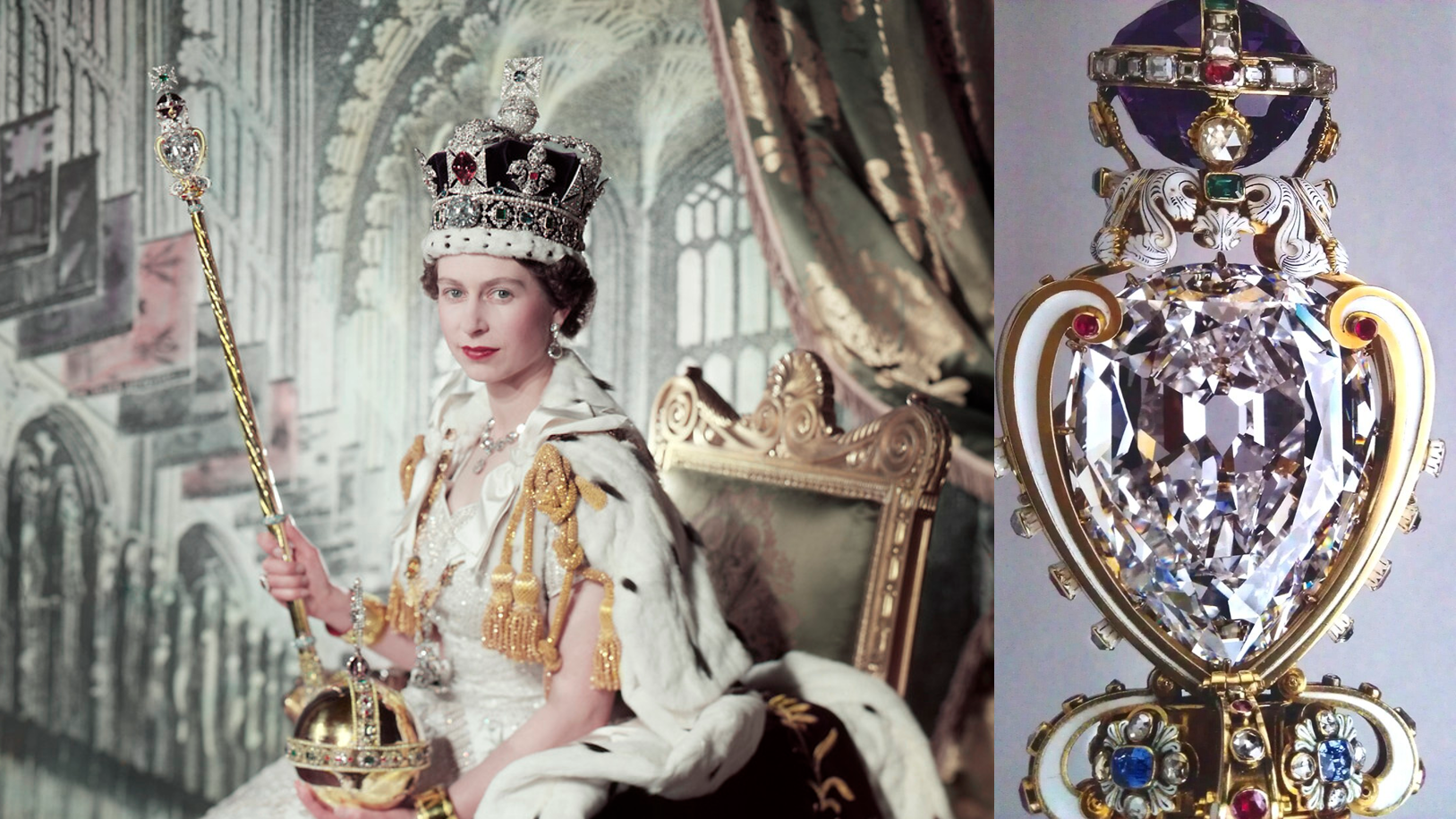
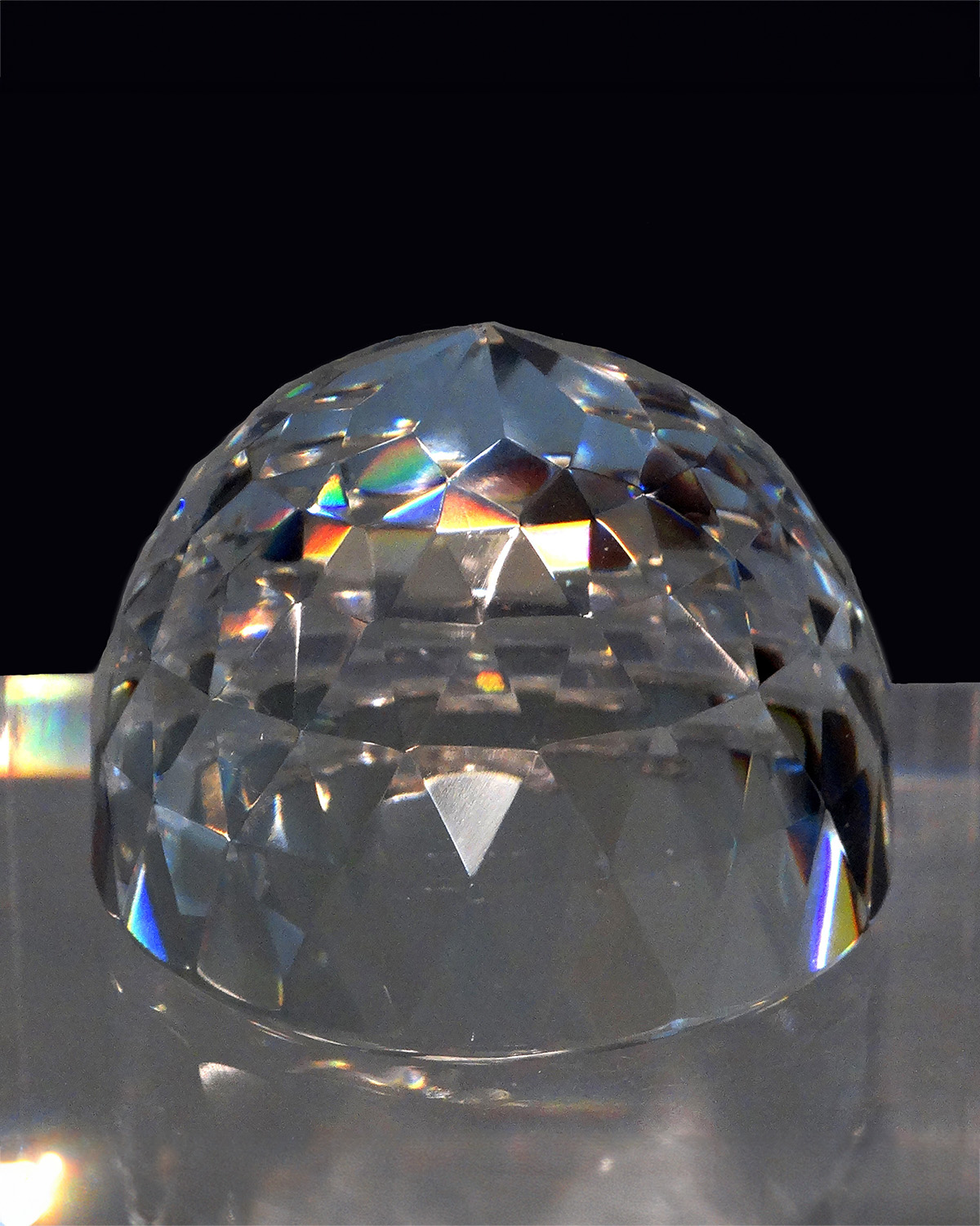
One of the most recognizable pieces in the British Crown Jewels, it has undergone several transformations throughout its history. The most significant came in 1910, when Garrard redesigned the scepter to house the historic 530-carat Cullinan I diamond Also known as the Star of Africa diamond, it remains on display at the Tower of London as part of the Crown Jewels, drawing millions of visitors each year to see the regalia used in royal ceremonies for centuries.
The commission left a lasting impact on both history and the design DNA of modern-day Garrard, which continues to incorporate its signature Sovereign motif throughout its collections.
Garrard’s Diamond Tiaras: The British Royal Family’s Most Iconic Jewels
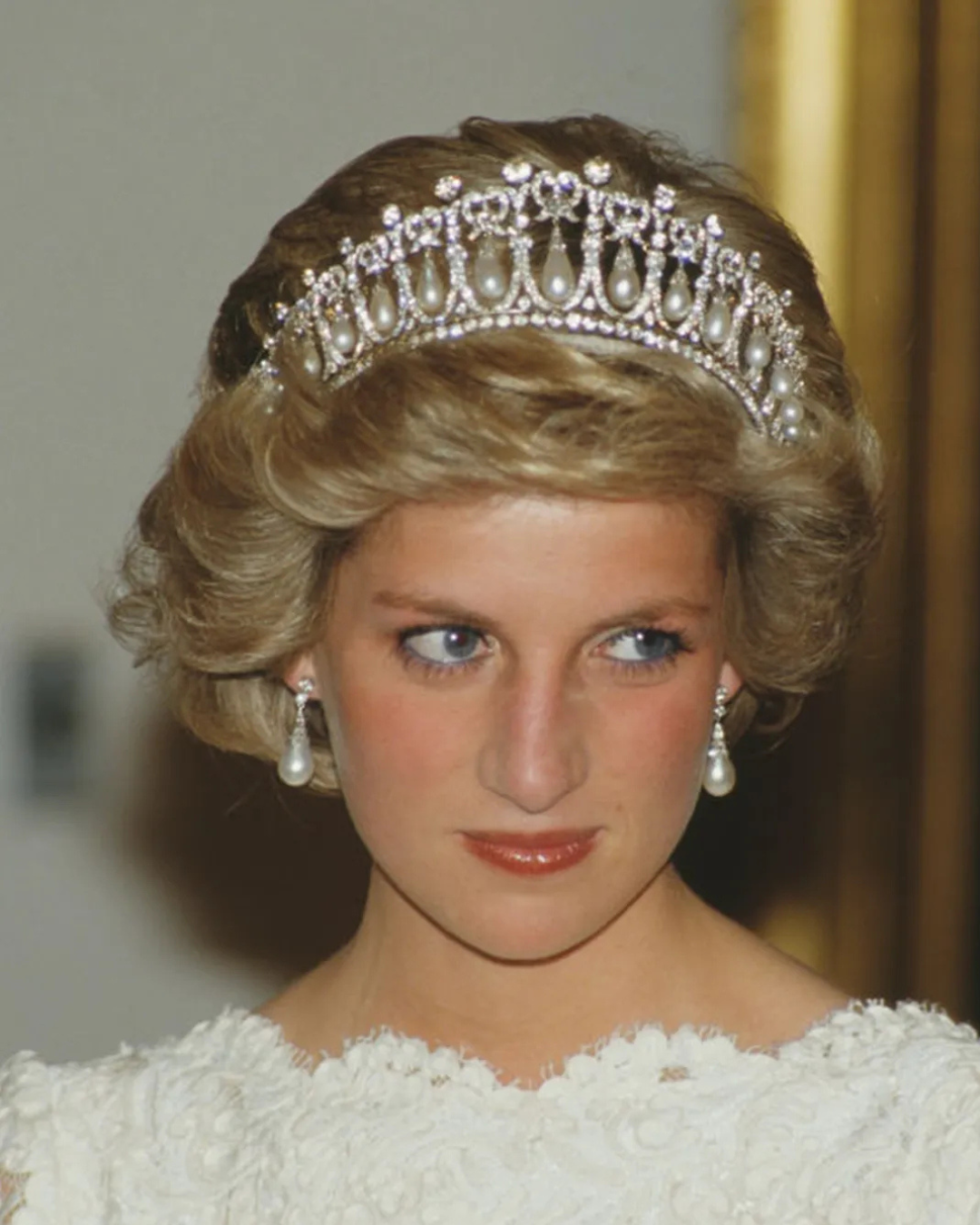
Princess Diana wears the Cambridge Lover’s Knot Tiara

Queen Mary wears the Girls of Great Britain and Ireland Tiara

Queen Elizabeth II wears the Burmese Ruby Tiara

Princess Margaret wears the Poltimore Tiara

Princess Anne Wears Queen Mary’s Fringe Tiara

Princess Diana wears the Spencer Tiara
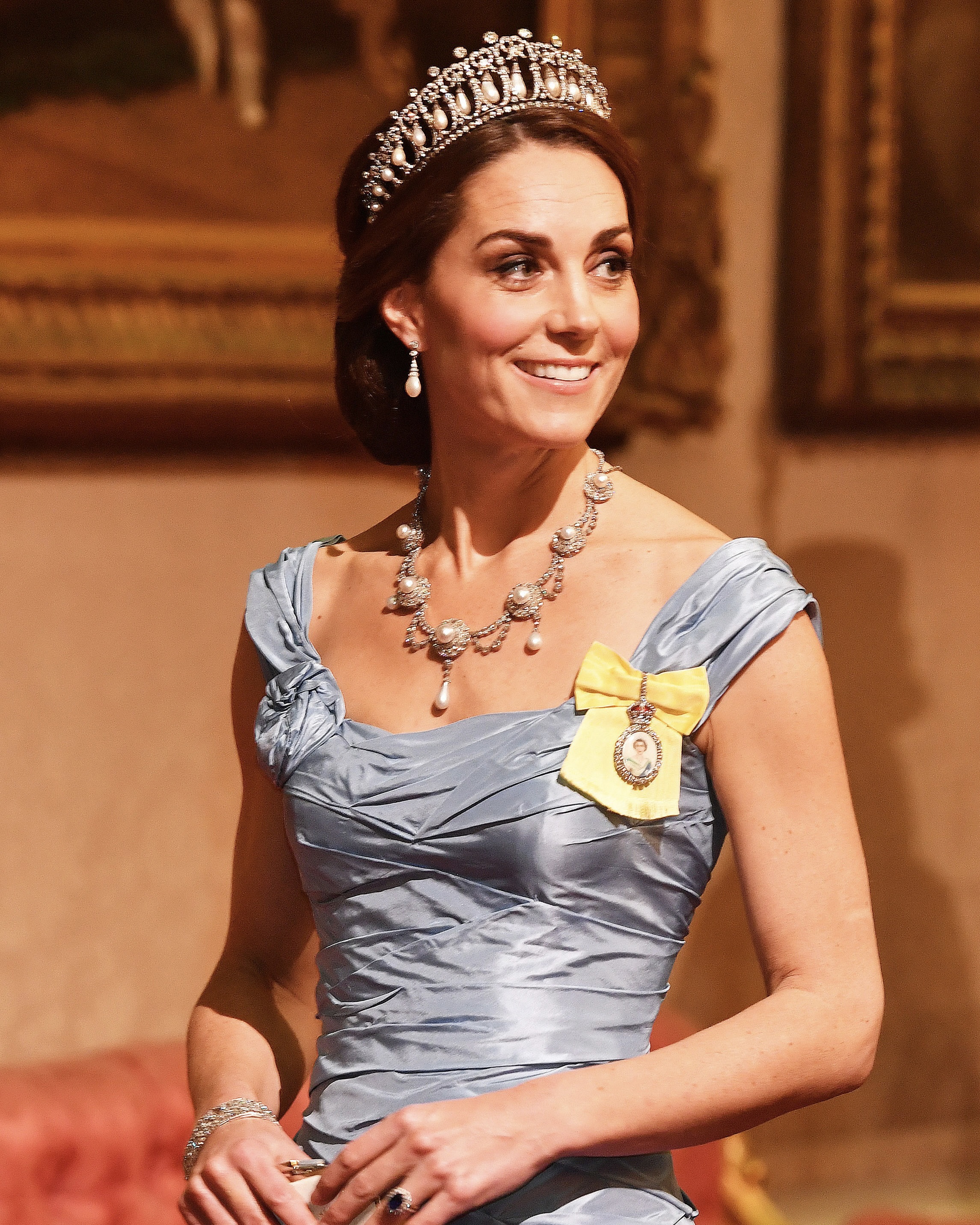
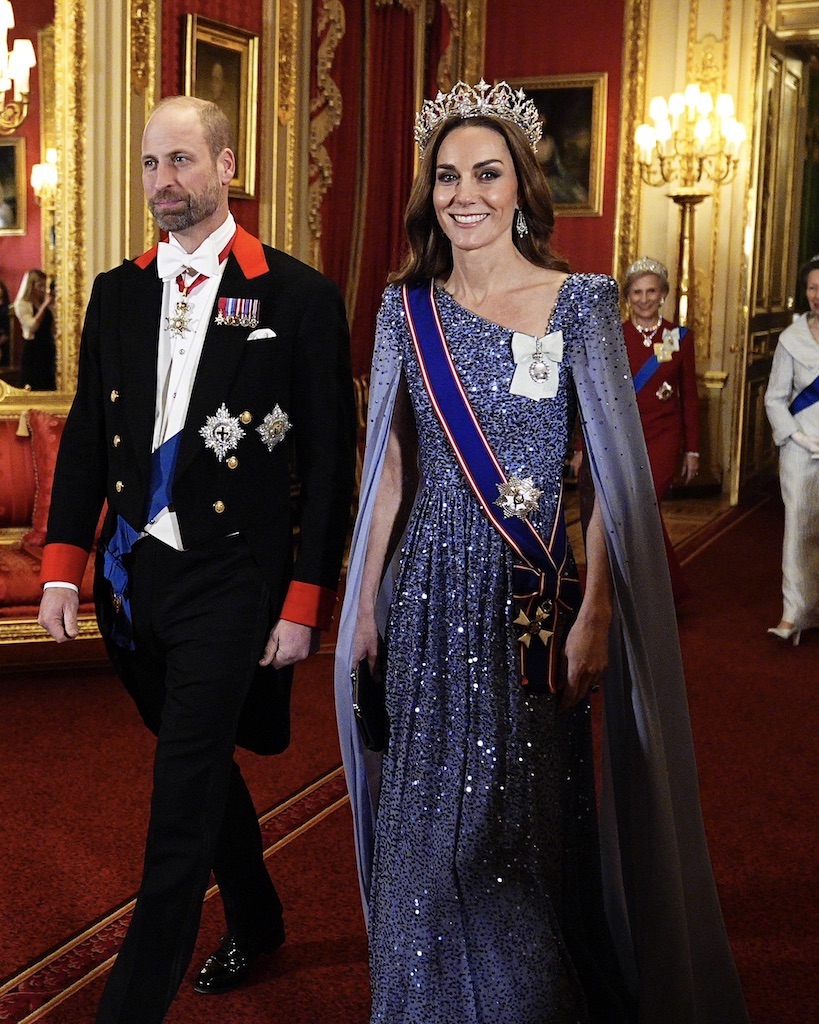
Kate Middleton wears the Cambridge Lover’s Knot Tiara

Queen Elizabeth II wears the Brazilian Aquamarine Tiara
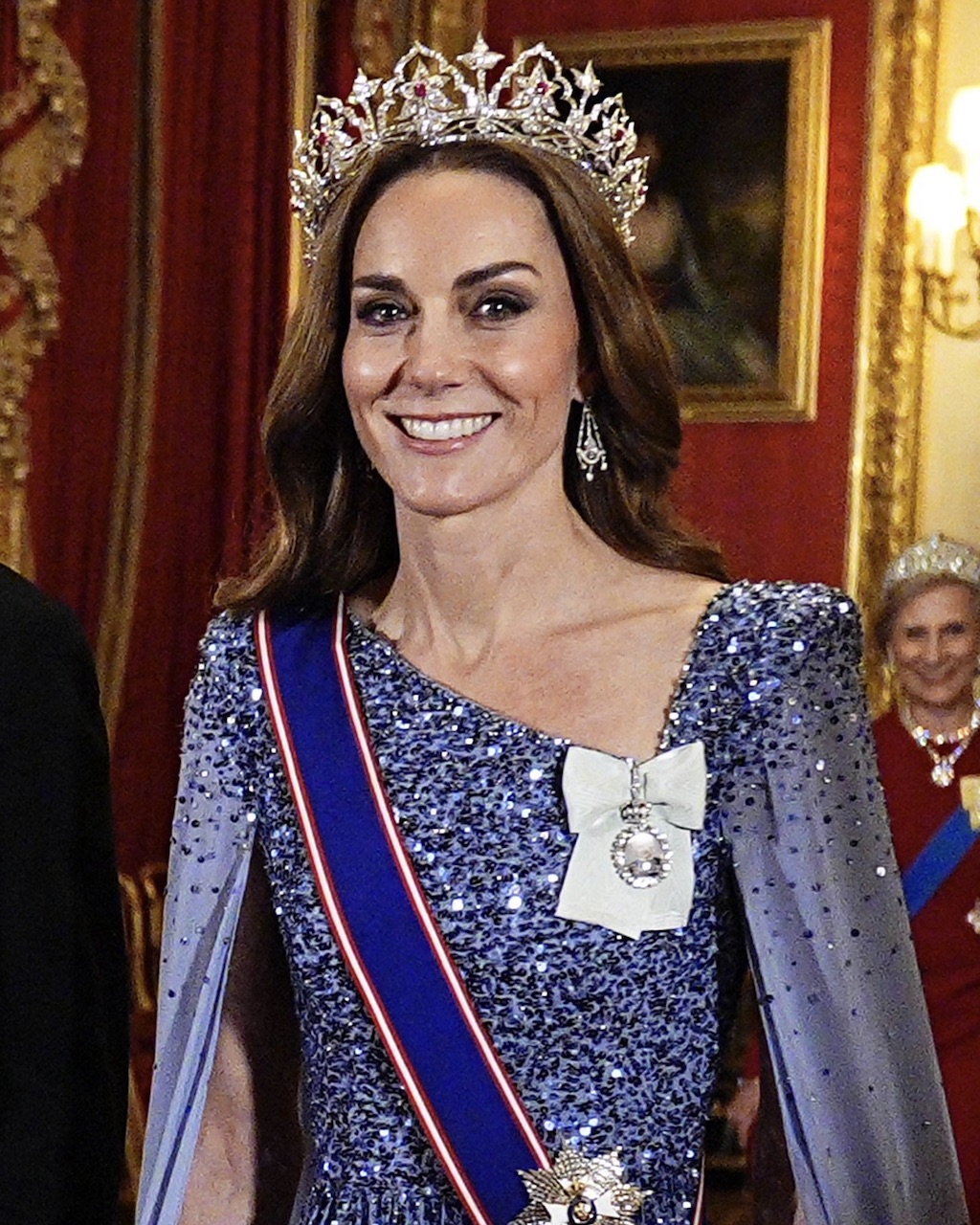
Kate Middleton wears the Oriental Circlet Tiara
Acting as the official Crown Jeweler for 164 years, the company crafted the most glittering tiaras that we’ve come to associate with the British monarchy. There’s Queen Mary’s Diamond Fringe Tiara, which was worn by Queen Elizabeth, Princess Anne, and Princess Beatrice on their wedding days. The house also created the Cambridge Lover’s Knot Tiara, which was beloved by Princess Diana before Kate Middleton began to regularly incorporate it into her royal repertoire.
“The Lover’s Knot Tiara is a true expression of Garrard’s design language, where romantic symbolism meets exquisite craftsmanship,” says Claire Scott, Design & Development Director at Garrard. “The suspended baroque pearls bring the piece to life, giving it movement and grace. The lover’s knot itself is deeply tied to our heritage, a reimagining of the Sovereign motif, notably seen on the Sovereign’s Scepter set with the Cullinan I diamond. This design thread runs through our 290-year history, continuing to inspire today’s high jewelry designs and collections.”
While Queen Elizabeth II inherited diamond tiaras from Queen Victoria, Queen Alexandra, and her grandmother, Queen Mary, she also commissioned pieces of her own, like the Brazilian Aquamarine Parure and the Burmese Ruby Tiara, adding to the family’s glittering legacy of heirlooms.
Princess Diana’s Sapphire and Diamond Engagement Ring by Garrard

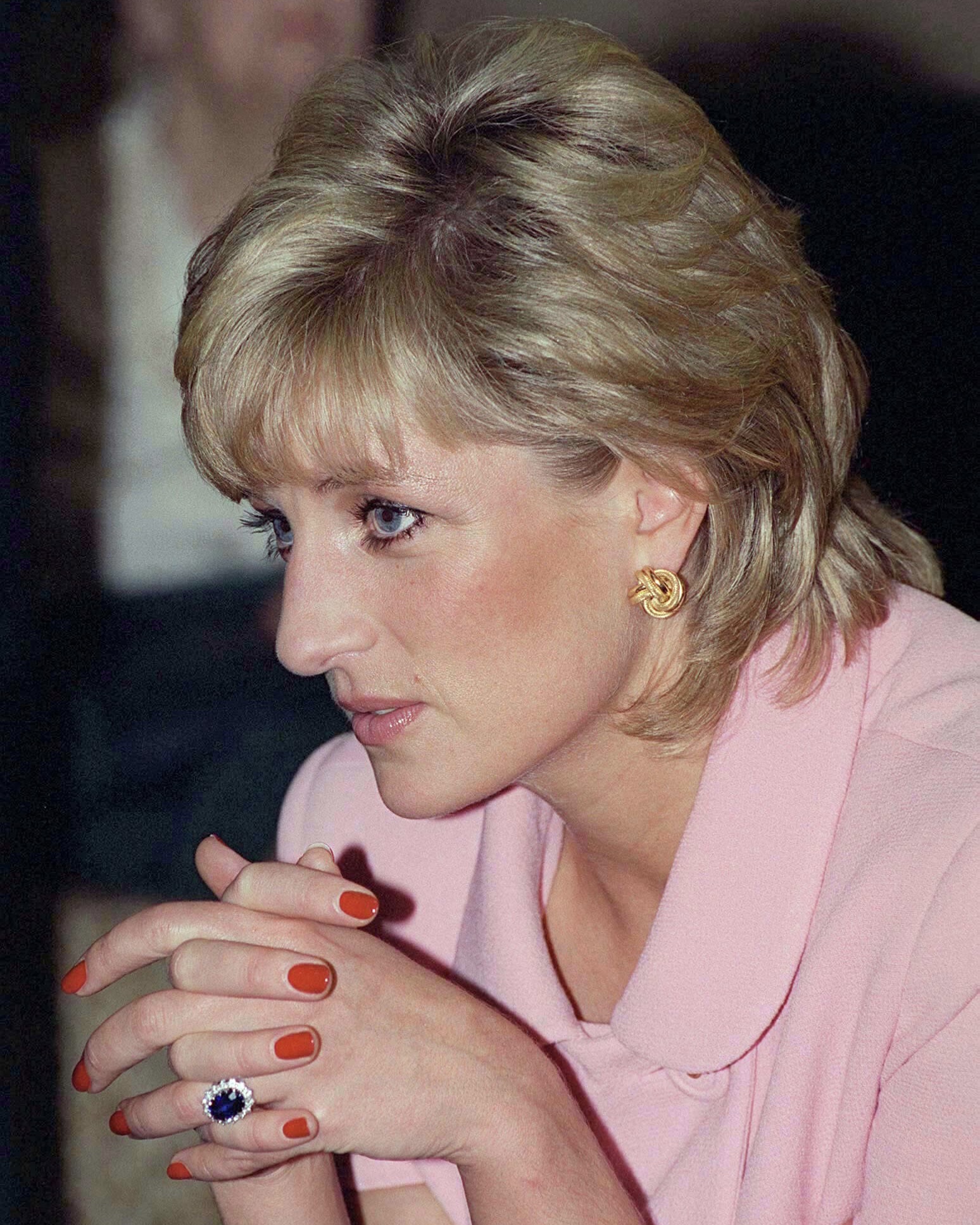
One of the most famous engagement rings in history, Princess Diana personally picked her sapphire and diamond cluster ring upon her engagement to King Charles III in 1981. It was an unconventional decision at the time, as royal brides typically wore custom-designed diamond rings rather than selecting a colored gemstone from an existing Garrard setting. Set with a 12-carat Ceylon sapphire, the Garrard jewel is surrounded by a sumptuous halo of 14 solitaire diamonds.
After Diana’s death, the ring was inherited by Prince Harry, who gave it to his older brother. Prince William proposed to Catherine, Princess of Wales, with his late mother’s engagement ring in October 2010 during a visit to Kenya.
“I literally would not let it go,” the Prince said at the time. “Everywhere I went, I was keeping hold of it, because I knew this thing, if it disappeared, I’d be in a lot of trouble.” The couple went on to officially announce the engagement in November at St. James’s Palace in London.
How Garrard Diamonds Define Modern Royal and Red Carpet Style


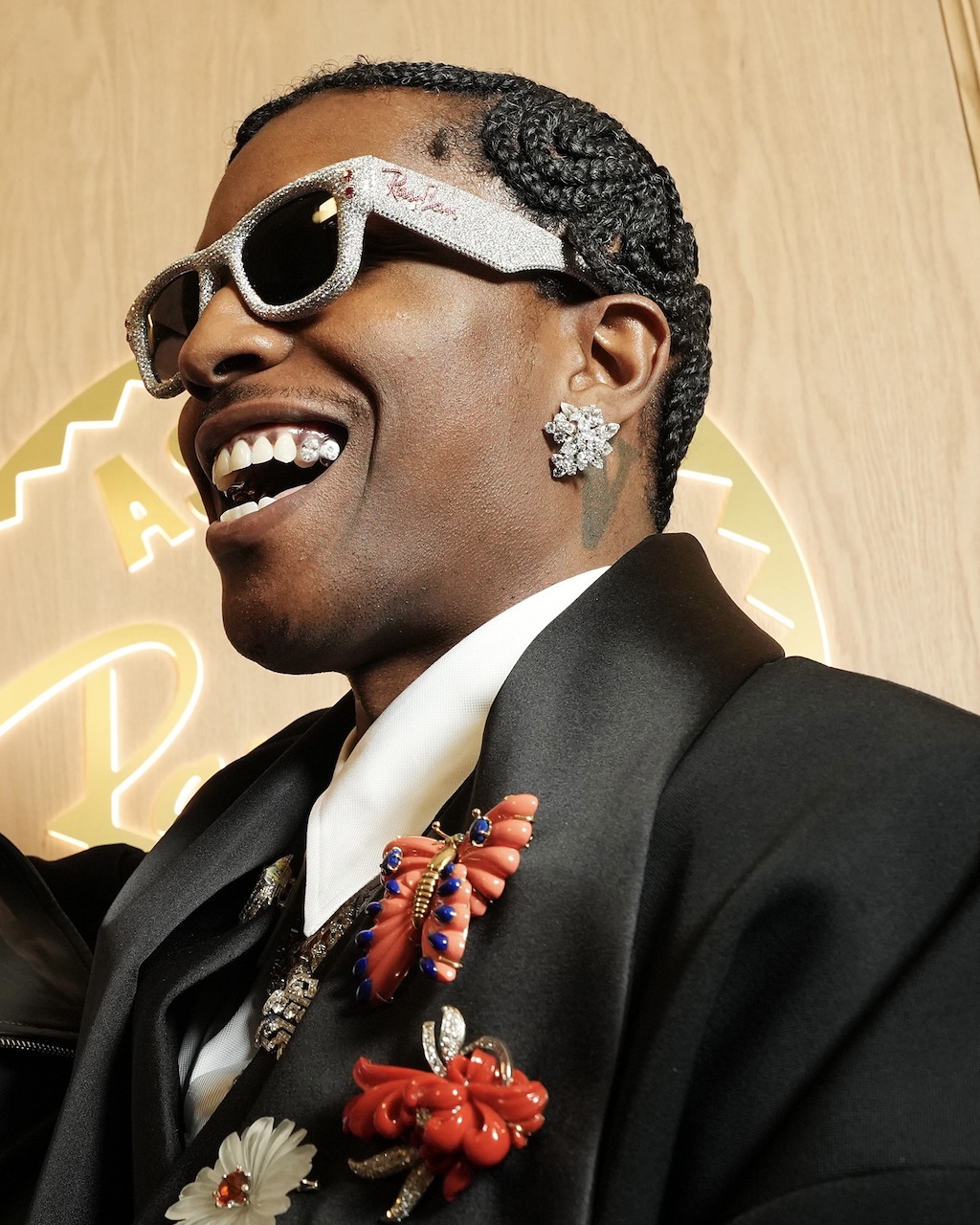
With a rich history of dressing royals in diamonds, it only makes sense that the allure of Garrard jewels would add a regal twist to any A-lister’s red carpet look. To promote The Mrs. Carter Show World Tour in 2013, Beyoncé dressed as a queen in all her gilded glamour, wearing the Garrard Marguerite sapphire and diamond necklace. A replica of the piece was later included in the Crown to Couture exhibition at Kensington Palace.
The Bridgerton brigade has also wielded the aristocratic nature of Garrard diamonds for red carpets around the world. Simone Ashley attended the 2023 Vogue World event in a beaded Tamara Ralph number and the house’s Wings Rising earrings in white gold, mother of pearl, and natural diamonds. Then, Regé-Jean Page wore a spectacular diamond White Rose Albemarle brooch by Garrard to the 2024 BAFTA Gala.
After that, both Hannah Dodd, who portrays Francesca Bridgerton, and Claudia Jessie, who plays Eloise, both wore Garrard jewels on the red carpet to celebrate a special screening of part two of season three. While Jessie sported the diamond Albemarle line earrings and matching bracelet, Dodd gave the jeweler’s Tudor rose earrings an unexpected twist, wearing them as two hair clips in her caramel blonde wavy tresses. She completed her ensemble with a matching diamond Tudor rose ring.
Playing members of London’s high society in the Regency-era romance series, Garrard’s diamond jewels have the power to transform these stars of the screen into kings and queens for a day on the red carpet and beyond.
Nearly 300 years on, Garrard’s diamonds still define the intersection of royalty, culture, and style. From historic crowns to modern red carpets, the house proves that true craftsmanship—and the meaning behind it—never goes out of fashion.