Inside Crater of Diamonds State Park: The Only Place in the U.S. Where You Can Find Your Own Diamond
At this Arkansas park, rare natural diamonds surface—and anyone can take one home.
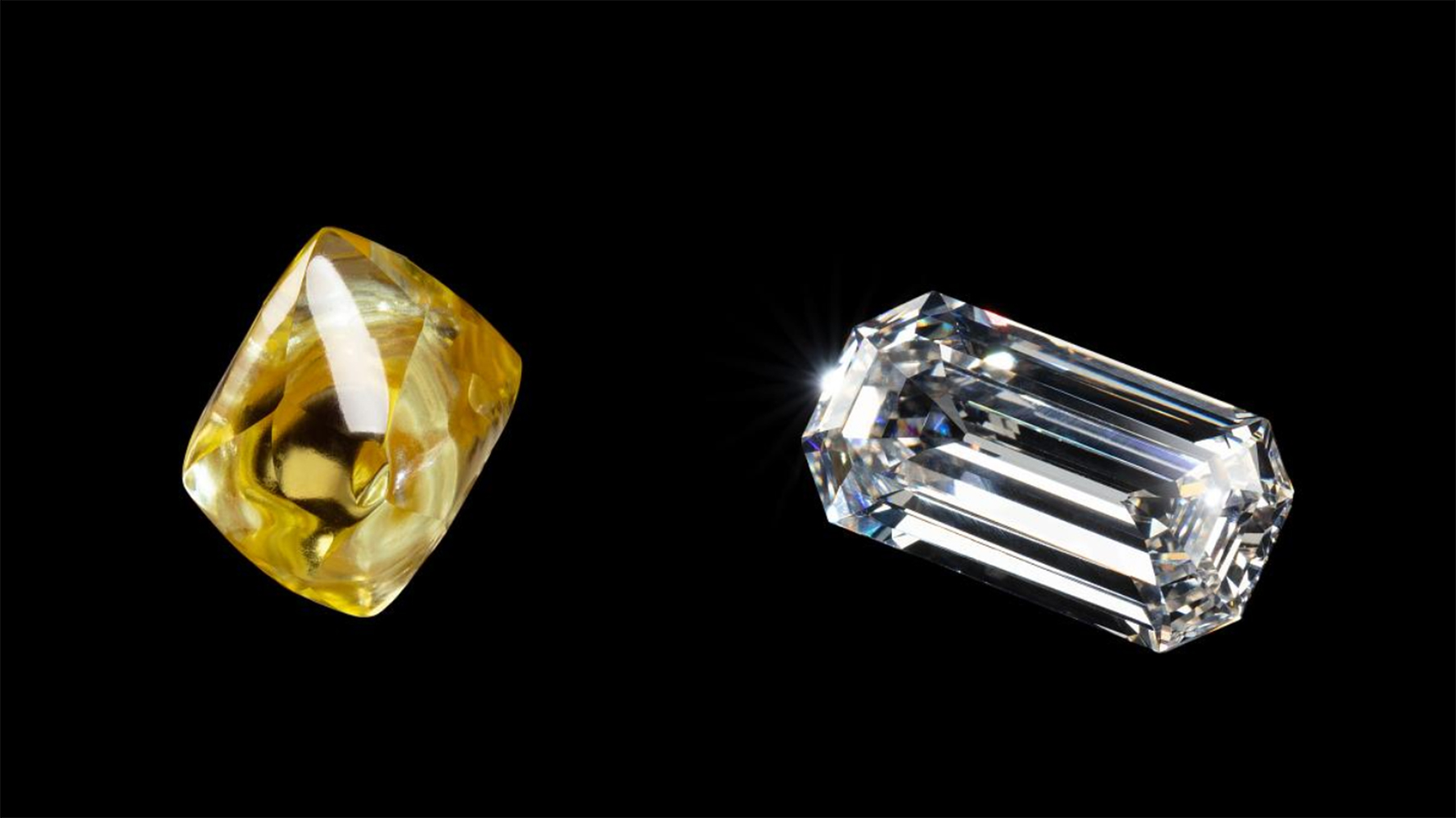
The Canary Diamond and the Uncle Sam Diamond (Courtesy of the Smithsonian Institution)
Hiking around a park in the heat, exploring nature may not be your idea of the best time, but what if diamonds were involved? Well, at Crater of Diamonds State Park in Murfreesboro, Arkansas, you may just find not only a sizeable diamond but also an exquisite one. Yes, it is true. Crater of Diamonds is the only place in the world where anybody can come and search for diamonds in their original volcanic source—and even more amazing, they can keep what they find.
The site, which is like no other in the world, has produced over 75,000 diamonds since 1906. Even more amazing, around two diamonds are found each day by visitors (usually under a carat in size). That is a whole lot better than taking home some dandelions!
Meet the Expert

- Jaume Labro is a jewelry designer and master goldsmith. As CEO of Jaume Labro, he creates fine jewelry inspired by gemstones he has sourced during his travels around the world. His work incorporates Mokume Gane, a handcrafted metalworking technique that originated in Japan over 400 years ago, bringing a distinctive, layered texture to his pieces.
Ahead, explore the history of Crater of Diamonds State Park, what makes it so unique, and some of its most remarkable diamond discoveries.
What Is Crater of Diamonds State Park?

There are some incredible parks in the U.S., such as Yellowstone, Yosemite, and the Grand Canyon (pretty much anywhere Tyler Sheridan has had a series). Still, Crater of Diamonds State Park is different than all of them. This 37.5-acre plowed site, located on State Highway 301 in Pike County, Arkansas, is the eroded surface of a 95-million-year-old volcanic crater. It is rare because, unlike most diamond deposits—which form in kimberlite—the diamonds at Crater of Diamonds State Park occur in lamproite, another ancient volcanic rock. The diamonds are then carried to the surface by volcanic eruptions.
This is unique in itself, as the U.S. is not known for its diamond deposits. Natural diamonds are most often discovered in regions such as Botswana, Angola, Namibia, Canada, and Australia—places where the Earth’s geology has brought these rare formations closer to the surface. The United States has produced a very small number of extraordinary diamonds compared to other countries.
What is perhaps most fascinating is that Crater of Diamonds State Park is accessible to the public and isn’t a restricted industrial site. Visitors can simply walk in, start searching for diamonds, and keep what they find.
“Because of the geological richness of the site, as well as erosion that continues to expose new areas of diamond-bearing soils, visitors still discover diamonds today,” explains jewelry designer and goldsmith Jaume Labro. Although there’s no indication the supply has been exhausted—many areas are continually replenished—visitors have had real success finding diamonds since the early 20th century. “Even casual visitors sifting through the park’s dirt and gravel have uncovered them,” he says.
A Brief History of Crater of Diamonds State Park
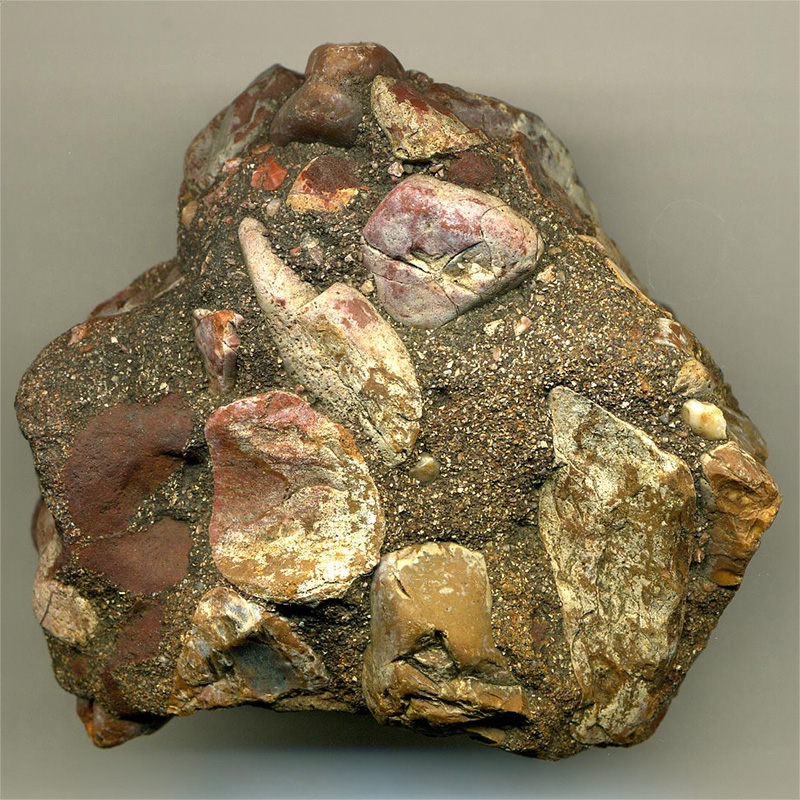
Who was the first person to discover that this piece of land was so rich in natural diamonds? The lucky man was a farmer and prospector named John Wesley Huddleston. He found a diamond in 1906, and soon after, another nearby landowner, Millard M. Mauney, also made a discovery. It was Mauney who realized he had struck gold—or diamonds, rather—and began charging visitors 50 cents to search for diamonds on his land. He was the one who ultimately dubbed the site the “Crater of Diamonds.”
Eventually, two companies—the Arkansas Diamond Company and the Ozark Diamond Mines Corporation—took over the land. However, the companies never quite flourished due to financial troubles, legal disputes, and bad management, and eventually closed. The site ultimately proved too small to support a commercially viable mining operation. After decades of unsuccessful attempts to mine it profitably, the land was sold to the state in 1972 and transformed into a public park and attraction.
The Uncle Sam Diamond: The Largest Diamond Ever Found at Crater of Diamonds State Park
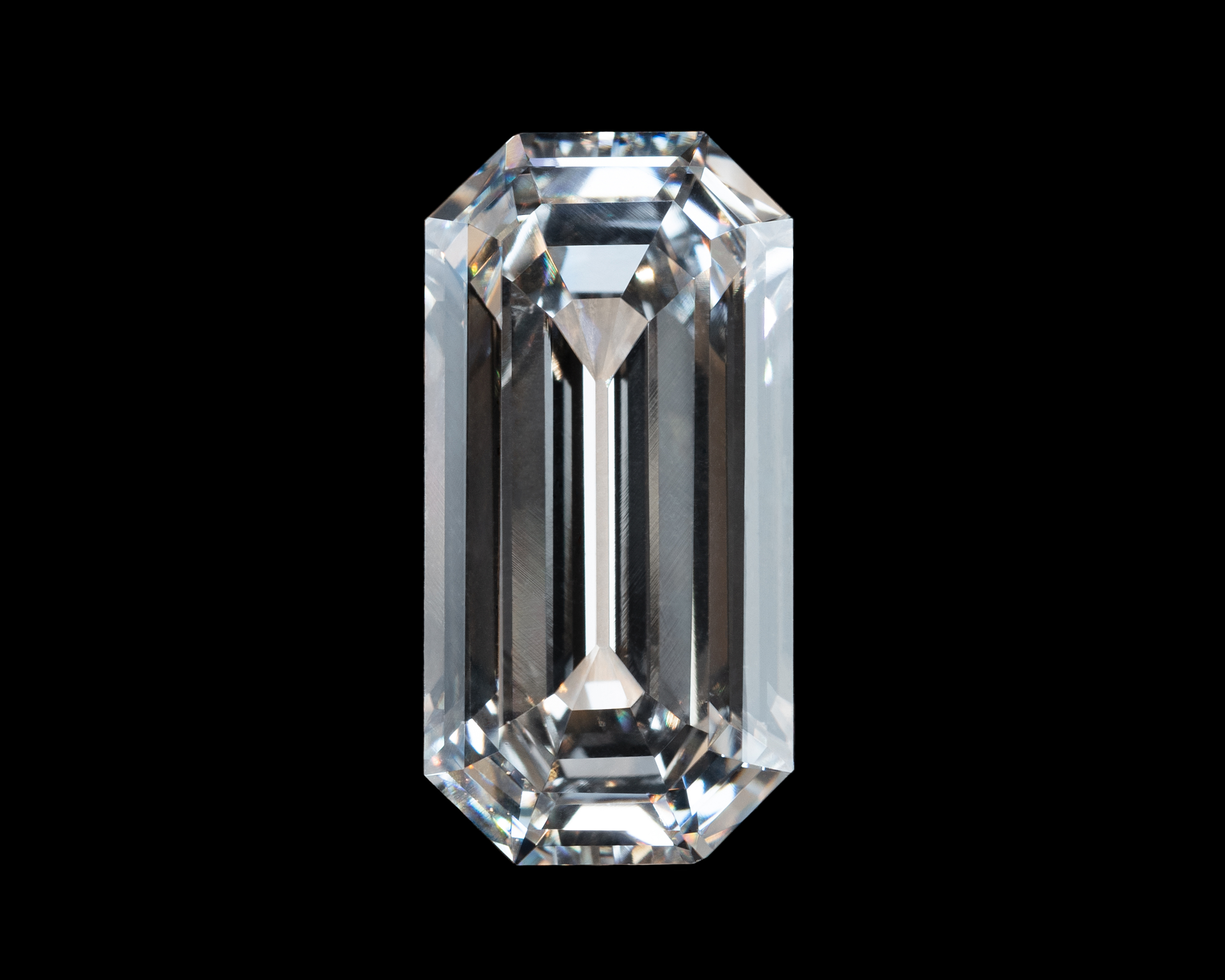
Before Crater of Diamonds State Park opened to the public, a monumental diamond discovery was made in 1924. A miner named Wesley Oley Basham found a 40.23-carat rough diamond—later named the Uncle Sam Diamond—the largest rough diamond ever found in the United States. It was later cut into a flawless 12.4-carat pinkish-brown emerald cut.
The discovery reignited interest in the site, and the stone soon passed through notable hands. After its discovery, the diamond was held by Washington Roebling Schenck until his death in 1955, when it was acquired by Boston jeweler Sydney DeYoung. In 1958, DeYoung sold the gem to New York jeweler B. Beryl Peikin, whose family kept it until 2015.
In early 2019, J. & S. S. DeYoung Inc. obtained the diamond from the Peikin estate and shortly after sold it to Dr. Peter Buck, cofounder of the Subway restaurant chain. Recognizing its cultural significance, Dr. Buck purchased the Uncle Sam Diamond for donation to the Smithsonian Institution, ensuring it would remain a national treasure for generations to come.
Other Famous Diamonds Found at Crater of Diamonds State Park
Unlike traditional diamond mines, Crater of Diamonds State Park is accessible to everyone, leading to a steady stream of remarkable, deeply personal discoveries. As a result, these diamonds become more than luxury objects—they are intimate, one-of-a-kind finds that can change a person’s life. Here are some of the most incredible discoveries made at Crater of Diamonds State Park.
The Canary Diamond (1917)
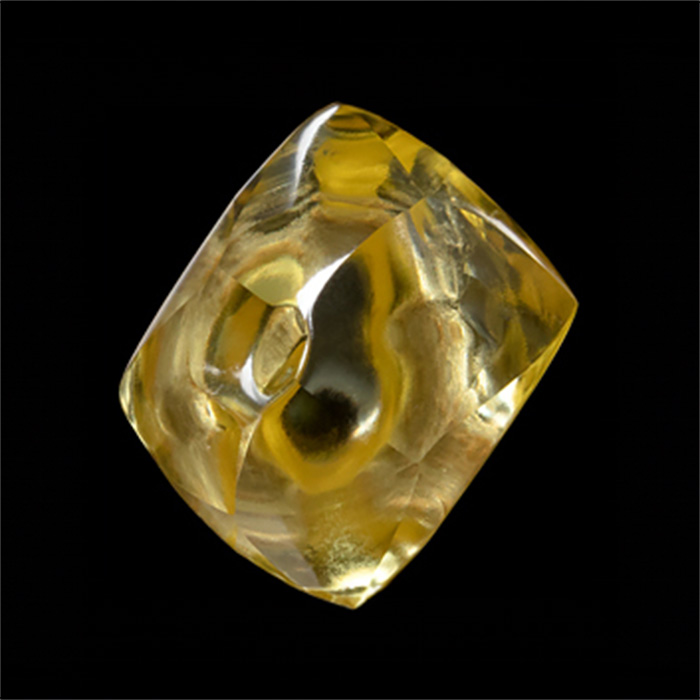
Discovered in 1917 at what is now Crater of Diamonds State Park, the Canary Diamond is among the earliest notable diamonds found at the site. The striking 17.86-carat uncut stone is known for its vivid yellow color and was once part of the collection of civil engineer and noted mineral collector Washington Roebling. His son later donated it to the Smithsonian Institution in 1926, where it remains today in the collection of the National Museum of Natural History.
The Star of Arkansas (1956)
In 1956, Winifred Parker discovered a 15.33-carat colorless diamond, making it one of the most significant finds in the park’s history. Unlike some of the other major diamonds found, Parker was not a professional miner, but just a visitor. Her discovery helped solidify the park’s reputation as a place for amateurs to try their luck—and hopefully succeed.
The Star of Murfreesboro (1964)
In 1964, a visitor named John Pollock made one of the park’s most impressive finds: a 34.25-carat blue diamond, later known as the Star of Murfreesboro. Discovered on March 1, the stone measured just under an inch in diameter and was, at the time, the largest diamond ever found by a tourist in the Arkansas area. Valued at $15,000 in 1964, the diamond has remained in the Pollock family and is occasionally loaned for museum and gem show exhibitions.
The Amarillo Starlight (1975)
Discovered in 1975 by a retired janitor named W.W. Johnson, the stone first caught his eye when he (like other lucky visitors before him) noticed something glinting in the sunlight. It turned out to be a 16.37-carat white diamond, making it one of the largest found at Crater of Diamonds. He named it for his hometown of Amarillo, Texas. It was eventually cut into a 7.54-carat marquise shape and is valued at $150,000 to $175,000. Its current whereabouts are unknown.
The Kahn Canary (1977)


Discovered in 1977 by George Stepp, the 4.25-carat Kahn Canary is one of the most famous diamonds found at Crater of Diamonds State Park. The vivid yellow stone was later cut and set into a ring, which gained national attention when it was worn by Hillary Clinton—who, as First Lady of Arkansas at the time, had a pretty compelling reason to show off a home-state find—during presidential inaugural balls and two gubernatorial inaugurations.
The Strawn-Wagner Diamond (1990)

The 3.03-carat Strawn-Wagner Diamond was discovered by Shirley Strawn of Murfreesboro, Arkansas, in the East Drain section of the park. It was later sent to New York, where diamond cutter Lazare Kaplan transformed it into a 1.09-carat gem. The finished stone received a perfect “Triple Zero” grade (Ideal cut, D color, Flawless clarity) from the American Gem Society—the highest possible designation and a first for any diamond from the state park. The State of Arkansas purchased it for $34,700 and made it the centerpiece of the park’s diamond exhibit.
The Esperanza Diamond (2015)

In 2015, visitor Mike Botha discovered the 8.52-carat Esperanza Diamond, one of the largest diamonds ever found at the park. The white stone—described as flawless or near-flawless—is notable not only for its size but for the fact that it was found by a visitor, reinforcing the idea that extraordinary discoveries at Crater of Diamonds are still possible today. Botha later cut and polished the diamond in Arkansas. Afterward, it was set by jeweler Erica Courtney and prepared for auction by Heritage Auctions.
The Carine Diamond (2024)
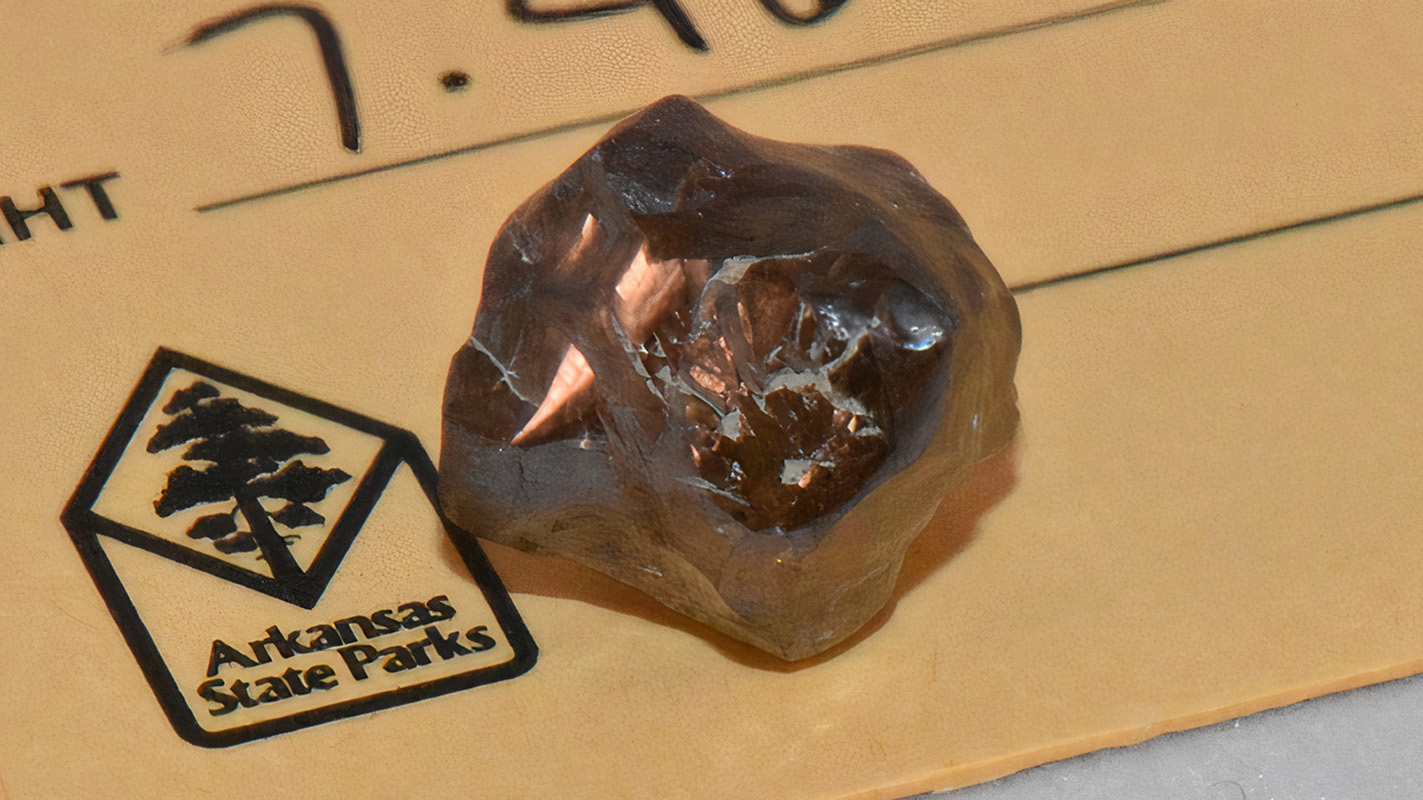
The Carine Diamond is a 7.46-carat, chocolate-colored stone and the eighth-largest diamond ever found in the United States. It was discovered in 2024 by Julien Navas, who was searching for a diamond to turn into a wedding ring for his fiancée, Carine Eizlini. The stone was ultimately named in her honor.
The Fox-Ballou Diamond (2025)


This sounds like something out of a movie, but in July 2025, Micherre Fox, a 31-year-old from Manhattan, traveled to Crater of Diamonds State Park and searched for diamonds for three weeks. On the very last day of her trip, she found a beautiful 2.30-carat diamond, which she then turned into her engagement ring. If that’s not the plot of a Hallmark movie, then what is?
The American Dream Diamond (2026)

In January of this year, two friends—Jack Pearadin of Nashville, Arkansas, and Michael Schumacher of Soldiers Grove, Wisconsin—were mining in the park when they found a historically large 6.03-carat diamond during a livestream. The stone is a rare 48-sided crystal form in a bold canary-yellow color. Pearadin says in an interview that he found the diamond in the fourth pile of gravel he flipped. He knew it was sizable when he saw it, and he says he started shaking when he realized just how large.
Crater of Diamonds State Park Assistant Superintendent Waymon Cox says in a statement, “This diamond is absolutely stunning to see! It has a very symmetrical, rounded surface and appears to be a hexoctahedron, a 48-sided crystal. The shape is fairly rare, as most Crater diamonds tend to have 12 or 24 faces.”
The friends and miners named their find the “Pearadin Schumacher American Dream Diamond,” and it is the 27th diamond registered in 2026. The pair says the name was inspired by the song “Sh-Boom (Life Could Be a Dream).” Now the park has also provided the makings of a great buddy comedy!
Why Diamonds Are Still Being Found at Crater of Diamonds State Park

As of January of this year, over 37,377 diamonds have been found by park visitors since the Crater of Diamonds became a state park in 1972. In the 1990s, then-Governor Bill Clinton authorized a lease for commercial exploration of the park, but the land didn’t yield enough return to make a full-scale mining operation viable. Clearly, this is a park that is meant to belong to the people, and they are still making amazing discoveries all the time. Many other diamonds—perhaps not over 3 carats, but still substantial—are regularly found at Crater of Diamonds State Park.
While diamond mining is the main draw, you can search for gemstones at Crater of Diamonds Park and learn all about the history of diamonds from guides and the on-site museum. Other amenities include walking trails, picnic sites, and 47 Class AAA campsites.
Though Labro says finding a large diamond is very difficult, he notes it remains possible thanks to the site’s unique geology and the ongoing erosion that continues to reveal new diamond-bearing soil—proof that natural diamonds are still forming part of real, living stories, waiting to be discovered.