The Centenary Diamond and the Three-Year Quest to Cut a 599-Carat Miracle
Discovered at the same mine that produced the Cullinan diamond, the 273.85-carat Centenary Diamond combined extraordinary size, flawless clarity, and a three-year cutting process that turned a 599-carat rough into one of the world’s most beautiful gems.


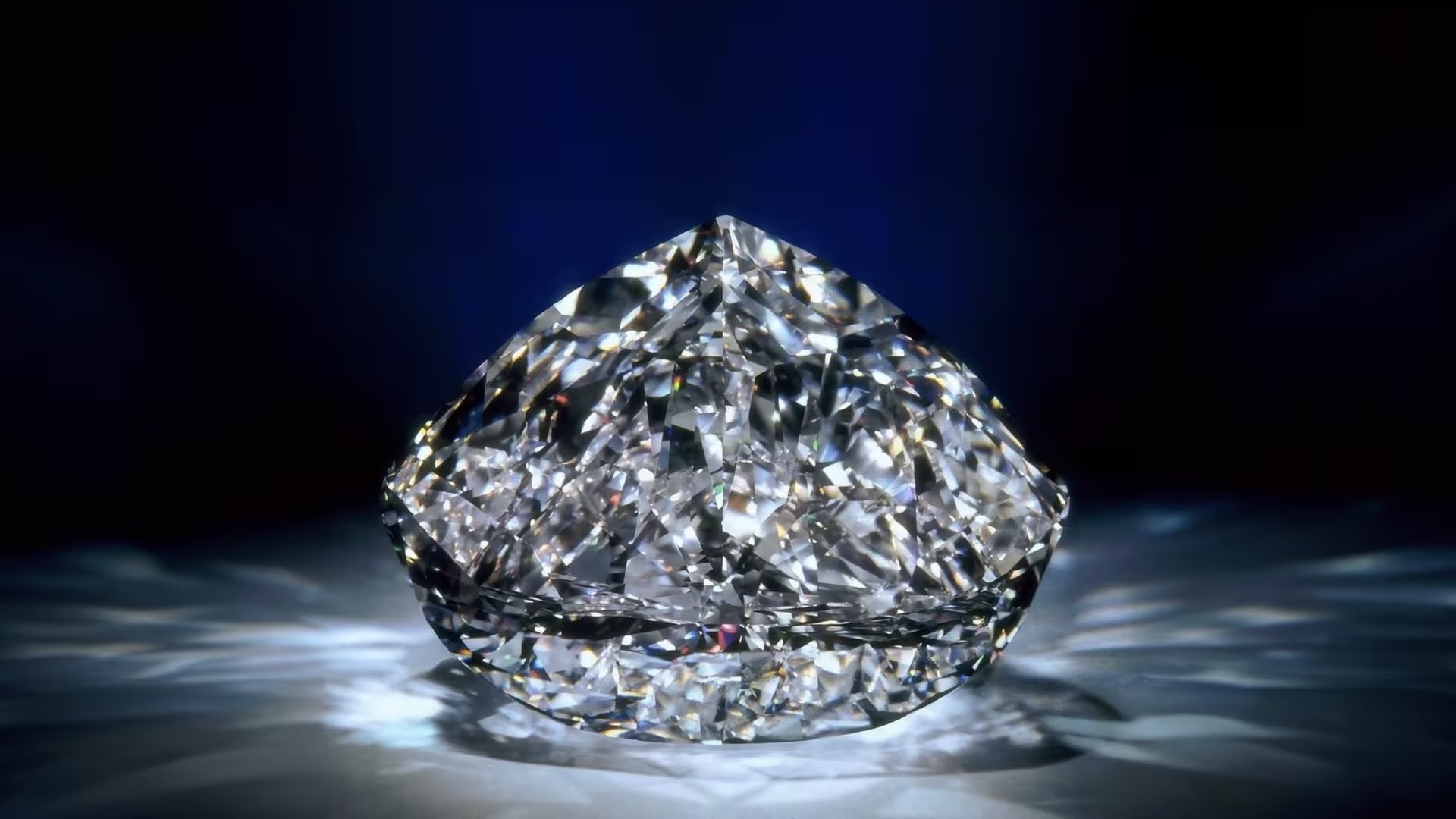
The Centenary Diamond (Getty Images)
Few diamonds justify the word masterpiece as completely as the De Beers Centenary Diamond. At 273.85 carats, it ranks as the seventh-largest cut diamond in the world and the fourth-largest colorless diamond, behind only Cullinan I, Cullinan II, and the Lesedi La Rona. It also carries something other than size: perfection. The Gemological Institute of America graded the Centenary Diamond D color and flawless, placing it at the absolute summit of colorless natural diamonds.
That alone would make it beyond remarkable. But the real power of the Centenary Diamond lies in the fact that it began as a 599-carat rough crystal and emerged from one of the most ambitious cutting projects in diamond history.
Meet the Expert

- Grant Mobley is the Jewelry & Watch Editor of Only Natural Diamonds.
- He is a GIA Diamonds Graduate.
- He has over 17 years of jewelry industry experience, starting with growing up in his family’s retail jewelry stores.
The Centenary Diamond’s Historic Discovery at South Africa’s Premier Mine
The Centenary Diamond came from South Africa’s Premier Mine, the same legendary source that produced the Cullinan Diamond, the largest gem-quality rough diamond ever discovered. Today, most people refer to the site as the Cullinan Mine, but at the time of the Centenary’s discovery, it still carried the Premier name.
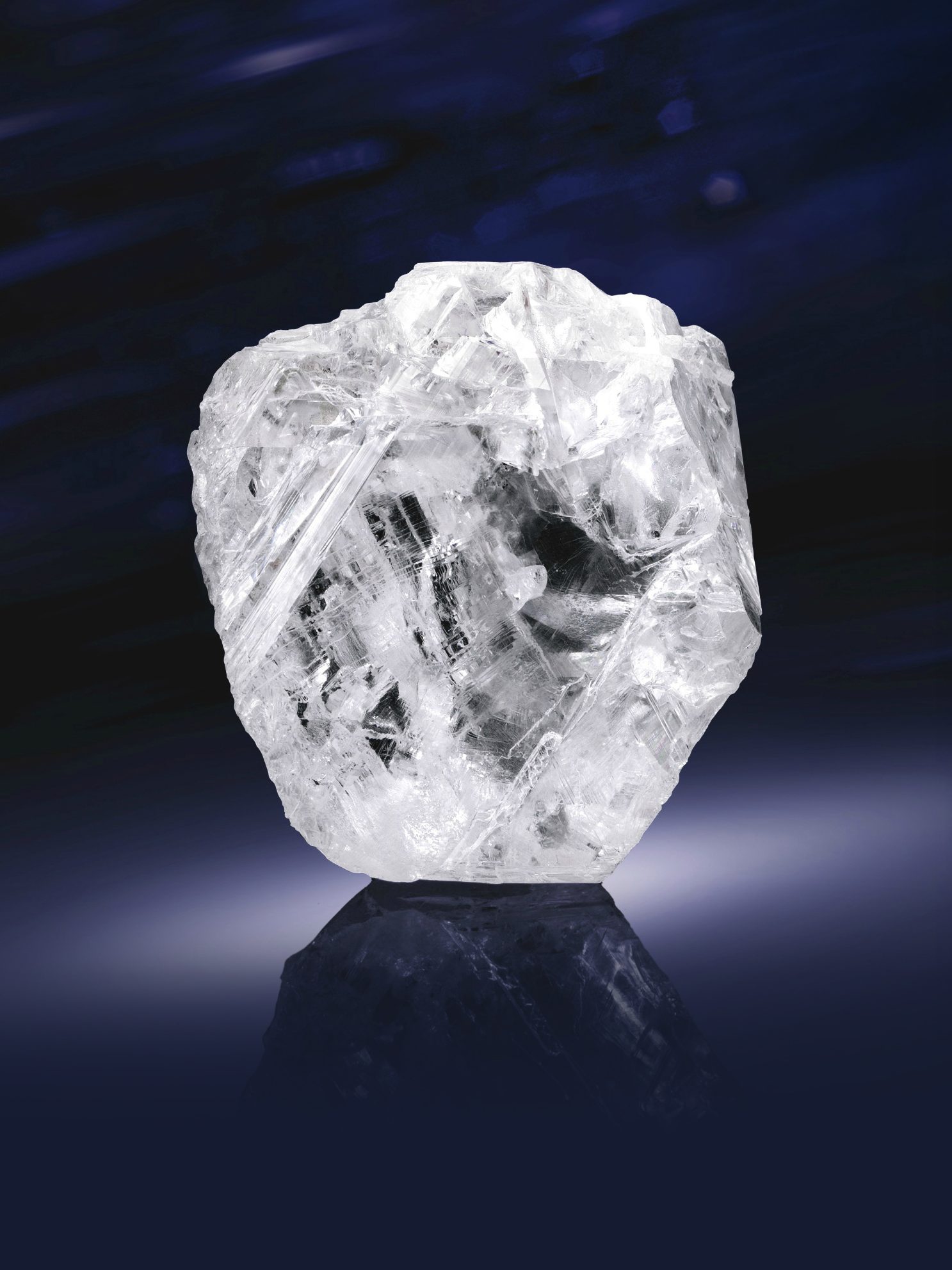
Miners recovered the rough crystal on July 17, 1986, using the mine’s X-ray detection system. Even before anyone began serious study, it was obvious that the stone belonged in an elite category. The rough weighed 599 carats and displayed exceptional color and clarity.
De Beers formally introduced the stone to the world on May 11, 1988, during the company’s centennial celebration, which gave the diamond its name. Then-chairman Julian Ogilvie Thompson announced that the company had recovered one of the largest top-color diamonds ever found. It was a fitting statement. Diamonds of this size rarely combine scale with such extraordinary purity.
Gabi Tolkowsky Takes on the Centenary Diamond
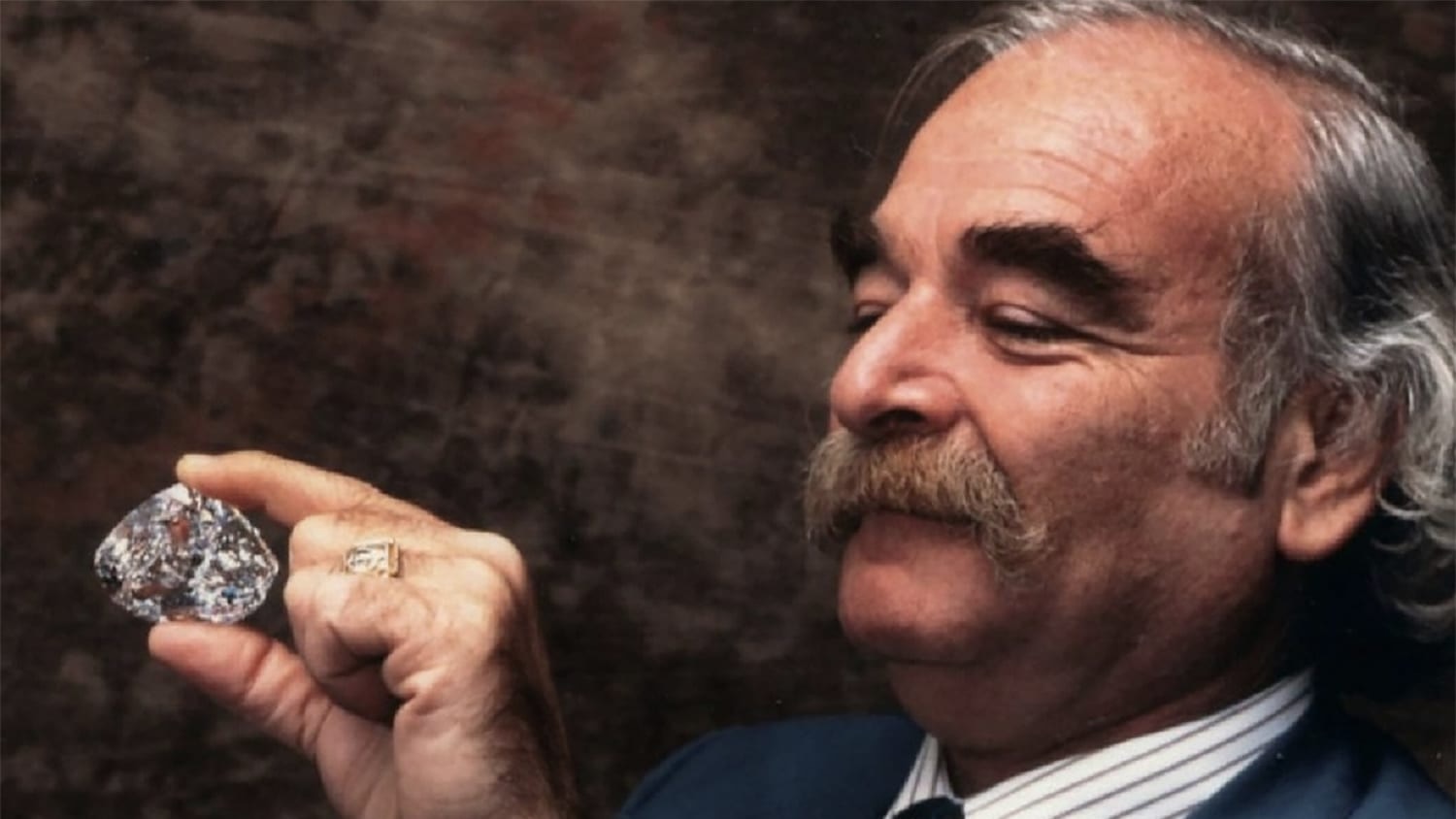
To cut a diamond of this importance, De Beers turned to Gabi Tolkowsky, one of the greatest diamond cutters of the modern era. His résumé alone made him the natural choice, but his family history made the assignment feel poetic. Gabi was the grandson of Marcel Tolkowsky, the man whose 1919 work on ideal proportions helped define the modern brilliant cut.
Gabi had already built a reputation for exceptional skill with large and difficult stones. Still, the Centenary demanded something beyond ordinary expertise. He would lead the project with Geoff Woolett, Jim Nash, and Dawie du Plessis, supported by a handpicked team of engineers, electricians, and security specialists.
De Beers built a special underground cutting room in the Diamond Research Laboratory in Johannesburg specifically for this project. Engineers designed the space to eliminate vibration, stabilize temperature, and remove anything that might interfere with the work. The company understood exactly what was at stake.
The First Stage: Eliminating Flaws from the 599-Carat Rough
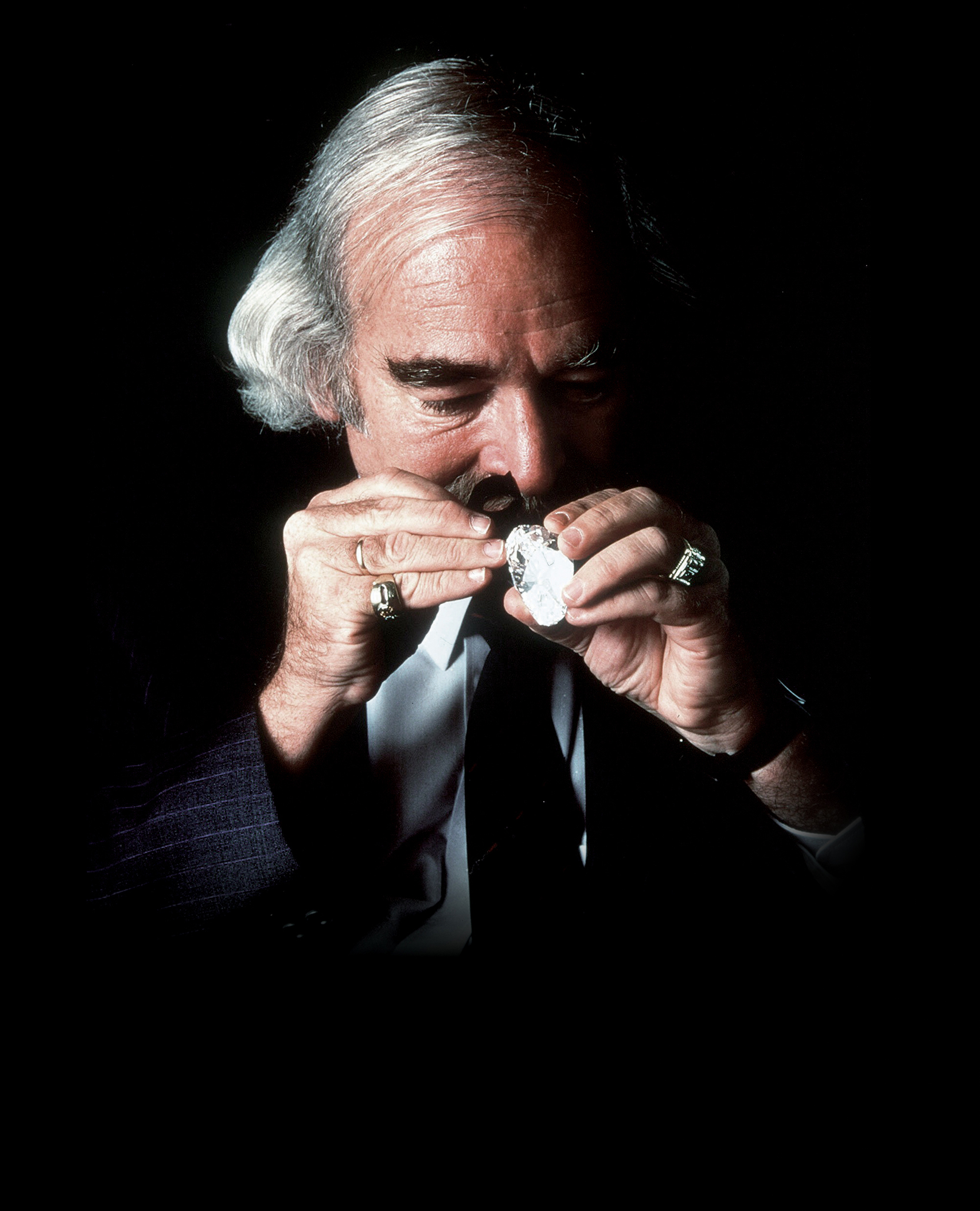
The rough contained areas of cracked material that posed a serious threat to the finished stone. Rather than attack the crystal with lasers or conventional sawing methods, the team began by working by hand. That decision shows both caution and wisdom. Heat and vibration can create stress inside a diamond, and with a stone of this value, even a small mistake could be catastrophic.
Over 154 days, the team carefully removed around 50 carats of flawed material. That left them with an egg-shaped stone of roughly 500 carats and opened the way for the next, more philosophical question: What shape should the diamond become?
Designing the Final Cut of the Centenary Diamond
The team developed thirteen different design options and presented them to the De Beers board. All of them would have produced a major diamond. Only one could create the Centenary.
The chosen design has often been described as a modified heart shape, though that label never fully captures it. It has the softness and fullness of a heart, but without the cleft at the top that most people associate with that cut. It looks unique because it is unique.
That shape also posed immense challenges. Fancy shapes of this scale demand perfect proportion, because even tiny imbalances become magnified in a stone this large. Tolkowsky drew on both traditional cutting instincts and the mathematical inheritance of his family to bring the design into focus.
Inside the Three-Year Process That Shaped the Centenary Diamond
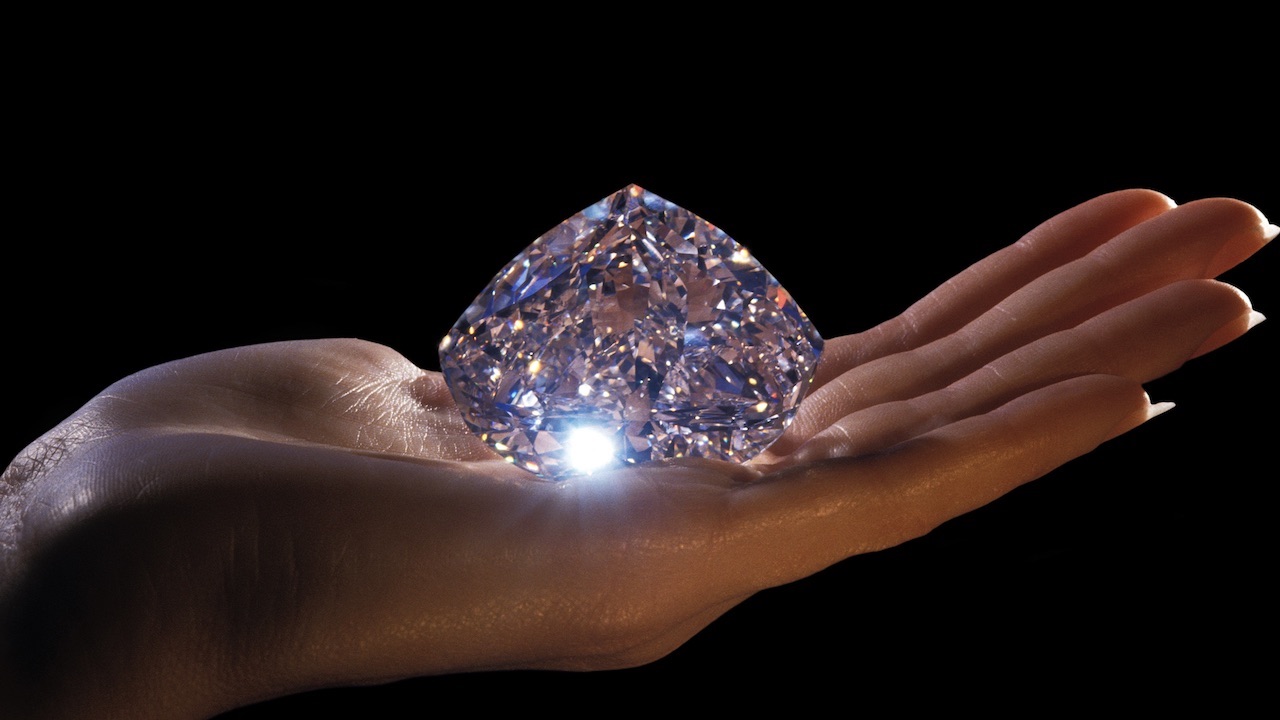
The full cutting and polishing process lasted 36 months. When the team finished in February 1991, the stone weighed 273.85 carats and measured 39.90 × 50.50 × 24.55 millimeters. The finished diamond carried an astonishing 247 facets: 164 across the crown and pavilion and 83 along the girdle.
That facet arrangement gave the stone extraordinary life. Light moves through the Centenary with an intensity that seems impossible. When De Beers unveiled the finished stone in May 1991, the company reportedly insured it for more than $100 million, an enormous figure at the time and a clear sign of its significance.
A Diamond With No Public Owner
For several years, De Beers loaned the Centenary Diamond to the Tower of London, where the public could view it alongside one of the world’s great collections of royal jewels. That display introduced the stone to a broad audience and reinforced its place in the history of great diamonds.
Today, the ownership of the Centenary remains unclear. Most believe De Beers no longer owns it, but the company refuses to discuss the matter, citing its anonymity policy. That mystery only deepens the diamond’s aura. Unlike the Cullinan stones, which live in public memory through the British Crown Jewels, the Centenary now occupies a quieter, more private category of legend, leaving experts wondering who has it and when it will finally resurface.