
No Proposal Required: The Radical Rise of the Anti-Engagement Ring
The anti-engagement ring is whatever you want it to be—and that’s the point.
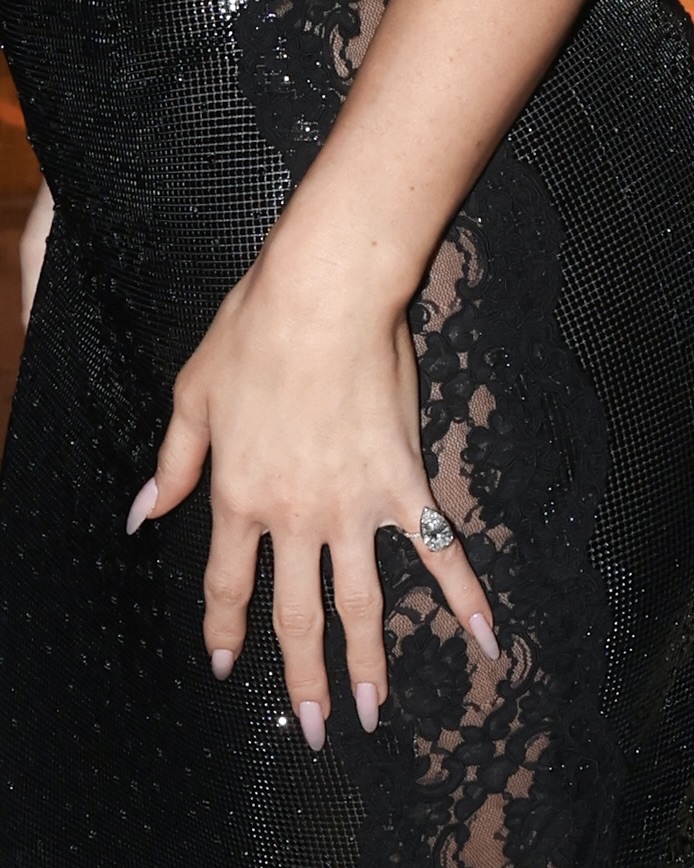
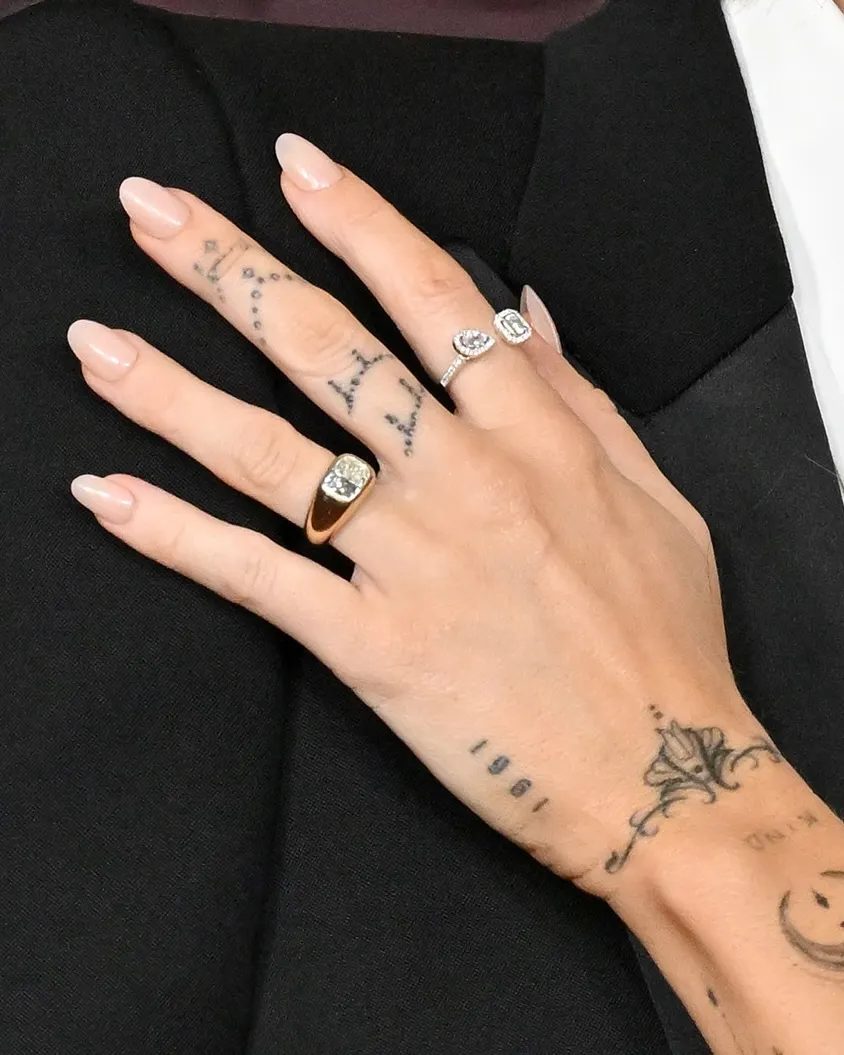
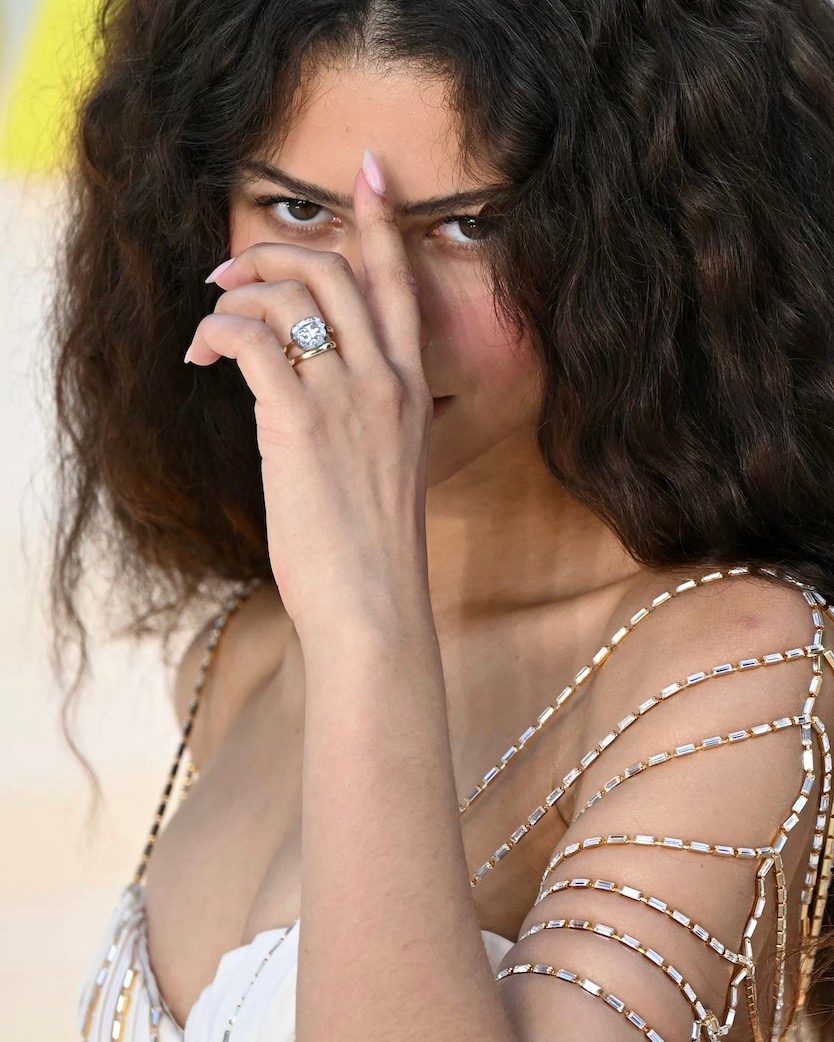
Kylie Jenner at the 31st Annual Critics’ Choice Awards on January 04, 2026. (Getty Images)
It used to be all about the wedding. Take, for example, the classic quote from the 2009 film Bride Wars in which Candice Bergen’s wedding planner extraordinaire tells Kate Hudson and Anne Hathaway, “A wedding marks the first day of the rest of your life. You have been dead until now. Were you aware of that? You’re dead right now.”
Of course, the engagement ring was very much a part of that trope: the idea that women did not fully exist until someone else put that ring on their finger.
However, in recent years, the image of a beautiful diamond ring no longer automatically signals a proposal. Welcome to the era of the “anti-engagement ring,” also known as the “self-love ring.” As women become more independent, earn more, and prioritize self-love—not just partnership—a cultural shift is underway. With anti-engagement rings, women are reclaiming one of the most loaded symbols of love and redefining it as an expression of autonomy and identity. And they look good doing it: these rings are absolute stunners, because women know exactly what they want when it comes to diamonds.
Meet the Experts

Kindred Lubeck is a goldsmith, hand engraver, and vintage jewelry collector known for her distinctive, antique-inspired designs centered around old-cut diamonds. As the founder of Artifex Fine Jewelry, she creates one-of-a-kind pieces that prioritize storytelling, craftsmanship, and individuality over traditional conventions

Sara Beth Brown Prendeville (@brown_sarabeth), is President of Atlanta’s Brown & Co., one of the largest family-owned independent jewelers in the country. Brown & Co. Jewelers is an official retail partner of the Natural Diamond Council.
Ahead, a closer look at what the anti-engagement ring is, why more women are choosing to buy their own rings, and how designers like Kindred Lubeck are leading the movement.
What Is an Anti-Engagement Ring?
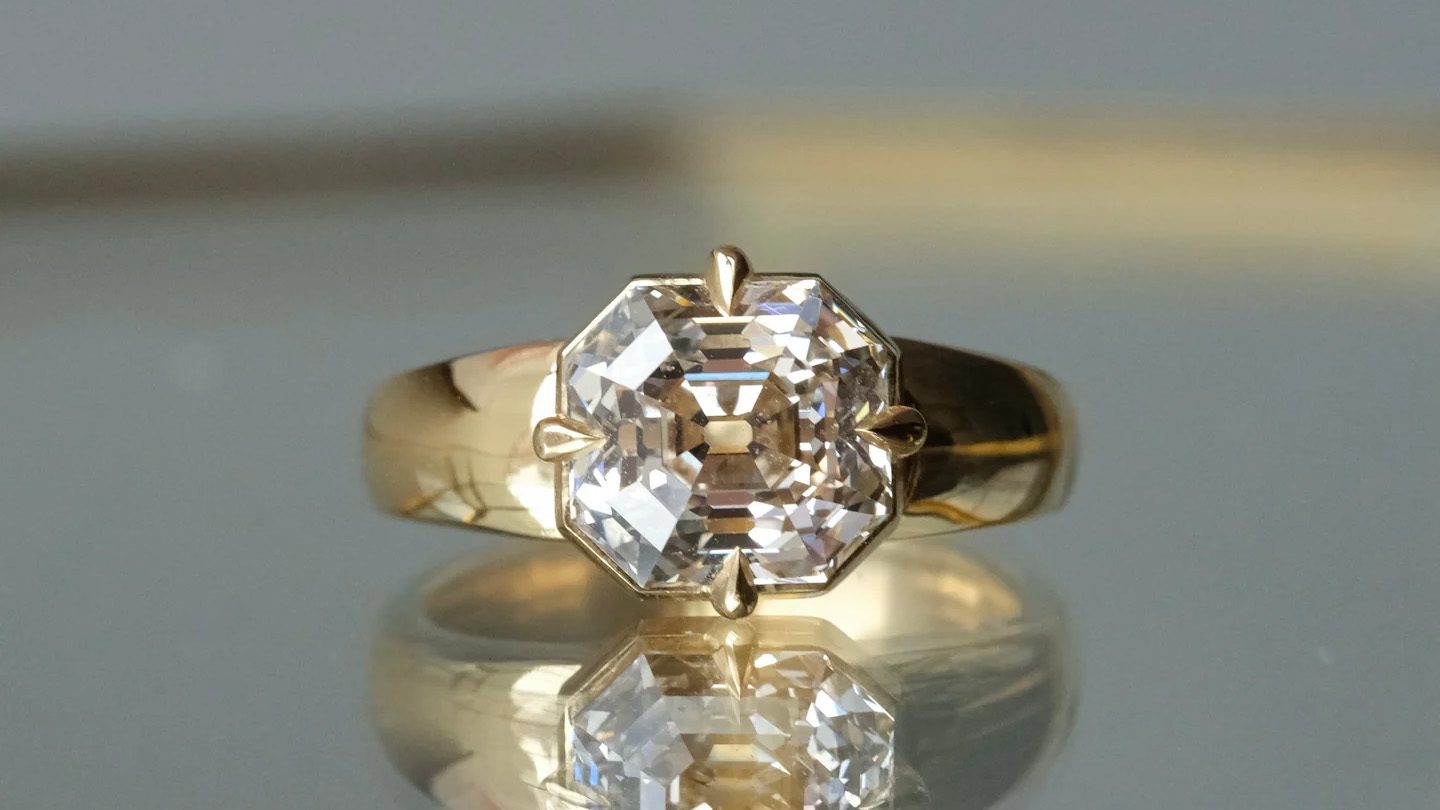
What exactly is an anti-engagement ring? These are rings often purchased by the person who will be wearing them—not a partner—and they are not tied to a marriage proposal. They are typically high-quality, valuable fine jewelry pieces, just as stunning as traditional engagement rings. They’re also sometimes referred to as “self-love rings” or “just because rings.”
The purchase of this type of ring fits squarely within the rise of the “just because” economy. Recent data from Jewelers Mutual shows that self-purchasing remains a deeply meaningful behavior, driven by birthdays, holidays, and those “just because” moments. Nearly 60% of self-purchasers now consider themselves “collectors,” signaling a long-term emotional and financial attachment to their jewelry. At the heart of both this buying segment and the anti-engagement ring trend is a simple idea: women are taking control of their own narratives and building personal legacies—and sometimes that means buying diamond jewelry on a random Tuesday simply because they can.
Why Women Are Buying Anti-Engagement Rings
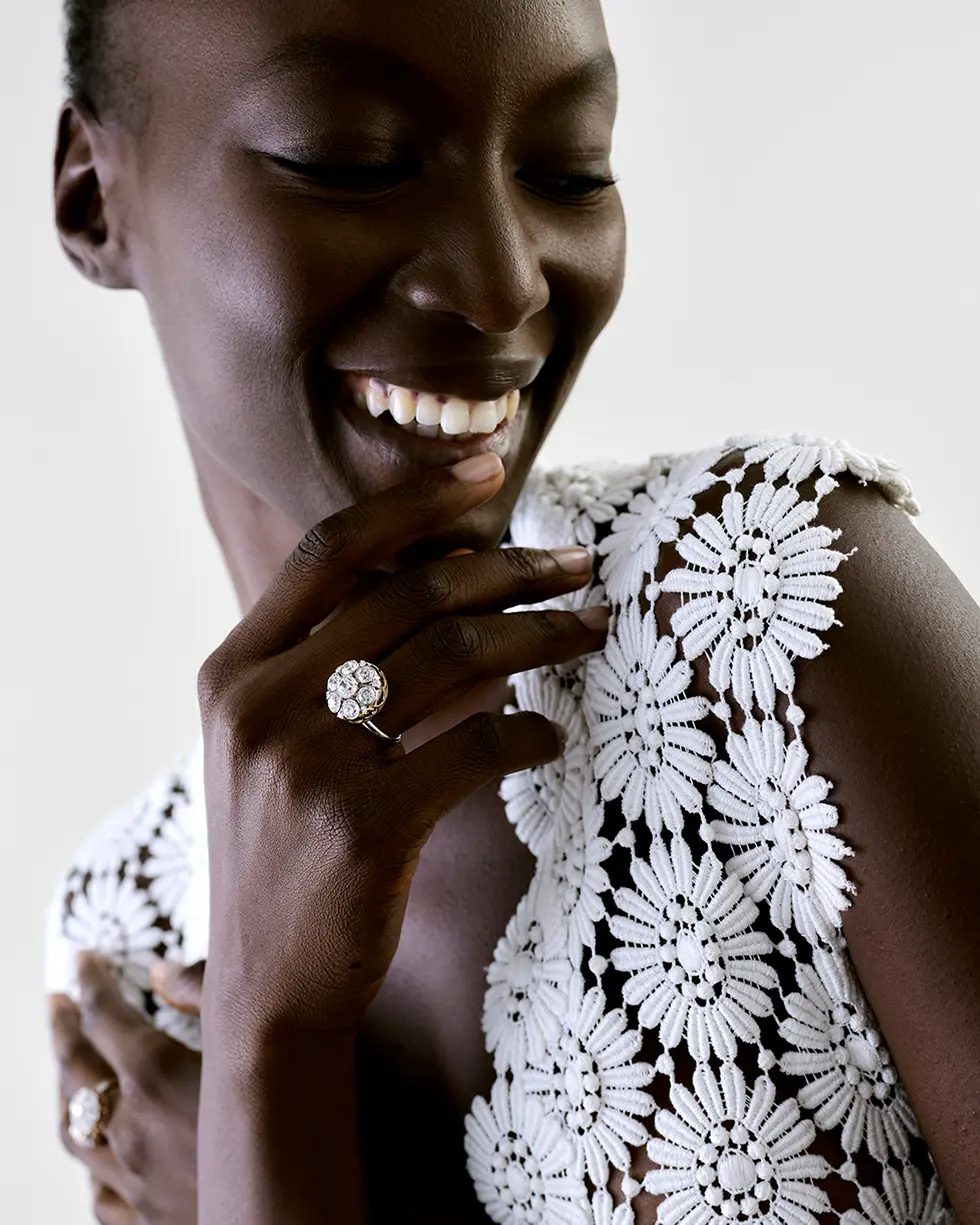

Sara Beth Brown Prendevill, President of Brown & Co., one of the largest family-owned independent jewelers in the country, reflected on this shift. “This generation of clients is financially independent, confident, and values storytelling in what they buy. Jewelry is becoming a reflection of personal identity rather than relationship status. The meaning is self-defined, which is a powerful change.”
There’s a palpable difference in how women approach heirloom jewelry in 2026, according to Brown Prendevill. “It’s less about waiting for a moment and more about defining it themselves. We’re seeing more clients invest in pieces that feel meaningful now but are designed to last forever. These ‘modern heirlooms’ aren’t tied to traditional milestones—they’re marking personal ones: a promotion, a move, a reset, a win. The aesthetic still leans timeless, but the intention is entirely different,” she says.
The anti-engagement ring should not be confused with the divorce ring, which has also surged in popularity this year (thank you, Rachel Zoe), though it falls under the same broader umbrella. A divorce ring is jewelry chosen or reimagined after a marriage ends, symbolizing independence, self-possession, and a new chapter. Like the anti-engagement ring, it reflects a broader shift in how we assign meaning to jewelry—but the moment it marks is entirely different.
The Designer Leading the Anti-Engagement Ring Movement
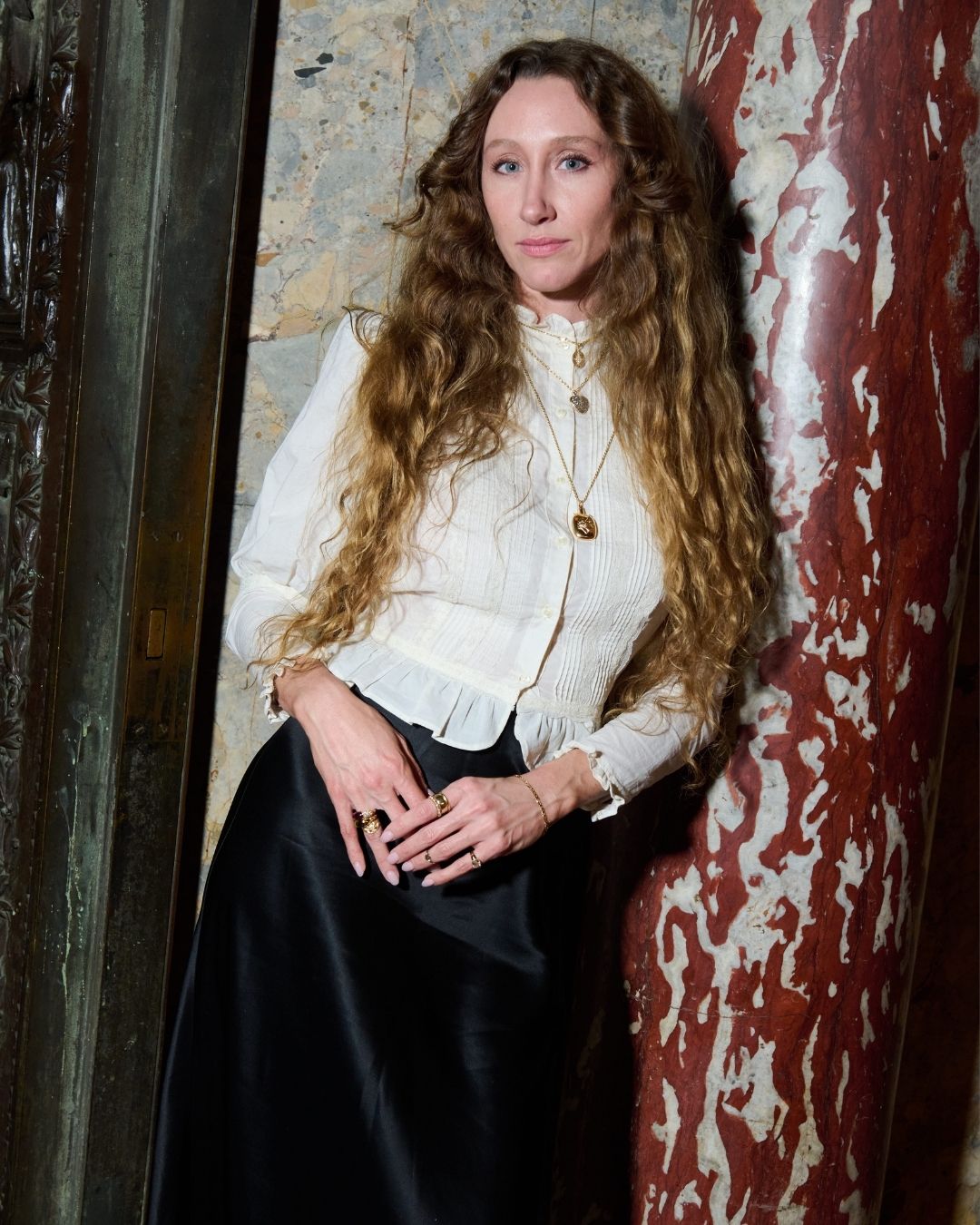
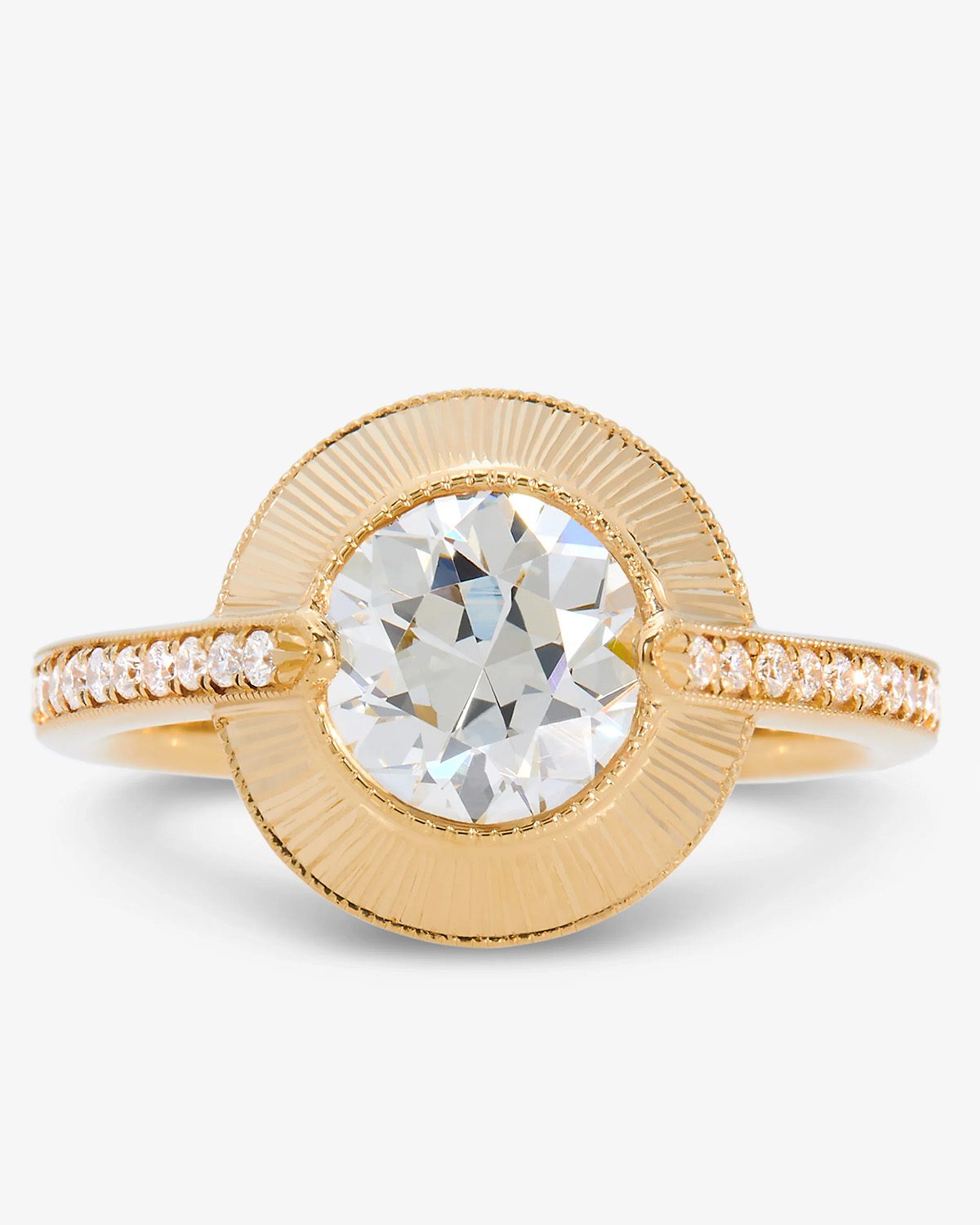
The symbolism of anti-engagement rings is about more than jewelry; it reflects a broader rejection of traditional timelines for women. Gone are the days of the so-called “MRS degree” or the pressure to be married by 30. In fact, a 2022 study found a rise in first-time marriages among adults in midlife (ages 40 to 59), underscoring how much expectations around love and partnership have evolved.
That’s what makes Kindred Lubeck’s move particularly compelling. The designer behind one of the most talked-about engagement rings in recent memory—Taylor Swift’s rumored $750K, 10-carat antique elongated cushion-cut diamond from Travis Kelce—introduced an Anti-Engagement Ring as part of her brand’s portfolio earlier this year.
The goldsmith, hand engraver, and vintage jewelry collector tells Only Natural Diamonds that her inspiration is rooted in a more expansive view of love and life. “Philosophically, I don’t think we should feel like we have to follow a particular timeline or tradition, like marriage, just because societal expectations tell us we should,” she says. “Romantic love is one of the great human experiences, but so are self-love, friendship, and the appreciation of beauty. I’m pro- whatever works for your life, whether that’s some form of partnership or not. The Anti Engagement Ring celebrates the individuals who don’t choose a traditional route when it comes to love and marriage.”


Philosophically, I don’t think we should feel like we have to follow a particular timeline or tradition, like marriage, just because societal expectations tell us we should.
The response was immediate. Lubeck’s Artifex Anti-Engagement Ring sold out quickly after its launch, reinforcing the momentum behind the self-love movement. While engagement rings still make up a significant portion of her custom work, she notes that many clients are commissioning or purchasing pieces for entirely different reasons—birthdays, anniversaries, or simply because they want to wear something meaningful every day. In fact, many of her non-bridal collections and one-of-a-kind rings are rarely tied to engagement at all—and they tend to sell out just as fast.
As Lubeck explains, “Of course, a large portion of my custom pieces are engagement rings…but I’ve also made jewelry for people who just happen to love my work and want to wear something I’ve made every day, a ‘just-because’ gift to themselves. I think people are realizing that they don’t have to limit their most exciting, eye-catching jewelry to one cultural ritual.” Instead, they’re building personal collections that reflect who they are right now, on their own terms.
How the Anti-Engagement Ring Is Redefining Meaning

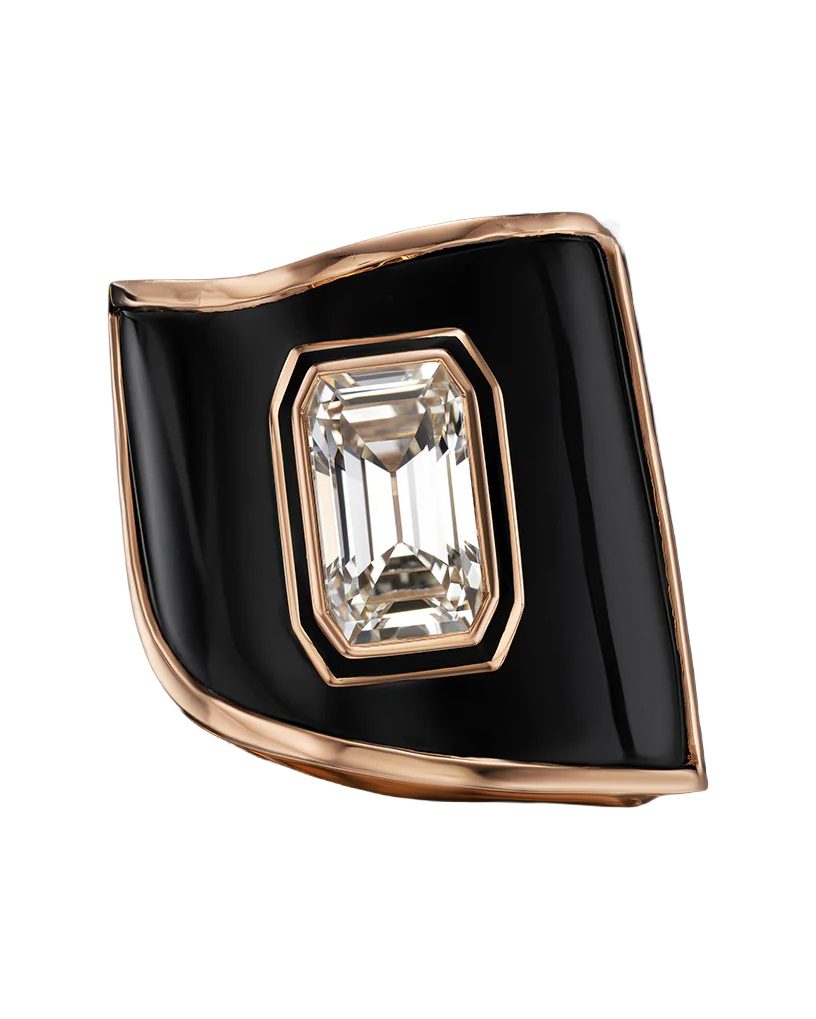
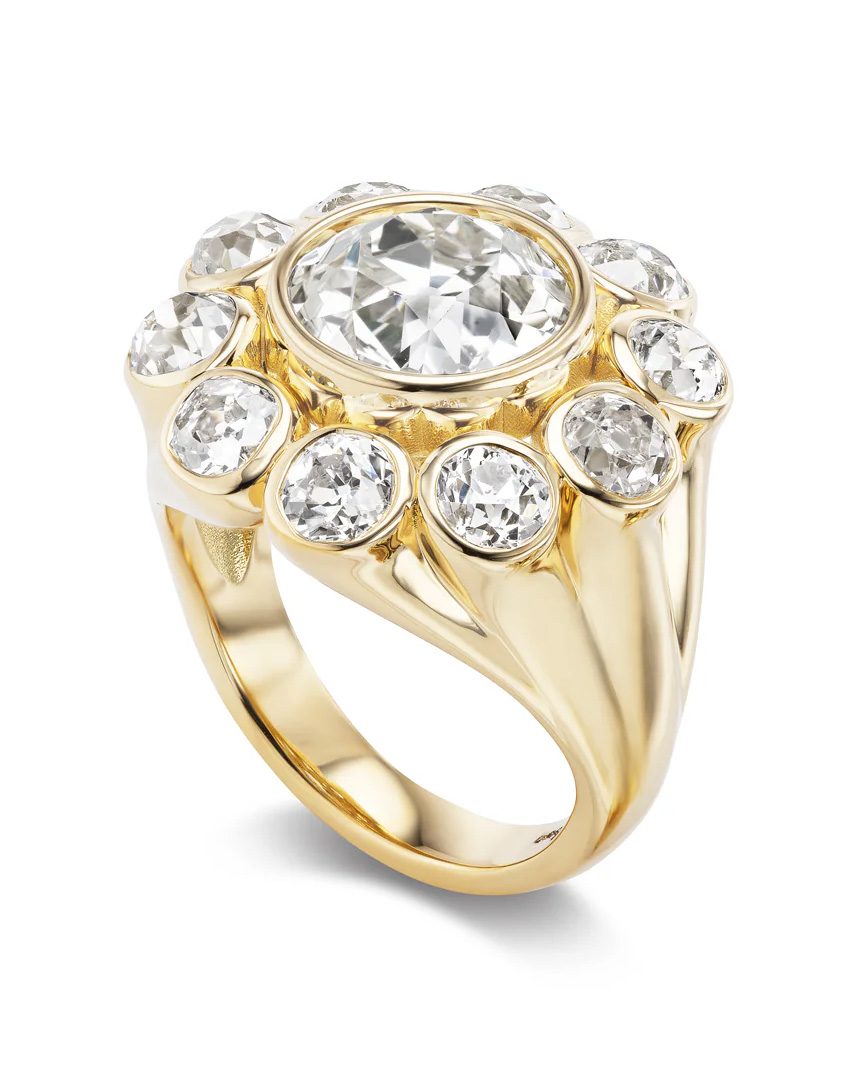
Consumers are no longer saving their most special jewelry for a single milestone. New data shows that rings are the most frequently self-purchased jewelry category, with Millennials (ages 30–44) leading the way. While this certainly taps into the broader “just because” or “treat yourself” mindset, there’s something deeper at play when it comes to rings in particular.
Rings, it turns out, carry the most emotional weight. According to an October 2025 survey by BriteCo of 1,002 adults, 31% of Americans consider rings their most meaningful self-purchase, ranking above watches and necklaces.
So has the meaning of rings fundamentally changed, or is it simply evolving with a new generation? Kindred Lubeck offers a nuanced perspective. While fine jewelry still represents longevity and a connection to the past and future, she notes that its meaning is widening. “Rings can be much more about someone’s relationship to themself than about their relationship with someone else,” she says, adding that there’s now greater comfort in expressing that openly.
The Decline of the “Traditional” Engagement Ring
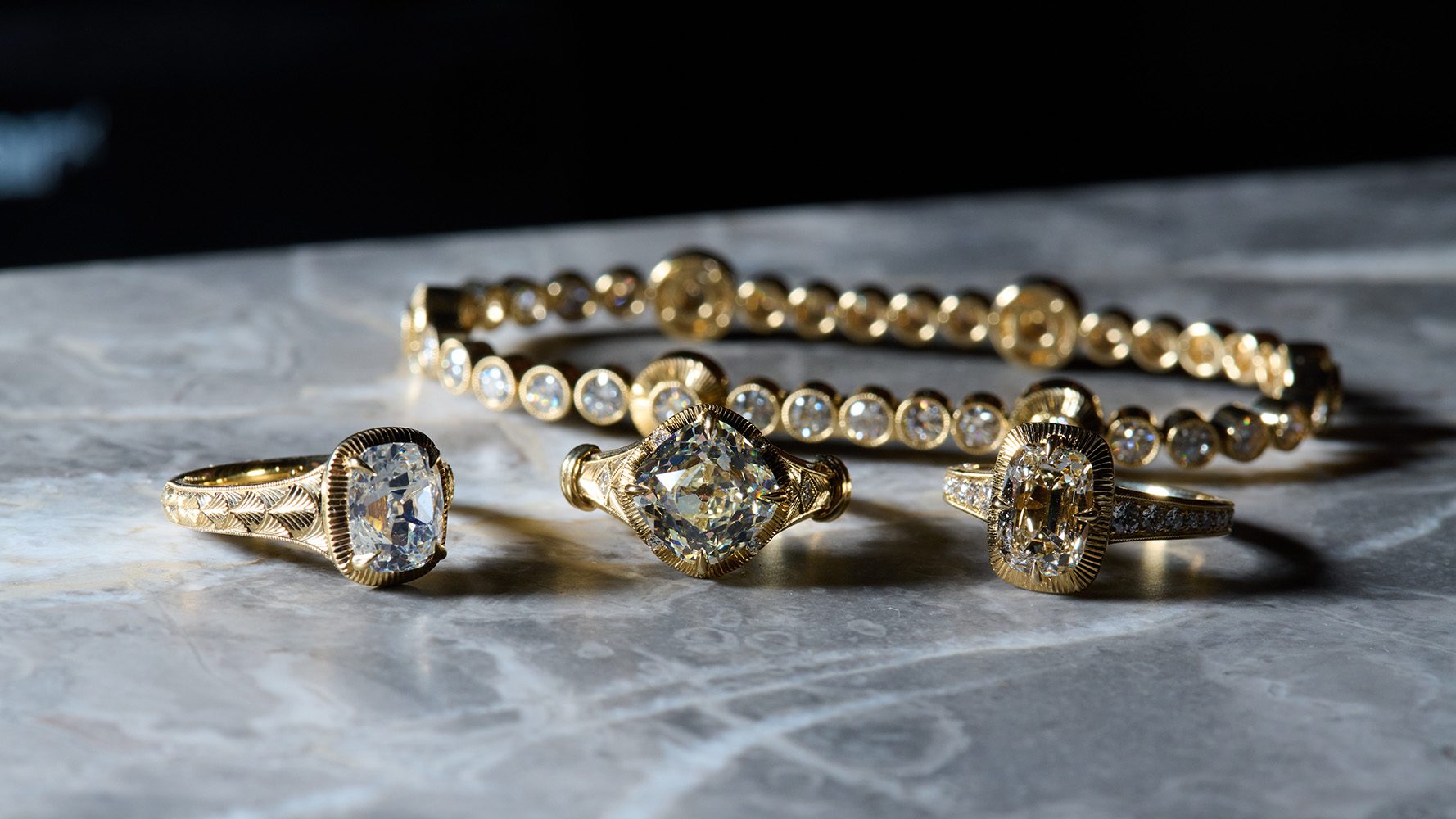
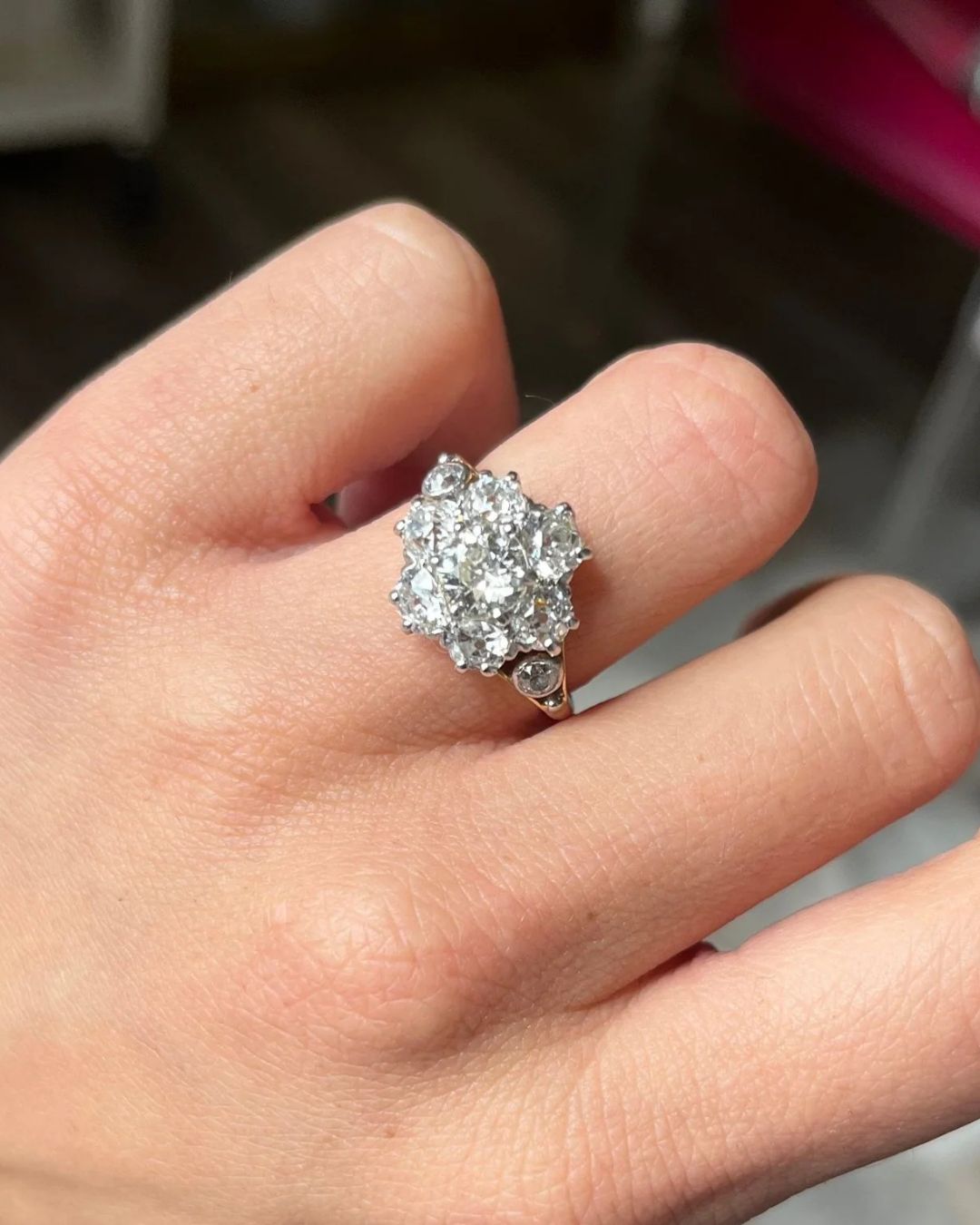
The rise of the anti-engagement ring is, in many ways, rewriting the rules of what a ring is supposed to look like and what it’s meant to represent. It could be the Taylor Swift effect, but old-cut diamonds and vintage settings are quickly gaining popularity for both anti-engagement rings and traditional engagement rings, edging out the classic round brilliant solitaire. With their storied pasts and one-of-a-kind character, these stones naturally lend themselves to a more personal, expressive approach.
As Kindred Lubeck explains, “Antique stones have lived a life above the earth’s surface. They’ve been treasured over generations, and they often have quirks that come with age and give them so much more personality than a newly cut and polished gem ever could.”
That sense of individuality is exactly what defines the anti-engagement ring. It’s less about adhering to a prescribed style and more about choosing a ring that tells your story, whether that’s celebrating a personal achievement, like a promotion, or getting engaged. For Lubeck, that meaning is inseparable from the design itself. “Storytelling is an inherent part of the design process; all art is telling some kind of story, whether intentionally or not, and I prefer to move with intention,” she says.
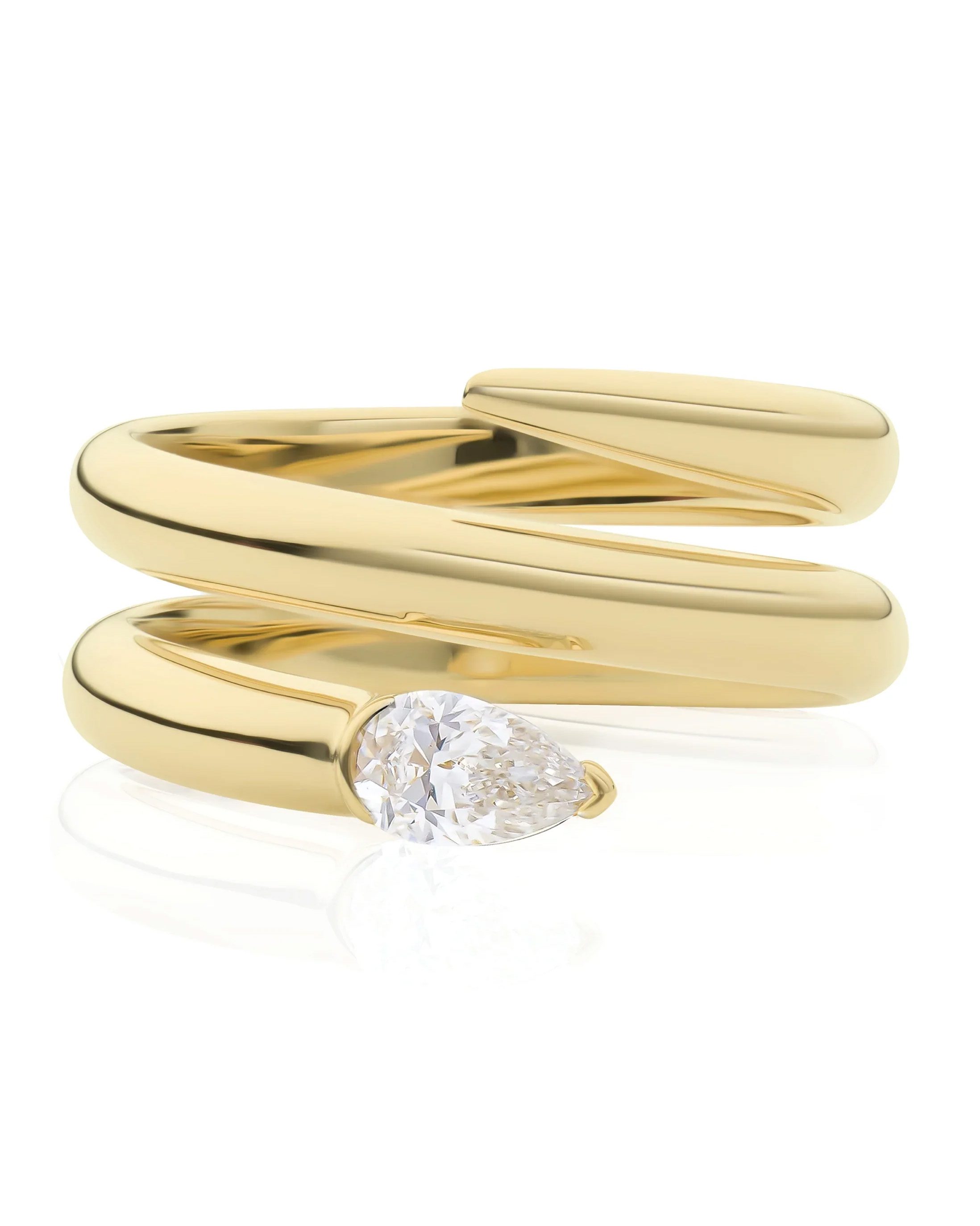
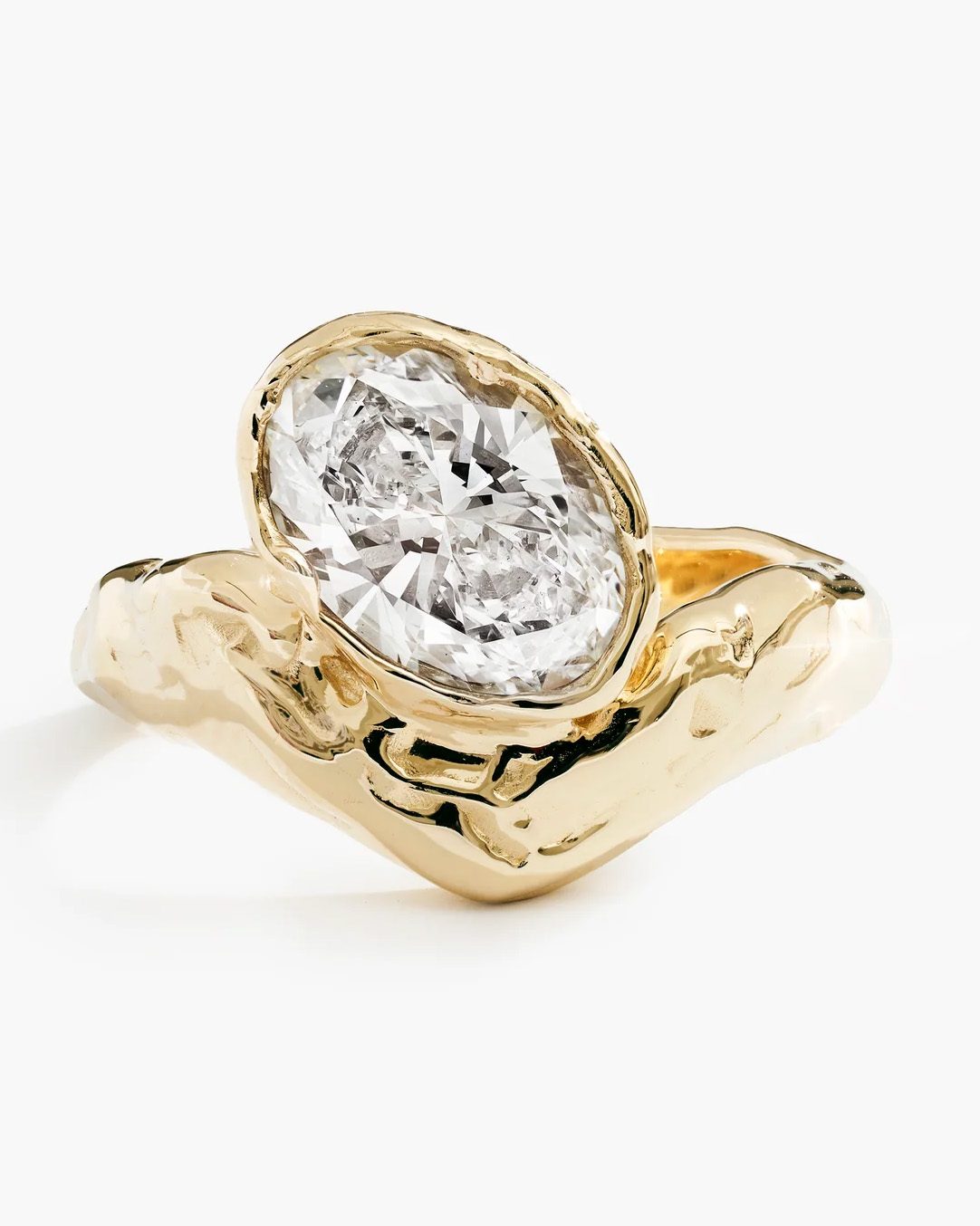
Sara Beth Brown Prendevill adds that today’s clients are approaching rings purely based on what resonates with them, and it’s much more style-led than tradition-led. “There’s a strong willingness to invest in quality, but it’s less about a fixed price point and more about value and longevity. And importantly, this doesn’t live at one level—modern heirlooms can be anything from a gold stacking piece to a multi-stone ring. It’s all about the intention behind it.”
Even within traditional bridal, that shift is evident. In April, Artifex launched Artifex Bridal by Kindred Lubeck, a limited-edition collection designed to bridge the gap between fully custom pieces and more accessible one-of-a-kind designs. The line centers on Lubeck’s signature approach: antique and old mine-cut diamonds, each hand-selected first, with the setting built around the individuality of the stone rather than the other way around.
The collection includes engagement rings, wedding bands, and fine jewelry meant to carry a wearer beyond the wedding day, all unified by her intricate hand-engraving techniques. “I think the most important thing to ensure is that your ring feels like a piece of art you’ll truly be excited to wear every day,” she says.
In other words, whether it’s an engagement ring or an anti-engagement ring, the “standard” is no longer the point. The story is.
A Ring That Belongs to Only You
Some may argue that the anti-engagement ring is simply anti-tradition, but it’s really about expanding what tradition can hold. Engagement rings and marriage will always matter, but they are not the only milestones worthy of celebration with jewelry and fanfare.
Lubeck explains, the driving force is ultimately personal: “I think people are just looking to buy rings that excite them and feel good to wear … Even within tradition, there’s so much individuality in the sense that there are so many individual traditions to pull from across different histories and cultures. Jewelry was always one of the best ways to get a sense of its wearer’s individuality.”