A Brief History of Diamonds: From Formation to Today
From formation to fine jewelry, natural diamonds have come a long way to become the world’s most valued heirloom.
About three billion years ago, a unique and extraordinary process began—one that would eventually become the foundation for the entire history of diamonds and ultimately deliver the pristine, one-of-a-kind relics—be it the diamond engagement ring, diamond stud earrings, or diamond pendant you cherish today. Extreme heat, pressure, and the perfect storm of circumstance is how the diamond journey began, some 100 miles deep within the earth. When natural diamonds formed, there was no life on Earth, making a natural diamond likely the oldest thing you will ever touch, let alone own.
Meet the Expert

- Grant Mobley is the Jewelry & Watch Editor of Only Natural Diamonds.
- He is a GIA Diamonds Graduate.
- He has over 17 years of jewelry industry experience, starting with growing up in his family’s retail jewelry stores.
Ahead, discover the fascinating history of diamonds.
What Are Diamonds?
Natural diamonds are crystals made entirely of carbon, one of the most abundant elements on Earth. What makes diamonds extraordinary is not what they’re made of, but how they’re made. Under extreme heat and pressure deep within the Earth’s mantle, carbon atoms bond in a rigid, three-dimensional lattice structure that gives diamonds their unmatched hardness, durability, and optical performance.
This atomic structure is what allows diamonds to refract and reflect light so brilliantly once cut and polished. It is also what makes them the hardest natural material known to science. Unlike other gemstones that may contain a mix of elements, a diamond’s identity is defined by the purity of its composition, paired with extraordinary geological conditions that cannot be replicated by nature at the Earth’s surface.
When and Where Were Natural Diamonds First Discovered?
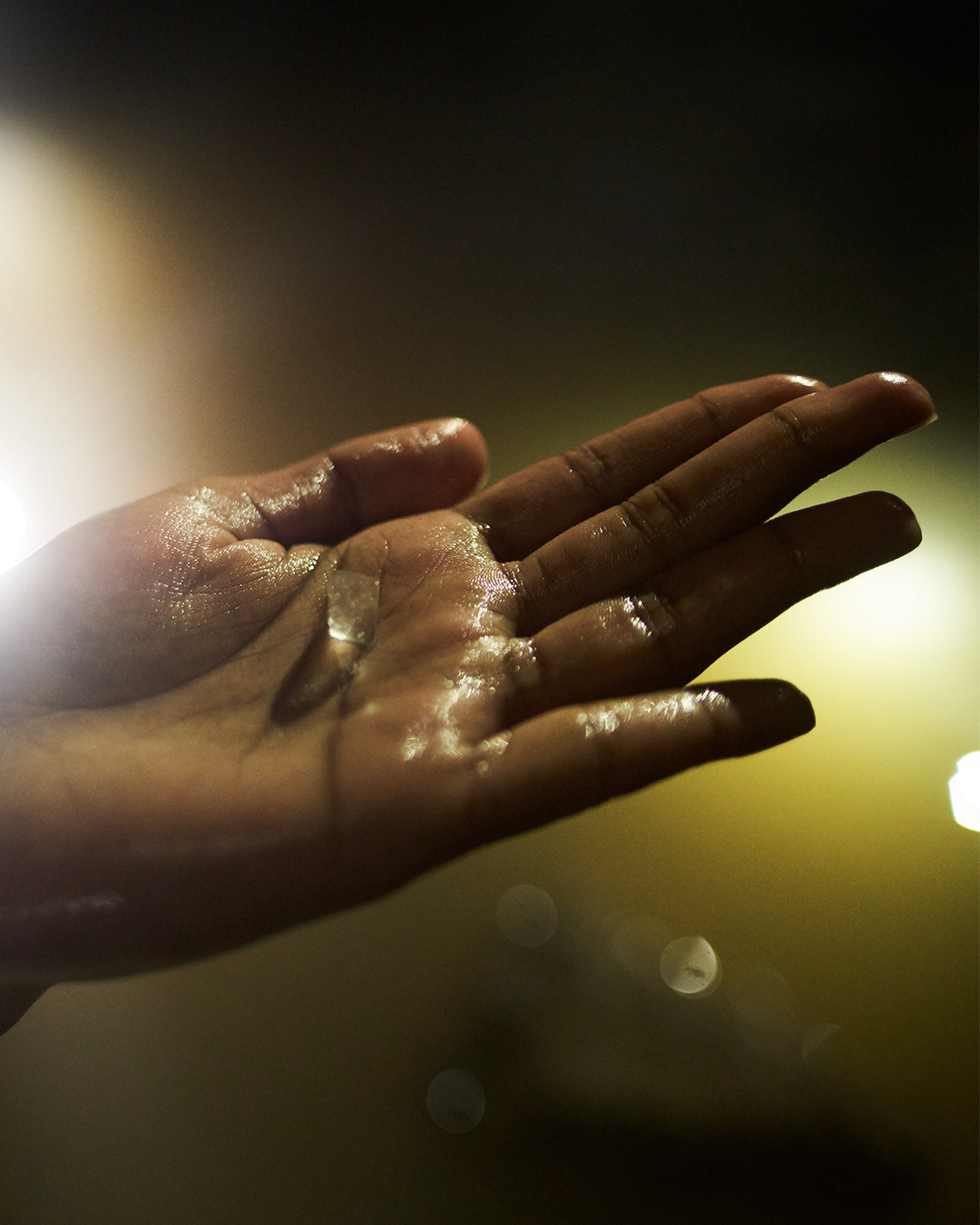
No one knows exactly who discovered the very first diamond or the first diamond itself. It could be on your finger right now. However, we know that humans first discovered natural diamonds in caves in India nearly 4,000 years ago. Still, billions of years had passed from when they were formed to this pivotal moment of discovery. Most diamonds made their way toward the Earth’s surface via ancient volcanoes. As the volcanoes blasted toward the surface, diamonds in their path were trapped in the magma and transported to the surface.
Without these volcanoes, which erupted millions of years ago, diamonds would have stayed hidden deep within the earth where they formed, never to be found. Most natural diamonds are found in the remnants of these ancient, underground volcanic pipes, while others have migrated through millions of years of erosion. After humans first discovered diamonds, they were immediately captivated and bewildered by their unique properties.
A rough diamond embedded in volcanic rock.
A natural diamond’s brilliance and unwillingness to be cut and shaped led people to believe they must have come from the gods. These rough, unpolished, and uncut diamonds were a remarkable find and quickly made their way on trade routes to Europe and China, where they became symbols of status and power among kings and queens. India remained the only source of natural diamonds for over a thousand years.
How Common Are Diamonds?
Despite their widespread cultural presence, natural diamonds are far rarer than many people assume. While diamonds are mined in several regions around the world, only a small fraction of recovered stones are suitable for fine jewelry. An even smaller percentage possess the clarity, size, and color required to become the diamonds most people recognize in engagement rings and heirloom pieces.
To put it into perspective, the vast majority of diamonds formed deep within the Earth never reach the surface at all. Those that do often remain trapped in rock or are too included or irregular for cutting. High-quality natural diamonds—especially larger stones—are geological outliers, shaped by billions of years of precise conditions and remarkable chance.
How to Tell If a Diamond Is Real

Because diamonds have such unique physical properties, there are several reliable ways to distinguish them from imitations. One of the most important indicators is hardness: a diamond can scratch virtually any other material, but no other natural material can scratch a diamond.
Professionally, gemologists rely on advanced testing methods that measure thermal conductivity, electrical conductivity, and optical behavior—traits that are specific to diamonds. This is also where handheld diamond testers are commonly used. Most testers work by measuring how efficiently a stone conducts heat or electricity. Because diamonds disperse heat extremely well, these tools are effective at confirming whether a stone is a diamond or a simulant such as cubic zirconia or moissanite.
However, while diamond testers are effective at identifying whether a stone is a diamond, they cannot reliably distinguish between a natural diamond and a lab-grown diamond. Determining a diamond’s origin requires more advanced analysis.
Natural diamonds form deep within the Earth over millions to billions of years, and this long geological journey often leaves behind subtle internal characteristics and growth features that reflect their natural origin. Lab-grown diamonds, created in factories over a much shorter time frame, exhibit different growth structures or trace characteristics associated with their manufacturing process.
To determine whether a diamond is natural or laboratory-grown, gemologists rely on specialized laboratory instruments that examine growth patterns, optical responses, and other microscopic features. The most definitive way to confirm both authenticity and origin is through a grading report from a respected gemological laboratory such as the Gemological Institute of America, which clearly states whether a diamond is natural or laboratory-grown. These reports provide transparency and help consumers understand the unique journey behind the diamond they choose.
Notably, GIA no longer evaluates laboratory-grown diamonds using the traditional Four Cs grading system applied to natural diamonds, reflecting the fact that lab-grown diamonds are not categorized in the same way as natural stones. These reports provide transparency and help consumers understand the unique journey behind the diamond they choose.
How Did Diamonds Become Symbols of Love?
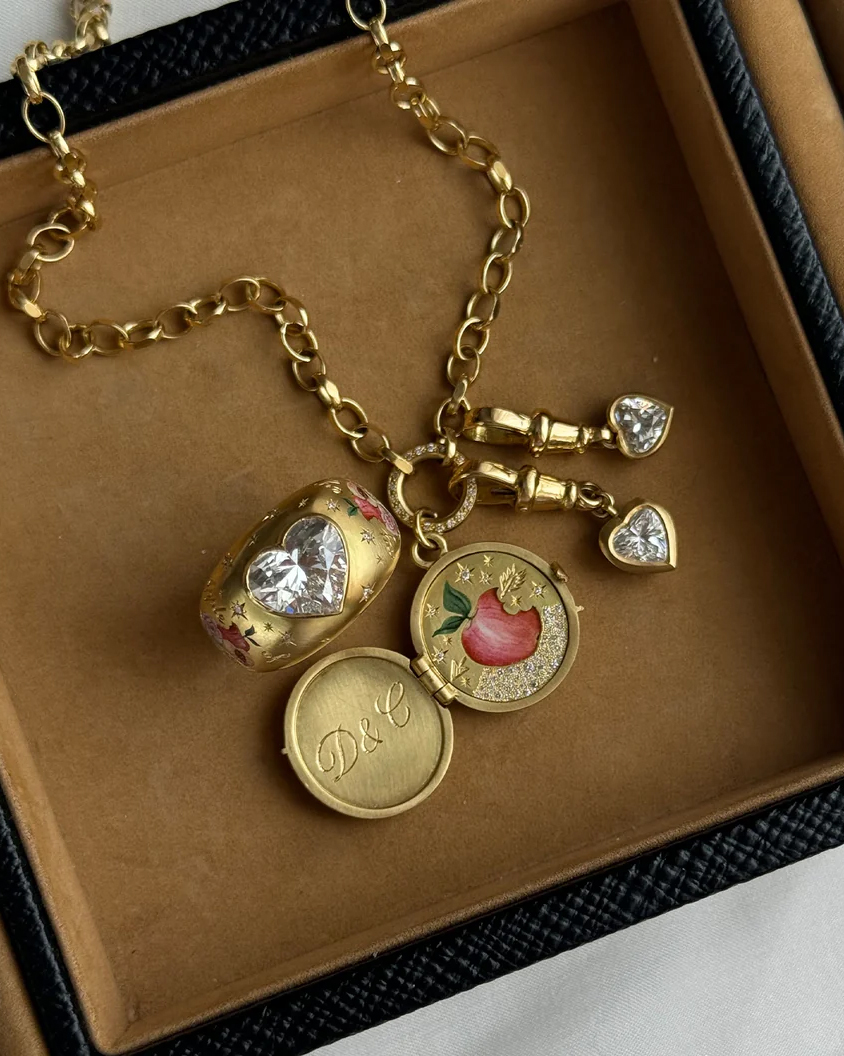
The folklore around natural diamonds grew and grew, shaping early beliefs that would eventually become central to the history of diamonds. The diamond’s extreme strength and unique physical properties immediately tied them to power and protection, making them worn mainly by royalty who believed they offered invincibility. The word ‘diamond’ comes from the Greeks, who named the stone ‘adamas,’ meaning unbreakable or unalterable. The only other thing believed to be unbreakable was love, which is the beginning of our association with diamonds as gifts of love. Even the Romans believed Cupid’s arrows were tipped in diamonds as they were integral to falling in love.
When Were Diamonds First Cut?
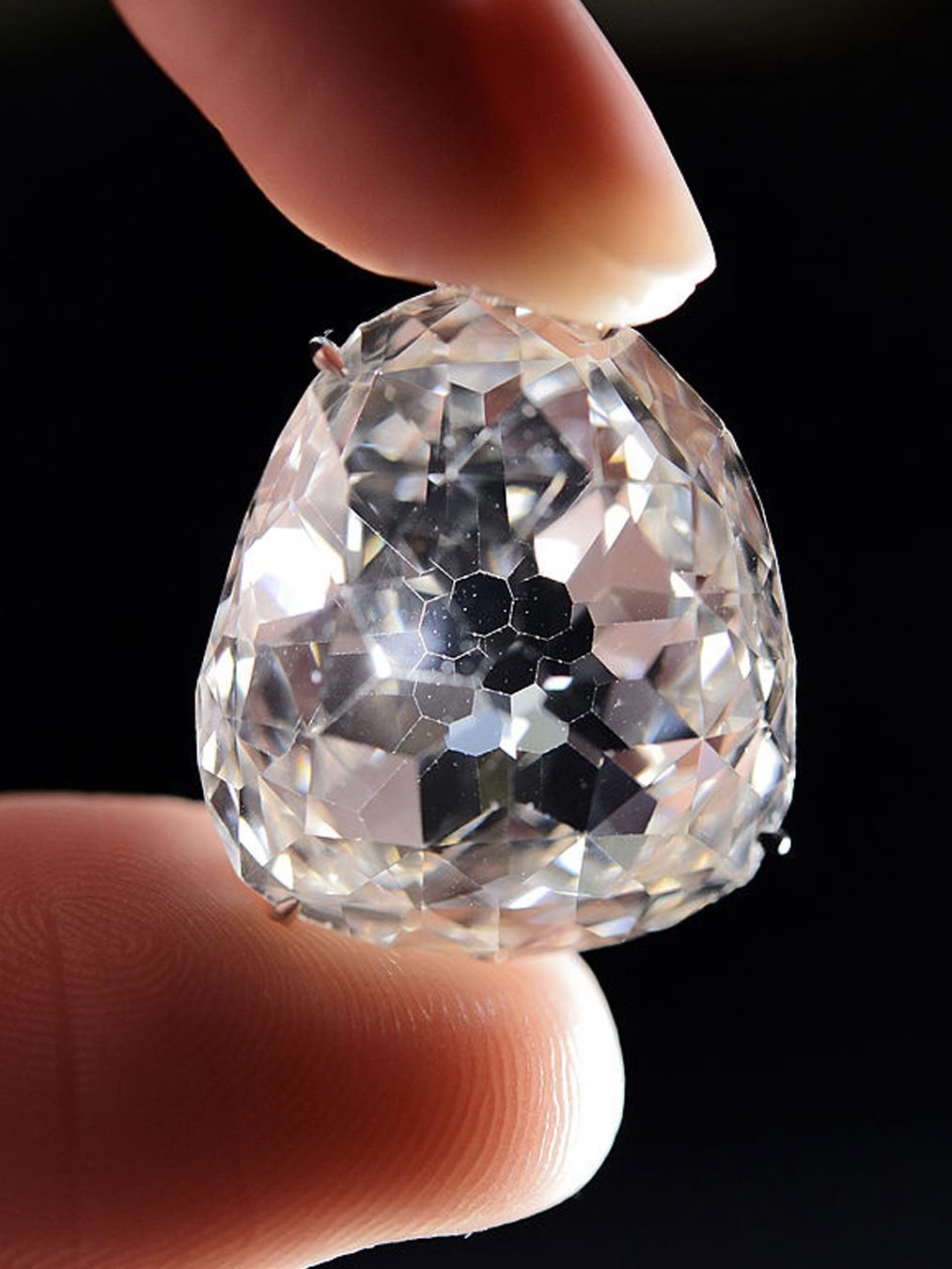
Because natural diamonds are the hardest natural materials on earth, their cutting, shaping, and polishing weren’t possible for hundreds of years after their discovery, a crucial chapter in the history of diamonds. The first diamond-cutting techniques began in the 14th century and were initially very primitive. It wasn’t until the 20th Century that we were able to cut and shape diamonds with the precision we know today, and even still, the process is still done almost entirely by hand by skilled artisans.
What Was the First Diamond Engagement Ring?
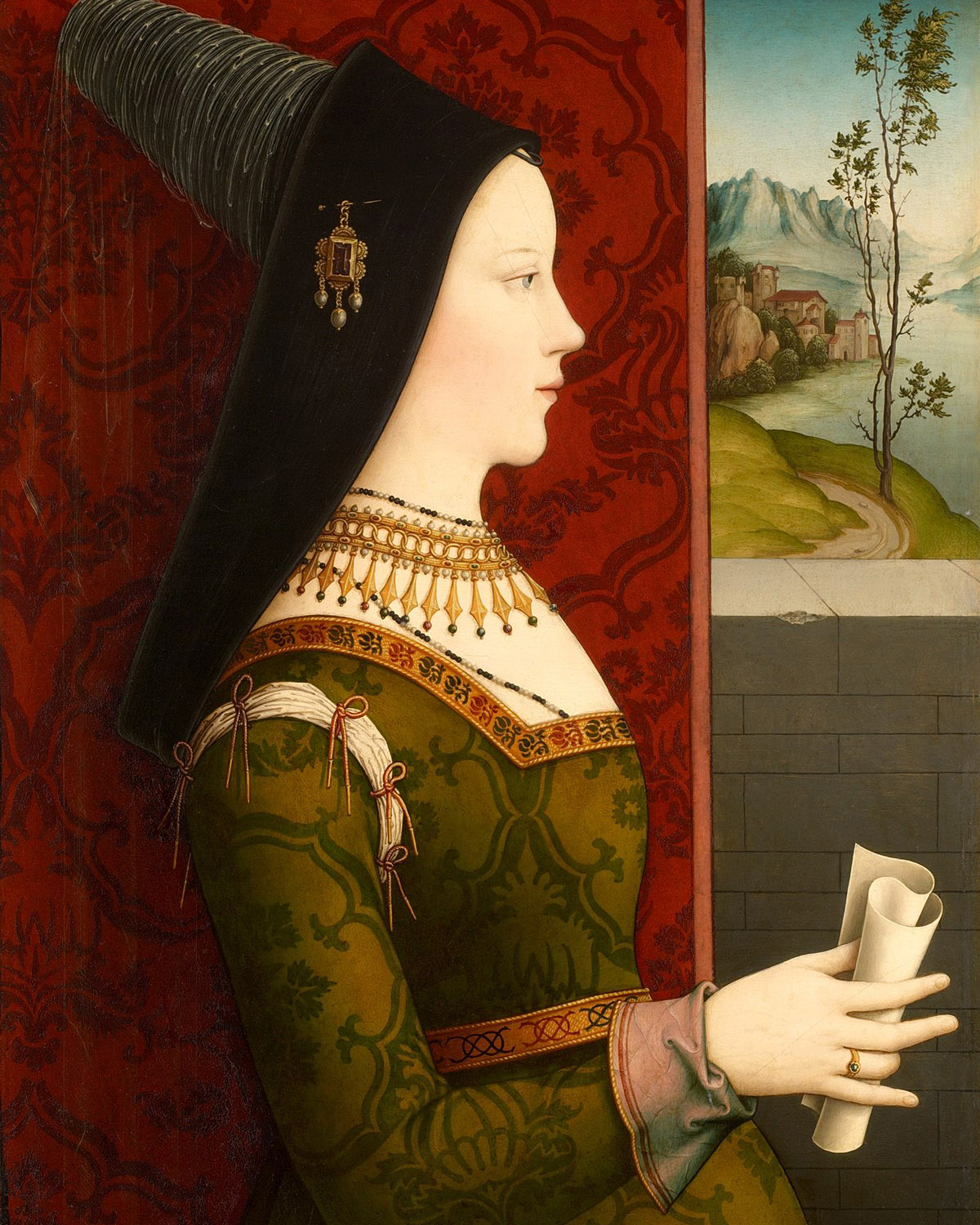
One of the most pivotal moments in the history of diamonds occurred not long after diamond cutting began. In 1477, famous European royalty, Archduke Maximilian of Austria, proposed to his love, Mary of Burgundy, with what is known as the first diamond engagement ring proposal. The idea of an engagement period before marriage was relatively new, as the Pope of that time had only recently suggested it.
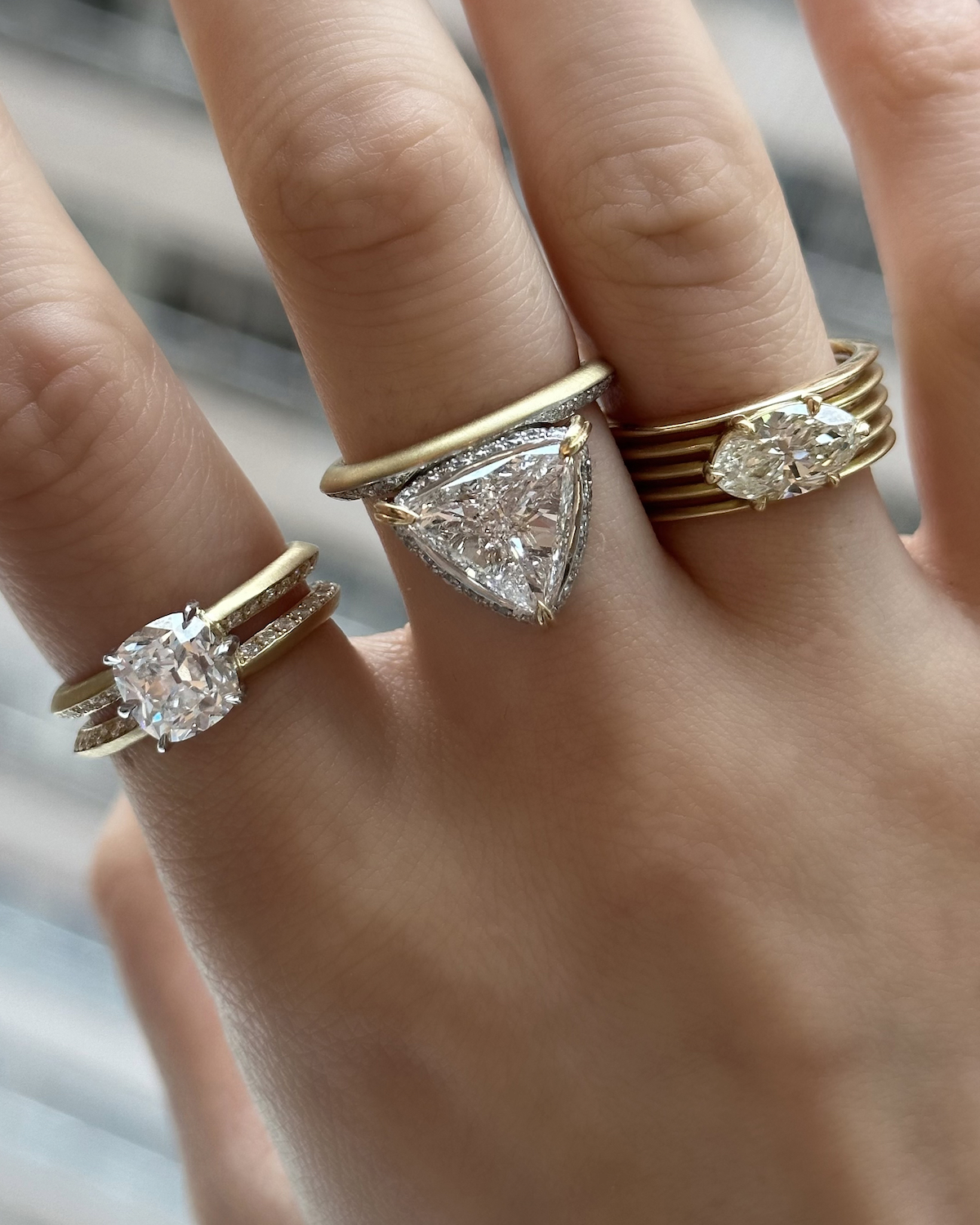
Maximilian wanted to symbolize his love and make the engagement known with the gem that had embodied love and endurance since its discovery. This rare gem began to take on a stronger identity that stood for commitment, romance, and everlasting love as the tradition for diamond engagement rings spread like wildfire around the world, marking a defining chapter in the history of diamonds and their association with love.
The Enduring History of Diamonds

Today, the history of diamonds continues, as they remain timeless and enduring symbols of love, strength, and pure, all-natural beauty. Over the millennia, diamonds have entered almost every part of our culture, from music to movies, fashion, and relationships. They have come to mark life’s important milestones, represent success, and show our love as only a natural miracle of nature could do. Each one is as unique as you are. As heirlooms often passed on through generations, they carry the history of diamonds with them, tracing back billions of years to the deepest corners of the earth, where it all began.