< Science of Diamonds / Diamond Discoveries
The 998-Carat Diamond from Lucara’s Karowe Mine Is the Sixth Largest Ever Discovered
The mega-diamond ranks among the six largest gem-quality rough diamonds ever discovered and remains one of the most significant diamond finds of the modern mining era.
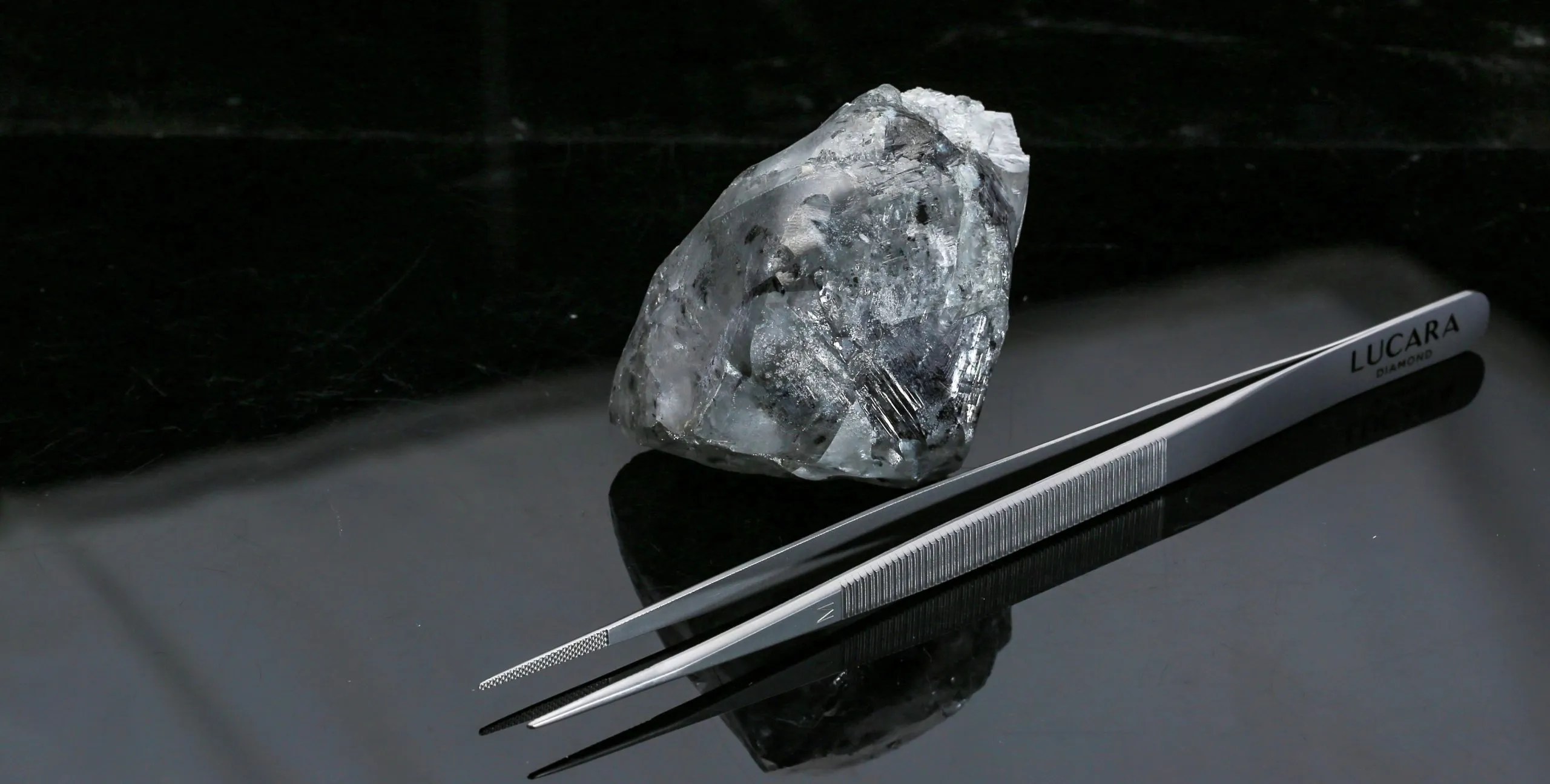
(Courtesy of Lucara Diamond Corp.)
When you look at the engagement ring of someone like, say, Kim Kardashian, it’s hard for your jaw not to drop. After all, it stars a brilliant diamond that reportedly weighs 20 carats.
Now close your eyes, and picture a diamond nearly 50 times the size of that. Because, believe it or not, that’s exactly what Lucara Diamond Corporation unearthed from Botswana’s Karowe Diamond Mine.
This diamond discovery out of Botswana once again reminded the world that Earth is still capable of astonishing us. Lucara Diamond Corporation recovered a remarkable 998-carat rough diamond from its Karowe Mine. When it was recovered in 2020, the stone was hailed as the fourth-largest diamond in history. Following more recent mega-discoveries, it now ranks as the sixth largest gem-quality rough diamond ever found.
And unlike the perfectly polished gems we’re used to seeing on red carpets, this diamond was recovered in its natural state—massive, crystalline, and geologically miraculous.
A Historic Ranking Among the World’s Largest Diamonds
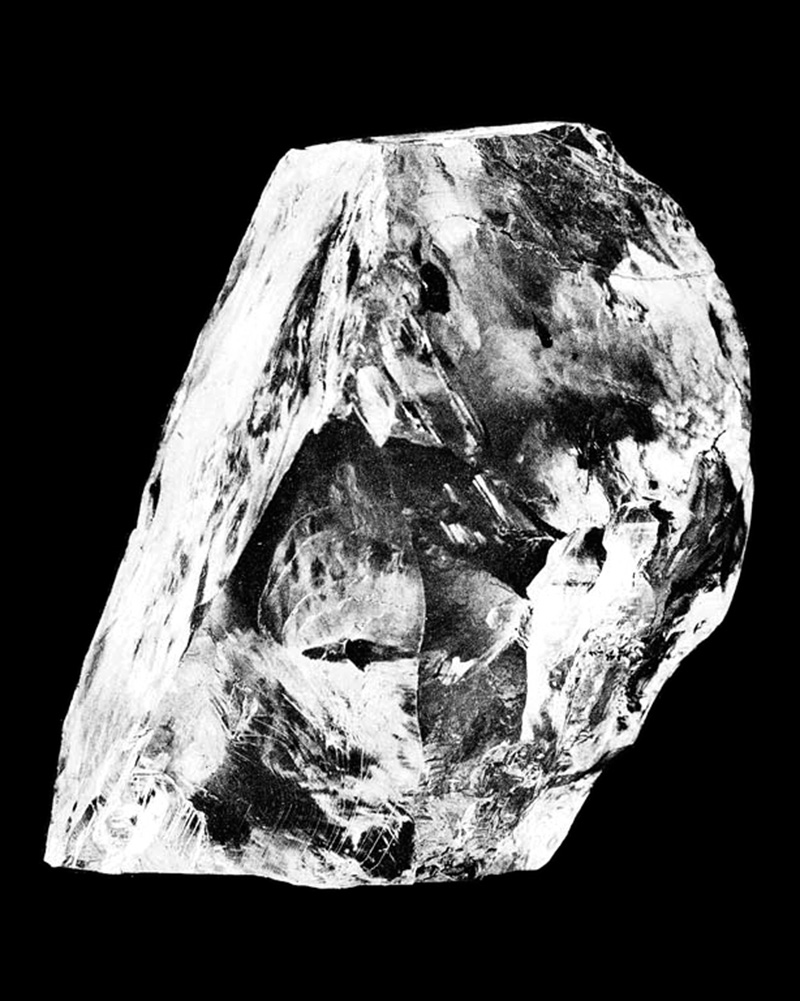
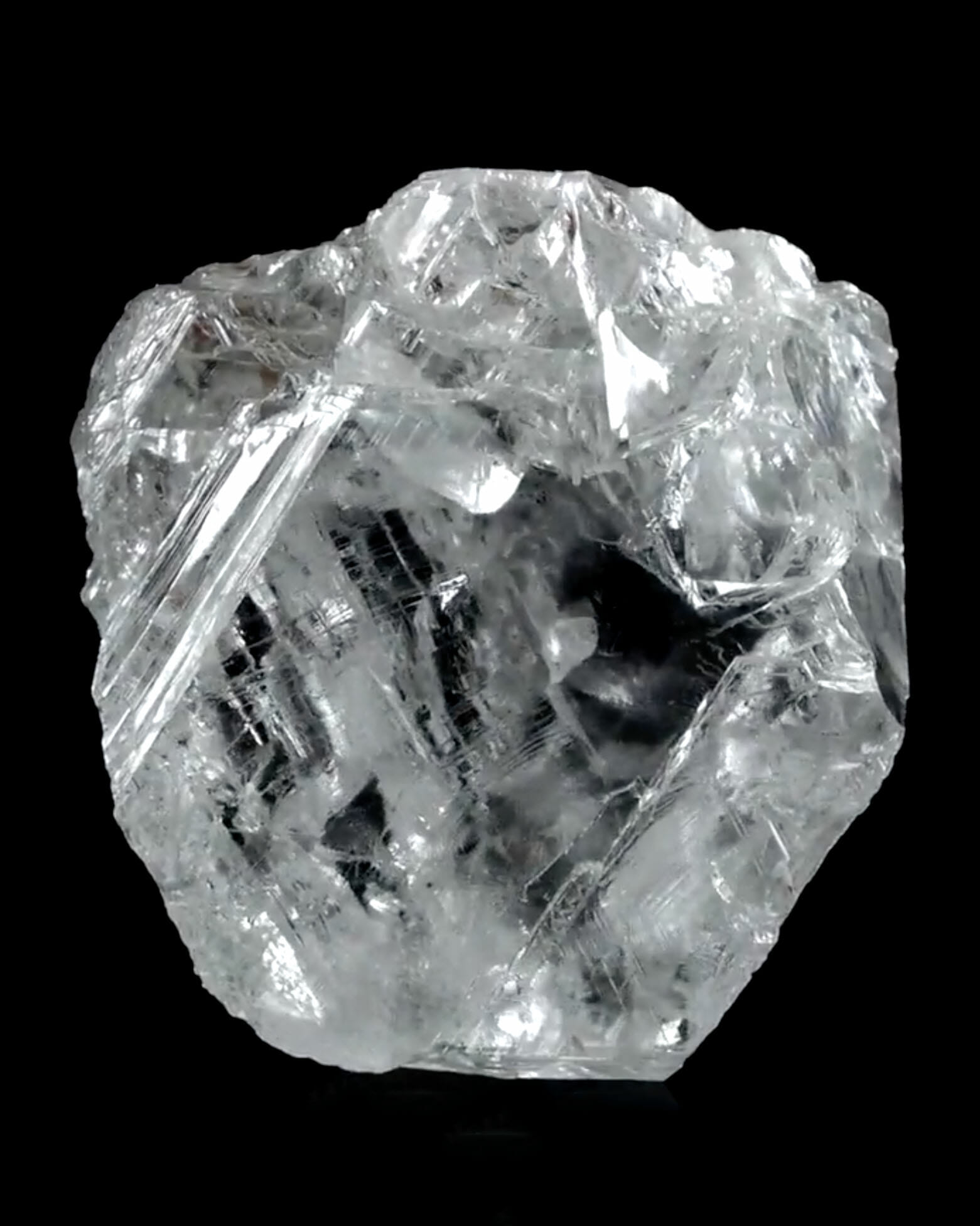
The 998-carat Lucara diamond now sits just behind some of the most legendary stones in history. It follows:
- The Cullinan Diamond (3,106.75 carats), widely known as the largest diamond ever discovered, unearthed in South Africa in 1905
- The Motswedi (2,492 carats), recovered from Botswana’s Karowe Mine in 2024
- The Sewelo (1,758 carats), discovered at Karowe Mine in 2019
- Lesedi La Rona (1,109 carats), also found at Karowe in 2015
- Excelsior Diamond – 995 carats, found in South Africa in 1893
What makes this particularly significant is that three of the four largest diamonds ever found have come from the same source: Botswana’s Karowe Mine. That is a result of geology, technology, and strategic investment aligning in rare form.
Unlike the Cullinan, which was eventually cut into multiple stones that now form part of the British Crown Jewels, modern mega-diamonds like the Sewelo and Lesedi La Rona were recovered using advanced X-ray transmission (XRT) technology. Karowe’s cutting-edge recovery systems are specifically designed to preserve large stones intact, preventing them from breaking during processing, something that historically led to the loss of extraordinary gems.
Why the Karowe Mine Continues to Produce Giants
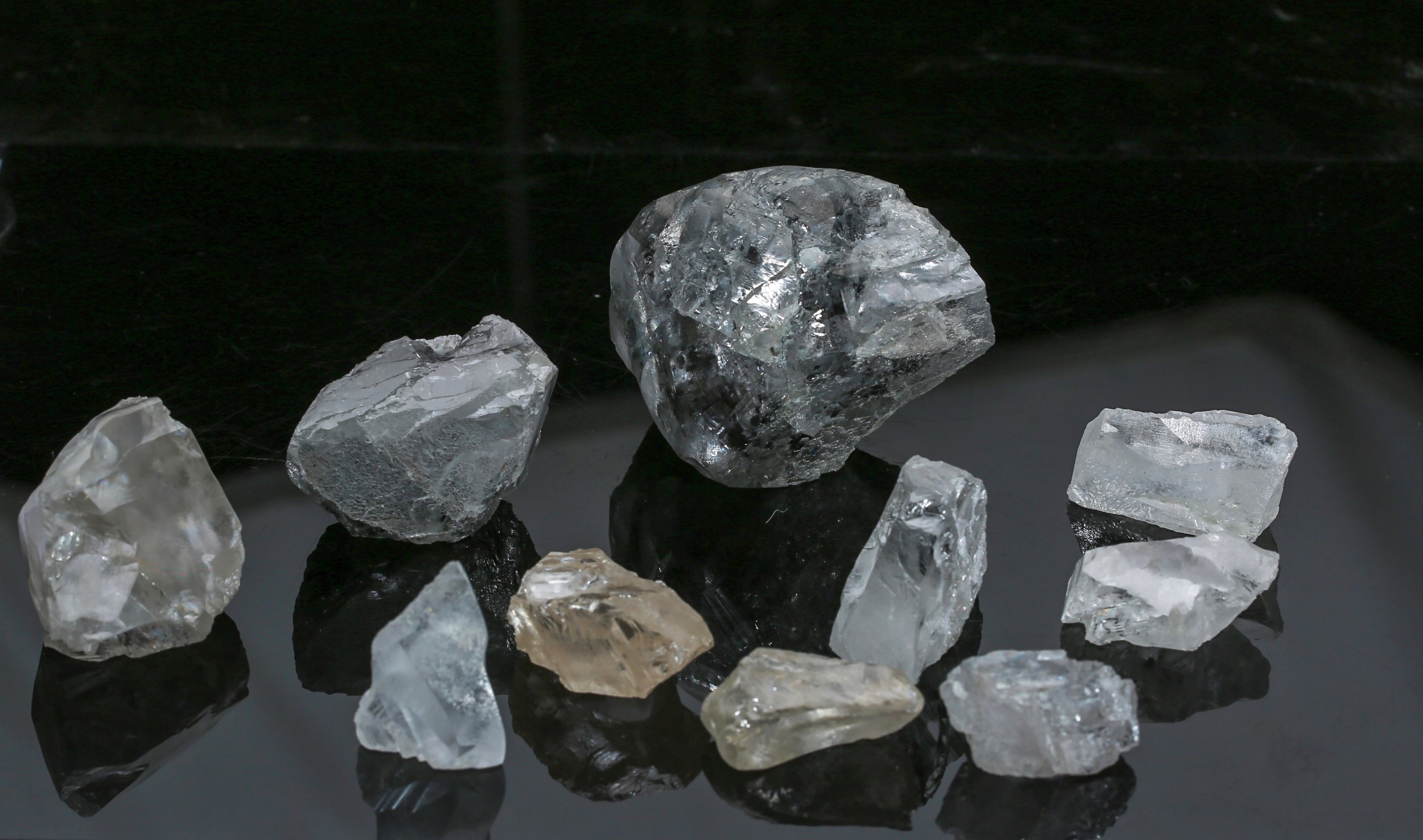
Karowe Mine has developed a reputation as one of the most prolific sources of large, high-quality Type IIa diamonds, which are some of the rarest and most chemically pure diamonds in existence. Type IIa diamonds contain little to no nitrogen impurities, which often translates into exceptional clarity and transparency.
The mine has consistently produced stones over 100 carats at a frequency that few operations worldwide can match. In fact, Lucara’s strategic investment in specialized recovery circuits has allowed it to identify and extract large diamonds before they are crushed during standard processing.
The 998-carat recovery reinforces Karowe’s standing as one of the most important diamond sources in the modern era. As global diamond production trends downward due to aging mines and fewer large discoveries, stones of this size are increasingly rare.
The Economic Impact on Botswana
Beyond its geological importance, the Lucara diamond is economically significant for Botswana. Diamonds account for a substantial portion of the country’s GDP and export revenue. The success of the Karowe Mine supports employment, infrastructure, and social programs throughout the nation.
Botswana is widely regarded as one of the most stable and responsibly governed diamond-producing countries in the world. Its partnership model, where the government holds stakes in major mining operations, has helped ensure that diamond wealth contributes directly to national development.
Mega-discoveries like this one not only capture global attention but also reinforce investor confidence in Botswana’s long-term diamond potential.
What Happens to a 998-Carat Rough Diamond?
For now, the diamond remains in its rough state. Unlike historical stones that were immediately sent for cutting, today’s mega-diamonds are typically studied extensively before any decisions are made.
Advanced scanning and mapping technology will analyze its internal structure, inclusions, and optimal cutting possibilities. Large rough diamonds often yield multiple exceptional stones, though in some cases a single monumental gem is fashioned.
Given Karowe’s track record—Lesedi La Rona ultimately yielding a spectacular 302-carat polished diamond—it will be fascinating to see how this new discovery is ultimately transformed.
The valuation of such stones depends heavily on clarity, color, and how successfully they are cut. Even at the rough stage, however, diamonds approaching 1,000 carats command global interest from collectors and luxury houses.
A Rare Moment in Modern Diamond History
Major diamond discoveries of this scale are becoming increasingly uncommon. Many of the world’s most productive mines are decades old, and new large-scale finds are rare. That makes Lucara’s continued success at Karowe especially noteworthy.
While the Cullinan discovery more than a century ago reshaped the diamond world, modern mega-stones like this 998-carat Lucara diamond represent a new chapter—one defined by technological precision, responsible sourcing, and national economic partnership.
In a market that increasingly values rarity, provenance, and transparency, discoveries like this reinforce the enduring allure of natural diamonds.
Impressively recovered intact, the Lucara diamond is not only a geological marvel but also a powerful symbol of Botswana’s continued leadership in the global diamond industry. And until it is cut and revealed to the world in its final form, its full story is still waiting to unfold.