


Read More
UK Advertising Regulator Upholds Complaints Against Jewellery Retailers Using Misleading Terminology
The Advertising Standards Authority (ASA) upholds complaints against Novita Diamonds and Linjer for misleading advertising of laboratory-grown diamonds.
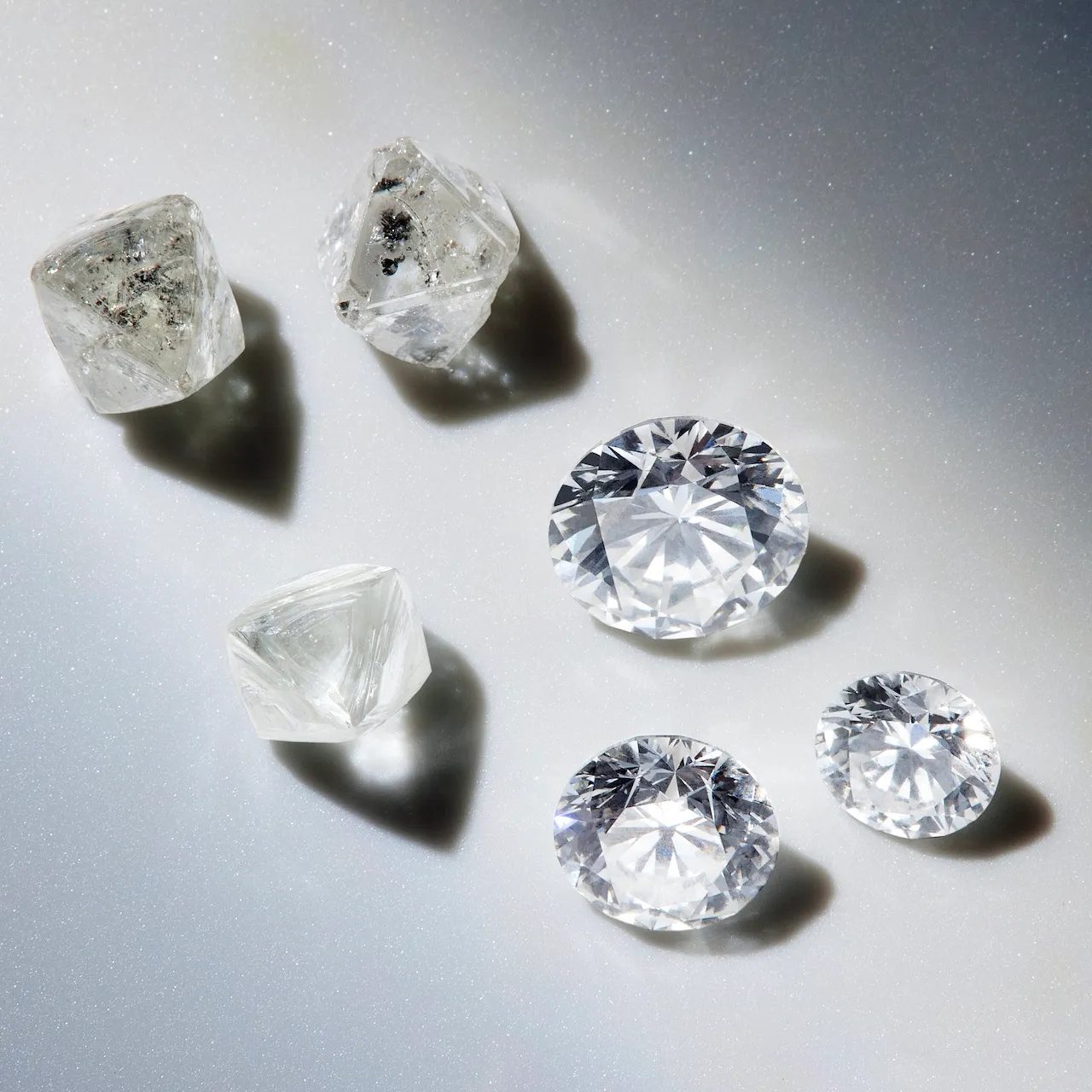
(Only Natural Diamonds)
Natural Diamond Council (NDC) is committed to maintaining trust by protecting consumers against misleading marketing that damages consumer trust and confidence. As a part of this commitment, Natural Diamond Council filed complaints to the UK’s Advertising Standards Authority (ASA) to highlight terminology that we believe to be misleading by the following retailers of synthetic diamonds.
1. NOVITA DIAMONDS
The Advertising Standards Authority (ASA) upheld the complaint against Novita Diamonds Ltd for misleading advertising of synthetic diamonds.
The ruling stated that the ads must not appear again in the form complained of. The ASA told Novita Diamonds Ltd not to misleadingly use the term “diamond” to describe their synthetic diamonds in isolation without a clear and prominent qualifier, such as “synthetic” or wording of the same meaning.
2. LINJER
The Advertising Standards Authority (ASA) upheld the complaint against Linjer Ltd for misleading advertising of synthetic diamonds.
The ruling states that the ads must not appear again in the form complained of. The ASA told Linjer Ltd not to misleadingly use the term “diamond” to describe their synthetic diamonds in isolation without a clear and prominent qualifier, such as “synthetic” or wording of the same meaning.
Previous Advertising Standards Authority (ASA) Rulings Published in 2024
1. SKYDIAMOND
The Advertising Standards Authority (ASA) upheld the complaint against Skydiamond for misleading marketing and advertising of laboratory-grown diamonds.
The ruling states that Skydiamond cannot use the terms “diamonds”, “diamonds made entirely from the sky”, and “Skydiamond” to describe their laboratory-created diamonds in isolation without a clear and prominent qualifier. ASA also told Skydiamond “not to use the claim ‘real diamonds’ to describe synthetic diamonds”.
2. STEPHEN WEBSTER
The Advertising Standards Authority (ASA) decided to investigate the complaint against Stephen Webster, but given the significant duplication across the two cases (Stephen Webster and Skydiamond), they decided to withdraw the Stephen Webster case. However, the ruling on Skydiamond also applies to Stephen Webster’s marketing and communications. Stephen Webster has been informed of the outcome of the Skydiamond case, given the relevance to their advertising.
3. LARK & BERRY
The Advertising Standards Authority (ASA) investigated advertisements by Lark & Berry, which they considered likely to be in breach of their code. The ASA approached Lark & Berry about the issues raised in the ads, and Lark & Berry agreed to amend their advertisements. The issues raised include the usage of the terms ‘cultured diamond’ and ‘diamond’ without a qualifier when referring to their synthetic diamonds. Lark & Berry agreed to amend their advertisements to include qualifiers such as synthetic, laboratory-grown, and laboratory-created. The ruling has been published as informally resolved on ASA’s website.
4. IDYL
The Advertising Standards Authority (ASA) investigated advertisements by Idyl, which they considered likely to be in breach of their code. The ASA approached Idyl about the issues raised in the ads, and Idyl agreed to amend its advertisements, which targeted UK consumers. The issues raised include usage of the terms, “diamonds”, “diamond sparkle”, “fine diamond jewelry”, “sustainable diamonds” or “Diamonds of the Future” to describe their synthetic diamonds without a clear and prominent qualifier such as “synthetic”, “laboratory-grown” or “laboratory-created”, or another term which would be understood by consumers as having the same meaning. The ruling has been published as informally resolved on ASA’s website.
UK Terminology
In 2020, the National Association of Jewellers (NAJ) raised the Diamond Terminology Guideline to the status of Primary Authority Advice, which is assured and recognised by Trading Standards in the UK market. The Diamond Terminology Guideline is built on two internationally accepted standards: the ISO 18323 Standard (“Jewellery – Consumer confidence in the diamond industry”) and the CIBJO Diamond Blue Book.
The Diamond Terminology Guideline states that when referring to synthetic diamonds:
- Use one of the following authorised qualifiers when referring to synthetic diamonds: “synthetic”, “laboratory-grown” or “laboratory-created”.
- Do not use abbreviations such as “lab-grown” and “lab-created”.
- Do not use the following terms: “cultured diamonds” and “cultivated diamonds” as “cultured” and “cultivated” refer exclusively to organic/biogenic products.
- Do not use the following terms: “real”, “genuine”, “precious”, “authentic” and “natural” as those apply exclusively to natural minerals and gemstones.
Get the Newsletter
Sign up for the latest diamond news, delivered directly to your inbox.