The Table Cut Diamond and the Birth of Diamond Fashioning
Table cut diamonds introduced the first deliberate diamond shaping in the Renaissance and created the foundation for almost every modern cut we know today.
Written by: Grant Mobley
Published: November 20, 2025

For most of human history, diamonds carried their magic in the shapes nature gave them. People treasured diamonds as untouched octahedrons because cutters believed they could not alter the hardest substance on Earth. That belief shaped the ancient diamond trade for thousands of years. Then, around the 14th century, after cutters discovered that diamonds could polish other diamonds, artisans gave the world the first true diamond cut, unlocking a new level of beauty. That cut was the table cut, the forerunner of almost every modern diamond shape we know today.
Meet the Expert

- Grant Mobley is the Jewelry & Watch Editor of Only Natural Diamonds.
- He is a GIA Diamonds Graduate.
- He has over 17 years of jewelry industry experience, starting with growing up in his family’s retail jewelry stores.
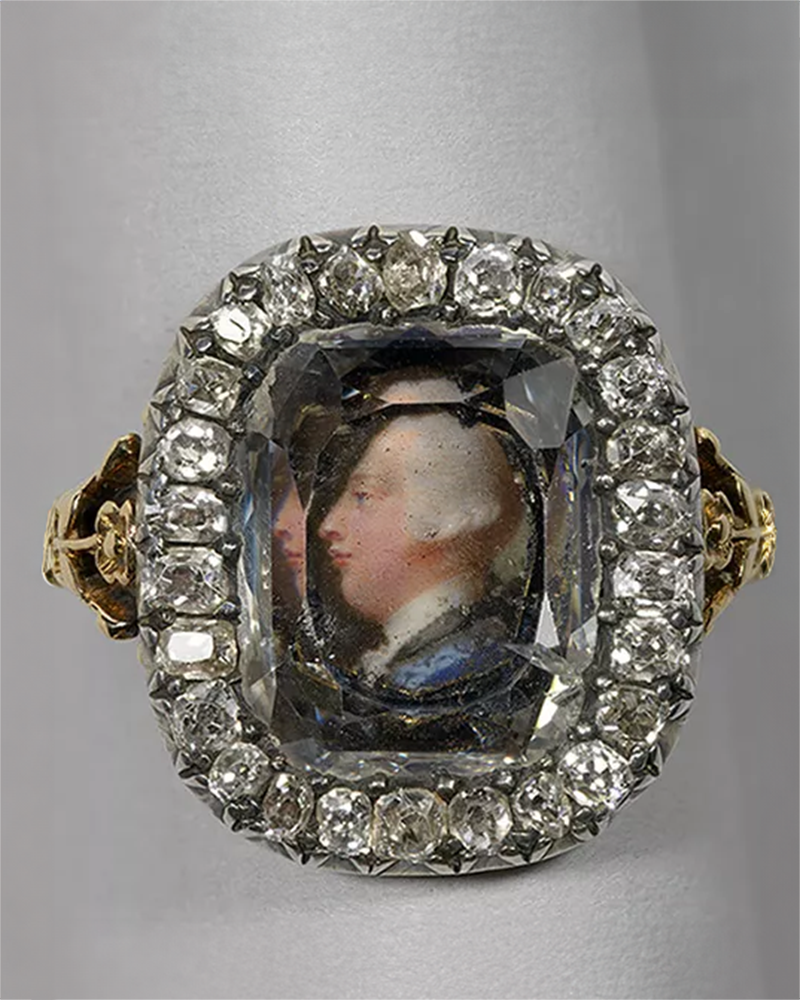
When people talk about a “table cut diamond” today, they often mean the historic cut that defined the Renaissance. Technically, the term table cut can refer to any diamond with a flat top facet. Most Modern shapes, from the emerald cut to the round brilliant, have one. Yet the original table cut carries a much more specific meaning. It refers to a point cut with the top of the pyramid removed, creating a flat surface. This new shape created the first diamond that intentionally returned light to the viewer’s eye.
How Renaissance Cutters Invented the First Table Cut Diamonds


Renaissance cutters first worked with rough diamonds that traveled from the Golconda mines in India. The Indian jewelers favored perfect octahedron shapes and kept them for local patrons. They sent irregular or oddly shaped diamond crystals to Europe. These crystals created a challenge because they lacked symmetry. European cutters needed new solutions to reveal the beauty of the stones India rejected. The table cut offered a perfect answer.
Once cutters began experimenting, they learned that changing the angle of a facet influenced how the stone returned light. Removing the top point of a diamond created a new geometry and opened the door to controlled light reflection. The pavilion facets on a point cut already formed a natural four-sided structure. A flat top transformed that structure into a more engaging optical experience. People could finally see inside a diamond rather than only admire its outer shape.
Why the Table Cut Diamond Was a Breakthrough
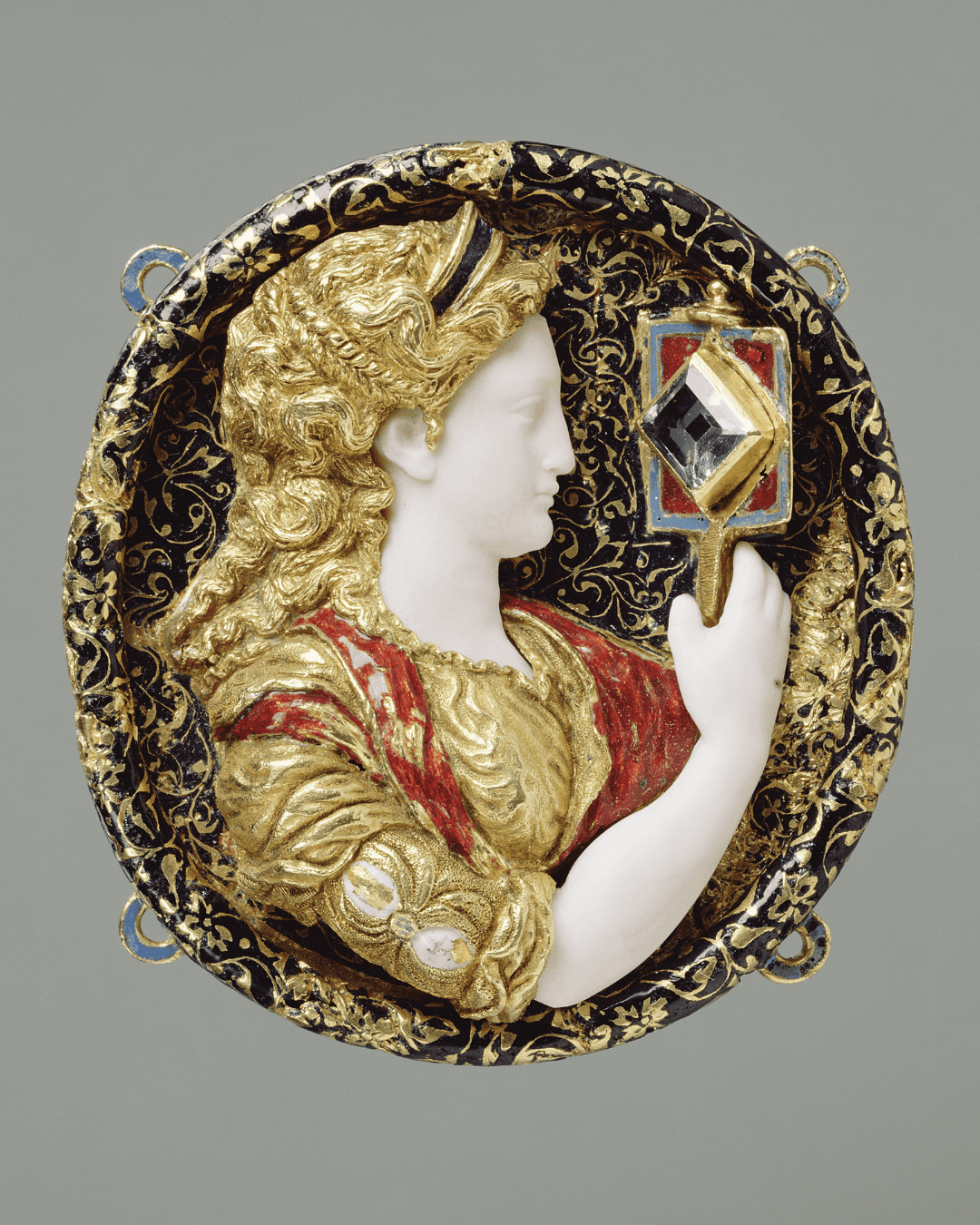
The table cut gave jewelers a flat surface that invited light to enter the stone. Candles illuminated the courts and homes of the Renaissance, and the new cut created a subtle glimmer that felt luxurious and mysterious. Early examples often show a soft glow rather than the sharp brilliance we see today. That glow marked the beginning of intentional diamond fashioning.
The process required remarkable skill because cutters needed to understand that only diamond could polish diamond. They created a paste from diamond dust mixed with oil or water, then rubbed the stone across a flat surface covered in the mixture. Through patience and pressure, they shaped the first table facets in history.
This discovery also solved a practical problem. The points on earlier diamonds chipped easily. By removing the vulnerable tip, cutters preserved the integrity of the stone while improving its beauty. That combination created a new standard for diamonds.
The Table Cut Diamond Is the Grandfather of Modern Diamond Cuts
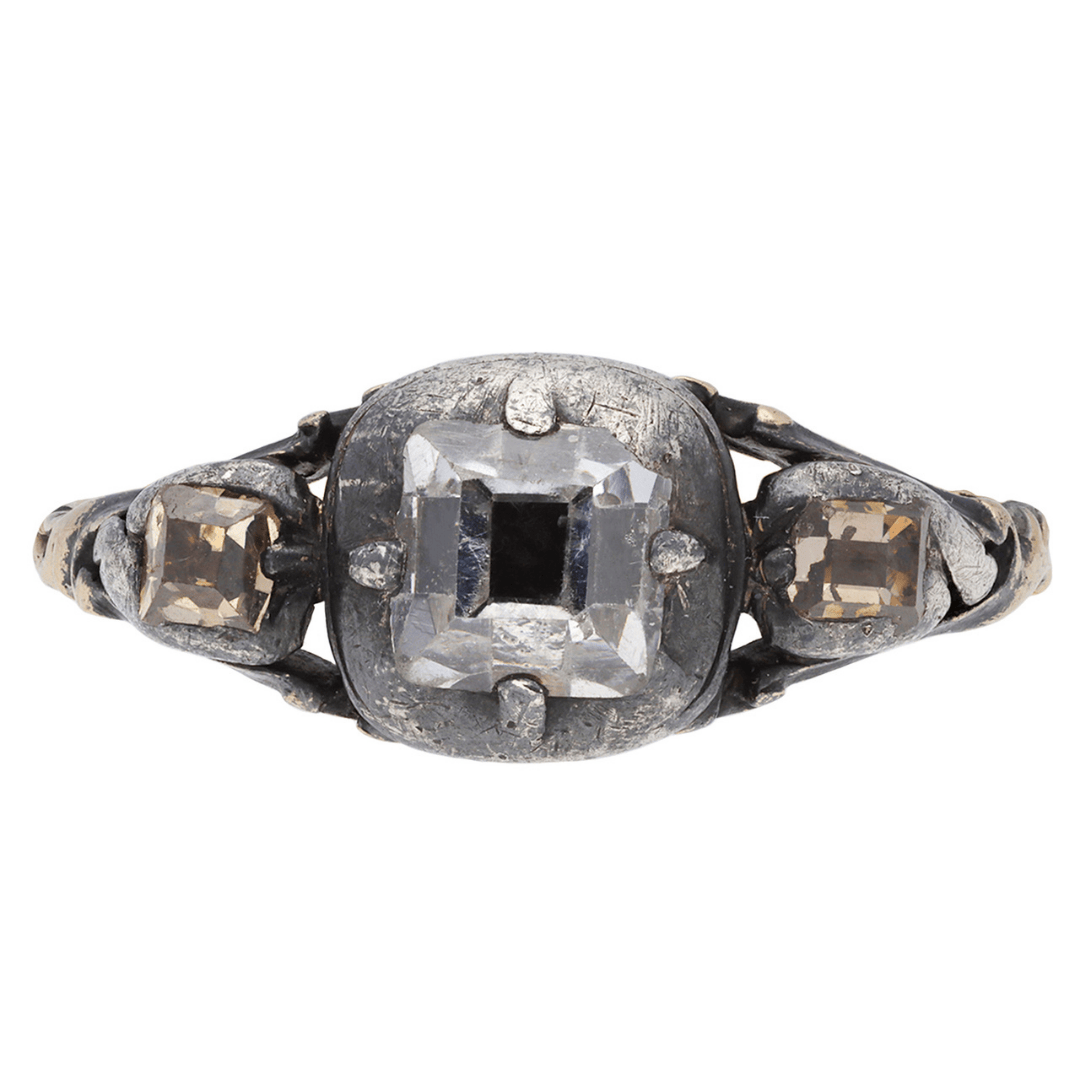
Historians often call the table cut diamond the “grandfather cut” because it inspired a lineage that still shapes jewelry today. The table cut directly influenced the development of emerald, French, carre, and mirror cuts. Each new style relied on the same key idea. A flat top facet allowed the viewer to look inside the diamond. The concept that began with a simple slice off the top created the foundation for the brilliant cuts of the modern era.
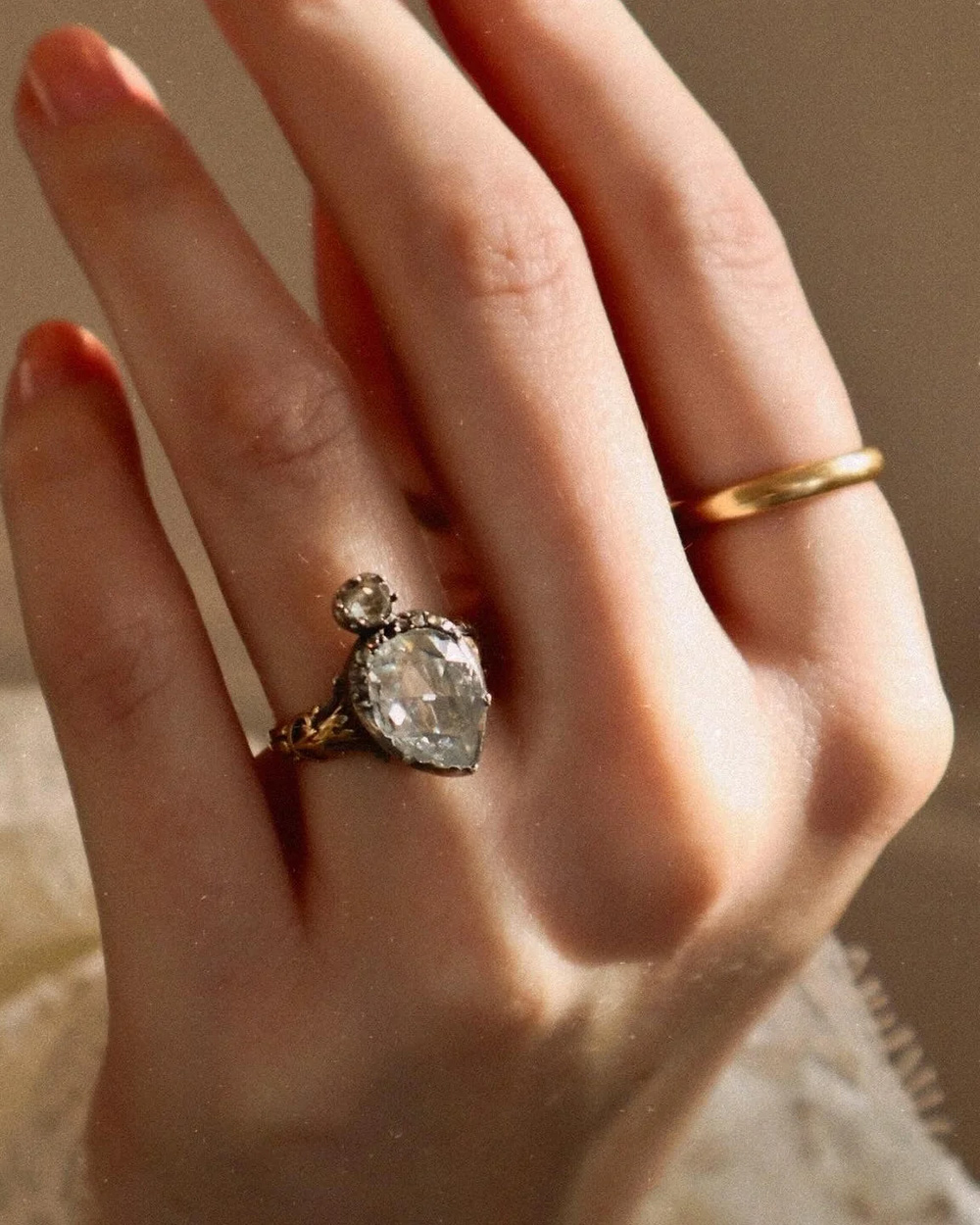
The earliest table cuts date to the fourteenth century, and inventories from European courts in the fifteenth and sixteenth centuries mention them. Most surviving examples appear in Medieval and Renaissance jewels and are remarkable historical artifacts.
Why So Few Table Cut Diamonds Survive Today
Collectors rarely encounter original table cut diamonds in the present day. When cutting technology improved in the seventeenth, eighteenth, and nineteenth centuries, jewelers often removed diamonds from older settings and recut them into more modern shapes. Table cuts offered ideal proportions for recutting because the flat top made it easier to transform the stone into something more brilliant.

Only a small number of table cut diamonds survived this transformation. Each surviving piece represents an extraordinary relic of the early diamond trade. One of the most notable examples is the Darya-i-Noor, which experts believe once existed in a much earlier, table cut form before being recut in the nineteenth century.
Why the Table Cut Diamond Matters Today
A true table cut diamond carries historical and aesthetic qualities that no modern cut can replicate. The cut creates a wider, more open window into the gem, often making the stone appear larger than its carat weight. Jewelry with original table cut diamonds also carries a romantic glow that comes from the soft reflections created by the limited number of facets.
Collectors who value rarity gravitate toward table cut diamonds because so few have survived the centuries. Each piece reflects the earliest successful attempt at diamond fashioning and marks the first time humans shaped diamonds with intention.
The table cut created the foundation for every diamond cut that followed. It changed the way the world viewed diamonds and revealed the inner fire that had remained hidden for thousands of years. For anyone who values heritage, innovation, and the romance of the Renaissance, a table cut diamond offers a direct connection to the birth of diamond artistry.