The Radical Vision of René Boivin: Jewelry as Sculpture
René Boivin didn’t just design jewelry, he reimagined it as art. With bold forms, unexpected materials, and a radically modern vision, his work still feels ahead of its time.
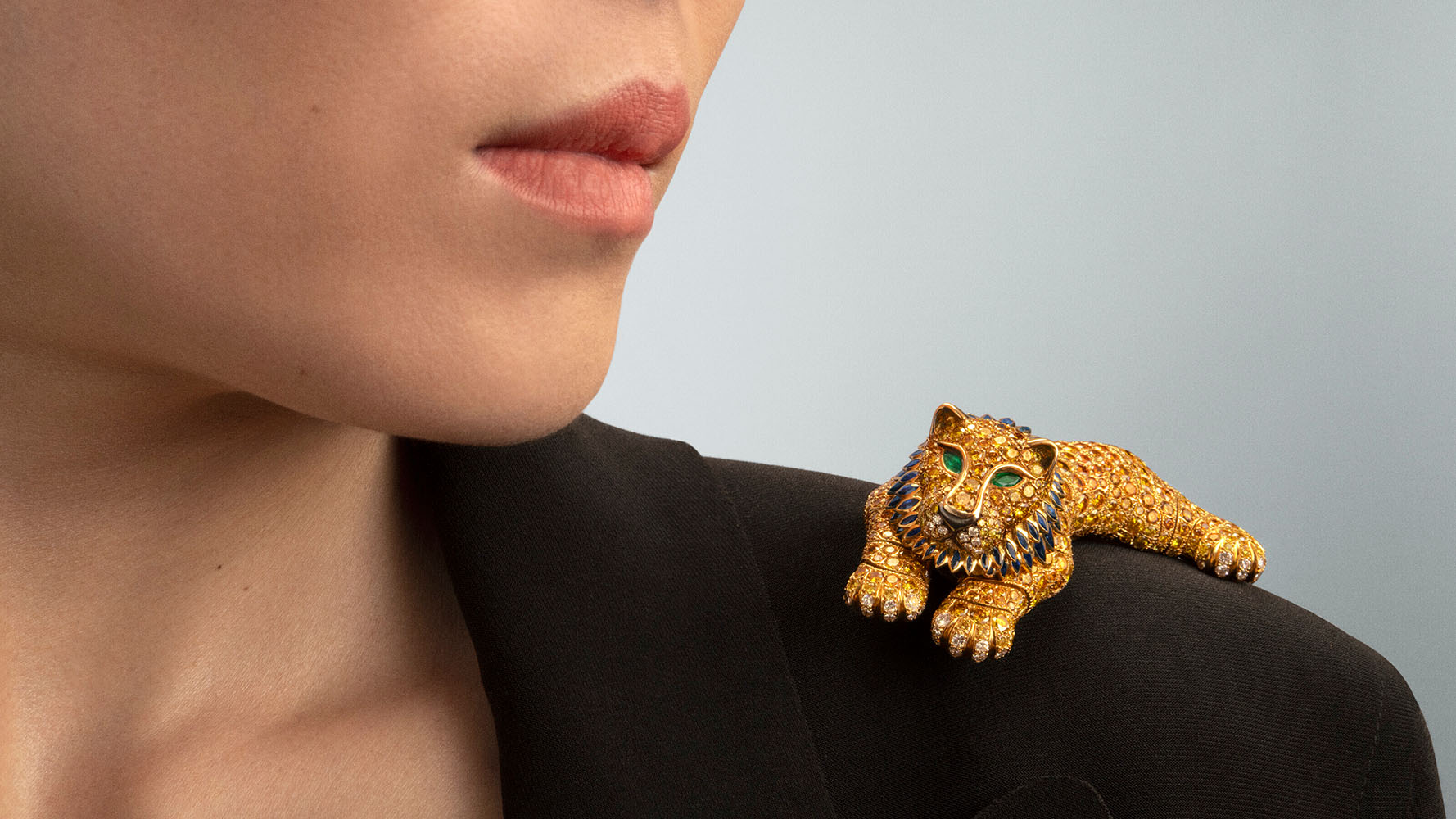
Though the name may not be as recognizable as Cartier or Van Cleef & Arpels, French jeweler René Boivin was considered one of the great figures of early 20th-century jewelry design and a prominent force during the Art Deco era. His Maison was known for being decades ahead of its time.
Boivin stood out not just for his distinctive style but for his radical rethinking of what jewelry could be. “While many Parisian houses in the early 20th century liked delicate designs (think light Belle Epoque platinum settings, fine diamonds, and a graceful elegance). Boivin chose a different path by favouring weight, volume, and bold sculptural shapes,” says Zuleika Gerrish, jewelry historian and co-owner of Parkin & Gerrish.
Meet the Experts

Zuleika Gerrish is an antique, vintage and fine jewelry expert as well as a gemmologist and co-founder of Parkin and Gerrish. She is a qualified FGA (Fellow of the Gemmological Association) and DGA (Diamond Member), and is training to become an IRV (Institute Registered Valuer) through the National Association of Jewellers. Zuleika is also a member of LAPADA and CINOA, and a member of the Society of Jewellery Historians.

Emily Otranto is the research and content manager at M.S. Rau, the renowned New Orleans–based gallery specializing in fine jewelry, art, and antiques. Her love for history, literature and art lead her to pursue two bachelor’s degrees in History and Secondary Education, and a Masters in American Studies.
Ahead, a closer look at this extraordinarily distinctive jewelry house and its innovative work with natural diamonds.
Who Was René Boivin?
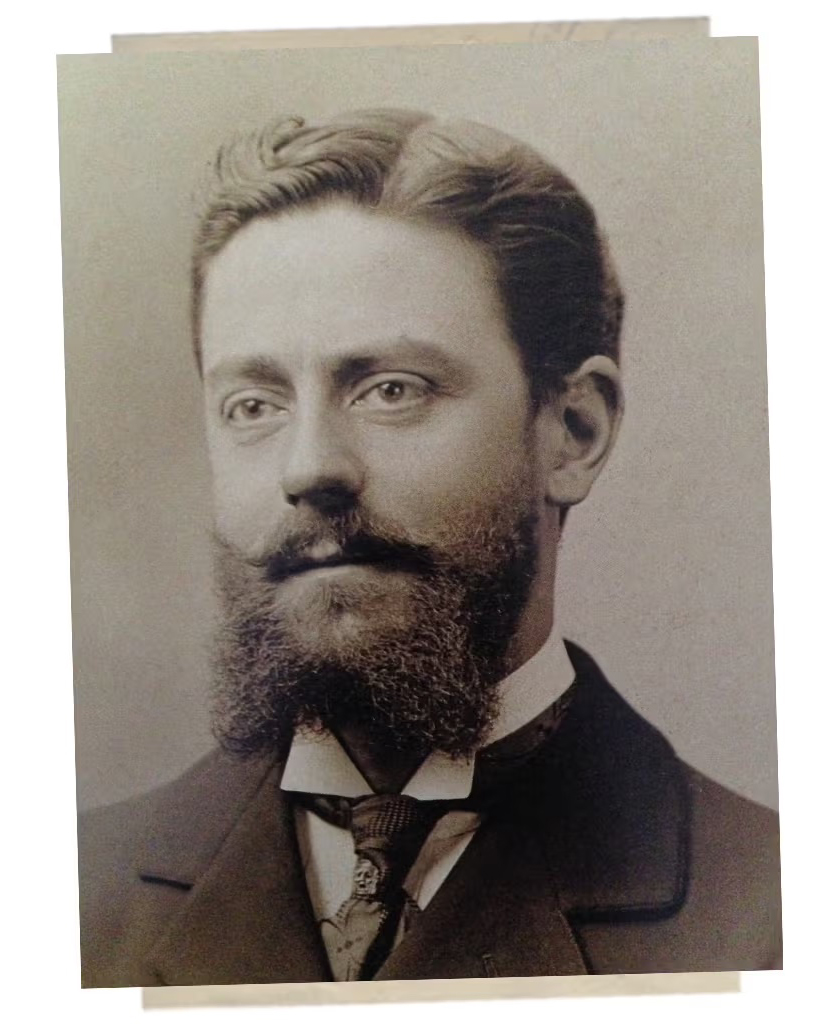
René Boivin was born in 1864 in Paris and trained as a goldsmith and engraver. He founded his own jewelry house on rue Saint-Anastase in the 1890s, while still in his twenties. His work quickly gained recognition for its exceptional craftsmanship, setting him apart from his contemporaries through his embrace of colored gemstones and his distinctive talent for sculptural design.
Gerrish notes that “Although the house initially reflects the elegant styles of the Belle Époque and later Art Nouveau, even René Boivin’s earliest work reveals a gentle shift toward more sculptural, statement-like forms. His pieces carry a sense of weight and volume that sets them apart from the lighter, more decorative styles of his contemporaries, adding a distinctive, grounded charm.”
She explains that Boivin’s unconventional approach makes sense within the cultural climate of the time. “After World War I, Paris was buzzing with artistic innovation—think Cubism, Fauvism, and early modernism, where ideas of form and space were being completely reimagined. At the same time, jewelry remained largely traditional.”
In this context, Boivin stood apart, treating jewelry not as surface decoration but as a three-dimensional object that interacts with the body and occupies space. The house’s use of unconventional materials reflects this shift, prioritizing bold design over intrinsic value. As she notes, it is often considered “ahead of its time” for envisioning a more modern, design-led approach long before it became the norm.
René Boivin and Jeanne Poiret: The Woman Behind the Maison
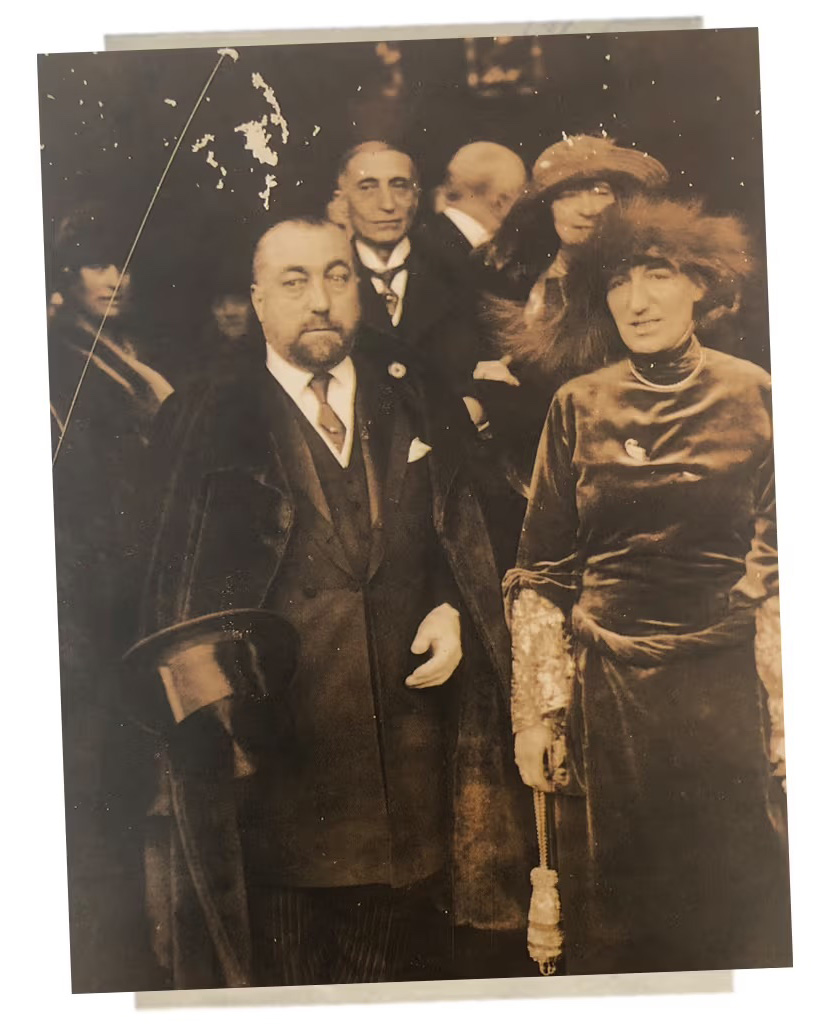
In 1893, René Boivin married Jeanne Poiret, and the couple went on to have three children. Jeanne was the sister of Paul Poiret, one of the most influential couturiers in Paris at the time. The marriage introduced Boivin to Parisian high society, and by 1905, he stopped designing for houses such as Mellerio and Boucheron to focus on private clients.
A creative synergy soon emerged between Boivin and Poiret: as Poiret dressed a growing clientele of wealthy and fashionable women, Boivin complemented those designs with his bold, sculptural jewelry. Their shared circle included notable figures such as Elsa Schiaparelli and Nam Phương, underscoring the house’s early cultural reach.
The trajectory of the company shifted dramatically in 1917, when René Boivin and his son were killed during World War I. It was a devastating loss, but Jeanne Poiret ensured the house endured. Having already managed the operational side of the business for years, she stepped in to lead—becoming one of the first women in Paris to run a major jewelry house—and became known as Madame René Boivin.
Under her direction, the transition was remarkably seamless. She brought in pioneering designer Suzanne Belperron in 1919, followed later by Juliette Moutard. Jeanne relocated the workshop to the more central Avenue de l’Opéra, and her daughter, Germaine Boivin, joined the business, further shaping its creative evolution.
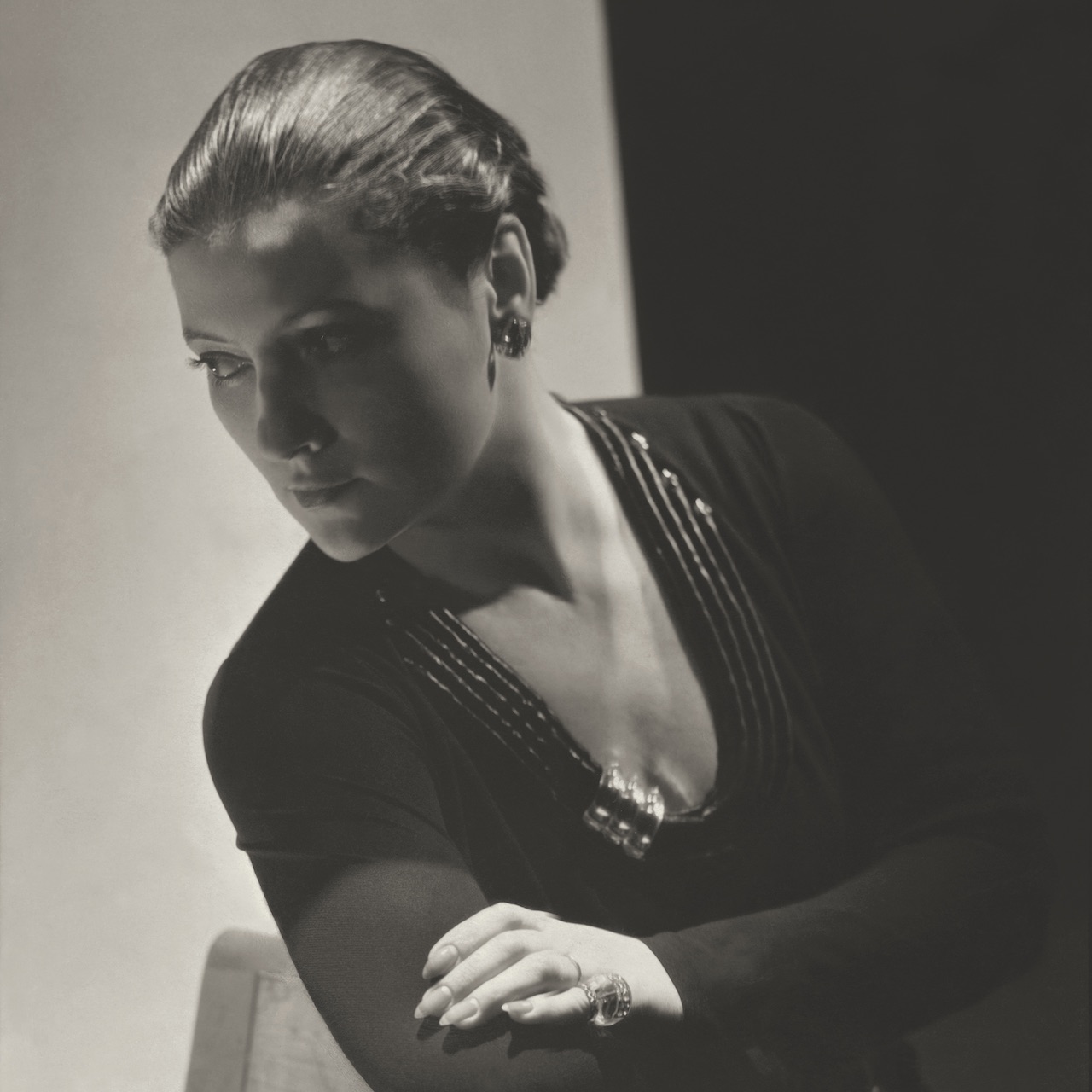
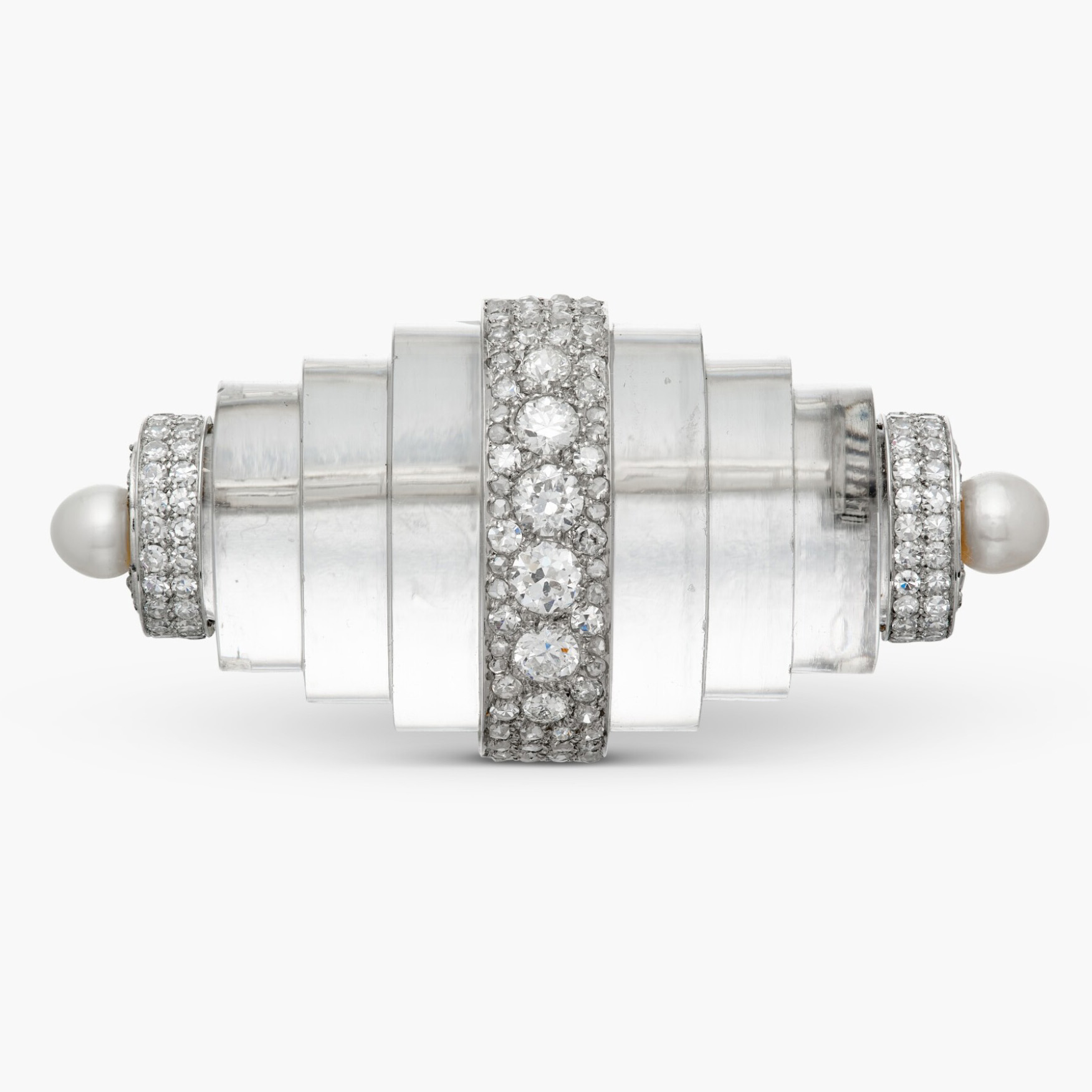
Zuleika Gerrish explains that under Jeanne Boivin’s leadership after 1917, the house “blossomed into a wonderfully unique female-led creative hub,” marking a “fresh and quietly revolutionary change” in direction. Though she had no formal jewelry training, Jeanne approached design through a couture-informed lens and an intuitive understanding of how women “move, dress, and live,” helping shift the house away from rigid, male-centered traditions toward something more fluid and experiential.
Gerrish emphasizes that Jeanne’s decision to bring in female designers—most notably Suzanne Belperron in 1919—created a new dynamic where jewelry was not only worn by women but thoughtfully designed by them. The result, she notes, is best captured by the phrase “for women, by women,” signaling a meaningful shift in an industry largely dominated by men.
She adds that this evolution redefined the role of jewelry itself: no longer purely decorative, it became about “personal experience”—how a piece feels, moves, and integrates into everyday life. Under Jeanne Boivin, the house ultimately emerged as a more modern, human-centered space, where design responded to real life rather than rigid conventions.
The René Boivin Aesthetic: Jewelry as Architecture
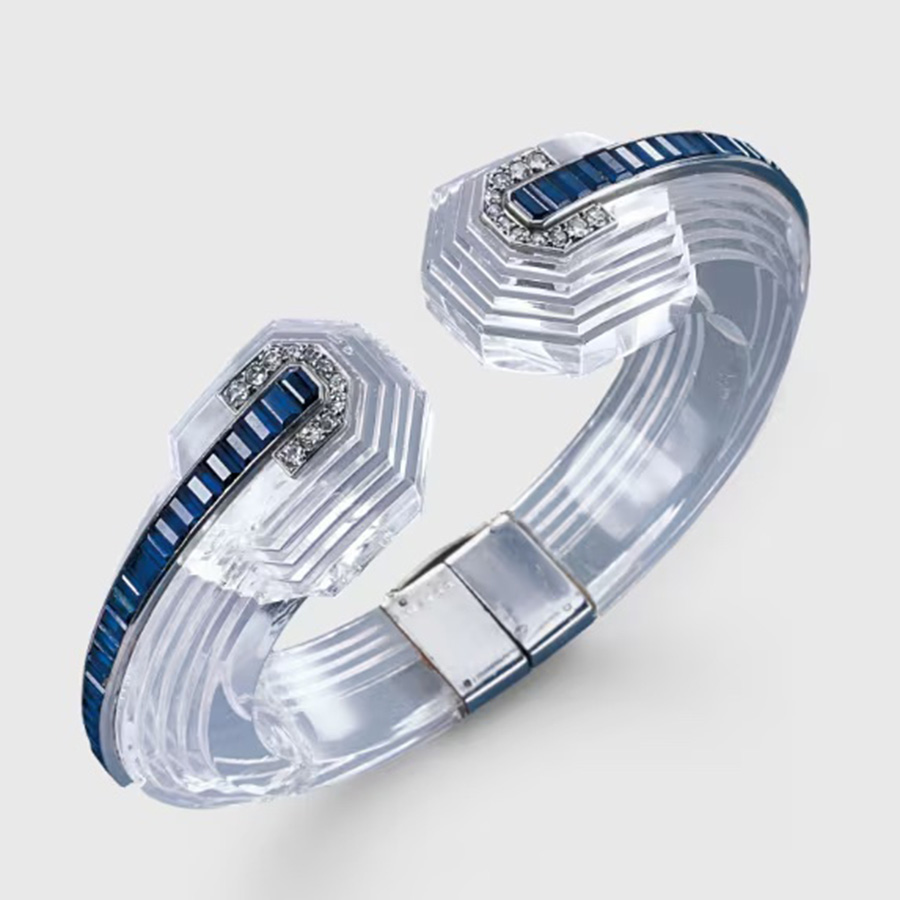
What set René Boivin apart was his vision of jewelry as architecture rather than mere adornment, a philosophy that continued under Jeanne Poiret’s leadership. His pieces were conceived as three-dimensional forms, defined by volume, structure, and geometry. When Suzanne Belperron joined the house, she further pushed this approach, moving away from traditional settings and instead developing signature forms such as the ‘Clou’ (nail), ‘Escalier’ (stairway), ‘Toit’ (roof), and ‘Bande’ (band). The result was jewelry that functioned as true wearable sculpture.
“Boivin jewelry is truly a work of sculpture, but one that you can wear and enjoy. Calling it just decorative doesn’t quite capture its true essence. While typical decorative jewelry gently follows the body’s curves to enhance them, Boivin’s creations boldly assert their own unique forms, making a striking statement,” Gerrish says. “Its pieces are rich in volume, inviting touch and interaction, often featuring asymmetrical shapes that encourage engagement. Unlike the sleek, polished lines typical of Art Deco, Boivin preferred flowing curves, gentle edges, and surfaces that gently absorb and scatter light, creating a warm and inviting presence.”
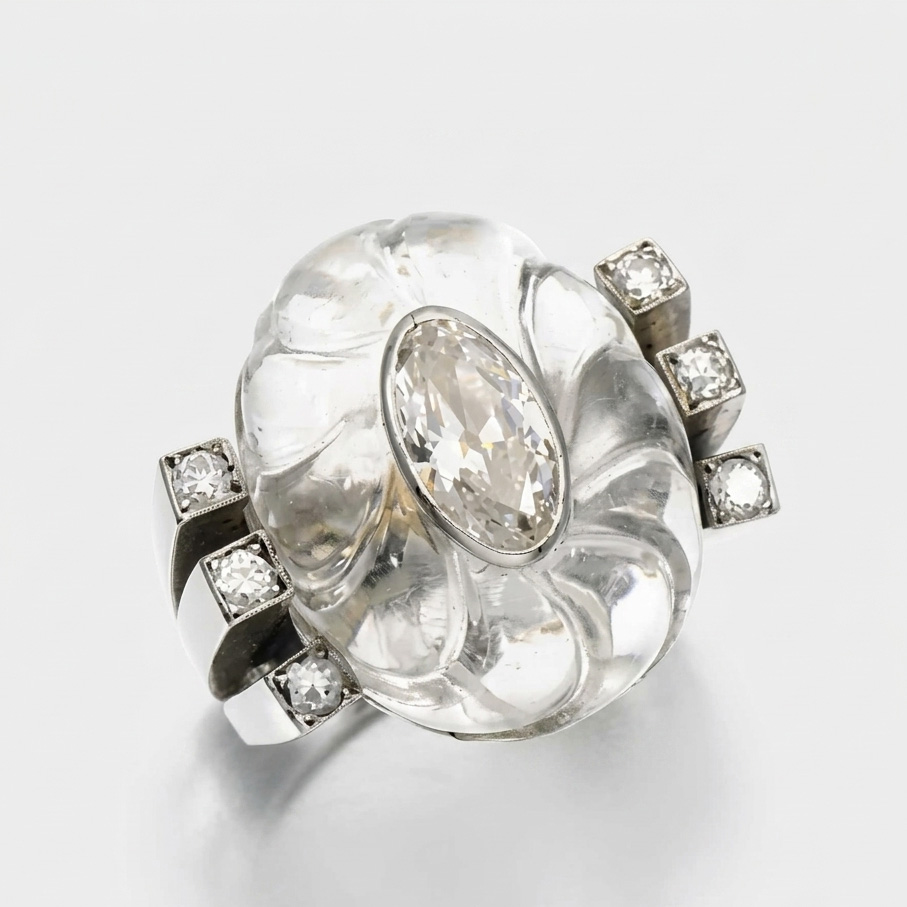
Boivin was also a pioneer in his use of unconventional materials, incorporating wood, ivory, rock crystal, and semi-precious stones into high jewelry. Rather than relying on diamonds purely for brilliance, he used them for structure, contrast, and texture—placing them in service of the overall design.
Emily Otranto, Research & Content Manager at M.S. Rau, explains that this approach broadened the very idea of luxury, moving beyond traditional precious materials to embrace texture, atmosphere, and contrast as equally refined elements. These choices often gave the jewelry an “ancient, even archaeological” quality, distinguishing it from more polished conventions of the period. While diamonds remained important, they were typically “in service of the design rather than the main event.”
Gerrish adds, “Diamonds haven’t vanished; instead, their role has shifted.”
René Boivin’s Most Defining Jewelry Pieces
From its inception, Maison Boivin distinguished itself through a commitment to innovative, highly intellectual design. René Boivin—and the designers who carried on his legacy—often looked beyond traditional European references, drawing inspiration from ancient civilizations, global cultures, and the natural world, then reinterpreting those influences through a distinctly modern lens.
The Barbare Style by René Boivin
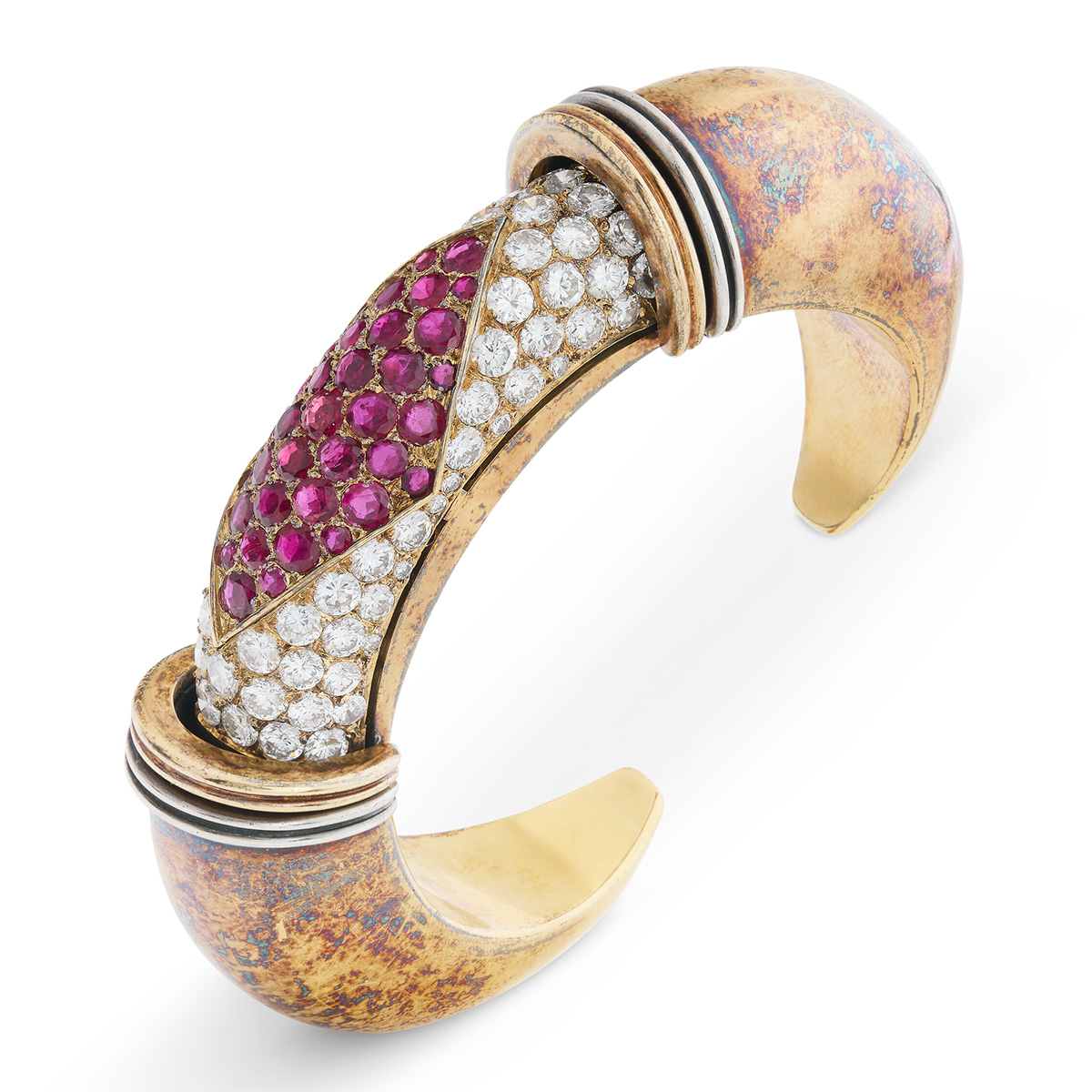
While not exclusively focused on diamonds, in 1905 Boivin created the first pieces of the style often referred to as the ‘Barbare’ series, inspired by Assyrian, Celtic, Egyptian and Etruscan ancient cultures. Notable examples include a circa 1910 necklace set with five graduated amazonite scarabs, Egyptian Revival rings attributed to Boivin, and the ruby and diamond “Cachettes” bangle, which cleverly concealed compartments within its design, an example of both technical ingenuity and narrative-driven jewelry.
Among the most enduring designs associated with this aesthetic are the Corde bracelets, introduced later, around 1928. These bold, twisted forms—often compared to coiled rope—reflect both Celtic influences and Boivin’s ongoing interest in archaeological forms. Their sculptural weight and tactile quality anticipate what would later be described as Brutalist jewelry, though they predate the movement itself. The Corde bracelets became some of the house’s most recognizable and commercially successful designs, remaining in production well into the 20th century, including after the house’s acquisition by Asprey.
René Boivin ‘Feuille Persane’ Diamond Brooch
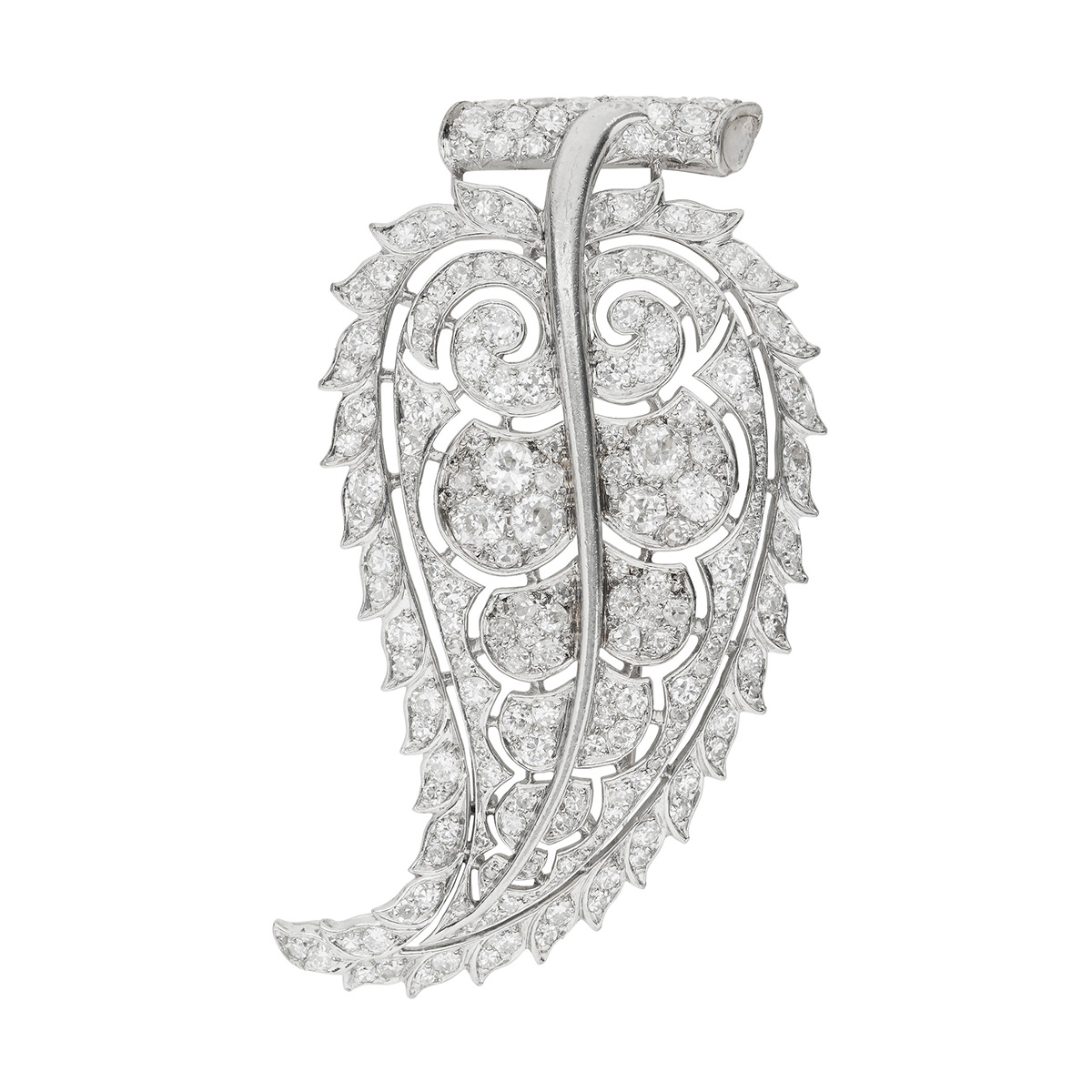
The house’s fascination with global influences continued when Suzanne Belperron joined Boivin in 1919, quickly rising to become one of its most important designers. She became known for her unconventional pairings of precious and semi-precious materials, a hallmark of the house’s evolving aesthetic, before leaving the firm in 1931.
One of the most memorable pieces associated with her work at Boivin is the ‘Feuille persane’ diamond brooch, designed circa 1935 and attributed to her work following her time at Boivin. This leaf-like piece, set with old and single-cut diamonds, reflects her signature use of rounded, sculptural forms and her ability to balance softness with structure—using diamonds not just for brilliance, but to define shape and surface.
René Boivin Nature-Inspired Jewelry
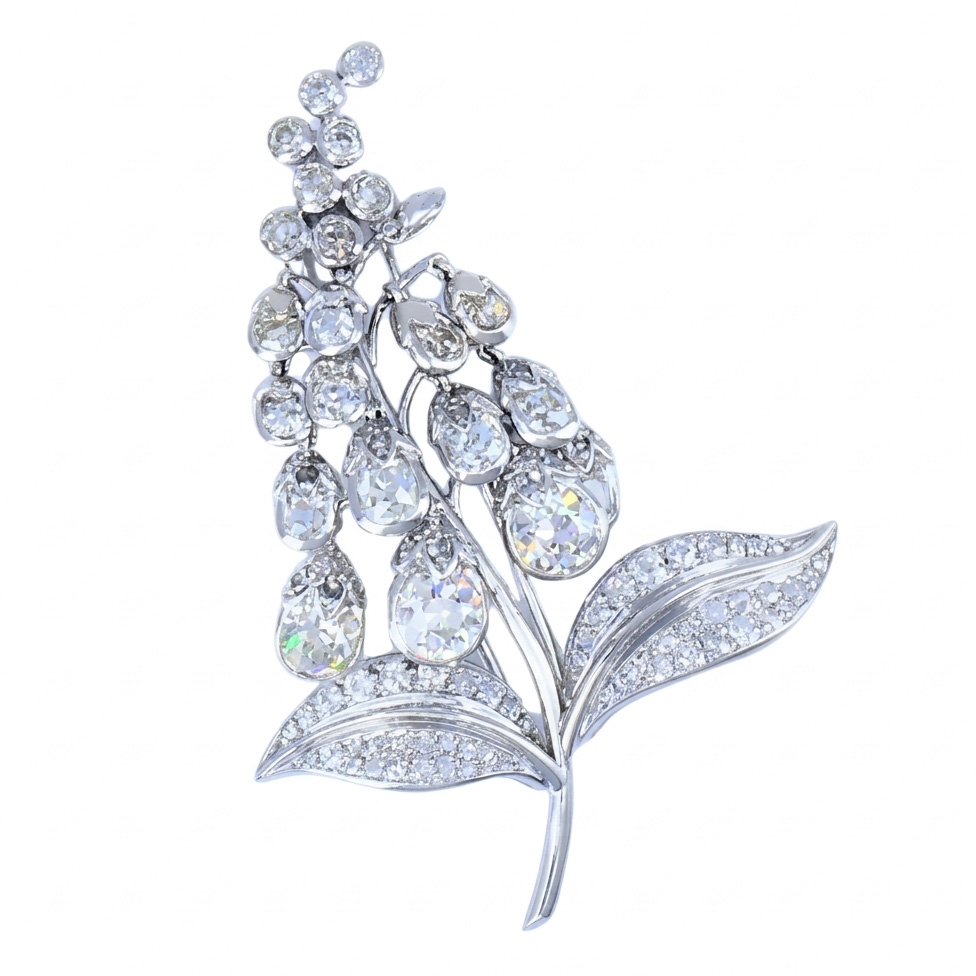
From the very beginning, nature served as a key source of inspiration for René Boivin. We see with this ‘Lilly of the Valley’ diamond brooch made circa late 19th or early 20th century with old mine, rose, and cushion cut diamonds. While many of Boivin’s contemporaries explored similar motifs, his approach was more interpretive than literal. As Emily Otranto explains, “Plenty of Boivin’s contemporaries were using florals, leaves and organic motifs, but Boivin took it further. As a passionate botanist, he spent his career trying to capture the spirit of nature in jewels, not just the appearance. In that way, it feels a little like Impressionism.”
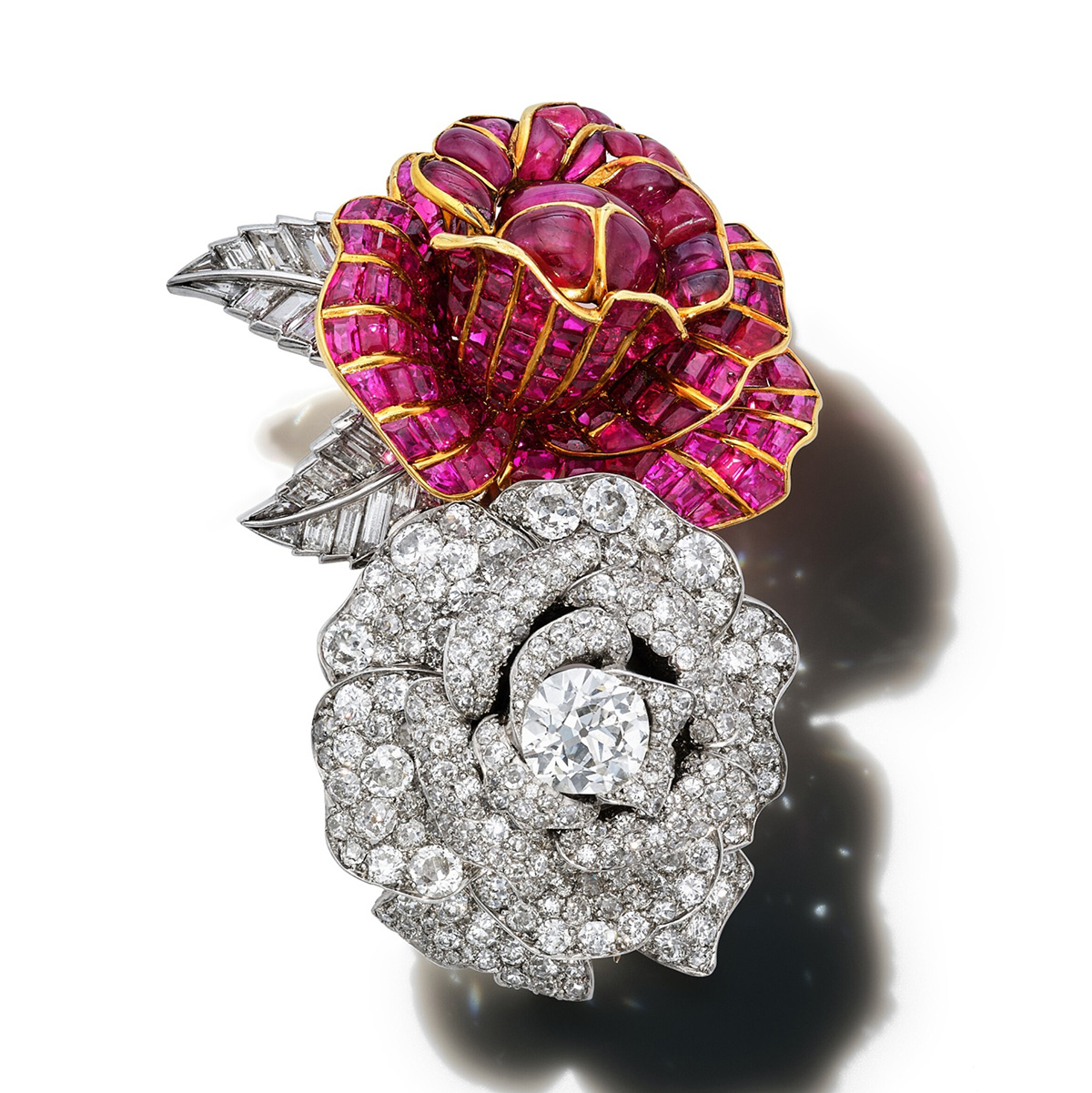
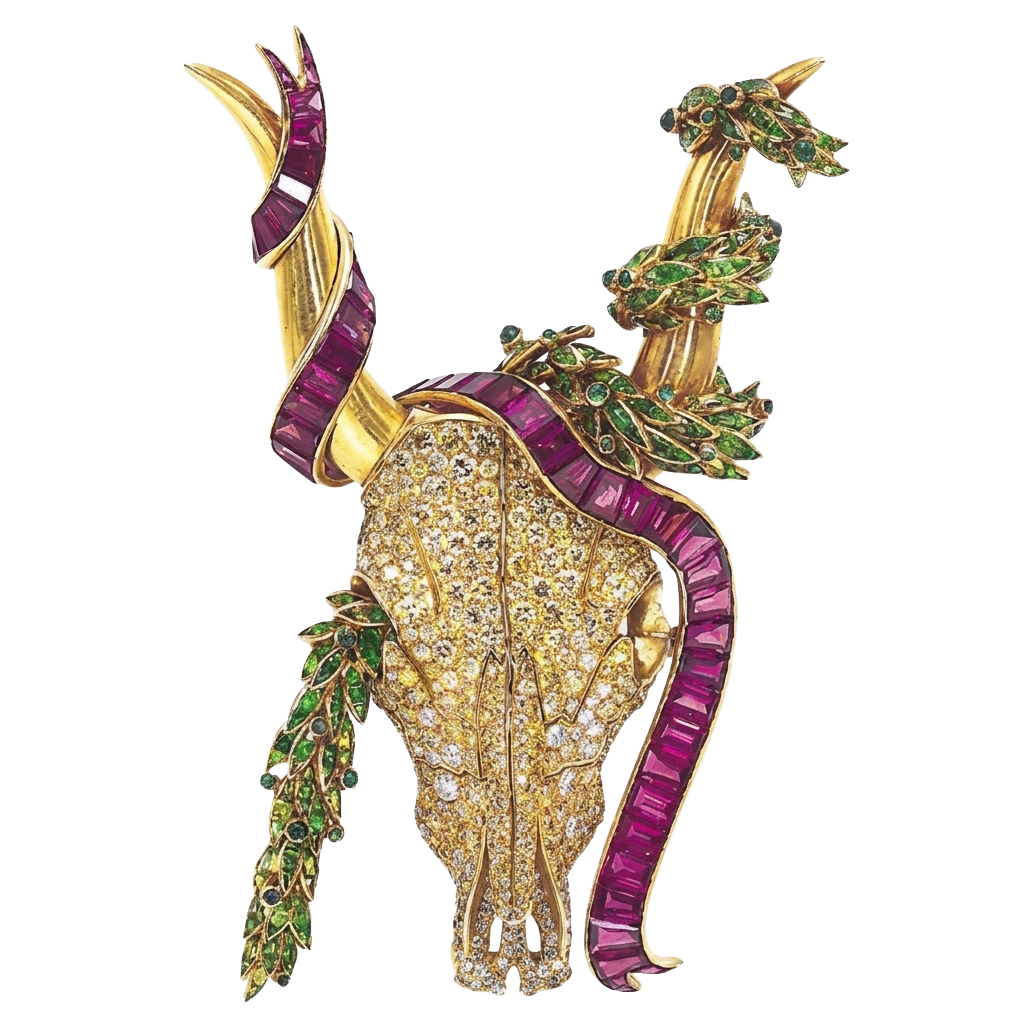
By the 1930s, this fascination evolved into a more playful and sculptural language, with a menagerie of animals—most notably starfish and other sea creatures—emerging as recurring motifs. Flowers such as orchids and violets, along with fruit-inspired designs, also became central themes. These pieces balanced realism with bold, almost whimsical proportions, reinforcing the house’s signature sense of volume and movement. Following Suzanne Belperron’s departure in 1931, designer Juliette Moutard joined the house and remained a key creative force through the mid-20th century, expanding its menagerie of animal-inspired designs.
“Unlike many of its contemporaries, who saw jewelry as a flat surface to look at, Boivin saw it as a three-dimensional piece that engages with the body, creating a richer, more immersive experience. This is clearly shown by volume, gentle curved lines, and cabochon stones, which highlight a sense of fullness and softness rather than sparkle. These pieces are crafted to be expressive, they move, they project personality, and they invite you to feel as much as to see,” Gerrish says.
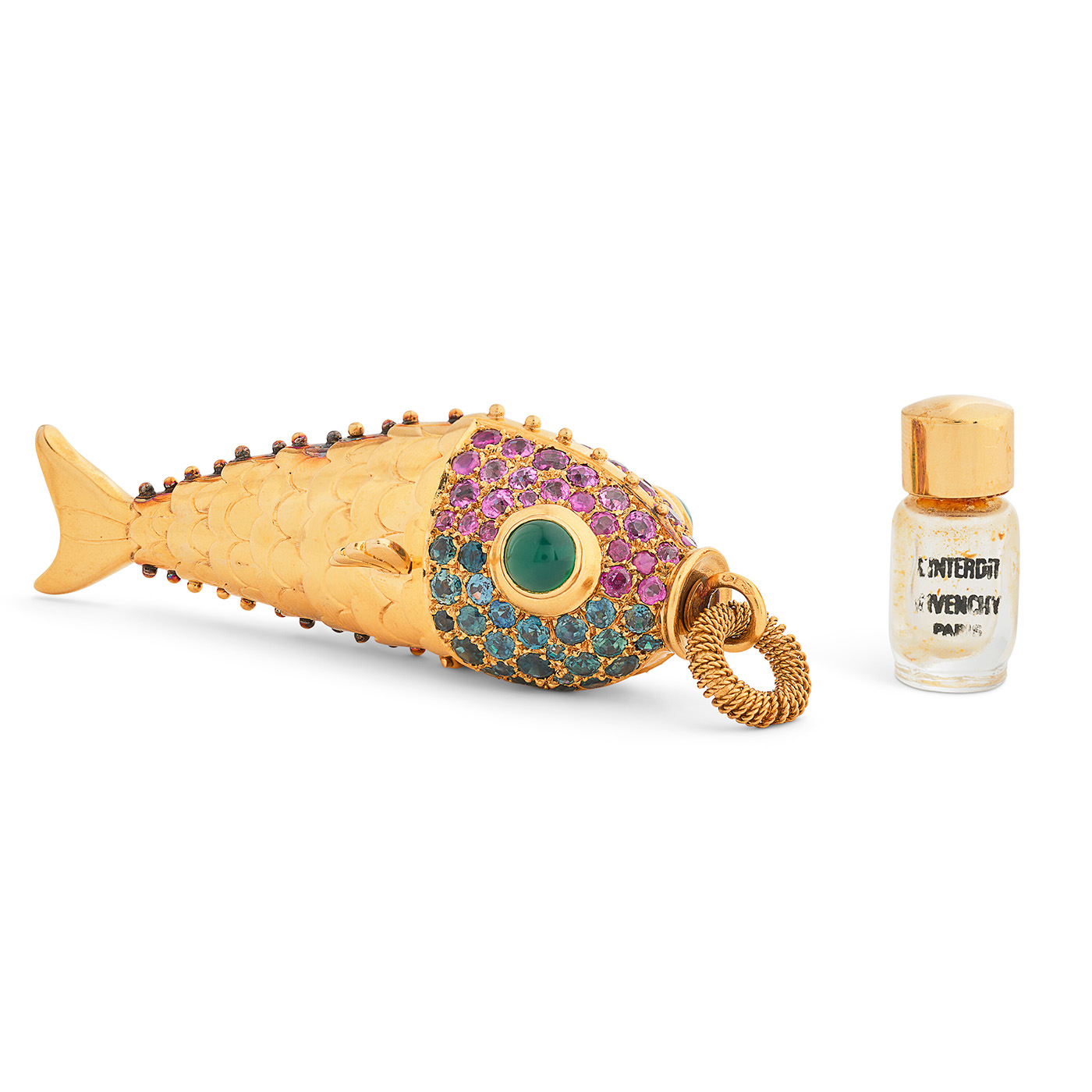
Other notable animal designs include whimsical creations such as the Pendentif Porte-Parfum ‘Poisson’, a jewel that functions as both a brooch and a perfume holder—demonstrating the house’s playful ingenuity and technical innovation.
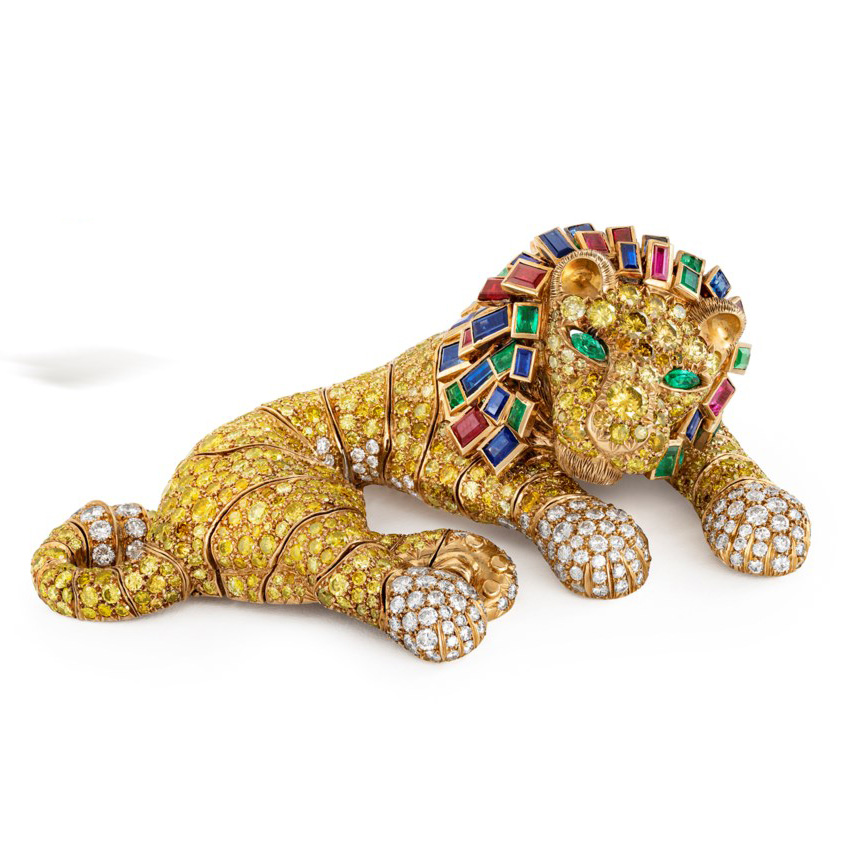
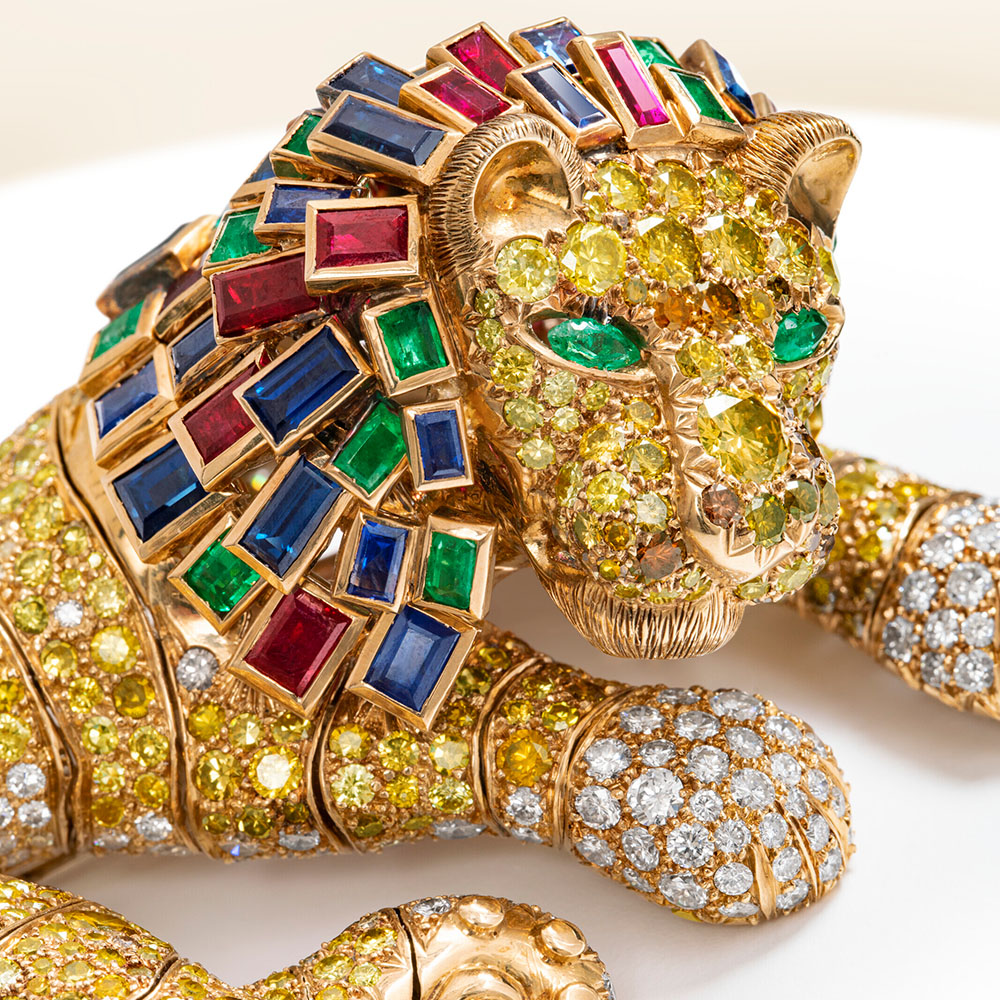
A more diamond-forward example is the multi-gem lion brooch, created with matching earrings. The bold design features baguette-cut rubies and sapphires, marquise and baguette-cut emeralds, and a mix of yellow, orange, brown, and white diamonds, showcasing Boivin’s signature use of color, texture, and sculptural composition.
René Boivin Orchid Diamond Brooch
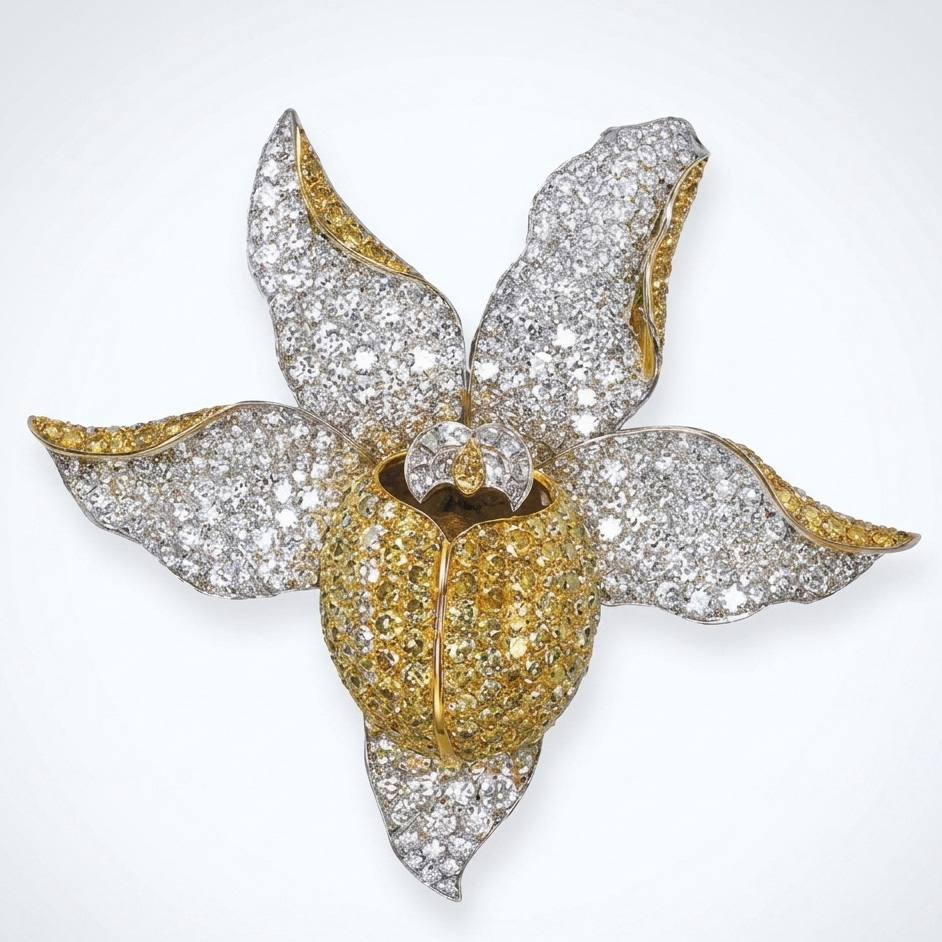
Created in 1937, this pavé-set diamond and yellow diamond orchid brooch is one of Boivin’s most celebrated floral designs. Executed in multiple variations—at least four slightly different versions are known—the piece reflects the house’s fascination with natural forms reimagined through sculptural volume and precision. One notable example was owned by society figure Daisy Fellowes, underscoring the design’s desirability among the era’s most fashionable collectors. The brooch captures the delicacy of an orchid in bloom while maintaining the bold, dimensional presence that defines Boivin’s aesthetic.
René Boivin ‘Guirlande de Feuilles’ Diamond Leaves Brooch
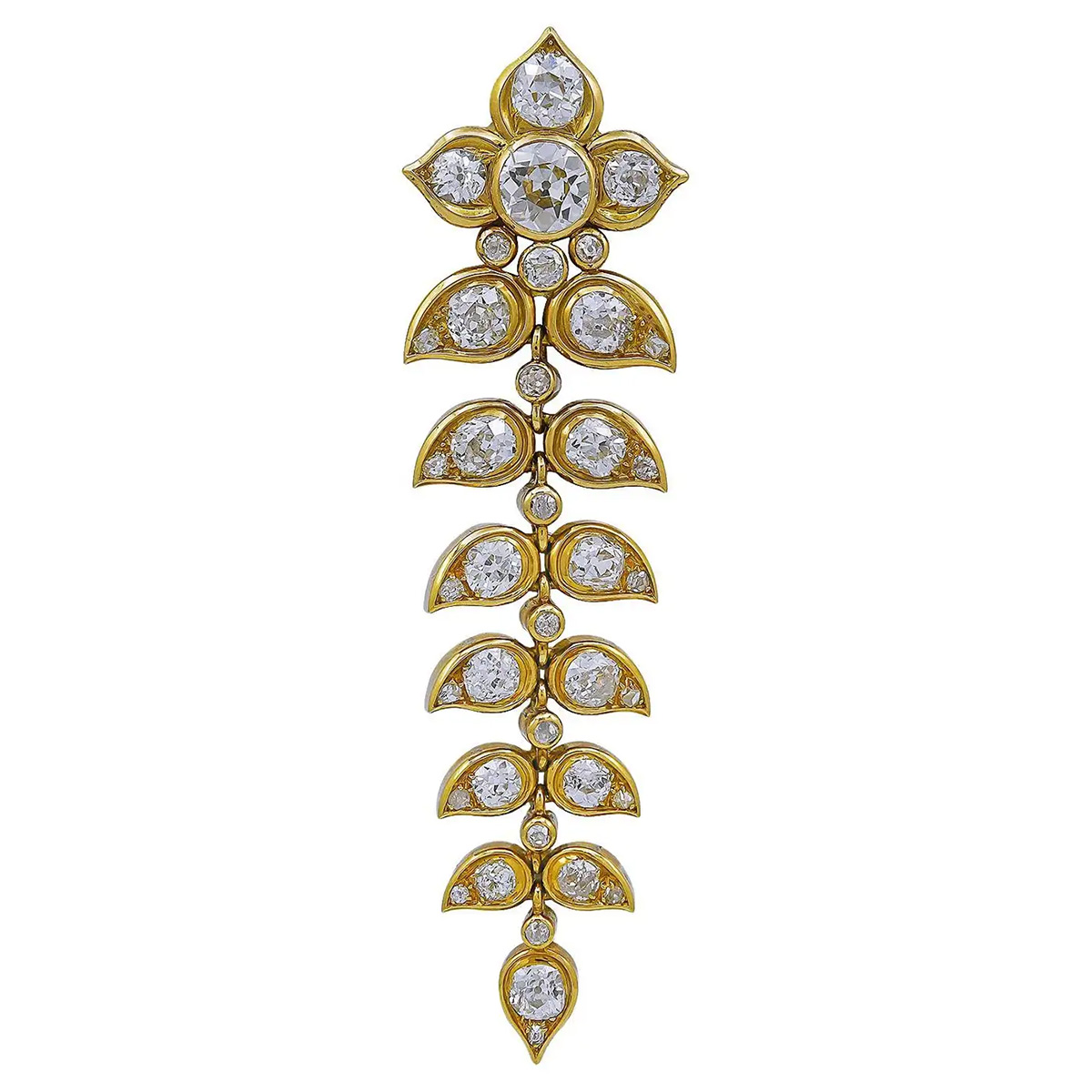
Another striking example of Boivin’s nature-inspired work is the “Guirlande de Feuilles” brooch, created circa 1947. Designed as a cascading arrangement of leaves, the piece is set with old European-cut and old mine-cut diamonds, blending movement with structure. Its fluid composition and textured gold setting exemplify the house’s ability to translate organic motifs into dynamic, wearable sculpture—where each leaf feels both naturalistic and intentionally architectural.
René Boivin Starfish Brooch: An Icon of 20th-Century Jewelry
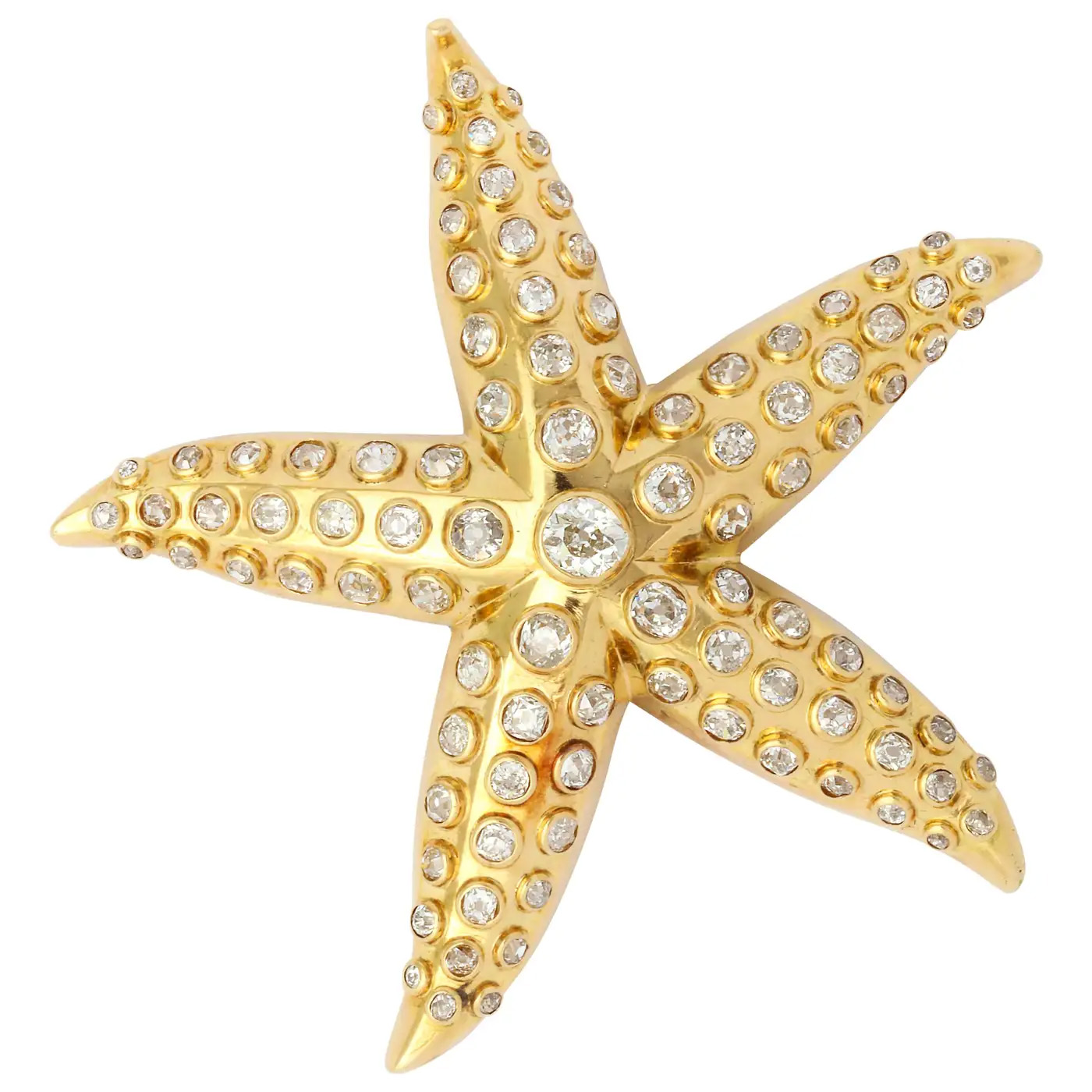
One of the most iconic creations of the maison, the starfish brooch exists in numerous variations—some set with vividly colored gemstones such as rubies, emeralds, and sapphires, and others rendered entirely in diamonds. Typically measuring over 6 centimeters in diameter, these bold, dimensional pieces are among the most recognizable examples of Juliette Moutard’s work at Boivin.
Originally trained as a watchmaker, Moutard approached the design with technical precision, studying starfish specimens at the Muséum national d’Histoire naturelle in Paris to accurately capture their form. She began developing the design around 1935, with the first completed example appearing in 1938. Upon its debut, the brooch quickly gained attention, featured in Harper’s Bazaar and worn by Oscar-winning actress Claudette Colbert that same year. Millicent Rogers, a Standard Oil heiress, style icon, and influential collector of Southwestern art and jewelry, was also photographed wearing a version in Vogue in the 1940s, cementing its place as a defining jewel of the era.
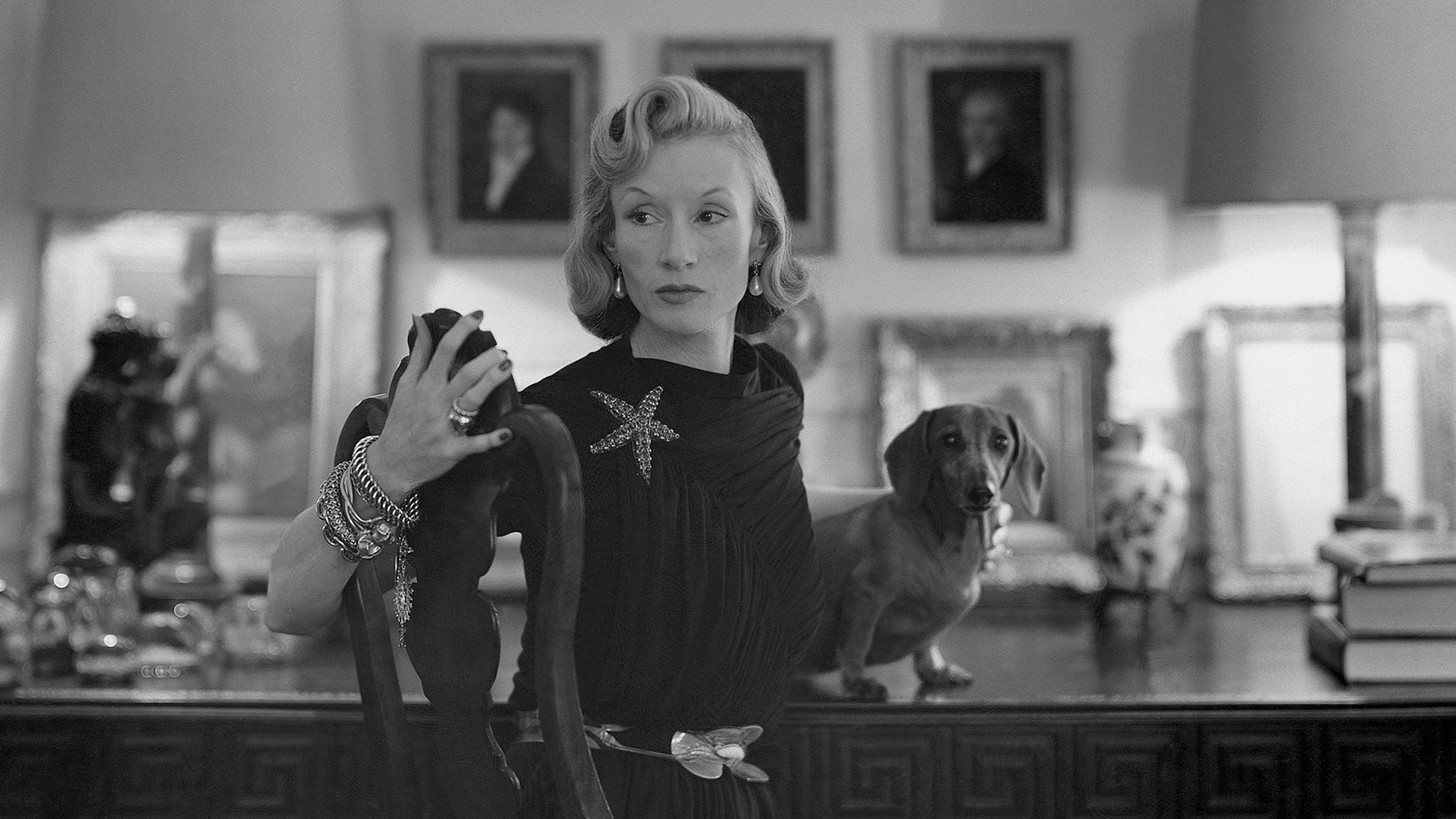
Gerrish explains that Boivin’s starfish and floral brooches stand out for transforming familiar natural motifs into something distinctly sculptural and modern. Rather than adhering to stylized, symmetrical decoration, the house reimagined nature in a more dimensional and expressive way. As she notes, the starfish “isn’t just delicate or decorative”—it feels “solid and textured,” with irregular surfaces that emphasize its physical presence. Similarly, Boivin’s floral designs are conceived with volume and movement, crafted to feel “lively” and dynamic rather than static.
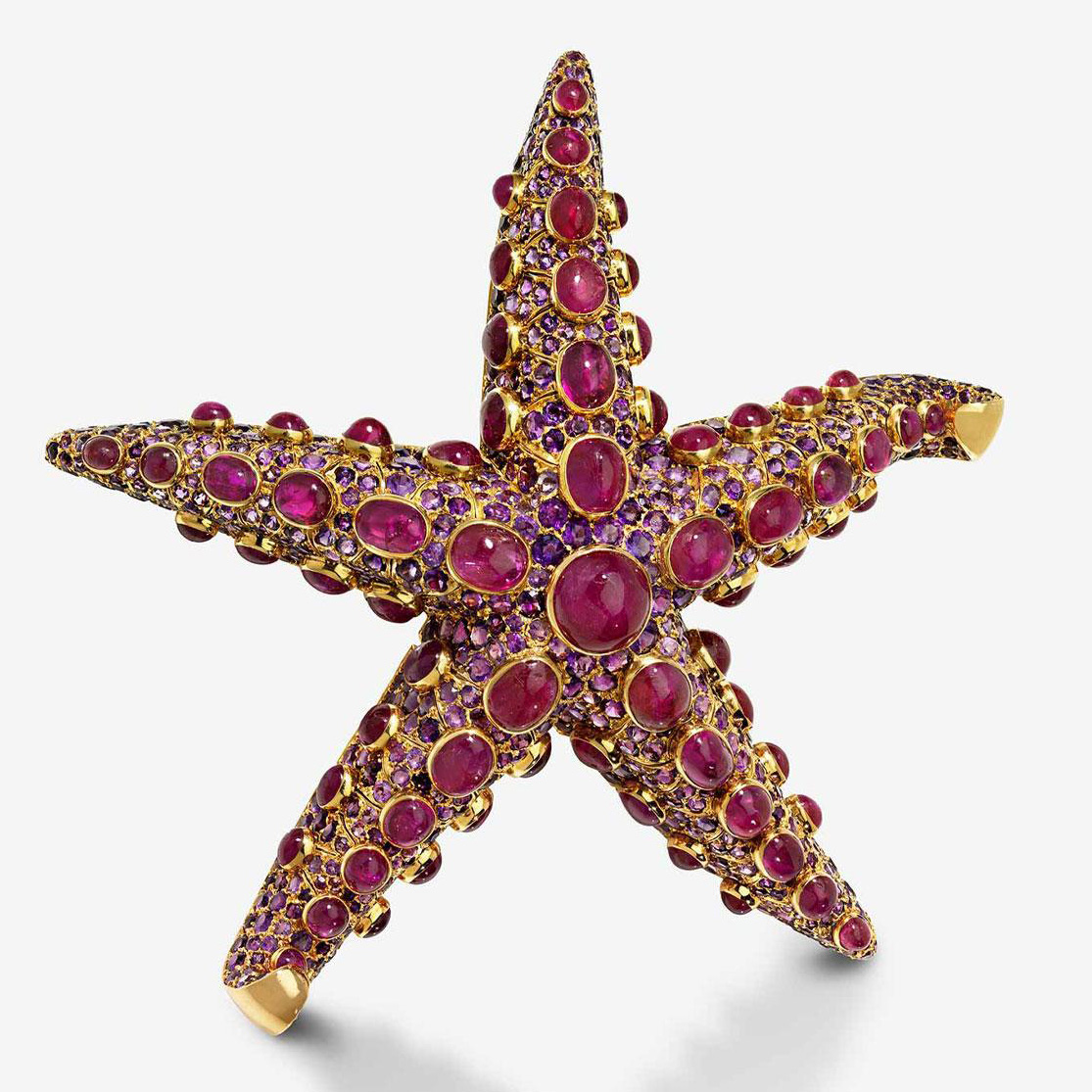
Otranto adds, “They reflect the broader Boivin idea that a jewel should have its own personality. It should not just be a vehicle for showing stones. It should feel alive. I think we’ve all either come across a beautiful flower or even a starfish that stops us in our tracks. If you’re anything like me, you likely took a picture, and when you try to show someone, they just say, ‘Yeah, looks like a starfish.’ It’s so hard to capture the essence of the delight when you see a stunning object like that in nature, and Boivin did.”
The Enduring Design Philosophy of René Boivin
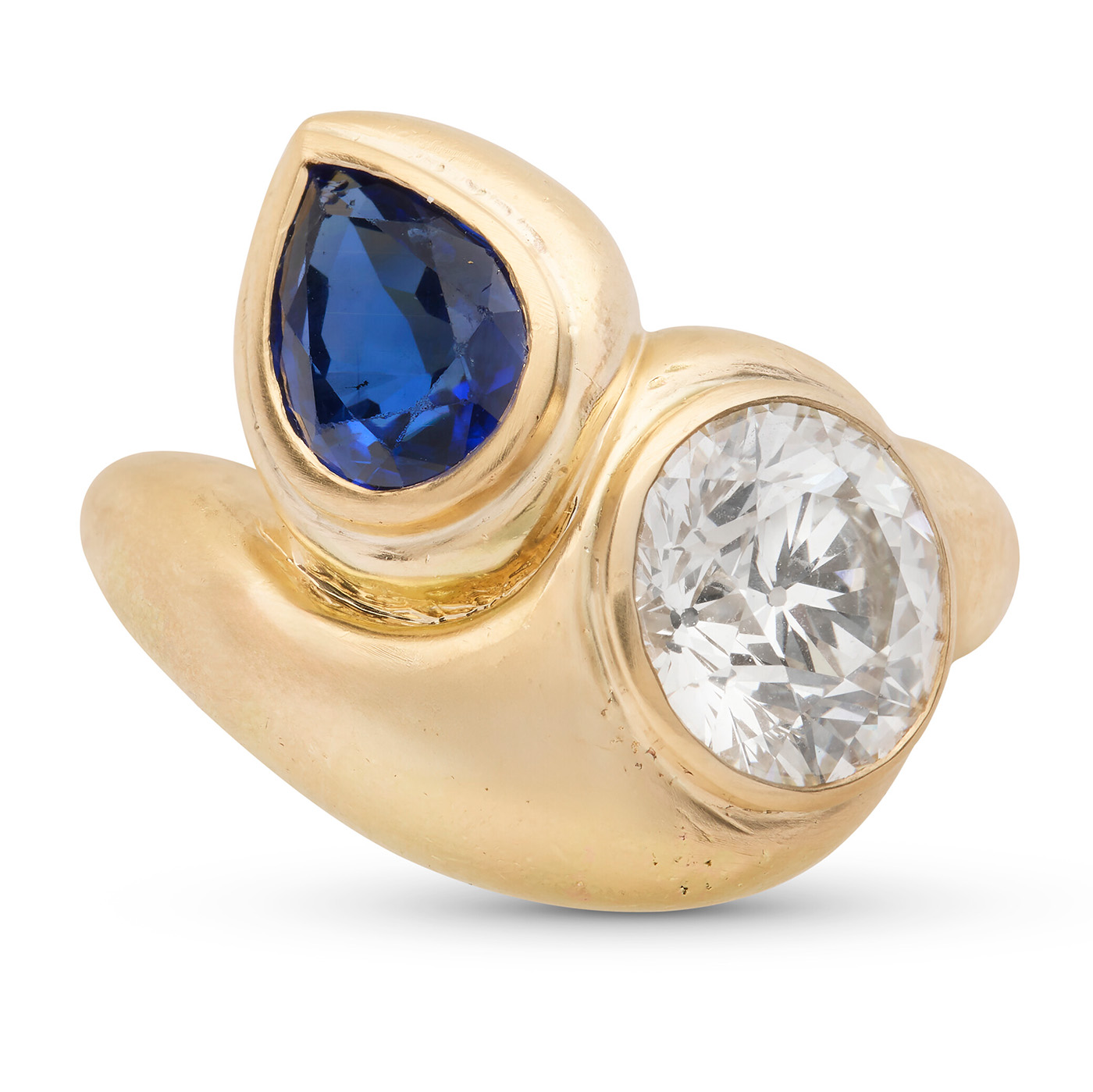
Some later notable pieces to come out of Boivin in the 1970s include the”Croisée” ring featuring a 2.13 carat pear-shaped sapphire and 2.89 carat brilliant-cut diamond. which reflect the house’s continued emphasis on structure and form, while still echoing earlier influences from Suzanne Belperron in their fluid, architectural lines.
Gerrish adds that Boivin’s identity is not defined by a single recognizable style, but by a shared philosophy across its designers, including Jeanne Boivin, Belperron, and Moutard. Rather than repeating a fixed aesthetic, the house consistently prioritizes “creating volume rather than flatness” and “form over decoration,” embracing experimentation and material exploration. As she explains, Boivin’s hallmark lies in this approach—one grounded in innovation, individuality, and a “playful spirit of experimentation” that reflects the creative energy of interwar Paris.
The Legacy of René Boivin in Jewelry Design

Boivin is widely regarded as one of the most innovative jewelry houses of the 20th century, pioneering ideas around jewelry as sculpture, female-led design, and material experimentation. Its influence can still be seen in designers and maisons that embrace movement, texture, and expressive natural forms. As Emily Otranto notes, Boivin’s legacy is less about imitation and more about giving future designers permission to be bolder.
Gerrish explains that this influence continues today, particularly among designers who prioritize creativity over convention. Figures like Monique Péan and Cindy Chao reflect Boivin’s belief that “creative design should come before traditional conventions,” while its enduring impact lies in the idea that jewelry should be “captivating and meaningful, not just valuable.”
She also notes that Boivin remains somewhat underrecognized, due in part to its discreet, private-client model, but stresses that the house “took a different path,” redefining how form, material, and the wearer interact. Its strong female leadership—including Jeanne Boivin, Suzanne Belperron, and Juliette Moutard—further shaped this distinct identity.
Though ownership changed after Jeanne Boivin’s death and the name was later acquired by Asprey, the house’s legacy endures. As Otranto concludes, René Bovin remains one of the most original and sought-after jewelry houses of the 20th century, especially among collectors and those in the know about jewelry.