Happy Rockefeller’s Eye for Exceptional Diamond Jewelry
The philanthropist lived an exceptional life—and curated one of the most refined jewelry collections of the mid-20th century.
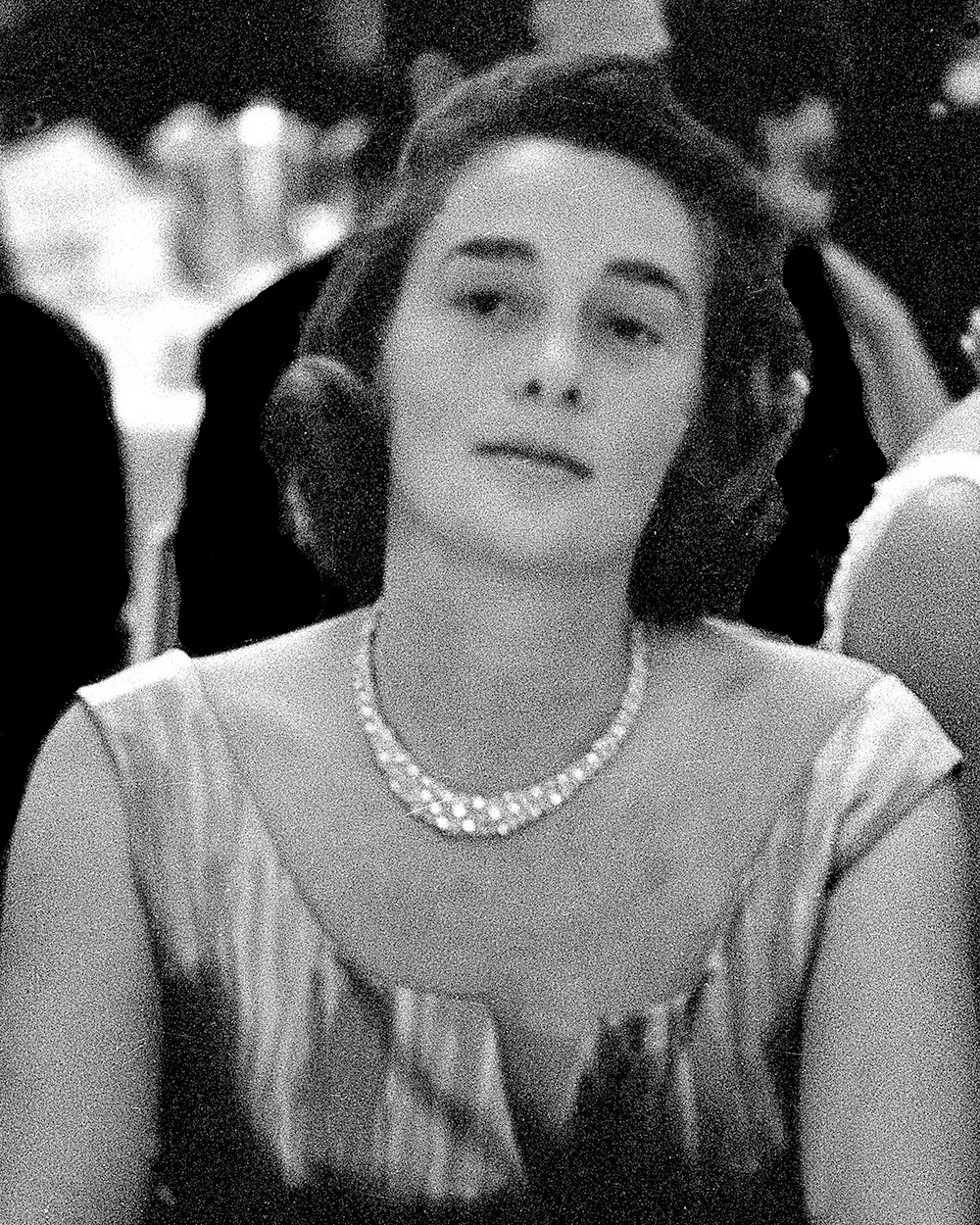
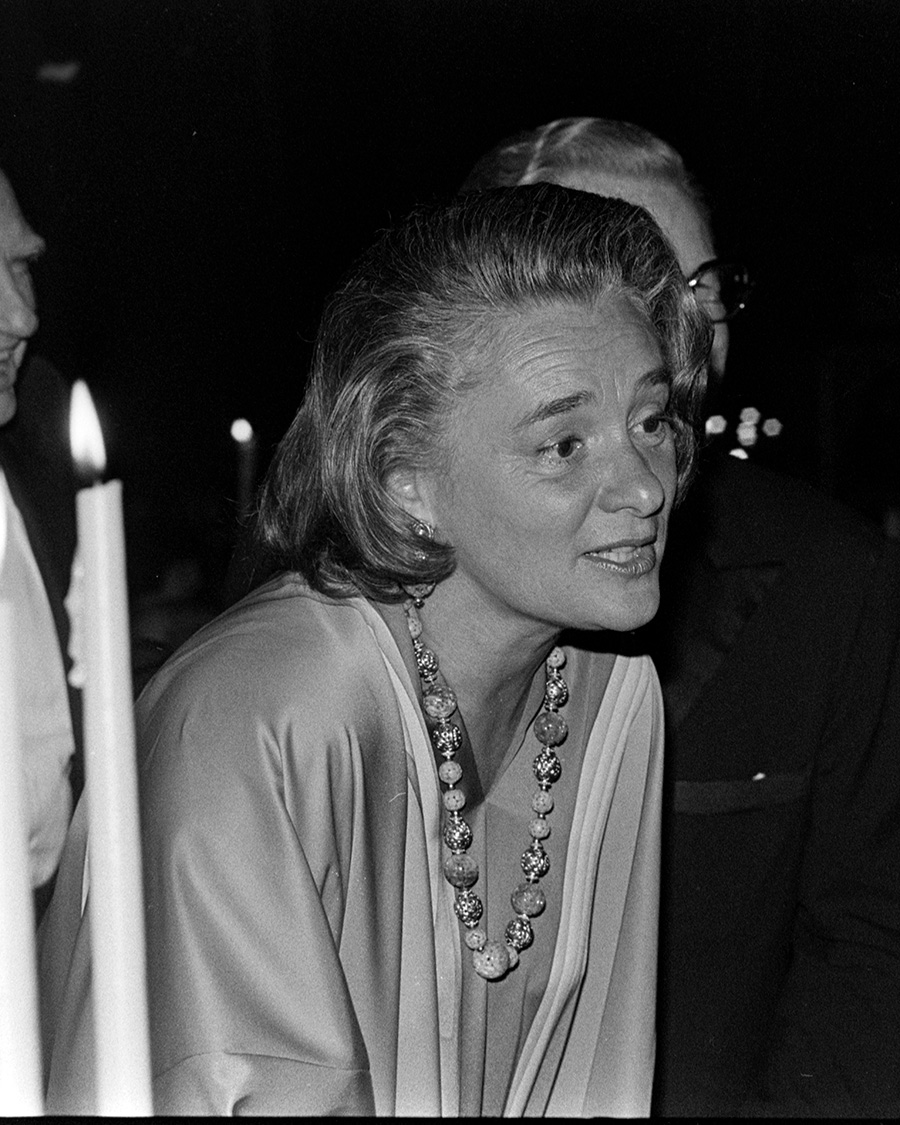
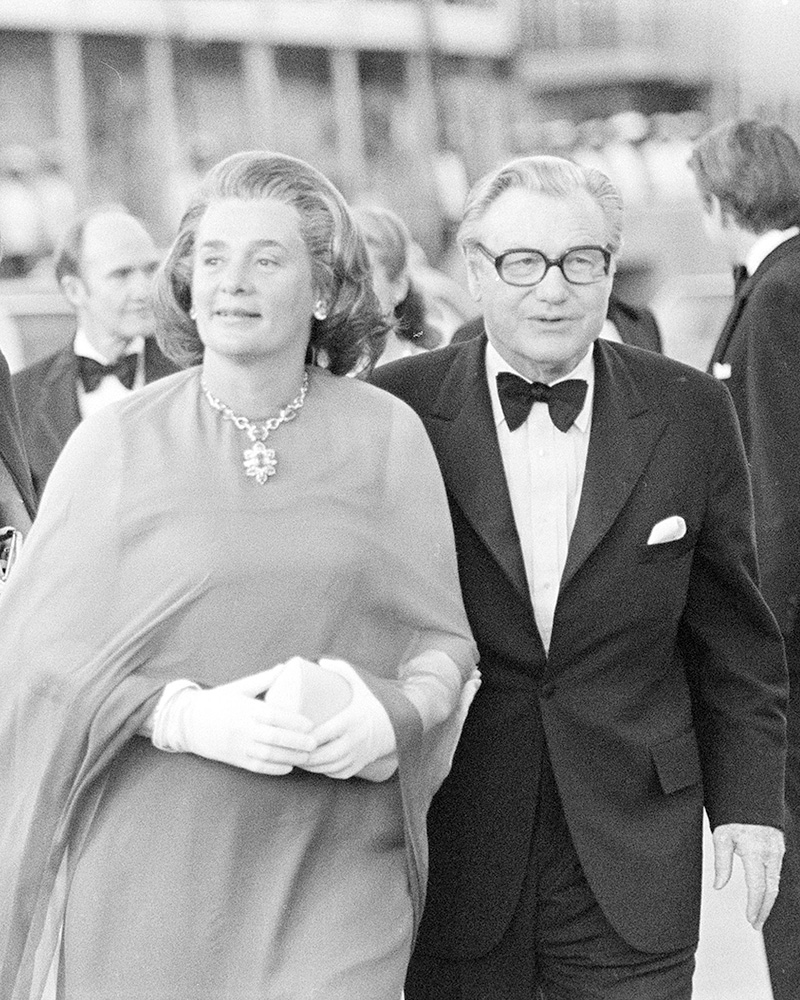
Happy Rockefeller (Getty Images)
With a name like Happy Rockefeller, it is easy to imagine a life of pure glamour, extreme wealth, and luxury. However, Happy Rockefeller—born Margaretta Large Fitler—was a person of depth who made significant contributions to society as a patron of the arts and philanthropist. She also played an active role in civic life with her husband, politician Nelson Rockefeller. Together, they built one of the most astounding private art collections, notably in their impeccably designed 5th Avenue apartment, with many works later benefiting charitable causes and institutions through the landmark 2018 Rockefeller Collection sale at Sotheby’s.
Happy Rockefeller also had an eye for exquisite natural diamond jewelry, building one of the most admired collections of the mid-20th century over the course of her lifetime. “These jewels reflect a woman who truly appreciated good design and perfect proportions. She loved bold colors when she felt like it, but always kept a sense of control. Her pieces radiate that modern, sculptural clarity you’d expect from someone surrounded by serious art, making everything feel both daring and sophisticated,” says Zuleika Gerrish, antique jewelry historian and co-owner of Parkin and Gerrish in London.
“Happy Rockefeller’s jewelry collection offers a glimpse into American upper-class collecting in the 20th century, revealing how wealth was often expressed through a deep appreciation for fine arts rather than mere showiness. “The pieces that Happy Rockefeller treasured personally served as intimate, portable expressions of her unique taste. Precious items that couldn’t simply be replaced with copies,” Gerrish says.
Meet the Experts

Justin Daughters is the Director of Berganza, a UK-based antique and vintage jewelry dealer renowned for sourcing and presenting rare, museum-quality pieces. With a deep expertise in historic jewels, Daughters oversees a collection distinguished by exceptional provenance and authenticity.

Zuleika Gerrish is an antique, vintage, and fine jewelry expert as well as a gemmologist and co-founder of Parkin and Gerrish with her husband, Oliver. Alongside running Parkin & Gerrish, she lectures on historic jewelry, sharing her expertise with new audiences.
Below, explore the details of Happy Rockefeller’s collection, featuring exceptional natural diamonds and jewelry houses—and learn why it continues to influence collectors and historians decades later.
The Life of Happy Rockefeller
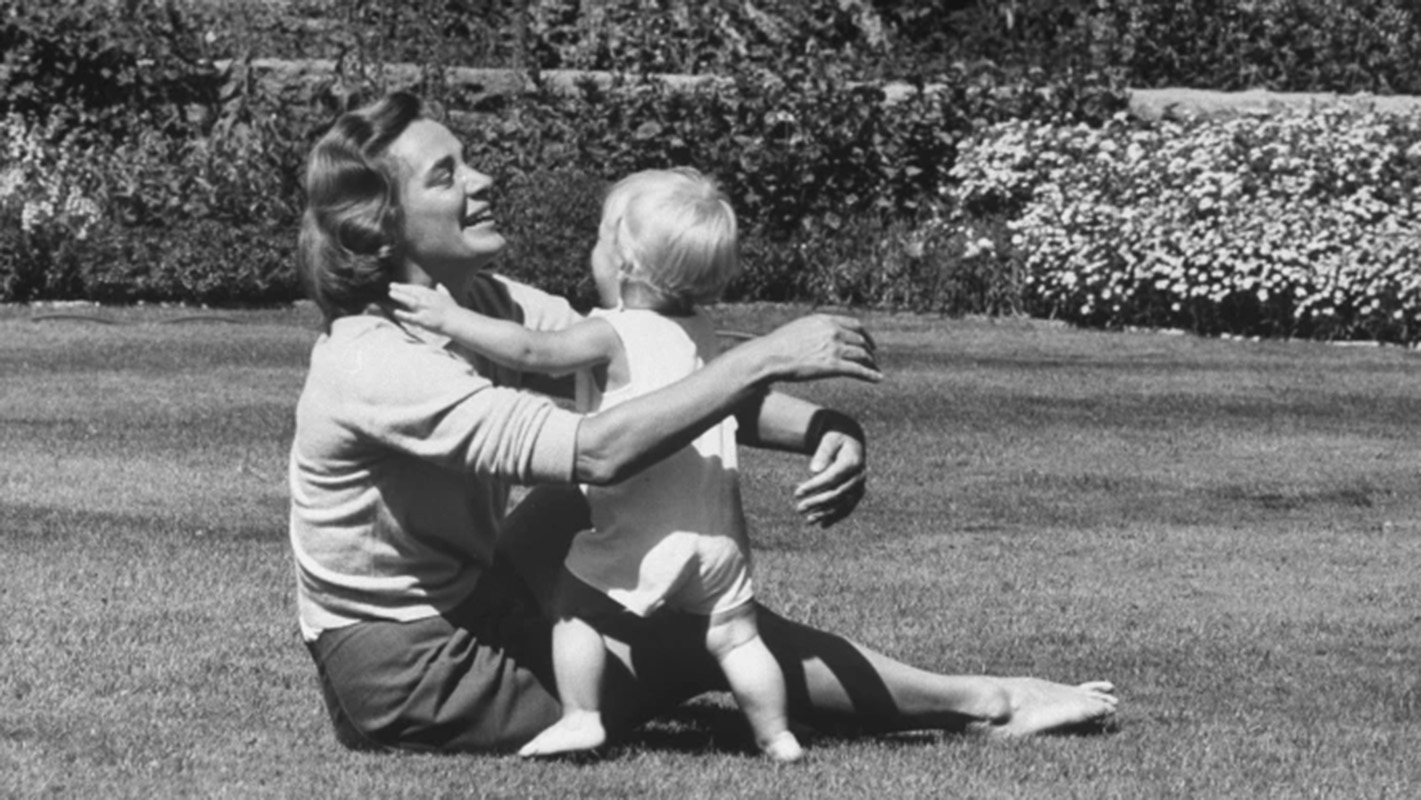
Margaretta Large Fitler was born in 1926 in Bryn Mawr, Pennsylvania, and “Happy” was a nickname she carried from childhood. She came from a prominent family and graduated from the Shipley School in 1944, then volunteered as a driver for the Women’s Volunteer Service during World War II. She also worked in a hospital during that time.
In 1948, she married Slater Murphy, a surgeon and hospital administrator who later served as director of Memorial Hospital in New York (now Memorial Sloan Kettering Cancer Center). Murphy was also associated with the Rockefeller Institute and was a close friend of Nelson Rockefeller, who had launched his public service career a few years earlier. Together, Happy and Murphy had four children.
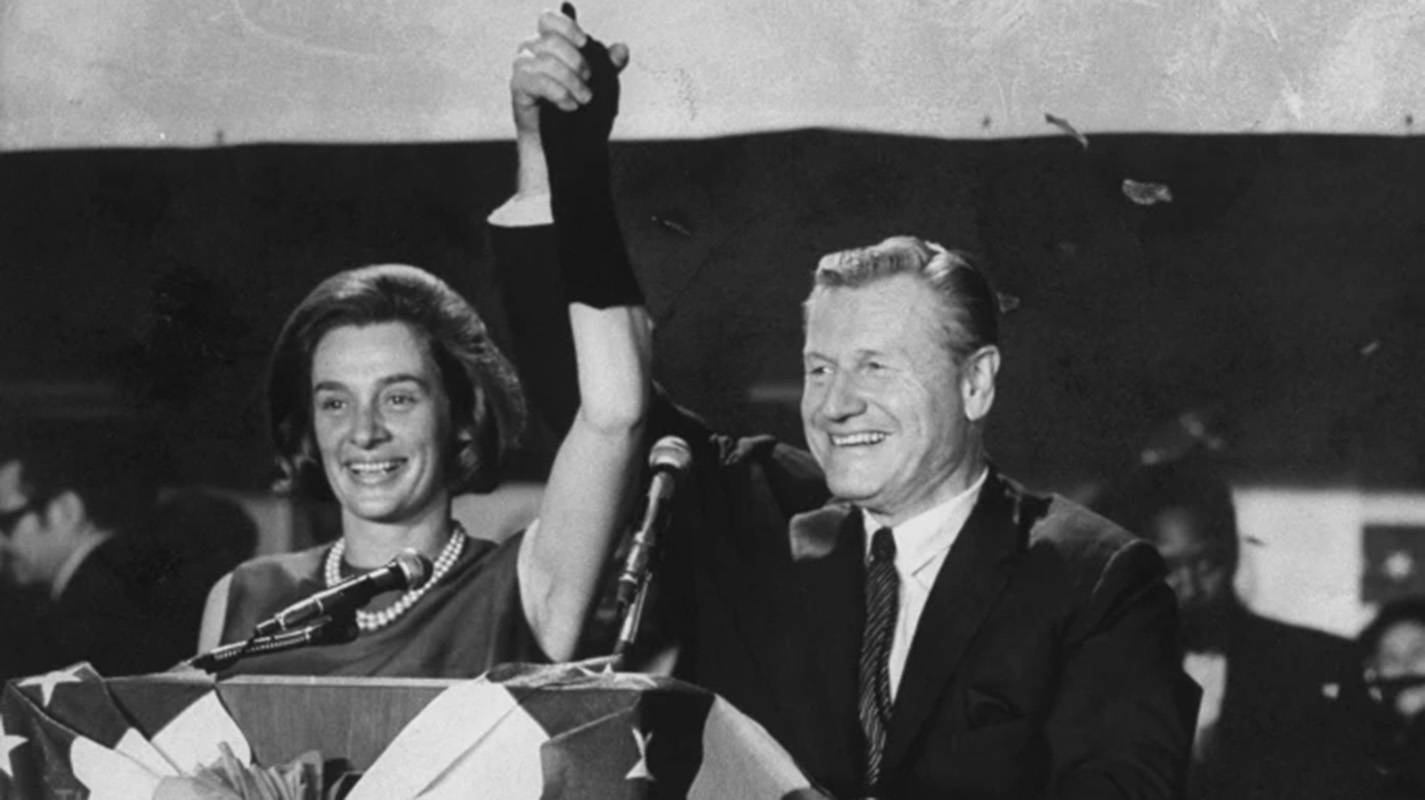
When Happy volunteered for Nelson Rockefeller’s gubernatorial campaign, her life would change forever. She soon became his private secretary after he was elected governor of New York and later resigned in 1963 as their relationship became public. After divorcing Murphy that same year, she married Rockefeller and became the First Lady of New York until 1973. The couple would go on to have two sons (Nelson already had five children from his first marriage), creating a blended family of 11 children.
Despite their large blended family, the Rockefellers had ample space across several residences, including Kykuit in Pocantico Hills—where they also maintained The Playhouse and The Japanese House—their famous 812 Fifth Avenue apartment celebrated for its remarkable modern art collection and interiors shaped by leading mid-century designers, and a house in Seal Harbor, Maine.
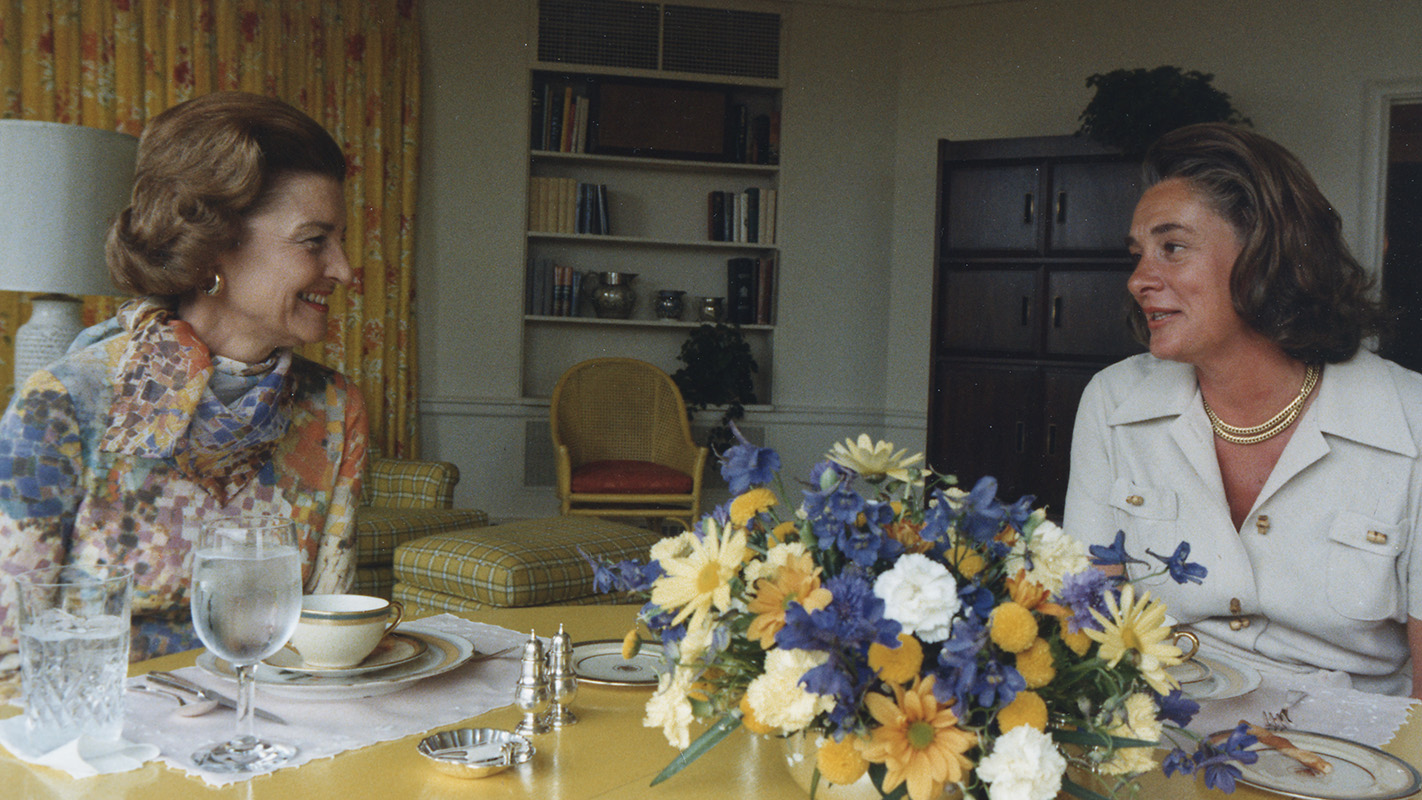
In 1974, Rockefeller became the Vice President of the United States under President Gerald Ford, making Happy the Second Lady. Though the power couple ruled the political scene for about 20 years, they were also active in arts and civic initiatives. Happy also did profound work when it came to destigmatizing breast cancer. During her husband’s time in the White House, he revealed to the public that she had breast cancer and had undergone two mastectomies. It was very rare at the time for public women to disclose this condition. Happy Rockefeller worked closely with First Lady Betty Ford, also a breast cancer survivor, to help change this.
Happy Rockefeller’s Jewelry Collection
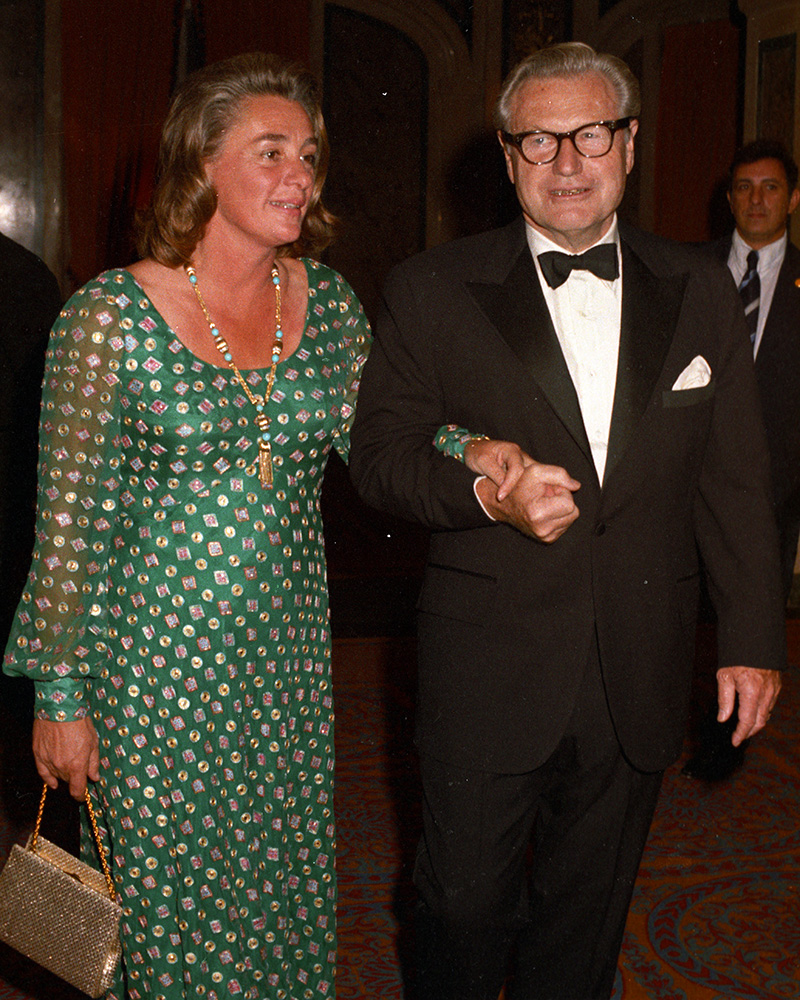
Though Happy had always worn jewelry, her collection expanded significantly after she married Nelson Rockefeller and stepped into a more public role. Many of her most worn and beloved jewels were created by Van Cleef & Arpels, reflecting the bold aesthetic that defined mid-20th-century jewelry. Among her most notable commissions were the pink tourmaline, emerald, diamond, and sapphire suite; the gold and diamond earclips and necklace; the sapphire and emerald bracelet with diamonds; and the diamond bracelet.
Her taste closely aligned with the design language of the 1960s, a period marked by sculptural forms, textured gold, and striking color contrast. “The 1960s leaned toward more bold geometry, textured gold, and strong color contrast,” says Kosta Theochari, General Manager of MDT Design, a jewelry design and manufacturing studio. Designers increasingly moved beyond diamond-dominant jewels, embracing vibrant colored gemstones such as sapphires, emeralds, and rubies. The scale and artistry of these designs, he adds, “oozed modernism and confidence for that era.”
Theochari notes that the level of craftsmanship behind Happy Rockefeller’s Van Cleef & Arpels jewels remains exceptional. “The effort and work that went into the making, the cut, and the precision in color matching of the sapphires, rubies, and emeralds is remarkable even by today’s standards.”
The house also distinguished itself through innovations such as its patented Mystery Set—now widely known as the invisible setting—as well as exceptional stone matching and articulation. “Van Cleef’s minimal visible metal settings and refined articulation and movement in pieces set them apart. The finish of their pieces was consistently superior to other similar caliber brands,” Theochari says.
Significant Natural Diamond Pieces from Happy Rockefeller’s Collection
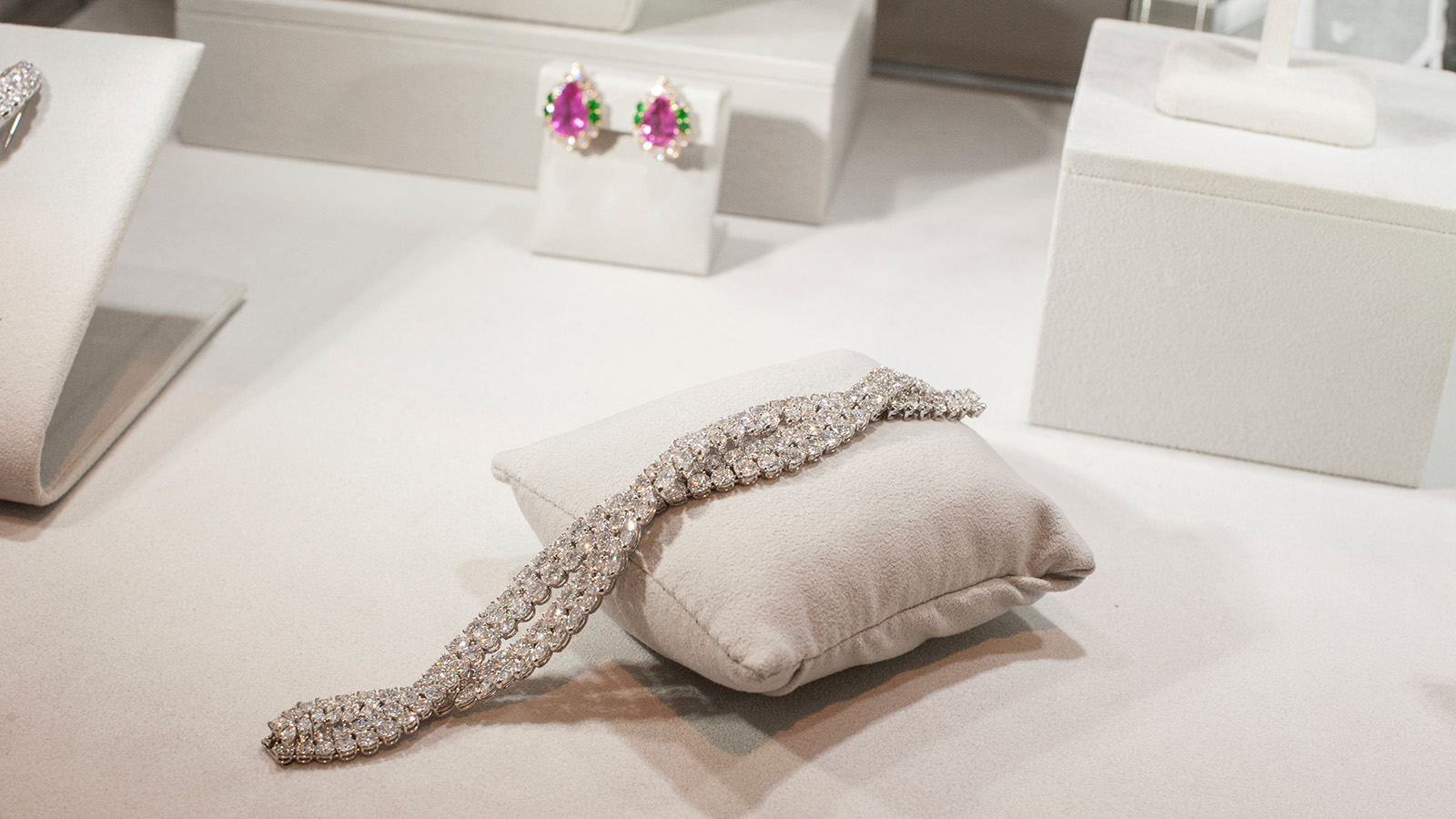
Diamond Bracelet — Van Cleef & Arpels, circa 1963
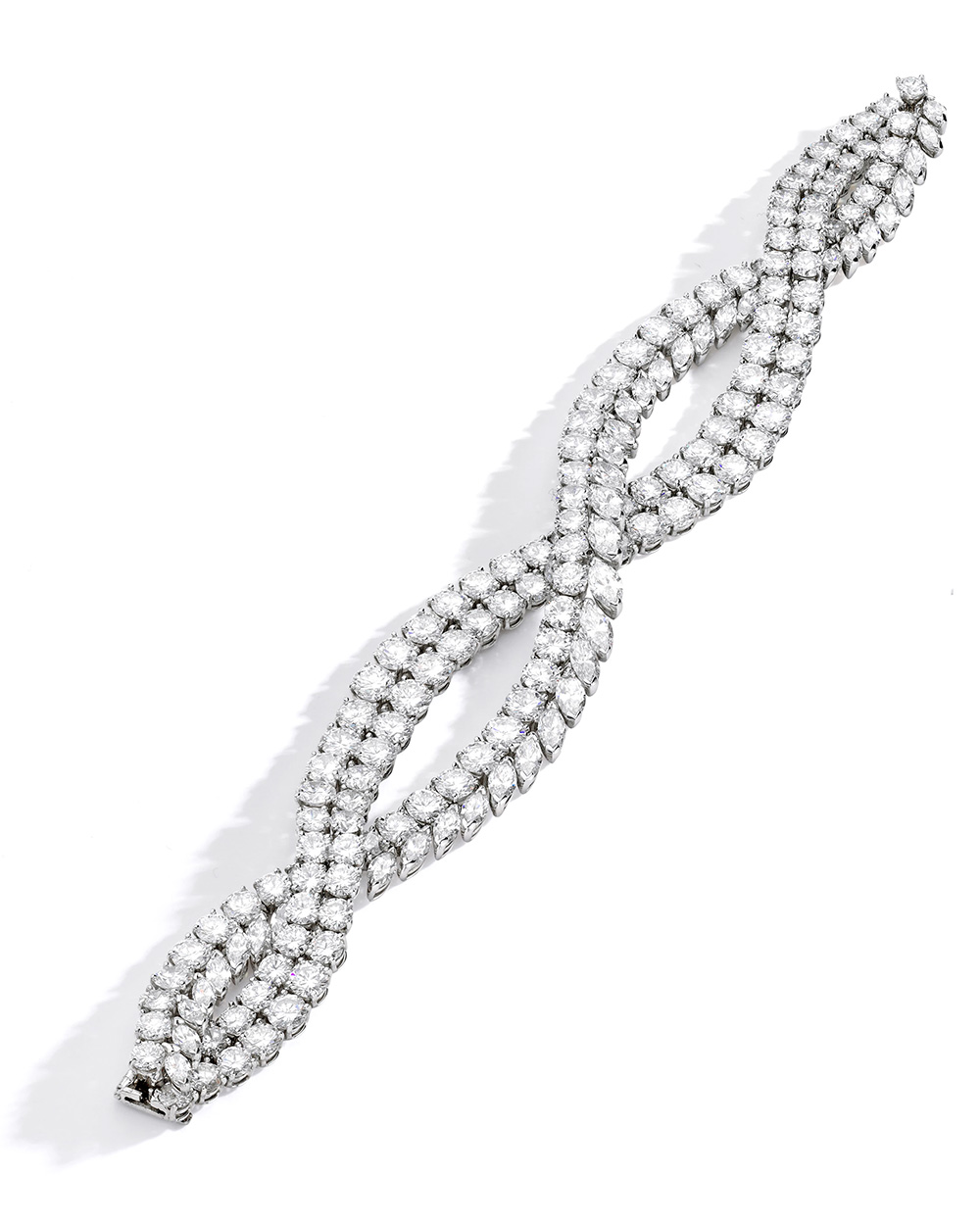
Gerrish says that at first glance, this bracelet looks simply elegant, like a flowing ribbon of diamonds, but the creation of it required incredible attention to detail. Designs such as this often relied on carefully matched round brilliant-cut diamonds set in articulated platinum links, allowing the bracelet to drape fluidly around the wrist. The effect creates the impression of continuous light, a hallmark of Van Cleef & Arpels’ refined diamond jewelry during the early 1960s, when the maison was celebrated for its precise stone matching, flexible construction, and understated elegance.
Van Cleef & Arpels Gold and Diamond Necklace and Pair of Earclips
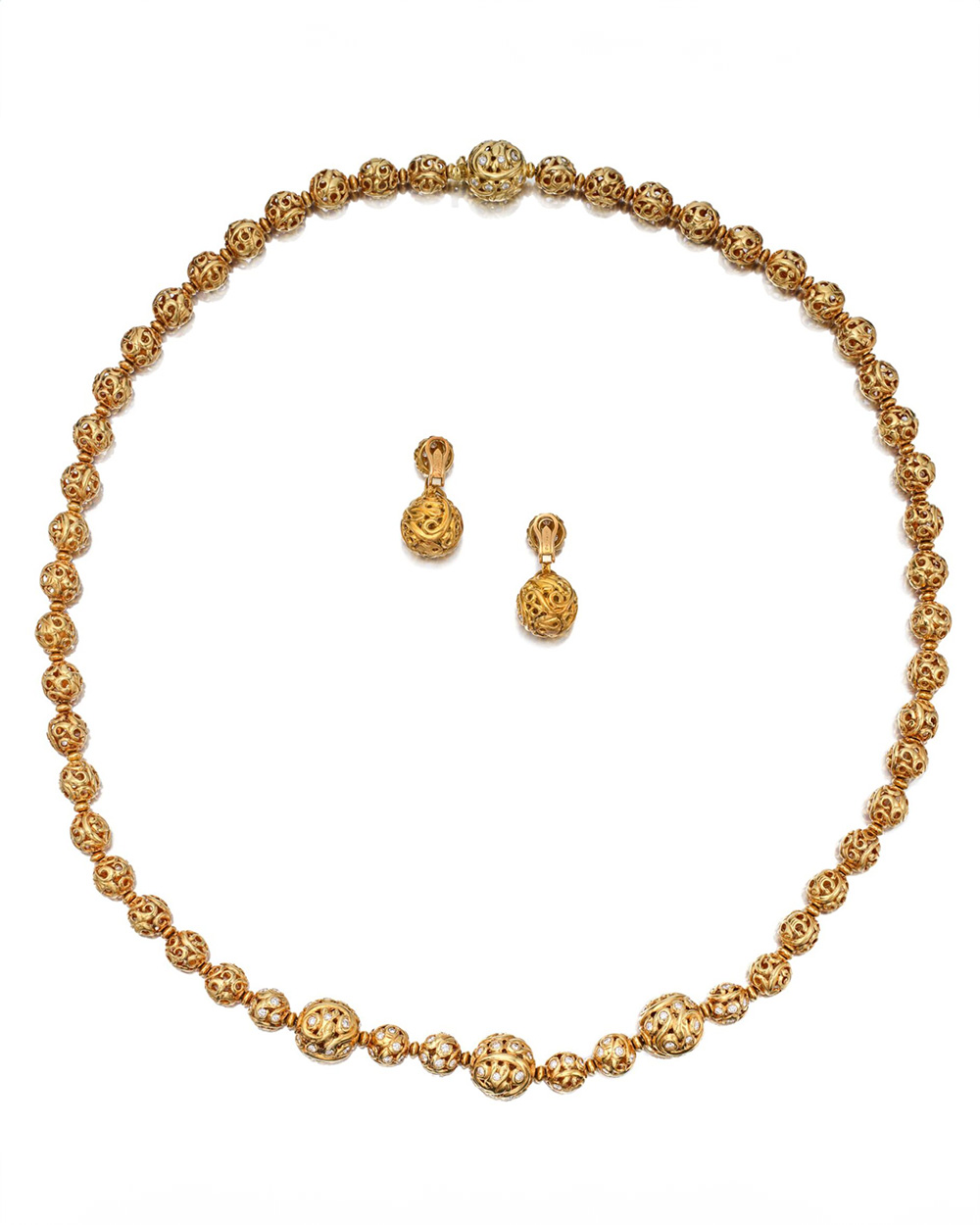
Gerrish notes that the Gold and Diamond necklace with matching earclips by Van Cleef & Arpels beautifully showcases the maison’s sculptural gold work of the mid-twentieth century, a period when textured gold designs became a defining element of the house’s aesthetic. Made of textured gold beads dotted with tiny diamonds, the design creates a gentle rhythm across the necklace.
Van Cleef & Arpels Pink Tourmaline, Emerald, Sapphire, and Diamond Suite
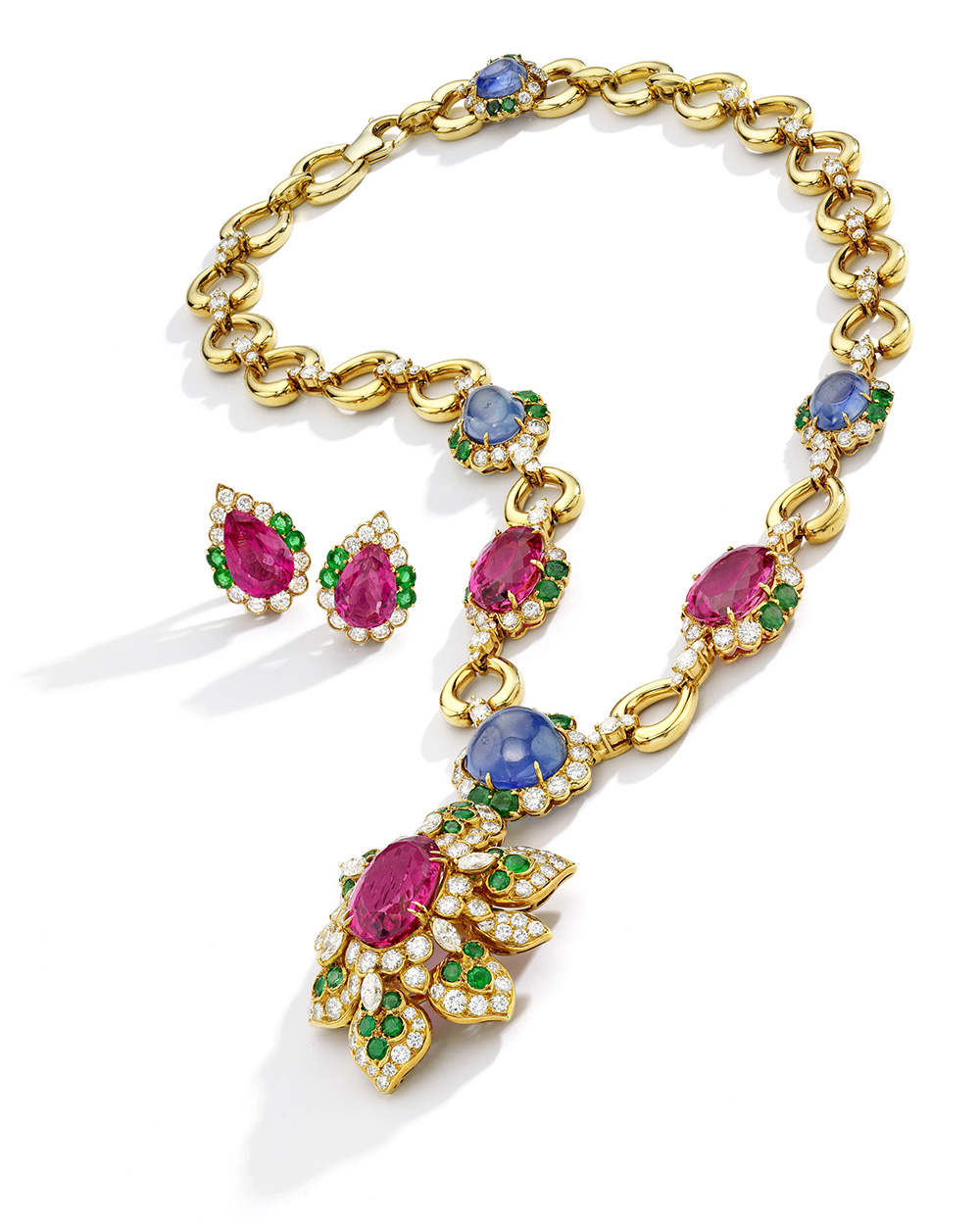
The Pink Tourmaline, Emerald, Sapphire, and Diamond suite by Van Cleef & Arpels is a prime example of the maison’s embrace of color in the mid-20th century. During this period, designers increasingly paired vibrant gemstones with diamonds to create striking contrasts of hue and light. In this suite, richly colored tourmalines are balanced with emeralds and sapphires, while diamonds add brilliance and visual separation between the stones. The result is a composition that feels both bold and harmonious—reflecting the era’s fascination with saturated color and carefully calibrated gemstone combinations.
Van Cleef & Arpels Sapphire and Emerald Bracelet with Diamonds
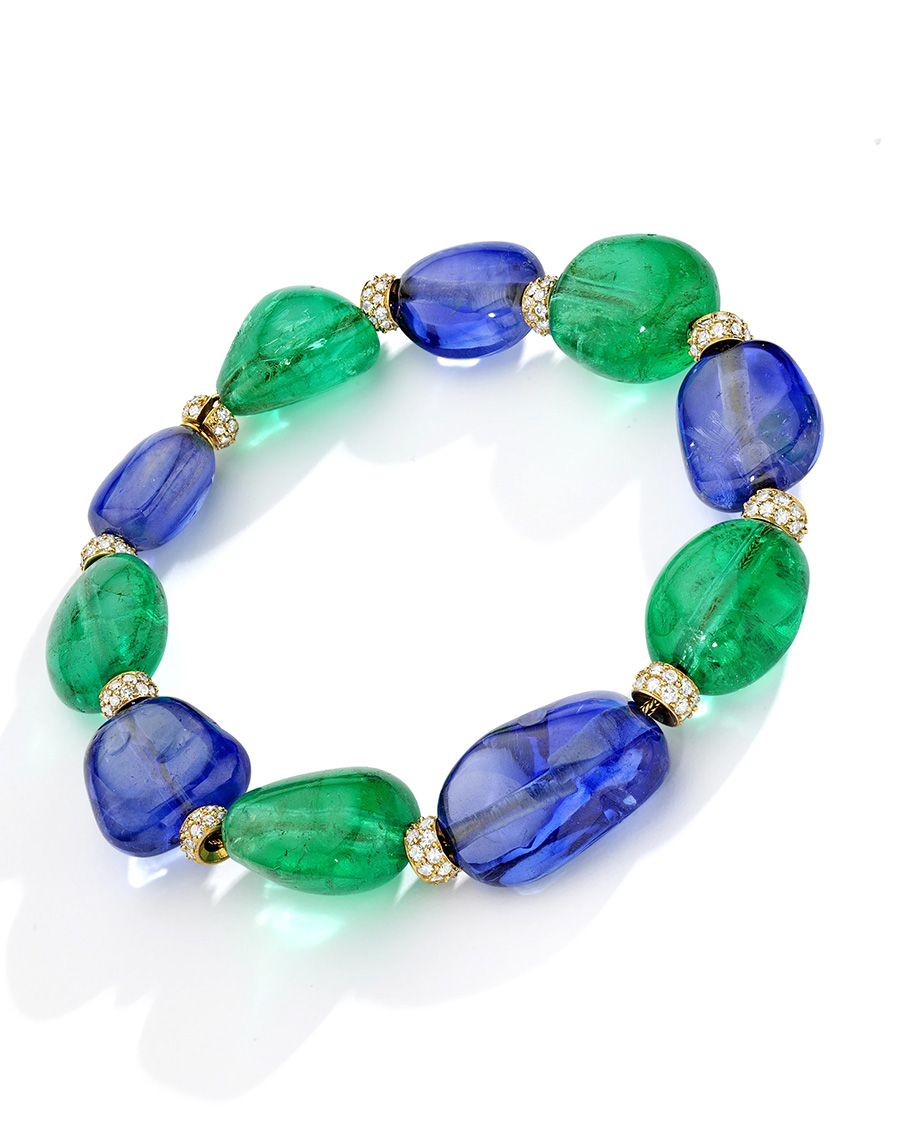
Composed of substantial sapphire and emerald beads separated by diamond-set spacers. The Sapphire and Emerald bracelet by Van Cleef & Arpels is another strong example of the maison’s embrace of rich color and bold volume in mid-20th-century jewelry, Gerrish says. Composed of Designs like this, which relied on the careful matching of stones in both color and scale, allowing the saturated blues and greens to create a dramatic visual pairing. At the same time, diamonds add flashes of brilliance between the larger gems.
Inside the Historic Sotheby’s Sale of the Rockefeller Collection
In 2018, many of the priceless works of art and jewelry that filled the home of Nelson (who died in 1979) and Happy Rockefeller were brought to auction at Sotheby’s. The sale included more than 450 objects, among them works by Pablo Picasso and Joan Miró, reflecting Nelson’s progressive and eclectic taste in modern art. Happy’s jewelry collection was equally notable, revealing her affinity for sculptural design—an aesthetic that echoed many of the works that had long adorned their Fifth Avenue apartment. Collectors clearly recognized the significance of these pieces, as many sold for more than their estimated value.
Gerrish says of Happy’s collection, “What sets mid-twentieth-century creations by Van Cleef & Arpels is the extraordinary balance between technical mastery and elegant simplicity. The maison was producing jewels that were not only luxurious but also beautifully designed and carefully proportioned.”
The Rockefeller Collection sale ultimately realized more than $835 million, making it the largest philanthropic auction in history. Many of the jewels ultimately passed into private collections following the landmark 2018 sale, allowing Rockefeller’s taste and collecting legacy to continue influencing new generations of jewelry connoisseurs.
Why Happy Rockefeller’s Jewelry Still Inspires Collectors Today
Happy Rockefeller lived an extraordinary life shaped by public service, civic engagement, and a deep appreciation for art and design. From the works that filled her residences to the jewels she chose to wear, her taste consistently reflected a thoughtful eye for craftsmanship and proportion. Natural diamonds played a central role in that vision, bringing brilliance and structure to many of the jewels she commissioned and collected.
“The Rockefeller family was deeply passionate about modern art and architecture, and this passion is beautifully reflected in her jewelry …What makes mid-century Van Cleef pieces stand out is that they feel thoughtfully designed rather than flashy with perfect stone matching, precise settings, and sculptural metalwork that come together to create jewelry that is elegant, comfortable to wear, and unmistakably modern,” says Gerrish.
Together, these qualities help explain why Happy Rockefeller’s collection continues to inspire collectors today. Anchored by natural diamonds and the artistry of houses like Van Cleef & Arpels, her jewels remain a defining expression of mid-20th-century taste.