The Graff Butterfly: Over 50 Years of Diamonds in Flight
An ethereal icon in motion, the Graff Butterfly transforms natural diamonds into something almost weightless.
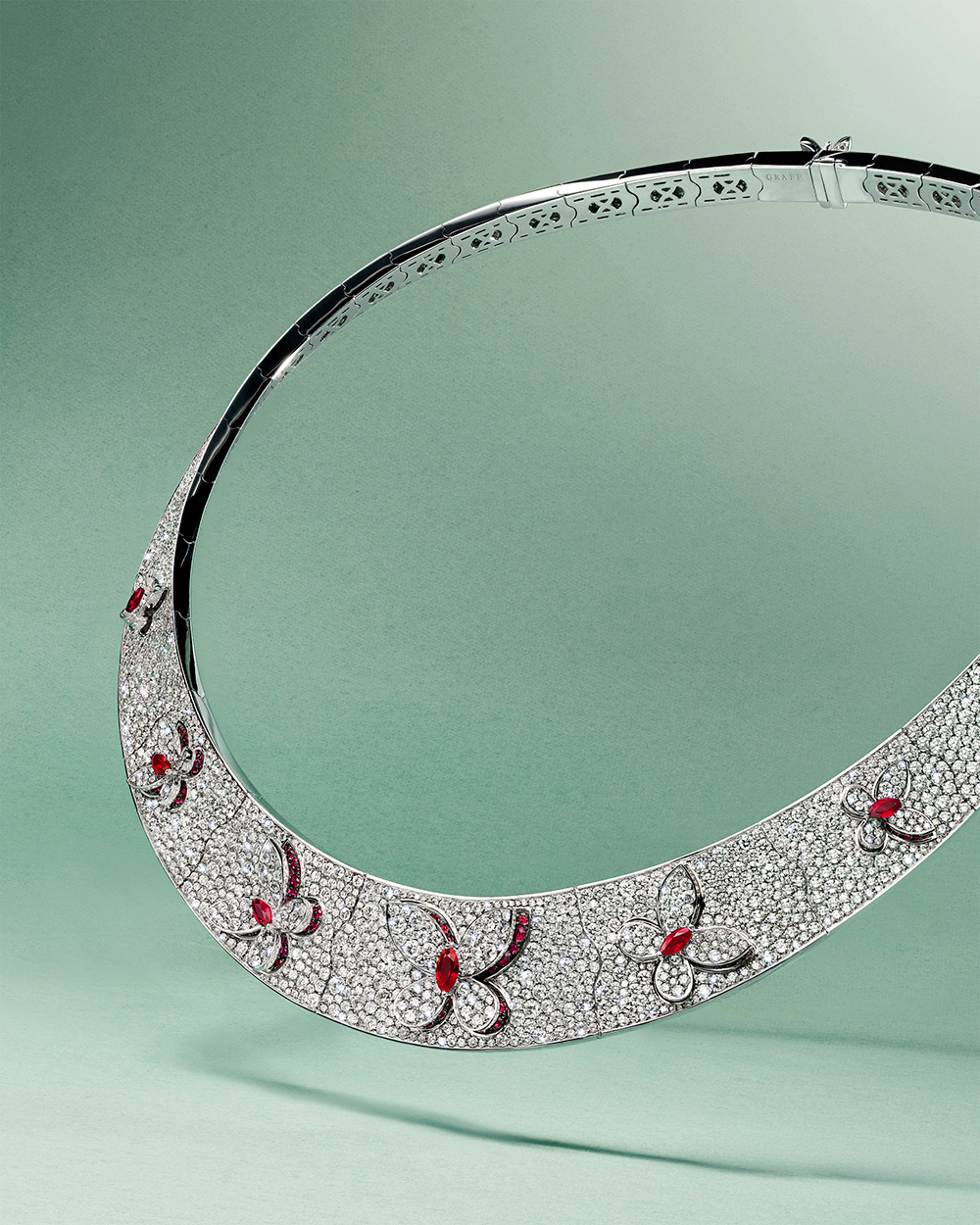
Graff Butterfly High Jewellery Marquise and Round Ruby and White Round Diamond Necklace (Courtesy of Graff)
French writer and poet Antoine de Saint-Exupéry once said, “Well, I must endure the presence of a few caterpillars if I wish to become acquainted with the butterflies.” Butterflies are among the most exquisite creatures found in nature, so when the Graff Butterfly debuted in 1975, it did the unthinkable—transforming a natural motif into a feat of technical innovation and beauty. The Graff Butterfly gave us natural diamonds in flight.
“Graff locked the butterfly in as part of their identity. A lot of brands use nature, but you don’t always remember who did what. However, when you see the butterfly, you immediately think of Graff because of how they made it a signature way of setting diamonds,” Natural diamond expert and founder of The Diamonds Girl, Tracey Ellison, tells Only Natural Diamonds.
Meet the Experts
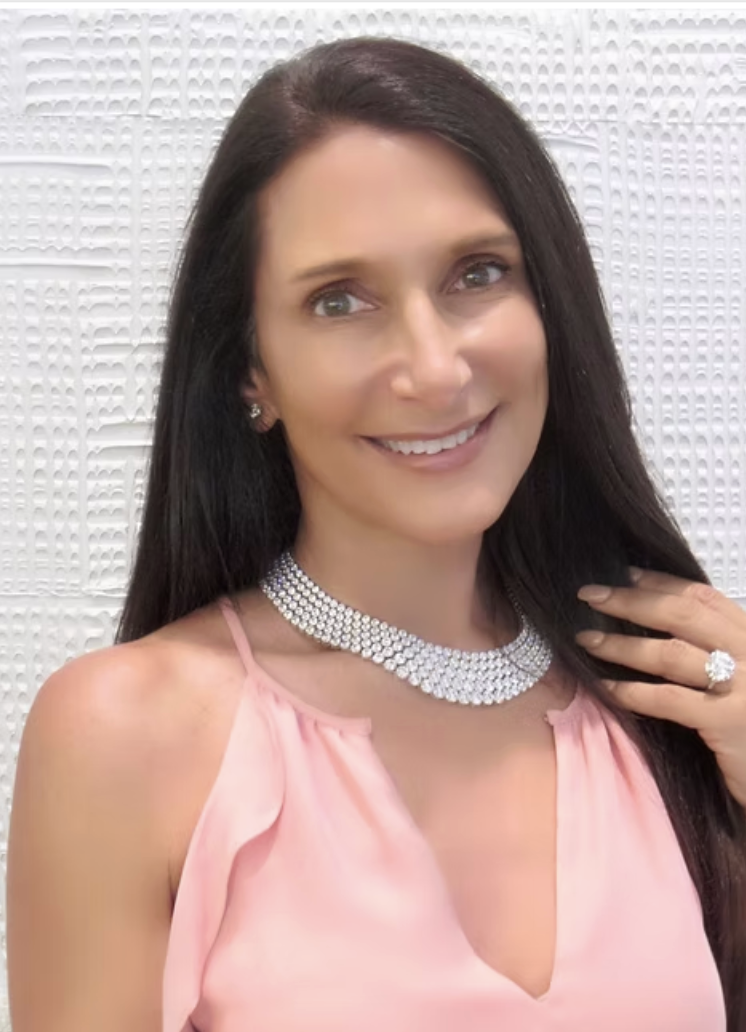
Tracey Ellison, founder of TheDiamondsGirl, is a South Africa–born jewelry expert and former Fortune 100 consultant who built one of the largest fine jewelry platforms on Instagram, with over 1.3 million followers. Known for her global perspective and curated eye, she spotlights everything from heritage houses like Graff and Cartier to emerging designers.
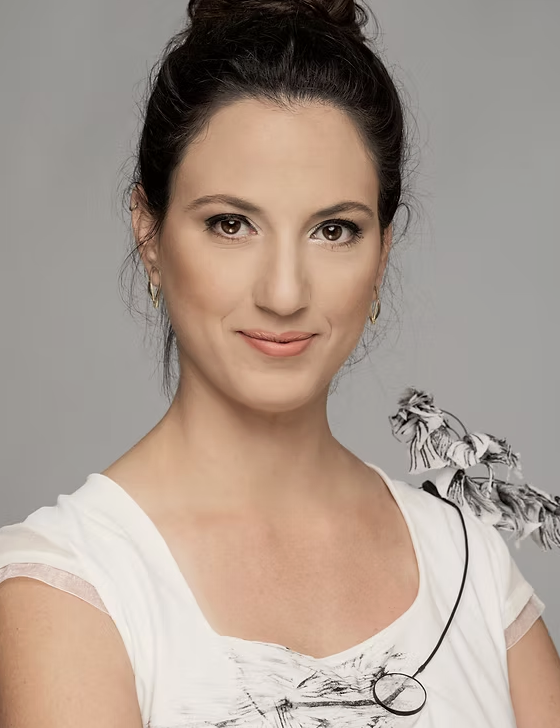
Danielle Keller Aviram is a sustainable jewelry designer, researcher, and consultant specializing in the luxury jewelry supply chain and responsible sourcing. With a background in jewelry design and a master’s degree in sustainability, her work bridges craftsmanship, research, and industry strategy.
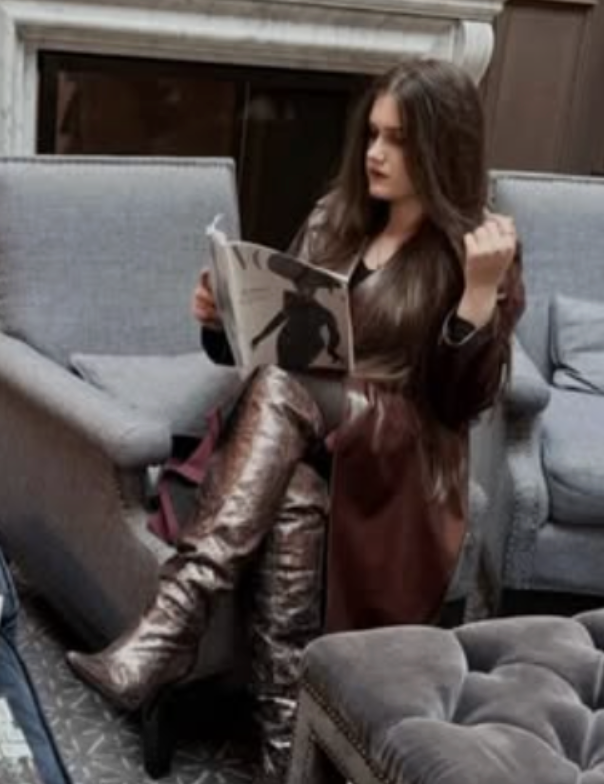
Jelena Kulic is a fashion, jewelry, and accessory designer who made her international debut at Paris Fashion Week in October 2025. Her work is inspired by Baroque and Renaissance art, as well as the romantic opulence of the 18th and 19th centuries.
Ahead, a look at how the Graff Butterfly evolved from a single pendant into a jewelry icon defined by beauty, movement, and technical mastery.
The History of the Graff Butterfly
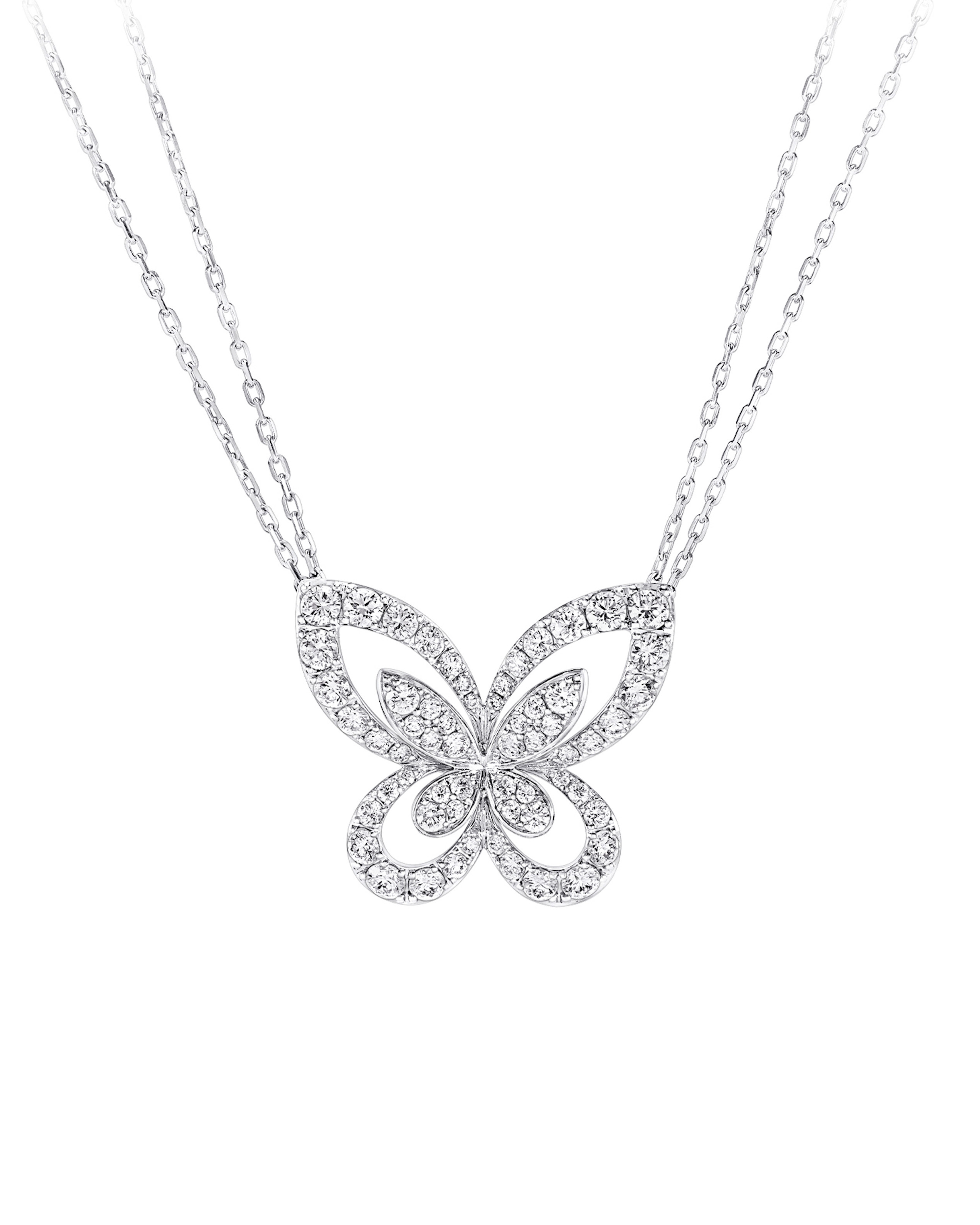
The Graff jewelry house was founded in 1960 in London by Laurence Graff, who built his reputation on an uncompromising focus on exceptional natural diamonds. Over the decades, Graff has handled some of the world’s most extraordinary stones—from record-breaking stones like the Graff Pink to historic rough gems such as the Lesedi La Rona—establishing itself as one of the most important names in high jewelry. Yet among its many masterful one-of-a-kind creations, none has achieved quite the same recognition as the Graff Butterfly.
The first iteration debuted in 1975 as a minimalist diamond pendant capturing a butterfly mid-flight. It was simple—clean lines, lightness, and clarity—yet deeply striking. At a time when nature-inspired jewelry often felt static, the Graff Butterfly introduced something new: motion. High jewelry has long drawn from nature, but Graff’s interpretation stood apart in its ability to suggest movement rather than stillness.
The motif also aligned with Graff’s diamond-first philosophy, allowing the stones themselves to take center stage.
“From a design perspective, the butterfly was a very clever choice. It gave the room to work with negative space, which is important in fine jewelry as you don’t want the design to look overcrowded,” Ellison says.
She explains that Graff used the shape to let diamonds “catch light from every angle,” with wings that suggest movement even while still. Because the butterfly already carries universal symbolism—“growth, beauty, all of that”—the design feels instantly familiar and appealing.
The result was a design that felt alive, both instantly recognizable and emotionally resonant.
How the Graff Butterfly Captures Movement in Diamonds

What sets the Graff Butterfly apart is its sense of motion, a quality rarely achieved in diamond jewelry. Rather than appearing fixed or ornamental, the design captures a fleeting moment, as if the butterfly has just landed or is about to take flight.
Danielle Keller Aviram, a sustainable jewelry designer and researcher, explains: “Most jewelry inspired by nature feels very still and posed. The Graff Butterfly feels like it just landed or is about to fly off, which you didn’t really see in older pieces. That’s not easy to do with diamonds, because they’re rigid stones.”
This illusion of movement is made possible through the use of marquise and pear-shaped natural diamonds. “Those shapes already look like wings, so when they’re arranged correctly, they create this really soft, flowing effect,” Aviram says. “And even though the jewelry looked like high-end art, it was surprisingly very easy to wear.”
Ellison adds, “One gives you length, the other gives you curve. Marquise diamonds are long and pointed, so they give that stretched-out wing shape, and pear diamonds add a soft curve. When you place them both facing outward, it seems like the wings are opening or in motion.”
Together, these elements create a composition that feels dynamic and transforms diamonds into something almost weightless.
Why Diamond Cuts are the Secret to Graff Butterfly’s Signature Shape
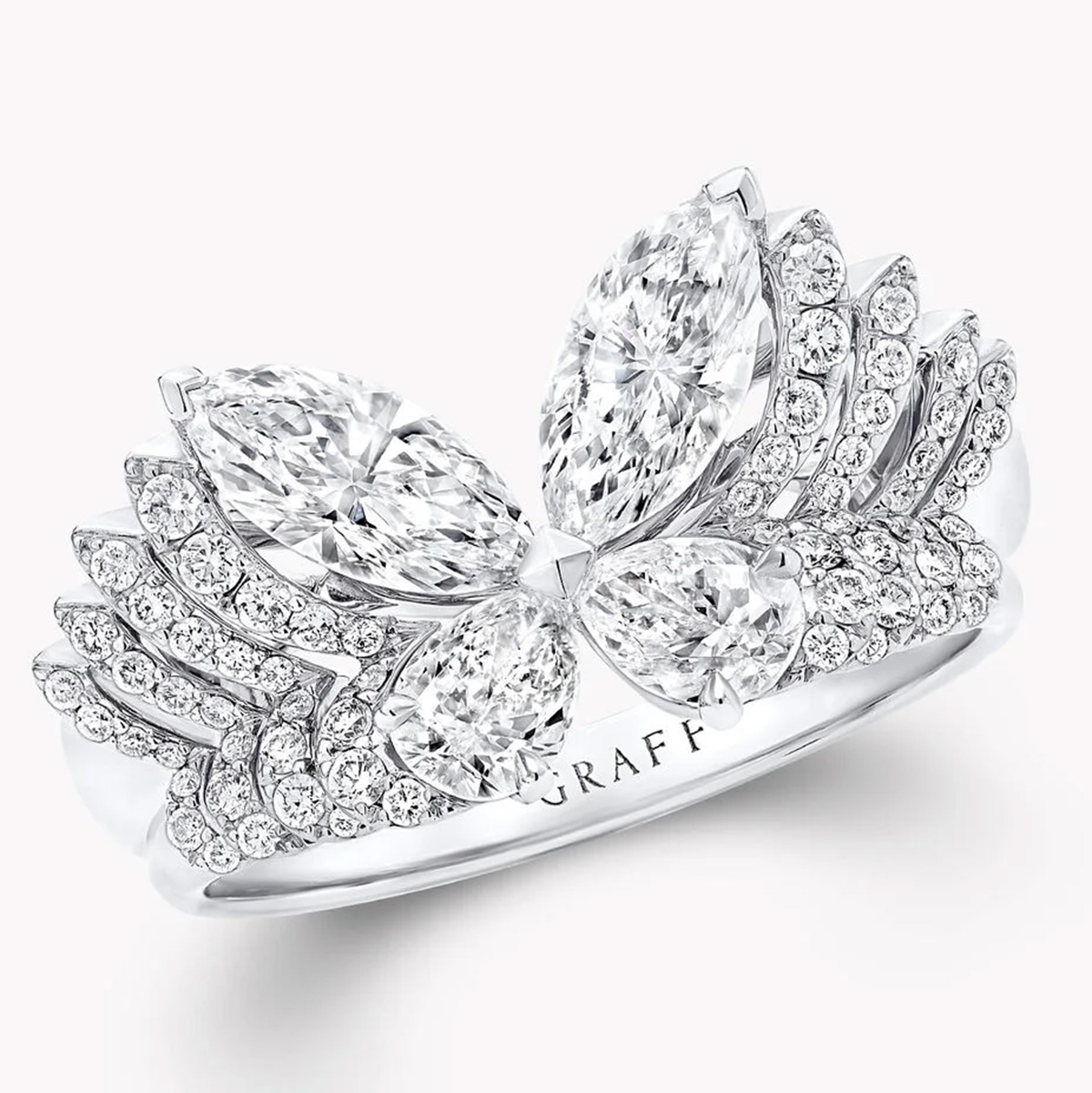
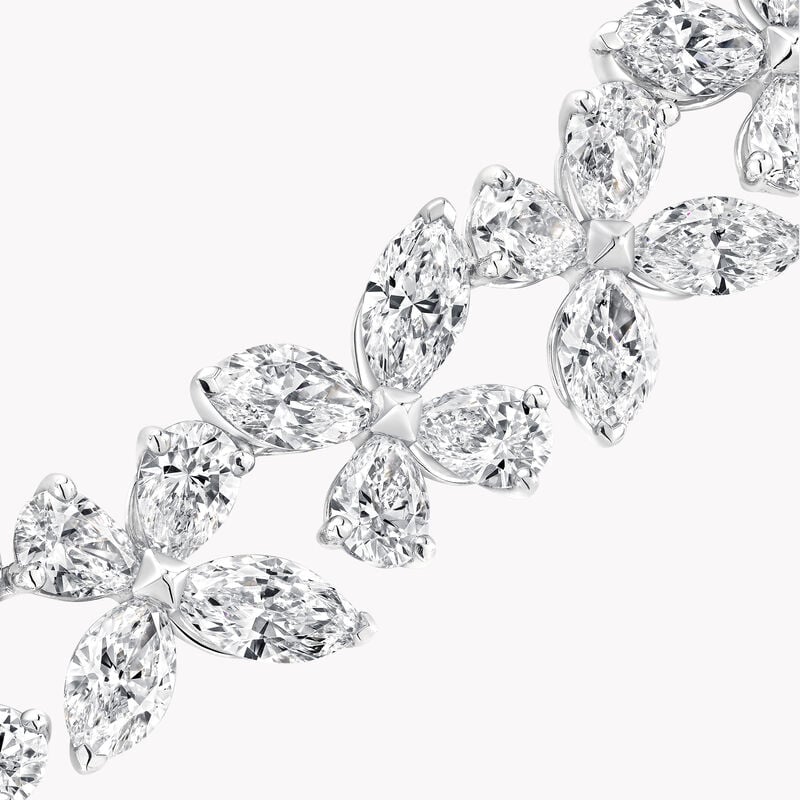
Behind the effortless beauty of the Graff Butterfly lies extraordinary technical precision. Aviram explains that balance is everything: “Both sides of the wings have to look perfectly aligned. If they’re too stiff, the design feels artificial. If they’re slightly off, the illusion is lost entirely.” Working with marquise and pear-shaped diamonds adds further complexity due to their delicate proportions. Every stone must be cut, placed, and secured with exacting care.
There is also the intricacy of micro-pavé setting, which ensures continuous sparkle without visible interruption. Combined with carefully calibrated negative space, the result is a butterfly that appears airy and light, rather than dense or overworked.
“It’s all about stone placement,” Aviram emphasizes. “Even the most exceptional diamonds won’t create the effect if they’re not arranged properly. Placement determines whether the butterfly appears to move.”
Through these techniques, Graff achieves something remarkable: engineering lightness in a material known for its solidity. The wings feel almost weightless, catching and reflecting light from every angle.
The Evolution of the Graff Butterfly
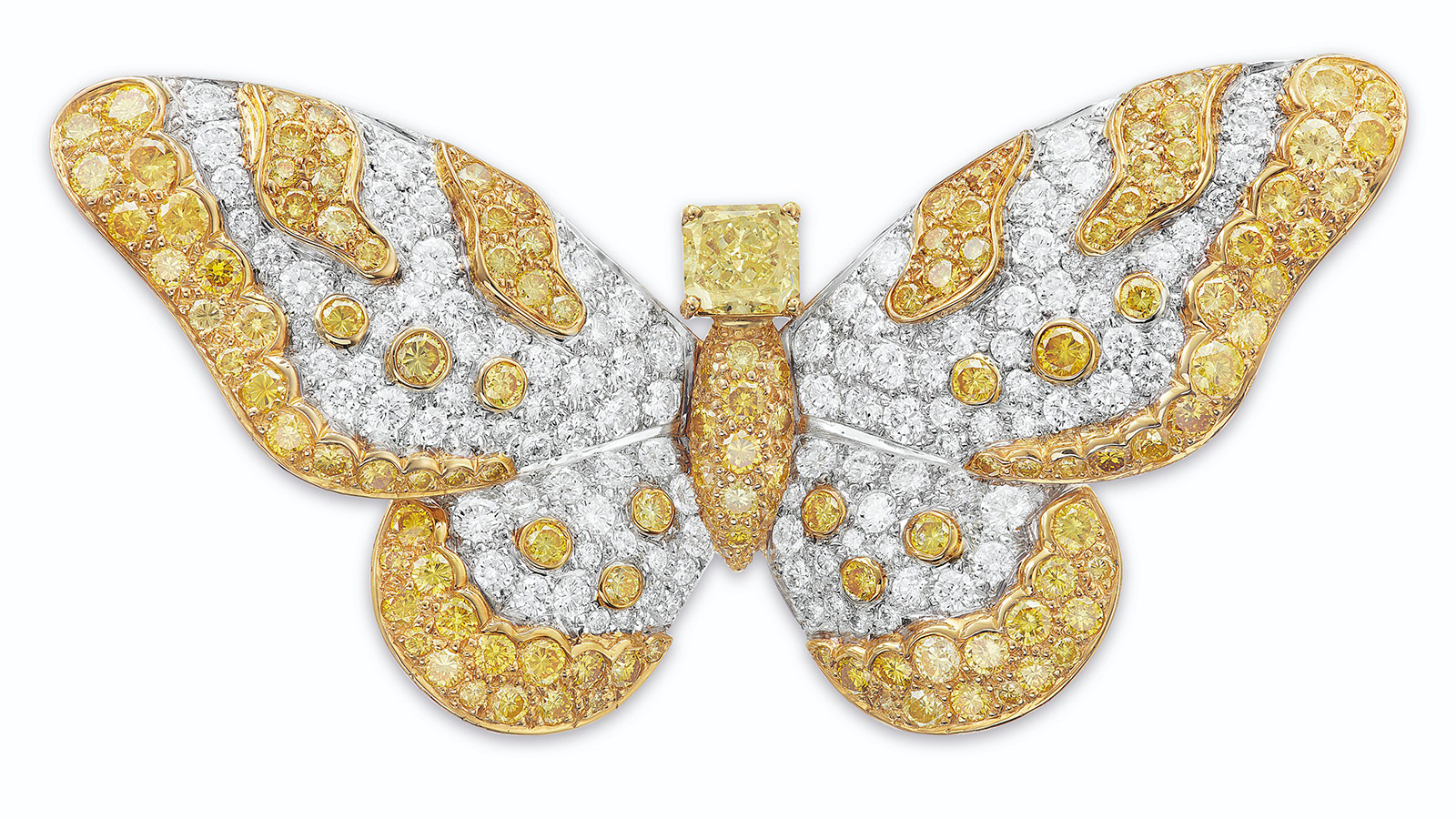
Even though the Graff Butterfly pendant was adored from its inception, like all enduring designs, it evolved. Brooches, earrings, and necklaces followed, featuring the signature butterfly in motion from the 1970s through the 1990s, with updates such as wings lifted from the surface and more sculpturally articulated bodies. A notable campaign arrived in 1981, showcasing a Butterfly high jewelry necklace and brooch.
In the 2000s, a cleaner, more diamond-focused aesthetic emerged, with fewer colored stones used across some collections. Greater uniformity in stone selection and setting became apparent, and certain pieces featured no colored gemstones at all—just white diamonds. The result was a more modern, streamlined look.
From the 2010s through today, innovation has continued to push the Graff Butterfly forward. Designs now incorporate multiple butterflies arranged in layered, asymmetrical compositions, creating a more pronounced illusion of movement. The brand also expanded its use of snow-set pavé techniques—placing stones of varying sizes with minimal visible metal—to achieve a delicate, snow-like effect that enhances the lightness of the wings.
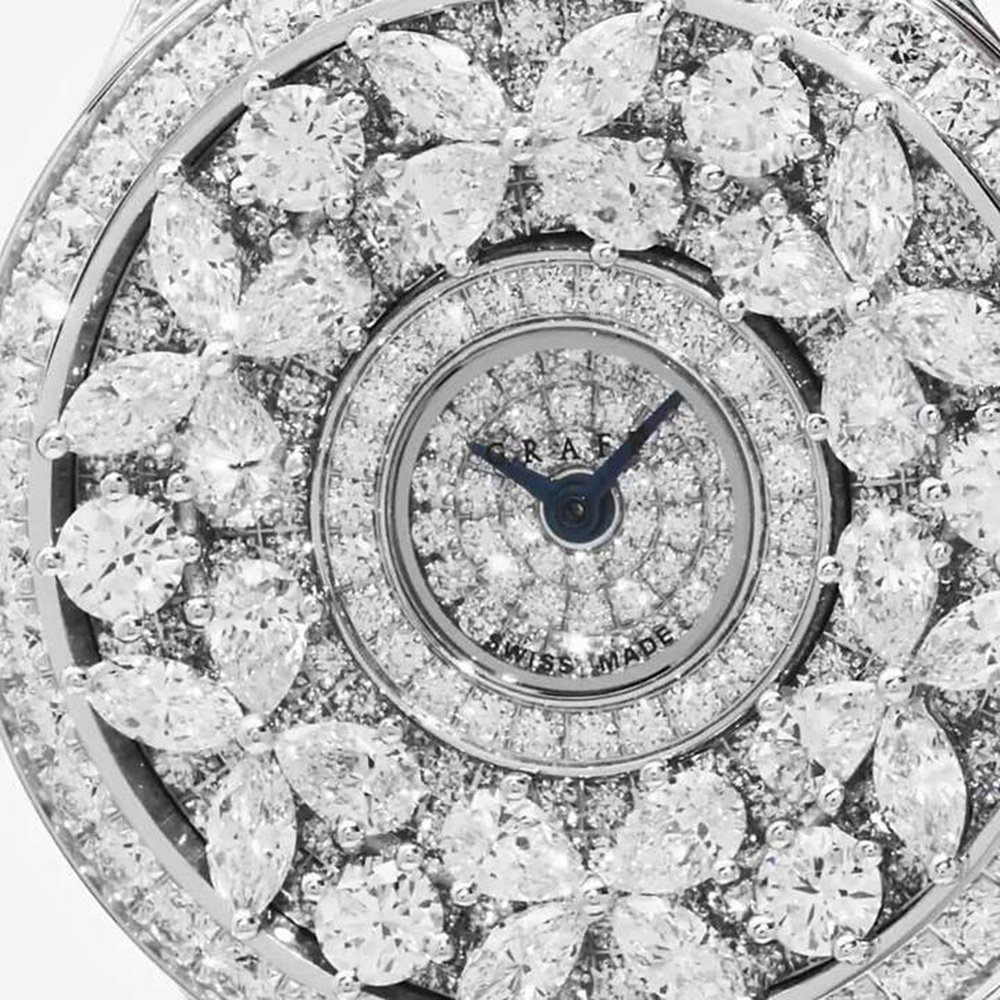
Costume designer Jelena Kulic tells OND of how Graff Butterflies have changed over time, “Earlier versions feel more restrained, while contemporary pieces explore denser pavé work, layered structures, and more elaborate compositions, without losing the sense of lightness,” she says.
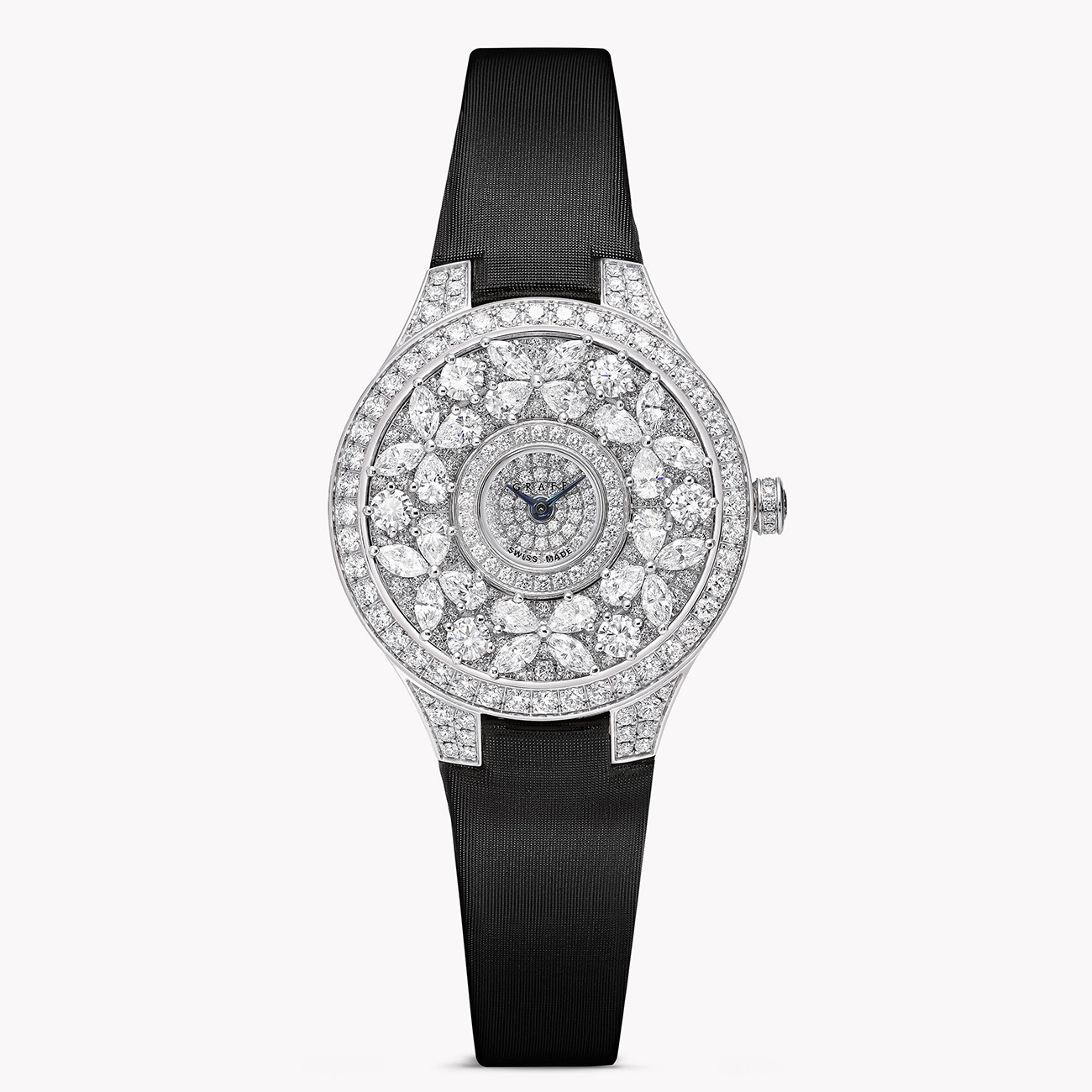
Other intricate interpretations of the butterfly motif emerged during this period, including a diamond Butterfly ring in 2012 set with marquise, round, and pear-shaped diamonds, followed by the debut of the first Graff Butterfly watch in 2013. Building on its success, the brand introduced the Butterfly Princess secret watch in 2016, featuring a gouache design—a hand-painted jewelry illustration created with opaque paint.
The Graff Butterfly Today: High Jewelry and Anniversary Collections
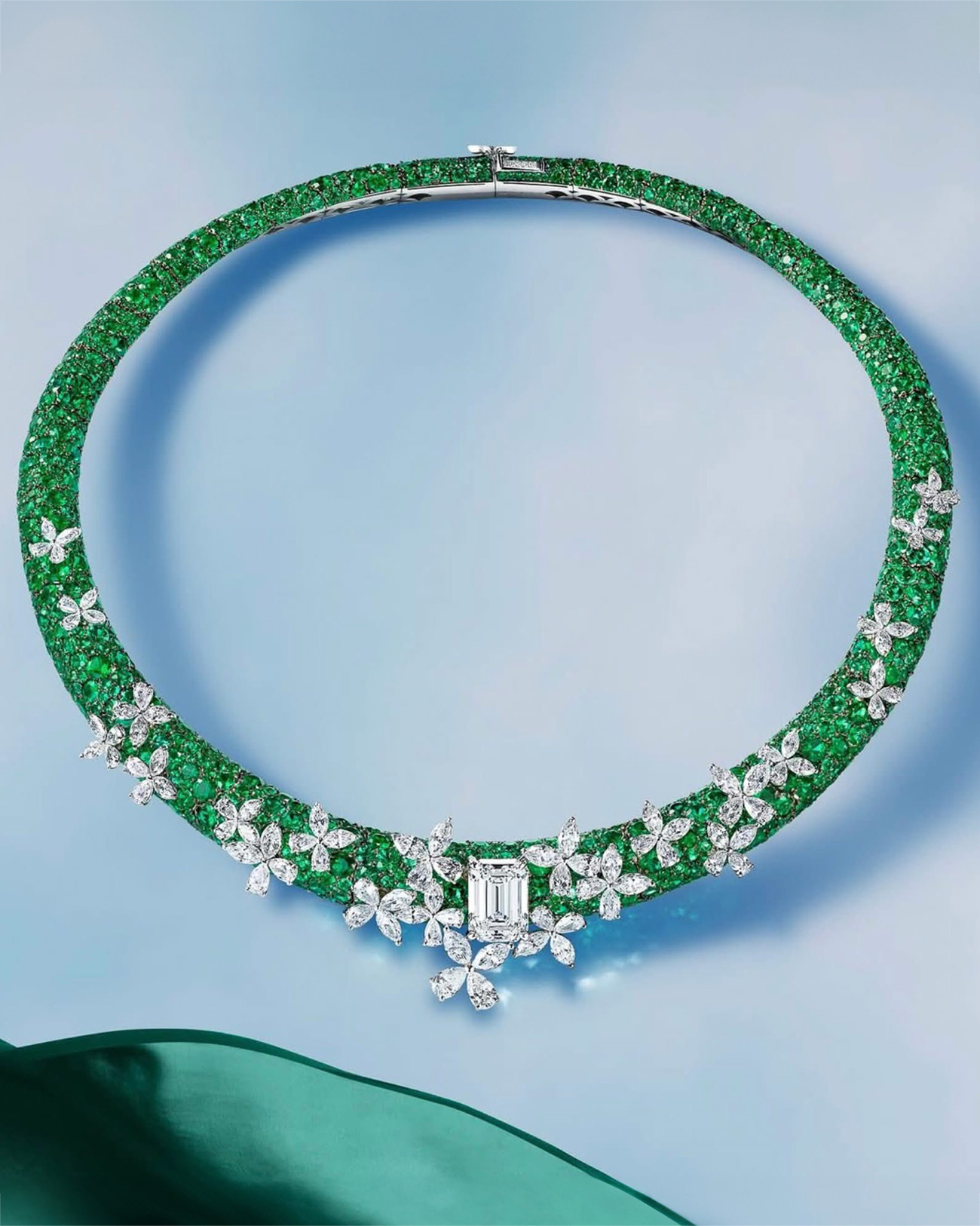
For the 50th anniversary of the Graff Butterfly in 2025, the brand launched a special commemorative collection, including a necklace set with 57.13 carats of snow-set pavé emeralds, centered around a 5.04-carat emerald-cut diamond. From this centerpiece, a kaleidoscope of butterflies composed of pear and marquise diamonds spirals outward, forming an entire ecosystem of diamonds.
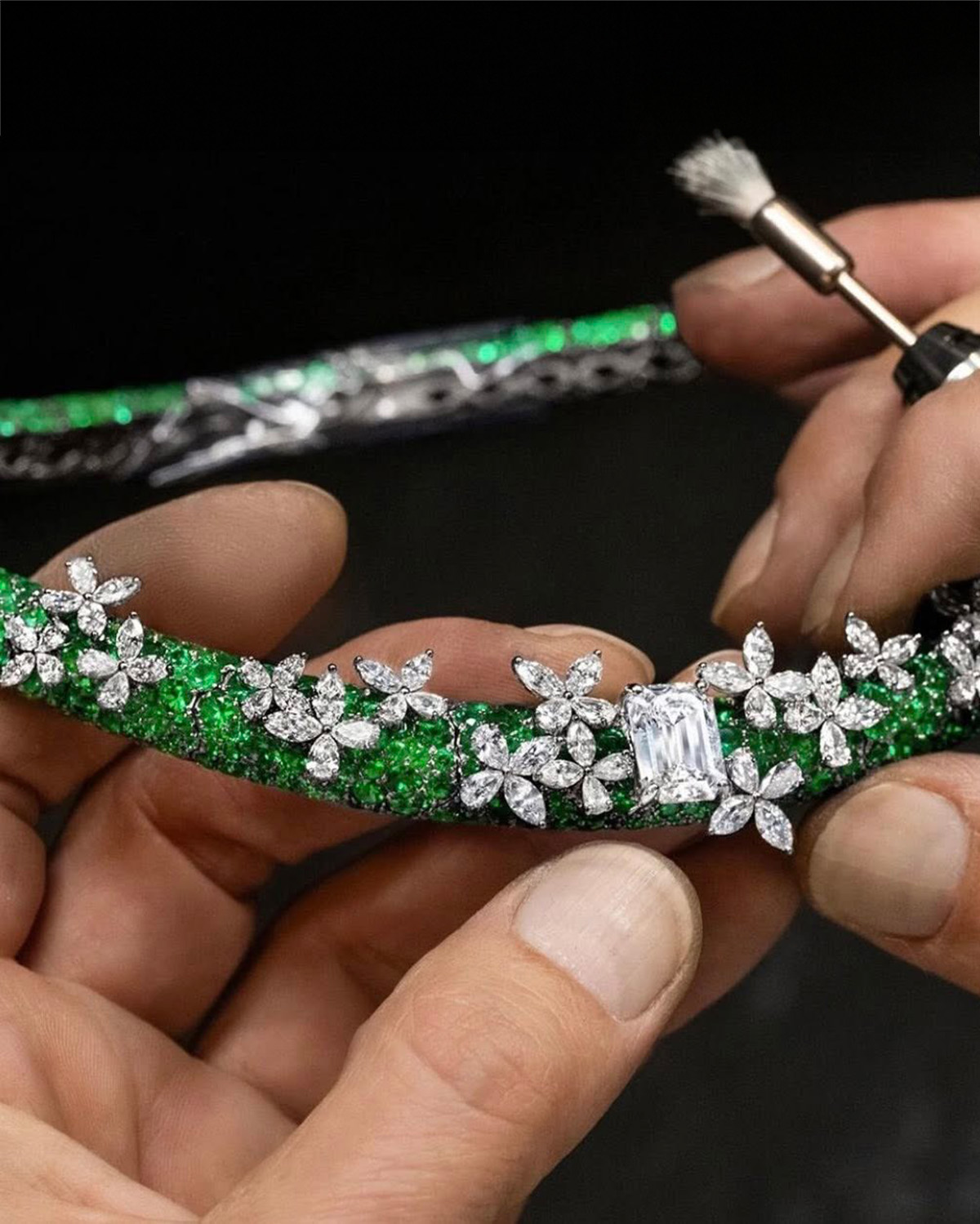
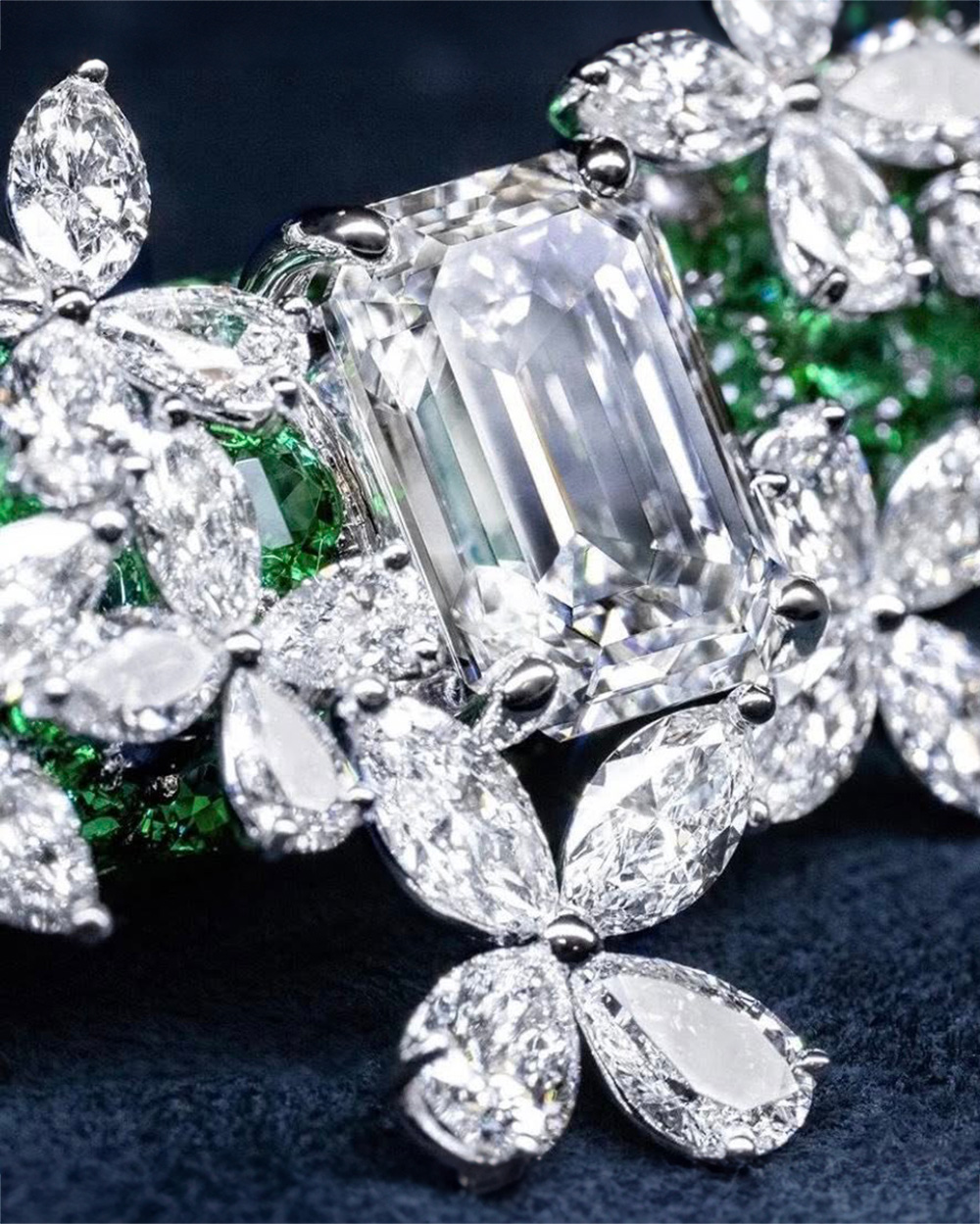
Most recently, Graff unveiled its latest Butterfly collection campaign, a tribute to nature’s transformative power. The collection positions the butterfly as a symbol of renewal and optimism, with many pieces featuring cascading butterflies composed of white marquise diamonds alongside rubies and sapphires.
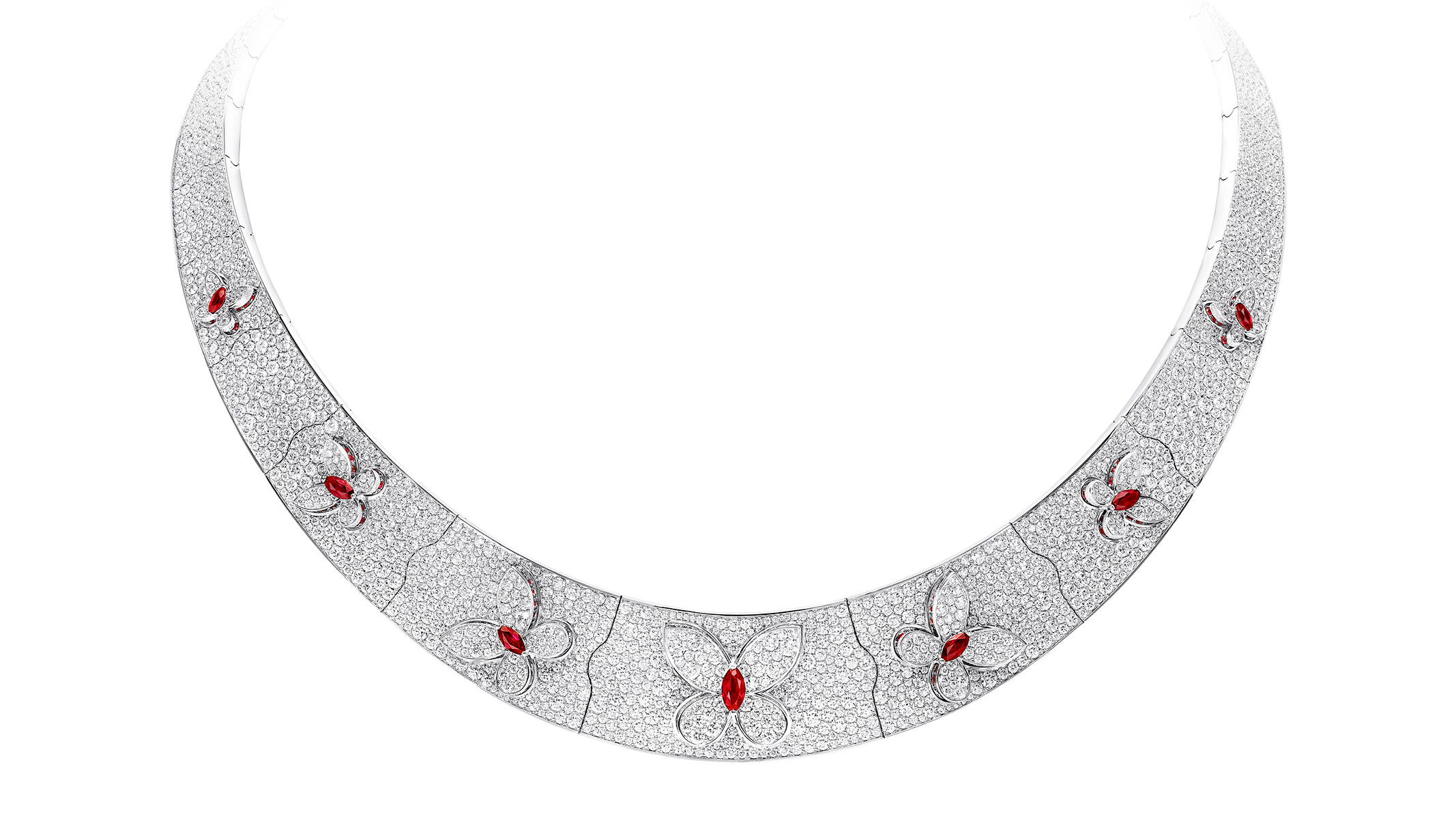
Anne-Eva Geffroy, Design Director at Graff, says in an official statement about the collection, “Rich in symbolism, the butterfly remains an endless source of inspiration — an outline that invites boundless creativity and artistic exploration. Within our high and fine jewellery collections, every curve, contour and proportion is considered with precision. Through the remarkable expertise of our artisans, each creation comes to life, expressing movement and technical mastery across every wing.”
Why the Graff Butterfly Continues to Soar
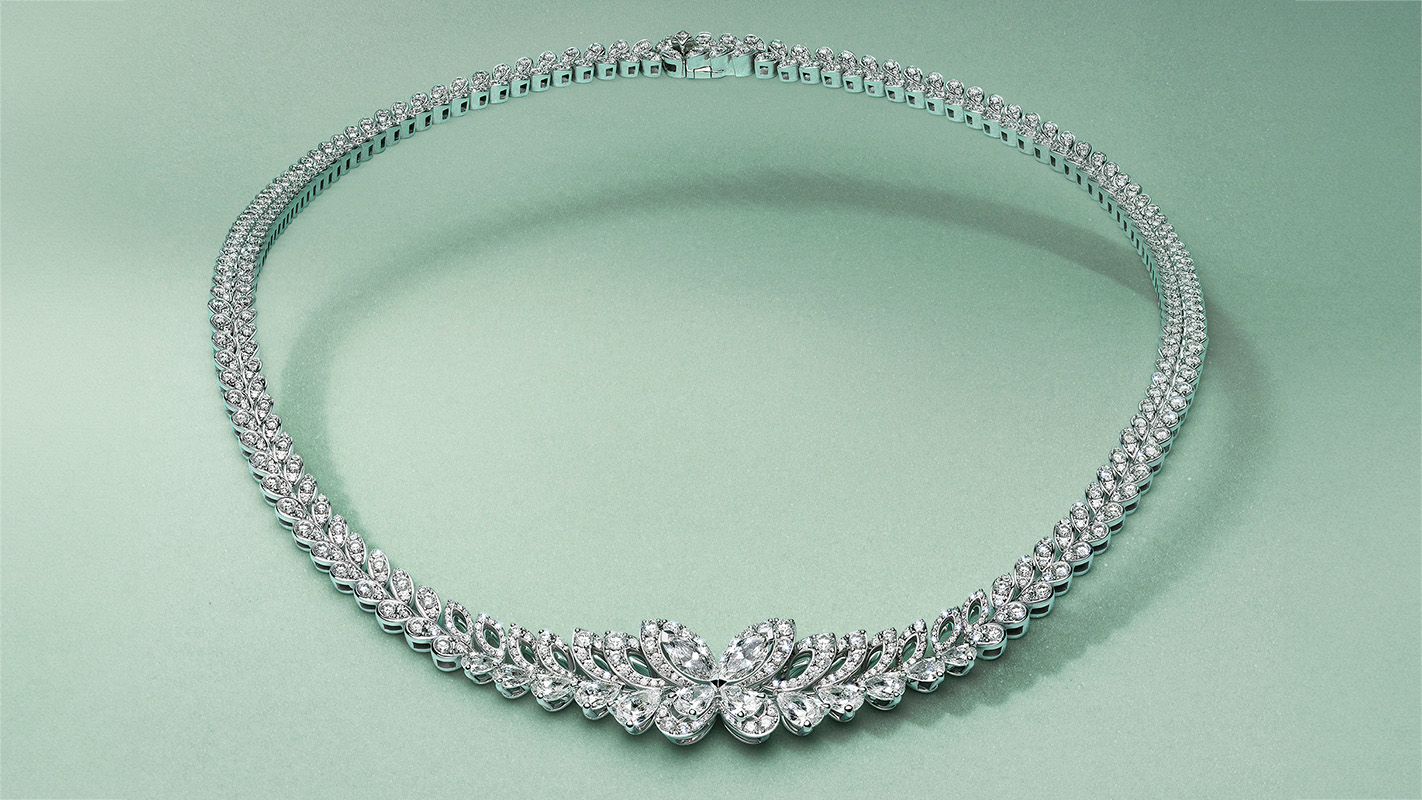
Why has the Graff Butterfly remained such a powerful symbol in jewelry across cultures? It has an instantly recognizable design that can be adapted into a myriad of jewelry structures. But the Graff Butterfly goes deeper than its technical mastery and symbolic motif.
“It carries a universal association with transformation,” says Jelena Kulic. “It suggests change, fragility, and fleeting beauty—qualities that translate naturally into something deeply personal when worn.”
But beyond symbolism, the Graff Butterfly represents a shift in how diamonds can be perceived. Rather than static objects, they become expressive, capable of suggesting motion, lightness, and emotion.
“It transforms diamonds into something that feels alive,” Kulic explains. “It captures movement rather than just form. It feels weightless, almost as if it could lift away.”
Decades after its debut, the Graff Butterfly still resonates across generations, not just as a motif, but as a masterclass in how natural diamonds can transcend material and become powerful symbols of something more.