< Historic Diamonds / Famous Diamonds
The First Ladies of the White House and Their Iconic Diamond Jewelry
Across generations, the diamonds worn by America’s First Ladies have marked personal milestones and moments of national significance.
Published: February 27, 2026
Written by: Sarah Cassuto

The First Lady of the United States occupies a role unlike any other in American public life, existing at the intersection of ceremony, politics, and culture. Though unelected, she remains constantly in the public eye, hosting heads of state and shaping the atmosphere in the White House. Our fourth First Lady, Dolley Madison, established the precedent of serving as a political hostess and is most famously remembered for saving national treasures from the White House during the War of 1812.
Eleanor Roosevelt fundamentally transformed the position, shifting it from one of passive hosting to one of political activism and public engagement. She championed civil rights, women’s equality, and labor causes, redefining expectations for future First Ladies. The role continued to evolve with Jacqueline Kennedy, whose televised tour of the restored White House elevated the residence’s cultural and historical significance. In more recent years, Michelle Obama used her platform to promote public health initiatives, including efforts to combat childhood obesity.
Often described as the symbolic “Mother of the Nation,” the First Lady stands beside the President while maintaining her own responsibilities and public influence. The phrase dates back to the post-Revolutionary era, when Martha Washington was honored as a maternal counterpart to George Washington, regarded as the “Father of His Country.”
Meet the Author
- Sarah Cassuto graduated from the University of Maryland with a degree in Journalism.
- As a journalist, she has worked at publications including the New York Post, GQ, Glamour, and Teen Vogue.
With each new administration comes a shift in tone, and personal style becomes part of that transition. Natural diamonds have long played a quiet but consistent role, appearing in engagement rings, anniversary gifts, inaugural celebrations, and state dinner looks.
Whether modest or substantial, these pieces mark both private milestones and national moments. They reflect partnership and continuity for a woman whose image is seen around the world. In a role defined by ceremony, diamonds are not merely decorative; they have become part of a story of leadership, tradition, and American public life.
Below, discover how diamonds have helped define the public image of America’s First Ladies, both during their years in the White House and the legacy they carry forward.
Martha Washington (1789–1797)
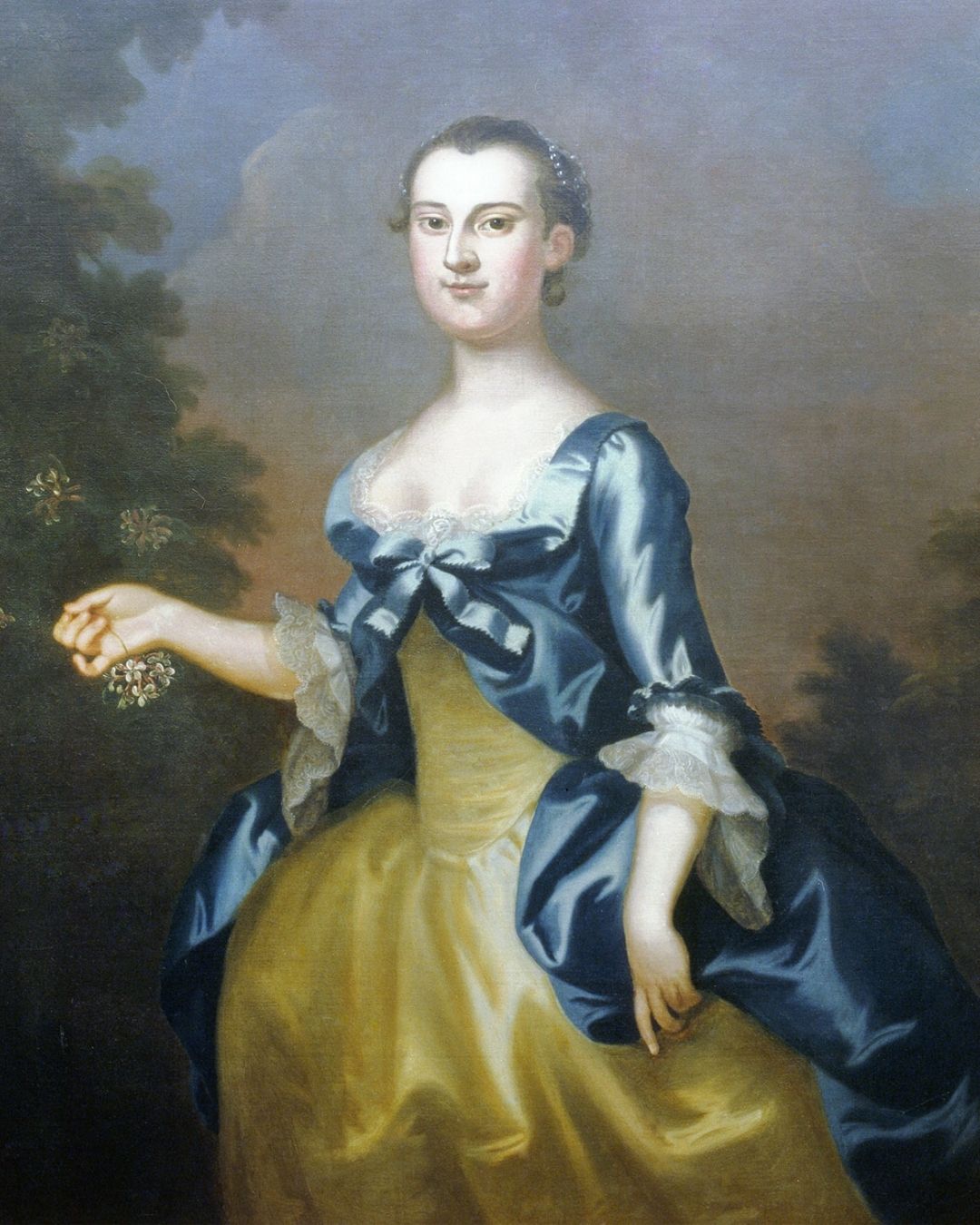
As the nation’s first First Lady, Martha Washington established many of the social precedents that would define the role. Born into Virginia’s planter class and later married to President George Washington, she was accustomed to the formal expectations of 18th-century elite society. Portraits from the 1790s depict her wearing diamond drop earrings and diamond-set ornaments at the neckline. These pieces reflect personal wealth and stability during the country’s founding.
At the time, most diamonds were cut in early table, rose, or old mine styles—long before the development of the modern brilliant cut—resulting in softer candlelit sparkle rather than the fiery brilliance we associate with diamonds today. Georgian-era jewelry was typically crafted in silver-topped gold settings, a technique designed to enhance the appearance of white stones under low light.
These pieces reflect personal wealth and stability during the country’s founding, while also aligning America’s earliest first ladies with the European luxury traditions that shaped elite fashion in the late 18th century.
Dolley Madison (1809–1817)
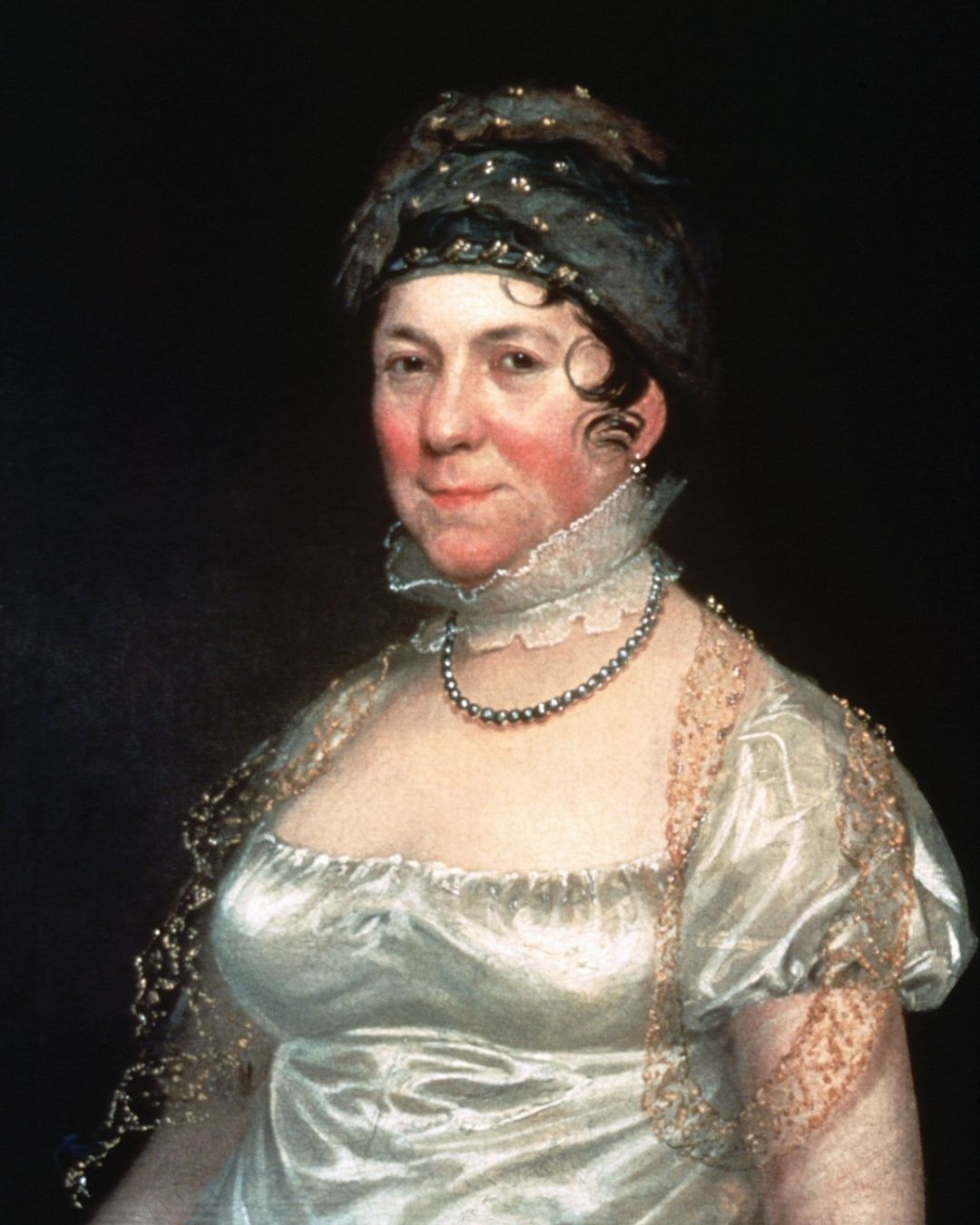
In the summer of 1794, future President James Madison proposed to Dolley Payne with an engagement ring typical of the late 18th century: a cluster of rose-cut diamonds set in yellow gold. When the Madisons took the White House in 1809, women’s fashion was heavily influenced by the French, including Empire silhouettes inspired by classical antiquity. Dolley Madison was seen as a “queenly” first lady, bringing a regal style to the new nation in a more accessible way. Her diamond jewelry choices complemented that role, balancing refinement with approachability
After her death in 1849, her engagement ring was passed down to her niece, Annie Payne Causten, remaining in the family for generations before returning to Montpelier, James Madison’s Virginia estate in Orange County.
Mary Todd Lincoln (1861–1865)
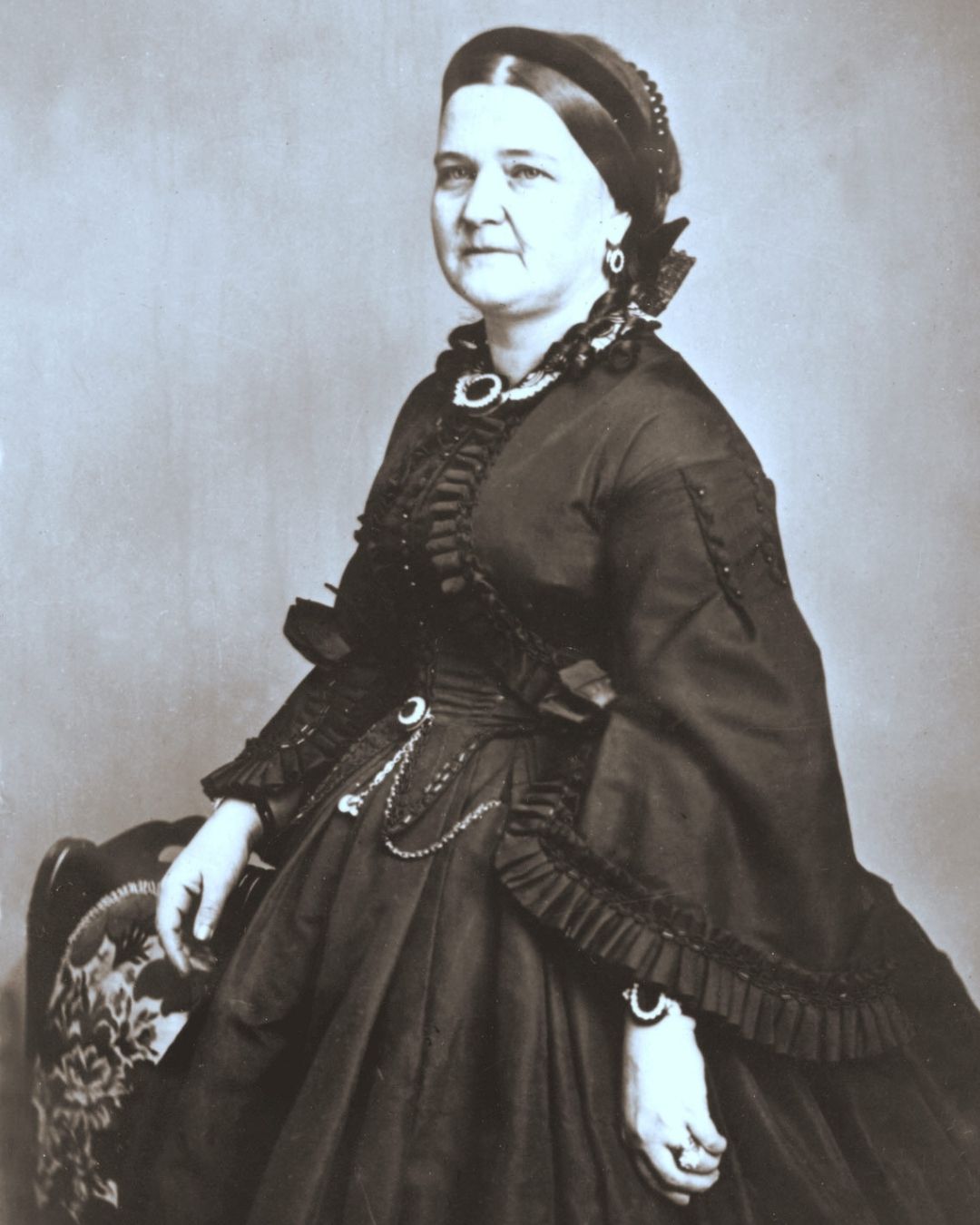
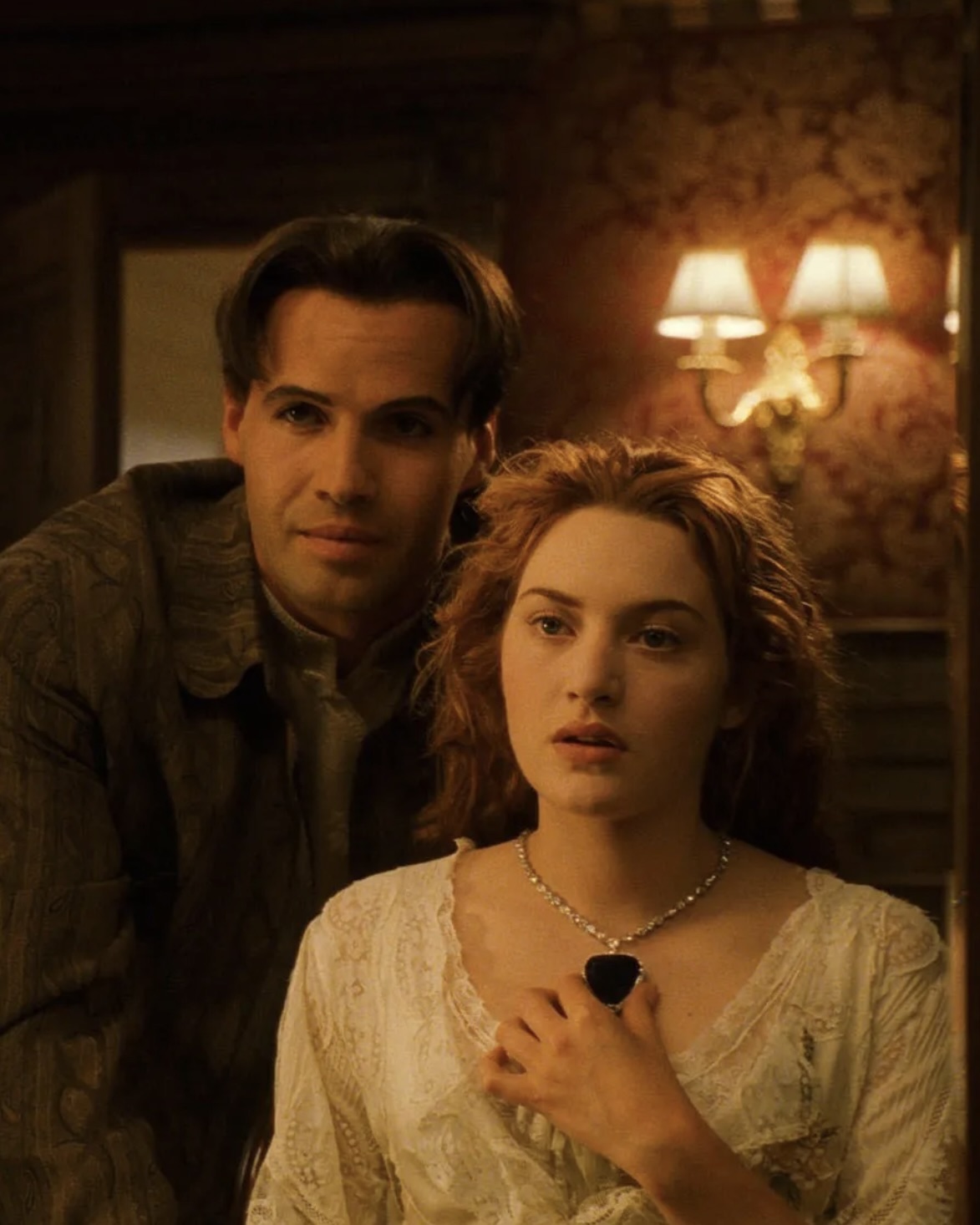
The mid-19th century was defined by the turbulence of the Civil War, a period when public image carried heightened meaning. Fashion featured wide, dome-shaped skirts, high-necked day bodices, and elaborate accessories like bonnets and shawls, reinforcing ideals of propriety and domestic stability during a fractured national moment. For Mary Todd Lincoln, diamonds were intertwined with romance and remembrance. Among her most significant jewels was a heart-shaped diamond necklace gifted by her husband, Abraham Lincoln. According to family records, he presented it with the words, “I give you my heart.”
Sentimental jewelry was especially meaningful during the Victorian era, when symbols of devotion and mourning were woven into daily dress. As one of the most scrutinized first ladies in American history, Mary Todd Lincoln’s diamond necklace carried both personal and public significance, reflecting a marriage lived under extraordinary national strain.
Today, the necklace resides in the collection of the Abraham Lincoln Presidential Library and Museum, transforming an intimate gesture into a public relic. The piece stands as both a marital keepsake and a historical record.
Eleanor Roosevelt (1933–1945)
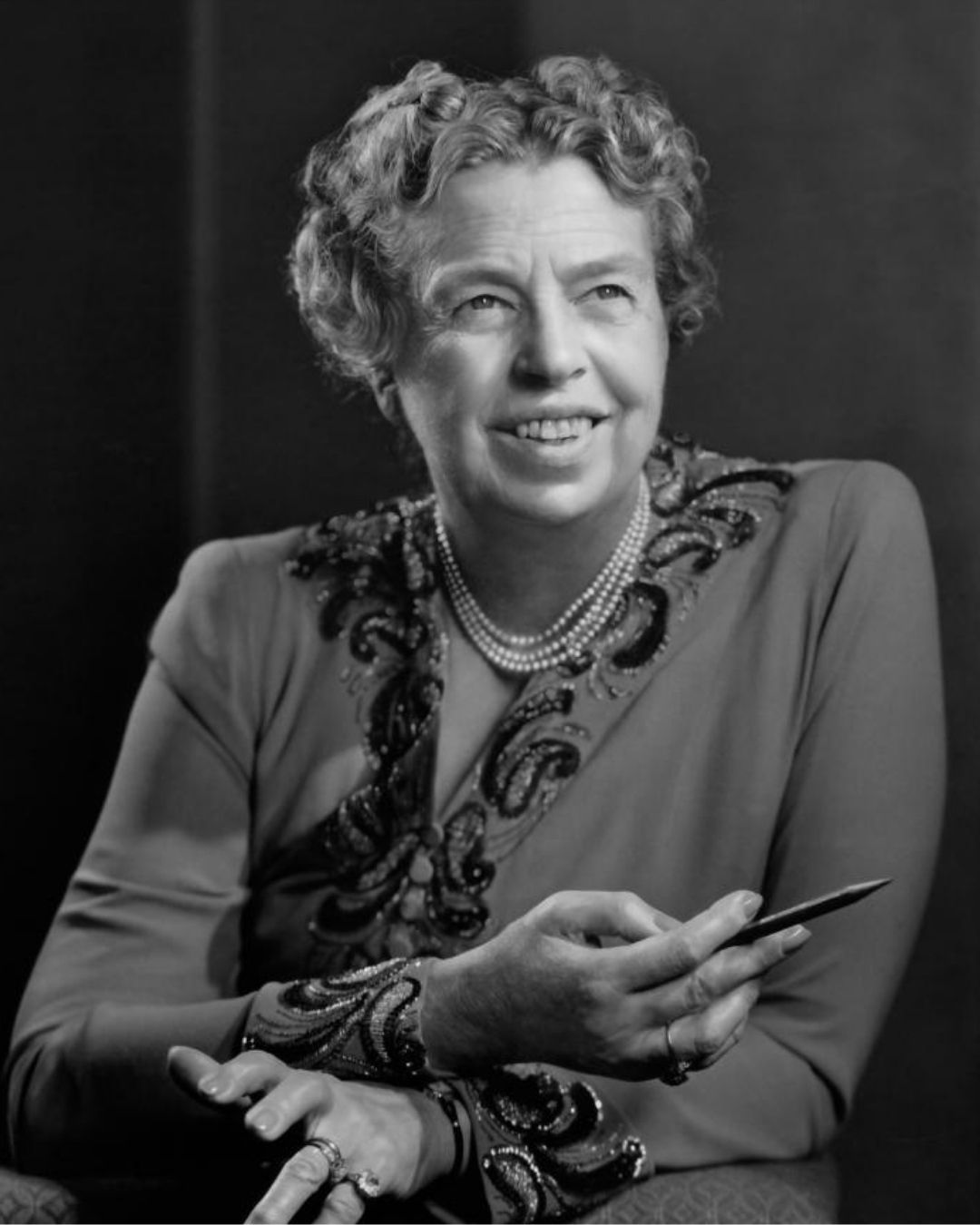
When Eleanor Roosevelt entered the White House in 1933, the country was in the depths of the Great Depression. Against this backdrop, she redefined the role of first ladies, transforming it from that of a ceremonial hostess into an active, politically engaged public figure.
Roosevelt’s jewelry style was notably understated. Her 3.4-carat engagement ring from Tiffany & Co., given by Franklin D. Roosevelt in 1903, remained her primary diamond piece. She also inherited a gold ring set with five pearls and eight diamonds from her mother, later passing it to her daughter Anna. In contrast to the more decorative traditions associated with earlier first ladies, her diamond jewelry reflected restraint, practicality, and a focus on substance over display.
Jacqueline Kennedy (1961–1963)
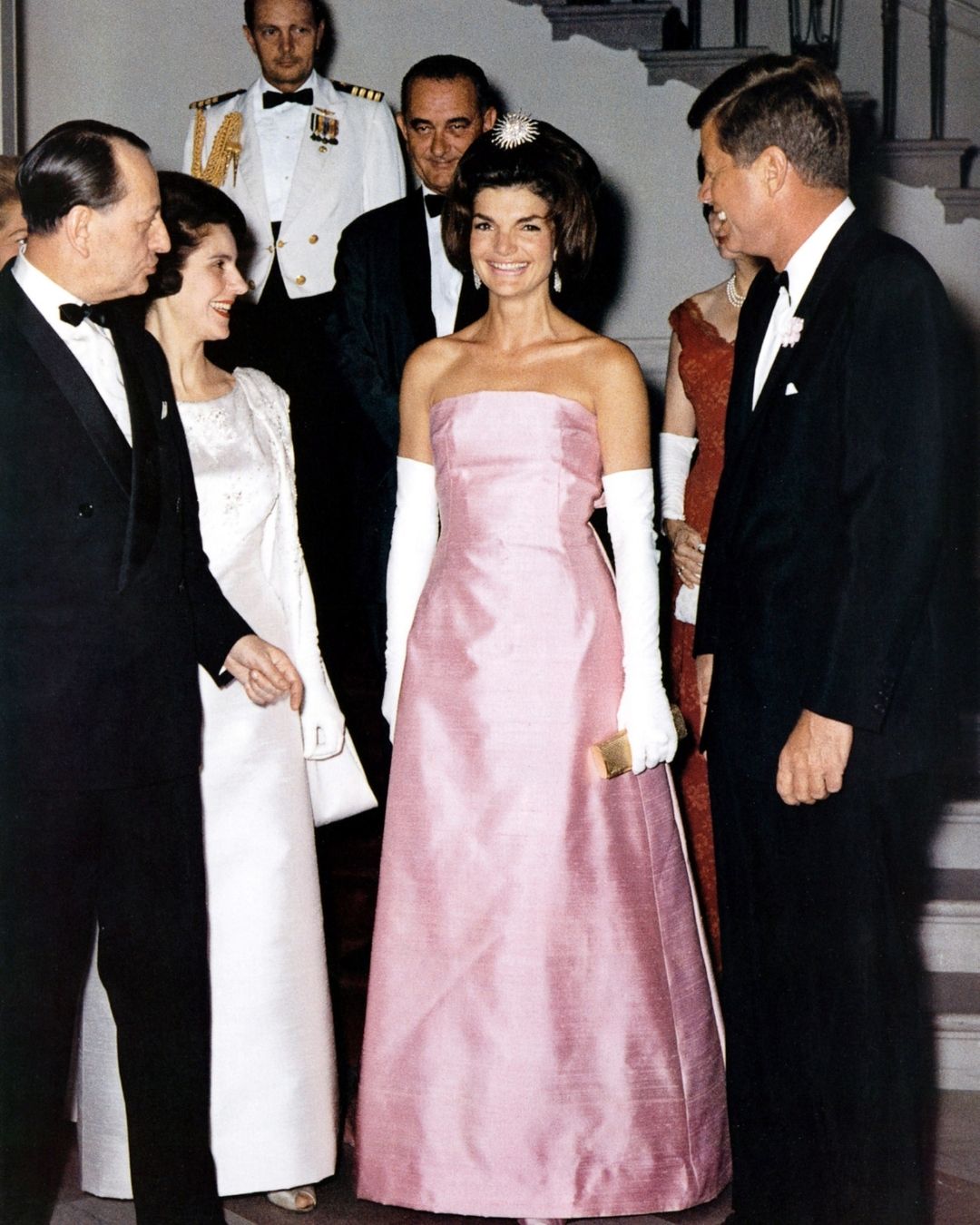
John F. Kennedy took office in 1961 during a tense yet optimistic chapter in American history, marked by the Cold War and the dawning of the Space Race.
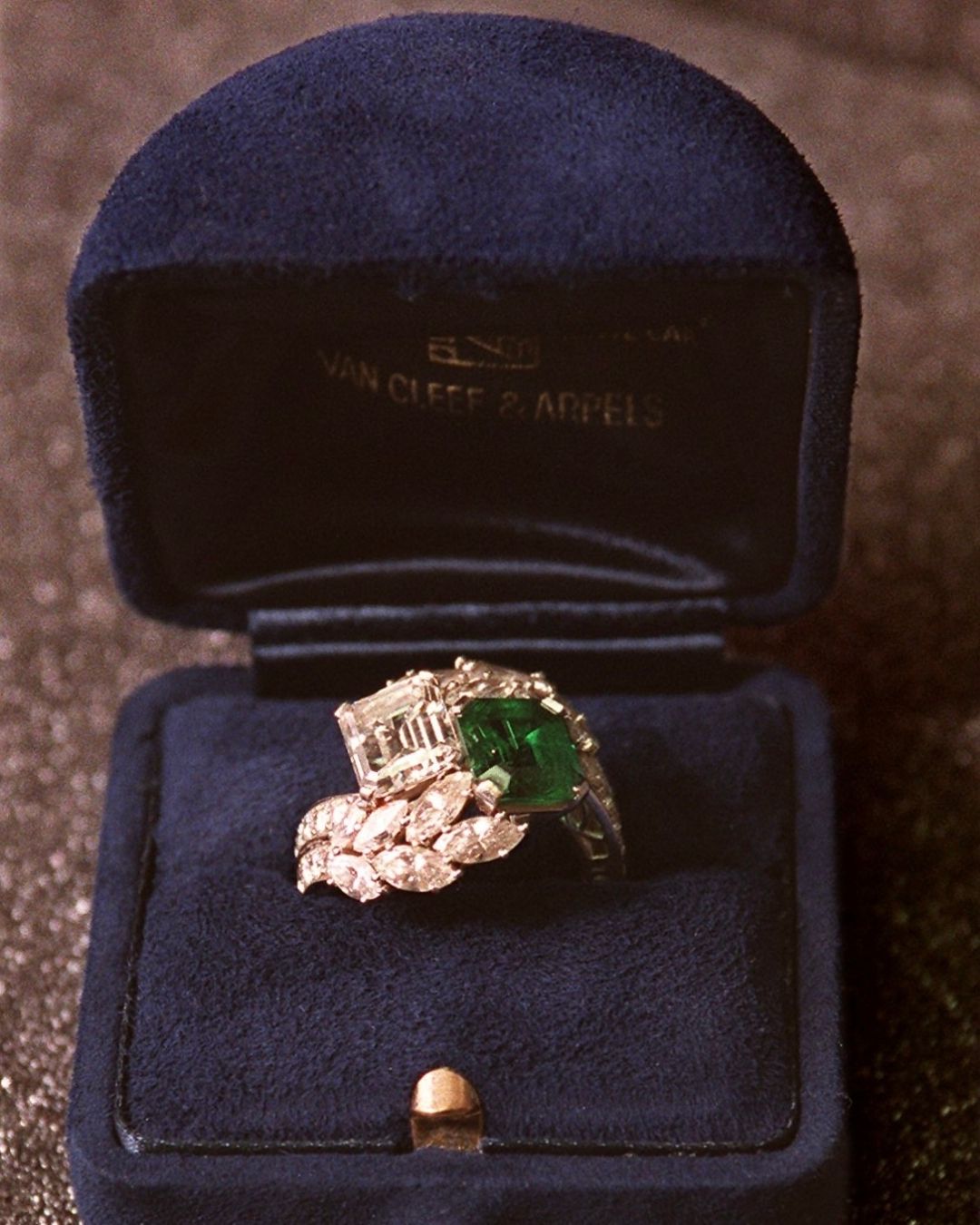
Jacqueline Kennedy’s engagement ring, a Toi et Moi design by Van Cleef & Arpels, paired two emerald-cut stones of nearly equal size — a poetic representation of “you and me.” As one of the most style-defining first ladies of the 20th century, she shaped global fashion trends, popularizing pillbox hats, tailored suit jackets, and streamlined shift dresses that came to symbolize the Camelot era.
Jackie Kennedy also favored a 19th-century diamond sunburst brooch purchased in London in 1961. Worn in her hair or fastened to evening gowns, the brooch reinforced her carefully calibrated image of youthful modernity balanced with Old World refinement. For first ladies who followed, she set a new standard: diamonds were no longer merely an adornment, but instruments of cultural diplomacy.
Rosalynn Carter (1977–1981)
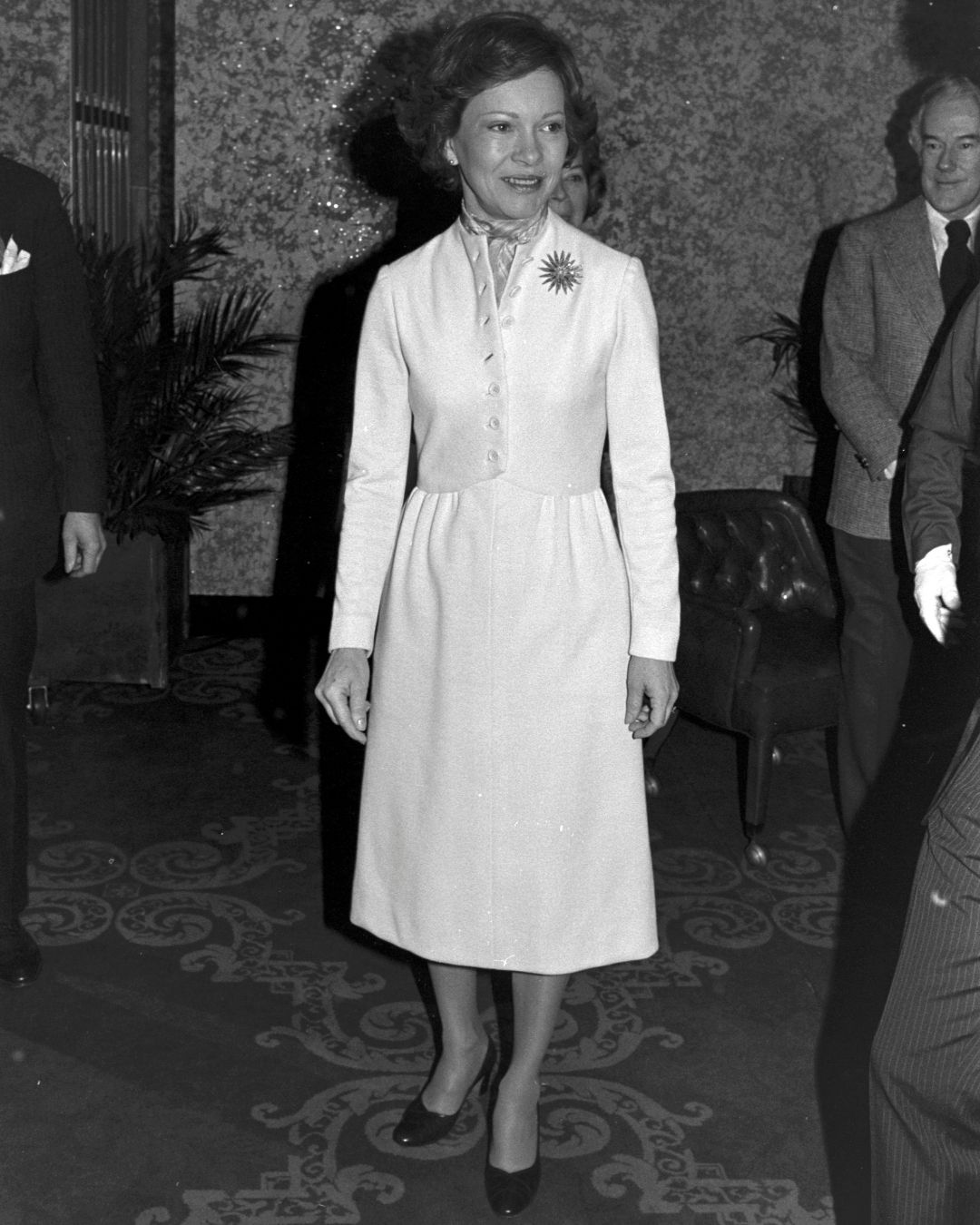
Jimmy Carter was elected President of the United States in 1976, during a decade defined by relaxed silhouettes, flowing fabrics, and the exuberance of disco-era glamour. Yet as one of the more understated first ladies of the modern era, Rosalynn Carter favored a practical and quietly elegant approach to dress.
She wore a gold band set with pavé diamonds that symbolized her long marriage to Jimmy Carter. Rather than embracing bold statement jewels, her diamond pieces emphasized sentiment and continuity — a reflection of both her personality and her partnership in public service.
Items from the Carter estate later included a Happy Diamonds ruby pendant by Chopard, featuring a heart-shaped ruby encircled by 28 round diamonds beneath a glass window that allowed the stones to move freely. Even in later acquisitions, there remained a sense of intimacy and symbolism rather than spectacle.
Nancy Reagan (1981-1989)
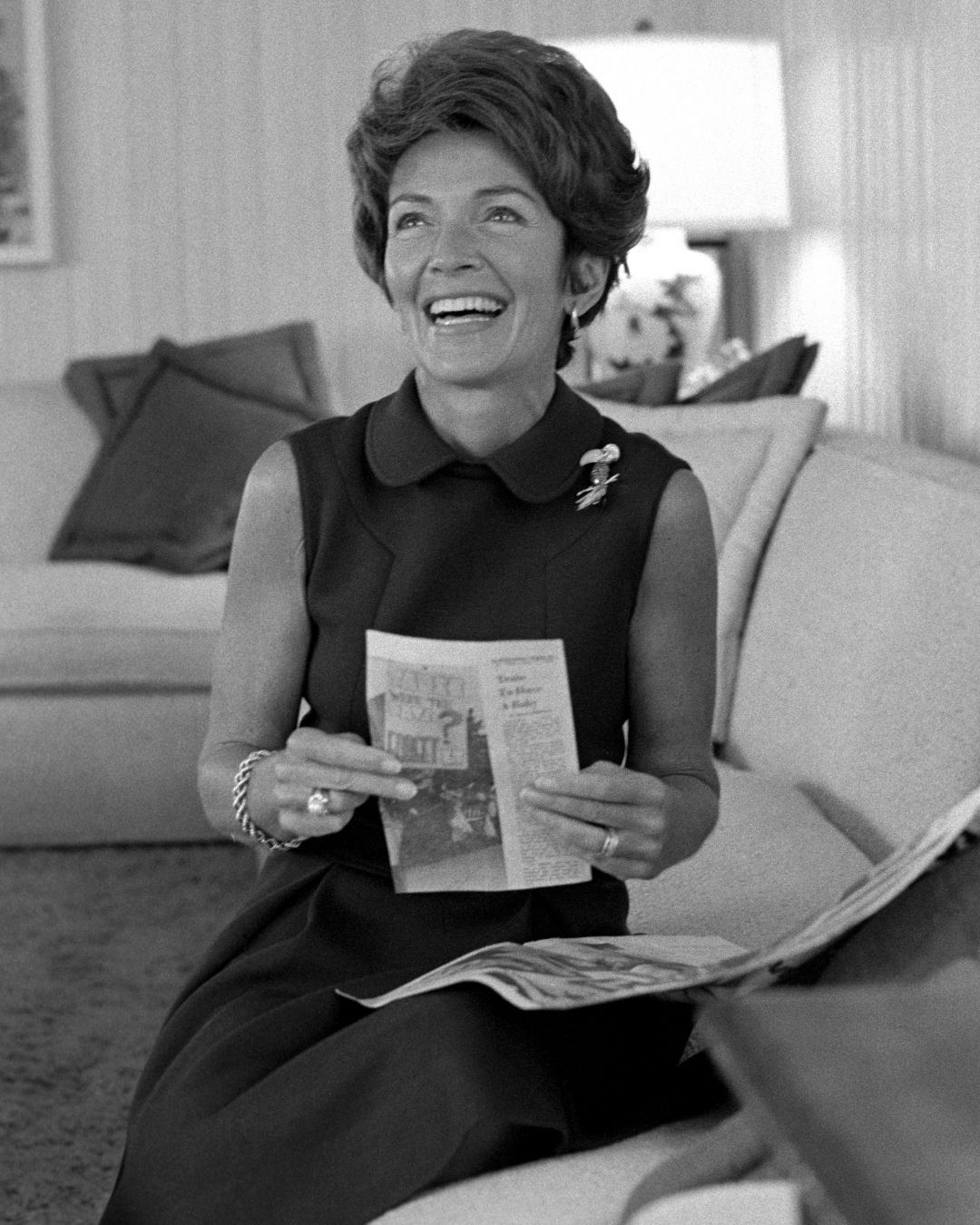
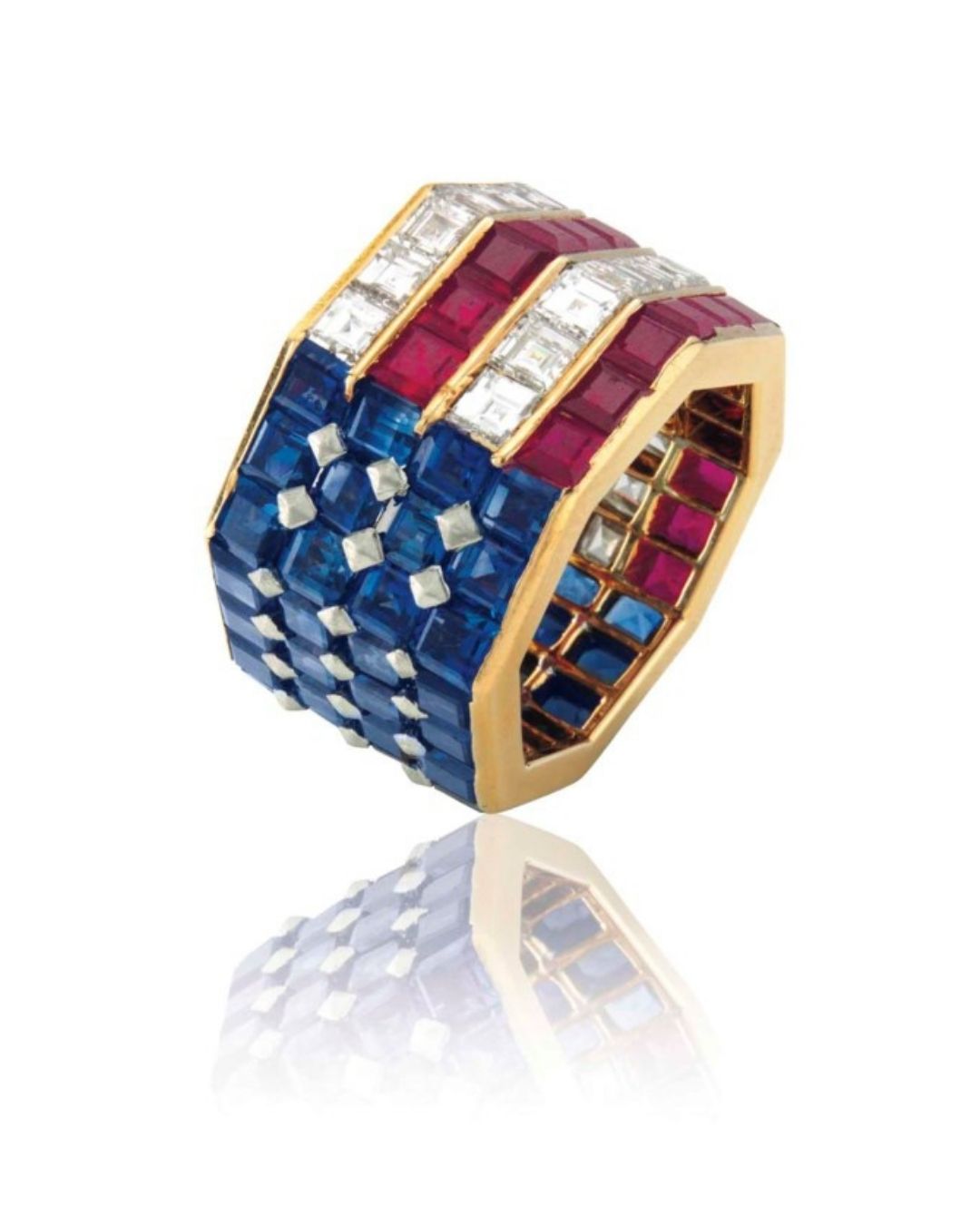
Nancy Reagan brought polished Hollywood glamour to the White House through structured suits and vibrant red gowns, a style that stood in contrast to the economic anxieties of the early 1980s. Yet the decade itself was defined by bold silhouettes, power dressing, and unapologetic maximalism. Her embrace of high-profile designers drew criticism during the recession, yet it also marked a deliberate shift in how modern first ladies used fashion to project confidence and authority on the world stage.
As one of the most visually commanding first ladies of the late 20th century, her diamond jewelry was equally assertive. Pieces later auctioned at Christie’s in 2016 included a diamond-eyed lion brooch, a ruby and diamond American flag ring, and a suite of diamond necklaces worn during state visits. These selections reflected formality and strength in high-profile diplomatic settings, reinforcing her image throughout her tenure in the White House from 1981 to 1989.
Hillary Clinton (1993-2001)
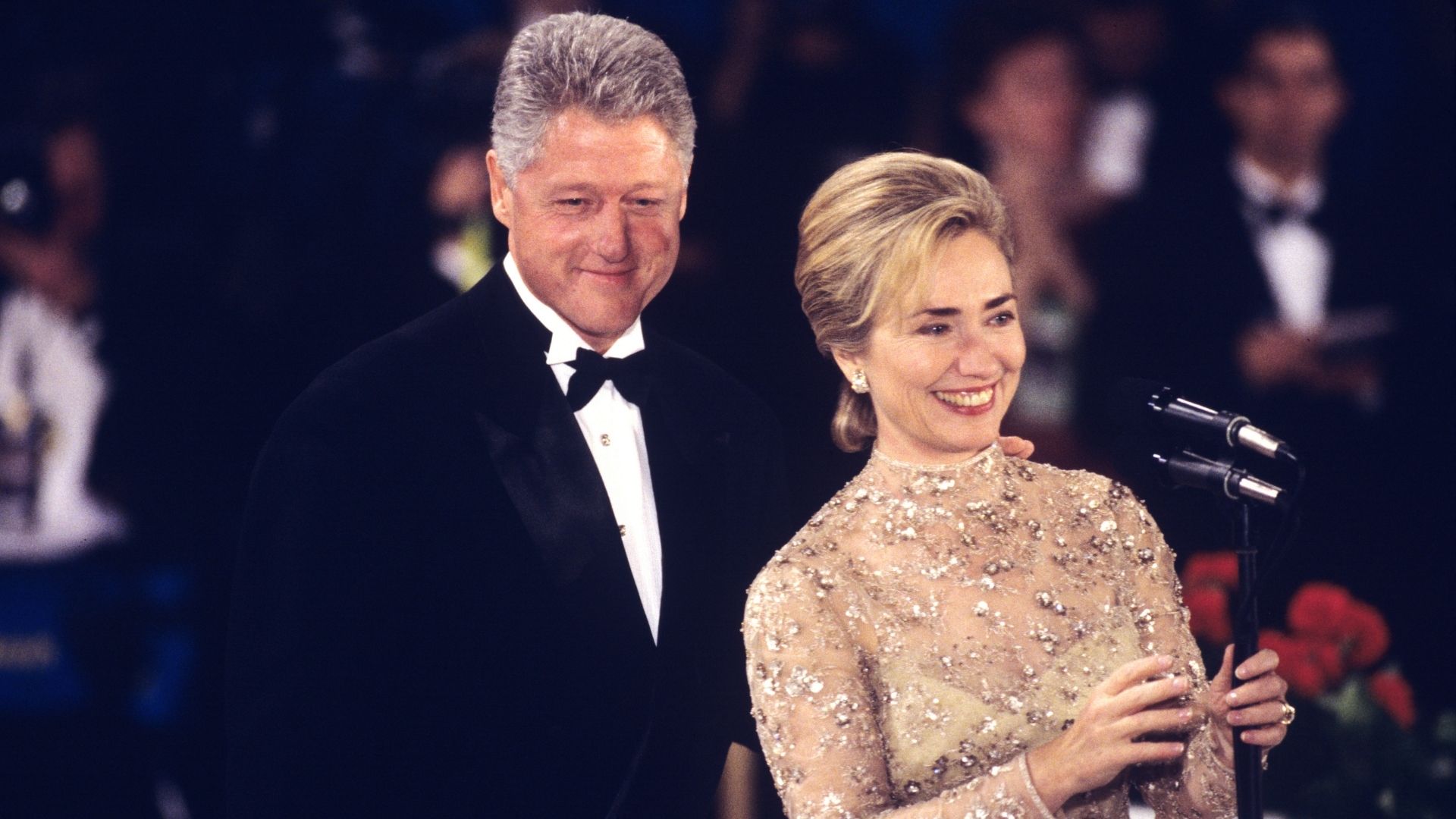
Throughout her time in the White House from 1993 to 2001, Hillary Clinton’s personal style evolved from softer silhouettes and bright skirt suits to more streamlined, professional tailoring. As one of the most closely watched first ladies of the late 20th century, her wardrobe increasingly projected authority and political seriousness alongside ceremonial elegance.
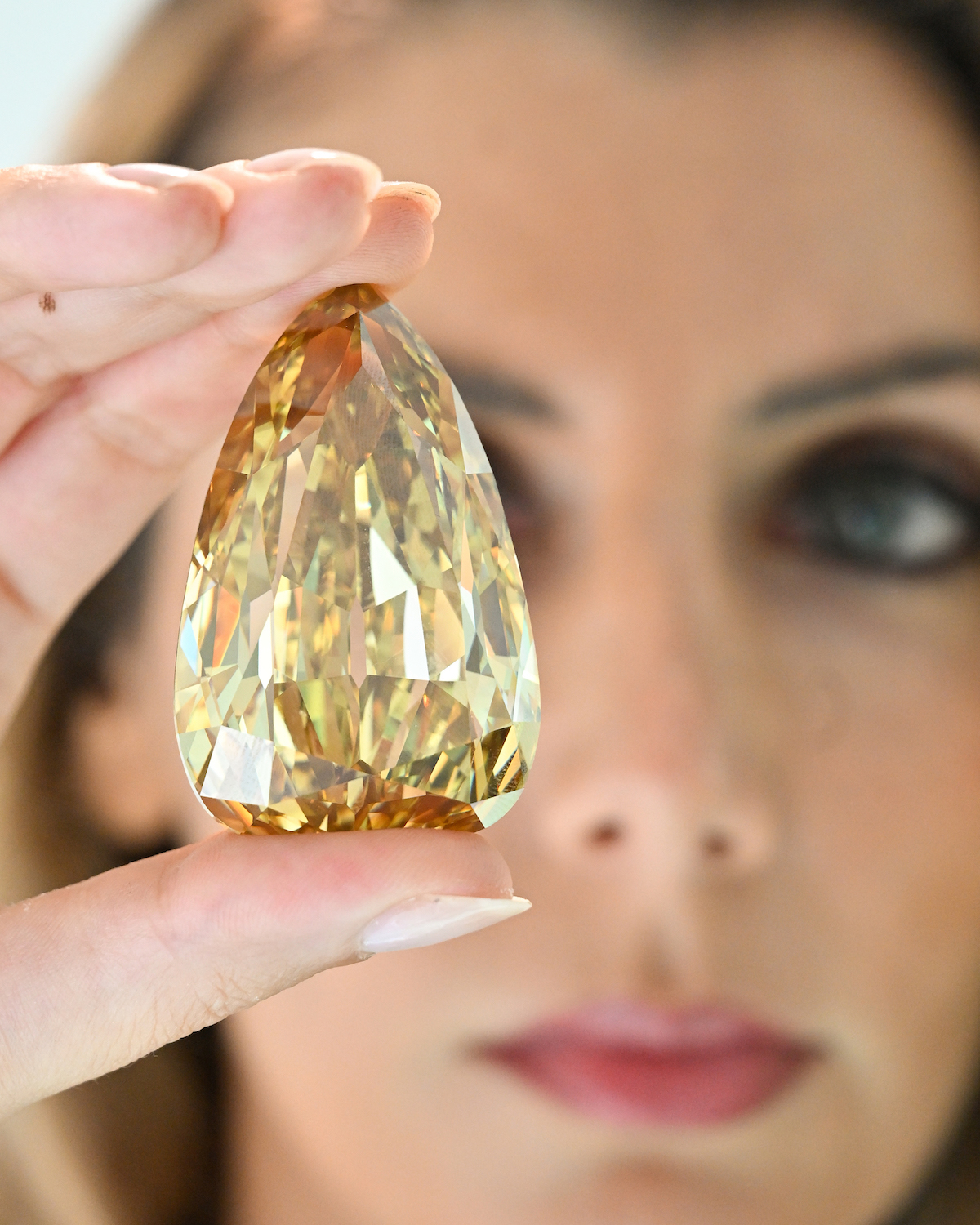
Few first ladies have worn a diamond so directly tied to American soil. The “Kahn Canary,” a 4.25-carat yellow diamond discovered at Crater of Diamonds State Park in Arkansas in 1977, became one of Clinton’s most distinctive jewelry statements. Set into a ring, the vivid colored diamond was worn to both of Bill Clinton’s inaugural balls in 1993 and 1997. Today, the diamond is exhibited at the Mid-America Science Museum in Arkansas.
Its provenance — recovered from the only public diamond mine in the United States — gave the jewel an added layer of symbolism, aligning the role of first lady with American origin and identity rather than European heritage. The Crater of Diamonds site is also famous for producing the 40.23-carat Uncle Sam diamond, the largest diamond ever discovered in the United States, further cementing the Arkansas mine’s place in American gem history.
Michelle Obama (2009-2017)
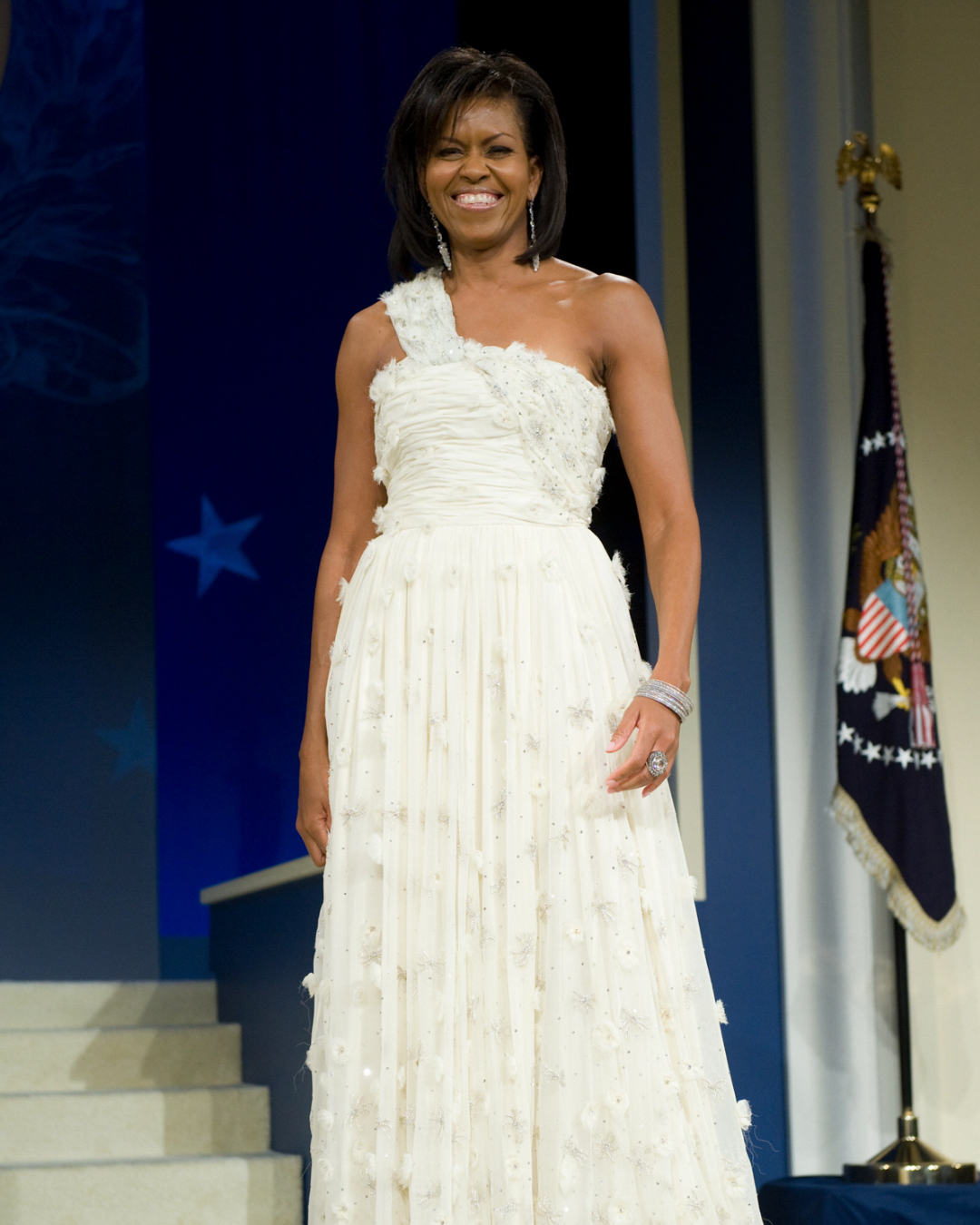
Michelle Obama’s personal style blended high-end fashion with accessible designers, making her both relatable and authoritative. As one of the most globally influential first ladies of the 21st century, she used fashion and jewelry as tools of communication and cultural diplomacy.
For the 2009 inauguration, she wore 60-carat diamond chandelier earrings, a 10-carat ring, and diamond bangles by Loree Rodkin. These were bold yet modern choices that signaled celebration and renewal at the start of a historic presidency. In 2013, she selected custom geode-inspired diamond earrings and bangles by Kimberly McDonald, embracing organic forms that felt distinctly contemporary.
With both her jewelry and clothing, she consistently elevated emerging and diverse designers, reinforcing a broader narrative about representation, creativity, and the evolving role of first ladies in shaping American style on a global stage.
Melania Trump (2017–2021 and 2025–present)
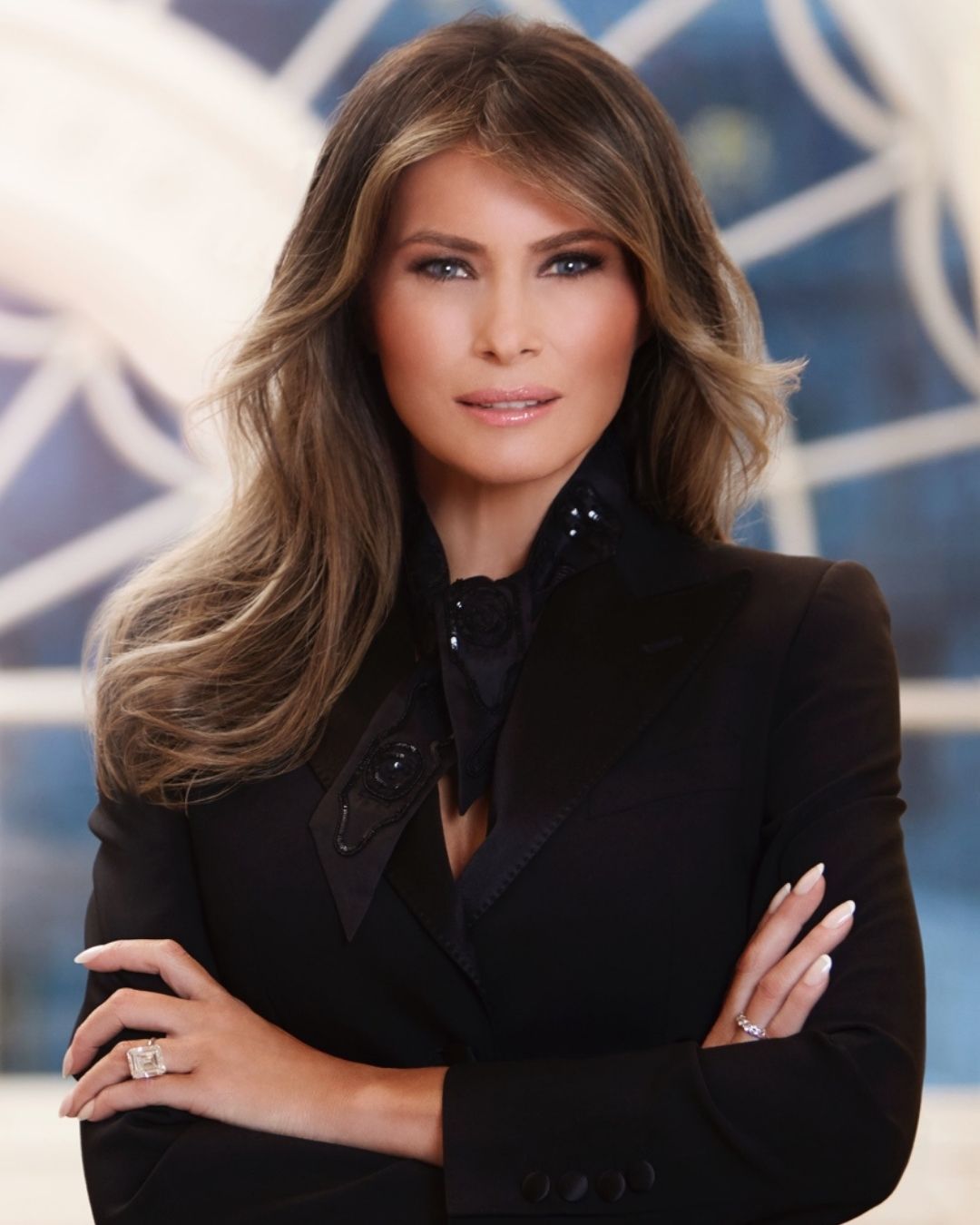
To mark their 10th wedding anniversary, President Donald Trump upgraded her engagement ring from a 15-carat diamond to a 25-carat emerald-cut diamond from Graff. She pairs it with a 13-carat diamond wedding band composed of 15 emerald-cut diamonds, reinforcing her preference for architectural symmetry and high carat weight. Most famously, at the 2017 Inaugural Ball, she wore an Art Deco brooch set with marquise– and baguette-cut diamonds, styled as a pendant on a black choker.
From the nation’s founding to the present day, the diamonds worn by First Ladies have charted not only personal milestones but also the evolving role of women at the center of American power.