The Daria-i-Noor Diamond: The World’s Largest Pink Diamond
Possibly carved from the legendary 242-carat Great Table Diamond, the Daria-i-Noor, or “Sea of Light”, is an estimated 182-carat pale pink wonder from Golconda and the largest known pink diamond on Earth.
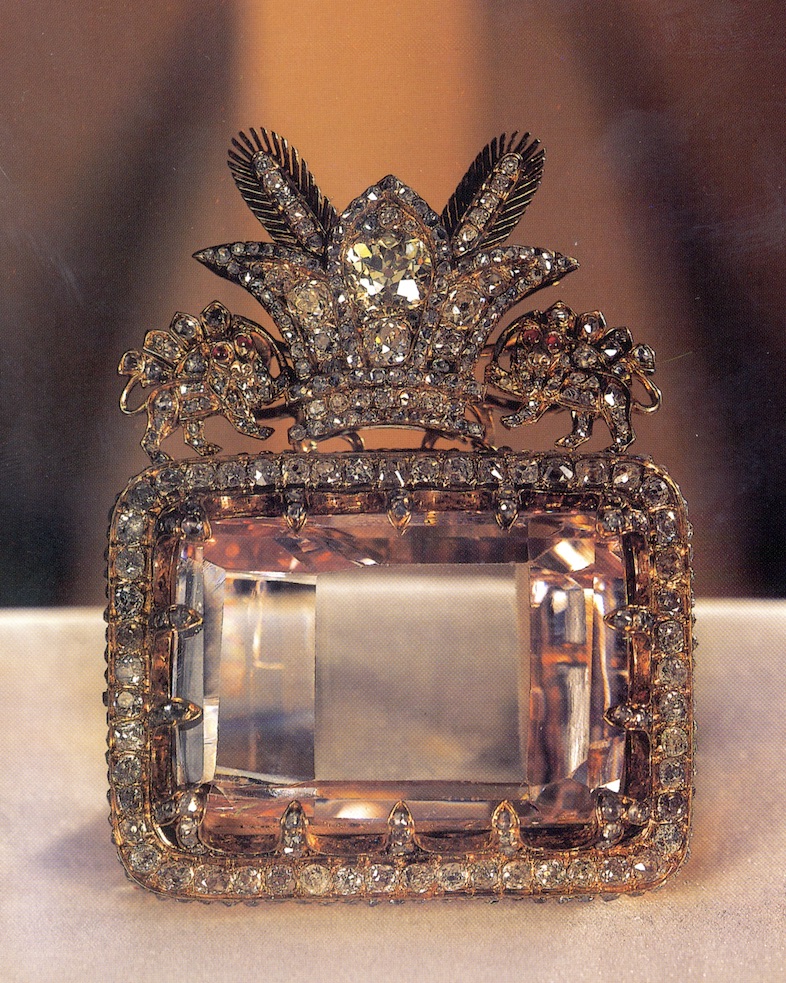
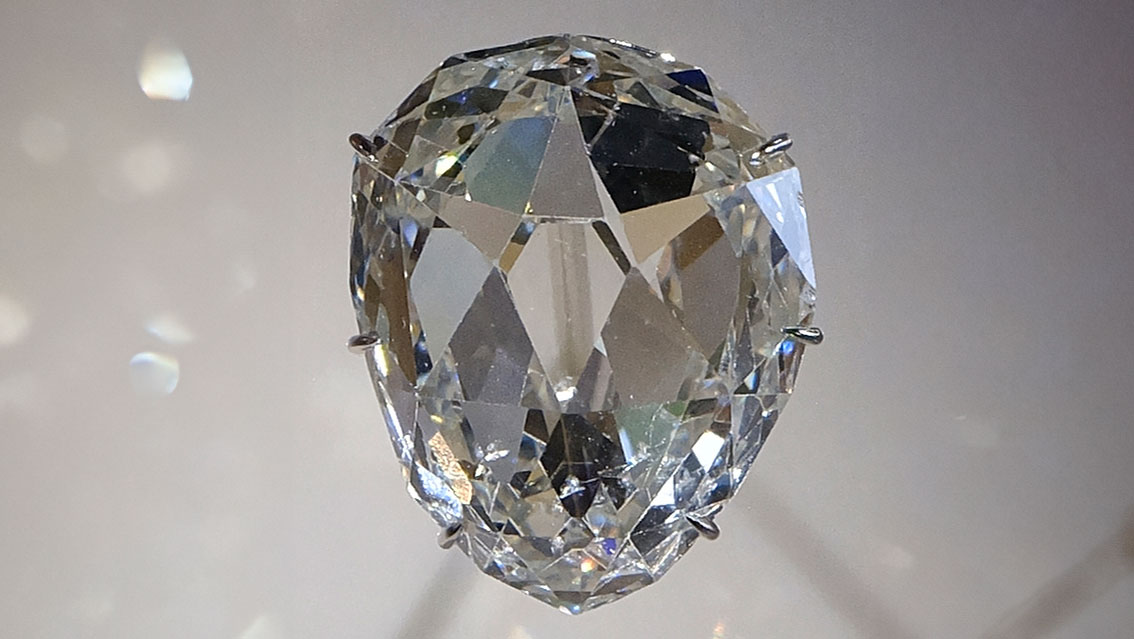
The Daria-i-Noor (Sea of Light) Diamond. (Wikimedia Commons / Public Domain)
Few gems carry the legend and mystery that surrounds the Daria-i-Noor diamond, a gemstone whose name translates from Persian as “Sea of Light.” With an estimated weight of 182 carats, it stands as the largest known pink diamond in the world and one of the most historically important diamonds ever discovered.
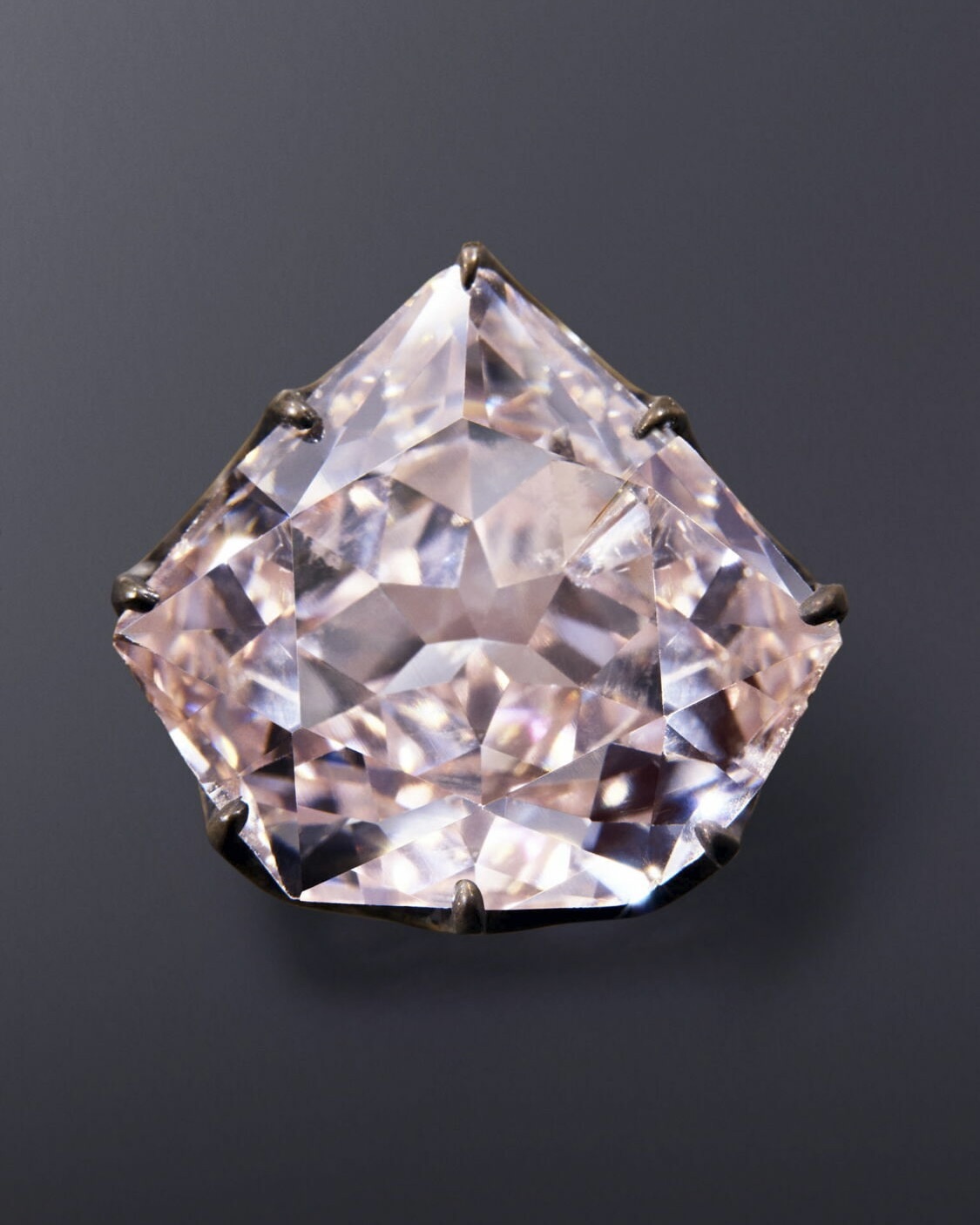
Unlike the brilliant, fiery diamonds we are accustomed to seeing today, the Daria-i-Noor possesses a quiet, almost ethereal beauty. Its soft pink color, extraordinary size, and unusual rectangular table cut give it an appearance that feels more like a window into history than a conventional jewel. Today, the diamond resides in the Iranian National Jewels collection in Tehran, where it remains the crown jewel of Iran’s royal treasury. But to understand how such a stone now occupies that place of honor, we must travel back several centuries to the legendary diamond mines of India.
Meet the Expert

- Grant Mobley is the Jewelry & Watch Editor of Only Natural Diamonds.
- He is a GIA Diamonds Graduate.
- He has over 17 years of jewelry industry experience, starting with growing up in his family’s retail jewelry stores.
The Daria-i-Noor Diamond’s Origins in the Legendary Golconda Mines
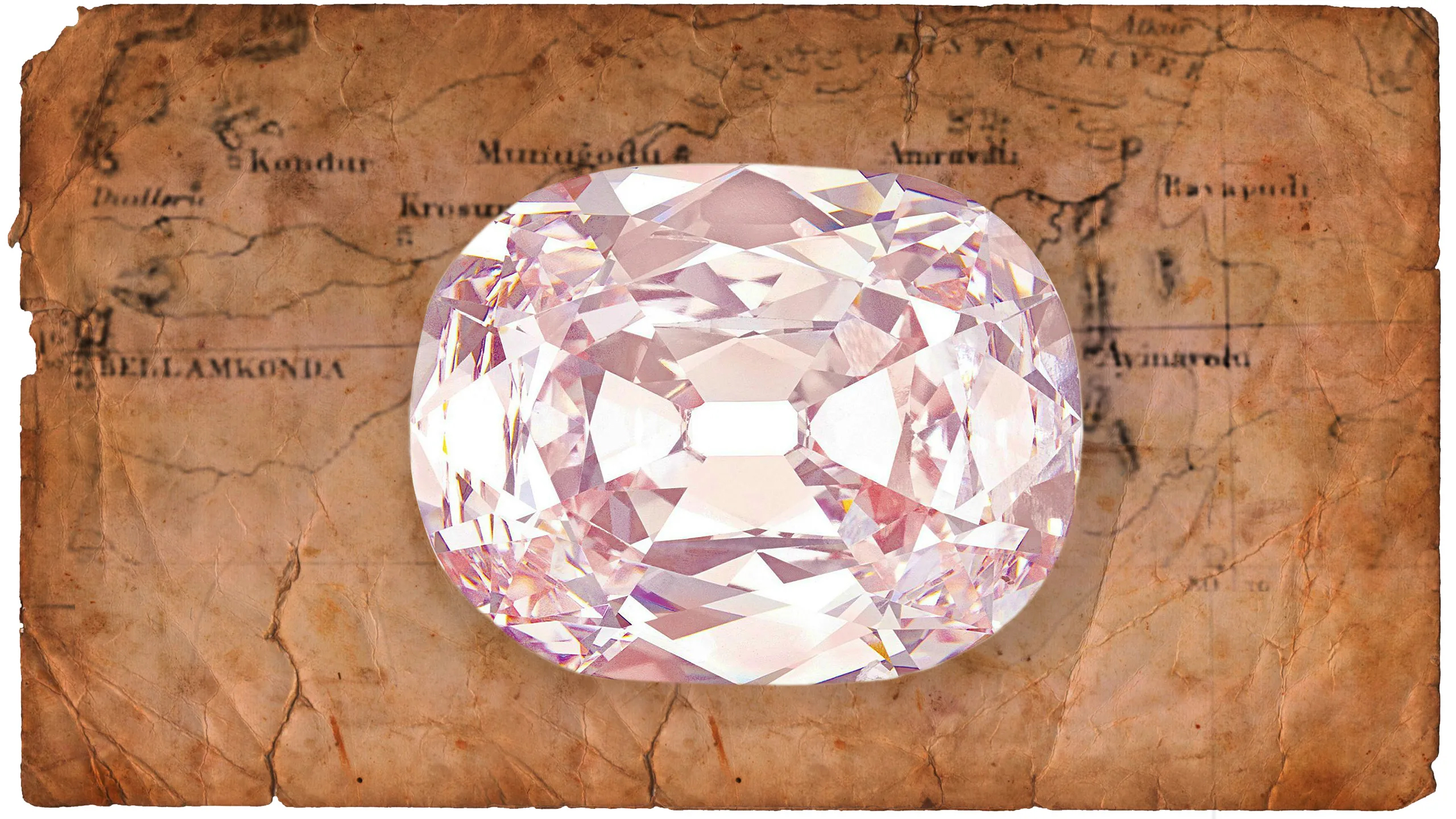
Miners likely discovered the Daria-i-Noor in the early 1600s at the Kollur Mine in the famed Golconda region of India. Golconda occupies a near-mythical place in diamond history. For more than a thousand years, these mines produced some of the world’s most famous diamonds, including the Koh-i-Noor, the Hope Diamond, and countless other legendary gems.
Before the discovery of diamonds in Brazil in the 18th century, Golconda was the world’s only source of diamonds, making it the birthplace of humanity’s love for natural diamonds.
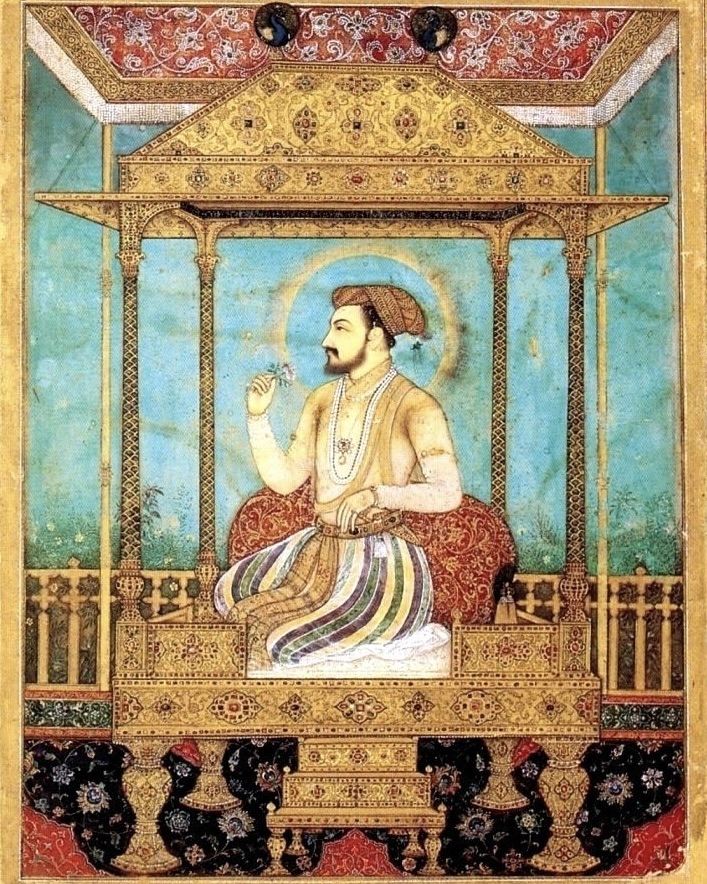
The early history of the Daria-i-Noor remains shrouded in mystery, but many historians believe the stone once formed part of the Mughal Empire‘s opulent treasury. Some suggest it may have been one of the gems mounted into the Mughal Peacock Throne, the extraordinary seat of power created for Emperor Shah Jahan.
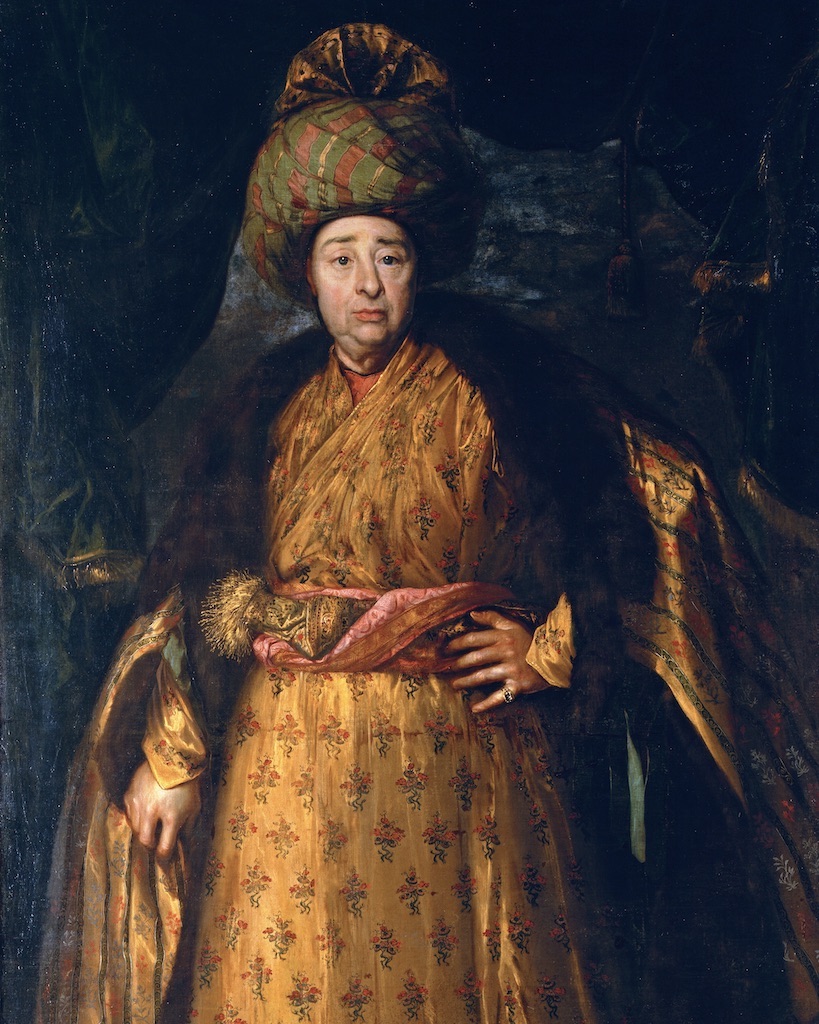
Evidence supporting this theory comes from the writings of Jean-Baptiste Tavernier, the famed French gem merchant and traveler who visited India several times in the 17th century. During his journeys through the Mughal court and the diamond markets of Golconda, Tavernier documented some of the most extraordinary gems of the era, including the deep blue stone that would later become the Hope Diamond. In 1642, Tavernier documented a massive pink diamond he called the Great Table Diamond, weighing approximately 242 carats. Many experts believe the Daria-i-Noor may be one part of that legendary stone that today exists only in texts.
How the Daria-i-Noor Diamond Entered the Persian Crown Jewels
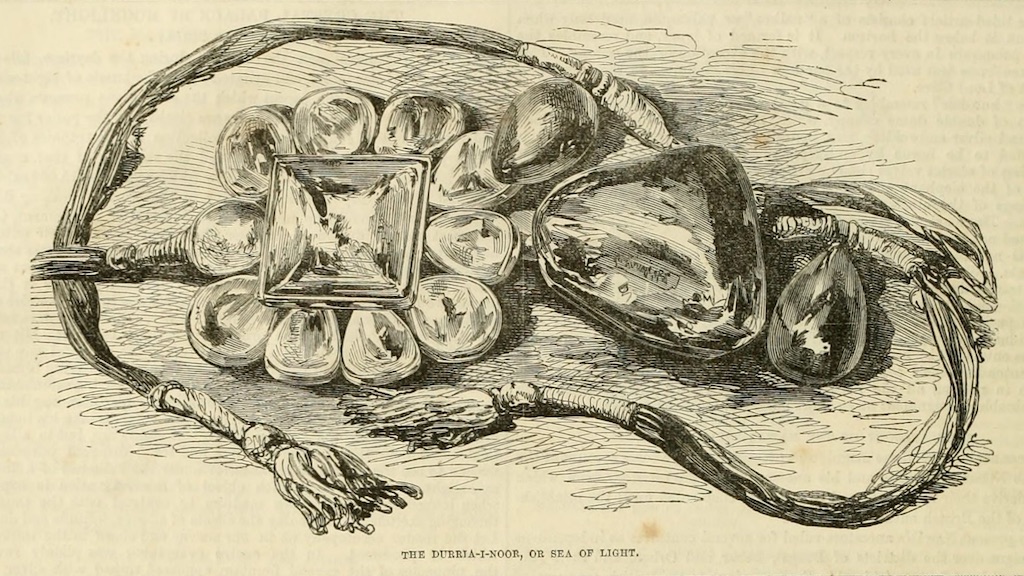
Like many of history’s greatest diamonds, the Daria-i-Noor did not remain quietly in one royal collection. In 1739, Persian ruler Nader Shah invaded northern India and occupied Delhi. As part of the immense tribute taken from the Mughal court, he seized the empire’s famed treasury, including the Koh-i-Noor, the Peacock Throne, and the diamond now known as the Daria-i-Noor. From that moment forward, the diamond became part of the royal jewels of Persia.
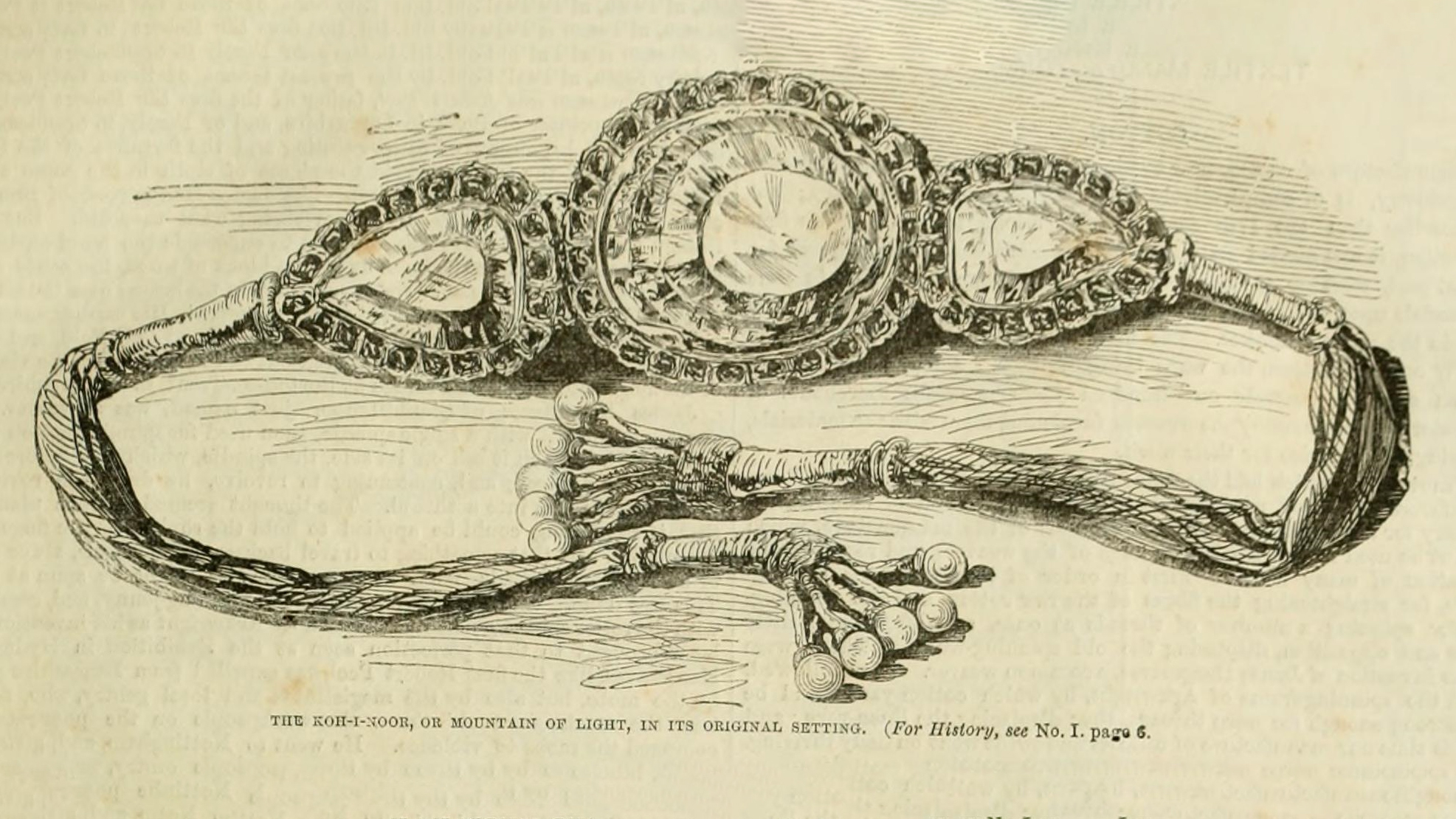
After Nader Shah’s assassination in 1747, the diamond passed through the hands of several rulers before ultimately becoming part of the treasury of the Qajar dynasty, which ruled Persia beginning in the late 18th century. The Qajar kings were reportedly very fond of the stone. Unlike many diamonds that remained locked away in crown regalia, the Daria-i-Noor was frequently worn. Historical accounts describe it being mounted in armbands, aigrettes, brooches, and ceremonial ornaments worn by Persian monarchs during official appearances.
The Royal Setting of the Daria-i-Noor Diamond
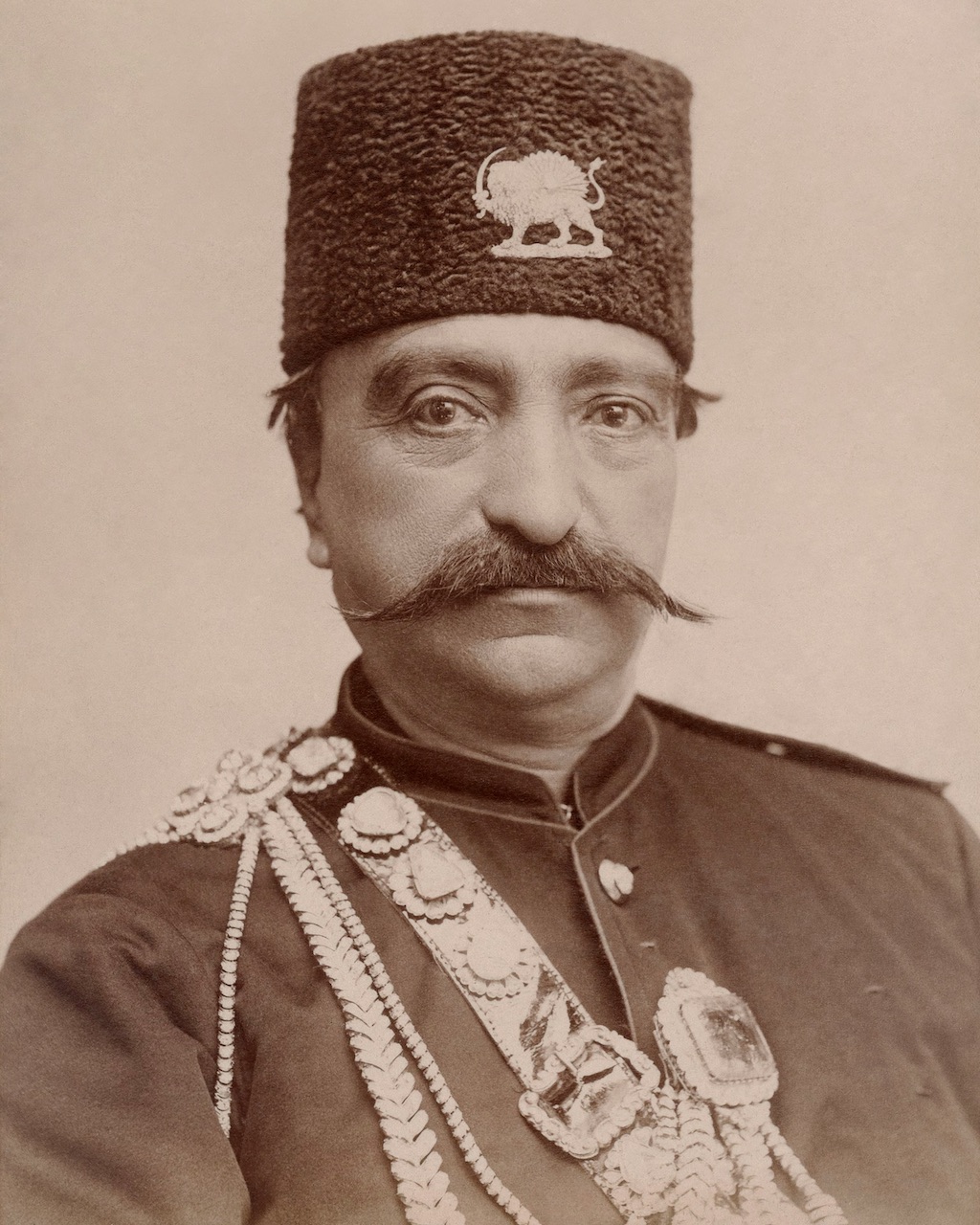
During the reign of Naser al-Din Shah Qajar, the diamond was given the elaborate setting that still holds it today. The mounting features an ornate frame set with hundreds of smaller diamonds and four rubies, crowned by symbols of Persian imperial power, including the lion-and-sun emblem. In total, more than 450 diamonds surround the stone, transforming it into a fitting centerpiece of royal regalia.
For decades, the diamond-adorned royal headpieces and ceremonial attire were kept, eventually becoming part of the permanent Iranian National Jewels collection, now housed at the Central Bank of Iran in Tehran.
Because the stone has never been removed from its mounting, its exact weight has never been officially measured, though experts estimate it to be around 182 carats.
Was the Daria-i-Noor Diamond Once the Great Table Diamond?
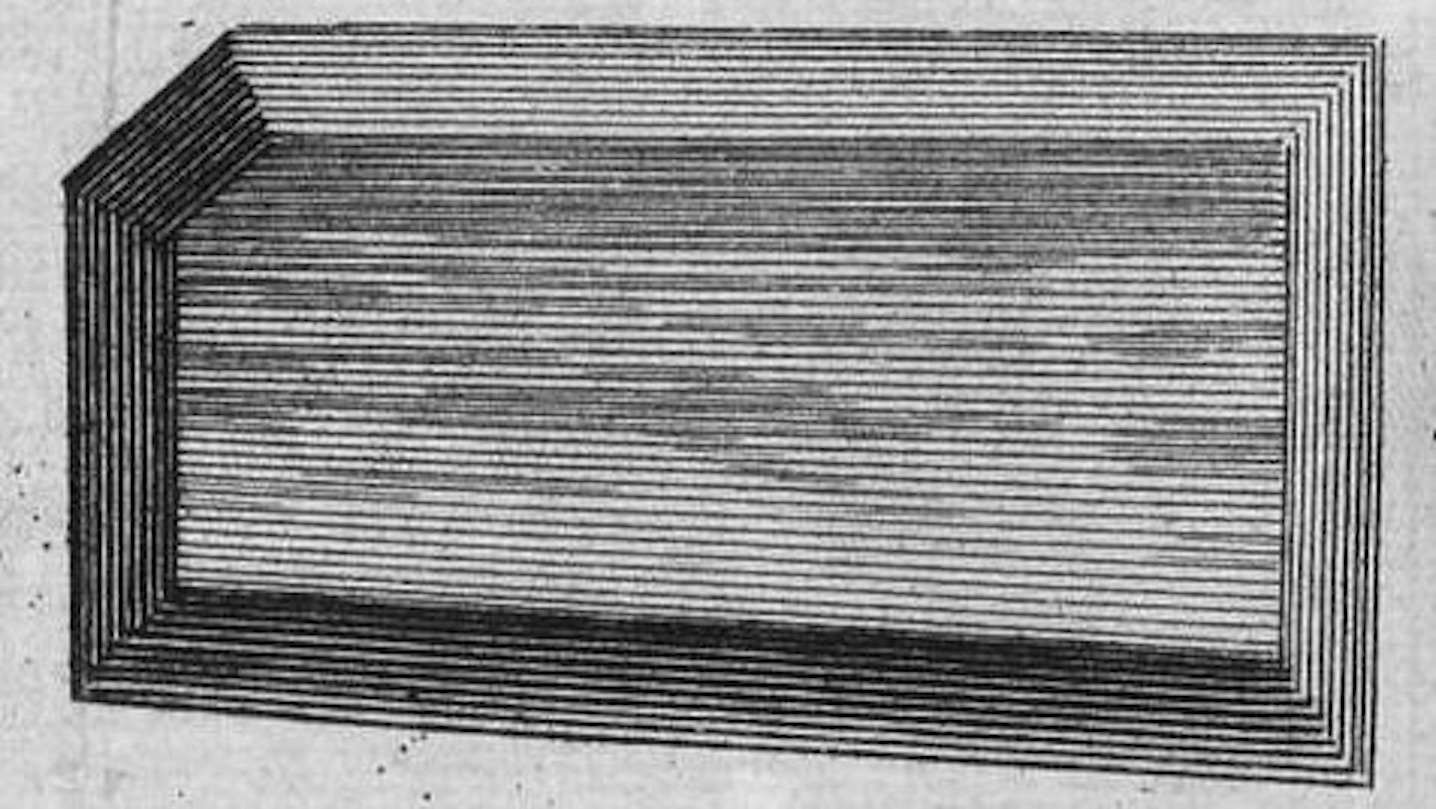
One of the most fascinating aspects of the Daria-i-Noor is its possible connection to the Great Table Diamond, recorded by the legendary gem merchant Tavernier. In 1965, a Canadian research team studying the Iranian Crown Jewels concluded that the Daria-i-Noor may have originally been part of that massive 242-carat diamond.
Sometime around 1834, historians believe the original gem suffered an accident that forced it to be recut into two separate stones. The larger portion likely became the Daria-i-Noor, while the smaller piece, approximately 60 carats, is believed to be the Noor-ul-Ain diamond, another pale pink stone now mounted in a royal tiara within the Iranian collection.

If true, which studies show is likely, this would mean the Daria-i-Noor is not just a remarkable diamond, but the surviving half of one of the most legendary and mysterious diamonds ever recorded in history.
Why Pink Diamonds Like the Daria-i-Noor Are So Rare
Part of what makes the Daria-i-Noor so extraordinary is its color. Natural pink diamonds represent one of the rarest color categories in the diamond world. Unlike yellow diamonds, whose color comes from trace amounts of nitrogen, or blue diamonds, which contain boron, pink diamonds get their color from something far more unusual.
Scientists believe pink diamonds owe their color to distortions in the diamond’s crystal lattice. During a diamond’s formation deep within the Earth, extreme pressure and heat can cause the diamond’s atomic structure to shift slightly. This distortion alters how the stone interacts with light, causing it to reflect pink hues.
Today, pink diamonds account for only a tiny fraction of all diamonds discovered worldwide. Finding one as large as the Daria-i-Noor is almost unimaginable and has not happened since.
The Enduring Legend of the Sea of Light
Today, the Daria-i-Noor diamond remains one of the most important gemstones in the world. Its immense size, ancient origins, and royal history combine to create a story that stretches across centuries. Yet unlike many famous diamonds that travel the world on exhibition or sit in museums for public viewing, the Daria-i-Noor remains largely unseen. It has spent generations locked away within Iran’s national treasury in Tehran.
Because of this, the diamond has taken on an almost mythical status. Scholars continue to study it from afar, historians debate its origins, and diamond lovers around the world can only imagine what it must be like to see it in person.
One can only hope that someday the Daria-i-Noor will emerge from behind the walls of the treasury and be shared with the world, allowing a new generation to experience one of the greatest diamonds ever discovered.