The Original Iconoclast: How Daisy Fellowes Defined the Art of Statement Jewels
With a legendary collection that redefined 20th-century style, Daisy Fellowes possessed the audacity to treat high jewelry as a medium for avant-garde expression.
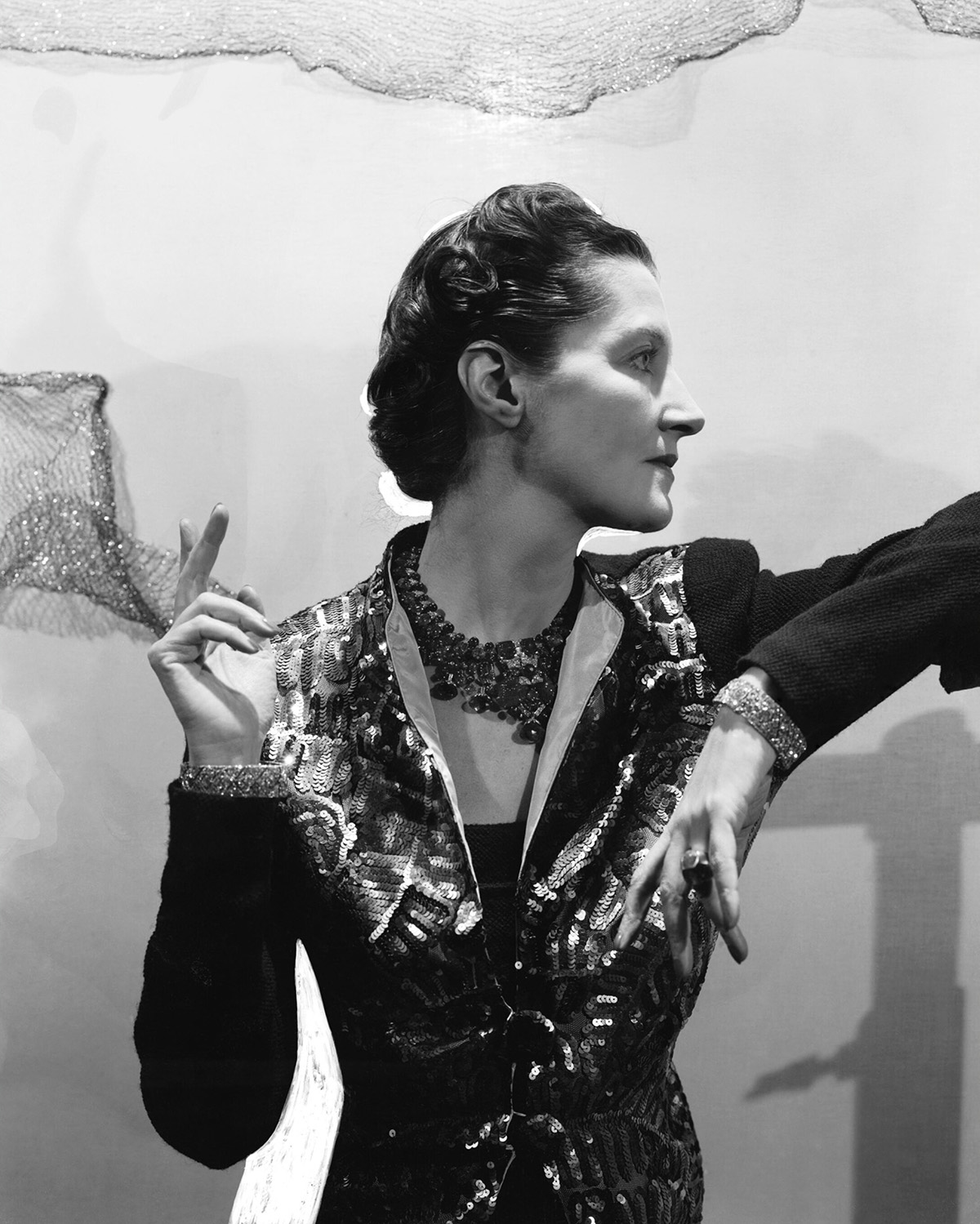
Daisy Fellowes was many things—a talented magazine editor, novelist, and poet—but she remains most famous for her reputation as one of the most stylish women in the world. As an heir to the Singer sewing machine fortune, she was famously unconventional, embracing vibrant color when her peers favored restraint. She is widely credited with putting Cartier’s “Tutti Frutti” collection on the map and was known for wearing grand statement pieces in her everyday life—even paired with a bathing suit—such as her oversized Van Cleef & Arpels “handcuff” bracelets crafted from emeralds and diamonds.
Her jewelry was often a calculated contrast to her clothing, which reflected her French roots through a quiet but powerful minimalism. This aesthetic mastery created a lasting legacy in fashion lore; icons like Karl Lagerfeld later cited her as the ultimate reference for chic, and Daisy Fellowes is often linked to the birth of “Schiaparelli pink” (decades before “Barbie pink” entered the lexicon). By rejecting the established rules of high society, she didn’t just wear fashion—she defined it.
Meet the Experts

Marcia Sherrill is an internationally acclaimed jewelry, fashion, and interior design expert, as well as a television personality with over two decades of media experience. Her work spans luxury accessories, interiors, and retail—including collaborations with 1stDibs—with designs featured in the Metropolitan Museum of Art and sold at top retailers like Bergdorf Goodman and Neiman Marcus.

Amit Jhalani is a jewelry and fashion expert with roots in a multi-generational jewelry trade. Drawing on long-standing industry experience, he offers insight into how fine jewelry is designed, sourced, priced, and sold in today’s market. He is the founder of TrueSanity.
Ahead, discover how Daisy Fellowes used natural diamonds to make her mark on the world.
The Early Life of Daisy Fellowes: From Heiress to Paris High Society
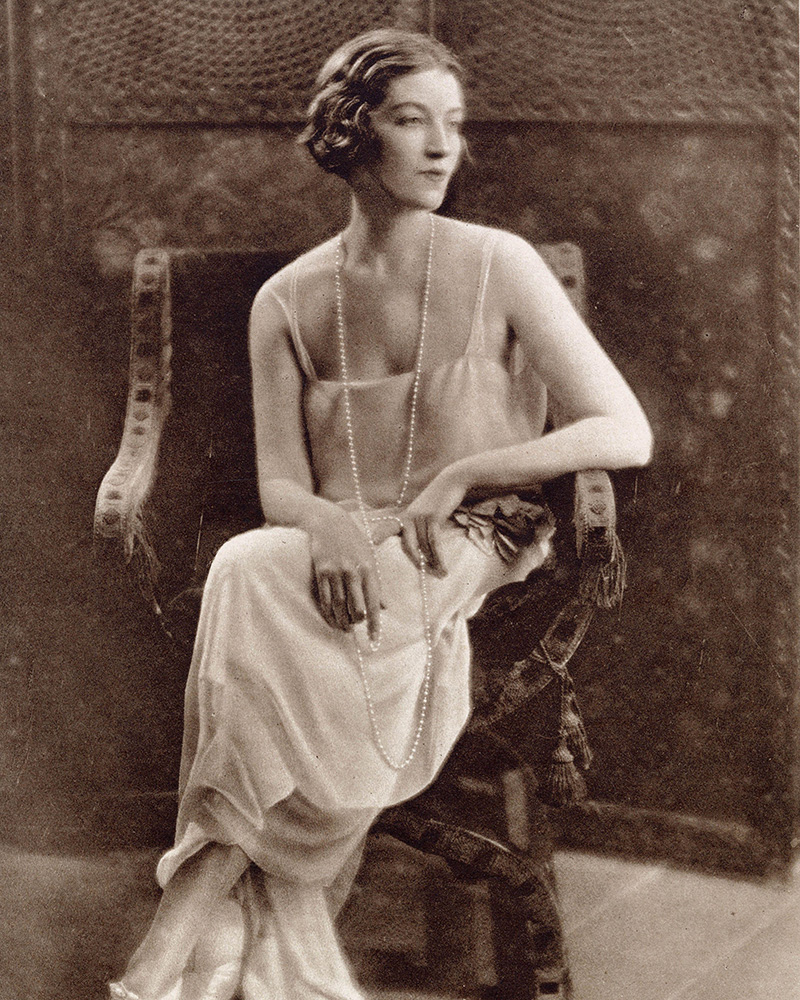
Born in Paris in 1890 as Marguerite Séverine Philippine Decazes de Glücksberg, she was the child of Isabelle-Blanche Singer and French nobleman Jean Élie Octave Louis Sévère Amanieu de Decazes, 3rd Duke of Decazes. Her childhood wasn’t all rosy, though, despite the Singer fortune, as her mother died by suicide in 1896 and her father was often absent. She and her siblings were primarily raised by her Aunt Winnaretta Singer, Princesse de Polignac, in Paris and Venice. Her aunt was a devoted patron of the arts, and her Paris salon included Marcel Proust, Claude Debussy, Pablo Picasso, and Igor Stravinsky on its roster.
Fellowes was a natural socialite through her impressive lineage and even married a real-life prince in 1910, Prince Jean de Broglie, with whom she had three daughters. But it was her second marriage to banker Reginald Fellowes in 1919, after the Prince died, that moved her into the upper echelons of society. Her incredible fashion sense even earned her a spot as an editor at Harper’s Bazaar in the early 1930s. Her circle of friends included writer Nancy Mitford, Elsa Schiaparelli, and Evelyn Waugh.
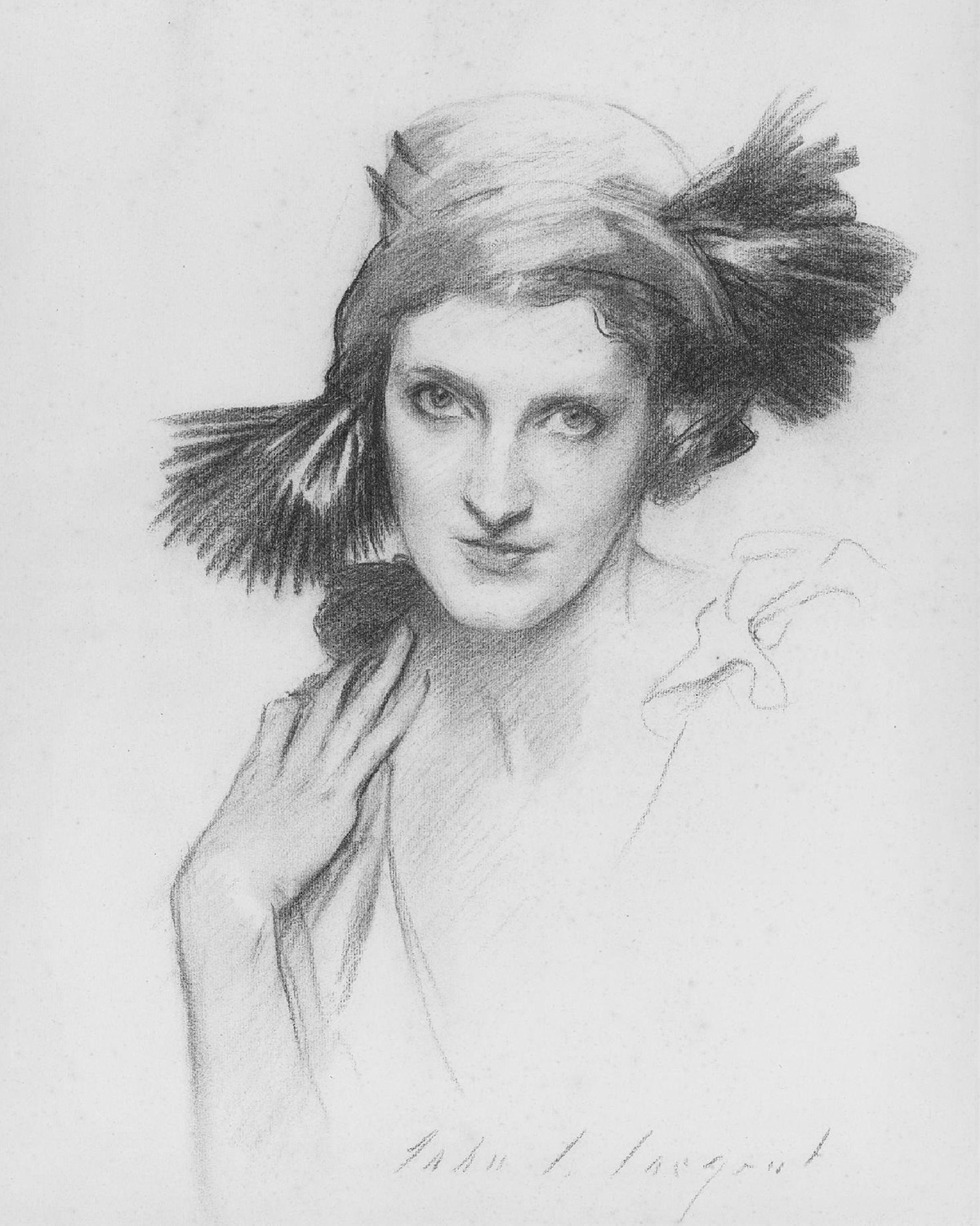
Macia Sherrill, a fine jewelry and jewelry auction expert at 1stDibs, notes that this “sad orphan” truly found her voice after marrying into the aristocracy. Sherrill tells Only Natural Diamonds that this transition “set the stage for her becoming, at the time, the best dressed woman in the world.” As a “true iconoclast who embraced coloured stones, far-away Indian carved stone, and convertible pieces,” Fellowes began to merge aesthetic beauty with practical function.
This sense of purpose extended to her professional life; as an editor for American Harper’s Bazaar, she famously donated her salary to orphanages, a gesture rooted in her own history of loss following her mother’s suicide and her father’s absence. However, it was within the intellectual atmosphere of her aunt’s salon that she truly learned to “weaponize her eccentric jewelry into pieces that lampooned the staid designs of the times.”
How the Editorial Eye of Daisy Fellowes Shaped Jewelry Trends
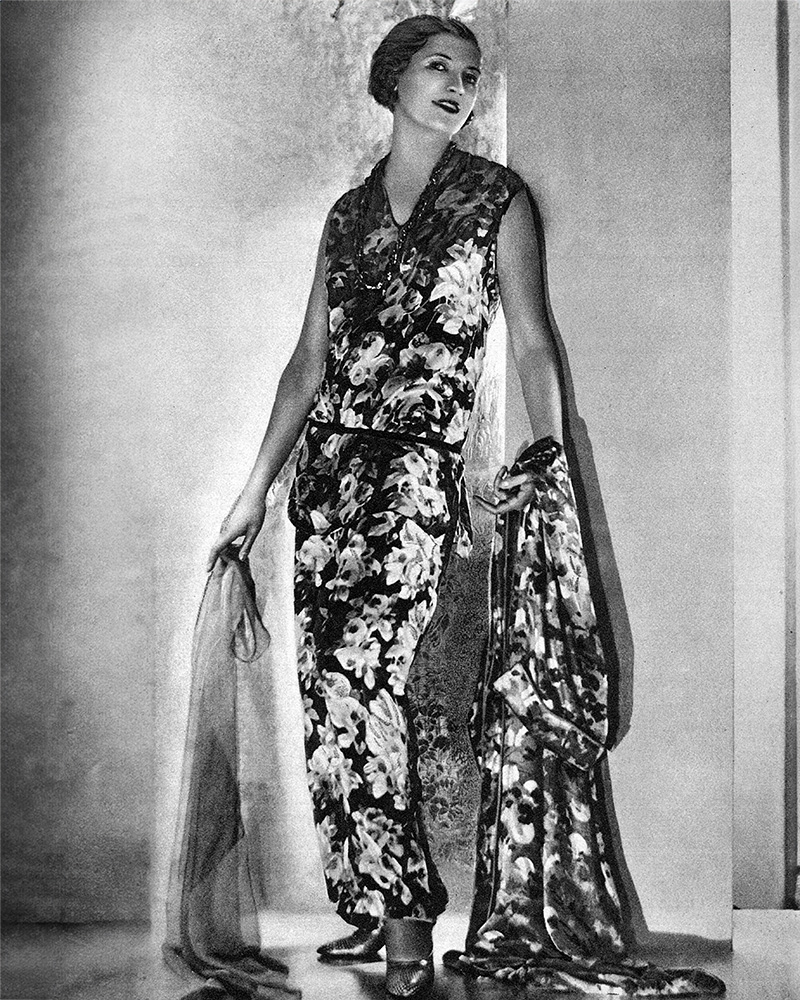
Her tenure at Harper’s Bazaar was instrumental in refining her jewelry persona, fostering what Amit Jhalini, founder of fine jewelry brand True Sanity, describes as a “test-and-learn mindset.” Jhalini notes that for Fellowes, jewelry was not merely acquired; “it was also evaluated for how it photographed, how it read at a distance, and how it paired with contemporary fashion lines.” This editorial lens allowed her personal collection to influence broader industry standards. “In return, her collecting shaped editorial taste by normalizing big, color-forward jewelry in fashion imagery, which helped translate elite experimentation into broader aspiration and demand,” Jhalini explains.
Beyond specific pieces, Fellowes established a modern stylistic template defined by the balance of a single, emphatic jewel against disciplined clothing lines. Jhalini points out that her legacy “includes the idea of statement plus simplicity, wearing substantial cuffs with streamlined sleeves, letting strong color sit against clean gowns, and treating high jewelry as adaptable across day and evening rather than as something reserved for ceremonial display.”
Inside the Collection: The Most Iconic Daisy Fellowes Jewelry Pieces
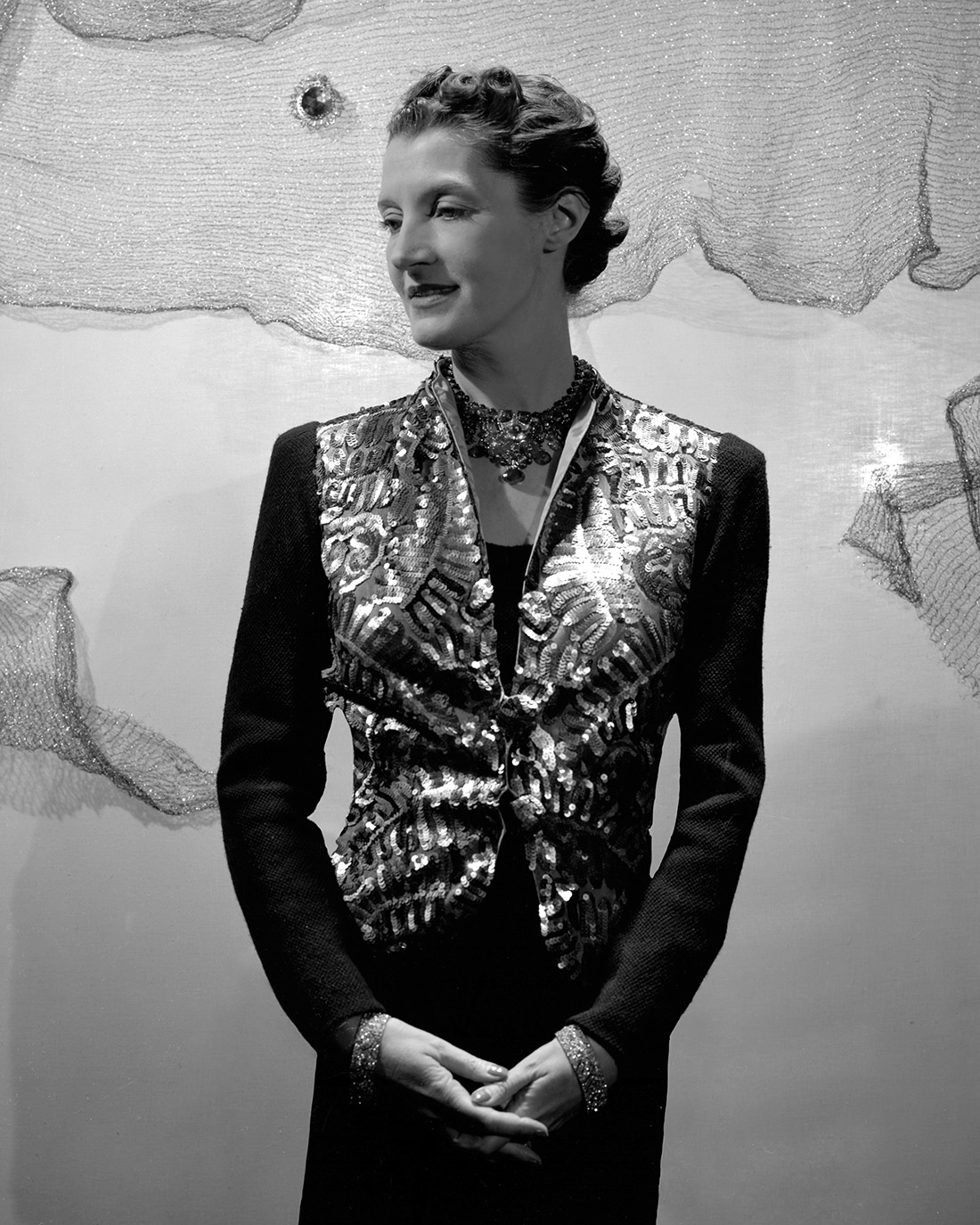
What distinguished the jewelry eye of Fellowes, compared to her contemporaries like Barbara Hutton or the Duchess of Windsor? Audacity. “Unlike other heiresses content with jewelry that screamed wealth, not style, she followed in the footsteps of other famous women who dared peek behind a jeweler’s velvet curtains,” Sherrill says. “She forged lifelong relationships with Cartier, Van Cleef and Arpels, and Boivin, steering formerly staid jewelers into actors on a stage—a stage built by Fellowes—that thumbed its Gallic nose at conventional, conservative design. She simply went wild, and the rest would surely follow, and they did.”
Sherrill notes that Daisy Fellowes was a “demanding client” who successfully “whispered her designs into being” while navigating the expectations of these traditionalist houses. Her immense wealth offered these maisons more than a guaranteed sale; it provided a high-profile platform where their most avant-garde creations were worn “everywhere and in unusual ways.” As Sherrill explains, Fellowes never shied from the limelight, nor did she “abide by the time’s conservative mores.”
Amit Jhalini adds that her influence went far beyond mere patronage, as she provided direct input on “palette, proportion, and how a piece should transform and be worn.” This collaborative spirit is etched into the jewelry itself. “The evidence is in ambitious one-off engineering, in remounts that do not simply refresh a setting, and in compositions that feel authored around her preferred impact and usability,” Jhalini says, “rather than around standard showroom formulas.”
The Cartier “Collier Hindou” Tutti Frutti Necklace
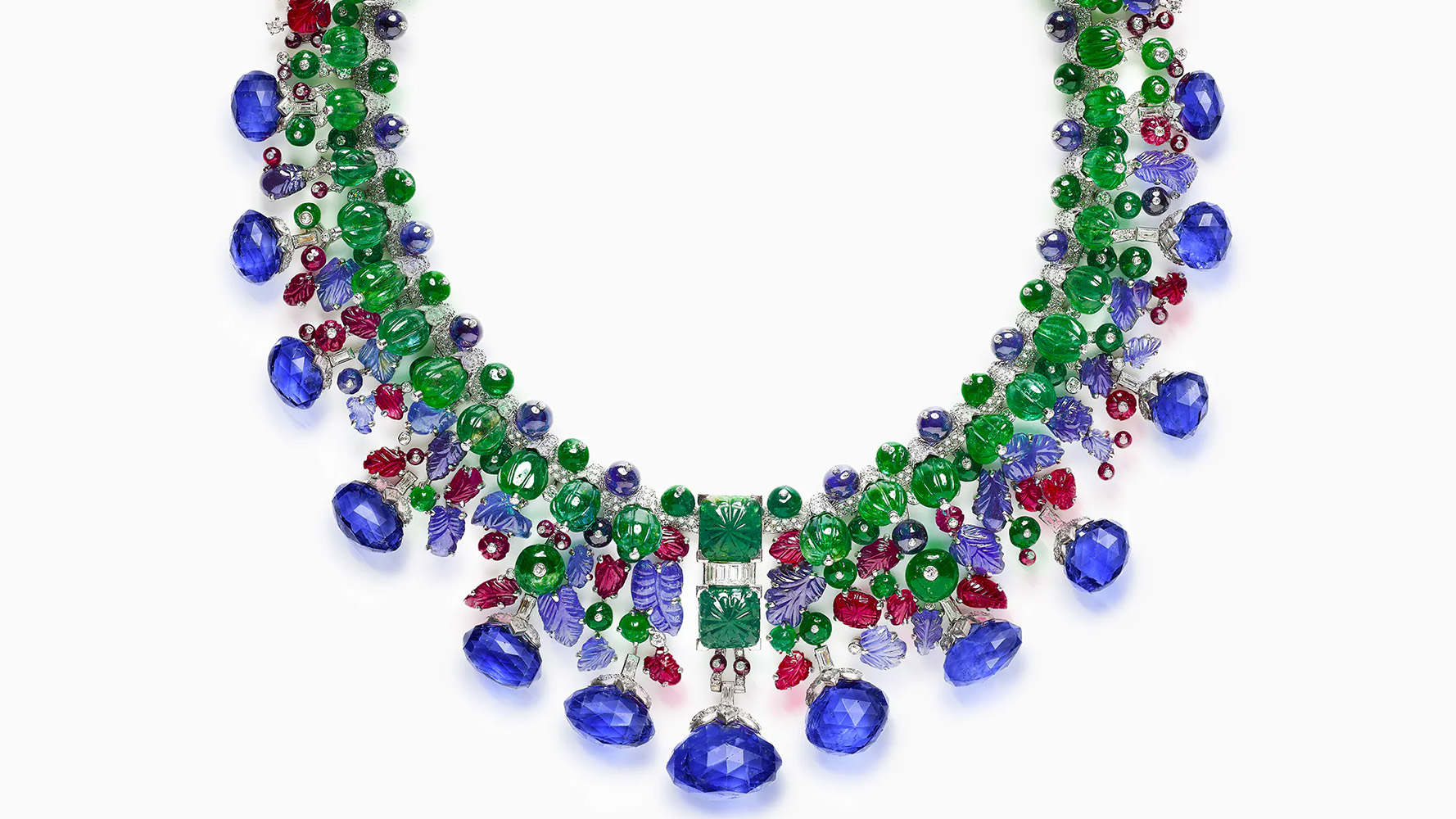
In 1936, Fellowes commissioned Cartier to create the Collier Hindou. The jewelry maison eventually became synonymous with these opulent creations—later nicknamed “Tutti Frutti”—during the Art Deco movement. These pieces combined brilliant-cut diamonds with intricately carved rubies, emeralds, and sapphires to evoke the appearance of a multi-hued fruit basket, an aesthetic directly inspired by centuries-old Indian Mughal gemstone carving traditions. The bold necklace featured a knot of twisted diamond vines accented with emerald leaves and berries of ruby and sapphire.
Daisy Fellowes was famously captured wearing the piece by photographer Cecil Beaton for Harper’s Bazaar. These Cartier creations were true industry game-changers, a fact reflected when this specific necklace fetched a record $2.65 million at a 1991 Sotheby’s auction. Jhalini notes that the piece is especially significant because it crystallizes an entire design language into one instantly legible icon. “It links Indian and Mughal carving traditions with Parisian Art Deco structure,” Jhalini explains, “using diamonds and dark accents to organize a garden of carved color into a composition that feels both abundant and architecturally controlled. It also stands as a benchmark for how a patron’s taste can steer a maison toward a definitive, museum-grade statement.”
The Van Cleef & Arpels Emerald and Diamond “Manchette” Cuffs
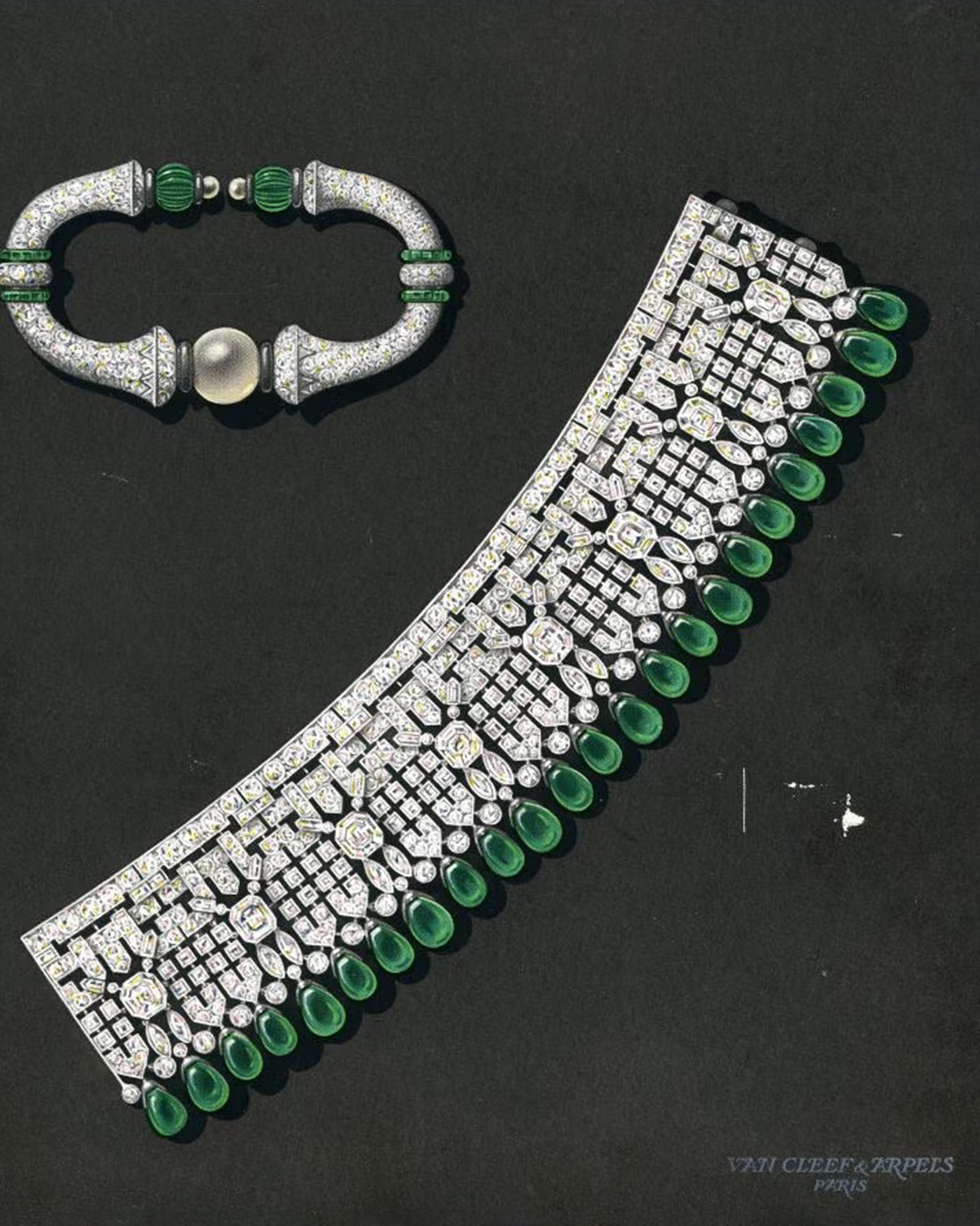
An incredible, transformative piece of jewelry, the emerald and diamond bracelet set was commissioned by Daisy Fellowes from Van Cleef & Arpels in 1926. She received the first bracelet, featuring emerald teardrops, that year and a second, identical piece in 1928. In a stroke of ingenuity, the Maison suggested a design that would allow the two bracelets to combine into a spectacular choker.
Once again inspired by Indian motifs—then the height of Paris fashion—this convertible set remains a definitive example of Fellowes’s daring and practical approach to jewelry; she wore the “manchettes” so frequently they became considered her signature accessory.
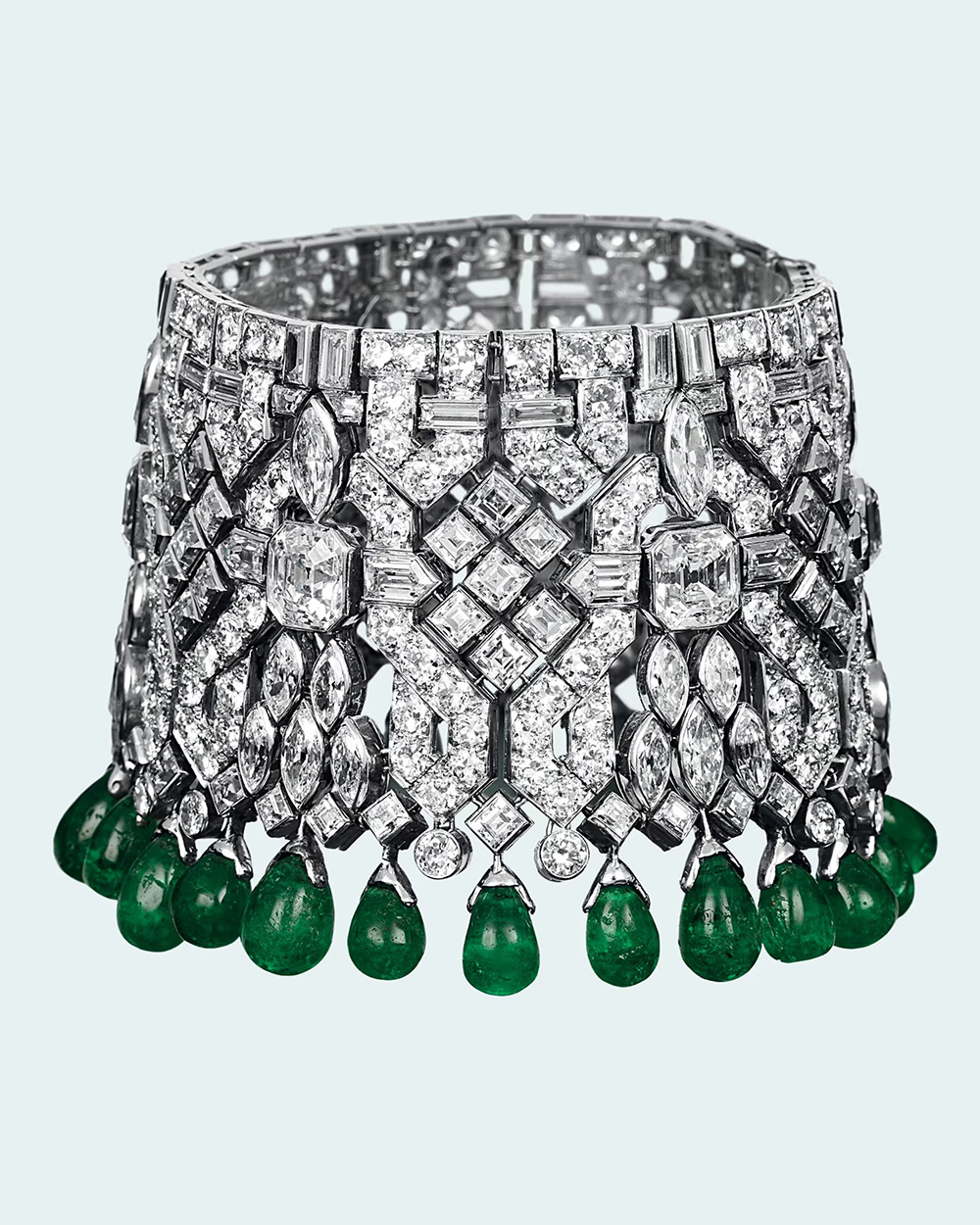
Jhalini notes that the wide cuff form creates a strong design that reads decisively both in person and in photographs. “The best versions turn an assertive shape into something wearable,” he explains. “It reframes value as versatility and design intelligence, not only as added carats. Customization encourages repeat wear, which anticipates many contemporary high jewelry approaches to modular suites and convertible pieces.”
The 17.47-carat “Tête de Bélier” Cartier Pink Diamond Ring
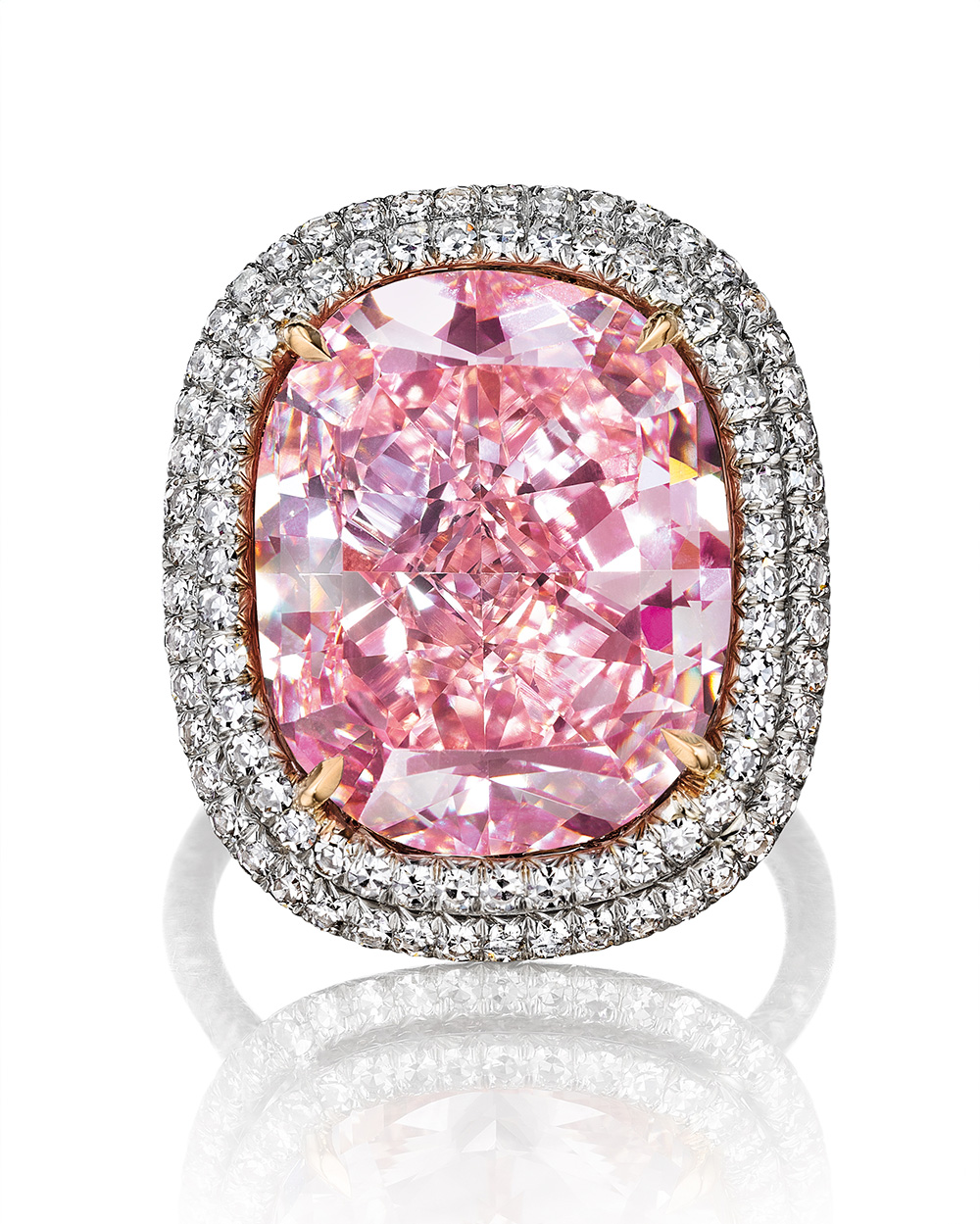
Daisy Fellowes was famously enamored with the Cartier creation known as the Tête de Bélier (“Ram’s Head”). This 17.47-carat pink diamond ring, which boasted a prestigious provenance having once been owned by Russian royalty, became a centerpiece of her collection. Its vibrant pink hue famously caught the eye of her close friend Elsa Schiaparelli.
“The color flashed in front of my eyes,” Schiaparelli later wrote, describing it as “bright, impossible, impudent, becoming, life giving… a shocking color, pure and undiluted.” Schiaparelli was so moved by the gemstone’s brilliance that she adopted the shade as her brand’s signature, incorporating it into the packaging of her “Shocking” perfume—a color that remains an icon of fashion history today.
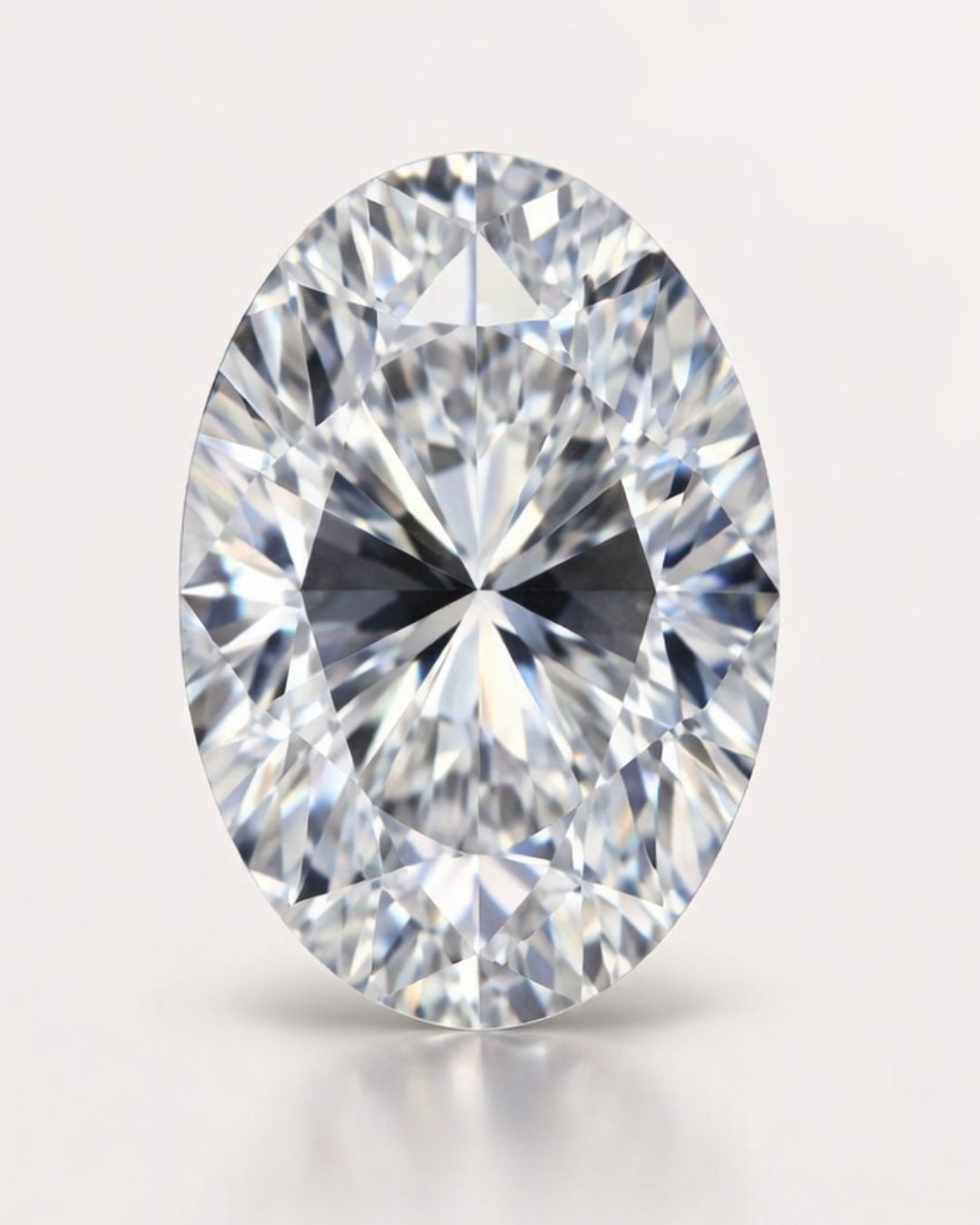
Editor’s Note: Despite its massive influence on fashion history, the Tête de Bélier remains a “phantom” of the jewelry world. Unlike her famous Collier Hindou, which resides in the Cartier Collection, the ring has remained in private hands for decades and was rarely photographed in detail. For a modern visual reference, its scale and “vivid” saturation are best mirrored by the 16.08-carat Sweet Josephine diamond; however, the legendary impact of Fellowes’ stone is most enduringly captured by the iconic “Shocking Pink” it inspired.
The René Boivin “Grenade” Brooch
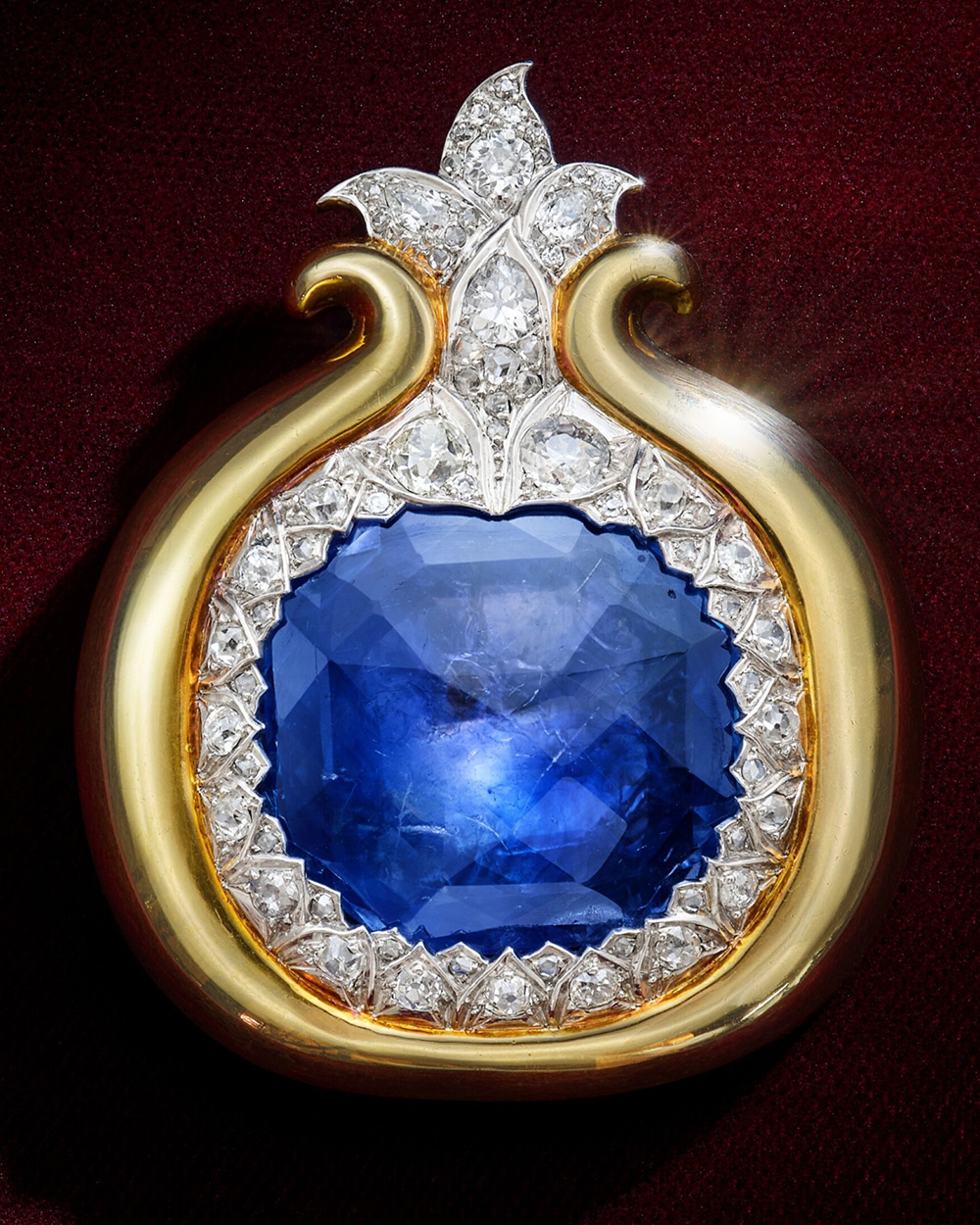
This exquisite brooch was designed to resemble the shape of a pomegranate and features a massive cushion-shaped sapphire, accented with pear-shaped diamonds and a mix of old mine, single, and rose cuts, then set in a polished gold frame. Jhalini says, “Its sculptural and three-dimensional, built around a domed form where light travels across pavé-like surfaces in a way that emphasizes mass and curvature… Boivin tends to favor mass, shadow, and presence, using rounded forms and unexpected proportions.”
Sherrill further highlights the dramatic impact of the piece, which was designed by Juliette Moutard for the French firm. “Its giant scale and elegant diamond surround and a very sculptural gold setting had tails wagging as it approached the theatrical… It was the talk of Paris with its giant sapphire accented by pear-shaped, old mine and rose-cut diamonds. She dared to play with all manner of diamonds, making them ‘fashion’ not just statements of wealth,” she says.
The Cartier Panthère Clip Brooch
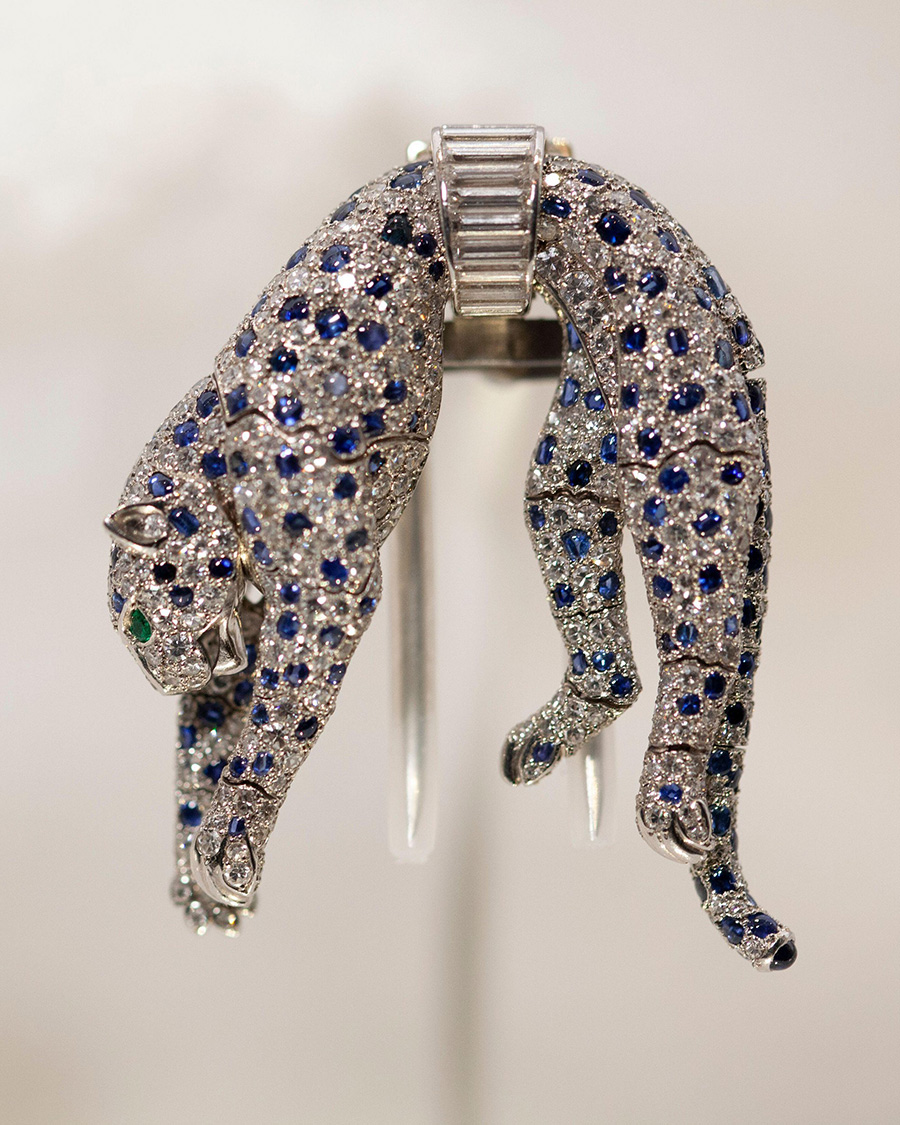
While the Duchess of Windsor famously “tamed” the Cartier panther by perching it atop massive gemstones, Daisy Fellowes’s interpretation was characteristically more subversive. Commissioned in 1949, her Panthère Clip Brooch features a sapphire and diamond-paved feline in a singular, hanging silhouette.
Though officially titled as a clip brooch, the piece is a witty, high-jewelry reimagining of the Order of the Golden Fleece—an ancient and prestigious order of knighthood. Where the traditional medal features a suspended ram, Fellowes’s version replaces the sheep with a lithe, articulated panther.
Crafted in platinum and white gold with sapphire “spots” and emerald eyes, the brooch was a masterpiece of mid-century engineering. Its legs and head are fully articulated, allowing the animal a sense of fluid, “living” movement. Long held in a private collection, the piece gained renewed global attention as a standout in the Victoria and Albert Museum’s major Cartier retrospective.
Daisy Fellowes’ Lasting Influence on High Jewelry

Despite being born in the late 19th century, Daisy Fellowes was intrinsically modern, particularly in her fearless approach to jewelry. Her willingness to take risks solidified her impact on the world of statement diamonds and moved multicolor Art Deco from a “novelty” into a “widely accepted ideal.” Jhalini argues that her lasting contribution was treating diamonds as “graphic architecture” rather than the entire focus of a piece—using them to structure designs so that “saturated color can feel intentional, modern, and powerful rather than merely decorative.”
Long before the concept of personal branding existed, Fellowes understood the power of a visual signature. She utilized “recognizable forms and deliberate color choices to make her presence instantly identifiable,” says Jhalini. By commissioning original works and wearing them in “consistent, photographable ways,” she effectively shaped how society perceived her status and taste, establishing a blueprint for the modern jewelry influencer.