The Briolette: Jewelry’s Ultimate If-You-Know-You-Know Shape
With no table, no girdle, no culet, and no shortcuts, this ancient diamond cut reflects light in every direction and is one of jewelry’s most challenging and rare forms.

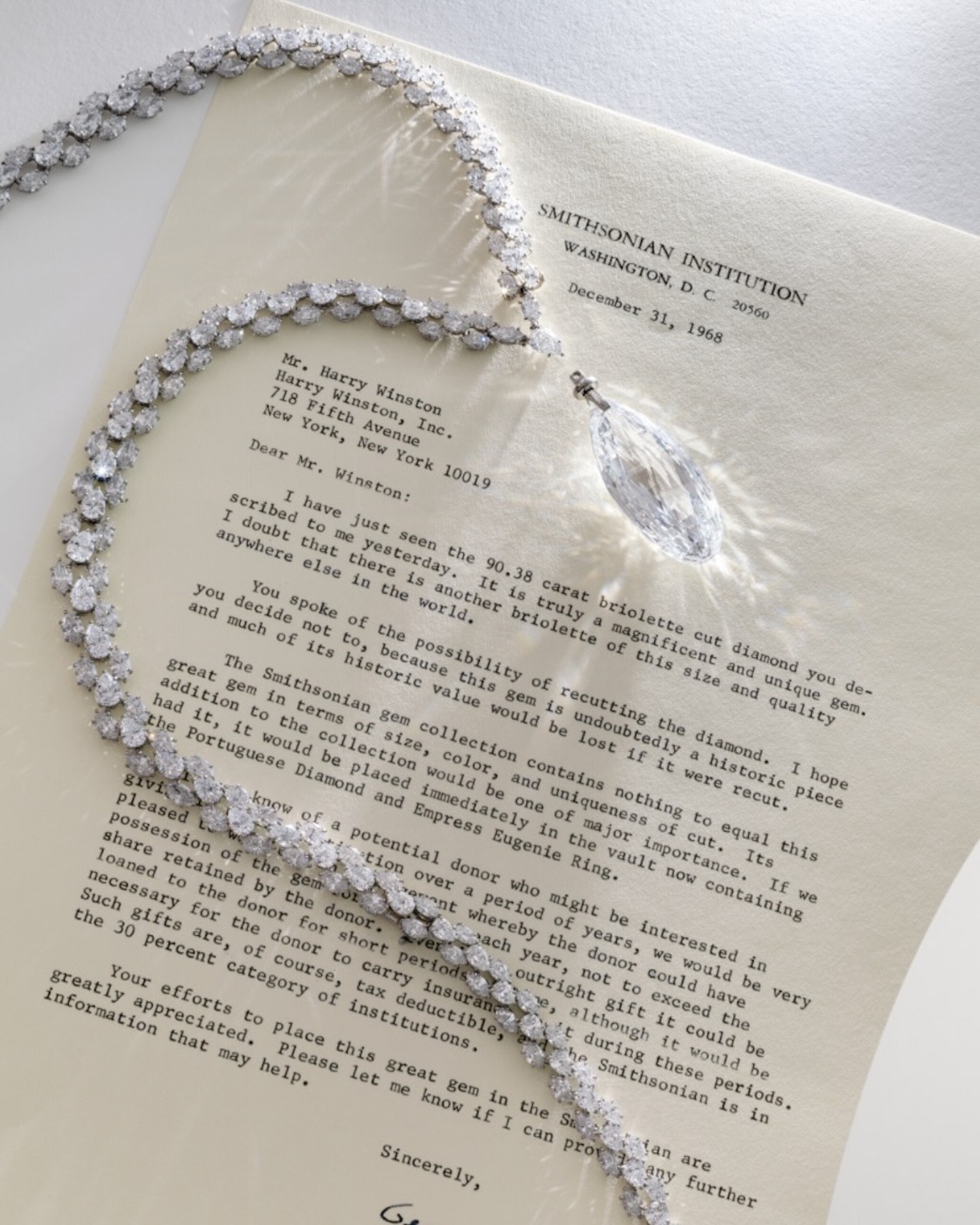
Napoleon Diamond Necklace (Courtesy of the Smithsonian)
The briolette diamond cut is one of the oldest gemstone cuts known to us and arguably the most distinctive. If modern diamond cutting focuses on maximizing brilliance from a face-up view, this cut takes an entirely different approach. It invites light from every direction, rewarding movement, curiosity, and a deeper appreciation of craftsmanship. It stands apart as a three-dimensional sculpture carved from diamond.
Meet the Expert

- Grant Mobley is the Jewelry & Watch Editor of Only Natural Diamonds.
- He is a GIA Diamonds Graduate.
- He has over 17 years of jewelry industry experience, starting with growing up in his family’s retail jewelry stores.
What Is a Briolette Diamond Cut?
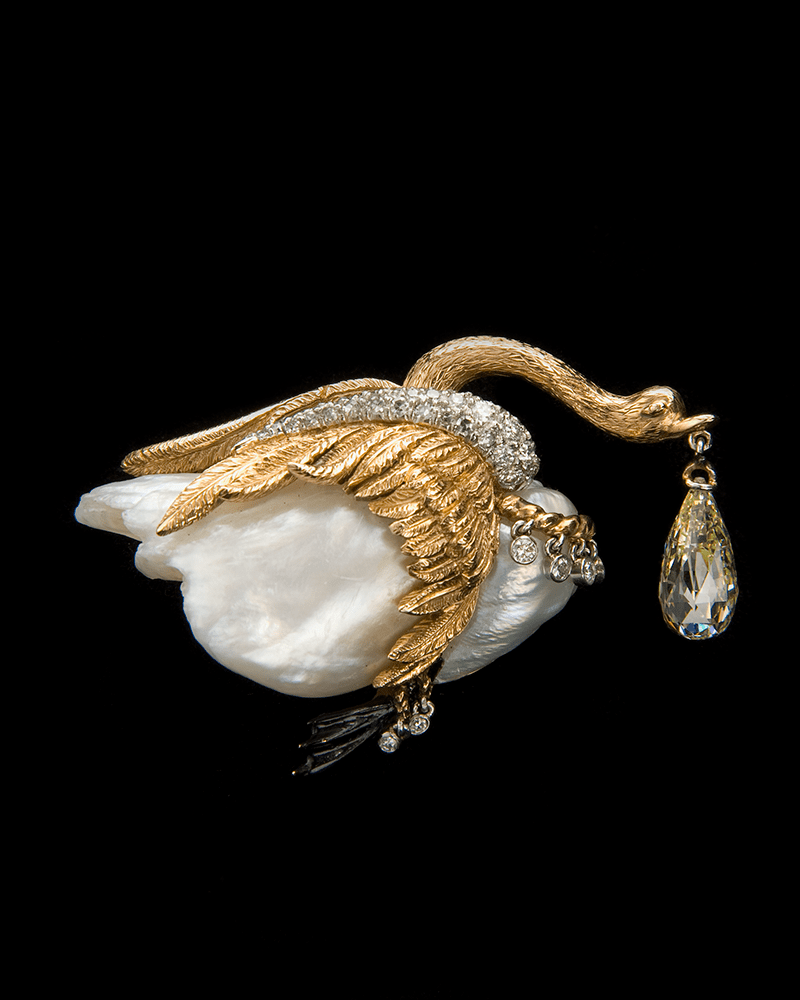
A briolette diamond is immediately recognizable once you know what you are looking at. The cut forms a teardrop or elongated oval shape, fully faceted on all sides. It has no flat table, no girdle, and no pointed culet. Instead, the entire surface consists of triangular or occasionally rectangular facets that wrap continuously around the stone. Because of this, a diamond of this cut cannot sit upright in a traditional ring setting.
To be fully appreciated, a briolette diamond must hang freely. Jewelers typically drill a minuscule hole at the narrow end of the stone so a wire can pass through, allowing it to dangle upside down. When worn this way, the diamond’s rounded body catches light from every angle, producing a soft, rolling shimmer rather than the sharp flashes associated with modern brilliant cuts. This motion-driven sparkle defines the briolette’s charm.
The Origins of the Briolette Cut Diamond

Historical evidence points to India as the birthplace of the briolette cut. Early forms likely evolved from the double rose-cut, which featured rose-cut facets on both the crown and pavilion, separated by a girdle. The briolette eliminated that dividing line, fully encasing the stone in facets and creating a symmetrical form that looks the same from every side.
One of the earliest records of this cut comes from Jean-Baptiste Tavernier, the legendary 17th-century French gem merchant. Tavernier traveled extensively through India, sourcing diamonds for European royalty. In his detailed writings, he described and illustrated diamonds “cut with facets on all sides” and “round pendants with little facets,” terminology that clearly aligns with what we now recognize as the briolette cut. Although the word “briolette” did not become common until the 19th century, the form itself already existed centuries earlier.
Why Briolette Diamonds Are So Difficult to Cut
The briolette cut demands a large, exceptionally clean piece of rough diamond. Because every surface remains visible once the stone is finished, there is no place to hide inclusions, uneven symmetry, or cutting mistakes. Precision matters in all diamond cutting, but with a briolette, perfection must exist in 360 degrees.
The cut also sacrifices an enormous amount of weight. While many modern diamond cuts lose roughly half of the original rough during polishing, a briolette can lose significantly more. This inefficiency pushed cutters away from the style as technology advanced and market preferences shifted toward maximizing face-up size. As a result, diamonds with this cut are increasingly rare, often reserved for special commissions and one-of-a-kind pieces.
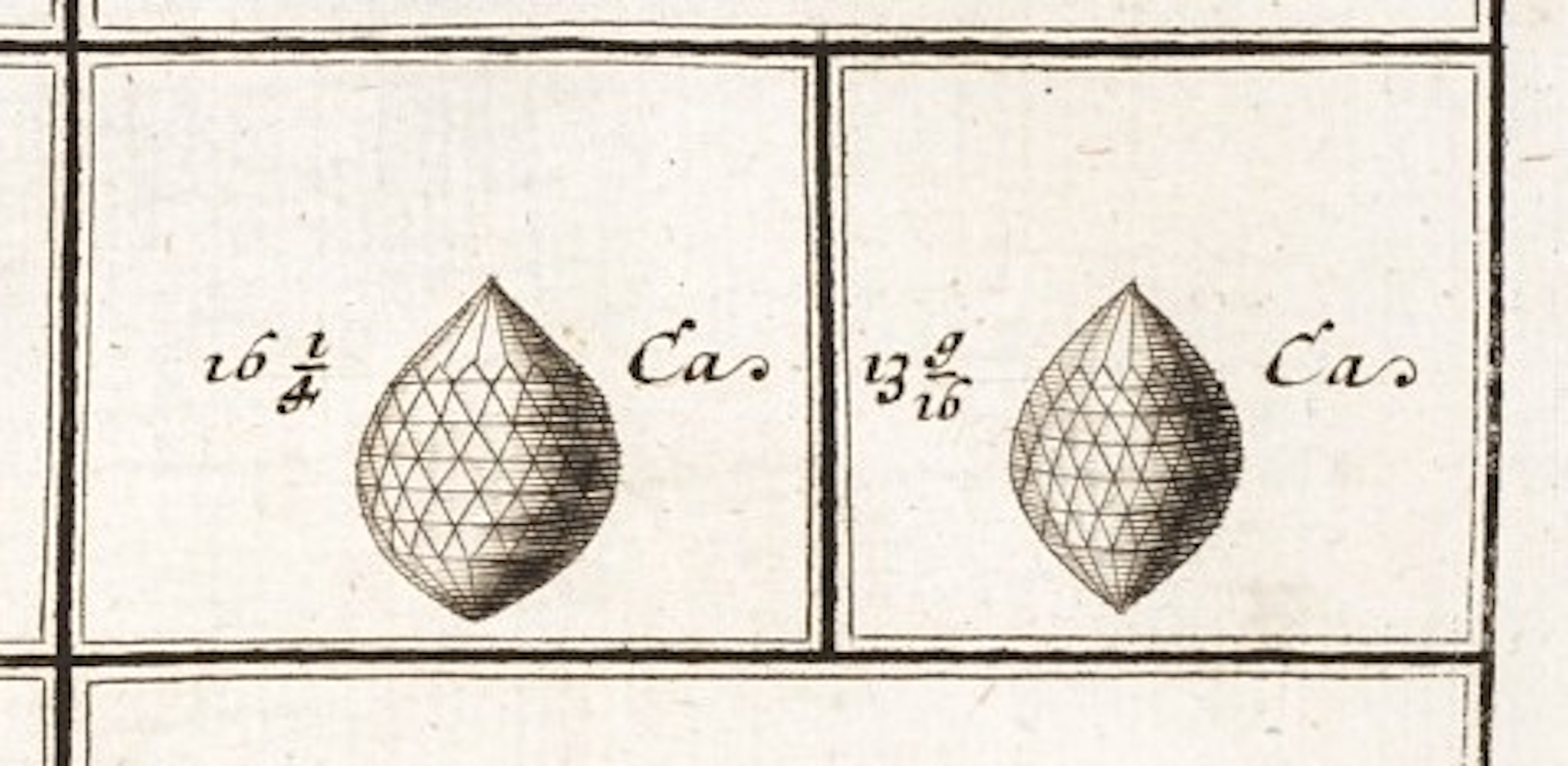
Another reason briolettes fell out of favor lies in perception. Because the diamond’s weight is distributed evenly throughout the stone rather than concentrated at the top, a briolette often appears smaller than other cuts of the same carat weight. To the untrained eye, it may not immediately signal extravagance. To collectors and connoisseurs, however, that restraint forms part of its appeal.
Briolette Diamonds in Historic Jewelry Design
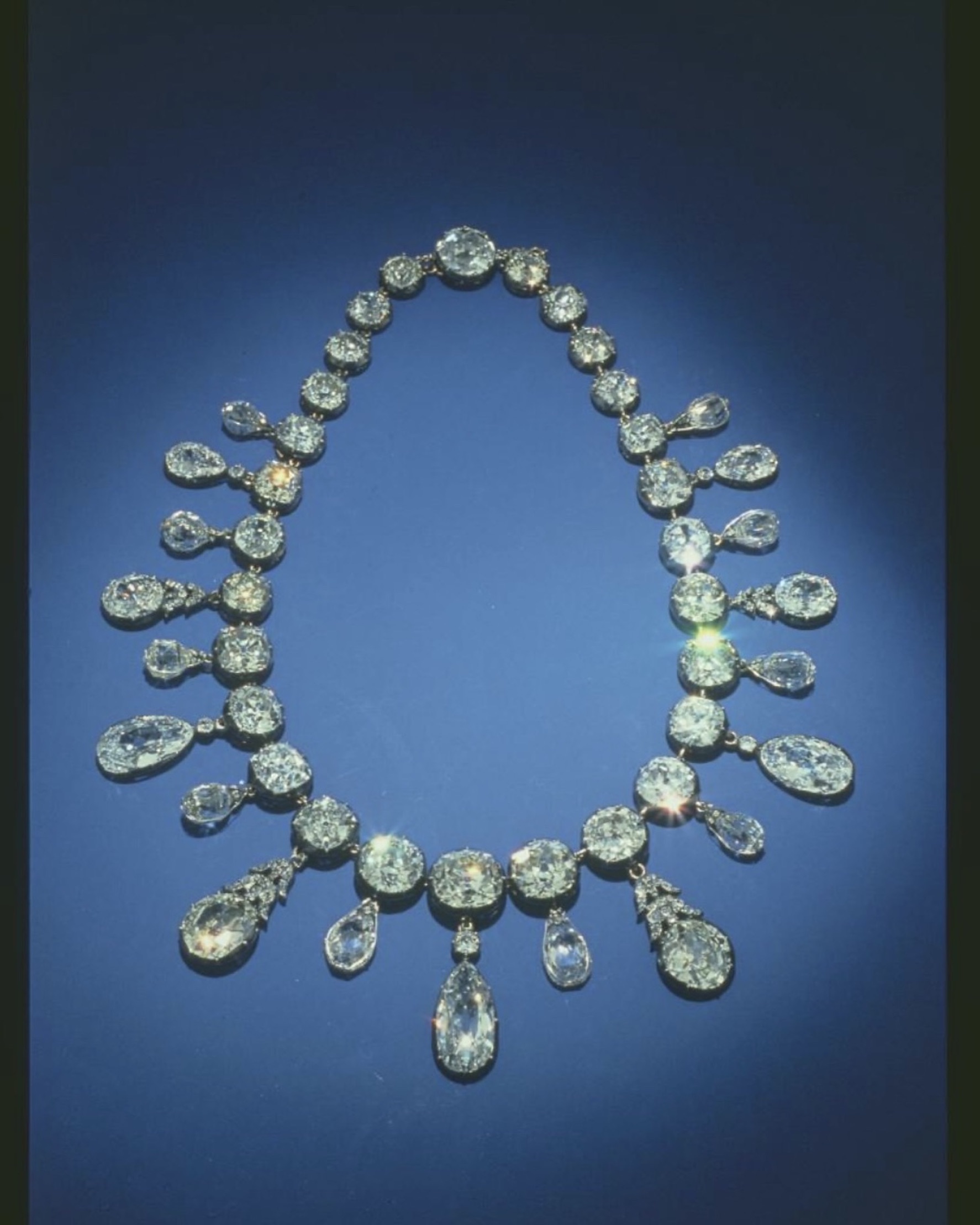
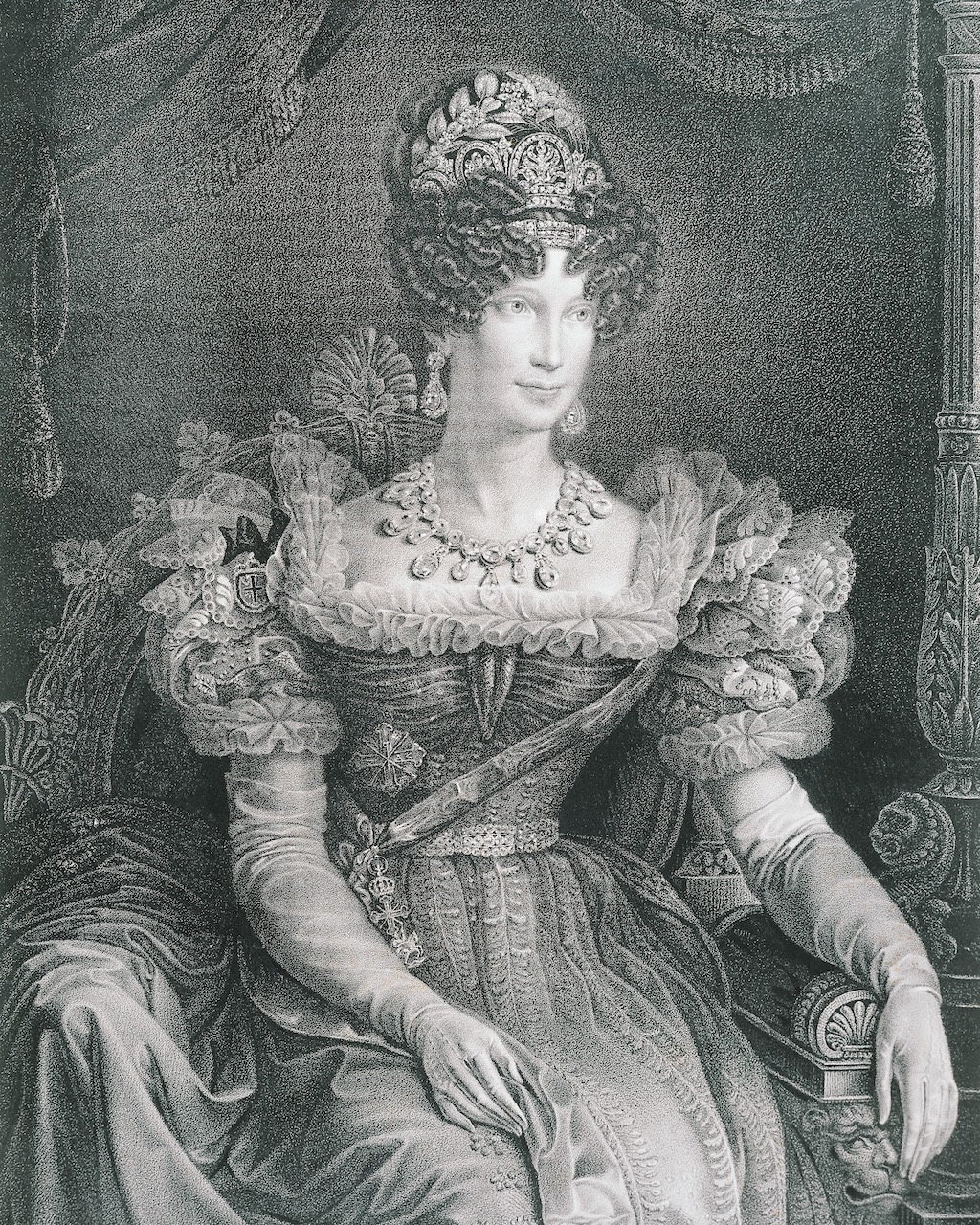
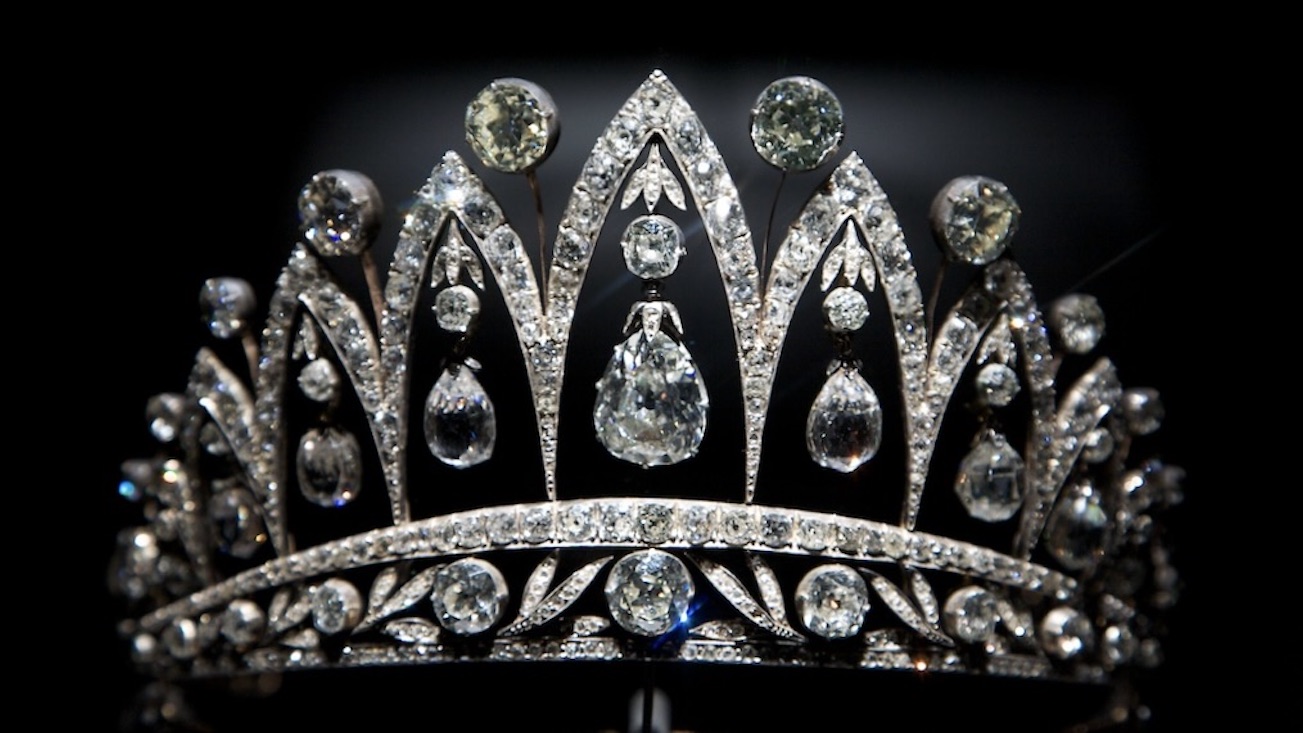
Historically, briolette diamonds found their natural home in necklaces, earrings, tiaras, and fringe-style jewels. One of the most famous examples is the Napoleon Diamond Necklace, created in 1811 by Etienne Nitôt et Fils. Commissioned as a gift from Emperor Napoleon Bonaparte to his second wife, Marie-Louise, the necklace features a dramatic diamond fringe with ten briolette-cut diamonds alternating with pear and oval shapes. The design captures the ancient ability to animate jewelry through movement.
Another legendary example stands above all others: the Briolette of India. This extraordinary colorless diamond weighs just over 90 carats and originates from the Golconda region of India. Its recorded history dates back to the 12th century, making it the oldest known diamond with a historical record. Over the centuries, it passed through the hands of some of history’s most powerful figures, including Eleanor of Aquitaine, King Richard the Lionheart, and King Henry II of France.
Interestingly, the Briolette of India did not assume its current form until around 1909. Before that, it likely existed as a double rose cut. Even so, it remains the most famous briolette diamond in the world and a benchmark for the cut’s enduring mystique. Most recently, the diamond belonged to Austrian heiress Heidi Horten before being sold at auction in 2023 for approximately $8 million.
The Modern Revival of the Briolette Cut
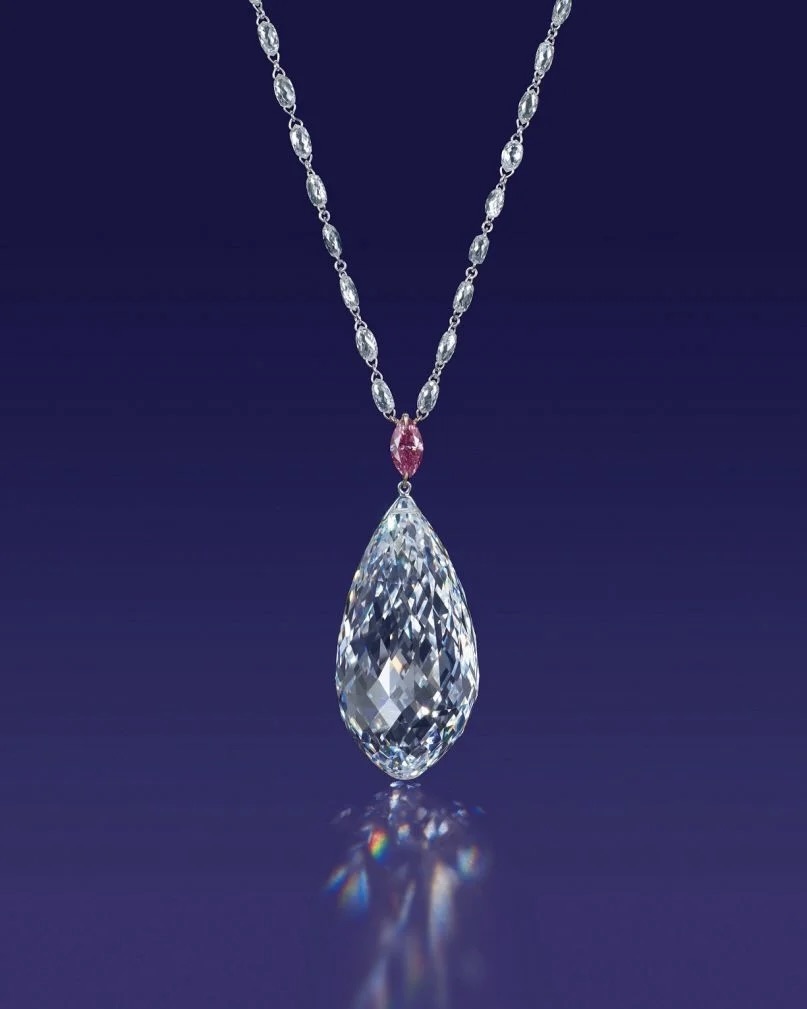
Although rare, briolette diamonds command extraordinary prices when executed at the highest level. In 2013, a spectacular example known as The Star of China crossed the auction block at Christie’s Hong Kong. The diamond weighed 75.36 carats, with Internally Flawless clarity, and a D color grade. Cut by famed diamantaire William Goldberg, it achieved $11.2 million, setting a record for a briolette-cut diamond and showing the cut’s relevance in the modern market.
Today, briolette diamonds occupy a niche defined by quiet luxury. They appeal to collectors who value history, craftsmanship, and individuality over immediate visual impact. When used thoughtfully, they transform jewelry into something almost kinetic, alive with motion and light.
This cut represents a philosophy of diamond cutting that predates modern optics and mathematical precision. It celebrates form, symmetry, and movement rather than calculated brilliance. For those who understand jewelry, a briolette diamond speaks volumes without shouting. It is the ultimate “if you know, you know” cut.