< Engagement Rings & Weddings / Engagement Ring Styles
Soul Over Sparkle: Why the Mughal Cut is the Diamond of the Moment
With their thin profile and subtle sparkle, the Mughal cut diamond is back to stay.
Published: April 3, 2026
Written by: Veronica Szalas Valentine
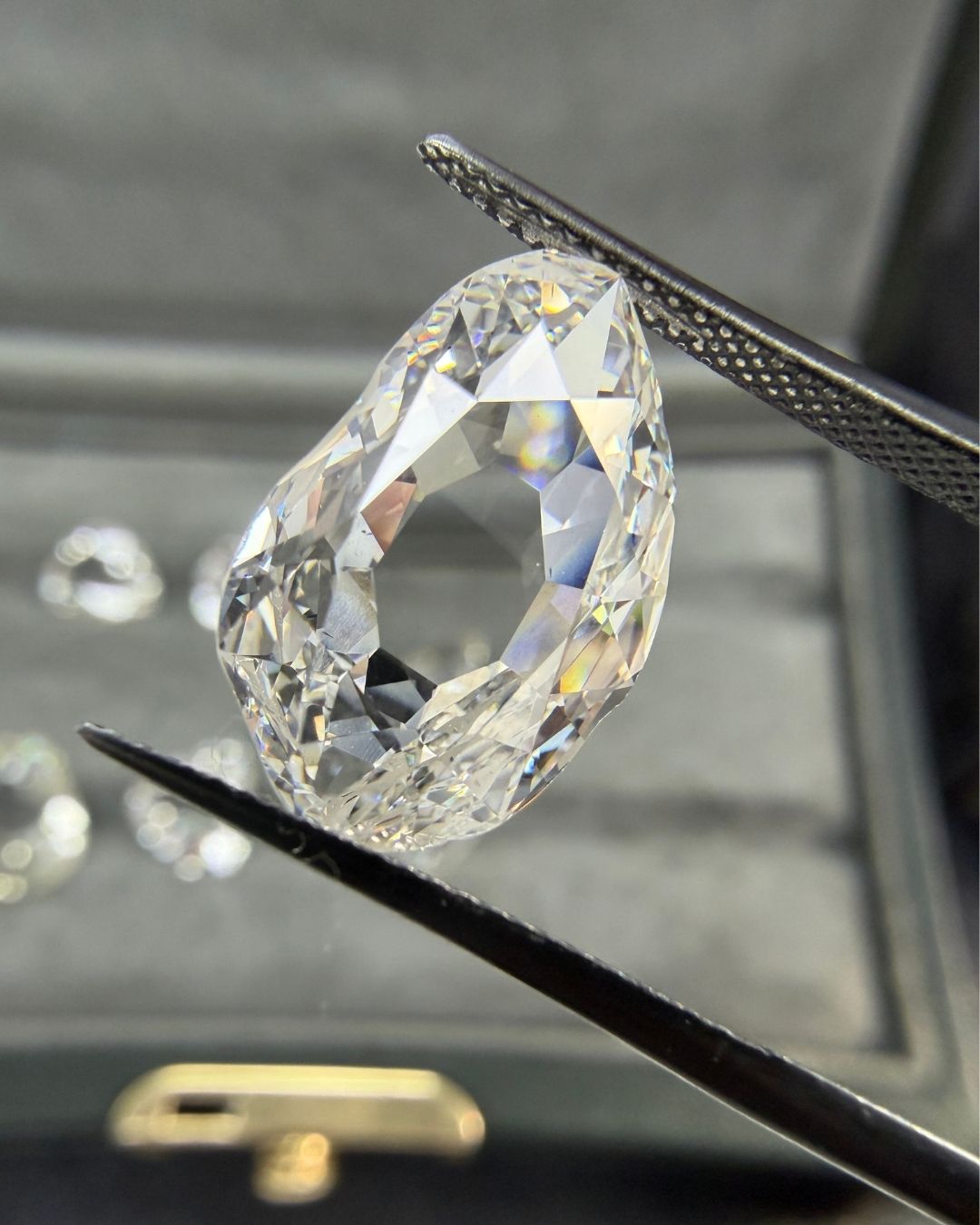
There is a certain kind of diamond that doesn’t announce itself. Alongside the brilliant cuts that have defined modern jewelry, a centuries-old tradition is reclaiming its place—one that prizes transparency over flash, soul over spectacle. The Mughal-cut diamond is having its moment, and the collectors leading the charge know exactly why.
Meet the Experts
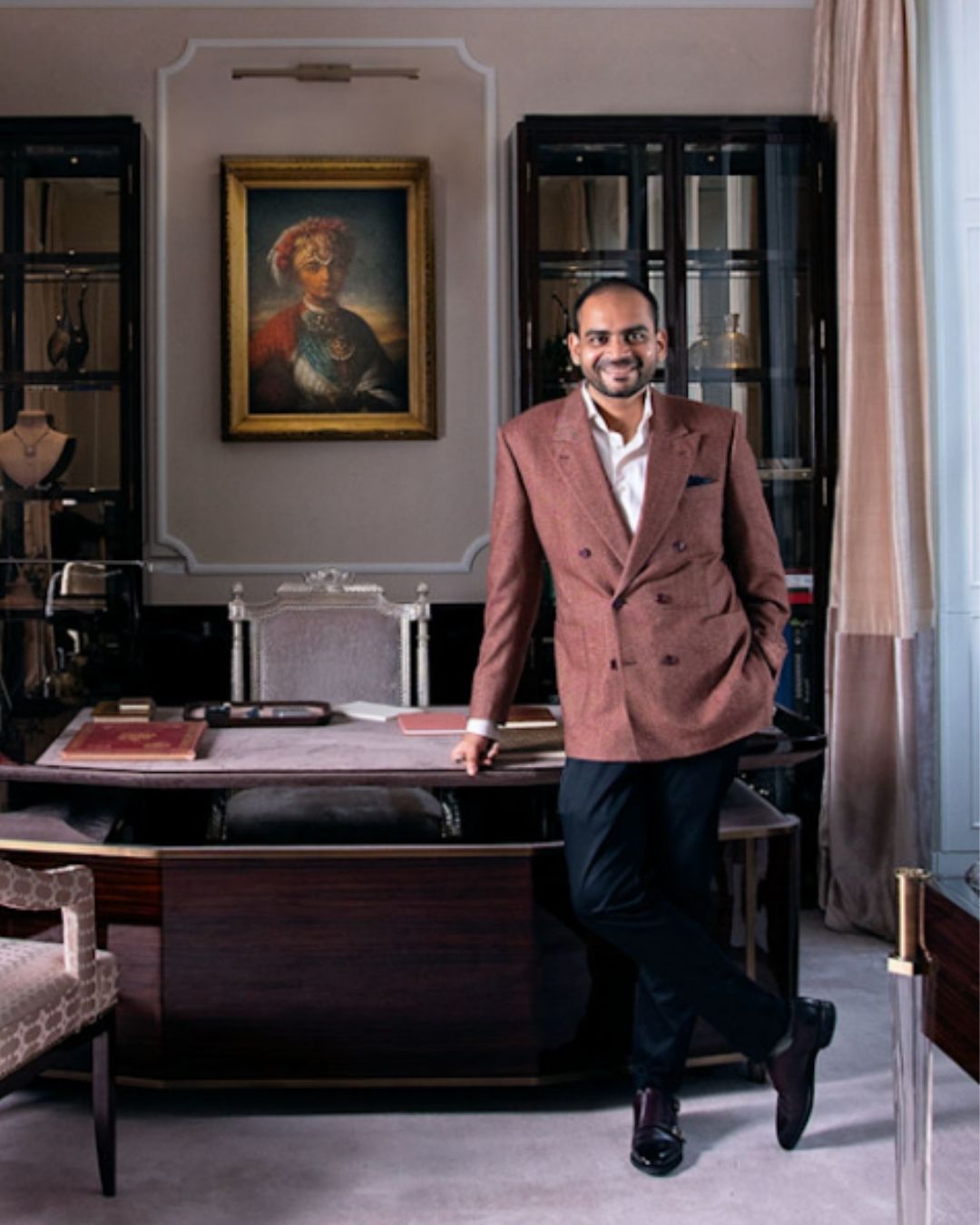
Krishna Choudhary is the founder of Santi Jewels. He is 10th-generation jeweler who infuses his exquisite, sophisticated and resolutely contemporary jewels with the essence of Mughal art.
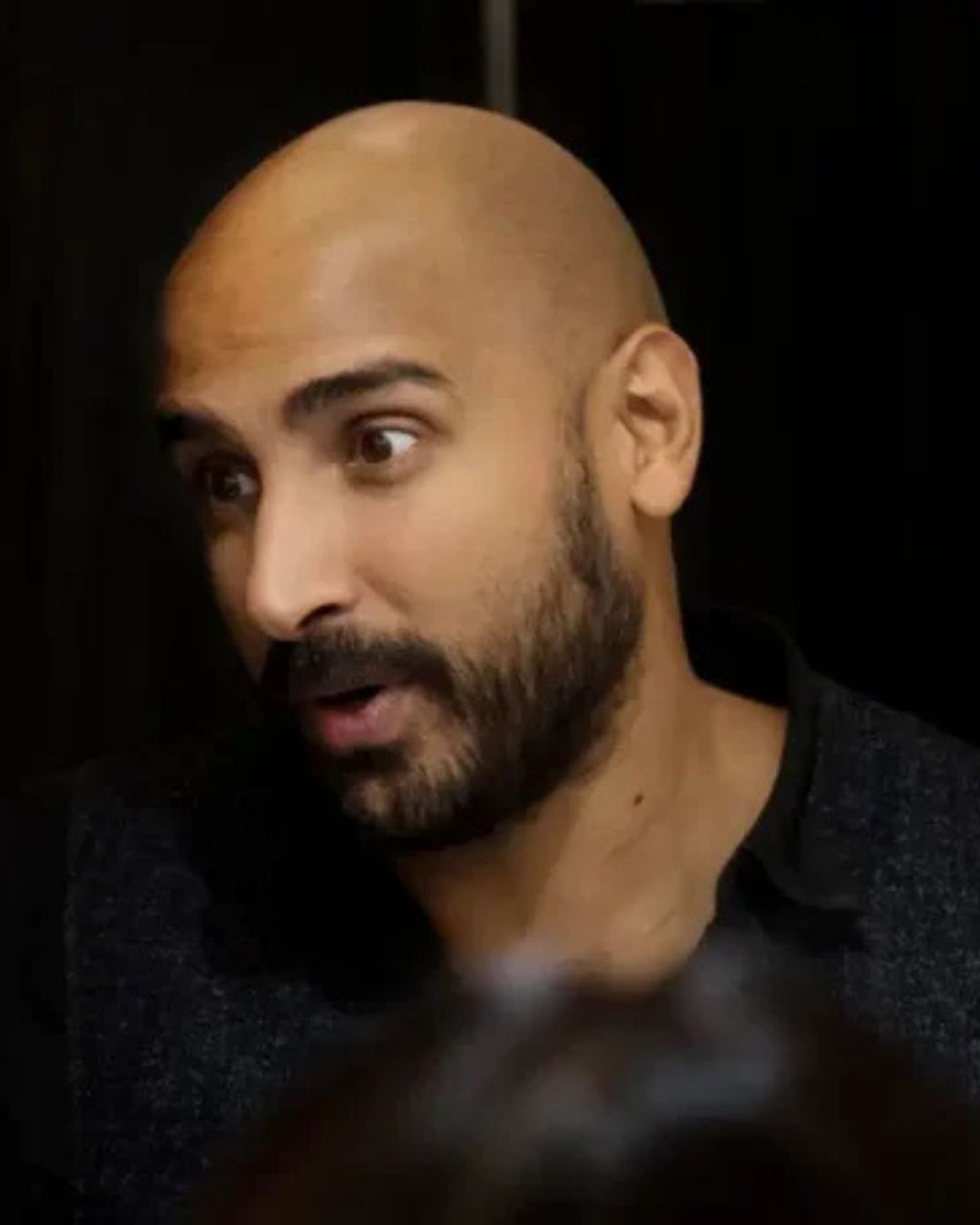
Anup Jogani is a renowned rare gem dealer, jewelry designer, and founder of the Los Angeles-based Jogani Gallery. Known for his expertise in exceptional and unusual diamonds, he specializes in rare cuts and one-of-a-kind stones that blur the line between jewelry and art.
What Is a Mughal Cut Diamond? The Beauty of “Internal Water”
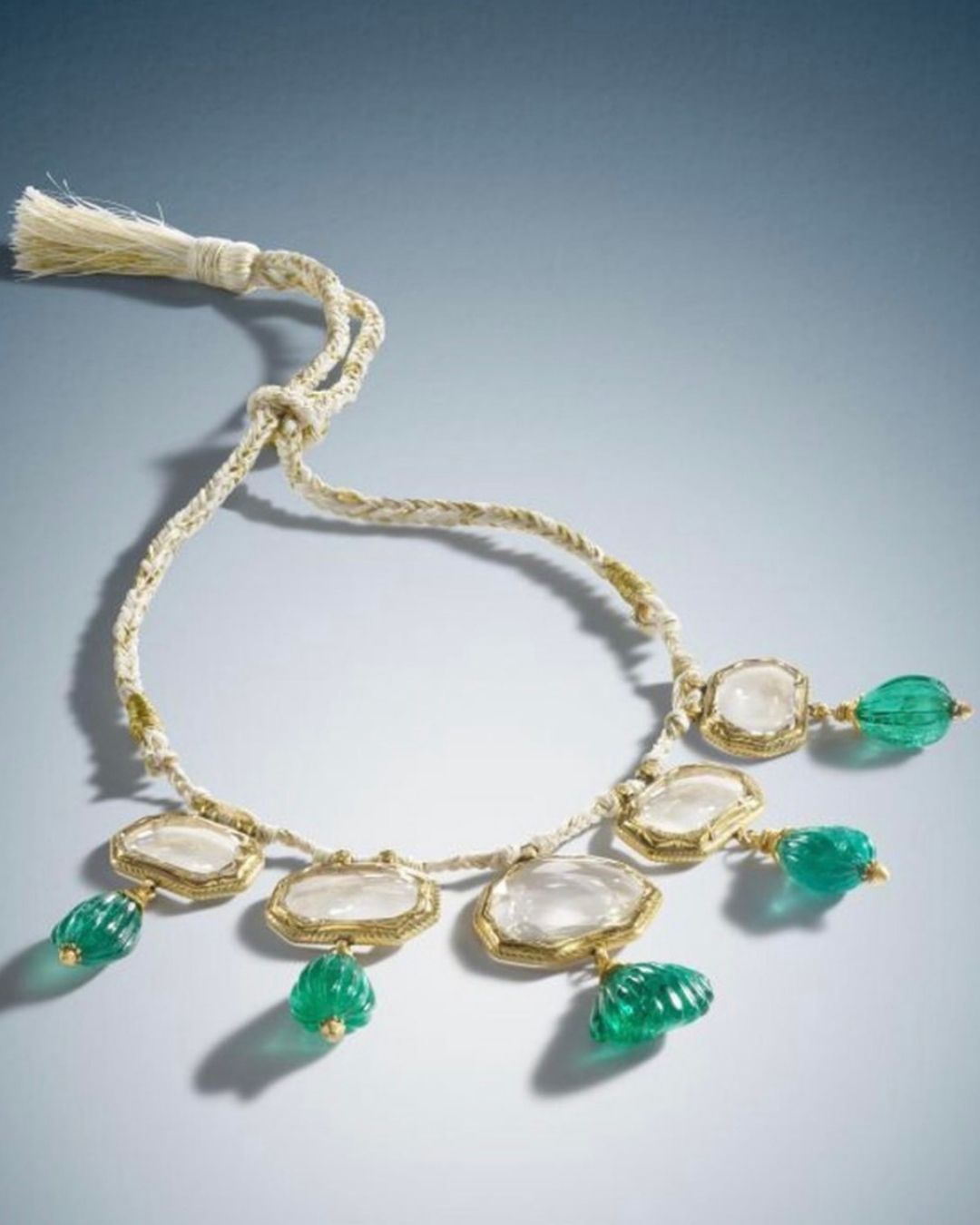
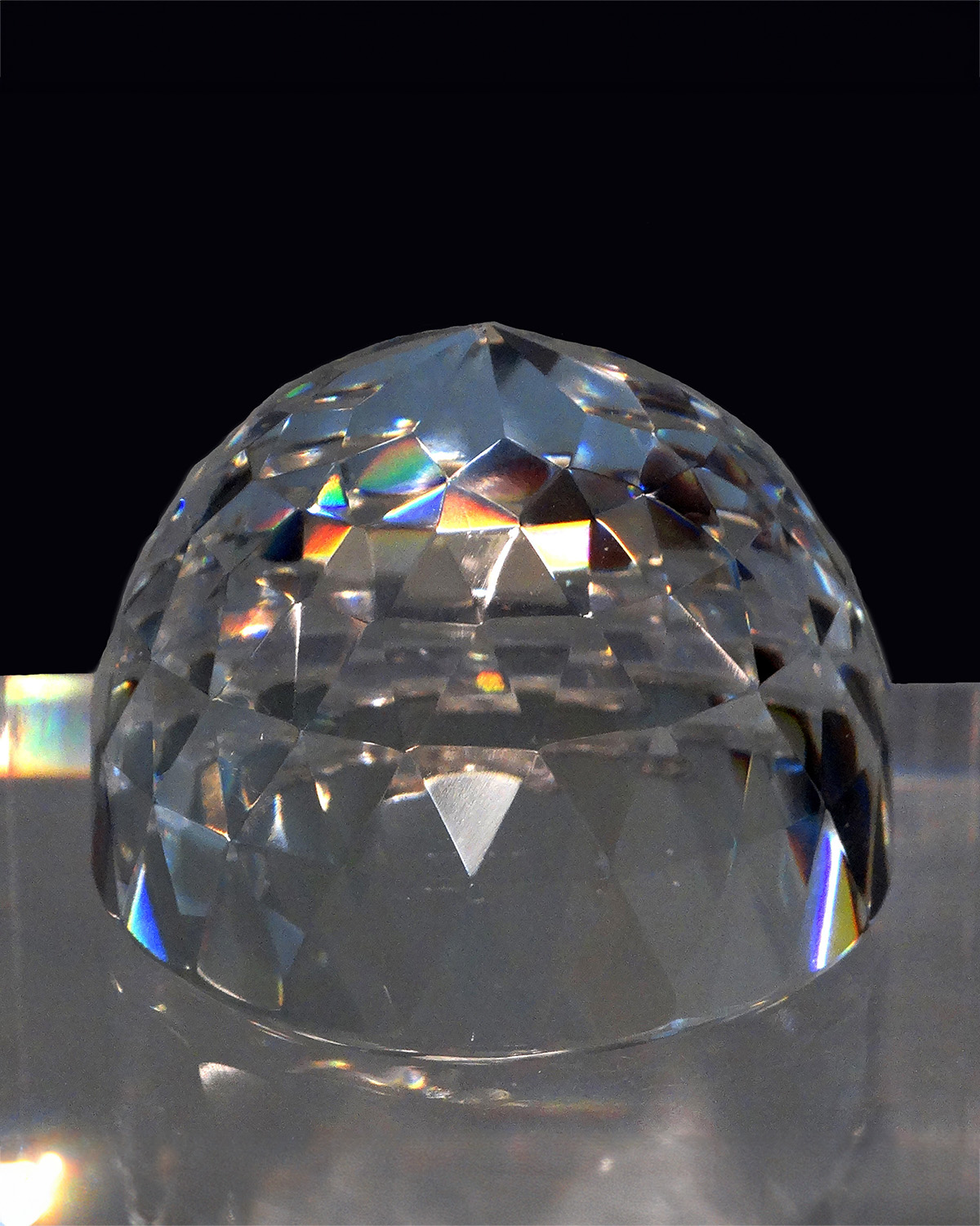
The Mughal cut is not a single shape but a philosophy—an Indian tradition of cutting that follows the natural geometry of the rough crystal rather than imposing a rigid form upon it. Within that tradition, the table-cut is one of its oldest expressions: a stone with a large flat top facet and gentle depth. The portrait cut—also known as a lasque—is its most extreme and poetic descendant: a paper-thin diamond slice, almost completely flat, transparent as a pane of glass.
To look at a table-cut or a lasque—a flat, organic diamond slice—is to see a stone that hasn’t been forced into calculated symmetry. These shapes follow the natural form of the original crystal: a finite miracle that formed billions of years ago. Rather than engineering light to bounce off a surface, these cuts prioritize “internal water”—a cool, liquid glow that invites the eye into the stone. Where a brilliant-cut is a performance, a Mughal cut is a conversation. It doesn’t shout; it whispers, asking the viewer to slow down and appreciate the depth of the material itself.
This is not a departure from the natural diamond tradition—it is one of its oldest and most profound expressions. Natural diamonds offer infinite variety: in origin, in form, in meaning. The Mughal cut honors that variety by working with the stone rather than imposing upon it.
The 400-Hundred Year History of the Mughal Cut Diamond
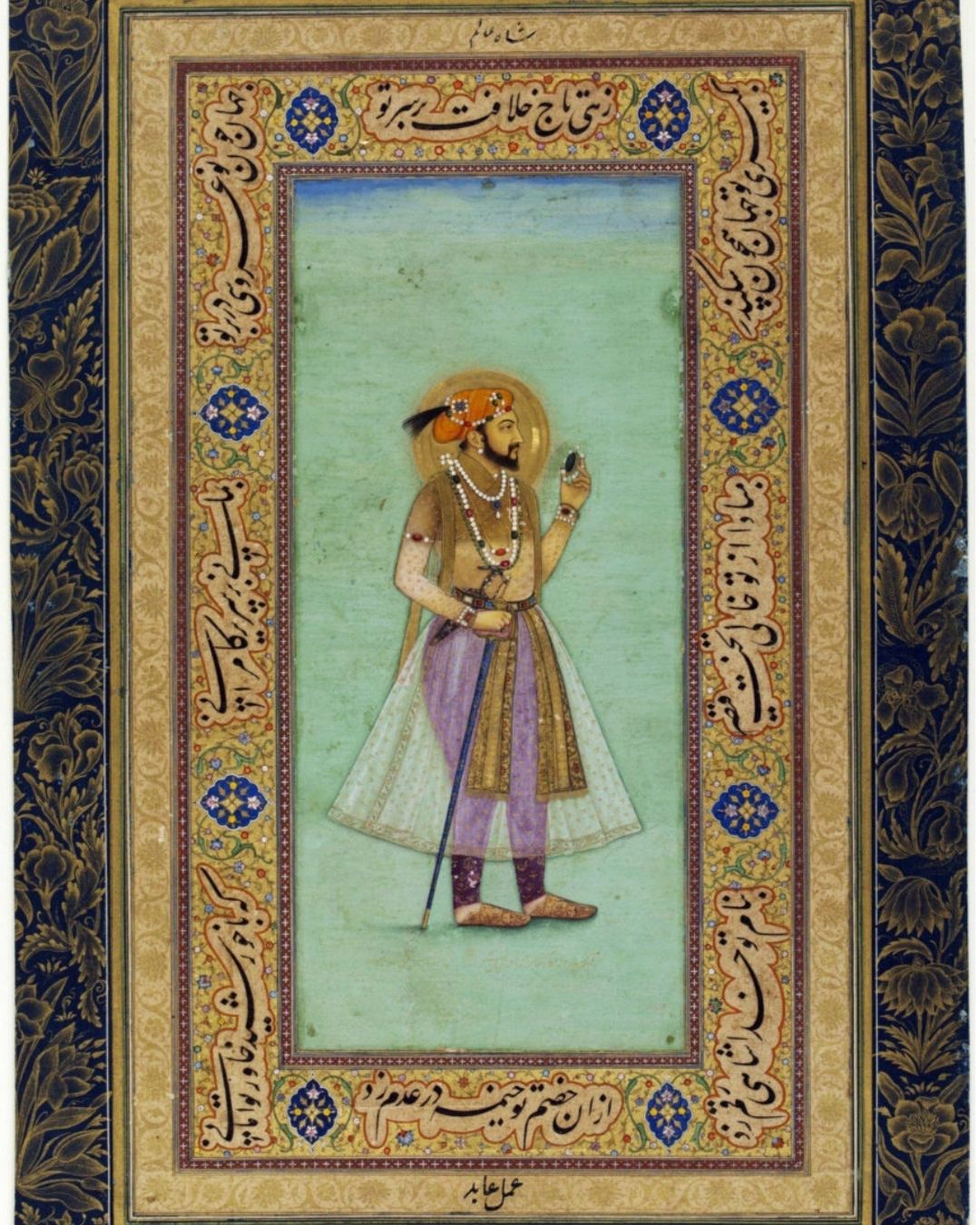
In the 17th-century Mughal era, diamonds sourced from the legendary Golconda mines were considered so sacred that cleaving them to fit a rigid shape was seen as a loss of spirit. The lapidary’s craft was a collaboration: following the natural skin of the rough crystal to preserve as much of the Earth’s work as possible.
The portrait-cut — the lasque — is the most distinctive stone to emerge from this Mughal philosophy: a paper-thin diamond slice originally used as a glass window to protect miniature paintings in royal jewelry. These were not stones designed to dazzle in candlelight. They were windows: to art, to sentiment, to the interior life of the stone itself.
At this year’s Tucson gem fairs, the modern ghost of this philosophy was unmistakable. While the aisles were filled with engineered uniformity, the real energy among serious buyers centered on asymmetrically shaped flat stones imported from the East.
This category occupies a distinct space in the market—one where price is rarely negotiated, a silent acknowledgment between collector and dealer that they are looking at something no machine could replicate. In a world of mass-produced precision, these stones are the ultimate anti-commodity.
Mughal Cut Diamonds From Maharajas to Modern Jewelry
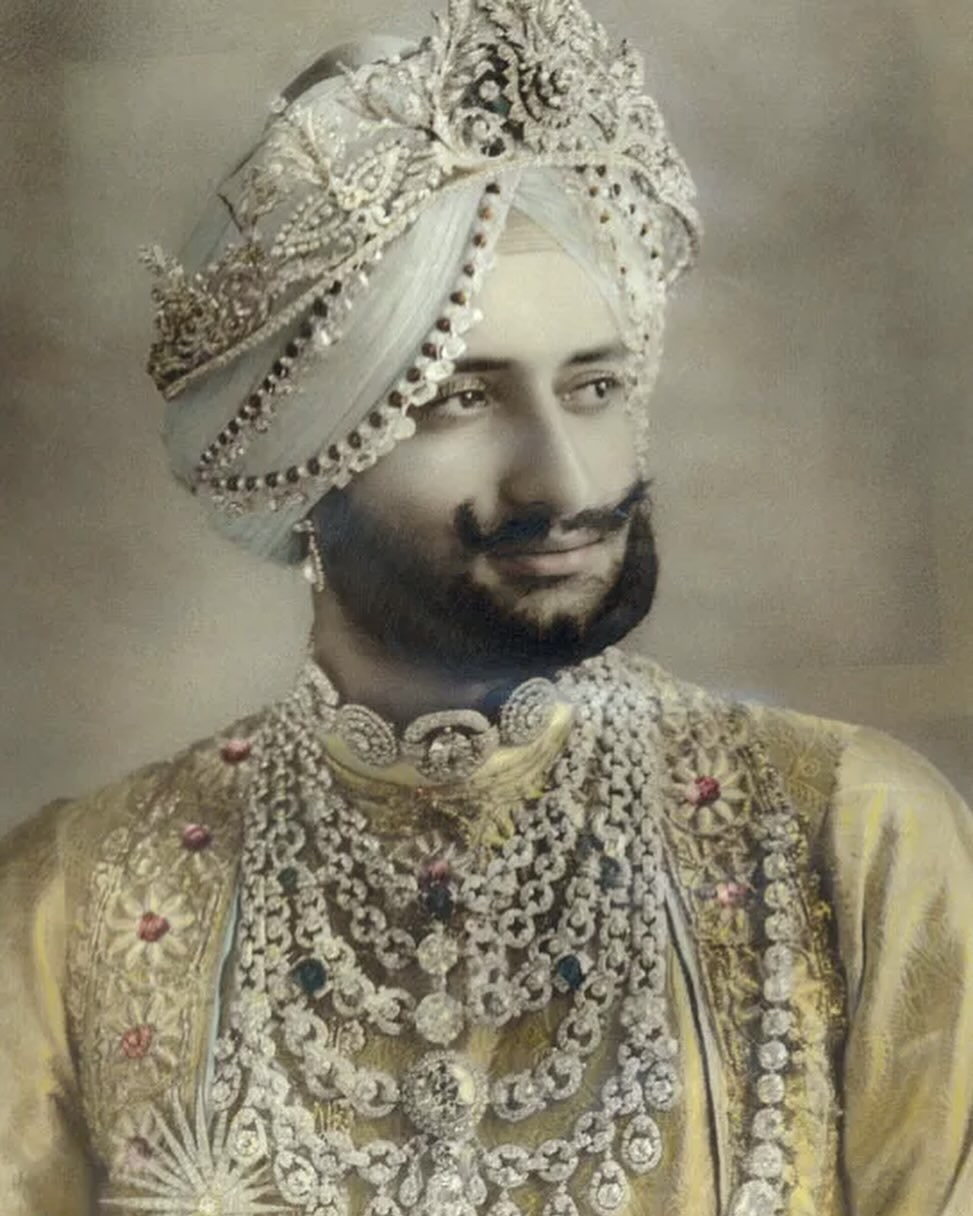
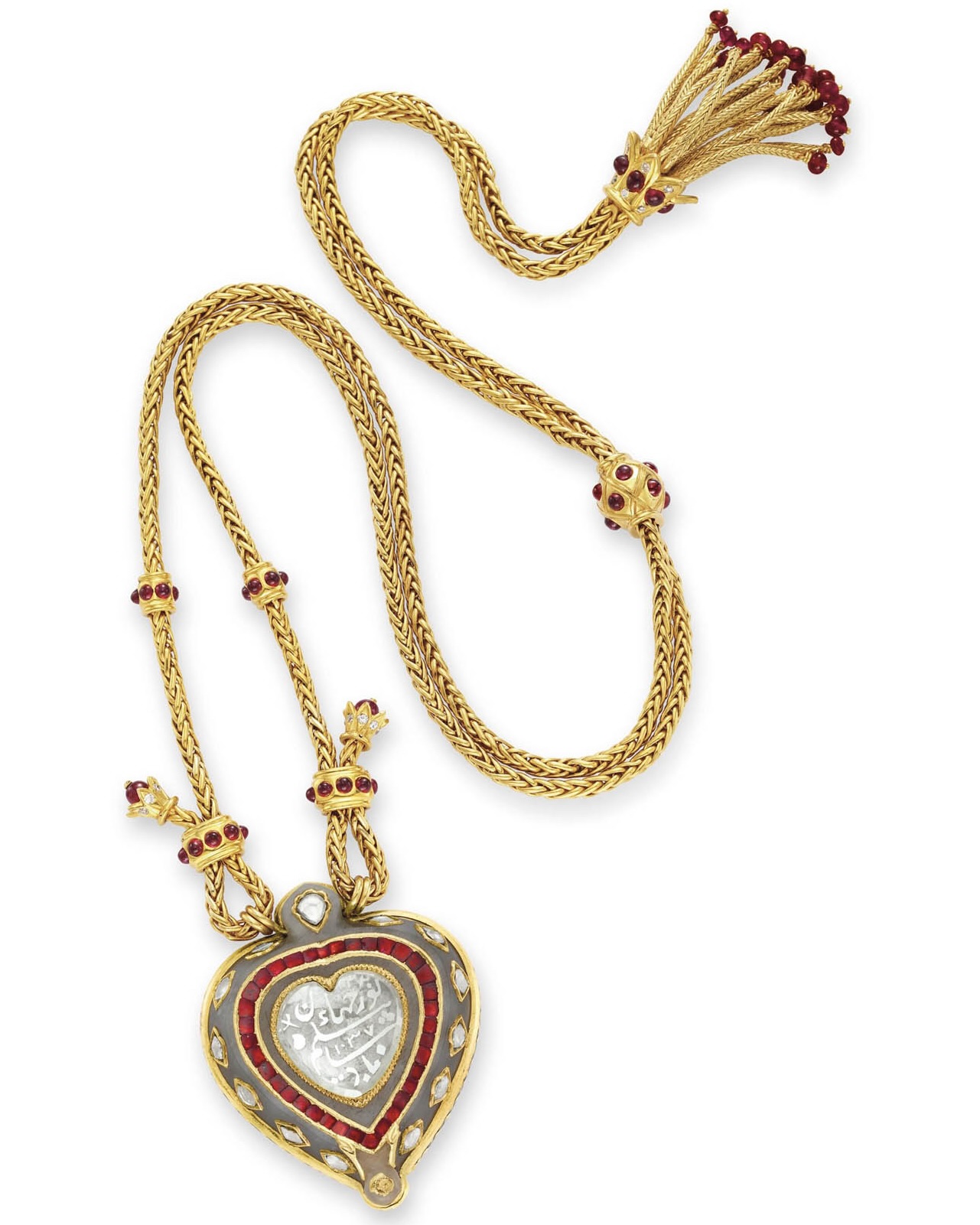
This appetite is not new — a century ago, Indian Maharajas brought their ancestral table-cuts to Cartier in Paris, fusing ancient spirit with industrial luxury. But the hunger feels particularly acute right now.
Decades later, this same sensibility defined one of the great jewelry collections of the 20th century. Elizabeth Taylor’s famous Taj Mahal Diamond—a heart-shaped Mughal stone gifted by Richard Burton—was not prized for its sparkle, but for its transparency. To wear it was to carry a 400-year-old love letter preserved beneath a diamond window. It is a reminder that a natural diamond’s true value is never found in its proportions alone, but in its story.
Why Mughal Cut Diamonds Are Trending Today
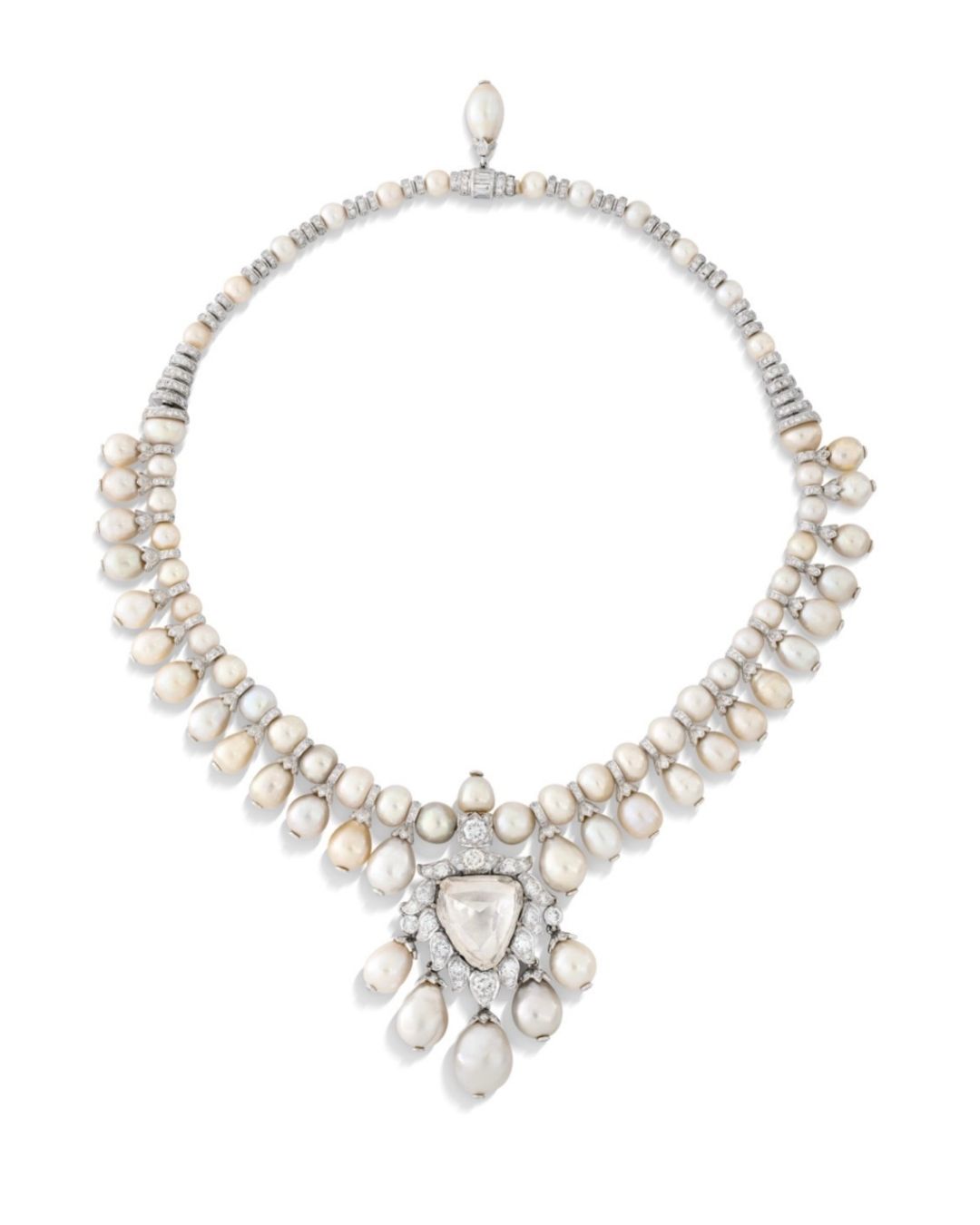

The resurgence of the Mughal cut is a direct response to a cultural moment that has become over-engineered. We live in an era where algorithmic perfection is the default—where filters smooth every image, where AI can replicate technical excellence on demand, where the flawless has become, paradoxically, ordinary. In that context, the slight asymmetry of a natural Mughal-cut diamond carries an entirely different charge.
It is proof of something that cannot be manufactured or iterated. The collector drawn to these stones isn’t rejecting beauty—they have simply seen enough perfection to find it sterile. What they are reaching for is the rarity of a deeper kind: a fingerprint of nature that no machine could produce, and no algorithm could predict.
We see this vibrantly in the work of Viren Bhagat, whose pieces set table-cut stones so lightly that the metal seems to dissolve around them, leaving the diamonds to float like pools of still water. Similarly, Krishna Choudhary of SANTI creates a dialogue between centuries, placing historic Golconda diamonds into ultra-modern titanium settings. “Old stones are fully formed… they have soul, power, and character,” says Krishna Choudhary.

Old stones are fully formed… they have soul, power, and character.
Anup Jogani says, “Portrait-cut diamonds are especially striking in our ‘tattoo rings,’ offering an open window to the ‘work of art’ beneath—the tattooed finger. But perhaps the most literal translation of the window philosophy belongs to Jogani, whose ‘Tattoo’ rings feature portrait-cut diamonds set over open bezels. Here, the stone acts as a literal magnifying glass for the wearer’s own skin—or a tattoo hidden beneath—turning the diamond into something deeply personal. The gem is no longer a trophy of light. It is a lens through which the wearer’s own story is told.
The Future of Mughal Cut Diamonds: A Return to Soul

What unites these makers—and the collectors drawn to them—is a belief that the most sophisticated thing you can wear is not a feat of engineering, but a miracle of nature. The Mughal cut reminds us that natural diamonds have always offered something beyond brilliance: depth, history, individuality, and soul.
The future of the natural diamond isn’t found in a higher facet count. It’s found in a stone that holds your gaze the way Jogani’s tattoo rings do—a window to something that is entirely, irreplaceably yours.