< Engagement Rings & Weddings / Guides
Everything to Know About How to Sell a Diamond
Learn everything you need to know about how to sell a diamond and get the most money, including the right paperwork, the most trusted jewelers, and more.
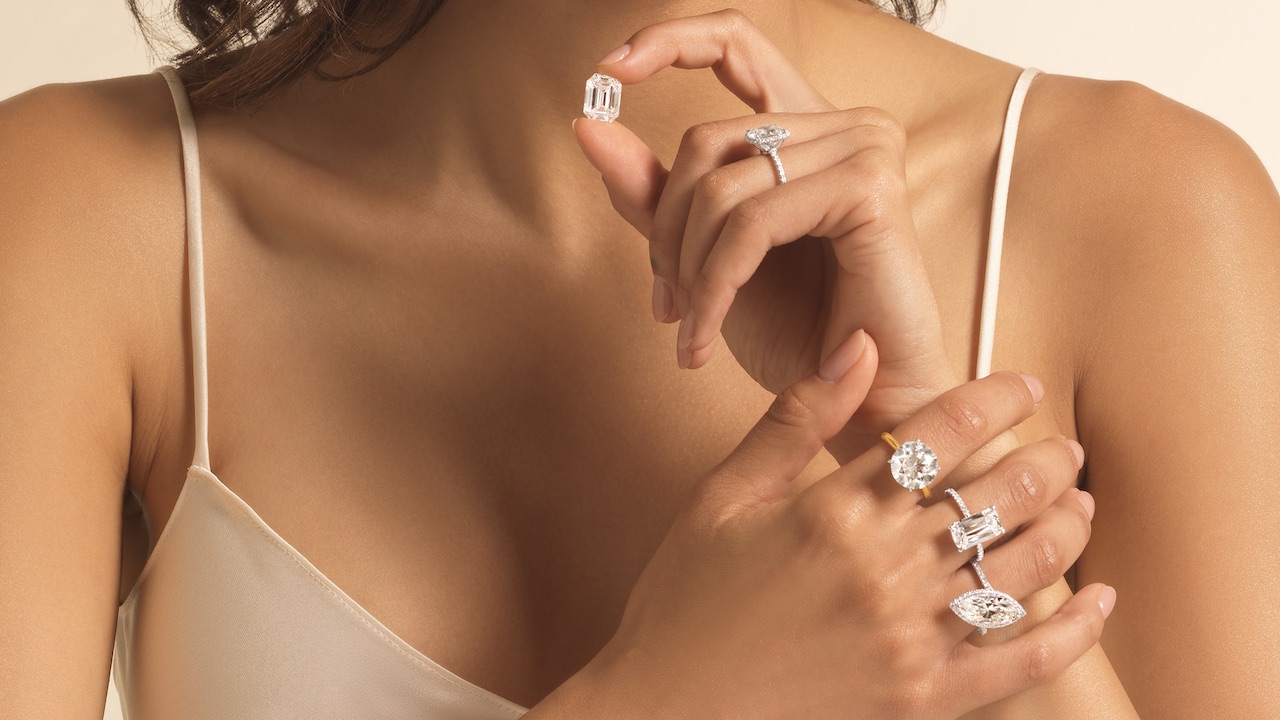
(Courtesy of Lux Bond & Green)
In today’s turbocharged resale economy, everyone seems to be taking a second look what’s tucked away in their closets and jewelry boxes. But while parting with last season’s handbag is easy, selling a diamond is completely different and a far more nuanced experience. Here, learn everything you need to know about how to sell a diamond and get the most money for your stones.
Let’s be honest: selling a diamond can be daunting. How do I know it’s real value? Who can I trust? Is now the best time to sell? All valid questions.
Here’s the simple truth: diamond jewelry sitting in a jewelry box gathering dust is an asset worth selling. And according to industry experts, more people than ever before are selling their diamonds. Some sellers are looking to upgrade to a larger stone or a new cut, others inherit diamond jewelry doesn’t match their style, and plenty simply want to cash out to buy new everyday pieces or pad their bank account.
Meet the Expert

- Jill Newman is a jewelry authority, editor, and storyteller with over 25 years of experience, having reported from diamond mines in Africa, cutting workshops in India and Belgium, and ateliers around the world.
- She serves as Editor-at-Large for the Natural Diamond Council, with additional bylines in The New York Times, Town & Country, Elle Décor, and Robb Report.
“Jewelry in a drawer is a non-performing asset and a potential liability,” said Jeffery Singer, senior vice president at Circa, a leading pre-owned jewelry buyer. “We’ve heard too many horror stories from clients who waited to sell, only to find that they had misplaced their items.”
“If you are not wearing your jewelry, think hard about selling it,” said Singer. “Take the proceeds and fund a new purchase, buy something else that makes you happy.” Who could argue with that advice?
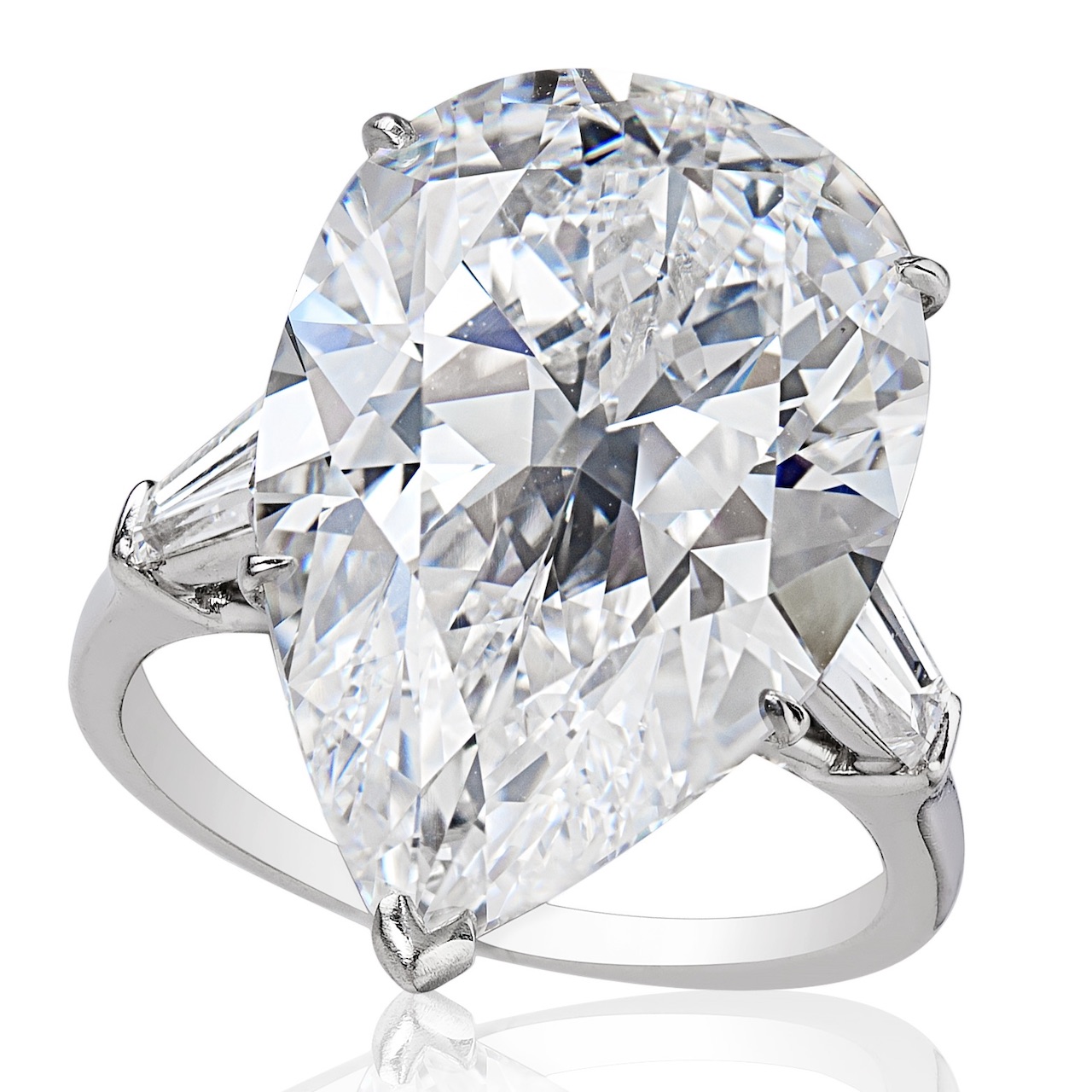
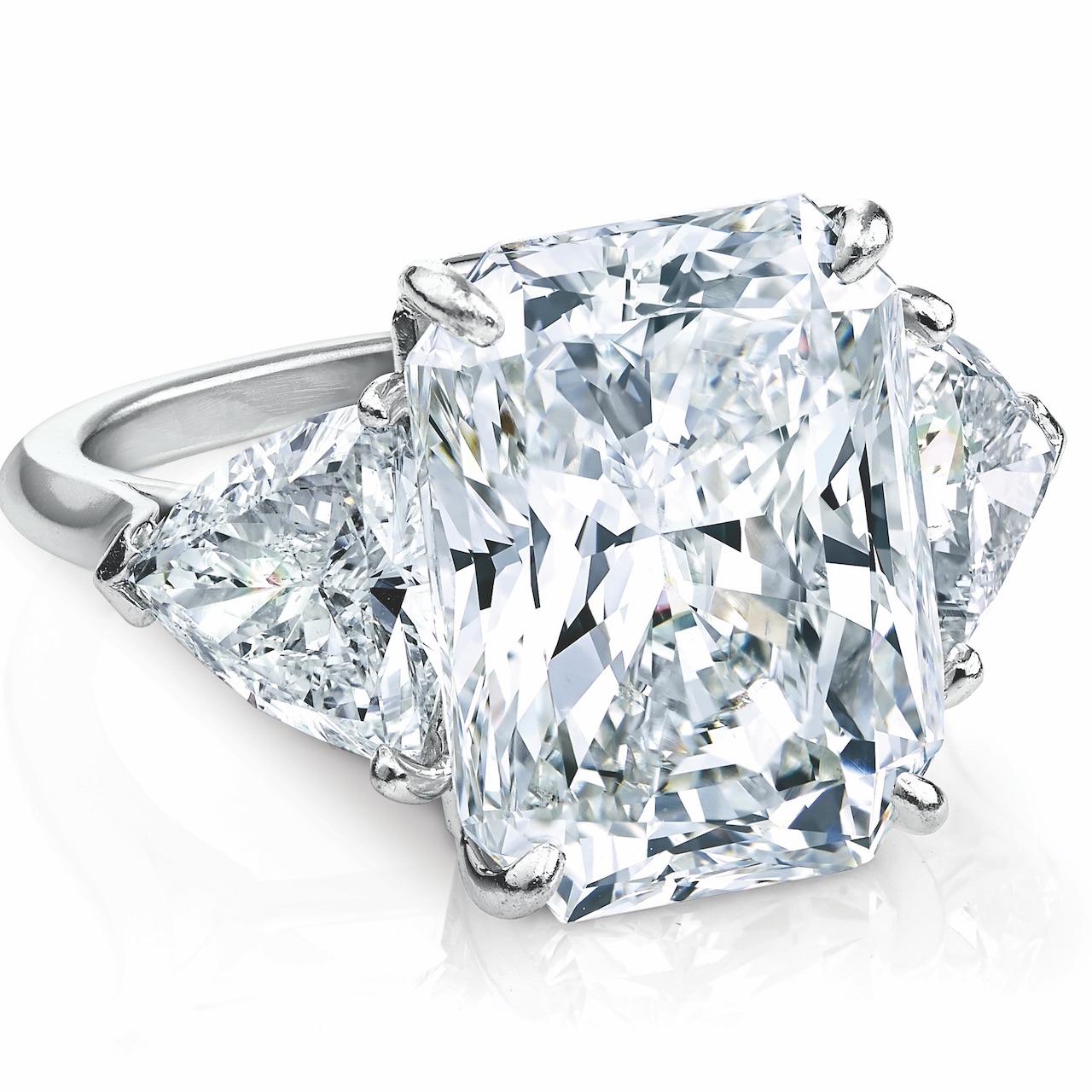
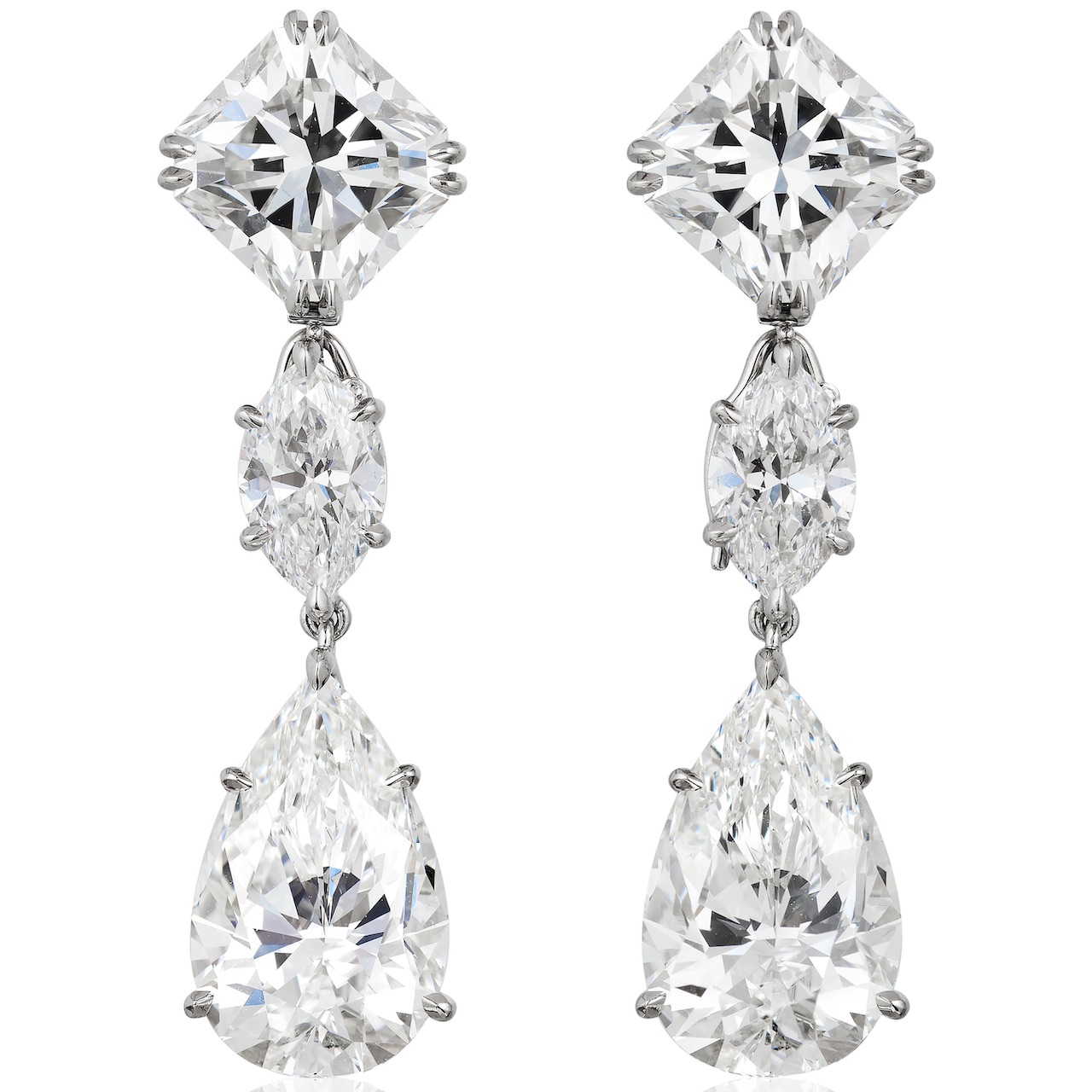

To help you navigate the selling process with confidence and get the best price, we asked industry experts for their top tips. Here’s what you should know about how to sell a diamond before you start.
Before You Sell: A Quick Checklist
Before you sell, ensure you have:
- A Professional Valuation: Know the “melt value” of the metal versus the resale value of the stone.
- Diamond Certification: Locating your GIA or IGI certificate is the single best way to build buyer trust and command a higher price.
- High-Resolution Photos: If selling privately, capture the stone in natural light from multiple angles to clearly show the 4Cs.
- Clean the Piece: Ensure the diamond’s brilliance is visible to appraisers and potential buyers.
When Learning How to Sell a Diamond, Be Prepared: Have Your Paperwork
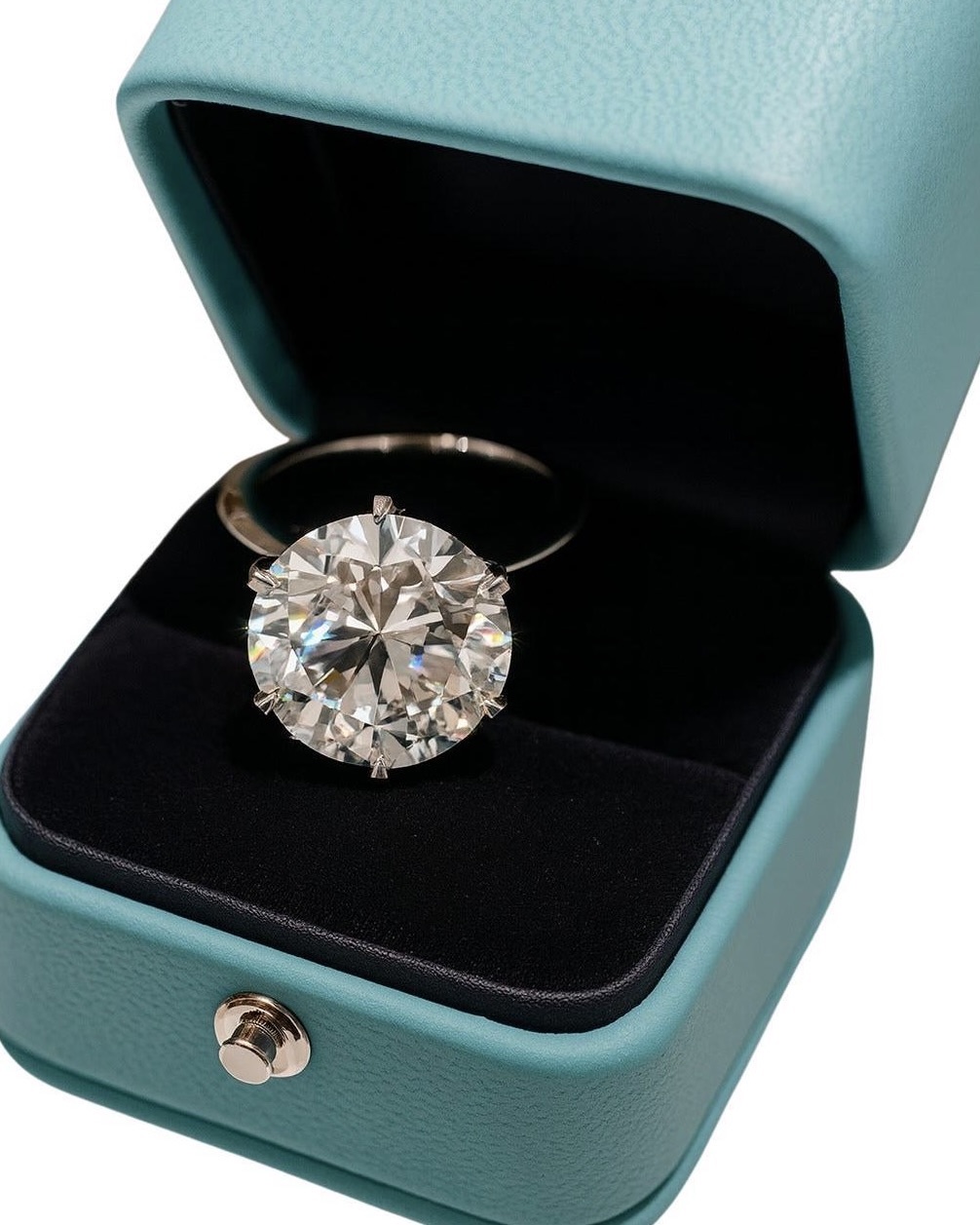
The more facts you have about your diamond, the easier it is to assess the real value. If you are selling a diamond one carat or larger, have a Gemological Institute of America (GIA) certificate or another accredited grading report that identifies the stone’s carat weight, clarity, cut, and color.
“This provides an accurate quality grading, which is essential for getting the best possible price,” said Anthony Barzilay Freund, editorial director and director of fine art at 1stDibs, the luxury online marketplace. For smaller stones and diamond jewelry, such as necklaces and bracelets, verify your diamonds are natural, not synthetic.
Bottom line: Gather your receipts, certificates, appraisals, and any documents that help paint a clear picture of your diamond’s value.
When Learning How to Sell a Diamond, See a Trusted Jeweler
“Go to a trusted gemologist jeweler who both buys and sells diamonds,” says John Green, president and CEO of Lux Bond & Green. “A gemologist can honestly evaluate your natural diamond for color, clarity, and the quality of the cut. A trusted jeweler/retailer, especially an American Gem Society store with a long history, will give you the best advice and offer you the fair market value.”
Building a relationship with a jeweler can pay off, says Russell Zelenetz, partner in Stephen Russell, the Madison Avenue retailer known for vintage and contemporary pieces. If you return to the same jeweler years later, often they will buy back the piece or offer a generous trade-in for an upgrade.
“We selected every piece in our store,” says Zelenetz. “We are usually happy to have it back.”
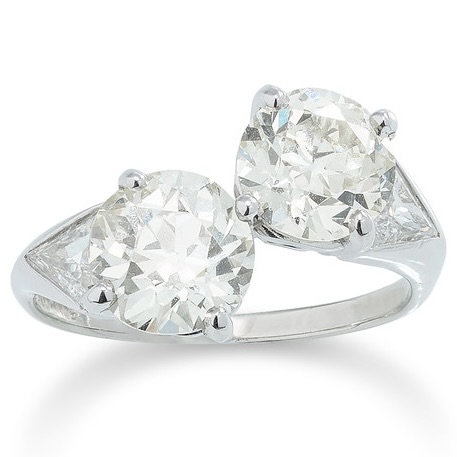
Word of caution: Be careful of anyone who makes an offer over the phone or through email or text. “Most of the time when you bring them the jewel, the actual offer you will receive can be considerably less,” Singer warns. “Don’t let yourself be pressured, ask questions. A true expert will provide clarity and transparency.”
Circa delivers written offers for every piece and pays immediately if you accept. “An offer is not an offer if it is not written,” said Singer.
Bottom line: Find a trusted jeweler, get multiple offers, and get every estimate in writing.
When Learning How to Sell a Diamond, Know What Diamonds Command the Best Price
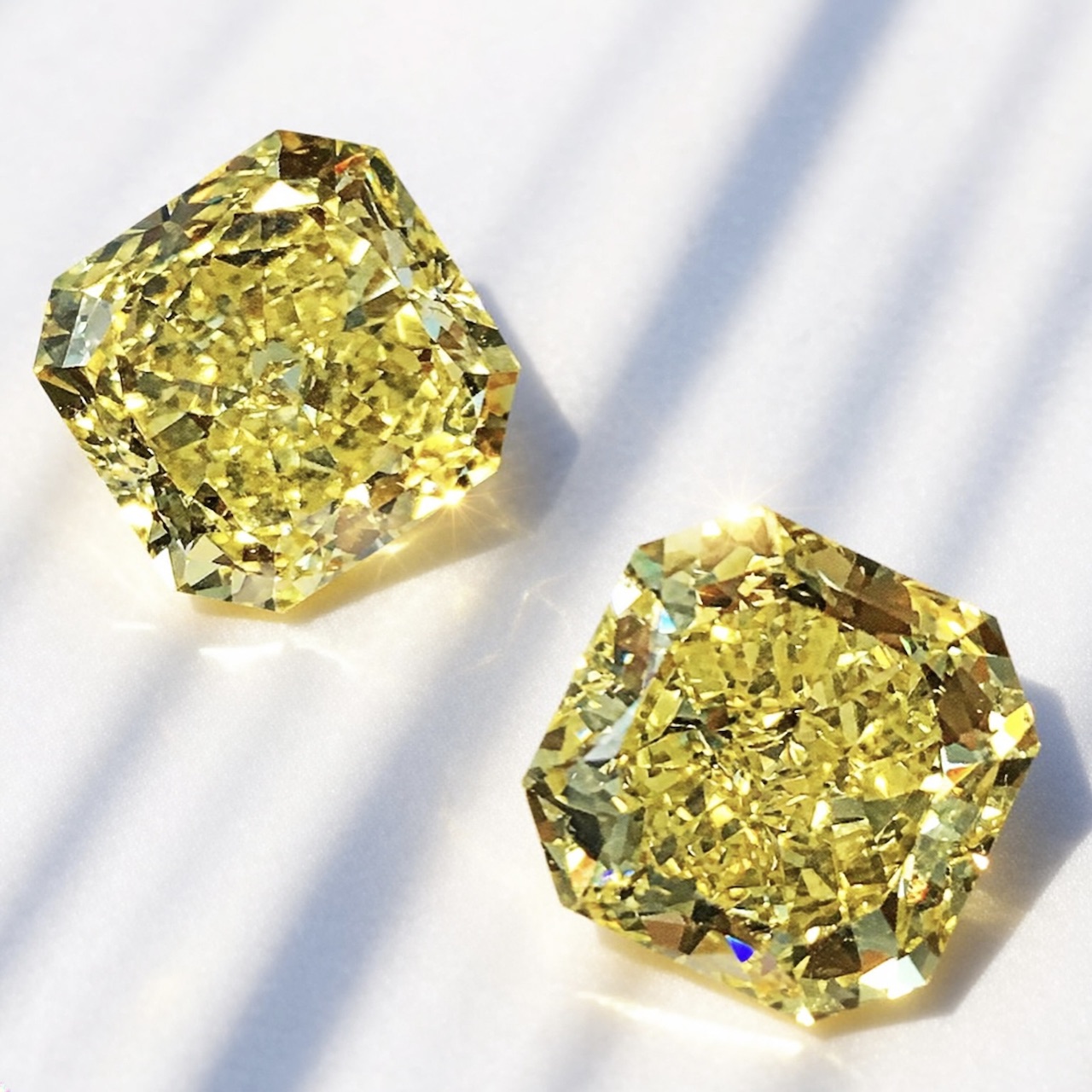
When you buy a better diamond, you can sell it for a better price. “As with all collecting categories, quality counts,” said Freund. “Diamonds of very high color quality and exceptional clarity are consistently sought after. Rarity also contributes to resale value: fancy-colored diamonds in scarce colors (blue, red and green) almost always command a premium.”
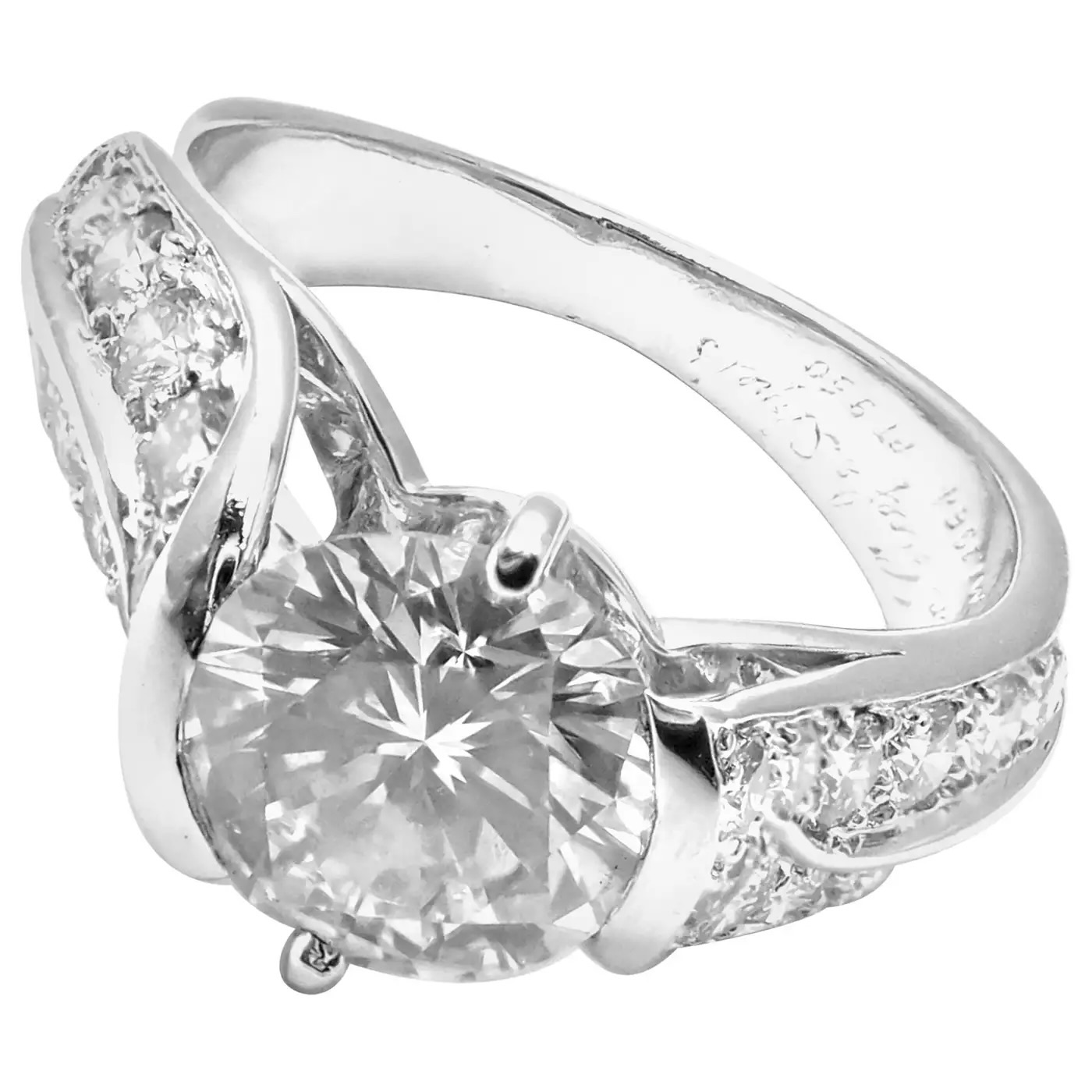
Signed jewelry from major houses such as Cartier and Van Cleef & Arpels also hold their value over time. A signed solitaire ring will almost always sell for more than an unsigned one of equal quality.
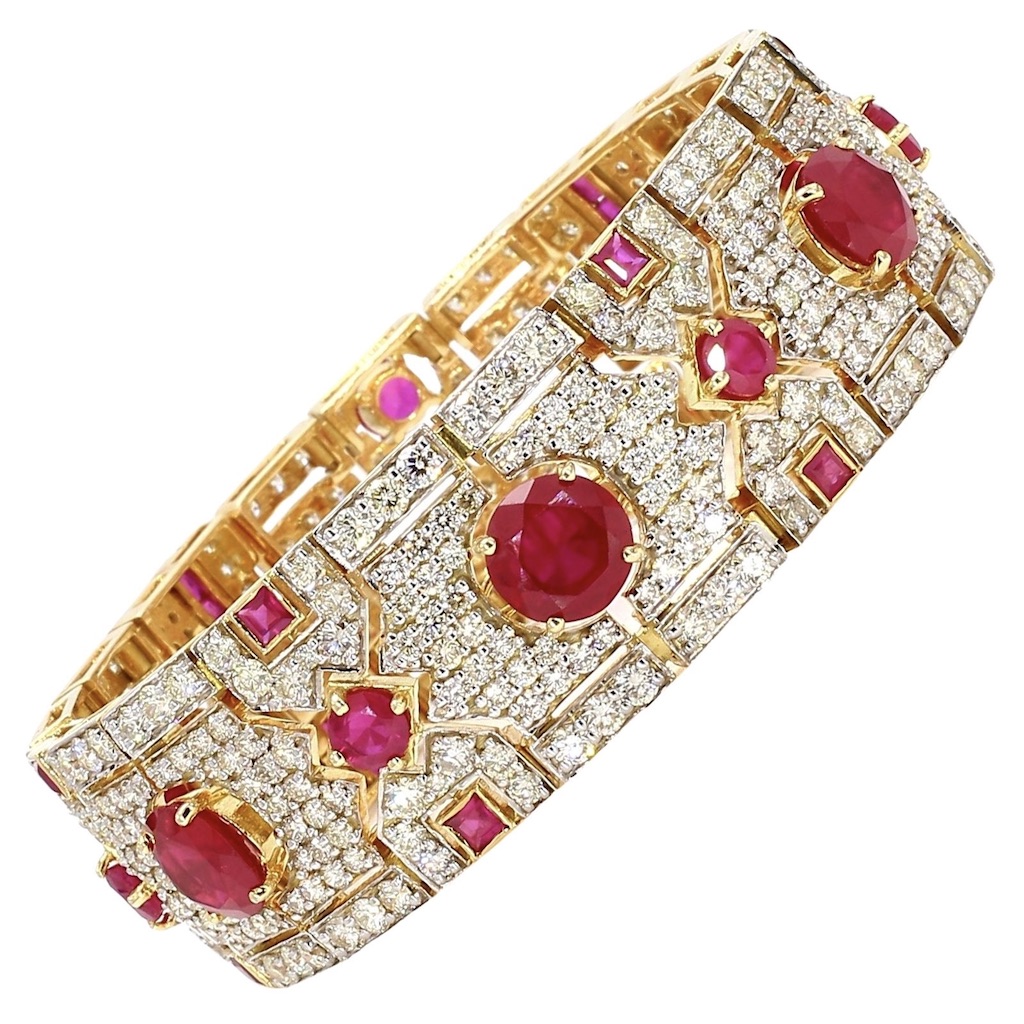
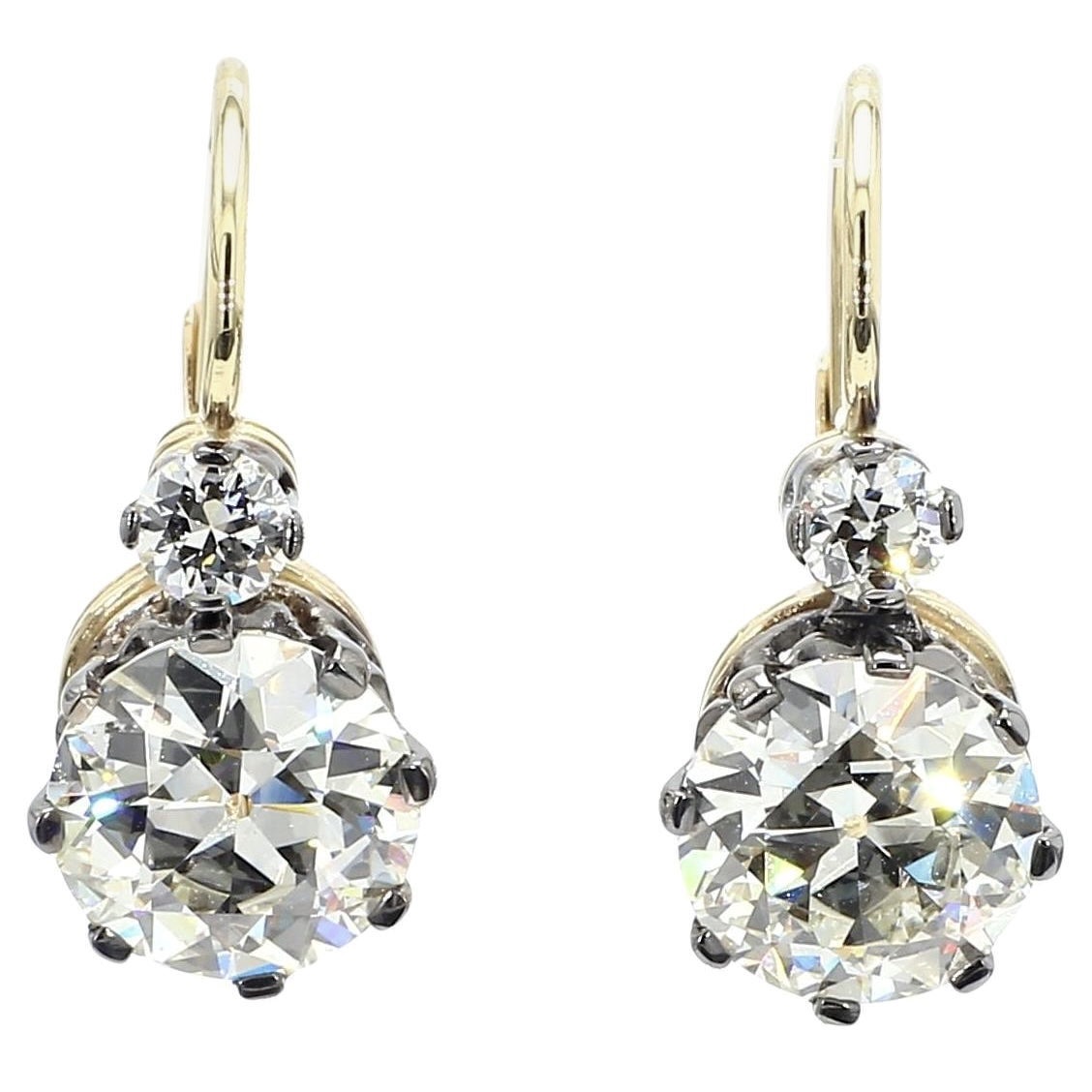
Beautiful antique and estate jewelry, particularly Art Deco and Edwardian pieces, is also highly sought after, as long as it’s in good condition.
At the high end, collectors want rare diamonds, particularly fancy colored stones and larger colorless diamonds. “Stones three carats and above with as few drawbacks as possible command the most value upon resale,” says Singer. That means stones they are well cut, have no fluorescence, cloudiness or milkiness, and minimal visible inclusions.
Because they’re rarer, large diamonds command a greater price per carat than smaller stones. “A 10-carat diamond is worth exponentially more per carat than a one carat diamond with the same overall grading,” Singer pointed out
At Circa, high demand pieces include solitaire diamond rings by Tiffany & Co., Van Cleef & Arpels, Bulgari, Harry Winston, and Graff.
At The RealReal, a luxury buyer and reseller of fashion, accessories, and jewelry, diamond tennis necklaces, bracelets, and engagement rings consistently fetch the highest average selling prices and retain their value over time, says Noelle Sciacca, the company’s associate director, fashion and strategic partnerships. “These pieces typically have a total higher carat weight, which drives up their value,” she said.
Bottom line: High quality diamonds, fancy-colored diamonds, and beautiful signed pieces consistently bring top dollar.
When Learning How to Sell a Diamond, Know That Some Diamond Shapes are Hotter than Others

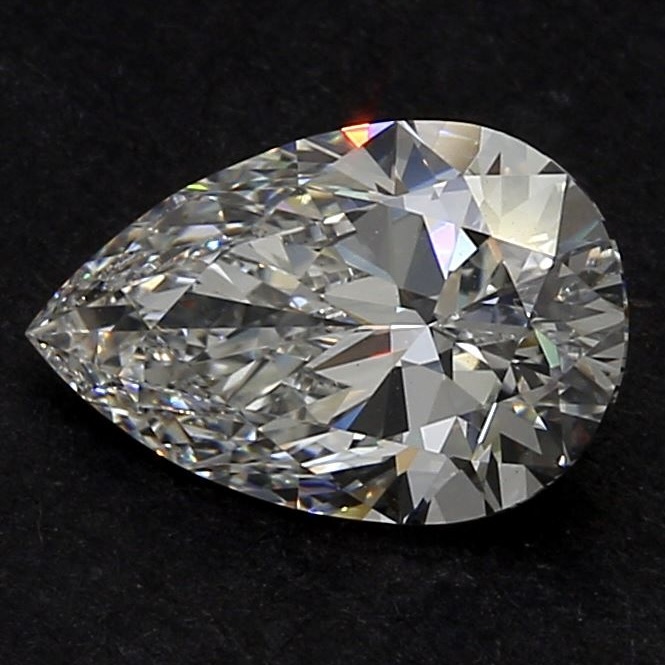
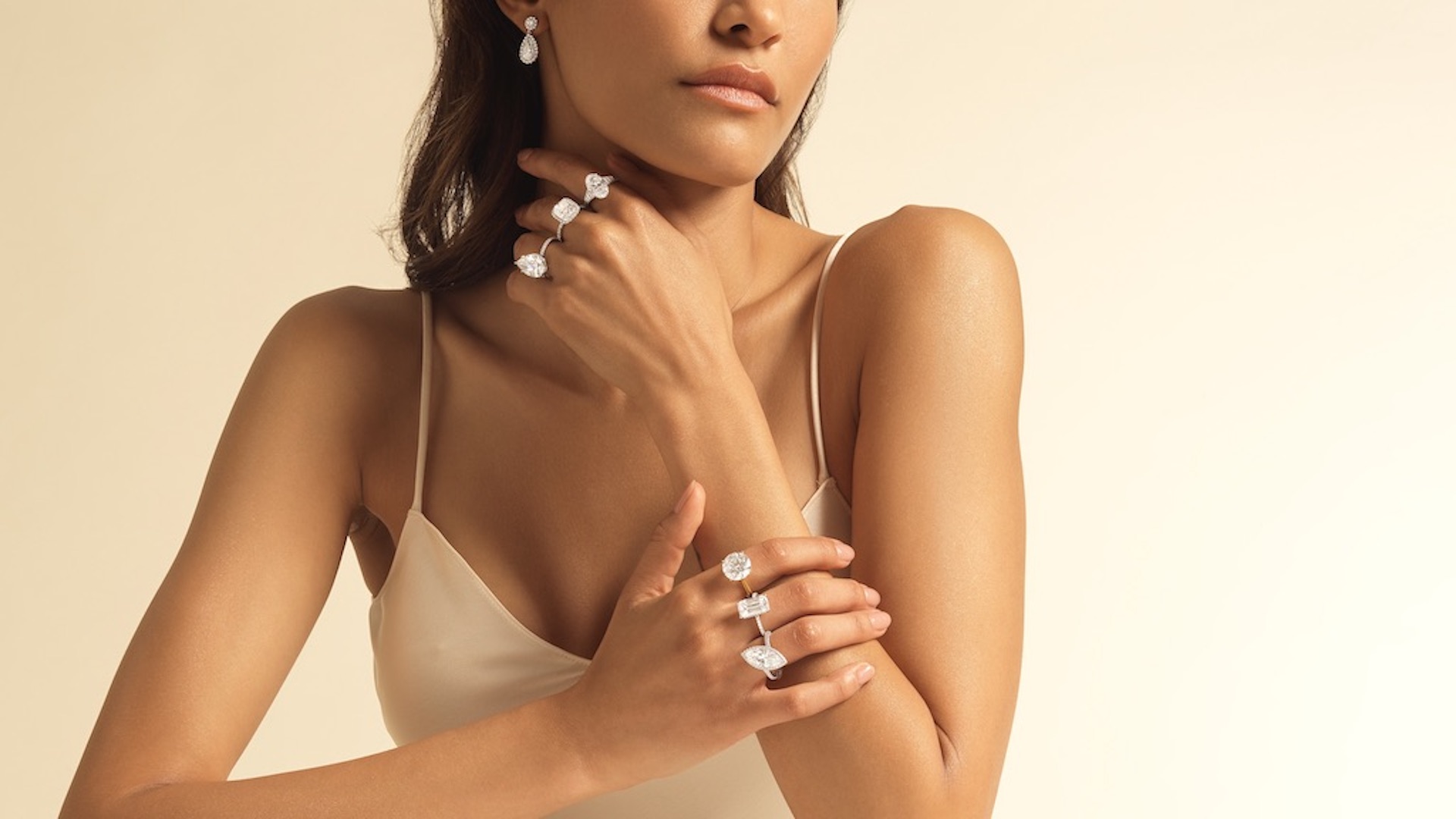
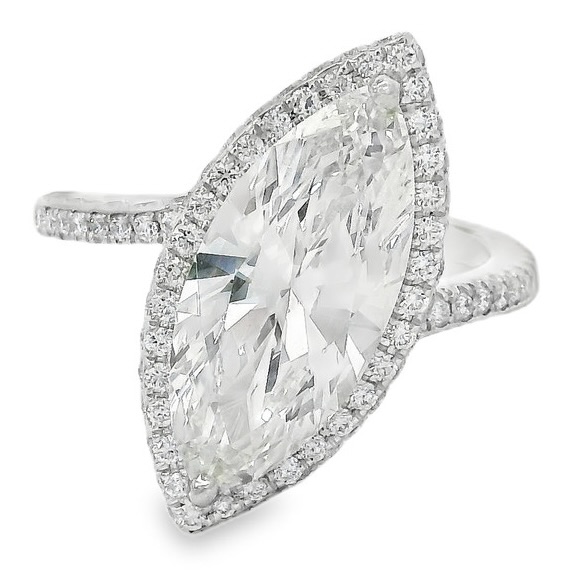
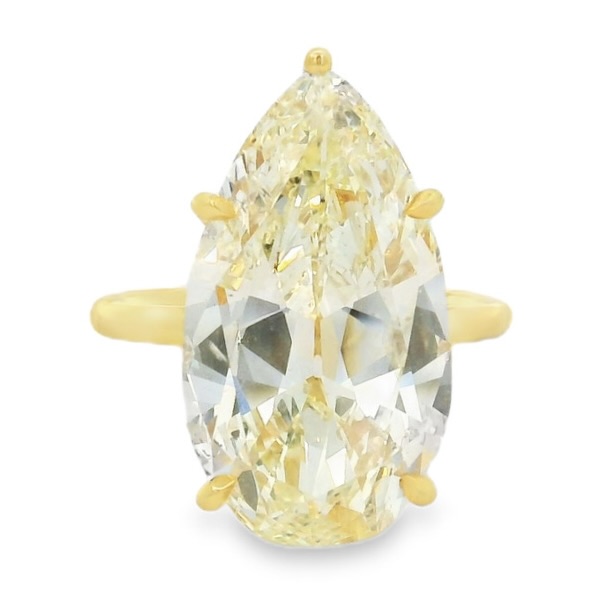
Right now, round and oval are the most desirable because they never go out of style, says Green. It’s also a good moment for pear and marquise shapes because they are popular and there simply aren’t as many newly cut stones on the market, he said.
Antique cut stones are heating up because of the influence of celebrities like Taylor Swift’s ring.
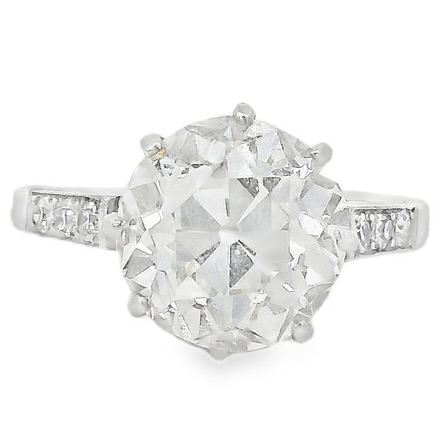
“We prefer older diamonds because it’s our aesthetic,” said Zelenetz. “They are rarer and have more character.” Beautiful old cushion cuts and vintage marquise stones with a warmth and charm are especially valuable right now.
Unlike gold, which has a universal market price, diamond prices vary as a result of many factors. “It’s like buying a house,” says Zelenetz. “You get to enjoy it, and its value may go up or down.”
But he emphasizes, “Good is always good. If you buy a better stone, it will be at the top of that market when you sell.” A D-flawless diamond purchased at a fair price, for example, will likely appreciate over time.
Bottom line: Round, oval, pear, marquise, cushion cut, and beautiful older stone cuts generally command better value than trendier cuts.
When Learning How to Sell a Diamond, Know That Your Return on Investment Depends on What you Paid
The good news: every diamond has value. But your return on investment depends on what you paid and market conditions. Buy smart.
“If you buy at a designer brand or upscale retailer, you will pay more versus buying in the diamond district,” says Eric Naor of Eric Originals, who spent 45 years in New York’s diamond district.
If purchased at a good price, Naor says, an average diamond will lose about 20 to 30 percent when resold. But there are many variables in this equation.
Naor says bigger diamonds (two carats and up) and shapes like oval and emerald currently command the strongest prices. On the flip said, prices for smaller stones are currently softer.
When Learning How to Sell a Diamond, Know What’s Less Desirable at Resale
Very unusual diamond cuts can be harder to re-sell, says Green. Diamonds on the lower end of the color and clarity scale can also be harder to re-sell. Princess cuts or other cuts with sharp corners could have lower resale value, he says, because their corners have the potential to chip and recutting lowers the carat weight.
Lab grown stones don’t hold any value, says Singer. “Even though Circa never repurchased lab-grown diamonds as a matter of course, we initially saw that there was some resale value six or seven years ago. Today, we see no demand for synthetic diamonds.”
Mass-produced diamond jewelry from large retail chains also performs poorly on the resale market, says Freund. “Their value is diminished because they are ubiquitous and unremarkable. This is why we generally recommend that people stretch their budgets to the extent that they are comfortable and able.”
Bottom line: Choose a more timeless stone and get creative with the setting, which you can always change.
The investment is in the diamond. And your diamond will always be worth something.