< Engagement Rings & Weddings / Guides
The Ultimate Guide to Engagement Ring Metals
Not all engagement ring metals are created equal. Here’s what they mean, how they wear, and how to choose the perfect one for your natural diamond.
Updated: February 17, 2026
Written by: Meredith Lepore

When you get engaged, the diamond naturally steals the spotlight—but the setting is just as essential. It’s the framework that shapes the ring’s personality, craftsmanship, and longevity. The metal isn’t just a backdrop, either; it influences the diamond’s brilliance, the ring’s durability, and the overall mood of the design.
Anubh Shah, Co-Founder of With Clarity, explains: “The choice of metal is critical—it is not merely cosmetic. White metals like platinum and white gold create the highest contrast, making a diamond appear crisper and more colorless. Yellow and rose gold impart a warm reflection that can enhance certain stones beautifully.”
Meet the Experts

Anubh Shah is the CEO and Co-Founder of With Clarity. He leads the New York–based direct-to-consumer diamond brand known for pioneering try-at-home 3D-printed engagement ring replicas. Shah comes from a family of jewelers and holds a GIA gemology certification.

Irina Aran is the founder and designer of Facets Fine Jewelry, a jewelry boutique and design studio based in Brooklyn, New York.
Ahead, find Only Natural Diamonds’ guide to engagement ring metals, so you can find the natural diamond engagement ring best suited to your taste, lifestyle and budget.
What to Know Before Choosing an Engagement Ring Metal

So, wondering which of the engagement ring metals out there is best for your natural diamond ring? With a ring you’ll wear every day for the rest of your life (or close to it), it’s important to choose a metal that suits your lifestyle, aligns with your personal style, and fits comfortably within your budget. Each of the popular engagement ring metals comes with its own considerations—price, durability, and long-term care—so understanding the differences will help you make a choice you’ll love for decades.
Irina Aran, founder of Facets Fine Jewelry, said, “Choosing an engagement ring metal should be a balance between the wearer’s daily life, the desired aesthetic, and long-term maintenance costs.”
Before you settle on a metal, ask yourself a few key questions. How hard am I on my jewelry? If you’re active, work with your hands, or rarely take your ring off, durability should be a top priority. What aesthetic am I naturally drawn to? Think about whether you gravitate toward warm tones, cool tones, or a more vintage look.
Ask, how sensitive am I to maintenance? Some metals require more upkeep to maintain their shine and structure over time. And finally, what’s my budget? Different metals vary significantly in price, so it’s helpful to know where you’re most comfortable before you start comparing options.
Platinum: A Classic Engagement Ring Metal
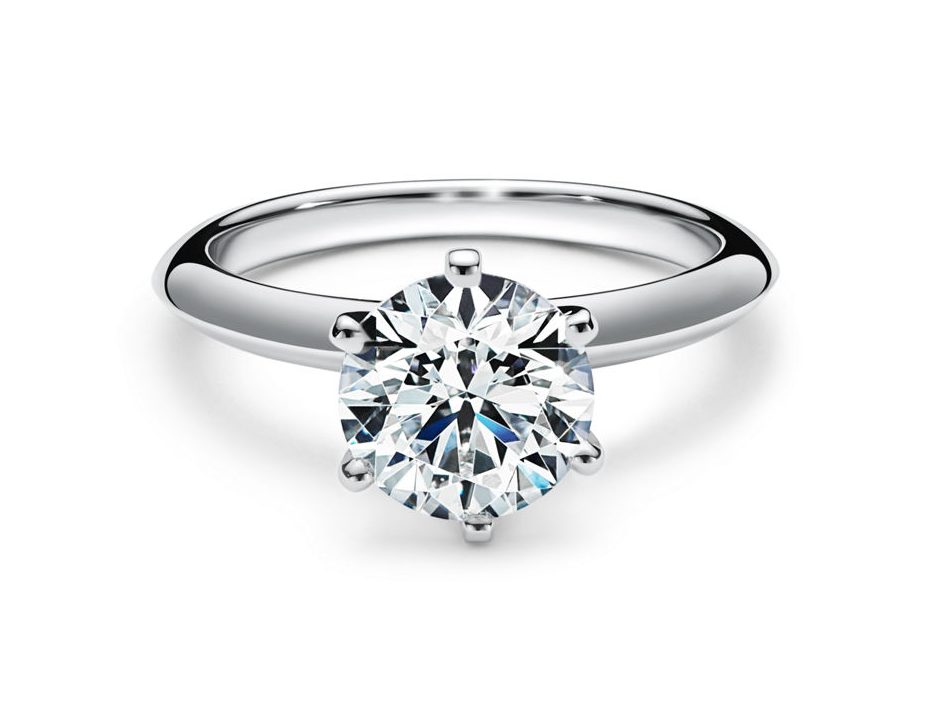
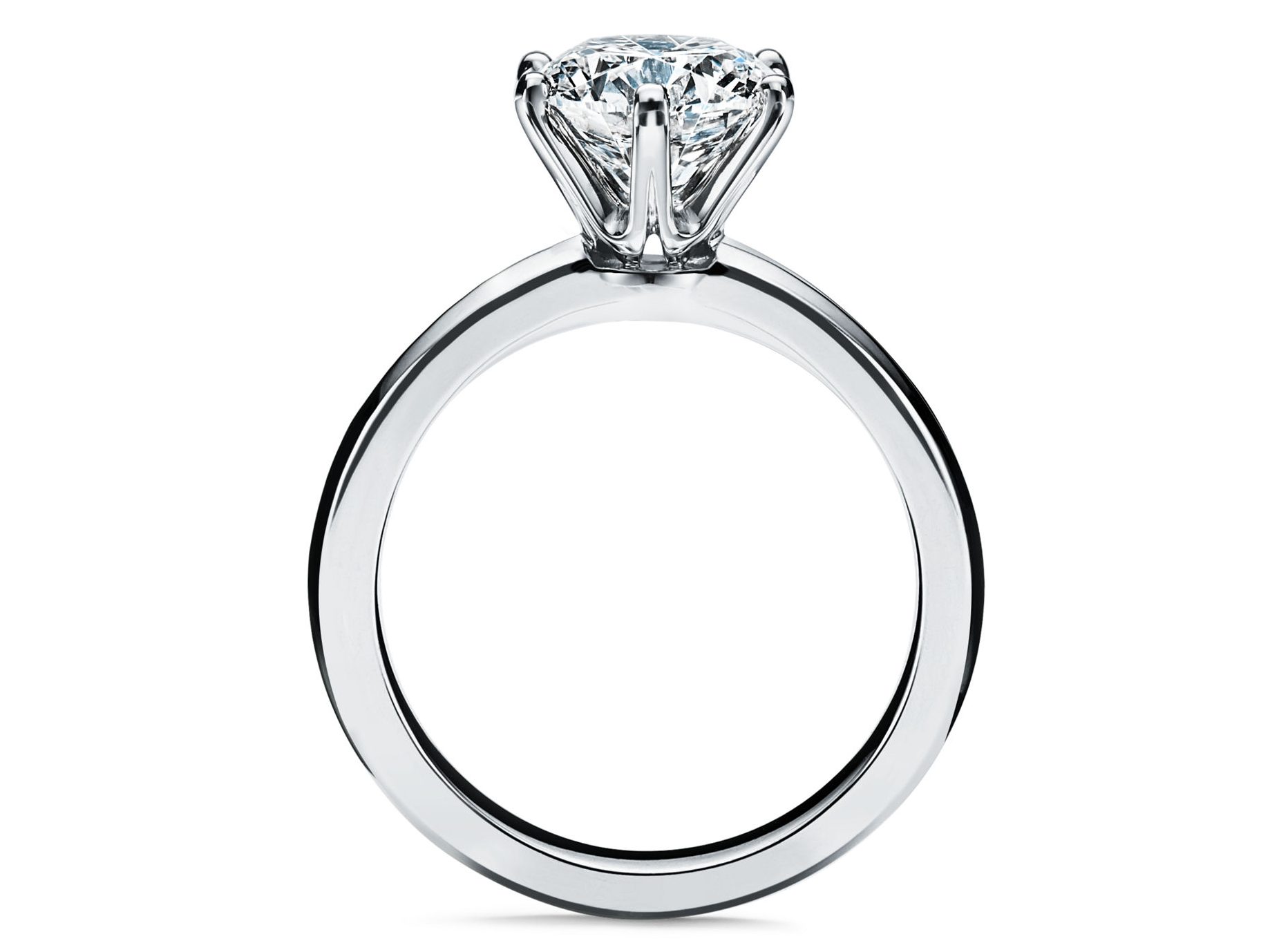
Pros: Hypoallergenic, extremely durable, secure prongs, develops prestigious patina, naturally white (no plating needed), investment-grade.
Cons: More expensive upfront, heavier feel, can show scratches (though metal remains intact), may require occasional polishing if you prefer a high shine.
Platinum is a perennial front-runner for engagement ring metals. The naturally white metal is exceptionally durable, holds prongs securely, and won’t fade or change color over time. It also enhances a diamond’s brightness, creating a crisp, high-contrast look that many couples love. And for those with sensitive skin, platinum’s hypoallergenic nature is a major bonus.
When it comes to lifestyle, platinum is an excellent choice if you’re active or work with your hands. Irina Aran notes that its density and strength make it highly resistant to everyday wear, so it maintains its integrity even with frequent use.
Beyond its practicality, platinum is considered investment-grade. It’s far rarer than gold and mined in much smaller quantities each year, giving it strong long-term value and underscoring its place in the luxury category.
“Platinum develops a natural patina—an understated, satin-like finish prized in high jewelry for its quiet elegance. It never loses metal; it simply shifts under pressure, which makes it ideal for lifetime wear,” Shah says.
White Gold: The More Affordable Alternative
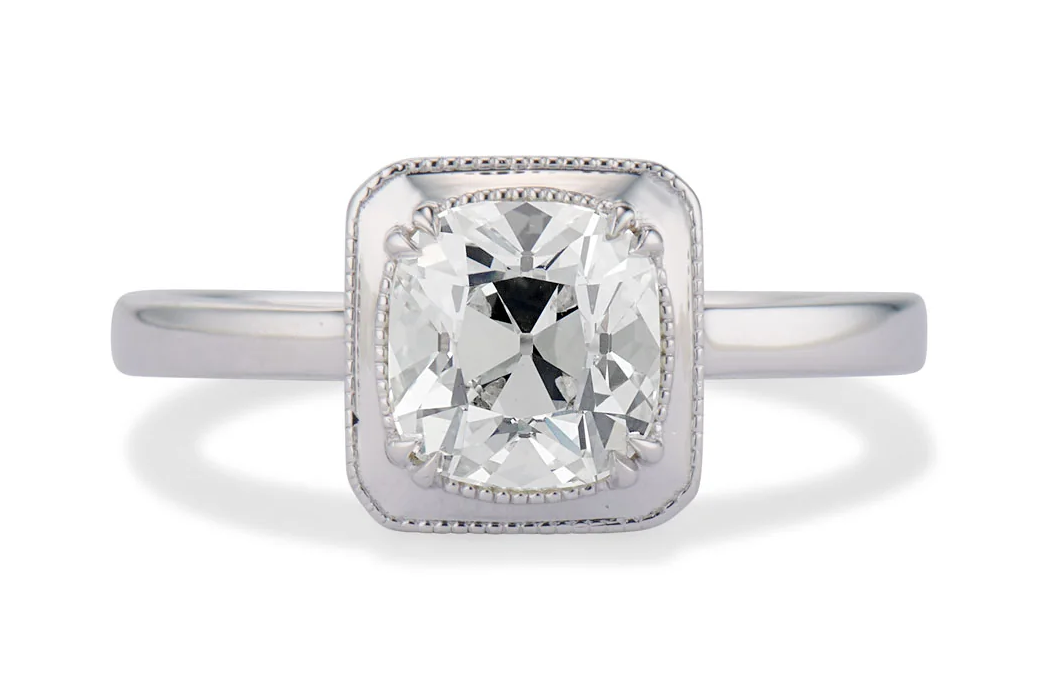
$9,050, ashleyzhangjewelry.com
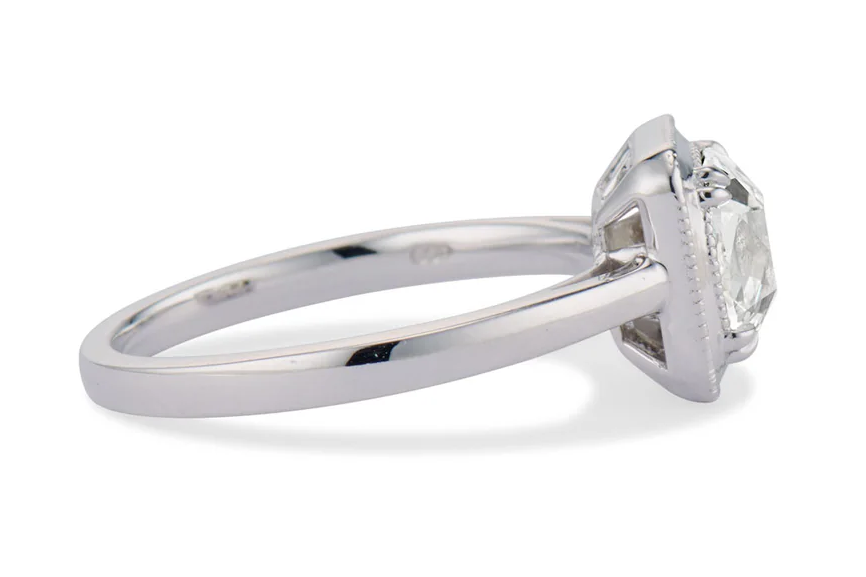
$9,050, ashleyzhangjewelry.com
Pros: More affordable than platinum, bright and brilliant appearance, lighter feel, highly versatile, and widely available.
Cons: Requires rhodium replating, can cause allergies depending on alloys, slightly less secure than platinum for micro-prongs, warmer undertone can become visible with wear.
White gold is a timeless, always-classic choice among engagement ring metals for a natural diamond engagement ring. Because white gold has a subtly warmer undertone, it creates a softer, slightly more mellow contrast with a diamond compared to platinum’s crisp, icy finish. For many couples, that balance of beauty, durability, and value makes white gold an irresistible option.
That said, today’s fluctuating gold prices mean it’s smart to look closely at the specifics before deciding. Check the metal weight and alloy grade, ask about maintenance needs like rhodium plating, compare identical designs in both metals, and consider your long-term wear and cost. And if you’re working with a higher budget or thinking of your ring as more of an investment piece, platinum may ultimately offer stronger long-term value despite historically carrying a higher upfront price.
Among engagement ring metals, white gold also runs slightly warmer than platinum, creating a softer, more mellow contrast with a diamond. Aran notes that white gold pairs especially well with cool skin undertones—think pink or blue hues—because it creates a harmonious, flattering effect on the hand. She adds that white gold isn’t naturally bright white; it gets that icy finish from rhodium plating, which can wear away over time to reveal the metal’s warmer base tone. “No finish stays frozen in time—choose the one whose aging you’ll love,” she says.
Yellow Gold: The Warm, Timeless Classic
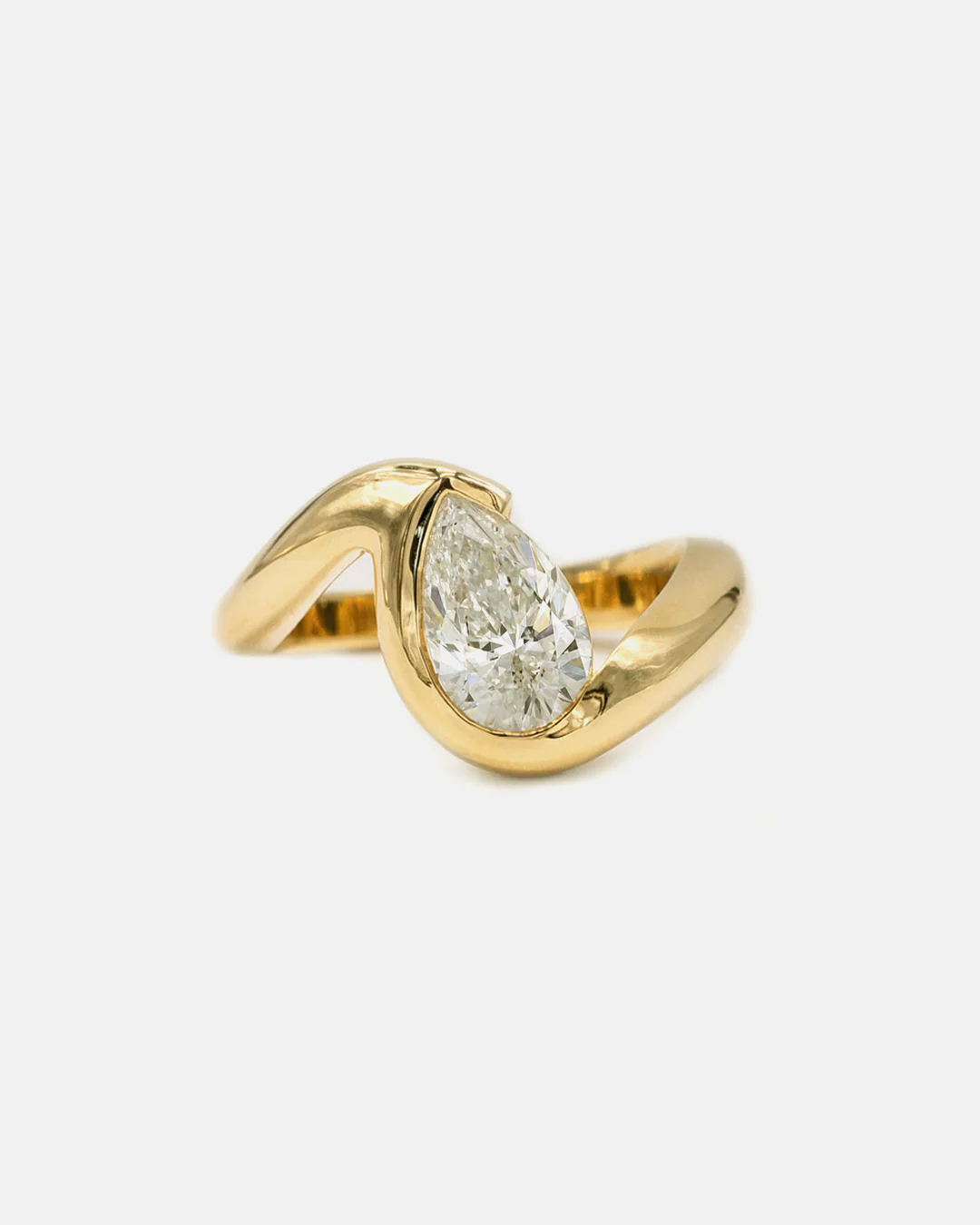

Pros: Timeless appeal, flattering contrast for many diamonds, great with warm or fancy colors, strong price flexibility, easy to resize or repair.
Cons: Prongs may wear faster than platinum, develops patina (a pro for some, con for others), can show dents if very soft/high karat, not ideal for maximizing icy whiteness in top-color diamonds.
Yellow gold is having a major moment—and not just for its warmth. Its rich, classic hue instantly adds a vintage, heirloom-inspired feel to an engagement ring, tapping into the renewed love for timeless, old-world styles. It’s also beloved for its versatility: yellow gold complements a wide range of skin tones, pairs beautifully with antique diamond cuts, and offers a softer, more romantic contrast for diamonds with warmer undertones. Over time, yellow gold develops a subtle patina that adds character without diminishing the brilliance of the diamond.
It’s also better if you’re opting for a warmer diamond due to budget considerations or personal preference. Yellow gold naturally flatters diamonds in the J–L color range with soft yellow undertones, and it pairs beautifully with champagne and brown diamonds as well, enhancing their richness and depth. Because these stones are often more affordable, the combination creates a stunning, harmonious look that feels both timeless and thoughtfully chosen.
However, if your diamond falls in the colorless or near-colorless range, Shah explains it’s important to keep this same effect in mind. “Yellow and rose gold impart a subtle warm reflection that can make near-colorless stones look slightly more tinted—though this same quality enhances warmer stones and fancy color diamonds beautifully.”
Rose Gold: Modern Romance With Vintage Soul


Pros: Romantic color, highly flattering on many skin tones, pairs beautifully with antique cuts, durable due to copper alloy, vintage appeal, unique but still classic.
Cons: Not hypoallergenic (due to copper), color is not as neutral as white metals, may not suit ultra-modern styles, can darken slightly over decades.
Despite feeling like a modern trend, rose gold has deep historical roots. Created by alloying pure gold with copper, this warm, blush-toned metal first gained widespread popularity in 19th-century Russia—so much so that it was once known as “Russian gold.” Its romantic hue became a staple of Victorian jewelry and later resurfaced throughout the Art Deco era, giving it a distinctly vintage appeal that still resonates today.
Rose gold beautifully enhances natural diamonds, especially those with lower color grades or warmer undertones. If you’re drawn to antique-inspired designs—think old European cuts, cluster settings, or filigree details—rose gold can be an especially flattering and cohesive choice.
“Rose gold excels in vintage-inspired or romantic silhouettes, while white gold provides a sleek, modern frame for clean lines. Ultimately, the setting should dictate the metal—not the other way around,” Shah says.
How to Choose the Right Engagement Ring Metal
After exploring the unique qualities of each metal in detail, it’s clear that the right choice ultimately comes down to how you balance durability, color preference, maintenance, and personal style. A brief overview of what we’ve already covered about engagement ring metals below:
- Platinum: The ultimate choice for strength and security; it is naturally hypoallergenic and develops a vintage-style patina over time. Ideal for those who want maximum durability and minimal long-term metal loss.
- White Gold: A budget-friendly alternative to platinum that offers a similar sleek, silvery look, though it requires occasional rhodium replating to maintain its bright white finish.
- Yellow Gold (14k or 18k): The classic choice that offers a rich, warm hue. Fourteen karat provides excellent durability for daily wear, while 18k delivers deeper color with slightly softer composition.
- Rose Gold: Perfect for unique or romantic styles; its copper alloy gives it a blush tone and makes it one of the most durable gold options available.
18K vs. 14K Gold: What’s the Difference?
So you’ve probably heard 18K and 14K gold mentioned frequently when exploring engagement ring metals. And while it’s tempting to assume that 18K is automatically “better,” the right choice really depends on your lifestyle, aesthetic preferences, and how you plan to wear your ring.
18K gold contains 75% pure gold, giving it a richer color and a more luxurious feel. It’s ideal for someone who wants that beautiful buttery tone and a bit more natural heft on the finger. Because higher gold content makes the metal softer, 18K is best suited for people who aren’t especially hard on their jewelry or working with their hands every day. It may require more frequent polishing to maintain its luster—something to keep in mind if you prefer low-maintenance pieces.
14K gold, on the other hand, contains 58.3% pure gold and a higher percentage of alloy metals, which makes it more durable and scratch-resistant. It’s an excellent choice for everyday wear, offering impressive strength and hardness at a more accessible price point. It tends to be lighter in weight, and because it includes more alloy metals, it can be slightly more likely to trigger metal sensitivities—especially in people with nickel allergies.
“For budget-conscious buyers, 14k gold offers the best balance of beauty, durability, and value. It’s strong, rich in color, and ideal for everyday wear,” Shah says.
How Engagement Ring Metals Impact Diamond Color
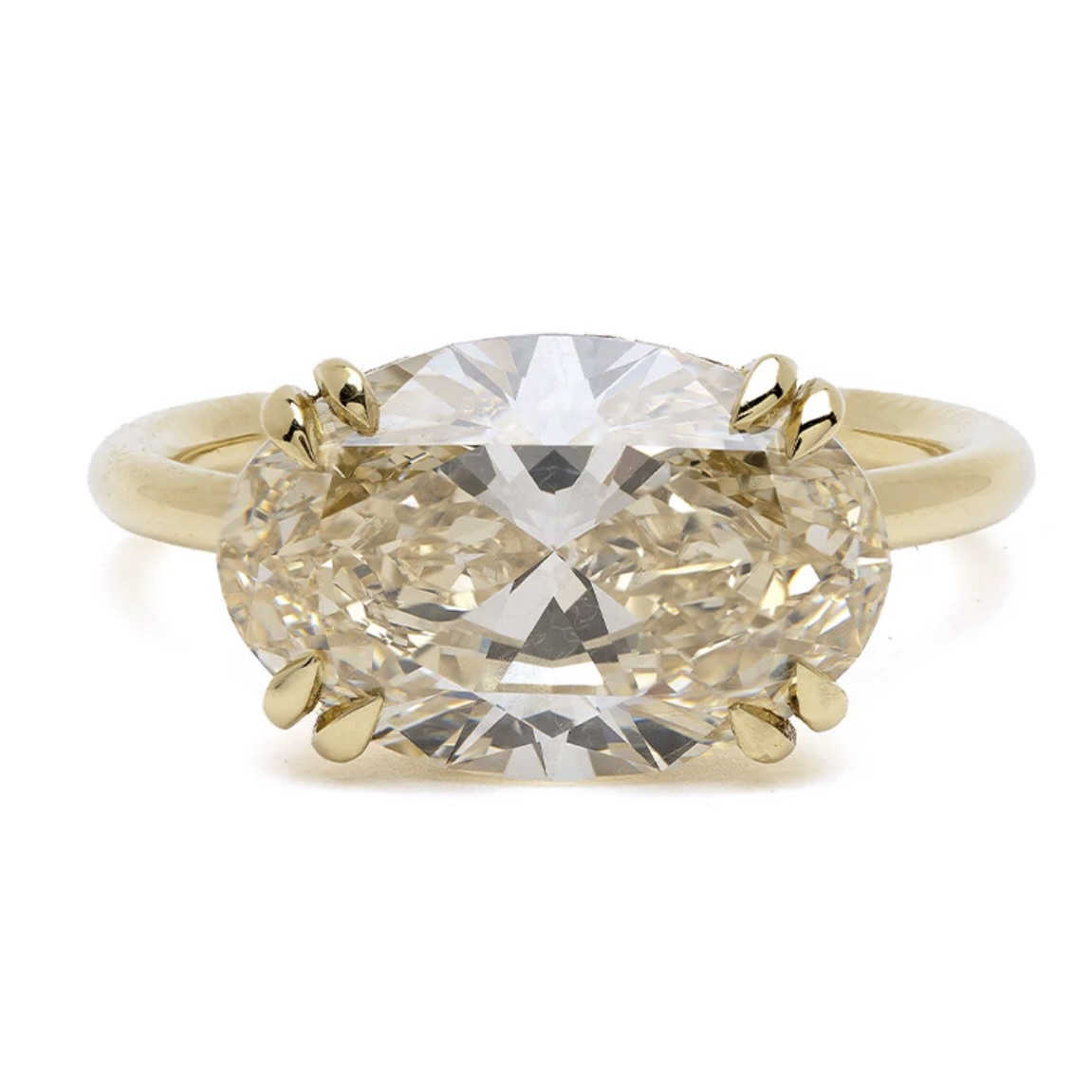
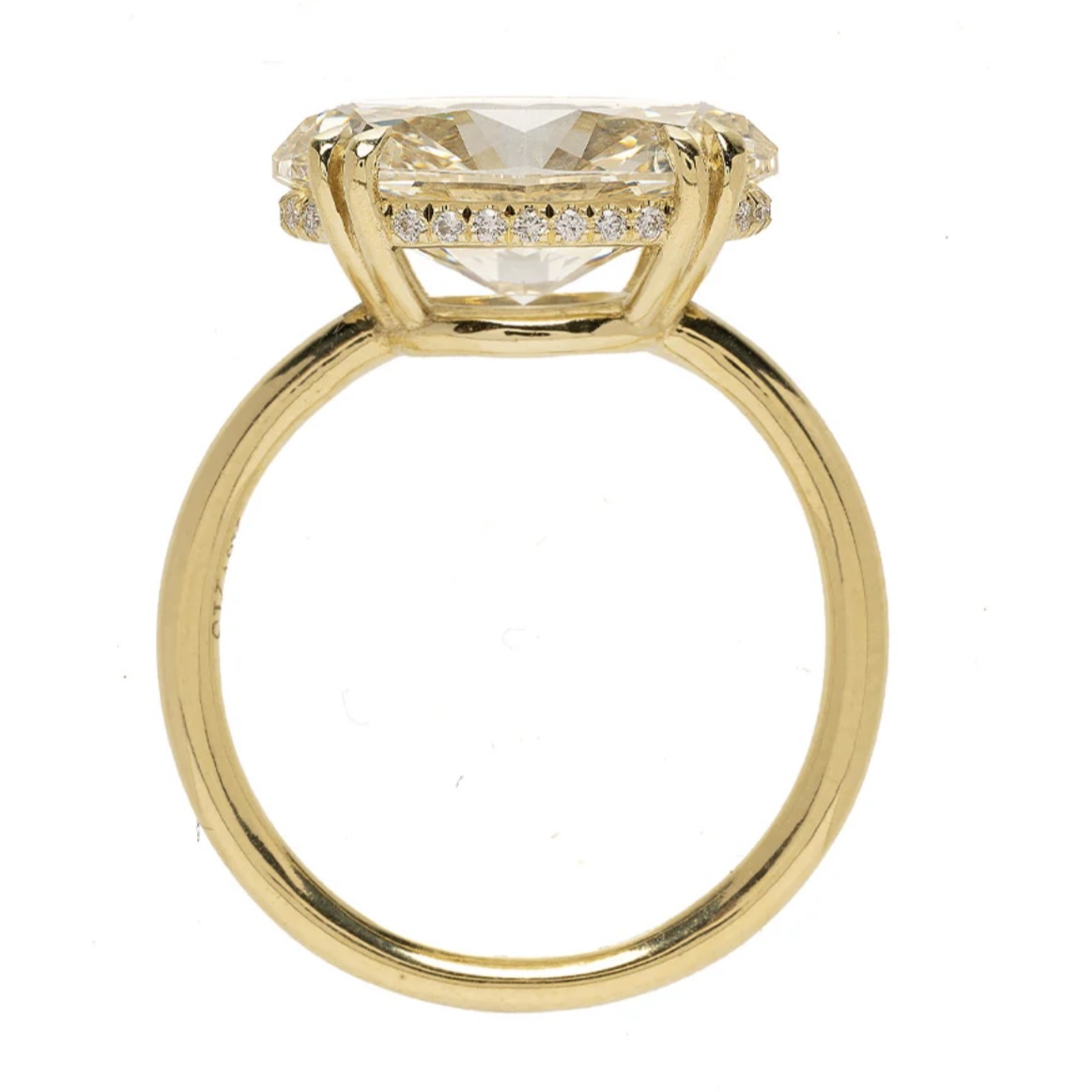
Just as the frame of a painting influences how the artwork is perceived, the metal setting of a diamond shapes how the stone’s color is seen. As Shah notes, it’s wise to choose a metal that reflects not only the diamond’s grade, but also the emotional narrative you want the piece to convey.
White metals—like platinum and white gold—make perfectly sense for diamonds in the highest color grades because they emphasize the absence of hue, giving an icy-bright effect. According to the GIA’s D-to-Z scale, diamonds graded D–F are colorless and G–J are near-colorless.
Meanwhile, yellow and rose gold settings can beautifully complement diamonds further down the scale, in the faint or warm-hue region, by harmonizing rather than masking the tint. The GIA scale confirms that mounting color indeed influences how visible the diamond’s body color appears.
Which Engagement Ring Metals Are Best for Natural Diamond Security?
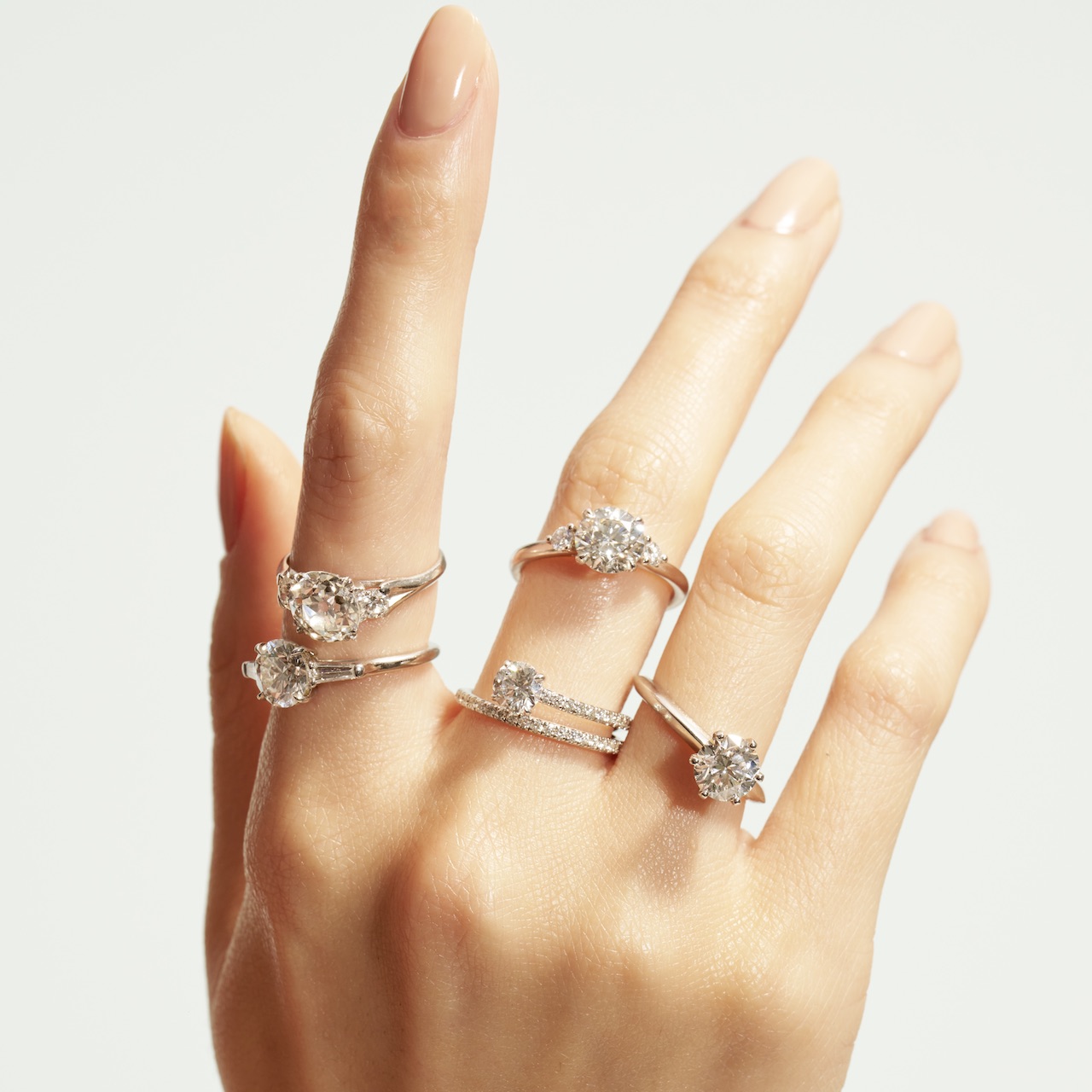
Another question you may be asking is whether certain engagement ring metals provide better security for your natural diamond. It’s absolutely valid—not all metals perform the same when it comes to holding a stone safely, especially as carat weight increases.
Shah explains that platinum is the superior choice for delicate halos, pavé designs, and micro-prong settings. Its natural density and strength allow jewelers to create finer, sturdier prongs without adding unnecessary bulk, making it ideal for settings that rely on precision and structural integrity.
Gold, by contrast, shines in sculptural and highly detailed designs thanks to its natural malleability. Jewelers can shape gold into intricate bezels, ornate vintage-inspired filigree, twisted or braided bands, and engraved motifs with greater ease. Its workability makes gold especially well-suited to artistic or elaborate settings where detail is paramount.
Maintenance and Care for Engagement Ring Metals
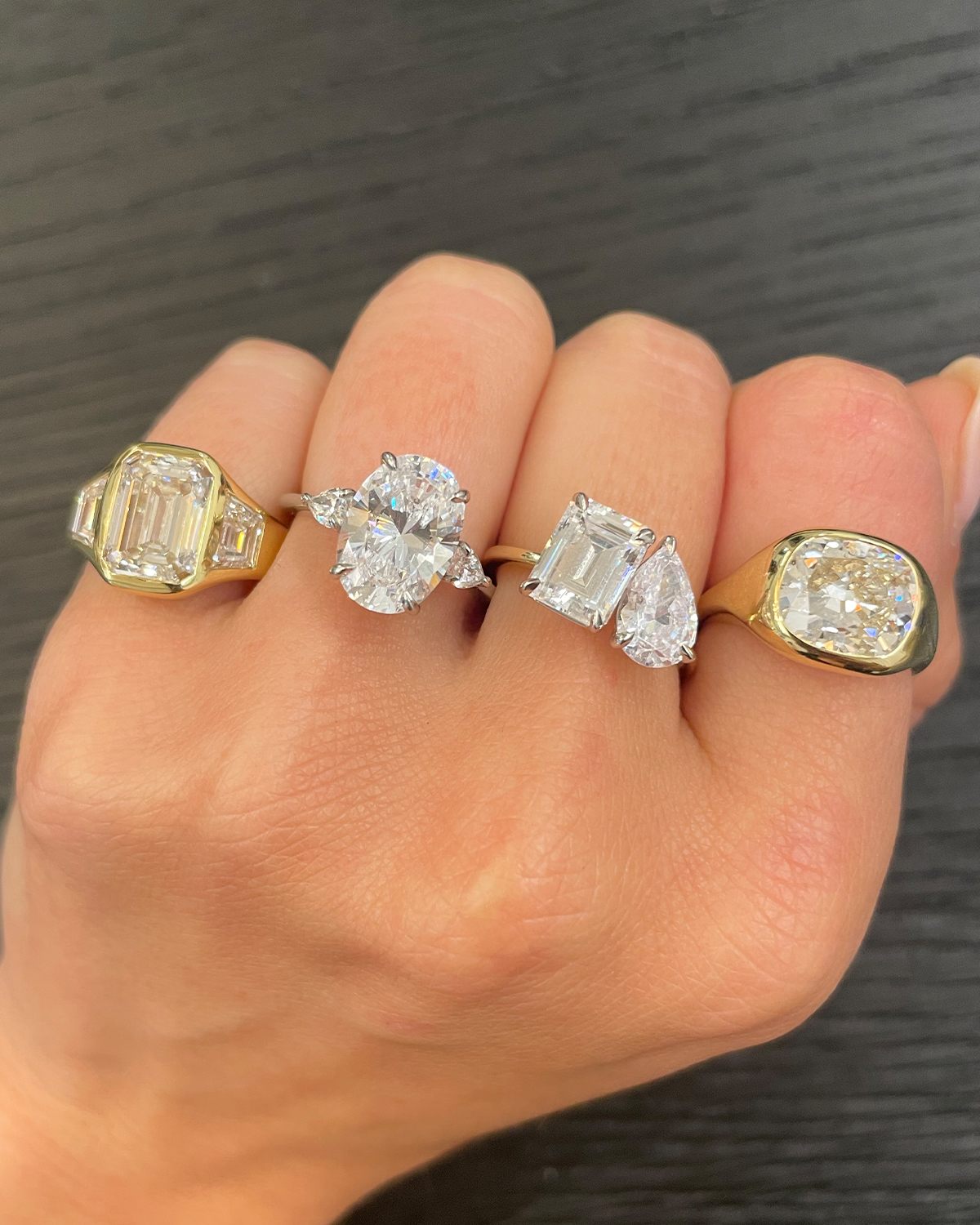
Buying a natural diamond engagement ring is a lifelong commitment, and caring for it is part of protecting that investment. Beyond the financial value, these rings hold immense sentimental weight—so giving them proper maintenance ensures they remain as beautiful as the day you received them.
Each of the engagement ring metals ages differently, which means each one comes with its own care routine. Understanding these nuances will help you keep your ring in peak condition for years to come.
Polishing Schedules
All engagement ring metals will accumulate surface scratches over time—it’s simply part of daily wear. White gold typically requires more frequent polishing than platinum, especially because its bright finish depends on a smooth surface. Many people, however, love the soft patina that platinum develops with age, which adds character without compromising durability.
Rhodium Plating
The signature icy-white look of white gold comes from rhodium plating. This layer gradually wears away with daily wear, revealing the metal’s naturally warmer undertone. Most jewelers recommend replating every one to two years, depending on your lifestyle, to maintain that crisp, bright finish.
Prong Checks
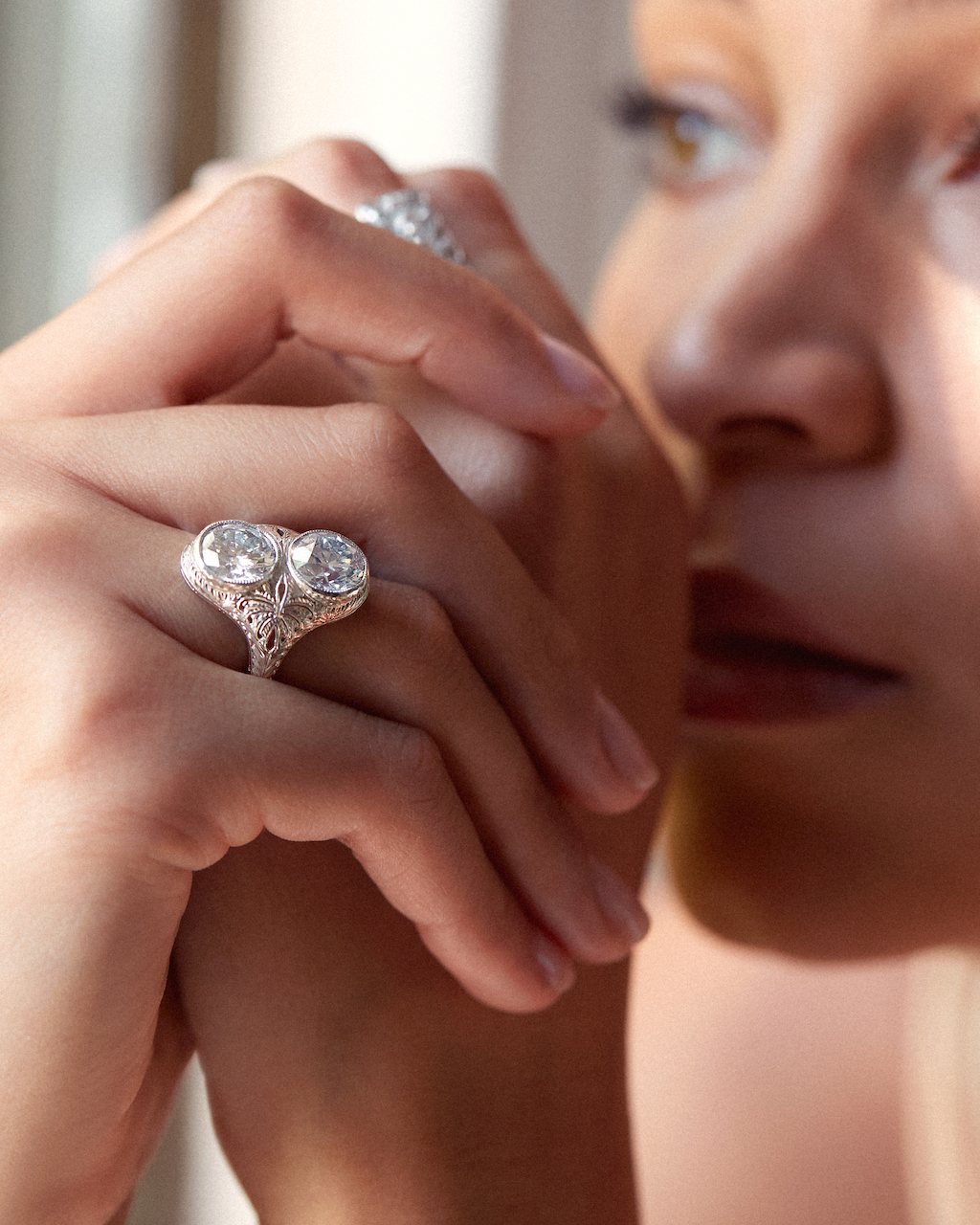
Regardless of which of the engagement ring metals you choose, prong checks are essential. Jewelers generally advise having your prongs inspected once or twice a year to ensure they haven’t thinned, loosened, or bent. Even platinum prongs—which are extremely strong—can shift over time. Regular checks help prevent your diamond from becoming loose or, in rare cases, falling out.
Lifestyle Considerations
When choosing a natural diamond engagement ring—and especially when deciding between different engagement ring metals—it’s essential to think honestly about your daily lifestyle and how it may impact your ring over time. If you’re a frequent swimmer, remember that chlorine can weaken gold alloys. If you regularly apply lotions or creams, they can create buildup that dulls both the metal and the diamond. And activities that involve heavy lifting or gripping can put added stress on the band and prongs. As a general rule, it’s wise to remove your ring before working out, cleaning, swimming, or applying products to your hands.
Shah also notes that the finish you choose matters just as much as the metal itself: “A polished finish maximizes brilliance but shows scratches sooner. Matte or brushed finishes disguise wear and offer low-maintenance longevity. Choose the finish whose aging you’ll love—rings evolve with you.”
Understanding how your metal ages—and how your lifestyle interacts with it—will help keep your natural diamond engagement ring as stunning as the day you first slipped it on.