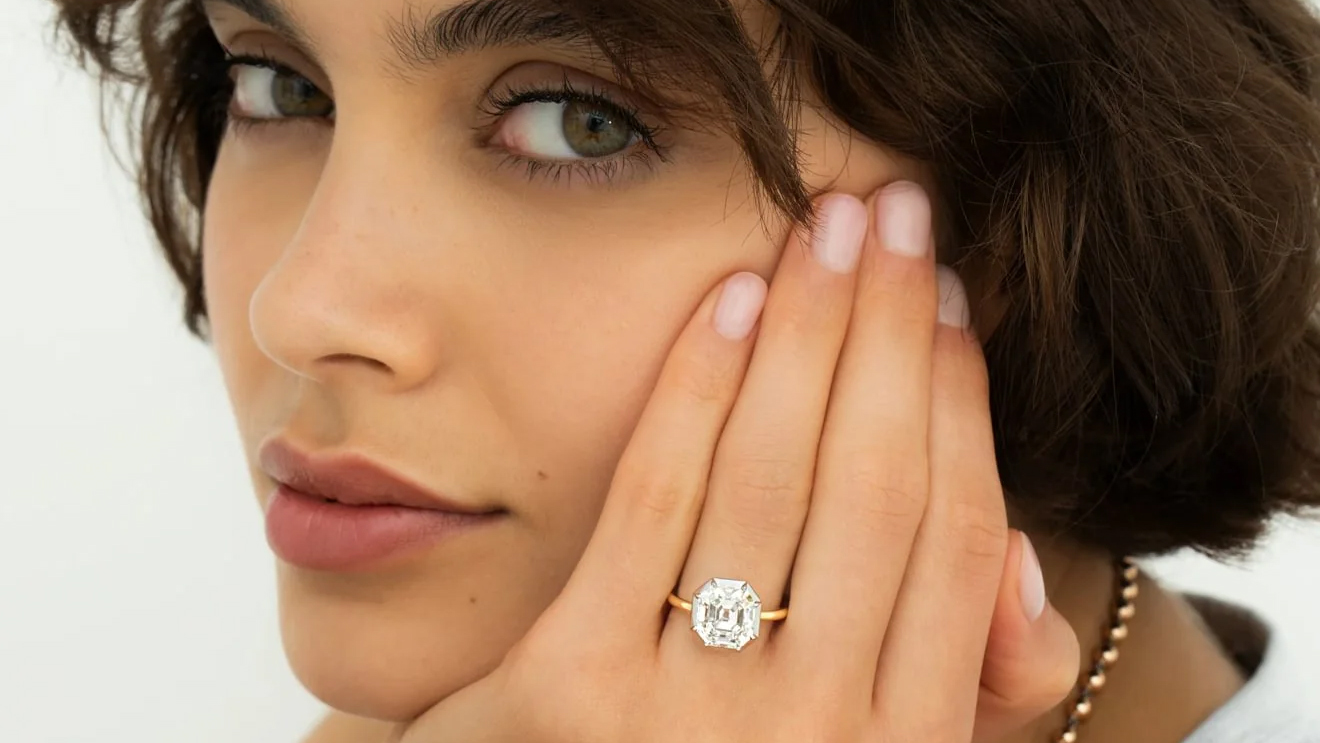
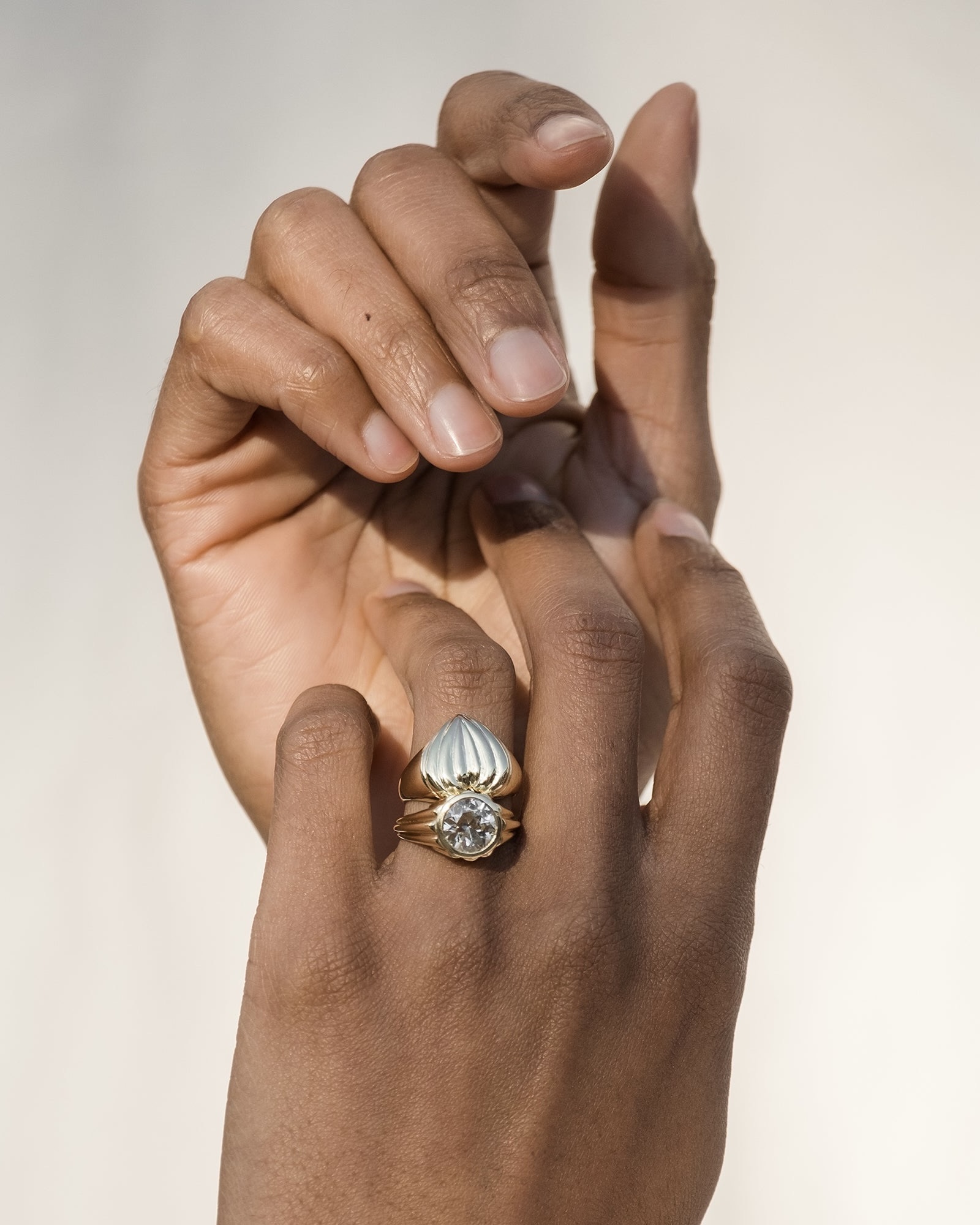
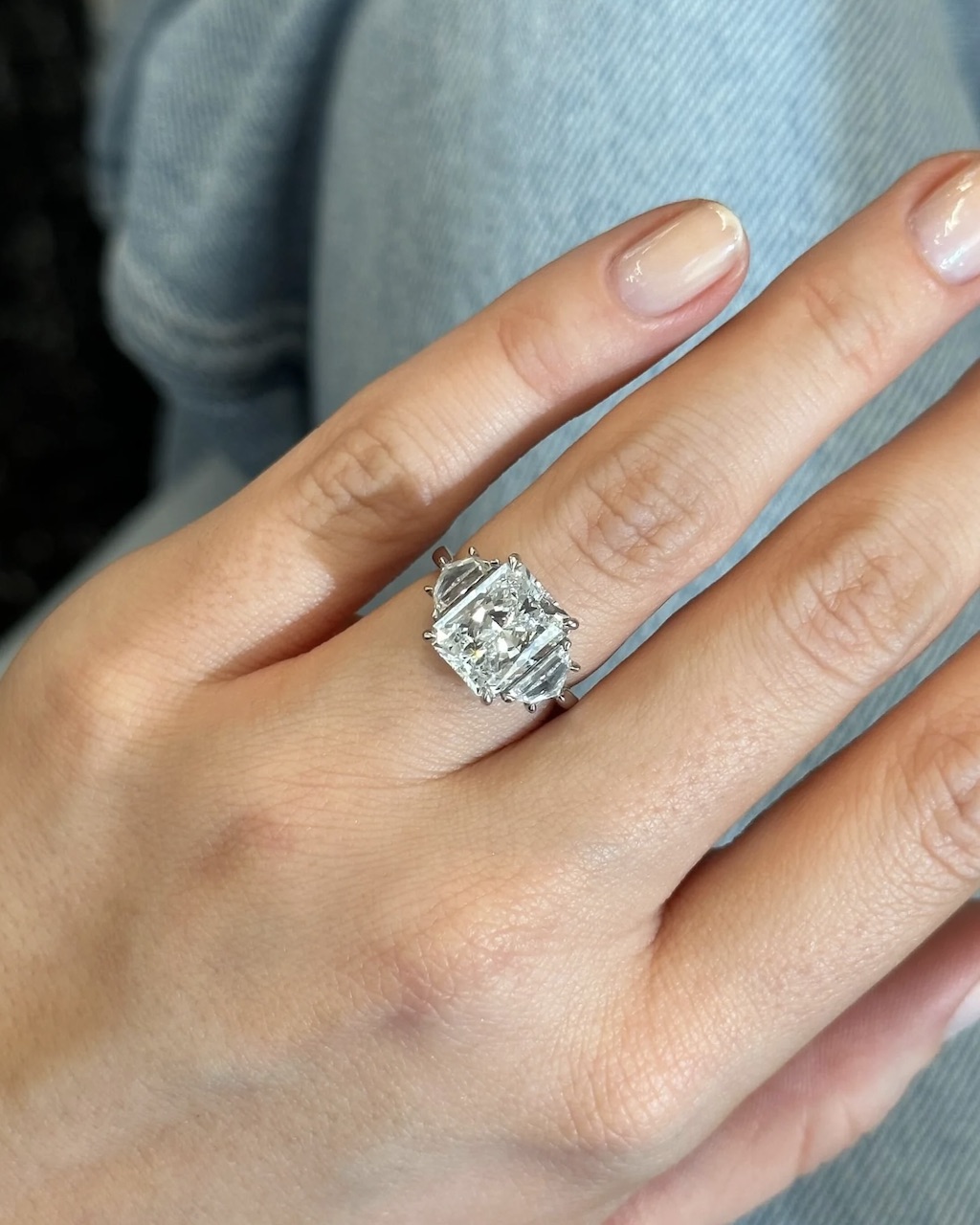
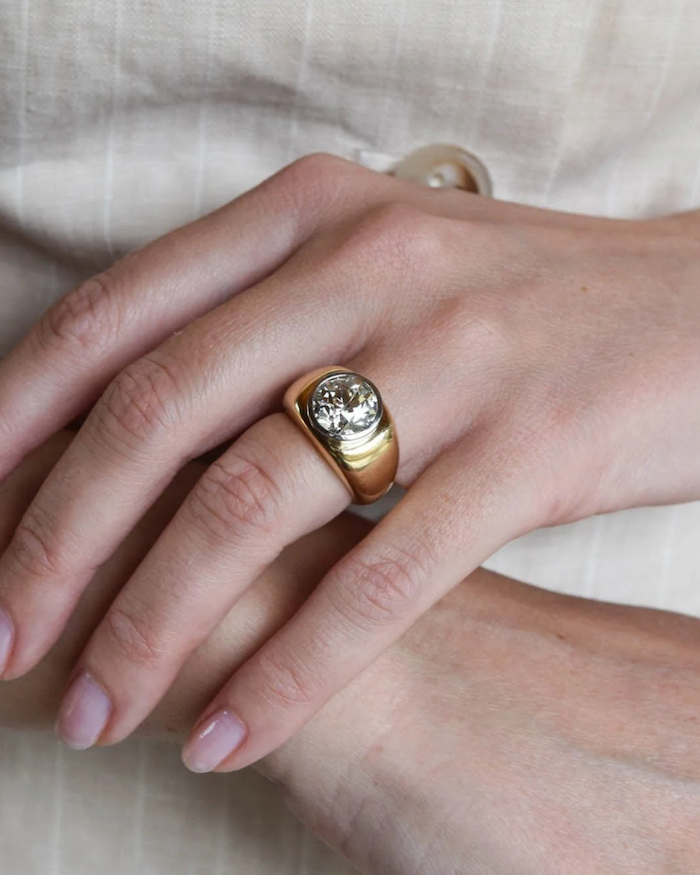
The Carré Cut Diamond: A Rare Square Shape With Art Deco Vibes
The carré cut diamond stands apart from modern square cuts with its sharp corners, step-cut facets, and mirror-like depth, rooted in early diamond-cutting traditions.
Published: December 17, 2025
Written by: Grant Mobley
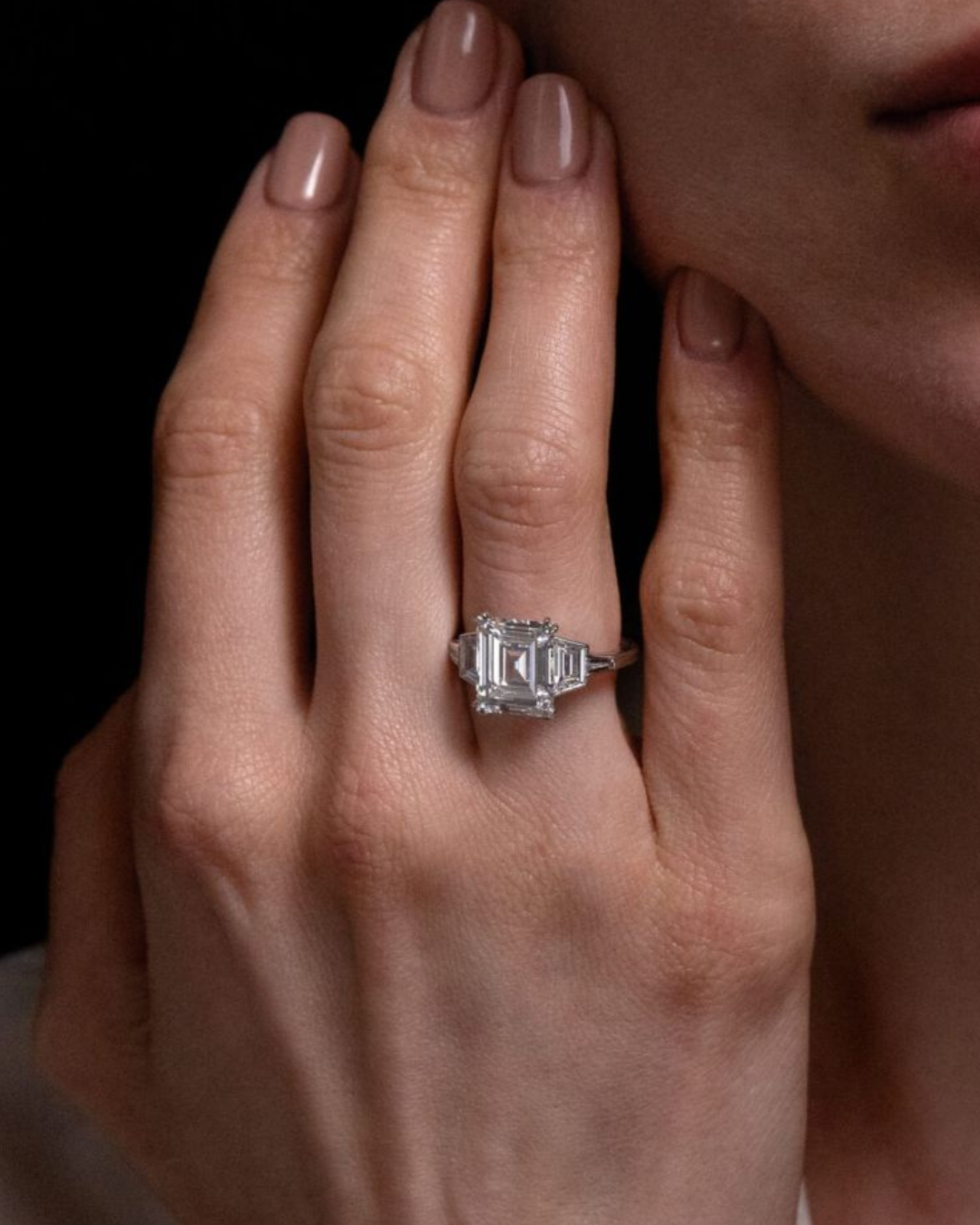
The carré cut diamond is one of the most underappreciated shapes in fine jewelry. Today, you will most often find carré-cut diamonds used as side stones, particularly in channel-set bands or geometric Art Deco designs. Seeing one as a center stone is increasingly rare, which only adds to its allure for collectors and connoisseurs.
Meet the Expert

- Grant Mobley is the Jewelry & Watch Editor of Only Natural Diamonds.
- He is a GIA Diamonds Graduate.
- He has over 17 years of jewelry industry experience, starting with growing up in his family’s retail jewelry stores.
The carré style cut traces its origins to early diamond faceting. The word carré comes from the French quarré, meaning “square”, though early lapidary texts suggest that the term once referred to any faceted stone. As diamond cutting evolved and cutters gained the ability to shape rough diamonds into more complex forms, the carré became associated specifically with square stones, usually finished with a step-cut base that emphasized symmetry and clarity.
A Square Cut With Historic Importance
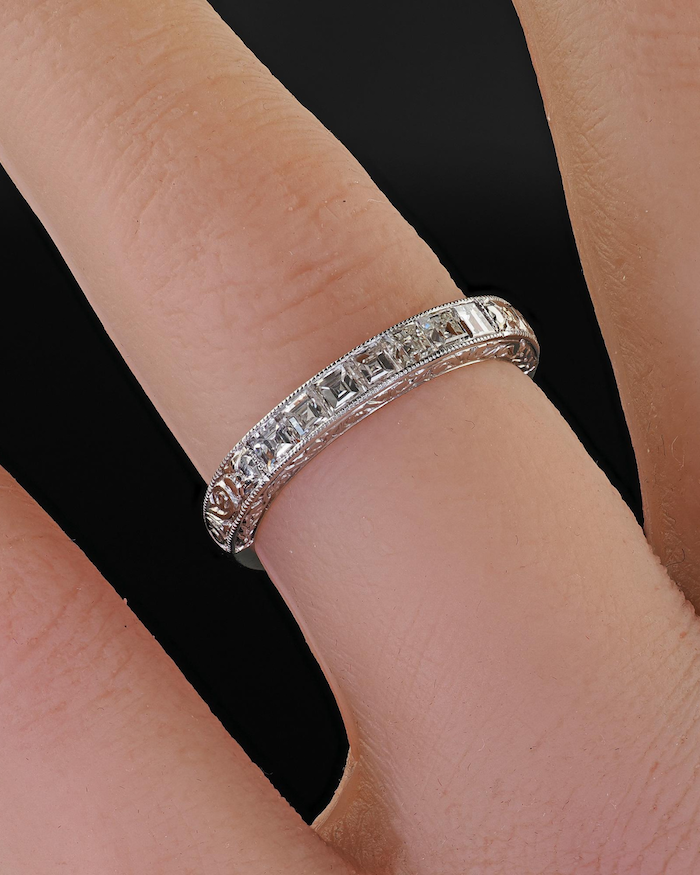
During the Art Deco period, jewelers embraced geometry and architectural precision. The carré style cut fit perfectly into that aesthetic. Designers used these diamonds as striking center stones and as perfectly calibrated accents alongside larger central diamonds. Their crisp lines and symmetry complemented the era’s love for linear forms, platinum settings, and bold contrast.
Unlike many square diamonds seen today, carré cuts retain sharp 90-degree corners. This feature gives them a strong visual presence, but it also explains why modern jewelers use them more cautiously. Just like princess cuts, the pointed corners of a carré style cut increase the risk of chipping if the setting does not adequately protect them. Over the years, many carré diamonds lost a corner through rough wear, which prompted jewelers to recut them into emerald or Asscher shapes. That history contributes directly to their rarity today.
What Sets Carré Cut Diamonds Apart
At first glance, a carré cut may resemble an Asscher or emerald cut, but the shapes are very different. An Asscher and emerald cut removes the corners, creating eight sides and producing the familiar windmill pattern under the table. A carré style cut keeps all four corners intact, resulting in a true square with four straight sides.
This structure creates one of the most defining features of the carré cut: the internal X or cross pattern visible when the stone is viewed from the top down. Because the step-cut facets meet at a single point on the pavilion, the diamond produces a bold, graphic mirror effect rather than the softer windmill look associated with other step cuts. Fewer facets beneath the stone emphasize clarity, symmetry, and precision over sparkle.
Carré style cut diamonds display less brilliance than brilliant cuts but offer intense flashes of fire when light moves across the stone. This restrained light performance appeals to collectors who value elegance, structure, and visual depth over intense sparkle.
Why Carré Cuts Favor High-Clarity Diamonds
Step-cut diamonds reveal everything inside a diamond. The broad, open facets of a carré leave nowhere for inclusions to hide. For that reason, cutters historically reserved this shape for diamonds with excellent clarity. The cut highlights transparency and internal structure, making high-clarity rough essential.
That clarity-forward nature also explains why carré cut diamonds feel so refined. They project confidence rather than flash. In many ways, they reflect the same aesthetic values as emerald cuts, but with a sharper, more graphic edge.
Carré Cut Diamonds in Jewelry
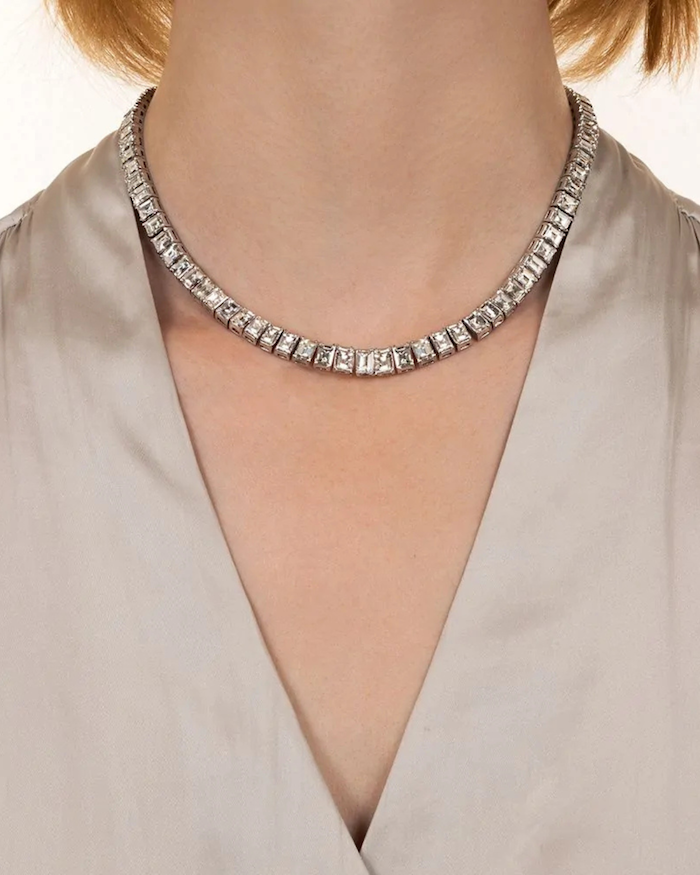
While center-stone carré style diamonds are rare today, the shape continues to thrive as a design element. Jewelers use them as shoulder stones, channel-set accents, or calibrated diamonds in eternity bands. Their straight edges allow for seamless alignment, which makes them ideal for architectural designs and clean, modern settings.
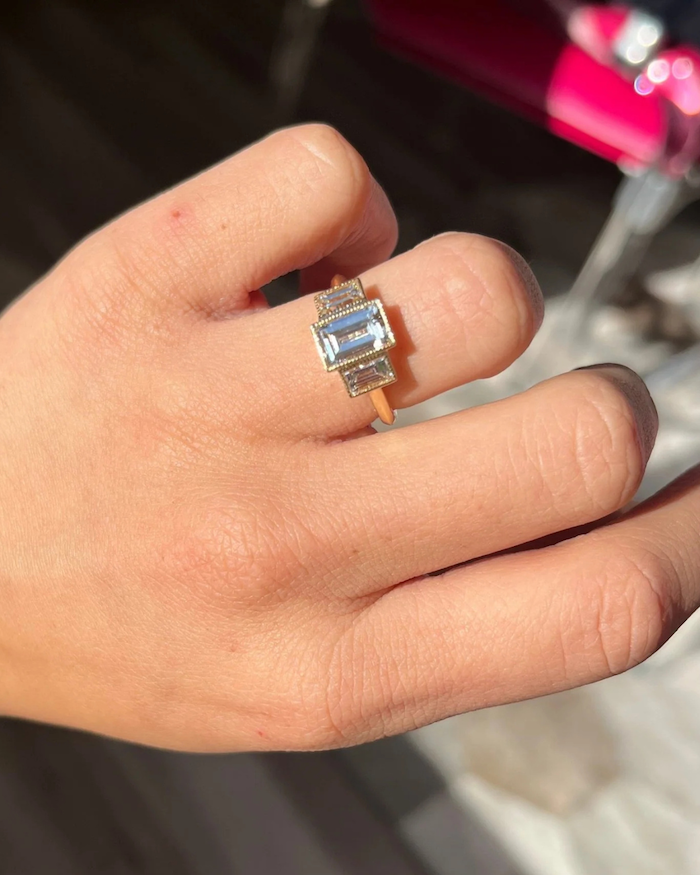
Vintage jewelry lovers gravitate toward carré cuts because the shape instantly evokes the Art Deco era. Platinum rings from the 1920s and 1930s often feature carré diamonds flanking a larger center stone or forming a linear motif across the band. Their pyramid-like structure and geometric precision give antique pieces a timeless presence that still feels contemporary.
Some modern designers also revisit the carré as an alternative to the princess cut. While princess diamonds dominate the square category today, the carré offers a more refined option for those who want a square diamond with step-cut charm instead of the brilliance of a princess cut.
Why Carré Cut Diamonds Remain Rare
Few cutters produce carré cut diamonds today, mainly because the market favors diamond cuts without sharp corners. Rough diamonds also rarely lend themselves naturally to a perfect square with intact corners. When combined with the risk of damage to the points, these factors limit production and availability.
As a result, collectors encounter far fewer options compared to most other shapes. That scarcity makes vintage examples especially desirable, particularly when they retain their original proportions and crisp corners.
The Quiet Power of the Carré Cut
The carré cut diamond may never dominate engagement ring trends, but it holds a permanent place in diamond history. It represents a moment when geometry, craftsmanship, and restraint defined luxury. What it lacks in brilliance, it more than makes up for in character, structure, and elegance.
Shop Carré Cut Diamond Jewelry
Get inspired by natural diamond styles from designers we love.
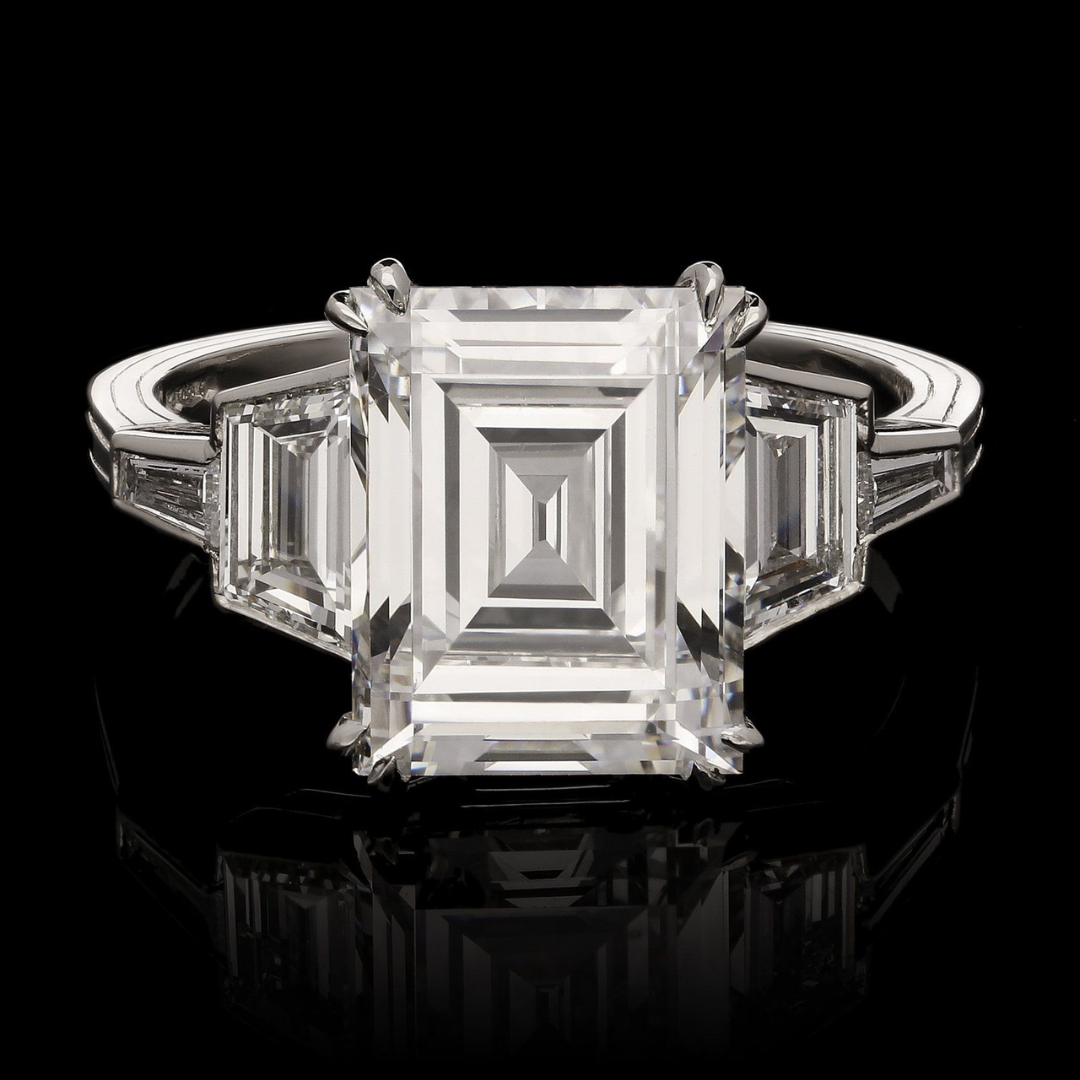
Hancocks Lndon 4.09 Vintage Carré Cut Diamond Ring, price upon request, hancockslondon.com
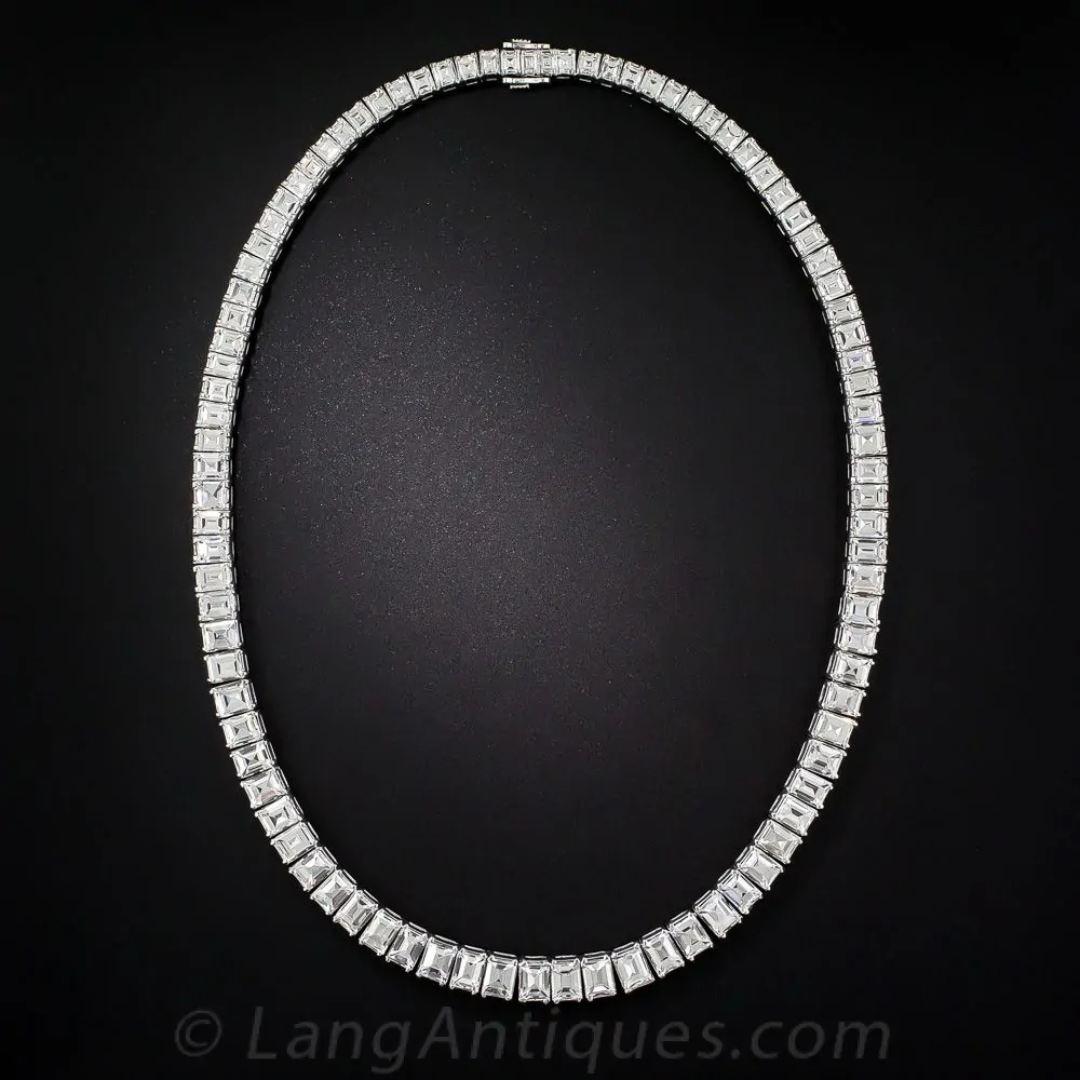
Lang Antiques Mid-Century 44.00 Carat Carré-Cut Diamond Riviere Necklace, price upon request, langantiques.com
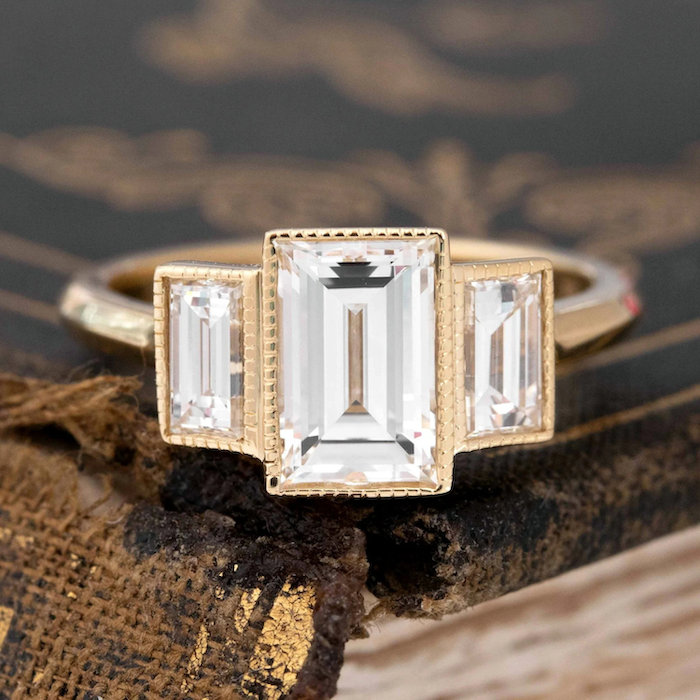
Jewels by Grace 2.3-carat Carre Cut Diamond Trilogy Ring, $18,753, jewelsbygrace.com
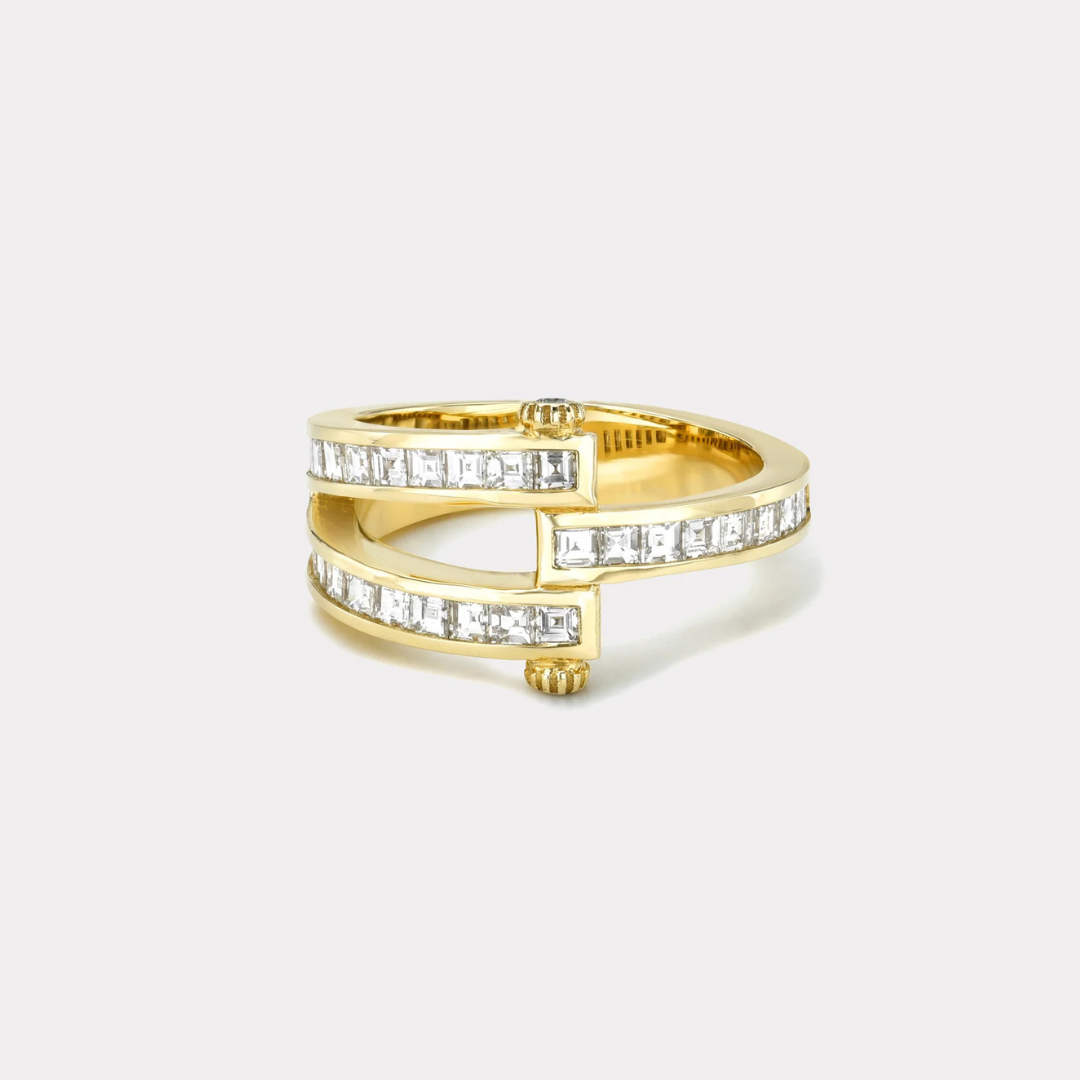
Retrouvai Magna Ring with Carre Cut Diamonds, $ 6,534, retrouvai.com
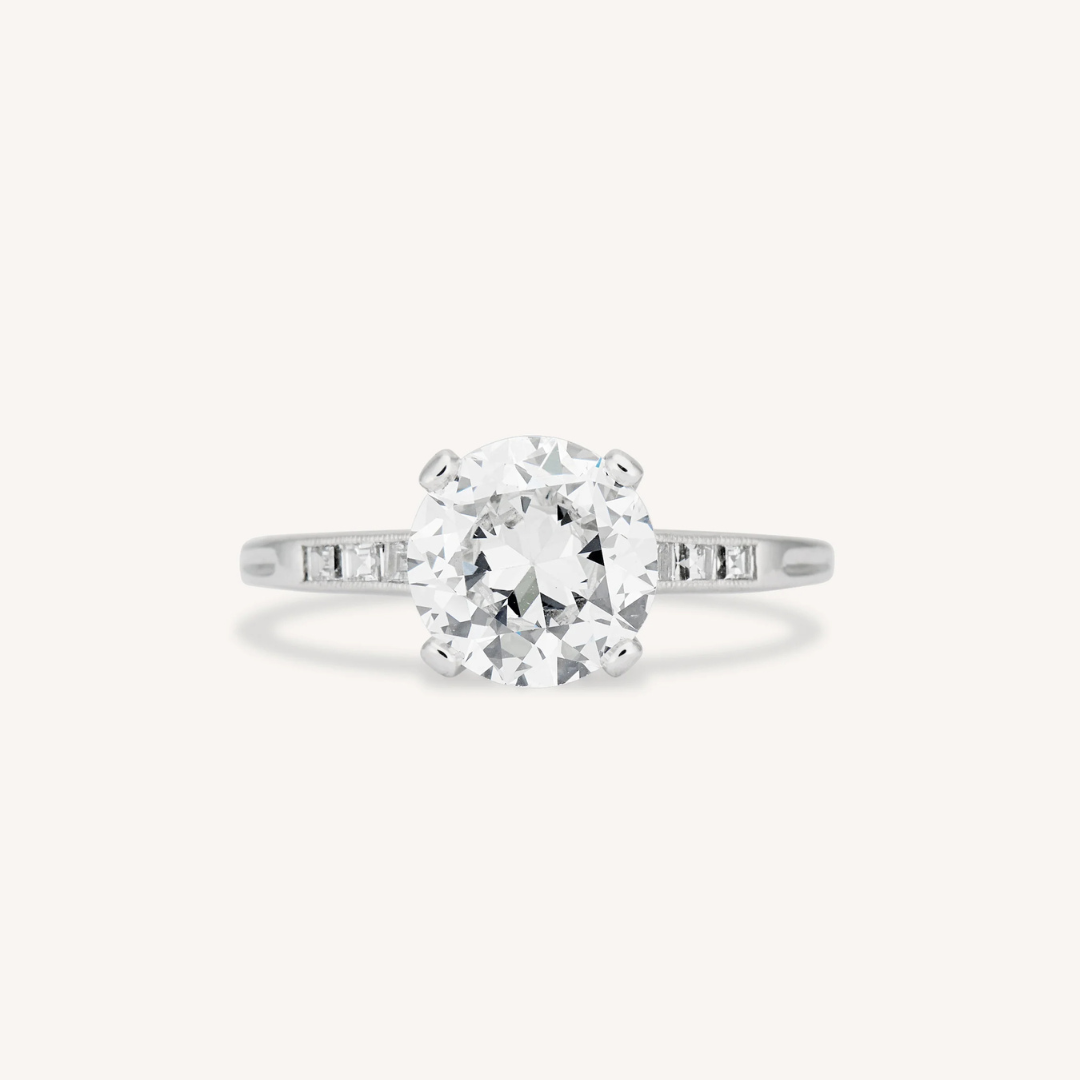
Tiffany & Co. Art Deco 2.09 Carat Transitional Cut Diamond Vintage Engagement Ring, Circa 1920, $49,000, erstwhilejewelry.com
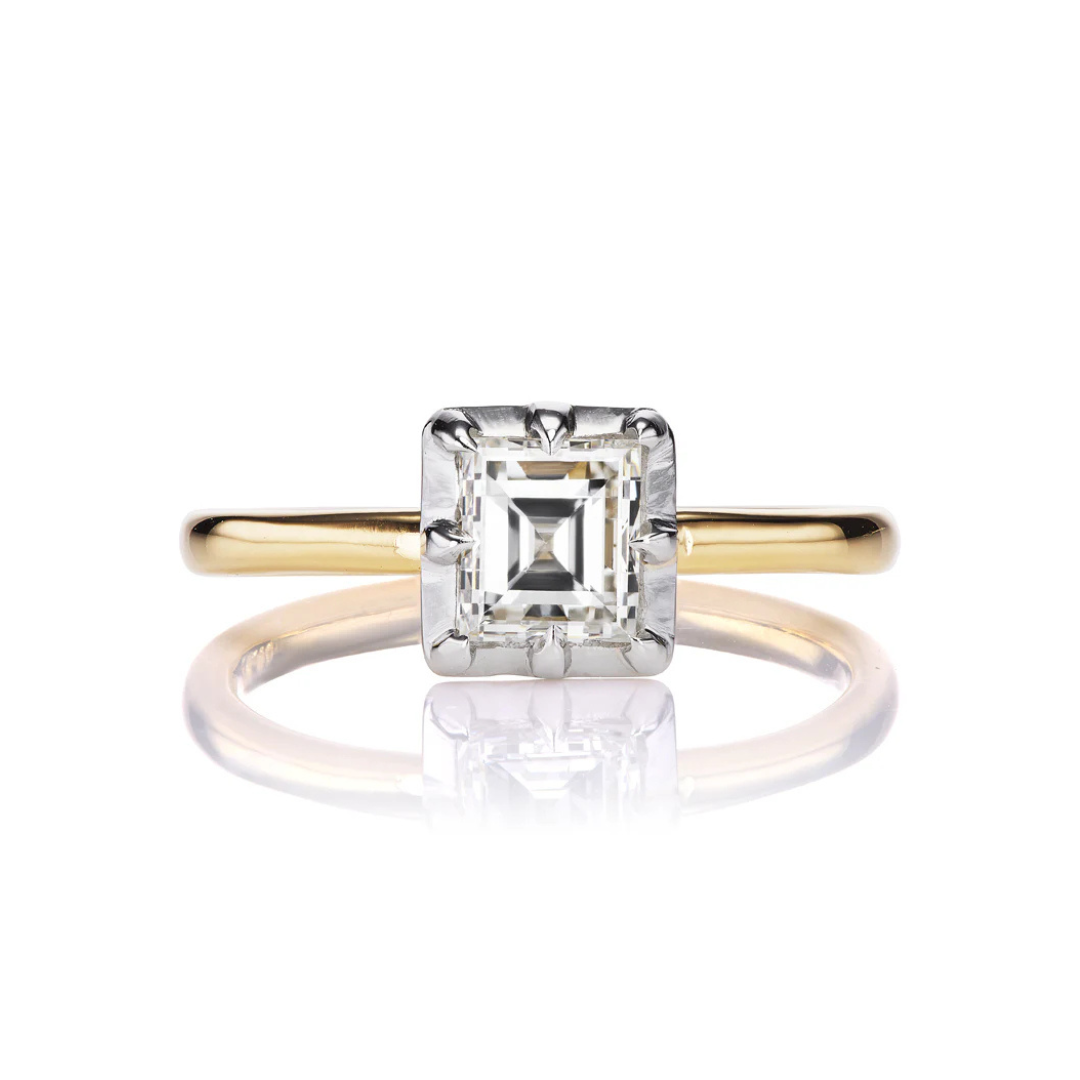
Andria Barboné Allie 0.96, 6,800, andriabarbone.com
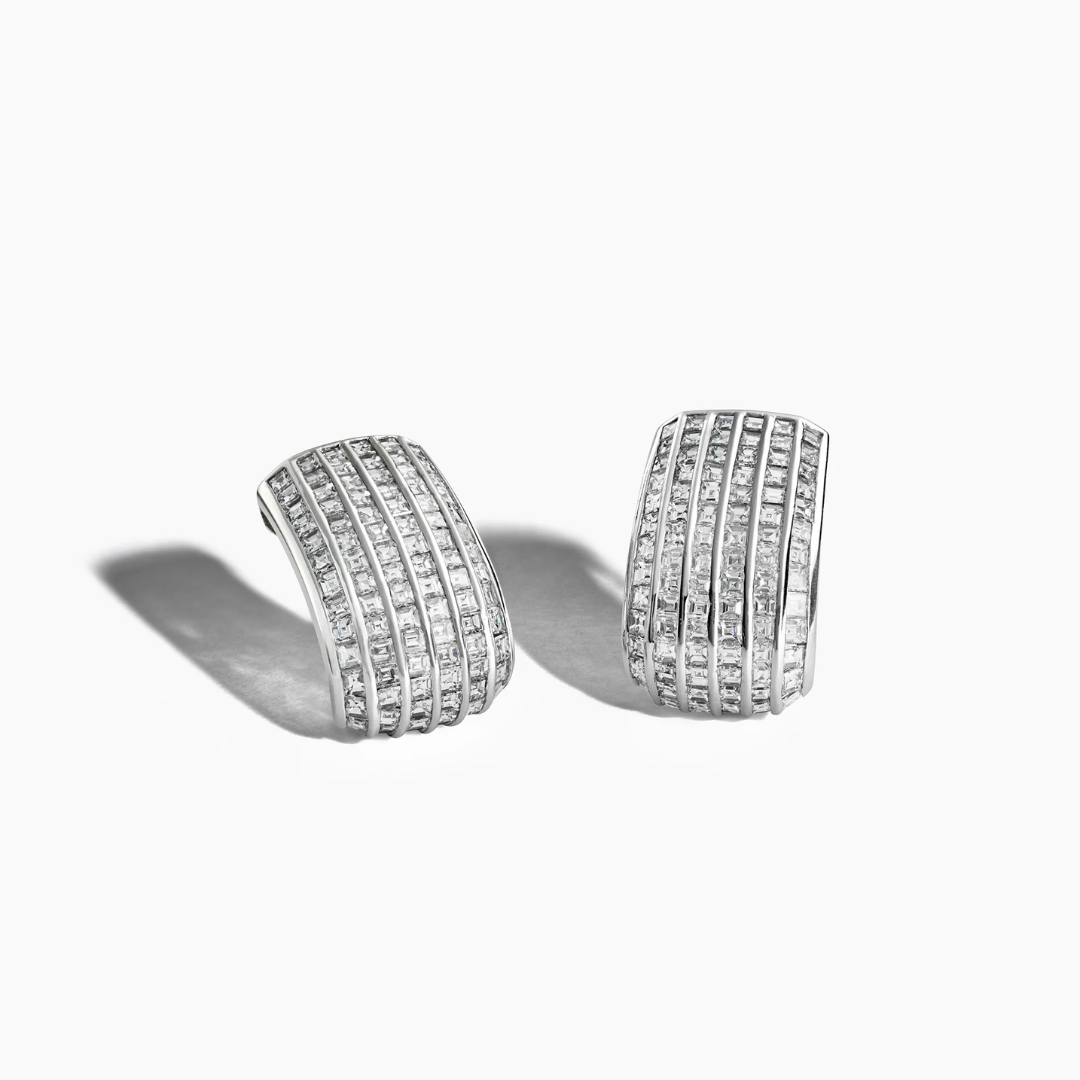
Material Good Vintage Carre Cut Diamond Earrings, $15,800, materialgood.com
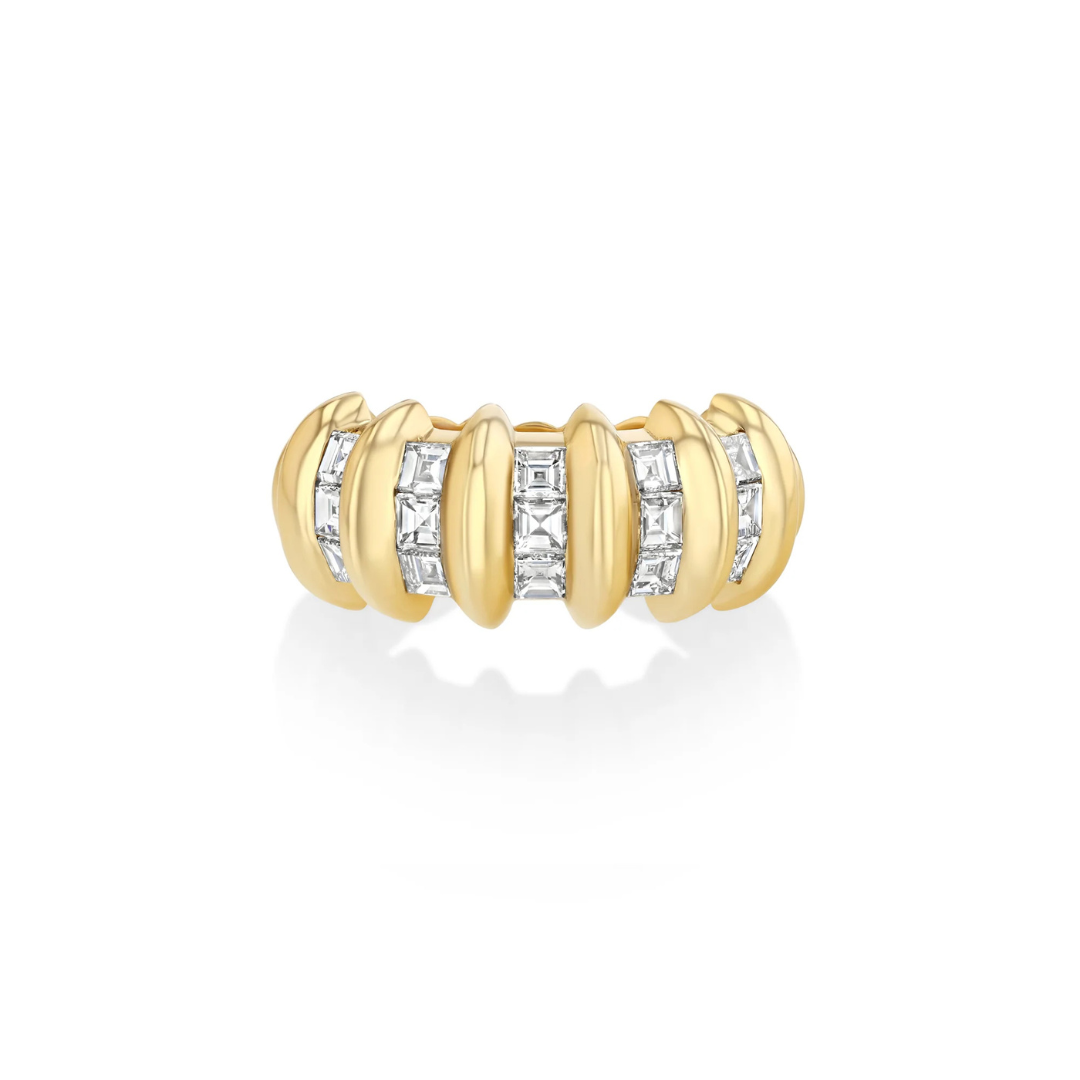
Lizzie Mandler 5 Row White Diamond Carre Fluted Bar Ring, $11,030, lizziemandler.com

Mimi So Piece Bypass Diamond Ring, $3,980, mimiso.com
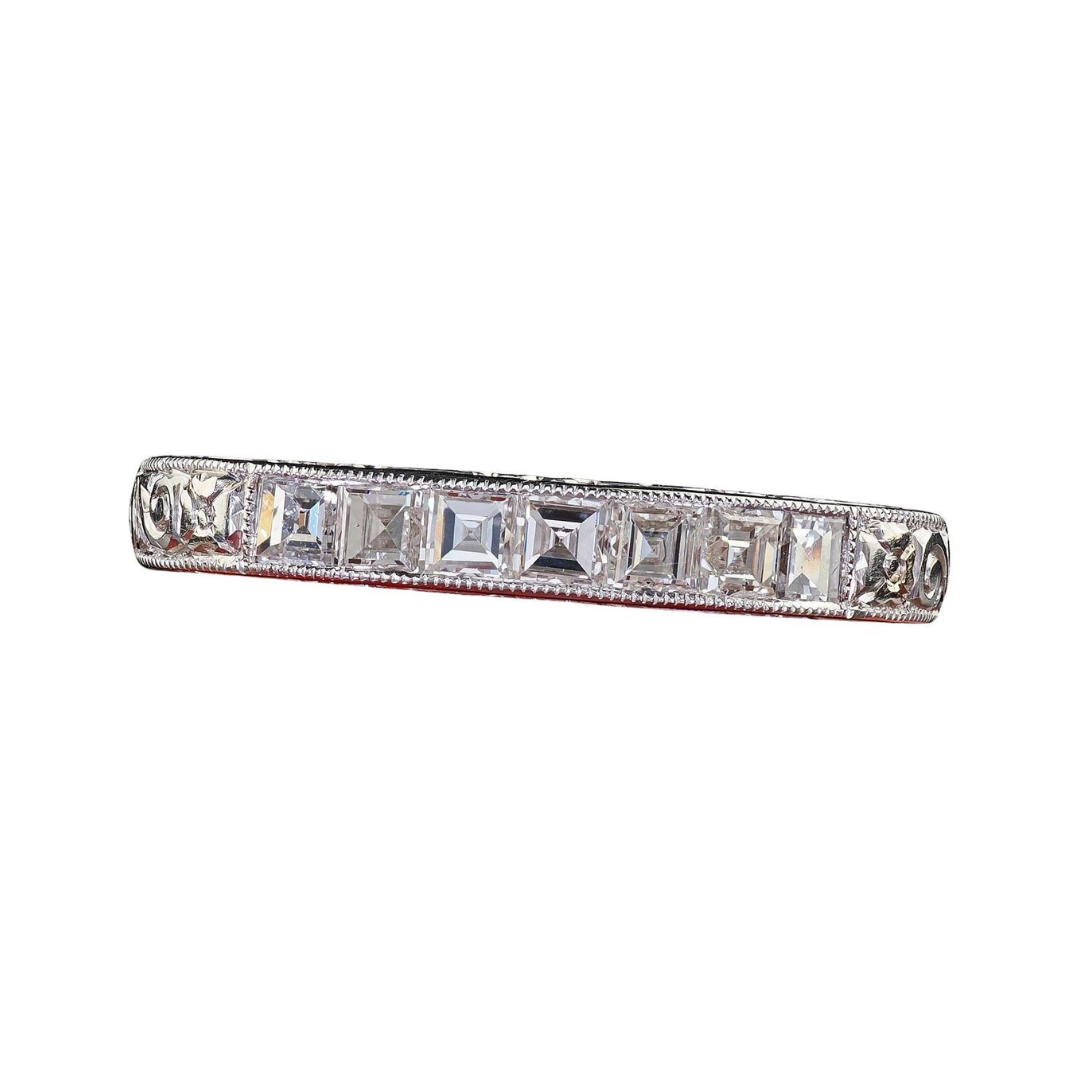
1st Dibs Vintage Estate Platinum Carre Cut Diamond Engraved Wedding Band, $3,450, 1stdibs.com