The Bow Tie Effect in Diamonds: What It Is and Why It Shouldn’t Scare You
The bow tie effect is one of the most misunderstood qualities of a diamond. Here’s what it actually is, which shapes it affects, and why it shouldn’t automatically steer you away from the stone you love.

(Courtesy of Single Stone)
When people start learning about diamonds, they tend to focus on the usual suspects. The 4Cs, the various shapes, or how to get the best value. What gets far less attention are the subtler visual characteristics that don’t show up on a grading report but can meaningfully influence how a diamond looks in person. The bow tie effect is one of them, and it’s worth understanding since it will likely come up in your research with an oval, pear, marquise, or heart-shaped diamonds.
Meet the Expert

- Grant Mobley is the Jewelry & Watch Editor of Only Natural Diamonds.
- He is a GIA Diamonds Graduate.
- He has over 17 years of jewelry industry experience, starting with growing up in his family’s retail jewelry stores.
What Is the Bow Tie Effect in Diamonds?
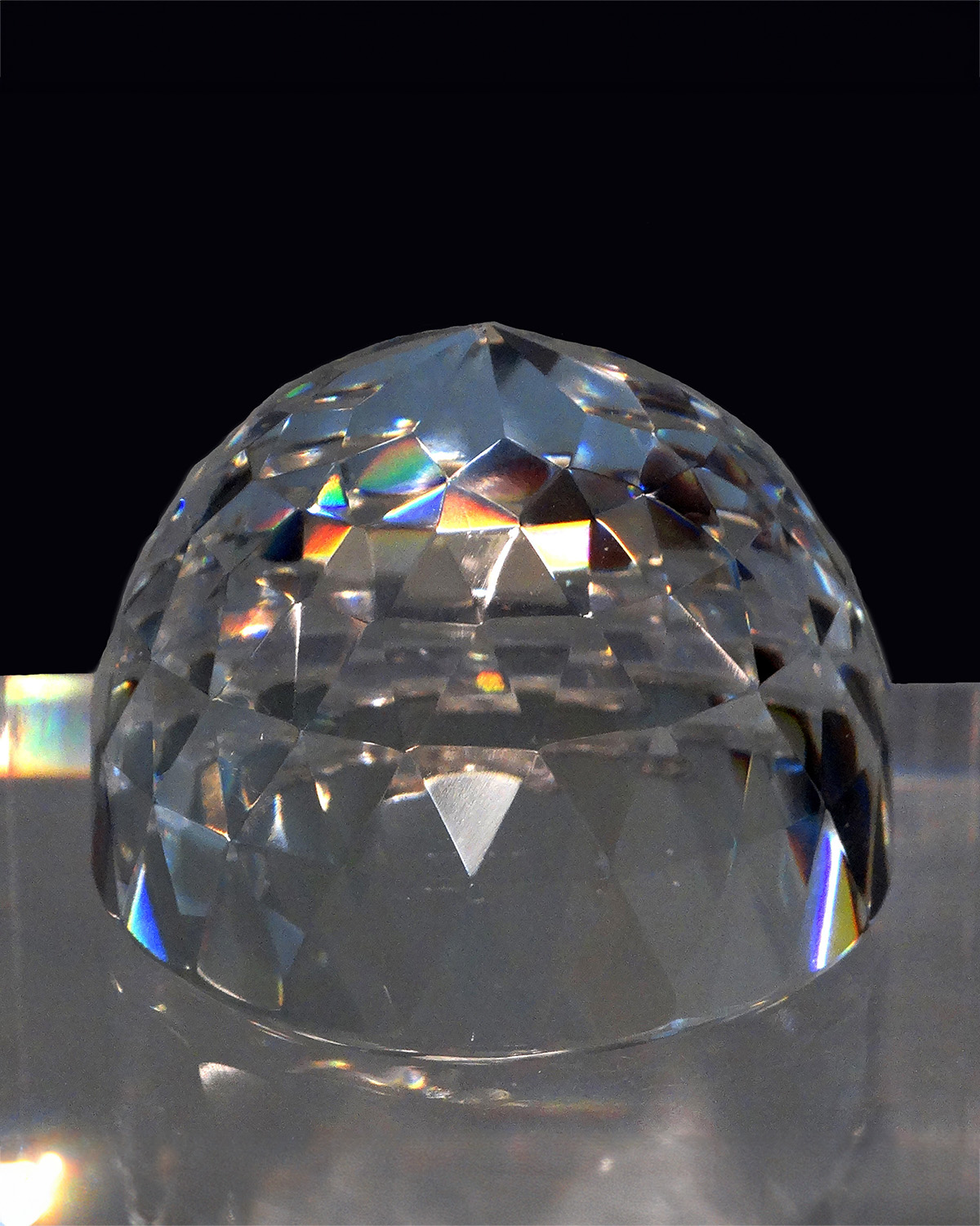
The name of the bow tie effect fairly self-explanatory. In certain diamond cuts, light traveling through the stone’s facets can create a shadow across the center that resembles a bow tie. It’s not a crack, an inclusion, or a sign of damage. It’s a visual phenomenon, a product of geometry and the behavior of light, and it’s more common than most shoppers realize.
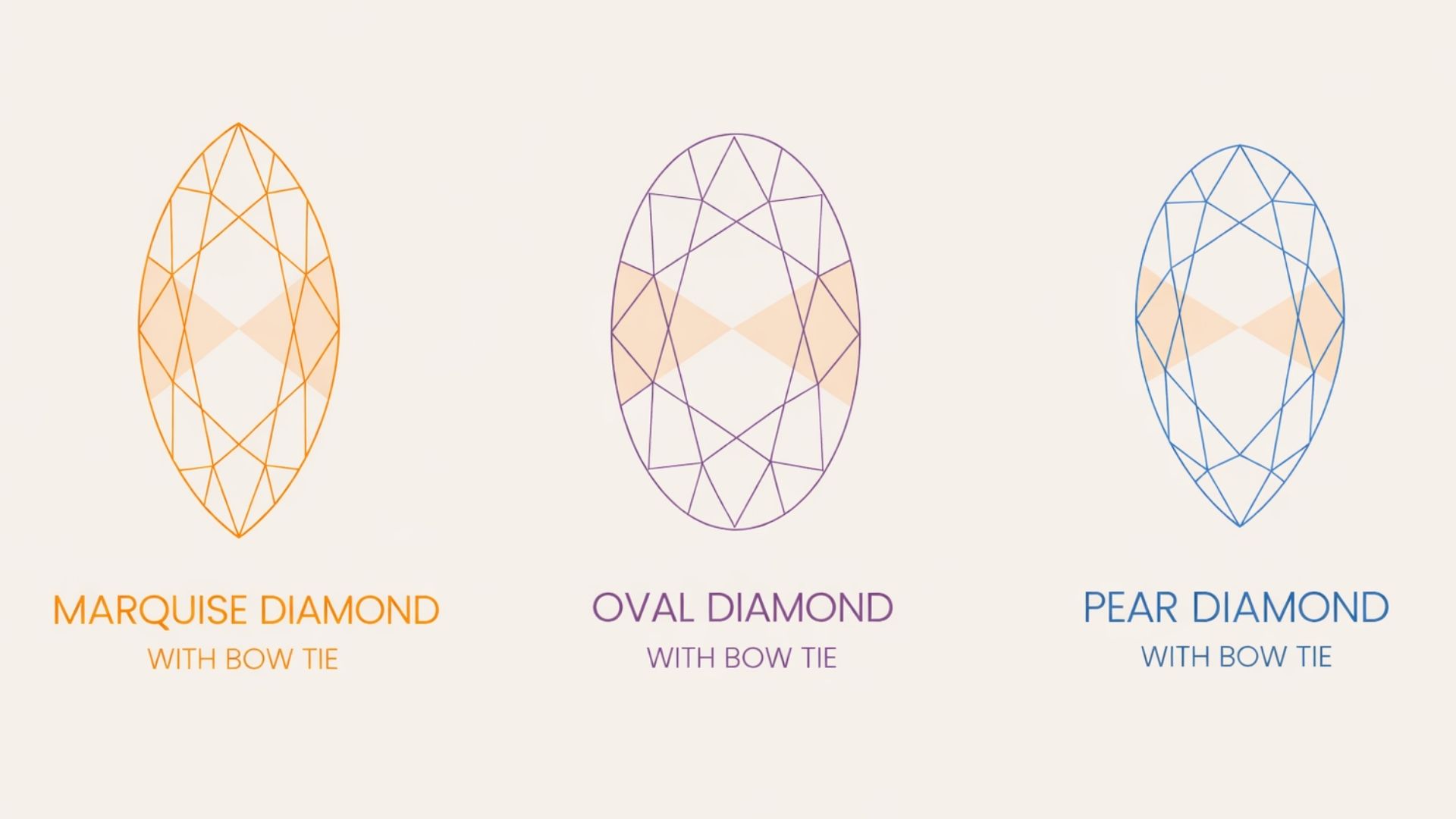
Here’s the basic physics: artisans cut and polish diamonds to capture light and return it to the eye as brilliance and sparkle. In a round diamond, the symmetrical facet arrangement does this exceptionally well, distributing light evenly across the stone. Elongated shapes like ovals, pears, marquises, or hearts are geometrically more complex. Because of their form, some light escapes through the lower pavilion facets rather than reflecting back upward, creating areas of contrast through the center of the stone. That contrast is what we recognize as the bow tie effect.
The Bow Tie Effect Is a Spectrum, Not a Binary
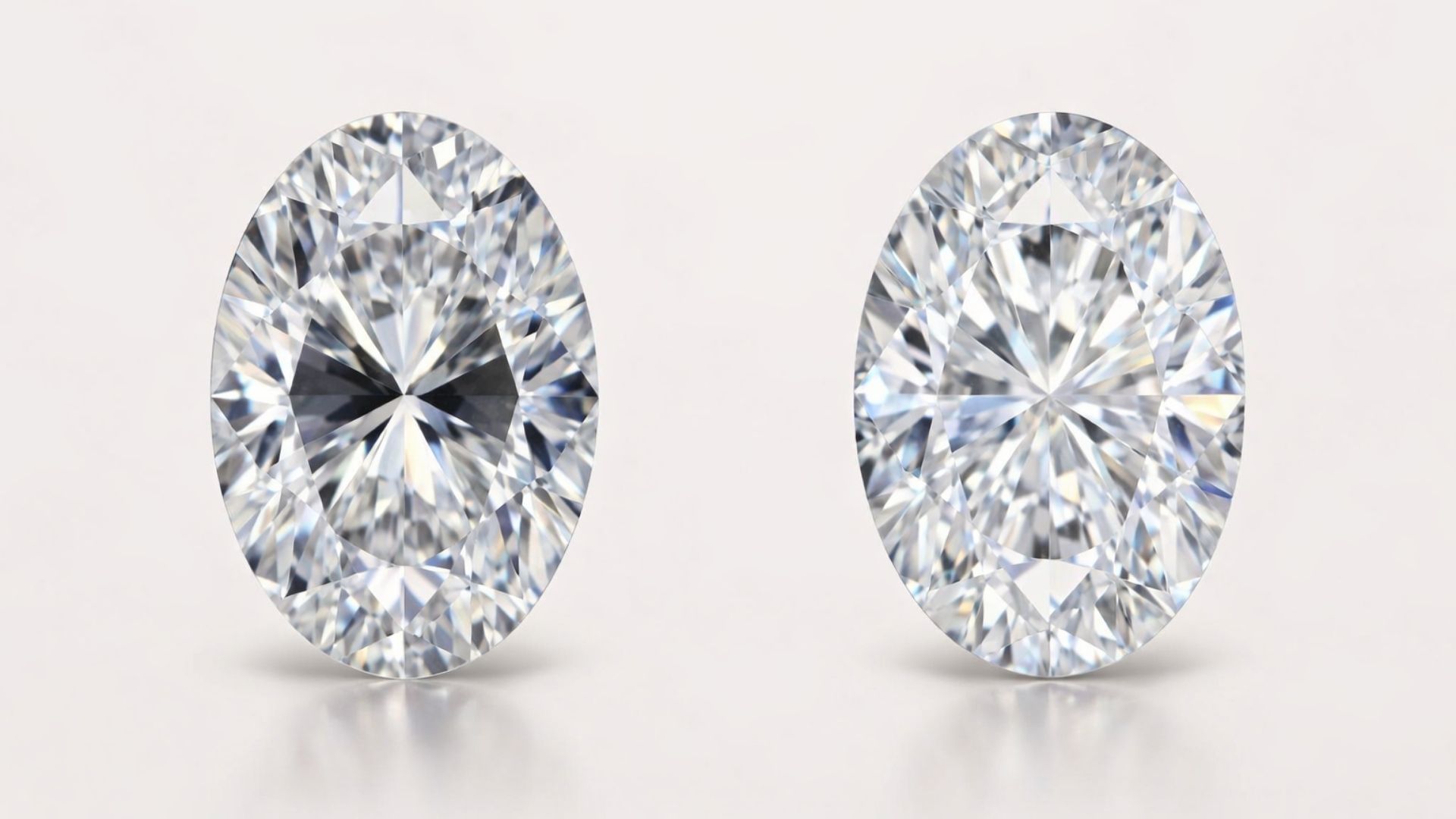
This is the part that often gets lost in the conversation: bow ties exist on a wide spectrum, and where a diamond falls on that spectrum matters enormously. At one end, you have a dark, dominant bow tie that draws the eye immediately and competes with the diamond’s brilliance. That’s generally something to avoid, not because bow ties are inherently bad, but because a heavy one can undermine the visual impact of an otherwise beautiful stone.
At the other end, you have a faint, well-balanced bow tie that adds dimension and depth without distracting from the diamond’s overall performance. In an oval diamond, especially, a subtle bow tie can actually enhance the elongated silhouette that makes the cut so appealing in the first place, giving the stone a quiet sense of character that a uniformly sparkly stone might lack.
Most diamonds with a bow tie fall somewhere in the middle, and in many cases, the effect is barely noticeable under normal conditions.
Does the Bow Tie Effect Show Up on a Diamond Certificate?
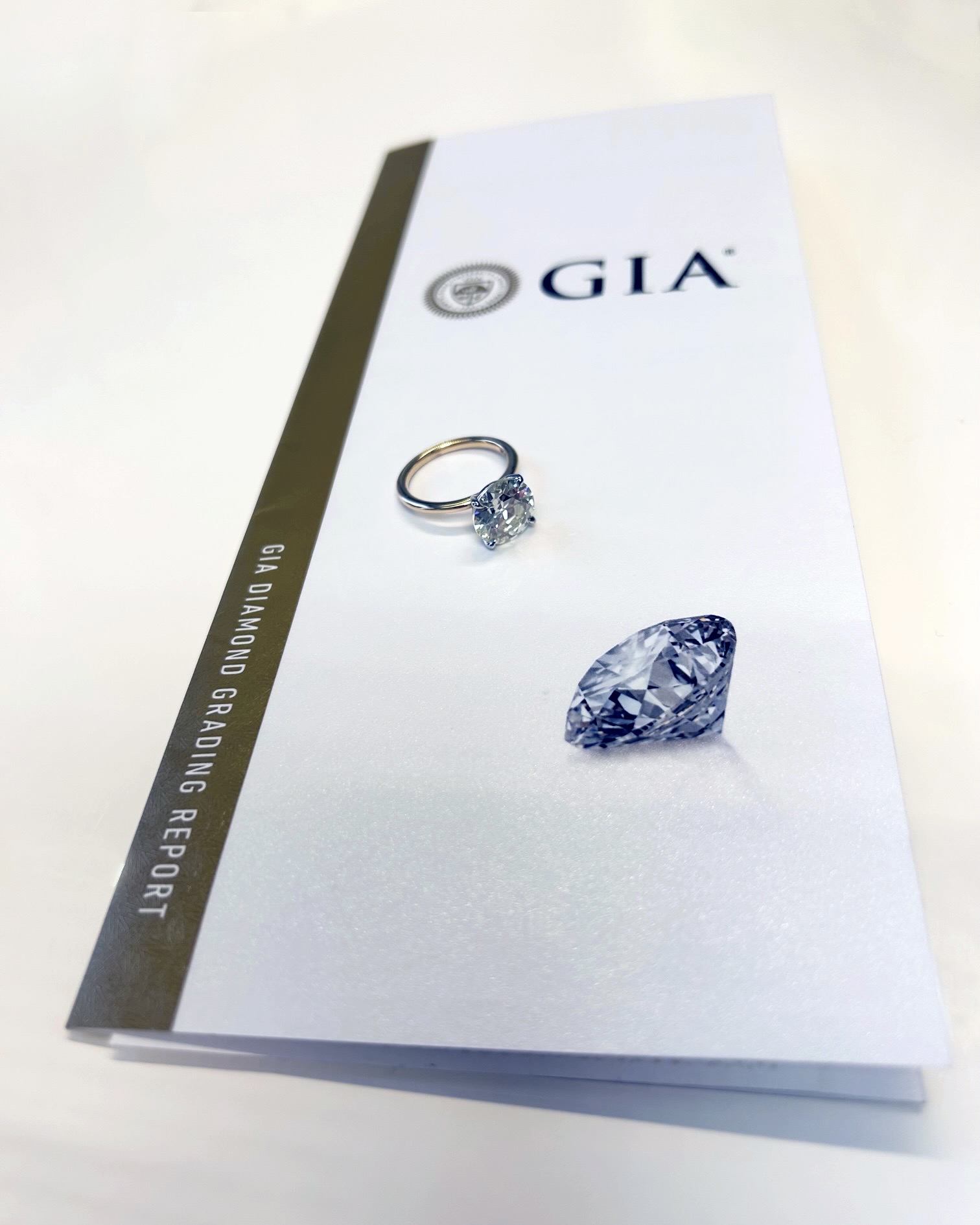
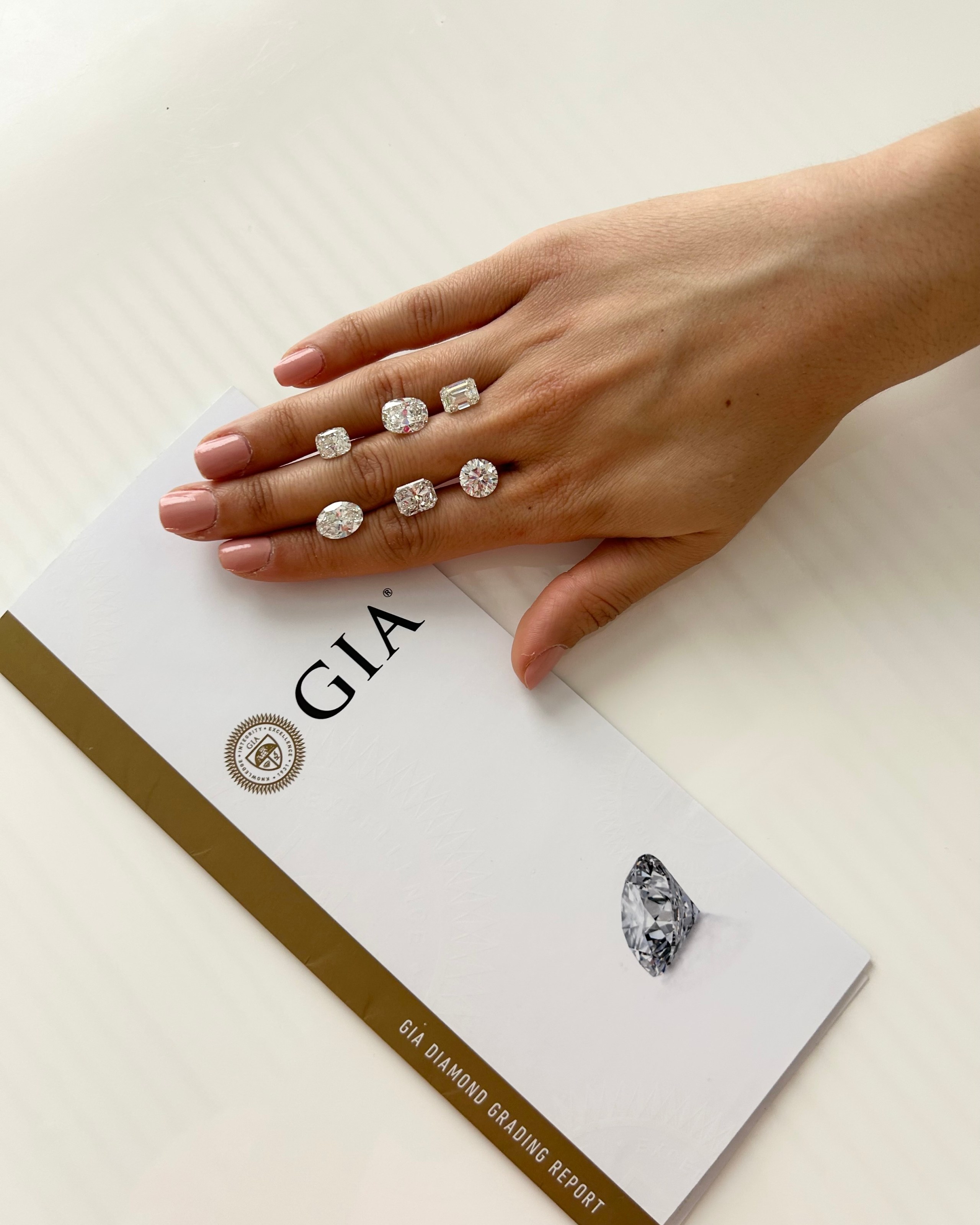
Here’s the practical detail that every diamond shopper needs to know: the bow tie effect is not assessed in the 4Cs and will not appear anywhere on a GIA or other grading report. A diamond’s certificate tells you its carat weight, color grade, clarity grade, and cut grade. It tells you nothing about whether that specific stone has a visible bow tie or how pronounced it might be.
That gap between the grading report and reality is exactly why seeing a diamond in person is so important. Two oval diamonds with identical grades can look completely different once you’re actually looking at them. One might have a faint, flattering shadow that adds depth. The other might have a dark band across the center that immediately catches your eye for the wrong reasons. The certificate won’t warn you either way.
Can Cutting Reduce the Bow Tie Effect in Diamonds?
There’s a common misconception that bow ties are purely the result of a bad cut. The more accurate framing is that poor cutting can significantly worsen a bow tie, while skilled cutting can minimize it. A trained diamond cutter working with an elongated shape understands how to optimize the pavilion angles to improve light return through the center of the stone, reducing the contrast without sacrificing the proportions that make the shape beautiful.
That said, some degree of bow tie is almost inevitable in elongated cuts. Trying to eliminate it entirely can lead to compromises elsewhere in the stone. The goal isn’t to eradicate the effect but to keep it subtle enough that it becomes part of the diamond’s personality rather than a distraction.
How to Evaluate the Bow Tie Effect When Shopping for a Diamond
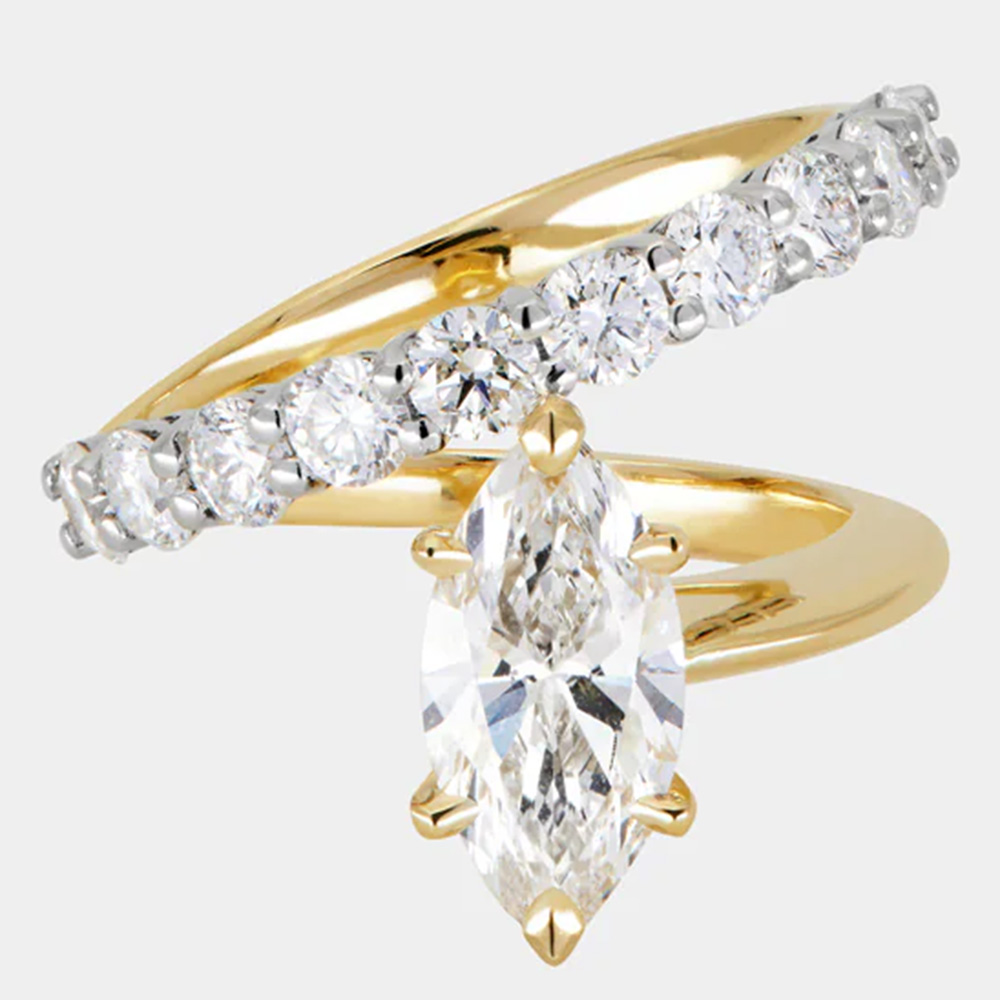
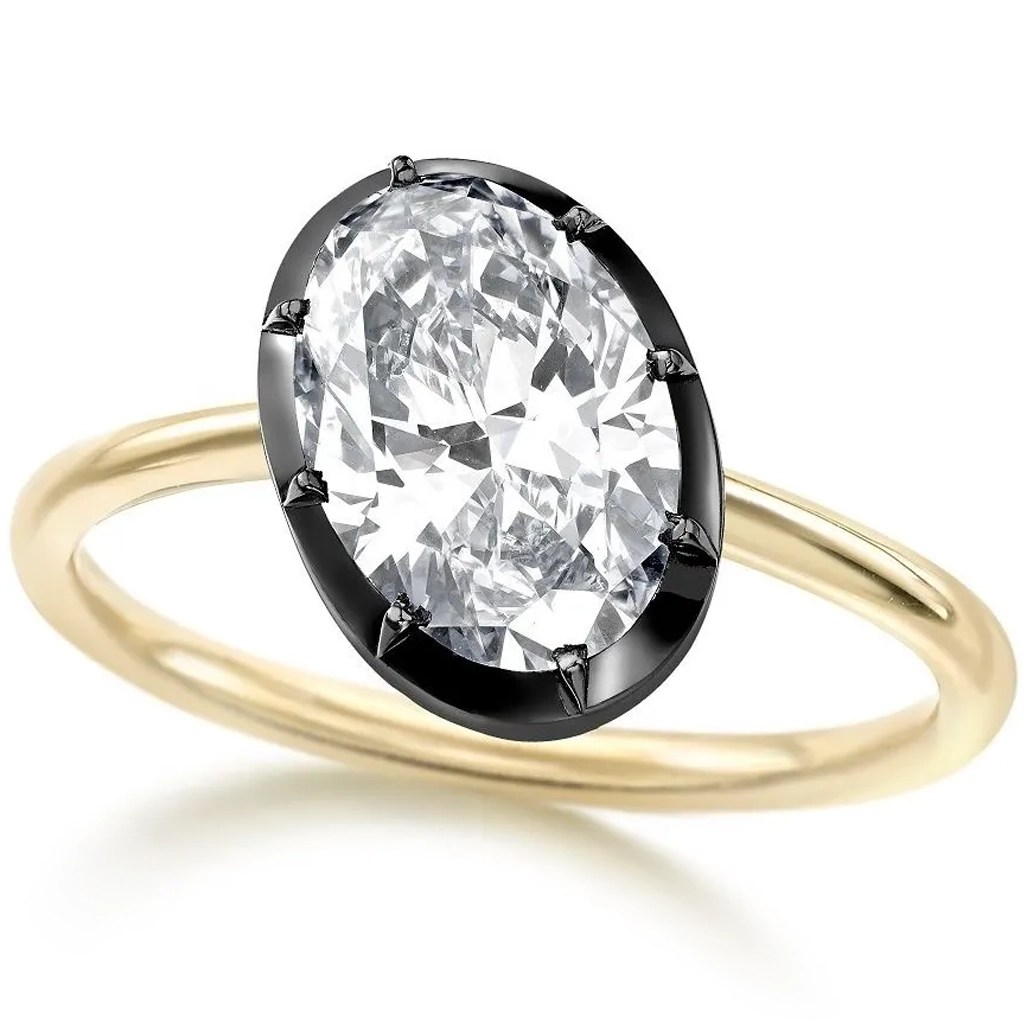
If you’re shopping for an oval, pear, marquise, or heart-shaped diamond, the bow tie effect should be on your radar, but it shouldn’t dominate your decision-making. View any diamond you’re considering under multiple lighting conditions, including softer, less flattering light, where contrast is easier to read. Compare stones side by side when possible. And then trust what you see.
Diamonds speak differently to everyone. Some buyers are drawn to precision and uniformity. Others respond to movement, depth, and the kind of visual complexity that a well-balanced bow tie can actually provide. Neither preference is wrong. A grading report is a starting point, not the final word. The natural diamond that genuinely speaks to you is almost always a better choice than the one that looks perfect on paper.