< Culture & Style / Jewelry Trends
A Sparkling Guide to Victorian Jewelry
Discover the history and style of diamond Victorian jewelry and find expert tips for buying and caring for antique pieces.
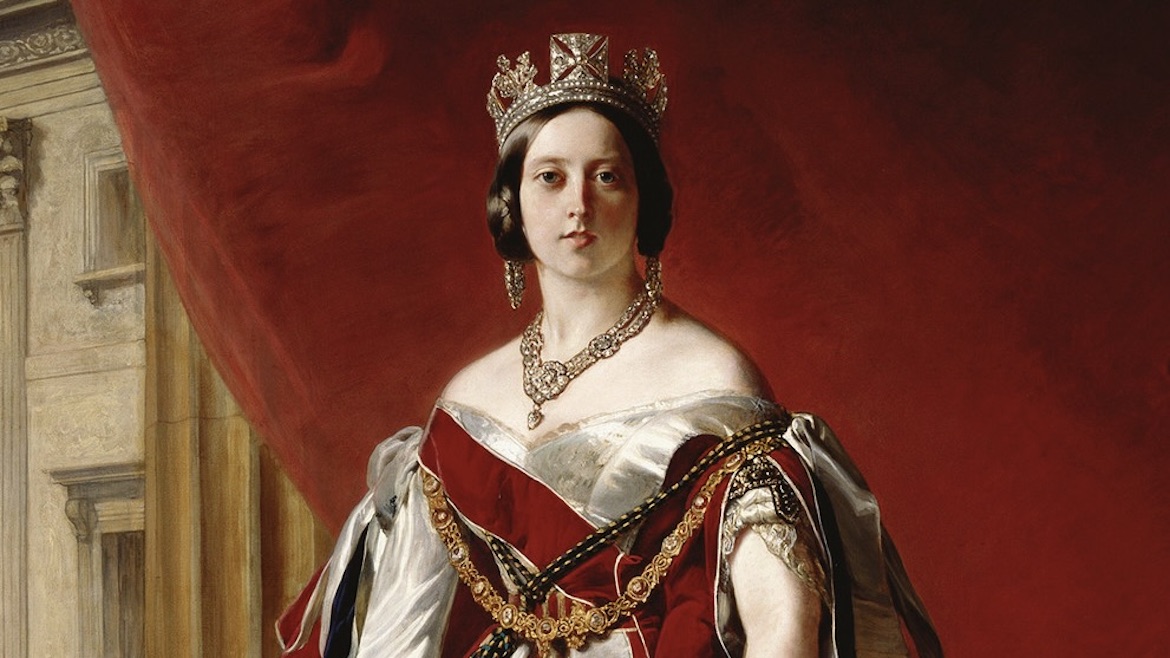
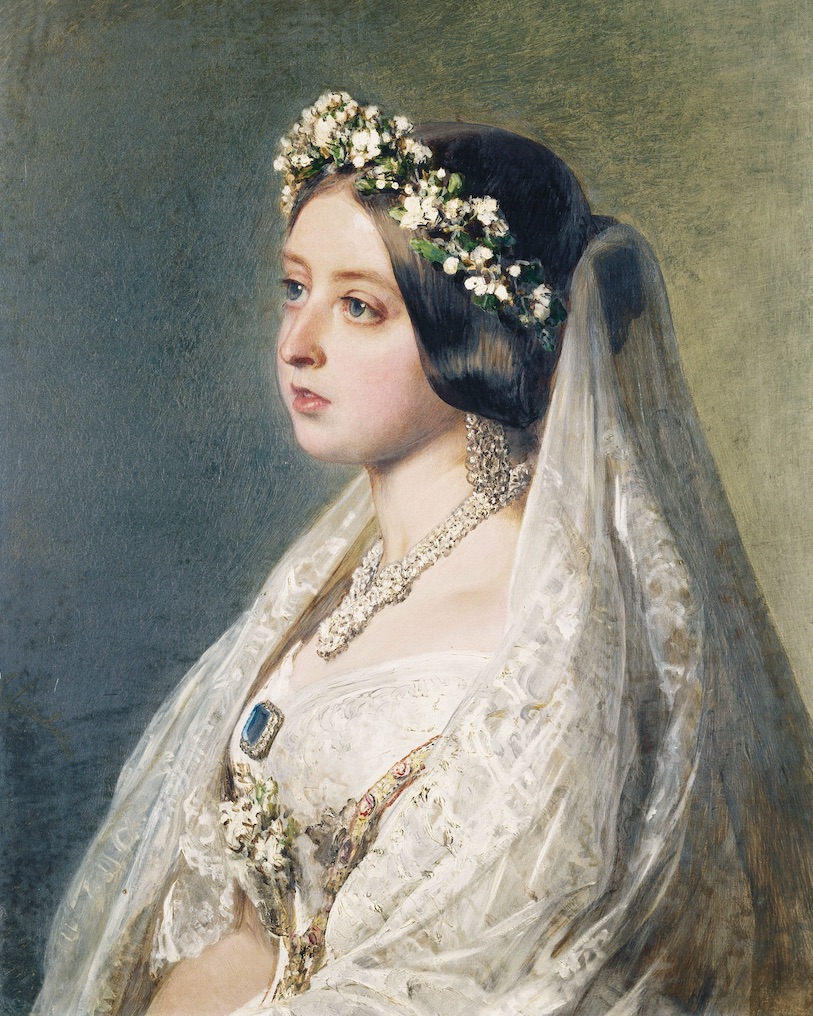
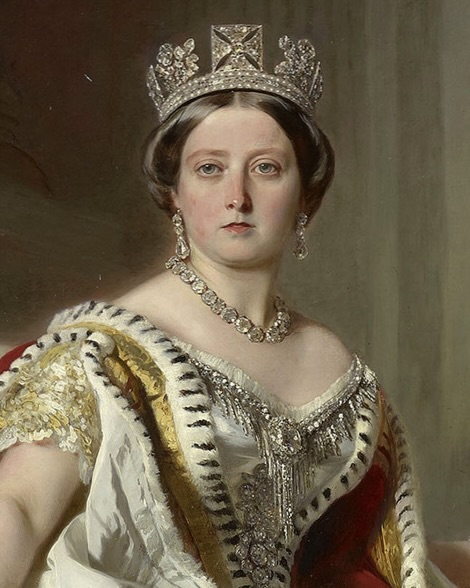
Queen Victoria (Wikimedia Commons / Public Domain)
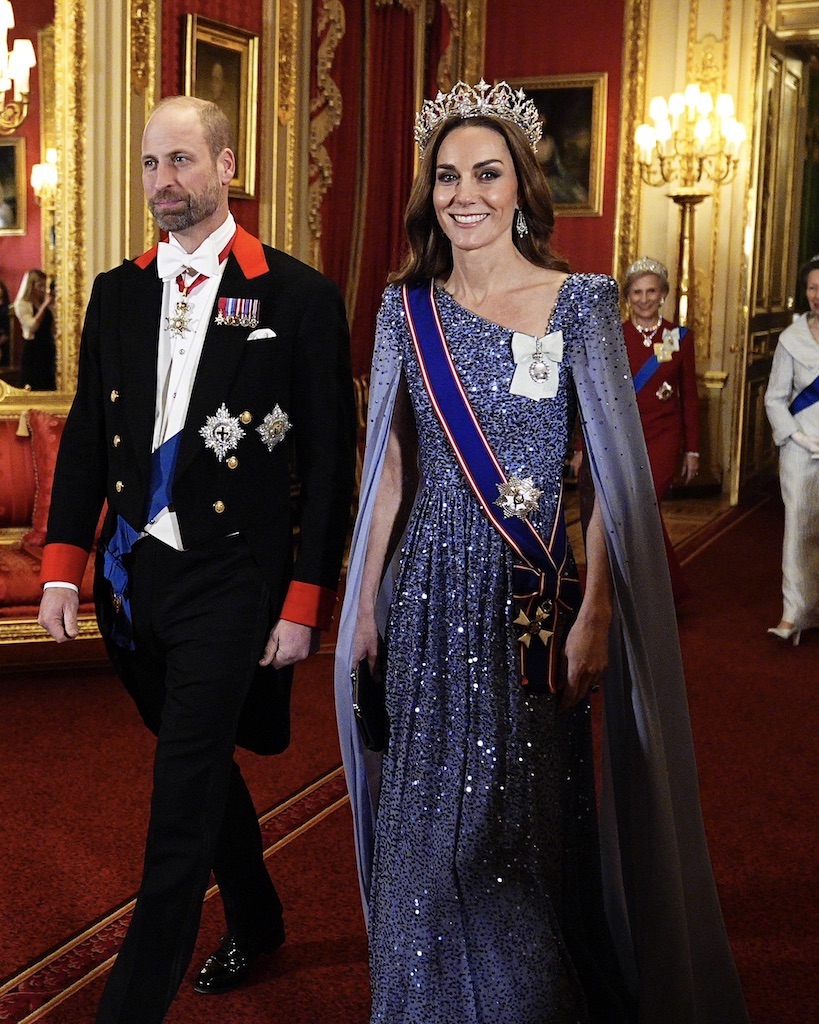
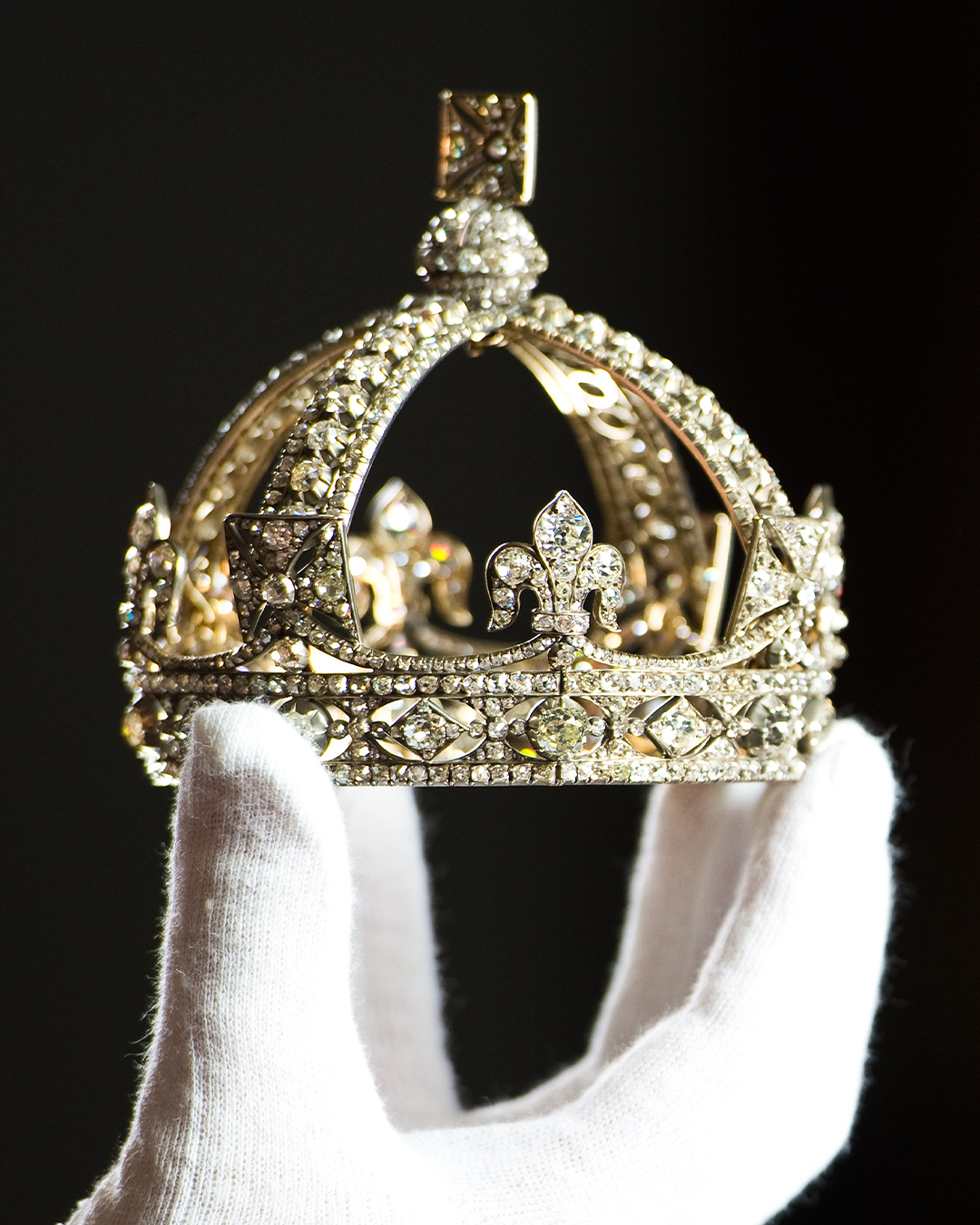
When Queen Victoria lost her beloved Prince Albert, she went into mourning for the rest of her life. She commissioned the creation of Queen Victoria’s Small Diamond Crown, which was designed to be worn on top of her widow’s cap and featured 1,187 brilliant-cut and rose-cut diamonds set on a silver frame.
The piece may have been small in stature compared to other royal jewels, but it was rich in emotional meaning, reinforcing Queen Victoria’s desire to dress like a widow even when she needed to fulfill ceremonial duties. That sentimentality defines Victorian jewelry, from heart locket pendants to romantic motifs and mourning jewelry made with the hair of lost loved ones.
Meet the Expert

Helen Molesworth is a renowned jewelry historian, gemmologist, and best-selling author. Her 25-year career has spanned the global gem and jewelry industry from auction houses to academic posts. She acted as a jewelry specialist for Sotheby’s and Christie’s, where she researched and managed such sales as the private jewelry collection of HRH The Princess Margaret in 2006. She’s the Senior Curator of Jewelry at the Victoria and Albert Museum in London and the author of Precious, The History and Mystery of Gems Across Time.
Ahead, learn about the social, cultural, and technological developments that shaped Victorian natural diamond jewelry design, from the discovery of South African diamonds to Queen Victoria’s influence on trends as a jewelry lover and fashion icon.
What Is Victorian Jewelry?
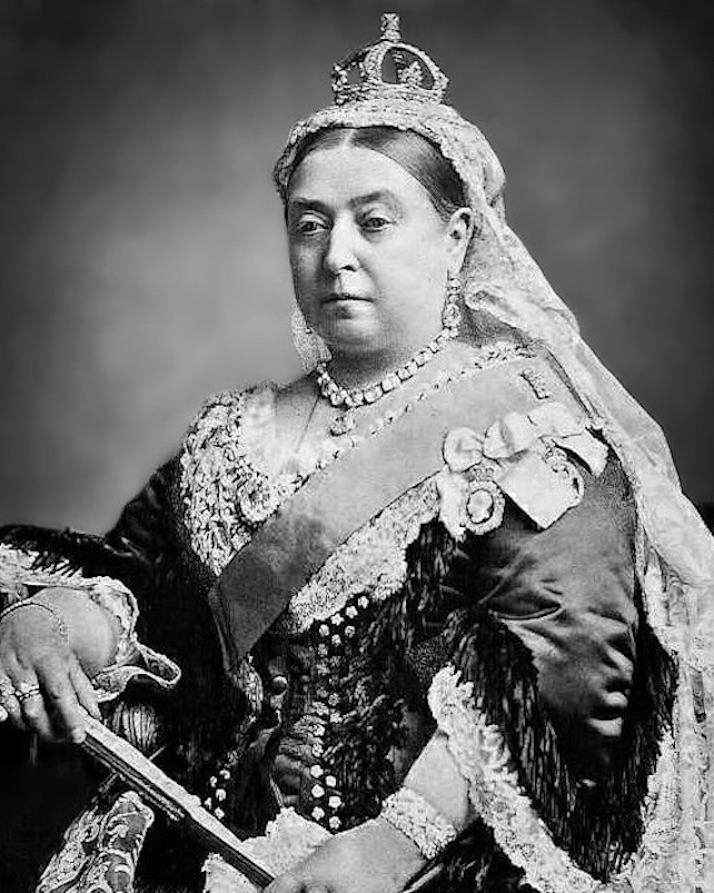
When people mention Victorian jewelry, they may be referring to one of two things: antique jewelry from the Victorian era, which spanned the reign of Queen Victoria from 1837 to 1901, or jewelry inspired by Victorian aesthetics, which may range from delicate and romantic to Gothic-inspired.
Jewelers and collectors often look at authentic Victorian jewelry through the lens of three stylistic phases: the Romantic period, the Grand period, and the Aesthetic period. While each phase impacted jewelry design in unique ways, Victorian jewelry is still defined by an overarching theme of sentimentality and symbolism.
“Queen Victoria was a huge trendsetter and many of us associate her with both sentiment and romanticism,” says Helen Molesworth, jewelry historian and senior curator of jewelry at the Victoria and Albert Museum in London. “She obviously had a very emotional connection to her jewelry and her family – and both of those get intertwined.”
Victorian era jewelry was also marked by changes like industrialization, the discovery of diamonds in South Africa, and archeological excavations that brought back a fascination with the ancient worlds of Greece, Rome, and Egypt.
The History of Victorian Natural Diamond Jewelry
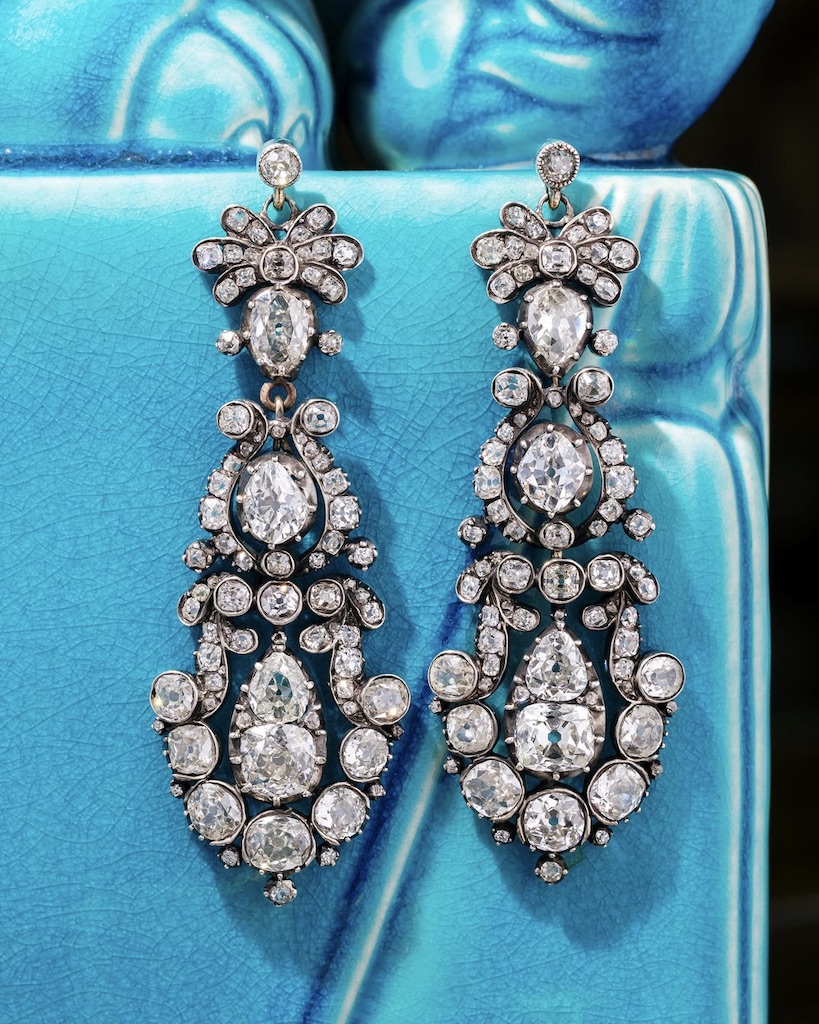
The world of natural diamonds went through big transformations during the Victorian era. To understand its evolution, it’s helpful to briefly dive into the three periods that shaped fashion and jewelry trends:
The Romantic Period (1837-1860)
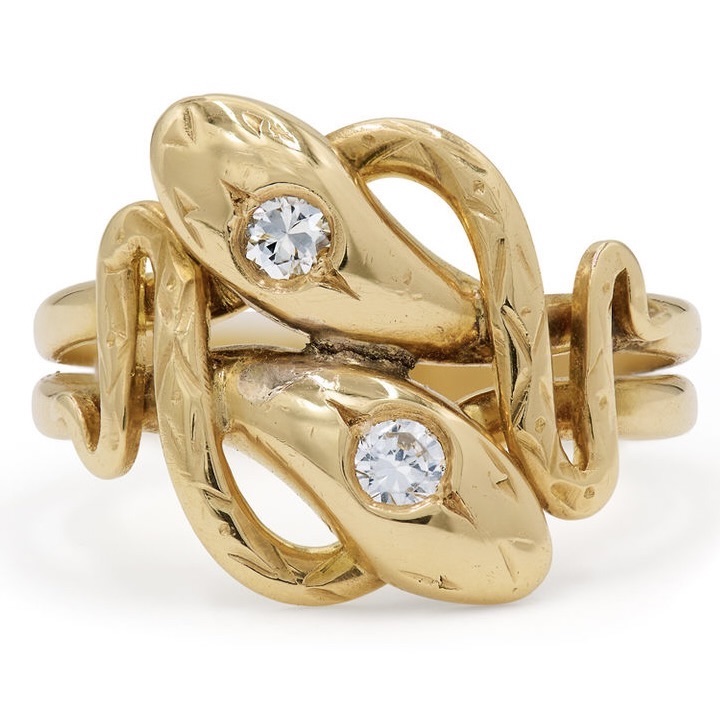
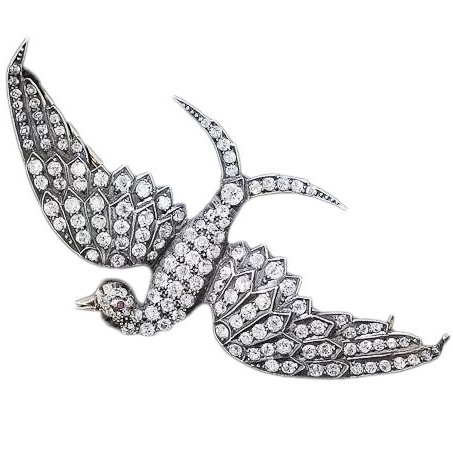
Queen Victoria’s romance with Prince Albert heavily influenced jewelry trends. He gifted her with a now-iconic gold gemstone-set snake ring with diamond accents on the snake’s head. The ring sparked the popularity of serpent motifs, and designs from that time generally featured nature-inspired themes, with diamonds arranged in shapes like florals or birds. Yellow or rose gold were the metals of choice to complement their sparkle.
The Grand Period (1861-1880)
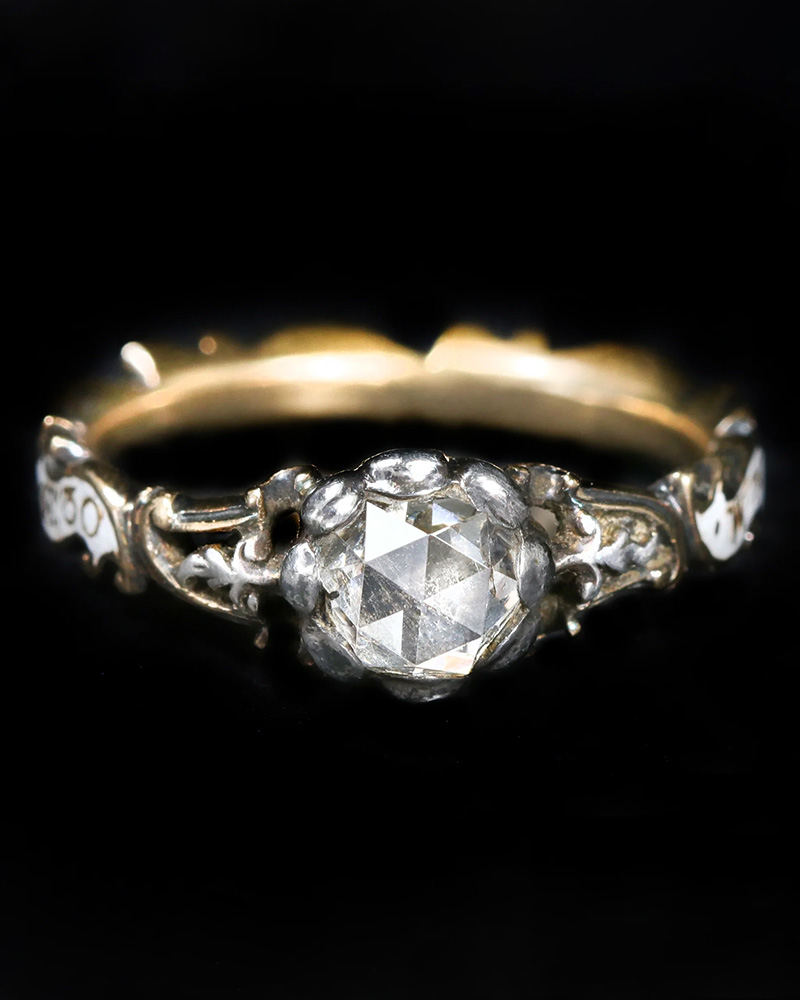
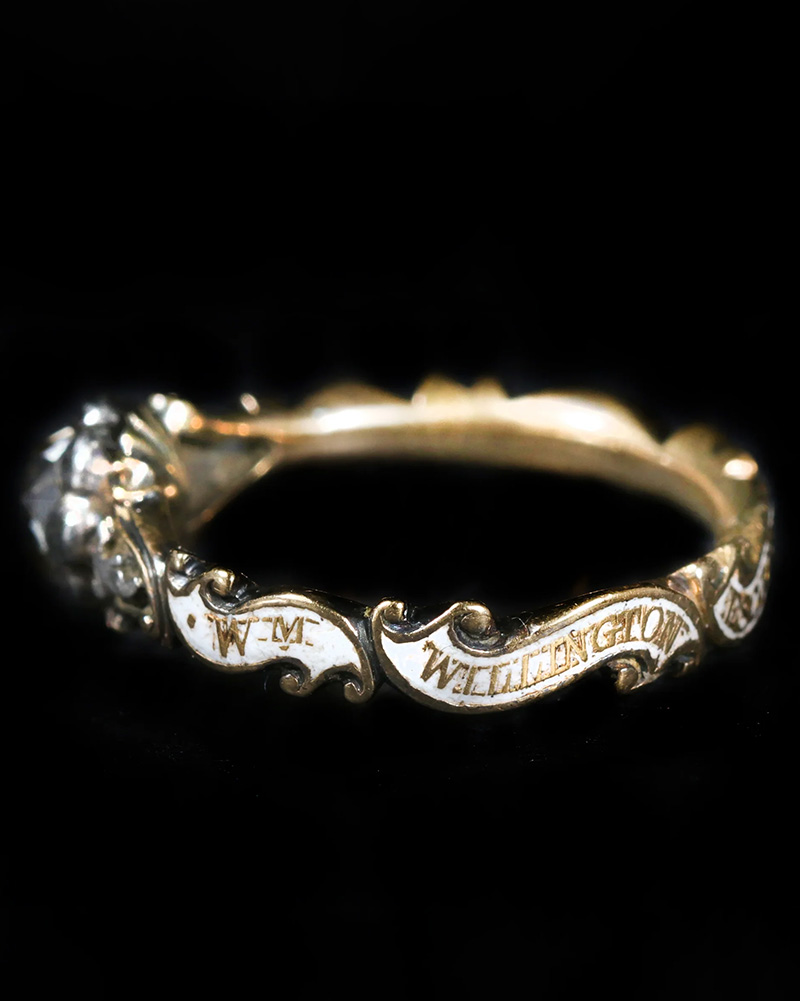
This period started with Prince Albert’s death and continued with Queen Victoria’s descent into a deep state of grief. Delicate, romantic patterns get replaced with more somber, heavy silhouettes and mourning jewelry. Gothic revival elements are in the spotlight, and silver becomes more prominent alongside yellow gold.
The Aesthetic Period (1880-1901)
The later part of the Victorian era saw stylistic movements that challenged convention. “Art for art’s sake” was the motto, the idea that art’s only purpose is to be beautiful rather than serve utilitarian or moral functions. A growing appreciation for Japanese art led to a focus on asymmetrical silhouettes and mixed metals. Diamonds were used with more restraint.
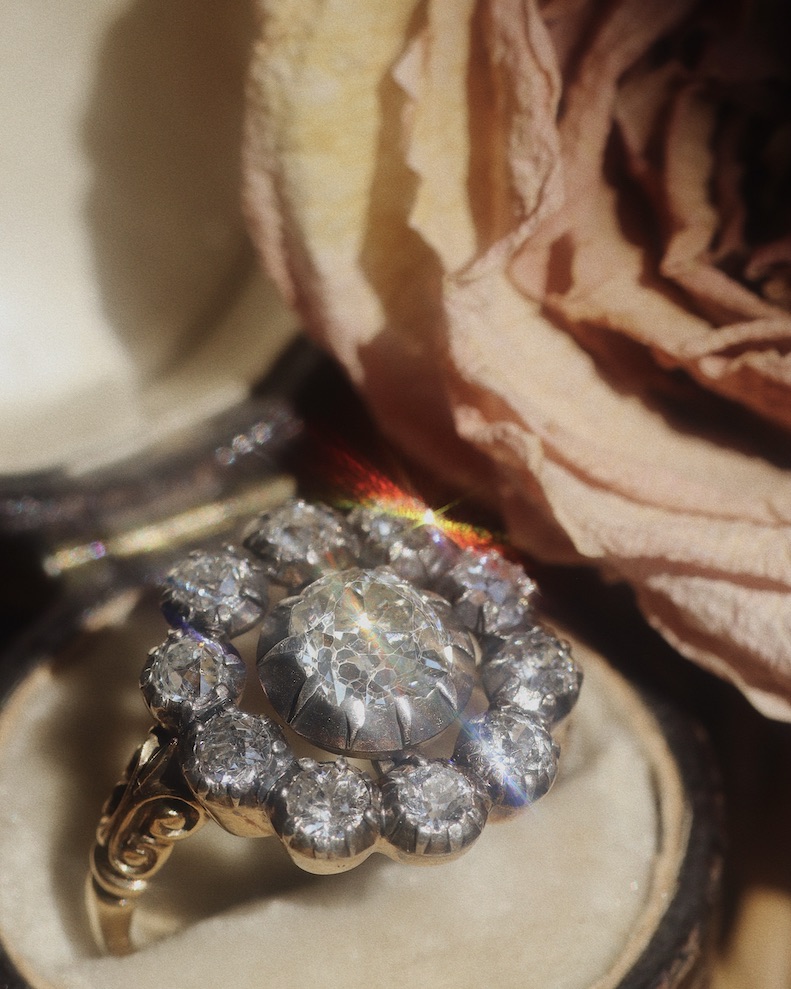
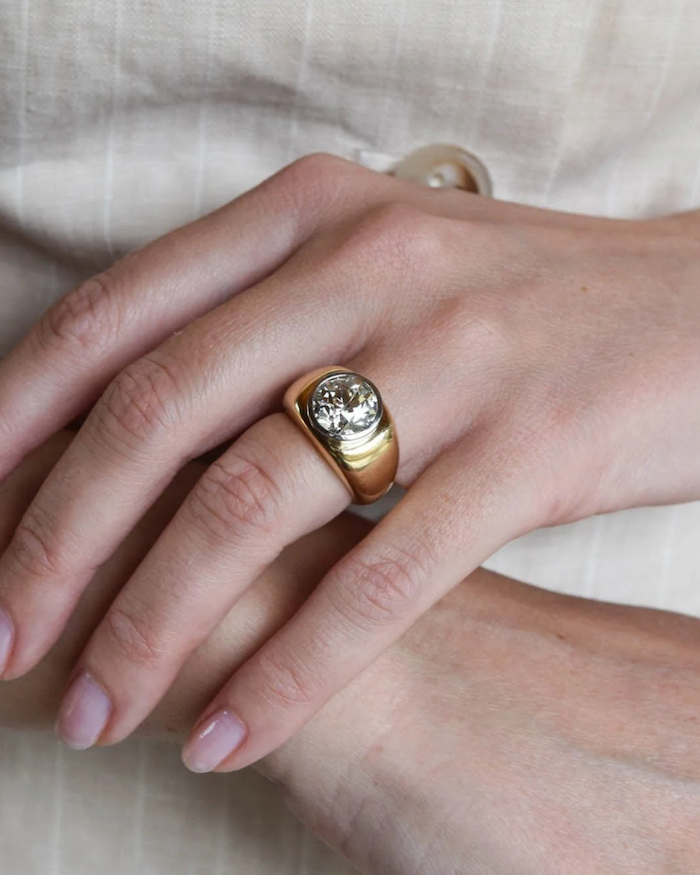
Regardless of the trends of the moment, natural diamonds were used in jewelry throughout the Victorian era. But the discovery of diamonds in South Africa in 1867 was “a revolution for jewelry all over the world,” as Molesworth puts it, and made diamonds gradually more accessible beyond royal courts.
Meanwhile, industrialization brought technological advancements to diamond cutting, which was previously always done by hand. The bruting machine, which helps turn a rough diamond into a round stone by grinding it against another diamond, was invented in the early 1870s. While hand-cut diamonds like Old Mine cuts and rose cuts were still prevalent, this innovation led to the creation of the Old European cut – the round brilliant cut’s predecessor.
These changes elevated diamonds to center stage. “By the late 19th century, we see a plethora of diamonds in Victorian jewelry, with diamonds becoming much more commonly used,” says Molesworth. “Suddenly it’s not just about all the other colored gemstones – diamonds are becoming much more central to jewelry.”
Defining Details of Victorian Jewelry
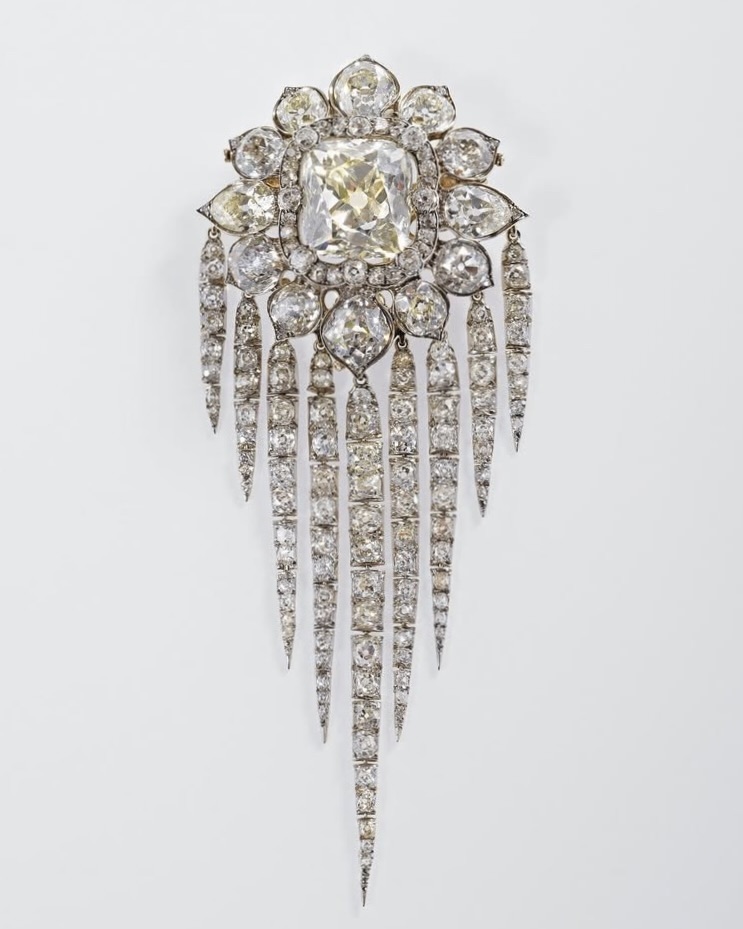
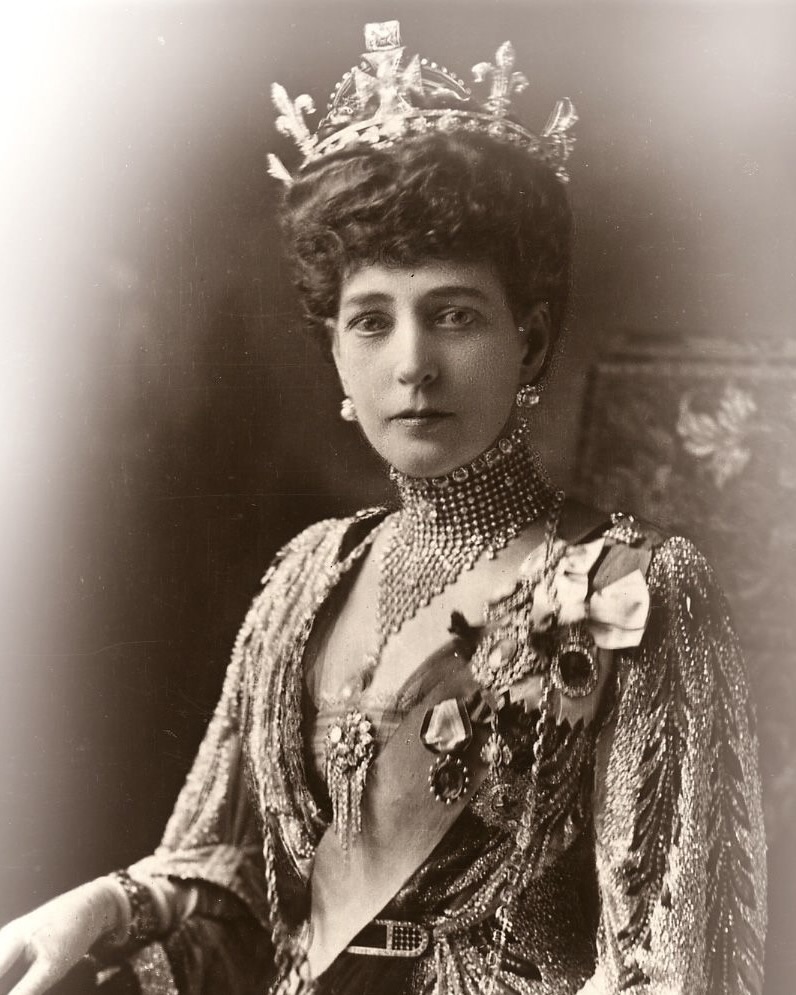
Victorian jewelry can range from ornate and feminine to heavier and somber, but some defining details make a piece distinctly Victorian – and natural diamonds always elevate the beauty and sentimentality of the era.
Sprays of Diamonds
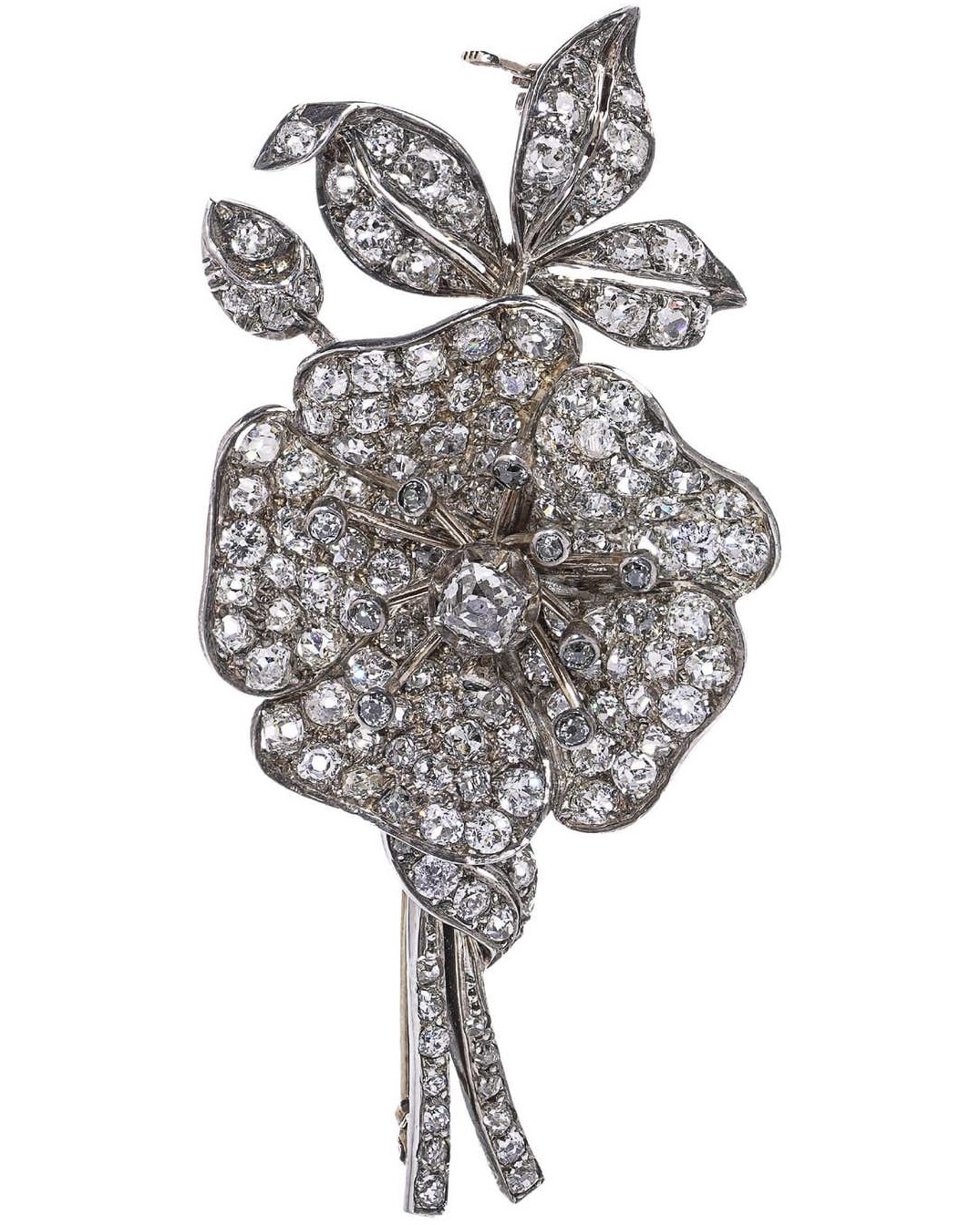
Diamond brooches were exceptionally popular during the Victorian era, and stomacher brooches, which covered a woman’s bodice from neckline to waist with sprays of diamonds, were prevalent.
According to Molesworth, notable Victorian diamond jewelry trends also included en tremblant settings. This technique sets diamonds on tiny springs so that they vibrate with movement. While it existed during the Georgian era, it became much more elaborate in Victorian design and was often leveraged to help tiaras, hair jewelry, and brooches dazzle in the light.
Sentimentality and Symbolism
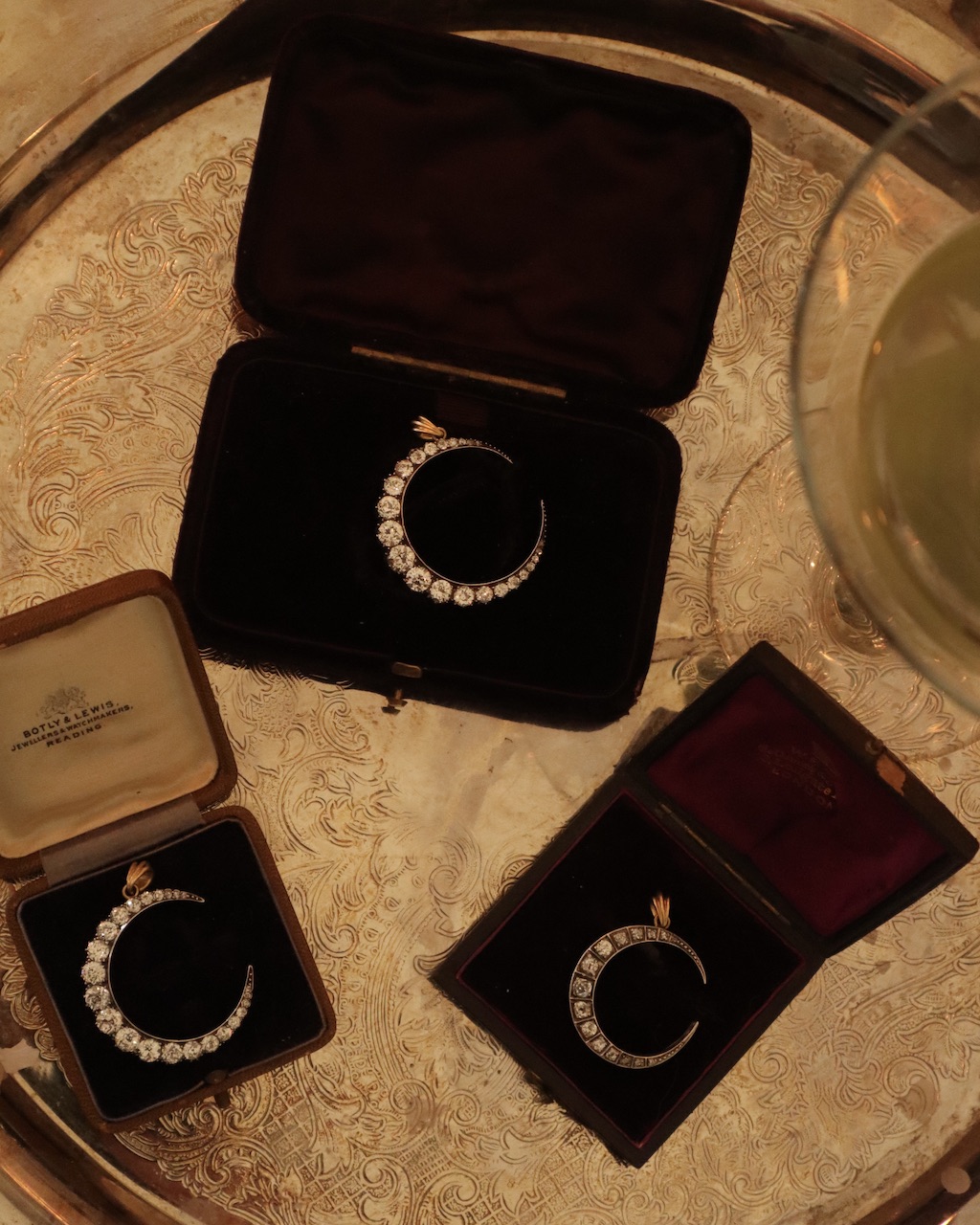
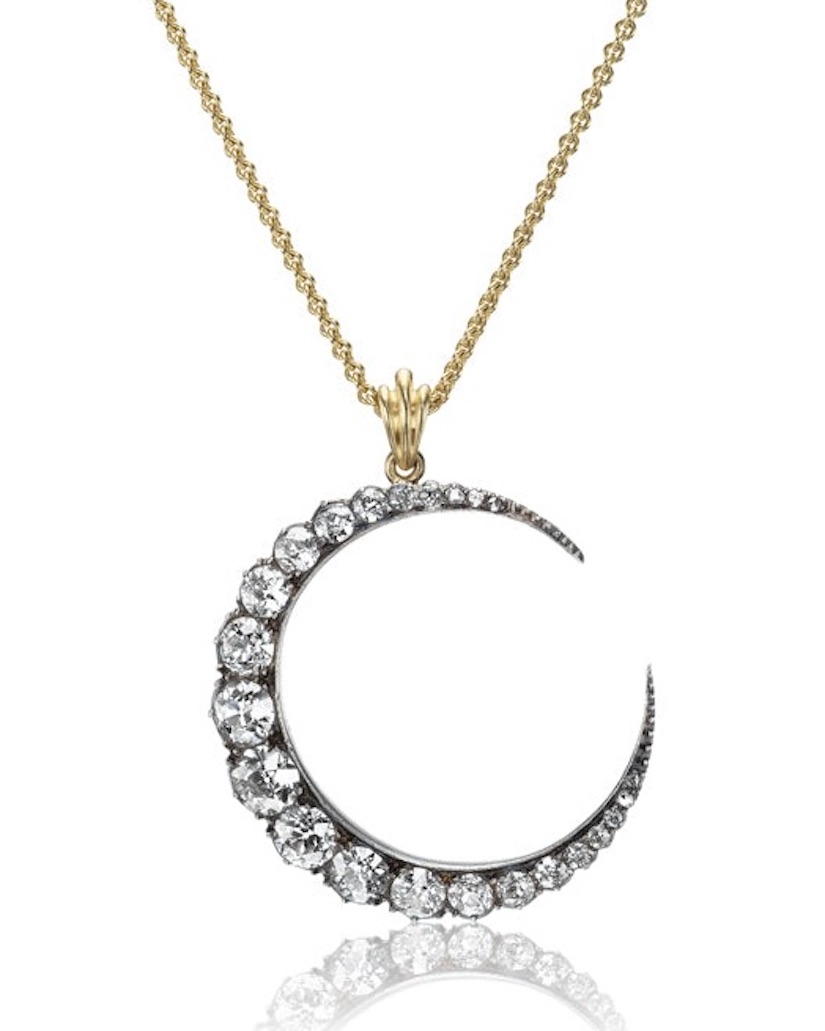
Whether it’s a mourning piece made of black enamel and a weeping willow motif or a diamond crescent pendant given to a lover, Victorian jewelry isn’t meant to be just decorative. Natural diamonds, which represented eternal love, were a perfect fit for the Victorians’ penchant for infusing jewelry with emotion and symbolism.
Nature-Inspired Motifs
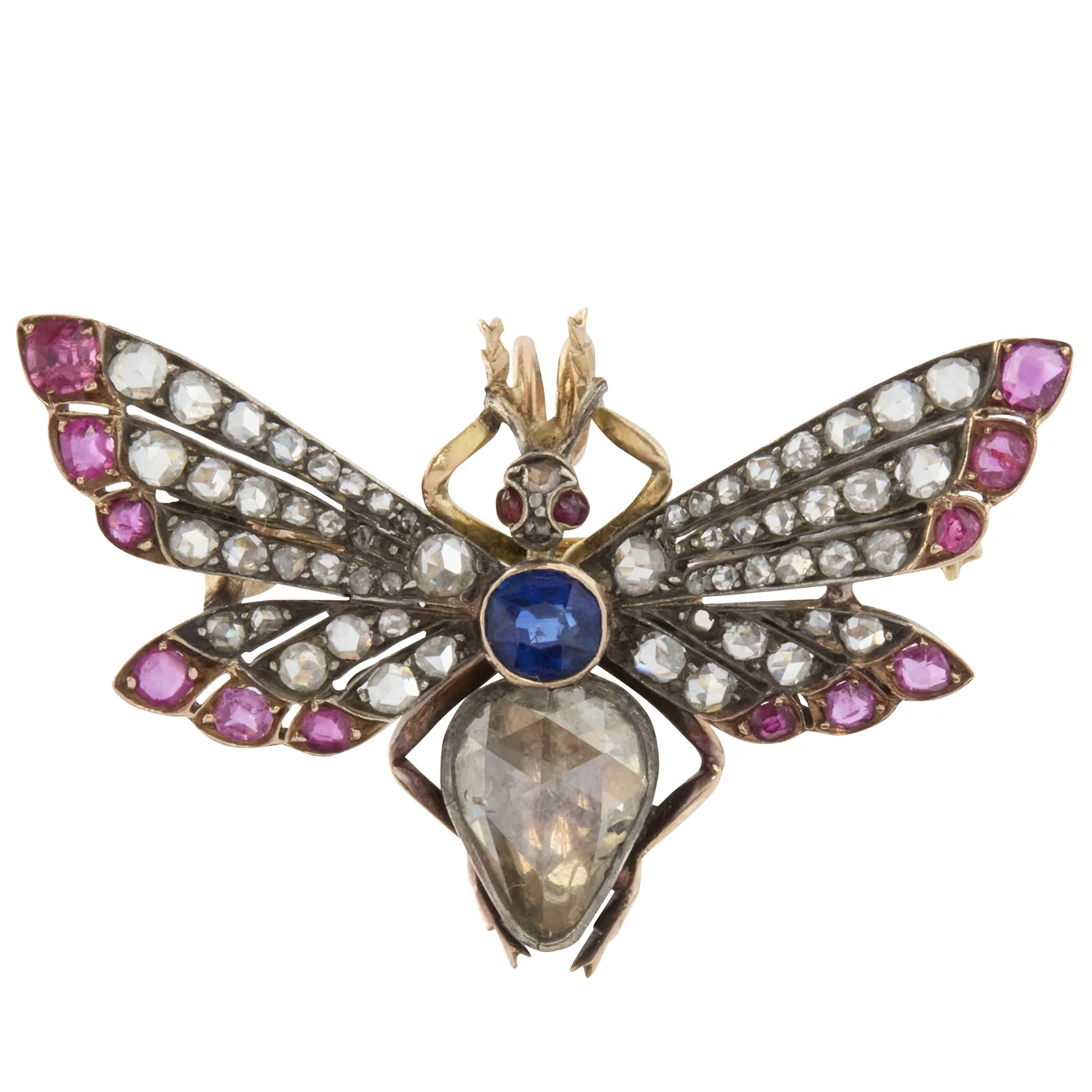
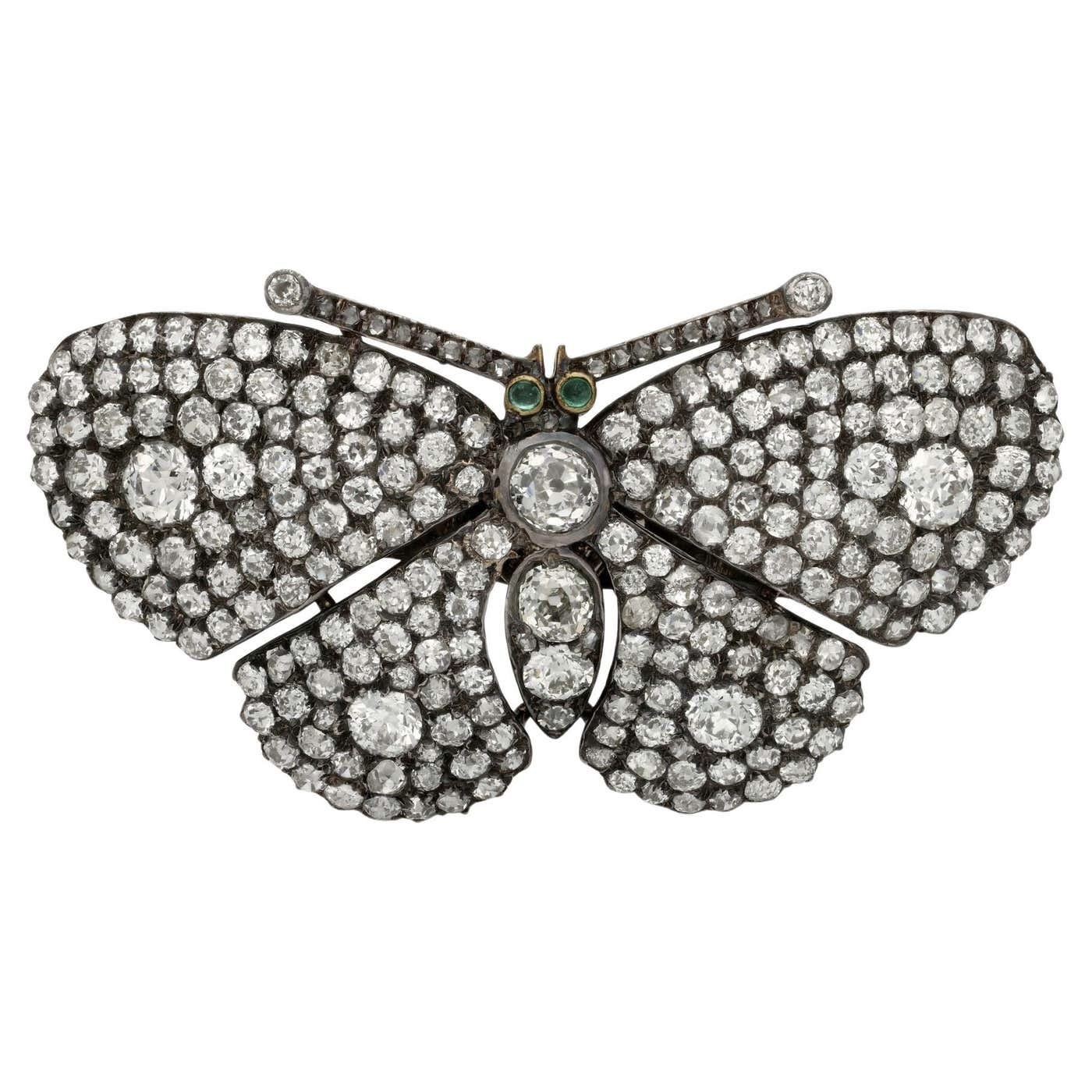
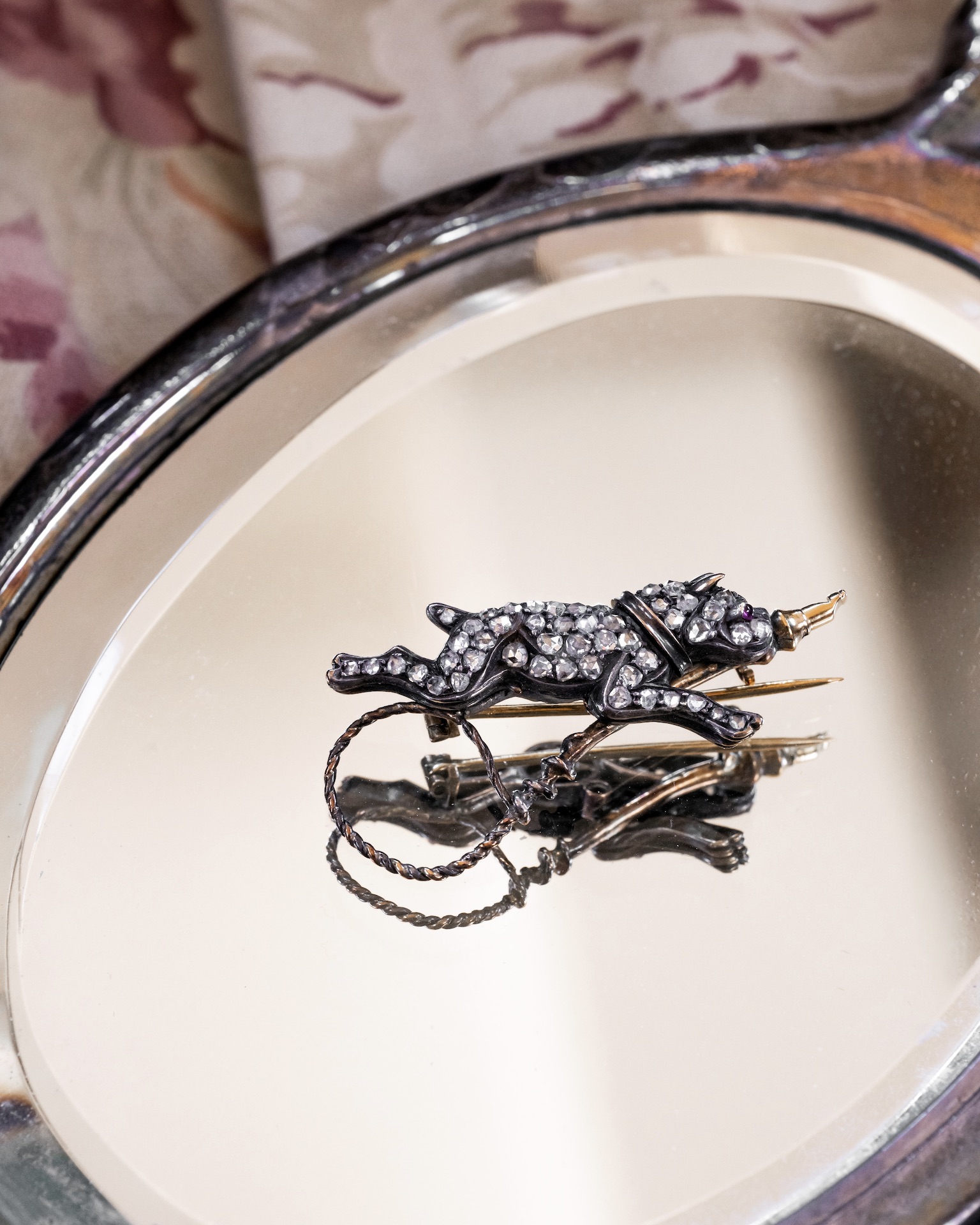
The natural world was a great source of inspiration for Victorian jewelry designers, from motifs featuring birds, butterflies, or insects – Queen Victoria loved animals – to clusters of diamonds arranged in a bouquet.
Revival Influences
Victorian jewelry is marked by revival influences from different eras, like the Gothic revival movement that consciously brought back Gothic and medieval art forms into the mainstream.
Archaeological discoveries were also prolific around Europe in the 19th century, notes Molesworth, which inspired designs with classical motifs reminiscent of ancient Greece, Rome, and Egypt.
Use of Yellow Gold, Rose Gold, and Silver
Queen Victoria’s famous snake engagement ring was crafted from 18-karat gold, which was typical in the early Victorian period. “High-karat gold and, later, silver settings were common,” says Rick Shatz, founder of The Back Vault.
It’s therefore possible to come across Victorian jewelry with warm hues like yellow or rose gold, or cooler-toned pieces that may have naturally darkened over time, adding to the charm of an Old World natural diamond piece.
Antique Diamond Cuts
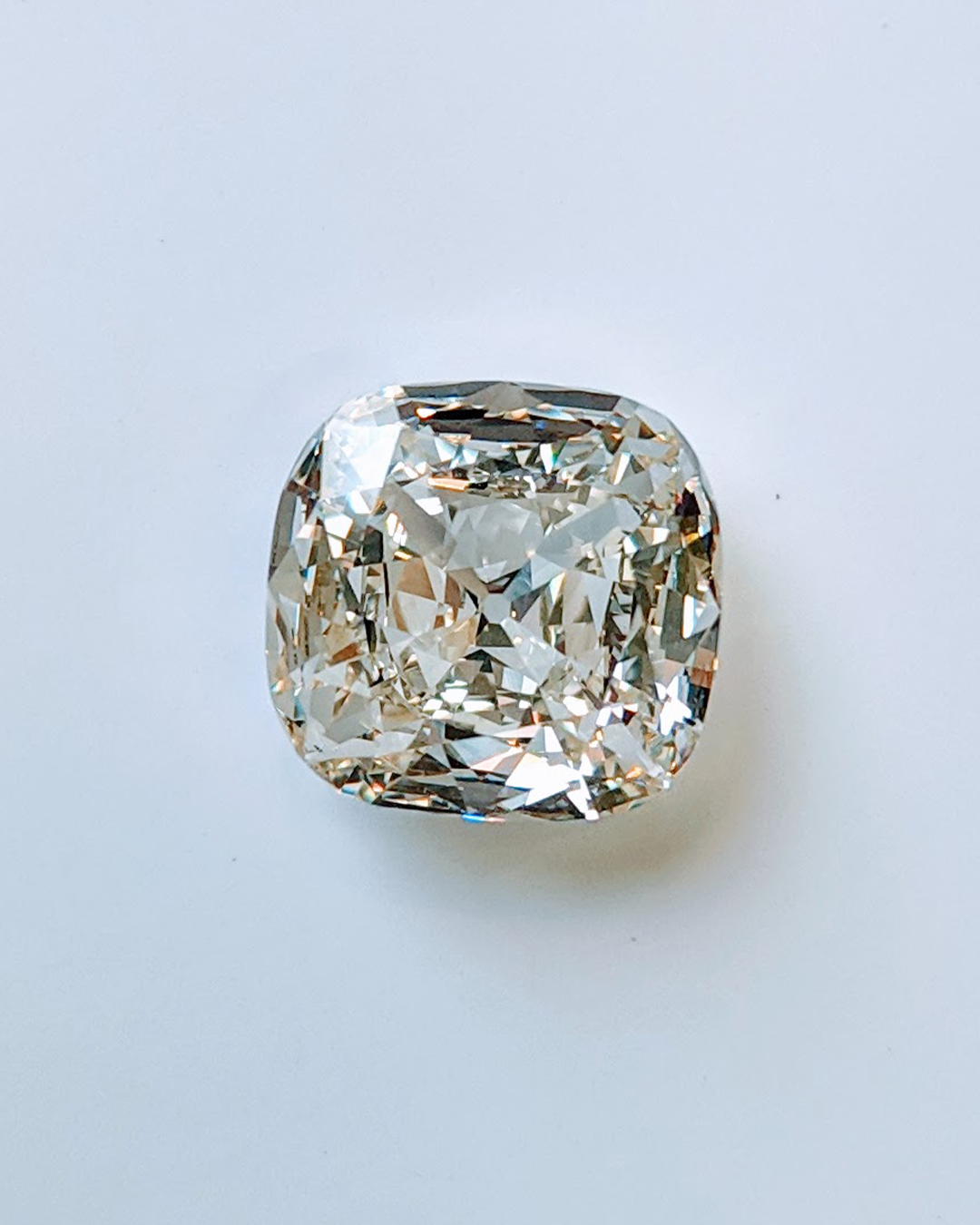
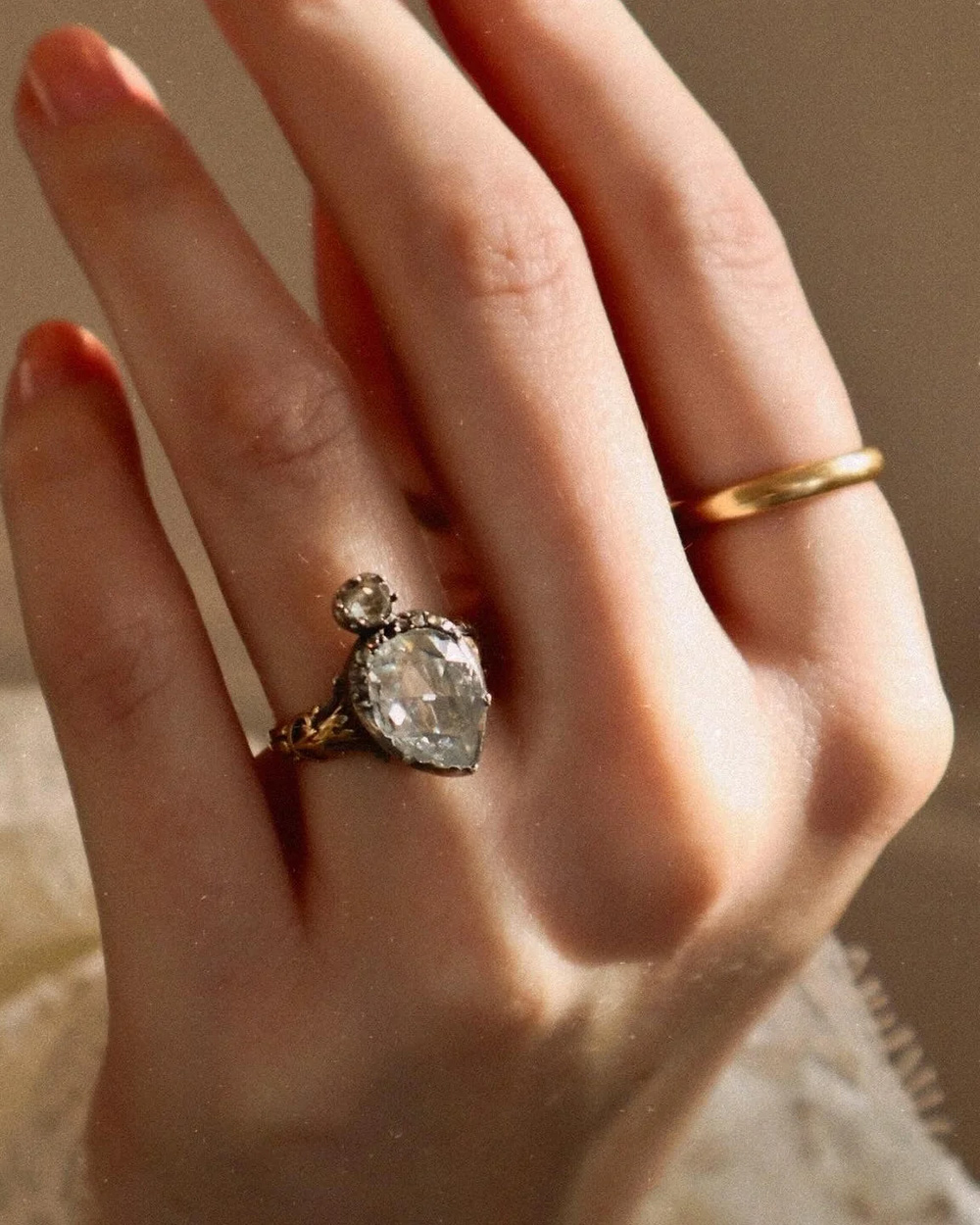
Rose-cut diamonds were favorites of the Victorians – and they still hold an undeniable romantic appeal today with their round shape, flat base, and facets designed to look like a rosebud.
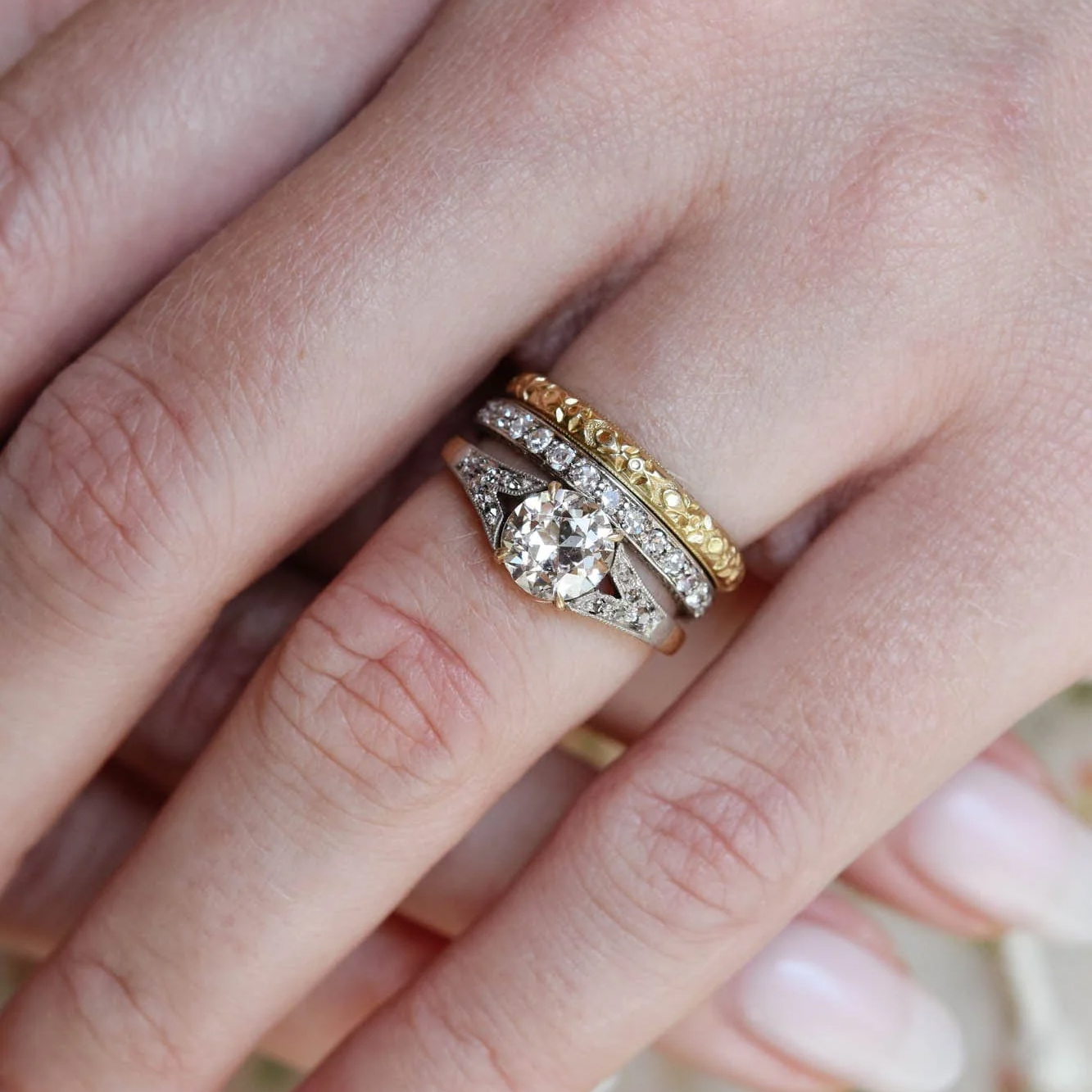
Old Mine cuts, which are distant cousins of the modern cushion-shaped diamond, were also common. Old European cut diamonds, which emerged as diamond cutting techniques evolved, were rounder and offered more brilliance under gas and electric light.
What to Look For When Buying Victorian Diamond Jewelry
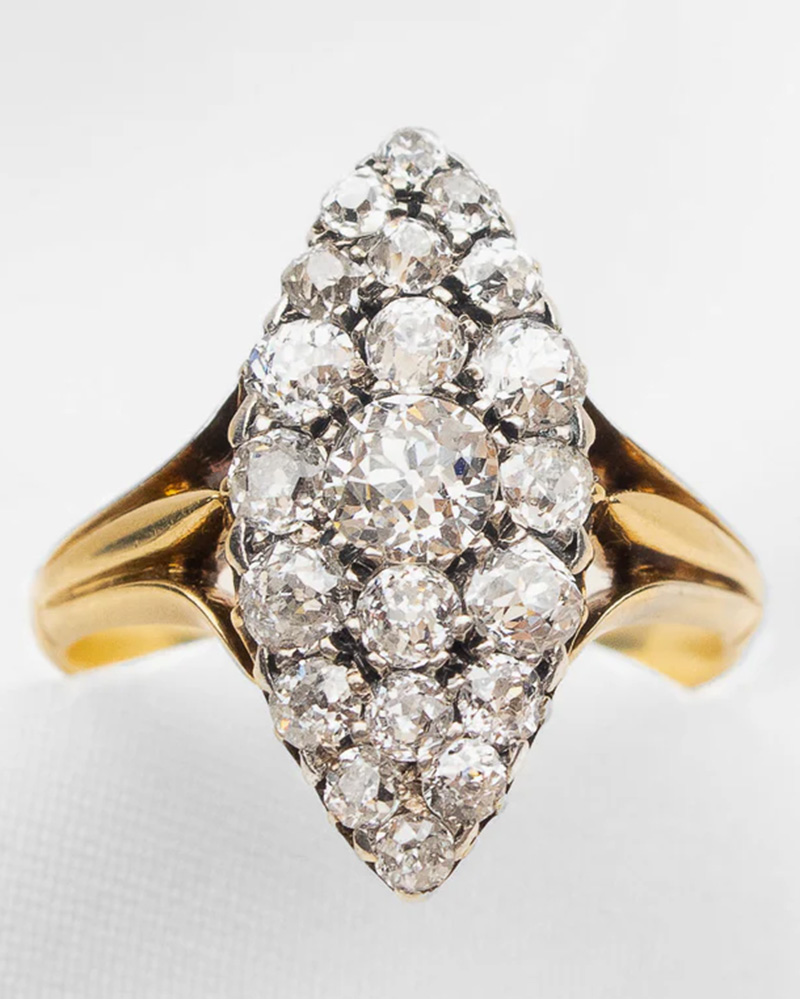
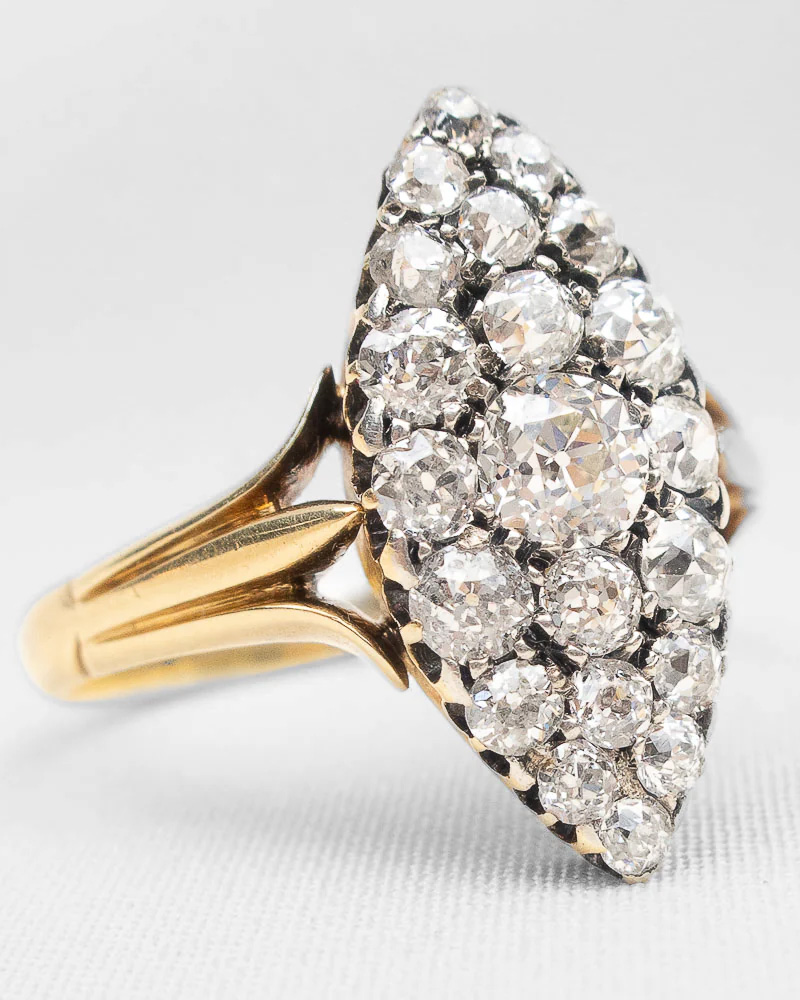
If you love the thought of adding an authentic Victorian piece to your diamond jewelry collection, the first thing you’ll want to look for is a trusted jeweler or antique dealer who regularly works with jewelry from the Victorian era.
“Work with a trusted expert who understands period construction and materials, as provenance and integrity are everything,” says Shatz. “Each surviving piece carries historical weight, and with a finite supply remaining, authentic examples are increasingly rare.”
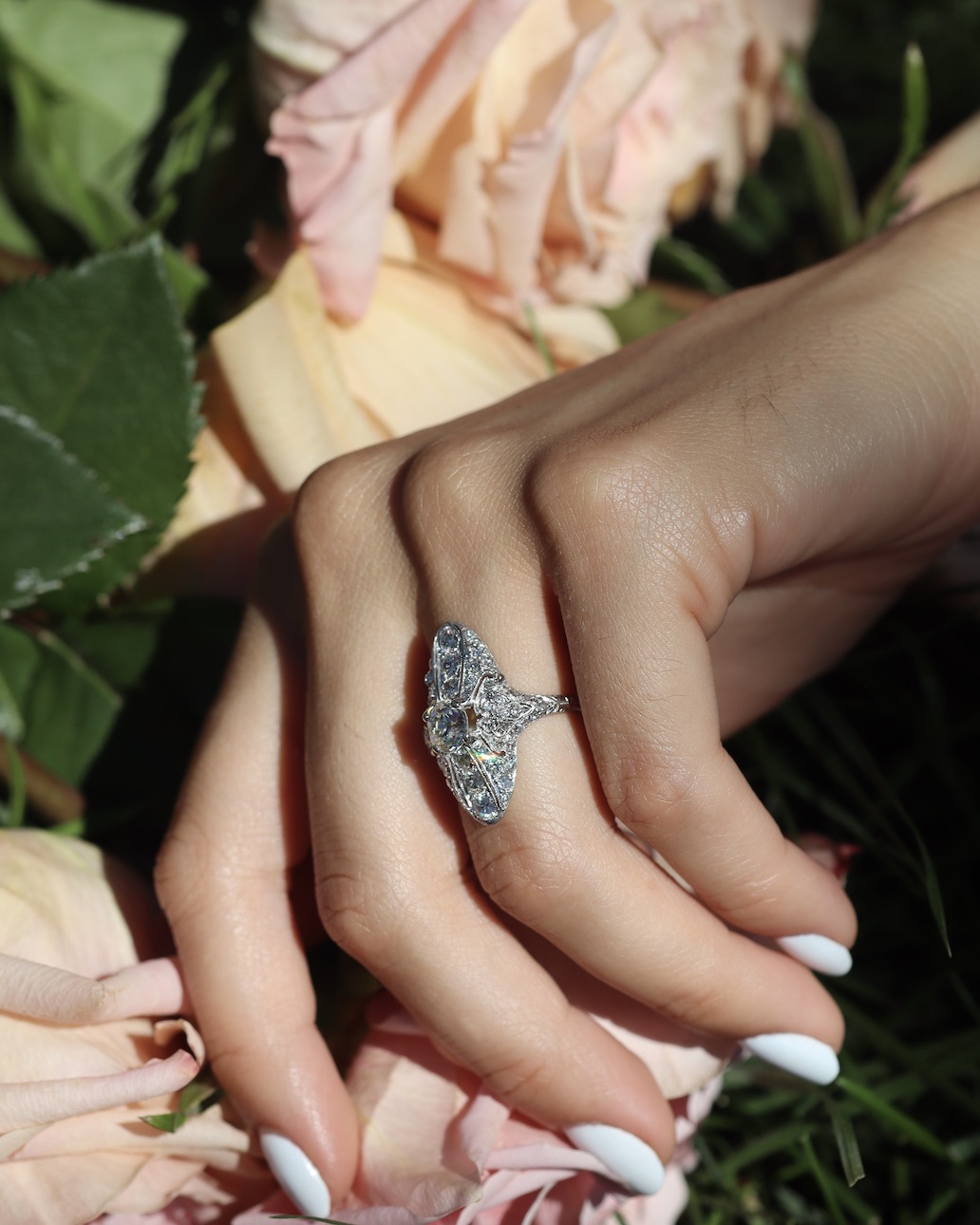
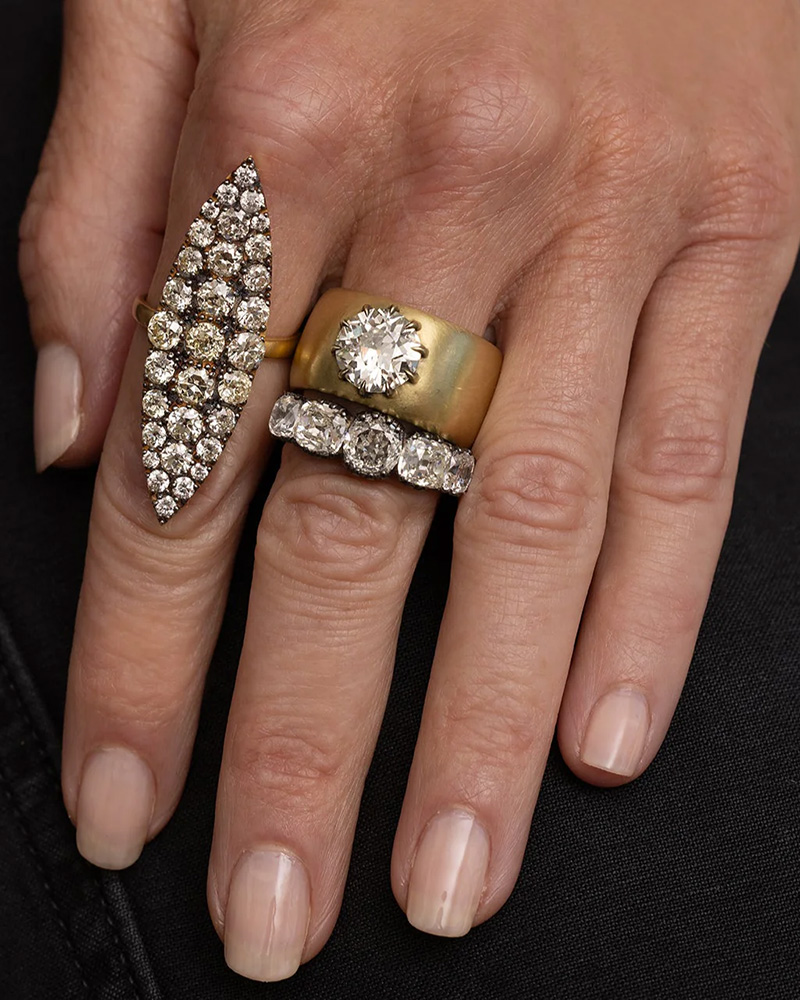
From a design standpoint, think about the trends that you’re most drawn to within the broader Victorian era. Are you attracted to the romanticism of early Victorian designs or something bolder and darker from the mid-Victorian period? Are you in the market for something specific, like a navette ring, or open to falling in love with a unique find?
Knowing this ahead of time can help you feel confident in your choice, especially if you’re buying at an auction, where urgency can influence decision-making.
How to Care for Victorian Diamond Jewelry
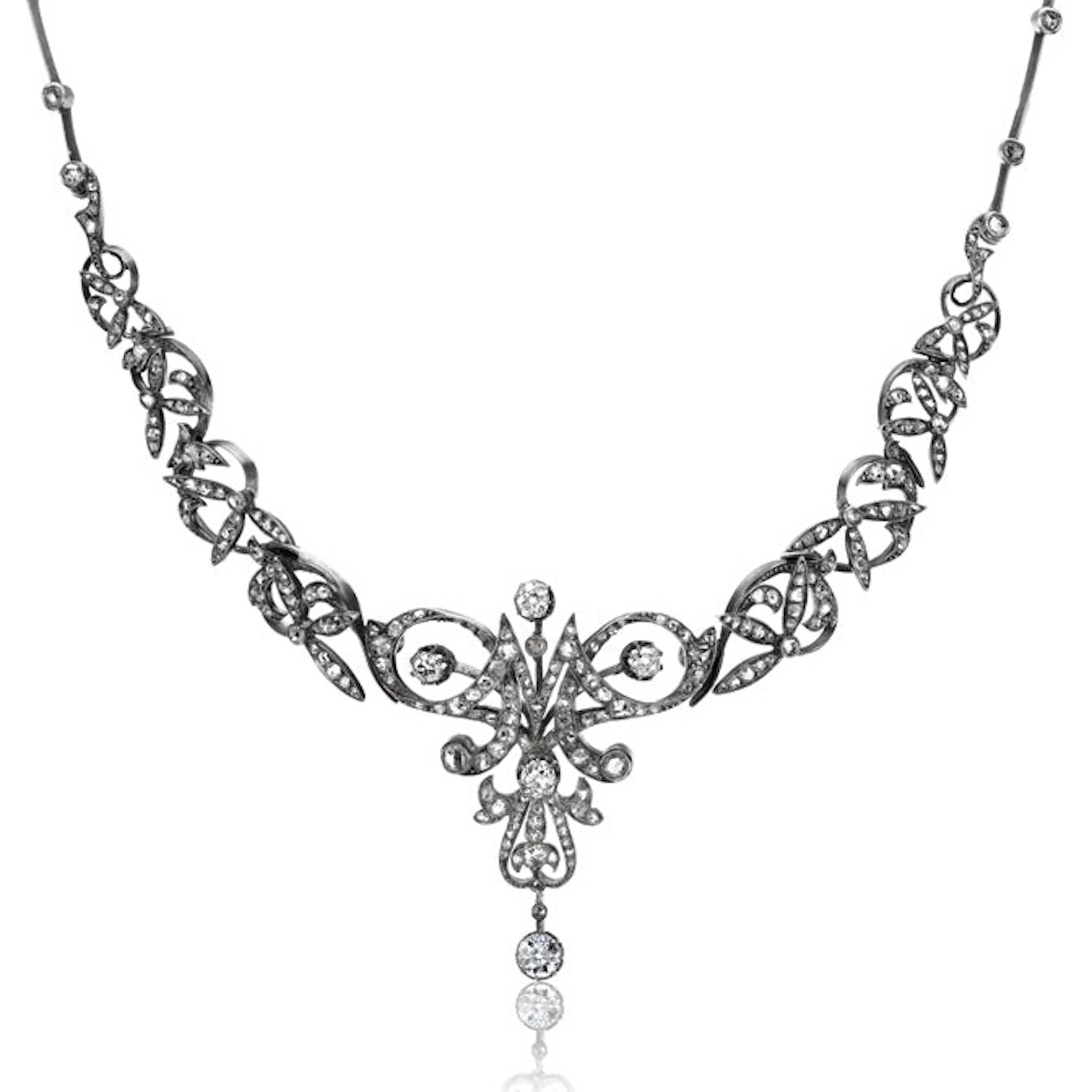
Less is more when it comes to keeping a piece of Victorian diamond jewelry in pristine condition. Don’t soak it for long or use harsh chemicals. Avoid ultrasonic cleaners that can dislodge stones. A bit of warm water, mild dish soap, and a soft toothbrush are all you need to gently clean it.
Avoid storing antique jewelry pieces together, even if they’re in a jewelry box, as they can get chipped or tangled. Keep your jewelry in a cool, dry place – away from direct sunlight that can tarnish metals like silver.
Whether you own a beautiful Victorian diamond locket pendant or a ring with intricate metalwork and candlelight diamonds, always put your antique jewelry on last when getting ready to show it off – that way, you won’t catch it on your clothes or accidentally get makeup or perfume on it.
Shop Diamond Victorian Jewelry
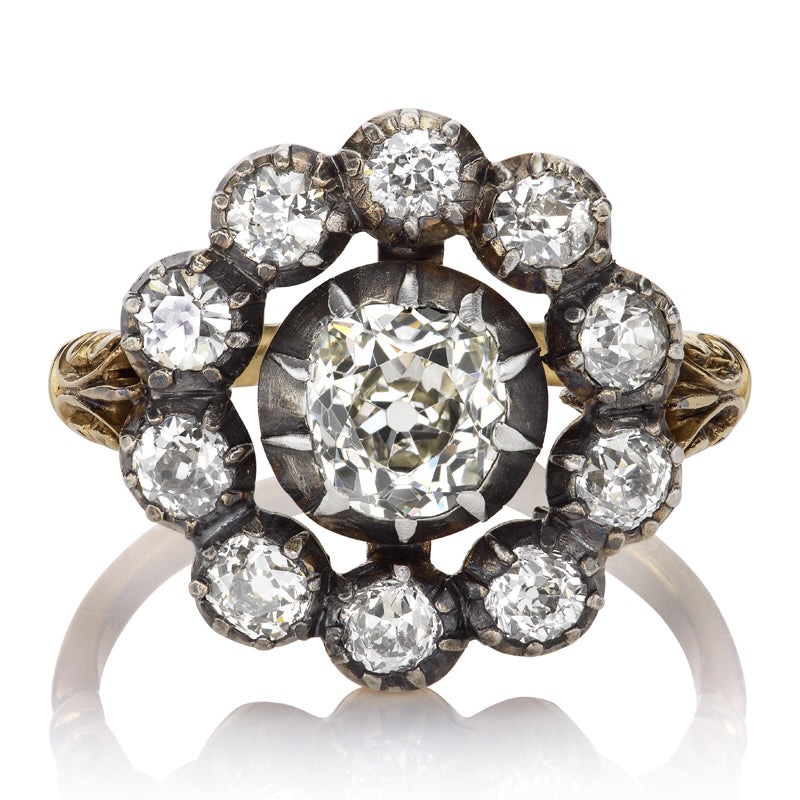
Andria Barbone “Pecilica” Antique Early Victorian Cluster Ring, $18,000, andriabarbone.com
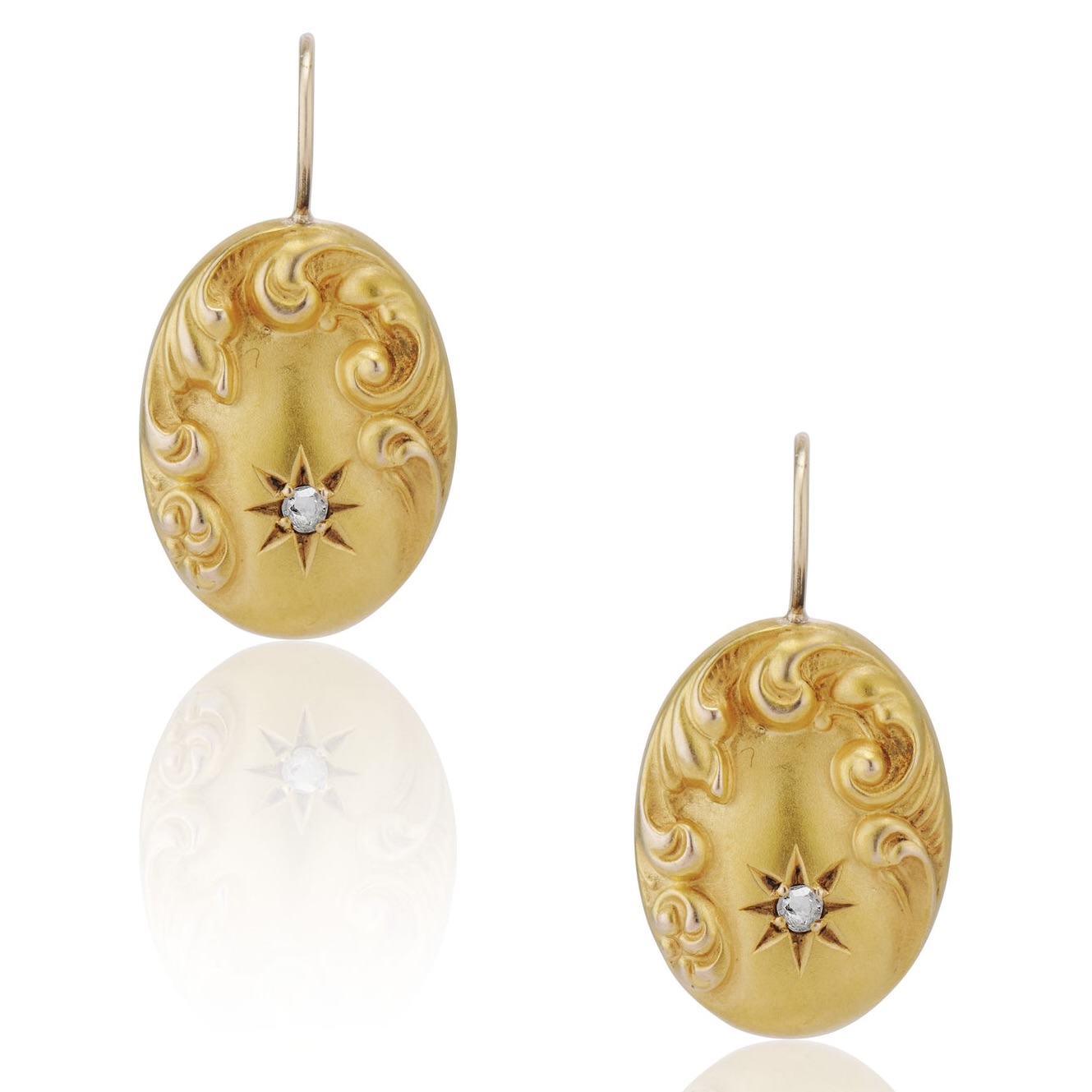
ASHLEY ZHANG VICTORIAN GOLD REPOUSSÉ EARRINGS WITH STARBURST DIAMOND, $1,100, ashleyzhangjewelry.com
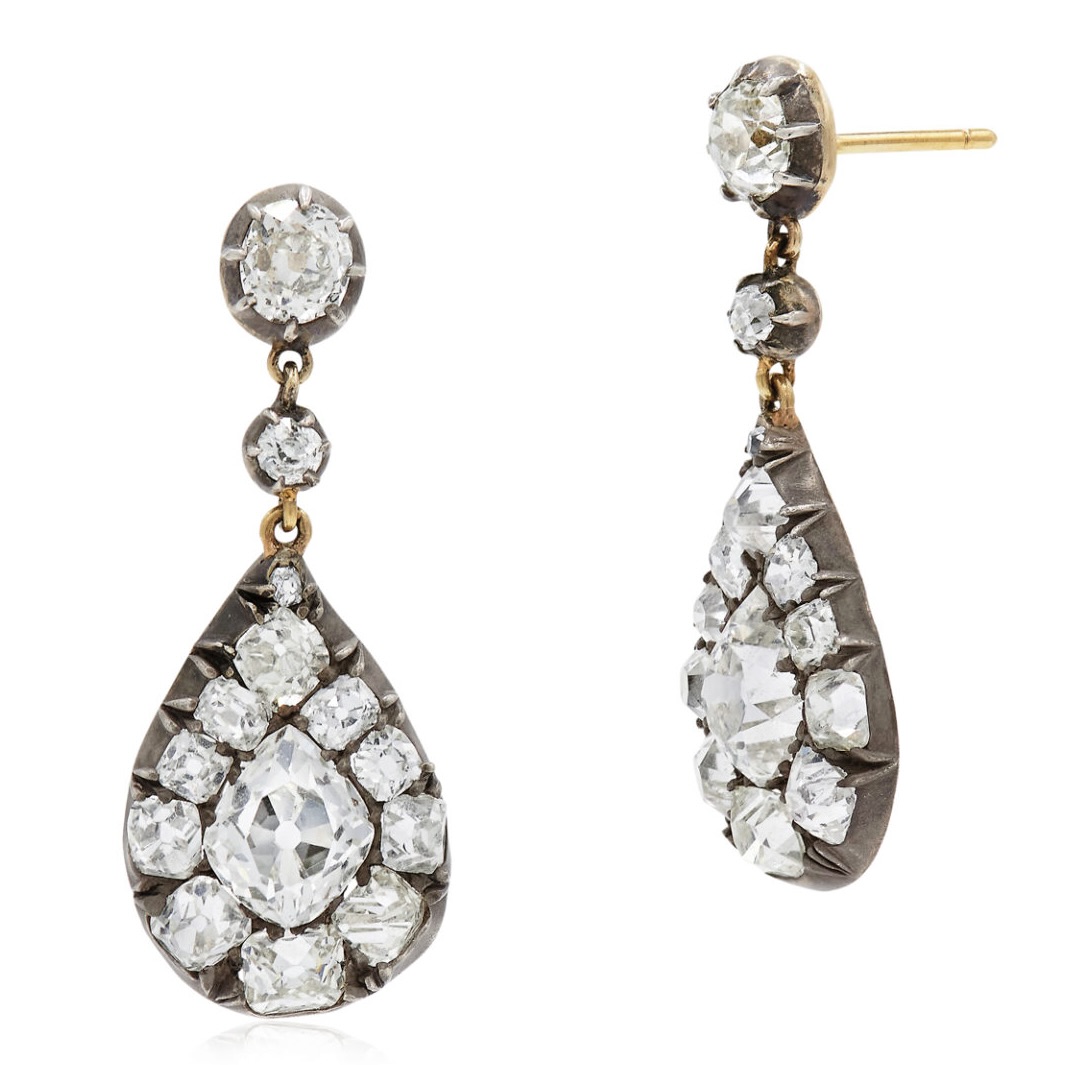
Fred Leighton Antique Old Cut Lozenge Diamond Teardrop Pendant Earrings, $70,000, fredleighton.com
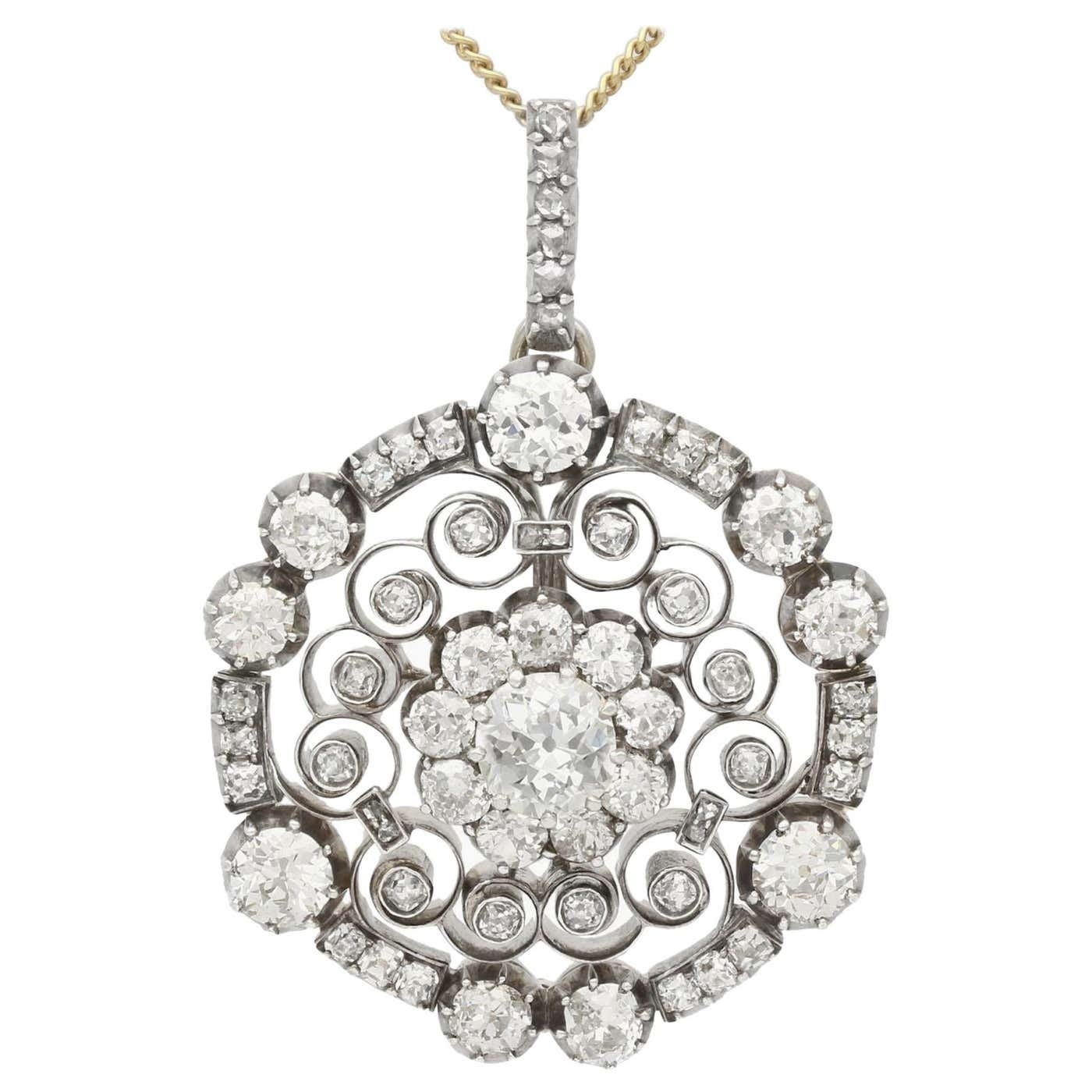
Antique Victorian 6.22 Carat Diamond Yellow Gold Pendant, circa 1880, $16,381.19, 1stdibs.com
Fred Leighton Antique 18K Yellow Gold and Diamond Double Snake Ring, $5,500, fredleighton.com
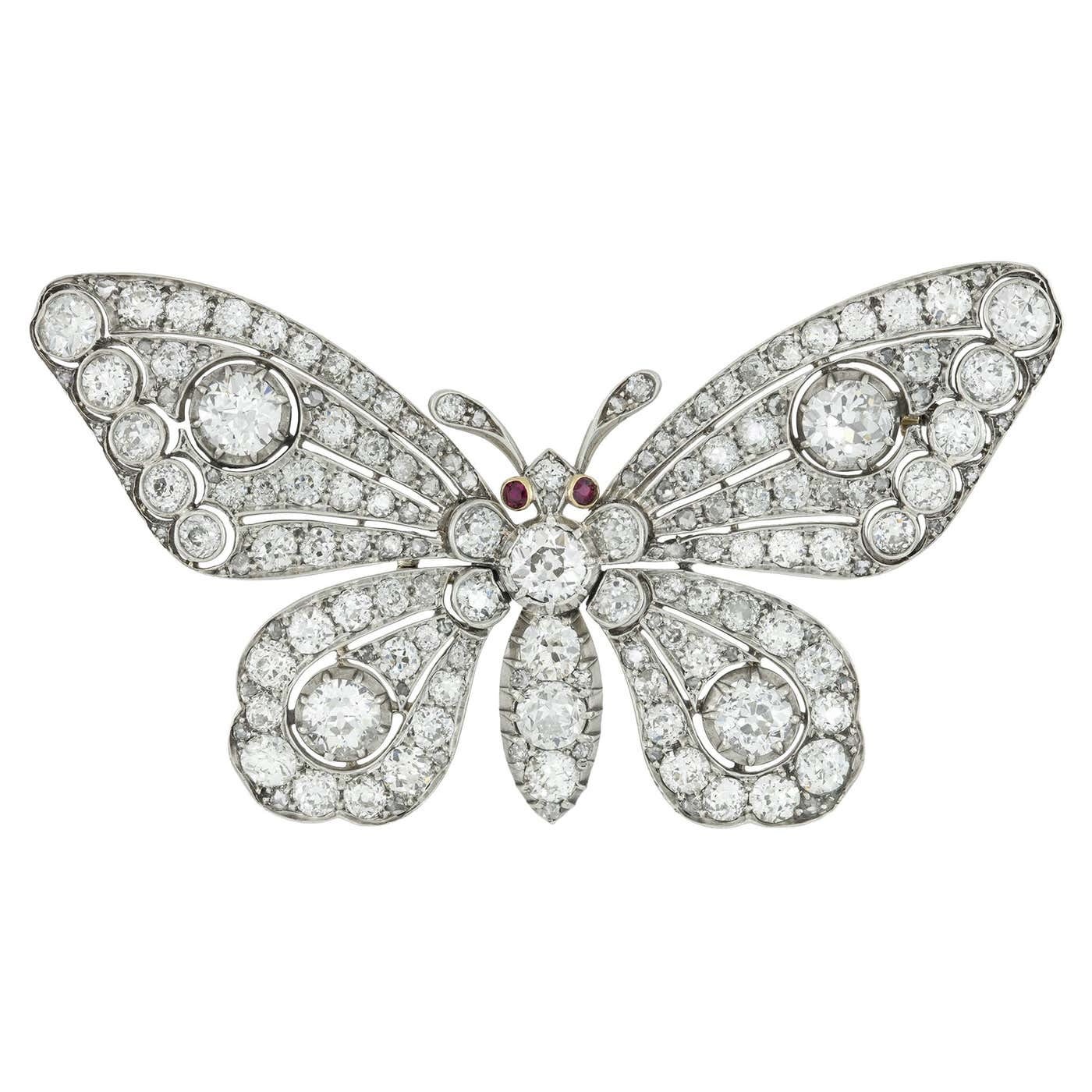
Magnificent Late Victorian Diamond-Set Butterfly Brooch, $85,675.70, 1stdibs.com
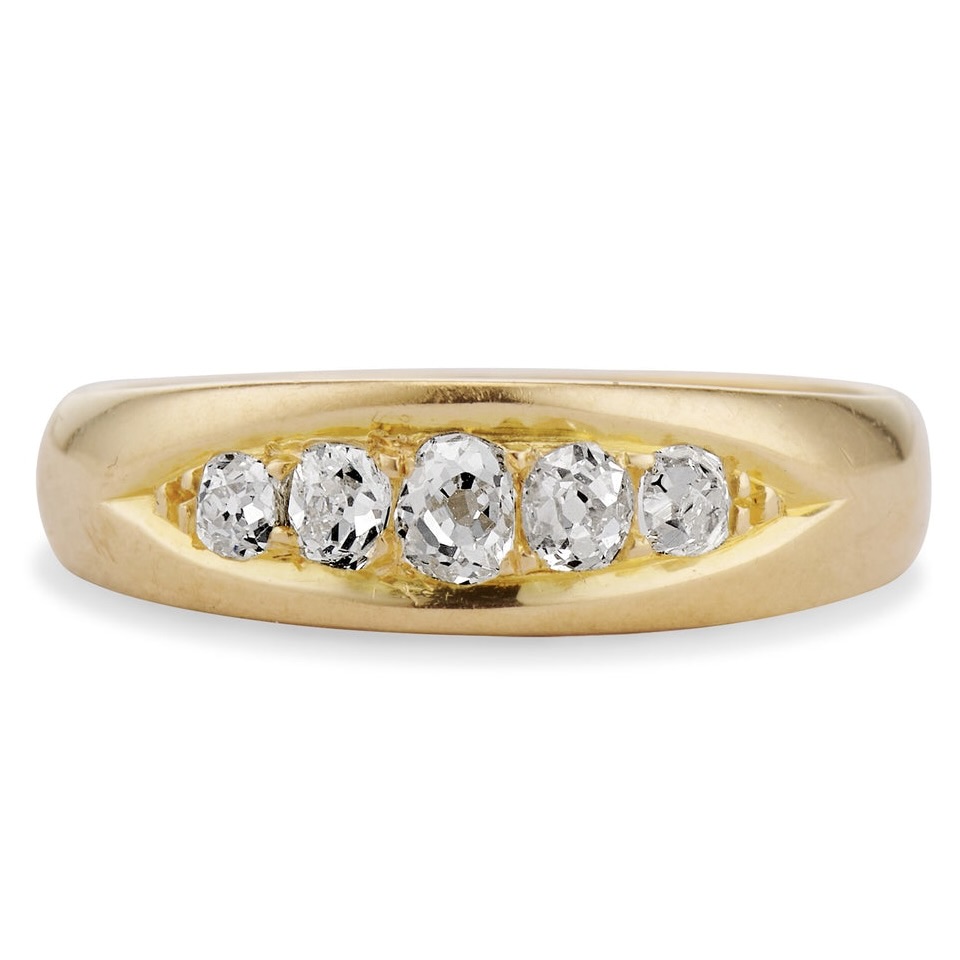
ASHLEY ZHANG 1879 FIVE OLD MINE CUT DIAMOND RING, $1,780, ashleyzhangjewelry.com
Victorian Diamond Bird Brooch, $15,750, langantiques.com
Andria Barbone “Marseille” Authentic Victorian Era Antique Old Cut Diamond Necklace, $18,000, andriabarbone.com
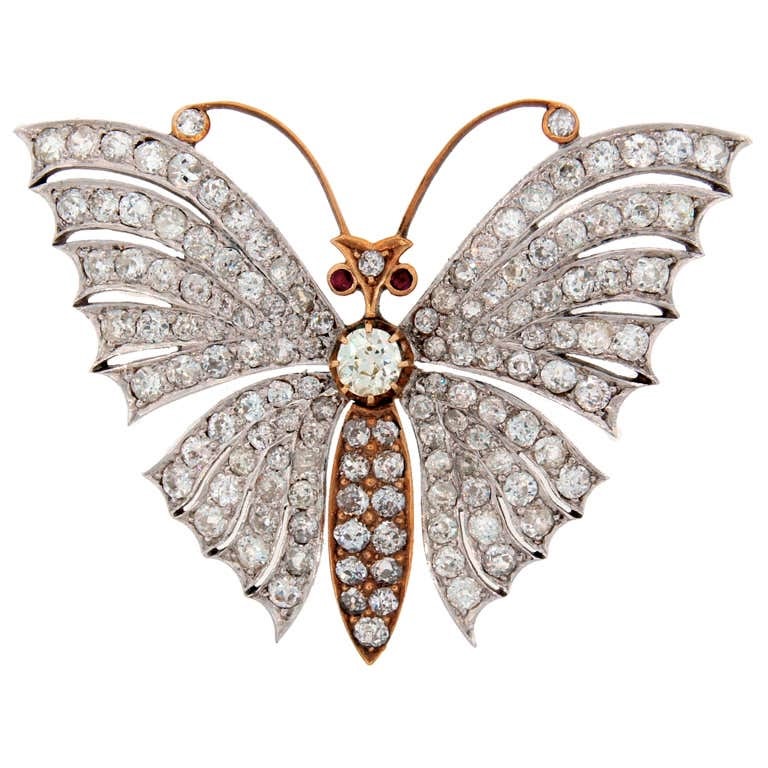
Victorian Diamond Ruby Gold Butterfly Brooch Pin, $18,800, 1stdibs.com
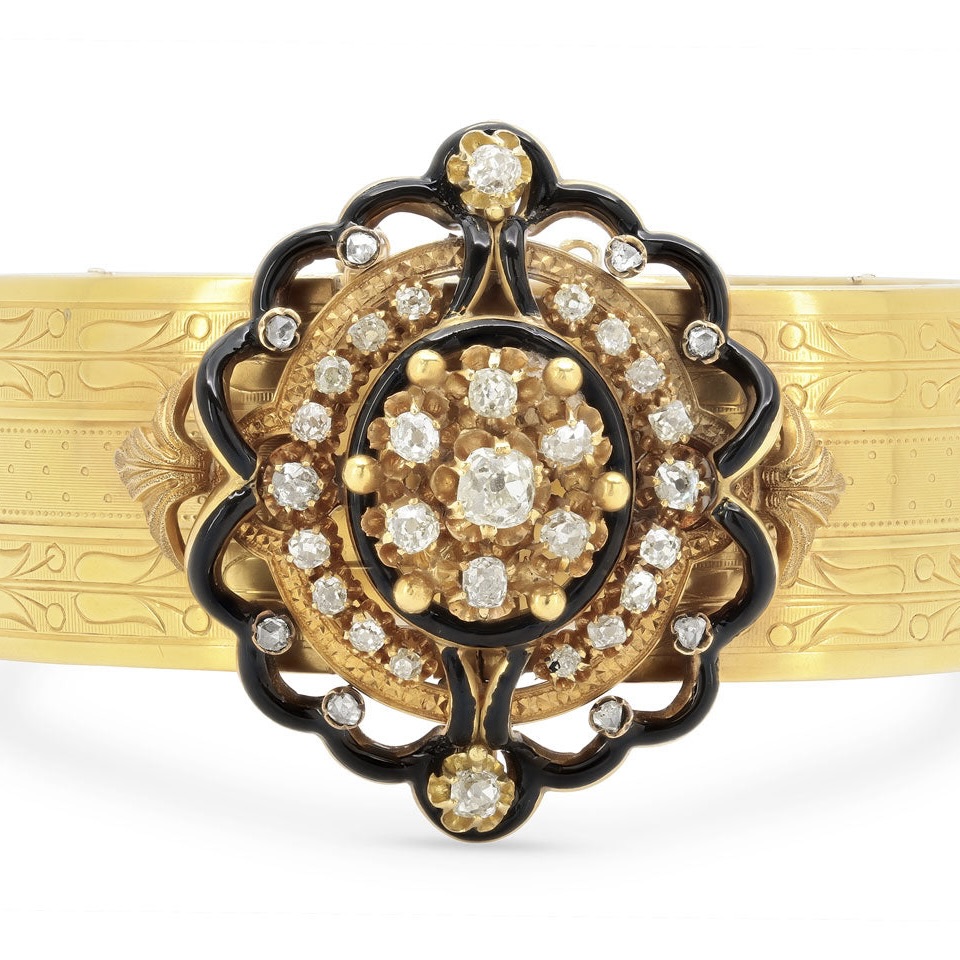
Beladora Antique Victorian Diamond and Enamel Bracelet in 18K Gold, $10,250, beladora.com