A Bug’s Life: How Diamond Insect Jewelry Has Endured Through The Ages
You don’t need to be a bona fide entomologist to appreciate the glitz and glam of whimsical diamond insect jewelry.
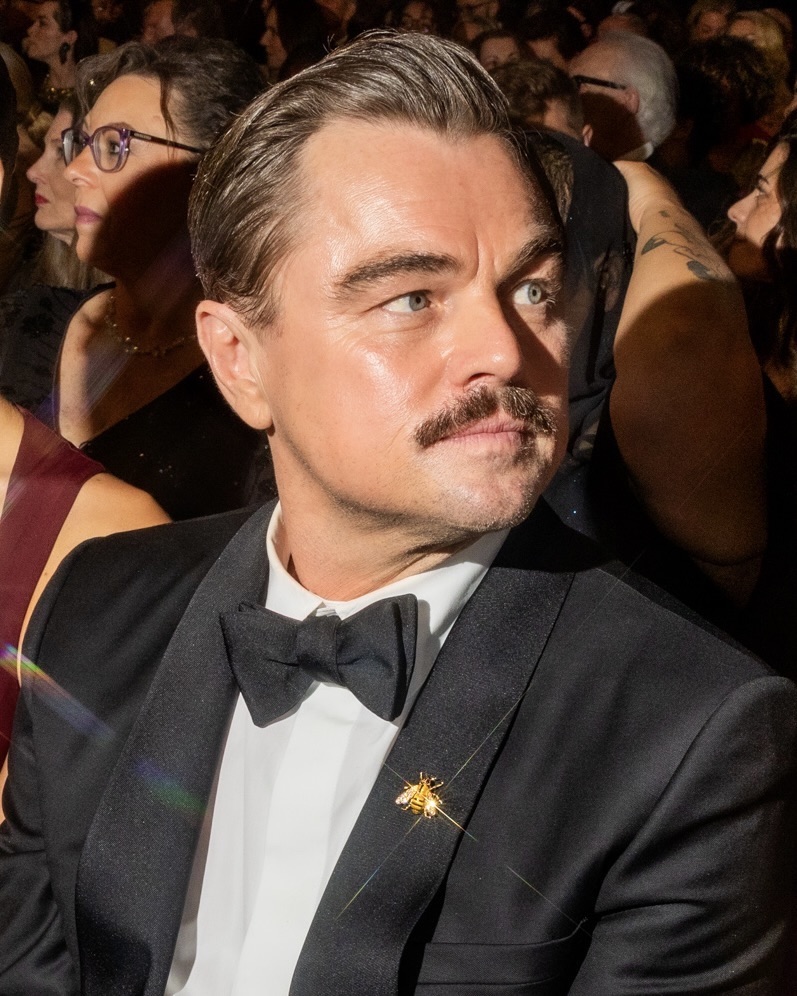
Leonardo DiCaprio attends the Oscars on March 15, 2026. (Getty Images)
Some might recoil when creepy, crawly bugs come to mind, but these tiny critters have entranced creatives for centuries, crafting intricate insect jewelry rendered in natural diamonds, precious metals, and colorful gemstones.
As with most jewelry origins, we begin our story in ancient Egypt. From there, the Victorian era saw an uptick in nature-inspired themes, like florals, birds, butterflies, and other insects, as well as the Art Nouveau period that followed it. In 1922, the discovery of King Tutankhamun’s tomb reinvigorated interest in Egyptian motifs like the scarab beetle, blended with modern Art Deco aesthetics.
Renowned Tiffany & Co. designers like Jean Schlumberger and Elsa Peretti found their greatest inspiration in the natural world and the extraordinary creatures that inhabit it, creating stunning diamond butterflies and scorpions, respectively.
Meet the Expert
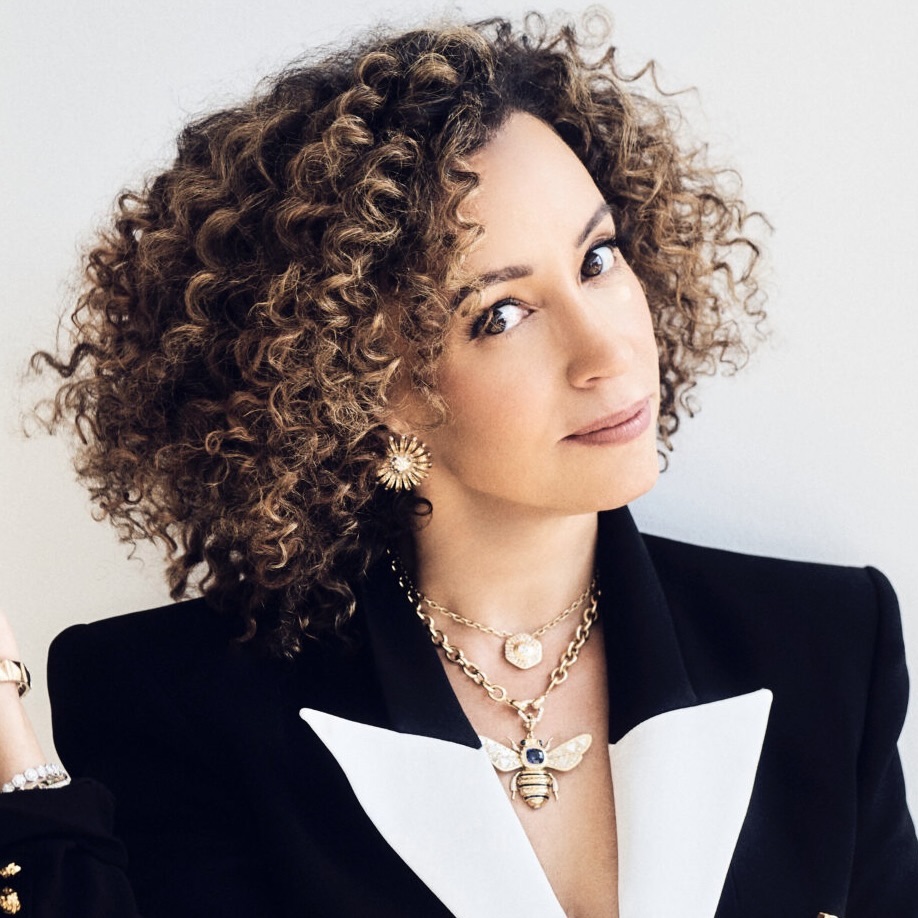
Designer Lauren Harwell Godfrey founded her namesake jewelry line, Harwell Godfrey, in 2016. Her work has been honored with the GEM Award for Jewelry Design and multiple COUTURE Design Awards. She’s been recognized by the CFDA and the CFDA/Vogue Fashion Fund and featured in publications like Vogue, Town & Country, Elle, and WWD. Harwell Godfrey’s pieces are beloved by the likes of Vice President Kamala Harris, Blake Lively, Cynthia Erivo, Julianne Moore, and Rihanna.
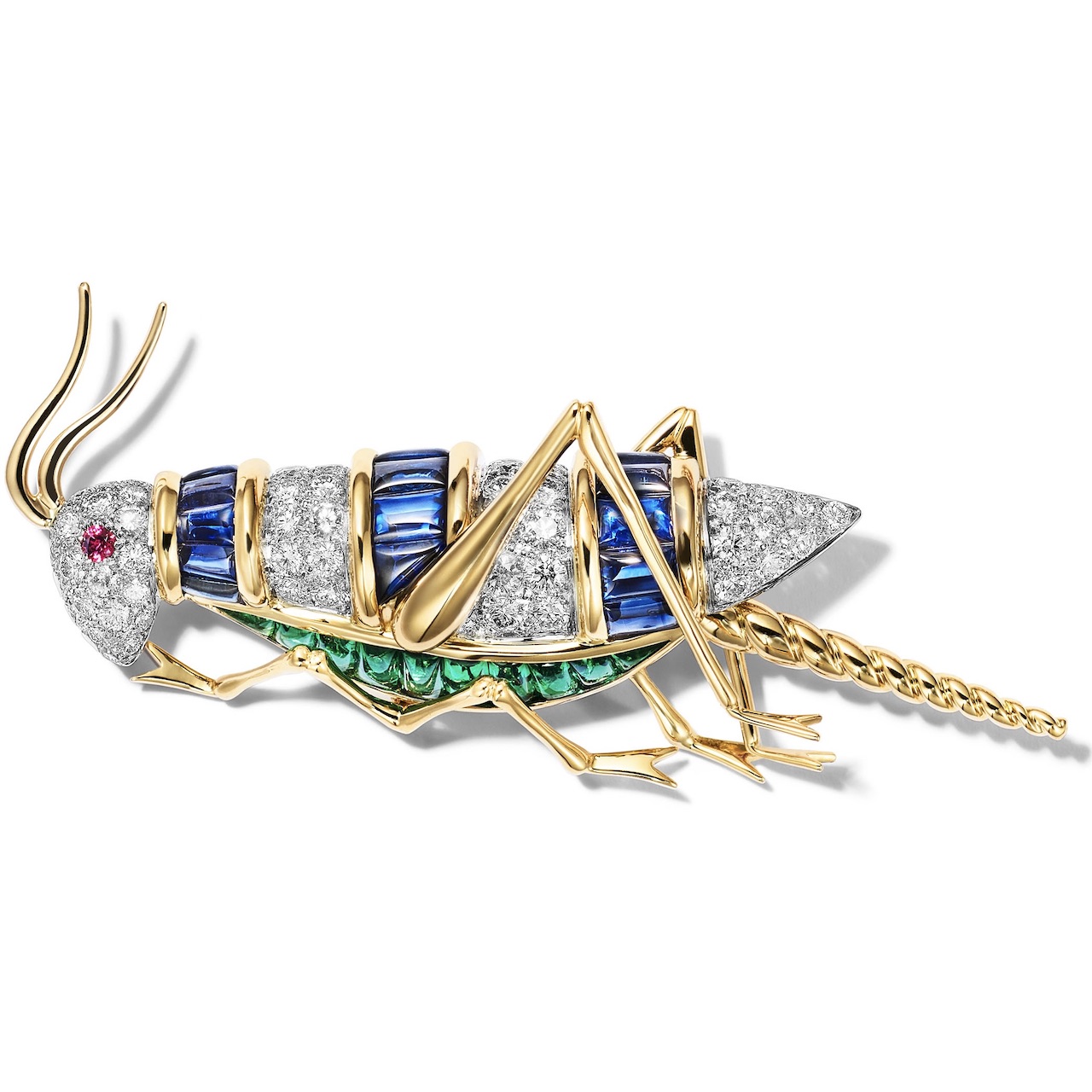
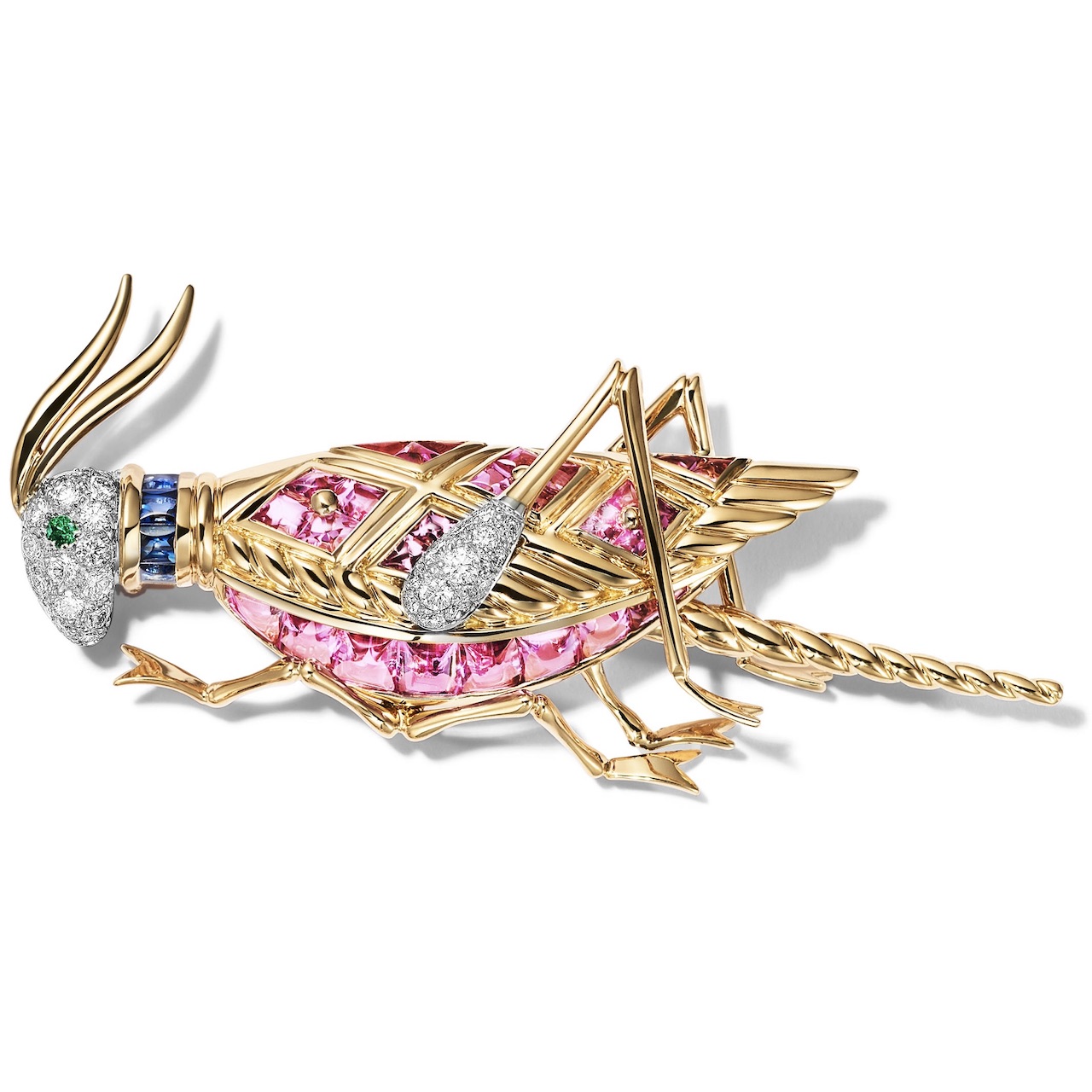
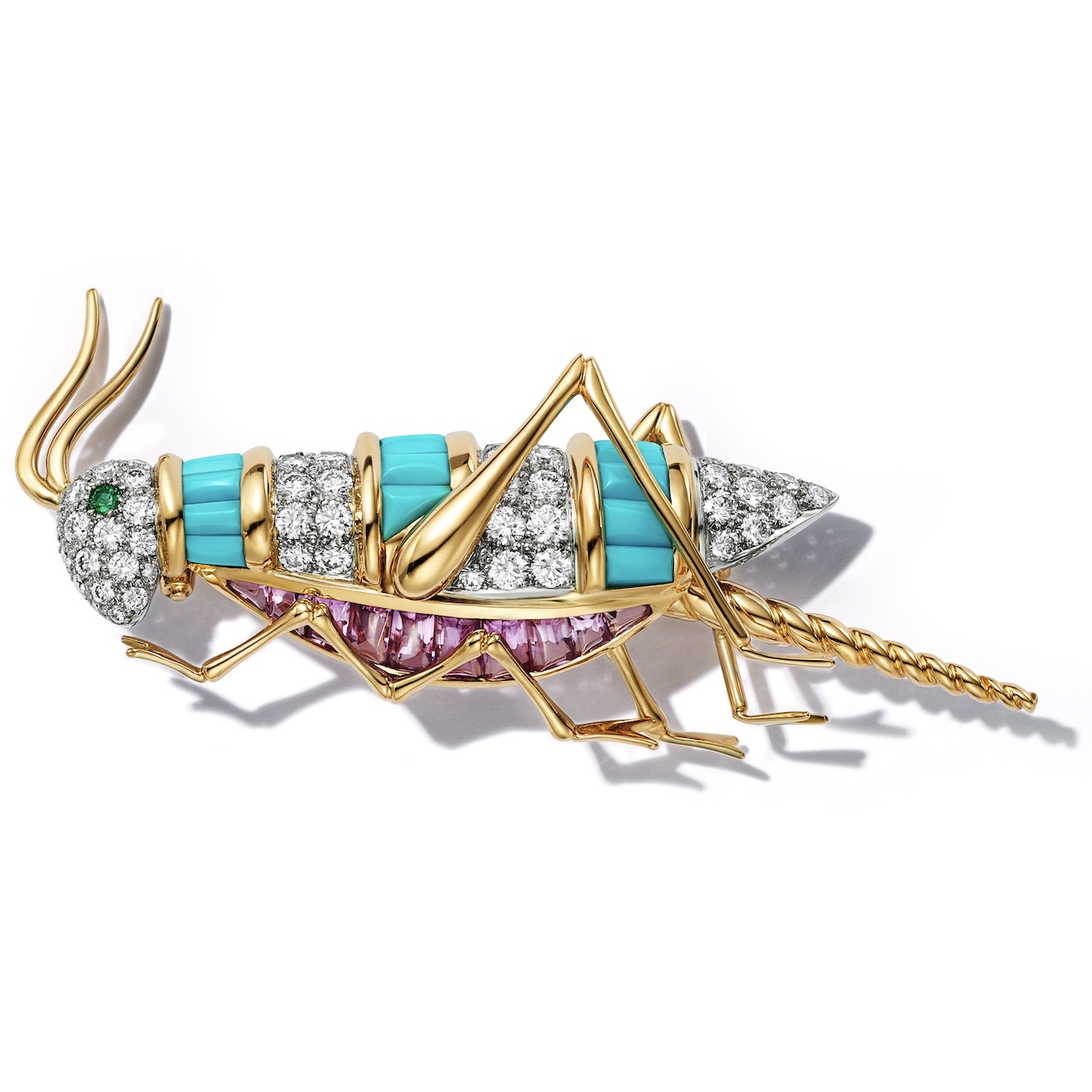
In her Fall / Winter 1938 collection, legendary French fashion designer Elsa Schiaparelli presented two necklaces of clear Rhodoid acetate and polychrome-painted pressed-brass beetles, flies, dragonflies, bees, and ladybugs. Now, her enduring fashion house has maintained her design DNA, with current creative director Daniel Roseberry sending a statement-making golden beetle necklace down the runway, channeling the influence of ancient Egypt. Earlier this month, Chanel sent the Fall / Winter 2026 collection down the runway with ethereal dresses pinned with sparkling dual dragonfly brooches at the straps.
Powerhouse jewelry maisons like Boucheron, Cartier, Chaumet, De Beers, Graff, and more have generated buzz around bejeweled bugs, as well as independent designers like Lauren Harwell Godfrey.
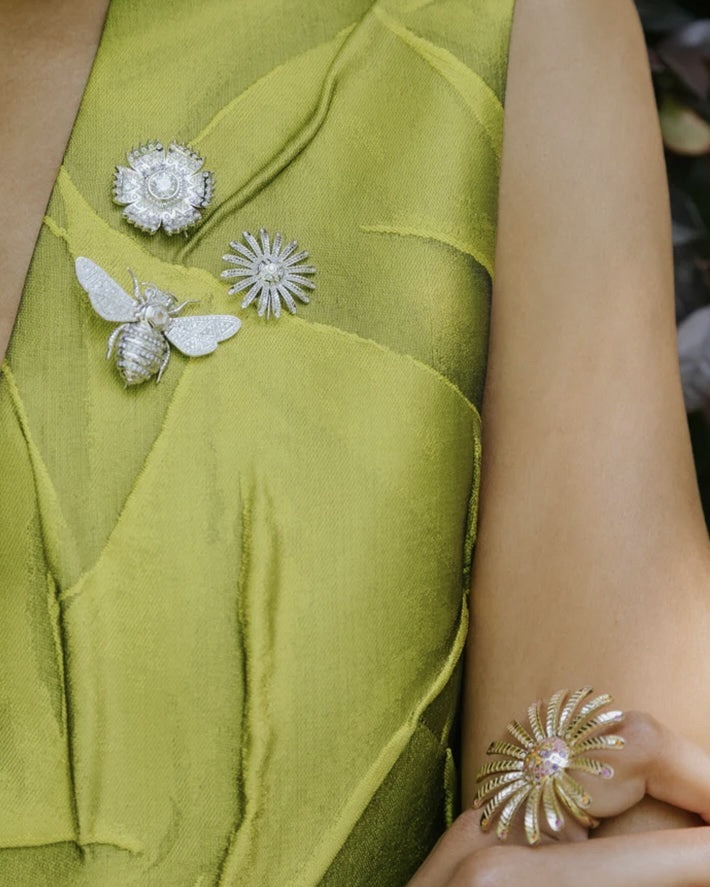
“I became inspired to create diamond insect jewelry after touring Marion Fasel’s Beautiful Creatures exhibition at the Natural History Museum,” Harwell Godfrey tells Only Natural Diamonds. “It was such a powerful reminder that insect motifs have existed in jewelry for centuries, across cultures and time.”
Butterflies, dragonflies, queen bees, honeybees, ladybugs, scarabs, and even the humble fly have buzzed into the joyful collections for her eponymous label, Harwell Godfrey. “What excited me most was the opportunity to translate that long history through the Harwell Godfrey design language. I’m always thinking about geometry, color, and symbolism, and insects offer such a rich world to explore within that framework.”
“I love that insects can feel both sturdy and delicate at the same time,” she says. “They are often incredibly colorful, a little strange, and deeply beautiful. There is something very compelling about that balance.”
Flies & Scarabs: Insect Jewelry Held Deep Symbolism in Ancient Egypt
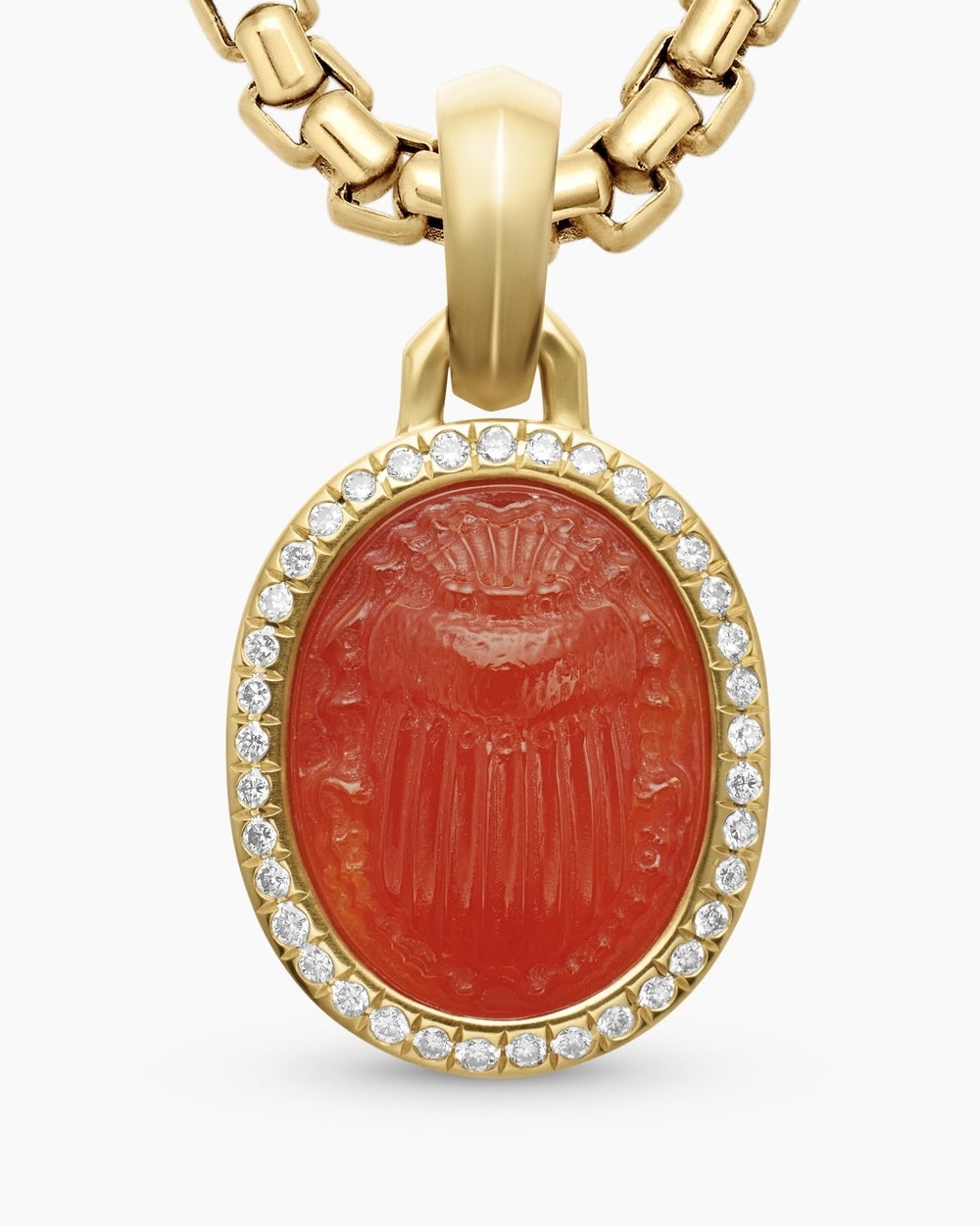
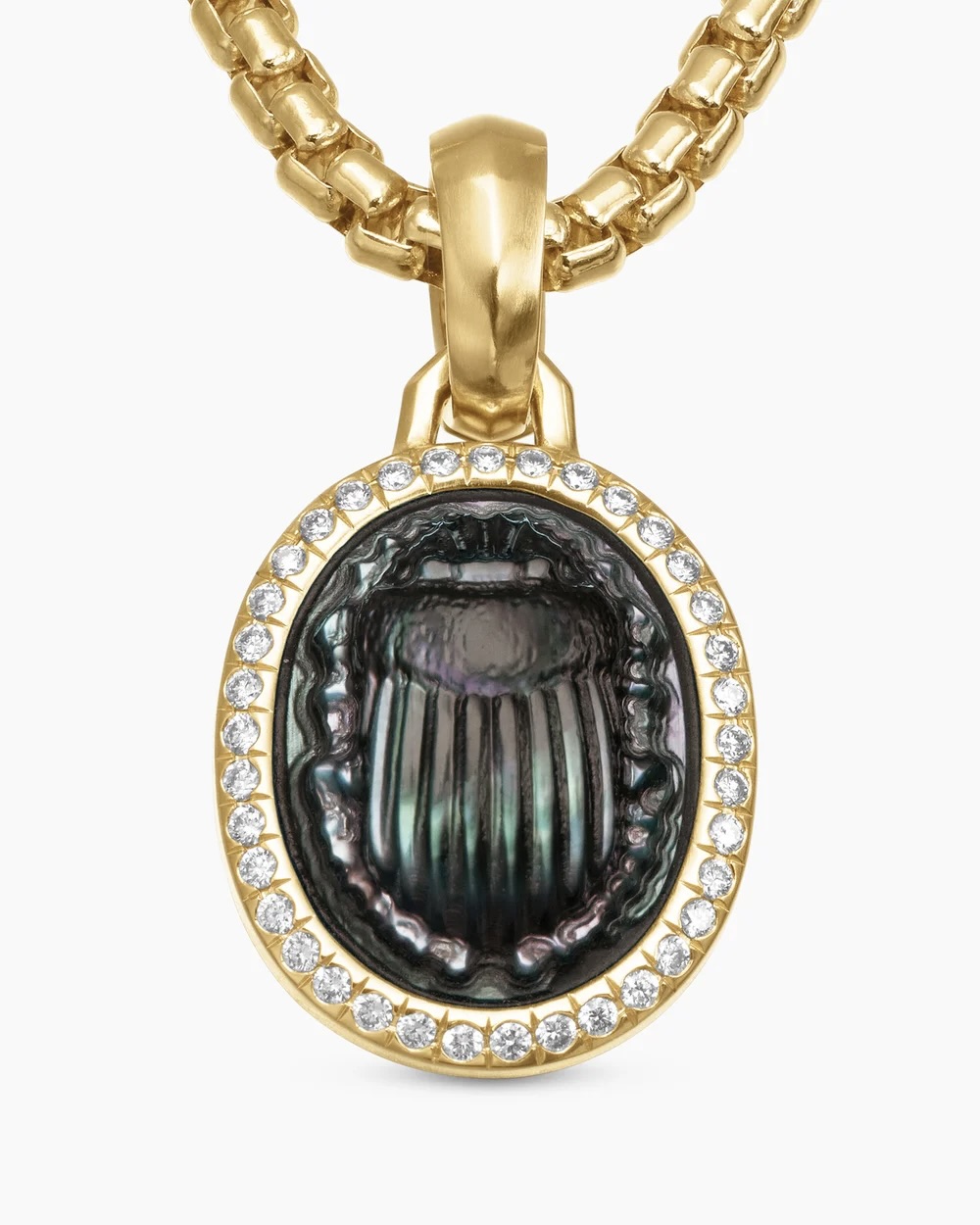
Jewelry in ancient Egypt held poignant cultural significance, symbolizing social status, power, and spiritual beliefs. Designs frequently featured resplendent colors, nature motifs, and symbols like the Ankh, the Eye of Horus, flies, and the scarab, each with deep-rooted meanings linked to mythology. For example, the beetle motif honors Khepri, the ancient Egyptian scarab-faced god, representing the rising sun and new beginnings.
In high demand, Harwell Godfrey’s swiftly sold-out scarab pendants were inspired by the designer’s travels to Egypt. “The scarab is an iconic symbol of rebirth and transformation, which makes it such a powerful talisman,” she explains. “The fly was a more unexpected inspiration. I noticed it appearing frequently in hieroglyphs and learned that in ancient Egypt, it was used in military medallions to represent bravery and persistence. I love that idea. It reframes something we might overlook into a symbol of strength.”
Creatures with Wings: Insect Jewelry Represented A Renewed Adoration For Nature in the Victorian Era
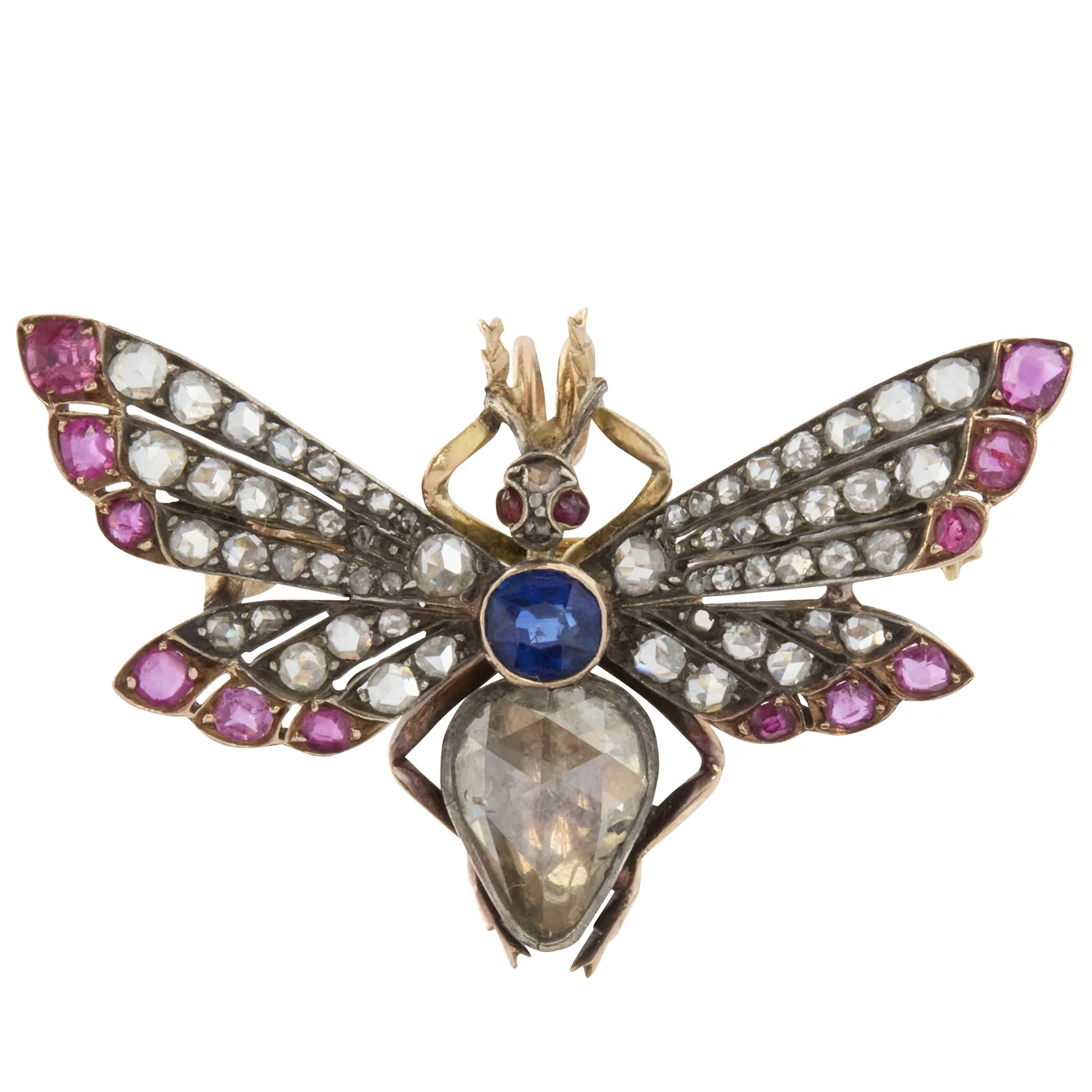
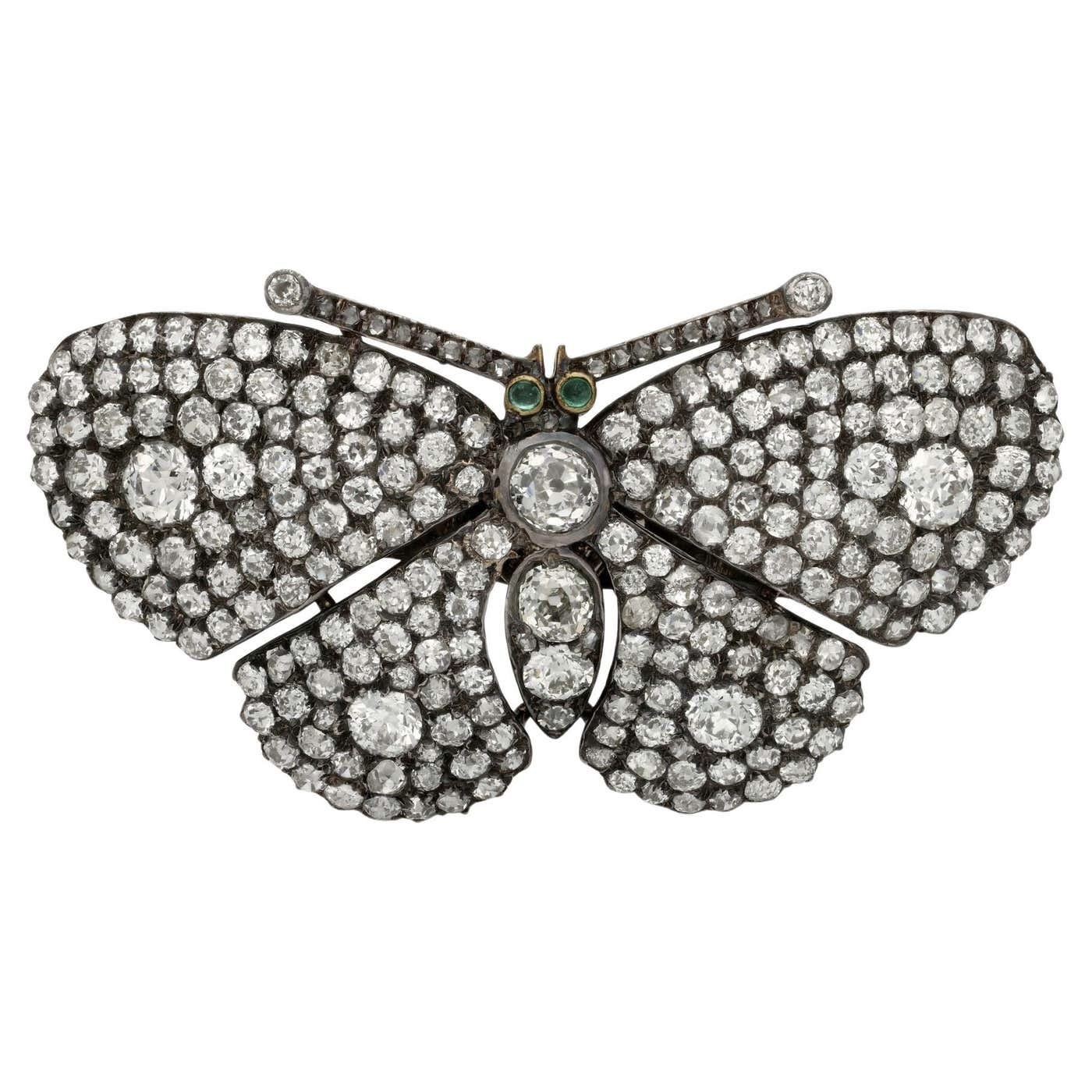
During the Victorian era in Europe, spanning the reign of Queen Victoria from 1837 to 1901, jewelry featuring dragonflies, butterflies, moths, bees, and more winged critters flourished in response to a newfound appreciation for nature. Queen Victoria had a deep love for nature, which helped popularize diamond insect jewelry.
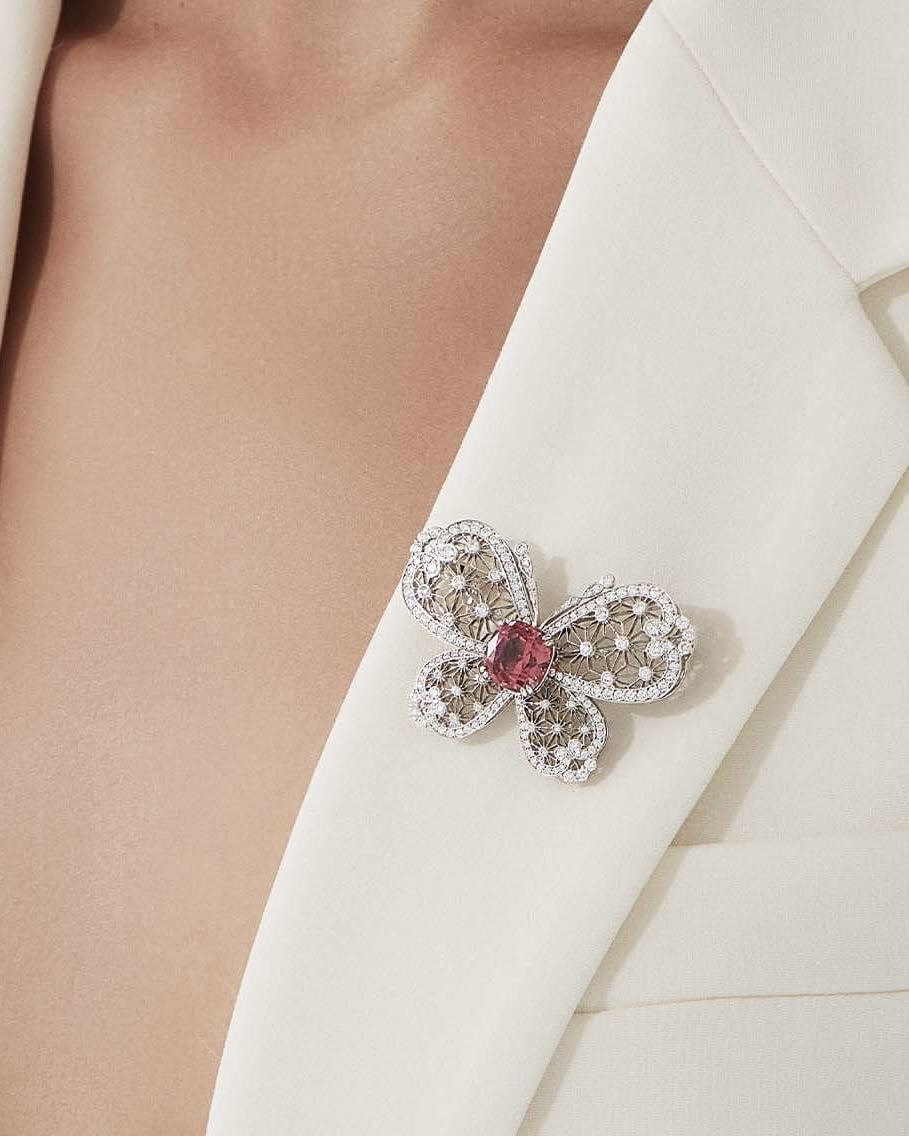
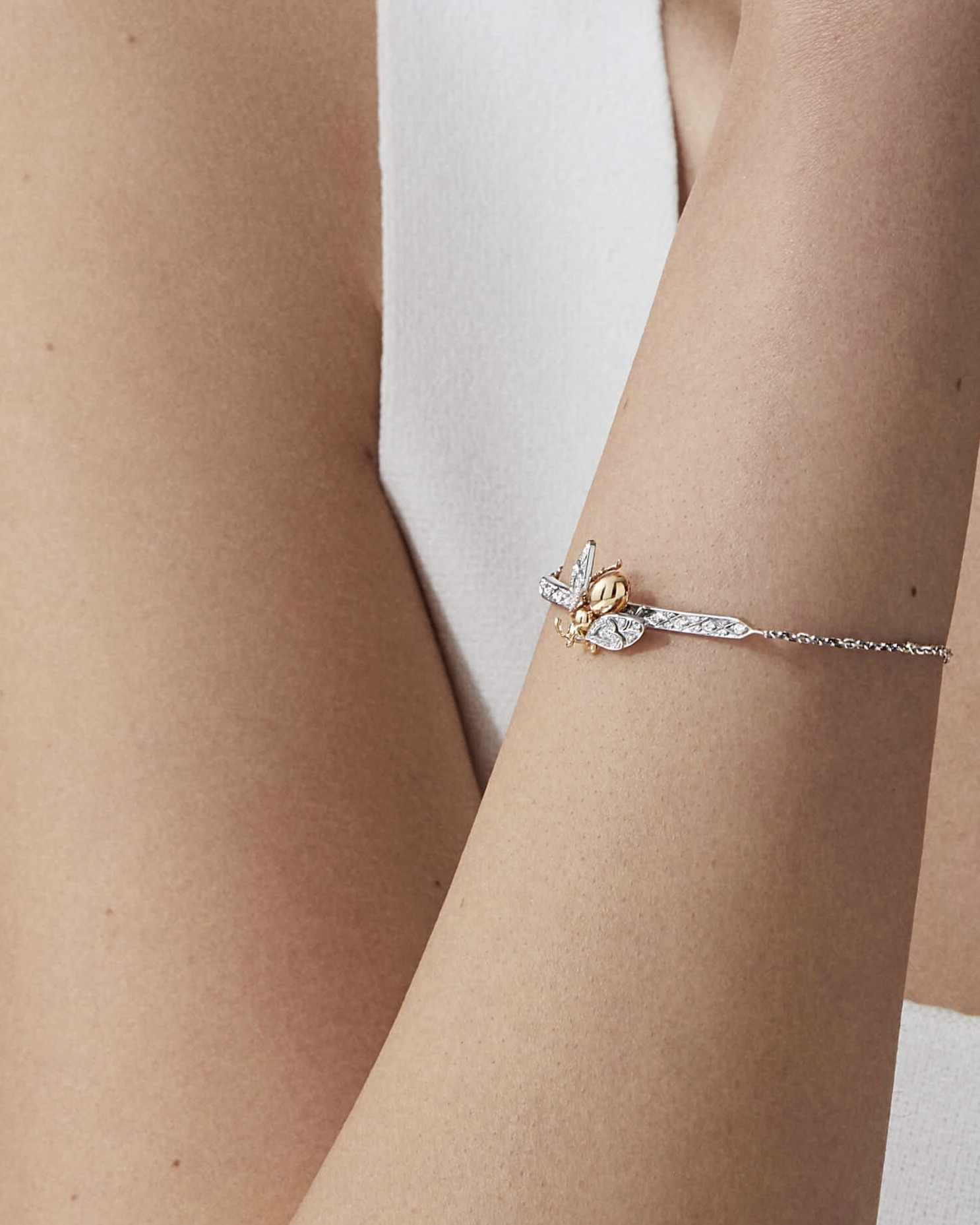
In 1843, Queen Victoria named Garrard as the first official Crown Jeweler. Now, the historic jewelry house honors the Victorian design cues with the Enchanted Palace collection, inspired by the Victorian whimsy on show at the Great Exhibition in London in 1851. Conceived by Queen Victoria’s husband, Prince Albert, the exhibition was considered a celebration of innovation and design, uniting talent from all over the world under one roof, including Garrard.
Japanese Influence Made For More Organic Insect Jewelry During the Art Nouveau Movement
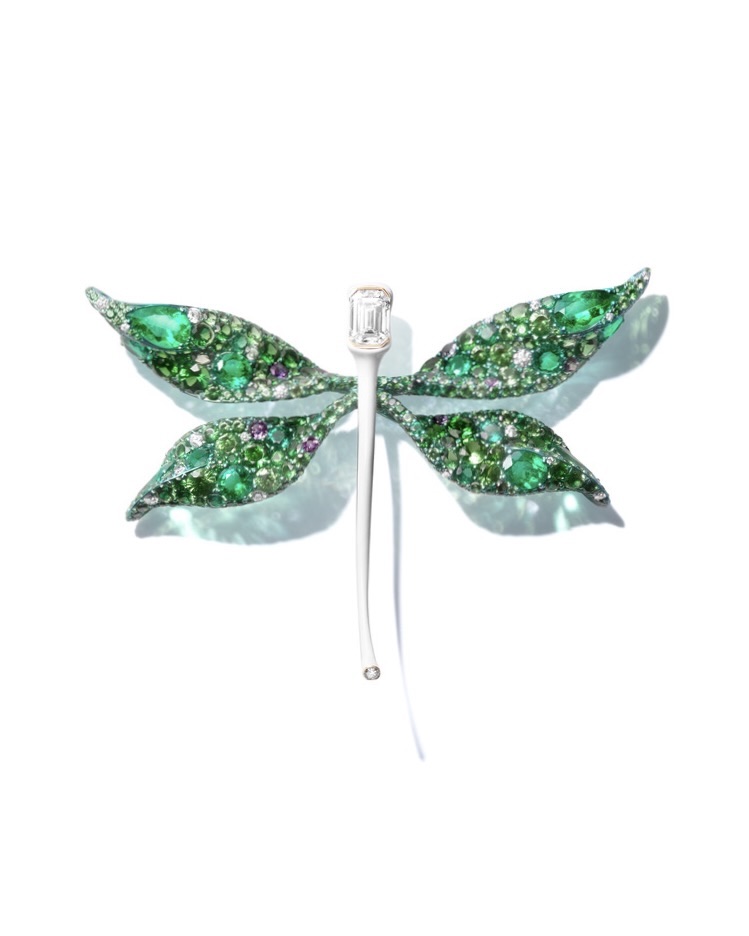
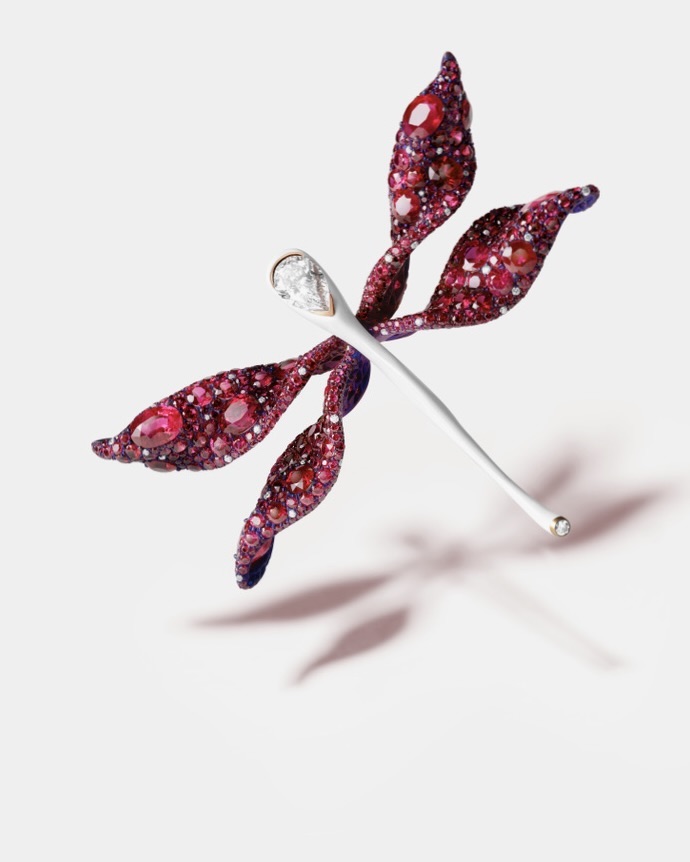
From 1895 to 1914, Art Nouveau jewelry emerged as a captivating artistic movement and stood in stark contrast to the Belle Époque style at the same time.
Characterized by its embrace of natural motifs and flowing, often organic forms, Art Nouveau jewelry celebrated botanical elements like flowers, leaves, and tendrils, while simultaneously embracing a more menacing side of nature, like wasps and serpents. With a strong Japanese influence, insect jewelry was infused with spindly curves and asymmetrical shapes, departing from the rigid structures of earlier periods.
Diamond Insect Jewelry Has Fluttered into the Royal Collection
Princess Diana’s Diamond Butterfly Earrings Were Passed Down to Meghan Markle
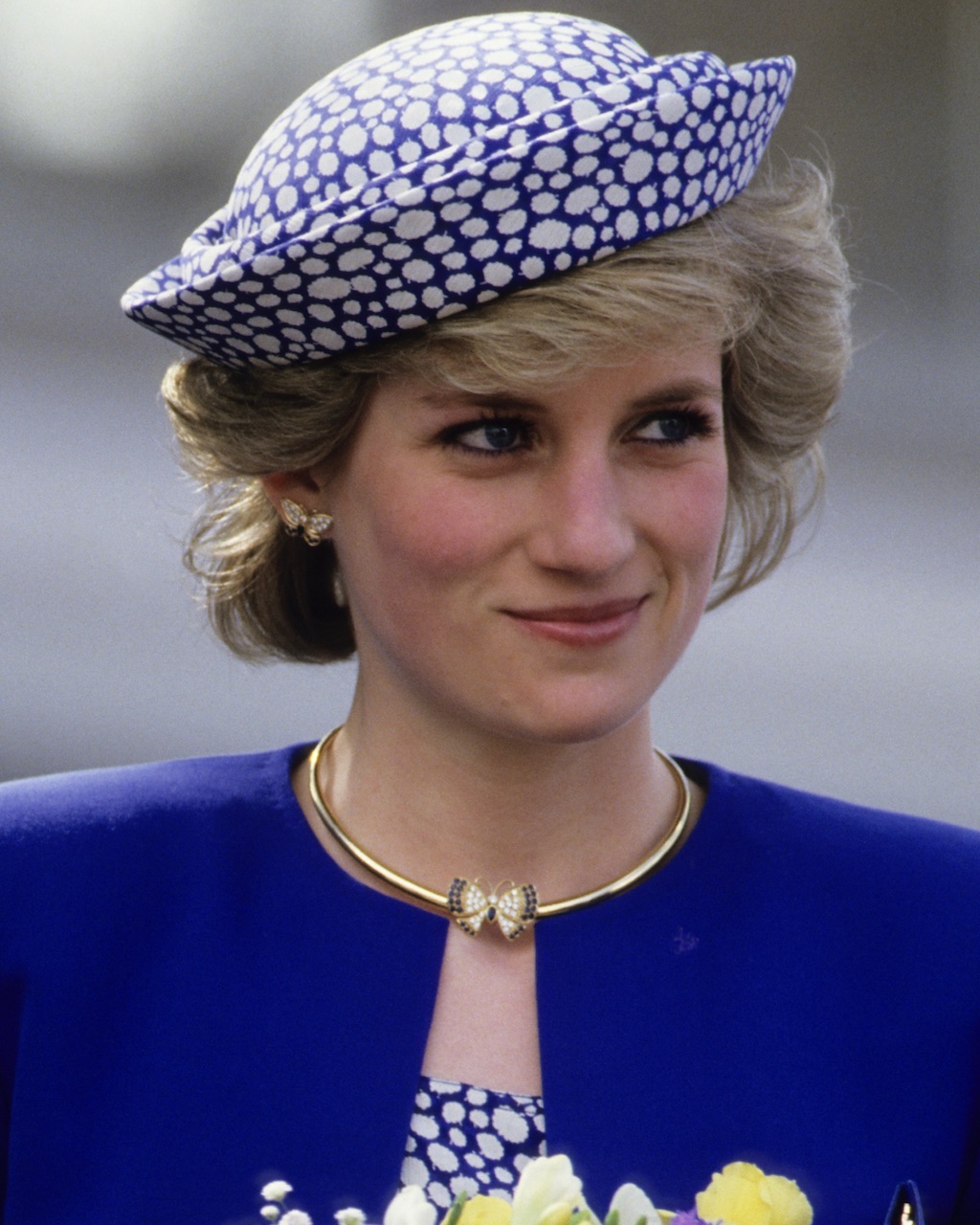
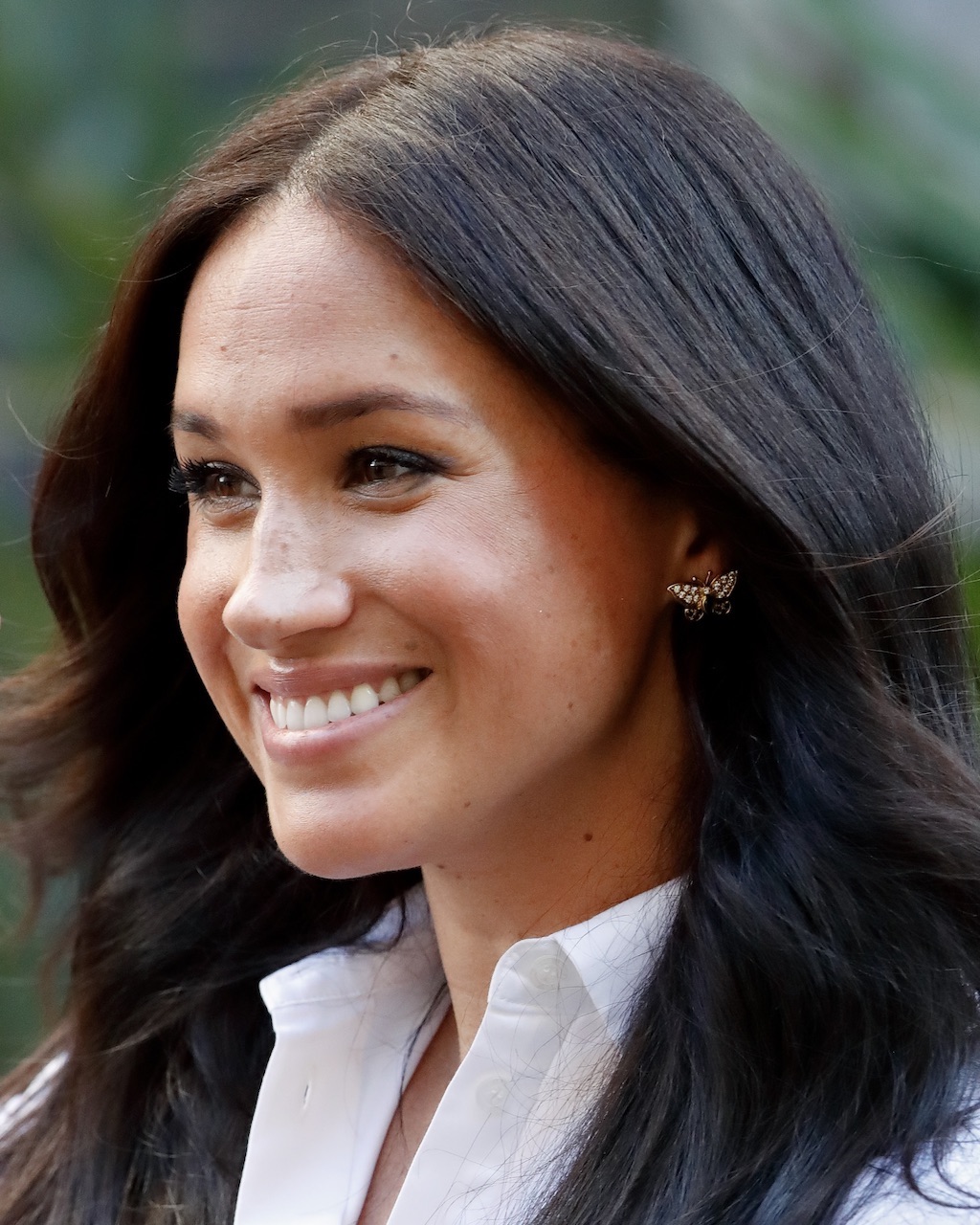
As Princess Diana’s youngest son, Prince Harry, has been dedicated to keeping his late mother’s memory alive, sharing some of her sweet and sentimental jewelry with his wife, Meghan Markle. One such example is a pair of natural diamond and sapphire butterfly earrings, set in yellow gold. Princess Diana wore the butterfly studs with a gold torque collar featuring a matching butterfly pendant during a trip to Canada in May 1986.
The Duchess of Sussex first sported the earrings during a 2018 trip to Australia – her first public appearance after Kensington Palace announced her pregnancy. After her maternity break, Markle pulled them out again, wearing the butterflies to the launch of a capsule clothing collection benefitting her patronage Smart Works in 2019.
In 2024, Markle sported the earrings during a trip to Colombia to visit the Colegio La Giralda school in Santa Fe, where she and Prince Harry met with a kindergarten class and toured the premises.
Queen Camilla’s Assemblage of Diamond Insect Brooches
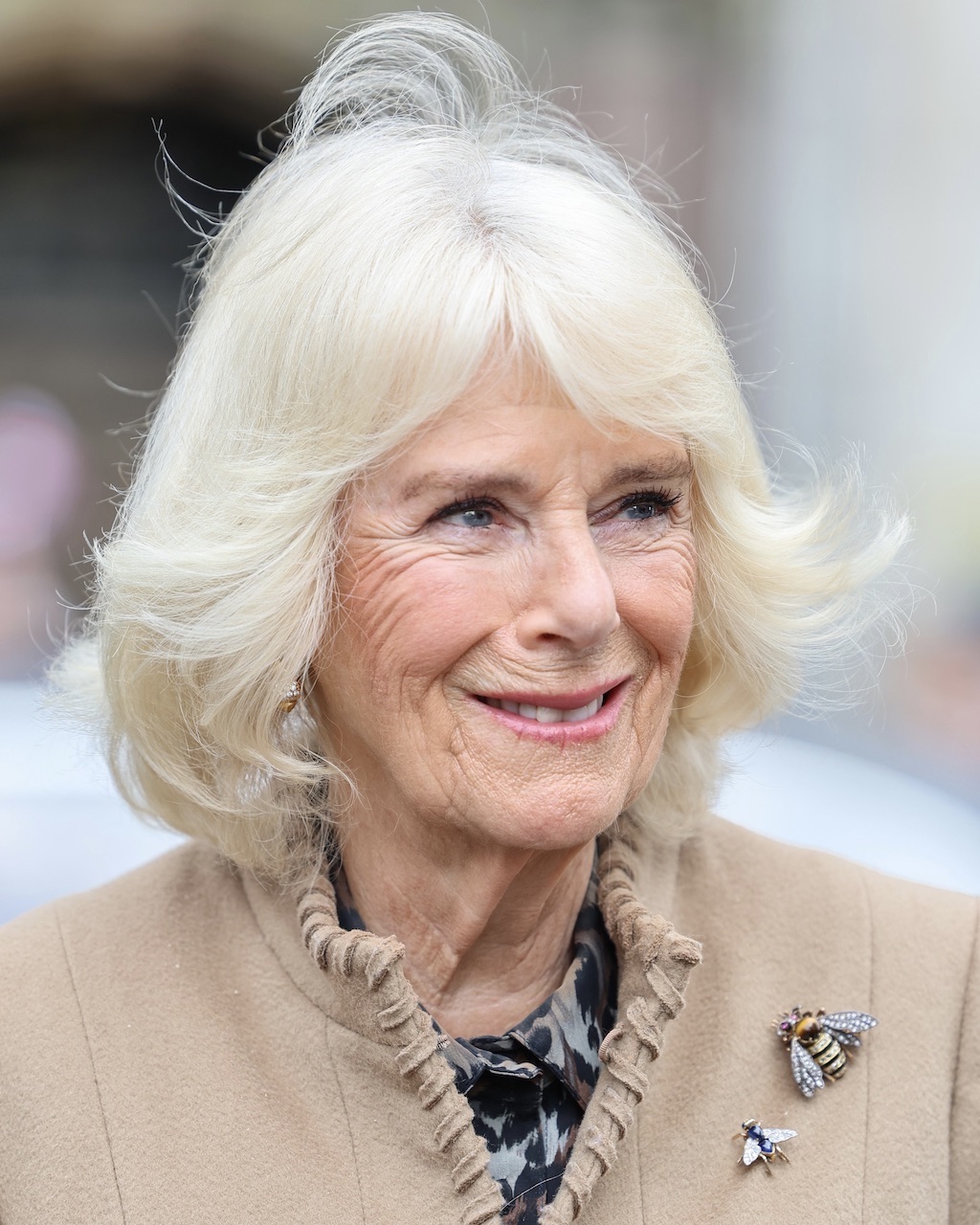
Queen Camilla boasts an eclectic collection of diamond insect jewelry, with pavé butterfly brooches, dragonflies, and even a diamond-encrusted stick insect brooch, reportedly given to her by her father upon her engagement to King Charles.
During a visit to Shrewsbury Farmers’ Market in 2024, Camilla aptly wore two bee brooches with diamond wings to meet with the local Beekeepers’ Association. According to the royal family’s website, Queen Camilla is a “keen beekeeper,” producing her own honey from her home to sell for charitable endeavors.