< Culture & Style / Jewelry Trends
Record Gold Prices Are Reshaping Jewelry: Here’s What Comes Next
From chunky gold designs to bigger natural diamonds, the year’s kickoff trade show shows how rising gold prices are reshaping what consumers want.
Published: February 9, 2026
Written by: Grant Mobley
Every year, jewelry trade shows set the tone for the fine jewelry industry. Retailers arrive looking for the pieces that will define their showcases. Designers unveil the collections they have spent the past year perfecting. And everyone quietly watches for the signals that reveal where the market is heading next.
Having just returned from the Arizona Biltmore, where this year’s Centurion Jewelry Show gathering once again brought together the industry’s most influential retailers and designers, one theme dominated nearly every conversation: gold.
But what surprised me most was how the historic surge in gold prices is reshaping the fine jewelry industry.
Meet the Expert

- Grant Mobley is the Jewelry & Watch Editor of Only Natural Diamonds.
- He is a GIA Diamonds Graduate.
- He has over 17 years of jewelry industry experience, starting with growing up in his family’s retail jewelry stores.
Where the Jewelry Year Begins
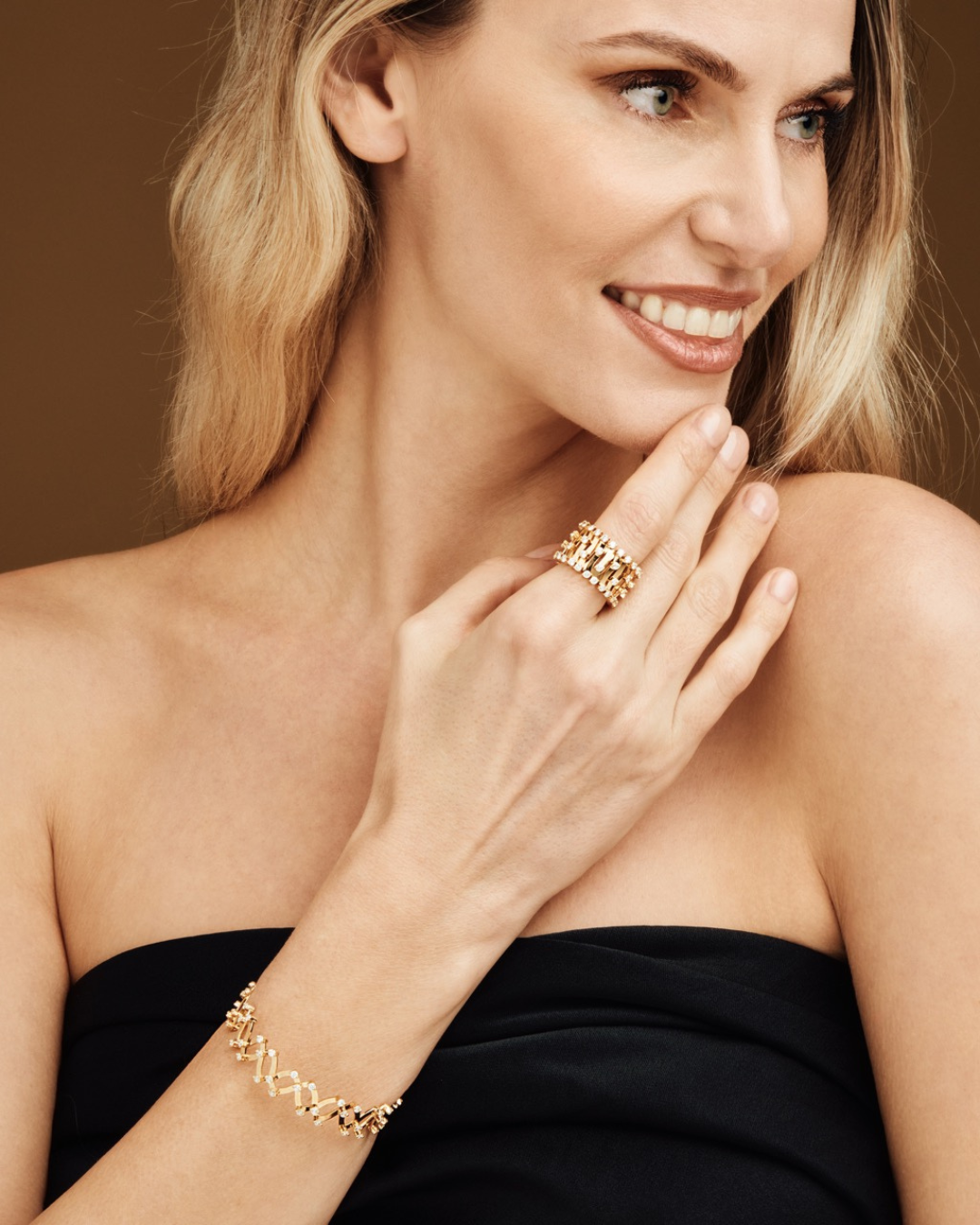
For anyone outside of the trade, Centurion might not sound familiar. However, this invite-only show serves as the unofficial kickoff to the fine jewelry year in the United States.
Held at the legendary Arizona Biltmore, the Frank Lloyd Wright–designed resort transforms into a meeting place for the country’s top retailers and designers. Buyers preview new collections months before they hit store windows, and designers gauge how their ideas resonate with the people who ultimately bring jewelry to consumers.
If you want to understand what engagement rings, diamond jewelry, and gold pieces people will be wearing later this year, Centurion gives you the first clues.
This year, however, everyone kept circling back to one topic: the price of gold.
Gold Prices Are Breaking Records
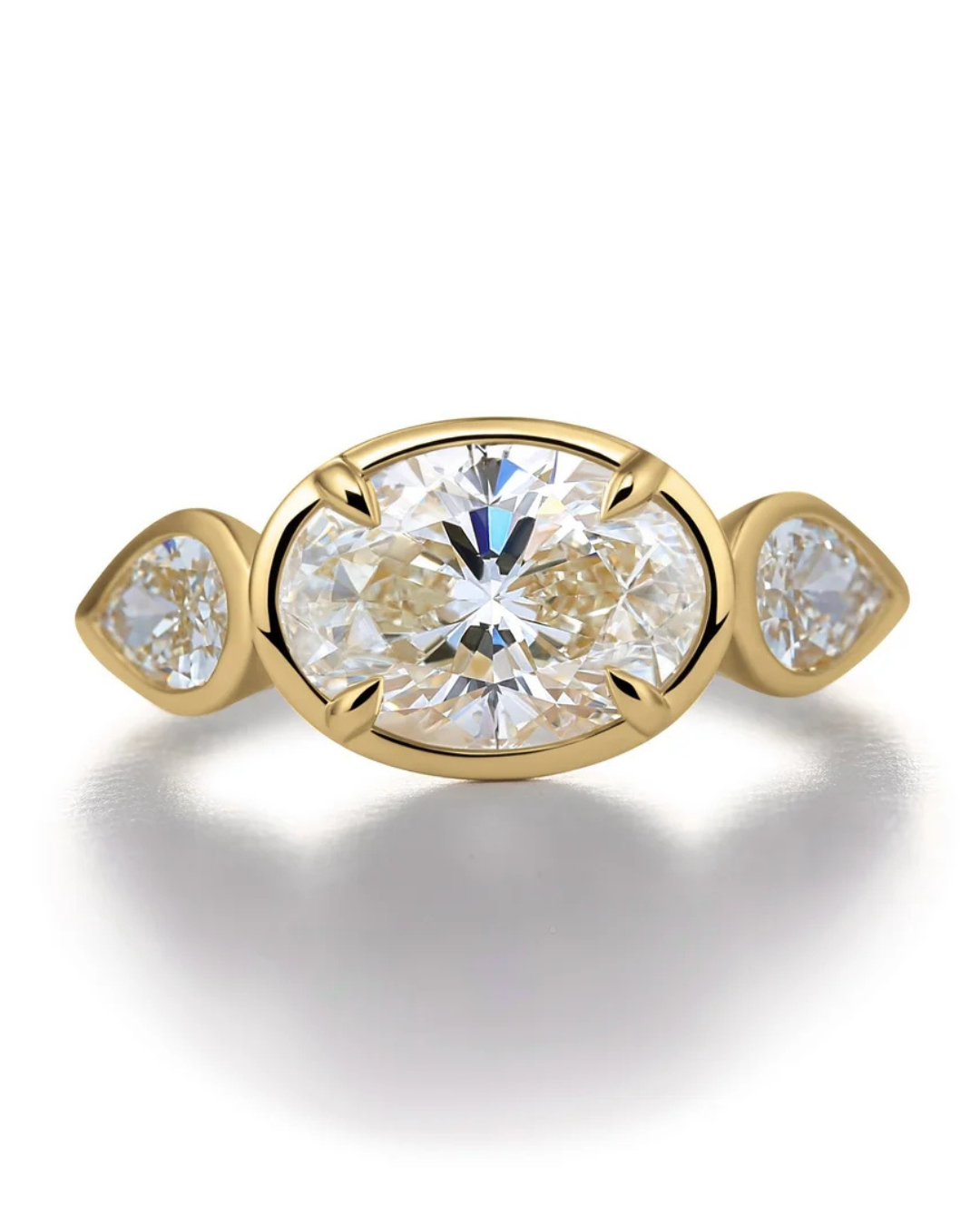
Gold trades much like stocks, with prices fluctuating constantly in response to global markets, economic conditions, currency movements, and investor sentiment. Jewelry manufacturers watch gold prices as closely as financial analysts watch the S&P 500 because even small changes in gold prices can dramatically affect production costs.
And the last year has been anything but small.
In January 2025, gold hovered around $2,600 per ounce. Fast-forward one year, and prices surged toward $5,000 per ounce heading into this year’s Centurion show. Just days before the event began, prices spiked to nearly $5,600, only to plunge back to $4,600 two days later. As I write this now, gold has climbed back above $5,000.
These swings have shattered historical expectations and left both financial markets and the jewelry industry asking the same question: what happens next?
But here’s what truly fascinated me at Centurion: instead of shrinking gold usage to keep prices lower, designers and retailers are doing the opposite.
Consumers Want More Gold, Not Less
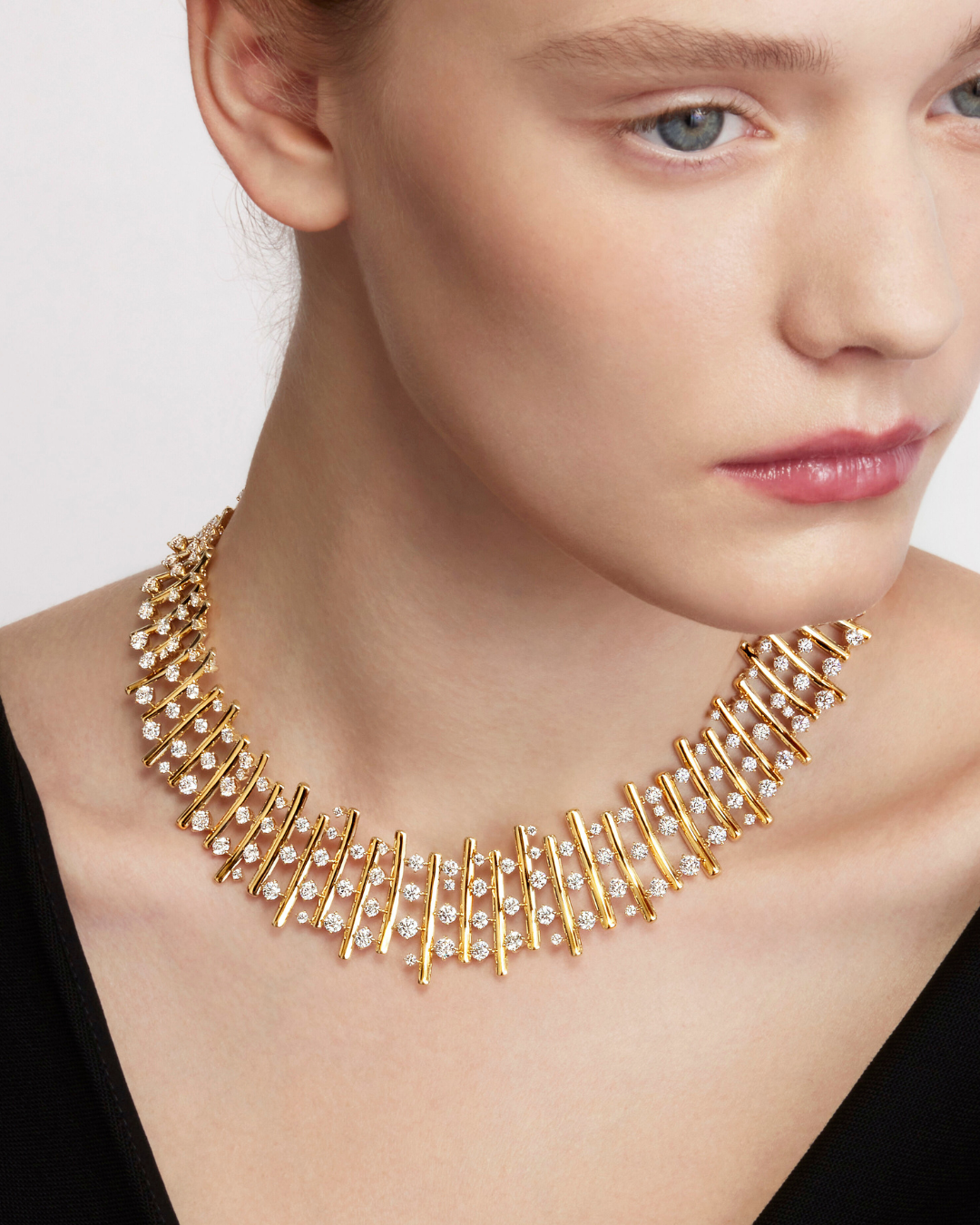
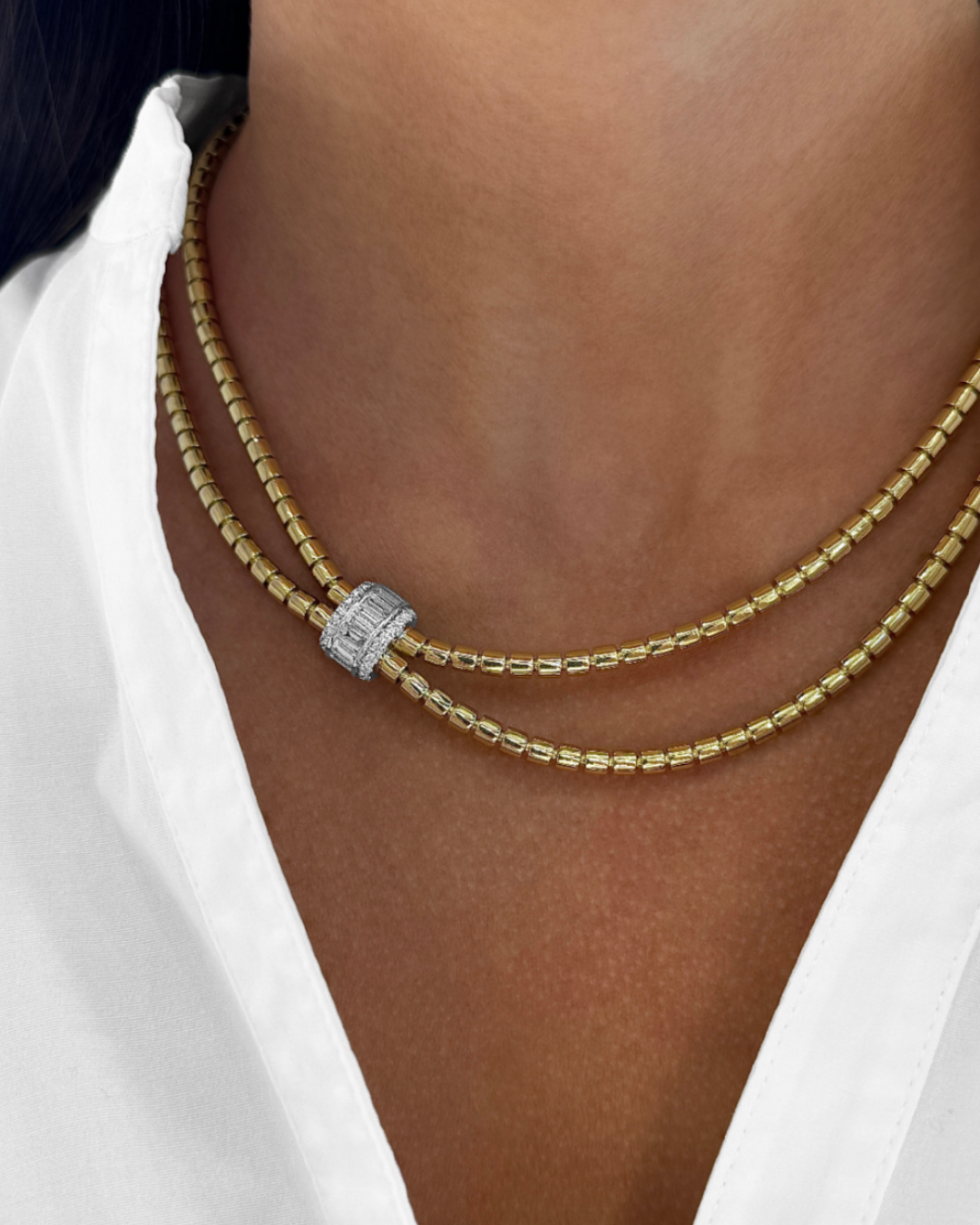
Conventional wisdom suggested designers would reduce gold weight, hollow out pieces, or shift toward lighter construction to control prices. Instead, retailers consistently told me customers now want heavier, chunkier gold jewelry.
Why?
Because consumers understand now more than ever that gold has real value. When someone buys a substantial gold necklace or ring today, they know they are wearing something intrinsically valuable. They want to see it. They want others to see it.
Designers responded accordingly. Across the show floor, collections leaned heavily into bold yellow gold, sculptural forms, and substantial pieces that proudly showcase their gold content.
Gold is no longer just the framework. It is one of the stars.
And surprisingly, this environment also boosts natural diamonds.
Why Rising Gold Prices Are Benefiting Natural Diamonds
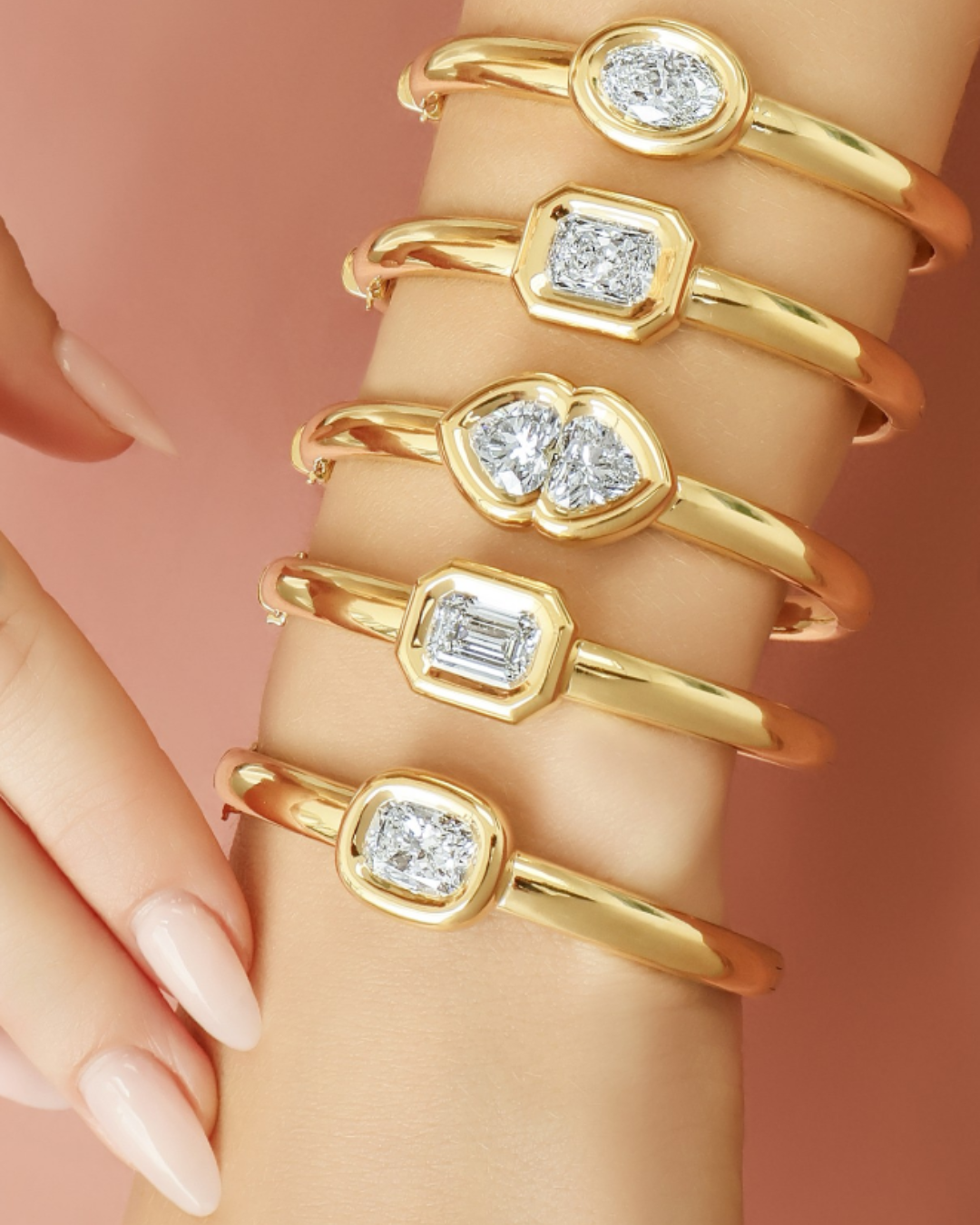
Natural diamonds and gold share something critical: both derive value from rarity in nature. However, natural diamonds are even rarer than gold, which has historically made diamond jewelry more expensive.
In the past, some designers limited the use of natural diamonds because they significantly increased production costs. But with gold prices now so high, the balance shifts.
Gold itself now accounts for a much larger share of a jewelry piece’s value. As a result, adding natural diamonds increases the price by a proportionally smaller amount than it once did.
That shift became obvious at Centurion.
Designers known primarily for colored gemstones now incorporate more natural diamonds into their collections. Meanwhile, houses already focused on diamonds push toward even larger stones in bolder, heavier designs.
Natural diamonds suddenly make even more sense in luxury jewelry, especially as consumers increasingly seek purchases that feel meaningful and lasting.
How Record Gold Prices Are Reframing Jewelry as an Asset
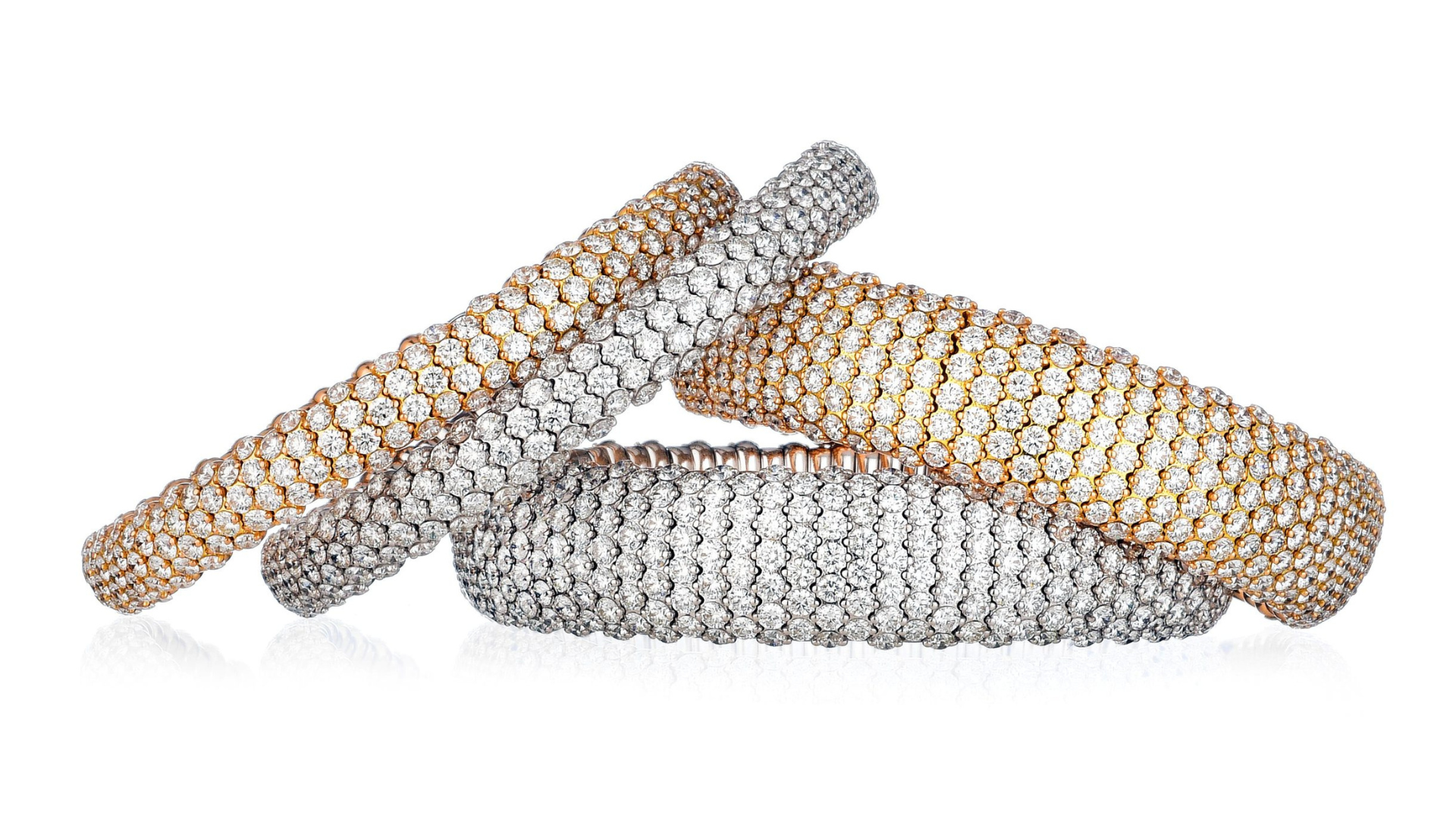
Another important theme I heard repeatedly from retailers involves how consumers view fine jewelry today.
People increasingly want purchases that carry emotional meaning while also holding long-term value. Fine gold jewelry set with natural diamonds answers both needs.
Natural diamonds have appreciated in value approximately 3 percent annually over the past six decades. Combine that with record gold prices, and fine jewelry becomes not only beautiful but financially resilient over time. While this has been true for decades, the global spotlight on gold has helped consumers better understand its validity.
People gravitate toward assets they can enjoy while also trusting their enduring worth. Fine jewelry is one of the few things that sits at that intersection.