Antique Opulence: Exploring the Era of Georgian Jewelry
Discover the candlelight diamonds, ornate craftsmanship and whimsical details that define these antique jewels.
Published: January 28, 2026
Written by: Anouare Abdou
The Georgian era (1714-1837) is widely considered to be the earliest period of antique jewelry. This means that, if you’re lucky enough, you could come across authentic Georgian jewelry at an auction—not just in a museum.
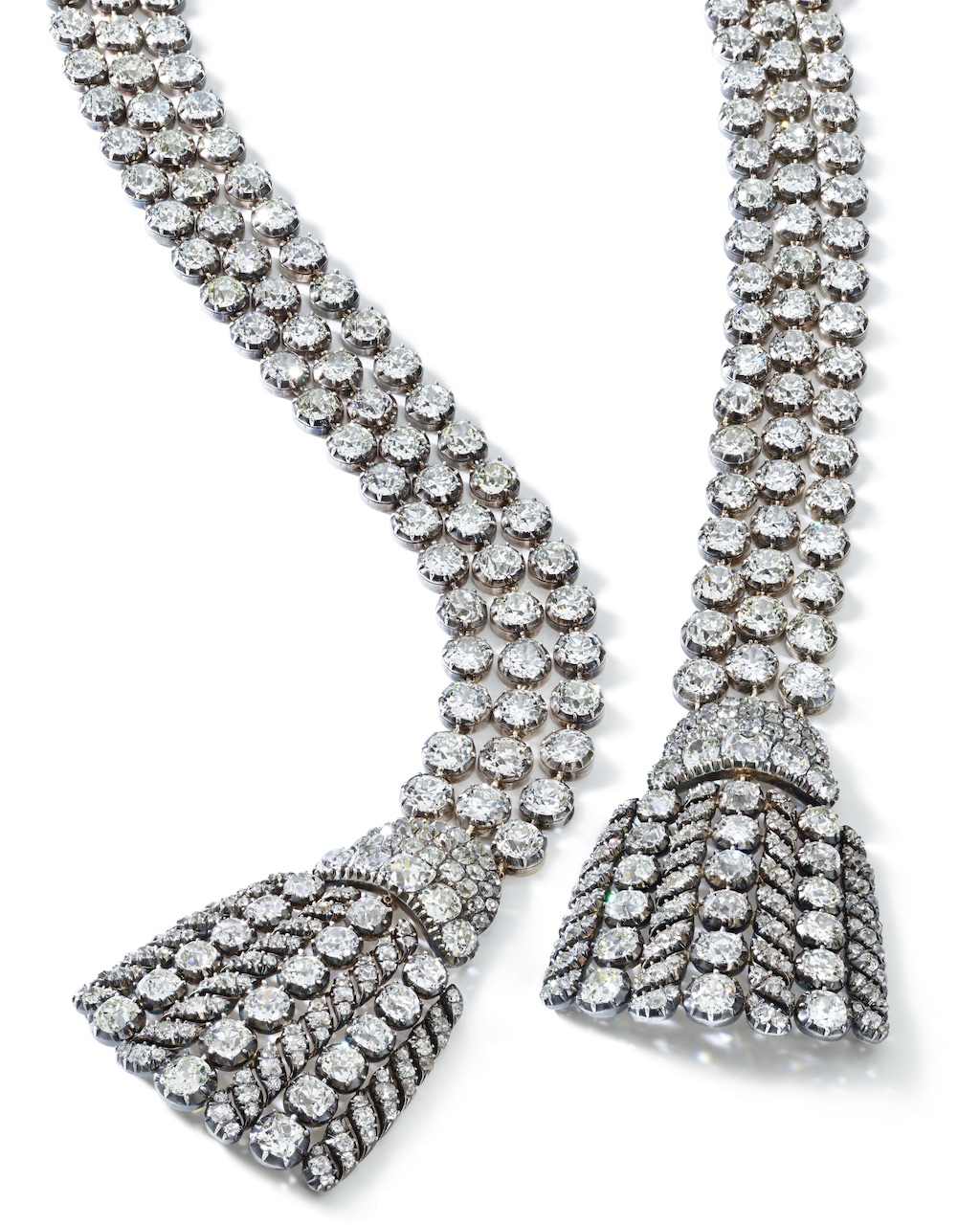
And if you’re wondering what Georgian pieces look like compared to, say, jewels from the later Victorian or Edwardian eras, look no further than the Anglesey Necklace, a rare 18th-century treasure that sold for $4.8 million at a 2024 Sotheby’s auction in Geneva.
With about 300 carats of Golconda diamonds, the necklace looks like a scarf that can be worn open or knotted at the front, a nod to the versatile designs of the Georgian era. It has been worn at two British coronations, and people have long speculated about its potential ties to Marie Antoinette, adding to its mystique.
It isn’t meant to be understated. It’s bold, opulent, and draws attention – and that’s exactly the role Georgian jewelry was meant to play. It also reflects the craftsmanship of the time, when every piece was handmade with meticulous precision.
Meet the Experts

Charlotte Sayers founded her namesake business, Charlotte Sayers, bringing a deep knowledge of antique jewelry and historic craftsmanship to a carefully curated, family-run operation. She brings years of experience sourcing and studying period pieces.

Dr. Jack Ogden is a British specialist in the history of jewellery materials and techniques. He has extensive experience in teaching and writing on this subject and is recognized worldwide. Dr Ogden is the founder and past president of the Society of Jewellery Historians.
Ahead, discover the world of Georgian jewelry, from the diamond cutting techniques that shaped its aesthetic to the trends that drove its evolution.
What Is Georgian Jewelry?

The term “Georgian jewelry” refers to jewelry made during the Georgian era (1714-1837), a period of British history that spans across the reigns of the first four Hanoverian kings of Britain – George I, George II, George III, and George IV – as well as King William IV.
While it was a transformative time for the British Empire and the name of the period references its rulers, countries like France and Germany also influenced what we now call Georgian jewelry and art. Georgian jewelry is incredibly rare today, as it was a common practice to melt jewels and have them redesigned as trends shifted.
It also varies in style, since the Georgian era was long enough to include various artistic influences, from the Baroque movement at the beginning of the period to the Rococo style inspired by the French court and, later, Neoclassicism, which drew inspiration from ancient Greece and Rome.
Regardless of the influences behind it, jewelry remained handcrafted – and that’s a key feature of a true piece of Georgian jewelry, which may include early diamond cuts or ornate metalwork like repoussé.
The History of Georgian Natural Diamond Jewelry

Regal and elaborate, Georgian jewelry was initially reserved for the elite, signaling power and rank. At first, it was more formal and symmetrical, following the tradition of the Baroque style that dominated Western Europe between 1600 and 1750.
Designs then evolved to embrace Rococo style, which had flowier lines and a lighter, playful spirit – think, bow and ribbon details and fluid silhouettes. Later, Neoclassicism, an 18th-century art movement that revived the aesthetics and values of ancient Greece and Rome, made classical motifs popular. All these trends overlapped rather than replaced one another.
Diamonds As Evening Wear
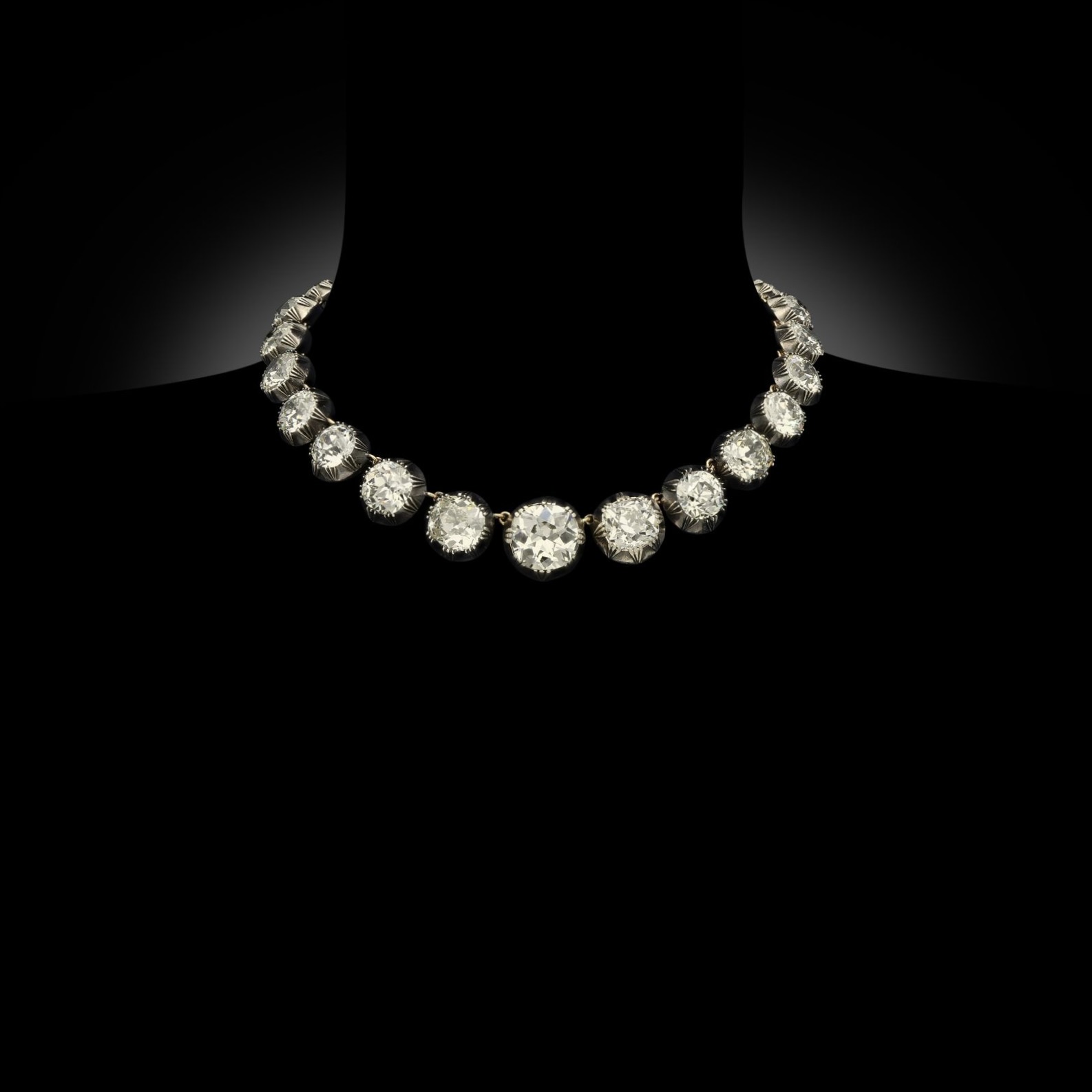
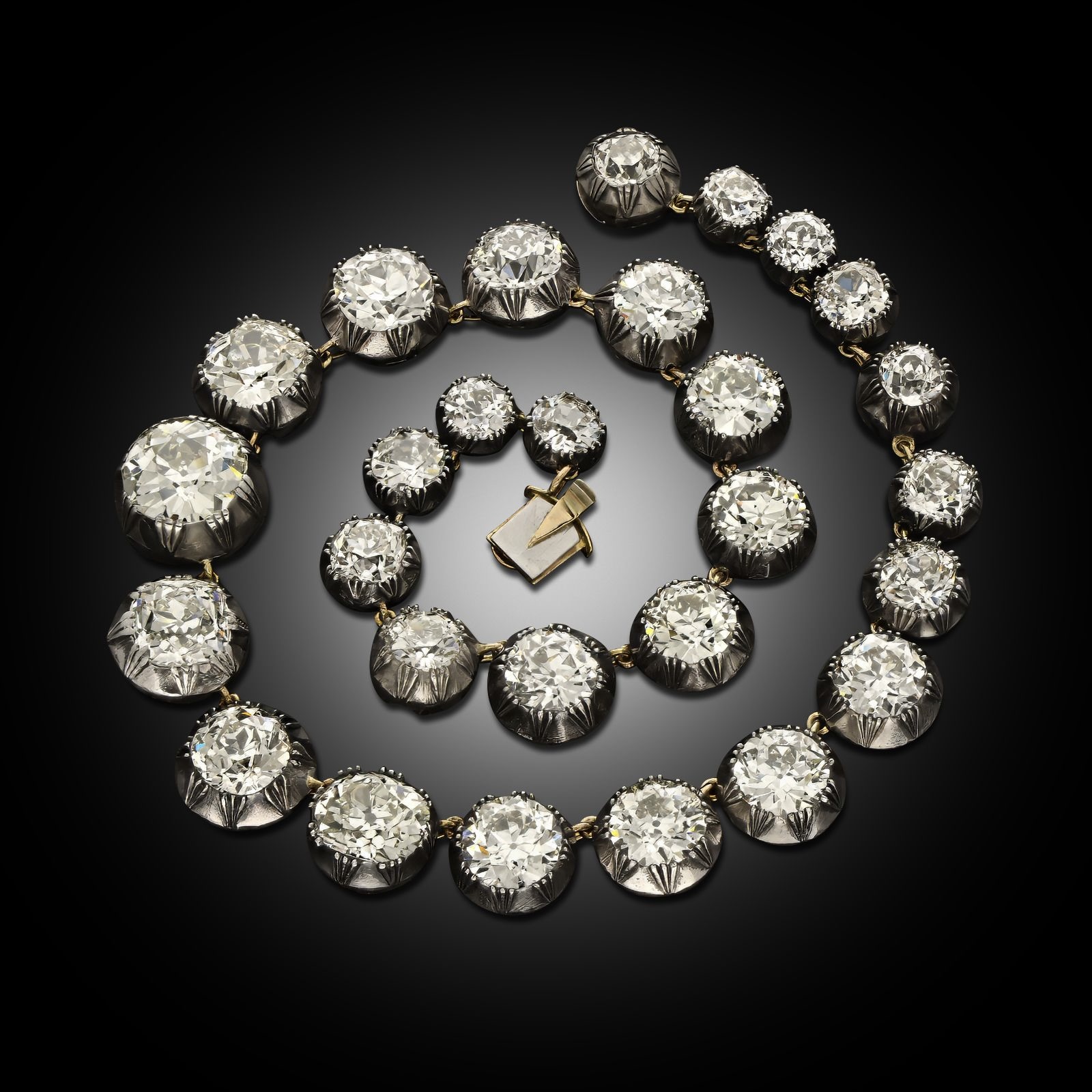
Georgian aristocrats threw lavish balls where men and women alike would display the latest fashions. A clearer distinction between daytime and evening wear emerged, with diamonds becoming the go-to choice to wear at night due to the way they glowed under the candlelight. According to jewelry historian Dr. Jack Ogden, improvements in interior lighting also emphasized the brilliance of diamonds during occasions like palace balls:
“The old, smoky, murky tallow candles that required constant trimming were not great in a candelabra up in the air, but the new brighter-burning whale oil candles coming in in the 1700s would have had a great [visual impact]. Couple that with the huge advance in the manufacture and interior architectural use of mirrors during the 1700s, and it was a perfect storm of glitter!” he says.
Georgian Diamond Jewelry Trends
Georgian Jewelry with diamonds often came in sets called parures, and may have included necklaces, bracelets, brooches, rings, and earrings – sometimes with convertible designs. Popular styles included rivière necklaces and large diamond pendants that complemented the lower décolletage of gowns. ‘En Tremblant’ brooches featured diamonds set on a trembler to create movement in the stones when worn.
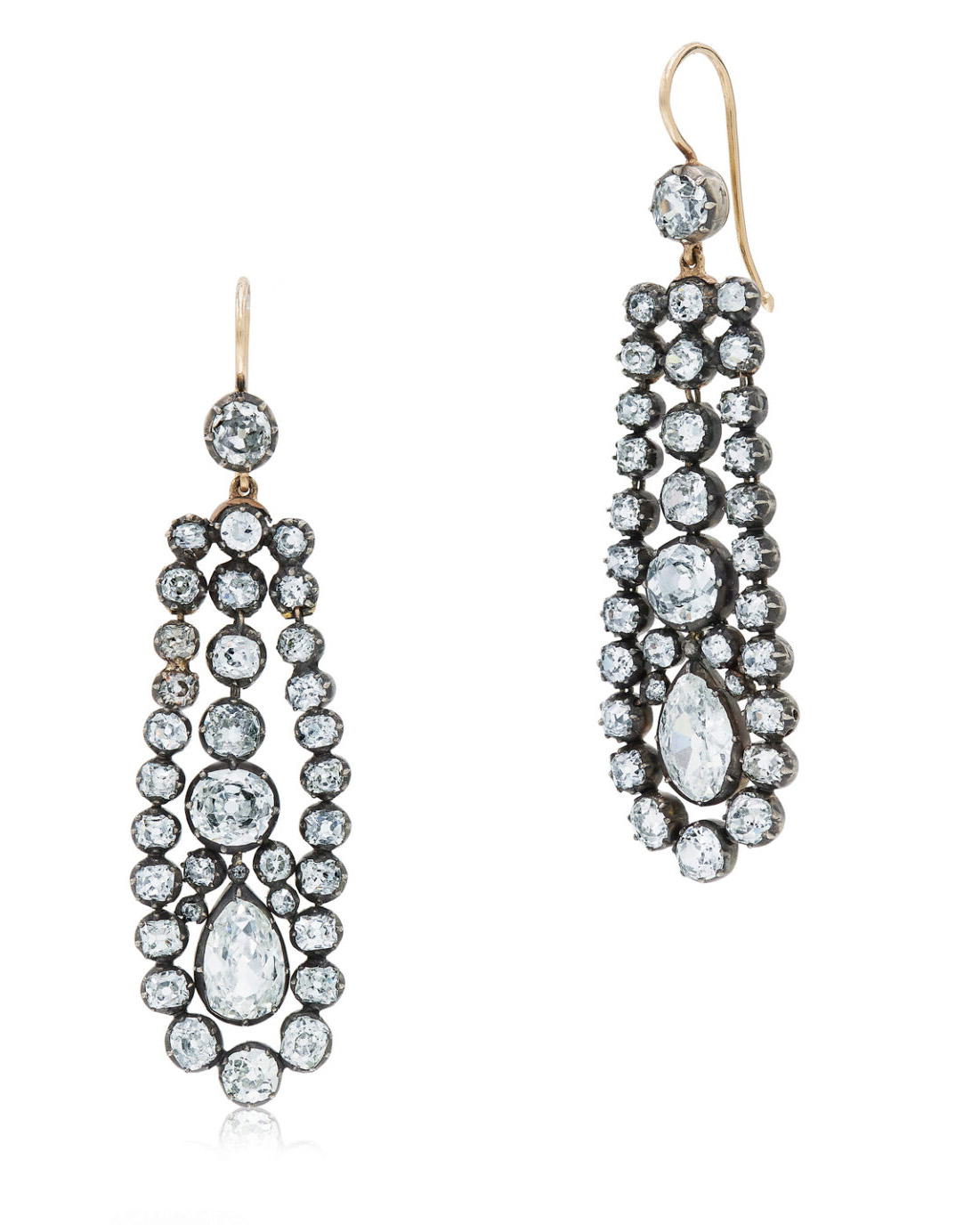
Pendeloque earrings, which boasted a round or marquise stone holding a bow motif and a dangling pear-shaped diamond, and chandelier earrings that showcased rows of cascading diamonds were also in fashion.
Expanded Access to Diamonds
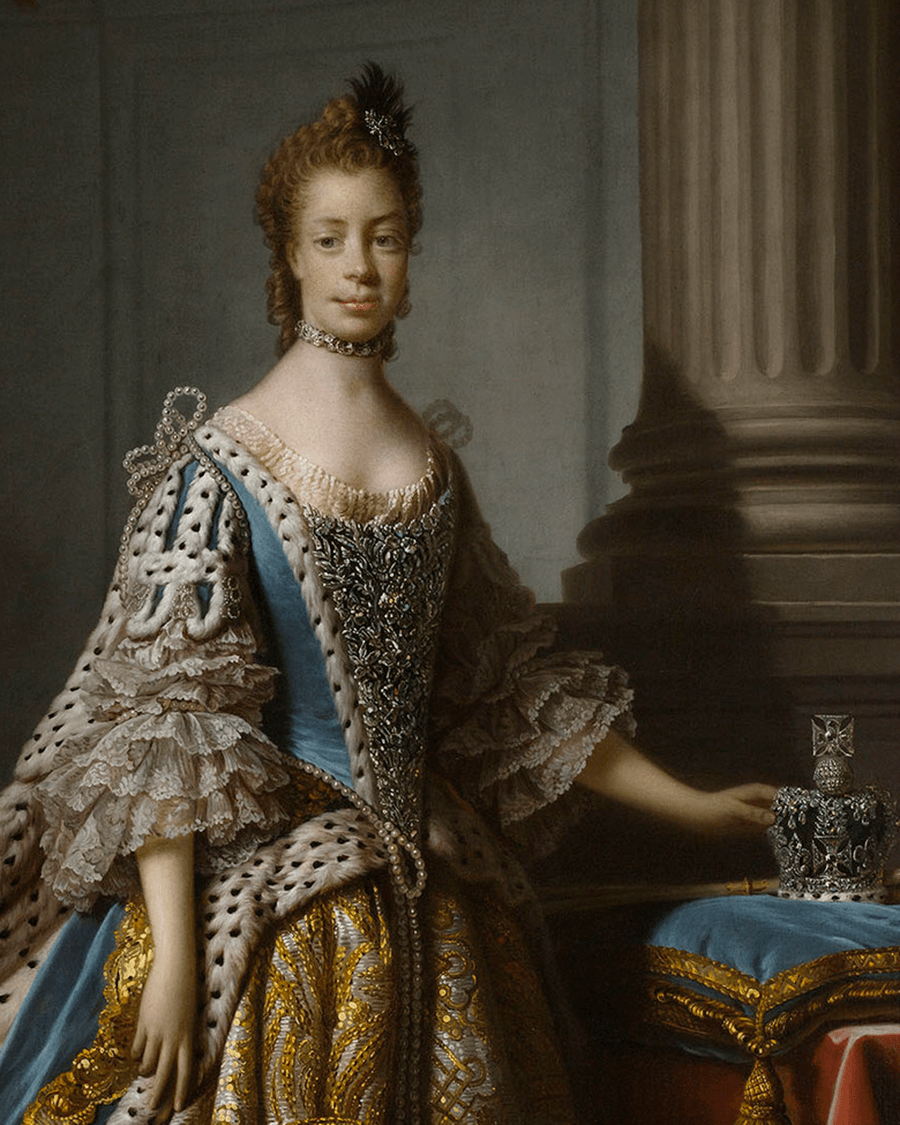
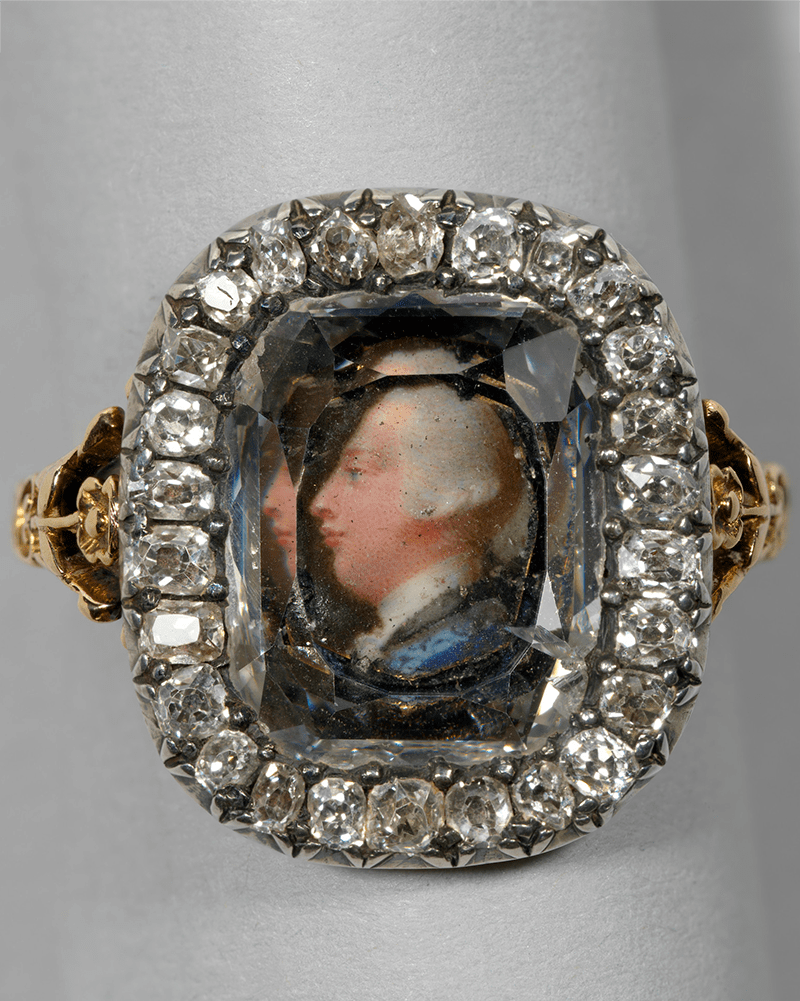
Court life created an appetite for diamonds that was also fueled by economic shifts. “Diamonds had a huge cultural impact in the Georgian Period. Royalty magnified this, particularly with King George III and his wife Charlotte, who were addicted to diamonds,” says Ogden.
From the 1720s onward, diamonds began to reach Europe from Brazil in larger numbers compared to the shipments that had been coming from India before. The onset of the Industrial Revolution followed, which changed the way people lived and earned a living. “It created a whole new, moderately wealthy middle class keen to take on the trappings of the upper class – a great new target for jewelers,” adds Ogden.
These changes made diamonds more accessible, but the most elaborate jewels remained for the elite, who continued to set the tone in terms of fashion. And despite technological advancements in machinery, Georgian jewelry stayed entirely handcrafted.
Defining Details of Georgian Jewelry
The Georgian era lasted for over a century, with various cultural and economic shifts impacting jewelry trends. That said, a few defining details distinguish Georgian jewels.
Early Diamond Cuts
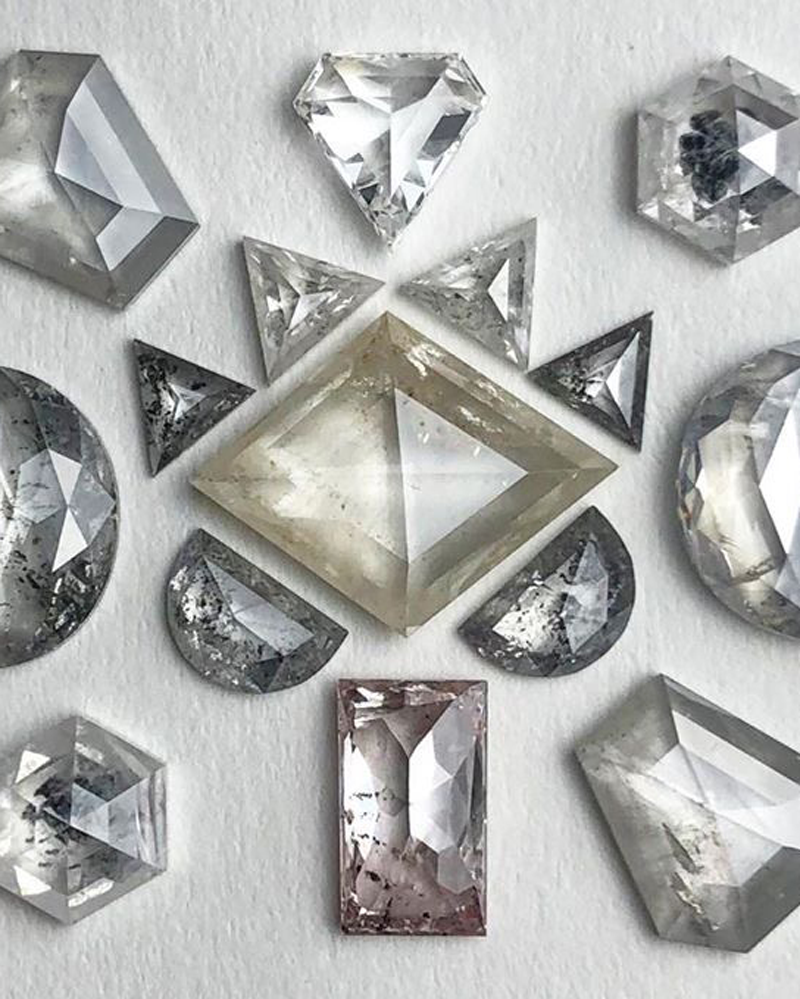
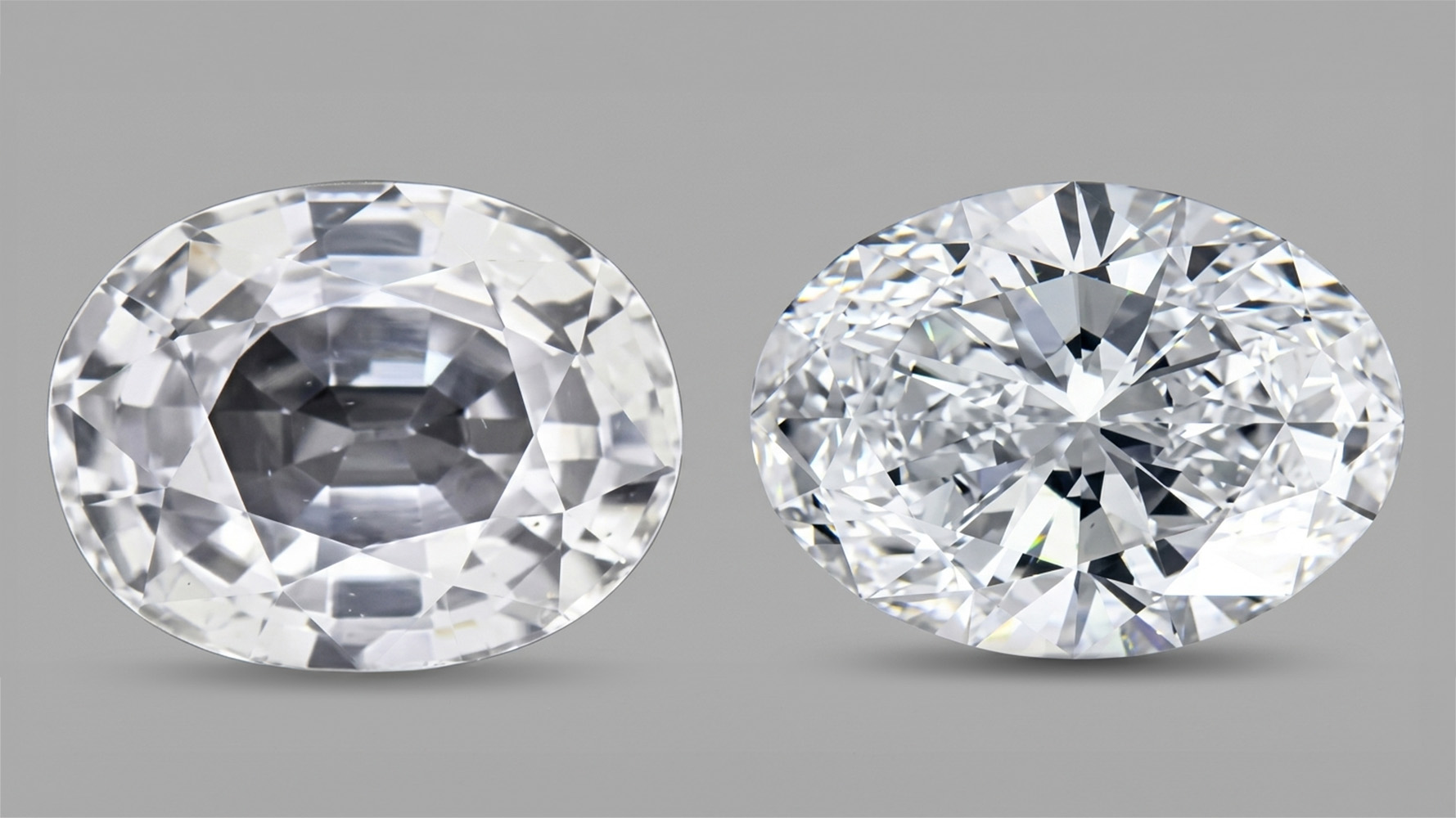
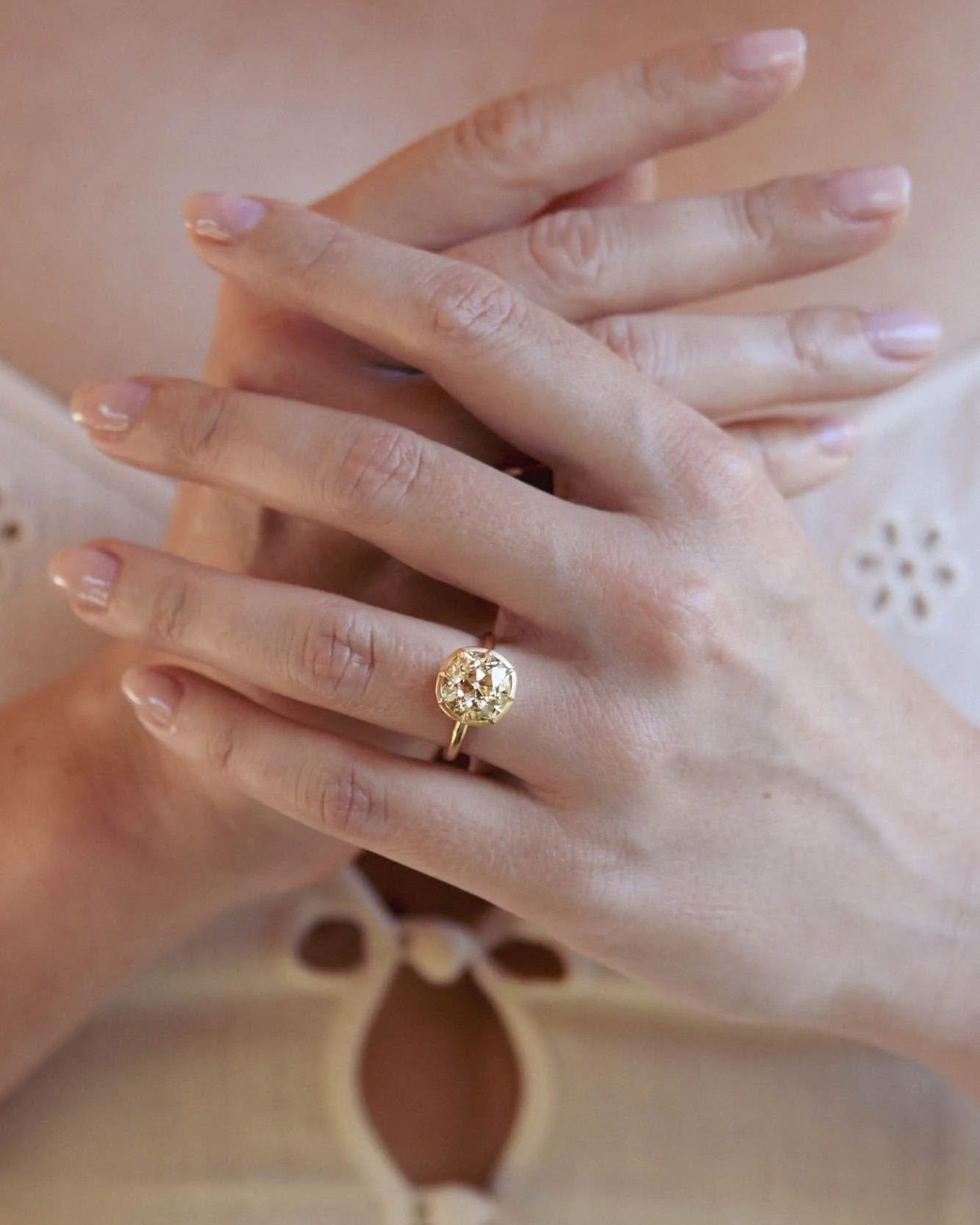
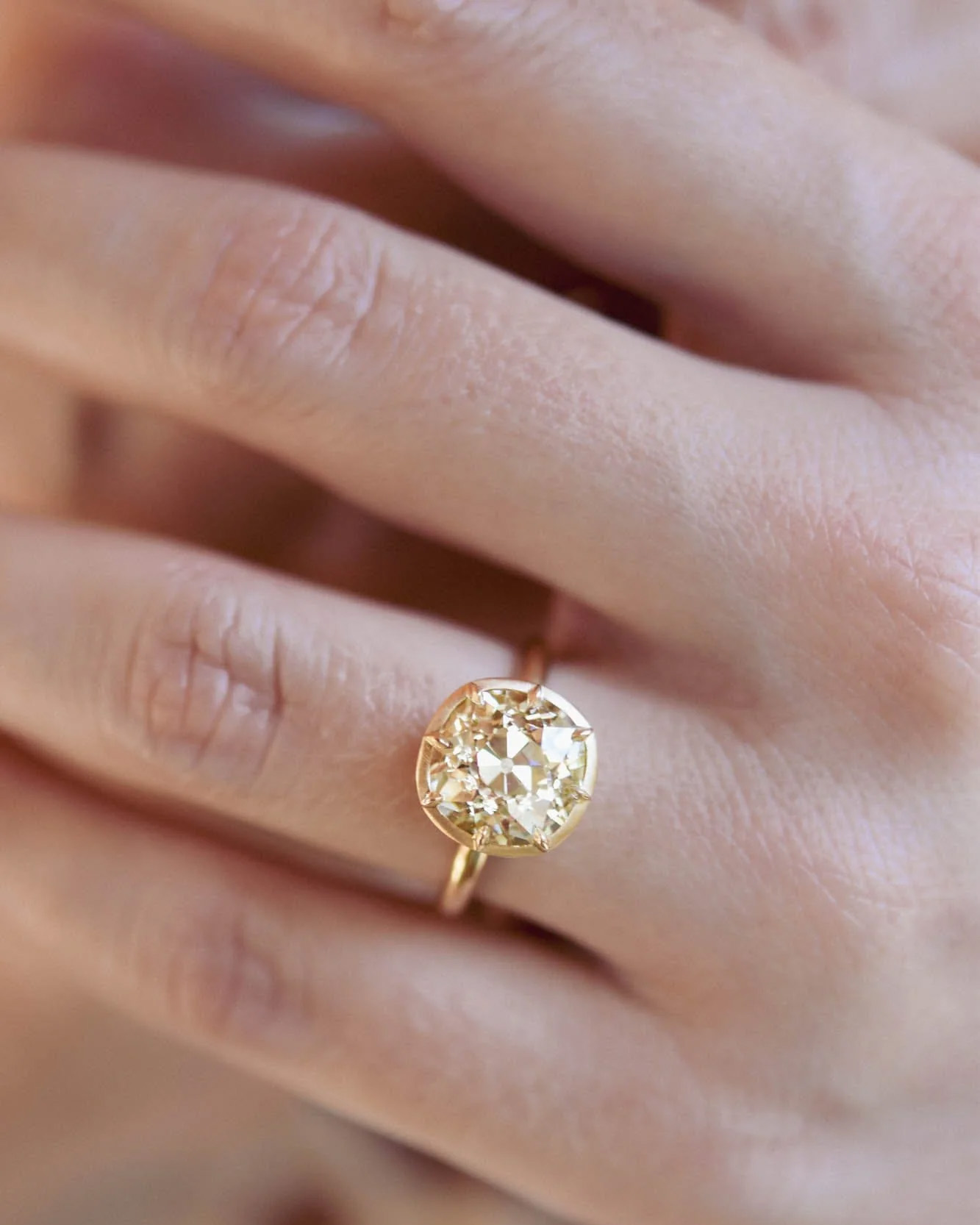
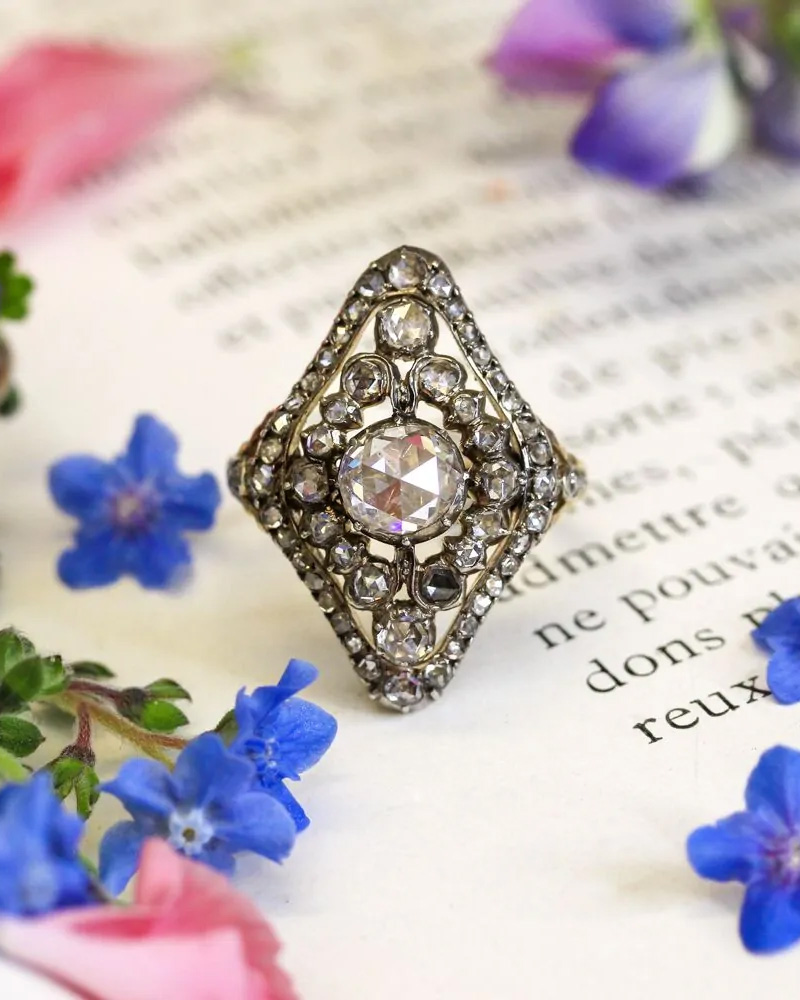
Diamonds were prized for their natural, unique character during the Georgian era. Early cutting techniques included table cut, rose cut, old mine cut, and briolette styles that helped create a soft glow under the candlelight (hence why these cuts are sometimes referred to as candlelight diamonds today).
“Modern diamonds have very precise dimensions that create a perfect refraction of the light, whereas Georgian diamonds were cut by hand and therefore benefit from a beautiful unpredictable sparkle,” says antique jeweler Charlotte Sayers.
Evolving Setting Techniques
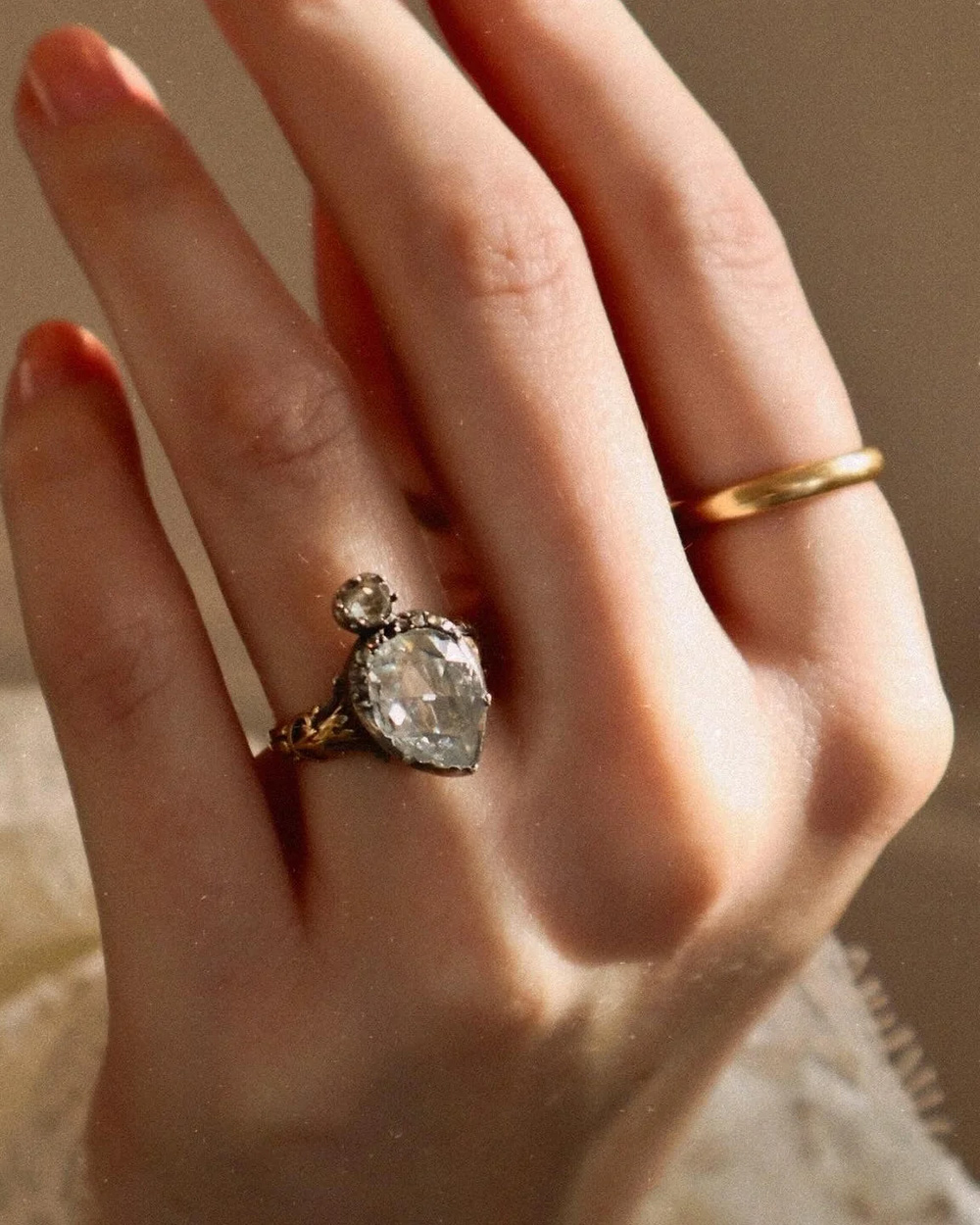
Though it wasn’t the only metal used during the Georgian era, diamonds were often set in a closed-back silver setting with a gold interior and foil backing. Open settings became more common later in the Georgian period and into the Victorian era. Many Georgian jewels also feature distinctive button-back settings, where the reverse of the stone is finished with a domed or flattened metal “button,” reinforcing the setting while creating a smooth, wearable back.
“The diamonds are often set in rub-over cut-down settings, a style that is making a comeback in modern designs,” added Sayers. This technique involves cutting down the metal around a gemstone to put the stone front and center while still holding it in place.
Convertible Designs
Georgian evening jewelry sets featured pieces that could be mixed and matched and adapted to suit different moods and occasions. For example, pendants detached and turned into brooches or necklaces could be reconfigured, just like the illustrious Anglesey Necklace. Nowadays, it’s hard to find a complete set, but you might come across a standalone convertible Georgian jewel.
Ornate Metalwork
Incredibly ornate metalwork is a hallmark of the Georgian era, whether executed in silver, 18k gold, steel, or iron. Repoussé was widely used, involving the hammering of thin sheets of metal into raised decorative motifs, often refined further through chasing and engraving to sharpen detail. Cannetille was also popular—a form of intricate wirework designed to mimic embroidery—adding softness, dimension, and movement to otherwise rigid metal surfaces.

Handcrafted Construction
The beauty of Georgian jewelry lies in its handcrafted nature, which means that little imperfections are part of its charm. Whether it’s a tiny tool mark or a slightly uneven diamond cut, these minor imperfections reveal the history and craftsmanship behind a Georgian piece.
Decorative Motifs
From Baroque exuberance to Rococo refinement, decorative motifs were central to Georgian jewelry design. Jewels were meant to be proudly displayed and closely admired, and motifs such as ribbons, bows, florals, foliage, and scrollwork elevated each piece’s artistry. Nature-inspired elements—particularly leaves, flowers, and garlands—were especially prized, reflecting the era’s fascination with the natural world, while symmetrical bows and ribbon motifs conveyed elegance, order, and refinement.
What to Look For When Buying Georgian Jewelry
If you would love to find authentic Georgian jewelry, there are a few things to bear in mind when scouring auctions and working with vintage dealers.
First, have realistic expectations and work with a professional. If a piece seems too good to be true, it might just be. “Always buy from a reputable jeweler. Sadly, today there are a lot of fakes going around, which are increasingly hard to spot,” says Sayers.
Also, a Georgian piece will typically not have marks or stamps, as gold assaying wasn’t enforced until the 1900s. Look for the slight imperfections and irregularities that reveal handmade work. Only a machine can produce uniform, immaculate lines or engravings.
It’s normal to come across some darker diamonds with more inclusions, notes Sayers: “Diamonds were rarer in the Georgian era, so the quality is much more mixed. While that might sound like a negative, this style really draws the eye in and gives off a mysterious and unpredictable sparkle.”
Lastly, Sayers recommends looking into whether there have been any repairs to a piece, which can negatively impact its value or durability. “Make sure all the stones match nicely and that the settings have not been disturbed,” she adds.
How to Care for Georgian Diamond Jewelry
Georgian jewelry is centuries old and should be handled with care. Do not get it anywhere near water. If a piece with a closed-back setting gets wet, it will run the foiling and the stone will become very dull, warns Sayers.
Whether you purchase a rose-cut Georgian diamond ring or diamond drop earrings that instantly transport you to an antique ballroom, it’s better to treat those pieces like collectible items. It may be tempting to wear them and showcase their beauty, but they’re incredibly fragile.
As Sayers puts it, you can think of Georgian jewelry as a treasure that you’re safeguarding for the next generation.
Shop Georgian Diamond Jewelry
Get inspired by Georgian jewelry from some of our favorite designers and collectors.
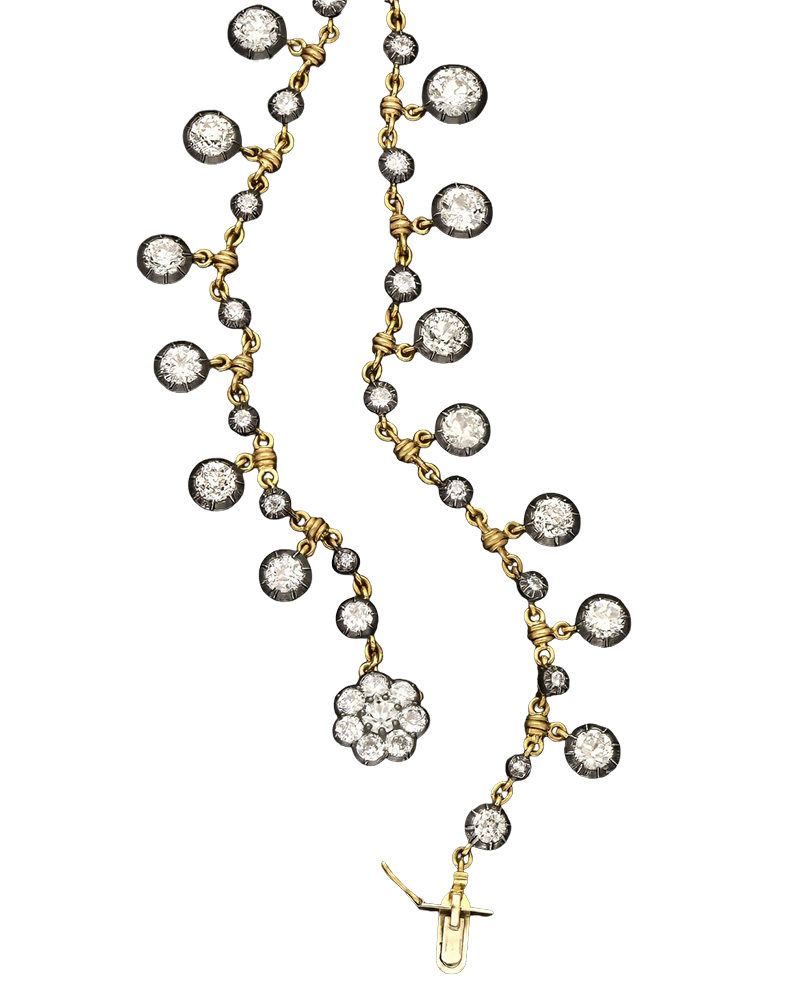
Hancocks Old European Cut Diamond Georgian Revival Rivière Necklace, Price Upon Request, hancockslondon.com
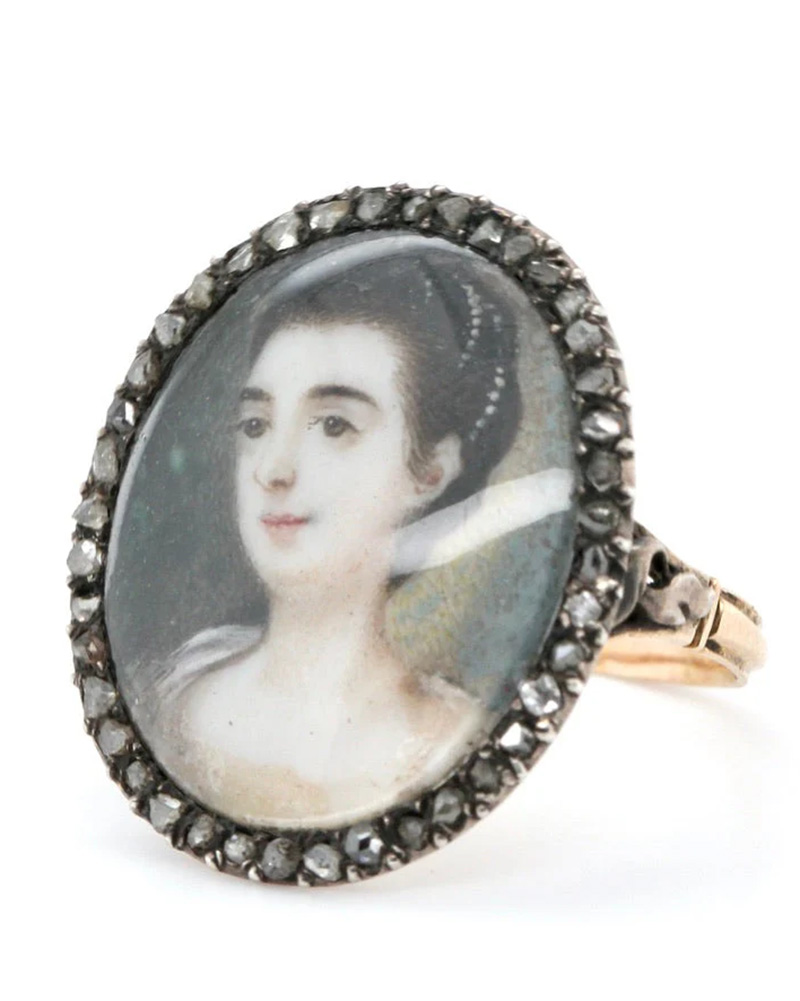
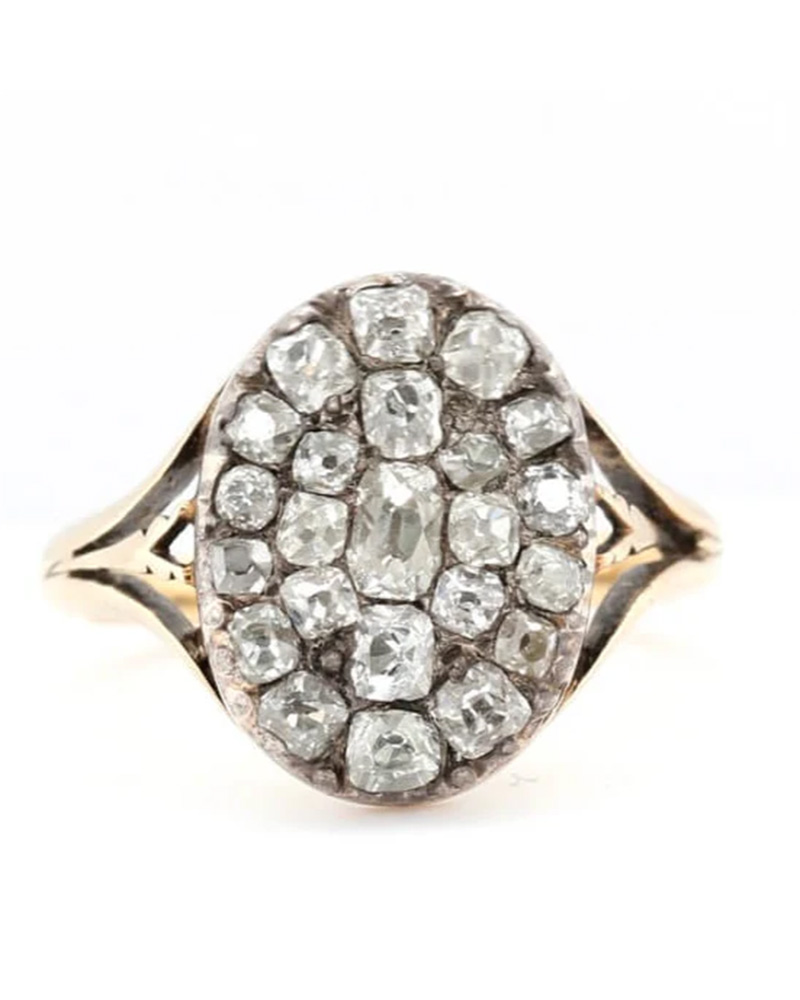
Charlotte Sayers Georgian Pave Set Diamond Oval Ring, $3,927, charlottesayers.com
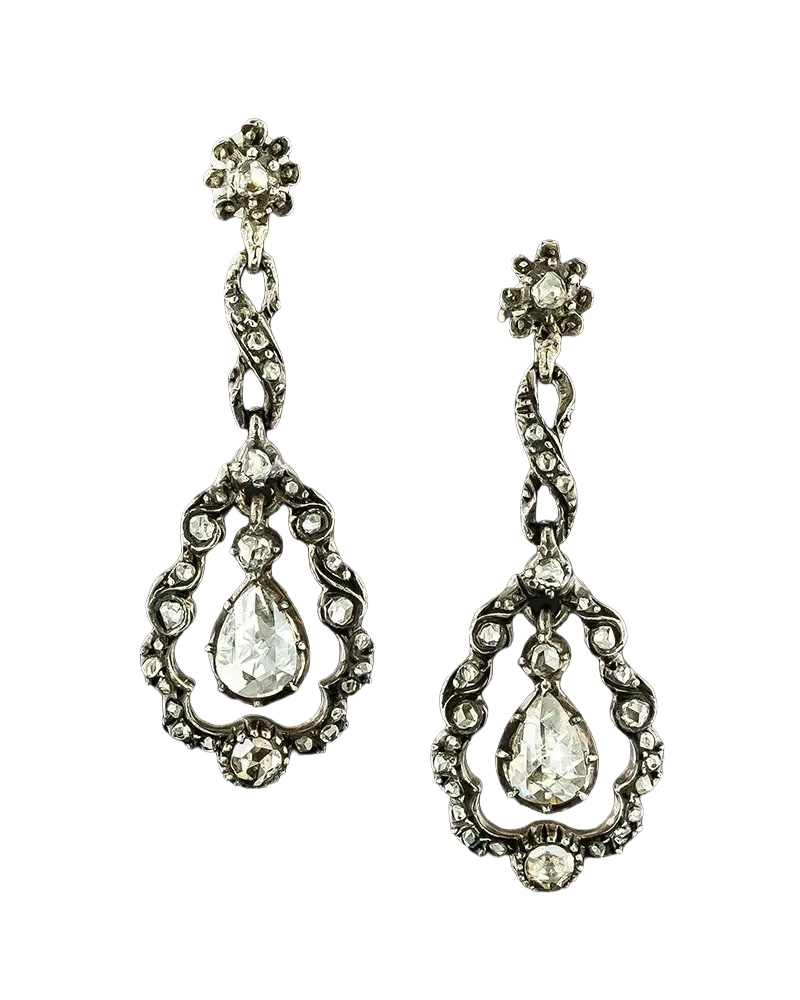
Lang Antiques Georgian-Style Diamond Dangle Earrings, $3,950, langantiques.com
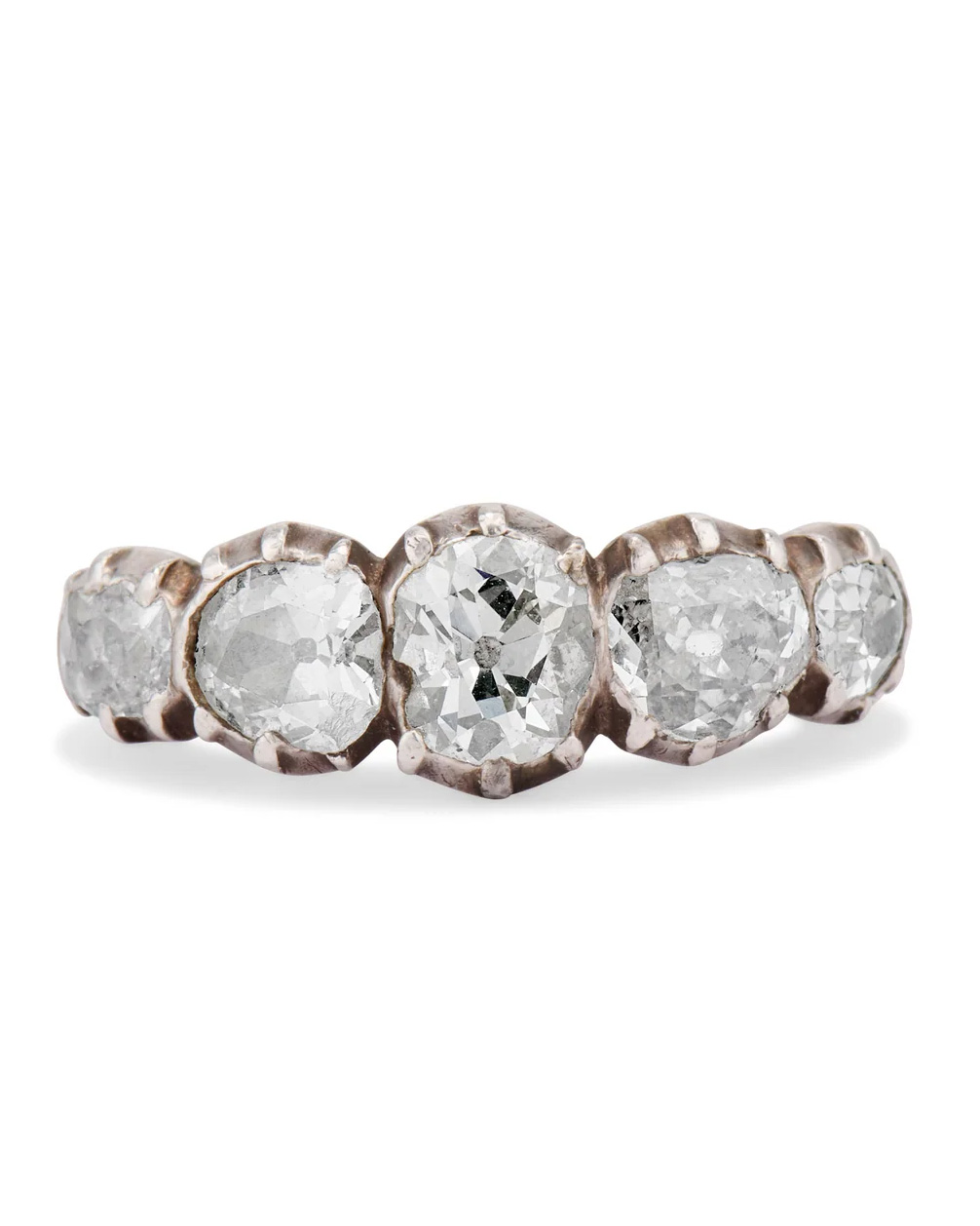
Ashley Zhang Jewelry Georgian Silver Collet Set Five Old Mine Cut Diamond Ring, $7,980, ashleyzhangjewelry.com
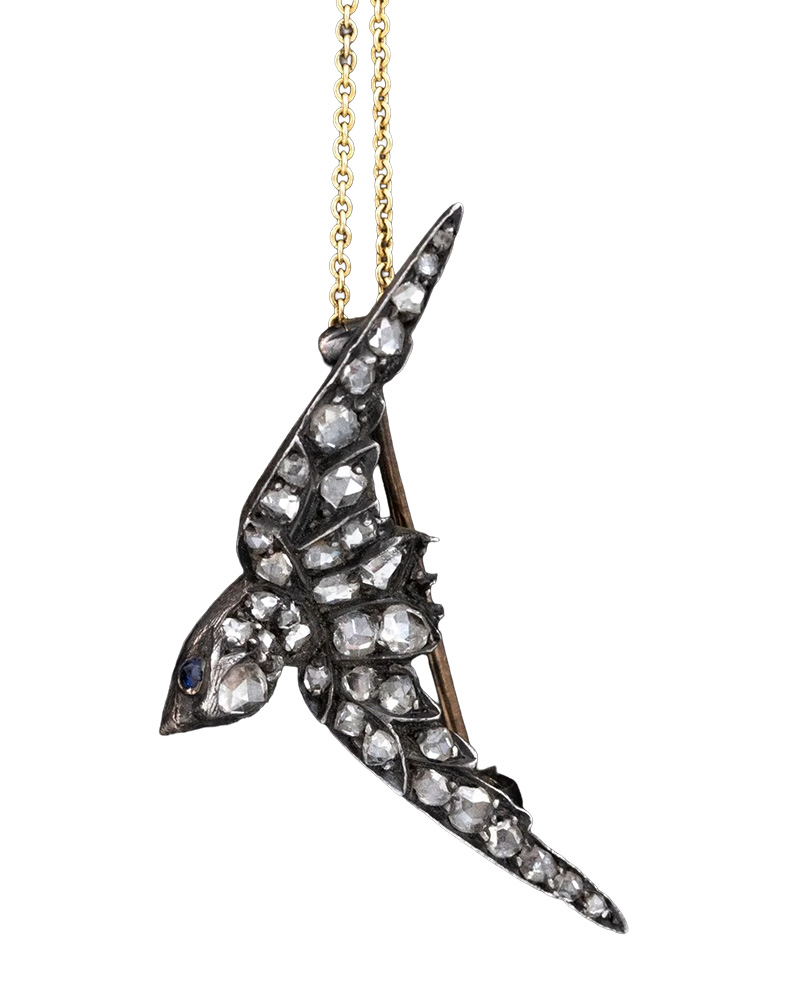
Jewels by Grace Georgian Swallow Diamond Brooch, $975, jewelsbygrace.com