De Beers and GemFair Are Bringing Artisanal Diamonds Into Fine Jewelry
De Beers’ new capsule collection is the first to feature GemFair’s ethically sourced and artisanally mined diamonds in fine jewelry, further supporting the communities that rely on natural diamond recovery.
Published: January 27, 2026
Written by: Grant Mobley

When people talk about responsible sourcing of diamonds, the conversation often stops at large-scale mining, which accounts for about 90% of natural diamonds recovered. These large diamond companies operate with deep oversight, advanced technology, and highly regulated systems, ensuring that their share of natural diamonds is responsibly recovered to the highest standards.
But there’s another part of the diamond world that matters just as much and employs millions of people globally: artisanal and small-scale mining. With the launch of a new capsule collection by De Beers London featuring ethically sourced, artisanally mined diamonds sourced through GemFair, that part of the story finally takes center stage in fine jewelry.
This launch marks the first time GemFair diamonds appear in finished jewelry, and it feels like a turning point. A turning point for how the industry can responsibly support artisanal miners while preserving the rarity, integrity, and value that make natural diamonds so meaningful.
Meet the Expert

- Grant Mobley is the Jewelry & Watch Editor of Only Natural Diamonds.
- He is a GIA Diamonds Graduate.
- He has over 17 years of jewelry industry experience, starting with growing up in his family’s retail jewelry stores.
The Importance of GemFair

Artisanal diamond mining accounts for around 10 percent of global diamond supply by value. It provides a vital source of income for millions of people, often in some of the world’s most economically vulnerable regions. These miners work deposits that large industrial mining companies do not operate, typically alluvial sources found along riverbeds. The diamonds can be exceptional, but the systems around them historically have not been. That’s where GemFair comes in.
GemFair was designed to do something the industry had never fully achieved before: formalize a transparent, traceable, and fair route to market for artisanal diamonds. The program provides fair-value purchasing, training to improve mining and working practices, and a formal framework to help miners operate safely, responsibly, and legally. Through proprietary digital tools and third-party verified assurance programs, eligible diamonds can now be traced from mine site to market.
This matters because artisanal miners rarely have access to the expertise, infrastructure, or global market reach needed to secure full value for the diamonds they discover. Large companies like De Beers do. By sharing knowledge, technology, and standards, GemFair helps ensure these miners receive proper compensation while improving environmental practices and working conditions.
From Riverbed to Jewelry Box: The Journey of GemFair Diamonds


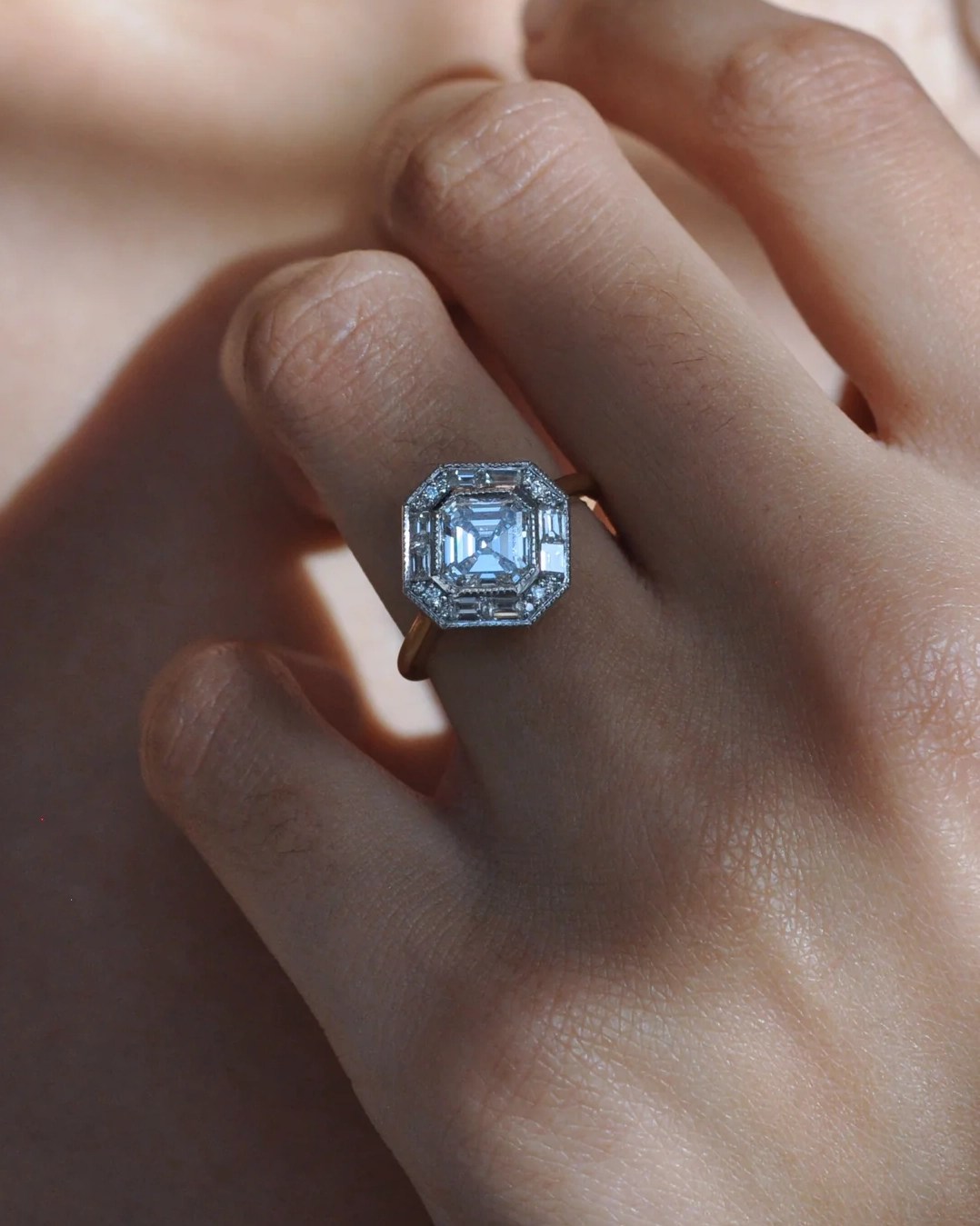
The new De Beers London capsule collection translates that mission into something tangible. Comprising twelve unique pieces, the collection pairs rough and polished GemFair diamonds in beautiful designs, offering a rare visual and emotional connection between discovery and craftsmanship.
Each diamond was individually selected for its character, shaped over millennia by the quiet force of rivers. The polished diamonds are cut exclusively for this capsule, while the rough diamonds remain untouched, exactly as nature formed them. It’s a powerful contrast. One side speaks to human artistry and precision. The other honors the raw beauty of the Earth and the miner who uncovered it.
The designs include Toi et Moi rings and pieces from the Modern Lines collection, all created to reflect a dialogue between origin and transformation. This isn’t about perfection for perfection’s sake. It’s about storytelling, authenticity, and respect for where these diamonds come from.
GemFair’s Ethics Beyond the Stone

GemFair’s success doesn’t measure itself by volume. It focuses on impact. Today, more than 500 artisanal mine sites participate in the program, supporting approximately 7,000 direct livelihoods and many more indirectly. Since launch, GemFair has purchased over 20,000 diamonds and conducted more than 5,700 compliance visits to ensure standards remain high.
The work also continues after mining ends. Since 2020, GemFair has reclaimed nearly 160 abandoned mine pits, converting them into agricultural land. The program has donated over 1,000 kilograms of rice, fruit, and vegetable seedlings to local communities, helping create alternative livelihoods and improve food security.
That long-term approach aligns with De Beers Group’s Building Forever sustainability commitment, which focuses on transforming rarity into responsibility and creating benefits that endure beyond diamonds themselves.
Why the GemFair x De Beers Collection Is Different


Luxury demands more than beauty. It demands accountability. This capsule collection answers that call without compromising on design, craftsmanship, or rarity. It also signals something bigger. GemFair is now a registered supplier to De Beers London for future collections, having met the brand’s rigorous quality and responsible sourcing standards. That means this is not a one-off statement. It’s a blueprint.
For the first time, consumers can purchase fine jewelry that directly connects them to artisanal mining communities in a transparent and meaningful way. These diamonds carry stories of empowerment, education, and progress.
A Full-Circle Moment in Responsible Diamond Sourcing
There’s something powerful about seeing a natural diamond that began its life far underground, more than a billion years ago, discovered by hand in an ancient riverbed, responsibly sourced, and ultimately transformed into a piece of high jewelry. It reminds us that the diamond industry isn’t just about geology and glamour. It’s about people.
This collaboration between GemFair and De Beers London shows what’s possible when large-scale expertise supports small-scale operations. It proves that ethical sourcing and exceptional jewelry don’t sit on opposite ends of the spectrum. They belong together.