Codognato Brings Venetian Jewelry to the Inaugural Fondazione Dries Van Noten Exhibition
The legendary Venetian jeweler, known for its symbolic diamond creations and memento mori designs, becomes the only jewelry house featured in the inaugural exhibition of the Fondazione Dries Van Noten in Venice.
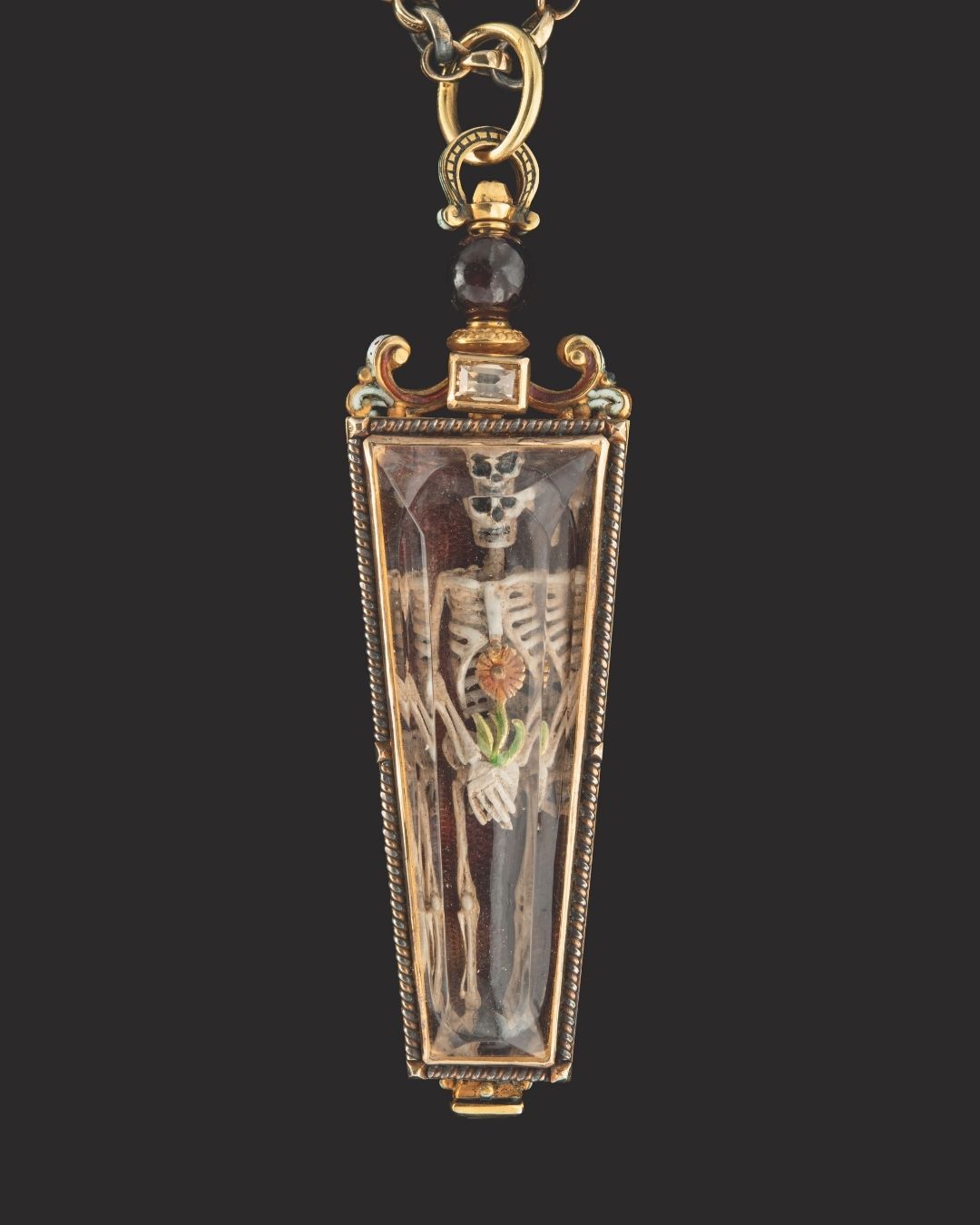
A. Codognato coffin necklace with enameled skeleton holding a sunflower 18-karat yellow gold and silver, diamonds, a garnet and enamel. (Courtesy of A. Codognato)
Few brands become part of a city’s cultural DNA more completely than Codognato, the legendary Venetian jeweler known for its hauntingly beautiful creations that blend symbolism, history, and extraordinary craftsmanship.
That legacy now takes center stage in the international art world. The Fondazione Dries Van Noten in Venice has selected Codognato as the only jewelry house featured in its inaugural exhibition, marking a significant moment for the historic Venetian brand at the new cultural institution founded by renowned fashion designer Dries Van Noten.
Meet the Expert

- Grant Mobley is the Jewelry & Watch Editor of Only Natural Diamonds.
- He is a GIA Diamonds Graduate.
- He has over 17 years of jewelry industry experience, starting with growing up in his family’s retail jewelry stores.
The exhibition, titled “The Only True Protest Is Beauty,” opens on April 25, 2026, and runs through October 4, 2026, transforming the historic Palazzo Pisani Moretta into an exploration of craftsmanship across multiple disciplines, including fashion and design, photography, ceramics, glass, and jewelry.
The Fondazione Dries Van Noten Exhibition
The Fondazione Dries Van Noten was established by Dries Van Noten together with Patrick Vangheluwe as a place where creativity across disciplines can meet and evolve. Housed within the historic Palazzo Pisani Moretta overlooking Venice’s Grand Canal, the foundation celebrates craftsmanship as a language of cultural identity and creative expression.
Rather than presenting a conventional museum-style exhibition, the inaugural show unfolds through 20 rooms spread across the ground floor and two Piano Nobile levels of the palazzo, where more than 200 works interact with the architecture and decorative history of the building.
Curated by Dries Van Noten and Geert Bruloot, the exhibition intentionally blurs boundaries between disciplines. Archival fashion pieces appear alongside contemporary textile works, collectible design objects, photography, experimental materials, and sculptural works.
Among the artists and creators featured are internationally recognized names from fashion and art, including Christian Lacroix, Comme des Garçons, and contemporary photographer Steven Shearer, whose work appears in dialogue with Codognato jewelry within the exhibition space.
The Story of Codognato
The story begins in 1866, when Simeone Codognato opened a workshop near Piazza San Marco, inspired by the rediscovery of ancient Etruscan jewelry during archaeological excavations across Italy.
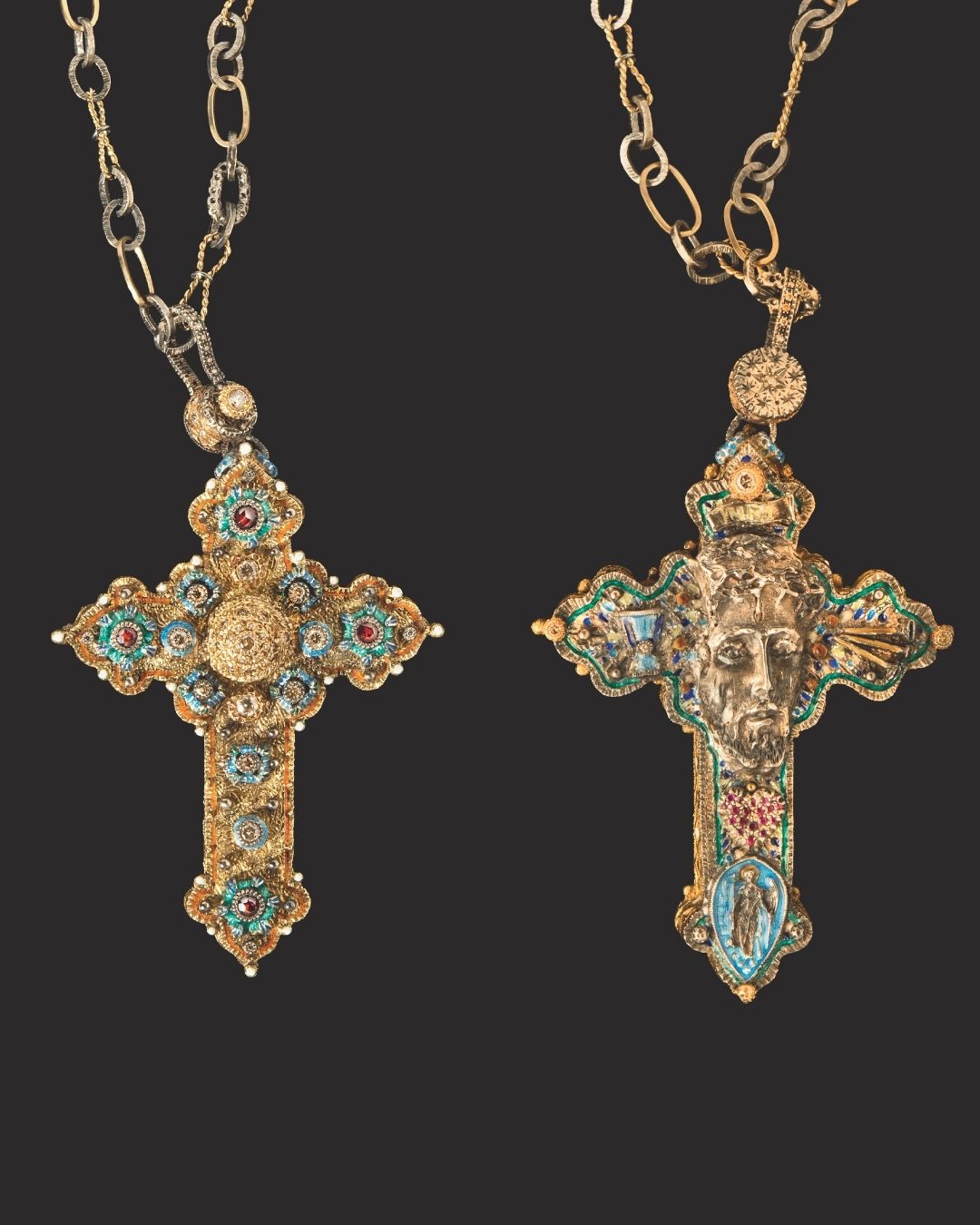
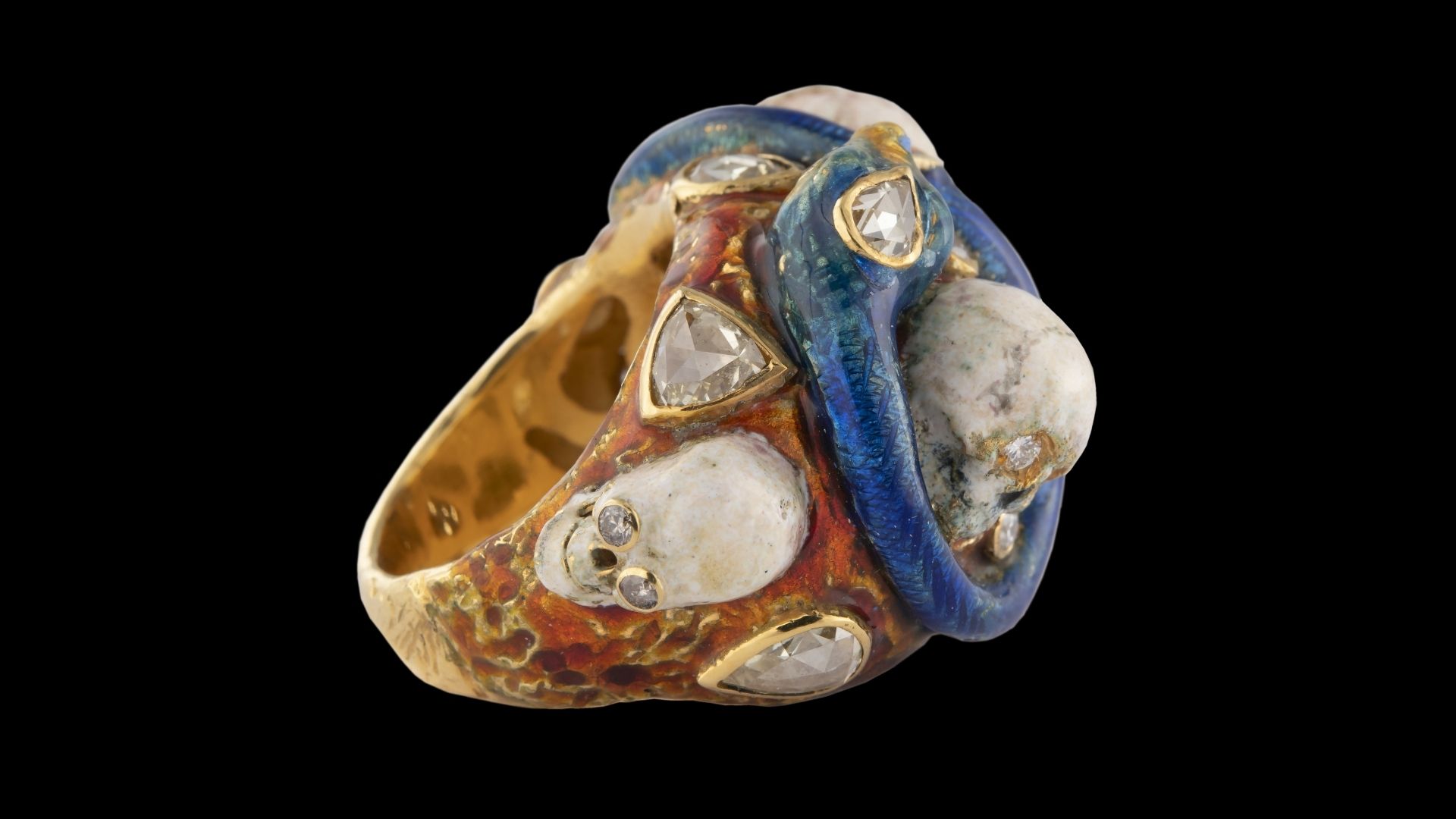
Those discoveries sparked a radical shift in the house’s aesthetic, blending classical symbolism with bold sculptural forms. Over the decades, Codognato developed a distinctive design language defined by memento mori imagery, religious and historical symbolism, sculptural goldwork, and the use of diamonds alongside unusual materials such as enamel, rock crystal, and antique elements.
When Attilio Codognato took over the family business in 1958, he expanded the house’s artistic reach even further. A passionate supporter of contemporary art, Attilio famously displayed works that fascinated him in the store windows, transforming the boutique into something closer to a private gallery than a traditional jewelry shop.
Over the decades, the house became a favorite among some of the most iconic figures in fashion, art, and music. Its clientele has included Maria Callas, Coco Chanel, Elizabeth Taylor, Elton John, Tilda Swinton, and, more recently, A$AP Rocky. The range of clients is a testament to the brand’s ability to resonate across generations.
Codognato Pieces Selected for the Exhibition
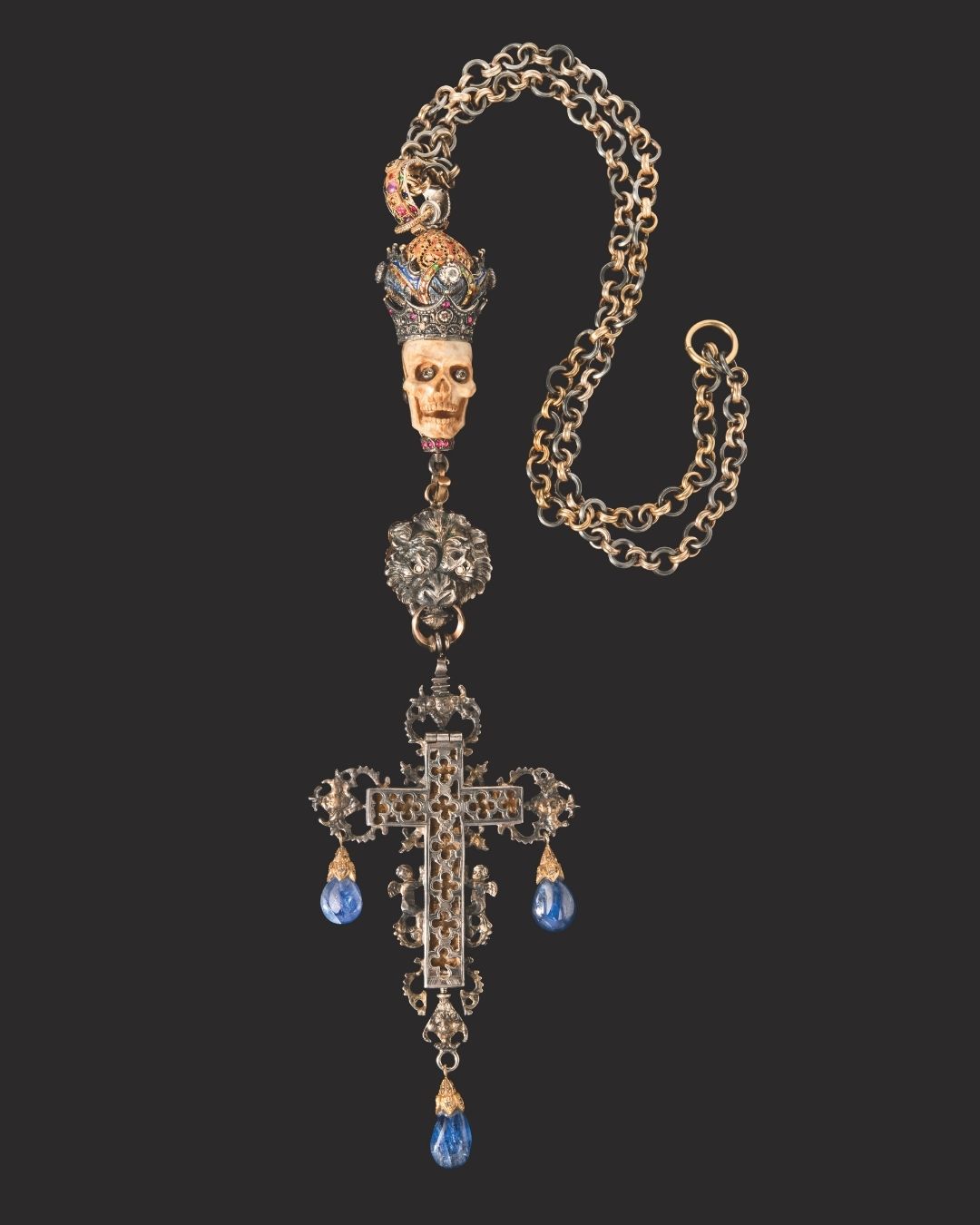
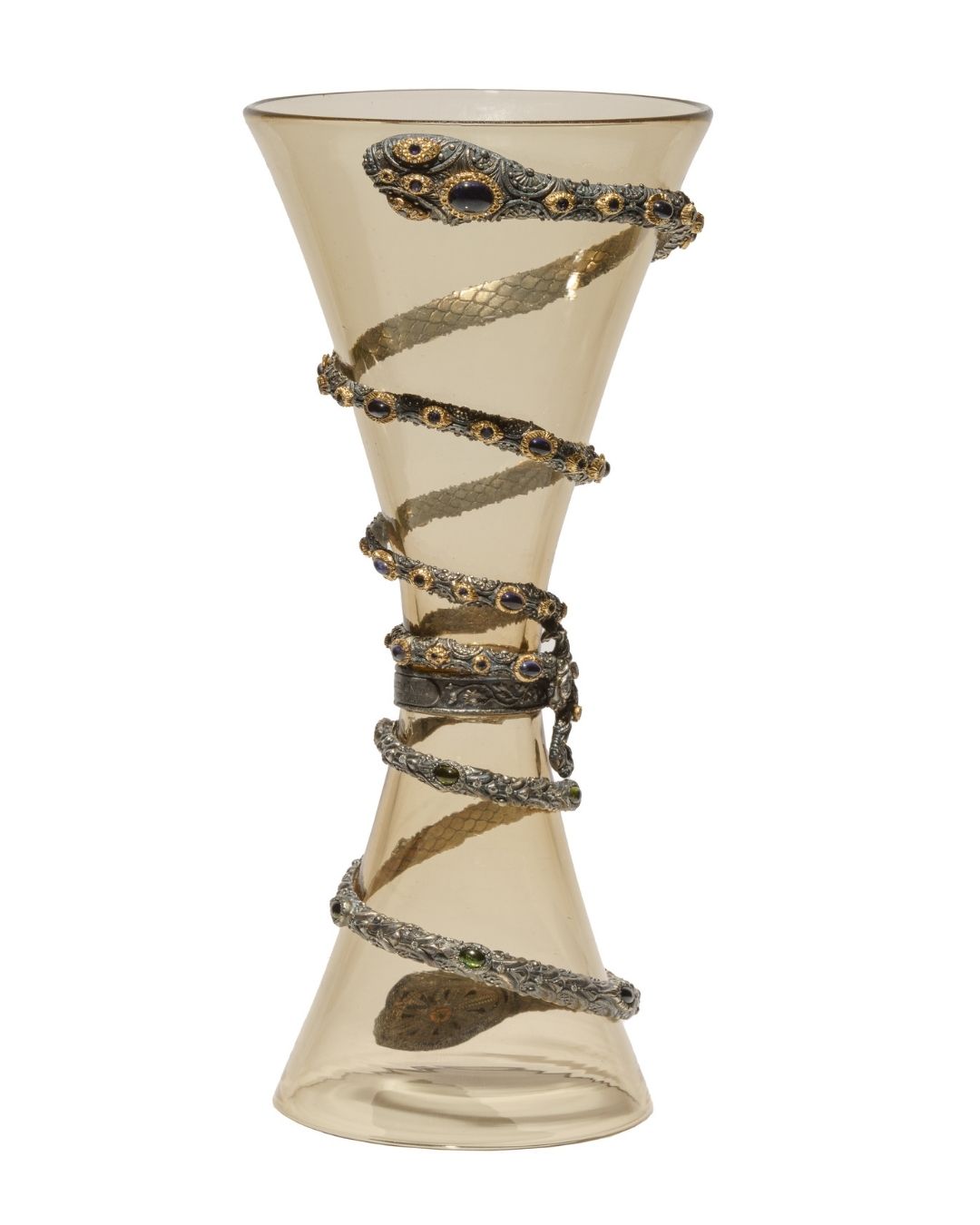
For the exhibition, Dries Van Noten personally selected 15 Codognato pieces, representing both the house’s historic designs and newly created works. The selection creates a dialogue between past and present, with some pieces belonging to long-time collectors and clients, and others specially created for the exhibition.
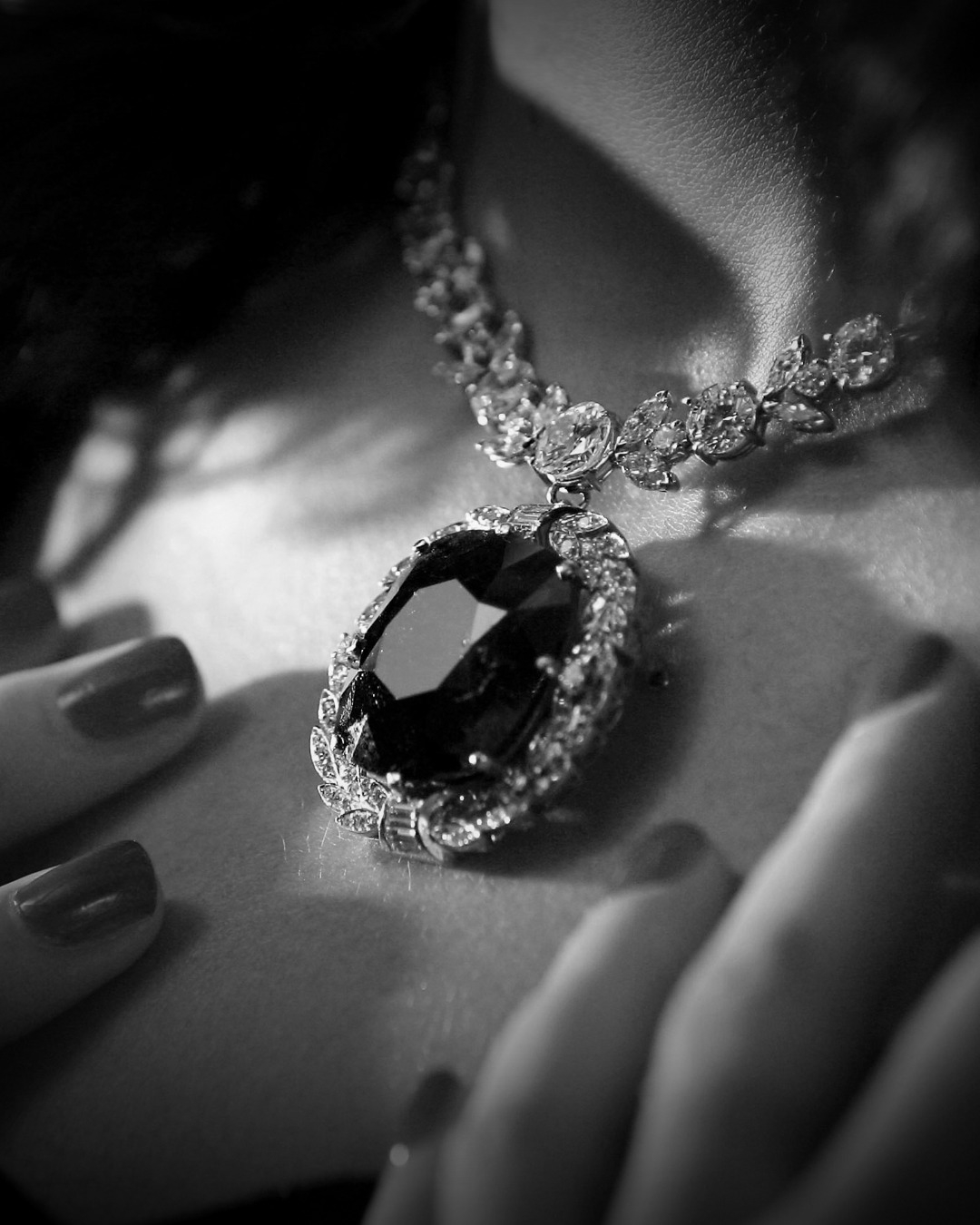
The pieces chosen for the exhibition perfectly illustrate the Codognato aesthetic. It is jewelry that feels almost like an ancient sculpture, steeped in symbolism and history. These works draw heavily from the memento mori tradition. They are placed within the richly decorated rooms of Palazzo Pisani Moretta, and the jewelry becomes part of a larger visual conversation between history, art, and contemporary design.
For Mario and Cristina Codognato, the inclusion in this exhibition represents both a personal and cultural milestone.
“As Venetians, we are thrilled that Dries Van Noten, one of the greatest and most innovative designers and creative people of our time, has chosen Venice for its new foundation. It represents an extraordinary addition to the cultural offer and heritage of the city. And as Venetians, we are thrilled and deeply honored to have been chosen to represent the millenary artisanal tradition of Venice in Dries’ foundation inaugural exhibition,” they said in announcing the collaboration.
The Legacy of Venetian Craftsmanship

This collaboration feels like a natural fit. Codognato has long stood apart in the jewelry world for its distinctive blend of Venetian history, symbolism, and craftsmanship, and this exhibition offers a rare opportunity to see those pieces presented in a broader artistic context. Being the only jeweler included in the inaugural exhibition of the Fondazione Dries Van Noten is a meaningful recognition of the house’s influence and its unique place within both jewelry and art. For visitors to Venice this year, it will be a chance to experience Codognato not just as jewelry, but as part of the cultural and creative fabric of the city where it was born.