< Culture & Style / Jewelry Trends
Chunky Rings Are Trending: A Guide to the Bold Band Revival
Chunky rings are the hero pieces of modern maximalism, adding instant drama to any ring stack.
Published: November19, 2025
Written by: Meredith Lepore

Though slim, dainty bands are a timeless staple in engagement ring design—and can even make your diamond appear larger—sometimes you simply want a big, chunky ring. Chunky rings feel substantial and powerful, delivering a bold, unmistakable statement. And while their roots trace back to the late 19th century, the style is having a major resurgence today, popping up across social media and on the fingers of some very prominent celebrities. This distinctive setting creates a maximalist backdrop for warmer natural diamonds, uncommon shapes, and larger-than-life stones.
Ahead, discover why chunky rings are having a moment, their history, and which brands do it best.
Meet the Experts

Grace Lee is the Creative Director of her eponymous fine jewelry collection, which she launched in 2008 after leaving a career in finance. Known for her refined aesthetic and architectural approach to design, she has built a loyal following for her modern yet timeless pieces.

Jared Silver, President of Stephen Silver, grew up in the jewelry business and has transformed the company into Silicon Valley’s premier luxury jewelry and watch destination. Since joining the board in 2012, he has led its evolution from a successful wholesale operation into a vertically integrated retail powerhouse.
What Defines a Chunky Ring?
They’re fun to describe, but what exactly makes chunky rings chunky? A chunky ring is usually defined as a bold ring with a large band (diameter size) and large gemstones. According to jewelry designer Grace Lee, a chunky band is one that is not the typical stone-to-band proportion. “When the band width is more than 25% of the diamond size, I would classify it as a chunky band,” Lee says.
Chunky rings don’t shy away from making a statement. These styles typically have some weight to them, especially when crafted from precious metals like gold and platinum (yellow gold in particular plays up their inherent retro vibe). Lee also noted that thicker bands are naturally more durable; however, their larger surface area can make them more susceptible to scratches. Still, a gold band often looks even more beautiful with those marks of wear—signs that the piece is loved, lived-in, and worn often.
Chunky Rings Through the Ages
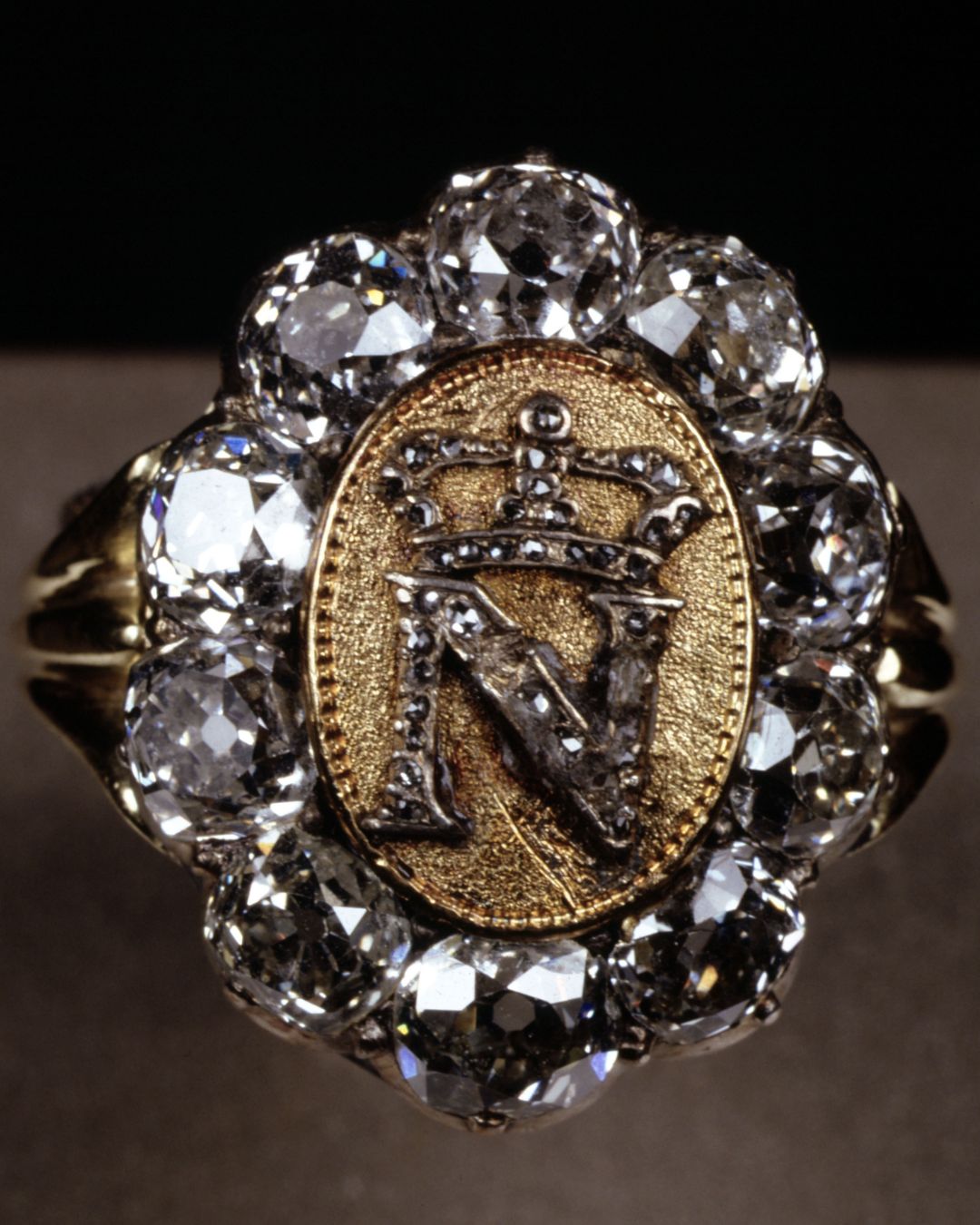
Chunky rings date back to ancient Egypt, where they were worn by both men and women and served as far more than fashion statements. These substantial designs often carried symbolic meaning, featuring elaborate motifs tied to beliefs about protection and the afterlife. In many ways, chunky rings functioned as spiritual vessels; pieces meant to hold power, significance, and connection beyond the physical world.
During the Renaissance, chunky rings became powerful symbols of wealth and status. Signet rings dominated the era, often featuring intricate filigree work, symbolic patterns, and richly colored gemstones. Chunky wedding bands from this period frequently included engravings or emblems that told a couple’s story, reflecting their shared history, values, and hopes for the future.

Fast-forward to the Art Deco period of the 1920s, when geometric chunky rings came to symbolize a new sense of modernity and independence for women—standing in sharp contrast to the delicate, lace-like styles of the Edwardian era. As women’s roles shifted, so did architecture, fashion, and design, and jewelry followed suit. Strong lines, colored gemstones, and bold geometric patterns became the hallmark of the era, often created using chunky rings with large center stones and clusters of smaller diamonds.
There was also a renewed fascination with Egyptian art and motifs following the 1922 discovery of King Tutankhamun’s tomb, which inspired a wave of chunky rings and other jewels featuring stylized scarabs, lotus flowers, and other Egyptological elements. While gold and platinum remained popular, designers also embraced modern materials such as glass and enamel.
The 1940s and 1950s favored more traditionalism in ring design, largely due to wartime restrictions on metals and gemstones. Solitaire diamond rings with dainty gold bands dominated during this period. Chunky rings did not return to prominence until the 1960s and 1970s, when celebrity culture exploded and widespread coverage of style icons like Elizabeth Taylor and Jackie Kennedy encouraged more experimental jewelry. As war-era minimalism faded, bold and sculptural styles took center stage, and chunky rings in gold and platinum bands once again became popular.
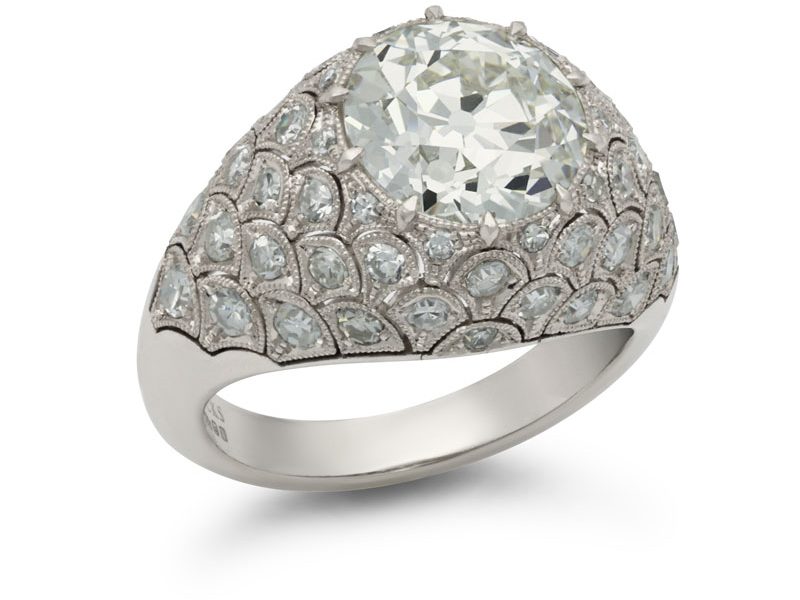
The bombe style, with its rounded and voluminous silhouette, and wide cigar bands became major trends during the 1960s and 1970s. These bold, chunky rings were frequently worn by Elizabeth Taylor, Sophia Loren, and other major stars of the era. Designers like Van Cleef & Arpels, Cartier, and David Webb excelled at creating these substantial styles, many of which emphasized the craftsmanship and drama of the band itself rather than a single dominant center stone.
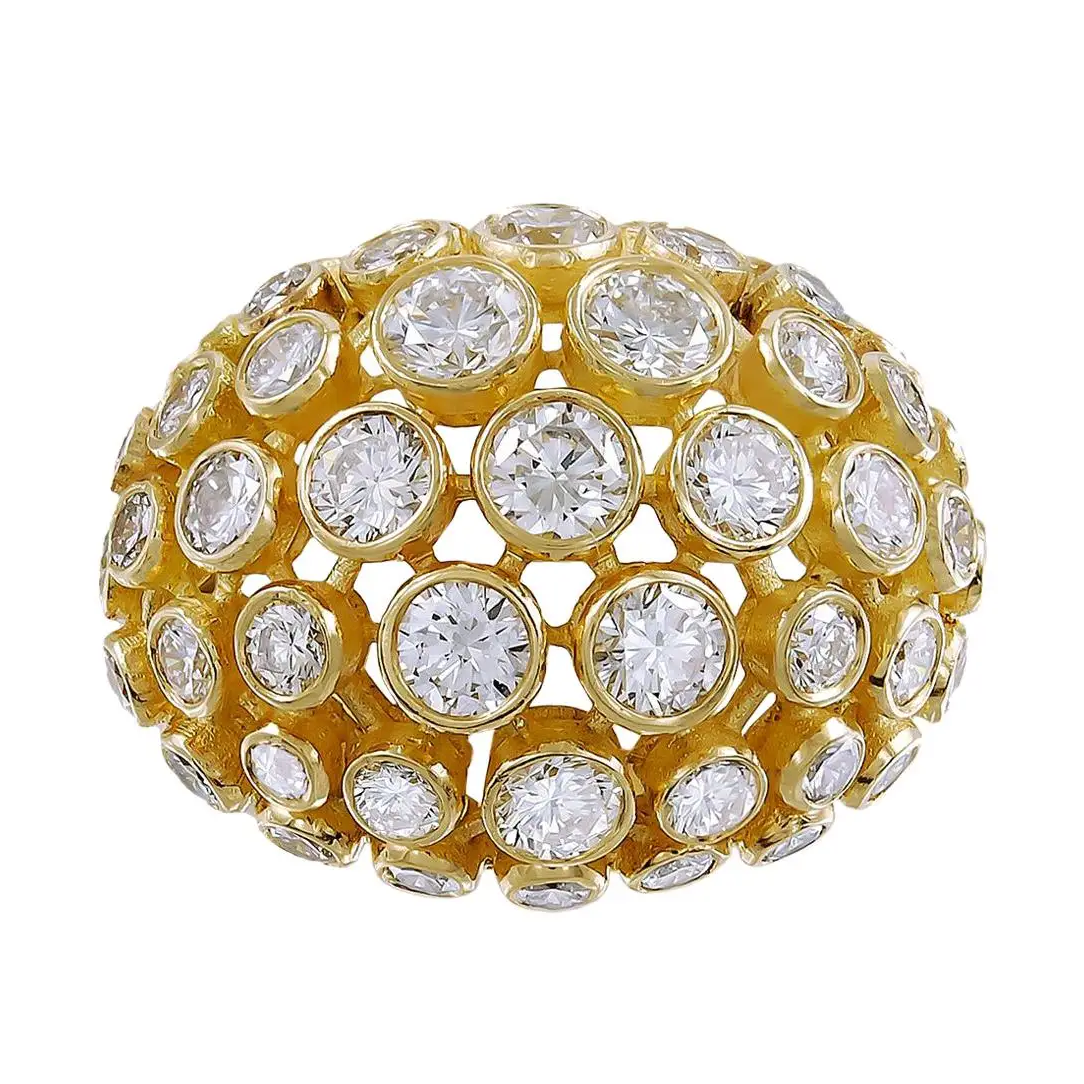
In the 1980s, maximalism defined fashion. Everything was bigger—shoulders, belts, and rings—and chunky rings fit perfectly with the bold, boxy silhouettes of the era. Rings often featured thick yellow-gold bands, sometimes accented with channel-set diamonds or sharp geometric patterns. The decade’s standout jewelers brought their own interpretations to the look: Bulgari leaned into bold, architectural gold; Cartier ushered in the graphic Panthère era; and Van Cleef & Arpels introduced plush, sculptural “puffy gold” designs. Together, they shaped an aesthetic that prized form, volume, and impact over delicate detail.
Modern Takes on the Chunky Ring


Today, we are witnessing a major resurgence of chunky-band engagement rings. These thick, bold bands have dominated social media feeds, and among those setting the tone is Dua Lipa and Miley Cyrus, whose oversized yellow gold band and solitaire diamond have become a clear reference point for the trend.
Contemporary designers like Grace Lee, Brent Neale, Cece Jewellery, and Sophie Bille Brahe are fully embracing the chunky engagement ring aesthetic. And while some celebrities, like Hailey Bieber, have upgraded to rings with wider bands, the trend is best understood as a broader shift toward statement-making engagement jewelry rather than delicate minimalism.
Lee thinks there are a few factors behind the chunky-band engagement ring boom. “For a few years, I have seen brides preferring a one-and-done style that combines both an engagement ring and wedding band into one, and these styles tend to be thicker. Secondly, I think the rise in gold costs reinforces the idea that an engagement ring is also an investment and a thicker, more chunky band is more gold weight so more of an investment,” she says.

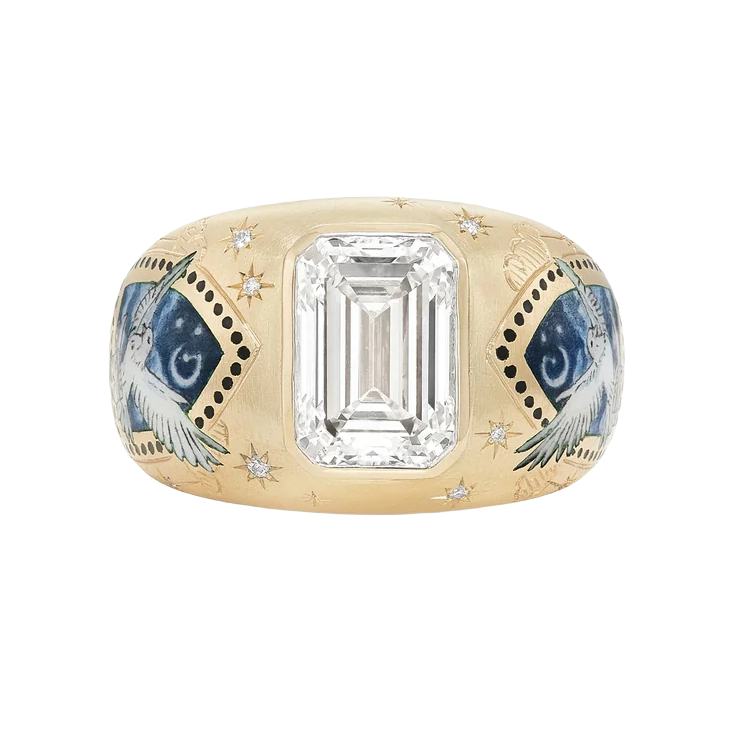
Jared Silver, President of Stephen Silver Fine Jewelry, says chunky rings—especially cigar bands—are seeing a surge in popularity because, stylistically, the pendulum in fine jewelry always swings back.
“As fashion revisits Y2K and ’90s references, fine jewelry is likewise embracing wider bands and highly polished finishes from that era. There’s an appetite for styles that feel casual and comfortable for everyday wear, yet that still make a distinct, timeless statement,” he said.
He noted that there is mass appeal with chunky rings because, if done well, they capture a perfect balance between sophistication and strength. “Wide bands, whether with diamonds or without, do just that,” he says.
Chunky Ring Styles
Signet Rings
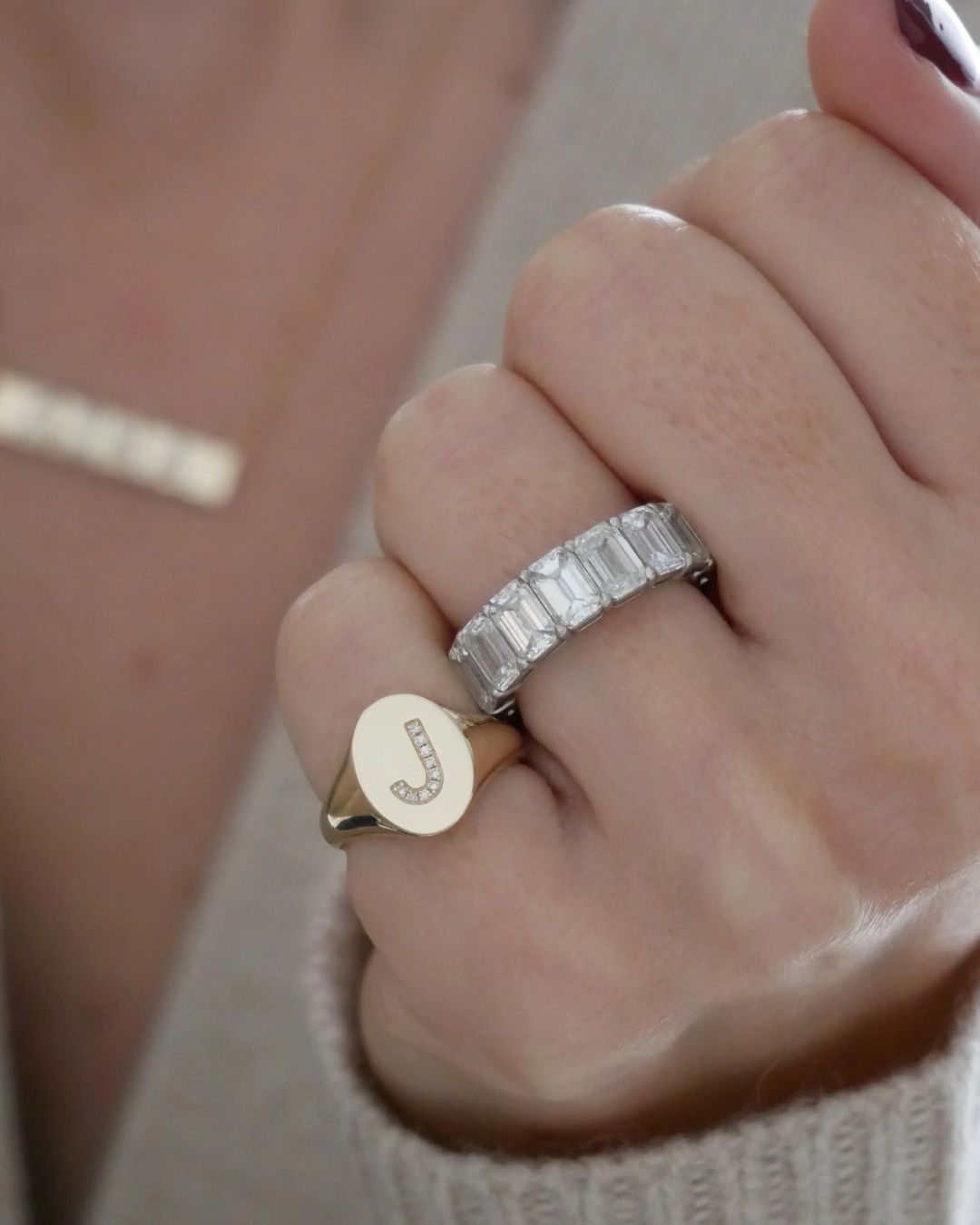
We mentioned signet rings earlier as a favorite during the Renaissance. Traditionally flat-topped rings engraved with family crests or initials, signets served an important function in ancient and classical times: they were used as personal seals, pressed into wax or ink to authenticate official documents. The engraved top—known as the signet—was typically crafted in precious metals such as gold or platinum.
Today, signet rings have evolved into deeply personal pieces featuring everything from zodiac symbols to the paw prints of beloved pets. Many modern interpretations incorporate natural diamonds, either outlining the face, framing the engraving, or adding a subtle sparkle that elevates the ring into true heirloom territory.
Signet rings have been trending heavily this year, fitting seamlessly into the chunky ring category. Their solid gold face and weighty profile deliver instant volume, presence, and impact on the hand. Beautiful examples include Foundrae’s personalized diamond-accented signets and David Yurman’s Cushion Signet, both of which reinterpret the classic style with modern diamond details.
Dome or Bombe Rings
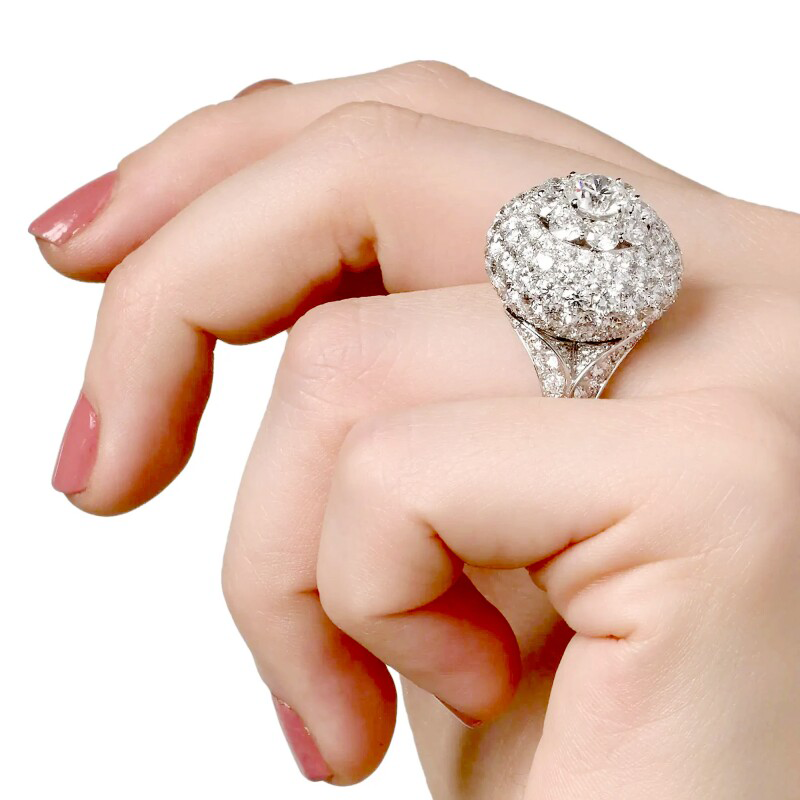
These rings feature a rounded, elevated surface that bulges, but in the most graceful and glamorous way, from the finger. The bombe ring (pronounced bomb-ay, from the French word for “bomb” or “rounded”) is defined by its exaggerated curves and height.
Designs include pavé-set with diamonds, which creates a glittering, domed surface that sparkles from every angle. Others showcase colored stones or bold metalwork. They originated in the mid-20th century but are having a big revival right now, thanks in large part to celebrity influence.
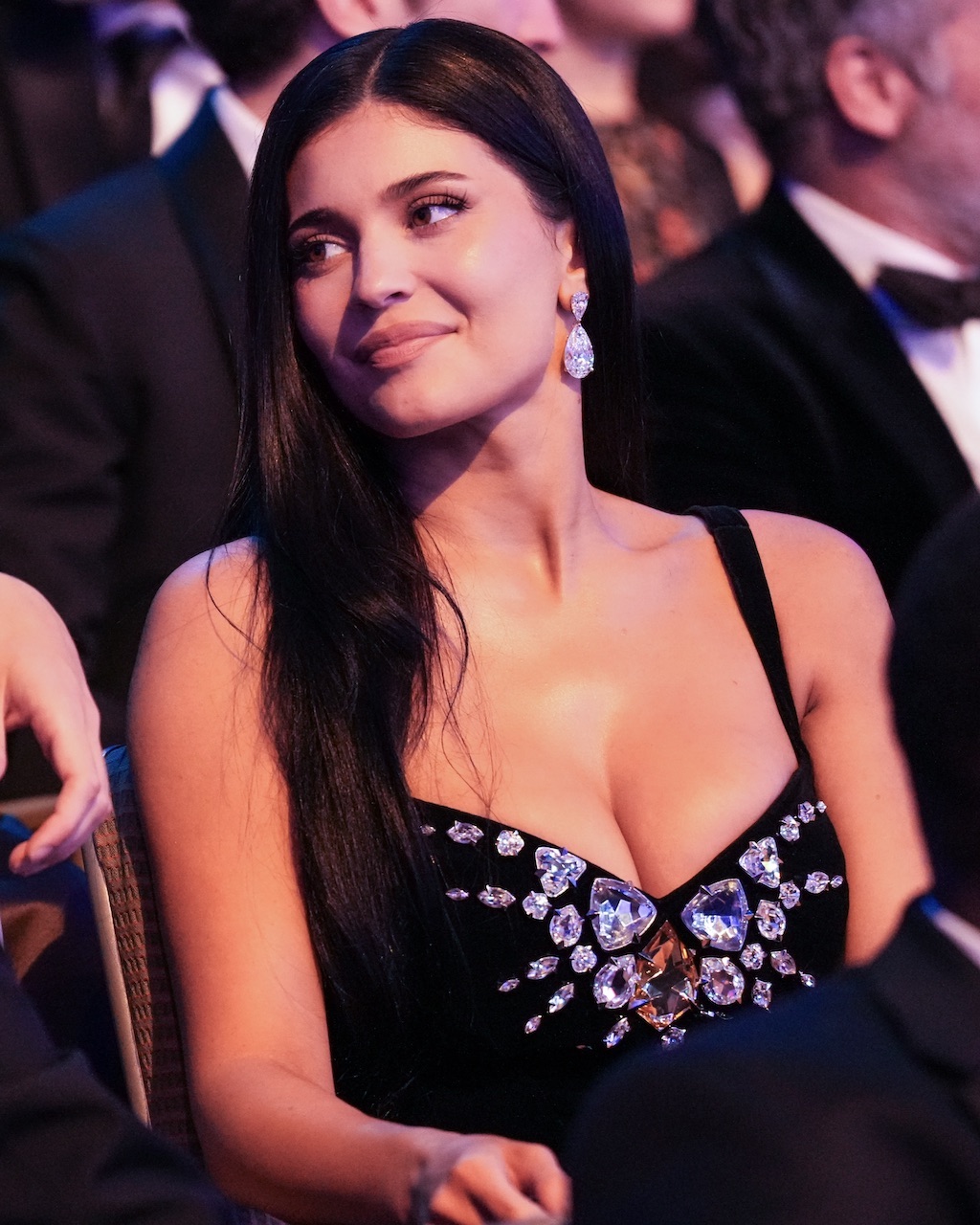
Music superstar Dua Lipa debuted her bombe-style engagement ring from fiancé Callum Turner, and in 2024 the stunningly chunky piece made headlines around the world. The design struck a rare balance, capturing both a vintage sensibility and a modern, sculptural feel. Other celebrity fans of the bombe ring include Kylie Jenner and Zoë Kravitz, further cementing its status as one of today’s most influential engagement ring styles.
Cigar Bands
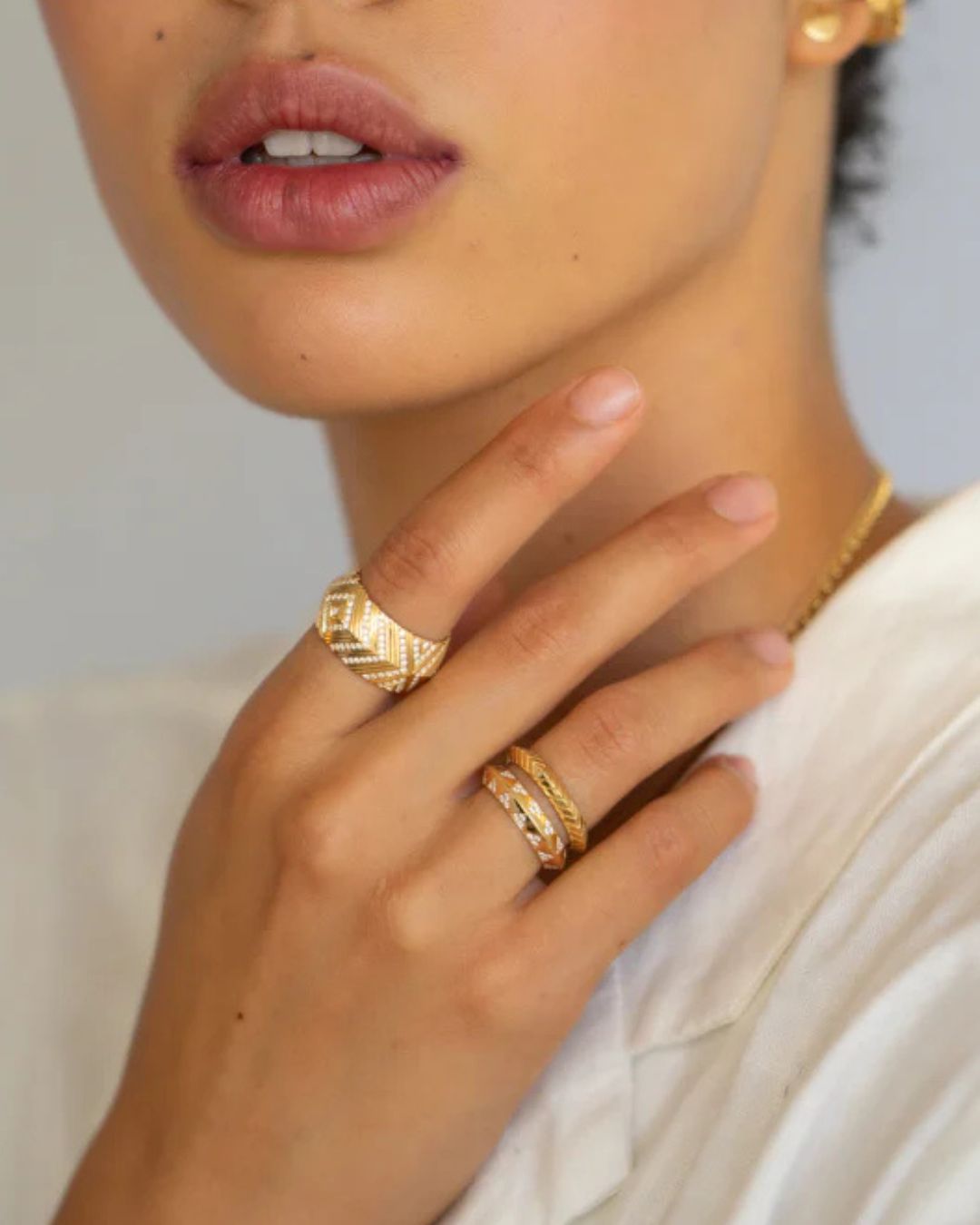
Cigar bands, as the name implies, have a shape influenced by the paper rings around a cigar. These wide, flat bands (usually about 6–10 millimeters) hug the finger like a cigar wrap, can be of a single width or have a slightly enlarged center design, and often they are metallic and feature rich ornamentation.
“Cigars have long been associated with a luxury experience, and so it was only natural that these ring-shaped paper ornaments would inspire similarly shaped rings crafted in real precious metals, diamonds, and gemstones,” Silver says.
He added that because they have a naturally low-profile silhouette, cigar band rings are also inherently practical. These styles—often featuring flush-set or pavé-set gems, or simply high-polished or textured metal surfaces—make for versatile, go-to pieces that work effortlessly for both everyday wear and more transitional moments.
That practicality is a major reason he’s seeing people across demographics gravitate toward cigar bands. “Cigar bands are for everyone. They offer a fun way to wear a solo wedding band or to stack under an engagement ring to offer a fresh look.”
Gyspy Rings
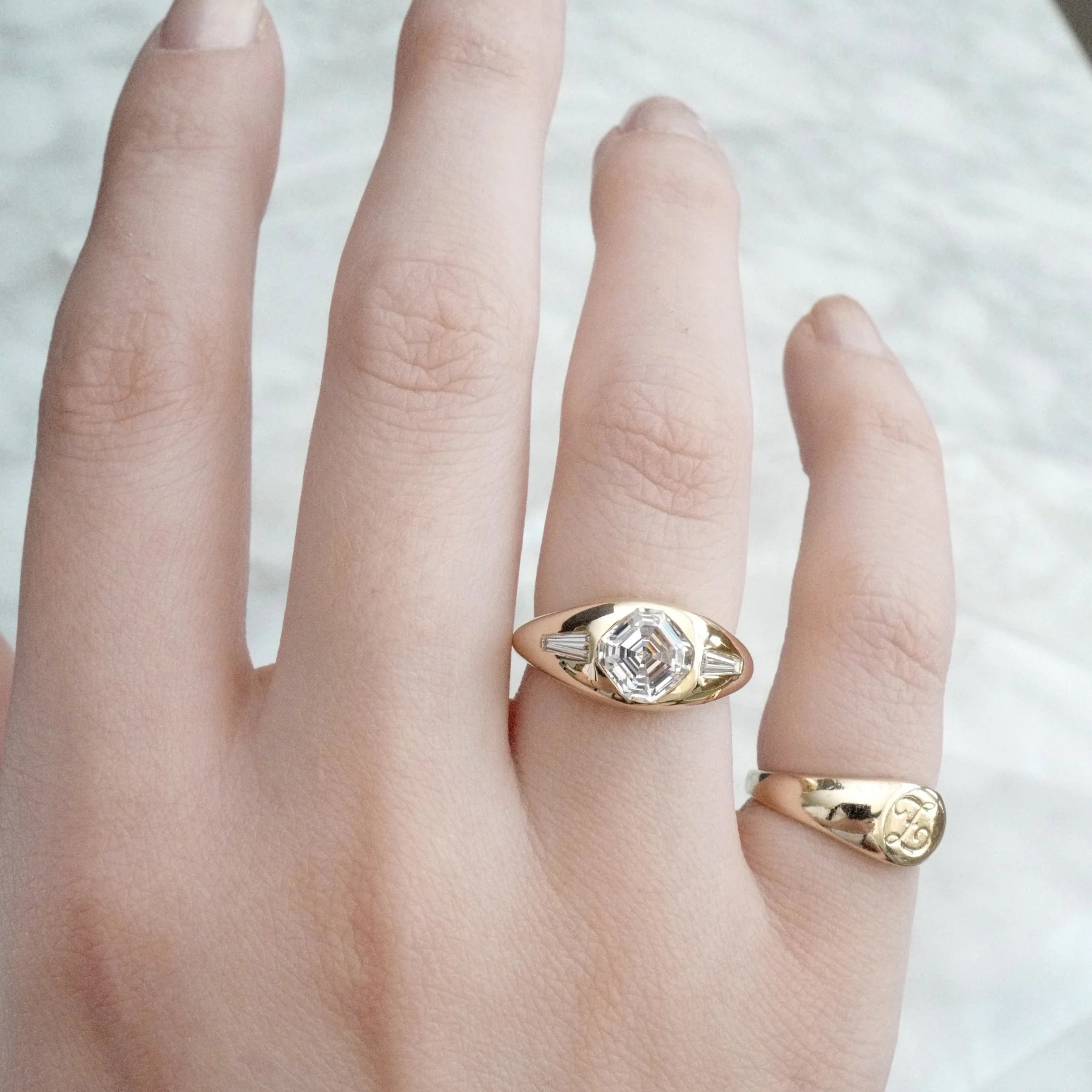
A gypsy ring—also called a flush- or burnish-set ring—is a time-honored design known for its durability and understated appeal. First seen in the Roman Empire, these chunky rings were prized for its durability and effortless simplicity. Instead of prongs or bezels, the diamond is set directly into the band and the surrounding metal is pressed and smoothed over it, creating a low-profile silhouette where the stone sits perfectly flush with the surface.
The effect is strikingly modern for something so ancient: a clean, sculptural, almost architectural look that feels both timeless and quietly luxurious. Thanks to its low-profile construction, the gypsy setting has become a favorite for people who want chunky rings they can actually live in. Its diamond sits protected within the band, making it an easy, unfussy choice for everyday wear—whether that’s the office, the gym, or anything in between. The style works equally well for engagement rings, wedding bands, and pinky rings, and its clean, minimalist lines have broad appeal, resonating with both women and men.
Bezel-Set Chunky Bands
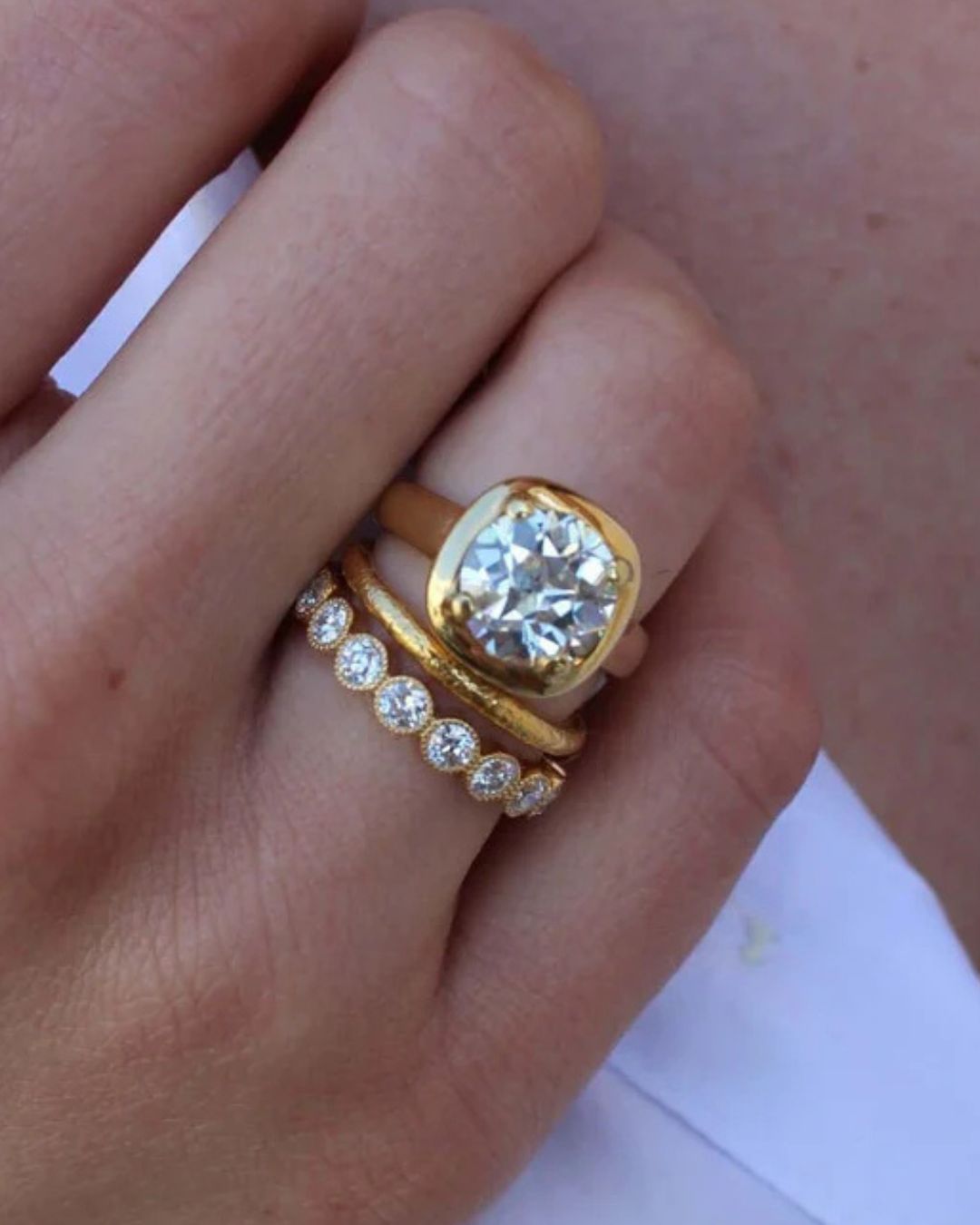
Bezel settings are among the oldest known techniques for securing precious gemstones and diamonds, dating back to Ancient Egypt as well as the Roman and Byzantine empires. In this style, a stone is placed into a custom-cut seat and the surrounding metal is carefully bent over its edges to hold it securely in place. While bezel settings themselves don’t have to be wide or chunky, many designers throughout history have paired the technique with substantial gold or platinum bands, especially when working with multiple stones such as diamonds, sapphires, or emeralds.
Today, chunky bezel-set rings are experiencing a major resurgence, with contemporary designers incorporating the look into both bespoke creations and curated collections. The last time bezel-set diamond rings enjoyed this level of popularity was in the 1940s and 1950s.
Brands like Bulgari and Spinelli Kilcollin have reimagined the bezel concept with linked bands, modular stacking, and mixed-metal designs. Their interpretations show that chunky can be refined—and that a bold, statement-making ring doesn’t have to rely on flash to feel powerful.
How to Stack Chunky Rings

Chunky rings look great with other rings—you just have to know how to build the perfect stack. It is all about proportions and mixing metals to get that beautiful, personalized effect.
- Make your chunky ring the anchor: Begin with your chunky ring, whether it’s a sculptural dome ring or one of Spinelli Kilcollin’s linked bands, then start to layer, but do it with intention. Try pairing thinner, sleeker bands alongside to create contrast.
- Mix textures: Try a smooth metal band next to something engraved or pavé-set—to add depth without overcrowding your hand.
- Vary the metals: This can also help break up the visual weight of a thicker ring, giving your stack a more dimensional feel.
- Make the goal flow, not symmetry: The chunky ring is your statement piece, while the smaller bands frame and elevate it, resulting in a stack that feels sculptural, dynamic, and completely customizable.
How to Choose the Right Chunky Ring
According to Silver, if you are contemplating purchasing a chunky ring, there are some factors to consider. He recommends shoppers look carefully at the interior to see how the jeweler or designer has crafted and finished the piece. “If there are stones, are the settings smooth to the touch, and is the under-gallery crafted to allow optimal light into the stones? Are the edges beveled or curved to ensure a comfortable, ergonomic fit? These are all important considerations that come into play with a wider band style,” he says.
He also recommends going up at least half a size with chunky rings. This helps the ring glide comfortably over the knuckle and ensures a better overall fit. And be prepared for a bit more weight on your hand—these rings naturally require more metal, which can make them heavier. That added heft is often a sign of quality and craftsmanship.
Shop Chunky Rings
Get inspired by diamond chunky rings from some of our favorite designers.
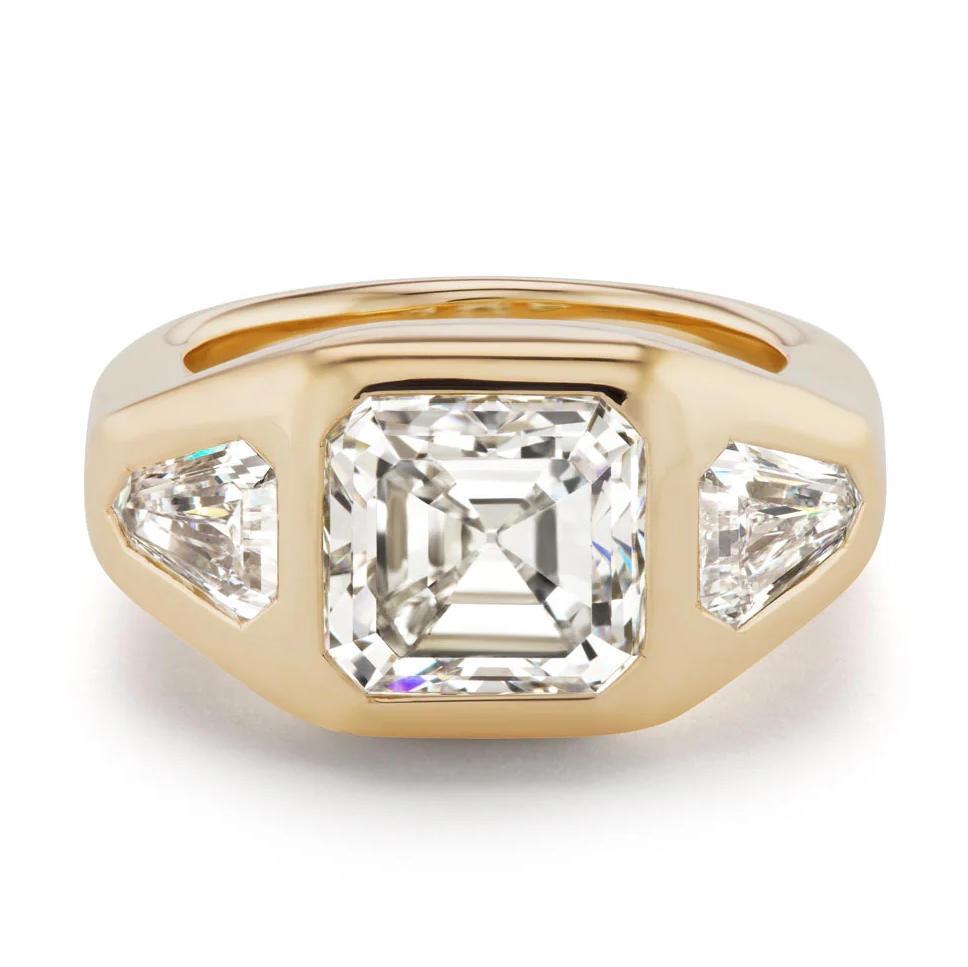
Brent Neale Flush Mount Ring with Asscher Diamond & Diamond Shield Sides, Price Upon Request, brentneale.com

Sophie Bille Brahe Ocean de Fleurs Ring, $25,730, us.sophiebillebrahe.com
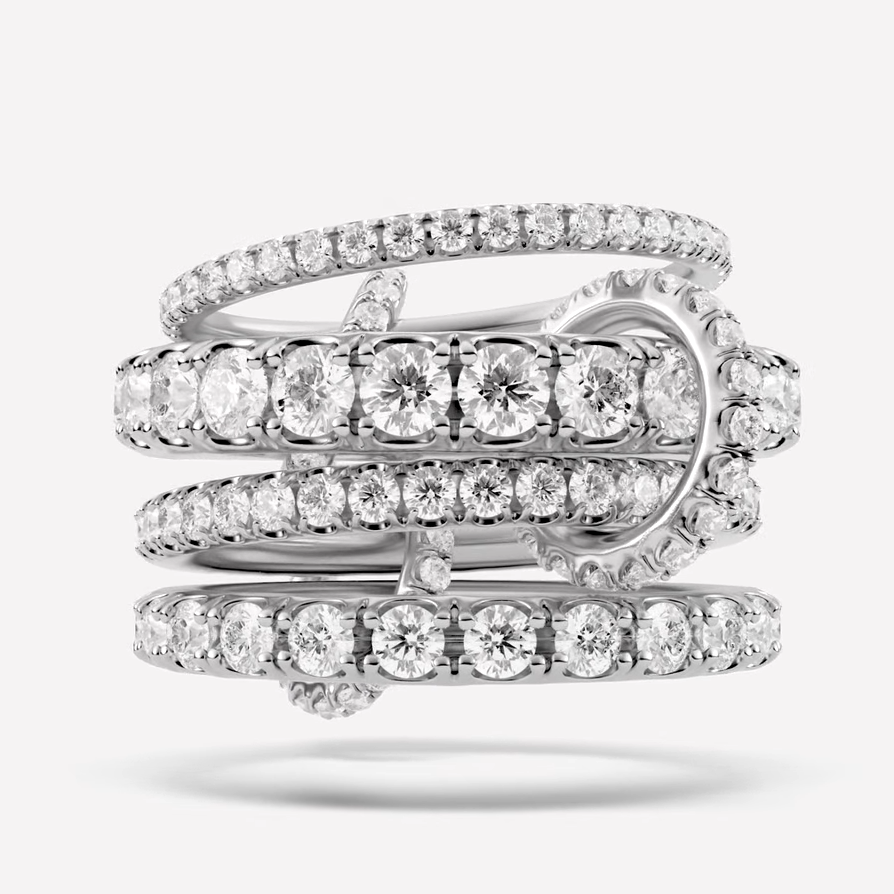
Spinelli Kilcollin Alix Platinum Pavé, $31,000, spinellikilcollin.com
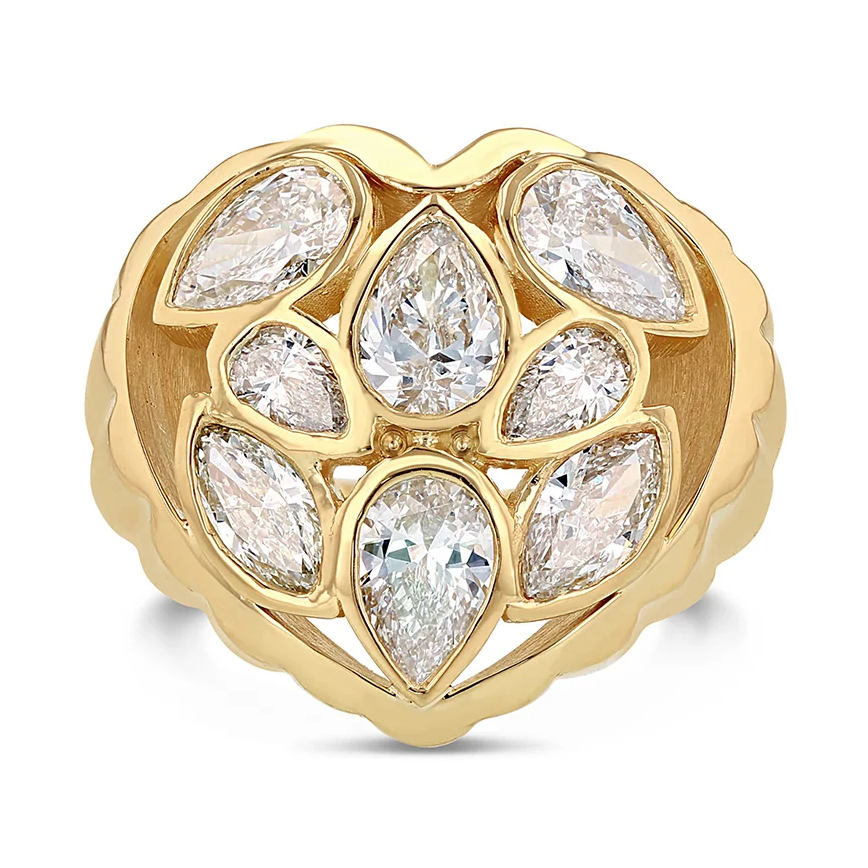
Grace Lee Magna Cora Diamond Ring, $18,880.00, gracelee.com GRACE LEE

Onyx Diamond Gold Bombe Cocktail Ring, $7,500, 1stdibs.com

Cece Jewellery English Rose Ring, $40,327, cecejewellery.com
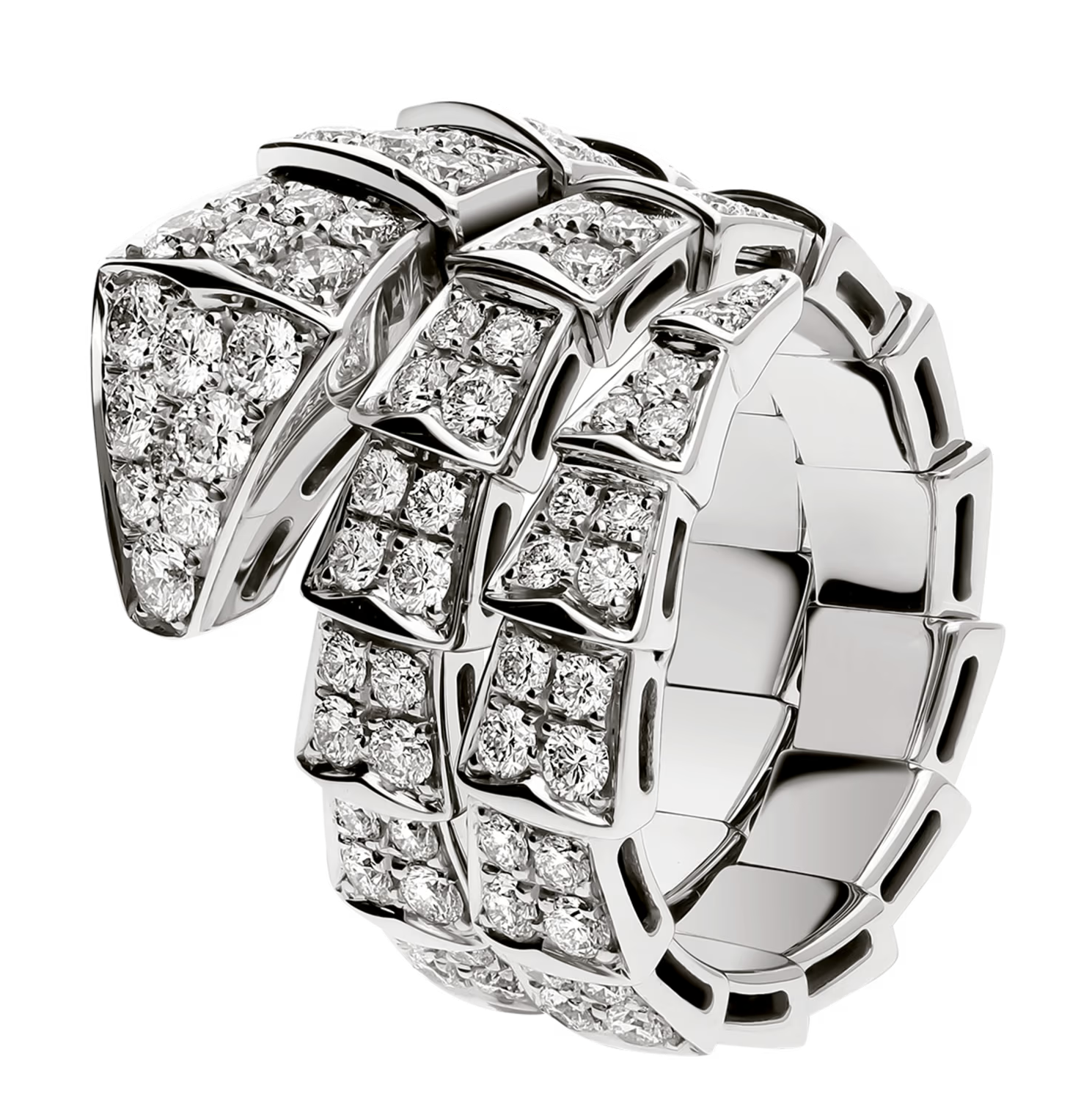
Bvlgari Serpenti Viper Ring, $47,600.00, bulgari.com
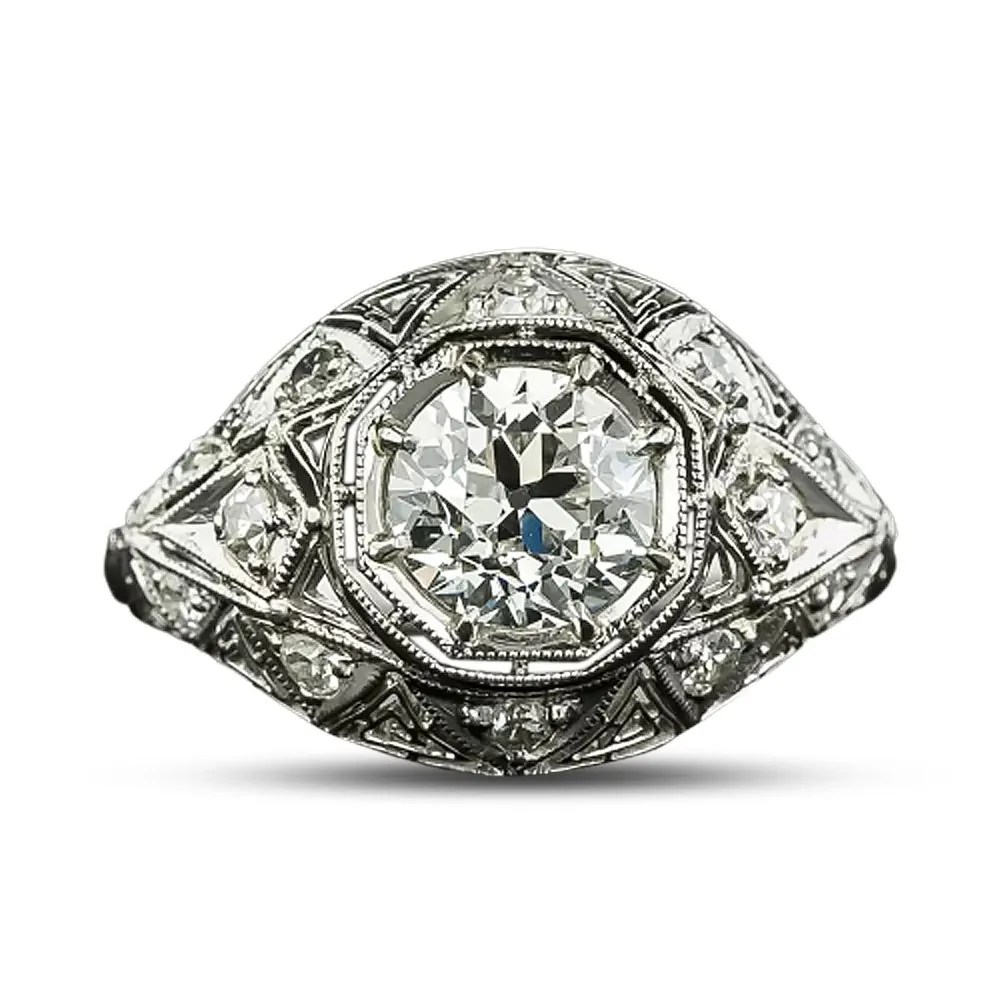
Lang Antiques Art Deco 1.17 Carat Diamond Dome Ring, $12,250, langantiques.com