< Culture & Style / Jewelry Trends
The Modern Revival of Cameo Jewelry
Once a symbol of aristocratic taste, this historic craft is finding new life on today’s most influential style icons—rendered in natural diamonds and worn in unexpected ways.
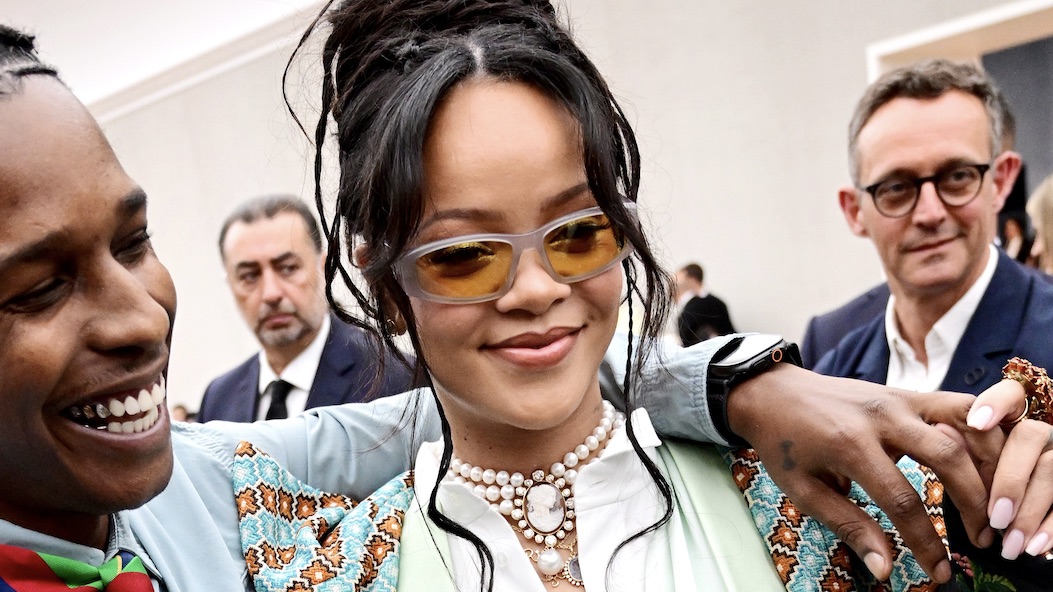
A$AP Rocky and Rihanna attend the Dior Homme Menswear Spring/Summer 2026 show as part of Paris Fashion Week on June 27, 2025 in Paris, France. (Getty Images)
When Rihanna stepped out at the Dior Homme Menswear Spring/Summer 2026 runway show during Paris Fashion Week in June, she reinvigorated a trend from centuries ago: cameo jewelry.
The pop star-turned-beauty mogul stunned in a pearl and natural diamond Artemis Necklace from Marlo Laz, featuring three strands of pearls linked to an antique gold cameo, surrounded by 8.39 carats of bezel-set champagne diamonds.
Meet the Experts
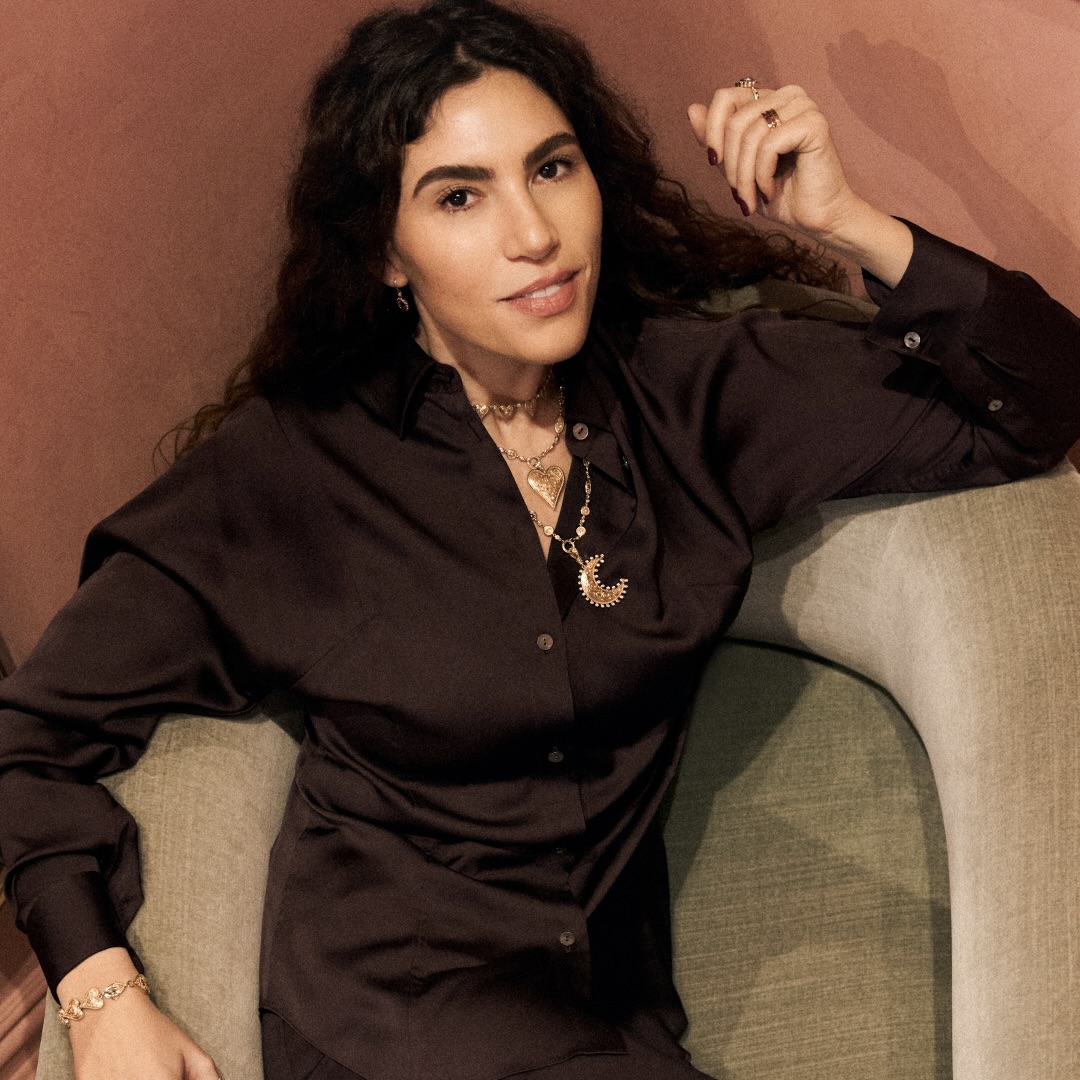
Creative director and designer Jesse Marlo Lazowski founded her fine jewelry brand, Marlo Laz brand in 2014. From creating hand-beaded necklaces to designing bespoke diamond jewelry, Marlo Laz has evolved into a global brand with two flagship NYC boutiques.

Daniela Mascetti is one of the jewelry world’s most experienced scholars specializing in the history of jewelry. Mascetti joined Sotheby’s in 1980, opening the firm’s jewelry department in Milan shortly afterwards. Following a distinguished career of 40 years at Sotheby’s, she was appointed Jewelry Chairman of Europe, a position she retained until 2020. Highlights from Mascetti’s distinguished career include research for the sales of historic collections such as the Jewels of the Duchess of Windsor, Elton John, Maria Callas and Gina Lollobrigida.
Founder of Marlo Laz, Jesse Marlo Lazowski tells Only Natural Diamonds, “Watching Rihanna wear this necklace felt surreal and incredibly powerful. Rihanna has the most instinctive, unique, and fearless style, and she made the piece feel strong, current, and alive. It was a truly iconic moment in the world of jewelry.”
Now, jewelers like Antonia Miletto, Francesca Villa, and more are putting a natural diamond spin on the age-old art form. Here, learn all about the history of cameo jewelry, and those who adored it, from Marie Antoinette and Napoleon Bonaparte to Sarah Jessica Parker and Rihanna.
What Is Cameo Jewelry?
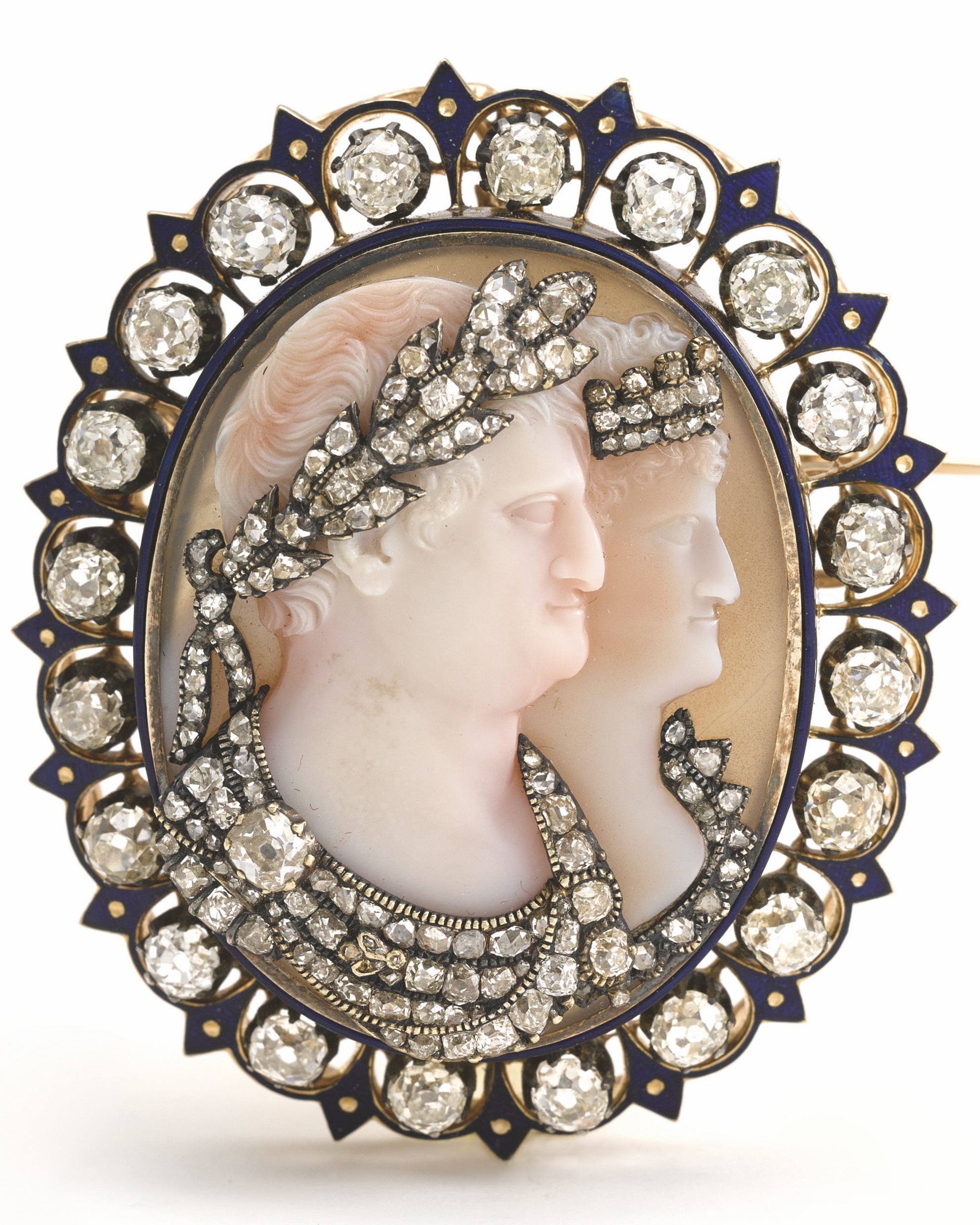
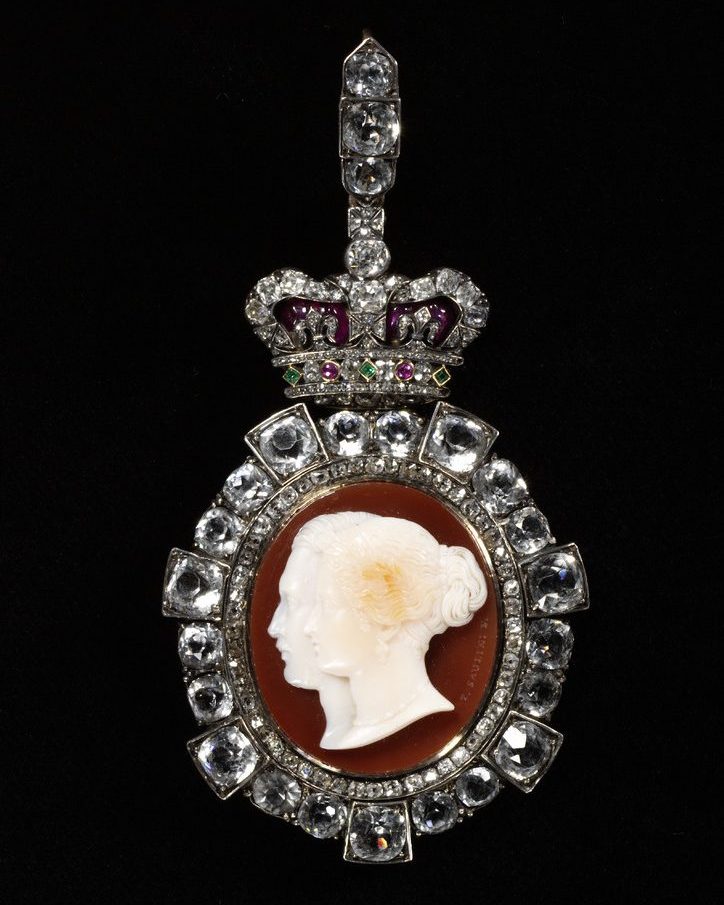
Cameos and intaglios are engraved gemstones, shells, or other natural materials carved to depict anything from people to landscapes, and are mounted in jewelry. They’ve been crafted since antiquity. “The engraving into gemstones goes back a millennium,” says Daniela Mascetti, author of The Age of Grandeur, a definitive guide to 19th-century jewelry. Cameo brooches date all the way back to Ancient Egypt, but they hit their peak during the Renaissance.
By the 18th century, European royalty began assembling elaborate cabinet de curiosités, or “Gem Cabinets,” filled with cameos and engraved jewels acquired during the Grand Tour through Italy. Napoleon Bonaparte later carried the tradition from Rome to France, embracing Greco-Roman cameos as symbols of imperial power. In Britain, Queen Victoria helped popularize carved shell versions, while Marie Antoinette famously favored this style of jewelry long before the style reached its Victorian pinnacle.
Marie Antoinette and the Rise of Cameo Jewelry in Europe
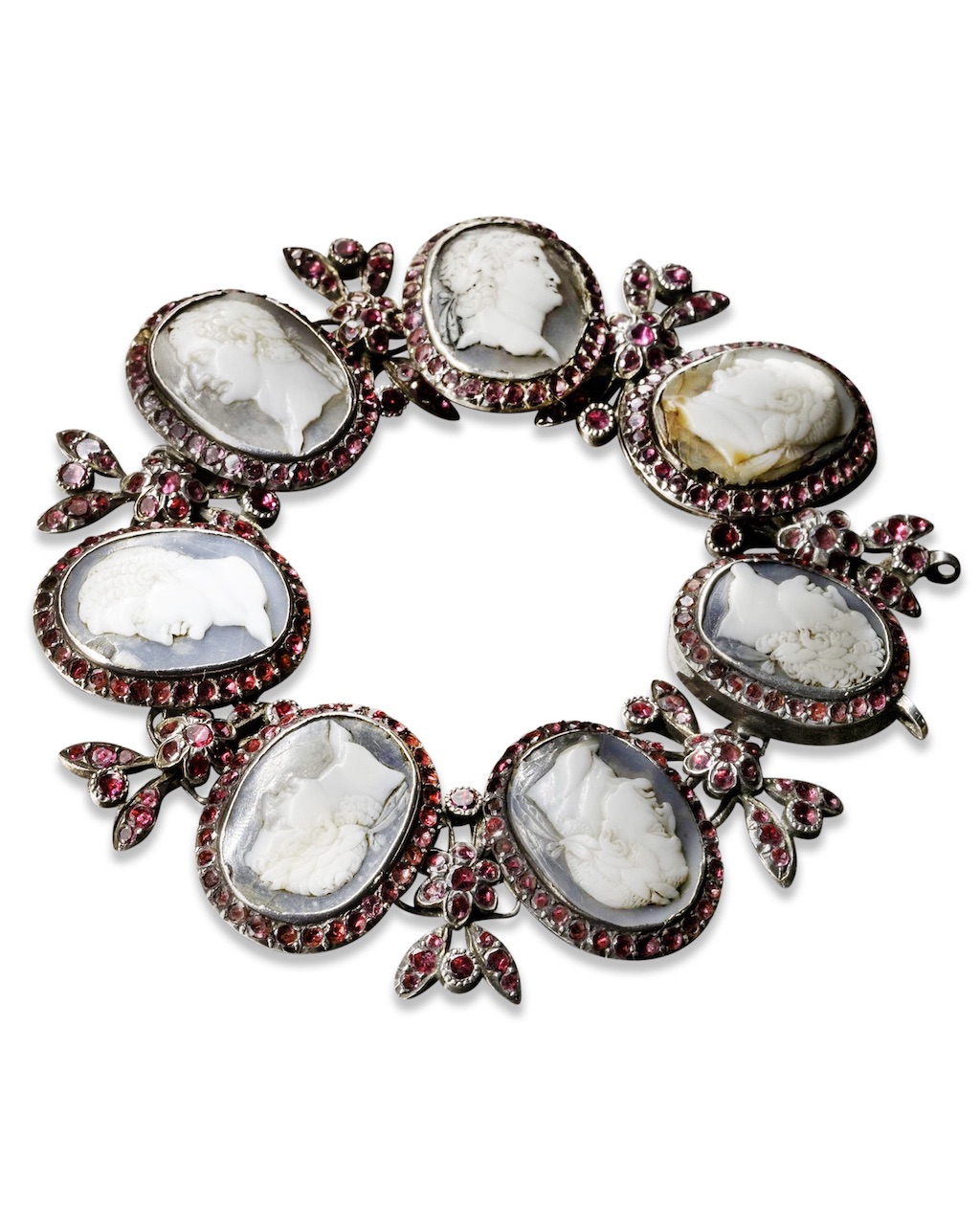
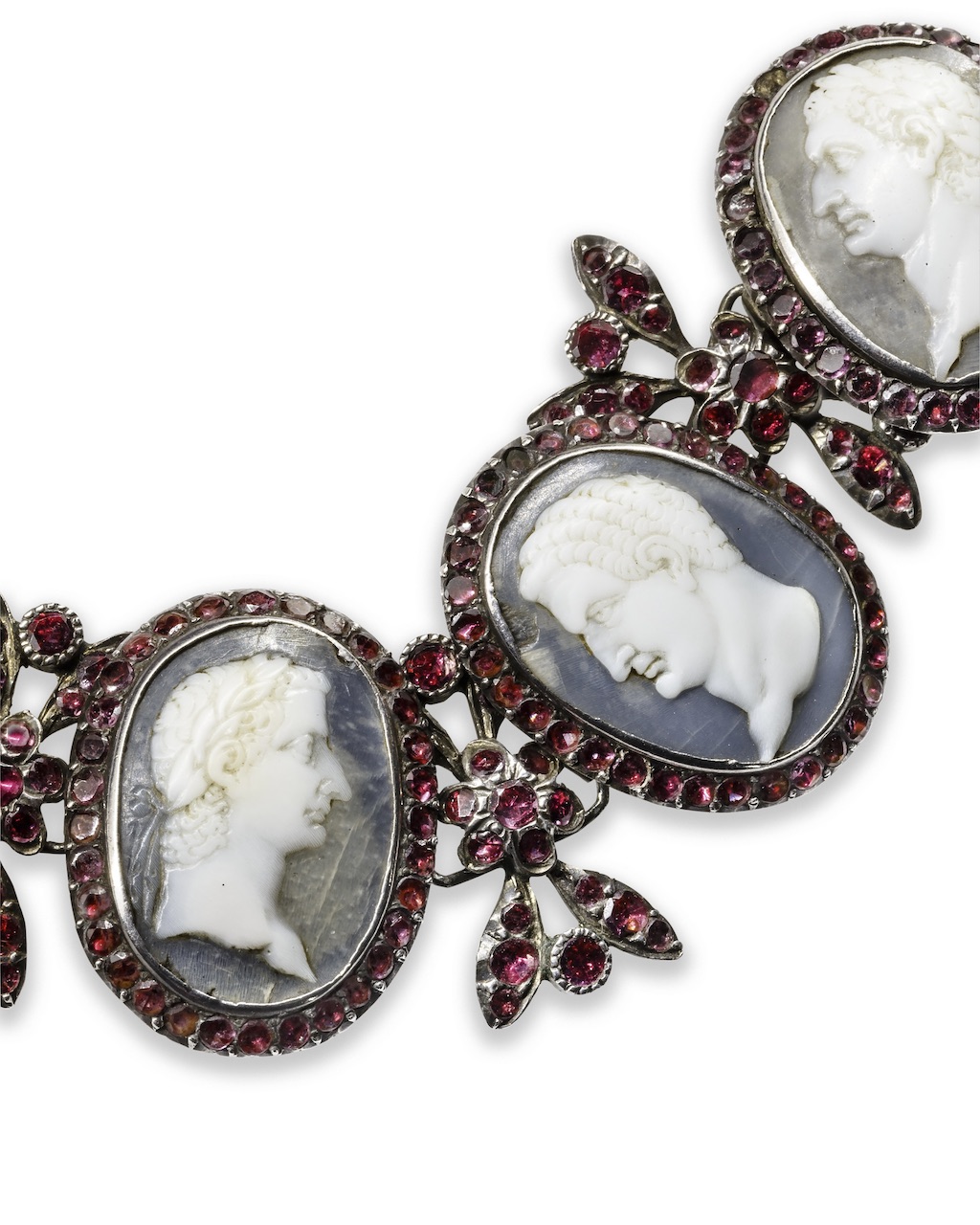
In 1780, Queen Marie Antoinette acquired her first jewel from Mellerio when Jean-Baptiste Mellerio presented her with a bracelet at his market stall just outside the palace gates at Versailles. The bracelet is composed of seven agate cameos, each carved with the likeness of a different Roman emperor, and set within an intricate framework of silver-backed garnets. Delicately carved floral and vine motifs weave through the design, reflecting the neoclassical fascination with antiquity that captivated the French court at the time.
To this day, the bracelet remains part of Maison Mellerio’s collection. In the summer of 2024, the jeweler placed the storied bracelet on view at Bergdorf Goodman in New York City during a special residency program.
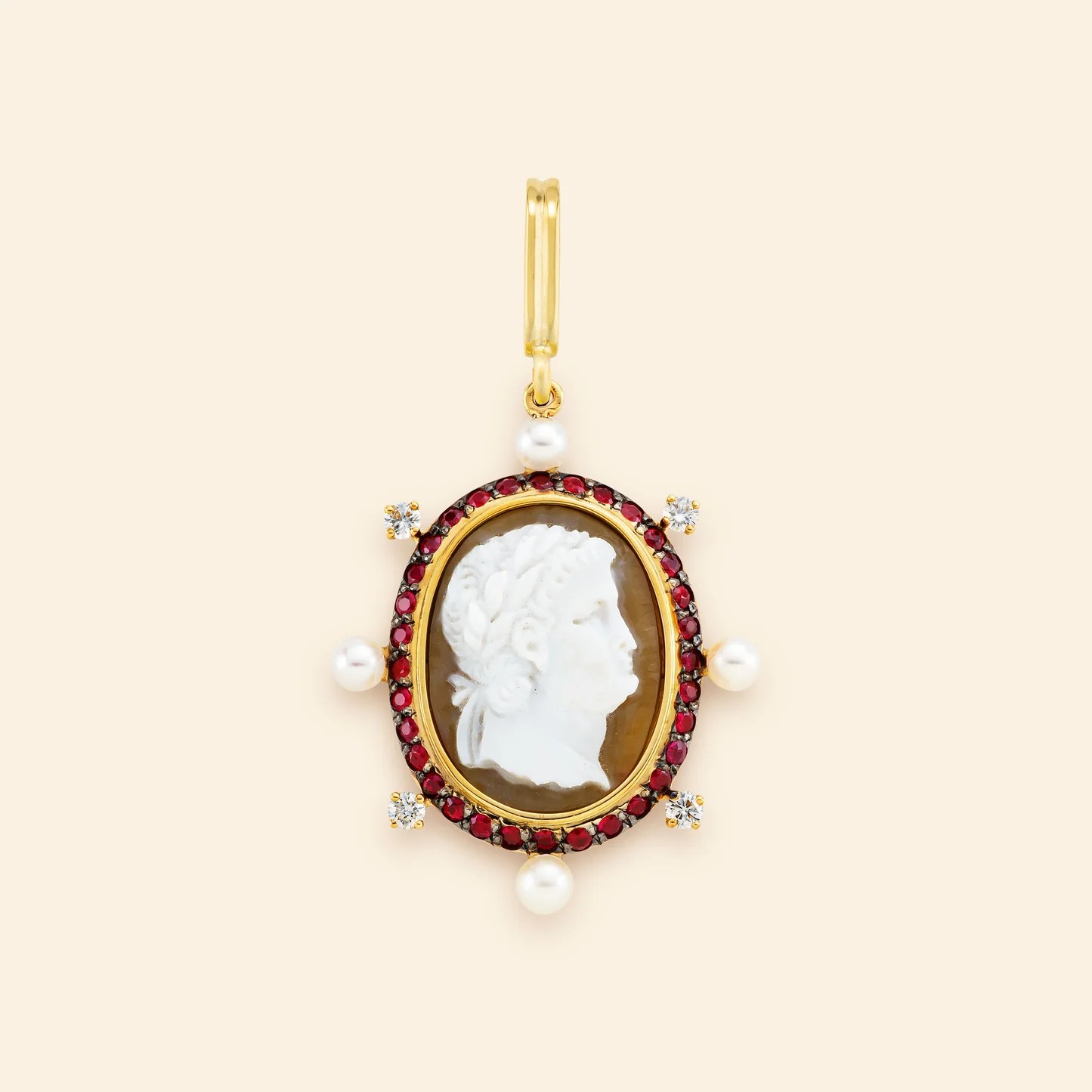
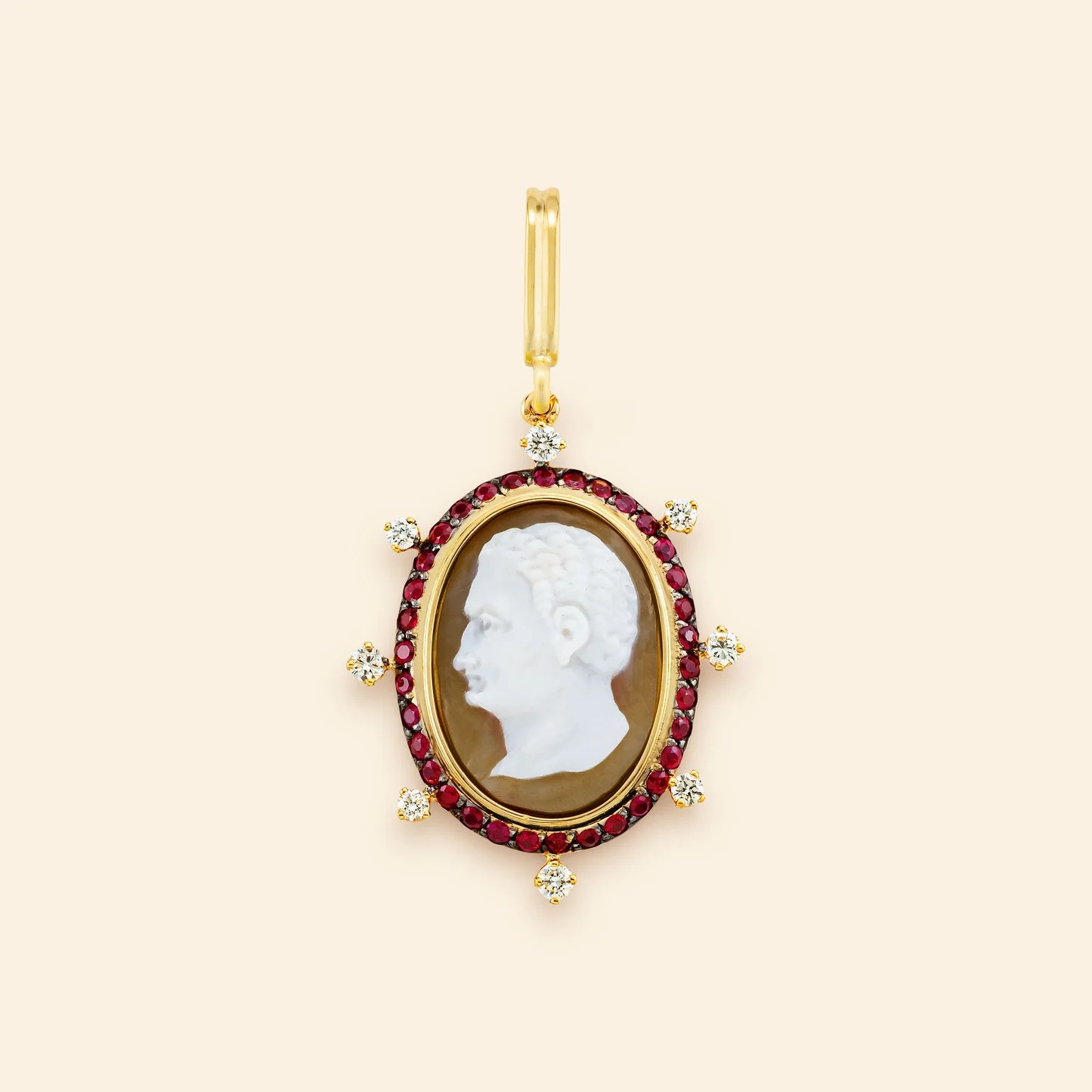
Founded in 1616, the historic French jewelry house continues to bridge past and present, regularly exhibiting significant archival jewels alongside contemporary creations at its Rue de la Paix flagship in Paris. Among the highlights is Empress Eugénie’s diamond peacock feather brooch from 1868, a masterpiece of Second Empire design, displayed in dialogue with modern pieces that draw on the same heritage of craftsmanship, symbolism, and natural diamond artistry.
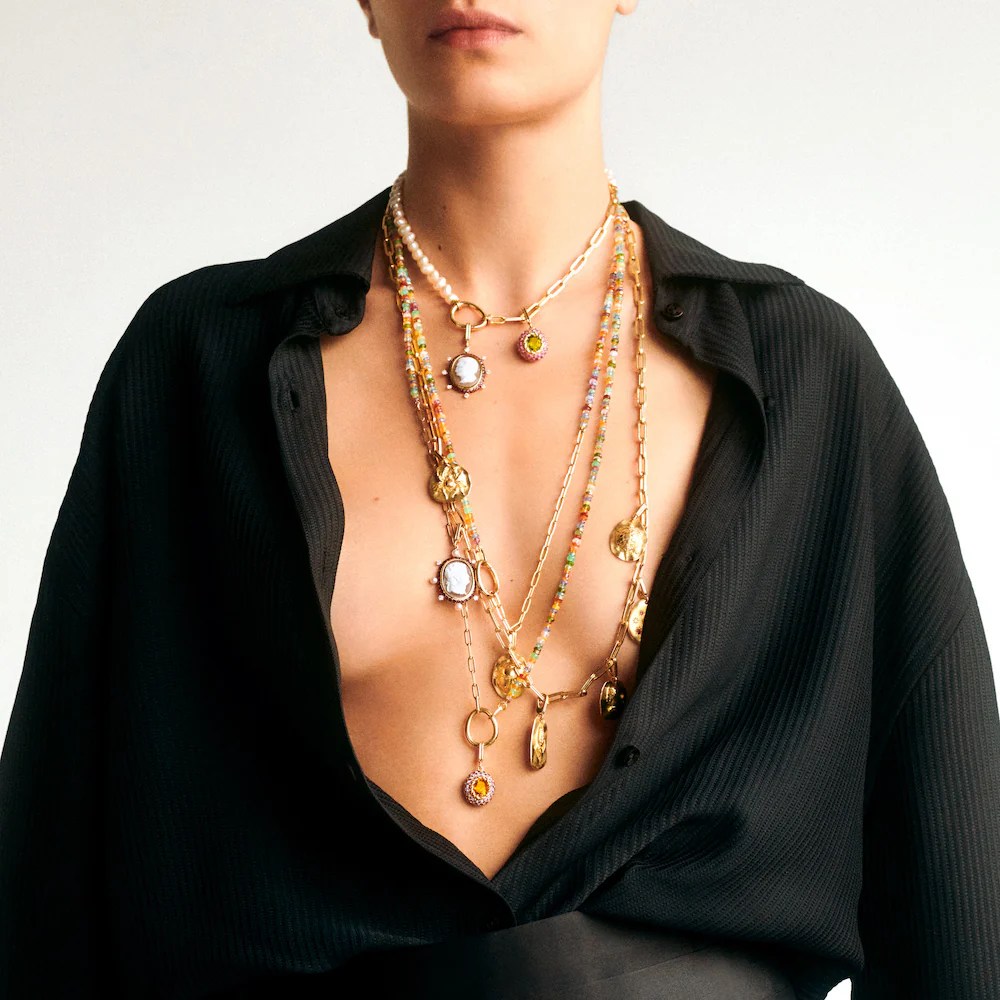
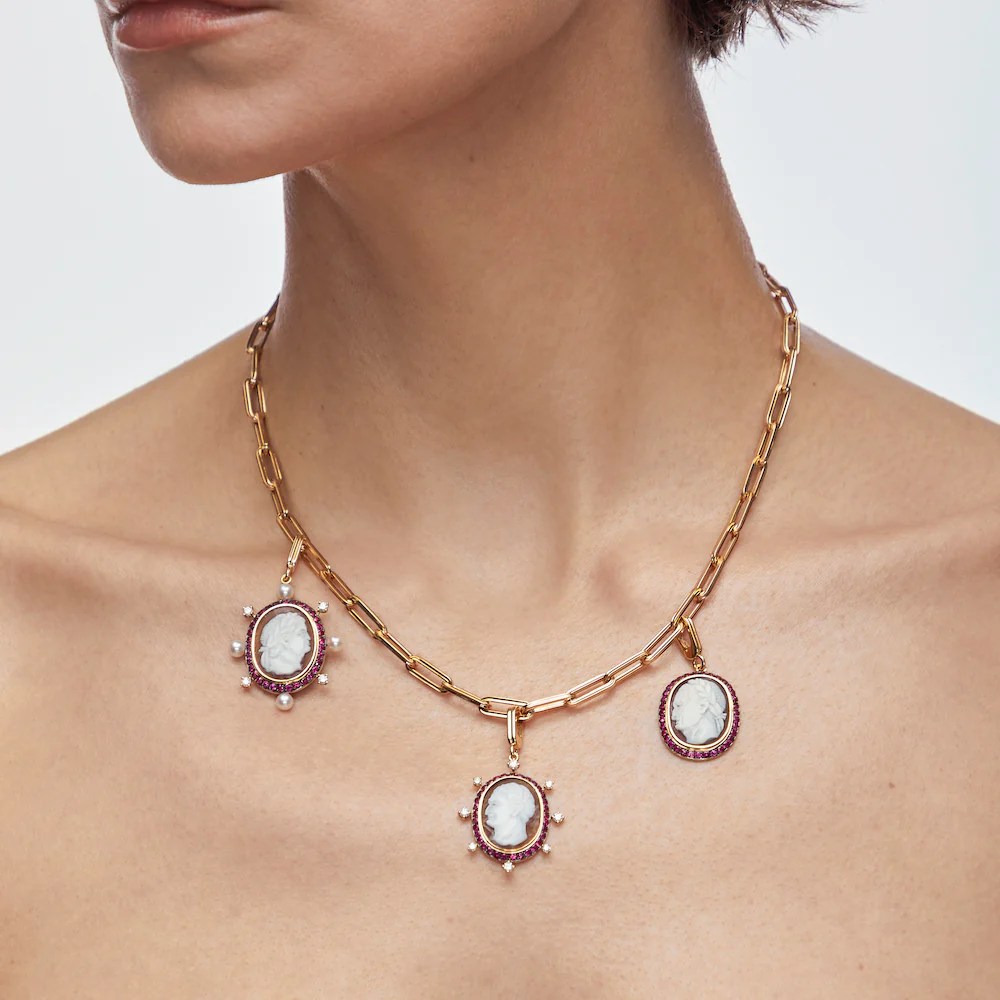
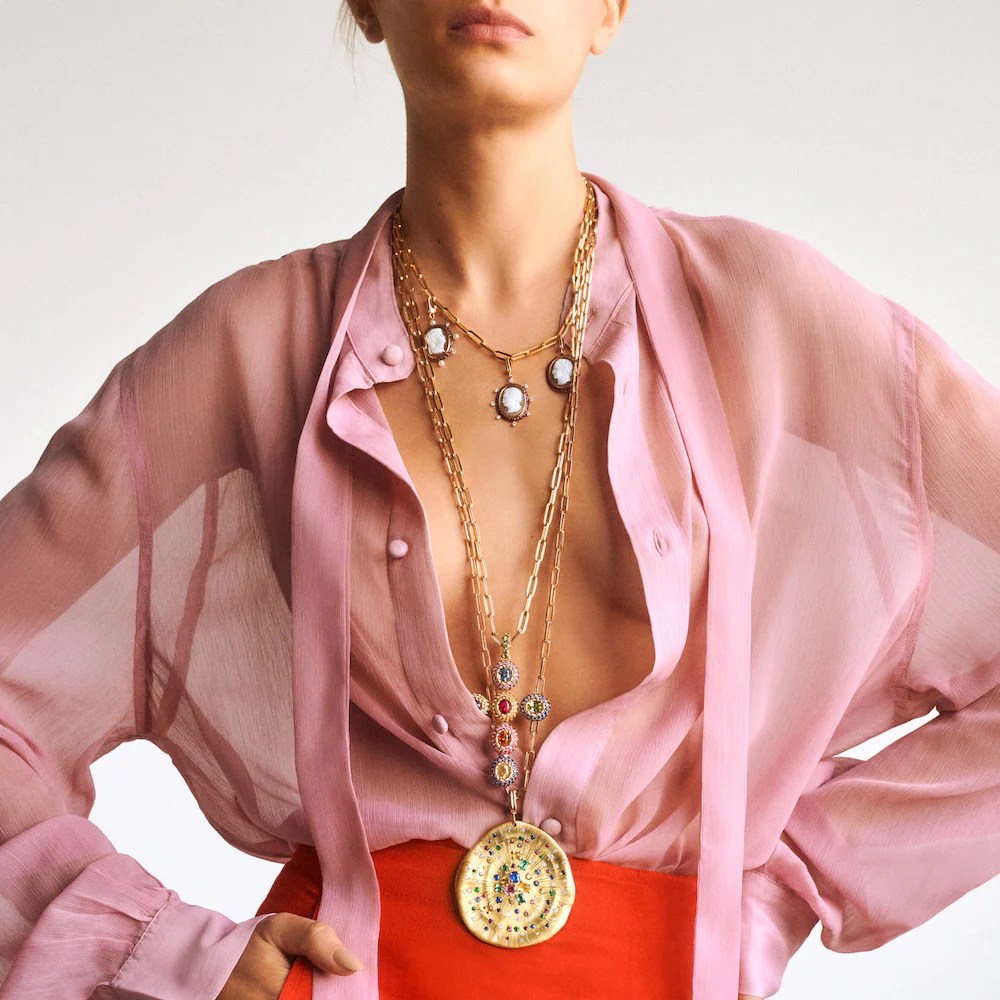
In 2023, the brand debuted its Cabinet des Curiosités collection by distilling the most captivating elements of Marie Antoinette’s historic bracelet and reinterpreting them as a refined assortment of pendants, each accented with natural diamonds that underscore the house’s centuries-old commitment to craftsmanship and heritage.
Napoleon Bonaparte and the Political Power of Cameo Jewelry
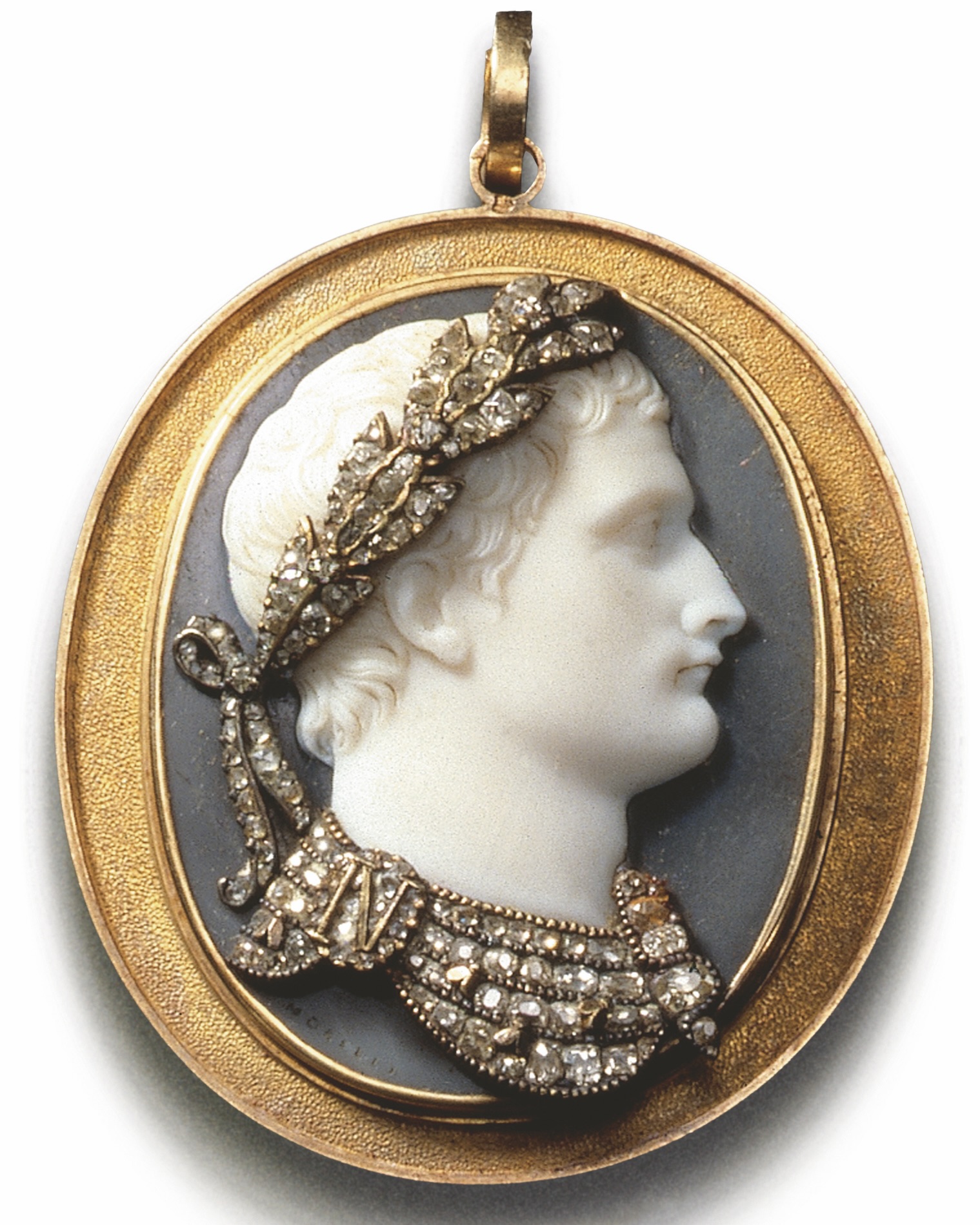
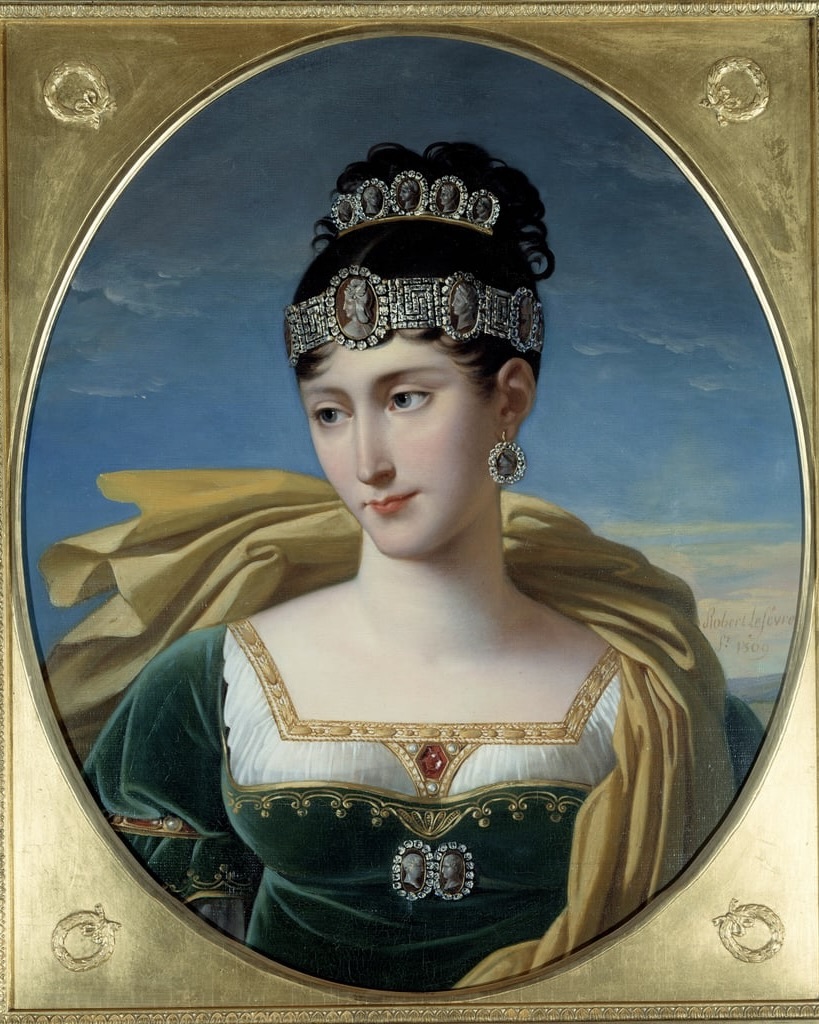
“Napoleon was a great fan of cameos,” says Mascetti. A devoted admirer of Greco-Roman cameo craftsmanship, Napoleon Bonaparte sought to elevate the ancient art form into a potent symbol of France’s new imperial identity. For his coronation, he commissioned gold crowns set with cameos for both himself and Empress Joséphine, reinforcing the classical imagery he used to legitimize his rule. His sister, Pauline Bonaparte, Princess Borghèse, further embraced the fashion, famously sitting for portraits adorned with a diamond-embellished cameo crown, along with matching earrings and brooches that underscored the art form’s political and cultural significance.
How Marlo Laz Reignited Modern Interest in Cameo Jewelry


The necklace worn by Rihanna at the Dior Homme Menswear Spring/Summer 2026 show during Paris Fashion Week was originally created by Jesse Marlo Lazowski for her own family celebration, designed to be worn to her brother and sister-in-law’s wedding at Villa d’Este in Lake Como. She explains, “I wanted to create a piece that was deeply connected to the history of the place, something that looked as though it could have been part of the jewelry collection of an erudite and elegant woman who once inhabited it, discovered in a drawer and passed down through generations.”
Lazowski says, “I have been collecting cameos throughout my travels as part of my fascination with the Grand Tour period, when the curiously minded traveled through Italy and other countries, absorbing culture and collecting art, antiquities, and cameos as souvenirs of beauty and history,” Lazowski explains. “It was truly so special to turn part of my collection into such a sentimental piece of jewelry.”
Expanding upon her love for the historic art form, Lazowski says, “I love that they are steeped in so much history, with ancient origins and reappearing over time – the Renaissance, the Grand Tour period, the Victorian era, the 20th century, and beyond. They sit at the intersection of history, travel, craftsmanship, and beauty, so really, what more could you ask for!”
Why Cameo Jewelry Endures

From ancient civilizations to European courts and today’s fashion capitals, this historic craft has endured because it preserves beauty, memory, and meaning in wearable form. Reimagined in natural diamonds and pared-back settings, contemporary designs feel strikingly current when styled with modern silhouettes—layered over tailoring, worn solo as a statement necklace, or paired unexpectedly with denim and eveningwear alike. The result is a jewel that doesn’t feel costume or nostalgic, but confidently modern, proving that the most lasting trends are rediscovered rather than reinvented.
Shop Natural Diamond Cameo Jewelry
Get inspired by natural diamond styles from some of our favorite designers.
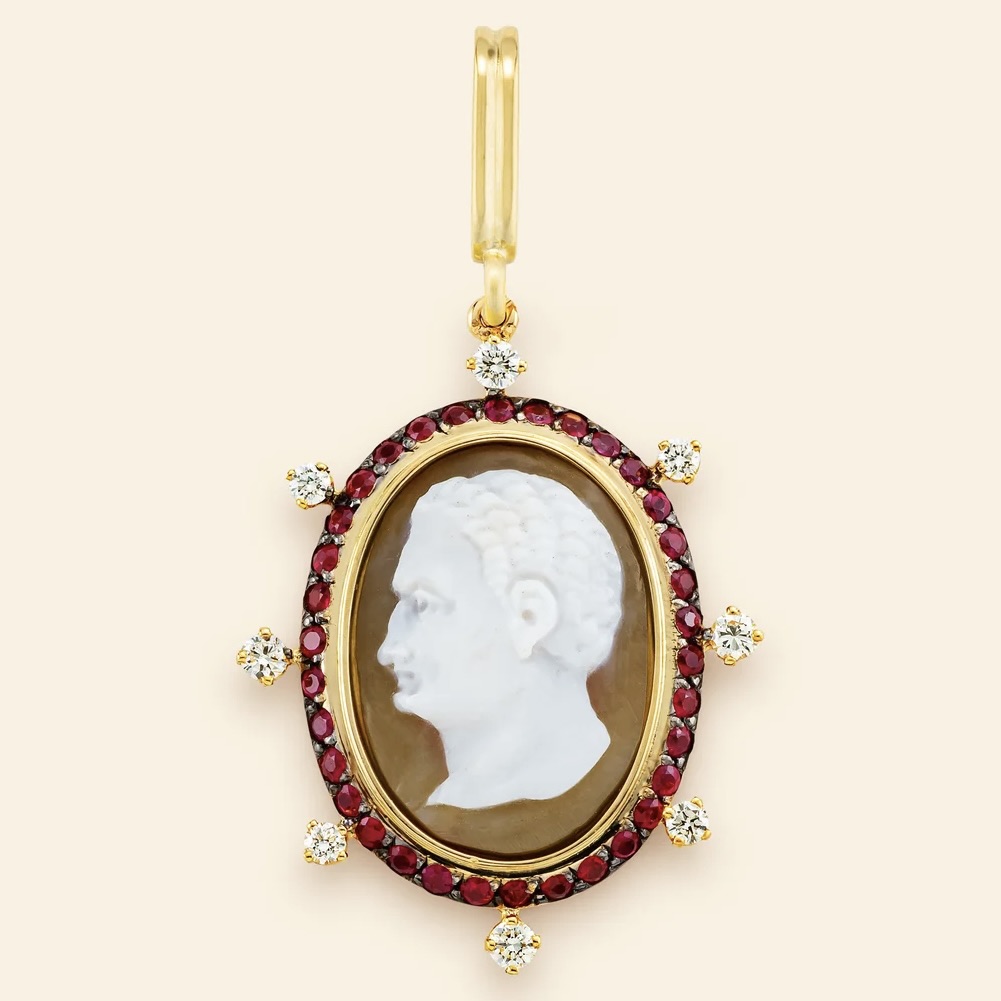
Mellerio Precious Cameo Diamonds, $9,945, mellerio.com
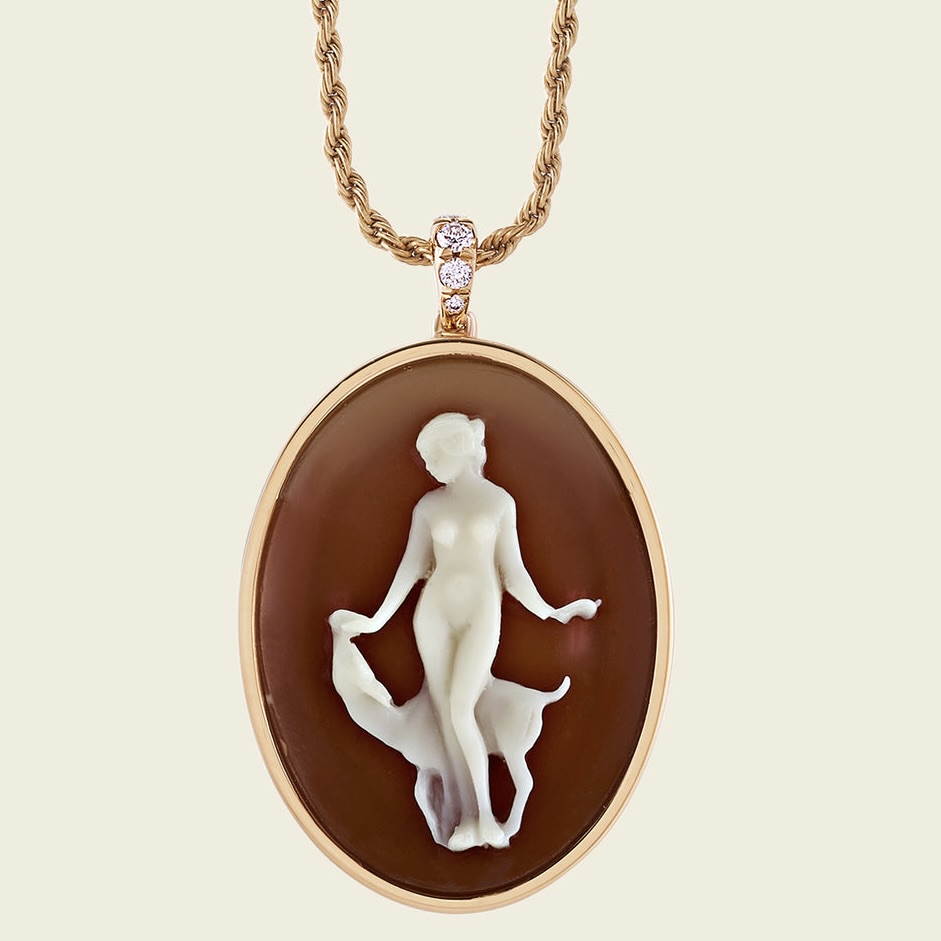
Francesca Villa Snaking Beauty Necklace, Price Upon Request, francescavilla.com

Shell Cameo Diamond Drop Earrings in Silver and 18k Gold
$4,990, 1stdibs.com
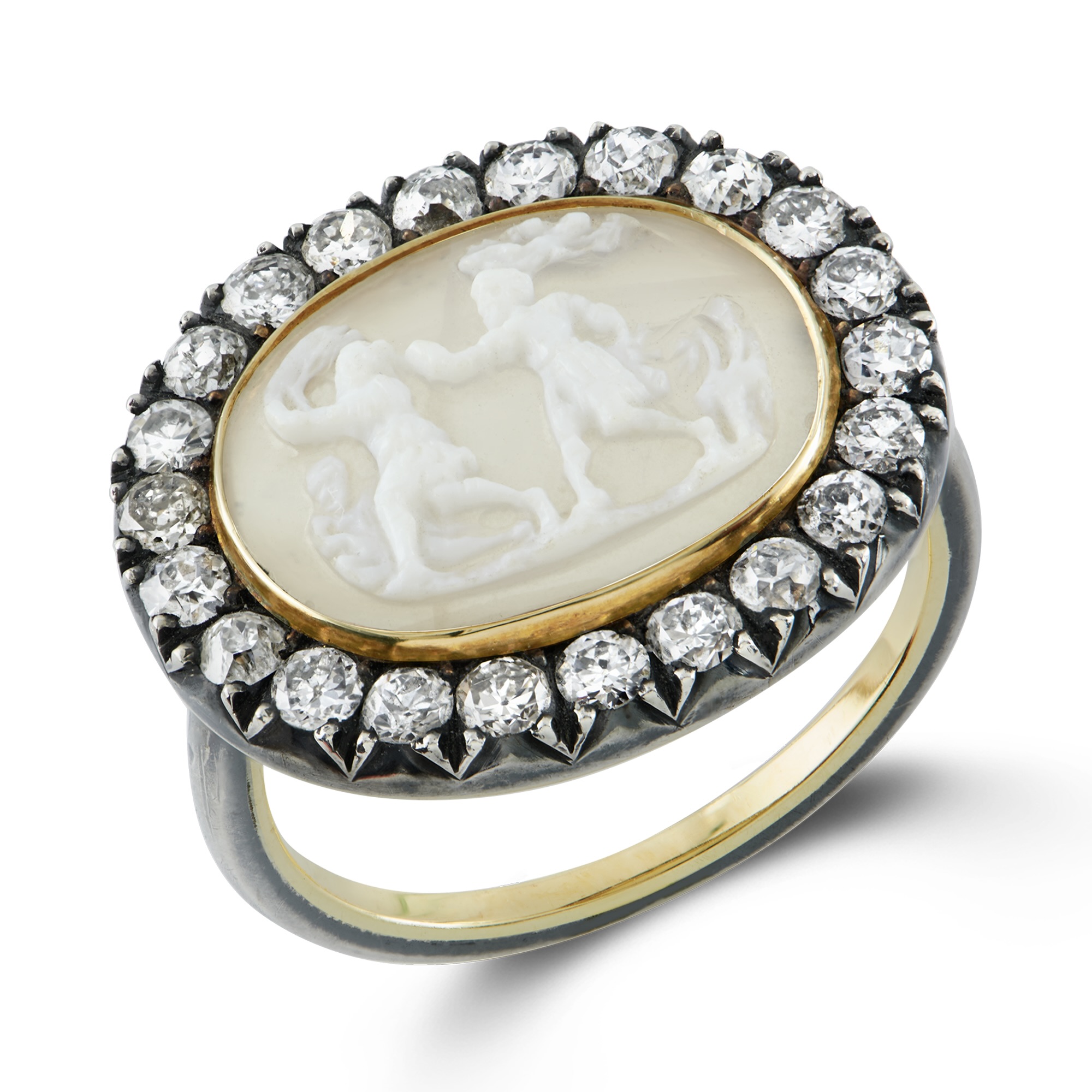
Pragnell Georgian Agate Cameo Ring 1.03ct in Silver and 18ct Yellow Gold, $8,525, pragnell.co.uk
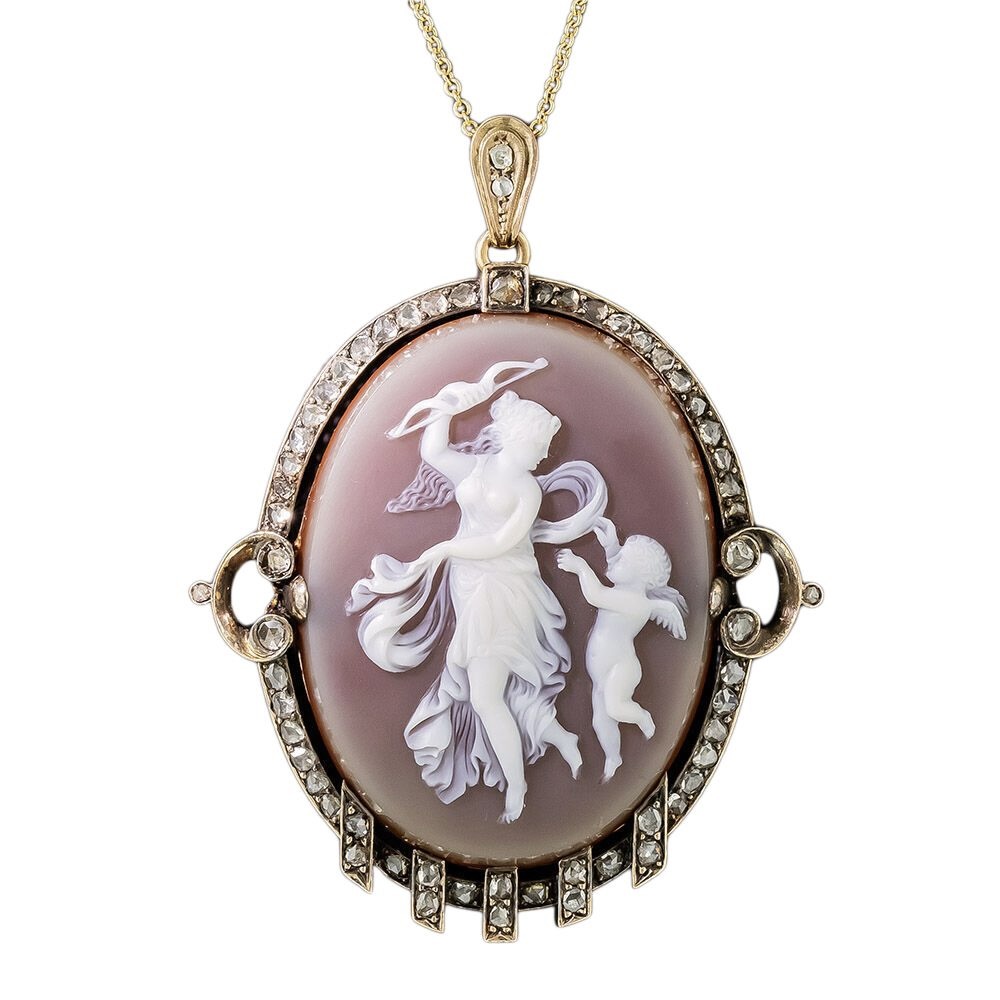
VICTORIAN ARTEMIS/DIANA AND CUPID CAMEO PENDANT, $5,355.00, langantiques.com
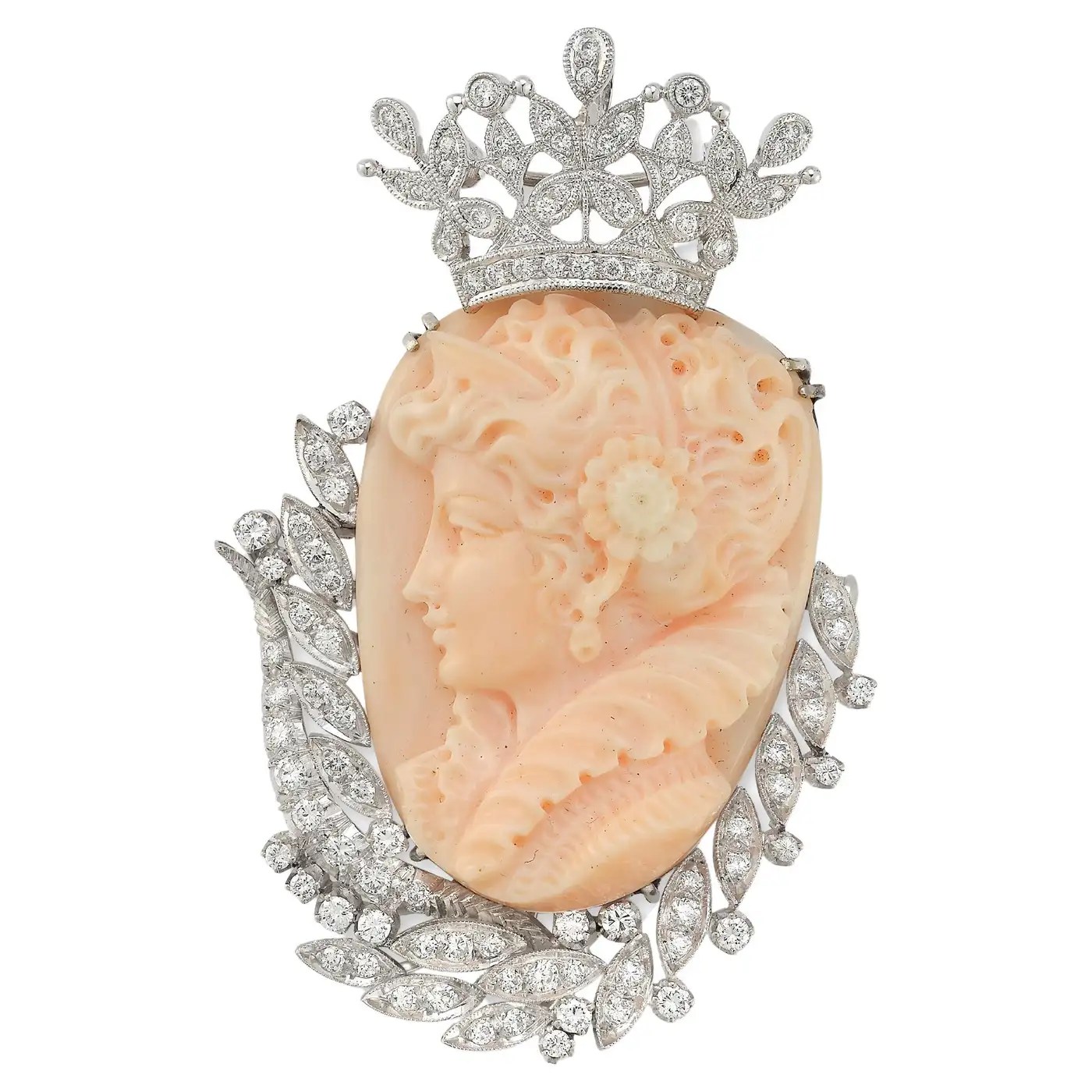
Angel Skin Coral Cameo & Diamond Brooch Pendant
$6,400, 1stdibs.com
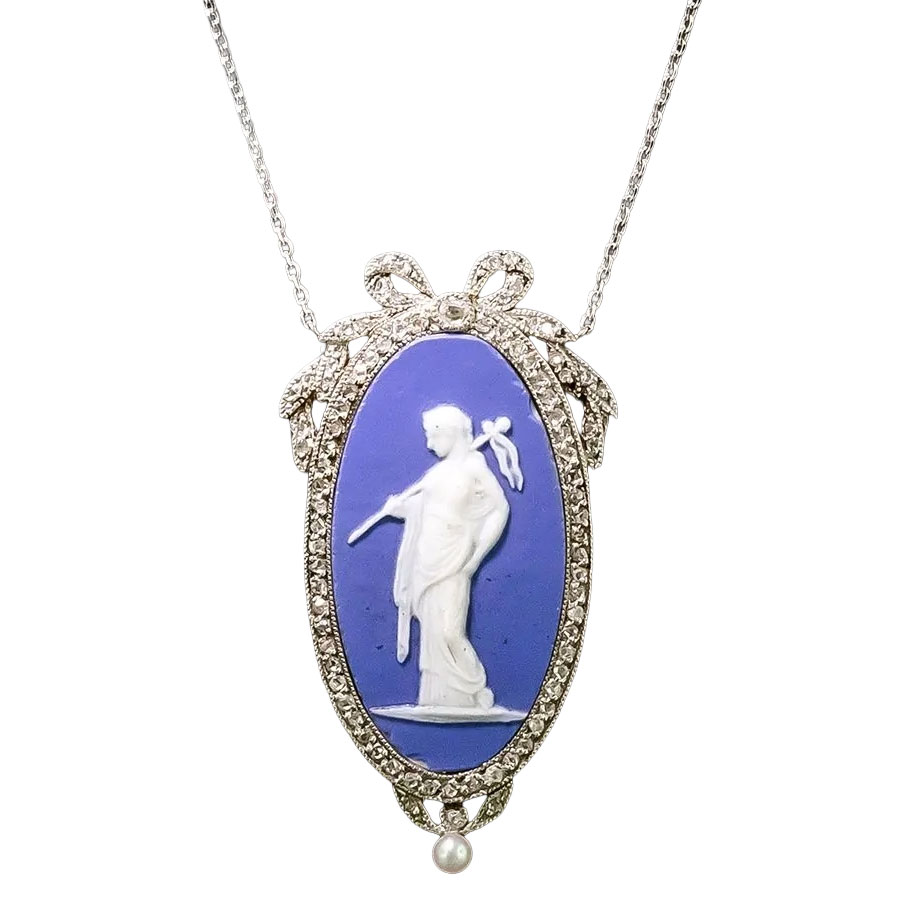
Edwardian Wedgewood Cameo Necklace, $2,950, langantiques.com