A Diamond Is Forever: De Beers Debuts New Tome on Its Legacy
Sotheby’s and De Beers host an event to unveil the A Diamond Is Forever book—and the Jwaneng 28.88 diamond, a 28.88-carat flawless stone.
Published: March 27, 2026
Written by: Roxanne Robinson
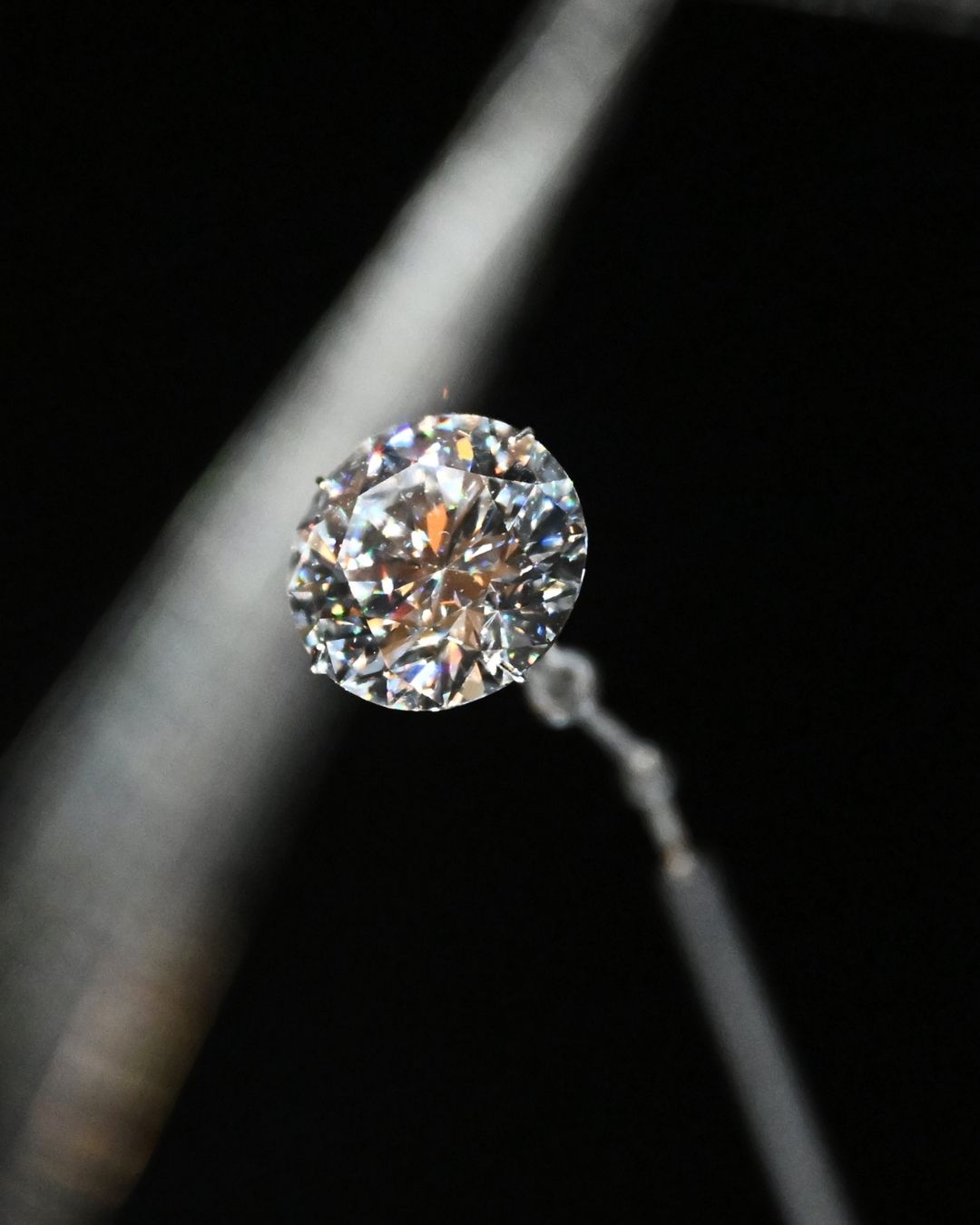
The London-based jeweler—which commissioned the most famous advertising slogan for the gemstone marking love and commitment—debuts its first book chronicling its dedication to the wedding ring, alongside the unveiling of the Jwaneng 28.88 diamond, a 28.88-carat flawless stone recovered from Botswana.
“De Beers opened the door to the masses with the slogan A Diamond Is Forever, pushing them forward, not just into people’s actual lives, but into a place where the diamond itself became a democratic thing, whereas historically it was only for royalty,” suggested Melanie Grant, an award-winning writer and curator, Harvard scholar, and executive consultant for the Responsible Jewellery Council, while participating in an panel hosted by the International New York Times.
The talk followed the launch of the jeweler’s newest tome, A Diamond Is Forever: The Making of a Cultural Icon 1926–2026, published in partnership with Assouline. The book chronicles how De Beers helped diamonds become synonymous with engagement, love, and commitment, thanks in large part to Mary Frances Gerety’s famous slogan.
Meet the Expert

- Roxanne Robinson is an award-winning journalist with over 25 years of experience between New York and Paris.
- She covers the luxury and fashion industries, spending 18 years as WWD’s Accessories and Jewelry Director.
- She is the New York Contributing Editor for Fashion Network, and regularly contributes to the New York Times, the CFDA, Forbes, and more.
Inside De Beers’ A Diamond Is Forever Celebration in London
To fete the release, a cocktail event was held at Maison Assouline’s cultural hub and flagship store in London, which featured a cross-section of guests including Poppy Delevingne, Nathalie Emmanuel, and Archie Madekwe; jewelers Emefa Cole, Shola Branson, Sarah Ysabel Narici; singer Poppy Ajudha; creatives Susie Lau and Melissa Holdbrook-Akposoe; and artists Lionheart and Annette Fernando. Sotheby’s Quig Bruning was also in attendance to mark a special partnership to display a rare and unique gem, the Jwaneng 28.88 diamond.
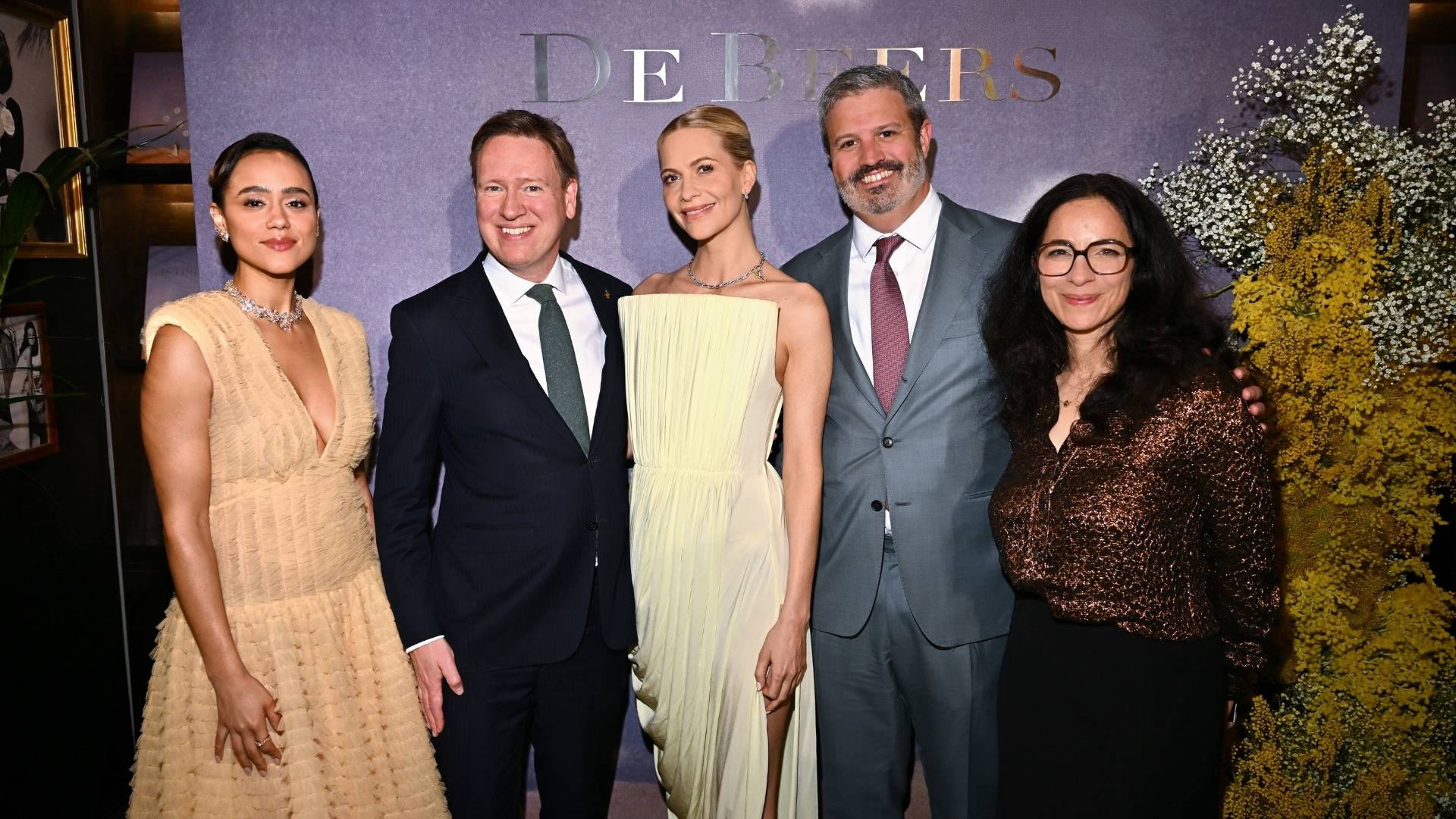
Guests explored Assouline’s three-story venue, enjoying cocktails, champagne, and bites from Swan’s Bar while DJ Nikki Beatnik set the soundtrack. The event showcased an exhibit curated by De Beers’ Sophie Oppenheimer, highlighting the intersection of diamonds and art through select campaign works from the late 1940s and early 1950s, including original paintings by Bernard Lamotte and Pierre Ino that later became ads.
The Story of De Beers and A Diamond Is Forever
De Beers CEO Al Cook welcomed guests and introduced the book, explaining the diamond’s journey through the consumer landscape from the 1920s to today. While the mines in South Africa were booming in 1928, demand had slipped by 1932 during the Great Depression, and the mines closed.
“Harry Oppenheimer faced a challenge: diamonds weren’t selling in the U.S. He met with the advertising firm N.W. & Ayer Sons in Philadelphia, who suggested marketing diamonds through full color magazines—an innovative approach for the time,” Cook explained.
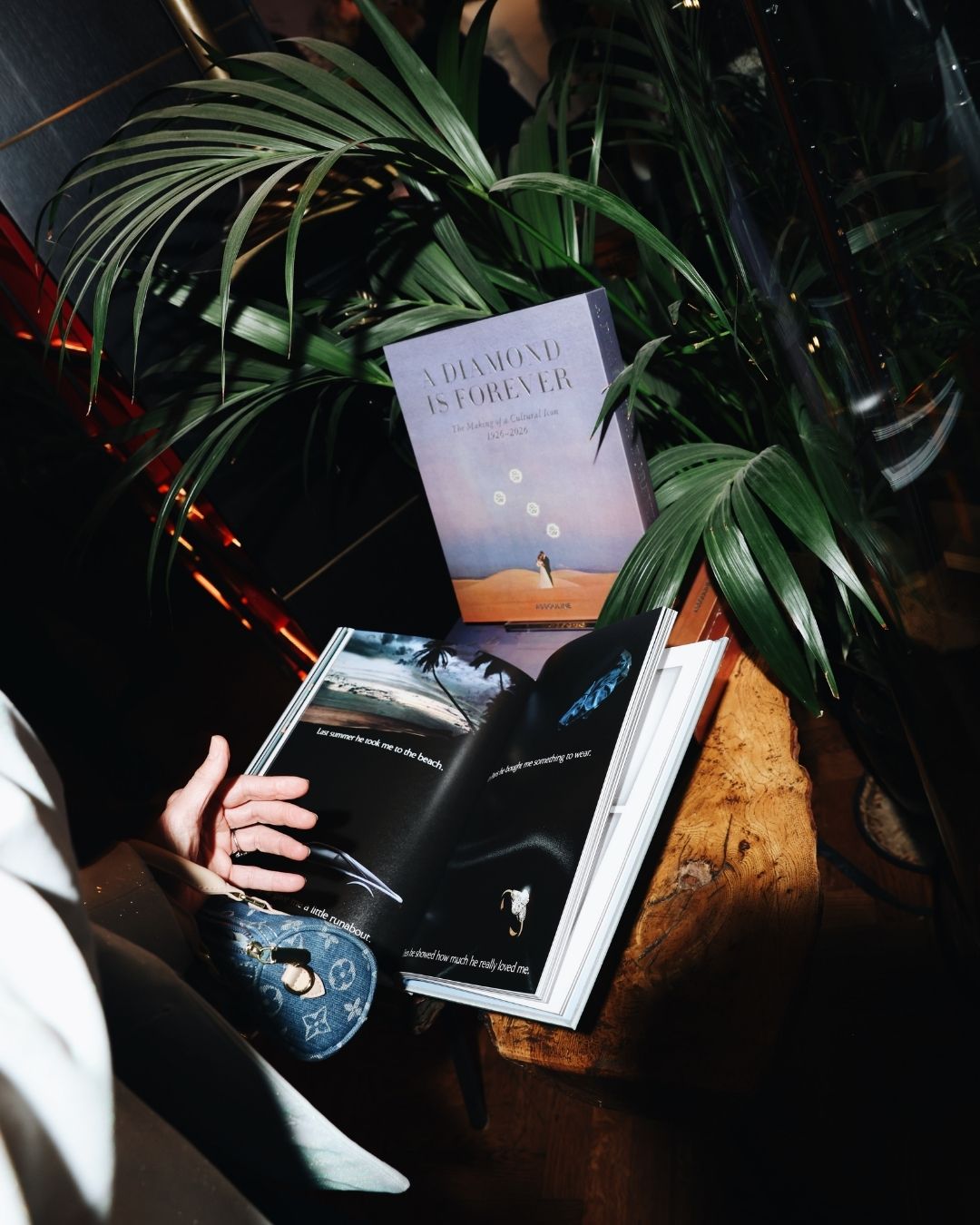
Thus, the book features works by Pablo Picasso and Salvador Dalí, who worked commercially for the diamond giant, elevating diamonds and luxury in advertising. Cook continued by describing how popular culture further endorses diamonds, from Marilyn Monroe singing “Diamonds Are a Girl’s Best Friend,” to Audrey Hepburn in Breakfast at Tiffany’s, and Elizabeth Taylor’s assertion in a popular fragrance commercial in 1991 that diamonds bring her luck—to today’s superstars such as Taylor Swift and Bad Bunny wearing De Beers diamonds.
“From the era of magazines, movies, and television to social media today, one thing that hasn’t changed is diamonds, which are a billion years old—probably the oldest thing you can touch. It’s so rare, precious, and hard that a billion years from now, it will look, feel, and be the same as today, and is a reminder of its timelessness,” Cook added.
Unveiling the Jwaneng 28.88 Diamond
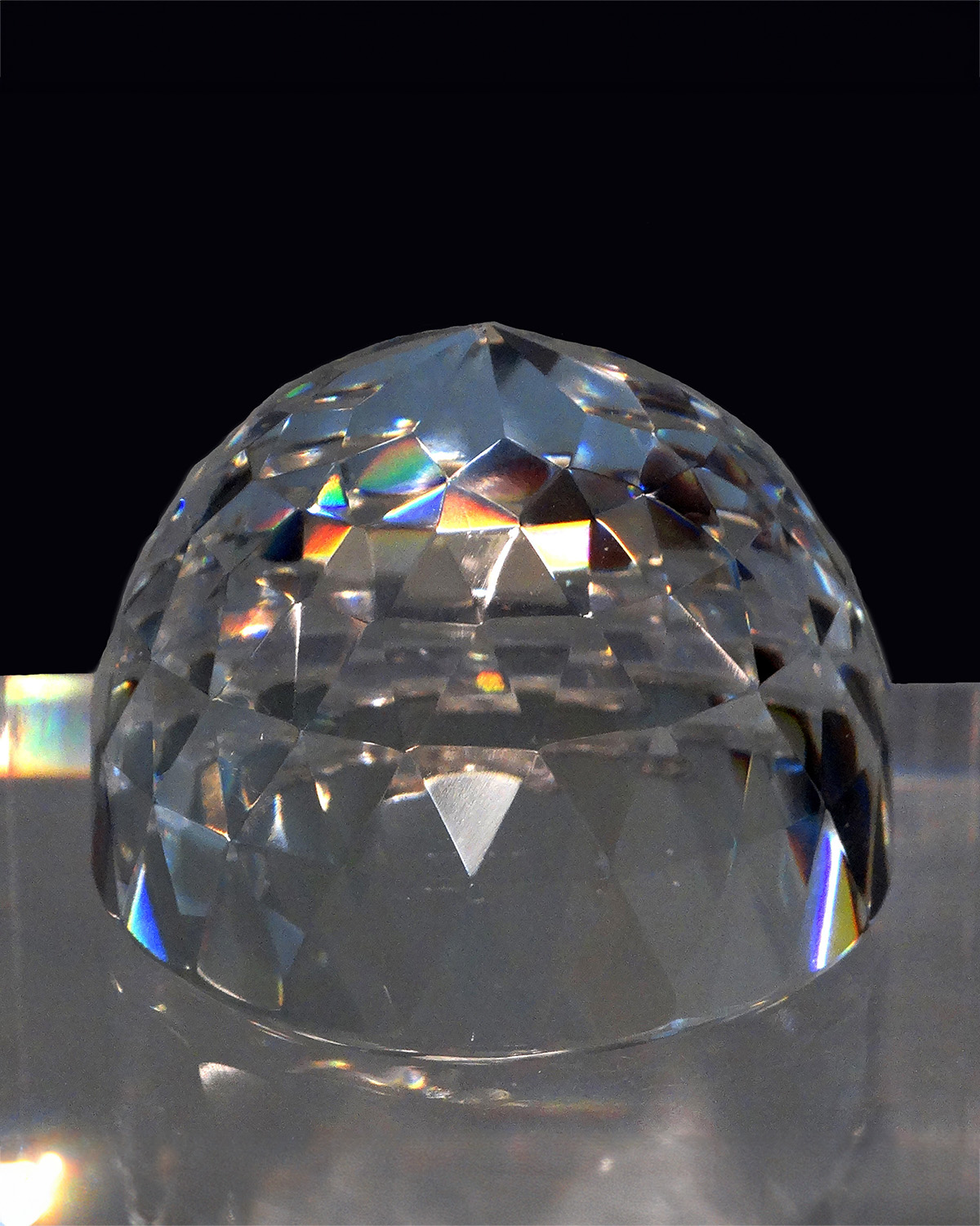
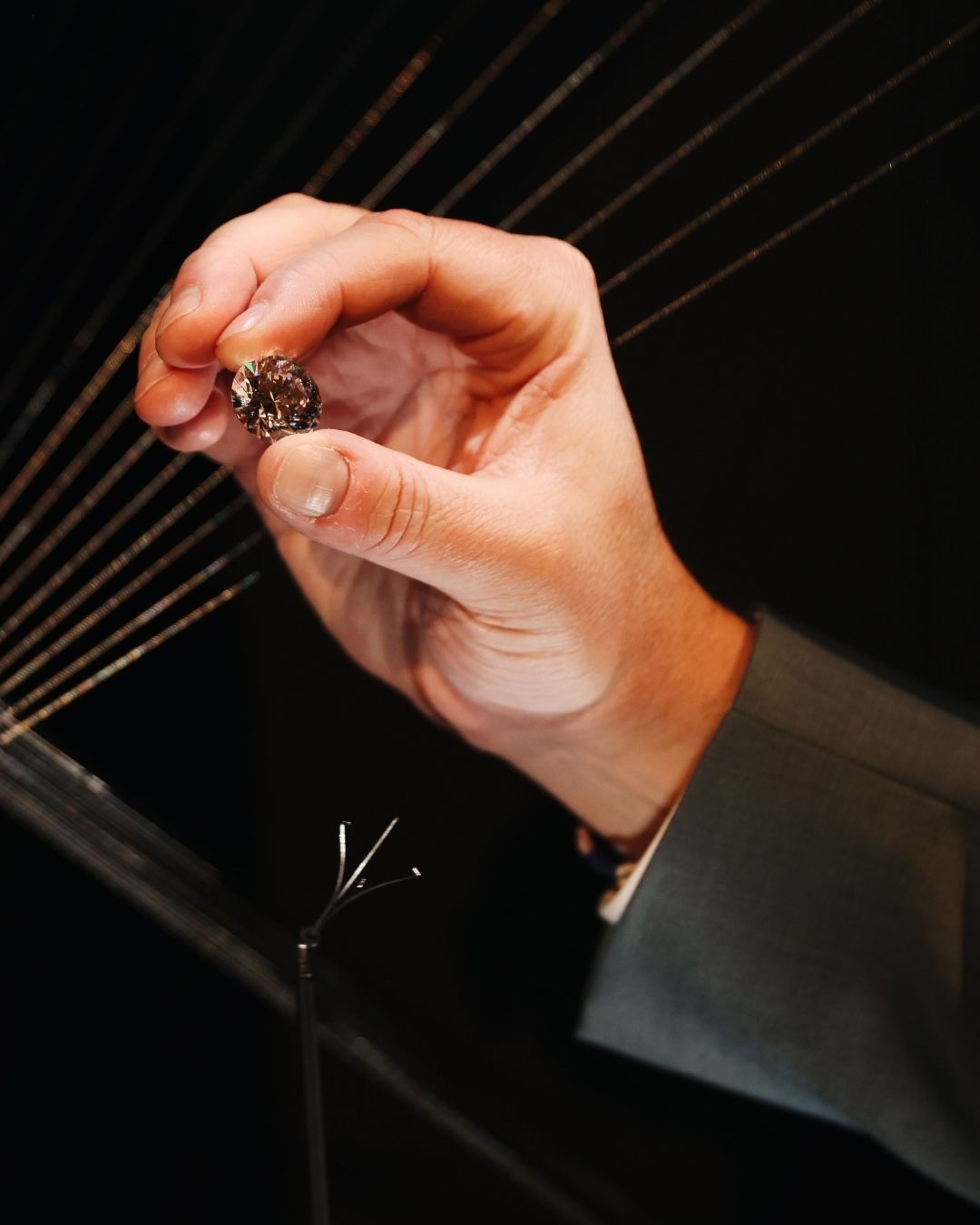
Among the artworks on display that explored the dialogue between diamonds and art was Jwaneng 28.88, an internally flawless D-color diamond discovered in the Jwaneng mine in Botswana. Ironically, the name Jwaneng means “a place of small stones” in Setswana. The stone, which was cut from a 114-carat-plus rough diamond, came to the earth’s surface via volcanic eruptions beneath what is now the Kalahari Desert. It is set to go under the hammer on April 23 as part of Sotheby’s Luxury Sales in Hong Kong.
A Tradition Rooted in History, Reimagined by De Beers
At the panel where Grant spoke—held at Maison Assouline the following day —she was joined by Sarah Ysabel Narici of Dyne Jewelry and Kimberly Drew, an American art curator, historian, and writer. The conversation turned to the significance of engagement rings and wedding bands.
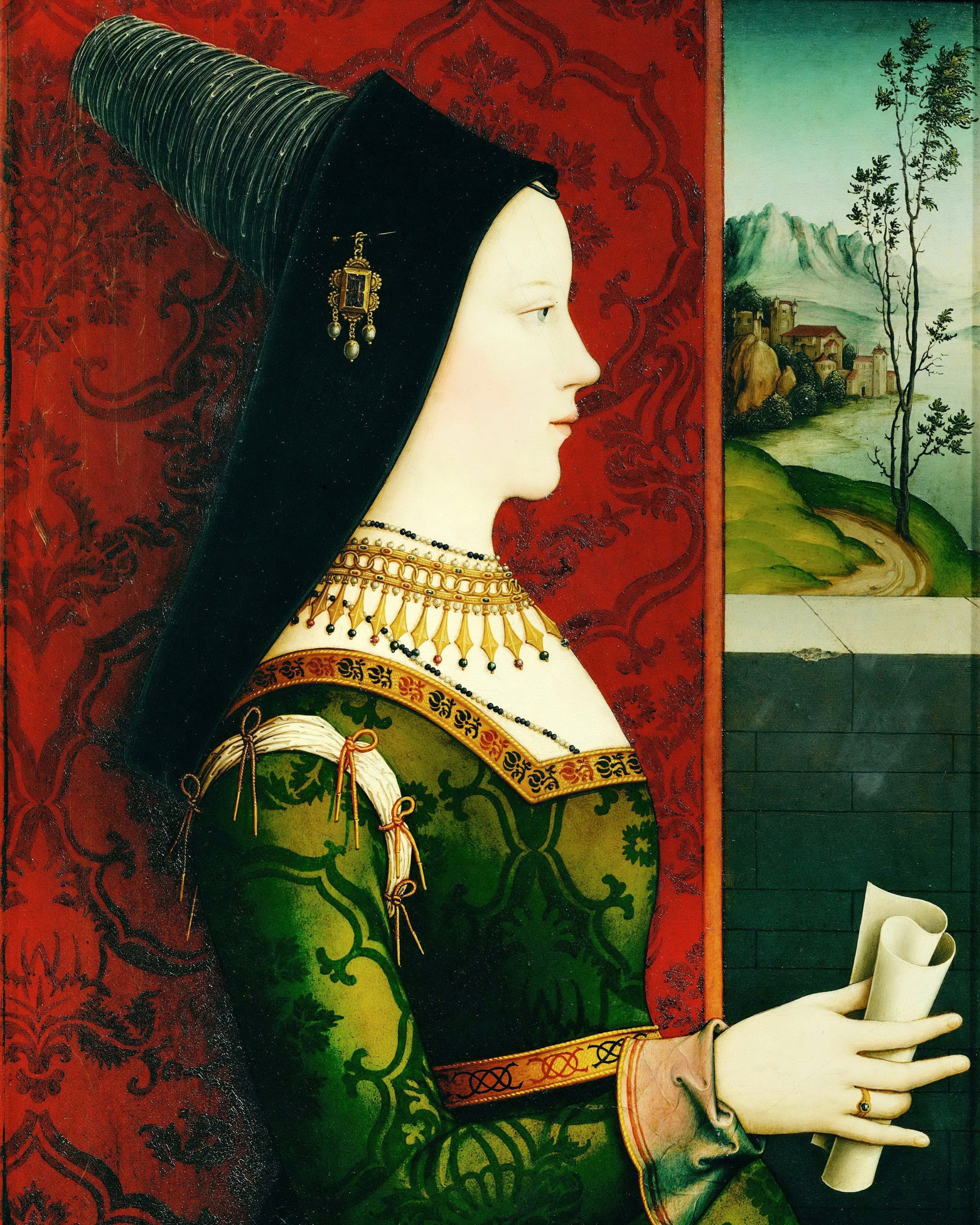
“Historically, jewelry was the only thing that women ever owned. In Ancient Rome, brides got two rings: a gold ring worn in public as an expression of love, and an iron ring worn at home to signify the legal contract with your partner,” Grant explained, noting that in 1477 the Archduke of Austria proposed with a diamond ring, thus starting the concept.
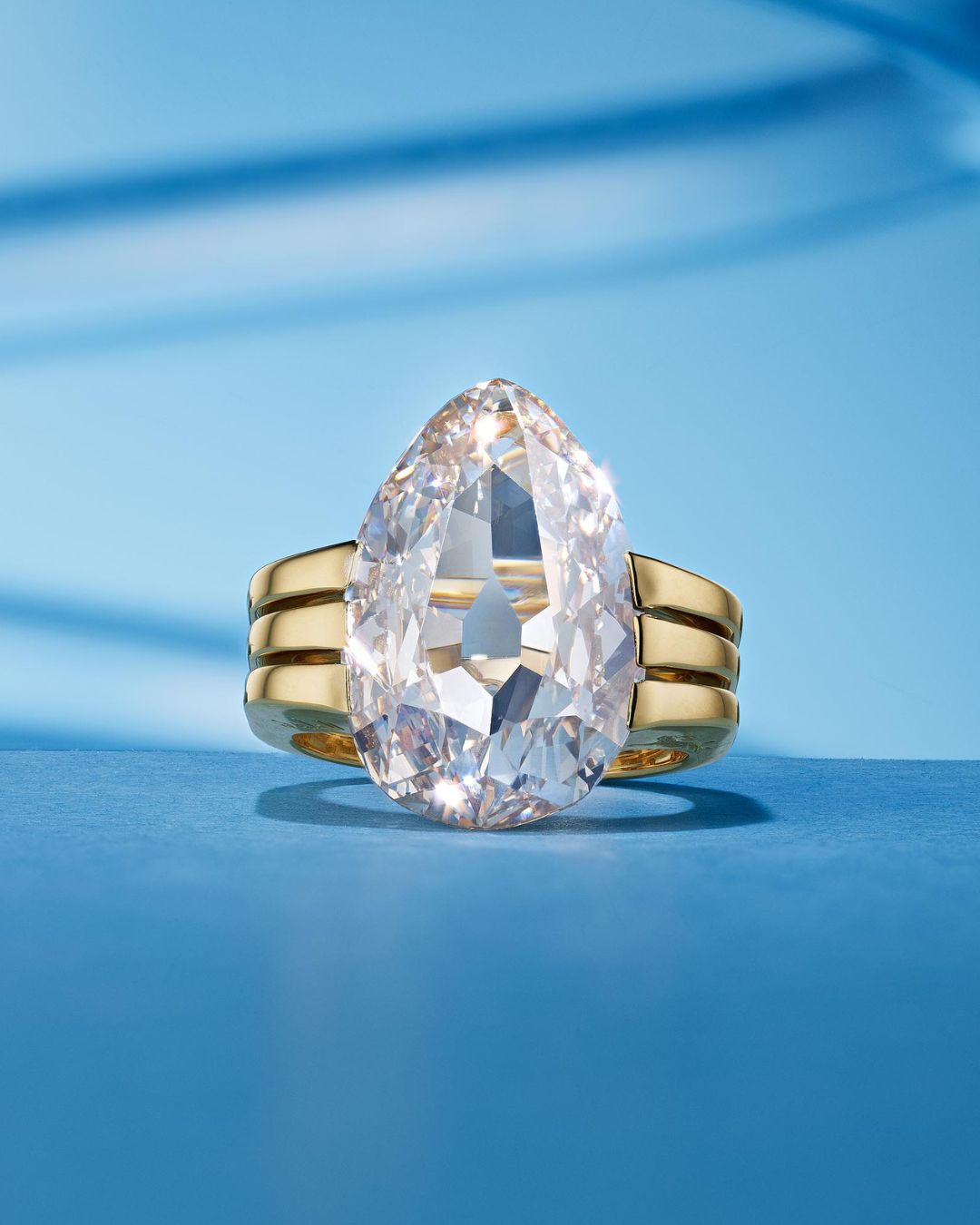
Narici concurred with the diamond’s significance for marriage. “The traditional engagement ring is often the first time a woman receives a piece of jewelry. Ninety percent of the couples I work with are approached as a collaboration. They discuss what really matters to them and what they want to tell the world about what matters to them,” she explained, noting her own experience with her engagement ring. “I didn’t want it to only be about the stone or feel like a status symbol. I wanted it to communicate a momentous moment in my life.” De Beers couldn’t agree more.