< Science of Diamonds / Diamond Discoveries
The Motswedi Diamond: The Second Largest Diamond in the World
The 2,492-carat diamond is now the second-largest diamond ever discovered and the biggest diamond found in 120 years.
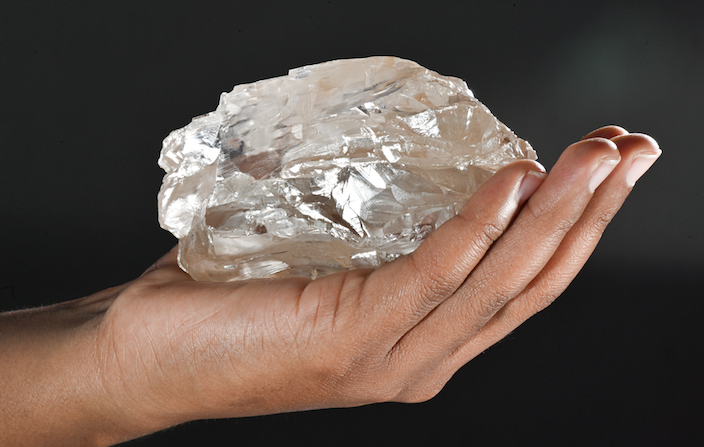
Lucara Recovers Epic 2,492-Carat Diamond From The Karowe Mine (CNW Group/Lucara Diamond Corp.)
In a monumental discovery that has captured the world’s attention, Lucara Diamond Corp. unearthed the Motswedi Diamond, a colossal 2,492-carat natural diamond recovered from the Karowe Diamond Mine in Botswana. The Motswedi Diamond is the second-largest diamond ever discovered, and is a powerful reminder of the scale and wonder of the natural world. For Botswana, a country whose economy is deeply intertwined with diamond production, the discovery represents far more than a single stone—it stands as a symbol of national pride and long-term prosperity.
Meet the Expert

- Grant Mobley is the Jewelry & Watch Editor of Only Natural Diamonds.
- He is a GIA Diamonds Graduate.
- He has over 17 years of jewelry industry experience, starting with growing up in his family’s retail jewelry stores.
Ahead, discover how the Motswedi Diamond became one of the most significant natural diamond finds in modern history.
How the Motswedi Diamond Compares to the Cullinan Diamond

The discovery of the Motswedi Diamond inevitably invites comparison to the legendary Cullinan Diamond, the largest diamond ever unearthed at 3,106 carats in 1905. Found in South Africa, the Cullinan was later cut into multiple diamonds, several of which now form part of the British Crown Jewels. At 2,492 carats, the Motswedi Diamond is the second-largest diamond ever discovered, placing it among the most important stones in recorded history.
The Advanced XRT Technology Behind the Motswedi Diamond Recovery
The recovery of the Motswedi Diamond was made possible by Lucara’s advanced X-ray Transmission (XRT) technology, which enables the identification and preservation of exceptionally large, high-value diamonds that might otherwise be damaged during processing. The ability to detect and recover a diamond of this magnitude intact underscores both the sophistication of modern diamond mining and the extraordinary potential of the Karowe Mine, which has long been recognized as a source of some of the world’s most significant diamonds.
Why the Motswedi Diamond Matters to Botswana’s Economy
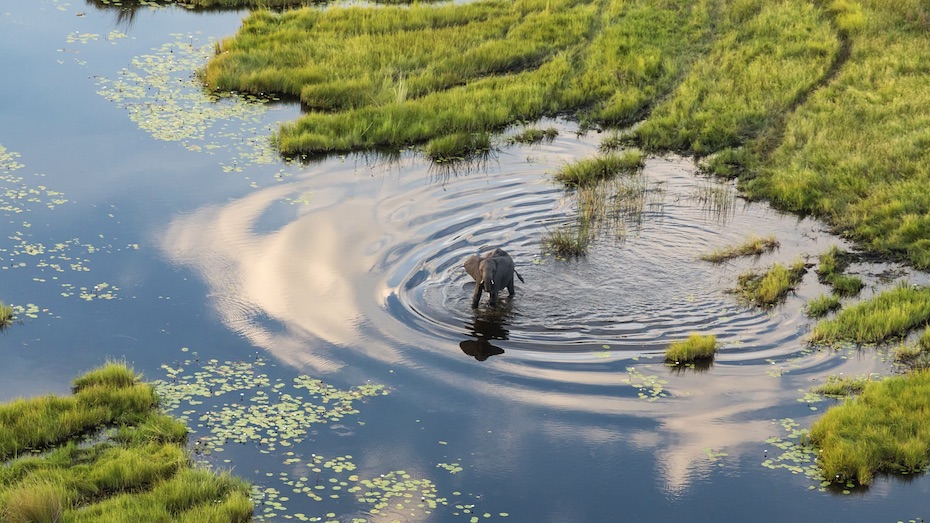
The importance of the Motswedi Diamond discovery cannot be overstated, not only for Lucara Diamond Corp., but for Botswana as a whole. Natural diamonds are the backbone of the country’s economy, accounting for approximately 40 percent of Botswana’s GDP and nearly 90 percent of its exports. Once among the poorest nations in the world, Botswana has since emerged as one of Africa’s most stable and prosperous economies, with the highest GDP per capita on the continent—a transformation driven in large part by the responsible development of its diamond resources.
The significance of the Karowe diamond extends well beyond its size and rarity. The Motswedi Diamond stands as a symbol of Botswana’s diamond-fueled ascent and the enduring value of long-term stewardship. The natural diamond industry has played a central role in the country’s socio-economic development, supporting investments in education, healthcare, and infrastructure. In this way, the 2,492-carat diamond reflects not only the extraordinary natural wealth found in Botswana’s soil, but also the nation’s ability to translate that wealth into lasting progress for its people.

The 2,492-carat diamond discovered at Karowe is now the second-largest diamond ever discovered and the biggest diamond found in 120 years.
Lucara Diamond Corp. President and CEO William Lamb expressed the company’s excitement over the discovery of the Motswedi Diamond, noting its significance both geologically and technologically. “We are ecstatic about the recovery of this extraordinary 2,492-carat diamond,” Lamb said. “This find not only showcases the remarkable potential of our Karowe Diamond Mine but also reinforces our long-term investment in advanced XRT technology.”
Karowe Mine’s Legendary Diamonds: From Sewelô to Lesedi La Rona
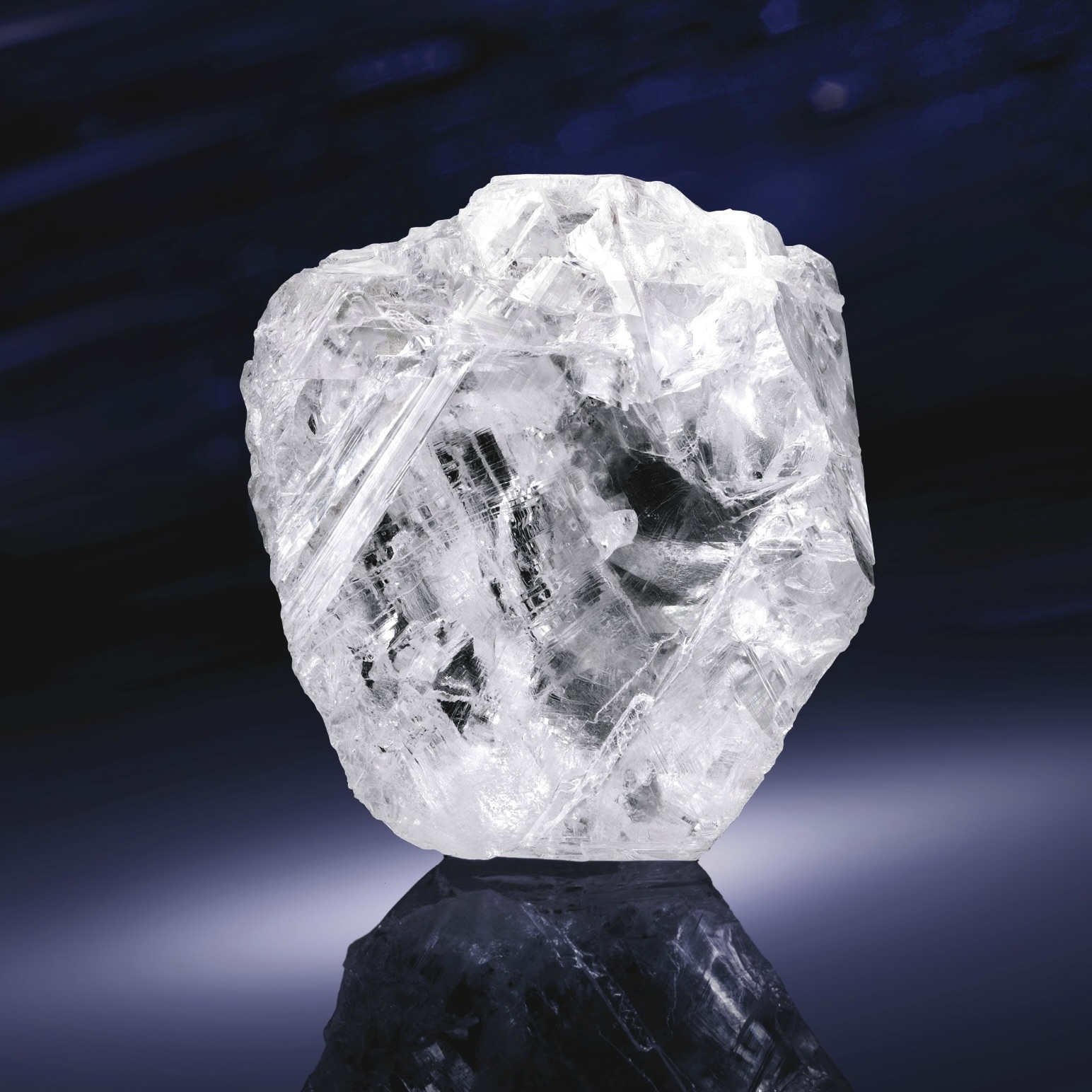

The recovery of the Motswedi Diamond adds to an already remarkable lineage of historic stones from Karowe, including the Sewelô Diamond, notable for its rare black appearance and now owned by Louis Vuitton, and the Lesedi La Rona, whose exceptional colorlessness drew global attention. The Lesedi La Rona was acquired by Laurence Graff and later cut into the largest D-color, flawless diamond ever certified by the Gemological Institute of America (GIA), weighing 302.37 carats, along with a suite of additional diamonds. Together, these extraordinary discoveries have firmly established Karowe as one of the most prestigious diamond mines in the world—a reputation further reinforced by the recovery of the 2,492-carat Motswedi Diamond.
How the Motswedi Diamond Got Its Name
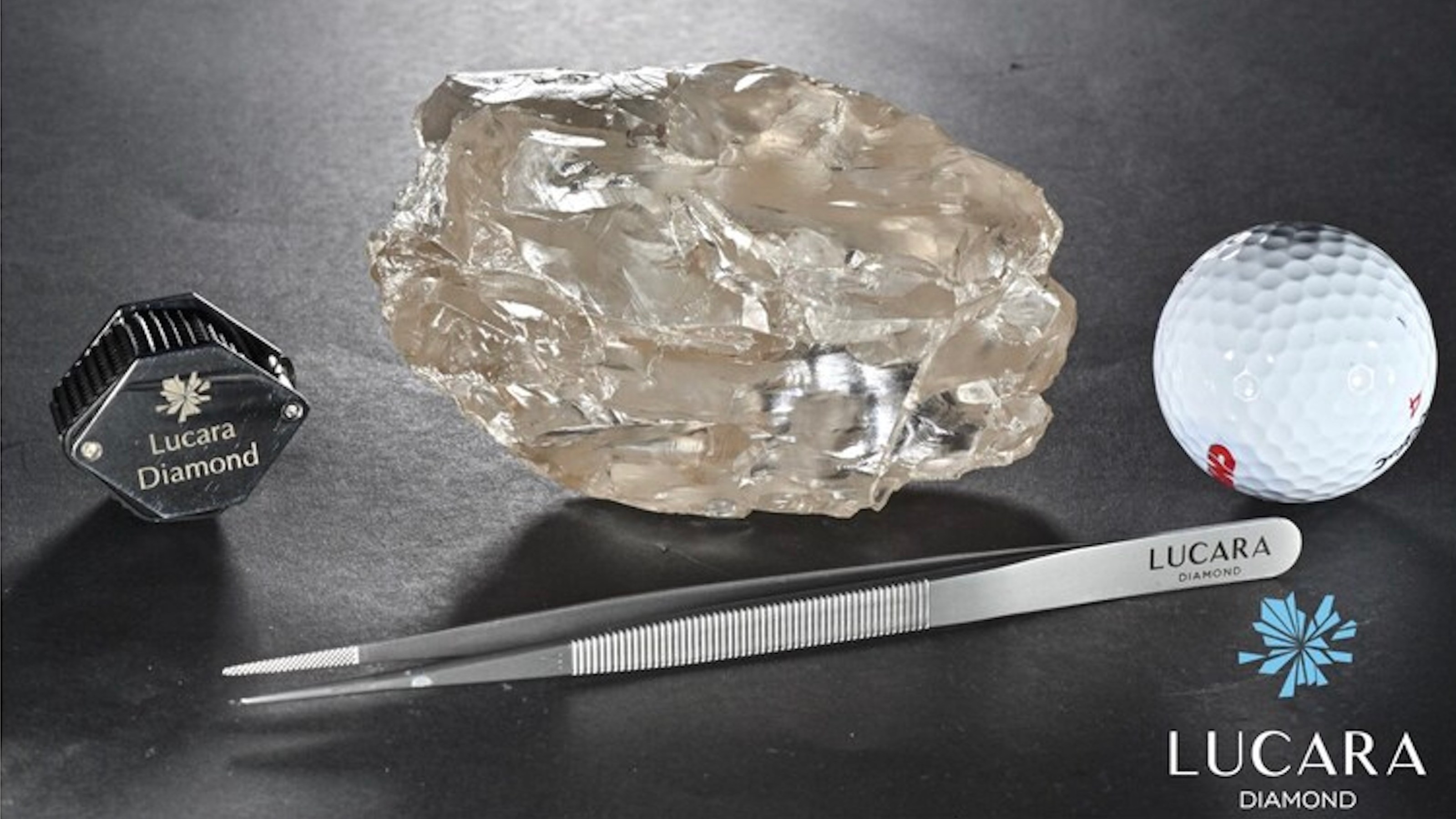
In a rare and meaningful gesture, Lucara invited the people of Botswana to participate in naming the historic stone through its Legacy National Diamond Naming Competition in 2024. Tens of thousands of name submissions were reviewed by a panel that assessed creativity, cultural relevance, and linguistic integrity. Among those guiding the process was Thapelo Joseph Otlogetswe, a distinguished linguist and lexicographer at the University of Botswana, who led the linguistic evaluation. The initiative ensured that the Motswedi Diamond would carry not only global significance, but deep cultural meaning rooted in Botswana itself.
The culmination of this extraordinary initiative was marked by a gala event in Gaborone, hosted by Lucara Diamond Corp. and attended by the Honourable Bogolo Kenewendo of the Ministry of Minerals & Energy. It was there that the winning name—Motswedi—was revealed, an evocative Setswana word meaning “a water spring,” or the underground flow that rises to bring life and renewal. The name captures the essence of the 2,492-carat Motswedi Diamond, a symbol of vitality, continuity, and cultural heritage for the people of Botswana.
What’s Next for the Motswedi Diamond
The journey of the Motswedi Diamond is still unfolding. Whether it ultimately follows the path of the Lesedi La Rona, enters the world’s most prestigious auction rooms, or is transformed into a record-setting polished diamond—or instead remains uncut as a testament to nature’s raw power—its significance is already assured. Regardless of its final form, the discovery of the Motswedi Diamond has permanently reshaped the narrative of diamond history, standing as one of the most consequential natural diamond finds of the modern era.