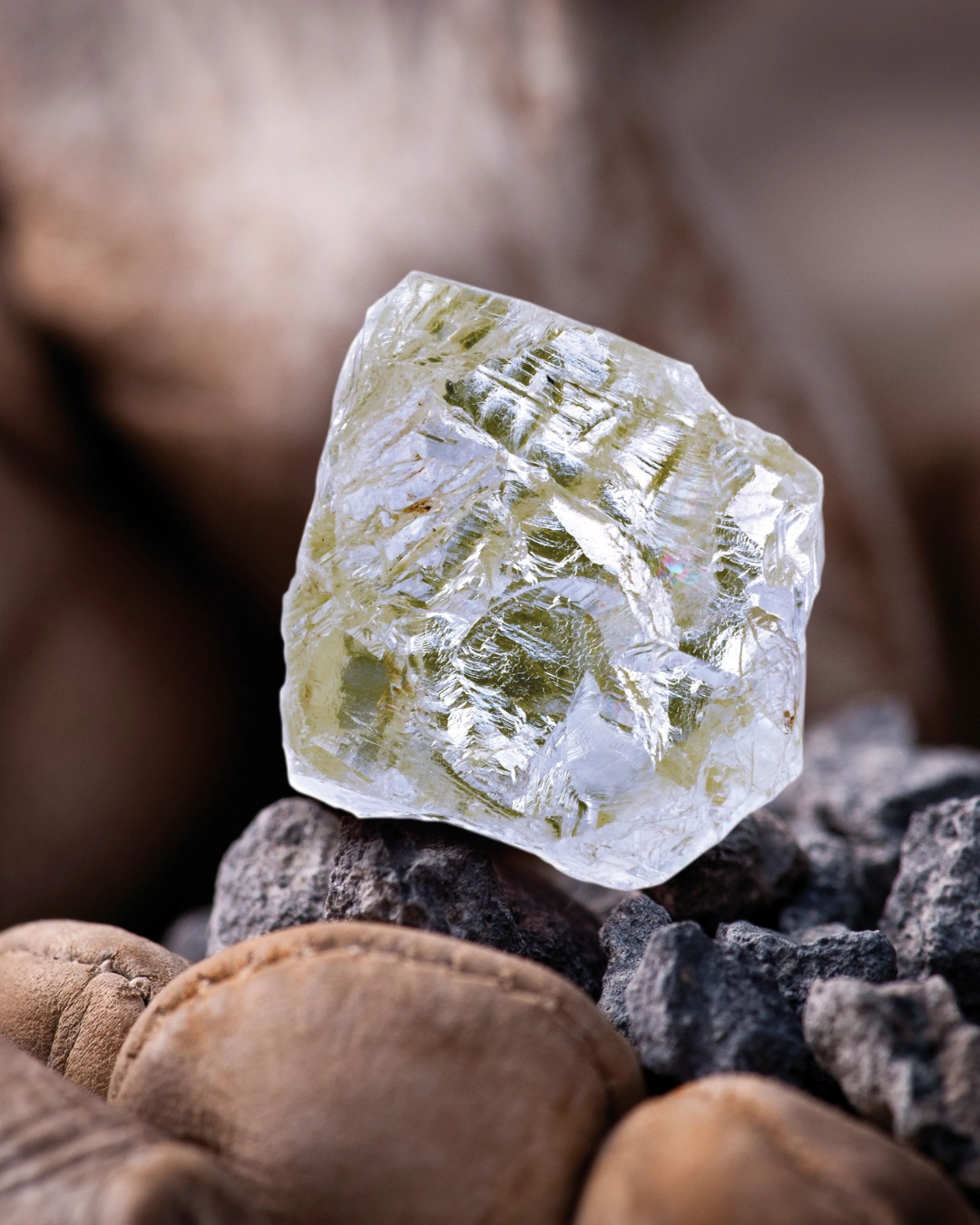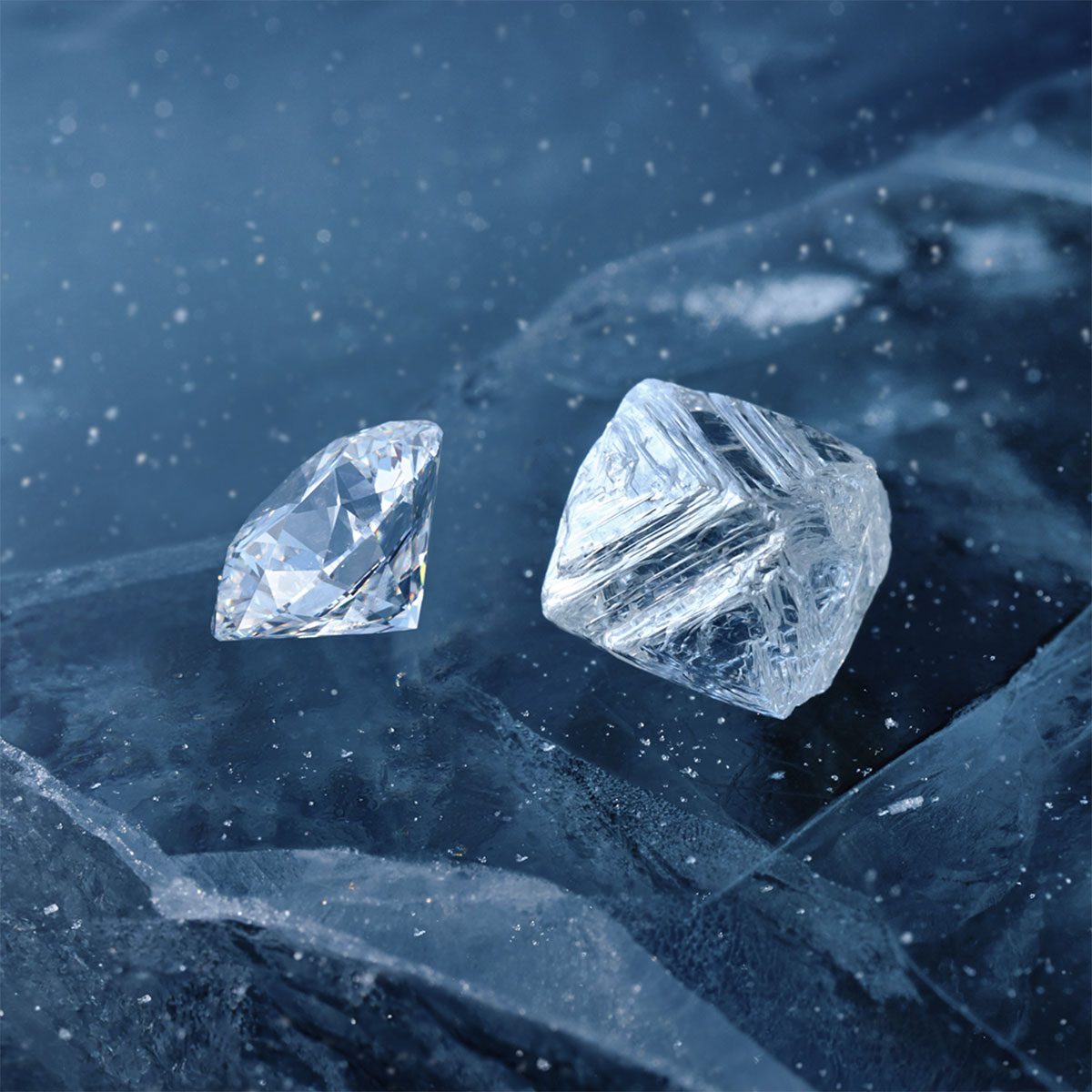

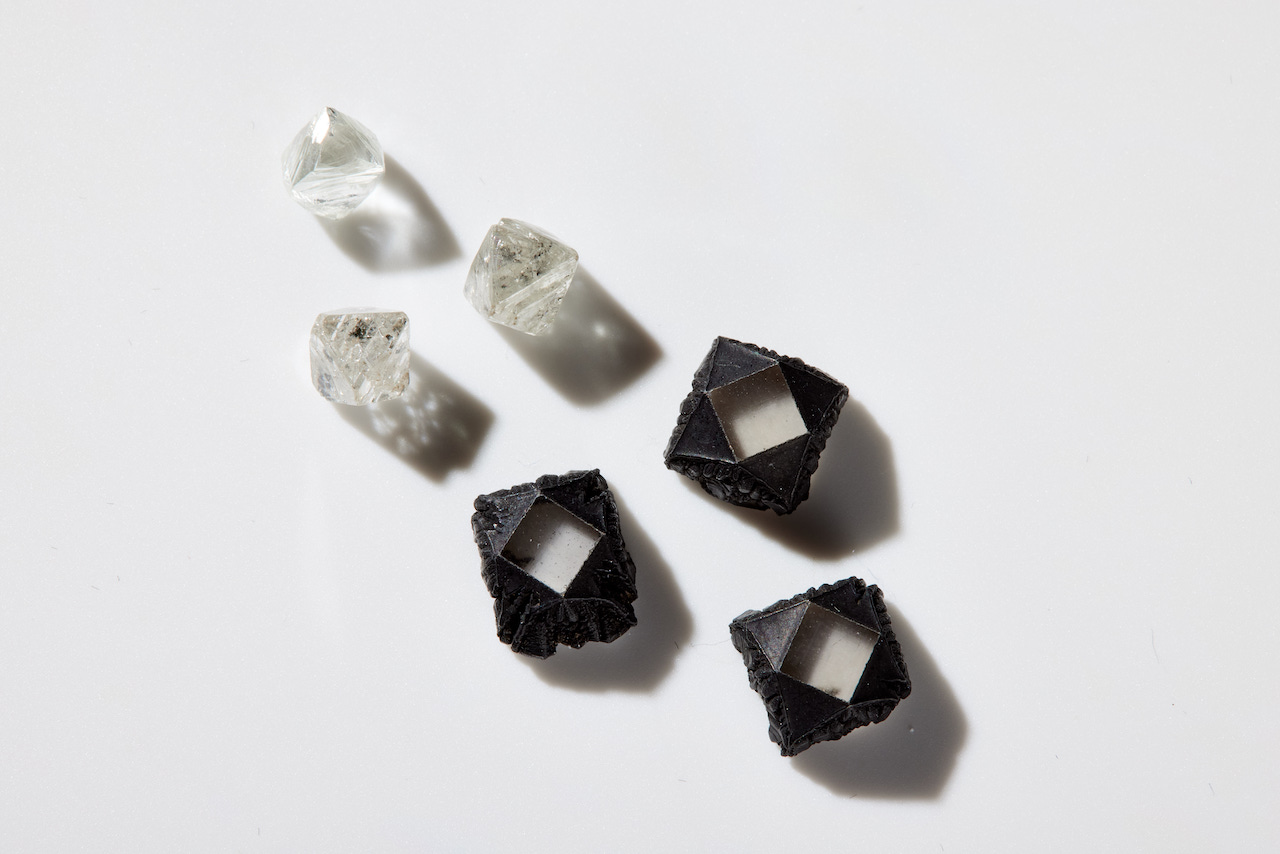

Natural diamonds form over billions of years deep within the Earth under extreme heat and pressure.
Natural and laboratory-grown diamonds may look alike, but experts can always distinguish them. While natural diamonds have appreciated by 2-3% on average per annum over the last 50 years, the prices of some lab grown diamonds fell by more than 80%.
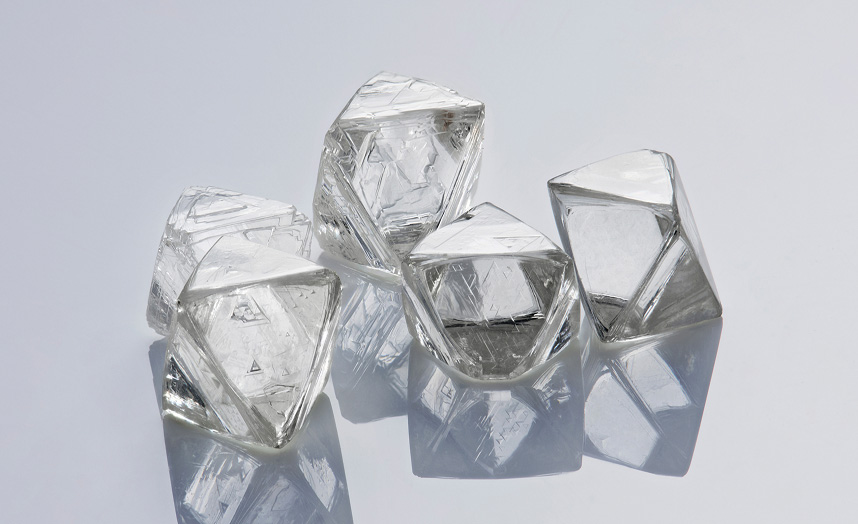
 Naturally Made
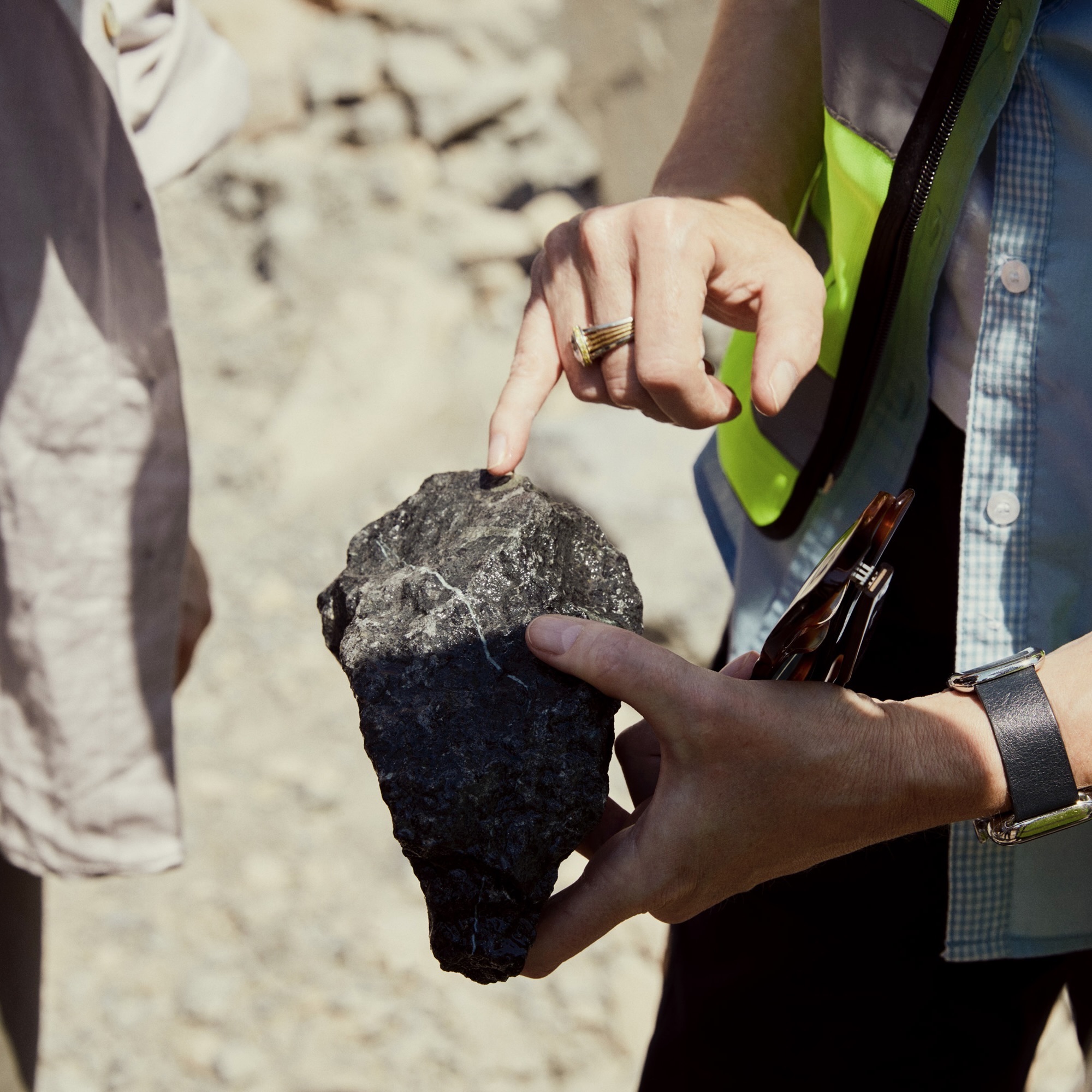
Natural diamonds form over billions of years deep within the Earth under extreme heat and pressure.
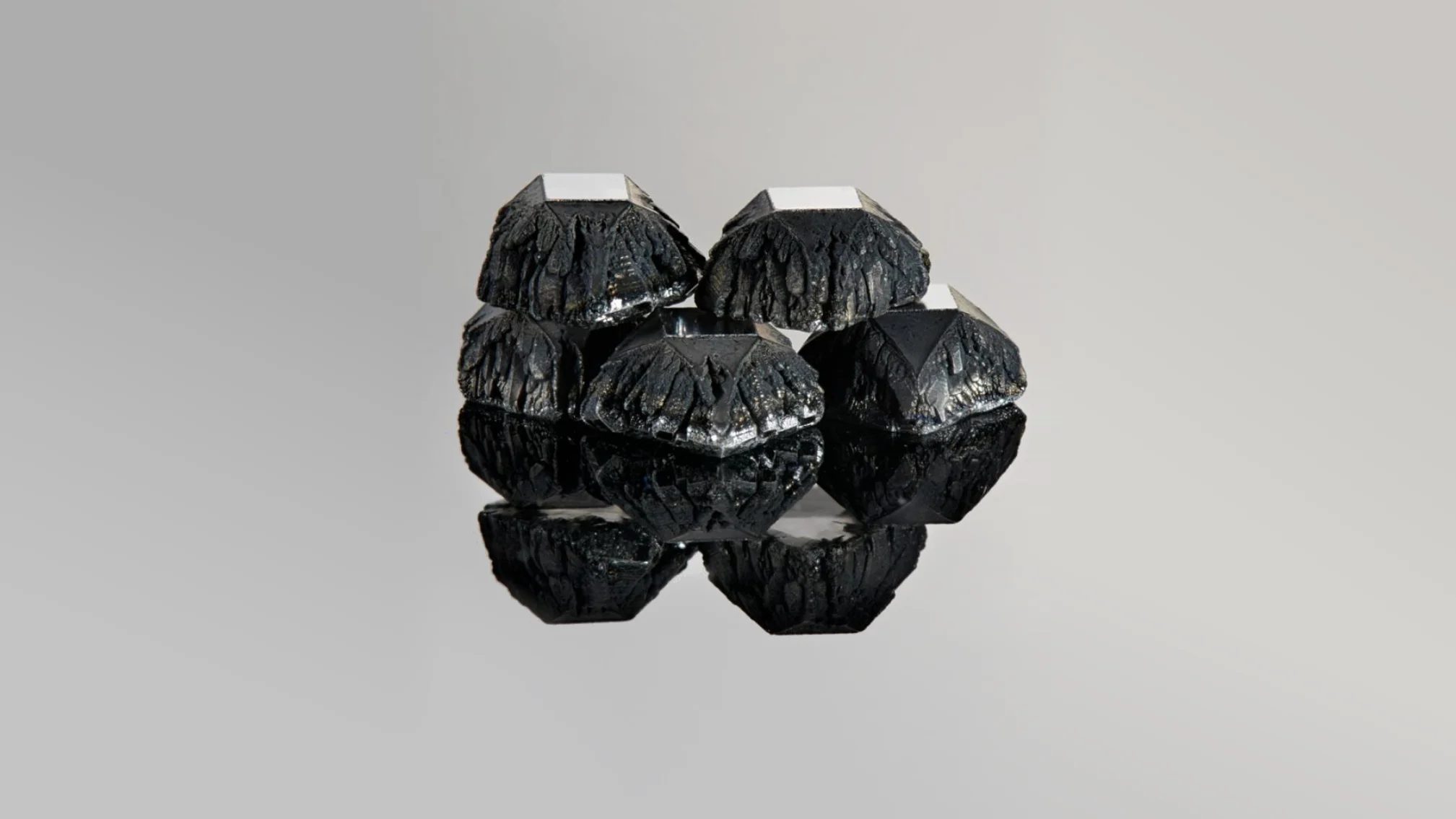
 Factory Made
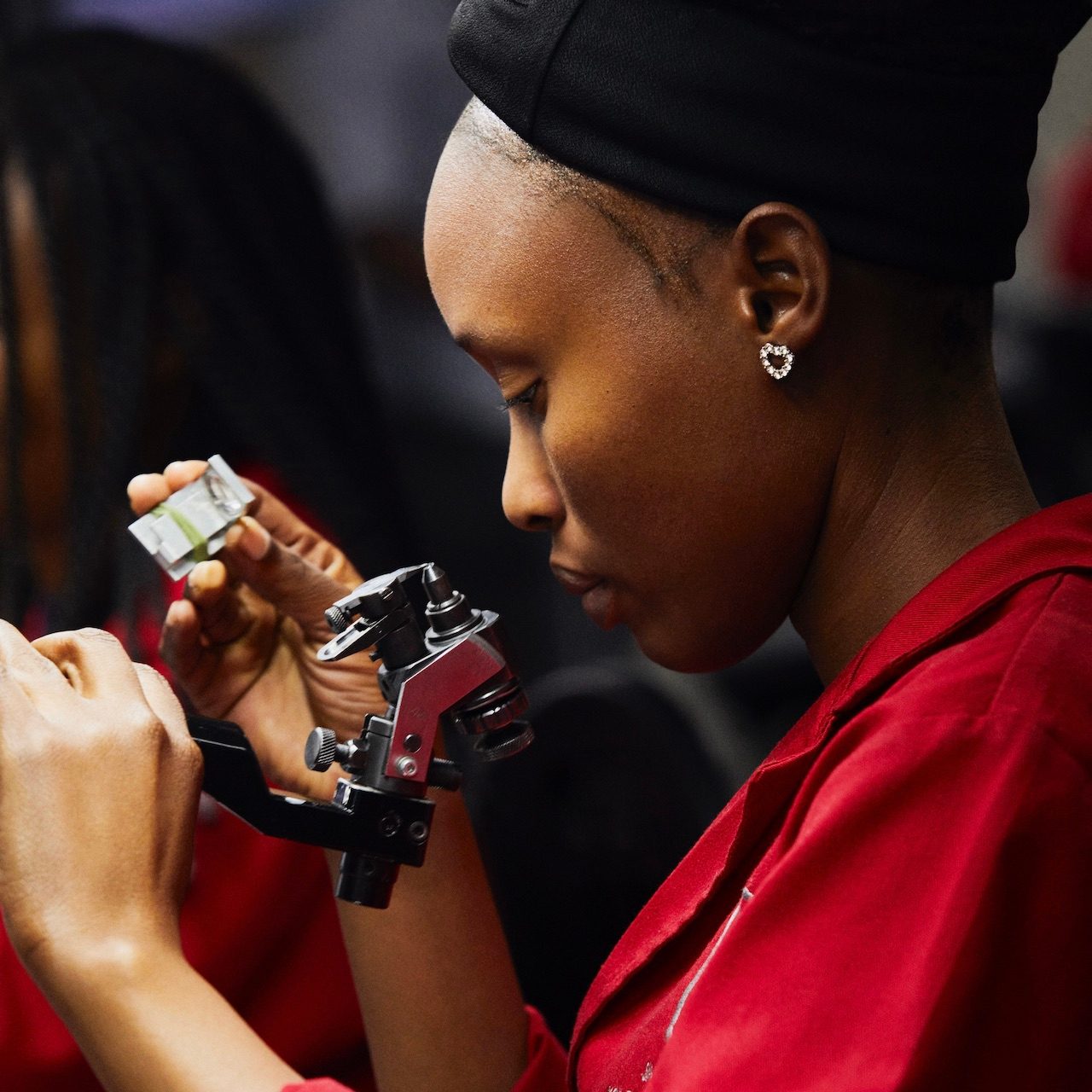
The majority of lab grown diamonds are produced in factories in India and China.
 Finite Supply
Natural diamonds are rare and limited in supply, with only a certain amount available on Earth.
Mass-Produced
Lab grown diamonds are mass-produced in controlled environments, much like fast fashion.
 3 Billion Years Old
Natural diamonds are ancient, typically 1-3 billion years old, making them some of the oldest substances on Earth.
Made in 3-4 Weeks
Lab grown diamonds are produced in factories in just 3 to 4 weeks and can be made in unlimited quantities.
 The Hardest Substance on Earth
Diamonds are the hardest natural material on Earth (10 on the Mohs scale), extremely resistant to scratching.
 Only Type 2A
Lab grown diamonds are classified as Type IIa, a category that is common in factory-made stones due to their controlled production process.
Resale Value
Retains value over time due to its rarity and natural origin.
Resale Value
Mass-produced and subject to rapid price declines, with limited resale value in the secondary market.
 Classic White Sparkle
Diamonds exhibit exceptional brilliance and fire with a unique combination of white light reflection and colorful dispersion.p
 Benefits Country of Origins
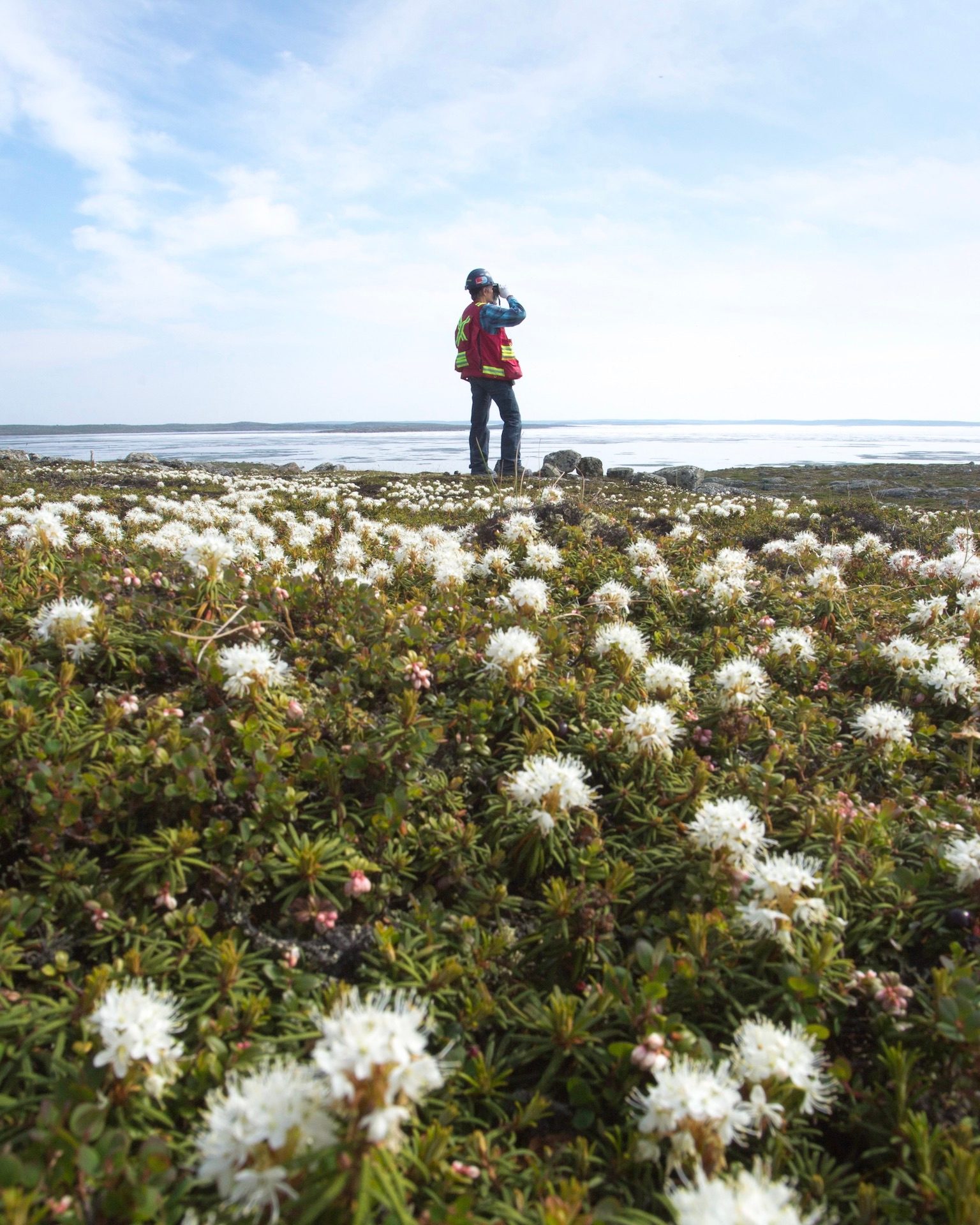
Diamond mining provides economic support and employment in diamond-producing regions around the world.
Emotionally Significant
Diamonds are the ultimate symbol of love and commitment, cherished for centuries as timeless representations of enduring relationships, milestones, and meaningful memories.