Masaba Gupta’s Take On Fashion, Beauty, And Natural Diamond Jewellery For The Modern Bride
In conversation with The Nod, the celebrity designer talks about the importance of personal style and building a jewellery trousseau that lasts beyond the big day.
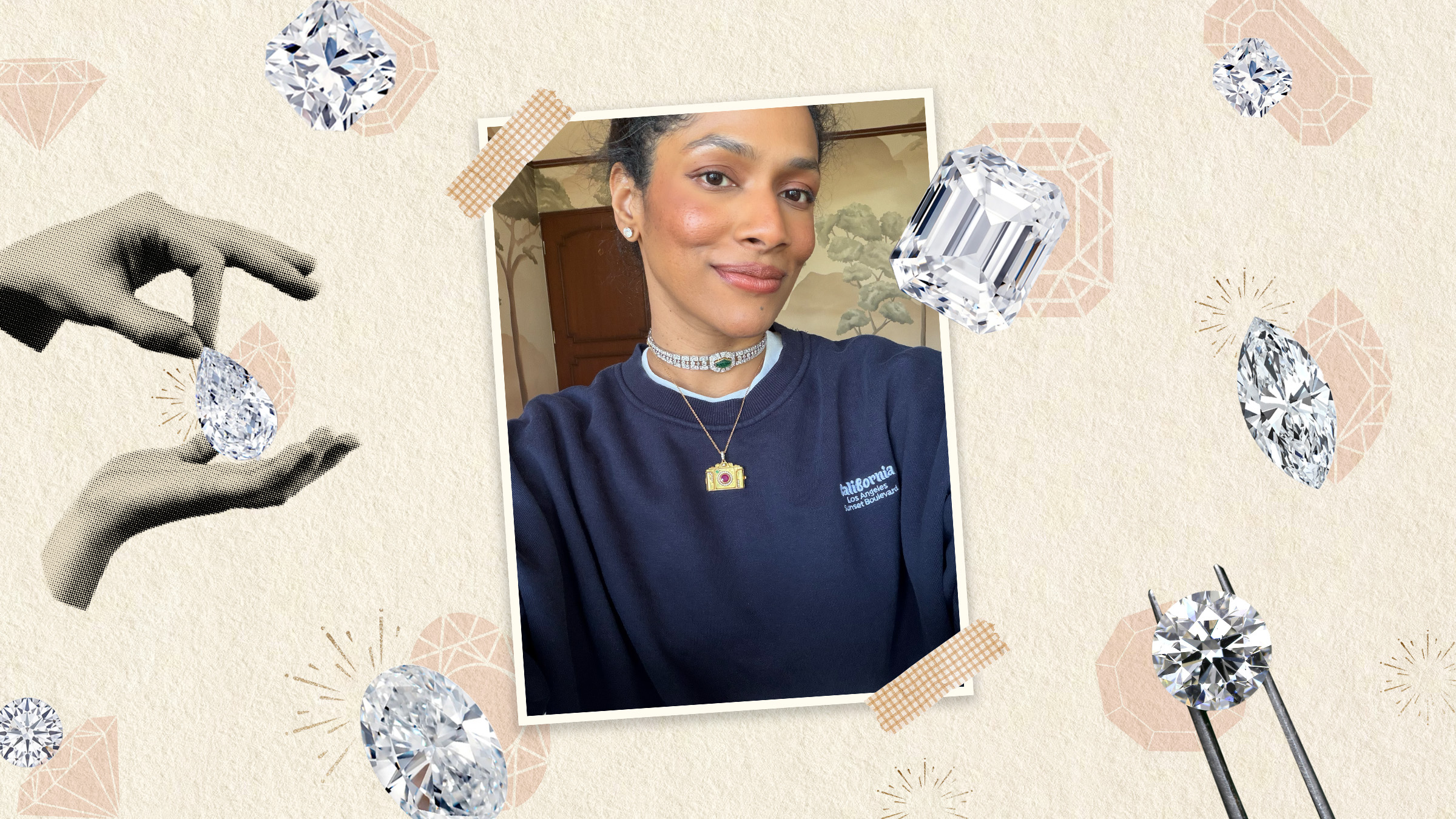
Editor’s note: This conversation first appeared as part of The Bridal Edit, a video series hosted by Natural Diamond Council in collaboration with The Nod, where Jewellery Editor Priyanka Parkash sits down with designers and insiders to discuss modern bridal style and natural diamonds.
Today’s bride isn’t short on inspiration. Social media offers endless references, but the more you see, the more everything begins to look the same. In the noise, defining your own personal style becomes the real challenge. And if there’s anyone who understands modern bridal style, it’s Masaba Gupta. She has dressed brides in bold silhouettes, built a beauty brand that champions individuality, and has now stepped into jewellery design. If your wedding is on the horizon and you’re wondering how to dress beyond the ever-changing trend cycle, you’re in the right place. We spoke to Masaba to discuss the dos and don’ts of bridal expression, personal style as power, and why investing in natural diamond jewellery is a meaningful way to begin your new chapter.
Instagram has given us some viral bridal Diamond trends. Which ones actually work?
Masaba: Any piece of jewellery that doesn’t need great lighting and hair and makeup to be photographed well is good jewellery that will stand the test of time. This happened to me—I bought a really beautiful piece once. It was an indo-western Hyderabadi looking piece. I bought it in a store and then I stepped out into the real light and it turned out to be terrible.
Secondly, go for pieces that you feel can be restyled and redesigned again and again. I have my wedding ring and another teardrop diamond along with it that I bought as a pair for my pinky finger, and I just keep changing the polish and the setting. Sometimes, I pair them together. I know now that I want to make them earrings next because I wear earrings a lot more.
What are some bridal trends you would happily cancel forever?
Masaba: I’m not a fan of pastel colours. I know people find it uber feminine, but I just think that Indian skin needs rich colours and vibrant tones to look its best. Personally, I would never wear a pastel colour because it washes me out. I would also not wear a very sharp, borderline neon colour because that washes me out as well. I would wear white and ivory as a bride. I know it’s a no-no in Indian culture and customs but I feel that it has to be individual and personal. Sometimes, the worst thing a bride can do is look at the image of a Bollywood star and say “I want to look like this on my wedding day.” Certain things just don’t work on a certain face, body, or skin.
I also think it’s not necessary to wear red lipstick on your wedding day. To me, it’s a little bit jarring. You should let your jewels, hair, and outfit do the talking. It’s okay to wear nudes, pinks, peaches, or a warm terracotta.
And with jewels, you need to have a point of view. I really enjoyed wearing three different (neck)pieces of jewellery this time for my wedding. I wore one piece that was my mom’s from 35 years back, a golden pearl piece that was also very old, and then one piece which was slightly new. I only bought the chandtara headpieces as a new addition to my jewellery.
Which celebrity bride, in your opinion, aced the brief of the modern indian bride?
Masaba: I have to say Anushka Sharma. The trend of not telling everyone you’re getting married and then posting beautiful photographs started from there. Also, pastels looked amazing on her. She’s a feminine girl and she’s really tall. So, that blouse cut and sleeves worked for her. More than that, I loved her engagement look where she wore a velvet (saree) and a beautiful red rose.
What’s your take on heirloom pieces? If you had to pass down one piece to your daughter one day, which would it be?
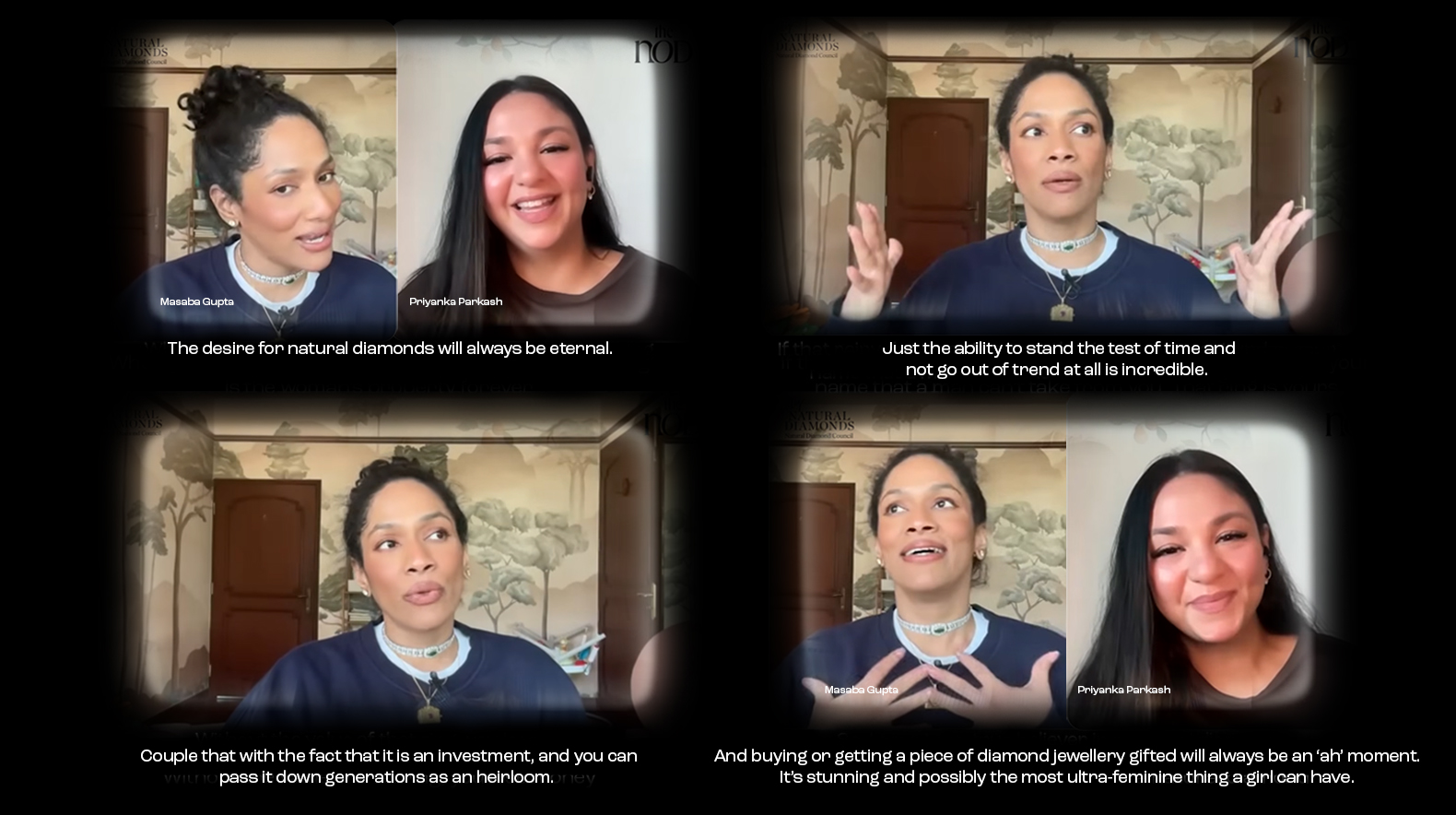
Masaba: I think everybody is going to go back to legacy, heritage, and heirloom pieces (with time), because everything will look hyper manufactured and everyone will own pieces of the same thing. So when you have a unique piece, that’s going to be the coolest piece that anyone can own.
For Matara, there is this beautiful piece that my mother-in-law gifted me that her mother-in-law had given her. It’s a beautiful Iranian Persian piece that has diamonds, rubies, and emeralds all together. It was a tiara that was converted into a choker. When you put on this piece, it feels like it’s seen the ages. And I love jewellery like that—it should look like it’s lived through time. That’s the piece I want to save up for Matara.
What is your view on the alternatives that exist in the market?
Masaba: I strongly believe that there will always be an edge that natural diamonds have against any other kind of stone. There’s always going to be a charm about a natural diamond. I understand that sometimes you want pieces for which you say “I can’t go for an actual diamond for this. Maybe I should do a step down of it.” And I call it a “step down” very confidently because that’s what it is. It’s okay to do it, but I don’t think it’s going to become a bragging right, ever.
“Because when you’re proposing to someone and the girls are talking about being proposed to with a lab grown diamond… that wedding ain’t going through, let me tell you.”
When a bride starts building her natural diamond trousseau, where should she begin?
Masaba: I’ve always felt that a really impactful simple tennis necklace with a white gold or a silver polish is the starting point. You will never stop wearing it. The ones that also become tennis bracelets are amazing because you can just layer them with your watch and stack it up. I would also say that there really is no need to invest in a maang tikka, unless you feel you can make it into earrings or maybe a brooch later. A pair of chand balis is a no-brainer if you want something Indian. I also think solitaire (earrings) work beautifully.