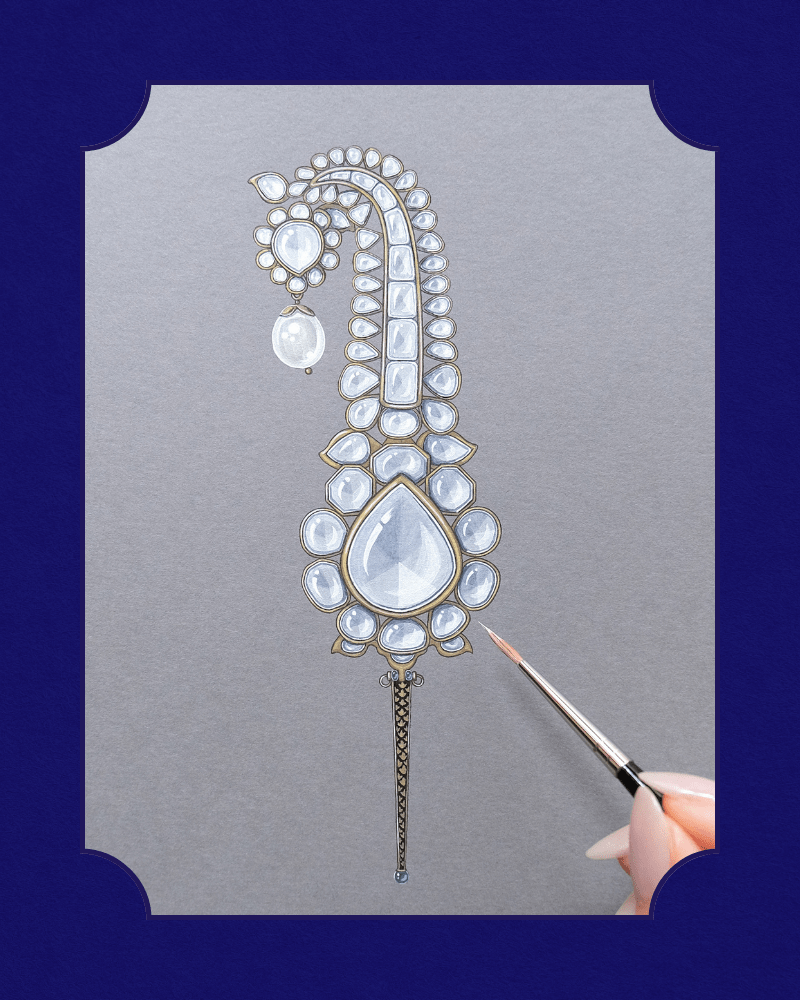
What Today’s Brides Get Right About Bridal Diamond Trousseaus
Hint: It starts with saying ‘if I can’t wear it again, I’m not buying it’

For the longest time, a bridal jewellery trousseau arrived pre-decided. It was assembled through inheritance, expectation, and family tradition. What was given mattered more than what was chosen. Today, that equation has shifted. Brides are still deeply respectful of tradition, but they’re also asking better questions. Will I wear this again? Does this feel like me? Will this still make sense ten years from now?
In this new landscape, the bridal trousseau isn’t about how much jewellery you own, but how deeply it fits into your life. It’s about what carries meaning. Permanence. And at the centre of this shift sits one constant: natural diamonds; chosen not for their dazzle alone, but for their ability to carry memory, endure time, and evolve with the woman who wears them.
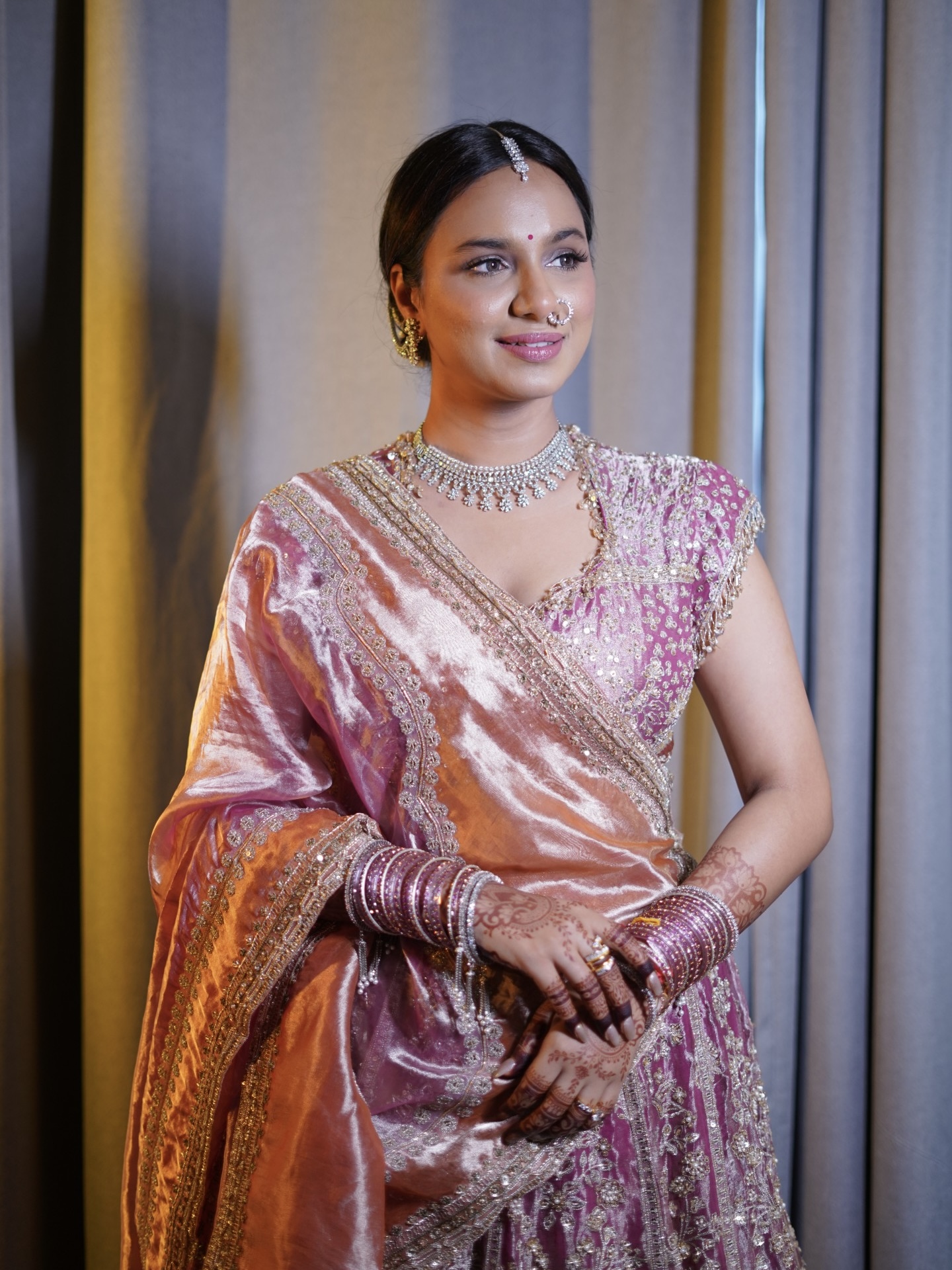
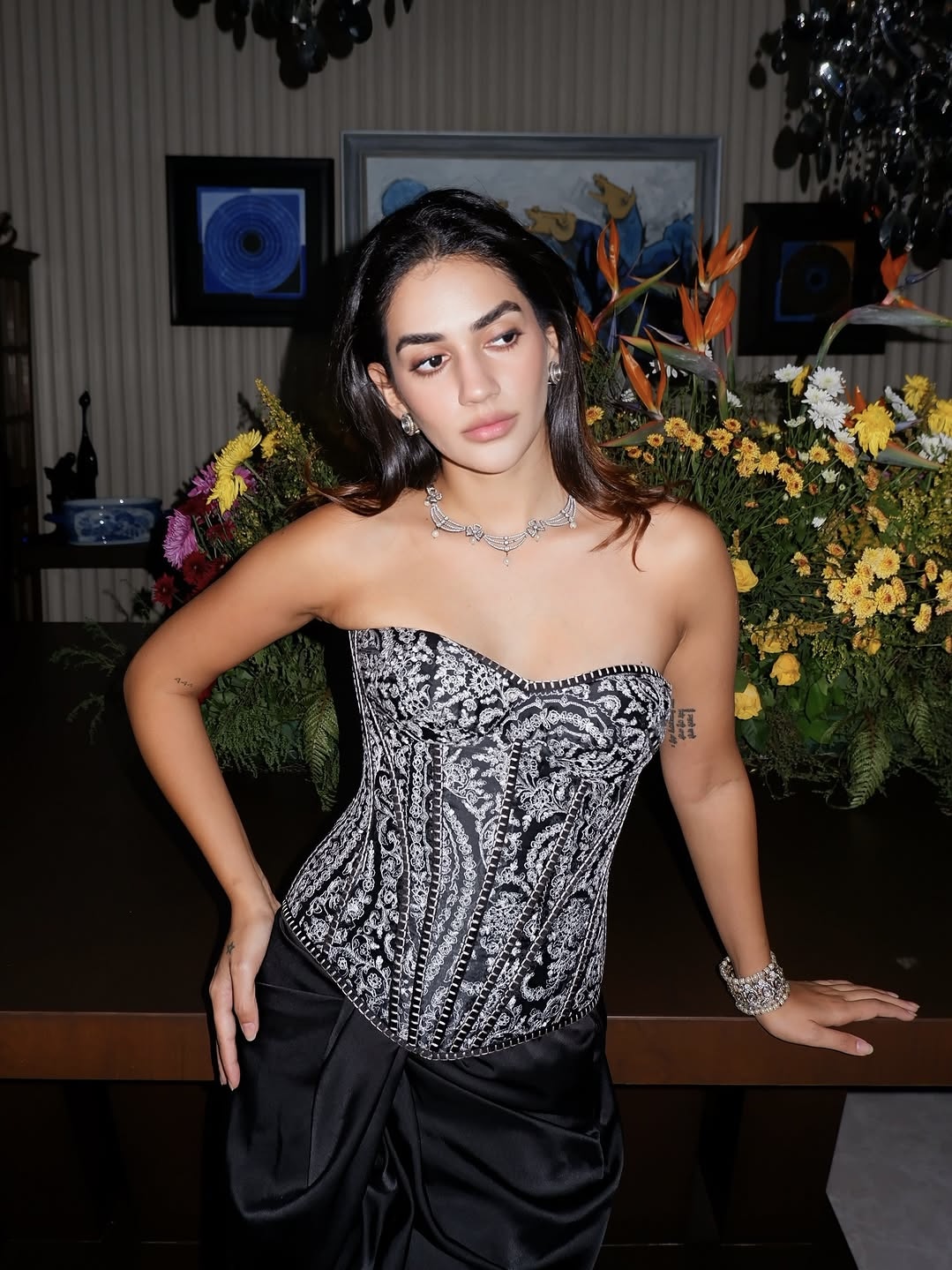
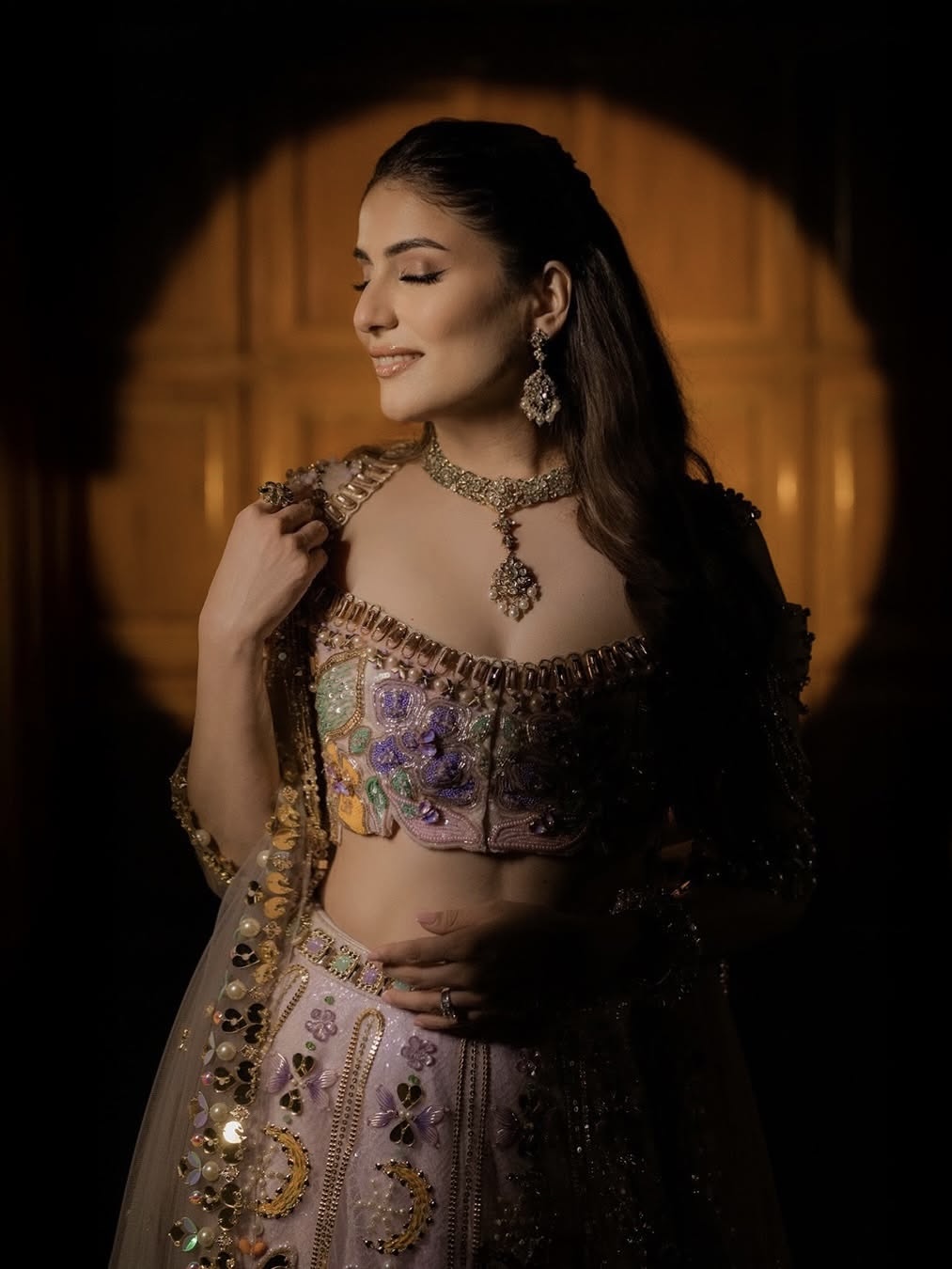
To understand how this new-age trousseau is being built, we spoke to Shubhika Sharma, designer and founder of Papa Don’t Preach, who’s just stepped into married life, Karmaa Dhingra, a fashion and luxury influencer whose approach to jewellery as a bride-to-be is as thoughtful as it is deeply personal, and Ishani Alampuria Jain, an entrepreneur who believes ‘bigger isn’t always better when it comes to diamonds, real is’. Together, their perspectives reveal a clear picture of what a bridal diamond trousseau looks like today.
Start With The Why, Not The Wow
Before the first showroom visit or saved Instagram post, the most important step is understanding why you’re buying what you’re buying. For Shubhika, diamonds weren’t always an instinctive choice. “When I was younger, I didn’t understand the fuss around diamonds at all,” she admits. “I loved gold—temple jewellery, uncut polkies.” That changed with time, and with perspective. What draws her to natural diamonds today isn’t just their brilliance, but their backstory. “They’ve survived a billion years of heat, pressure, and patience. There’s history, there’s magic of the universe packed into it. It’s almost like a gift of nature.” That permanence is what makes natural diamonds feel almost immune to trend cycles. “They’re not trend-led, they’re time-led.”
For Karmaa, the pull is generational. “I’ve seen natural diamonds with my grandmothers, my mom, my aunts, and now my mother-in-law. They’ve always stayed relevant.” Trends come and go, she says, but diamonds don’t. And in an era where so much feels disposable, that distinction matters. “They stand the test of time and hold greater value more than anything else in your trousseau.”
Meanwhile, Ishani has always been a “diamond girl.” So when it came to building her bridal trousseau, natural diamonds were a no-brainer choice, something she chose to wear for her sangeet as well as pheras. “I’ve seen women in my family wearing and loving their diamonds since I was a child, and for me, the pieces I kept reaching out to from my mom’s collection were her classic diamond bangles and studs. And honestly, it’s the ‘eternal’ factor. There’s something so cool about wearing a stone that’s been around for billions of years—it’s like a little piece of history on your skin.”
For a bride starting out, this is the first real truth: natural diamonds are chosen not because they are new, but because they last: physically, emotionally, culturally.
Jewellery Is Not For One Day, And This Realisation Changes Everything
For decades, bridal jewellery had one job: show up once, maybe twice, and then become symbolic but distant. Today’s brides aren’t buying into that. “The biggest trap is buying something for a single photo. If it’s too heavy or too ‘extra’ to wear again, it’s probably not the right choice,” shares Ishani. This realisation also came sharply into focus for Shubhika once she began shopping for her own trousseau. “I realised how much jewellery elevates a simple look. Now I value wearing real diamonds even for everyday events; art shows, fashion events, dinners. Just adding a natural diamond, especially something that has such a wonderful story attached to it, automatically announces your presence without you putting in so much effort.”
That shift, from occasion-led to life-led, is where the modern trousseau truly begins. And the diamond jewellery industry aids this shift. Karmaa marvels at how intelligently jewellery is now designed. “There are sets with connectors, pieces that expand for bridal wear and then break down into separate elements you can wear later. That’s been my biggest learning. Wearability matters.”
Heirlooms Aren’t About Freezing Time
Take a look at Karmaa’s relationship with her inherited natural diamonds: “I’ve actually inherited a couple of natural diamond pieces from my grandmom and my mother individually,” she shares. One piece, in particular, carries extraordinary lineage. “I received a set of diamond button cuffs with this beautiful chain detailing from my grandmom, which she actually got from her mom-in-law.” Rather than keeping them as they are, Karmaa sees potential. “If I were to partner up with a diamond atelier I would probably get that made into a really cool brooch,” she says. Even for Ishani, resetting your natural diamond heirlooms is “not about changing the history; it’s just making sure the jewellery actually gets out of the house!”
So, the advice is: respect the emotional core, but don’t be restricted by it. Because jewellery only becomes a legacy when it continues to be worn, seen, and loved.
The New Bridal Mood: More Might Not Be Merrier
Here’s the part where we collectively exhale. Because if there’s one reassuring truth about bridal jewellery right now, it’s this: you don’t have to stack, layer, overload, or prove anything through excess alone. “Ditch the matching sets. The coolest brides in 2026 are going to be the ones mixing it up. Remember: one really intentional piece beats a whole layer of ‘extra’ any day,” comments Ishani.
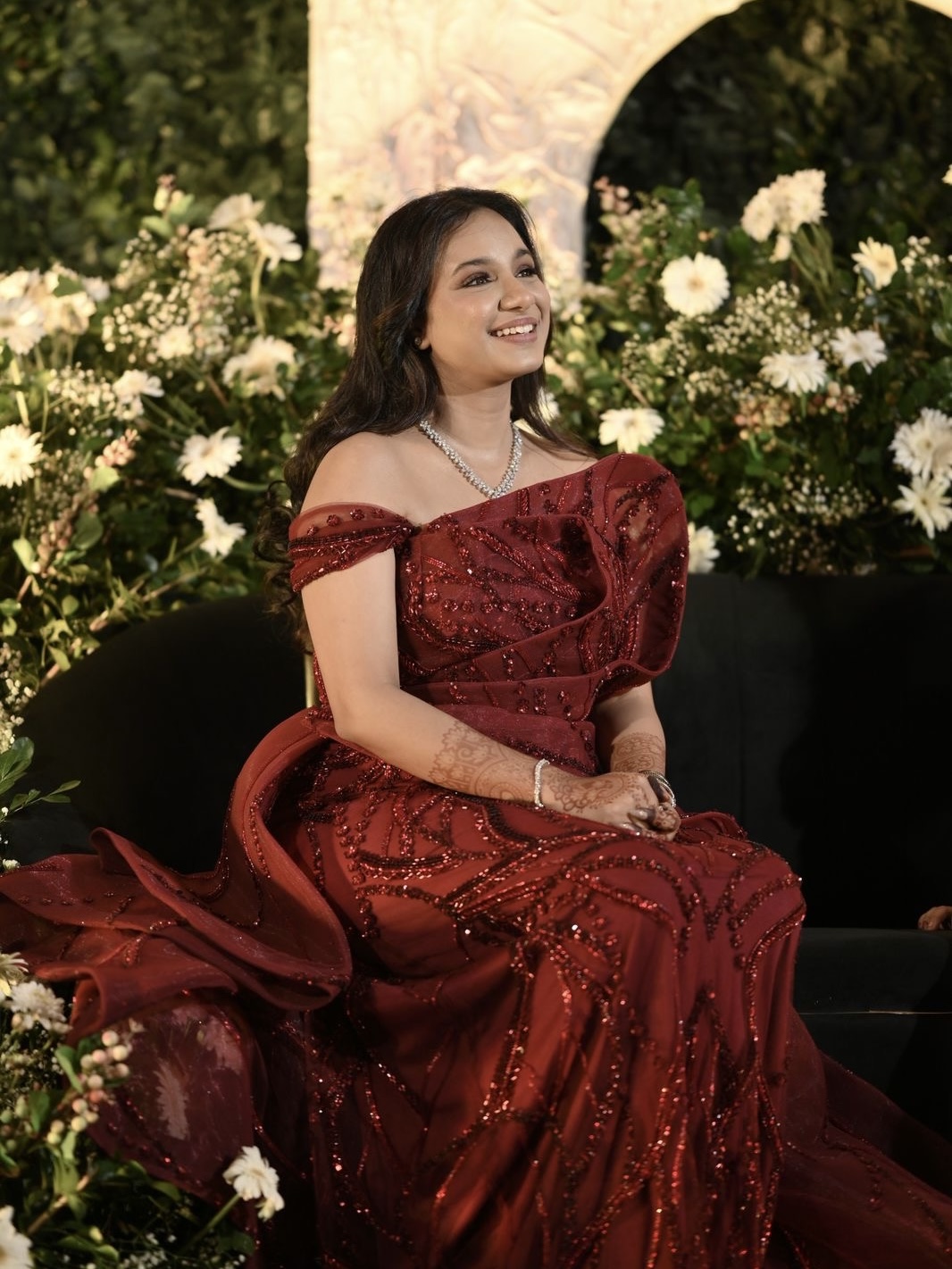

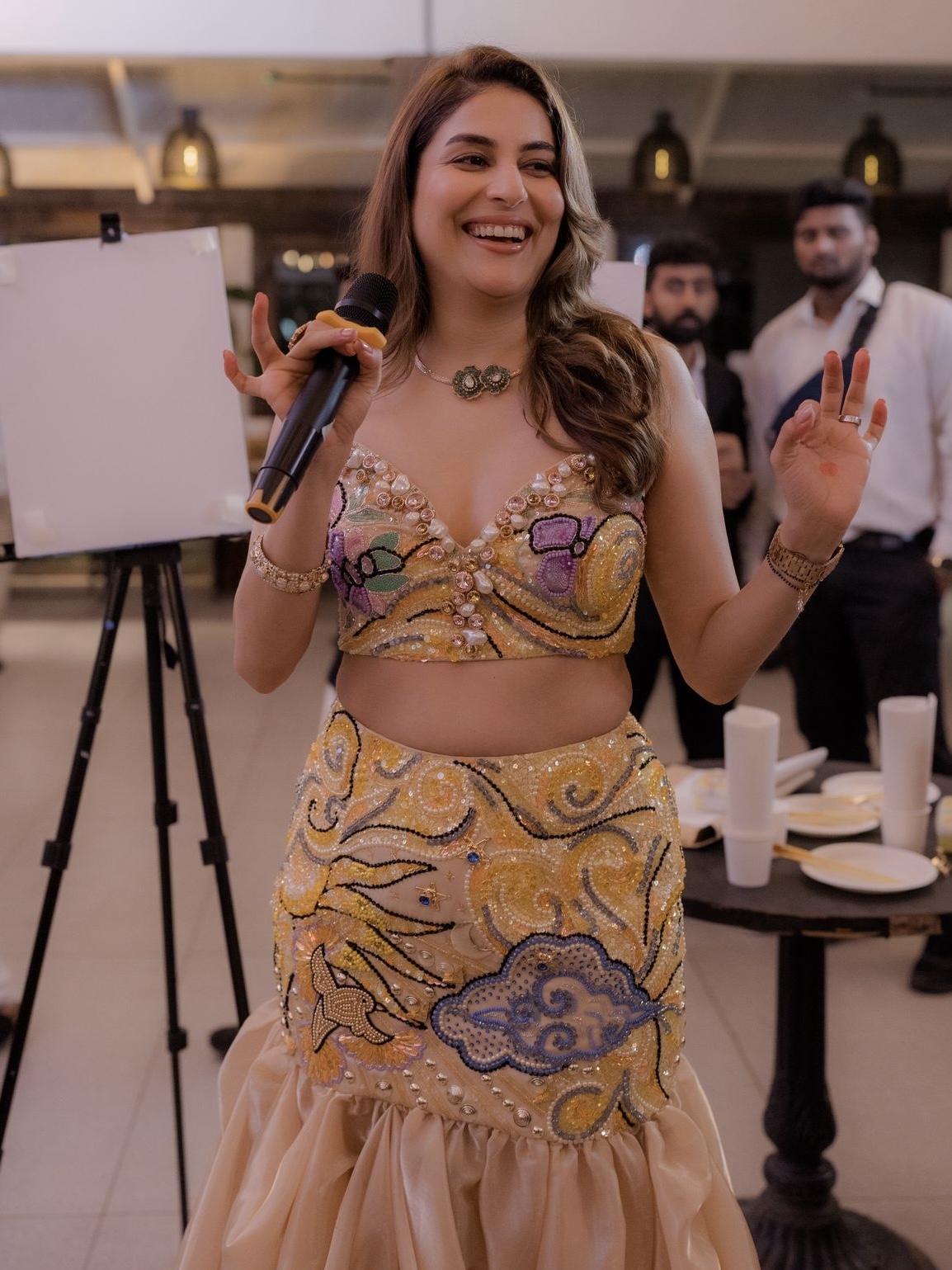
What’s refreshing here is that this shift isn’t about minimalism as an aesthetic trend. It’s about discernment. About knowing when jewellery is adding to you, and when it’s just adding on. “I feel like a bride should wear the jewellery as opposed to the jewellery wearing the bride,” says Karmaa. It means you can choose a choker over a full set and still feel complete. You can skip the matching earrings without guilt. You can wear one exceptional piece and let it do the talking. You can care about clarity and craftsmanship more than carat size, and sleep very well at night.
The Pieces That Actually Do The Work
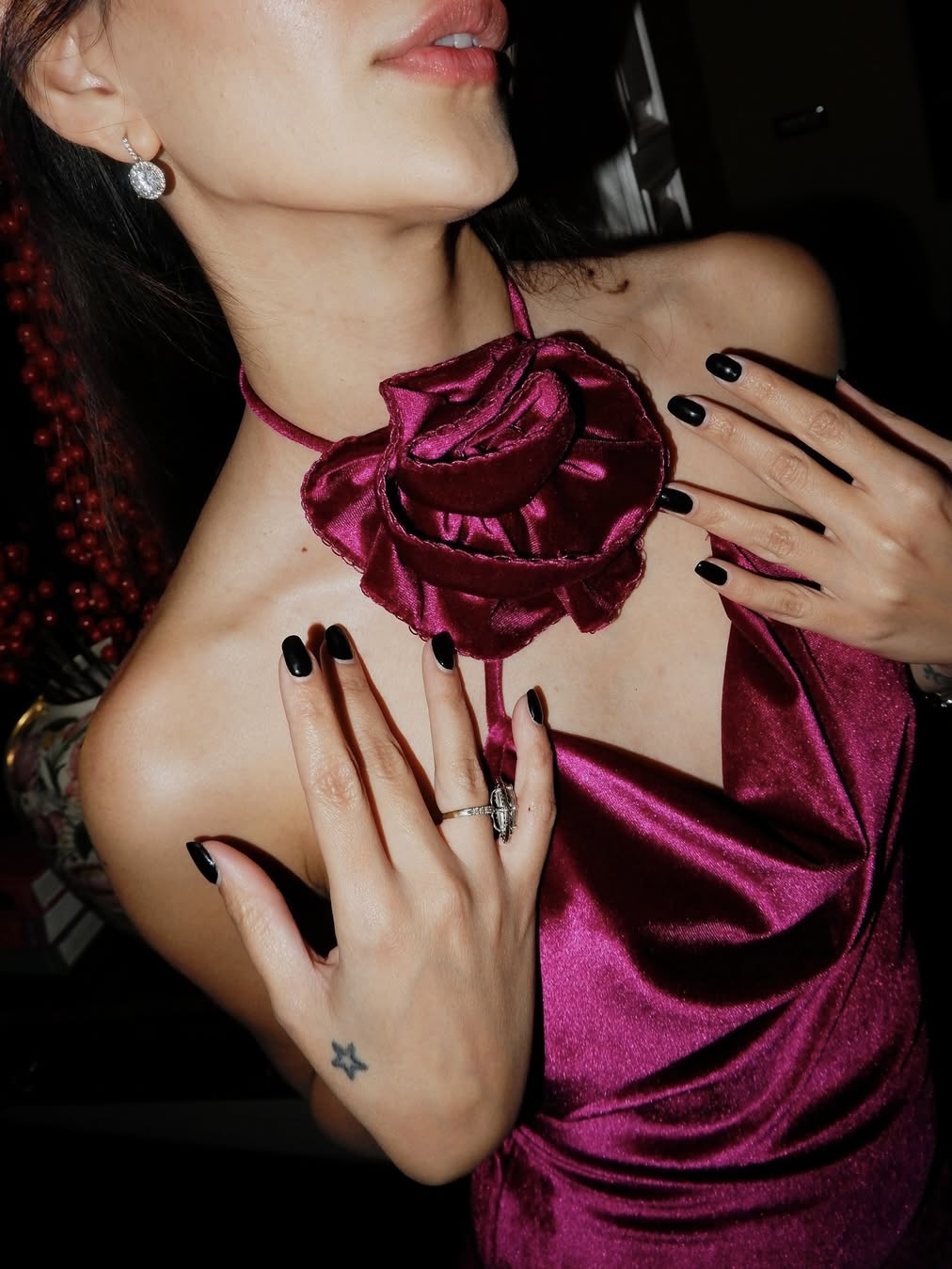
If there’s one thing both conversations make clear, it’s that a modern bridal diamond trousseau isn’t built around categories, it’s built around behaviour. For Shubhika, a diamond choker is a must-have. “I think a diamond choker is really underrated.” What makes it essential is how naturally it slips into everyday life. “It looks stunning with a saree, with a blazer, with a crisp white shirt.” That kind of versatility is the holy grail. “Really good natural diamond studs are also very crucial to have,” Ishani insists. “Studs are a classic piece to hold on to, especially when you need a no-brainer option to pair your statement jewellery with,” adds Karmaa.
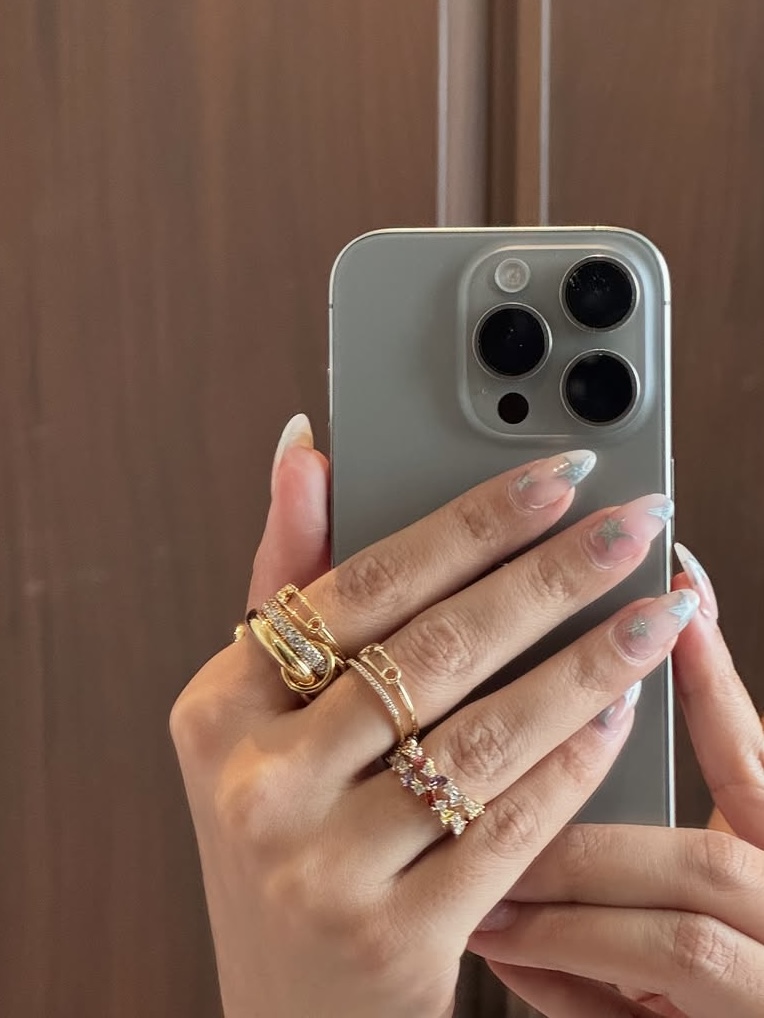
Then there are the multitaskers: the pieces that behave differently depending on how you treat them. Karmaa’s tennis necklace is a perfect example. “I wear it as a necklace, I wrap it around my wrist and wear it as a bracelet. It goes with Indian as well as western wear.” Rings, too, emerge as deeply emotional essentials. Ishani suggests buying “a ‘me’ ring: a natural diamond ring that’s just for you.” Meanwhile, Shubhika speaks about her engagement ring with affection. “It’s three brilliantly cut stones put together. It’s such a conversation starter. There’s no girl who’s ever seen my ring and not said, ‘Oh my God, that’s so beautiful.”
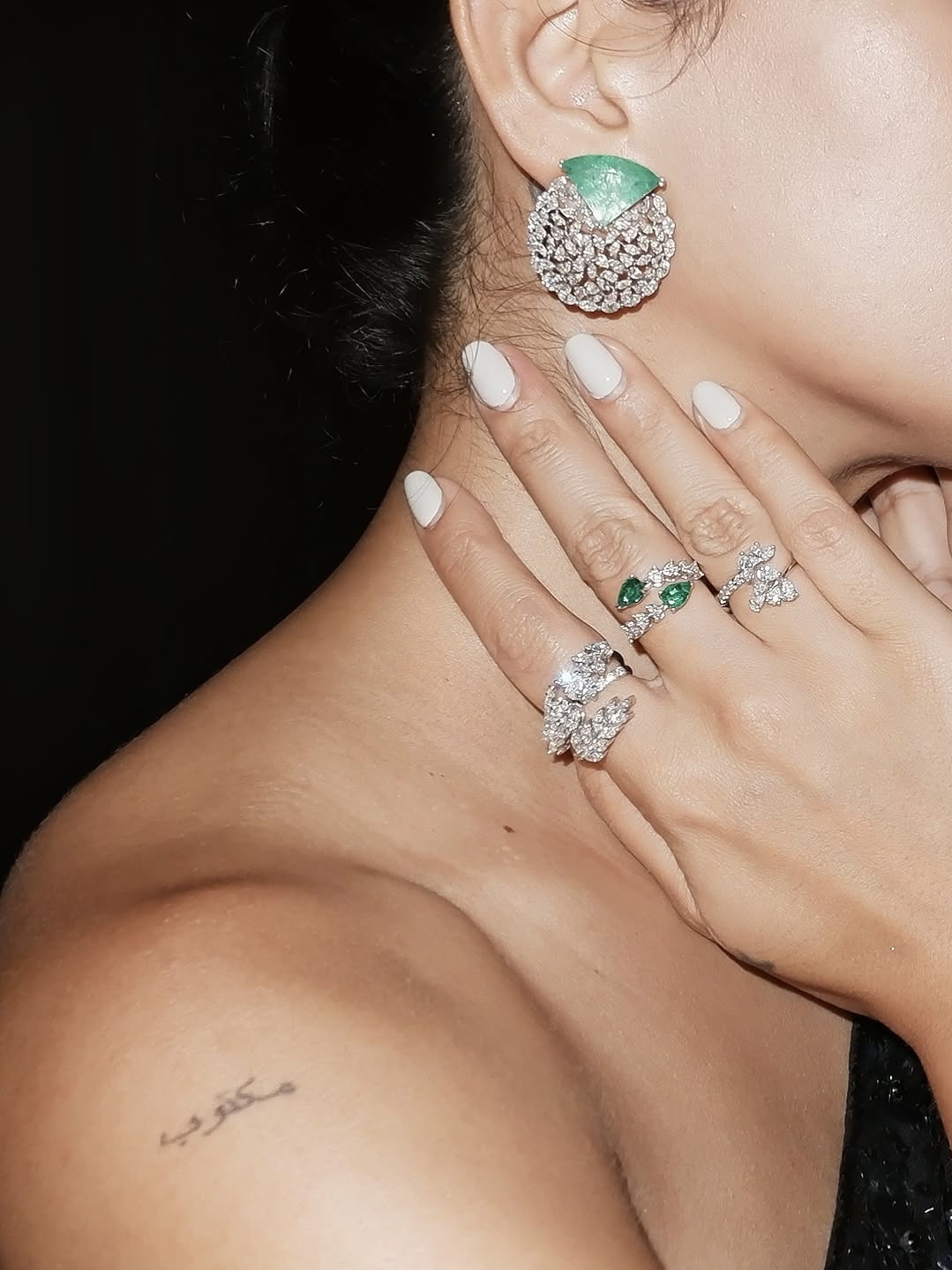
The Golden Rules, Or, What We’d Tell A Friend Before Her First Jewellery Appointment
By the time you reach the end of this process—after the trials, the misfits, the almosts and the definite nos—you realise something quietly comforting: building a bridal diamond trousseau doesn’t require encyclopaedic knowledge or rigid rules. It requires one very honest conversation with yourself. “I understood pretty quickly that just because a piece looks amazing in a glass box doesn’t mean it’s going to feel like me. I wanted my trousseau to feel like my style, just leveled up. And whenever you’re in doubt, go for meaning over size,” shares Ishani.
“Choose diamonds the way you choose love,” Shubhika says. “Very slowly, intentionally, with respect to its story, its origin, where it’s come from, where it’s going.” She’s firm about what doesn’t belong in the process too. “It shouldn’t feel rushed, performative, or loud. True diamonds just really glisten. And they last.”
A bridal diamond trousseau, when done right, doesn’t feel heavy or overwhelming. It feels reassuring. Familiar. Like something you’ll grow into, rather than grow out of. And perhaps that’s the most modern takeaway of all: the best trousseaus aren’t built to impress a room. They’re built to stay.