The Diamond Resolutions the Cool Girls Are Making
In 2026, diamonds aren’t impulsive buys—they’re reimagined heirlooms, milestone markers and deeply personal.
For years diamonds have been framed through romance, spectacle or status. But among a new generation of women they’re being reclaimed with intention. For them, diamonds represent moments earned, futures planned and identities shaped over time. See what some of the coolest women we know had to say about their diamond resolutions in 2026.
Simran Moorjani, Farmer & Agricultural Consultant
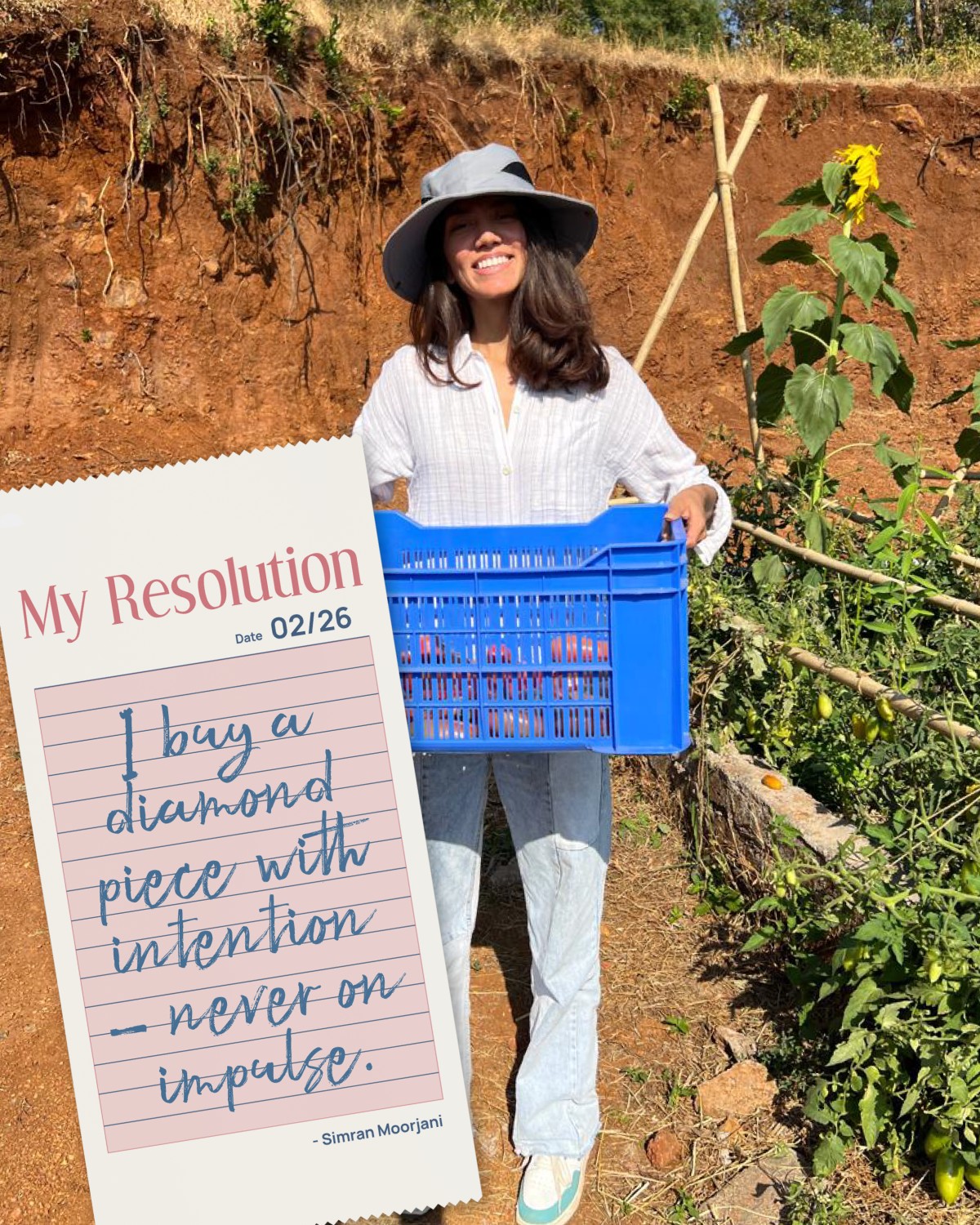
How has growing up around diamond craftsmanship shaped how you think about owning diamonds?
I grew up watching my mother study, grade, design and sell jewellery. As a self-declared tomboy, I thought diamonds were too precious for someone like me. Growing up with them however, and with more than a few nudges from my mother, I now admire diamonds. My personal jewellery collection is made up of tiny treasures, jewellery I know I’ll do justice to. My favourite is a beetle pendant. Just back from living at the farm, away from the city, my mother gifted it to me during [that year]. I love this pendant and I’m always planning outfits that allow me to wear it.
As a young woman planning for the future, what does a ‘diamond resolution’ look like for you in 2026?
I’m a proud Sindhi woman. During the partition, most of us fled Pakistan to come build a life in India. Unable to carry much during the partition, my grandmothers saw jewellery as a tangible asset — something to own and treasure. So to me, they’ve always been an intelligent investment: an asset you can wear and enjoy thoroughly.
While I haven’t got a next purchase in mind, what I do religiously is make a purchase involving diamonds and gold every Dhanteras. Something small, something I use wholeheartedly through the year until I have another piece to join it.
Shubhra Vaity, Luxury Fashion & Beauty Creator
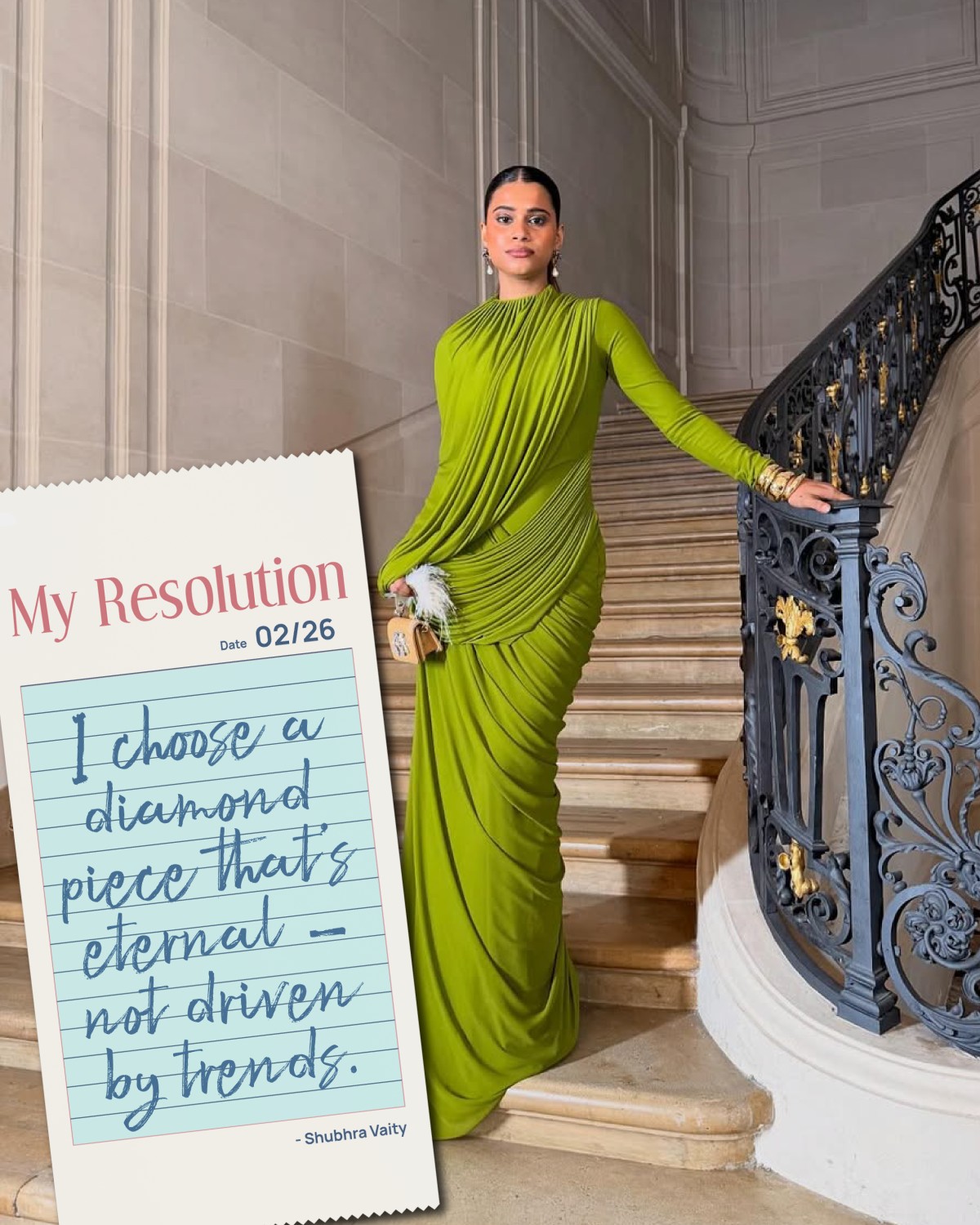
Your feed is a luxury fashion lover’s dream. As you curate a legacy wardrobe, where do diamonds fit in?
I love experimenting with jewellery and sharing the pieces that truly define my personal style. Over the last year [my 23rd], my relationship with diamonds has shifted. What draws me to them is how timeless they feel. Unlike designer bags or trend driven purchases, diamonds do not experience wear and tear in the same way. They feel permanent and personal. As my sense of style matures and becomes more intentional, I feel like my relationship with diamonds will only grow stronger.
Are there diamond silhouettes or styles you believe transcend trends—pieces you’d commit to long-term?
Lately there is so much conversation around engagement ring trends.This is something you wear for life, so basing it purely on a trend feels limiting. I think diamonds are far more meaningful when they reflect personal taste. Stud earrings, delicate tennis bracelets, classic solitaires and fine bands are ‘forever’ pieces because they do not rely on a trend to feel relevant.
Gauri Mehta, Chief Growth Officer and Financial Advisor, Basic Financial Services
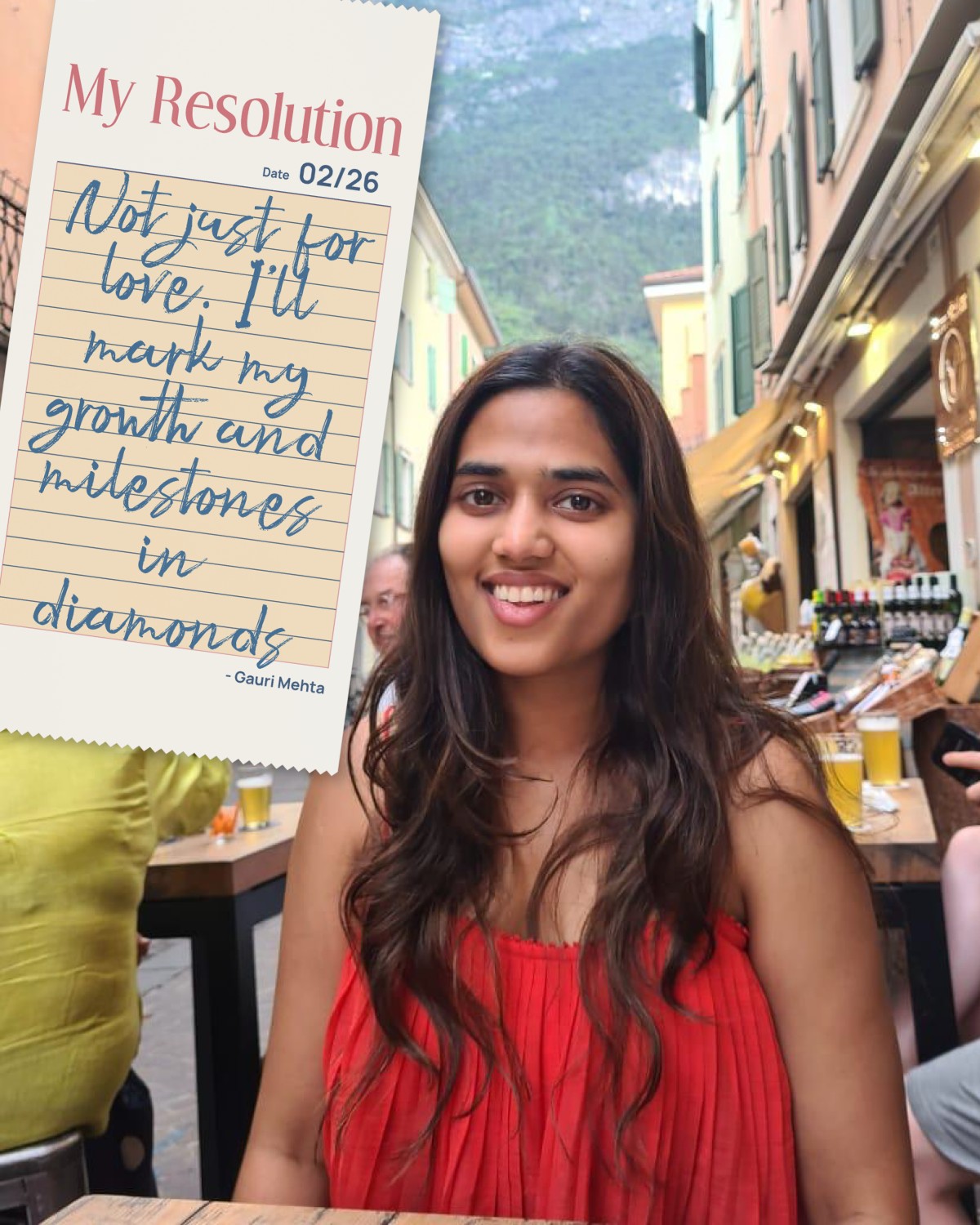
How do you personally approach diamond ownership?
For me, owning real diamonds has always been about marking milestones while also building long-term value. I always complement purchasing diamonds with gold, so it is definitely a hybrid perspective.
The first time I earned a bonus, I bought a ring for myself—nothing extravagant, just a white gold ring with small diamonds. It was my way of celebrating a strong professional year. I’m glad I did. That small piece of gold has appreciated too, and it’s worth more today—both emotionally and financially.
What advice do you give first-time investors who want to balance emotional purchases with financial discipline, and how can diamonds fit into that framework?
First time investors are in the very naïve stage of a wonderful journey. In my experience, emotions and money often pull in opposite directions. Diamonds make a woman feel like she can accomplish anything—but so does investing toward a future corpus. The best way I’ve found to manage this conflict is by putting numbers to emotions. A simple starting point is a classic budgeting framework: 50% of your income towards needs, 30% towards wants, and 20% toward long term investing. This framework isn’t meant to be rigid; it’s meant to be a north star and reaffirm that as long as you’re consistently investing a portion of your income, feel-good purchases don’t have to lead to regret. In fact, for me personally, they do the opposite. They boost my confidence and make me feel richer—not just financially, but emotionally too.
Aanya Jain, Co-Founder, Run Frenzy

You have built your career on your own terms. Do diamonds mark special milestones for you?
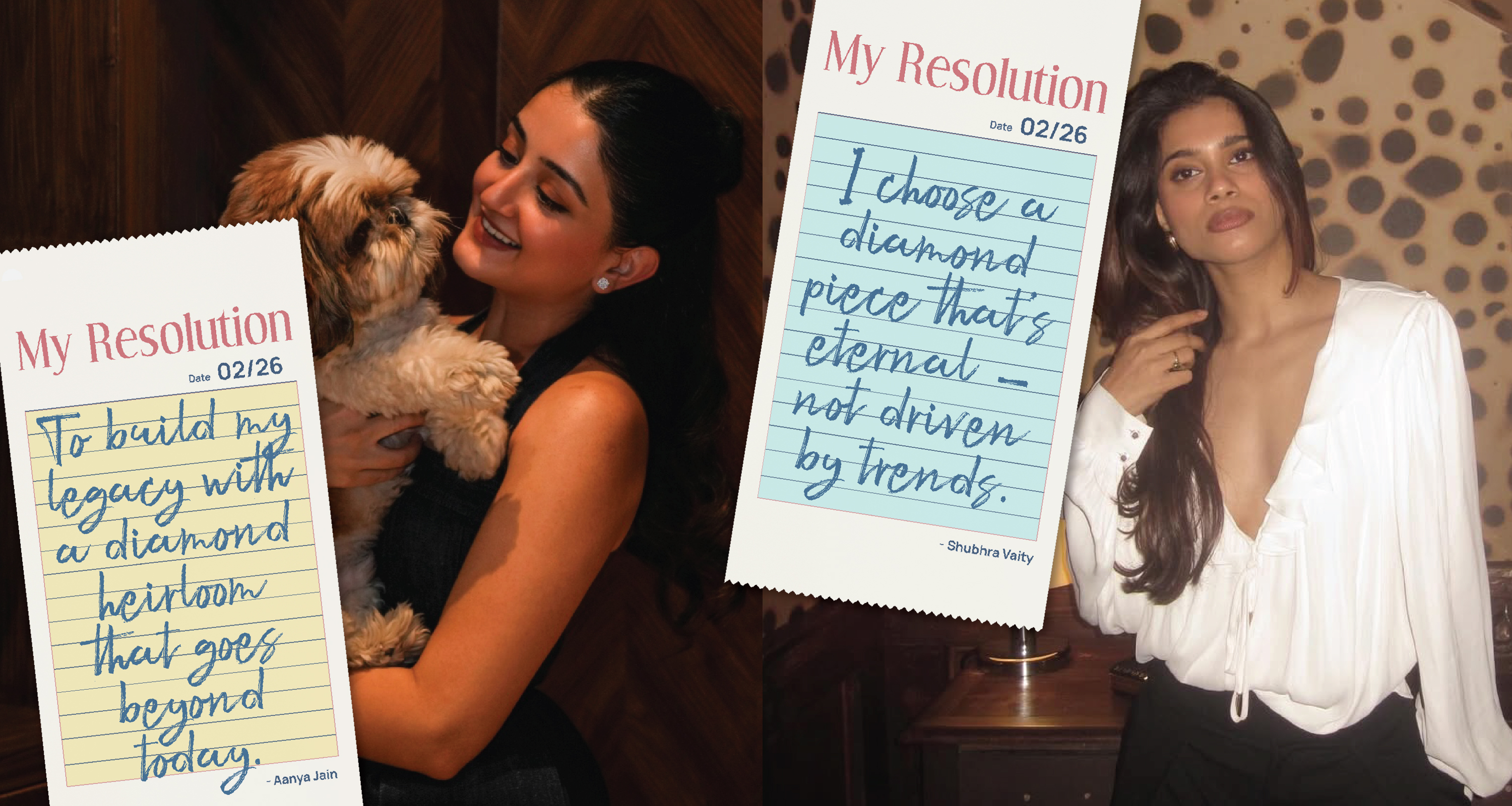
I’ve always seen diamonds as markers of personal milestones rather than purchases you make on a whim. Building my career independently has made me value those moments even more—launching my company, hitting certain goals, stepping into new phases of clarity. Interestingly, my personal aesthetic is quite maximalist—I love colour, boldness and drama. When it comes to diamonds however, I’m drawn to the opposite—clean cuts, softer edges and timeless silhouettes.
In the first year of running my company, I redesigned my grandmother’s natural diamond piece adding a few stones and resetting it to make it my own while still honouring her [legacy]. That experience really shaped how I see diamonds: not just as jewellery, but as heirlooms that evolve with each generation.
When you think about making a real diamond purchase in 2026, what kind of intention sits behind it?
I grew up seeing diamonds passed down in my family—pieces my grandmother wore that my mum now has so I’ve always associated them with continuity, not consumption.
I also remember how naturally she wore her diamonds every day, even at home. They weren’t reserved for occasions, they were part of her femininity, sense of self and quiet ritual of getting ready. I grew up watching the intention with which she chose, stored and polished each piece. It taught me that diamonds weren’t just jewellery, they were deeply personal. So if I’m buying a diamond, it’s not for who I am right now. It’s for the woman I’m becoming, and eventually for someone after me. It’s one of the few things you buy knowing it will outlast you.
Around the time we started Run Frenzy, my parents gifted me 3-carat solitaire studs. They felt symbolic—a quiet vote of confidence. I wore them through the early days as small wins turned into something real. Now, three years in, I feel drawn to 5-carat solitaires—not for the size, but for what they represent. It’s a way of marking growth, of honouring how far we’ve come. Almost like upgrading the milestone, not the jewellery.
Nefertari Joshi, Founder, Nef’s Finds
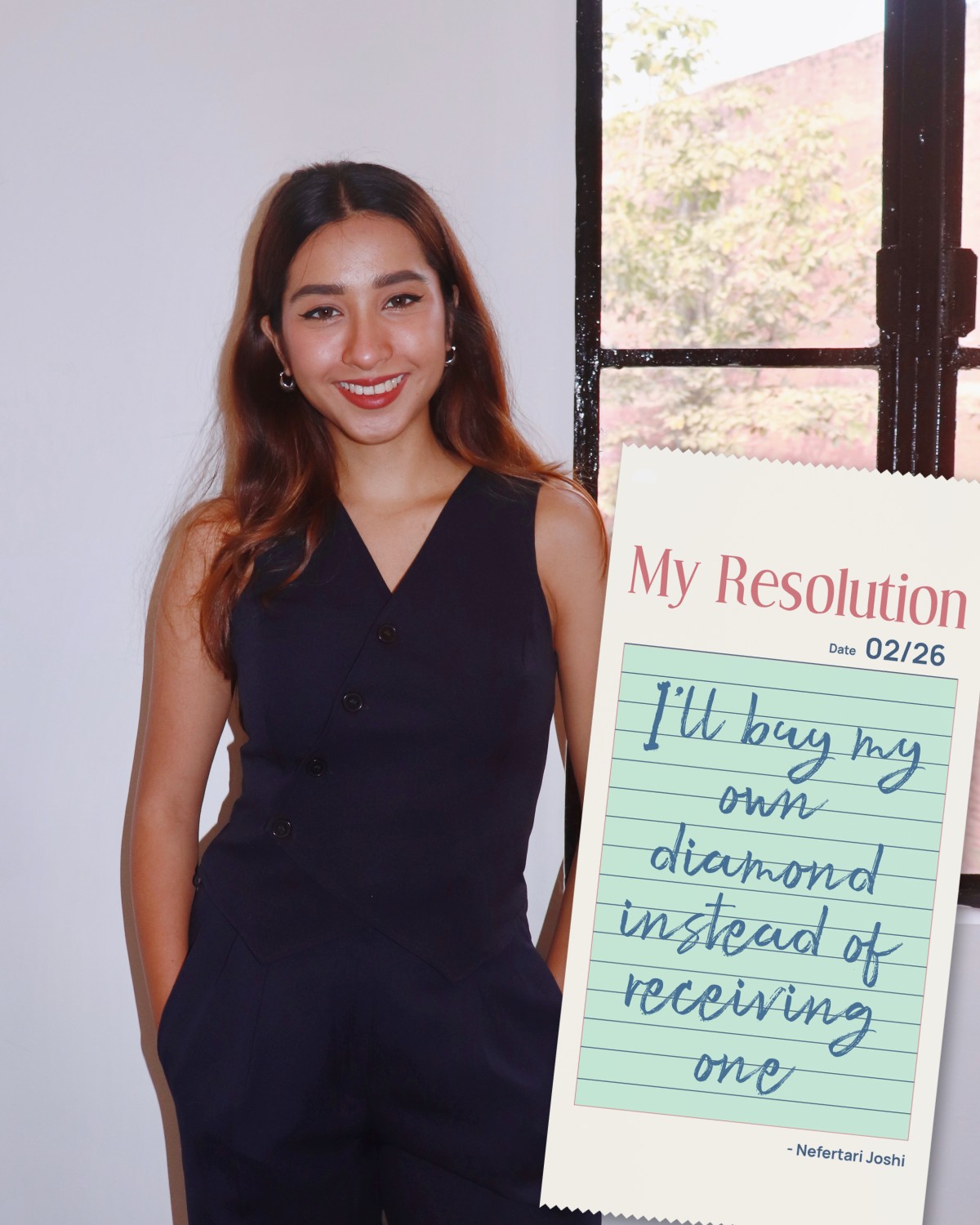
What does buying a diamond with your own earnings represent to you, compared to receiving one?
Buying a real diamond with my own earnings feels like an act of self-recognition. It’s not loud or performative, it’s deeply personal. Receiving one is meaningful in a different way, but buying one for myself is about autonomy.
Is there a specific moment you’re waiting to mark with a diamond?
The moment Nef’s Finds truly stands on its own—when it’s bigger than just me, has its strong systems, the team is thriving, and the brand exists independently of my constant presence. That milestone deserves something enduring because it represents patience. A diamond feels fitting for that moment because it doesn’t fade.