A First-Generation Designer’s Case for Natural Diamonds
For Chitwn D Malhotra, jewellery was never meant to remain locked away. Through memories of family, inheritance, and her practice, she reflects on the enduring emotional intimacy of natural diamonds.
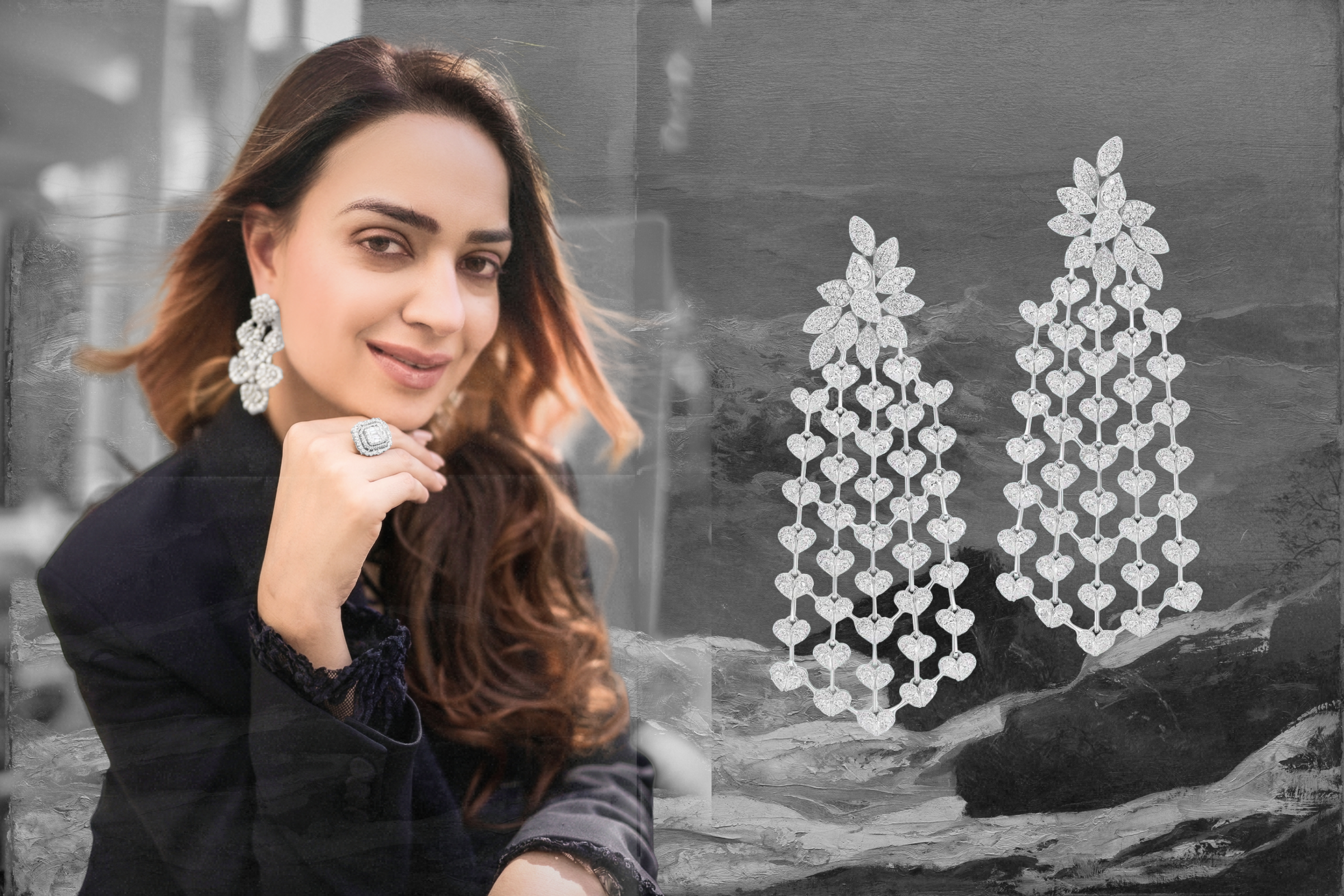
A first-generation jewellery designer and founder of Dillano Jewels, Chitwn D Malhotra reflects on why natural diamonds continue to hold permanence—both personally and within her practice.
There’s something about natural diamonds that resists the language of transaction as we know it. Around them, neither the maker nor the wearer remains confined to the roles of seller and buyer. Instead, they slowly accumulate memory, becoming tied to inheritances, milestones, and the emotional weight of knowing that something existed long before us and will likely continue existing long after. Perhaps that is why natural diamonds are rarely spoken about only in terms of ownership. More often, they are remembered through people or a timeline—a mother’s earrings, a grandmother’s necklace or a ring tied to a particular moment in someone’s life.
Meet the Experts
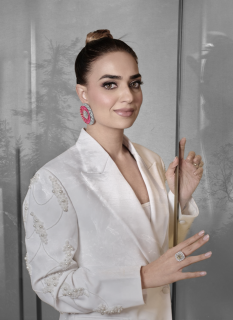
Chitwn D Malhotra is the founder and creative director of Dillano Jewels, a luxury jewellery house celebrated for its bold, contemporary designs and exceptional craftsmanship. A GIA-accredited jewellery analyst and gemology expert, she is known for creating timeless natural diamond pieces that blend artistry with everyday wearability.

Manica Pathak is a writer and former designer, translating industry insight into thoughtful narratives.
Her work spans fashion, design, art, and culture, spotlighting homegrown India through exclusive deep-dive interviews and independently researched editorial features.
Earliest Memories: How Natural Diamonds Became Personal

For Chitwn D Malhotra, founder of Dillano Jewels, this relationship with natural diamonds began long before she entered the jewellery industry herself. “The earliest memory is of my mother’s jewellery and the women in my family who wore diamonds that were anything but subtle. The way the diamond jewellery caught light and completed a look felt powerful, and that stayed with me,” she recalls. Beyond the visual fascination, however, was the emotional devotion surrounding them: the anticipation of buying them, the care with which they were worn, and the meaning they quietly accumulated over time, that stayed with Chitwn. “Growing up, I saw how they would slowly save, penny by penny, to buy a piece and cherish it, she adds, explaining how aspirations and memories to each natural diamond were attached long before it was purchased. “That made me realise how much a woman can love her jewellery,” she reflects. In many ways, it shaped her understanding of diamond jewellery as something that extends beyond material or ornamental value.
“For me, natural diamonds have always been deeply personal. I never thought of them as something that you just wear. They are a way to express a sense of self and confidence, signalling presence and personality without needing to explain anything verbally,” says Chitwn.
Explaining that even for her, certain pieces have become deeply tied to different phases, moments of personal growth, and journeys within her own life.

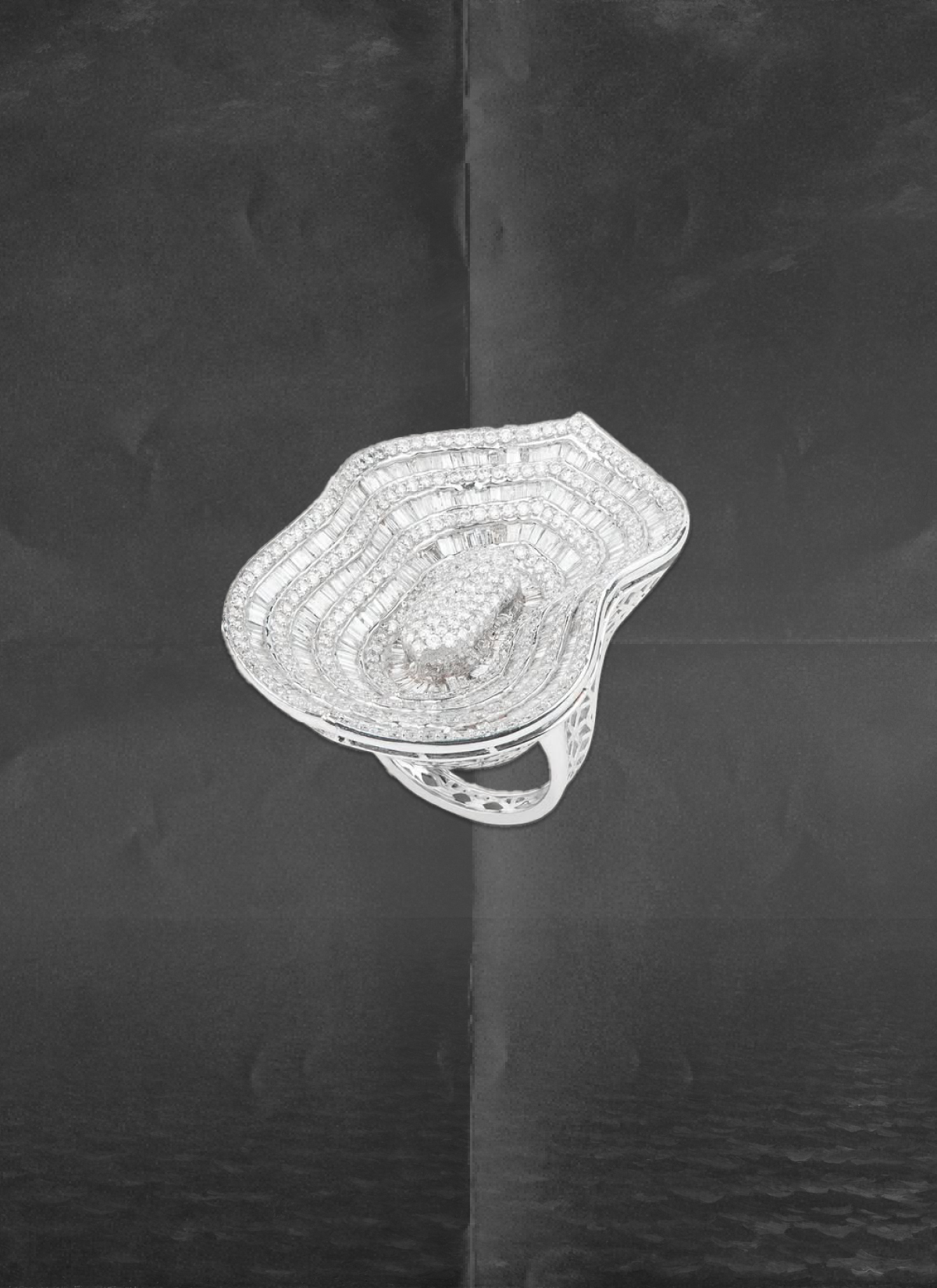
An Affinity for Natural Diamonds Inspired A Distinct Design Philosophy
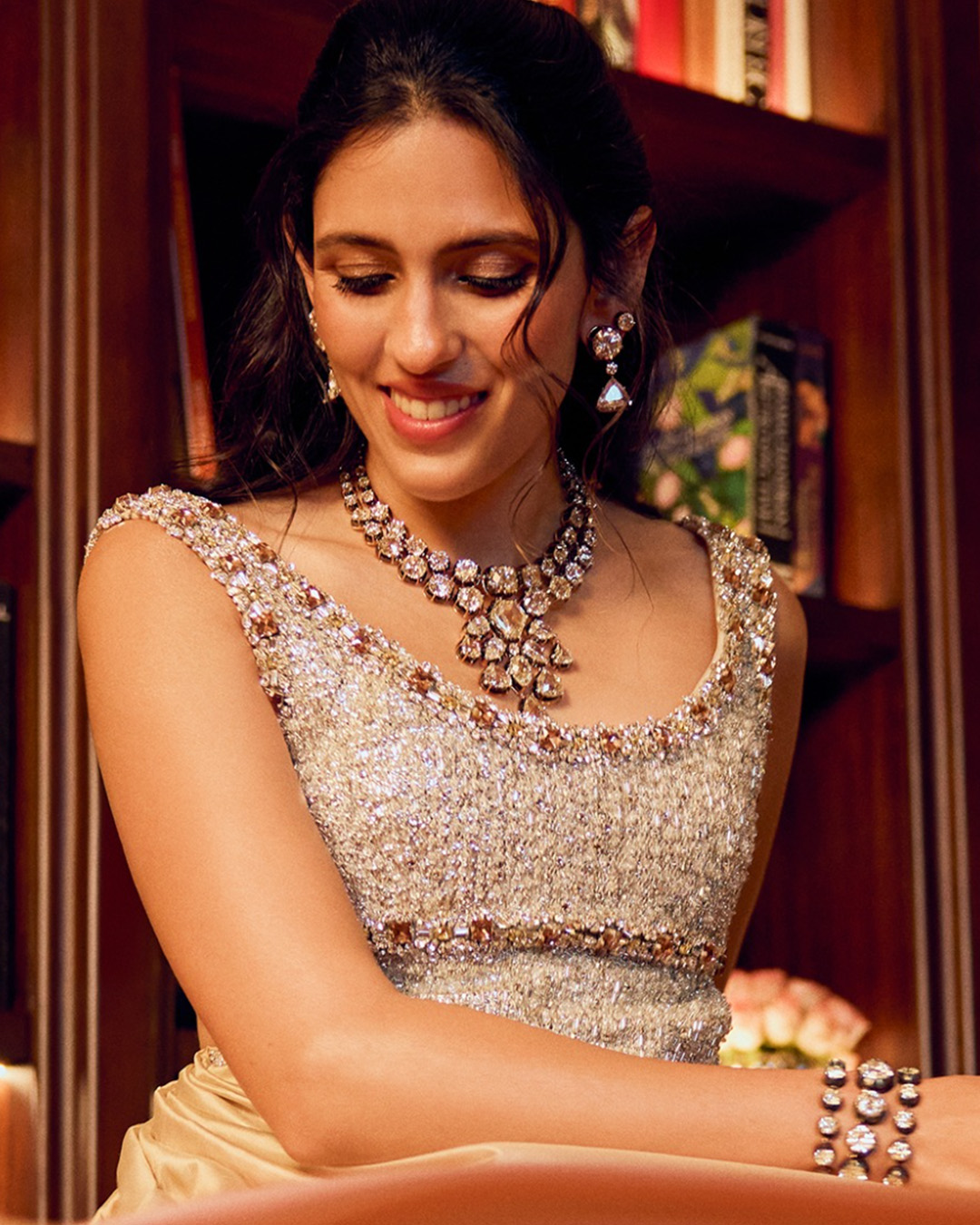
Years later, when Chitwn launched her own brand at the age of 21, this deeply personal understanding of natural diamonds began to shape the kind of jewellery she wanted to create. At the time in India, “Diamond jewellery was largely heavy and bridal, and I failed to understand why it was such a formal element. Most women had just a few pieces they wore regularly, while the rest stayed locked away for years between uses,” she notes. “They usually kept one ring, one bangle, and one pair of earrings for everyday wear.” That disconnect eventually led her towards a philosophy that continues to define both her relationship with natural diamonds and, later, her design practice: “Jewellery is not meant for lockers. It is meant to be worn every day and enjoyed,” she asserts. Rather than treating natural diamonds as objects reserved only for occasions, Chitwn became interested in how they could exist within everyday life instead—worn comfortably, and repeatedly.
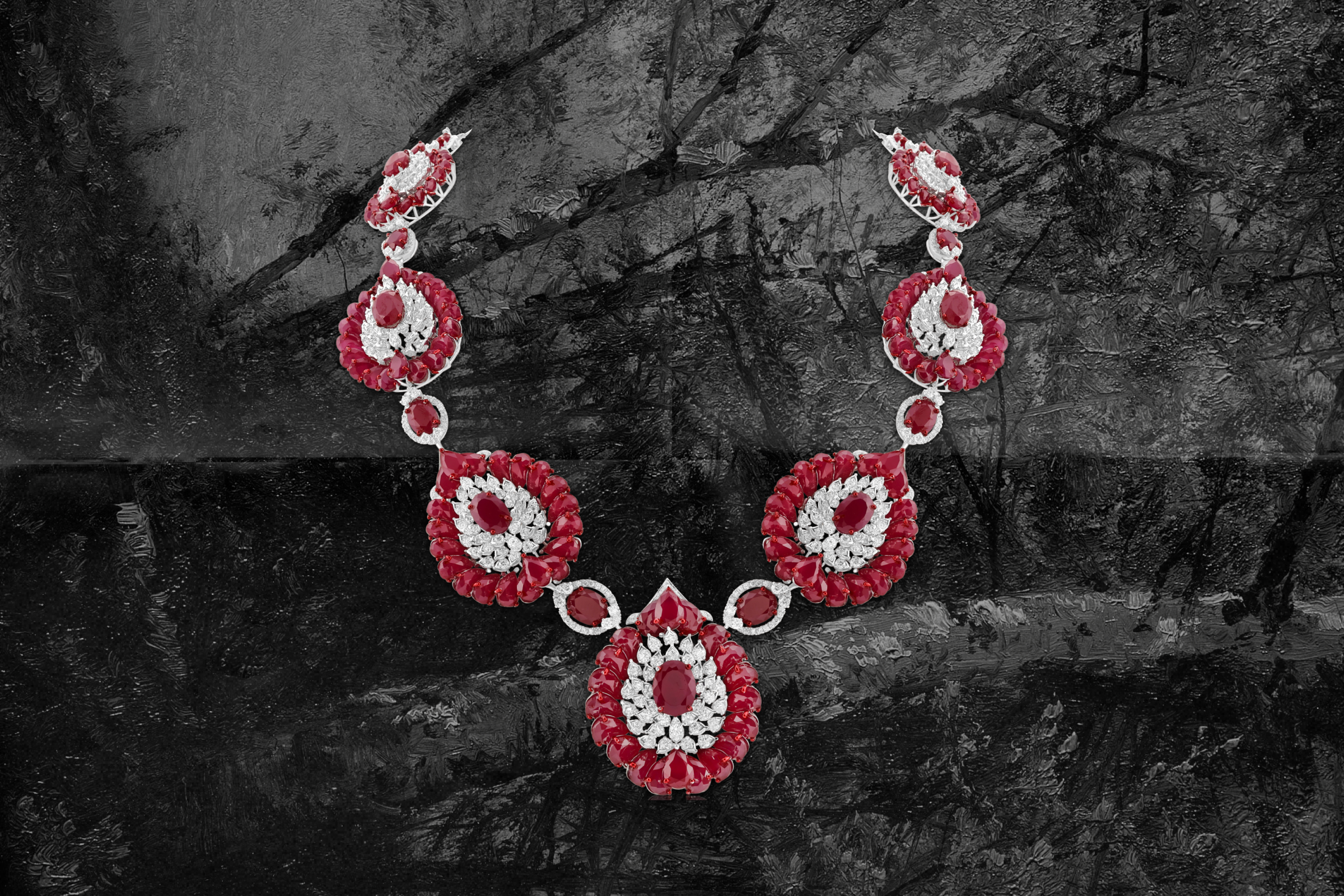
A More Intuitive Approach To Traditional Ideas
This intimacy with jewellery also informs the way she thinks about luxury today. “It is what makes you feel comfortable and beautiful and, from within, gives you confidence. Even if it’s something simple, if you can wear it and still feel expressive and completely at ease, that to me is luxury,” she says, and by extension, this perspective also shapes the way she designs with natural diamonds themselves. It stands in contrast to the conventional idea of luxury and trend-led consumption often surrounding diamonds.
“When it comes to natural diamonds, for me it has always been about the individual—who you are, how you express yourself, and what feels instinctive to your personality,”
explains Chitwn.
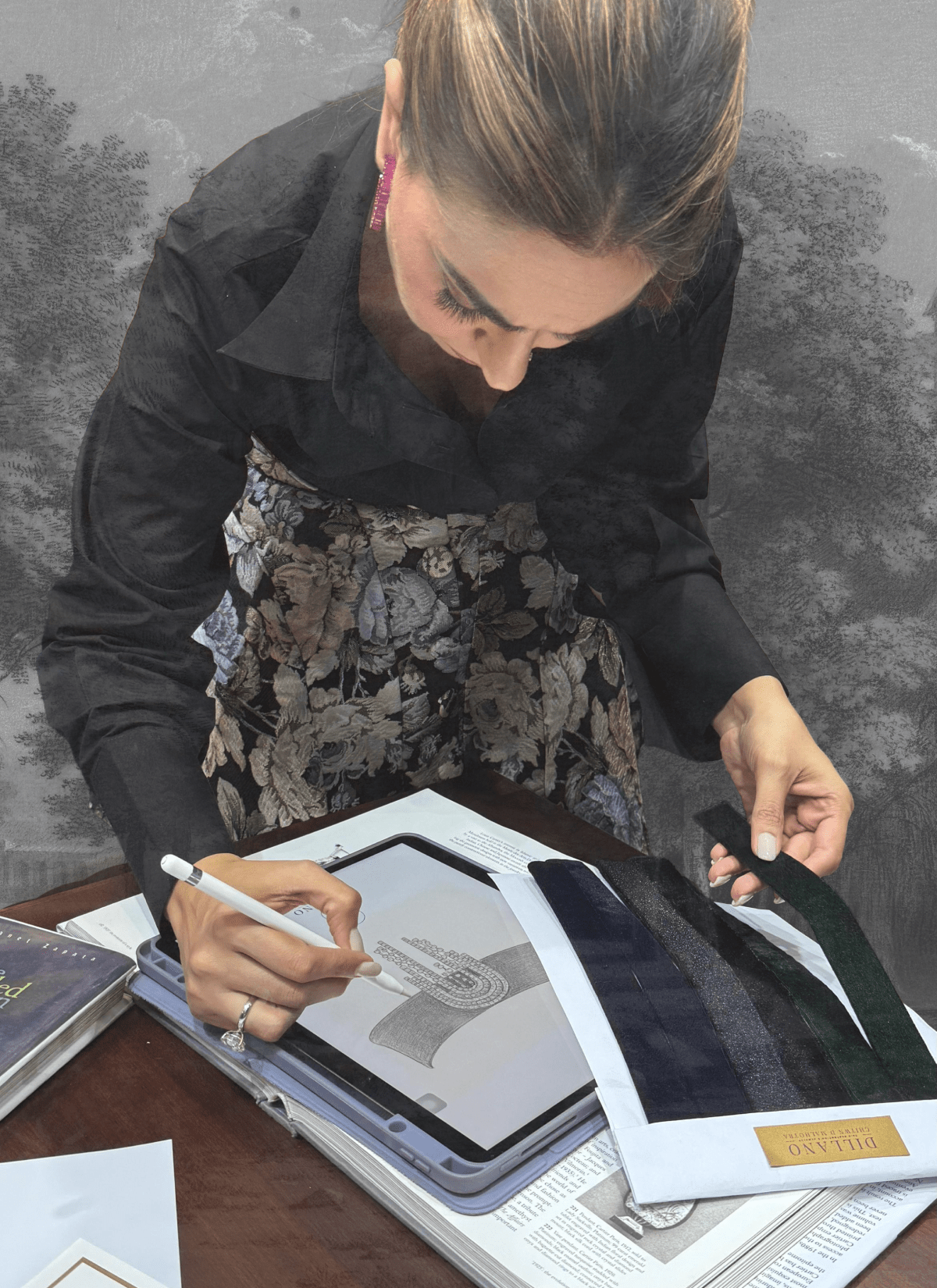
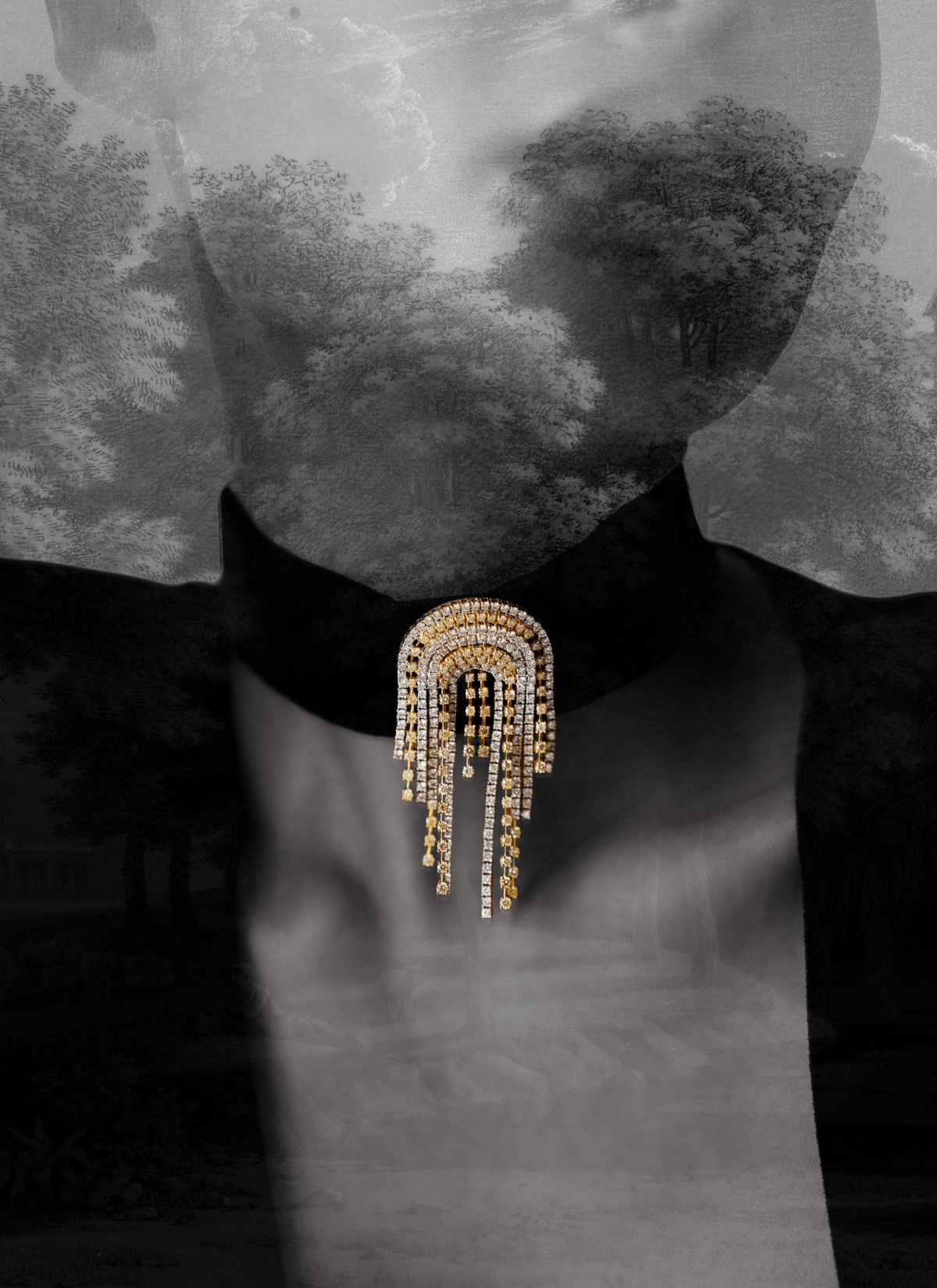
Rather than viewing natural diamonds purely through the lens of extravagance or occasion, she sees them as deeply personal objects meant to feel instinctive to the wearer. “Some people naturally gravitate towards bold statement pieces, while others feel more themselves in something understated. I have always wanted natural diamonds to reflect that individuality rather than a fixed idea of what luxury or jewellery should look like. That’s why, when designing natural diamond pieces, I strongly prefer customising everything.”
What Continues To Set Natural Diamonds Apart
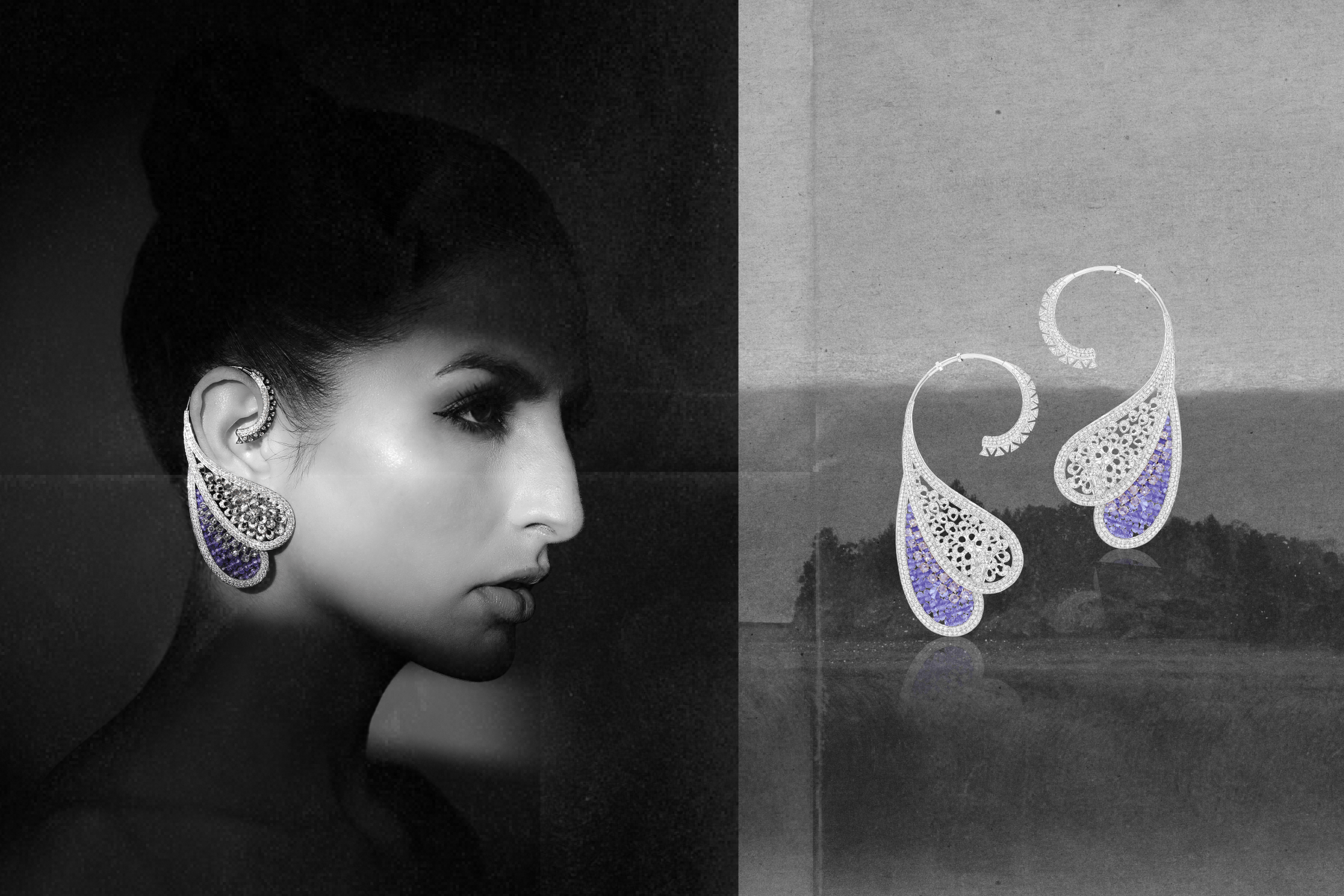
However, as laboratory-grown diamonds increasingly enter and reshape the market—offering visual similarity, wider accessibility, and more competitive pricing — Chitwn continues to argue that natural diamonds still hold a stark distinction and occupy an entirely different emotional space, something she believes laboratory-grown diamonds will never truly replicate. It is also why she continues, and will continue, to create around them.
“You may pass down a natural diamond, but not a laboratory-grown stone in the same way. We have seen similar trends enter the market before with alternatives like moissanite,” she says, “But the difference lies in emotion and legacy.”
That attachment is what separates natural diamonds from anything else. “They are never simply bought but also seen as a stronger investment than laboratory-grown diamonds—chosen with thought, saved for over time, and meant to be carried forward across generations. In doing so, they inherit identity and memory, shaped both by the people they are chosen for and the lives and generations they will eventually become a part of,” emphasises Chitwn.
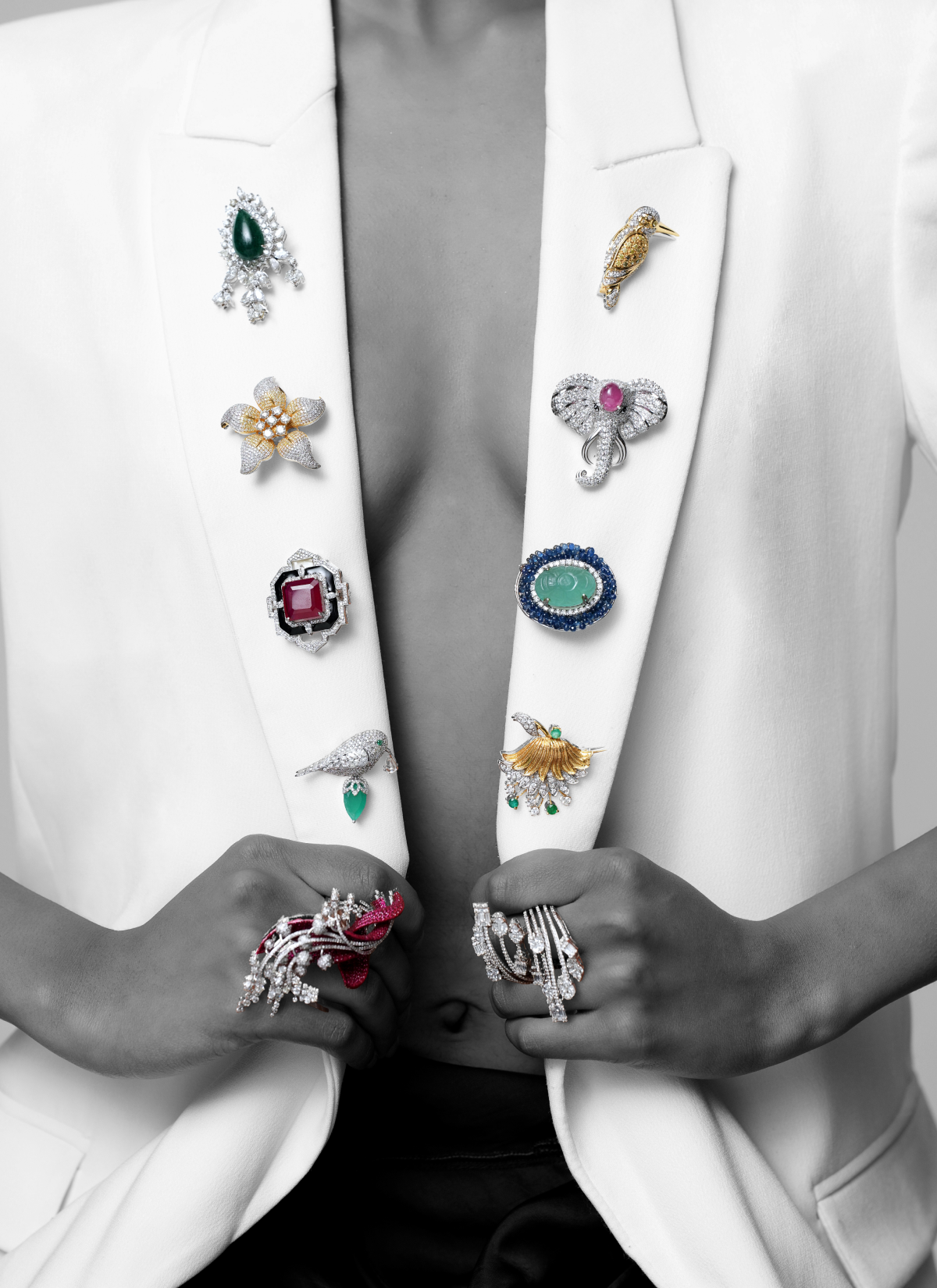
How Memory And Inheritance Become Embedded In Jewellery
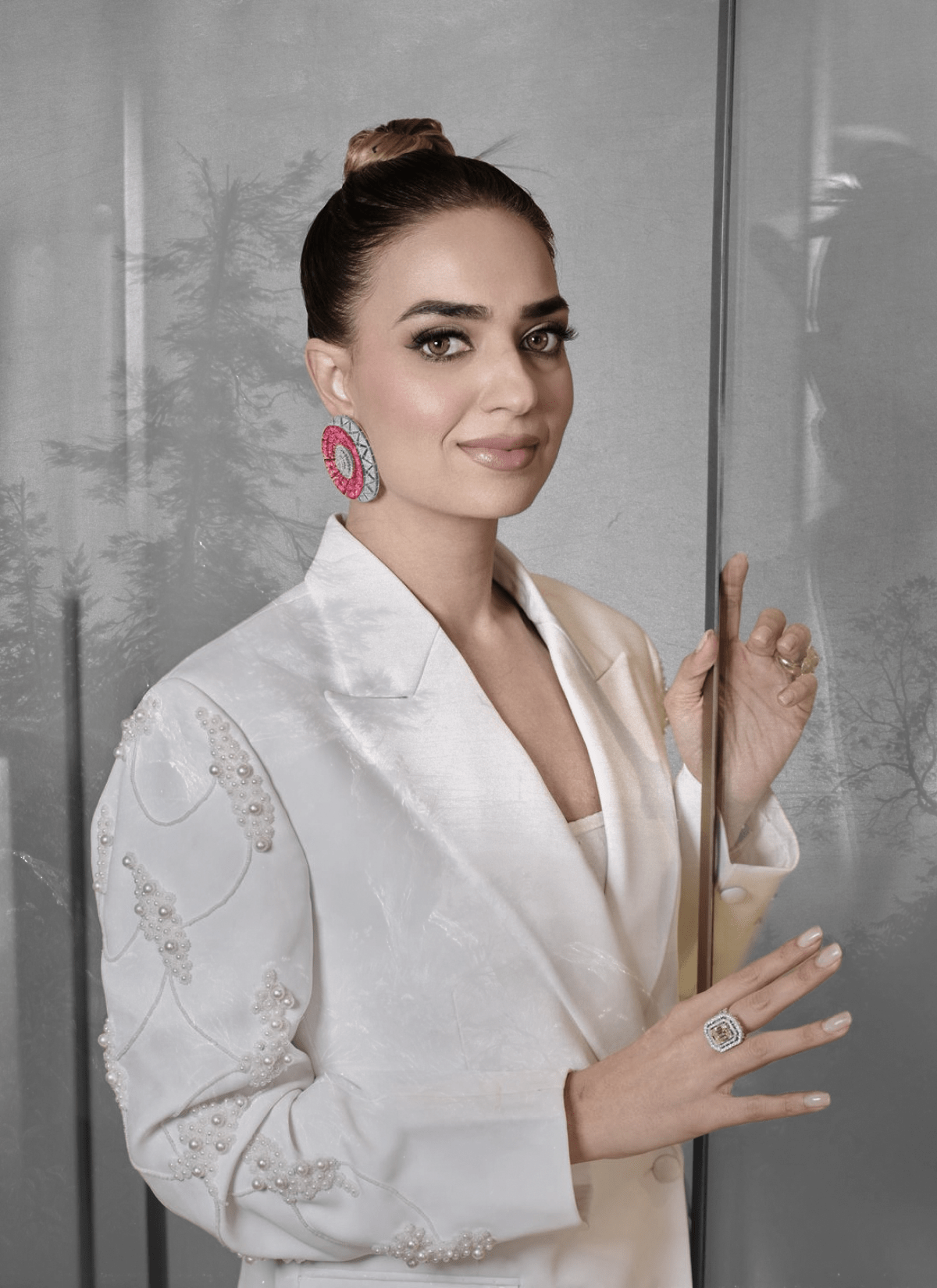
This idea of inheritance continues to sit at the centre of how Chitwn thinks about natural diamond jewellery today. “Younger generations often grow up expecting to inherit their mother’s pendant or a pair of earrings someday,” observes Chitwn. In that sense, the value of a natural diamond becomes difficult to separate from memory itself. Beyond rarity or material worth, what remains enduring is the emotional continuity attached to the object: who wore it first, what it witnessed, and who it eventually finds its way to next. Perhaps that is also why natural diamonds continue to hold a different kind of permanence within families, carrying traces of each life they pass through while moving across generations.“So, even when I sell a piece of jewellery, knowing that it will continue to be passed down, I feel like I become part of that person’s family story and the generations after that,” she says.
Newsletter