< Historic Diamonds / Famous Diamonds
The Polar Star Diamond’s Thrilling Tale of Empires, Rasputin, and Exile
From Napoleonic Europe to the era of Rasputin and the fall of Imperial Russia, the Polar Star diamond carries a history as brilliant as the 41.28-carat cushion-cut masterpiece.
Published: March 18, 2026
Written by: Grant Mobley
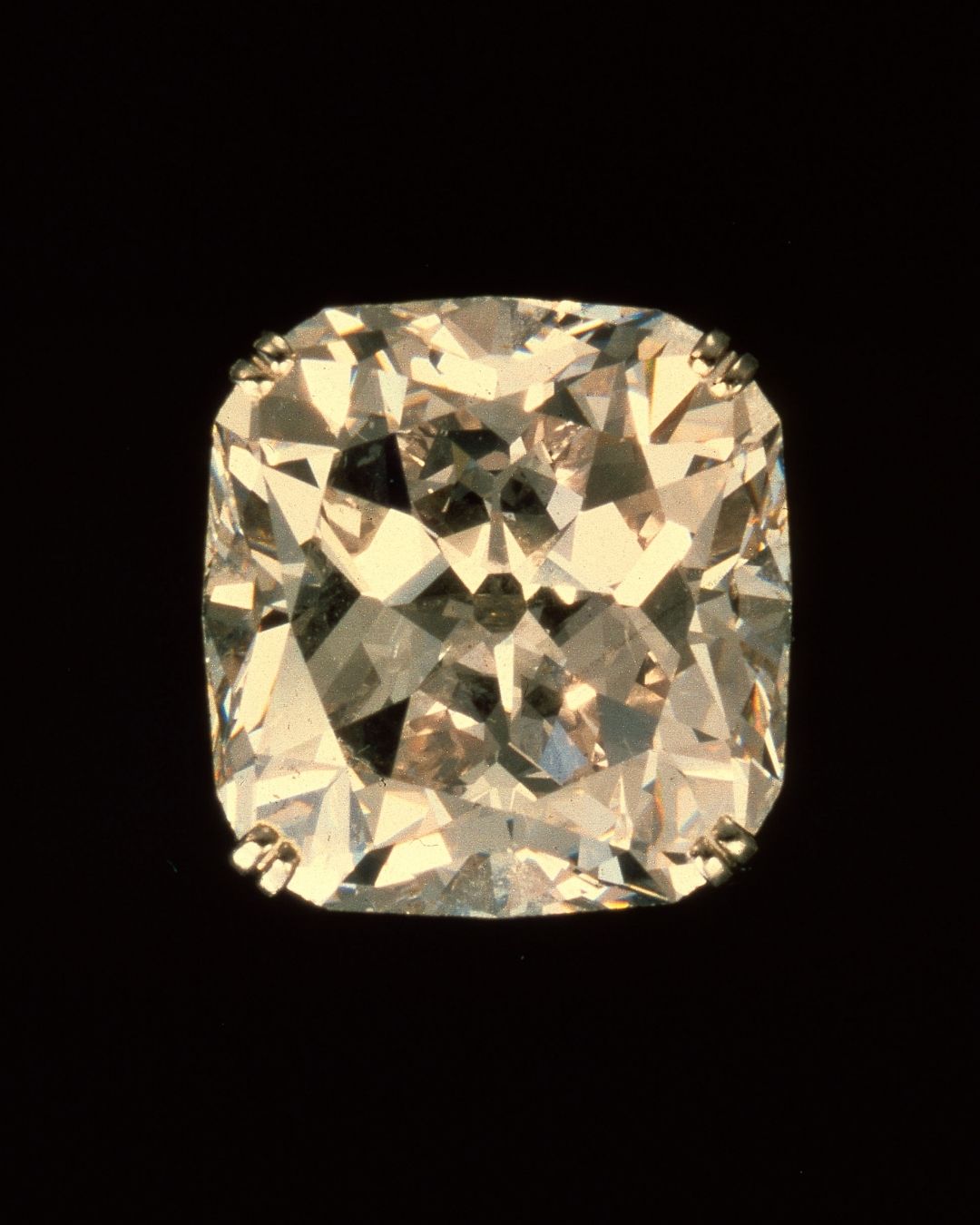
At 41.28 carats, the Polar Star diamond, a brilliant cushion-cut Golconda diamond, ranks among the great historic stones of the 19th and 20th centuries, not only for its exceptional quality but for the extraordinary path it traveled through European royalty, Imperial Russia, revolution, exile, and one of history’s most enigmatic figures.
For me, what makes the Polar Star so compelling is that it sits at the intersection of gemological importance and human drama. It is a world-class Golconda diamond, colorless to the eye and almost certainly in the D or E color range. Yet, it also played a practical role in one of the most famous aristocratic downfalls in modern history. When Prince Felix Yusupov fled Russia after the Revolution, he took diamonds with him. And among them, the Polar Star stood as one of the most important.
Meet the Expert

- Grant Mobley is the Jewelry & Watch Editor of Only Natural Diamonds.
- He is a GIA Diamonds Graduate.
- He has over 17 years of jewelry industry experience, starting with growing up in his family’s retail jewelry stores.
The Polar Star Diamond’s Golconda Origins

The Polar Star originated in the Golconda region of India, the most legendary diamond source in history. Before Brazil entered the picture in the 18th century and long before South Africa changed the modern diamond industry, Golconda supplied the world with its only diamonds. The Hope Diamond, the Koh-i-Noor, and the Daria-i-Noor all trace their roots to the same storied ground.
The Polar Star reportedly surfaced in the late 18th or early 19th century. It weighs 41.28 carats and exhibits the exceptional purity characteristic of Type IIa diamonds, the rare class of diamonds containing no measurable trace elements. These diamonds represent the purest end of the natural diamond spectrum and often possess a limpid, almost watery transparency that can distinguish them from other stones. The Polar Star also shows blue fluorescence, another intriguing trait in a diamond already rich with character.
Its name comes from the lower half of the cut. The pavilion facets form an eight-pointed star, a design feature that inspired the name “Polar Star,” after Polaris, the North Star. Accounts of the stone often repeat one astonishing claim: the cutter achieved such perfect symmetry that the diamond can balance on its culet.
Joseph Bonaparte and the Polar Star Diamond’s Royal Beginnings

The earliest known record of the Polar Star places it in the hands of Joseph Bonaparte, Napoleon’s elder brother. Joseph ruled briefly as King of Naples and later King of Spain before political fortunes shifted against him. A great lover of jewels, he reportedly acquired the diamond around 1806, paying 52,500 francs.
Joseph’s ownership gives the diamond an immediate connection to one of the most dramatic dynastic periods in European history. But his hold on both crowns and kingdoms did not last. After he fell from power, he sold the diamond before departing for the United States, where he spent the latter years of his life. From there, the stone moved eastward into the hands of one of Imperial Russia’s richest families.
The Polar Star Diamond Enters the Legendary Yusupov Collection

By the 1820s, the Polar Star had entered the Yusupov family collection, most likely through Princess Tatiana Yusupov, wife of Prince Nikolai Borisovich Yusupov. That transfer placed the diamond inside a collection that rivaled almost any royal treasury in Europe.
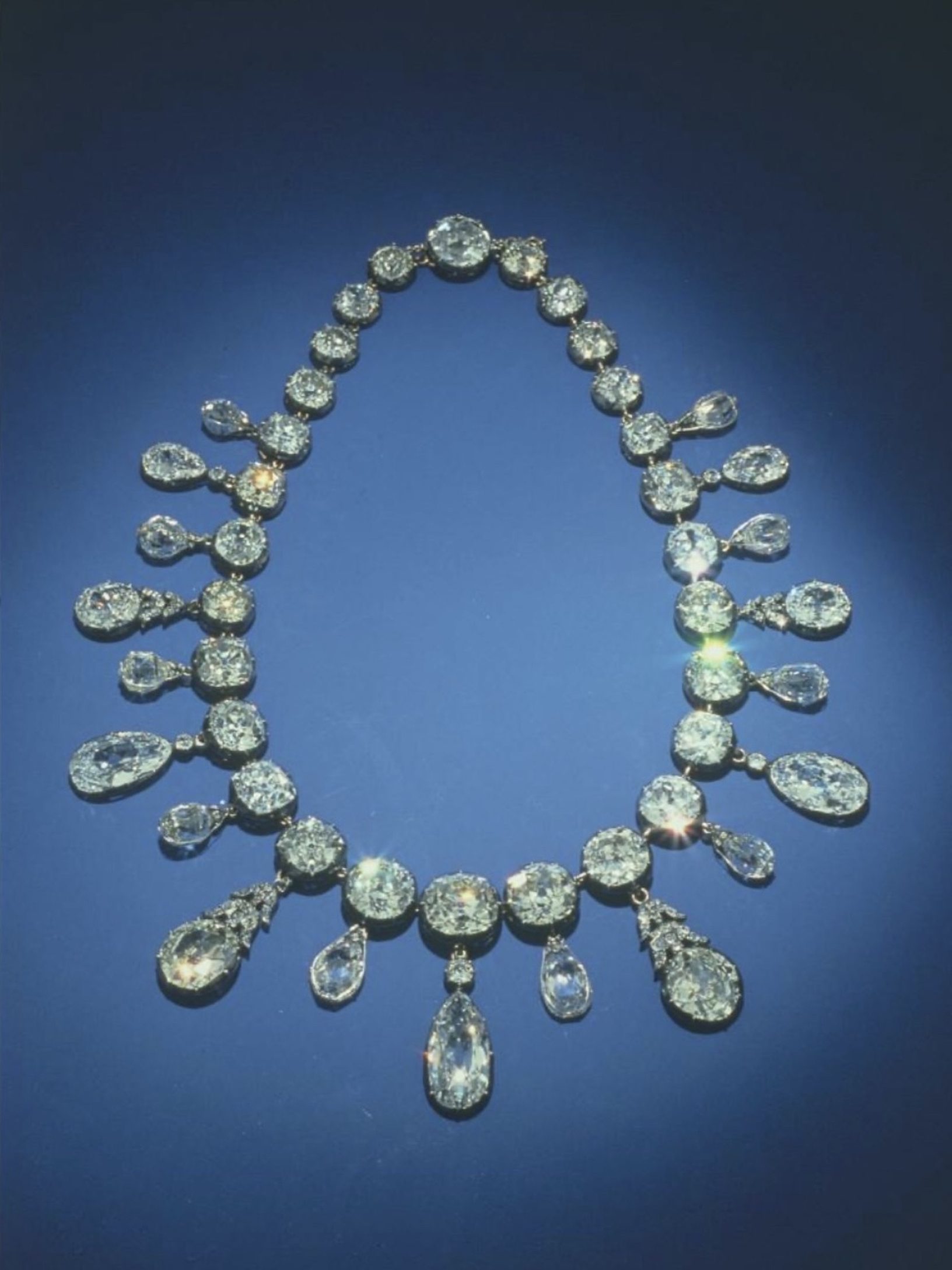
The Yusupovs were among the wealthiest and most influential families in Russia. Their jewelry holdings became legendary. They owned extraordinary diamonds, historic pearls, important tiaras, and pieces associated with figures such as Marie Antoinette. Their taste ran toward the grandest expressions of aristocratic power, and the Polar Star fit perfectly within that world. Some still refer to the stone as the Yusupov diamond rather than the Polar Star.
How the Polar Star Diamond Became a Lifeline in Exile

No discussion of the Yusupovs can avoid Grigori Rasputin, the mystic and court figure whose influence over the Romanovs became one of the most controversial stories of late Imperial Russia. Rasputin gained power largely because members of the royal family believed he could ease the suffering of the hemophiliac Czarevich Alexei. That access gave him enormous influence over Empress Alexandra and, by extension, over the Tsar himself. Many aristocrats viewed Rasputin as a disaster for the empire. Among them was Prince Felix Yusupov.
In December 1916, Felix joined the conspiracy to kill Rasputin. The story has passed into legend: poisoned wine that failed to work, gunshots that still did not seem enough, and finally, Rasputin’s body disappearing beneath icy water. The details have been mythologized endlessly, but the event remains one of the most famous aristocratic assassinations in modern history.
The Russian Revolution shattered the world that had sustained families like the Yusupovs. Felix fled Russia with what he could carry, and among the treasures he left behind were the Polar Star, the Sultan of Morocco, and the Ram’s Head. These diamonds were not merely heirlooms. They became financial lifelines.

That is one of the most striking truths in the history of great diamonds: when empires collapse, portable wealth matters. Paintings, estates, and titles do not always travel. Diamonds do.
The Polar Star helped sustain the Yusupovs in exile by concentrating immense value into a single, highly desirable object. In that sense, the diamond connects directly to the aftermath of Rasputin’s murder and the fall of Imperial Russia. Felix may have helped eliminate one of the Romanov court’s most destabilizing figures, but he could not save the regime. When the world around him disappeared, stones like the Polar Star helped him survive.
From Cartier to Auction: The Polar Star Diamond’s Record-Breaking Sale

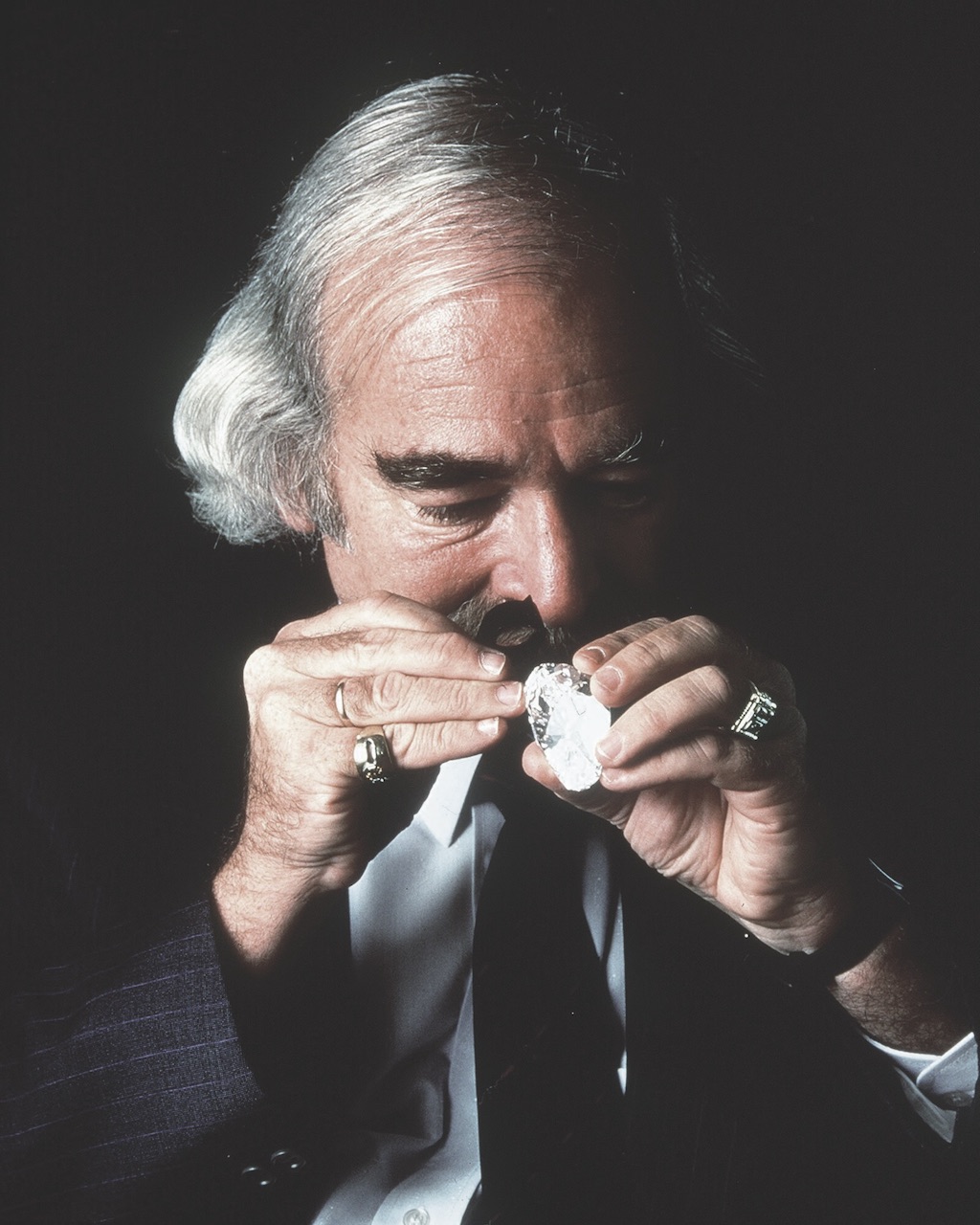
Felix eventually sold the Polar Star to Cartier in 1928. From there, Cartier sold the diamond to Lady Deterding, the wife of oil magnate Sir Henri Deterding, founder of Royal Dutch Shell. The diamond then remained in that orbit until Christie’s auctioned it in Geneva on November 20, 1980, in accordance with the terms of Lady Deterding’s estate.
A Sri Lankan dealer, Razeen Salih, purchased the Polar Star for $4.6 million, a remarkable result at the time. Guinness recognized the price as a world record per-carat for a diamond sold at auction.