The “swan” was one of the original influencers and pioneers of understated glamour, thanks in part to her minimalist, refined diamond style.
Lee Radziwill’s Quiet Glamour and the Diamond Jewelry That Defined Her
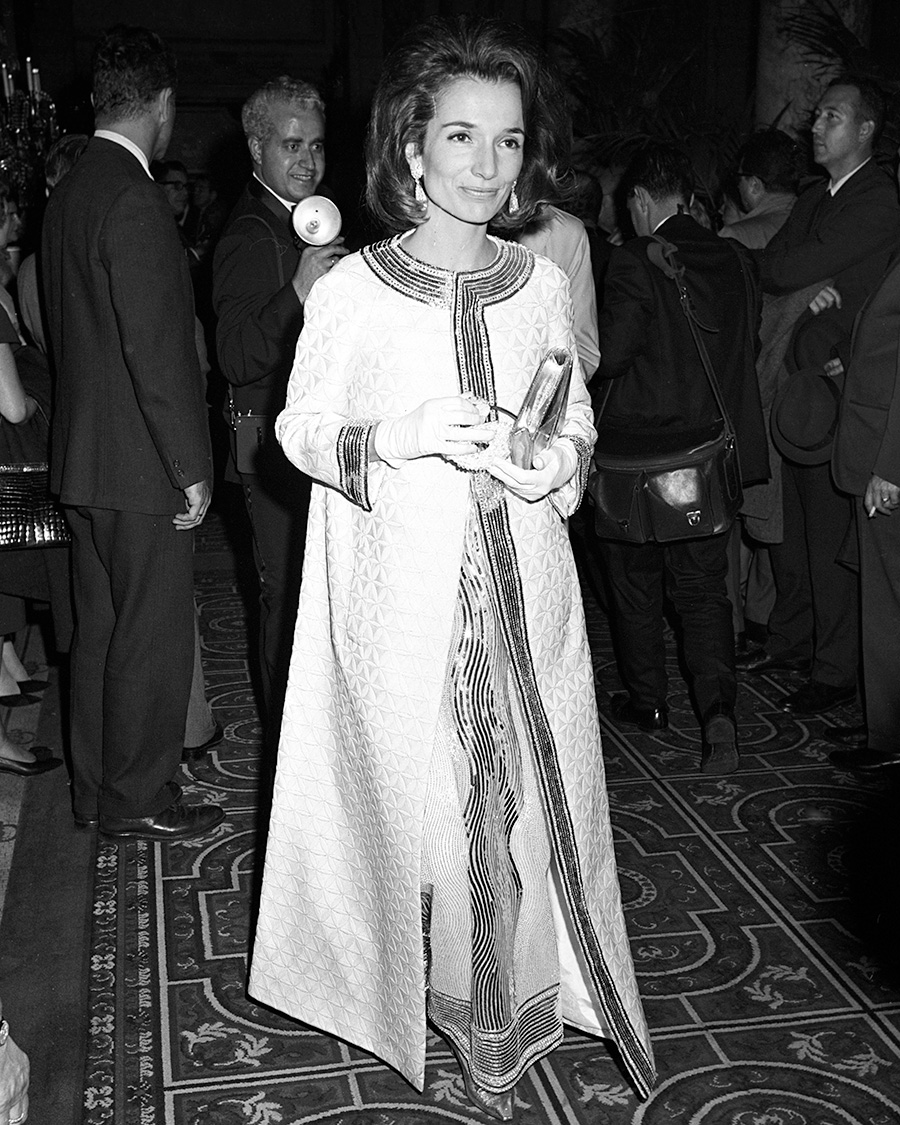
Lee Radziwill (Getty Images)
To be the sister of the most famous woman in the world is a rare experience few can understand. To establish yourself as a style icon in your own right when you are the sister of the most famous woman in the world is even more extraordinary.
But that is exactly what Lee Radziwill—born Caroline Lee Bouvier, the younger sister of Jacqueline Kennedy Onassis—did.
A fascinating woman, she was an actress, PR executive, Harper’s Bazaar editorial assistant, and interior designer, and she even toured with the Rolling Stones. Lee Radziwill counted Andy Warhol, Giorgio Armani, and, of course, Truman Capote among her close friends. And let’s not forget, she married a real, live prince: Polish aristocrat Prince Stanisław Albrecht Radziwiłł.
She was part of Truman Capote’s elite circle of “swans,” but unlike some of her contemporaries—including her sister—Radziwill’s jewelry style set her apart. For Lee Radziwill, it wasn’t about statement diamonds or oversized gemstones. She is often credited with saying, “Style is knowing who you are, what you want to say, and not giving a damn,” a philosophy that defined her jewelry aesthetic, as she gravitated toward timeless pieces with a quiet impact.
Meet the Experts

Emily Otranto is the research and content manager at M.S. Rau, the renowned New Orleans–based gallery specializing in fine jewelry, art, and antiques. Her love for history, literature and art lead her to pursue two bachelor’s degrees in History and Secondary Education, and a Masters in American Studies.

Antoaneta Ivanova is the founder and designer of ANTOANETTA, a Los Angeles–based fine jewelry atelier known for its handcrafted, kinetic designs. A graduate of the Gemological Institute of America, her work blends clean geometry with movement, creating pieces that evolve with the wearer.

Jelena Kulic is a fashion, jewelry, and accessory designer who made her international debut at Paris Fashion Week in October 2025. Her work is inspired by Baroque and Renaissance art, as well as the romantic opulence of the 18th and 19th centuries.
Ahead, take a closer look at the natural diamond jewels that captured Lee Radziwill’s understated glamour—and the philosophy behind them.
Who Was Lee Radziwill? Inside Her Life, Style, and Influence
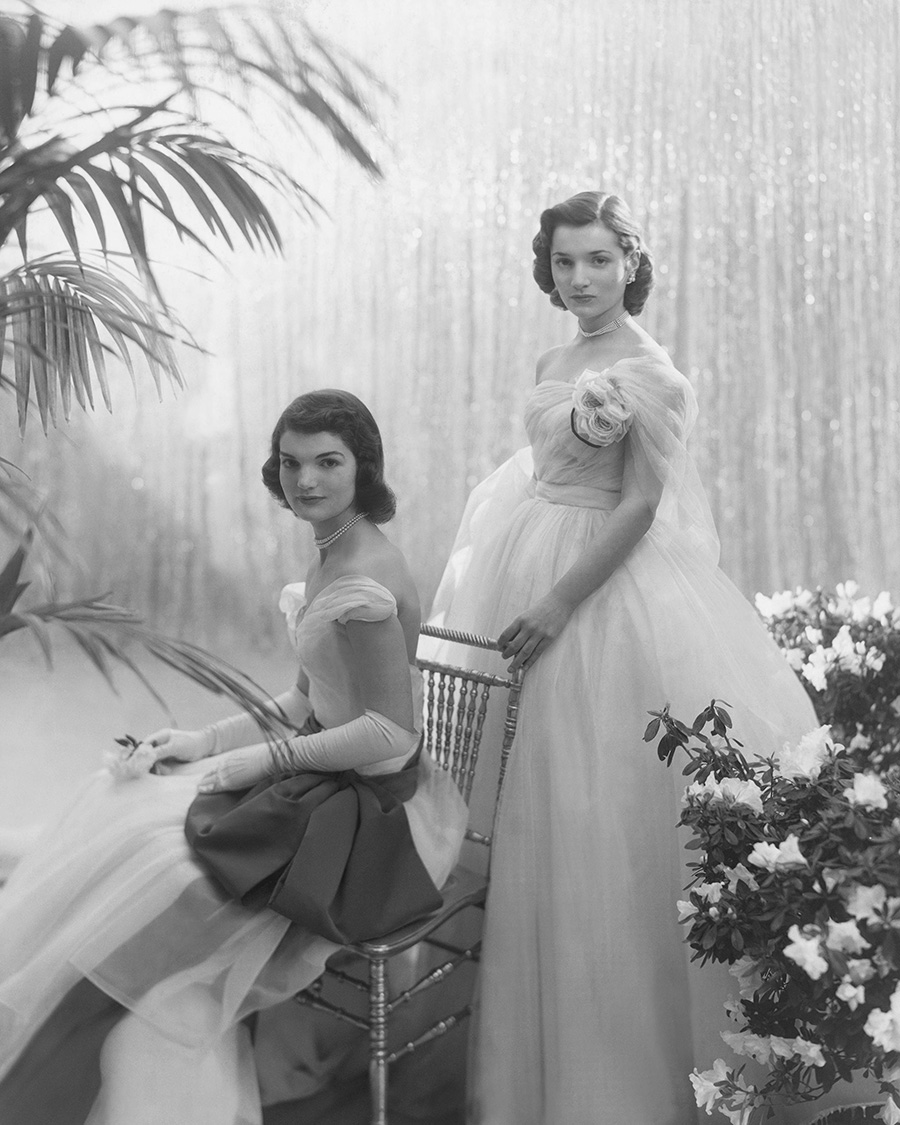
Both Lee and Jackie came from an extraordinary pedigree. Their father, John Vernou “Black Jack” Bouvier III, was a fine furniture, firewood distribution, and real estate heir, while their mother, Janet Norton Lee, was a prominent socialite. Certainly not the shy younger sister, Lee was considered the “it” debutante of her time and even appeared in Life magazine in the December 1950 issue. (Lee was often referred to as the “pretty one,” while Jackie was labeled the “smart one.”)
Lee first married publishing executive Michael Temple Canfield in 1953, but the couple divorced in 1958. Shortly after, she married Prince Stanisław Albrecht Radziwiłł. Upon their marriage, she was styled Her Serene Highness Princess Caroline Lee Radziwill and was widely referred to as Princess Radziwill by the American press—a title that, arguably, rivaled even that of First Lady.
The couple had two children, Anthony and Anna Christina. Anthony Radziwill remained a figure of public interest due to his close friendship with his cousin, John F. Kennedy Jr., and has recently reentered the cultural conversation following his portrayal in Ryan Murphy’s series Love Story, which centers on JFK Jr. and Carolyn Bessette Kennedy, as well as Jackie Kennedy. Anthony tragically died of cancer in 1999, 20 years before his mother’s passing.
Lee and Prince Radziwiłł eventually divorced, and her final marriage was to director Herbert Ross (Footloose).
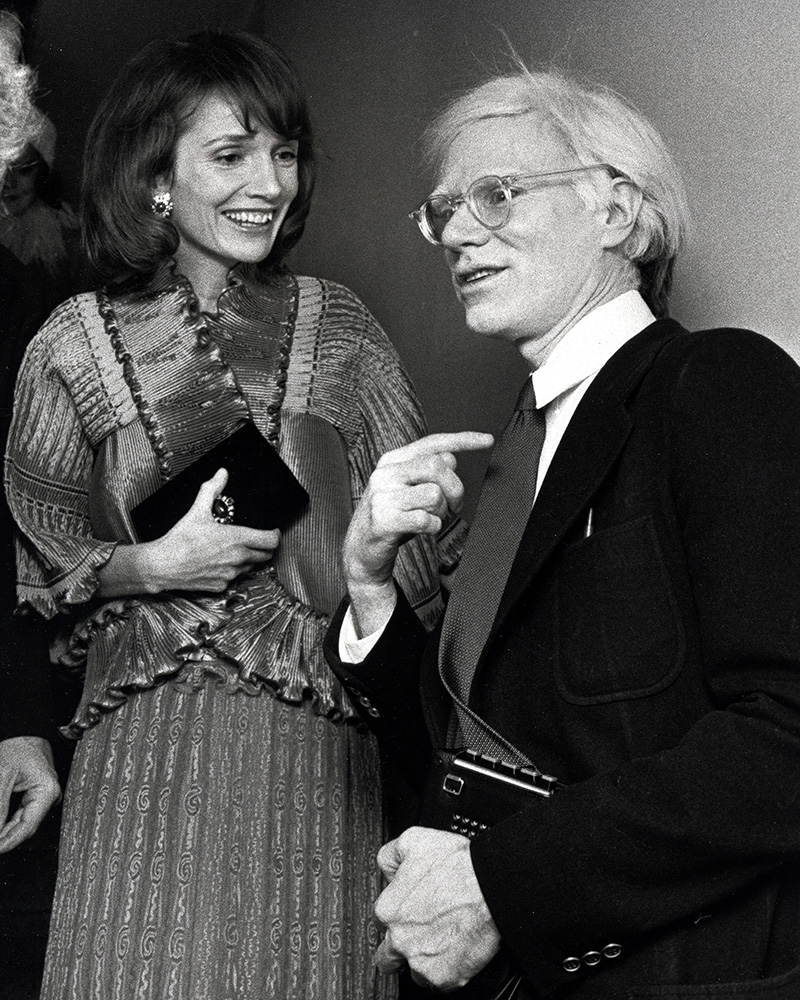
Like many socialites of her time, she lived between New York, Paris, and London, moving effortlessly among the cultural elite, including many of the era’s most celebrated designers and artists. Known for her impeccable fashion choices—her favorite designers included Yves Saint Laurent and Givenchy—she earned a place in Vanity Fair’s International Best Dressed Hall of Fame in 1996. Her style was defined by elegant restraint, conveying high luxury without excess. Her close friend Giorgio Armani summed it up perfectly: “She expresses her personal style through reducing, not adding. She stays true to herself. She’s beyond passing trends.”
That reductive approach extended seamlessly to her jewelry. Fine jewelry designer Antoaneta Ivanova explains, “What stands out to me most about Lee Radziwill’s jewelry is how little she seemed to need. Women in her world could wear anything—elaborate sets, flashy accessories, all of it—and many did. But Lee didn’t dress that way. She chose pieces that felt like part of her, rather than pieces that made an entrance before she did. To me, that says a lot about how she saw jewelry. It wasn’t about armor or status. It was something personal.”
Lee Radziwill’s Diamond Jewelry Collection: Signature Pieces and Style
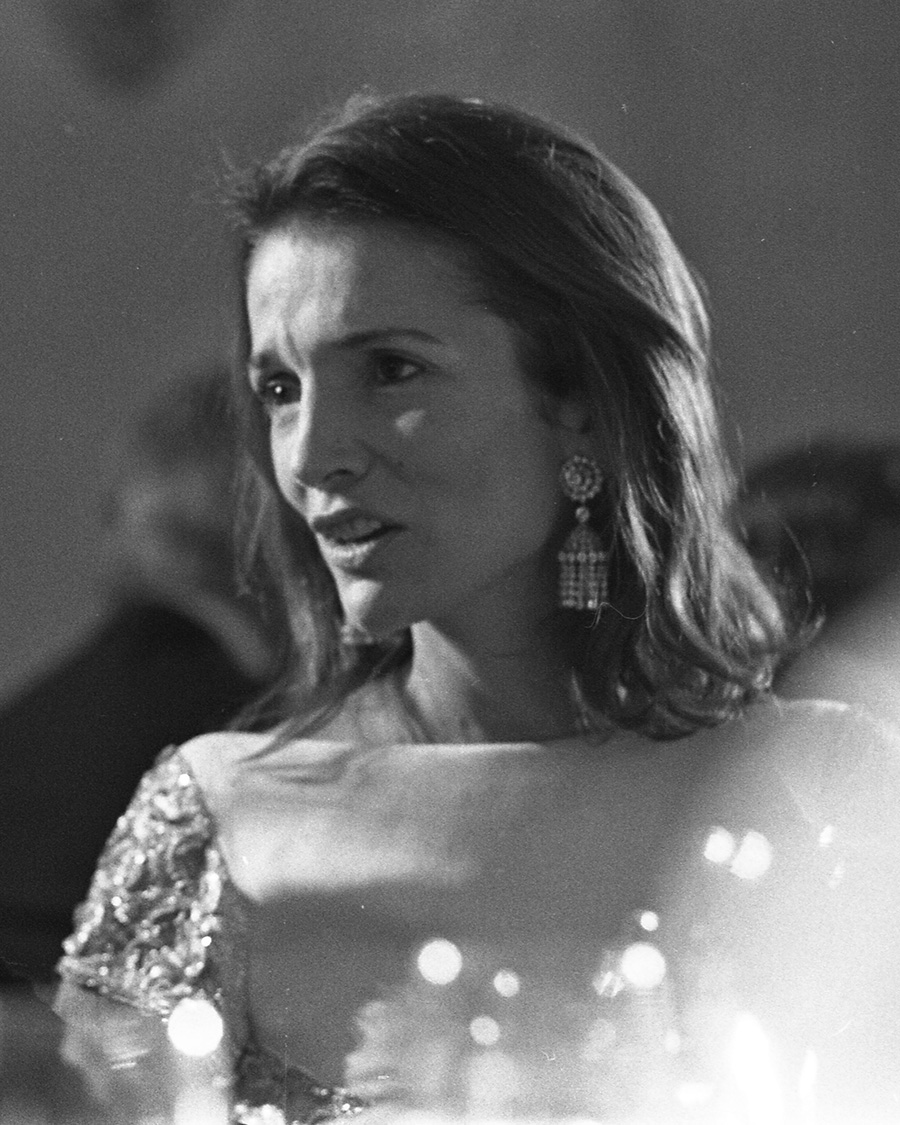
Radziwill was not known for wearing famous diamonds like fellow Swan Babe Paley or for having a defining relationship with a single esteemed jeweler, as Bunny Mellon did with Tiffany & Co. Instead, she chose pieces she genuinely liked—some from renowned houses, others more eclectic—and she even owned a few pieces of costume jewelry. But all of them were unmistakably Lee.
Emily Otranto, research and content manager for M.S. Rau—the leading jewelry, art, and antiques gallery in New Orleans—says, “To me, she always had that effortless ‘French girl’ quality people still chase today. She looked polished and glamorous without ever seeming overdone. That really set her apart from flashier styles, both in her own era and in trends we see now. Her love of Dior and Cartier says a lot. She clearly appreciated beautiful things, but she preferred sophistication over flamboyance. Radziwill’s collection highlights the type of jewelry favored by many society women of her generation: pieces that conveyed elegance rather than spectacle.”
Otranto notes that many have called the “swans” the ultimate influencers of their time, as they were constantly watched at dinners, galas, and society events. “But unlike many influencers today, who may promote all kinds of brands for financial reasons, Lee Radziwill and her circle were drawn to a very specific level of elegance. Their jewelry reflected real glamour, discretion, and access to the very best.”
Below is a closer look at some of her most important diamond pieces.
Lee Radziwill’s Dior ‘Coquine’ Earrings
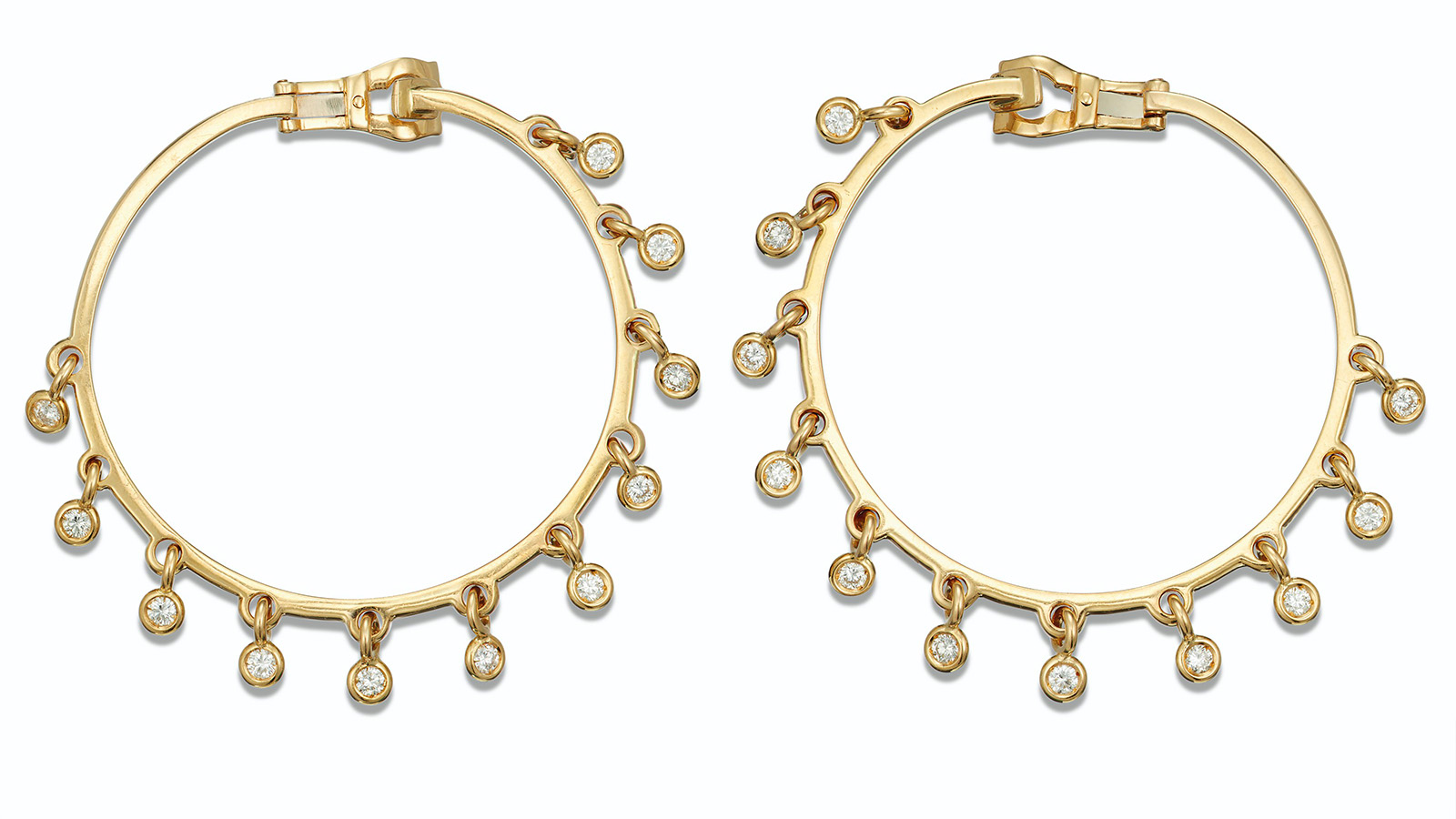
Radziwill was a fan of these whimsical ‘Coquine’ earrings—so much so that she owned two different pairs: one in diamond and white gold, and another in diamond and yellow gold. Each pair was designed as a hoop suspending bezel-set, circular-cut diamonds, mounted in 18-karat gold. These earrings reflect Radziwill’s affinity for designer jewelry that bridges fashion and fine craftsmanship. Owning multiple versions of the same design also speaks to her habit of collecting pieces she loved in variations.
Ivanova says the earrings are a perfect example of Lee’s signature style, particularly her appreciation for movement and subtle sensuality in design. “What makes them special is the way the diamonds are suspended. They’re bezel-set and hang freely from the hoop, so they move constantly and catch the light differently every time she turns her head. At first glance, they read as simple gold hoops, but when they’re actually worn, they have so much life.”
She adds that this sense of motion is what elevates the piece beyond its apparent simplicity. “The diamonds shift, drip, and flicker in a way that makes the design feel much more sensual and alive than people might expect… She clearly appreciated jewelry that wasn’t static—jewelry that changed slightly with the wearer, that felt alive on the body, and that revealed itself in motion.”
Lee’s choice of Dior fine jewelry, instead of only working with traditional high jewelry houses, also says something about her. “It feels modern. She wasn’t buying jewelry to lock away or treat like a trophy. She was wearing it in real life — to dinners, to conversations, to everyday moments,” Ivanova says.
Otranto notes that Dior has long been one of the great names in French style, so any design closely associated with the house carries weight. “I also think the name Coquine is interesting, since it translates roughly to ‘mischievous’ or ‘suggestive.’ That gives the earrings a bit of personality beneath their classic appearance. They feel elegant and timeless, but also just a little playful and the tiniest bit…naughty?”
Lee Radziwill’s Diamond Brooch
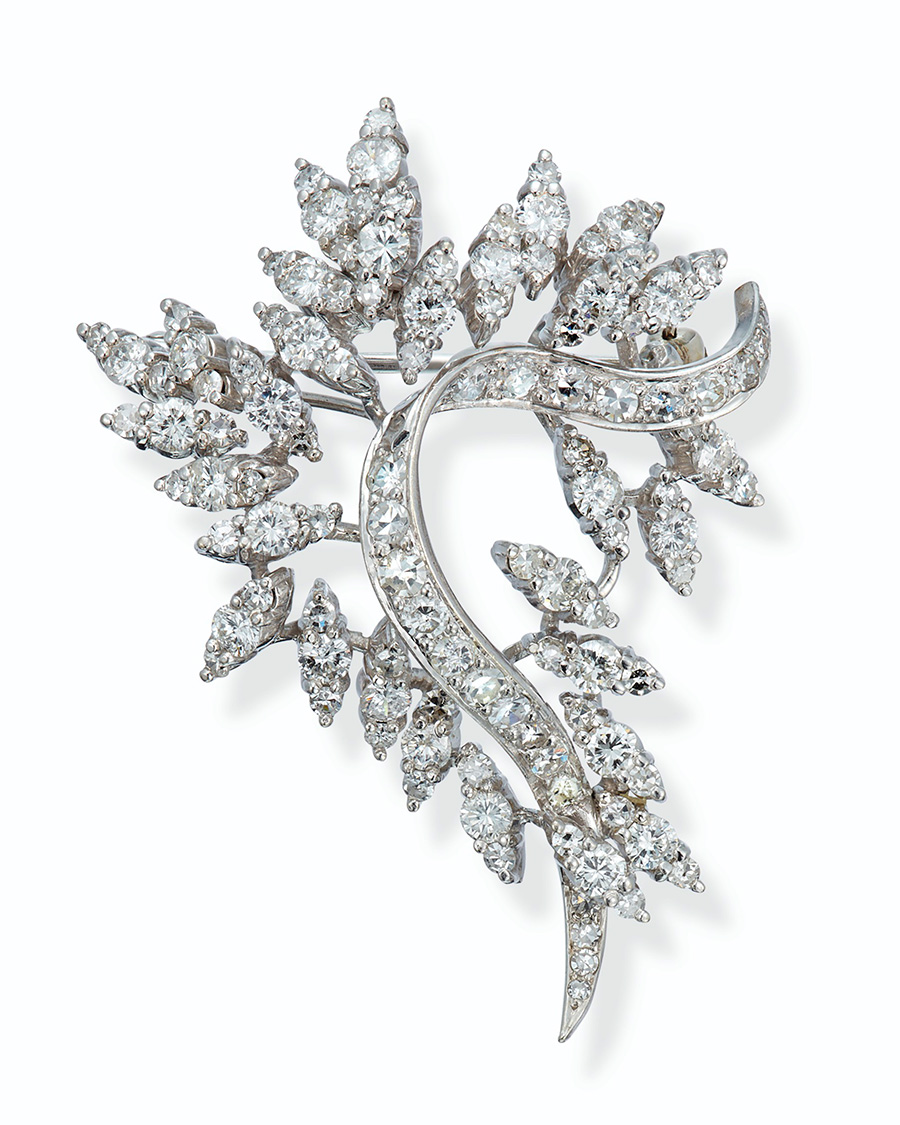
Radziwill owned a vintage diamond brooch (circa the 1950s), designed as a cluster of circular-cut diamonds and mounted in white gold, which was estimated in the low thousands by Christie’s when it went to auction in 2019.
“Brooches have always had a wonderful mix of formality and individuality. They can make a look feel polished, but they also let the wearer show a bit of personality. That is part of why they have remained so popular for centuries. And it is not just women, either. Men have really embraced brooches on red carpets in recent years, which has been fun to see,” says Otranto.
Lee Radziwill’s Diamond Line Bracelet
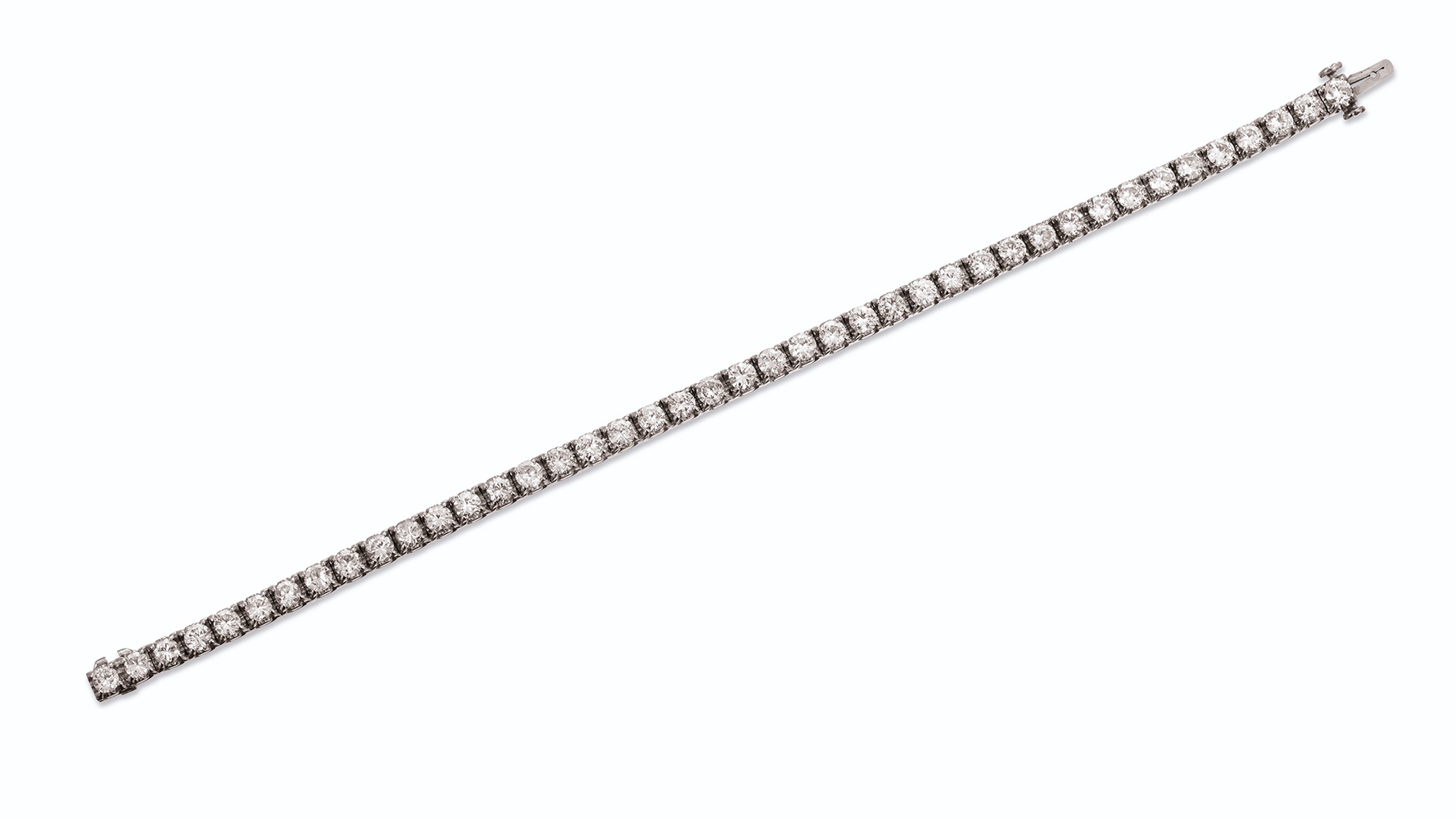
This classic line bracelet once again reflected her preference for understated elegance rather than oversized stones. Composed of a row of circular-cut diamonds set in 14-karat white gold, it embodies the kind of refined simplicity that defined her style. Otranto says of the bracelet, “Done well, there is something appealing about jewelry that looks elegant enough for an evening but can also be worn every day.”
Lee Radziwill’s approach to jewelry was rooted in intention—choosing pieces that complemented her look rather than competed with it. Fashion and jewelry designer Jelena Kulić tells Only Natural Diamonds, “Her jewelry reflected the elegant restraint characteristic of mid-century style, emphasizing clean lines, high-quality materials, and impeccable craftsmanship. For Radziwill, jewelry was not about excess but about balance and refinement. She believed that a few carefully chosen pieces could elevate an entire look. This philosophy, favoring quality, subtlety, and timeless beauty, continues to influence modern interpretations of classic elegance and the contemporary concept of quiet luxury.”
Lee Radziwill’s Gray and White Cultured Pearl Earrings
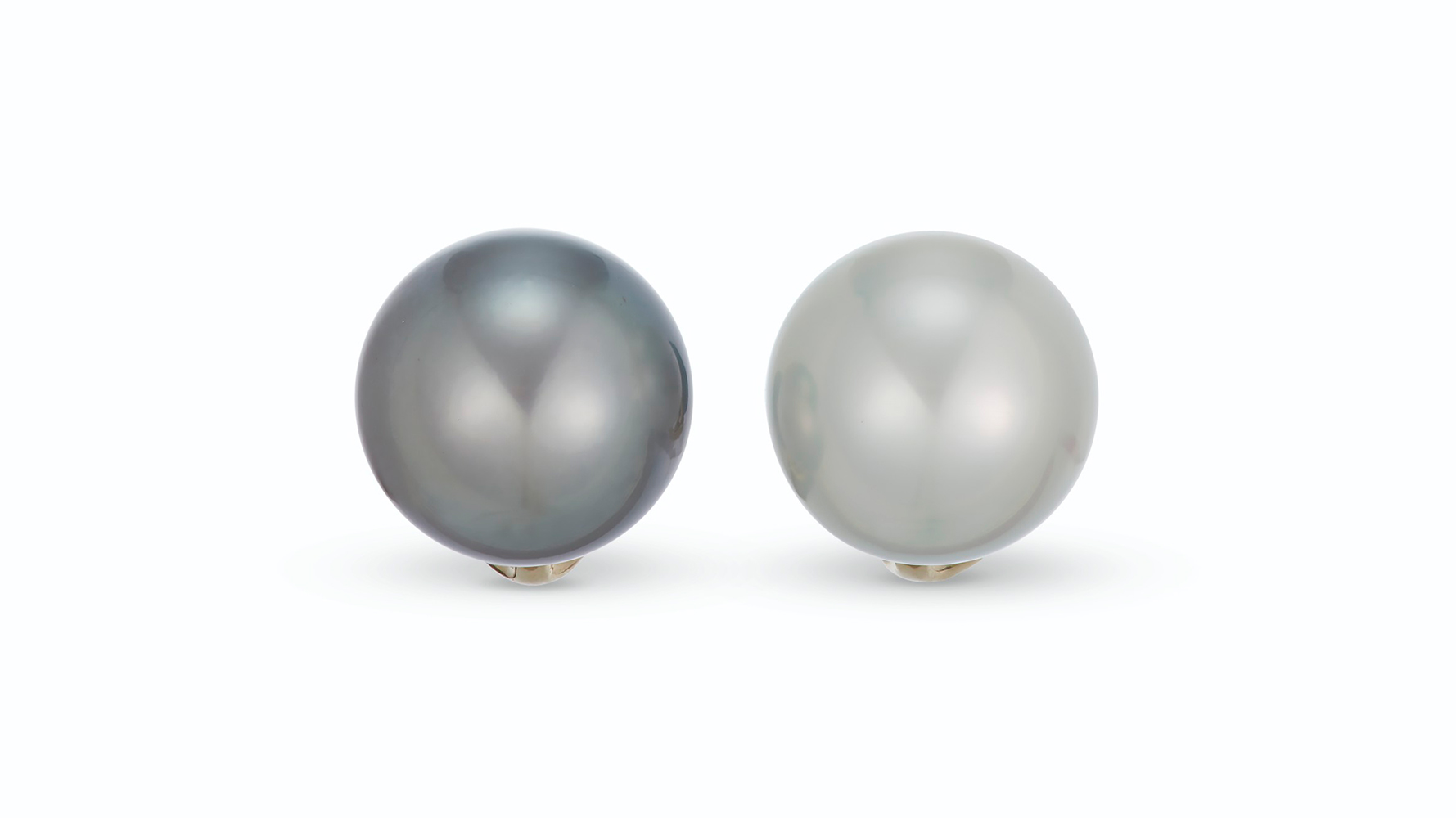
Though not diamonds, pearls were essential to the polished, patrician image of Truman Capote’s “swans”—an enduring symbol of effortless elegance that complemented even the most pared down jewelry collections. Lee Radziwill, like her sister Jackie, loved a good pair of pearl earrings as well as an elegant strand of pearls. A favorite pair featured mismatched white and grey cultured pearls measuring 14.90 and 15.20 mm, respectively, mounted in 18-karat gold and estimated at $5,625.
Otranto notes that grey pearls are especially fascinating because of both their origin and their appearance. “Many come from French Polynesia and are prized for their deep body color and those beautiful peacock overtones. They feel more unusual than classic white pearls, which gives them a distinctive edge. Stylistically, they have a bit more mystery and drama, which I think would have appealed to someone like Radziwill, who was drawn to elegance with a twist.”
Why Lee Radziwill’s Jewelry Still Defines Quiet Luxury Today
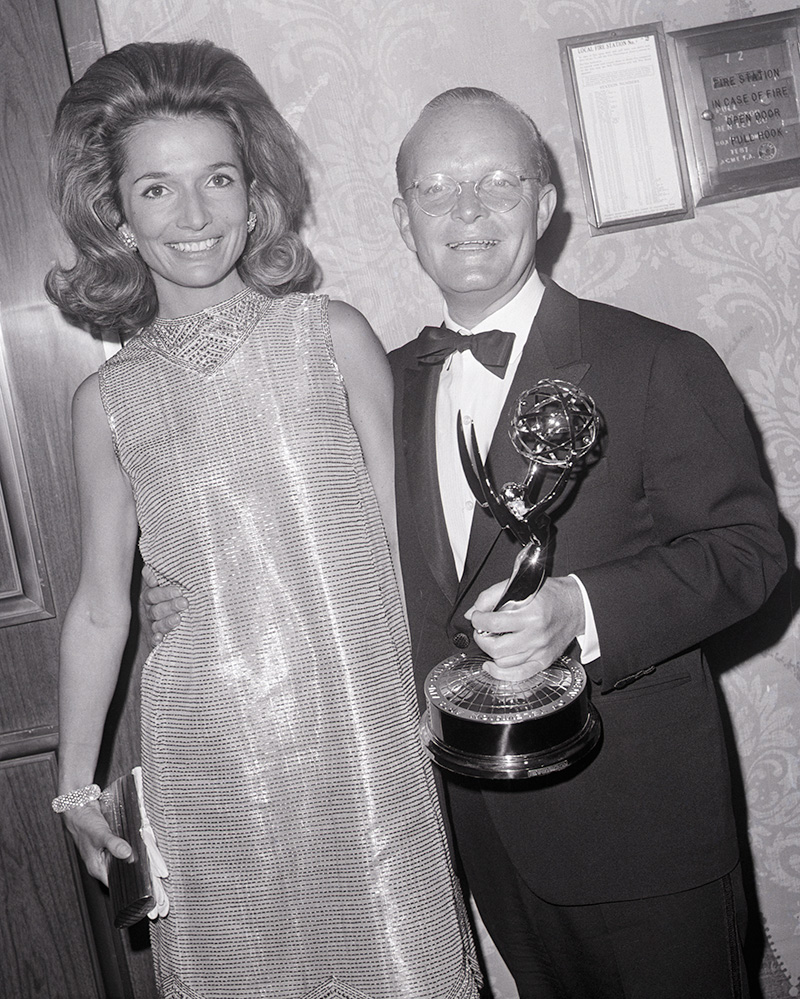
“When I buy something, I do so with the intention of keeping it forever,” Lee once said. The 2019 Christie’s auction, which comprised 150 lots of photographs, fine art, furniture, mementos, jewelry, and other personal effects, fetched $1.26 million in total. Lee was a fashion icon in her own right—Tory Burch even named a bag after her—and though she was extremely close with her notable sister (the relationship was rumored to be strained toward the end of Jackie’s life), she remained the central character in her own story.
Her jewelry set her apart from her sister, her fellow “swans,” and really every woman of her time. “With any true fashion icon, people notice the jewelry just as much as the clothes. Jewelry often becomes the finishing touch that defines the whole look. It is also usually the most lasting part of an ensemble. Dresses come and go, but jewelry stays with you, so it has to be chosen more carefully,” says Otranto.


Get the Newsletter
Sign up for the latest diamond news, delivered directly to your inbox.


