The Golden Jubilee Diamond: The Largest Gem-Quality Diamond Ever Cut

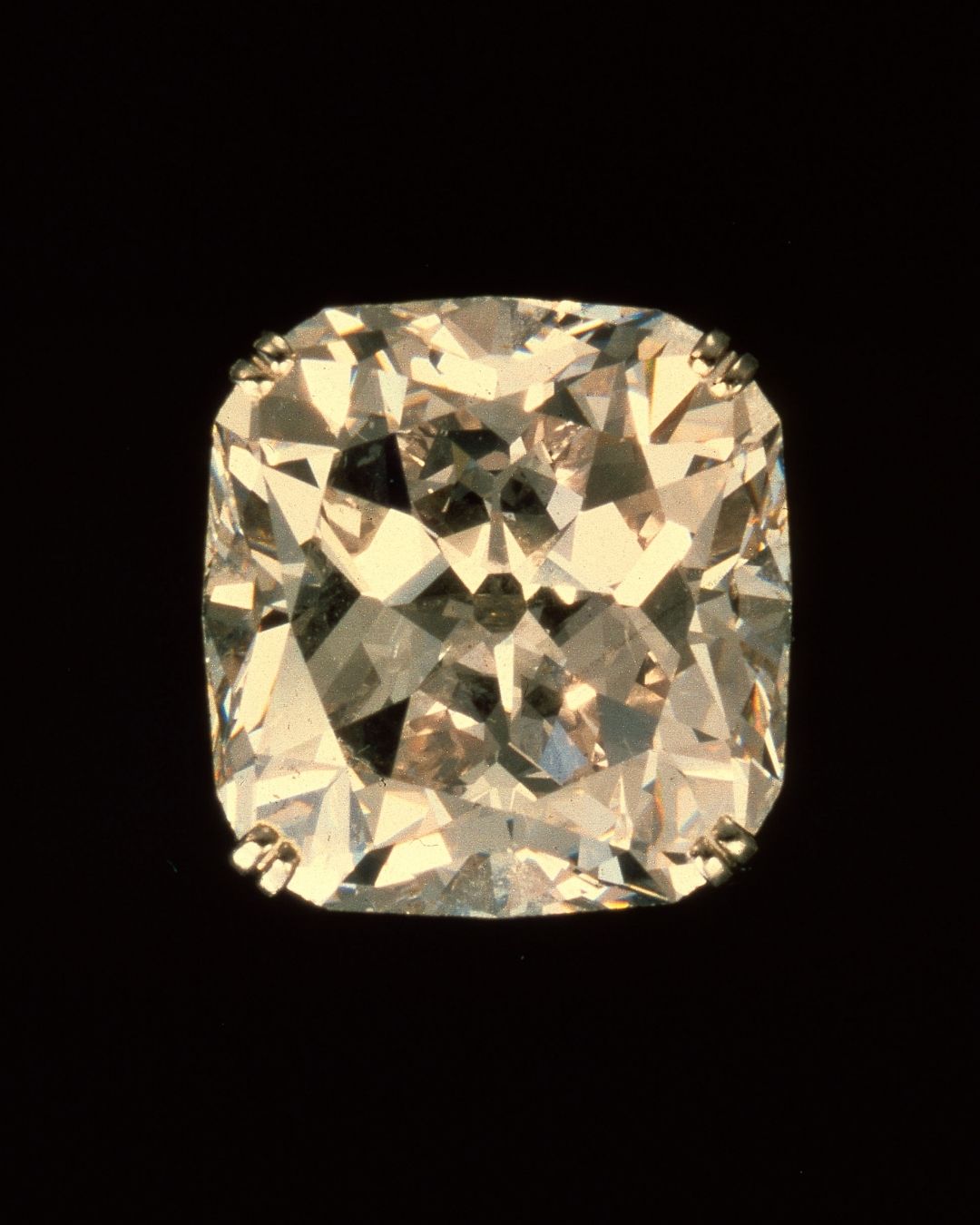
The 545.67-carat Golden Jubilee Diamond (Wikimedia Commons)
When people talk about the greatest diamonds in history, a few names always surface, from the Cullinan to the Koh-i-Noor, and the Hope. Yet standing quietly apart from them is a diamond that holds a record no other can claim. The Golden Jubilee Diamond, also known as Phet Kanchanaphisek, is the largest cut and polished gem-quality diamond in the world, weighing an astonishing 545.67 carats.
Even with the unveiling of the 612.34-carat Black Falcon Diamond in 2025, that distinction remains secure, as the Black Falcon is not considered gem-quality. The Golden Jubilee still reigns supreme, and what makes it even more remarkable is where it came from, how a master cut it, and why it ultimately became a national treasure.
Meet the Expert

- Grant Mobley is the Jewelry & Watch Editor of Only Natural Diamonds.
- He is a GIA Diamonds Graduate.
- He has over 17 years of jewelry industry experience, starting with growing up in his family’s retail jewelry stores.
The Golden Jubilee Diamond Originated in the Mine That Changed History
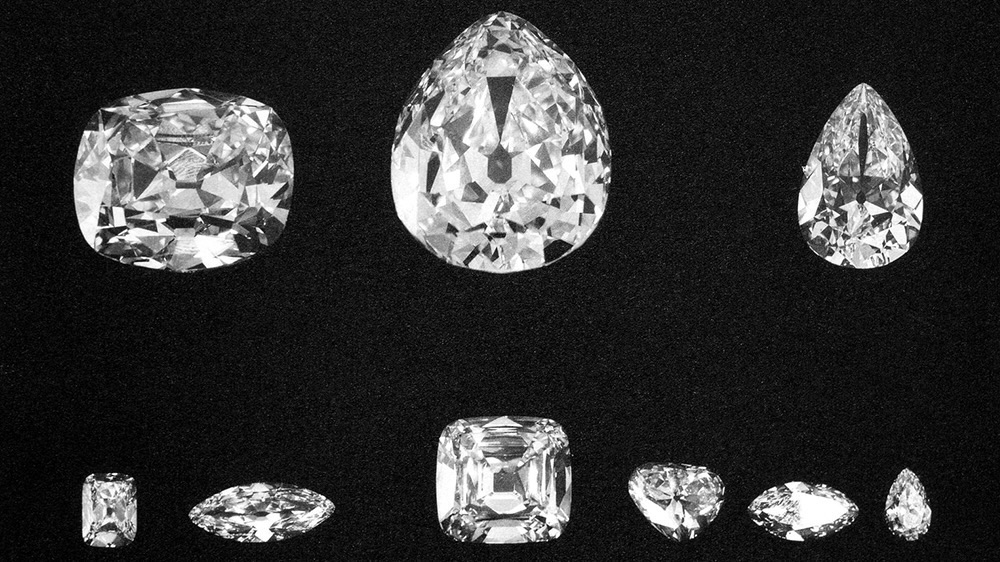
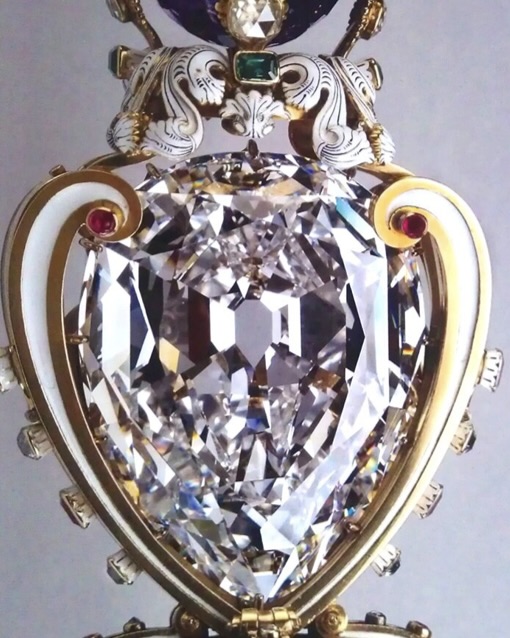
The Golden Jubilee diamond began its journey billions of years ago before being discovered at South Africa’s Premier mine, now known as the Cullinan diamond mine. This site reshaped the diamond world more than once. In 1905, miners there uncovered the 3,106-carat Cullinan diamond, the largest rough diamond ever found. From it came Cullinan I, a 530-carat pear-shaped diamond that now crowns the Sovereign’s Sceptre in the British Crown Jewels.
Over the decades, the same mine produced some of the most famous and valuable diamonds ever found, including the Taylor-Burton, the Niarchos, the Premier Rose, and a remarkable collection of blue diamonds that formed De Beers’ Millennium collection. In total, the mine has yielded more than 750 diamonds weighing over 100 carats, a record unmatched anywhere else on Earth.
In 1985, the mine delivered yet another wonder: a 755.5-carat rough brown diamond, massive in scale and daunting in internal complexity. Measuring 53.66 × 49.20 × 34.3 mm, the stone raised difficult questions as no cutter had attempted to cut something like it.
Gabi Tolkowsky and the Cutting of the Golden Jubilee Diamond
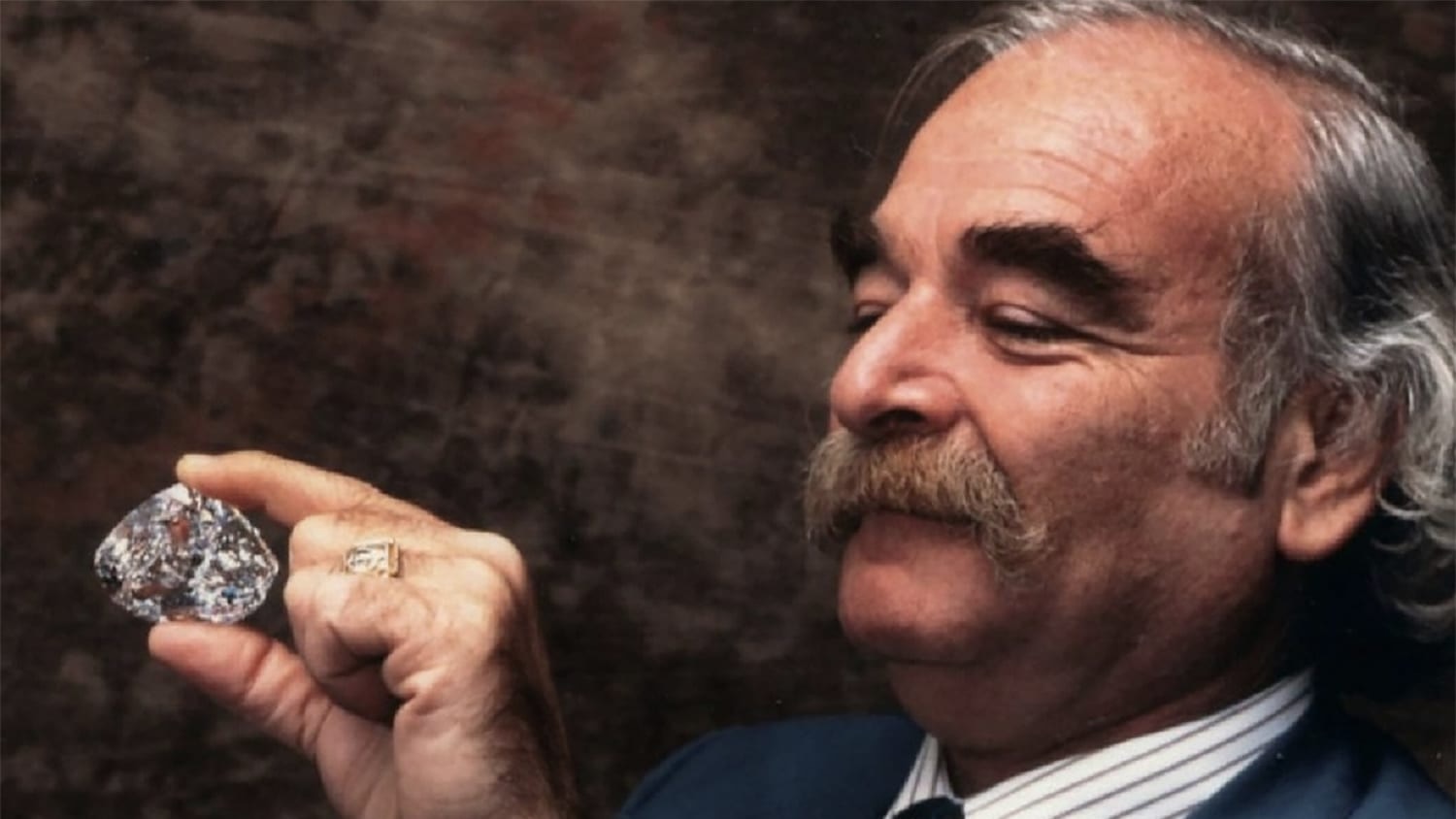
De Beers entrusted the diamond to Gabi Tolkowsky, the great-nephew of Marcel Tolkowsky, whose work famously defined the modern round brilliant cut. The decision reflected recognition of his skill; however, this rough diamond demanded more than experience; it demanded innovation.
The stone’s surface showed extensive cracking and internal inclusions. Traditional cutting tools would be very risky and likely cause the loss of much of the stone’s weight. Engineers built entirely new tools to handle the diamond’s size and internal complexity. De Beers viewed the project as a proving ground for cutting technologies that would later shape other large diamonds, including the Centenary Diamond, which was waiting in the wings.
Tolkowsky began work in May 1988. For two years, he studied, planned, adjusted, and cut.
How the Golden Jubilee Diamond Was Cut and Transformed

When Tolkowsky finished in May 1990, the result was beyond expectations. He transformed a heavily included brown rough into a modified cushion brilliant with 55 crown facets, 64 pavilion facets, and 24 girdle facets, all executed with precise symmetry. Even more astonishing, the finished stone displayed a rich golden-yellow color more beautiful than the muddy color of the rough.
The Gemological Institute of America (GIA) later confirmed its place in history, stating that the 545.65-carat diamond was the largest it had ever graded. The Golden Jubilee outweighed Cullinan I by more than 15 carats, quietly surpassing the most famous diamond of them all.
From Exhibition to National Treasure: The Golden Jubilee Diamond in Thailand

In 1996, De Beers exhibited the diamond at Thailand’s Board of Investment Fair, where its beauty caught the attention of a group of Thai businesspeople led by Henry Ho. They purchased the stone for approximately $6 million, not as an investment, but as a gift.
The timing mattered because Thailand was preparing to celebrate King Bhumibol Adulyadej’s Golden Jubilee, marking the 50th anniversary of his accession to the throne. The businesspeople presented the diamond to the King in 1997, and the stone received its name from that historic moment.
King Bhumibol stood among the world’s most extraordinary monarchs. Born in the United States and educated in Switzerland, he reigned from 1950 until he died in 2016, becoming history’s third-longest-serving head of state. Beyond royalty, he excelled as a jazz musician, composer, sailor, engineer, and inventor. He held a patent, composed music, and earned multiple university degrees. In 2006, the United Nations honored him with the Human Development Lifetime Achievement Award, praising him as a visionary thinker.
The Enduring Legacy and Quiet Allure of the Golden Jubilee Diamond
Thailand faced economic hardship in 1997 during the Asian financial crisis. To avoid public backlash for such an extravagant gift, officials initially described it to the press as a large golden topaz rather than an extraordinarily valuable diamond. The strategy worked, and public reaction remained calm, and the diamond stayed out of the headlines. Later, when the economy improved, the Monarch revealed the gift’s true identity and significance as a natural diamond.
The Golden Jubilee also traveled beyond Thailand. Pope John Paul II blessed the diamond at the Vatican, and Thailand’s Buddhist Supreme Patriarch offered his own blessing, further elevating the stone’s spiritual and cultural significance.
Plans to mount the stone into a royal sceptre or seal never materialized. Instead, the Golden Jubilee became part of the Thai Crown Jewels. Today, it sits on public display in the Royal Museum at the Pimammek Golden Temple Throne Hall in Bangkok, where visitors can see the diamond in all its scale and glory.