< Historic Diamonds / Famous Diamonds
The Farnese Blue Diamond: Three Centuries Across Europe’s Royal Courts
Passed secretly through royal hands for more than 300 years, the Farnese Blue diamond from Golconda tells a story of power, exile, and survival across Europe.
Published: January 16, 2026
Written by: Grant Mobley
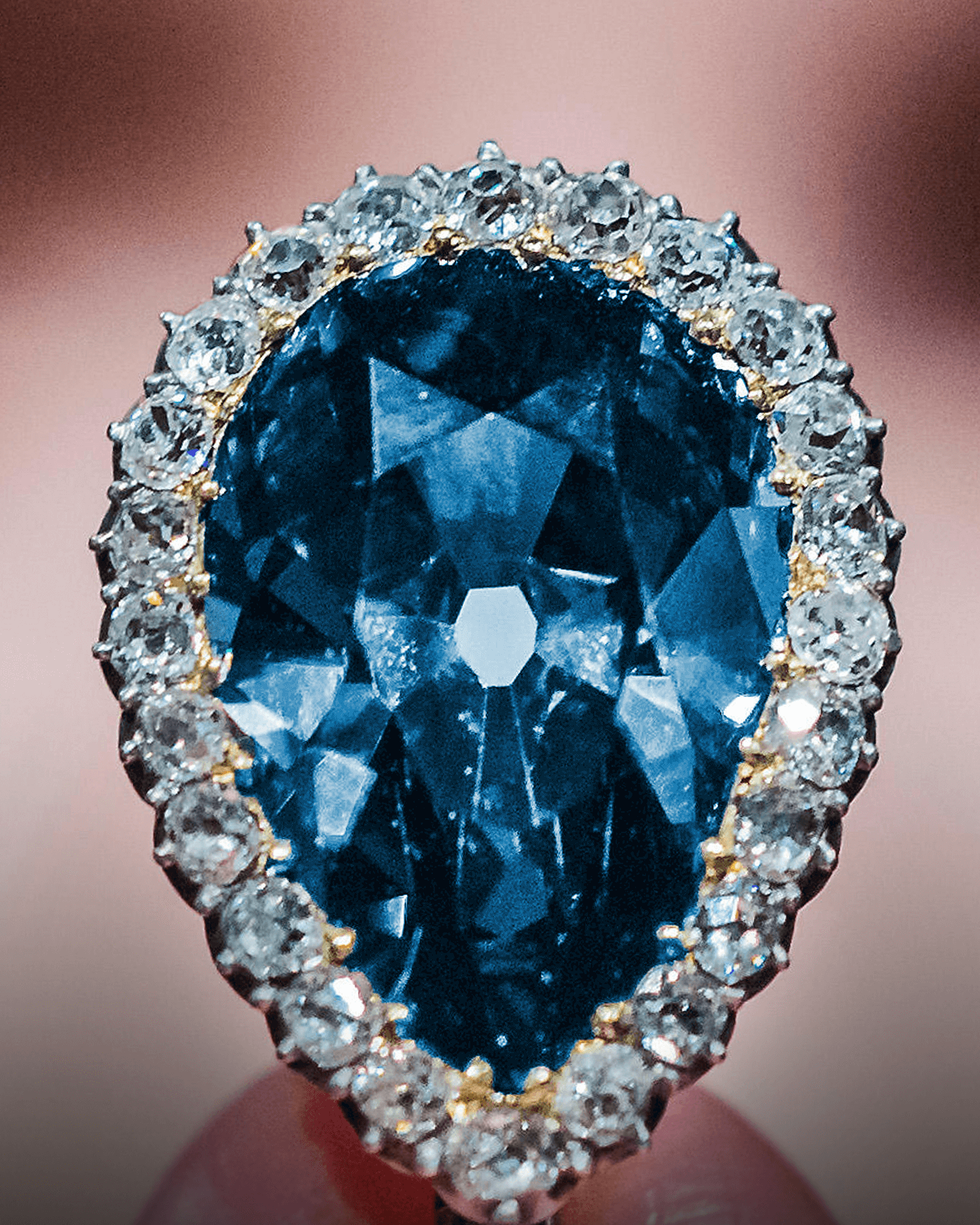
The Farnese Blue belongs to a rare category of natural diamonds that don’t just have history, but helped to shape it. It quietly witnessed three hundred years of European power shifts, revolutions, dynasties, and exile, all while remaining almost entirely unknown to the public.
When the 6.16-carat pear-shaped natural Fancy Dark Gray-Blue diamond appeared at Sotheby’s in Geneva in 2018, it shocked historians. For centuries, only a small circle of royal descendants knew it existed. Then, suddenly, it crossed the auction block and achieved $6.7 million. Bought by an anonymous buyer, well above its estimate. With that sale, one of the most storied diamonds in history stepped out of royal hands and into the modern world.
Meet the Expert

- Grant Mobley is the Jewelry & Watch Editor of Only Natural Diamonds.
- He is a GIA Diamonds Graduate.
- He has over 17 years of jewelry industry experience, starting with growing up in his family’s retail jewelry stores.
A Golconda Diamond of Exceptional Origin
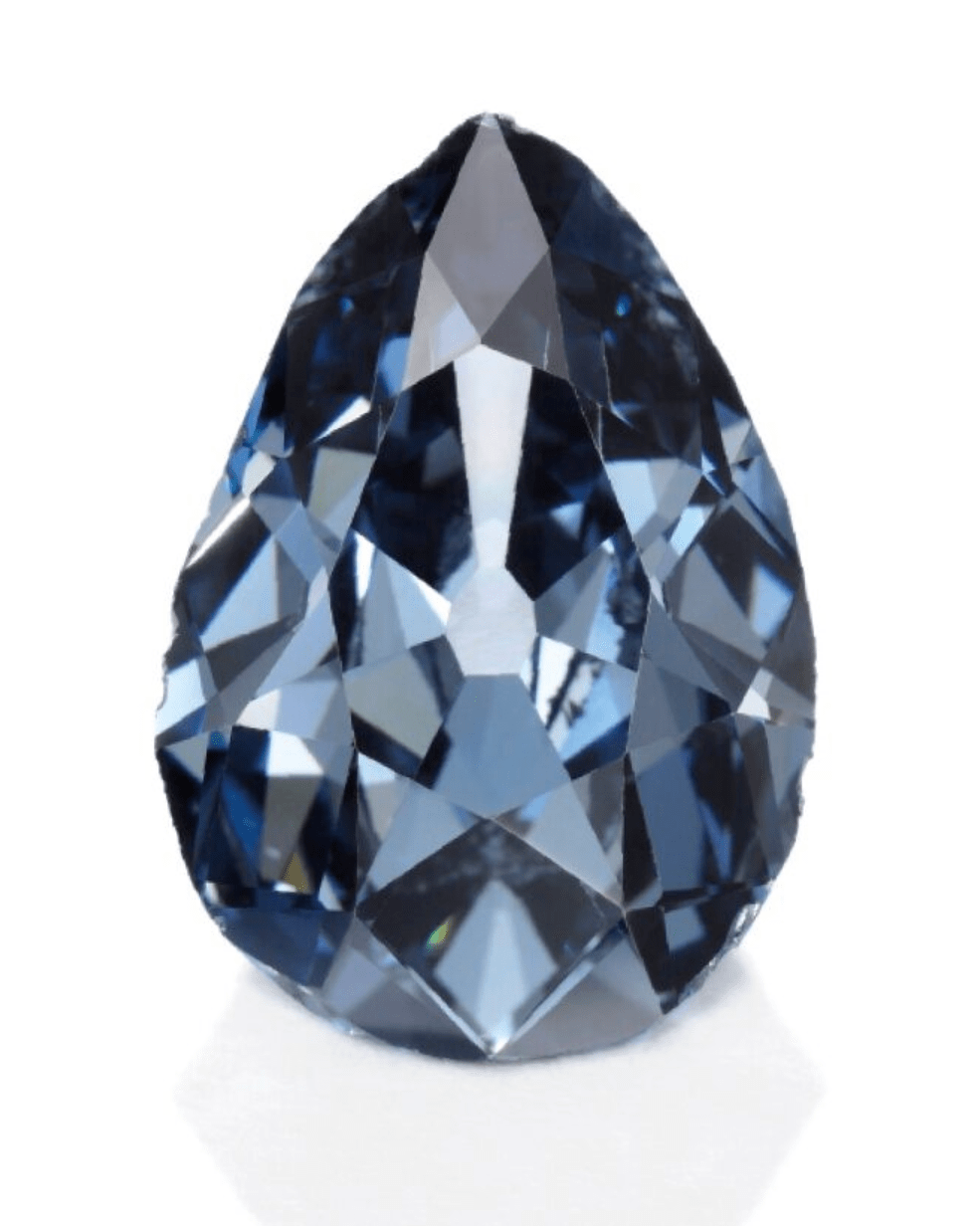
The Farnese Blue began its life in the Golconda mines of India, the most important diamond source in the world for more than a millennium. Long before Brazil or South Africa entered the picture, Golconda supplied every diamond on Earth. The Hope Diamond, the Koh-i-Noor, the Wittelsbach-Graff, the Regent, and many more all emerged from this same region near present-day Hyderabad.
Natural diamonds from Golconda traveled ancient trade routes, with merchants from across Asia and Europe flocking there with hopes to acquire these rare treasures. Humans prized diamonds above all gems for their beauty, rarity, and unbreakable nature. Their extreme value meant they often wound up in the hands of the world’s most powerful and influential people.
A Queen With No Dowry: How the Farnese Blue Entered Spanish Royal History
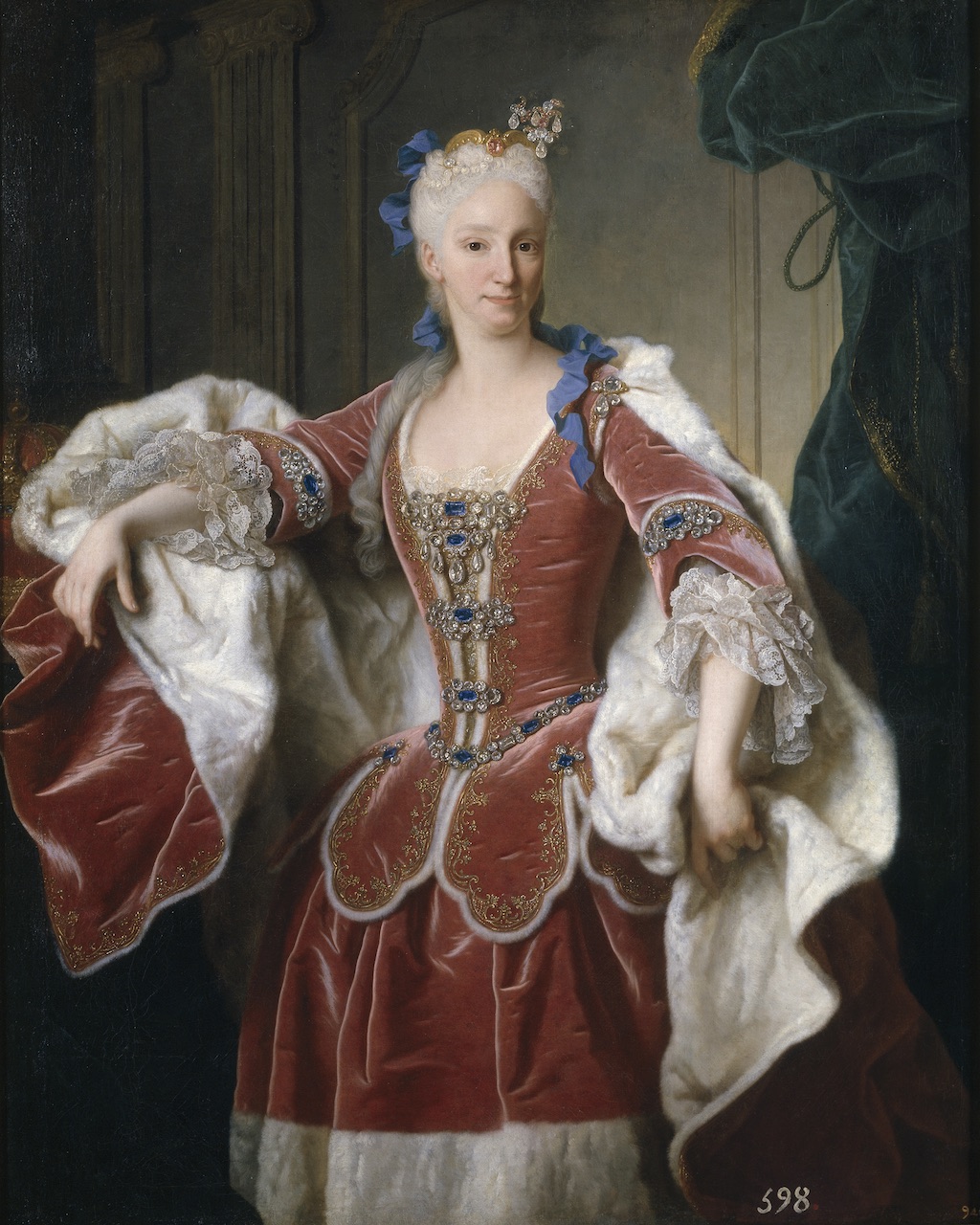
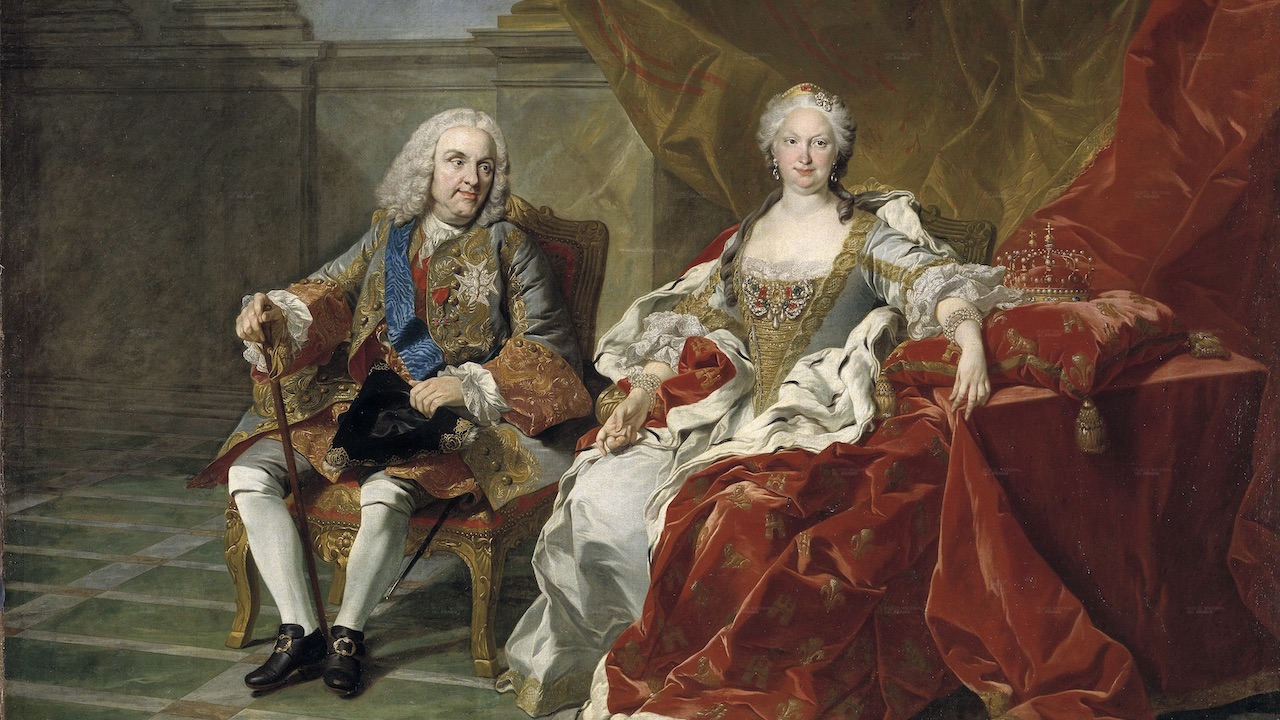
The Farnese Blue entered recorded history through Elisabeth Farnese, Queen of Spain, whose life exemplifies the political complexity of early eighteenth-century Europe. In 1715, Philip V of Spain, grandson of Louis XIV of France, required a new queen. Europe demanded a bride of royal blood, yet one without overwhelming political power.
Elisabeth, a princess from the small Duchy of Parma and a descendant of Pope Paul III, fit the requirement perfectly. The problem lay in the dowry. The War of the Spanish Succession had devastated Spain’s finances, and her father, the Duke of Parma, could not provide the lavish gifts expected of a queen.
Spain attempted to remedy the imbalance through its colonies, so orders went out for them to send extravagant wedding gifts. In August 1715, the ‘Golden Fleet’ sailed from Cuba carrying gifts of gold bullion and precious gems amassed from Spain’s global colonies. Along the way, a hurricane in the Florida Gulf destroyed all but one ship, and most of the riches vanished under the sea.
One diamond survived.
The governor of the Philippine Islands presented a pear-shaped blue diamond to Spain’s new queen. That diamond became the Farnese Blue.
The Farnese Blue Diamond’s Three Centuries in Royal Exile
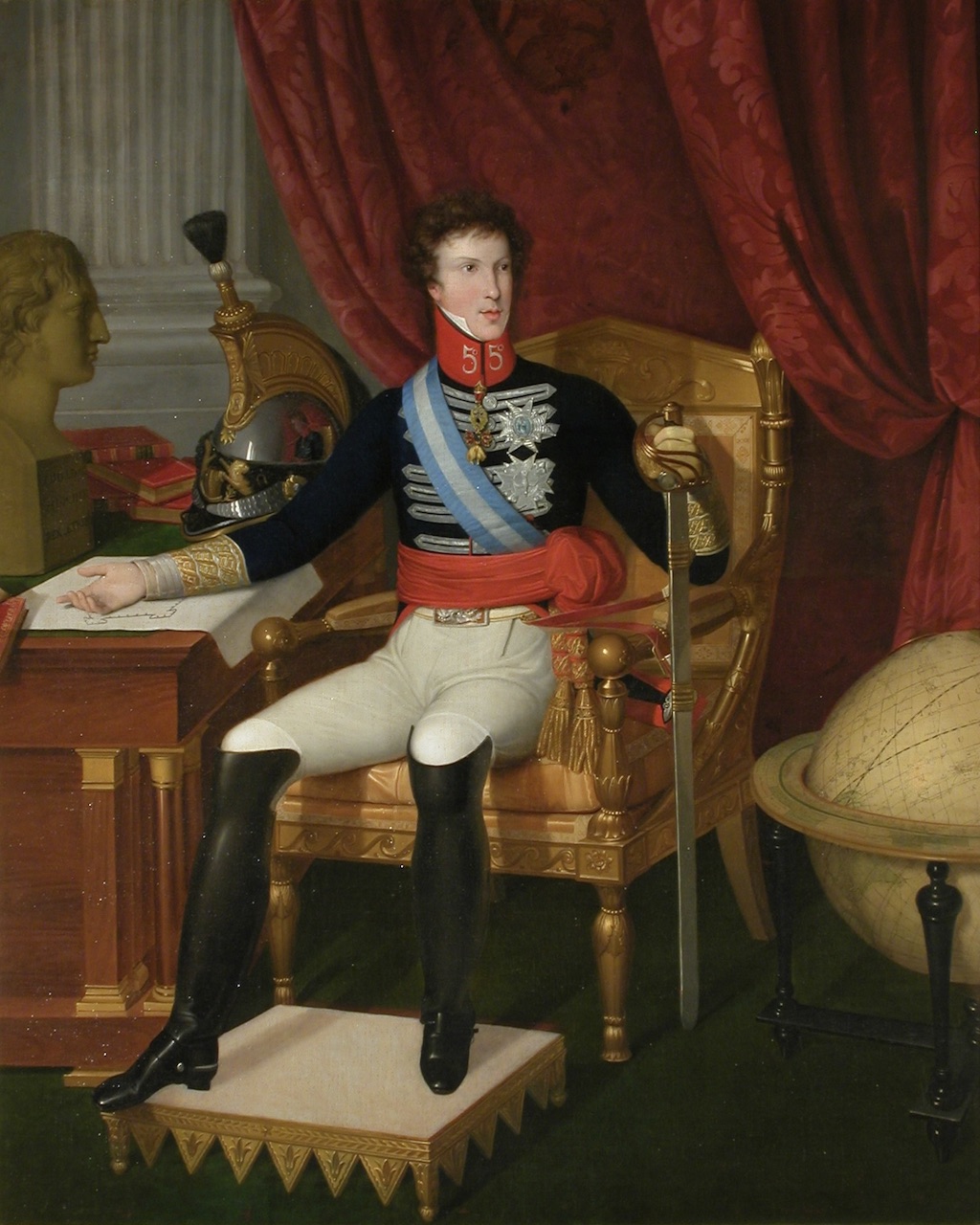
From that moment forward, the Farnese Blue moved quietly through Europe’s most powerful royal families. Elisabeth and Philip had seven children, and Elisabeth worked relentlessly to secure their positions across Europe. She likely entrusted the diamond to her favored son Philip, founder of the House of Bourbon-Parma.
From there, the diamond passed through generations. From his son Ferdinand to King Louis of Etruria, and then to Charles Louis (King Louis II), who set the blue diamond into a tie pin. As seemed so common at this time in Europe, revolutions and abdications forced him into exile under the title Comte de Villafranca, yet he never parted with the diamond.
Upon his death in 1883, the Farnese Blue passed to his grandson Robert, the last ruling Duke of Parma. Forced to leave Parma, he and the diamond found refuge with his cousin, Emperor Franz Joseph of Austria.
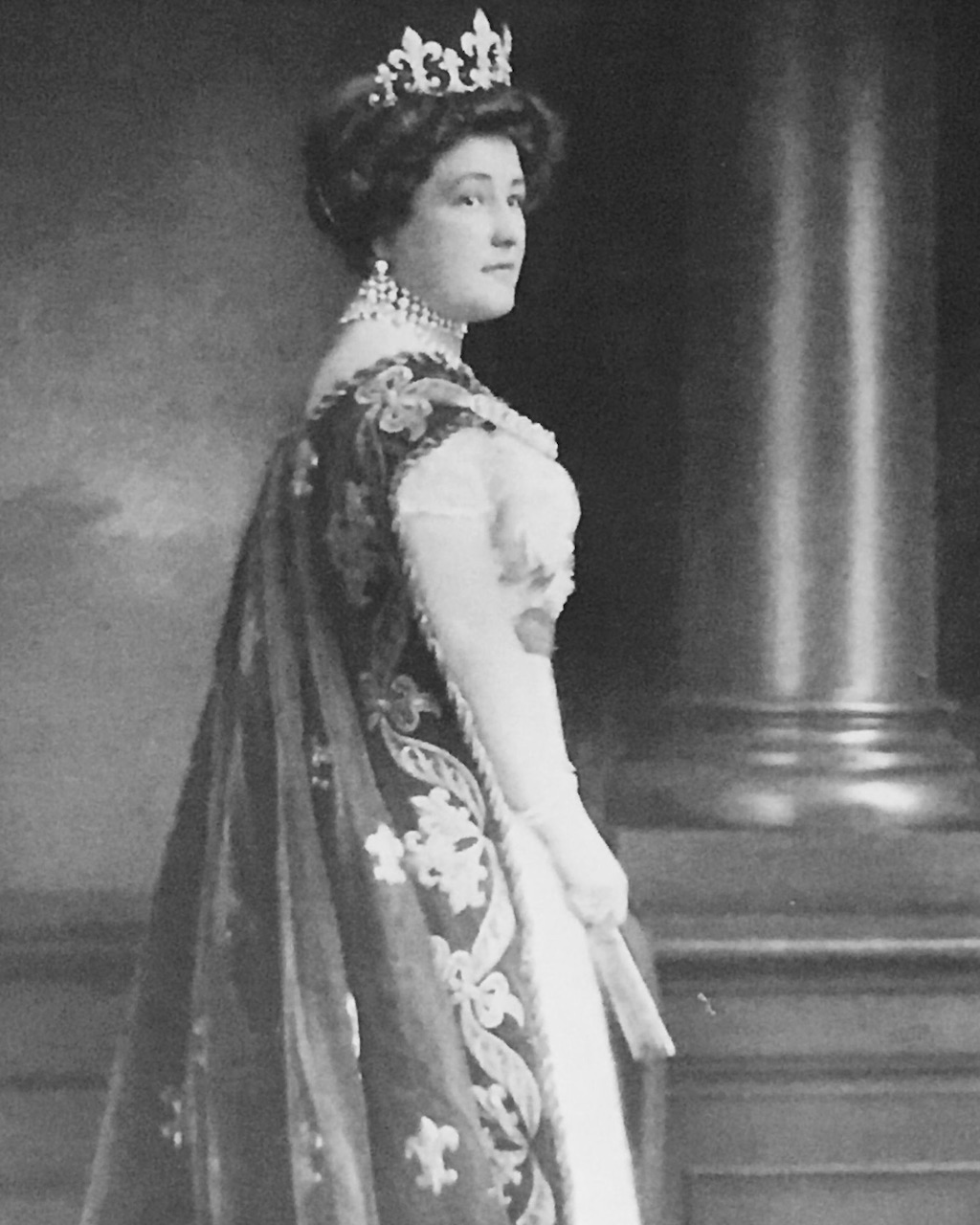
The diamond eventually passed to his son, Prince Elia, and his wife, Archduchess Maria Anna of Austria. The Archduchess meticulous jewelry inventory preserved the Farnese Blue’s provenance for history. Among her jewels stood a tiara containing diamonds once owned by Marie Antoinette. She added the blue diamond, still mounted as a tie pin at that time, to that tiara and wore it often.
The Farnese Blue Reemerges: From Royal Secrecy to Sotheby’s
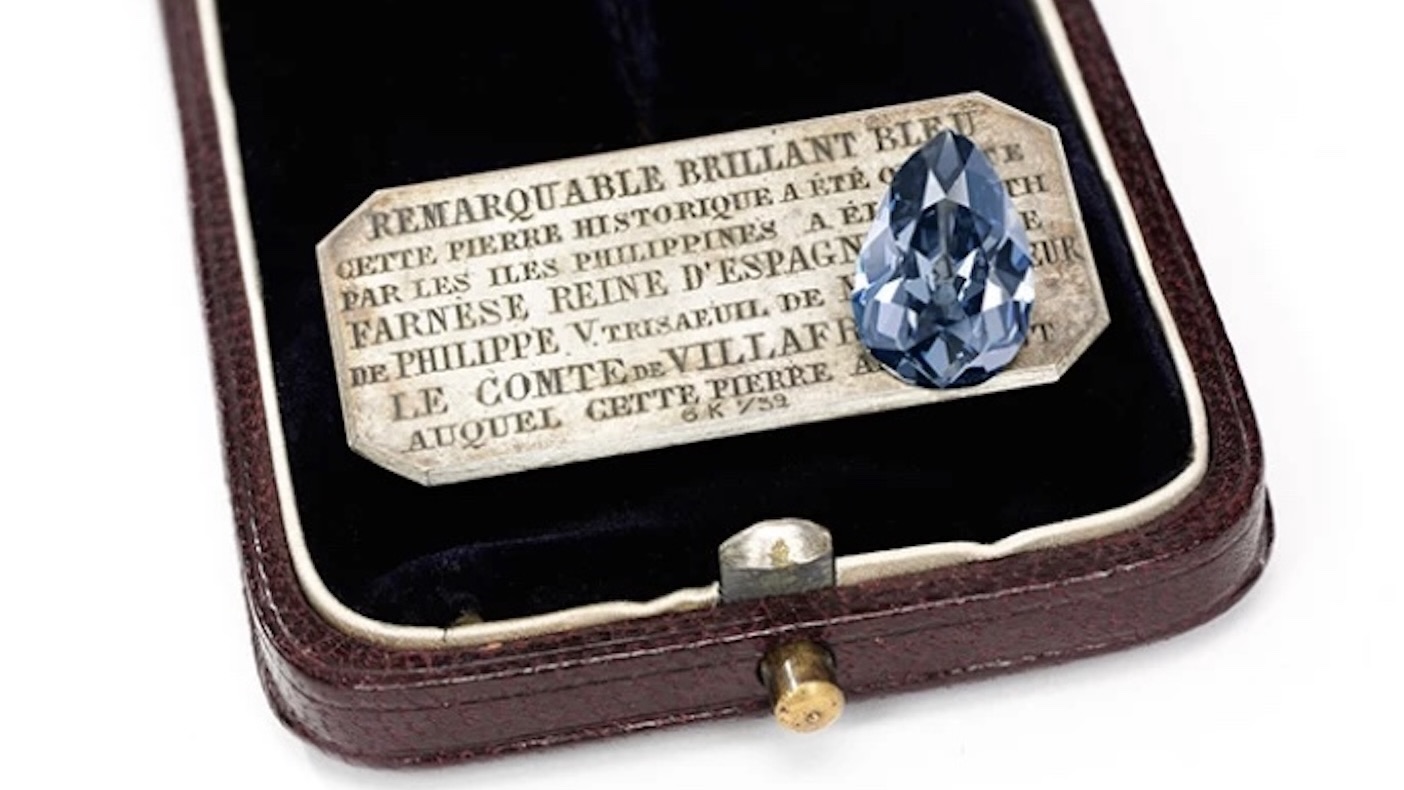
After the fall of the Austrian Empire in 1918, the Farnese Blue vanished once more. Decades passed without public mention. Then, in 2018, it resurfaced, now mounted within a colorless diamond halo on a detachable pin.
Its reappearance after essentially being kept a secret from the public for its entire life stunned historians and collectors alike. The Gemological Institute of America was now able to examine and grade the diamond for the first time, giving it an official designation of natural Fancy Dark Gray-Blue and SI1 Clarity.
That same year, Sotheby’s Auction House offered the Farnese Blue for the first time in its history. The hammer price confirmed what experts already knew. A well-documented, traceable, and fascinating provenance can elevate a natural diamond even as rare as this blue miracle of Mother Nature.